Posts Tagged ‘SAMMY “THE BULL” GRAVANO’
ABC NEWS, ADOLF HITLER, ALBERT ANASTASIA, ALTERNET, ALVIN BRAGG, AMERICABLOG, AP, BABY BOOMER RESISTANCE, BBC, BEER HALL PUTSCH, BLOOMBERG, BUZZFEED, CARLO GAMBINO, CARMINE GALANTE, CBS NEWS, CHARLGES LUCIANO, CNN, CROOKS AND LIARS, DAILY KOS, DAILY KOZ, DONALD TRUMP, FBI, FIVETHIRTYEIGHT, FRANK LOCASCIO, GAMBINO MAFIA FAMILY, HARPER’S MAGAZINE, HITLER: ASCENT (BOOK), HUFFINGTON POST, JACK SMITH, JANUARY 6 COUP ATTEMPT, JOHN GOTTI, JUSTICE DEPARTMENT, LETITIA JAMES, LOUIS DIBONO, LOUIS MILITO, MAFIA, MANHATTAN DISTRICT ATTORNEY'S OFFICE, MEDIA MATTERS, MERRICK GARLAND, MOTHER JONES, MOVEON, MSNBC, MUNICH, NAZI PARTY, NBC NEWS, NEW REPUBLIC, NEW YORK ATTORNEY GENERAL'S OFFICE, NEWSDAY, NEWSWEEK, NICCOLO MACHIAVELLI, NPR, PAUL CASTELLANO, PBS NEWSHOUR, POLITICO, POLITICUSUSA, Racketeer Influenced Corrupt Organizations (RICO) Act, RAVENITE SOCIAL CLUB, RAW STORY, REPUBLICANS, REUTERS, ROBERT DIBERNARDO, SALON, SAMMY "THE BULL" GRAVANO, SEATTLE TIMES, SLATE, STORMY DANIELS, TALKING POINTS MEMO, THE ATLANTIC, THE CHICAGO SUN-TIMES, THE CHICAGO TRIBUNE, THE DAILY BEAST, THE DAILY BLOG, THE DISCOURSES (BOOK), THE GUARDIAN, THE HILL, THE HUFFINGTON POST, THE INTERCEPT, THE LOS ANGELES TIMES, THE NATION, THE NEW REPUBLIC, THE NEW YORK TIMES, THE NEW YORKER, THE VILLAGE VOICE, THE WASHINGTON POST, THINKPROGRESS, THREATS, TIME, TREASON, TRUMP ORGANIZATION, TRUTHDIG, TRUTHOUT, TWITTER, TWO POLITICAL JUNKIES, U.S. NEWS & WORLD REPORT, UPI, USA TODAY, VINCENT "THE CHINS" GIGANTE, VOLKER ULLRICH, WEIMAR REPUBLIC, X
In Bureaucracy, History, Law Enforcement, Politics, Social commentary on April 25, 2024 at 12:11 am
No well-ordered republic should ever cancel the crimes of its citizens by their merits….For if a citizen who has rendered some eminent service to the state should add to the reputation and influence which he has thereby acquired the confident audacity of being able to commit any wrong without fear of punishment, he will in a little while become so insolent and overbearing as to put an end to all power of the law.
—Niccolo Machiavelli, “The Discourses”
When the Justice Department declared war on John Gotti, “Boss of all Bosses” of the most powerful Mafia family in the nation, no holds were barred.
The FBI employed wiretaps, electronic bugs, informants, round-the-clock surveillance and pretrial detention against the so-called “Teflon Don.”
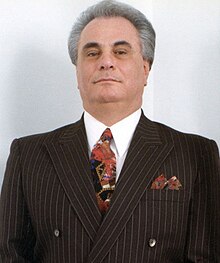
John Gotti
Now consider the DOJ’s approach to the criminality of former President Donald J. Trump.
On January 6, 2021, Trump incited thousands of his fanatical supporters to attack Congress, where Electoral College votes for the 2020 Presidential election were being counted.
About 140 police officers were assaulted; many lawmakers’ offices were vandalized; frightened lawmakers huddled in a barricaded room.
Yet Trump was allowed to remain in office for the next two weeks until the election’s victor—Joseph Biden—legally took office.

Donald Trump
Not until November 18, 2022, did Attorney General Merrick Garland appoint Jack Smith Special Counsel to prosecute Trump for his attempted coup.
To date, there is no evidence that the agency has employed wiretaps, electronic bugs and/or round-the-clock surveillance against Trump. Nor has Trump been held in pretrial detention as a continuing threat to democratic rule.
When Trump left the White House on January 20, 2021, he illegally took hundreds of highly classified documents—and stored them at his Mar-a-Lago estate in Palm Beach, Florida.
He then refused to return them when asked by the Justice Department—forcing the agency to send in an FBI force to retrieve them.
In March, 2023, Trump threatened “death and destruction” if he were criminally charged in New York for making “hush money” payments to porn “actress” Stormy Daniels. Trump shared an image of himself threatening Manhattan District Attorney Alvin Bragg with a baseball bat on his Truth Social platform.
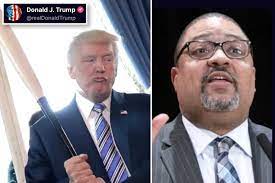
Not even Mafia bosses like Charles “Lucky” Luciano and Albert “The Executioner” Anastasia dared issue such a threat.
Yet Trump has not been arrested, let alone jailed, for an act that would have gotten anyone else charged with a felony.
Nor has Trump limited himself to attacking local New York authorities.
He has branded Jack Smith “a deranged lunatic” and “psycho” for indicting him for his theft of national security documents. He has also attacked Smith’s wife, Katy Gale Chevigny, thus exposing her to possible violence from his fanatical supporters.
Specifically: “His wife is a Trump Hater, just as he is a Trump Hater—a deranged ‘psycho’ that shouldn’t be involved in any case having to do with ‘Justice,’ other than to look at Biden as a criminal, which he is!”

Jack Smith
Trump’s attacks on Smith have led to an increase in security for the Special Counsel. Yet Smith has not moved to have Trump remanded to federal custody for actions that would have put anyone else behind bars.
History warns us of the consequences of allowing a ruthless dictator to pursue his goals with impunity.
On November 9, 1923, Nazi Party Fuhrer Adolf Hitler tried to overthrow the government in Munich, Bavaria.
About 2,000 Nazis marched to the center of Munich, where they confronted heavily-armed police. A shootout erupted, killing 16 Nazis and four policemen.
Hitler was injured during the clash, but managed to escape. Two days later, he was arrested and charged with treason.
Put on trial, he found himself treated as a celebrity by a judge sympathetic to Right-wing groups. He was allowed to brutally cross-examine witnesses and even make inflammatory speeches.
At the end of the trial, he was convicted of treason and sentenced to five years’ imprisonment.
Serving time in Landsberg Prison, in Bavaria. he was given a huge cell, allowed to receive unlimited visitors and gifts, and treated with deference by guards and inmates.
Nine months later, he was released on parole—by authorities loyal to the authoritarian Right instead of the newly-created Weimar Republic.

Adolf Hitler leaving Landsberg Prison, December, 20, 1924
Hitler immediately began rebuilding the shattered Nazi party—and deciding on a new strategy to gain power. Never again would he resort to armed force. He would win office by election—or intrigue.
Writes historian Volker Ullrich, in his monumental new biography, Hitler: Ascent 1889 – 1939: “Historians have perennially tried to answer the question of whether Hitler’s rise to power could have been halted….
“There were repeated opportunities to end Hitler’s run of triumphs. The most obvious one was after the failed Putsch of November 1923. Had the Munich rabble-rouser been forced to serve his full five-year term of imprisonment in Landsberg, it is extremely unlikely that he would have been able to restart his political career.”
The democratic Weimar Republic of Germany (1919 – 1933) found itself menaced by ruthless Fascists, betrayed by its supposed allies, and defended by liberals unwilling to forcefully defeat its enemies.
The same combination of forces is now on full display in the United States.
ABC NEWS, ADOLF HITLER, ALTERNET, ALVIN BRAGG, AMERICABLOG, AP, BABY BOOMER RESISTANCE, BBC, BEER HALL PUTSCH, BLOOMBERG, BUZZFEED, CARLO GAMBINO, CARMINE GALANTE, CBS NEWS, CNN, CROOKS AND LIARS, DAILY KOS, DAILY KOZ, DONALD TRUMP, FBI, FIVETHIRTYEIGHT, FRANK LOCASCIO, GAMBINO MAFIA FAMILY, HARPER’S MAGAZINE, HITLER: ASCENT (BOOK), HUFFINGTON POST, JUSTICE DEPARTMENT, LETITIA JAMES, LOUIS DIBONO, LOUIS MILITO, MAFIA, MANHATTAN DISTRICT ATTORNEY'S OFFICE, MEDIA MATTERS, MOTHER JONES, MOVEON, MSNBC, MUNICH, NAZI PARTY, NBC NEWS, NEW REPUBLIC, NEW YORK ATTORNEY GENERAL'S OFFICE, NEWSDAY, NEWSWEEK, NICCOLO MACHIAVELLI, NPR, PAUL CASTELLANO, PBS NEWSHOUR, POLITICO, POLITICUSUSA, Racketeer Influenced Corrupt Organizations (RICO) Act, RAVENITE SOCIAL CLUB, RAW STORY, REPUBLICANS, REUTERS, ROBERT DIBERNARDO, SALON, SAMMY "THE BULL" GRAVANO, SEATTLE TIMES, SLATE, STORMY DANIELS, TALKING POINTS MEMO, THE ATLANTIC, THE CHICAGO SUN-TIMES, THE CHICAGO TRIBUNE, THE DAILY BEAST, THE DAILY BLOG, THE DISCOURSES (BOOK), THE GUARDIAN, THE HILL, THE HUFFINGTON POST, THE INTERCEPT, THE LOS ANGELES TIMES, THE NATION, THE NEW REPUBLIC, THE NEW YORK TIMES, THE NEW YORKER, THE VILLAGE VOICE, THE WASHINGTON POST, THINKPROGRESS, THREATS, TIME, TREASON, TRUMP ORGANIZATION, TRUTHDIG, TRUTHOUT, TWITTER, TWO POLITICAL JUNKIES, U.S. NEWS & WORLD REPORT, UPI, USA TODAY, VINCENT "THE CHINS" GIGANTE, VOLKER ULLRICH, WEIMAR REPUBLIC, X
In Bureaucracy, History, Law, Law Enforcement, Politics, Social commentary on April 24, 2024 at 12:12 am
On December 11, 1990, FBI agents and NYPD detectives raided the Ravenite Social Club in Manhattan.
They had arrest warrants for John Gotti, boss of the Gambino Mafia Family, and his two lieutenants: Sammy “The Bull” Gravano, his underboss, or second-in-command, and Frankie Locascio, his Consigliere, or adviser.
Federal prosecutors charged Gotti with five murders, conspiracy to murder, loansharking, illegal gambling, obstruction of justice, bribery and tax evasion.
From the date of his arrest to the date of his conviction on all charges on April 2, 1992, Gotti remained in pre-trial detention at the Metropolitan Correctional Center in New York City.
Although he had never threatened prosecutors or judges, he had bribed juries and ordered the murders of gangland associates. The Justice Department considered him too dangerous to be allowed outside confinement.
Gotti had become boss of the Gambino Family in December, 1985—by arranging the execution of its then-boss, Paul “Big Paul” Castellano, on December 16.
Since then, he had moved his headquarters from Queens to the Ravenite. And, like a king holding court, he had ordered all of his captains to report to him at the Ravenite once a week.
Word quickly reached the FBI—and agents in vans shot video as they staked out Prince Street.
Gotti had handed the FBI a mob organization chart.

FBI Seal
It was only a matter of time before the FBI’s Technical Surveillance Squad (TSS) breached the security of the Ravenite.
In 1989, the TSS planted a hidden microphone in an apartment above the Ravenite where Gotti held his secret meetings. Tape recorders were running when he bragged that he had ordered three murders—and was running a criminal enterprise: The Gambino Mafia Family.
When he wasn’t bragging, Gotti was badmouthing virtually everyone—past and present—in the Mafia: Paul Castellano, Carlo Gambino, Vincent “The Chins” Gigante. And, most fatally, his own underboss: Sammy “The Bull” Gravano.
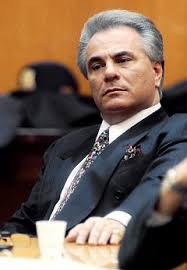
John Gotti
On December 12, 1989, the electronic bug picked up the following conversation between Gotti and his Consigliere, or adviser, Frankie Locascio.
The subject: The murders of three former Gambino Family mobsters: Robert “Deebee” DiBernardo, Louis Milito and Louis DiBono.
DiBernardo had been murdered over Gravano’s objections. A fellow mobster had told Gotti that DiBernardo had made “subversive” comments behind Gotti’s back.
But that wasn’t the way Gotti told it.
GOTTI: “Deebee, did he ever talk subversive to you?”
LOCASCIO: “Never.”
GOTTI: “Never talked it to Angelo, never talked it to [Joseph Armone] either. I took Sammy’s word that he talked about me behind my back….I was in jail when I whacked him. I knew why it was being done. I done it anyway. I allowed it to be done anyway.”
Next Gotti focused on the murders of Louis Milito and Louis DiBono. Milito had been “whacked” for questioning Gotti’s judgment. And DiBono had been hit because he refused to answer a Gotti summons.
But Gotti was determined to lay the blame on Gravano. He claimed that both men had been killed because Gravano had asked for permission to remove his business partners.
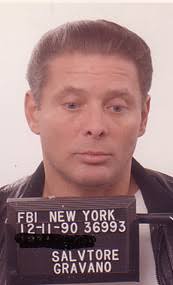
Sammy “The Bull” Gravano
And there was more: Gotti accused Gravano of excessive greed—and hoarding money for himself at the expense of the Family.
GOTTI: “That’s Sammy….Every fucking time I turn around there’s a new company poppin’ up. Building. Consulting. Concrete. Where the hell did all these new companies come from? Where did five new companies come from?”
He accused Gravano of creating “a fuckin’ army inside an army,” adding: “You know what I’m saying, Frankie? I saw that shit and I don’t need that shit.”
At a pretrial hearing following the arrests of Gotti, Gravano and Locascio, prosecutors played the FBI’s tapes of Gotti’s unintended confessions—including his badmouthing of Gravano.
Gravano suddenly realized that his future in the Mafia was nil.
Gravano, Gotti and Locascio were all facing life imprisonment as targets of RICO—the Racketeer Influenced Corrupt Organizations Act.
And if the Feds didn’t send him to prison, mob gunmen—sent by Gotti—would eventually get him. Gotti clearly planned to make him the fall guy—in court or in a coffin—for murders that Gotti himself had ordered.
Only John Gotti was shocked when Gravano agreed to testify against him—and other Mafiosi—in exchange for a five-year prison sentence.
Gravano, as Gotti’s second-in-command, had literally been at the seat of power for five years. He knew the secrets of the Gambino Family—and the other four Mafia families who ruled New York.
On April 2, 1992, a jury convicted Gotti of five murders, conspiracy to murder, loansharking, illegal gambling, obstruction of justice, bribery and tax evasion. He drew a life sentence, without possibility of parole.
Gotti was incarcerated at the United States Penitentiary at Marion, Illinois, in virtual solitary confinement. He died of throat cancer on June 10, 2002, at the age of 61.
Donald Trump resembles his fellow New Yorker, John Gotti, in more ways than he would like to admit: In his greed, arrogance, egomania, love of publicity and vindictiveness.
But there is a huge difference between the no-nonsense way that federal prosecutors and judges treated Gotti—and the way they have cringed before Trump.
2016 PRESIDENTIAL CAMPAIGN, ABC NEWS, ALTERNET, ALVIN BRAGG, AP, BUZZFEED, CARLO GAMBINO, CARMINE GALANTE, CBS NEWS, CNN, CROOKS AND LIARS, DAILY KOZ, DONALD TRUMP, DONALD TRUMP JR., ESQUIRE, FACEBOOK, FBI, FRANK LOCASCIO, GAMBINO MAFIA FAMILY, GEORGE STEPHANOPOULOS, HILLARY CLINTON, HOUSE INTELLIGENCE COMMITTEE, HOUSE OVERSIGHT COMMITTEE, IVANA TRUMP, JARED KUSHNER, LETITIA JAMES, LOUIS DIBONO, LOUIS MILITO, MAFIA, MANHATTAN DISTRICT ATTORNEY'S OFFICE, MICHAEL COHEN, MOTHER JONES, MOVEON, MSNBC, NBC NEWS, NEW YORK ATTORNEY GENERAL'S OFFICE, NEWSWEEK, NPR, OLEG DERIPASKA, PAUL CASTELLANO, PAUL MANAFORT, POLITICO, Racketeer Influenced Corrupt Organizations (RICO) Act, RAVENITE SOCIAL CLUB, RAW STORY, REPUBLICANS, REUTERS, ROBERT DIBERNARDO, ROBERT MUELLER, SALON, SAMMY "THE BULL" GRAVANO, SEAN SPICER, SEATTLE TIMES, SENATE INTELLIGENCE COMMITTEE, SLATE, STORMY DANIELS, THE ATLANTIC, THE CHICAGO SUN-TIMES, THE CHICAGO TRIBUNE, THE DAILY BEAST, THE GUARDIAN, THE HILL, THE HUFFINGTON POST, THE LOS ANGELES TIMES, THE NATION, THE NEW YORK TIMES, THE WASHINGTON POST, TIME, TRUMP ORGANIZATION, TRUMP TOWER, TWITTER, U.S. NEWS & WORLD REPORT, UPI, USA TODAY, VIkTOR YANUKOVYCH, VINCENT "THE CHINS" GIGANTE, VLADIMIR PUTIN
In Bureaucracy, History, Law, Law Enforcement, Politics, Social commentary on May 2, 2023 at 12:06 am
Donald Trump shares more than a few striking similarities with John Gotti, who, for five years, ruled as the boss of the most powerful Mafia family in the United States: The Gambino Family.
Among those similarities: A complete lack of loyalty to anyone.
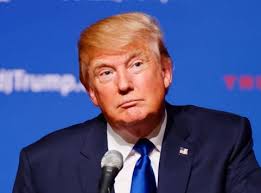
Donald Trump
Unknowingly speaking into an FBI electronic bug, Gotti charged that Sammy “The Bull” Gravano, his underboss, or second-in command, was too greedy. He also blamed him for the murders of three Mafiosi whom Gotti had ordered hit.
When Gravano learned of these slanders at a pretrial hearing, he agreed to testify against Gotti and other Mafiosi in exchange for a five-year prison sentence.
And just as Gotti’s disloyalty ultimately destroyed him, the same may prove true for Trump.
Consider the case of attorney Michael Cohen.
- An executive of the Trump Organization, Cohen acted as “Trump’s pit bull.” “If somebody does something Mr. Trump doesn’t like,” he told ABC News in 2011, “I do everything in my power to resolve it to Mr. Trump’s benefit.”
- In 2015, a reporter for The Daily Beast asked Cohen about Ivana Trump’s charge (later recanted) that Trump had raped her while they were married. Cohen: “I’m warning you, tread very fucking lightly, because what I’m going to do to you is going to be fucking disgusting.”
- In 2016, while Trump was running for President, Cohen acted as the go-between for a $130,000 hush-money payoff to porn star Stormy Daniels. The reason: To prevent her from revealing a 2006 tryst she had had with Trump.
Cohen wasn’t just Trump’s lawyer. He was his fixer, a man who made problems “go away” with threats and bribes. He knows many—if not most—of Trump’s darkest secrets.
In April 2018, the United States Attorney for the Southern District of New York began investigating Cohen. Charges included bank fraud, wire fraud and violations of campaign finance law.

Michael Cohen
By IowaPolitics.com (Trump executive Michael Cohen 012) [CC BY-SA 2.0 (https://creativecommons.org/licenses/by-sa/2.0)%5D, via Wikimedia Commons
On April 9, 2018, the FBI, executing a federal search warrant, raided Cohen’s office at the law firm of Squire Patton Boggs, as well as his home and his hotel room in the Loews Regency Hotel in New York City. Agents seized emails, tax and business records and recordings of phone conversations that Cohen had made.
Trump’s response: “Michael Cohen only handled a tiny, tiny fraction of my legal work.”
Thus Trump undermined the argument of Cohen’s lawyers that he was the President’s personal attorney—and therefore everything Cohen did was protected by attorney-client privilege.
An April 19, 2018 headline in Esquire magazine warned: “If the Water is Rising, Donald Trump Will Throw You Overboard.”
The article read in part:
“No matter how long or how intimately you’ve known Donald Trump, you’re one news cycle away from being tossed overboard….
“An old friend becomes a needy acquaintance; a campaign chairman becomes someone you got from the temp agency; a national security adviser becomes a ‘volunteer.’”
On August 21, 2018, Cohen pleaded guilty to eight criminal charges: five counts of tax evasion, one count of making false statements to a financial institution, one count of willfully causing an unlawful corporate contribution, and one count of making an excessive campaign contribution at the request of a candidate (Trump) for the “principal purpose of influencing [the] election.”
On December 12, 2018, Cohen was sentenced to three years in federal prison and ordered to pay a $50,000 fine after pleading guilty to tax evasion and campaign-finance violations. On February 26, 2019, he was disbarred from practicing law in New York by the New York Supreme Court.
Cohen reported to the federal prison near Otisville, New York, on May 6, 2019. But he was released from Otisville on July 24, 2020, due to concerns about the spreading COVID-19 virus. He would serve the rest of his sentence under house arrest.
Cohen has been quick to return Trump’s disloyalty. He has:
- Cooperated with Manhattan District Attorney Alvin Bragg’s investigation of Trump’s hush money payoff to Stormy Daniels;
- Shared information with New York Attorney General Letitia James, who is investigating the Trump Organization for potential financial fraud; and
- Testified before the House Intelligence Committee, the House Oversight Committee and the Senate Intelligence Committee.
He described Trump as a “racist,” a “con man”, and a “cheat.” Expressing remorse for what he had done for Trump, he accused him of:
- Reimbursing him for illegal hush money payments;
- Telling him to lie to Congress and the public about the Trump Tower Moscow negotiations; and
- Filing false financial statements with banks and insurance companies.
Trump is now facing multiple investigations at local, state and federal levels—any one of which could result in a felony conviction.
His approach when dealing with adversaries has always been bribery or intimidation. But when he meets an opponent who can’t be bought or bullied, he retreats into sulking and self-pitying rants.
Trump has survived investigations for years. And he may survive several—or all—of these.
But even if he escapes conviction, he will spend years—and huge sums of money—fighting off prosecutors and plaintiffs’ attorneys.
For a man in his mid-70s, that cannot be a happy prospect.
2016 PRESIDENTIAL CAMPAIGN, ABC NEWS, ALTERNET, ALVIN BRAGG, AP, BUZZFEED, CARLO GAMBINO, CARMINE GALANTE, CBS NEWS, CNN, CROOKS AND LIARS, DAILY KOZ, DONALD TRUMP, DONALD TRUMP JR., ESQUIRE, FACEBOOK, FBI, FRANK LOCASCIO, GAMBINO MAFIA FAMILY, GEORGE STEPHANOPOULOS, HILLARY CLINTON, HOUSE INTELLIGENCE COMMITTEE, HOUSE OVERSIGHT COMMITTEE, IVANA TRUMP, JARED KUSHNER, LETITIA JAMES, LOUIS DIBONO, LOUIS MILITO, MAFIA, MANHATTAN DISTRICT ATTORNEY'S OFFICE, MICHAEL COHEN, MOTHER JONES, MOVEON, MSNBC, NBC NEWS, NEW YORK ATTORNEY GENERAL'S OFFICE, NEWSWEEK, NPR, OLEG DERIPASKA, PAUL CASTELLANO, PAUL MANAFORT, POLITICO, Racketeer Influenced Corrupt Organizations (RICO) Act, RAVENITE SOCIAL CLUB, RAW STORY, REPUBLICANS, REUTERS, ROBERT DIBERNARDO, ROBERT MUELLER, SALON, SAMMY "THE BULL" GRAVANO, SEAN SPICER, SEATTLE TIMES, SENATE INTELLIGENCE COMMITTEE, SLATE, STORMY DANIELS, THE ATLANTIC, THE CHICAGO SUN-TIMES, THE CHICAGO TRIBUNE, THE DAILY BEAST, THE GUARDIAN, THE HILL, THE HUFFINGTON POST, THE LOS ANGELES TIMES, THE NATION, THE NEW YORK TIMES, THE WASHINGTON POST, TIME, TRUMP ORGANIZATION, TRUMP TOWER, TWITTER, U.S. NEWS & WORLD REPORT, UPI, USA TODAY, VIkTOR YANUKOVYCH, VINCENT "THE CHINS" GIGANTE, VLADIMIR PUTIN
In Bureaucracy, History, Law, Law Enforcement, Politics, Social commentary on May 1, 2023 at 2:00 am
On December 11, 1990, FBI agents and NYPD detectives raided the Ravenite Social Club in Manhattan.
They had arrest warrants for John Gotti, boss of the Gambino Mafia Family, and his two lieutenants: Sammy “The Bull” Gravano, his underboss, or second-in-command, and Frankie Locascio, his Consigliere, or adviser.
Gotti had become boss of the Gambino Family in December, 1985—by arranging the execution of its then-boss, Paul “Big Paul” Castellano, on December 16.
Since then, he had moved his headquarters from Queens to the Ravenite. And, like a king holding court, he had ordered all of his captains to report to him at the Ravenite once a week.
Word quickly reached the FBI—and agents in vans shot video as they staked out Prince Street.
Gotti had handed the FBI a mob organization chart.
FBI Seal
It was only a matter of time before the FBI’s Technical Surveillance Squad (TSS) breached the security of the Ravenite.
In 1989, the TSS planted a hidden microphone in an apartment above the Ravenite where Gotti held his secret meetings. Tape recorders were running when he bragged that he had ordered three murders—and was running a criminal enterprise: The Gambino Mafia Family.
When he wasn’t bragging, Gotti was badmouthing virtually everyone—past and present—in the Mafia: Paul Castellano, Carlo Gambino, Vincent “The Chins” Gigante. And, most fatally, his own underboss: Sammy “The Bull” Gravano.
John Gotti
On December 12, 1989, the electronic bug picked up the following conversation between Gotti and his Consigliere, or adviser, Frankie Locascio.
The subject: The murders of three former Gambino Family mobsters: Robert “Deebee” DiBernardo, Louis Milito and Louis DiBono.
DiBernardo had been murdered over Gravano’s objections. A fellow mobster had told Gotti that DiBernardo had made “subversive” comments behind Gotti’s back.
But that wasn’t the way Gotti told it.
GOTTI: “Deebee, did he ever talk subversive to you?”
LOCASCIO: “Never.”
GOTTI: “Never talked it to Angelo, never talked it to [Joseph Armone] either. I took Sammy’s word that he talked about me behind my back….I was in jail when I whacked him. I knew why it was being done. I done it anyway. I allowed it to be done anyway.”
Next Gotti focused on the murders of Louis Milito and Louis DiBono. Milito had been “whacked” for questioning Gotti’s judgment. And DiBono had been hit because he refused to answer a Gotti summons.
But Gotti was determined to lay the blame on Gravano. He claimed that both men had been killed because Gravano had asked for permission to remove his business partners.
Sammy “The Bull” Gravano
GOTTI: “Every time we get a partner that don’t agree with us, we kill him. [The] boss kills him. He kills him. He okays it. Says it’s all right, good.”
And there was more: Gotti accused Gravano of excessive greed—and hoarding money for himself at the expense of the Family.
GOTTI: “That’s Sammy….Every fucking time I turn around there’s a new company poppin’ up. Building. Consulting. Concrete. Where the hell did all these new companies come from? Where did five new companies come from?
“Paul [Castellano, the Gambino Family’s previous boss] sold the Family out for a fucking construction company. And that’s what Sammy’s doing now. Three, four guys will wind up with every fuckin’ thing. And the rest of the Family looks like waste.”
He accused Gravano of creating “a fuckin’ army inside an army,” adding: “You know what I’m saying, Frankie? I saw that shit and I don’t need that shit.”
Gotti’s effort to rewrite history soon came back to haunt him.
At a pretrial hearing following the arrests of Gotti, Gravano and Locascio, prosecutors played the FBI’s tapes of Gotti’s unintended confessions—including his badmouthing of Gravano.
Gravano suddenly realized that his future in the Mafia was nil.
Gravano, Gotti and Locascio were all facing life imprisonment as targets of RICO—the Racketeer Influenced Corrupt Organizations Act.
And if the Feds didn’t send him to prison, mob gunmen—sent by Gotti—would eventually get him. Gotti clearly planned to make him the fall guy—in court or in a coffin—for murders that Gotti himself had ordered.
Only John Gotti was shocked when Gravano agreed to testify against him—and other Mafiosi—in exchange for a five-year prison sentence.
Gravano, as Gotti’s second-in-command, had literally been at the seat of power for five years. He knew the secrets of the Gambino Family—and the other four Mafia families who ruled New York.
On April 2, 1992, a jury convicted Gotti of five murders, conspiracy to murder, loansharking, illegal gambling, obstruction of justice, bribery and tax evasion. He drew a life sentence, without possibility of parole.
Gotti was incarcerated at the United States Penitentiary at Marion, Illinois, in virtual solitary confinement. He died of throat cancer on June 10, 2002, at the age of 61.
Donald Trump resembles his fellow New Yorker, John Gotti, in more ways than he would like to admit: In his greed, arrogance, egomania, love of publicity and vindictiveness.
So far, he has survived his lifelong hubris. But he may not survive his lifelong dedication to “looking out for Number One.”
ABC NEWS, ALTERNET, AMERICABLOG, AP, BABY BOOMER RESISTANCE, BBC, BLOOMBERG NEWS, BUZZFEED, CBS NEWS, CNN, CROOKS AND LIARS, DAILY KOZ, DEAN MARTIN, DRUDGE REPORT, DRUG WAR, FACEBOOK, FBI, FIVETHIRTYEIGHT, FRANK SINATRA, HARPER’S MAGAZINE, HUFFINGTON POST, JOAQUIN "EL CHAPO" GUZMAN, JOHN F. KENNEDY, JOHN GOTTI, JOSEPH P. KENNEDY, MAFIA, MEDIA MATTERS, MICKEY COHEN, MOTHER JONES, MOVEON, MSNBC, NBC NEWS, NEW REPUBLIC, NEWSDAY, NEWSWEEK, NPR, PBS NEWSHOUR, POLITICO, POLITICUSUSA, RAW STORY, REUTERS, ROBERT F. KENNEDY, ROLLING STONE, SALON, SAM GIANCANA, SAMMY "THE BULL" GRAVANO, SAMMY DAVIS JR., SEAN PENN, SEATTLE TIMES, SLATE, TALKING POINTS MEMO, THE ATLANTIC, THE CHICAGO SUN-TIMES, THE CHICAGO TRIBUNE, THE DAILY BEAST, THE DAILY BLOG, THE GUARDIAN, THE HILL, THE HUFFINGTON POST, THE LOS ANGELES TIMES, THE NATION, THE NEW REPUBLIC, THE NEW YORK TIMES, THE NEW YORKER, THE VILLAGE VOICE, THE WASHINGTON POST, THINKPROGRESS, TIME, TRUTHDIG, TRUTHOUT, TWITTER, TWO POLITICAL JUNKIES, U.S. NEWS & WORLD REPORT, UPI, USA TODAY, WITNESS SECURITY PROGRAM, WONKETTE
In Bureaucracy, History, Law Enforcement, Politics, Social commentary on December 3, 2021 at 12:10 am
Sean Penn is not the first celebrity to “get close to” a gangster.
Singer Frank Sinatra set the standard as far back as the 1940s when he was often seen in the company of notorious Mafiosi such as Charles “Lucky” Luciano and Willie Moretti.
(It was Moretti who is rumored to have freed Sinatra from his financially-limiting contract with bandleader Tommy Dorsey in the early 1940s.
His alleged method of persuasion: Jamming a pistol down Dorsey’s throat and threatening to kill him. Dorsey eventually sold the contract to Sinatra for one dollar.)
But the mobster whom Sinatra was most-often linked with—by gossip and FBI reports—was Sam “Mooney” Giancana.
Giancana started out as a “wheelman” and enforcer for the teenage “42 Gang,” then joined the Chicago mob in the late 1930s. By 1957 he had been appointed its boss.
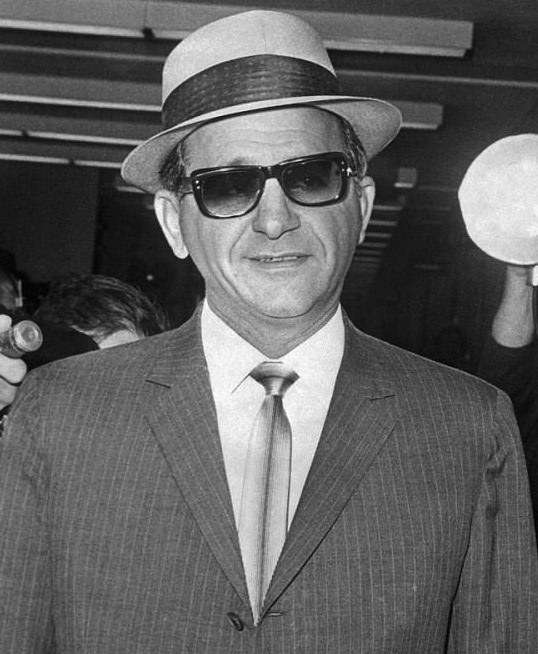
Sam Giancana
Sinatra often partied with Giancana, both in nightclubs and at his own residence in Palm Springs, California.
In December, 1959, financier Joseph P. Kennedy summoned Sinatra to the family compound in Hyannis Port, Massachusetts. His son, Senator John F. Kennedy, was planning to run for President in 1960. And the elder Kennedy wanted Sinatra’s help.
Sinatra and the Senator were by now well-acquainted. They shared a taste for gossip, nightclubs and beautiful women.
According to Sinatra’s daughter, Tina, the Kennedy patriarch said: “I think that you can help [the campaign] in [the] West Virginia [primary] and Illinois [in the general election] with our friends.
“You understand, Frank, I can’t go. They’re my friends, too, but I can’t approach them. But you can.”

Frank Sinatra
By “our friends,” Kennedy meant the Mafia. Joseph P. Kennedy had done business with the mob as a bootlegger during Prohibition.
Now he wanted the Mafia to pressure local union members into voting for JFK—and making contributions to the Kennedy Presidential campaign.
Sinatra went to his friend, Sam Giancana, and asked for the mob’s support. And Giancana promised to deliver it.
In return, Giancana—and other mobsters—expected to win an ally in the White House. He was later overheard on an FBI wiretap saying he had been promised by Sinatra that “if I even got a traffic ticket, none of those fuckers [the FBI] would know me.”
Since 1959, Giancana and other “Top Hoodlum” mobsters had been under increasingly heavy FBI surveillance. Giancana wanted it stopped.
And Sinatra had assured him that, under a Kennedy Presidency, it would stop.
On Election Night, 1960, John F. Kennedy carried Illinois—and won the White House by a mere 120,000 votes nationwide.
Then, to the horror of the Mafia, JFK installed his brother, Robert Francis Kennedy, as Attorney General. From 1957 to 1959, RFK had pursued gangsters as chief counsel for the Senate Rackets Committee.
Now he declared all-out war on organized crime. Convictions against organized crime figures rose 800% during his four years in office.
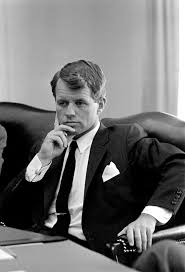
Robert F. Kennedy
Sinatra tried to deliver for Giancana. He sent Peter Lawford—his Rat Pack pal and brother-in-law to the President—to talk with Robert Kennedy about laying off on the Mafia don.
Kennedy bluntly told Lawford to mind his own business.
Giancana came under even greater pressure. FBI agents put a 24-hour “lockstep” surveillance on him, following him even into church and restrooms.
“I was on the road with this broad,” Giancana raged to his murderous associate, Johnny Formosa. “There must have been 20 guys [FBI agents]. They were next door, upstairs, downstairs, surrounded all the way around!
“Get in a car, somebody picks you up I lose that tail—boom!—I get picked up someplace else! Four or five cars, back and forth, back and forth.”
In another exchange with Formosa, Giancana’s anger at Sinatra boiled over:
“The last time I talked to [Sinatra] was at the hotel in Florida. And he said, ‘Don’t worry about it. If I can’t talk to the old man [Joseph P. Kennedy] I’m going to talk to the man [President Kennedy].’
“One minute he says he’s talked to Robert, and the next minute he says he hasn’t talked to him. So he never did talk to him.”
Formosa suggested a remedy: “Let’s show ’em. Let’s show those fuckin’ Hollywood fruitcakes that they can’t get away with it as if nothin’s happened.
“Let’s hit Sinatra. Or I could whack out a couple of those other guys, Lawford and that [Dean] Martin. And I could take the nigger [Sammy Davis, Jr.] and put his other eye out.”
Giancana refused to issue the contract. But he seriously considered doing so, as he confessed to a Chicago associate named Tommy DiBella:
“One night I’m fucking Phyllis [McGuire, a member of the famous McGuire sisters trio], playing Sinatra songs in the background, and the whole time I’m thinking to myself, ‘Christ, how can I silence that voice?’
“It’s the most beautiful voice in the world. Frank’s lucky he’s got it. It saved his life.”
Sinatra’s Rat Pack “pally,” Dean Martin, summed it up: “Only Frank could get away with the shit he’s got away with. Only Frank. Anybody else would’ve been dead.”
Sinatra survived the murderous anger of a mob boss. It remains to be seen if Sean Penn can do the same.
ABC NEWS, ALTERNET, AMERICABLOG, AP, BABY BOOMER RESISTANCE, BBC, BLOOMBERG NEWS, BUZZFEED, CBS NEWS, CNN, CROOKS AND LIARS, DAILY KOZ, DEAN MARTIN, DRUDGE REPORT, DRUG WAR, FACEBOOK, FBI, FIVETHIRTYEIGHT, FRANK SINATRA, HARPER’S MAGAZINE, HUFFINGTON POST, JOAQUIN "EL CHAPO" GUZMAN, JOHN F. KENNEDY, JOHN GOTTI, JOSEPH P. KENNEDY, MAFIA, MEDIA MATTERS, MICKEY COHEN, MOTHER JONES, MOVEON, MSNBC, NBC NEWS, NEW REPUBLIC, NEWSDAY, NEWSWEEK, NPR, PBS NEWSHOUR, POLITICO, POLITICUSUSA, RAW STORY, REUTERS, ROBERT F. KENNEDY, ROLLING STONE, SALON, SAM GIANCANA, SAMMY "THE BULL" GRAVANO, SAMMY DAVIS JR., SEAN PENN, SEATTLE TIMES, SLATE, TALKING POINTS MEMO, THE ATLANTIC, THE CHICAGO SUN-TIMES, THE CHICAGO TRIBUNE, THE DAILY BEAST, THE DAILY BLOG, THE GUARDIAN, THE HILL, THE HUFFINGTON POST, THE LOS ANGELES TIMES, THE NATION, THE NEW REPUBLIC, THE NEW YORK TIMES, THE NEW YORKER, THE VILLAGE VOICE, THE WASHINGTON POST, THINKPROGRESS, TIME, TRUTHDIG, TRUTHOUT, TWITTER, TWO POLITICAL JUNKIES, U.S. NEWS & WORLD REPORT, UPI, USA TODAY, WITNESS SECURITY PROGRAM, WONKETTE
In Bureaucracy, History, Law Enforcement, Politics, Social commentary, Uncategorized on December 2, 2021 at 12:11 am
Actor Sean Penn believes the Mexican Government wants to put him at risk by convincing Joaquin “El Chapo” (“Shorty”) Guzman that Penn played a role—deliberately or negligently—in his capture.
“We know the Mexican government, they clearly were humiliated by the notion that someone found him before they did,” Penn told interviewer Charlie Rose.
“Nobody found him before they did. We are not smarter than the DEA, or Mexican Intelligence. We had a contact upon which we were able to facilitate an invitation.”
By “we” Penn meant himself and Mexican actress Kate del Castillo, who had actually arranged the meeting.

Actress Kate del Castillo
“They wanted to encourage the cartel to put you in their crosshairs?” Rose asked.
“Yes,” Penn answered.
This is entirely possible. Guzman’s escape from a “maximum security” prison in July, 2015, had proved internationally embarrassing for the Mexican Government
Even more embarrassing: He escaped through a mile-long tunnel that literally led to his cell. Almost certainly this happened with the collusion of some prison guards.
Penn—and del Castillo—could face dangers from at least three groups.
Danger #1: El Chapo
Already there is evidence that “El Chapo” regrets having given an interview to Penn and del Castillo in the Mexican jungle on October 2, 2015.
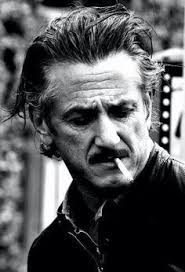
Sean Penn
Published in Rolling Stone on January 9, 2016, the article contained such Guzman boasts as:
“I supply more heroin, methamphetamine, cocaine and marijuana than anyone else in the world. I have a fleet of submarines, airplanes, trucks and boats.”
Juan Pablo Badillo, one of Guzman’s attorneys, has since claimed that the article contains falsehoods:
“It’s a lie, absurd speculation from Mr. Penn. Mr. Penn should be called to testify to respond about the stupidities he has said.
“He [Guzman] could not have made these claims. Mr. Guzman is a very serious man, very intelligent.”
This could spell danger for Penn and del Castillo. Guzman is responsible for the deaths of thousands of rivals, journalists and police.
Among the witnesses to the drug cartels’ savagery is Michael Levine, a 25-year veteran of the Drug Enforcement Administration and the author of Deep Cover: Mexican Government Drug Corruption From the Inside.
“Depending on what the cartels and/or the many corrupt Mexican cops and Mexican government officials believe El Chapo divulged during the interview, Penn, and whomever else was present, may be in more physical danger than he could ever imagine,” said Levine.
An anonymous law enforcement official said that not only could Penn be in danger, but so could his entire family.
“It won’t happen now. They [the cartels] wait. Him or people close to him are in danger. They don’t single out the one person. They go for the person’s family.
“He poked his head into a nest of vipers with an amazing global reach. He was a fool. As public as Penn is, he will be a sitting duck.”
Danger #2: Guzman’s Competitors in the Drug Trade
“The problem with dealing with someone like Guzman on this personal basis, where one is perceived as a ‘friend’ or an aide or a business partner of sorts to Chapo, is that you have to be prepared to inherit all his enemies, and there are many,” warned Michael Levine.
“These are some very kill-crazy people. The notoriety gained by killing someone like Penn or even del Castillo will actually turn these bastards on.
“It’s a step into the dark world of the kill crazies. Believe me it is there, and unwittingly these two may have stepped into a world where there is an actual competition to kill them,” said Levine, who has dealt face-to-face with Latin American drug lords.
Danger #3: Wannabe Cartel Members
Countless men—in Mexico and the United States—would love to “do El Chapo a favor” by gunning down Penn and/or del Castillo.
This could happen even if Guzman harbors no ill will toward either. It would be enough for someone to simply believe that he did.
An additional motive: The fame—or infamy—that the assassin of a “big celebrity” like Penn would receive. John Lennon died at the hands of such a fame-obsessed, psychotic gunman.
This means that literally anyone could be a potential assassin—making it that much harder to defend against.
When clients enter the Justice Department’s Witness Security Program, they are quickly asked: “Who do you think poses the biggest threat to you?”
Deputy U.S. marshals, who operate the program, assume that a witness is the best judge of who poses the greatest danger to him.

Witness Security Program protection detail
This works well when a witness is unknown and testifying against someone who is equally unknown to the public.
But when a witness is notorious—such as Sammy “The Bull” Gravano—and the defendant is equally infamous—such as John Gotti—all bets are off.
Of course, Federally-protected witnesses have two advantages going for them that Penn and del Castillo do not:
First, they are protected by the U.S. Marshals Service, which has an excellent track record in protecting its charges; and
Second, they are expected to assume a low profile, which serves as their best protection.
Sean Penn and Kate del Castillo aren’t Federally-protected witnesses. And they’re unlikely to assume a low profile by going into hiding.
ABC NEWS, ALTERNET, AMERICABLOG, AP, BABY BOOMER RESISTANCE, BBC, BLOOMBERG NEWS, BUZZFEED, CBS NEWS, CNN, CROOKS AND LIARS, DAILY KOZ, DEAN MARTIN, DRUDGE REPORT, DRUG WAR, FACEBOOK, FBI, FIVETHIRTYEIGHT, FRANK SINATRA, HARPER’S MAGAZINE, HUFFINGTON POST, JOAQUIN "EL CHAPO" GUZMAN, JOHN F. KENNEDY, JOHN GOTTI, JOSEPH P. KENNEDY, MAFIA, MEDIA MATTERS, MICKEY COHEN, MOTHER JONES, MOVEON, MSNBC, NBC NEWS, NEW REPUBLIC, NEWSDAY, NEWSWEEK, NPR, PBS NEWSHOUR, POLITICO, POLITICUSUSA, RAW STORY, REUTERS, ROBERT F. KENNEDY, ROLLING STONE, SALON, SAM GIANCANA, SAMMY "THE BULL" GRAVANO, SAMMY DAVIS JR., SEAN PENN, SEATTLE TIMES, SLATE, TALKING POINTS MEMO, THE ATLANTIC, THE CHICAGO SUN-TIMES, THE CHICAGO TRIBUNE, THE DAILY BEAST, THE DAILY BLOG, THE GUARDIAN, THE HILL, THE HUFFINGTON POST, THE LOS ANGELES TIMES, THE NATION, THE NEW REPUBLIC, THE NEW YORK TIMES, THE NEW YORKER, THE VILLAGE VOICE, THE WASHINGTON POST, THINKPROGRESS, TIME, TRUTHDIG, TRUTHOUT, TWITTER, TWO POLITICAL JUNKIES, U.S. NEWS & WORLD REPORT, UPI, USA TODAY, WITNESS SECURITY PROGRAM, WONKETTE
In Bureaucracy, History, Law Enforcement, Politics, Social commentary, Uncategorized on December 1, 2021 at 12:24 am
Actor Sean Penn is used to being a tough guy—onscreen.
In 2006, he played real-life mobster Mickey Cohen (1913 – 1976) in Gangster Squad. And in 2013, he played Willie Stark, a corrupt, Huey Long-type Southern governor in a remake of All the King’s Men.
As Cohen, Penn put out contracts on his enemies and even went mano-o-mano in a long-running (and fictional) fistfight with an LAPD detective.
And as Stark, he clawed his way to power and bullied both his enemies and his supporters.
Perhaps Penn should have paid more attention to the way those movies ended.

Sean Penn
Mickey Cohen goes to prison, where he is brutally waylaid by other inmates.
And Willie Stark, at the height of his power, is shot by a longtime enemy.
Had he thought about it, he might have decided it could be a mistake to meet with Joaquin “El Chapo” (“Shorty”) Guzman, the notorious Mexican drug lord.
On October 2, 2015, Penn met with Guzman in an undisclosed location in the Mexican jungle. He was there to interview him on behalf of Rolling Stone magazine.
Guzman wanted a movie made about him. So he had reached out to Mexican actress Kate del Castillo, asking her to meet with him to discuss such a project. She, in turn, referred him to Penn, whom Guzman said could come along for the meeting.
Penn had his own agenda: To write an article for Rolling Stone whose “purpose [would] contribute to this conversation on the war on drugs.”
Three months later, on January 8, 2016, Mexican Marines and Federal Police launched an early-morning raid on a house in Los Mochis, in northern Sinaloa, where Guzman’s drug cartel operated.
The Marines expected to find Guzman there, and they did—ending his almost six-month flight after escaping from prison in July.
One day after Guzman’s capture, Rolling Stone published Penn’s 10,000-word article.
Penn had not been allowed to bring a tape recorder or even take notes with pen and paper. So he had been forced to memorize as much of Guzman’s tale as he could.
Penn seemed to be enraptured by Guzman:
“There is no doubt this is the real deal. He’s wearing a casual patterned silk shirt, pressed black pants, and he appears remarkably well-groomed and healthy for a man on the run.
“He opens [actress Kate del Castillo’s] [car} door and greets her like a daughter returning from college.
“It seems important to him to express the warm affection in person that, until now, he’d only had occasion to communicate from afar.”
Even so, Penn quoted Guzman as bragging: “I supply more heroin, methamphetamine, cocaine and marijuana than anybody else in the world. I have a fleet of submarines, airplanes, trucks and boats.”
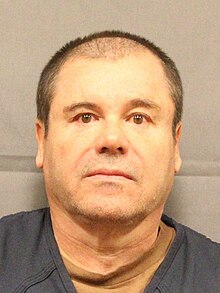
Joaquin “El Chapo” Guzman
After the interview’s publication, Penn came under fire for having allowed Guzman to approve the article. He claimed that, despite this, Guzman had not asked for any changes.
He also drew sharp criticism for having used his status as a movie star to play the part of a reporter.
But worse was to come.
Shortly after the capture of “El Chapo,” Mexico’s Attorney General Arely Gomez “credited” Penn with having played a vital role in the capture of the drug kingpin.
The meeting between Penn, Castillo and Guzman “was an essential element, because we were following [Guzman’s] lawyer, and the lawyer took us to these people and to this meeting.”
Suddenly, American experts on Mexican organized crime cartels began seeing Sean Penn in a new light—that of a movie star with a big target on his chest and back.
Suppose Guzman began suspecting that Penn had deliberately led Mexican authorities to him? Or that he had done so even accidentally, through negligence in how he had traveled?
“These cartels are very violent, they do not forgive any transgression and they will respond in a most violent manner,” said Mike Vigil, a former chief of international operations with the U.S. Drug Enforcement Administration.
“These are people who have dismembered, who have decapitated individuals. So killing Sean Penn and del Castillo means absolutely nothing to them.”
Vigil believed it was careless for the Mexican Government to publicize any ties between the Penn meeting and Guzman’s arrest:
“If Chapo Guzman perceives that they cooperated with authorities in his capture, [the cartel] will go after them.”
He argued that the risk is likely for del Castillo because she was the one in contact with Guzman.
She was the one whom Guzman’s associates supplied with a Blackberry—the phone they believed most secure. And it was her and Guzman’s flirtatious exchanges that led to the meeting in the jungle with Sean Penn.
“Apart from that, [del Castillo] is originally from Mexico, she has all of her family in Mexico. One of the traditional violent methods [the cartels] use is if they can’t get to the target, they’ll go after their family members.
“If I were Kate del Castillo, I would run like the wind.”
2016 PRESIDENTIAL CAMPAIGN, ABC NEWS, ALTERNET, AP, BUZZFEED, CBS NEWS, CNN, CROOKS AND LIARS, DAILY KOZ, DONALD TRUMP, ESQUIRE, FACEBOOK, FBI, FRANKIE LOCASCIO, GAMBINO MAFIA FAMILY, GEORGE STEPHANOPOULOS, IVANA TRUMP, JEFF SESSIONS, JOHN GOTTI, LOUIS DIBONO, LOUIS MILITO, MAFIA, MICHAEL COHEN, MOTHER JONES, MOVEON, MSNBC, NBC NEWS, NEWSWEEK, NPR, PAM BONDI, PAUL CASTELLANO, PLAYBOY MAGAZINE, POLITICO, RACKETEER INFLUENCED CORRUPT ORGANIZATIONS ACT (RICO), RAW STORY, REINCE PRIEBUS, REPUBLICANS, REUTERS, ROBERT “DEEBEE” DIBERNARDO, ROBERT MUELLER, SALON, SAMMY "THE BULL" GRAVANO, SEATTLE TIMES, SLATE, STORMY DANIELS, THE ATLANTIC, THE CHICAGO SUN-TIMES, THE CHICAGO TRIBUNE, THE DAILY BEAST, THE GUARDIAN, THE HILL, THE HUFFINGTON POST, THE LOS ANGELES TIMES, THE NATION, THE NEW YORK TIMES, THE WASHINGTON POST, TIME, TRUMP ORGANIZATION, TWITTER, U.S. NEWS & WORLD REPORT, UPI, USA TODAY, VLADIMIR PUTIN
In Bureaucracy, History, Law, Law Enforcement, Politics, Social commentary on December 4, 2018 at 12:06 am
Donald Trump resembles his fellow New Yorker, Mafia “Boss of all Bosses” John Gotti, in more ways than he would like to admit. Among these:
- He craves publicity like a drug.
- His egomania long ago reached psychotic heights: In a 1990 interview with Playboy magazine, he offered his worldview: “The show is Trump, and it is sold-out performances everywhere.”
- He impulsively and brutally badmouths virtually everyone—in press conferences and on Twitter.
- He brags constantly—about his wealth, his intelligence, his sexual prowess, his achievements: “My fingers are long and beautiful, as, it has been well documented, are various other parts of my body.”
- He has bought his way out of legal trouble: Florida Attorney General Pam Bondi personally solicited a political contribution from him while her office deliberated joining an investigation of alleged fraud at Trump University and its affiliates. After Bondi dropped the case against Trump, he wrote her a $25,000 check for her re-election campaign.
Donald Trump
- He repeatedly threatens violence against his opponents: On March 16, 2016, he warned Republicans that if he didn’t win the GOP nomination in July, “I think you’d have riots….I think bad things would happen.”
- Although not a member of the Mafia, he has often been linked—directly or indirectly—to men who are, such as “Fat Tony” Salerno and Paul Castellano.
- He prizes being seen as a tough guy: “I could stand in the middle of Fifth Avenue and shoot somebody and I wouldn’t lose voters.” At a Las Vegas rally in 2016, he said about a protester: “I’d like to punch him in the face.”
- He has no loyalty to anyone. He has badmouthed—and fired—such ardent supporters as his ex-Chief of Staff Reince Priebus and former Attorney General Jeff Sessions
It is this last characteristic—his complete lack of loyalty—that may well undo him.
Consider his treatment of Michael Cohen, his personal attorney for more than 10 years.
On April 9, 2018, the FBI, executing a federal search warrant, raided Cohen’s office at the law firm of Squire Patton Boggs, as well as his home and his hotel room in the Loews Regency Hotel in New York City.
And Trump’s response: “Michael Cohen only handled a tiny, tiny fraction of my legal work.
“Michael is in business—he is really a businessman, a fairly big business, as I understand it. I don’t know his business, but [the investigation] doesn’t have to do with me.”
Thus Trump undermined the argument of Cohen’s lawyers that he was the President’s personal attorney—and therefore everything Cohen did was protected by attorney-client privilege.
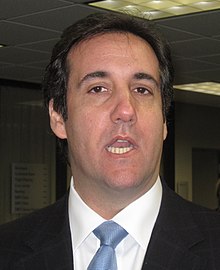
Michael Cohen
IowaPolitics.com [CC BY-SA 2.0 (https://creativecommons.org/licenses/by-sa/2.0)%5D, via Wikimedia Commons
An April 19, 2018 headline in Esquire magazine warned: “If the Water is Rising, Donald Trump Will Throw You Overboard.”
The article read in part:
“No matter how long or how intimately you’ve known Donald Trump, you’re one news cycle away from being tossed overboard….
“An old friend becomes a needy acquaintance; a campaign chairman becomes someone you got from the temp agency; a national security adviser becomes a ‘volunteer.'”
But Michael Cohen wasn’t just Trump’s lawyer. He was his fixer, a man who made problems “go away” with threats and bribes. He knows many—if not most—of Trump’s darkest secrets.
And he has since made it clear he is willing to reveal them.
In an off-camera interview with ABC’s George Stephanopoulos, Cohen warned: “I will not be a punching bag as part of anyone’s defense strategy” if Trump or his attorneys try to discredit him.
And unlike Trump—who has repeatedly asserted that Russia didn’t interfere with the 2016 Presidential election—Cohen said he believed it did.
Moreover, on November 29, Cohen pleaded guilty in federal court in Manhattan to lying to Congress about the Russia investigation. It’s part of a new deal reached with Special Counsel Robert S. Mueller III.
Cohen admitted that he lied about the “Moscow Project”—the Trump Organization’s efforts to “pursue a branded property in Moscow.”
He did so in an August 2017 letter to the House and Senate intelligence committees, which were investigating alleged collusion between Trump’s campaign and Russian Intelligence agents to subvert the 2016 Presidential election.
Now Cohen has revealed why, throughout the campaign, Trump hid his business dealings with Russia—while Moscow intervened to elect him.
Cohen has spent more than 70 hours in interviews with Mueller’s team. There is no telling how many of Trump’s secrets he has revealed.
Mueller—unlike Trump—doesn’t vent his temper in semi-literate tweets. In a rarity for Washington institutions, there have been almost no leaks from the Office of the Special Counsel since Mueller was empowered on May 17, 2017.
Mueller has also spoken with other federal prosecutors and the New York State Attorney General’s Office.
Shortly after news broke that Cohen had pleaded guilty to lying to Congress, Trump attacked his onetime fixer: “He’s a liar. He’s a weak person and what he’s trying to do is get a reduced sentence.”
But shortly after news broke that Cohen had revealed Trump’s business dealings with Russia, the President canceled his scheduled meeting with Russian President Vladimir Putin at the December 1 G20 summit in Buenos Aires.
2016 PRESIDENTIAL CAMPAIGN, ABC NEWS, ALTERNET, AP, BUZZFEED, CBS NEWS, CNN, CROOKS AND LIARS, DAILY KOZ, DONALD TRUMP, ESQUIRE, FACEBOOK, FBI, FRANKIE LOCASCIO, GAMBINO MAFIA FAMILY, GEORGE STEPHANOPOULOS, IVANA TRUMP, JEFF SESSIONS, JOHN GOTTI, LOUIS DIBONO, LOUIS MILITO, MAFIA, MICHAEL COHEN, MOTHER JONES, MOVEON, MSNBC, NBC NEWS, NEWSWEEK, NPR, PAM BONDI, PAUL CASTELLANO, PLAYBOY MAGAZINE, POLITICO, RACKETEER INFLUENCED CORRUPT ORGANIZATIONS ACT (RICO), RAW STORY, REINCE PRIEBUS, REPUBLICANS, REUTERS, ROBERT “DEEBEE” DIBERNARDO, ROBERT MUELLER, SALON, SAMMY "THE BULL" GRAVANO, SEATTLE TIMES, SLATE, STORMY DANIELS, THE ATLANTIC, THE CHICAGO SUN-TIMES, THE CHICAGO TRIBUNE, THE DAILY BEAST, THE GUARDIAN, THE HILL, THE HUFFINGTON POST, THE LOS ANGELES TIMES, THE NATION, THE NEW YORK TIMES, THE WASHINGTON POST, TIME, TRUMP ORGANIZATION, TWITTER, U.S. NEWS & WORLD REPORT, UPI, USA TODAY, VLADIMIR PUTIN
In Bureaucracy, History, Law, Law Enforcement, Politics, Social commentary on December 3, 2018 at 12:23 am
President Donald Trump shares many similarities with John Gotti, who, for five years, ruled as the boss of the most powerful Mafia family in the United States: The Gambino Family.
Among those similarities: A complete lack of loyalty to anyone.
John Gotti
On December 12, 1989, Gotti became a victim of his own disloyalty.
Unknowingly speaking into an FBI electronic bug, Gotti charged that Sammy “The Bull” Gravano, his underboss, or second-in command, was too greedy. He also blamed him for the murders of three Mafiosi whom Gotti had ordered hit: Robert “Deebee” DiBernardo, Louis Milito and Louis DiBono.
“Deebee, did he ever talk subversive to you?” asked Gotti.
“Never,” replied his Consigliere, or adviser, Frankie Locascio.
“Never talked it to Angelo, never talked it to [Joseph Armone] either,” said Gotti. “I took Sammy’s word that he talked about me behind my back….I was in jail when I whacked him. I knew why it was being done. I done it anyway. I allowed it to be done anyway.”
Gotti was determined to blame Gravano for the murders of Milito and DiBono. He claimed that both men had been killed because Gravano had asked for permission to remove his business partners.
In fact, Milito had been “whacked” for questioning Gotti’s judgment. And DiBono had been hit because he refused to answer a Gotti summons.
And there was more: Gotti accused Gravano of excessive greed—and hoarding money for himself at the expense of the Family:
“That’s Sammy….Every fucking time I turn around there’s a new company poppin’ up. Building. Consulting. Concrete. Where the hell did all these new companies come from? Where did five new companies come from?
“Paul [Castellano, the Gambino Family’s previous boss] sold the Family out for a fucking construction company. And that’s what Sammy’s doing now. Three, four guys will wind up with every fuckin’ thing. And the rest of the Family looks like waste.”
Sammy “The Bull” Gravano
He accused Gravano of creating “a fuckin’ army inside an army,” adding: “You know what I’m saying, Frankie? I saw that shit and I don’t need that shit.”
Gotti’s effort to rewrite history soon came back to haunt him.
At a 1991 pretrial hearing following the arrests of Gotti, Gravano and Locascio, prosecutors played the FBI’s tapes of Gotti’s unintended confessions—including his badmouthing of Gravano.
Gravano suddenly realized that his future in the Mafia was nil.
Gravano, Gotti and Locascio were all facing life imprisonment as targets of RICO—the Racketeer Influenced Corrupt Organizations Act.
And if the Feds didn’t send him to prison, mob gunmen—sent by Gotti—would eventually get him. Gotti clearly planned to make him the fall guy—in court or in a coffin—for murders that Gotti himself had ordered.
Only John Gotti was shocked when Gravano agreed to testify against him—and other Mafiosi—in exchange for a five-year prison sentence.
Gravano, as Gotti’s second-in-command, had literally been at the seat of power for five years. He knew the secrets of the Gambino Family—and the other four Mafia families who ruled New York.
On April 2, 1992, a jury convicted Gotti of five murders, conspiracy to murder, loansharking, illegal gambling, obstruction of justice, bribery and tax evasion. He drew a life sentence, without possibility of parole.
Gotti was incarcerated at the United States Penitentiary at Marion, Illinois, in virtual solitary confinement. He died of throat cancer on June 10, 2002, at the age of 61.
And just as Gotti’s disloyalty ultimately destroyed him, the same may yet prove true for Donald Trump.
Consider the case of attorney Michael Cohen.
- An executive of the Trump Organization, Cohen acted as “Trump’s pit bull.” “If somebody does something Mr. Trump doesn’t like,” he told ABC News in 2011, “I do everything in my power to resolve it to Mr. Trump’s benefit.”
- In 2015, a reporter for The Daily Beast asked Cohen about Ivana Trump’s charge (later recanted) that Trump had raped her while they were married. Cohen: “I’m warning you, tread very fucking lightly, because what I’m going to do to you is going to be fucking disgusting.”
- In 2016, while Trump was running for President, Cohen acted as the go-between for a $130,000 hush-money payoff to porn star Stormy Daniels. The reason: To prevent her from revealing a 2006 tryst she had had with Trump.
In April 2018, the United States Attorney for the Southern District of New York began investigating Cohen. Charges reportedly included bank fraud, wire fraud and violations of campaign finance law.
Michael Cohen
By IowaPolitics.com (Trump executive Michael Cohen 012) [CC BY-SA 2.0 (https://creativecommons.org/licenses/by-sa/2.0)%5D, via Wikimedia Commons
On April 9, 2018, the FBI, executing a federal search warrant, raided Cohen’s office at the law firm of Squire Patton Boggs, as well as his home and his hotel room in the Loews Regency Hotel in New York City. Agents seized emails, tax and business records and recordings of phone conversations that Cohen had made.
Trump’s response: “Michael Cohen only handled a tiny, tiny fraction of my legal work.”
Thus Trump undermined the argument of Cohen’s lawyers that he was the President’s personal attorney—and therefore everything Cohen did was protected by attorney-client privilege.
2016 PRESIDENTIAL CAMPAIGN, ABC NEWS, ALTERNET, AP, BUZZFEED, CARLO GAMBINO, CARMINE GALANTE, CBS NEWS, CNN, CROOKS AND LIARS, DAILY KOZ, DONALD TRUMP, DONALD TRUMP JR., ESQUIRE, FACEBOOK, FBI, FRANK LOCASCIO, GAMBINO MAFIA FAMILY, GEORGE STEPHANOPOULOS, HILLARY CLINTON, IVANA TRUMP, JARED KUSHNER, LOUIS DIBONO, LOUIS MILITO, MAFIA, MICHAEL COHEN, MOTHER JONES, MOVEON, MSNBC, NBC NEWS, NEWSWEEK, NPR, OLEG DERIPASKA, PAUL CASTELLANO, PAUL MANAFORT, POLITICO, Racketeer Influenced Corrupt Organizations (RICO) Act, RAVENITE SOCIAL CLUB, RAW STORY, REPUBLICANS, REUTERS, ROBERT DIBERNARDO, ROBERT MUELLER, SALON, SAMMY "THE BULL" GRAVANO, SEAN SPICER, SEATTLE TIMES, SLATE, STORMY DANIELS, THE ATLANTIC, THE CHICAGO SUN-TIMES, THE CHICAGO TRIBUNE, THE DAILY BEAST, THE GUARDIAN, THE HILL, THE HUFFINGTON POST, THE LOS ANGELES TIMES, THE NATION, THE NEW YORK TIMES, THE WASHINGTON POST, TIME, TRUMP ORGANIZATION, TRUMP TOWER, TWITTER, U.S. NEWS & WORLD REPORT, UPI, USA TODAY, VIkTOR YANUKOVYCH, VINCENT "THE CHINS" GIGANTE, VLADIMIR PUTIN
In Bureaucracy, History, Law, Law Enforcement, Politics, Social commentary on July 12, 2018 at 12:04 am
President Donald Trump shares more than a few striking similarities with John Gotti, who, for five years, ruled as the boss of the most powerful Mafia family in the United States: The Gambino Family.
Among those similarities: A complete lack of loyalty to anyone.
Donald Trump
Unknowingly speaking into an FBI electronic bug, Gotti charged that Sammy “The Bull” Gravano, his underboss, or second-in command, was too greedy. He also blamed him for the murders of three Mafiosi whom Gotti had ordered hit.
When Gravano learned of these slanders at a pretrial hearing, he agreed to testify against Gotti and other Mafiosi in exchange for a five-year prison sentence.
And just as Gotti’s disloyalty ultimately destroyed him, the same may yet prove true for Trump.
Consider the case of attorney Michael Cohen.
- An executive of the Trump Organization, Cohen acted as “Trump’s pit bull.” “If somebody does something Mr. Trump doesn’t like,” he told ABC News in 2011, “I do everything in my power to resolve it to Mr. Trump’s benefit.”
- In 2015, a reporter for The Daily Beast asked Cohen about Ivana Trump’s charge (later recanted) that Trump had raped her while they were married. Cohen: “I’m warning you, tread very fucking lightly, because what I’m going to do to you is going to be fucking disgusting.”
- In 2016, while Trump was running for President, Cohen acted as the go-between for a $130,000 hush-money payoff to porn star Stormy Daniels. The reason: To prevent her from revealing a 2006 tryst she had had with Trump.
In April 2018, the United States Attorney for the Southern District of New York began investigating Cohen. Charges reportedly include bank fraud, wire fraud and violations of campaign finance law.
Michael Cohen
By IowaPolitics.com (Trump executive Michael Cohen 012) [CC BY-SA 2.0 (https://creativecommons.org/licenses/by-sa/2.0)%5D, via Wikimedia Commons
On April 9, 2018, the FBI, executing a federal search warrant, raided Cohen’s office at the law firm of Squire Patton Boggs, as well as his home and his hotel room in the Loews Regency Hotel in New York City. Agents seized emails, tax and business records and recordings of phone conversations that Cohen had made.
Trump’s response: “Michael Cohen only handled a tiny, tiny fraction of my legal work.”
Thus Trump undermined the argument of Cohen’s lawyers that he was the President’s personal attorney—and therefore everything Cohen did was protected by attorney-client privilege.
Then there’s Paul Manafort—a lobbyist, political consultant and lawyer.
- He joined Trump’s presidential campaign team in March 2016 and was campaign chairman from March to August 2016. He attended the Republican Convention in July, where Trump was officially nominated as the GOP candidate for President.
- On June 9, 2016, Manafort, Jared Kushner, Trump’s son-in-law, and Donald Trump Jr. met with Russian Intelligence agents at Trump Tower. The reason: The Russians claimed to have “dirt” on Democratic Presidential nominee Hillary Clinton.
In March, 2017, news broke that Manafort, in his work as a lobbyist, had represented Oleg Deripaska, a Russian oligarch and close associate of Russian president Vladimir Putin. The story fueled growing controversy over the Trump campaign’s documented ties to Russia,
Trump’s response:
“The President was not aware of Paul’s clients from the last decade,” White House Press Secretary Sean Spicer told reporters.
Describing Manafort’s role as chairman of the Trump campaign, Spicer said that he “played a very limited role for a very limited amount of time.”
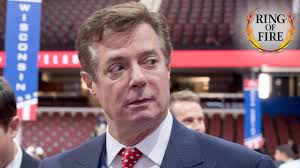
Paul Manafort
An April 19, 2018 headline in Esquire magazine warned: “If the Water is Rising, Donald Trump Will Throw You Overboard.”
The article read in part:
“No matter how long or how intimately you’ve known Donald Trump, you’re one news cycle away from being tossed overboard….
“An old friend becomes a needy acquaintance; a campaign chairman becomes someone you got from the temp agency; a national security adviser becomes a ‘volunteer.'”
Trump’s desertion of his former allies places them in jeopardy—but it also endangers him.
Cohen wasn’t just Trump’s lawyer. He was his fixer, a man who made problems “go away” with threats and bribes. He knows many—if not most—of Trump’s darkest secrets.
And he may be preparing to reveal them.
In a recent off-camera interview with ABC’s George Stephanopoulos, Cohen warned: “I will not be a punching bag as part of anyone’s defense strategy” if Trump or his attorneys try to discredit him.
And unlike Trump—who has repeatedly asserted that Russia didn’t interfere with the 2016 Presidential election—Cohen said he believed it did.
As for Manafort: He resigned as Trump’s campaign manager when news broke that he had received $12.7 million from then-Ukrainian President Viktor Yanukovych, a Puttin lackey.
Given Special Counsel Robert Mueller’s focus on Trump’s ties to Russia, Manafort—through his own ties there—can deliver a mother-lode of secrets if he so desires.
Donald Trump now faces the dilemma—and possibly the same fate—of John “Teflon Don” Gotti: Faced with increasing evidence of his blatant criminality and possibly even treason, does he:
- Stand by those whose secrets can destroy him? or
- Throw them to the wolves, hoping they will still not betray him?


.jpg)


 Bureaucracybuster's Blog
ABC NEWS, ADOLF HITLER, ALBERT ANASTASIA, ALTERNET, ALVIN BRAGG, AMERICABLOG, AP, BABY BOOMER RESISTANCE, BBC, BEER HALL PUTSCH, BLOOMBERG, BUZZFEED, CARLO GAMBINO, CARMINE GALANTE, CBS NEWS, CHARLGES LUCIANO, CNN, CROOKS AND LIARS, DAILY KOS, DAILY KOZ, DONALD TRUMP, FBI, FIVETHIRTYEIGHT, FRANK LOCASCIO, GAMBINO MAFIA FAMILY, HARPER’S MAGAZINE, HITLER: ASCENT (BOOK), HUFFINGTON POST, JACK SMITH, JANUARY 6 COUP ATTEMPT, JOHN GOTTI, JUSTICE DEPARTMENT, LETITIA JAMES, LOUIS DIBONO, LOUIS MILITO, MAFIA, MANHATTAN DISTRICT ATTORNEY'S OFFICE, MEDIA MATTERS, MERRICK GARLAND, MOTHER JONES, MOVEON, MSNBC, MUNICH, NAZI PARTY, NBC NEWS, NEW REPUBLIC, NEW YORK ATTORNEY GENERAL'S OFFICE, NEWSDAY, NEWSWEEK, NICCOLO MACHIAVELLI, NPR, PAUL CASTELLANO, PBS NEWSHOUR, POLITICO, POLITICUSUSA, Racketeer Influenced Corrupt Organizations (RICO) Act, RAVENITE SOCIAL CLUB, RAW STORY, REPUBLICANS, REUTERS, ROBERT DIBERNARDO, SALON, SAMMY "THE BULL" GRAVANO, SEATTLE TIMES, SLATE, STORMY DANIELS, TALKING POINTS MEMO, THE ATLANTIC, THE CHICAGO SUN-TIMES, THE CHICAGO TRIBUNE, THE DAILY BEAST, THE DAILY BLOG, THE DISCOURSES (BOOK), THE GUARDIAN, THE HILL, THE HUFFINGTON POST, THE INTERCEPT, THE LOS ANGELES TIMES, THE NATION, THE NEW REPUBLIC, THE NEW YORK TIMES, THE NEW YORKER, THE VILLAGE VOICE, THE WASHINGTON POST, THINKPROGRESS, THREATS, TIME, TREASON, TRUMP ORGANIZATION, TRUTHDIG, TRUTHOUT, TWITTER, TWO POLITICAL JUNKIES, U.S. NEWS & WORLD REPORT, UPI, USA TODAY, VINCENT "THE CHINS" GIGANTE, VOLKER ULLRICH, WEIMAR REPUBLIC, X
SOME CRIMINALS ARE MORE FAVORED THAN OTHERS: PART TWO (END)
In Bureaucracy, History, Law Enforcement, Politics, Social commentary on April 25, 2024 at 12:11 amNo well-ordered republic should ever cancel the crimes of its citizens by their merits….For if a citizen who has rendered some eminent service to the state should add to the reputation and influence which he has thereby acquired the confident audacity of being able to commit any wrong without fear of punishment, he will in a little while become so insolent and overbearing as to put an end to all power of the law.
—Niccolo Machiavelli, “The Discourses”
When the Justice Department declared war on John Gotti, “Boss of all Bosses” of the most powerful Mafia family in the nation, no holds were barred.
The FBI employed wiretaps, electronic bugs, informants, round-the-clock surveillance and pretrial detention against the so-called “Teflon Don.”
John Gotti
Now consider the DOJ’s approach to the criminality of former President Donald J. Trump.
On January 6, 2021, Trump incited thousands of his fanatical supporters to attack Congress, where Electoral College votes for the 2020 Presidential election were being counted.
About 140 police officers were assaulted; many lawmakers’ offices were vandalized; frightened lawmakers huddled in a barricaded room.
Yet Trump was allowed to remain in office for the next two weeks until the election’s victor—Joseph Biden—legally took office.
Donald Trump
Not until November 18, 2022, did Attorney General Merrick Garland appoint Jack Smith Special Counsel to prosecute Trump for his attempted coup.
To date, there is no evidence that the agency has employed wiretaps, electronic bugs and/or round-the-clock surveillance against Trump. Nor has Trump been held in pretrial detention as a continuing threat to democratic rule.
When Trump left the White House on January 20, 2021, he illegally took hundreds of highly classified documents—and stored them at his Mar-a-Lago estate in Palm Beach, Florida.
He then refused to return them when asked by the Justice Department—forcing the agency to send in an FBI force to retrieve them.
In March, 2023, Trump threatened “death and destruction” if he were criminally charged in New York for making “hush money” payments to porn “actress” Stormy Daniels. Trump shared an image of himself threatening Manhattan District Attorney Alvin Bragg with a baseball bat on his Truth Social platform.
Not even Mafia bosses like Charles “Lucky” Luciano and Albert “The Executioner” Anastasia dared issue such a threat.
Yet Trump has not been arrested, let alone jailed, for an act that would have gotten anyone else charged with a felony.
Nor has Trump limited himself to attacking local New York authorities.
He has branded Jack Smith “a deranged lunatic” and “psycho” for indicting him for his theft of national security documents. He has also attacked Smith’s wife, Katy Gale Chevigny, thus exposing her to possible violence from his fanatical supporters.
Specifically: “His wife is a Trump Hater, just as he is a Trump Hater—a deranged ‘psycho’ that shouldn’t be involved in any case having to do with ‘Justice,’ other than to look at Biden as a criminal, which he is!”
Jack Smith
Trump’s attacks on Smith have led to an increase in security for the Special Counsel. Yet Smith has not moved to have Trump remanded to federal custody for actions that would have put anyone else behind bars.
History warns us of the consequences of allowing a ruthless dictator to pursue his goals with impunity.
On November 9, 1923, Nazi Party Fuhrer Adolf Hitler tried to overthrow the government in Munich, Bavaria.
About 2,000 Nazis marched to the center of Munich, where they confronted heavily-armed police. A shootout erupted, killing 16 Nazis and four policemen.
Hitler was injured during the clash, but managed to escape. Two days later, he was arrested and charged with treason.
Put on trial, he found himself treated as a celebrity by a judge sympathetic to Right-wing groups. He was allowed to brutally cross-examine witnesses and even make inflammatory speeches.
At the end of the trial, he was convicted of treason and sentenced to five years’ imprisonment.
Serving time in Landsberg Prison, in Bavaria. he was given a huge cell, allowed to receive unlimited visitors and gifts, and treated with deference by guards and inmates.
Nine months later, he was released on parole—by authorities loyal to the authoritarian Right instead of the newly-created Weimar Republic.
Adolf Hitler leaving Landsberg Prison, December, 20, 1924
Hitler immediately began rebuilding the shattered Nazi party—and deciding on a new strategy to gain power. Never again would he resort to armed force. He would win office by election—or intrigue.
Writes historian Volker Ullrich, in his monumental new biography, Hitler: Ascent 1889 – 1939: “Historians have perennially tried to answer the question of whether Hitler’s rise to power could have been halted….
“There were repeated opportunities to end Hitler’s run of triumphs. The most obvious one was after the failed Putsch of November 1923. Had the Munich rabble-rouser been forced to serve his full five-year term of imprisonment in Landsberg, it is extremely unlikely that he would have been able to restart his political career.”
The democratic Weimar Republic of Germany (1919 – 1933) found itself menaced by ruthless Fascists, betrayed by its supposed allies, and defended by liberals unwilling to forcefully defeat its enemies.
The same combination of forces is now on full display in the United States.
Share this: