Posts Tagged ‘MAO ZEDONG’
ABC NEWS, ADOLF HITLER, AFFORDABLE CARE ACT (ACA), ALTERNET, AMERICABLOG, AP, AUSTRIA, BABY BOOMER RESISTANCE, BBC, BELGIUM, BLOOMBERG, BLUESKY, BUZZFEED, CBS NEWS, CHINA, CIA, CNN, CONSERVATIVE POLITICAL ACTION CONFERENCE (C-PAC), CONSPIRACIES, CROOKS AND LIARS, CZECHOSLOVAKIA, DAILY KOS, DONALD TRUMP, FBI, FEDERAL GOVERNMENT SHUTDOWN, FIRST AMENDMENT, FIVETHIRTYEIGHT, FRANCE, FRANCISCO FRANCO, GAIUS CALIGULA, GAIUS SUETONIUS TRANQUILLUS, GREECE, HARPER’S MAGAZINE, HOLLAND, HOLOCAUST, HUFFINGTON POST, IMMIGRATION AND CUSTOMS ENFORCEMENT (ICE), JACK SMITH, JAMES COMEY, JAMES ROBART, JANUARY 6 COUP ATTEMPT, JEFF SESSIONS, JIMMY KIMMEL, JMES COMEY, JOSEPH STALIN, KFC, LAVRENTI BERIA, LEON TROTSKY, LETITIA JAMES, MACDONALD’S, MAO ZEDONG, MARK MILLEY, MEDIA MATTERS, MEDICARE, MOTHER JONES, MOVEON, MSNBC, NAZI GERMANY, NBC NEWS, NEWSDAY, NEWSWEEK, NICCOLO MACHIAVELLI, NIKITA KHRUSHCHEV, NINTH CIRCUIT COURT OF APPEALS, NO KINGS MARCHES, NORWAY, NPR, NSA, PAUL VON HINDENBURG, PBS NEWSHOUR, POLITBURO, POLITICO, POLITICUSUSA, RAW STORY, REPUBLICANS, REUTERS, ROBERT MUELLER, ROBERT PAYNE, ROD J. ROSENSTEIN, SALON, SEATTLE TIMES, SLATE, SOVIET UNION, SPAIN, STEPHEN MILLER, TALKING POINTS MEMO, THE ATLANTIC, THE CHICAGO SUN-TIMES, THE CHICAGO TRIBUNE, THE DAILY BEAST, THE DAILY BLOG, THE DAILY KOS, THE DISCOURSES ON LIVY (BOOK), THE GUARDIAN, THE HILL, THE HUFFINGTON POST, THE INTERCEPT, THE LOS ANGELES TIMES, THE NATION, THE NEW REPUBLIC, THE NEW YORK TIMES, THE NEW YORKER, THE RISE AND FALL OF STALIN (BOOK), THE VILLAGE VOICE, THE WASHINGTON POST, THINKPROGRESS, TIME, TRUTHDIG, TRUTHOUT, TWO POLITICAL JUNKIES, U.S. NEWS & WORLD REPORT, UNITED STATES, UPI, USA TODAY, Vladimir Lenin, VYACHESLAV MOLOTOV, WORLD WAR 1, WORLD WAR 11, X, XI JINPING, YUGOSLAVIA
In Bureaucracy, History, Law, Law Enforcement, Military, Politics, Social commentary on October 22, 2025 at 12:11 am
A dictator can die of illness or old age.
But there are other ways a tyrant can be forced to give up power—such as Gaius Caligula, Adolf Hitler and—possibly—Joseph Stalin.
Joseph Stalin ruled as absolute dictator of the Soviet Union from January 21, 1924, to March 5, 1953—29 years.
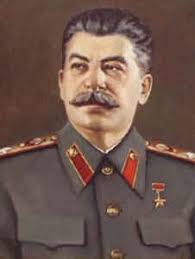
Joseph Stalin
Throughout his nearly 30-year reign over the Soviet Union, at least 20 million men, women and children died—from executions, deportations, imprisonment in Gulag camps, and a man-made famine through the forced collection of harvests.
Robert Payne, the acclaimed British historian, vividly portrayed the crimes of this murderous tyrant in his brilliant 1965 biography, The Rise and Fall of Stalin.
According to Payne, Stalin was planning yet another purge during the last weeks of his life. This would be “a holocaust greater than any he had planned before.
“This time there would be a chistka [purge] to end all chistkas, a purging of the entire body of the state from top to bottom. No one, not even the highest officials, was to be spared.”
Then, on March 4, 1953, Moscow Radio announced: “During the night of March 1-2, while in his Moscow apartment, Comrade Stalin suffered a cerebral hemorrhage affecting vital areas of the brain.”
Stalin died on March 5, 1953. He was 73 and in poor health from a lifetime of smoking, drinking and little exercise.
But he could have died of unnatural causes.
In the 2004 book, Stalin’s Last Crime, Vladimir P. Naumov, a Russian historian, and Jonathan Brent, a Yale University Soviet scholar, assert that he might have been poisoned.
If this happened, the occasion was during a final dinner with four members of the Politburo. Two of these were Lavrenti P. Beria, chief of the secret police, and Nikita S. Khrushchev, who eventually succeeded Stalin.
The authors believe that, if Stalin was poisoned, the most likely suspect was Beria. The method: Slipping warfarin, a tasteless and colorless blood thinner also used as a rat killer, into his glass of wine.
In Nikita Khrushchev’s 1970 memoirs, he quotes Beria as telling Vyacheslav M. Molotov, another Politburo member, two months after Stalin’s death: “I did him in! I saved all of you.”
It’s entirely possible that Donald Trump’s “Presidency-for-Life” may end by natural causes.
He’s 79, and despite his repeated boastings that he’s the healthiest President in United States history, clearly he isn’t.
He is grotesquely overweight, doesn’t exercise, falls asleep in public appearances and slurs his words. Much of his diet consists of greasy, artery-clogging fast food—such as from McDonald’s and KFC.
He stays up late at night, pouring out his hatred for countless real and imagined enemies on his website, Truth Social.
But that is not the only way his reign could disappear.
Since retaking office on January 20, Trump has ruled as de-facto dictator. Among his outrages.
- Turning Immigration and Customs Enforcement (ICE) into his personal Gestapo. Nearly 150,000 people—both illegal aliens and American-born citizens—were arrested between January and late July 2025.
- Purging FBI agents who rightly investigated his illegally confiscating classified documents and inciting the January 6, 2021 attack on Congress.
- Attacking CBS and ABC for their news departments’ accurately covering his litany of mistakes and crimes.
- Ordering the Justice Department to indict former FBI director James Comey and New York Attorney General Letitia James for carrying out their legal responsibilities.
- Forcing ABC to (temporarily) cancel Jimmy Kimmel Live! because the comedian made jokes about him.
- Shutting down the Federal Government over Democrats’ refusal to back his gutting of Medicare and the Affordable Care Act (ACA) to give tax breaks to billionaires.
On June 14, more than five million Americans protested Trump’s rule with a “No Kings” march. And nearly seven million participated in the October 18 march. More are planned.
* * * * * * * * * *
Niccolo Machiavelli, the father of modern political science, offers a stern warning for Trump—a warning he has steadfastly ignored.
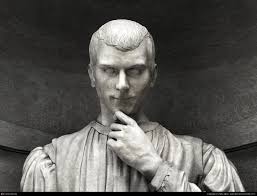
Niccolo Machiavelli
In his masterwork, The Discourses on Livy, Machiavelli notes how important it is for rulers to make themselves loved—or at least respected—by their fellow citizens:
“Note how much more praise those Emperors merited who, after Rome became an empire, conformed to her laws like good princes, than those who took the opposite course.
“Titus, Nerva, Trajan, Hadrian, Antoninus and Marcus Auelius did not require the Praetorians nor the multitudinous legions to defend them, because they were protected by their own good conduct, the good will of the people, and by the love of the Senate.
“On the other hand, neither the Eastern nor the Western armies saved Caligula, Nero, Vitellius and so many other wicked Emperors from the enemies which their bad conduct and evil lives had raised up against them.”
In his better-known work, The Prince, Machiavelli warns rulers who—like Donald Trump–are inclined to rule by fear:
“A prince should make himself feared in such a way that if he does not gain love, he at any rate avoids hatred: for fear and the absence of hatred may well go together.”
By Machiavelli’s standards, Trump has made himself the perfect target for a conspiracy:
“When a prince becomes universally hated, it is likely that he’s harmed some individuals—who thus seek revenge. This desire is increased by seeing that the prince is widely loathed.”
ABC NEWS, ADOLF HITLER, AFFORDABLE CARE ACT (ACA), ALTERNET, AMERICABLOG, AP, AUSTRIA, BABY BOOMER RESISTANCE, BBC, BELGIUM, BLOOMBERG, BLUESKY, BUZZFEED, CBS NEWS, CHINA, CIA, CNN, CONSERVATIVE POLITICAL ACTION CONFERENCE (C-PAC), CONSPIRACIES, CROOKS AND LIARS, CZECHOSLOVAKIA, DAILY KOS, DONALD TRUMP, FBI, FEDERAL GOVERNMENT SHUTDOWN, FIRST AMENDMENT, FIVETHIRTYEIGHT, FRANCE, FRANCISCO FRANCO, GAIUS CALIGULA, GAIUS SUETONIUS TRANQUILLUS, GREECE, HARPER’S MAGAZINE, HOLLAND, HOLOCAUST, HUFFINGTON POST, IMMIGRATION AND CUSTOMS ENFORCEMENT (ICE), JACK SMITH, JAMES COMEY, JAMES ROBART, JANUARY 6 COUP ATTEMPT, JEFF SESSIONS, JIMMY KIMMEL, JMES COMEY, JOSEPH STALIN, KFC, LAVRENTI BERIA, LEON TROTSKY, LETITIA JAMES, MACDONALD’S, MAO ZEDONG, MARK MILLEY, MEDIA MATTERS, MEDICARE, MOTHER JONES, MOVEON, MSNBC, NAZI GERMANY, NBC NEWS, NEWSDAY, NEWSWEEK, NICCOLO MACHIAVELLI, NIKITA KHRUSHCHEV, NINTH CIRCUIT COURT OF APPEALS, NO KINGS MARCHES, NORWAY, NPR, NSA, PAUL VON HINDENBURG, PBS NEWSHOUR, POLITBURO, POLITICO, POLITICUSUSA, RAW STORY, REPUBLICANS, REUTERS, ROBERT MUELLER, ROBERT PAYNE, ROD J. ROSENSTEIN, SALON, SEATTLE TIMES, SLATE, SOVIET UNION, SPAIN, STEPHEN MILLER, TALKING POINTS MEMO, THE ATLANTIC, THE CHICAGO SUN-TIMES, THE CHICAGO TRIBUNE, THE DAILY BEAST, THE DAILY BLOG, THE DAILY KOS, THE DISCOURSES ON LIVY (BOOK), THE GUARDIAN, THE HILL, THE HUFFINGTON POST, THE INTERCEPT, THE LOS ANGELES TIMES, THE NATION, THE NEW REPUBLIC, THE NEW YORK TIMES, THE NEW YORKER, THE RISE AND FALL OF STALIN (BOOK), THE VILLAGE VOICE, THE WASHINGTON POST, THINKPROGRESS, TIME, TRUTHDIG, TRUTHOUT, TWO POLITICAL JUNKIES, U.S. NEWS & WORLD REPORT, UNITED STATES, UPI, USA TODAY, Vladimir Lenin, VYACHESLAV MOLOTOV, WORLD WAR 1, WORLD WAR 11, X, XI JINPING, YUGOSLAVIA
In Bureaucracy, History, Law, Law Enforcement, Military, Politics, Social commentary on October 21, 2025 at 12:10 am
A dictator can die of illness or old age.
But there are other ways a tyrant can be forced to give up power—such as the following three.
First up: Gaius Caligula, the “Mad Emperor” of Imperial Rome.
Caligula’s reign spanned March 18, 37 A.D. to January 24, 41 A.D.—four years.

Gaius Caligula
Carole Raddato from FRANKFURT, Germany, CC BY-SA 2.0 <https://creativecommons.org/licenses/by-sa/2.0>, via Wikimedia Commons
He became Emperor in 37 A.D. after succeeding the Emperor Tiberius, his uncle who had adopted him as a son after his father died.
Caligula’s reign began well—and popularly. He gave Tiberius a magnificent funeral—then recalled to Rome all those whom Tiberius had banished, and ignored all charges that Tiberius had leveled against them.
He gave bonuses to the military and allowed the magistrates unrestricted jurisdiction, without appeal to himself.
But in October 37 A.D. he fell seriously ill or perhaps was poisoned.
Caligula soon recovered but emerged a changed man. He began claiming to be a god, and killing or exiling anyone he saw as a threat. He ordered his victims tortured to death with many slight wounds: “Strike so that he may feel that he is dying.”
Among his litany of crimes, according to his biographer, Gaius Suetonius Tranquillus:
“He forced parents to attend the executions of their sons, sending a litter for one man who pleaded ill health, and inviting another to dinner immediately after witnessing the death, and trying to rouse him to gaiety and jesting by a great show of affability.”
For all his cruelty and egomania, the trait that finally destroyed Caligula was his joy in humiliating others.
His fatal mistake was to taunt Cassius Chaerea, a member of his own bodyguard. Caligula considered Chaerea effeminate because of a weak voice and mocked him with names like “Priapus” and “Venus.”
On January 22 41 A.D. Chaerea and several other bodyguards hacked Caligula to death with swords before other guards could save him.
Next up: Adolf Hitler, dictator of Nazi Germany from January 30, 1933, to April 30, 1945—12 years.
He was born on April 20, 1889, in Braunau am Inn in Austria-Hungary.
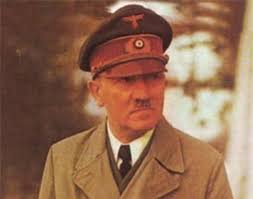
Adolf Hitler
He was appointed Chancellor—chief law enforcement officer—of Germany on January 30, 1933, by President Paul von Hindenburg. Upon Hindenburg’s death in 1934, Hitler assumed the Presidency and established himself as absolute dictator.
From 1933 to 1939 he presided over Germany’s rapid economic recovery from the Great Depression, the defiance of restrictions imposed on Germany after World War 1, and the annexation of Austria and Czechoslovakia, where millions of ethnic Germans lived.
These accomplishments won him widespread popular support.
But after absorbing Czechoslovakia in 1938, Hitler felt himself invincible. On September 1, 1939, his armies attacked Poland—and unintentionally ignited World War II.
After conquering Norway, Denmark, Holland, Belgium, France, Greece and Yugoslavia, he made his two greatest mistakes of the war: He invaded the far more powerful Soviet Union on June 22, 1941, and declared war on the equally more powerful United States on December 11.
Parallel to unleashing a war that slaughtered 50 million people, Hitler orchestrated the extermination of at least six million Jews during the Holocaust.
By April, 1945, Germany faced destruction from the advancing Russians on the East, and from the advancing Americans on the West.
On April 30, with Russian forces only blocks from his underground bunker, Hitler lifted a heavy 7.65mm Walther PPK pistol to his right temple, bit on a cyanide capsule, and pulled the trigger.
Just as Caligula’s mangled remains were hastily burned and buried in the Horti Lamiani gardens, Hitler’s body was hastily cremated in the Reich Chancellery garden.
Last up: Joseph Stalin, dictator of the Soviet Union from January 21, 1924, to March 5, 1953—29 years.
Born on December 18, 1878, in Georgia, Russia, he hated Czarist rule and in 1903 joined the Communist Bolsheviks party, led by Vladimir Lenin, to overthrow it.
Joseph Stalin
On November 7, 1917, Lenin overthrew the Provisional Government, which had taken power in February, after Czarist rule collapsed.
Stalin became a member of the new Soviet government, gradually working his way to the position of General Secretary. When Lenin died on January 21, 1924, Stalin outmaneuvered Leon Trotsky, his major rival for the succession, and became absolute dictator.
Starting in 1934, a series of massive purges followed—most notably between August, 1936, and March, 1938.
Throughout his nearly 30-year reign over the Soviet Union, at least 20 million men, women and children died—from executions, deportations, imprisonment in Gulag camps, and a man-made famine through the forced collection of harvests.
Robert Payne, the acclaimed British historian, vividly portrayed the crimes of this murderous tyrant in his brilliant 1965 biography, The Rise and Fall of Stalin.
According to Payne, Stalin was planning yet another purge during the last weeks of his life. This would be “a holocaust greater than any he had planned before.
“This time there would be a chistka [purge] to end all chistkas, a purging of the entire body of the state from top to bottom. No one, not even the highest officials, was to be spared.”
Yet Stalin did nothing to calm their fears. He often summoned his “comrades” to the Kremlin for late-night drinking bouts, where he freely humiliated them.
ABC NEWS, ADOLF HITLER, AFFORDABLE CARE ACT (ACA), ALTERNET, AMERICABLOG, AP, AUSTRIA, BABY BOOMER RESISTANCE, BBC, BELGIUM, BLOOMBERG, BLUESKY, BUZZFEED, CBS NEWS, CHINA, CIA, CNN, CONSERVATIVE POLITICAL ACTION CONFERENCE (C-PAC), CONSPIRACIES, CROOKS AND LIARS, CZECHOSLOVAKIA, DAILY KOS, DONALD TRUMP, FBI, FEDERAL GOVERNMENT SHUTDOWN, FIRST AMENDMENT, FIVETHIRTYEIGHT, FRANCE, FRANCISCO FRANCO, GAIUS CALIGULA, GAIUS SUETONIUS TRANQUILLUS, GREECE, HARPER’S MAGAZINE, HOLLAND, HOLOCAUST, HUFFINGTON POST, IMMIGRATION AND CUSTOMS ENFORCEMENT (ICE), JACK SMITH, JAMES COMEY, JAMES ROBART, JANUARY 6 COUP ATTEMPT, JEFF SESSIONS, JIMMY KIMMEL, JMES COMEY, JOSEPH STALIN, KFC, LAVRENTI BERIA, LEON TROTSKY, LETITIA JAMES, MACDONALD’S, MAO ZEDONG, MARK MILLEY, MEDIA MATTERS, MEDICARE, MOTHER JONES, MOVEON, MSNBC, NAZI GERMANY, NBC NEWS, NEWSDAY, NEWSWEEK, NICCOLO MACHIAVELLI, NIKITA KHRUSHCHEV, NINTH CIRCUIT COURT OF APPEALS, NO KINGS MARCHES, NORWAY, NPR, NSA, PAUL VON HINDENBURG, PBS NEWSHOUR, POLITBURO, POLITICO, POLITICUSUSA, RAW STORY, REPUBLICANS, REUTERS, ROBERT MUELLER, ROBERT PAYNE, ROD J. ROSENSTEIN, SALON, SEATTLE TIMES, SLATE, SOVIET UNION, SPAIN, STEPHEN MILLER, TALKING POINTS MEMO, THE ATLANTIC, THE CHICAGO SUN-TIMES, THE CHICAGO TRIBUNE, THE DAILY BEAST, THE DAILY BLOG, THE DAILY KOS, THE DISCOURSES ON LIVY (BOOK), THE GUARDIAN, THE HILL, THE HUFFINGTON POST, THE INTERCEPT, THE LOS ANGELES TIMES, THE NATION, THE NEW REPUBLIC, THE NEW YORK TIMES, THE NEW YORKER, THE RISE AND FALL OF STALIN (BOOK), THE VILLAGE VOICE, THE WASHINGTON POST, THINKPROGRESS, TIME, TRUTHDIG, TRUTHOUT, TWO POLITICAL JUNKIES, U.S. NEWS & WORLD REPORT, UNITED STATES, UPI, USA TODAY, Vladimir Lenin, VYACHESLAV MOLOTOV, WORLD WAR 1, WORLD WAR 11, X, XI JINPING, YUGOSLAVIA
In Bureaucracy, History, Law, Law Enforcement, Military, Politics, Social commentary on October 20, 2025 at 12:10 am
Long before he took office for the first time on January 20, 2017, Donald Trump never intended to rule as an ordinary President.
Under the Constitution, a President can hold office for—at most—eight years. But a “President-for-Life” can rule until he dies.
That was—and remains—his ambition.
In a closed-door speech to Republican donors on March 3, 2018, Trump revealed his ultimate intention: To overthrow America’s constitutional government.
He praised China’s President, Xi Jinping, for recently assuming full dictatorial powers: “He’s now president for life. President for life. No, he’s great. And look, he was able to do that. I think it’s great. Maybe we’ll have to give that a shot some day.”
The statement was greeted with cheers and laughter by Republican donors.

Xi Jinping
Upon taking office as the Nation’s 45th President, Trump attacked or undermined one public or private institution after another.
Among these:
- American Intelligence: Even before taking office, Trump refused to accept the findings of the FBI, CIA and National Security Agency (NSA) that Russian Intelligence agents had intervened in the 2016 election to ensure his victory.
- “I think it’s ridiculous,” he told “Fox News Sunday.” “I think it’s just another excuse. I don’t believe it….No, I don’t believe it at all.”
- And when FBI Director James Comey dared to pursue a probe into “the Russia thing,” Trump fired him without warning.
- American law enforcement agencies: Trump repeatedly attacked his own Attorney General, Jeff Sessions, for not “protecting” him from agents pursuing the Russia investigation.
- On November 8, 2018, Trump abruptly fired him, following Democrats’ winning control of the House in the midterm elections.
- He threatened to fire Rod J. Rosenstein, the deputy attorney general, who oversaw Special Counsel Robert Mueller’s investigation into Russian subversion of the 2016 election.
- American military agencies: In 2018, Trump refused to visit an American cemetery near Paris and referred to U.S. Marines buried there as “losers” and “suckers.”
- Trump regularly abused military officials, calling Chairman of the Joint Chief of Staff Mark Milley a “dumbass” and former Secretary of Defense James Mattis “the world’s most overrated general.”

Seal of the Department of Defense
- The press: On February 17, 2017, Trump tweeted: “The FAKE NEWS media (failing @nytimes, @NBCNews, @ABC, @CBS, @CNN) is not my enemy, it is the enemy of the American People!”
- Appearing before the Conservative Political Action Conference on February 24, 2017, Trump said: “I want you all to know that we are fighting the fake news. It’s fake, phony, fake….I’m against the people that make up stories and make up sources. They shouldn’t be allowed to use sources unless they use somebody’s name. Let their name be put out there.”
- The judiciary: Trump repeatedly attacked Seattle US District Judge James Robart, who halted Trump’s first Muslim travel ban.
- In one tweet, Trump claimed: “Just cannot believe a judge would put our country in such peril. If something happens blame him and court system. People pouring in. Bad!”
- At Trump’s bidding, White House aide Stephen Miller attacked the Ninth Circuit Court of Appeals: “We have a judiciary that has taken far too much power and become, in many cases, a supreme branch of government.”
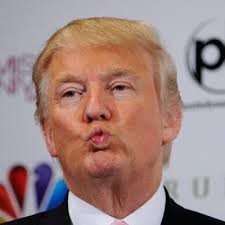
Donald Trump
Even after leaving the White House in 2021, Trump continued his attacks on one cherished American institution after another:
- Facing 91 criminal counts in four cases, he discredited the judicial system, attacking judges, prosecutors, witnesses—and even their family members.
- He attacked Independent Counsel Jack Smith as “deranged” and accused him of trying to invalidate his candidacy for President in 2024.
- He attacked retired U.S. Army General Mark Milley for calling him “a wannabe dictator,” and said that Milley deserved execution as a traitor.
- Milley had successfully averted war with China by calling his Chinese military counterparts in the final weeks of Trump’s administration to assure them that Trump was not planning to attack China.
- He claimed voter fraud where none existed, casting doubt on the integrity of the electoral system.
- He claimed himself to be the victim of “the deep state” inside the federal bureaucracy.
- He attacked the integrity of the FBI—causing previously “law and order” Republicans to demand its defunding.
* * * * * * * * * *
Donald Trump isn’t crazy, as many of his critics charge. He knows exactly what he’s doing—and why.
He intends to strip every potential challenger to his authority—or his version of reality—of legitimacy with the public. If he succeeds, there will be:
- No independent press to reveal his failures and crimes.
- No independent law enforcement agencies to investigate his abuses of office.
- No independent judiciary to hold him accountable.
- No independent military to dissent as he recklessly hurtles toward a nuclear disaster.
- No candidate—Democrat or Republican—to challenge him for re-election in 2028—or any other year..
- No candidate—Democrat or Republican—to challenge his remaining in office as “President-for-Life.”
A dictator can die of illness or old age.
China’s Communist ruler, Mao Zedong died on September 9, 1976, at 82, from a series of heart attacks.
And Spain’s Fascist tyrant, Francisco Franco, died on November 20, 1975, at 82, of congestive heart failure.
But there are other ways a tyrant can be forced to give up power—such as the following three.
2016 PRESIDENTIAL RACE, ABC NEWS, BARACK OBAMA, BASKET OF DEPLORABLES SPEECH, BENGHAZI HEARINGS, BERNIE SANDERS, BILL CLINTON, BLACKS, CBS NEWS, CELINDA LAKE, CLINTON FUNDATION, CNN, COLIN POWELL, COMMUNISM, CONDOLEEZA RICE, DEBBIE WASSERMAN-SCHULTZ, DEMOCRATIC NATIONAL COMMITTEE, DONALD TRUMP, ELIZABETH WARREN, EMAIL SERVER, FACEBOOK, GEORGE W. BUSH, HILLARY CLINTON, HISPANICS, HOUSE OF REPRESENTATIVES, JAMES WEBB, JOSEPH STALIN, KARL MARX, KEVIN MCCARTHY, LIBYA, MAO ZEDONG, MICHELLE OBAMA, NBC NEWS, POPULISM, RACISM, REPUBLICAN NATIONAL COMMITTEE, Ronald Reagan, SATURDAY NIGHT LIVE, SOCIALISM, THE CHICAGO SUN-TIMES, THE CHICAGO TRIBUNE, THE LOS ANGELES TIMES, THE NEW YORK TIMES, THE WASHINGTON POST, TOM BROKAW, TONIGHT SHOW, TWITTER, U.S. HOUSE OF REPRESENTATIVES, U.S. SENATE, Vladimir Lenin, WHITES, WHITEWATER, WIKILEAKS, WOMEN, YOUTH
In Bureaucracy, Business, History, Politics, Social commentary on November 18, 2016 at 10:22 am
Donald Trump owes his victory to a wide range of circumstances. Among these:
#10 Hillary Clinton gave only one memorable speech during the campaign–and then she quashed any benefits that might have come from it.
This was the “basket of deplorables” speech, delivered at a New York fundraiser on September 9. It was the only Clinton speech to be widely quoted by Democrats and Republicans.
She divided Donald Trump’s supporters into two groups. The first group were the “deplorables,” for whom she showed open contempt:
“You know, to just be grossly generalistic, you could put half of Trump’s supporters into what I call the basket of deplorables. Right? The racist, sexist, homophobic, xenophobic, Islamaphobic –you name it. And unfortunately there are people like that. And he has lifted them up.
“He has given voice to their websites that used to only have 11,000 people–now 11 million. He tweets and retweets their offensive hateful mean-spirited rhetoric. Now, some of those folks—they are irredeemable, but thankfully they are not America.”
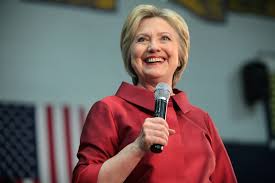
Hillary Clinton (Gage Skidmore photo)
But the second group, she said, consisted of poor, alienated Americans who rightly felt abandoned by their employers and their government:
“But the other basket–and I know this because I see friends from all over America here….but that other basket of people are people who feel that the government has let them down, the economy has let them down, nobody cares about them, nobody worries about what happens to their lives and their futures, and they’re just desperate for change. It doesn’t really even matter where it comes from.
“They don’t buy everything [Trump] says, but he seems to hold out some hope that their lives will be different. They won’t wake up and see their jobs disappear, lose a kid to heroin, feel like they’re in a dead-end. Those are people we have to understand and empathize with as well.”
After giving this speech, Clinton threw away the good it might well have done her.
First, the day after making the speech, she apologized for it: “Last night I was ‘grossly generalistic,’ and that’s never a good idea. I regret saying ‘half’–that was wrong.”
Many of Trump’s followers were racists, sexists and xenophobes–who deserved condemnation, not apologies. By apologizing, she looked weak, indecisive.
Second, having eloquently reached out to many of the men and women who were a prime constituency for Donald Trump, she made no effort to follow up.
She could have used this moment to offer an economic package that would quickly and effectively address their vital needs for jobs and medical care.
But that would have required her to put one together long ago. And all she had to offer now was boilerplate rhetoric, such as: “Education is the answer.”
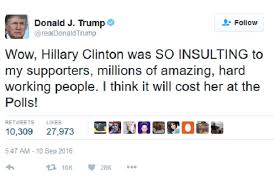
Worst of all, Trump turned her speech against her, tweeting: “Wow, Hillary Clinton was SO INSULTING to my supporters, millions of amazing, hard working people. I think it will cost her at the Polls!”
It did.
#11 Neither the Democrats nor the TV networks dared reveal the full intensity of hatred and violence that were hallmarks of Trump’s rallies–and campaign.
Three New York Times reporters who covered Trump’s rallies for over one year routinely witnessed his supporters hurl vulgar taunts such as:
At Hillary Clinton: “Trump that bitch!” “Kill her!” “Lock her up!” “Hillary is a whore!” “Hang the bitch!”
At protesters: “Get out of here, you fag!” “Get him!” “Get the fuck out of here!”
At Latinos: “Build a wall–kill them all!” “Fuck those dirty beaners!” “Send them bastards back. I’m sure that paperwork comes in Spanish.”
At Muslims: “Fuck Islam!” “Islam is not a religion, partner. It’s an ideology.” “You don’t come and talk about America when you’re supporting Muslims.”
At President Barack Obama: “Fuck that nigger!”
H. Allen Scott, a reporter for Fusion, attended a Trump rally and overheard conversations that startled him.
In one, a man marked Arabs as the enemy: “Those sand niggers are out to get us. We need to bomb the hell out of them.”
In the other, the supposed threat came from a different source: “The Donald will get all those Jews out of Washington.”
When protesters were ejected, Trump supporters went wild–and usually turned violent. Protesters were beaten and kicked–often with Trump’s encouragement.
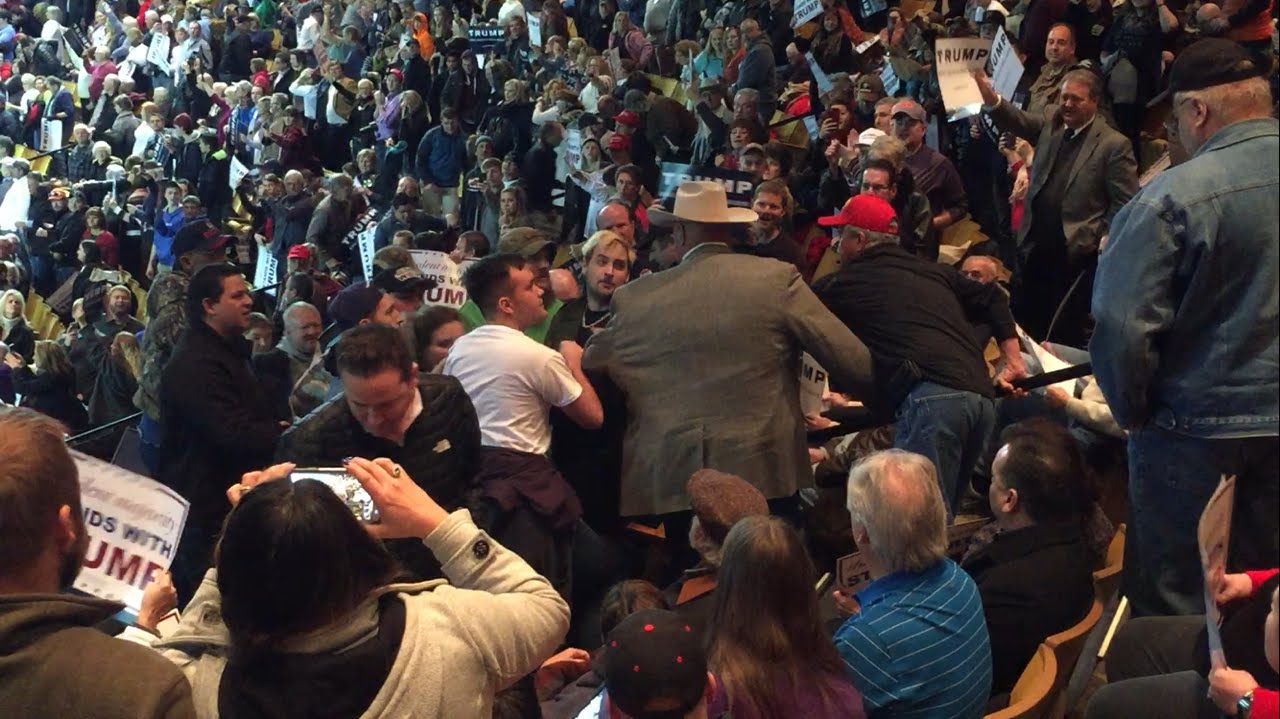
Protesters and supporters duke it out at a Donald Trump rally
Audiences at Trump rallies were overwhelmingly white. Not all were racists, but many of those who were advertised it on T-shirts: “MAKE AMERICA WHITE AGAIN.” Confederate flags were commonly displayed.
TV news networks and the Hillary Clinton campaign could have aired–repeatedly–such footage. Had they done so, Americans would have gotten a brutal, firsthand look at the anger and racism inherent in Trump’s candidacy–and followers.
Instead, Trump was allowed to appear on late-night shows like Saturday Night Live and The Tonight Show where he was treated with kid gloves for fun and laughs.
Thus, it is pointless to blame any one person (such as Hillary Clinton) or group (such as those who voted for third-party candidates) for Clinton’s loss. Many factors played a part–including some that, to keep this series at a reasonable length, could not be mentioned.
2016 PRESIDENTIAL RACE, ABC NEWS, BARACK OBAMA, BASKET OF DEPLORABLES SPEECH, BENGHAZI HEARINGS, BERNIE SANDERS, BILL CLINTON, BLACKS, CBS NEWS, CELINDA LAKE, CLINTON FUNDATION, CNN, COLIN POWELL, COMMUNISM, CONDOLEEZA RICE, DEBBIE WASSERMAN-SCHULTZ, DEMOCRATIC NATIONAL COMMITTEE, DONALD TRUMP, ELIZABETH WARREN, EMAIL SERVER, FACEBOOK, GEORGE W. BUSH, HILLARY CLINTON, HISPANICS, HOUSE OF REPRESENTATIVES, JAMES WEBB, JOSEPH STALIN, KARL MARX, KEVIN MCCARTHY, LIBYA, MAO ZEDONG, MICHELLE OBAMA, NBC NEWS, POPULISM, RACISM, REPUBLICAN NATIONAL COMMITTEE, Ronald Reagan, SATURDAY NIGHT LIVE, SOCIALISM, THE CHICAGO SUN-TIMES, THE CHICAGO TRIBUNE, THE LOS ANGELES TIMES, THE NEW YORK TIMES, THE WASHINGTON POST, TOM BROKAW, TONIGHT SHOW, TWITTER, U.S. HOUSE OF REPRESENTATIVES, U.S. SENATE, Vladimir Lenin, WHITES, WHITEWATER, WIKILEAKS, WOMEN, YOUTH
In Bureaucracy, Business, History, Politics, Social commentary on November 17, 2016 at 12:05 am
Fans of Vermont U.S. Senator Bernie Sanders have loudly claimed that if he had gotten the Democratic Presidential nomination, he would have crushed Donald Trump at the polls.
Since he didn’t get the nomination, we will never know.
But Sanders would have carried his own negatives–which the Republicans would have gleefully exploited. Among the issues he championed:
- Make college tuition free and debt-free.
- Medicare for all.
- Strengthen and expand Social Security.
Although worthy positions, they would have allowed Republicans to label him a “big-spending liberal.”
In addition, Sanders had labeled himself a “democratic Socialist.” For millions of proudly ignorant Americans, “socialist” means “Communist.” And Fox News and the Republican party would have gladly assured them they were correct.
Liberty Maniacs, a Minnesota-based brand that designs and sells political and satirical apparel, literally cashed in on this image with an eye-catching T-shirt.
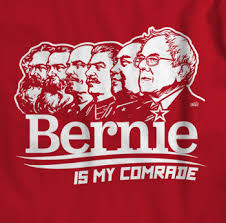
It depicted Sanders’ face alongside those of Karl Marx, Freidrich Engels, Vladimir Lenin, Joseph Stalin and Mao Zedong. And underneath were the words: “Bernie IS MY COMRADE.”
No doubt Republicans would have flooded the airways with similar images.
Sanders’ partisans continue to insist he was “cheated” out of the nomination by Hillary Clinton. But this still leaves unanswered the question:
If Sanders couldn’t prevail against the alleged ruthlessness of Clinton in the primaries, how could he have done so against Trump in the general election?
As the saying goes: “Politics ain’t beanbag.”
#5 Democrats and liberals fell prey to hubris. They dismissed Donald Trump as a bad joke: Surely voters would reject a bombastic, thrice-married “reality show” host who had filed for corporate bankruptcy four times.

If comments on Facebook are any guide, many liberals believed Clinton would bury him at the polls: Blacks, women, youth and Hispanics will turn out huge for her. Democrats will retake the Senate, and maybe even retake the House.
If many Democrats/liberals didn’t vote, one reason may be that they expected others to do it for them.
#6 The coalition that twice elected Barack Obama deserted Hillary Clinton.
Clinton did worse-than-expected among all the groups she was counting on to support her: Blacks, women, youth and Hispanics.
- In 2012, Obama got 93% of the black vote; in 2016, Clinton got 88%.
- In 2012, Obama got 55% of the women’s vote; in 2016, Clinton won 54%.
- In 2012, Obama got 60% of the vote of those under 30; in 2016, Clinton got 54%.
- In 2012, Obama got 71% of the Hispanic vote; in 2016, Clinton got 65%.
Clinton proved less popular even among whites than Obama: In 2012, Obama won 39% of their votes; in 2016, Clinton won 37%.
#7 For years, Republicans had waged a vicious campaign to demonize Hillary Clinton.
This included even falsely accusing her of conspiring to murder American diplomats in Benghazi, Libya.
Kevin McCarthy, a Republican member of the House of Representatives unintentionally admitted this on Fox News on September 30, 2015:
“Everybody thought Hillary Clinton was unbeatable, right? But we put together a Benghazi special committee. A select committee. What are her [poll] numbers today?
“Her numbers are dropping. Why? Because she’s untrustable. But no one would have known that any of that had happened had we not fought to make that happen.”
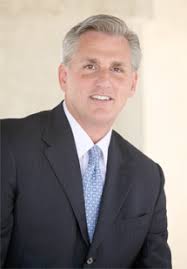
Kevin McCarthy
Thus, McCarthy revealed that:
- The House Select Committee on Benghazi was not a legitimate investigative body.
- Its true purpose was not to investigate the killings of four American diplomats during a 2012 terrorist attack in Benghazi, Libya.
- It’s actual purpose: To destroy the Presidential candidacy of Hillary Clinton.
#8 Republicans attacked Clinton for using a personal email account–while ignoring that her two Republican predecessors had done the same.
General Colin Powell served as Secretary of State under President George W. Bush from 2001 to 2005. He not only used a private email account but advised Clinton to do so as she was about to move into the same job in 2009.
Powell’s successor as Secretary of State, Condoleeza Rice, similarly used a private email account during her tenure (2005-2009).
Yet while Republicans hounded Clinton, accusing her of recklessly endangering national security, they totally ignored Powell’s and Rice’s uses of private email accounts.
#9 Trump, adopting the role of a populist, appealed to blue-collar voters. Clinton offered a “love-your-CEO” economic plan–and suffered for it.
Trump visited “Rustbelt” states like Michigan and Pennsylvania and vowed to “bring back” jobs that had been lost to China, such as those in coal mining and manufacturing. Clinton didn’t deign to show up, assuming she had those states “locked up.”
Most economists agree that, in a globalized economy, such jobs are not coming back, no matter who becomes President.
Even so, voters went for the man who promised them a better future, and shunned the woman who didn’t come to promise them any future at all.
In May, Democratic pollster CeLinda Lake had warned Clinton to revamp her economic platform.
“Democrats simply have to come up with a more robust economic frame and message,” Lake said after the election. “We’re never going to win those white, blue-collar voters if we’re not better on the economy. And 27 policy papers and a list of positions is not a frame. We can laugh about it all we want, but Trump had one.”
2016 PRESIDENTIAL RACE, ABC NEWS, BARACK OBAMA, BASKET OF DEPLORABLES SPEECH, BENGHAZI HEARINGS, BERNIE SANDERS, BILL CLINTON, BLACKS, CBS NEWS, CELINDA LAKE, CLINTON FUNDATION, CNN, COLIN POWELL, COMMUNISM, CONDOLEEZA RICE, DEBBIE WASSERMAN-SCHULTZ, DEMOCRATIC NATIONAL COMMITTEE, DONALD TRUMP, ELIZABETH WARREN, EMAIL SERVER, FACEBOOK, GEORGE W. BUSH, HILLARY CLINTON, HISPANICS, HOUSE OF REPRESENTATIVES, JAMES WEBB, JOSEPH STALIN, KARL MARX, KEVIN MCCARTHY, LIBYA, MAO ZEDONG, MICHELLE OBAMA, NBC NEWS, POPULISM, RACISM, REPUBLICAN NATIONAL COMMITTEE, Ronald Reagan, SATURDAY NIGHT LIVE, SOCIALISM, THE CHICAGO SUN-TIMES, THE CHICAGO TRIBUNE, THE LOS ANGELES TIMES, THE NEW YORK TIMES, THE WASHINGTON POST, TOM BROKAW, TONIGHT SHOW, TWITTER, U.S. HOUSE OF REPRESENTATIVES, U.S. SENATE, Vladimir Lenin, WHITES, WHITEWATER, WIKILEAKS, WOMEN, YOUTH
In Bureaucracy, Business, History, Politics, Social commentary on November 16, 2016 at 12:13 am
Since November 8, Democrats and liberals (the two are not always the same) have been in shock.
“How could this happen?” they keep asking–themselves and others. “How could the country go from electing a brilliant, sophisticated, humane man like Barack Obama to electing an ignorant, coarse, brutal man like Donald Trump?”
Efforts have been made to blame one person/group or another. But the truth is that many factors were involved, and the fallout will be felt for months–if not years–to come.
#1 Hillary Clinton was an uninspiring candidate. When Barack Obama ran for President in 2008, NBC Anchor Tom Brokaw compared his rallies to Hannah Montana concerts. Audiences were excited by his charisma, eloquence, relative youth (47) and optimism (“Yes We Can!”).
Clinton radiated none of these qualities. She was 67 when she declared her candidacy for President–and looked it. Her speaking voice grated like the proverbial fingernail on a blackboard.
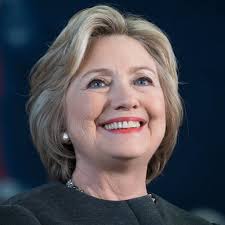
Hillary Clinton
She seemed to have been around forever–as First Lady (1993-2001), as Senator from New York (2001-2009) and as Secretary of State (2009-2013). Those born after 2000 thought of the Clinton Presidency as ancient history. She was offering a resume–and voters wanted an inspiration.
#2 Clinton brought a lot of baggage with her. In contrast to Obama, whose Presidency had been scandal-free, Clinton–rightly or wrongly–has always been dogged by charges of corruption.
During the Clinton Presidency, a failed land deal–Whitewater–while Bill Clinton was Governor of Arkansas triggered a seven-year investigation by a Republican special prosecutor. No criminality was uncovered, and no charge was brought against either Clinton.
After leaving the White House, she and her husband set up the Clinton Foundation, a public charity to bring government, businesses and social groups together to solve problems “faster, better, at lower cost.”
As Secretary of State, more than half of Clinton’s meetings with people outside government were with donors to the Clinton Foundation. If a “pay-to play” system wasn’t at work, one certainly seemed to be.
She cast further suspicion on herself by her unauthorized use of a private email server. This wasn’t revealed until March, 2015–after she was no longer Secretary of State.
She claimed she had used it to avoid carrying two cell-phones. But, as Secretary of State, she traveled with a huge entourage who carried everything she needed. Her critics believed she used a private email system to hide a “pay-for-pay” relationship with Clinton Foundation donors.
Finally, as a candidate for President, she “secretly” worked with Debbie Wasserman-Schultz, the chair of the Democratic National Committee, to ensure that she would get the nomination.
As DNC chair, Wasserman-Schultz was expected to be impartial toward all Democratic candidates seeking the prize. This included Vermont U.S. Senator Bernie Sanders, Clinton’s chief competitor.
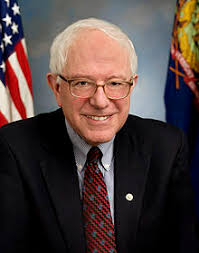
Bernie Sanders
So Sanders and his supporters were outraged when WikiLeaks released 19,252 emails and 8,034 attachments hacked from computers of the highest-ranking officials of the DNC.
The emails revealed a clear bias for Clinton and against Sanders. In one email, Brad Marshall, the chief financial officer of the DNC, suggested that Sanders, who is Jewish, could be portrayed as an atheist.
#3 The Obamas’ support proved a plus/minus for Clinton. Understandably, President Obama wanted to see his legacies continued–and she was the only candidate who could do it.
So he–and his wife, Michelle–stormed the country, giving eloquent, passionate speeches and firing up crowds on Clinton’s behalf.
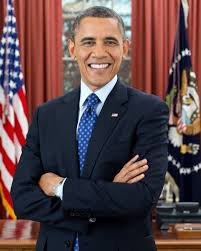
President Barack Obama
So long as either Obama stood before a crowd, the magic lasted. But once the event was over, the excitement vanished. Hillary simply didn’t arouse enough passion to keep it going.
And when Obama supporters compared the President and First Lady with Clinton, they found her wanting–in attractiveness, grace, eloquence, trustworthiness and the ability to inspire.
#4 Not enough Democrats entered the Presidential race. Among those few who did:
- Martin O’Malley, former governor of Maryland;
- Lincoln Chaffee, former governor of Rhode Island;
- James Webb, former U.S. Senator from Virginia;
- Lawrence Lessig, professor at Harvard Law School;
- Vermont U.S. Senator Bernie Sanders;
- and former First Lady/U.S. Senator/Secretary of State Hillary Clinton.
Of these candidates, it’s worth noting that O’Malley withdrew during the primaries. Chaffee, Webb and Lessig withdrew before the primaries started.
Many liberals wanted Massachusetts U.S. Senator Elizabeth Warren to run. As a specialist in consumer protection, she had become a leading figure in the Democratic party and a favorite among progressives.
But, without giving a reason, she declined to do so.
Thus, at least on the Democratic side, the stage was already set at the outset of the race.
No matter who the Republican nominee would be, the Democratic one would be Hillary Clinton or Bernie Sanders.
Sanders fans have loudly claimed that if only he had gotten the Democratic Presidential nomination, he would have crushed Trump at the polls.
But Sanders would have carried big negatives as well–which the Republicans would have gleefully exploited.
These will be explored in Part Two of this continuing series.


&docid=EPok_ZIEc87UzM&tbnid=Mz_XfR6ARm69rM%3A&vet=1&w=215&h=309&bih=469&biw=819&ved=0ahUKEwj-7_me_6zQAhXrwlQKHXAtCcIQxiAIAg&iact=c&ictx=1)


 Bureaucracybuster's Blog
ABC NEWS, ADOLF HITLER, AFFORDABLE CARE ACT (ACA), ALTERNET, AMERICABLOG, AP, AUSTRIA, BABY BOOMER RESISTANCE, BBC, BELGIUM, BLOOMBERG, BLUESKY, BUZZFEED, CBS NEWS, CHINA, CIA, CNN, CONSERVATIVE POLITICAL ACTION CONFERENCE (C-PAC), CONSPIRACIES, CROOKS AND LIARS, CZECHOSLOVAKIA, DAILY KOS, DONALD TRUMP, FBI, FEDERAL GOVERNMENT SHUTDOWN, FIRST AMENDMENT, FIVETHIRTYEIGHT, FRANCE, FRANCISCO FRANCO, GAIUS CALIGULA, GAIUS SUETONIUS TRANQUILLUS, GREECE, HARPER’S MAGAZINE, HOLLAND, HOLOCAUST, HUFFINGTON POST, IMMIGRATION AND CUSTOMS ENFORCEMENT (ICE), JACK SMITH, JAMES COMEY, JAMES ROBART, JANUARY 6 COUP ATTEMPT, JEFF SESSIONS, JIMMY KIMMEL, JMES COMEY, JOSEPH STALIN, KFC, LAVRENTI BERIA, LEON TROTSKY, LETITIA JAMES, MACDONALD’S, MAO ZEDONG, MARK MILLEY, MEDIA MATTERS, MEDICARE, MOTHER JONES, MOVEON, MSNBC, NAZI GERMANY, NBC NEWS, NEWSDAY, NEWSWEEK, NICCOLO MACHIAVELLI, NIKITA KHRUSHCHEV, NINTH CIRCUIT COURT OF APPEALS, NO KINGS MARCHES, NORWAY, NPR, NSA, PAUL VON HINDENBURG, PBS NEWSHOUR, POLITBURO, POLITICO, POLITICUSUSA, RAW STORY, REPUBLICANS, REUTERS, ROBERT MUELLER, ROBERT PAYNE, ROD J. ROSENSTEIN, SALON, SEATTLE TIMES, SLATE, SOVIET UNION, SPAIN, STEPHEN MILLER, TALKING POINTS MEMO, THE ATLANTIC, THE CHICAGO SUN-TIMES, THE CHICAGO TRIBUNE, THE DAILY BEAST, THE DAILY BLOG, THE DAILY KOS, THE DISCOURSES ON LIVY (BOOK), THE GUARDIAN, THE HILL, THE HUFFINGTON POST, THE INTERCEPT, THE LOS ANGELES TIMES, THE NATION, THE NEW REPUBLIC, THE NEW YORK TIMES, THE NEW YORKER, THE RISE AND FALL OF STALIN (BOOK), THE VILLAGE VOICE, THE WASHINGTON POST, THINKPROGRESS, TIME, TRUTHDIG, TRUTHOUT, TWO POLITICAL JUNKIES, U.S. NEWS & WORLD REPORT, UNITED STATES, UPI, USA TODAY, Vladimir Lenin, VYACHESLAV MOLOTOV, WORLD WAR 1, WORLD WAR 11, X, XI JINPING, YUGOSLAVIA
THREE POSSIBLE FATES FOR A TYRANT: PART THREE (END)
In Bureaucracy, History, Law, Law Enforcement, Military, Politics, Social commentary on October 22, 2025 at 12:11 amA dictator can die of illness or old age.
But there are other ways a tyrant can be forced to give up power—such as Gaius Caligula, Adolf Hitler and—possibly—Joseph Stalin.
Joseph Stalin ruled as absolute dictator of the Soviet Union from January 21, 1924, to March 5, 1953—29 years.
Joseph Stalin
Throughout his nearly 30-year reign over the Soviet Union, at least 20 million men, women and children died—from executions, deportations, imprisonment in Gulag camps, and a man-made famine through the forced collection of harvests.
Robert Payne, the acclaimed British historian, vividly portrayed the crimes of this murderous tyrant in his brilliant 1965 biography, The Rise and Fall of Stalin.
According to Payne, Stalin was planning yet another purge during the last weeks of his life. This would be “a holocaust greater than any he had planned before.
“This time there would be a chistka [purge] to end all chistkas, a purging of the entire body of the state from top to bottom. No one, not even the highest officials, was to be spared.”
Then, on March 4, 1953, Moscow Radio announced: “During the night of March 1-2, while in his Moscow apartment, Comrade Stalin suffered a cerebral hemorrhage affecting vital areas of the brain.”
Stalin died on March 5, 1953. He was 73 and in poor health from a lifetime of smoking, drinking and little exercise.
But he could have died of unnatural causes.
In the 2004 book, Stalin’s Last Crime, Vladimir P. Naumov, a Russian historian, and Jonathan Brent, a Yale University Soviet scholar, assert that he might have been poisoned.
If this happened, the occasion was during a final dinner with four members of the Politburo. Two of these were Lavrenti P. Beria, chief of the secret police, and Nikita S. Khrushchev, who eventually succeeded Stalin.
The authors believe that, if Stalin was poisoned, the most likely suspect was Beria. The method: Slipping warfarin, a tasteless and colorless blood thinner also used as a rat killer, into his glass of wine.
In Nikita Khrushchev’s 1970 memoirs, he quotes Beria as telling Vyacheslav M. Molotov, another Politburo member, two months after Stalin’s death: “I did him in! I saved all of you.”
It’s entirely possible that Donald Trump’s “Presidency-for-Life” may end by natural causes.
He’s 79, and despite his repeated boastings that he’s the healthiest President in United States history, clearly he isn’t.
He is grotesquely overweight, doesn’t exercise, falls asleep in public appearances and slurs his words. Much of his diet consists of greasy, artery-clogging fast food—such as from McDonald’s and KFC.
He stays up late at night, pouring out his hatred for countless real and imagined enemies on his website, Truth Social.
But that is not the only way his reign could disappear.
Since retaking office on January 20, Trump has ruled as de-facto dictator. Among his outrages.
On June 14, more than five million Americans protested Trump’s rule with a “No Kings” march. And nearly seven million participated in the October 18 march. More are planned.
* * * * * * * * * *
Niccolo Machiavelli, the father of modern political science, offers a stern warning for Trump—a warning he has steadfastly ignored.
Niccolo Machiavelli
In his masterwork, The Discourses on Livy, Machiavelli notes how important it is for rulers to make themselves loved—or at least respected—by their fellow citizens:
“Note how much more praise those Emperors merited who, after Rome became an empire, conformed to her laws like good princes, than those who took the opposite course.
“Titus, Nerva, Trajan, Hadrian, Antoninus and Marcus Auelius did not require the Praetorians nor the multitudinous legions to defend them, because they were protected by their own good conduct, the good will of the people, and by the love of the Senate.
“On the other hand, neither the Eastern nor the Western armies saved Caligula, Nero, Vitellius and so many other wicked Emperors from the enemies which their bad conduct and evil lives had raised up against them.”
In his better-known work, The Prince, Machiavelli warns rulers who—like Donald Trump–are inclined to rule by fear:
“A prince should make himself feared in such a way that if he does not gain love, he at any rate avoids hatred: for fear and the absence of hatred may well go together.”
By Machiavelli’s standards, Trump has made himself the perfect target for a conspiracy:
“When a prince becomes universally hated, it is likely that he’s harmed some individuals—who thus seek revenge. This desire is increased by seeing that the prince is widely loathed.”
Share this: