Posts Tagged ‘JAMES COMEY’
ABC NEWS, ADOLF HITLER, ALTERNET, AP, BBC, BUZZFEED, CBS NEWS, CNN, DAILY KOS, DAVID BROOKS, DONALD TRUMP, FACEBOOK, FBI, GEORGE C. SCOTT, GEORGE S. PATTON, GESTAPO, HOGAN’S HEROES, JAMES COMEY, JIMMY CARTER, MEL BROOKS, MIKE FLYNN, MOTHER JONES, MOVEON, NAZI GERMANY, NBC NEWS, NEWSWEEK, NPR, PAUL RYAN, PBS NEWSHOUR, POLITICO, RAW STORY, REPUBLICAN PARTY, REUTERS, RICHARD GRUNBERGER, RICHARD NIXON, ROBERT MEULLER, SALON, SEATTLE TIMES, SLATE, SOVIET UNION, THE 12-YEAR REICH, THE ATLANTIC, THE CHICAGO SUN-TIMES, THE CHICAGO TRIBUNE, THE DAILY BEAST, THE GUARDIAN, THE HILL, THE HUFFINGTON POST, THE LOS ANGELES TIMES, THE NEW YORK TIMES, THE WALL STREET JOURNAL, THE WASHINGTON POST, TIME, TWITTER, U.S. NEWS & WORLD REPORT, UPI, USA TODAY, WAFFEN-SS, WEHRMACHT
In Bureaucracy, History, Law, Law Enforcement, Military, Politics, Social commentary on April 12, 2018 at 12:05 am
As President Donald Trump lurches daily from one crisis to another—most of them of his own making—many Americans ask: “Why do Republicans continue to support him?”
The answer lies in what happened 73 years ago in Berlin—when the “Thousand-Year” Third Reich collapsed after little more than 12 years.
While the Nazi Party ruled Germany from 1933 to 1945, its influence over all aspects of Germans’ lives was suffocating.
“Censorship prevailed, education was undermined, family life was idealized, but children were encouraged to turn in disloyal parents,” reads the back cover of Richard Grunberger’s classic 1971 book, The 12-Year Reich.
“‘Volk’ festivals, party rallies, awards, uniforms, pageantry all played a part in the massive effort to shape the mind of a nation.”
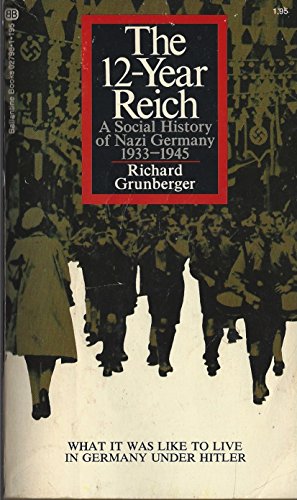
And yet, after the Reich surrendered unconditionally to the Allies on May 8, 1945, a strange thing happened: Virtually no German admitted to having been a Nazi—or having even known one.
American and British soldiers couldn’t find any German veterans willing to admit they had ever fought against Western, democratic nations. All the once-proud legionaries of the Wehrmacht and Waffen-SS swore they had been fighting “the real enemy”—the Russians—on the Eastern front.
Countless Germans claimed to have hidden Jews in their attics. If so, how had six million Jews died horrifically before the Reich fell?
And almost universally, they blamed the conflict on the man they had embraced as their Fuhrer.
In short: Adolf Hitler had lost the war he started—making him a loser nobody wanted to be identified with.
In the decades since, the “loser” tag has continued to stick with those who once served the Third Reich. Mel Brooks has repeatedly turned German soldiers—once the pride of the battlefield—into idiotic comic foils.
Even the fearsome Gestapo was spoofed for laughs on the long-running TV comedy, “Hogan’s Heroes.”

“Hogan’s Heroes”
“Americans love a winner,” George C. Scott as George S. Patton says at the outset of the classic 1970 movie. “And will not tolerate a loser.”
And that is why Republicans have stuck so closely with President Donald J. Trump.
A typical example of this occurred on June 8, 2017 after former FBI director James Comey testified before the United States Senate Select Committee on Intelligence.
Comey revealed that, on February 14, Trump had ordered everyone but Comey to leave a crowded meeting in the Oval Office.
Flynn had resigned the previous day from his position as National Security Adviser. The FBI was investigating him for his previously undisclosed ties to Russia.
“I hope you can see your way clear to letting this go, to letting Flynn go,” said Trump. “He is a good guy. I hope you can let this go.”
This was clearly an attempt by Trump to obstruct the FBI’s investigation.
Yet Republican House Speaker Paul Ryan rushed to excuse his clearly illegal behavior: “He’s new at government, so therefore I think he’s learning as he goes.”
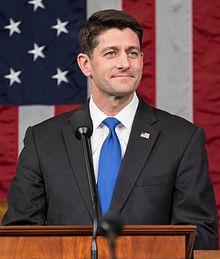
Paul Ryan
David Brooks, the conservative New York Times columnist, offered a more accurate explanation of Trump’s motives. Speaking on The PBS Newshour, Brooks said:
“We are a nation of laws. Donald Trump lives in an entirely different cultural universe. He is more clannist, believing in clan, believing in family, believing in loyalty, not recognizing objective law, not recognizing the procedures that is really how modern government operates….
“It’s not only that he doesn’t know the rules, but at all along and throughout his presidency, he has sort of trampled on the rules almost as a matter of policy, as a matter of character, because he doesn’t believe in that kind of relationships. It’s all personal loyalty, not about laws and norms and standards.”
Republicans don’t fear that Trump will trash the institutions that Americans have cherished for more than 200 years. Institutions like an independent judiciary, a free press, and an incorruptible Justice Department.
He has already attacked all of these—and Republicans have either said nothing or rushed to his defense.
What Republicans truly fear about Donald Trump is that he will finally cross one line too many—like firing Special Counsel Robert Meuller. And that the national outrage following this will force them to launch impeachment proceedings against him.
But it isn’t even Trump they fear will be destroyed.
What they most fear losing is their own hold on nearly absolute power in Congress and the White House.
If Trump is impeached and possibly indicted, he will become a man no one any longer fears. He will be a figure held up to ridicule and condemnation.
Like Adolf Hitler. Like Richard Nixon.
And his Congressional supporters will be branded as losers along with him.
Republicans vividly remember what happened after Nixon was forced to resign on August 9, 1974: Democrats, riding a wave of reform fever, swept Republicans out of the House and Senate—and Jimmy Carter into the White House.
If they are conflicted—whether to continue supporting Trump or desert him—the reason is the same: How can I hold onto my power and all the privileges that go with it?
ABC NEWS, ADOLF HITLER, ALTERNET, AP, BBC, BUZZFEED, CBS NEWS, CNN, DAILY KOS, DIMITRI SHOSTAKOVICH, DONALD TRUMP, FACEBOOK, FBI, GREAT TERROR, JAMES COMEY, JEFF SESSIONS, JOSEPH STALIN, KEITH SCHILLER, MIKE FLYNN, MIKHAIL TUKHACHEVESKY, MOTHER JONES, MOVEON, NAZI GERMANY, NBC NEWS, NEWSWEEK, NICCOLO MACHIAVELLI, NIKITA KHRUSHCHEV, NIKOLAI ZHILAYEV, NPR, POLITICO, RAW STORY, REUTERS, ROBERT MUELLER III, ROD ROSENSTEIN, RUSSIAN ESPIONAGEky, SALON, SEATTLE TIMES, SENATE INTELLIGENCE COMMITTEE, SERGEY KISLYAK, SERGEY LAVOV, SLATE, SOVIET UNION, THE ATLANTIC, THE CHICAGO SUN-TIMES, THE CHICAGO TRIBUNE, THE DAILY BEAST, THE DISCOURSES, THE GUARDIAN, THE HILL, THE HUFFINGTON POST, THE LOS ANGELES TIMES, THE NEW YORK TIMES, THE WALL STREET JOURNAL, THE WASHINGTON POST, TIME, TWITTER, U.S. NEWS & WORLD REPORT, UPI, USA TODAY, WEHRMACHT, WORLD WAR 11
In Bureaucracy, History, Law, Law Enforcement, Military, Politics, Social commentary on April 11, 2018 at 12:04 am
Nikolai Sergeyvich Zhilayev (pronounced Zill-lay-ev) was a Russian musicologist and the teacher of several 20th-century Russian composers.
Among these: Dimitri Shostakovich.
Among his friends—to his ultimate misfortune—was Mikhail Tukhachevsky, the former military hero now falsely condemned and executed as a traitor by Soviet dictator Joseph Stalin.
In 1938, Zhilayev (November 18, 1881 – January 20, 1938) also became a casualty of what has become known as The Great Terror.
In his posthumously-published memoirs, Testimony, Shostakovich, his pupil and friend, described how Zhilayev faced his end with a calmness that awed even the NKVD (the predecessor to the KGB) secret police sent to arrest him.
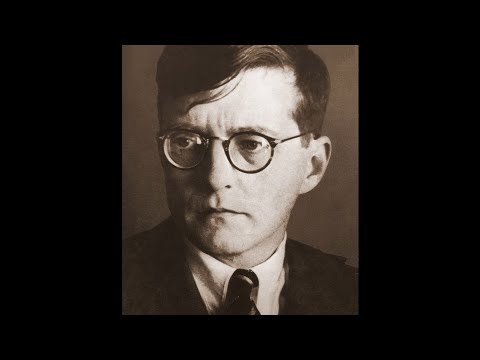
Dimitri Shostakovich
“He had a large picture of Tukhachevsky in his room, and after the announcement that Tukhachevsky had been shot as a traitor to the homeland, Zhilayev did not take the picture down.
“I don’t know if I can explain how heroic a deed that was….As soon as the next poor soul was declared an enemy of the people, everyone destroyed in a panic everything connected with that person….
“And naturally, photographs flew into the fire first, because if someone informed on you, reported that you had a picture of an enemy of the people, it meant certain death.
“Zhilayev wasn’t afraid. When they came for him, Tukhachevsky’s prominently hung portrait amazed even the executioners.”
“What, it’s still up?” one of the secret police asked.
“The time will come,” Zhilayev replied, “when they’ll erect a monument to him.”
As, in fact, has happened.
Meanwhile, Stalin has been universally condemned as one of history’s greatest tyrants.

Mikhail Tukhachevsky appears on a 1963 Soviet Union postage stamp
Third hero—James Brien Comey (December 14, 1960)
Comey served as United States Attorney (federal prosecutor) for the Southern District of New York (2002-2003).
As United States Deputy Attorney General (2003-2005), he opposed the warrantless wiretapping program of the George W. Bush administration. He also argued against the use of water boarding as an interrogation method.
In 2005, he entered the private sector as General Counsel and Senior Vice President for Lockheed Martin, the biggest contractor for the Department of Defense.
On July 29, 2013, the United States Senate voted 93 -1 to confirm Comey as director of the FBI, the seventh in its history.

James B. Comey
He directed the FBI from his appointment in 2013 by President Barack Obama until his firing on May 9 by President Donald Trump.
In a move that Joseph Stalin would have admired, Trump gave no warning of his intentions. Instead, he sent Keith Schiller, his longtime bodyguard, to the FBI with a letter announcing Comey’s dismissal.
Trump had three reasons for firing Comey:
- Comey had refused to pledge his personal loyalty to Trump. Trump had made this “request” during a private dinner at the White House in January. After refusing to make that pledge, Comey told Trump that he would always be honest with him. But that didn’t satisfy Trump’s demand that the head of the FBI act as his personal secret police chief.
- Trump had tried to coerce him into dropping the FBI’s investigation into former National Security Adviser Mike Flynn, for his secret ties to Russia and Turkey. Comey had similarly resisted that demand.
- Comey had recently asked the Justice Department to fund an expanded FBI investigation into contacts between Trump’s 2016 Presidential campaign and Russian Intelligence agents.
As a Presidential candidate and President, Trump:
- Steadfastly denied those revelations;
- Repeatedly attacked the “fake news” media reporting these revelations. Chief among his targets: CNN, The New York Times and The Washington Post; and
- Attacked the Intelligence agencies responsible for America’s security.
On May 10—the day after firing Comey—Trump met in the Oval Office with Russian Foreign Minister Sergey Lavov and Russian Ambassador Sergey Kislyak.
Kislyak is reportedly a top recruiter for Russia’s SVR foreign intelligence agency. He has been closely linked with Jeff Sessions, now Attorney General, and fired National Security Adviser Mike Flynn.
“I just fired the head of the F.B.I.,” Trump told the two dignitaries. “He was crazy, a real nut job. I faced great pressure because of Russia. That’s taken off.”
During that meeting he gave the Russians sensitive Intelligence on ISIS that had been supplied by Israel.
Two days later, on May 12, Trump tweeted a threat to the fired FBI director: “James Comey better hope that there are no ‘tapes’ of our conversations before he starts leaking to the press.”
But shortly afterward, it appeared Trump was the one who should worry: Reports surfaced that Comey had written memos to himself immediately after his private meetings with Trump.
He had also told close aides that Trump was trying to pressure him into dropping the investigation into close ties between Russian Intelligence agents and Trump campaign staffers.
As for Trump’s threat of having tapes of his and Comey’s conversations: Like Trump’s claim that he could prove that Barack Obama wasn’t an American citizen, this, too, proved to be a lie.
And Comey’s firing led directly to a result Trump did not anticipate: Acting Attorney General Rod Rosenstein yielded to demands from Democrats and appointed former FBI Director Robert Meuller III as a special prosecutor to investigate those ties.
ABC NEWS, ADOLF HITLER, ALTERNET, AP, BBC, BUZZFEED, CBS NEWS, CNN, DAILY KOS, DIMITRI SHOSTAKOVICH, DONALD TRUMP, FACEBOOK, FBI, GREAT TERROR, JAMES COMEY, JEFF SESSIONS, JOSEPH STALIN, KEITH SCHILLER, MIKE FLYNN, MIKHAIL TUKHACHEVESKY, MOTHER JONES, MOVEON, NAZI GERMANY, NBC NEWS, NEWSWEEK, NICCOLO MACHIAVELLI, NIKITA KHRUSHCHEV, NIKOLAI ZHILAYEV, NPR, POLITICO, RAW STORY, REUTERS, ROBERT MUELLER III, ROD ROSENSTEIN, RUSSIAN ESPIONAGEky, SALON, SEATTLE TIMES, SENATE INTELLIGENCE COMMITTEE, SERGEY KISLYAK, SERGEY LAVOV, SLATE, SOVIET UNION, THE ATLANTIC, THE CHICAGO SUN-TIMES, THE CHICAGO TRIBUNE, THE DAILY BEAST, THE DISCOURSES, THE GUARDIAN, THE HILL, THE HUFFINGTON POST, THE LOS ANGELES TIMES, THE NEW YORK TIMES, THE WALL STREET JOURNAL, THE WASHINGTON POST, TIME, TWITTER, U.S. NEWS & WORLD REPORT, UPI, USA TODAY, WEHRMACHT, WORLD WAR 11
In Bureaucracy, History, Law Enforcement, Military, Politics, Social commentary on April 10, 2018 at 3:03 pm
…A truly great man is ever the same under all circumstances. And if his fortune varies, exalting him at one moment and oppressing him at another, he himself never varies, but always preserves a firm courage, which is so closely interwoven with his character that everyone can readily see that the fickleness of fortune has no power over him.
The conduct of weak men is very different. Made vain and intoxicated by good fortune, they attribute their success to merits which they do not possess. And this makes them odious and insupportable to all around them. And when they have afterwards to meet a reverse of fortune, they quickly fall into the other extreme, and become abject and vile.
–Niccolo Machiavelli, The Discourses
Three heroes, two villains.
Two of the heroes are Russian; the third is an American.
The villains: One Russian (actually, Georgian); one American.
First up—in order of disappearance: Mikhail Nikolayevich Tukhachevsky (pronounced too-ka-chev-sky)
Tukhachevsky (February 4, 1893 – June 12, 1937) was a leading Soviet military leader and theoretician from 1918 to 1937.
He commanded the Soviet Western Front during the Russian-Polish War (1920-21) and served as Chief of Staff of the Red Army (1925-1928).
He fought to modernize Soviet armament, as well as develop airborne, aviation and mechanized forces. Almost singlehandedly, he created the theory of deep operations for Soviet forces.

Mikhail Tukhachevsky
All of these innovations would reap huge dividends when the Soviet Union faced the lethal fury of Adolf Hitler’s Wehrmacht.
In 1936, Tukhachevsky warned Soviet dictator Joseph Stalin that Nazi Germany might attack without warning—and ignite a long and murderous war.
Stalin—the son of a Georgian cobbler—resented Tukhachevsky’s coming from a noble family. A monumental egomaniac, he also hated that Tukhachevesky’s fame rivaled his own.
Warned of the approaching German danger, Stalin shouted: “What are you trying to do—frighten Soviet authority?”
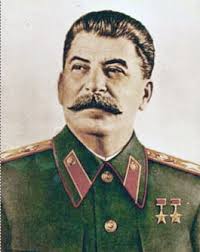
Joseph Stalin
The attack that Tukhachevsky warned against came five years later—on June 22, 1941, leaving at least 20 million Russians dead.
But Tukhachevsky wasn’t alive to command a defense.
The 1930s were a frightening and dangerous time to be alive in the Soviet Union. In 1934, Stalin, seeing imaginary enemies everywhere, ordered a series of purges that lasted right up to the German invasion.
An example of Stalin’s paranoia occurred one day while the dictator walked through the Kremlin corridors with Admiral Ivan Isakov. Officers of the NKVD (the predecessor to the KGB) stood guard at every corner.
“Every time I walk down the corridors,” said Stalin, “I think: Which one of them is it? If it’s this one, he will shoot me in the back. But if I turn the corner, the next one can shoot me in the face.”
In 1937-38, the Red Army fell prey to Stalin’s paranoia.
Its victims included:
- Three of five marshals (five-star generals);
- Thirteen of 15 army commanders (three- and four-star generals);
- Fifty of 57 army corps commanders; and
- One hundred fifty-four out of 186 division commanders.
And heading the list of those marked for death was Marshal Mikhail Tukhachevsky.
Arrested on May 22, 1937, he was interrogated and tortured. As a result, he “confessed” to being a German agent plotting to overthrow Stalin and seize power.
On his confession, which survives in the archives, his bloodstains can clearly be seen.
On June 11, the Soviet Supreme Court convened a special military tribunal to try Tukhachevsky and eight generals for treason.
It was a sham: The accused were denied defense attorneys, and could not appeal the verdict—-which was foregone: Death.
In a Russian version of poetic justice, five of the eight generals who served as Tukhachevsky’s judges were themselves later condemned and executed as traitors.
Within hours of the verdict, Tukhachevsky was summoned from his cell and shot once in the back of the head.
From 1937 until 1956, Tukhachevsky was officially declared a traitor and fifth-columnist.
Then, on February 25, 1957, Soviet Premier Nikita Khrushchev delivered his bombshell “Secret Speech” to the 20th Congress of the Communist Party of the Soviet Union.
In this, he denounced Stalin (who had died in 1953) as a ruthless tyrant responsible for the slaughter of millions of innocent men, women and children. He condemned Stalin for creating a “personality cult” around himself, and for so weakening the Red Army that Nazi Germany was able to easily overrun half of the Soviet Union from 1941 to 1943.
On January 31, 1957, Tukhachevsky and his co-defendants were declared innocent of all charges and were “rehabilitated.”
Today, he is once again—rightly—considered a Russian hero and military genius. And Stalin is universally—and rightly—seen as a blood-stained tyrant.
Next hero: Nikolai Sergeyvich Zhilayev (pronounced Zill-lay-ev)
Zhilayev (November 18, 1881 – January 20, 1938) was a Russian musicologist and the teacher of several 20th-century Russian composers. Among these: Dimitri Shostakovich.
Zhilayev, a member of the Russian Academy of Art-Sciences, taught at the Moscow Conservatory. Among his friends–to his ultimate misfortune–was Mikhail Tukhachevsky.
In 1938, he, too, became a casualty of what has become known as The Great Terror.
In his posthumously-published memoirs, Testimony, Shostakovich, his pupil and friend, described how Zhilayev faced his end with a calmness that awed even the NKVD (the predecessor to the KGB) secret police sent to arrest him.
2016 PRESIDENTIAL ELECTION, ABC NEWS, ALTERNET, AP, ARCHIBALD COX, ARRON COPELAND, ARTHUR MILLER, BUZZFEED, CBS NEWS, CHARLIE CHAPLAN, CNN, CROOKS AND LIARS, DAILY KOZ, DASHIELL HAMMETT, DELORES DEL RIO, DONALD TRUMP, DWIGHT D. EISENHOWER, EDWARD G. ROBINSON, EDWARD R. MURROW, ELMER BERNSTEIN, FACEBOOK, FBI, FOX NEWS, GEORGE C. MARSHALL, HARRY S. TRUMAN, HOWARD DA SILVA, HOWARD FAST, IRWIN SHAW, J. ROBER OPPENHEIMER, JAMES COMEY, JOHN BIRCH SOCIETY, JOHN GARFIELD, JOHN STEINBECK, JOSEPH R. MCCARTHY, LEE GRANT, LILLIAN HELLMAN, LLOYD BRIDGES, LUCILLE BALL, MOTHER JONES, MOVEON, NAZI GERMANY, NBC NEWS, NEWSWEEK, NPR, PETE SEEGER, POLITICO, RAW STORY, REUTERS, RICHARD M. NIXON, ROBERT MUELLER, ROBERT WELCH, ROD ROSENSTEIN, RUSSIAN INTELLIGENCE, RUTH GORDON, SALON, SEATTLE TIMES, SLATE, SOVIET UNION, STATE DEPARTMENT, SUBVERSION, THE ATLANTIC, THE CHICAGO SUN-TIMES, THE CHICAGO TRIBUNE, THE DAILY BEAST, THE GUARDIAN, THE HILL, THE HUFFINGTON POST, THE LOS ANGELES TIMES, THE NATION, THE NEW YORK TIMES, THE WASHINGTON POST, TIME, TWITTER, U.S. DEPARTMENT OF JUSTICE, U.S. NEWS & WORLD REPORT, UPI, USA TODAY, USA TODAY EDWARD R. MURROW, WILLIAM L. SHIRER, ZERO MOSTEL
In Bureaucracy, History, Law, Politics, Social commentary on March 21, 2018 at 12:23 am
On March 9, 1954, Edward R. Murrow, the most respected broadcast journalist in America, outlined the career and demagogic tactics of Wisconsin United States Senator Joseph R. McCarthy.
He did so on his CBS news show, “See It Now,” at the height of the “Red Scare” hysteria that McCarthy had whipped up four years earlier.
Virtually any American could find himself accused of being a Communist, or a “Comsymp,” or a “fellow traveler. Such an act could rob him/her of friends, career—or even liberty on the flimsiest of evidence.
Meanwhile, Republicans cowered before McCarthy’s attacks on the press, the military, the judiciary and law enforcement—or joined hid chorus. Protecting the nation’s social and political institutions took a distant second place to attacking Democrats as Communist traitors.
Today, 64 years later, another demagogue—Donald Trump—casts an even darker shadow across the land. As the President of the United States, he commands far more power than McCarthy ever did.
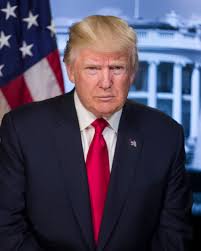
Donald Trump
- He freely slanders anyone—famous or anonymous, athlete or disabled, politician or philosopher—who dares contradict him. Or for whom he simply takes a disliking to.
- He fired FBI Director James Comey for refusing to pledge his personal loyalty—the way Joseph Stalin expected his secret police chiefs to operate.
- He hounded Assistant FBI Director Andrew McCabe into resigning, and then fired him 24 hours before he was to receive his pension after 21 years of sterling service.
- He fired his Secretary of State, Rex Tillerson—by tweet—while Tillerson was still on an official visit to Africa.
- He has, in short, forced most Americans to re-think their longtime assumption that a dictatorship can’t happen here.
Today, only those Republicans who have decided to retire from Congress dare to criticize Trump. The rest fear he will aim a nasty tweet at them—and cost them Fascistic voters, perhaps even their offices.
Meanwhile, Robert Mueller—a career prosecutor with the highest reputation for integrity—struggles to discover the truth about Russian electoral subversion and the Trump campaign’s collusion in it.
Every day he faces the danger of being fired by the very man whose criminal associates he’s investigating. And yet Republicans refuse to enact a law that would protect him against such abuse of power.
At this time, Murrow’s warnings about Joseph McCarthy need to be seriously reconsidered. Just substitute “President” for “Junior Senator” and “Trump” for “McCarthy,” and Murrow’s text could have been written yesterday.
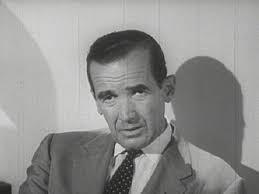
Edward R. Murrow
On one thing the [President] has been consistent. Often operating as a one-man committee, he has traveled far, [defamed] many, terrorized some, accused civilian and military leaders of the past administration of a great conspiracy to turn over the country to [terrorism], [slamdered] and substantially demoralized the present State Department….
He has [slandered] a varied assortment of what he calls [“the enemy of the American people.”]
Republican Senator Flanders of Vermont said of [Trump] today: “He dons war paint; he goes into his war dance; he emits his war whoops; he goes forth to battle and proudly returns with the scalp of a pink army dentist.”
It is necessary to investigate before legislating, but the line between investigating and persecuting is a very fine one and the [President of the United States] has stepped over it repeatedly. His primary achievement has been in confusing the public mind, as between the internal and the external threats of [terrorism].
We must not confuse dissent with disloyalty. We must remember always that accusation is not proof and that conviction depends upon evidence and due process of law. We will not walk in fear, one of another.
We will not be driven by fear into an age of unreason, if we dig deep in our history and our doctrine, and remember that we are not descended from fearful men—not from men who feared to write, to speak, to associate and to defend causes that were, for the moment, unpopular.
This is no time for men who oppose [President Trump’s] methods to keep silent, or for those who approve. We can deny our heritage and our history, but we cannot escape responsibility for the result.
There is no way for a citizen of a republic to abdicate his responsibilities. As a nation we have come into our full inheritance at a tender age. We proclaim ourselves, as indeed we are, the defenders of freedom, wherever it continues to exist in the world, but we cannot defend freedom abroad by deserting it at home.
The actions of the [President of the United States] have caused alarm and dismay amongst our allies abroad, and given considerable comfort to our enemies. And whose fault is that? Not really his.
He didn’t create this situation of fear; he merely exploited it—and rather successfully. Cassius was right. “The fault, dear Brutus, is not in our stars, but in ourselves.”
2016 PRESIDENTIAL ELECTION, ABC NEWS, ALTERNET, AP, ARCHIBALD COX, ARRON COPELAND, ARTHUR MILLER, BUZZFEED, CBS NEWS, CHARLIE CHAPLAN, CNN, CROOKS AND LIARS, DAILY KOZ, DASHIELL HAMMETT, DELORES DEL RIO, DONALD TRUMP, DWIGHT D. EISENHOWER, EDWARD G. ROBINSON, EDWARD R. MURROW, ELMER BERNSTEIN, FACEBOOK, FBI, FOX NEWS, GEORGE C. MARSHALL, HARRY S. TRUMAN, HOWARD DA SILVA, HOWARD FAST, IRWIN SHAW, J. ROBER OPPENHEIMER, JAMES COMEY, JOHN BIRCH SOCIETY, JOHN GARFIELD, JOHN STEINBECK, JOSEPH R. MCCARTHY, LEE GRANT, LILLIAN HELLMAN, LLOYD BRIDGES, LUCILLE BALL, MOTHER JONES, MOVEON, NAZI GERMANY, NBC NEWS, NEWSWEEK, NPR, PETE SEEGER, POLITICO, RAW STORY, REUTERS, RICHARD M. NIXON, ROBERT MUELLER, ROBERT WELCH, ROD ROSENSTEIN, RUSSIAN INTELLIGENCE, RUTH GORDON, SALON, SEATTLE TIMES, SLATE, SOVIET UNION, STATE DEPARTMENT, SUBVERSION, THE ATLANTIC, THE CHICAGO SUN-TIMES, THE CHICAGO TRIBUNE, THE DAILY BEAST, THE GUARDIAN, THE HILL, THE HUFFINGTON POST, THE LOS ANGELES TIMES, THE NATION, THE NEW YORK TIMES, THE WASHINGTON POST, TIME, TWITTER, U.S. DEPARTMENT OF JUSTICE, U.S. NEWS & WORLD REPORT, UPI, USA TODAY, USA TODAY EDWARD R. MURROW, WILLIAM L. SHIRER, ZERO MOSTEL
In Bureaucracy, History, Law, Law Enforcement, Politics, Social commentary on March 20, 2018 at 12:04 am
During the 1950s, Wisconsin United States Senator Joseph R. McCarthy rode a wave of paranoia to national prominence–by attacking the patriotism of anyone who disagreed with him.
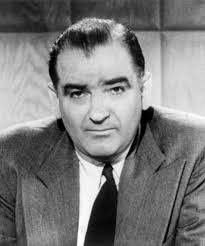
Joseph McCarthy
Elected to the Senate in 1946, he rose to national prominence on February 9, 1950, after giving a fiery speech in Wheeling, West Virginia:
“The State Department is infested with communists. I have here in my hand a list of 205—a list of names that were made known to the Secretary of State as being members of the Communist Party and who nevertheless are still working and shaping policy in the State Department.”
No American—no matter how prominent—was safe from the accusation of being a Communist or a Communist sympathizer—”a Comsymp” or “fellow traveler” in the style of the era.
Among those accused:
- Secretary of State George C. Marshall, who had overseen America’s strategy for defeating Nazi Germany and Imperial Japan;
- President Harry S. Truman;
- Playwrights Lillian Hellman and Arthur Miller;
- Actors Charlie Chaplin, Zero Mostel, Lloyd Bridges, Howard Da Silva, Edward G. Robinson and John Garfield;
- Composers Arron Copland and Elmer Bernstein;
- Physicist J. Robert Oppenheimer, who presided over the creation of America’s atomic bomb;
- Actresses Lee Grant, Delores del Rio, Ruth Gordon and Lucille Ball;
- Journalists Edward R. Murrow and William L. Shirer, who had chronicled the rise of Nazi Germany;
- Folksinger Pete Seeger;
- Writers Irwin Shaw, Howard Fast, John Steinbeck and Dashiell Hammett.
Even “untouchable” Republicans became targets for such slander.
The most prominent of these was President Dwight D. Eisenhower–labeled ”a conscious, dedicated agent of the Communist Conspiracy” by Robert Welch, who founded the John Birch Society in 1958.
On March 9, 1954, at the height of the McCarthy hysteria, Edward R. Murrow, the most respected broadcast journalist in America, delivered a powerful blow against the Senator’s dictatorial tactics and agenda. He did so on his high-rated CBS program, “See It Now.”
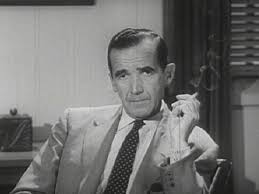
Edward R. Murrow
Today, 64 years later, Murrow’s eloquent appeal for moral courage in the face of tyranny still stands, and is still worth remembering.
This is especially true since the United States finds itself once again endangered by a fearful demagogue. But this one is even more dangerous than McCarthy.
For, unlike McCarthy, he commands the Justice Department to bludgeon his “enemies” at home and the Defense Department to literally destroy any country he dislikes abroad.
He is the President of the United States: Donald J. Trump.
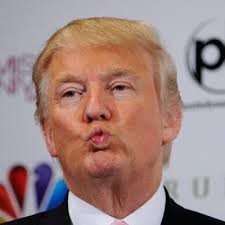
Donald Trump
Even before taking office on January 20, 2017, he was dogged by charges that Russian Intelligence agents had aided his 2016 Presidential campaign. And that members of his campaign had actively colluded with them.
The FBI, headed by James Comey, was then investigating that alleged collusion. Then, on May 8, 2017, Trump abruptly fired Comey from his position as FBI director.
A national firestorm erupted—unprecedented since President Richard M. Nixon had fired Watergate Special Prosecutor Archibald Cox on October 20, 1973.
To squelch it, Deputy Attorney General Rod Rosenstein moved quickly.
On May 17, 2017, he appointed Robert Mueller to serve as Special Counsel for the United States Department of Justice.
Mueller had dedicated almost his entire adult life to serving the Justice Department:
- United States Attorney for Massachusetts (1986–1987);
- United States Assistant Attorney General for the Criminal Division (1990–1993);
- United States Attorney for the Northern District of California (1998–2001);
- United States Deputy Attorney General (January 20, 2001 – May 10, 2001) and
- Director of the Federal Bureau of Investigation (2001-2013);
Mueller had amassed a solid reputation for integrity and efficiency. So highly respected was he that when he planned to retire after serving out the mandatory 10-year term as FBI director, both Democrats and Republicans prevailed on him to stay on until President Barack Obama could find a suitable replacement for him.
That replacement turned out to be James Comey, Mueller’s former deputy director at the FBI.
Rosenstein now charged Mueller to investigate “any links and/or coordination between the Russian government and individuals associated with the campaign of President Donald Trump, and any matters that arose or may arise directly from the investigation.”
Trump has claimed from the outset that there was “no collusion” between him and members of Russia’s Intelligence community.
But he has acted like a guilty man desperate to stop the investigation before it uncovers the full extent of his criminality.
Since May, Trump, his shills in Congress and Right-wing Fox News have relentlessly attacked Mueller’s integrity and investigative methods.
From the outset of that investigation, there have been widespread fears that Trump would fire Mueller, just as he did Comey.
Those fears increased over the weekend of Marcy 17-18, when Trump spewed a series of angry tweets on Twitter:
“The Mueller probe should never have been started in that there was no collusion and there was no crime. It was based on fraudulent activities and a Fake Dossier paid for by Crooked Hillary and the DNC, and improperly used in FISA COURT for surveillance of my campaign. WITCH HUNT!”
“Why does the Mueller team have 13 hardened Democrats, some big Crooked Hillary supporters, and Zero Republicans? Another Dem recently added…does anyone think this is fair? And yet, there is NO COLLUSION!”
“A total WITCH HUNT with massive conflicts of interest!”
ABC NEWS, ADOLF HITLER, ALTERNET, AP, BBC, BUZZFEED, CBS NEWS, CNN, DAILY KOS, DAVID BROOKS, DONALD TRUMP, FACEBOOK, FBI, GEORGE C. SCOTT, GEORGE S. PATTON, GESTAPO, HOGAN’S HEROES, IMPEACHMENT, JAMES COMEY, JIMMY CARTER, MEL BROOKS, MIKE FLYNN, MOTHER JONES, MOVEON, NAZI GERMANY, NBC NEWS, NEWSWEEK, NPR, PAUL RYAN, PBS NEWSHOUR, POLITICO, RAW STORY, REPUBLICAN PARTY, REUTERS, RICHARD GRUNBERGER, RICHARD NIXON, ROBERT MEULLER, SALON, SEATTLE TIMES, SLATE, SOVIET UNION, THE 12-YEAR REICH, THE ATLANTIC, THE CHICAGO SUN-TIMES, THE CHICAGO TRIBUNE, THE DAILY BEAST, THE GUARDIAN, THE HILL, THE HUFFINGTON POST, THE LOS ANGELES TIMES, THE NEW YORK TIMES, THE WALL STREET JOURNAL, THE WASHINGTON POST, TIME, TWITTER, U.S. NEWS & WORLD REPORT, UPI, USA TODAY
In Bureaucracy, History, Law, Politics, Social commentary on March 19, 2018 at 1:18 am
While Adolf Hitler ruled Germany from 1933 to 1945, “the persuasive influence of the Nazi regime reached into every corner of everyday life in Germany.”
So reads the paperback cover of Richard Grunberger’s classic 1971 book, The 12-Year Reich.
“Censorship prevailed, education was undermined, family life was idealized, but children were encouraged to turn in disloyal parents.
“‘Volk’ festivals, party rallies, awards, uniforms, pageantry all played a part in the massive effort to shape the mind of a nation.”
And yet, after the Reich surrendered unconditionally to the Allies on May 8, 1945, a strange thing happened: Virtually no one in Germany admitted to having been a Nazi—or having even known one.
As for who was responsible for losing the war itself: As far as most Germans were concerned, that blame fell entirely on the man they had once worshiped as Der Fuhrer. If he had just let his brilliant generals run operations, Germany would have triumphed.
In short: Adolf Hitler had lost the war he started—making him a loser nobody wanted to be identified with.
In the decades since, the “loser” tag has continued to stick with those who once served the Third Reich. Mel Brooks has repeatedly turned German soldiers—once the pride of the battlefield—into idiotic comic foils.
Even the fearsome Gestapo was spoofed for laughs on the long-running TV comedy, “Hogan’s Heroes.”

“Hogan’s Heroes”
“Americans love a winner,” George C. Scott as George S. Patton says at the outset of the classic 1970 movie. “And will not tolerate a loser.”
And that is why Republicans have stuck so closely with President Donald J. Trump.
A typical example of this occurred on June 8, 2017, after former FBI director James Comey testified before the United States Senate Select Committee on Intelligence.
Comey revealed that, on February 14, Trump had ordered everyone but Comey to leave a crowded meeting in the Oval Office.
“I want to talk about Mike Flynn,” said Trump.
Flynn had resigned the previous day from his position as National Security Adviser. The FBI was investigating him for his previously undisclosed ties to Russia.
“I hope you can see your way clear to letting this go, to letting Flynn go,” said Trump. “He is a good guy. I hope you can let this go.”
This was clearly an attempt by Trump to obstruct the FBI’s investigation.
Yet Republican House Speaker Paul Ryan rushed to excuse his clearly illegal behavior: “He’s new at government, so therefore I think he’s learning as he goes.”
Paul Ryan
Republicans don’t fear that Trump will trash the institutions that Americans have cherished for more than 200 years. Institutions like an independent judiciary, a free press, and an incorruptible Justice Department.
He has already attacked all of these—and Republicans have either said nothing or rushed to his defense.
And despite Trump’s repeated threats to fire Special Counsel Robert Mueller, Republicans have refused to enact any safeguards to prevent this. In fact, if Trump did so, it’s doubtful that most Republicans would vote to impeach and convict him.
The reason: They fear losing the support of his fanatical base—even if it constitutes only 36% of all registered voters.
At the same time, Republicans fear that Trump will finally cross one line too many. And that the national outrage following this will force them to launch impeachment proceedings against him.
But it isn’t even Trump they fear will be destroyed.
What they most fear losing is their own hold on nearly absolute power in Congress and the White House.
If Trump is impeached and possibly indicted, he will become a man no one any longer fears. He will be a figure held up to ridicule and condemnation.
Like Adolf Hitler. Like Richard Nixon.
And his Congressional supporters will be branded as losers along with him.
Republicans vividly remember what happened after Nixon was forced to resign on August 9, 1974: Democrats, riding a wave of reform fever, swept Republicans out of the House and Senate—and Jimmy Carter into the White House.
Thus, Americans who are fed up with the chaos and cruelties of the Trump administration must find a way to separate Trump from his knee-jerk supporters in Congress.
And here it is:
American voters need not wait until the fall elections to “send a message” to Republicans in the House and Senate. Instead, they can immediately launch recall campaigns against all Republicans in both houses of Congress.
That would have a far greater impact on Republicans than sending mere letters of outrage. Or even rejecting individual Republican candidates, such as Roy Moore in Alabama and Rick Saccone in Pennsylvania.
And this is where the Democratic party must finally show some backbone.
Democrats must launch an unceasing advertising campaign to persuade voters to force a nationwide recall of all Republicans.
Republicans must be forced to realize they will lose their privileged positions for supporting a vicious, unstable President who sells out the Nation to a hostile foreign power—Russia.
Only then will they sweep him out of the White House like a dead rat on the kitchen floor.
2016 PRESIDENTIAL CAMPAIGN, ABC NEWS, AL QAEDA, ALEXANDER THE GREAT, ALTERNET, ANDREW G. MCCABE, BARACK OBAMA, BUZZFEED, CBS NEWS, CHINA, CIA, CNN, CONSERVATIVE POLITICAL ACTION CONFERENCE, DAILY KOS, DONALD TRUMP, FACEBOOK, FBI, FEDERAL JUDICIARY, FOX NEWS SUNDAY, INTELLIGENCE AGENCIES, JAMES COMEY, JAMES ROBART, JEFF SESSIONS, MOTHER JONES, MOVEON, NAVY SEALS, NBC NEWS, NEW YORK TIMES, NEWSWEEK, NINTH CIRCUIT COURT OF APPEALS, NPR, NSA, PLUTARCH, POLITICO, RAW STORY, REPUBLICAN DONORS, ROBERT MUELLER, ROD J. ROSENSTEIN, RUSSIA, RUSSIAN INTELLIGENCE, SALON, SLATE, STEPHEN MILLER, THE CHICAGO SUN-TIMES, THE CHICAGO TRIBUNE, THE DAILY BEAST, THE HUFFINGTON POST, THE LOS ANGELES TIMES, THE NEW YORK TIMES, THE PRESS, THE WALL STREET JOURNAL, THE WASHINGTON POST, TIME, TWITTER, U.S. NEWS & WORLD REPORT, USA TODAY, WILLIAM “RYAN” OWENS, WIRETAPPING, XI JINPING, YEMEN
In Bureaucracy, History, Law, Law Enforcement, Military, Politics, Social commentary on March 5, 2018 at 12:06 am
And the most glorious exploits do not always furnish us with the clearest discoveries of virtue or vice in men; sometimes a matter of less moment, an expression or a jest, informs us better of their characters and inclinations, than the most famous sieges, the greatest armaments, or the bloodiest battles whatsoever.
—Plutarch, “Life of Alexander”
In a closed-door speech to Republican donors on March 3, 2018, President Donald Trump proved the accuracy of Plutarch’s observation.
He praised China’s President, Xi Jinping, for recently assuming full dictatorial powers: “He’s now president for life. President for life. No, he’s great. And look, he was able to do that. I think it’s great. Maybe we’ll have to give that a shot some day.”
The statement was greeted with cheers and laughter by Republican donors.
And, in making that unguarded statement, Trump perhaps has revealed his ultimate intention: To overthrow America’s constitutional government.
Since taking office as the Nation’s 45th President, Donald Trump has attacked or undermined one public or private institution after another.
Donald Trump
Among these:
- American Intelligence: Even before taking office, Trump refused to accept the findings of the FBI, CIA and NSA that Russian Intelligence agents had intervened in the 2016 election to ensure his victory.
- “I think it’s ridiculous,” he told “Fox News Sunday.” “I think it’s just another excuse. I don’t believe it….No, I don’t believe it at all.”
- And when FBI Director James Comey dared to pursue a probe into “the Russia thing,” Trump fired him without warning.
- American law enforcement agencies: Trump has repeatedly attacked his own Attorney General, Jeff Sessions, for not “protecting” him from agents pursuing the Russia investigation.
- He repeatedly attacked the integrity of Deputy FBI Director Andrew G. McCabe until the latter resigned.
- He has threatened to fire Rod J. Rosenstein, the deputy attorney general, Rod J. Rosenstein, who oversees Special Counsel Robert Mueller’s investigation into Russian subversion of the 2016 election.
- He intended to fire Mueller during the summer of 2017, but was talked out of it by aides fearful that it would set off calls for his impeachment.
- American military agencies: In February, 2017, Trump approved and ordered a Special Forces raid in Yemen on an Al Qaeda stronghold. The assault cost the life of Navy SEAL Chief Petty Officer William “Ryan” Owens.
- Disavowing any responsibility for the failure, Trump said: ““This was a mission that was started before I got here. This was something they wanted to do. They came to me, they explained what they wanted to do–the generals–who are very respected, my generals are the most respected that we’ve had in many decades, I believe. And they lost Ryan.”
- The press: On February 17, 2017, Trump tweeted: “The FAKE NEWS media (failing @nytimes, @NBCNews, @ABC, @CBS, @CNN) is not my enemy, it is the enemy of the American People!”
- Seven days later, appearing before the Conservative Political Action Conference on February 24, Trump said: “I want you all to know that we are fighting the fake news. It’s fake, phony, fake….I’m against the people that make up stories and make up sources. They shouldn’t be allowed to use sources unless they use somebody’s name. Let their name be put out there.”
- The judiciary: Trump has repeatedly attacked Seattle US District Judge James Robart, who halted Trump’s first travel ban.
- In one tweet, Trump claimed: “Just cannot believe a judge would put our country in such peril. If something happens blame him and court system. People pouring in. Bad!”
- At Trump’s bidding, White House aide Stephen Miller attacked the Ninth Circuit Court of Appeals: “We have a judiciary that has taken far too much power and become, in many cases, a supreme branch of government.”
- President Barack Obama: For five years, Trump, more than anyone else, popularized the slander that President Barack Obama was born in Kenya—and was therefore not an American citizen.
- Even after Obama released the long-form version of his birth certificate—on April 27, 2011—Trump tweeted, on August 6, 2012: “An ‘extremely credible source’ has called my office and told me that @BarackObama‘s birth certificate is a fraud.”
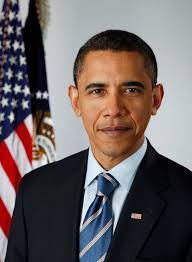
Barack Obama
- On March 4, 2017, in a series of unhinged tweets, Trump accused former President Obama of tapping his Trump Tower phones prior to the election: “Terrible! Just found out that Obama had my ‘wires tapped’ in Trump Tower just before the victory. Nothing found. This is McCarthyism!”
Trump was later forced to admit he had no evidence to back up his slanderous claims.
* * * * *
Donald Trump isn’t crazy, as many of his critics charge. He knows what he’s doing—and why.
He intends to strip every potential challenger to his authority—or his version of reality—of legitimacy with the public. If he succeeds, there will be:
- No independent press to reveal his failures and crimes.
- No independent law enforcement agencies to investigate his abuses of office.
- No independent judiciary to hold him accountable.
- No independent military to dissent as he recklessly hurtles toward a nuclear disaster.
- No candidate—Democrat or Republican—to challenge him for re-election in 2020.
- No candidate—Democrat or Republican—to challenge his remaining in office as “President-for-Life.”
2016 PRESIDENTIAL ELECTION, ABC NEWS, ADOLF HITLER, ALTERNET, ANTI-COMMUNISM, AP, BILL MITCHELL, BUZZFEED, CBS NEWS, CNN, COMMUNISM, CROOKS AND LIARS, DAILY KOZ, DEMOCRATIC NATIONAL COMMITTEE, DIRECTOR OF NATIONAL INTELLIGENCE, DONALD TRUMP, FACEBOOK, FBI, HOUSE INTELLIGENCE COMMITTEE, JAMES COMEY, JAMES R. CLAPPER, JOSEPH R. MCCARTHY, JOSEPH STALIN, MOTHER JONES, MOVEON, NAZI GERMANY, NBC NEWS, NEWSWEEK, NORTH ATLANTIC TREATY ORGANIZATION, NPR, POLAND, POLITICO, RAW STORY, REPUBLICANS, REUTERS, RICHARD M. NIXON, ROBERT MUELLER, RUSSIAN BOTS, SALON, SEATTLE TIMES, SENATE INTELLIGENCE COMMITTEE, SLATE, SOVIET UNION, THE ATLANTIC, THE CHICAGO SUN-TIMES, THE CHICAGO TRIBUNE, THE DAILY BEAST, THE GUARDIAN, THE HILL, THE HUFFINGTON POST, THE LOS ANGELES TIMES, THE NATION, THE NEW YORK TIMES, THE WASHINGTON POST, TIME, TREASON, TWITTER, U.S. NEWS & WORLD REPORT, UPI, USA TODAY, USA TODAY VLADIMIR PUTIN, WIKILEAKS, WORLD WAR 11
In Bureaucracy, History, Military, Politics, Social commentary on March 1, 2018 at 12:08 am
There was a time when Republicans saw—and portrayed themselves—as America’s foremost defenders against Communism.
This was particularly true during the early 1950s. Case in point: Wisconsin United States Senator Joseph R. McCarthy.
Elected to the Senate in 1946, he rose to national prominence on February 9, 1950, after giving a fiery speech in Wheeling, West Virginia:
“The State Department is infested with communists. I have here in my hand a list of 205—a list of names that were made known to the Secretary of State as being members of the Communist Party and who nevertheless are still working and shaping policy in the State Department.”
Joseph McCarthy
No American—no matter how prominent—was safe from the accusation of being a Communist or a Communist sympathizer—”a Comsymp” or “fellow traveler” in the style of the era.
So Red-baiting Republicans like McCarthy and then-Vice President Richard M. Nixon would feel dumbfounded at the following news:
On February 20, a purge of Russian “bots” by Twitter sparked outrage by—yes!—Right-wingers.
Bots are fake accounts used to spread propaganda or advertising campaigns. Investigations by the House and Senate Intelligence Committees have uncovered massive efforts by Russia to throw the 2016 Presidential election to Donald Trump.
Their weapon of choice: Swamping “social media” sites like Facebook, Google and Twitter with genuinely fake news.
The Twitter purge came a week after Special Counsel Robert Mueller indicted 13 Russians and three Russian companies for interfering in that election. The indictments detailed an elaborate plot to wage “information warfare” against the United States.
Right-wingers suddenly found thousands of their Russian bot followers had disappeared—and accused Twitter of secretly deleting like-minded accounts.
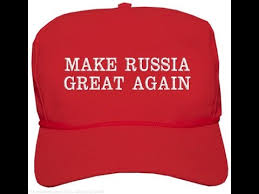
“Twitter is currently purging the followers on conservative accounts only. I just lost 3000 followers in one minute,” tweeted Candace Owens, director of urban engagement for Turning Point USA. This is a student organization promoting limited government and free markets.
Bill Mitchell, a Right-winger known for his controversial tweets defending President Donald Trump, claimed that he lost roughly 4,000 followers overnight.
“This is a damn joke,” tweeted Mike Zollo. “Twitter is absolutely censoring conservative and right wing speech for no damn reason other than their disagreement with it. But, liberals can write vile comments and threaten us with no punishment.”
From the end of World War II to the collapse of the Soviet Union in 1991, it would have been unthinkable for a Republican Presidential candidate to find common cause with a Soviet dictator.
But that utterly changed when Donald Trump won, first, the Republican Presidential nomination and, then, the White House. Trump lavishly praised Russian President Vladimir Putin—and even called on him to directly interfere in the 2016 Presidential race.
On July 22, 2016, Wikileaks released 19,252 emails and 8,034 attachments hacked from computers of the highest-ranking officials of the Democratic National Committee (DNC). Early reports traced the leak to Russian hackers.
“Russia, if you are listening,” Trump said at a press conference in Doral, Florida, “I hope you are able to find the 33,000 emails that are missing—I think you will probably be rewarded mightily by our press.”
This was nothing less than treason—calling upon a foreign power, hostile to the United States, to interfere in its Presidential election.
On December 16, 2016, then-FBI Director James B. Comey and Director of National Intelligence James R. Clapper Jr. agreed with a CIA assessment that Russia intervened in the 2016 election in part to help Donald Trump win the White House.

Trump, however, has steadfastly denied any such role by Russia: “I think it’s ridiculous,” he told “Fox News Sunday.” “I think it’s just another excuse. I don’t believe it….No, I don’t believe it at all.”
The last time dictator-worshiping Fascists found common cause with dictator-worshiping Communists was in August, 1939.
Germany’s Fuhrer Adolf Hitler and the Soviet Union’s Joseph Stalin agreed to end—at least temporarily—their years of violent rivalry and personal slander.
The reason: Hitler planned to invade Poland, and feared he would have to fight its allies, France and England, if he did. He didn’t want to have to fight the Soviet Union, too.
And Stalin saw Hitler’s warlike ambitions as useful to his own dreams of conquest: He wanted—and got—the eastern half of Poland, while Hitler’s legions occupied the western half.
So why would Donald Trump—the arch capitalist—find common cause with Vladimir Putin, the arch Communist?
Simple: Each had something the other wanted.
First, Putin: He wanted a President who would withdraw the United States from the North Atlantic Treaty Organization (NATO)—which would instantly render that alliance kaput. And give Russia a free hand to attack Europe.
And Trump had repeatedly said the United States was paying an unfairly large portion of the monies needed to maintain that alliance.
Then, Trump: He wanted to be President—to enrich himself and his family, to become the center of the world’s attention, and to destroy anyone who dared confront or contradict him.
And in supporting his dictatorial agenda, his millions of Right-wing followers have found common cause with the followers of a Communist dictator’s agenda.
ABC NEWS, ABUSE, ACCESS HOLLYWOOD, ALTERNET, ANTHONY SCARAMUCCI, AP, BARACK OBAMA, BATTERY, BILL O'REILLY, BREITBART, BUZZFEED, CBS NEWS, CHRIS CILLIZZA, CNN, COLBIE HOLDERNESS, COREY LEWANDOWSKI, CROOKS AND LIARS, DAILY KOZ, DAVID SORENSEN, FACEBOOK, FOX NEWS, IVANA TRUMP, IVANKA TRUMP, JACKIE SPEIER, JAMES COMEY, JENNIFER WILLOUGHBY, JESSICA CORBETT, JOHN KELLY, MICHAEL FLYNN, MICHELLE FIELDS, MOTHER JONES, MOVEON, NBC NEWS, NEWSWEEK, NPR, PATRICK LEAHY, PATTY MURRAY, POLITICO, PRETTA BHAARARA, RAW STORY, REUTERS, ROB PORTER, ROGER AILES, ROY MOORE, RUSSIA, SALLY YATES, SALON, SEATTLE TIMES, SERGEY KISKLAK, SEXUAL ABUSE, SLATE, STEVE BANNON, THE APPRENTICE, THE ATLANTIC, THE CHICAGO SUN-TIMES, THE CHICAGO TRIBUNE, THE DAILY BEAST, THE GUARDIAN, THE HILL, THE HUFFINGTON POST, THE LOS ANGELES TIMES, THE NATION, THE NEW YORK TIMES, THE WASHINGTON POST, TIME, TWITTER, U.S. NEWS & WORLD REPORT, UPI, USA TODAY, USA TODAY DONALD TRUMP
In Bureaucracy, History, Law, Politics, Social commentary on February 15, 2018 at 12:02 am
In one week, two White House staffers were forced to resign after reports surfaced of their brutality toward their wives.
And President Donald Trump’s reaction was to defend the accused wife-beaters and accuse their ex-wives of lying:
“Peoples lives are being shattered and destroyed by a mere allegation. Some are true and some are false. Some are old and some are new. There is no recovery for someone falsely accused – life and career are gone. Is there no such thing any longer as Due Process?”
What are the lessons to be learned from this?
First, Donald Trump has his own history of abusing women.
At least 22 women have accused Trump of sexual misconduct between the 1970s and 2013. And Trump flat-out denies the accusations–which include ogling, harassment, groping, and rape—while attacking the women as “liars.”
“Every woman lied when they came forward to hurt my campaign,” he said during a 2016 campaign rally in Gettysburg, Pennsylvania. “Total fabrication. The events never happened. Never. All of these liars will be sued after the election is over.”
The election ended on November 8, 2016. And Trump has yet to sue any of his accusers.
So it’s not surprising that when similar accusations strike men he has around him, he leaps to their defense.
Second, Trump fires women-abusing staffers only when the news media outs them.
Accused wife-abuser Rob Porter resigned from his staff secretary position at the White House only after his two ex-wives detailed their abuse to CNN.
According to CNN, White House Chief of Staff John Kelley knew for months that Porter faced claims of physically and emotionally abusing these women. But he never conducted an inquiry to find out if the claims were true or false.
It’s safe to assume that Porter would still be on the White House payroll if CNN hadn’t reported the abuses.
Third, don’t expect Trump to show any sympathy for alleged female victims.
Donald Trump
Trump has repeatedly shown his contempt for women through abusive and humiliating language. For example:
- During a 1990 Vanity Fair interview, he said of his then-wife, Ivana: “I would never buy Ivana any decent jewels or pictures. Why give her negotiable assets?”
- In 1992, while watching a group of young girls going up the escalator in Trump Tower, Trump said: “I am going to be dating her in 10 years. Can you believe it?”
- During a 1991 Esquire interview: “You know, it doesn’t really matter what [they] write as long as you’ve got a young and beautiful piece of ass.”
- In 2006, during an appearance on The View: “If Ivanka weren’t my daughter, perhaps I’d be dating her.”
- Easily the most infamous example of Trump’s predatory attitude toward women came during his 2005 Access Hollywood interview: “You know I’m automatically attracted to beautiful–I just start kissing them. It’s like a magnet. Just kiss. I don’t even wait. And when you’re a star they let you do it. You can do anything. Grab them by the pussy. You can do anything.”
Fourth, Trump has often defended men who were charged with abusing women.
- In March, 2016, his campaign manager Corey Lewandowski was charged with misdemeanor battery by Breitbart News reporter Michelle Fields. “How do you know those bruises weren’t there before?” asked Trump.
- When Roger Ailes resigned in July, 2016, as chairman of Fox News, owing to sexual harassment accusations leveled against him, Trump said: “It’s very sad. Because he’s a very good person. I’ve always found him to be just a very, very good person. And by the way, a very, very talented person. Look what he’s done. So I feel very badly.”
- In October, 2017, the news broke that Bill O’Reilly and Fox News had paid almost $13 million to settle multiple sexual harassment allegations. Trump’s reaction: “I don’t believe Bill did anything wrong. I think he’s a person I know well. He is a good person.”
- Trump vigorously defended Roy Moore, Alabama’s Republican candidate for United States Senator in 2017, against charges that he had molested a 14-year-old girl: “Well, he denies it. Look, he denies it. He says it didn’t happen. And you know, you have to listen to him also.”
Fifth, any criticism of sexual harassment—or even outright criminality—must come from outside the White House.
Trump’s defense of accused White House staffers Rob Porter and David Sorensen drew fire from prominent Washington officials.
“Women’s lives are upended every day by sexual violence and harassment. I’m going to keep standing with them, and trusting them, even if the President won’t,” tweeted U.S. Democratic Senator Patty Murray.
And Democrat Senator Patrick Leahy of Vermont tweeted: “As a former prosecutor, I’ve been amazed by the bravery & sacrifice required of victims to come forward. Their lives are forever changed,. Due process is critical, but it can’t be a pretext for not believing women. We don’t need to see photos of bruises to know that.”
Democratic Rep. Jackie Speier of California tweeted: “Apparently his motto is when they go low, he goes even lower.”
Sixth, in assessing Trump’s character, two essential truths should be constantly remembered:
“Tell me whom you admire, and I will tell you who you are.”
And:
“What is past is prologue.”
ABC NEWS, ABUSE, ACCESS HOLLYWOOD, ALTERNET, ANTHONY SCARAMUCCI, AP, BARACK OBAMA, BATTERY, BILL O'REILLY, BREITBART, BUZZFEED, CBS NEWS, CHRIS CILLIZZA, CNN, COLBIE HOLDERNESS, COREY LEWANDOWSKI, CROOKS AND LIARS, DAILY KOZ, DAVID SORENSEN, FACEBOOK, FOX NEWS, IVANA TRUMP, IVANKA TRUMP, JACKIE SPEIER, JAMES COMEY, JENNIFER WILLOUGHBY, JESSICA CORBETT, JOHN KELLY, MICHAEL FLYNN, MICHELLE FIELDS, MOTHER JONES, MOVEON, NBC NEWS, NEWSWEEK, NPR, PATRICK LEAHY, PATTY MURRAY, POLITICO, PRETTA BHAARARA, RAW STORY, RELIGION, REUTERS, ROB PORTER, ROGER AILES, ROY MOORE, RUSSIA, SALLY YATES, SALON, SEATTLE TIMES, SERGEY KISKLAK, SEXUAL ABUSE, SLATE, STEVE BANNON, THE APPRENTICE, THE ATLANTIC, THE CHICAGO SUN-TIMES, THE CHICAGO TRIBUNE, THE DAILY BEAST, THE GUARDIAN, THE HILL, THE HUFFINGTON POST, THE LOS ANGELES TIMES, THE NATION, THE NEW YORK TIMES, THE WASHINGTON POST, TIME, TWITTER, U.S. NEWS & WORLD REPORT, UPI, USA TODAY, USA TODAY DONALD TRUMP
In Bureaucracy, History, Law, Politics, Social commentary on February 14, 2018 at 2:44 am
As absolute dictator on NBC’s “The Apprentice,” Donald Trump delighted in firing one contestant every week.
As President of the United States, he has delighted in firing such high-ranking government officials as:
- Acting Attorney General Sally Yates
- FBI Director James Comey
- White House Communications Director Anthony Scaramucci
- Presidential Chief Strategist Steve Bannon
- United States Attorney Preet Bharara
But there have been some officials Trump has fought to retain. Among these:
- National Security Adviser Michael Flynn
- White House Staff Secretary Rob Porter
- White House Speechwriter David Sorensen
MICHAEL FLYNN had fervently supported Trump during his 2016 campaign for President. He was rewarded with appointment to National Security Adviser on January 20, 2017—the same day Trump became President.
But later in January, Acting Attorney General Sally Yates warned Trump that Flynn had lied about his contacts with Russian Ambassador Sergey Kislyak—and that he could be blackmailed by Russian Intelligence.

Michael Flynn at the Republican convention
In December, 2016, Flynn had spoken to Kislyak about removing the sanctions placed on Russia by the outgoing Obama administration. The sanctions had been placed in retaliation for Russia’s efforts to manipulate the 2016 Presidential election.
Instead of firing Flynn, Trump fired Yates.
On February 13, The Washington Post reported these events. Flynn was forced to resign that same day—after only 24 days as National Security Adviser.
STAFF SECRETARY ROB PORTER had the task of vetting all the information that reached Trump’s desk. He resigned February 7 after two of his ex-wives accused him of years of physical and emotional abuse.

Rob Porter
Colbie Holderness, Porter’s first wife, told CNN that the physical abuse began almost immediately after their 2003 wedding. During their honeymoon trip to the Canary Islands, Porter kicked her thigh during a fight.
“The thing he would do most frequently is he would throw me down on a bed and he would just put his body weight on me and he’d be yelling at me but as he was yelling he’d me grinding an elbow or knee into my body to emphasize his anger,” she said. He also repeatedly choked her.
While the couple visited Florence, Italy, in the summer of 2005, Porter punched Holderness in the face.
Jennifer Willoughby, Porter’s second wife, married him in 2009. During their honeymoon in Myrtle Beach, he began calling her “a fucking bitch” because he felt she was not having enough sex with him.
In the spring of 2010, Porter came to the home they had previously shared and punched a glass pane in the front door, cutting his hand.
Willoughby called police, who suggested that she take out a temporary restraining order. She did so in June, 2010.
In December, 2010, according to Willoughby, “we were in a fight and I disengaged from the fight after screaming at each other. I took a shower and Rob followed me fairly shortly after and grabbed me from the shower by my shoulders up close to my neck and pulled me out to continue to yell at me.
“He immediately saw the look of shock and terror on my face and released me and apologized and attempted to make things right.”
They divorced in 2013.
SPEECHWRITER DAVID SORENSEN resigned on February 9. His ex-wife, Jessica Corbett, told the Washington Post that he put out a cigarette on her hand, drove a car over her foot, threw her into a wall and grabbed her by the hair when they were alone on a boat off the Maine coast.
Sorensen denied the allegation in a statement he released to CNN and other news media: “I have never committed violence of any kind against any woman in my entire life. In fact, I was the victim of repeated physical violence during our marriage, not her.”
He claimed he had spoken with an attorney about suing his ex-wife for defamation.
And how did Trump respond to these revelations?
On February 9, he told reporters that Porter’s departure was “very sad” and that “he did a very good job while he was in the White House.”
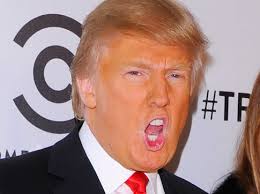
Donald Trump
Trump did not express any sympathy for the women Porter allegedly abused.
Instead, he focused on Porter’s claim of innocence: “He says he’s innocent and I think you have to remember that. He said very strongly yesterday that he’s innocent but you’ll have to talk to him about that.”
On February 10—the day after Sorensen resigned—Trump took to Twitter to post:
“Peoples lives are being shattered and destroyed by a mere allegation. Some are true and some are false. Some are old and some are new. There is no recovery for someone falsely accused – life and career are gone. Is there no such thing any longer as Due Process?”
As Chris Cillizza, CNN’s editor-at-large wrote in a February 9 opinion column:
“This is a familiar pattern for Trump. When a series of women came out during the 2016 campaign alleging that he has sexually abused them, he flatly denied it — insisting that all of the women were conspiring to hurt him for political reasons.
“When a series of women came forward and said that Alabama Senate nominee Roy Moore had pursued physical relationships with them when they were teenagers and he was in his mid 30s, Trump defended his endorsement of Moore, saying: ‘He totally denies it. He says it didn’t happen.'”


.jpg)

 Bureaucracybuster's Blog
ABC NEWS, ADOLF HITLER, ALTERNET, AP, BBC, BUZZFEED, CBS NEWS, CNN, DAILY KOS, DAVID BROOKS, DONALD TRUMP, FACEBOOK, FBI, GEORGE C. SCOTT, GEORGE S. PATTON, GESTAPO, HOGAN’S HEROES, JAMES COMEY, JIMMY CARTER, MEL BROOKS, MIKE FLYNN, MOTHER JONES, MOVEON, NAZI GERMANY, NBC NEWS, NEWSWEEK, NPR, PAUL RYAN, PBS NEWSHOUR, POLITICO, RAW STORY, REPUBLICAN PARTY, REUTERS, RICHARD GRUNBERGER, RICHARD NIXON, ROBERT MEULLER, SALON, SEATTLE TIMES, SLATE, SOVIET UNION, THE 12-YEAR REICH, THE ATLANTIC, THE CHICAGO SUN-TIMES, THE CHICAGO TRIBUNE, THE DAILY BEAST, THE GUARDIAN, THE HILL, THE HUFFINGTON POST, THE LOS ANGELES TIMES, THE NEW YORK TIMES, THE WALL STREET JOURNAL, THE WASHINGTON POST, TIME, TWITTER, U.S. NEWS & WORLD REPORT, UPI, USA TODAY, WAFFEN-SS, WEHRMACHT
WHY REPUBLICANS REALLY SUPPORT TRUMP
In Bureaucracy, History, Law, Law Enforcement, Military, Politics, Social commentary on April 12, 2018 at 12:05 amAs President Donald Trump lurches daily from one crisis to another—most of them of his own making—many Americans ask: “Why do Republicans continue to support him?”
The answer lies in what happened 73 years ago in Berlin—when the “Thousand-Year” Third Reich collapsed after little more than 12 years.
While the Nazi Party ruled Germany from 1933 to 1945, its influence over all aspects of Germans’ lives was suffocating.
“Censorship prevailed, education was undermined, family life was idealized, but children were encouraged to turn in disloyal parents,” reads the back cover of Richard Grunberger’s classic 1971 book, The 12-Year Reich.
“‘Volk’ festivals, party rallies, awards, uniforms, pageantry all played a part in the massive effort to shape the mind of a nation.”
And yet, after the Reich surrendered unconditionally to the Allies on May 8, 1945, a strange thing happened: Virtually no German admitted to having been a Nazi—or having even known one.
American and British soldiers couldn’t find any German veterans willing to admit they had ever fought against Western, democratic nations. All the once-proud legionaries of the Wehrmacht and Waffen-SS swore they had been fighting “the real enemy”—the Russians—on the Eastern front.
Countless Germans claimed to have hidden Jews in their attics. If so, how had six million Jews died horrifically before the Reich fell?
And almost universally, they blamed the conflict on the man they had embraced as their Fuhrer.
In short: Adolf Hitler had lost the war he started—making him a loser nobody wanted to be identified with.
In the decades since, the “loser” tag has continued to stick with those who once served the Third Reich. Mel Brooks has repeatedly turned German soldiers—once the pride of the battlefield—into idiotic comic foils.
Even the fearsome Gestapo was spoofed for laughs on the long-running TV comedy, “Hogan’s Heroes.”
“Hogan’s Heroes”
“Americans love a winner,” George C. Scott as George S. Patton says at the outset of the classic 1970 movie. “And will not tolerate a loser.”
And that is why Republicans have stuck so closely with President Donald J. Trump.
A typical example of this occurred on June 8, 2017 after former FBI director James Comey testified before the United States Senate Select Committee on Intelligence.
Comey revealed that, on February 14, Trump had ordered everyone but Comey to leave a crowded meeting in the Oval Office.
Flynn had resigned the previous day from his position as National Security Adviser. The FBI was investigating him for his previously undisclosed ties to Russia.
“I hope you can see your way clear to letting this go, to letting Flynn go,” said Trump. “He is a good guy. I hope you can let this go.”
This was clearly an attempt by Trump to obstruct the FBI’s investigation.
Yet Republican House Speaker Paul Ryan rushed to excuse his clearly illegal behavior: “He’s new at government, so therefore I think he’s learning as he goes.”
Paul Ryan
David Brooks, the conservative New York Times columnist, offered a more accurate explanation of Trump’s motives. Speaking on The PBS Newshour, Brooks said:
“We are a nation of laws. Donald Trump lives in an entirely different cultural universe. He is more clannist, believing in clan, believing in family, believing in loyalty, not recognizing objective law, not recognizing the procedures that is really how modern government operates….
“It’s not only that he doesn’t know the rules, but at all along and throughout his presidency, he has sort of trampled on the rules almost as a matter of policy, as a matter of character, because he doesn’t believe in that kind of relationships. It’s all personal loyalty, not about laws and norms and standards.”
Republicans don’t fear that Trump will trash the institutions that Americans have cherished for more than 200 years. Institutions like an independent judiciary, a free press, and an incorruptible Justice Department.
He has already attacked all of these—and Republicans have either said nothing or rushed to his defense.
What Republicans truly fear about Donald Trump is that he will finally cross one line too many—like firing Special Counsel Robert Meuller. And that the national outrage following this will force them to launch impeachment proceedings against him.
But it isn’t even Trump they fear will be destroyed.
What they most fear losing is their own hold on nearly absolute power in Congress and the White House.
If Trump is impeached and possibly indicted, he will become a man no one any longer fears. He will be a figure held up to ridicule and condemnation.
Like Adolf Hitler. Like Richard Nixon.
And his Congressional supporters will be branded as losers along with him.
Republicans vividly remember what happened after Nixon was forced to resign on August 9, 1974: Democrats, riding a wave of reform fever, swept Republicans out of the House and Senate—and Jimmy Carter into the White House.
If they are conflicted—whether to continue supporting Trump or desert him—the reason is the same: How can I hold onto my power and all the privileges that go with it?
Share this: