Posts Tagged ‘HITLER (BOOK)’
2016 PRESIDENTIAL ELECTION, 2020 PRESIDENTIAL ELECTION, ABC NEWS, ABRAHAM LINCOLN, ADOLF HITLER, ALTERNET, AMERICABLOG, AP, ATTACK ON CAPITOL BUILDING, BABY BOOMER RESISTANCE, BLACKS, BLOOMBERG, BRIBERY, BUZZFEED, CBS NEWS, CIA, CIVIL WAR, CNN, COLD WAR, CORONAVIRUS, CROOKS AND LIARS, DAILY KOZ, DONALD TRUMP, DRUDGE REPORT, ELECTORAL COLLEGE, FACEBOOK, FBI, FIVETHIRTYEIGHT, FOX NEWS, FRANKLIN D. ROOSEVELT, GREAT DEPRESSION, HARPER’S MAGAZINE, HERBERT HOOVER, HISPANICS, HITLER (BOOK), HUFFINGTON POST, JOACHIM C. FEST, JOHN F. KENNEDY, JOSEPH R. BIDEN, LYNDON B. JOHNSON, MEDIA MATTERS, MOTHER JONES, MOVEON, MSNBC, NAZI GERMANY, NBC NEWS, NEWSWEEK, NPR, OTTO VON BISMARCK, PBS NEWSHOUR, POLITICO, POLITICUSUSA, RAW STORY, REPUBLICANS, REUTERS, RICHARD M. NIXON, SALON, SEATTLE TIMES, SEXUAL ABUSE, SLATE, TALKING POINTS MEMO, THE ATLANTIC, THE CHICAGO SUN-TIMES, THE CHICAGO TRIBUNE, THE DAILY BEAST, THE DAILY BLOG, THE DISABLED, THE GUARDIAN, THE HILL, THE HUFFINGTON POST, THE LOS ANGELES TIMES, THE NATION, THE NEW REPUBLIC, THE NEW YORK TIMES, THE PRESS, THE VILLAGE VOICE, THE WASHINGTON POST, THEODORE ROOSEVELT, THINKPROGRESS, TIME, TRUTHDIG, TRUTHOUT, TWITTER, TWO POLITICAL JUNKIES, U.S. NEWS & WORLD REPORT, UPI, USA TODAY, VIETNAM WAR, VLADIMIR PUTIN, WATERGATE, WOMEN, WONKETTE, WORLD WAR ii
In Bureaucracy, History, Law, Law Enforcement, Military, Politics, Social commentary on January 20, 2021 at 12:08 am
Why are some Presidents remembered with affection, while others are detested—or forgotten altogether?
Generally, Presidents who are warmly remembered are seen as making positive contributions to the lives of their fellow Americans and being “people-oriented.”
Among these:
- Abraham Lincoln
- Theodore Roosevelt
- Franklin Roosevelt
- John F. Kennedy
Among the reasons they are held in such high regard:
- Abraham Lincoln ended slavery and restored the Union. Although he ruthlessly prosecuted the Civil War, his humanity remains engraved in stories such as his pardoning a soldier condemned to be shot for cowardice: “If Almighty God gives a man a cowardly pair of legs, how can he help their running away with him?”
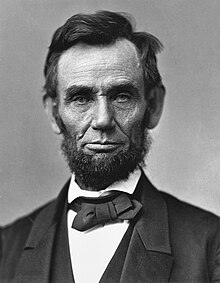
Abraham Lincoln
- Theodore Roosevelt championed an era of reform, such as creating the Food and Drug Administration and five National Parks. Popularly known as “Teddy,” he even had a toy bear—the teddy bear—named after him.
- Franklin D. Roosevelt successfully led America through the Great Depression and World War II. He was the first President to insist that government existed to directly better the lives of its citizens: “The test of our progress is not whether we add more to the abundance of those who have much; it is whether we provide enough for those who have too little.”
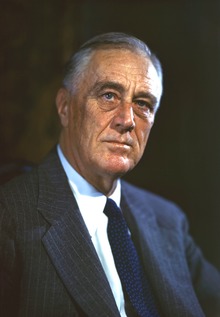
Franklin D. Roosevelt
- John F. Kennedy supported civil rights and called for an end to the Cold War. He challenged Americans to “ask what you can do for your country” and made government service respectable, even chic. His youth, charisma, intelligence and handsomeness led millions to mourn for “what might have been” had he lived to win a second term.
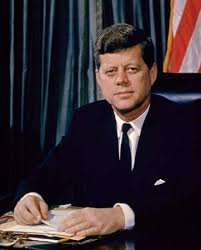
John F. Kennedy
Presidents who remain unpopular among Americans are seen as unlikable and responsible (directly or not) for mass suffering.
Among these:
- Herbert Hoover
- Lyndon B. Johnson
- Richard M. Nixon
Among the reasons they are held in such low regard:
- Herbert Hoover is still blamed for the 1929 Great Depression. He didn’t create it, but his conservative, “small-government” philosophy led him to refuse to aid its victims. An engineer by profession, he saw the Depression as a machine that needed repair, not as a catastrophe for human beings. This lack of “emotional intelligence” cost him heavily with voters.
- Lyndon B. Johnson is still blamed as the President “who got us into Vietnam.” John F. Kennedy had laid the groundwork by placing 16,000 American troops there by the time he died in 1963. But it was Johnson who greatly expanded the war in 1965 and kept it going—with hugely expanding casualties—for the next three years. Unlike Kennedy, whom he followed, he looked and sounded terrible on TV. Voters compared LBJ’s Texas drawl and false piety with JFK’s wit and good looks—and found him wanting.
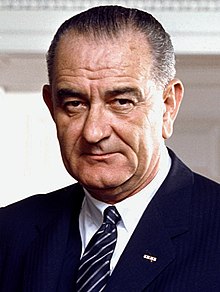
Lyndon B. Johnson
- Richard M. Nixon will be remembered foremost as the President who was forced to resign under threat of impeachment and removal from office. Like Herbert Hoover, he was not a “people person” and seemed remote to even his closest associates. Although he took office on a pledge to “bring us together” and end the Vietnam war, he attacked war protesters as traitors and kept the war going another four years. His paranoid fears of losing the 1972 election led to his creating an illegal “Plumbers” unit which bugged the Democratic offices at the Watergate Hotel. And his attempted cover-up of their illegal actions led to his being forced to resign from office in disgrace.
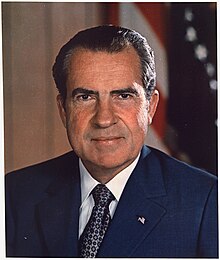
Richard M. Nixon
Which brings us to the question: How is President Donald J. Trump likely to be remembered?
Historian Joachim C. Fest offers an unintended answer to this question in his 1973 bestselling biography Hitler:
“An ancient tenet of aesthetics holds that one who for all his remarkable traits is a repulsive human being, is unfit to be a hero.”
Among the reasons for Hitler’s being “a repulsive human being,” Fest cites the Fuhrer’s
- “intolerance and vindictiveness”;
- “lack of generosity”; and
- “banal and naked materialism—power was the only motive he would recognize.”
Fest then quotes German chancellor Otto von Bismarck on what constitutes greatness: “Impressiveness in this world is always akin to the fallen angel who is beautiful but without peace, great in his plans and efforts, but without success, proud but sad.”
And Fest concludes: “If this is true greatness, Hitler’s distance from it is immeasurable.”
What Fest writes about Adolf Hitler applies just as brutally to Donald Trump.
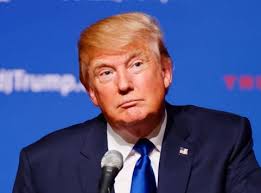
Donald Trump
He has:
- Boasted about the politicians he’s bought and the women he’s bedded—and forced himself on.
- Slandered entire segments of Americans—blacks, Hispanics, women, journalists, Asians, the disabled.
- Attacked the FBI and CIA for accurately reporting that Russian President Vladimir Putin had intervened in the 2016 Presidential election to ensure Trump’s victory.
- Refused to effectively attack the Coronavirus pandemic, leaving 400,000 dead by the end of his Presidency.
- Refused to accept that Democratic nominee Joseph Biden legitimately won the 2020 Presidential election.
- Ordered a mob of his Fascistic followers to attack the Capitol Building and stop the certifying of Biden as the winner of Electoral College votes.
At this stage, it’s hard to imagine Trump joining that select number of Presidents Americans remember with awe and reverence.
2020 PRESIDENTIAL ELECTION, ABC NEWS, ADOLF HITLER, ALTERNET, AMERICABLOG, AP, BABY BOOMER RESISTANCE, BEN SASSE, BLOOMBERG, BUZZFEED, CBS NEWS, CHRIS CHRISTIE, CNN, CROOKS AND LIARS, DAILY KOZ, DONALD TRUMP, DONALD TRUMP JUNIOR, DOUG DUCEY, DRUDGE REPORT, ERIC TRUMP, EVA BRAUN, FACEBOOK, FBI, FIVETHIRTYEIGHT, FOX NEWS, HARPER’S MAGAZINE, HEINRICH HIMMLER, HERMAN FEGELEIN, HERMANN GORING, HITLER (BOOK), HUFFINGTON POST, JOACHIM C. FEST, JOE BIDEN, MEDIA MATTERS, MIKE HUCKABEE, MITCH MCCONNELL, MITT ROMNEY, MOTHER JONES, MOVEON, MSNBC, NAZI GERMANY, NBC NEWS, NEWSWEEK, NPR, PBS NEWSHOUR, POLITICO, POLITICUSUSA, RAW STORY, REPUBLICANS, REUTERS, RUDY GIULIANI, SALON, SEATTLE TIMES, SLATE, SUSAN COLLINS, TALKING POINTS MEMO, THE ATLANTIC, THE CHICAGO SUN-TIMES, THE CHICAGO TRIBUNE, THE DAILY BEAST, THE DAILY BLOG, THE GUARDIAN, THE HILL, THE HUFFINGTON POST, THE LOS ANGELES TIMES, THE NATION, THE NEW REPUBLIC, THE NEW YORK TIMES, THE VILLAGE VOICE, THE WASHINGTON POST, THINKPROGRESS, TIME, TRUTHDIG, TRUTHOUT, TWITTER, TWO POLITICAL JUNKIES, U.S. NEWS & WORLD REPORT, UKRAINE, UPI, USA TODAY, WONKETTE
In Bureaucracy, History, Politics, Social commentary on November 16, 2020 at 12:06 am
Donald Trump now occupies that most dangerous—and despised—of positions: He’s a tyrant that nobody no longer fears.
His personal attorney, Rudy Giuliani, said at a press conference shortly after Joe Biden was projected to become the 46th President of the United States that Trump would not concede the election.
His sons, Donald Junior and Eric, continue to urge him to challenge the results in court—an action he vowed to take on the night of November 4, when it was clear he was losing in the Electoral College.
Donald Trump
But the Republican party is gradually—and silently—moving away from him.
According to a November 7 article in The New Republic: “Donald Trump Lost the Election. He’s Losing His Party, Too.” Writes Osita Nwanevu:
“In the past few days, condemnations of Trump’s claims about voter fraud or defenses of the electoral process have come not only from Trump critics like Senators Ben Sasse, Susan Collins, and Mitt Romney, but figures who’ve generally been more defensive of the president like former New Jersey Governor Chris Christie and former Arkansas Governor Mike Huckabee, as well as swing state governors Doug Ducey of Arizona and Mike Dewine of Ohio.
“Senator Mitch McConnell, who’s on the cusp of returning to the chamber as majority leader in January, has also pushed back. ‘Claiming you’ve won the election,’ he told reporters on Wednesday, ‘is different from finishing the counting.'”
And even Fox News—a longtime and vocal Trump supporter—aroused the ire of Trump supporters by announcing, on November 7, a Joe Biden victory in the Presidential race.
Seventy-five years ago, Germans who had spent 12 years fawning over their Fuhrer, Adolf Hitler, made a similar about-face when it was clear he had led them to disaster.
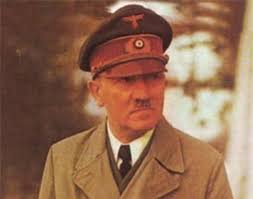
Adolf Hitler
On April 23, 1945, in his secure Berlin Bunker, Hitler received a telegram from Reichsmarshall Herman Goring.
Hitler had formally named Goring his successor. If he died, or lost his freedom of action through incapacity, disappearance or abduction, Goring would have full power to act on Hitler’s behalf.
With Hitler refusing to leave Berlin in the face of a massive Russian advance, Goring asked: Should I assume the leadership of Germany? He added that if Hitler did not reply by 10 p.m. that night, he would assume Hitler had lost his freedom of action and so would assume leadership of the Reich.
On April 25, facing a rapidly-disintegrating military situation, Hitler sent Goring a telegram accusing him of “high treason” and giving him an ultimatum: Resign all of his offices (such as commander of the Luftwaffe) “for reasons of health” or forfeit his life.
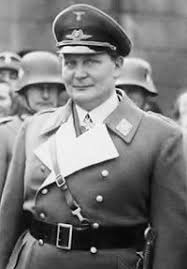
Hermann Goring
The Reichsmarshall quickly resigned.
(After surrendering to American forces, Goring was tried and convicted as a war criminal at Nuremberg, he committed suicide by poison pill just before his scheduled hanging.)
On April 28, Hitler received an even greater shock: He discovered through an Allied radio broadcast that Heinrich Himmler—Reichsfuhrer-SS of the dreaded, black-uniformed secret police—had been secretly negotiating surrender terms with the Western Allies.
Hitler raged against Himmler—whom he had called “the true Heinrich.” But Himmler was safely outside Berlin and beyond his reach. So Hitler did the next best thing and ordered the arrest and execution of Hermann Fegelein, Himmler’s SS liaison in the bunker.
Fegelein—who was married to the sister of Eva Braun—Hitler’s mistress—was immediately shot.
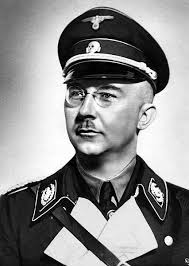
Heinrich Himmler
(Himmler, taken prisoner by British troops—committed suicide with a cyanide pill.)
On April 30, Hitler and Eva—his newly-married wife of one day—committed suicide.
On May 8, 1945, Nazi Germany officially surrendered to the Allies.
German historian Joachim C. Fest, author of the bestselling 1973 biography Hitler, noted the surprise awaiting Allied soldiers occupying Nazi Germany: “Almost without exception, virtually from one moment to the next, Nazism vanished after the death of Hitler and the surrender….
“Hitler’s propaganda specialists had talked constantly of invincible alpine redoubts, nests of resistance, and swelling werewolf units….but there was no sign of this.
“It was as if National Socialism had been nothing but the motion, the state of intoxication and the catastrophe it had caused….Once again it became plain that National Socialism, like Fascism in general, was dependent to the core on superior force, arrogance, triumph, and by its nature had no resources in the moment of defeat.”
Donald Trump’s four-year reign had been based entirely on “superior force, arrogance and triumph.” At times he seemed to be daring his enemies to do their worst.
He had:
- Fired an FBI director for daring to investigate his collusion with Russian Intelligence agents;
- Shut down the government to extort money from Congress for an ineffective border wall; and
- Tried to extort the president of Ukraine to frame his potential rival—former Vice President Joe Biden—in the upcoming 2020 election.
Throughout these cases, Republicans had backed him 100%—out of conviction or fear of losing their Congressional seats to his enraged base.
But now almost 75 million Americans had chosen Biden over him. And while Trump claimed himself the victim of massive election fraud, he offered no evidence to prove it.
He has become that most despised of men: A tyrant that nobody fears.
2016 PRESIDENTIAL ELECTION, ABC NEWS, ABRAHAM LINCOLN, ADOLF HITLER, ALTERNET, AMERICABLOG, AP, BABY BOOMER RESISTANCE, BARACK OBAMA, BUZZFEED, CBS NEWS, CIA, CIVIL WAR, CNN, CROOKS AND LIARS, DAILY KOS, DAILY KOZ, DONALD TRUMP, DRUDGE RETORT, FACEBOOK, FBI, FIVETHIRTYEIGHT, FRANKLIN D. ROOSEVELT, GREAT DEPRESSION, HARPER’S MAGAZINE, HERBERT HOOVER, HILLARY CLINTON, HITLER (BOOK), JOACHIM C. FEST, JOHN F. KENNEDY, LYNDON B. JOHNSON, MEDIA MATTERS, MOTHER JONES, MOVEON, MSNBC, NBC NEWS, NEWSWEEK, NPR, OTTO VON BISMARK, PBS NEWSHOUR, POLITICO, POLITICUSUSA, RAW STORY, REUTERS, RICHARD M. NIXON, RUSSIA, SALON, SEATTLE TIMES, SLATE, SLAVERY, TALKING POINTS MEMO, THE ATLANTIC, THE CHICAGO SUN-TIMES, THE CHICAGO TRIBUNE, THE DAILY BEAST, THE DAILY BLOG, THE GUARDIAN, THE HILL, THE HUFFINGTON POST, THE LOS ANGELES TIMES, THE NATION, THE NEW REPUBLIC, THE NEW YORK TIMES, THE VILLAGE VOICE, THE WALL STREET JOURNAL, THE WASHINGTON POST, THEODORE ROOSEVELT, THINKPROGRESS, TIME, TRUTHDIG, TRUTHOUT, TWITTER, TWO POLITICAL JUNKIES, U.S. NEWS & WORLD REPORT, UPI, USA TODAY, VIETNAM WAR, VLADIMIR PUTIN, WATERGATE, WONKETTE, WORLD WAR 11
In Bureaucracy, History, Politics, Social commentary on December 23, 2019 at 12:07 am
Why are some Presidents remembered with affection, while others are detested—or forgotten altogether?
Generally, Presidents who are warmly remembered are seen as making positive contributions to the lives of their fellow Americans and being “people-oriented.”
Among these:
- Abraham Lincoln
- Theodore Roosevelt
- Franklin Roosevelt
- John F. Kennedy
Among the reasons they are held in such high regard:
- Abraham Lincoln ended slavery and restored the Union. Although he ruthlessly prosecuted the Civil War, his humanity remains engraved in stories such as his pardoning a soldier condemned to be shot for cowardice: “If Almighty God gives a man a cowardly pair of legs, how can he help their running away with him?”
Abraham Lincoln
- Theodore Roosevelt championed an era of reform, such as creating the Food and Drug Administration and five National Parks. Popularly known as “Teddy,” he even had a toy bear—the teddy bear—named after him.
- Franklin D. Roosevelt successfully led America through the Great Depression and World War II. He was the first President to insist that government existed to directly better the lives of its citizens: “The test of our progress is not whether we add more to the abundance of those who have much; it is whether we provide enough for those who have too little.”
Franklin D. Roosevelt
- John F. Kennedy supported civil rights and called for an end to the Cold War. He challenged Americans to “ask what you can do for your country” and made government service respectable, even chic. His youth, charisma, intelligence and handsomeness led millions to mourn for “what might have been” had he lived to win a second term.
John F. Kennedy
Presidents who remain unpopular among Americans are seen as unlikable and responsible (directly or not) for mass suffering.
Among these:
- Herbert Hoover
- Lyndon B. Johnson
- Richard M. Nixon
Among the reasons they are held in such low regard:
- Herbert Hoover is still blamed for the 1929 Great Depression. He didn’t create it, but his conservative, “small-government” philosophy led him to refuse to aid its victims. An engineer by profession, he saw the Depression as a machine that needed repair, not as a catastrophe for human beings. This lack of “emotional intelligence” cost him heavily with voters.
- Lyndon B. Johnson is still blamed as the President “who got us into Vietnam.” John F. Kennedy had laid the groundwork by placing 16,000 American troops there by the time he died in 1963. But it was Johnson who greatly expanded the war in 1965 and kept it going—with hugely expanding casualties—for the next three years. Unlike Kennedy, whom he followed, he looked and sounded terrible on TV. Voters compared LBJ’s Texas drawl and false piety with JFK’s wit and good looks—and found him wanting.
Lyndon B. Johnson
- Richard M. Nixon will be remembered foremost as the President who was forced to resign under threat of impeachment and removal from office. Like Herbert Hoover, he was not a “people person” and seemed remote to even his closest associates. Although he took office on a pledge to “bring us together” and end the Vietnam war, he attacked war protesters as traitors and kept the war going another four years. His paranoid fears of losing the 1972 election led to his creating an illegal “Plumbers” unit which bugged the Democratic offices at the Watergate Hotel. And his attempted cover-up of their illegal actions led to his being forced to resign from office in disgrace.
Richard M. Nixon
Which brings us to the question: How is Donald J. Trump likely to be remembered?
Historian Joachim C. Fest offers an unintended answer to this question in his 1973 bestselling biography Hitler:
“The phenomenon of the great man is primarily aesthetic, very rarely moral in nature; and even if we were prepared to make allowances in the latter realm, in the former we could not.
“An ancient tenet of aesthetics holds that one who for all his remarkable traits is a repulsive human being, is unfit to be a hero.”
Among the reasons for Hitler’s being “a repulsive human being,” Fest cites the Fuhrer’s
- “intolerance and vindictiveness”;
- “lack of generosity”; and
- “banal and naked materialism–power was the only motive he would recognize.”
Fest then quotes German chancellor Otto von Bismark on what constitutes greatness: “Impressiveness in this world is always akin to the fallen angel who is beautiful but without peace, great in his plans and efforts, but without success, proud but sad.”
And Fest concludes: “If this is true greatness, Hitler’s distance from it is immeasurable.”
What Fest writes about Adolf Hitler applies just as brutally to President Trump.
Donald Trump
Intolerant and vindictive. Lacking generosity. Nakedly materialistic.
He has:
- Boasted about the politicians he’s bought and the women he’s bedded—and forced himself on.
- Threatened his Democratic opponent—Hillary Clinton—with prosecution if he were elected.
- Slandered entire segments of Americans—blacks, Hispanics, women, journalists, Asians, the disabled, the Gold Star parents of a fallen soldier.
- Slandered President Barack Obama for five years as a non-citizen, finally admitting the truth only to win black votes.
- Attacked the FBI and CIA for accurately reporting that Russian President Vladimir Putin had intervened in the 2016 Presidential election to ensure Trump’s victory.
At this stage, it’s hard to imagine Trump joining that select number of Presidents Americans remember with awe and reverence.
ABC NEWS, ADOLF HITLER, ALTERNET, AP, BBC, BUSINESS LEADERSHIP, BUZZFEED, CBS NEWS, CNN, DAILY KOS, DONALD TRUMP, ENGLAND, ERICH VON MANSTEIN, ERWIN ROMMEL, FACEBOOK, FBI, HEINZ GUDERIAN, HITLER (BOOK), IOWA CAUCUSES, JOACHIM C. FEST, JOSEPH STALIN, MOTHER JONES, MOVEON, MSNBC, NAZI GERMANY, NBC NEWS, NEWSWEEK, NPR, POLITICO, RAW STORY, REUTERS, SALON, SEATTLE TIMES, SLATE, SOVIET UNION, THE ATLANTIC, THE CHICAGO SUN-TIMES, THE CHICAGO TRIBUNE, THE DAILY BEAST, THE GUARDIAN, THE HILL, THE HUFFINGTON POST, THE LOS ANGELES TIMES, THE NEW YORK TIMES, THE WALL STREET JOURNAL, THE WASHINGTON POST, TIME, TWITTER, U.S. NEWS & WORLD REPORT, UPI, USA TODAY, WORLD WAR 11
In Bureaucracy, History, Military, Politics, Social commentary on June 21, 2019 at 12:02 am
“We will have so much winning if I get elected [President] that you may get bored with winning.”
So boasted Donald Trump at a September, 2015 Capitol Hill rally to protest President Barack Obama’s nuclear deal with Iran.
But as the 2020 Presidential race nears, President Trump is looking ever more like a loser.
Among the victims of Trump’s “winning” streak: Several pollsters whose internal polling numbers showed him lagging behind Democratic Presidential candidates in key states.
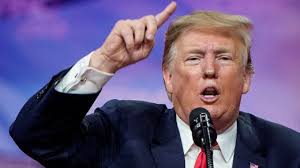
Donald Trump
When matched against Democratic contender and former Vice President Joe Biden, Trump’s numbers came to:
Trump Biden
VIRGINIA: 38% 53%
MAINE 38% 55%
MINNESOTA 40% 54%
MICHIGAN 40% 53%
In Wisconsin, Pennsylvania, Florida and Michigan, Trump trails Biden by double-digits. These were states Trump won against Democratic nominee Hillary Clinton.
Biden leads Trump by seven points in Iowa, by eight points in North Carolina, by 17 points in Virginia, by 14 points in Minnesota, and by 15 points in Maine.
Even worse for Trump, who cannot admit error or weakness: Some of his own pollsters dared to leak the bad news.
As a result, his Presidential campaign is cutting ties with several of his pollsters.
Predictably, Trump claimed he was doing just fine. He said his campaign had “great internal polling” and the numbers reported were from “fake polls.”
“We are winning in every single state that we’ve polled. We’re winning in Texas very big. We’re winning in Ohio very big. We’re winning in Florida very big,” he said.
Trump’s 2015 boast reflected he mindset, if not the words, of an earlier CEO whose ego carried him—and his country—to ruin: Adolf Hitler.
Among the fatal errors that led to the defeat of the Third Reich:
- Wasting hundreds of Luftwaffe [air force] pilots, fighters and bombers in a halfhearted attempt to conquer England.
- Ignoring the pleas of generals like Erwin Rommel to conquer Syria, Iraq and Saudi Arabia, which would have given Germany control of most of the world’s oil.
- Attacking his ally, the Soviet Union, while still at war with Great Britain.
- Turning millions of Russians into enemies rather than allies by his brutal and murderous policies.
- Needlessly declaring war on the United States after the Japanese attacked Pearl harbor. (Had he not done so, Americans would have focused all their attention on defeating Japan.)
- Refusing to negotiate a separate peace with Soviet dictator Joseph Stalin—thus granting Germany a large portion of captured Russian territory in exchange for letting Stalin remain in power.
- Insisting on a “not-one-step-back” military “strategy” that led to the needless surrounding, capture and/or deaths of hundreds of thousands of German servicemen.
As the war turned increasingly against him, Hitler became ever more rigid in his thinking.
He demanded absolute control over the smallest details of his forces. This, in turn, led to astonishing and unnecessary losses among their ranks.
On June 6, 1944, General Erwin Rommel ordered the Panzer tanks to drive the Allies from the Normandy beaches. But these could not be released except on direct orders of the Fuehrer.
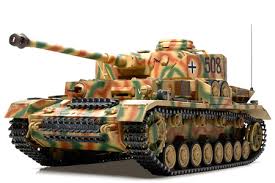
Panzer tank
Hitler’s chief of staff, General Alfred Jodl, informed Rommel: The Fuhrer was asleep-–and was not to be awakened. By the time Hitler awoke and issued the order, it was too late.
Nor could Hitler accept responsibility for the policies that were leading Germany to certain defeat. He blamed his generals, accused them of cowardice, and relieved many of the best ones from command.
Among those sacked was Heinz Guderian, creator of the German Panzer corps—and responsible for the blitzkreig victory against France in 1940.
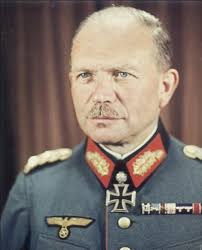
Heinz Guderian
Another was Erich von Manstein, designer of the strategy that defeated France in six weeks—which Germany had failed to do during four years of World War 1.
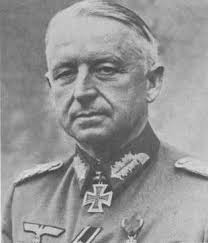
Erich von Manstein
Finally, on April 29, 1945—with the Russians only blocks from his underground Berlin bunker—Hitler dictated his “Last Political Testament.”
Once again, he refused to accept responsibility for unleashing a war that would ultimately consume 50 million lives:
“It is untrue that I or anyone else in Germany wanted war in 1939. It was desired and instigated exclusively by those international statesmen who either were of Jewish origin or worked for Jewish interests.”
Hitler had launched the invasion of Poland–and World War II—with a lie: That Poland had attacked Germany.
Fittingly, he closed the war—and his life—with a final lie.
Joachim C. Fest, author of Hitler (1973), writes of the surprise that awaited Allied soldiers occupying Nazi Germany in 1945: “Almost without exception, virtually from one moment to the next, Nazism vanished after the death of Hitler and the surrender.
“It was as if National Socialism had been nothing but the motion, the state of intoxication and the catastrophe it had caused….
“Once again it became plain that National Socialism, like Fascism in general, was dependent to the core on superior force, arrogance, triumph, and by its nature had no resources in the moment of defeat.”
The ancient Greeks believed that “a man’s character is his destiny.” For Adolf Hitler—and the nations he ravaged—that proved fatally true.
It remains to be seen whether the same will prove true for Donald Trump—and the United States.
ABC NEWS, ADOLF HITLER, ALTERNET, AP, BBC, BUSINESS LEADERSHIP, BUZZFEED, CBS NEWS, CNN, DAILY KOS, DONALD TRUMP, ENGLAND, ERICH VON MANSTEIN, ERWIN ROMMEL, FACEBOOK, FBI, HEINZ GUDERIAN, HITLER (BOOK), HOW HITLER COULD HAVE WON WORLD WAR II, IOWA CAUCUSES, JAMES COMEY, JAMES MATTIS, JOACHIM C. FEST, JOSEPH STALIN, MIKE FLYNN, MOTHER JONES, MOVEON, MSNBC, NAZI GERMANY, NBC NEWS, NEWSWEEK, NPR, POLITICO, RAW STORY, REUTERS, RUSSIA INVESTIGATION, SALON, SEATTLE TIMES, SLATE, SOVIET UNION, THE ATLANTIC, THE CHICAGO SUN-TIMES, THE CHICAGO TRIBUNE, THE DAILY BEAST, THE GUARDIAN, THE HILL, THE HUFFINGTON POST, THE LOS ANGELES TIMES, THE NEW YORK TIMES, THE WALL STREET JOURNAL, THE WASHINGTON POST, TIME, TWITTER, U.S. NEWS & WORLD REPORT, U.S. SENATE INTELLIGENCE COMMITTEE, UPI, USA TODAY, VLADIMIR PUTIN, WORLD WAR 11
In Bureaucracy, History, Law Enforcement, Military, Politics, Social commentary on December 28, 2018 at 12:10 am
“We will have so much winning if I get elected [President] that you may get bored with winning.”
It was vintage Donald Trump, speaking at a September, 2015 Capitol Hill rally to protest President Barack Obama’s nuclear deal with Iran.
That was before:
- Trump became President—and, since then, has been entangled in multiple investigations into contacts between Russian Intelligence agents and high-level officials of his 2016 Presidential campaign.
- He was forced to fire retired General Mike Flynn as his national security adviser. The reason: Flynn’s close ties to Russia and its dictator, Vladimir Putin, had recently come to light in the press.
- He fired James Comey, the FBI director who had refused to give him a pledge of personal loyalty.
- Secretary of Defense James Mattis resigned to protest Trump’s impromptu decision to withdraw American troops from Syria.
- An anonymous White House source told CNN: “He now lives within himself, which is a dangerous place for Donald Trump to be. I see him emotionally withdrawing. He’s gained weight. He doesn’t have anybody whom he trusts.”
Donald Trump
Trump’s boast reflected he mindset, if not the words, of an earlier CEO whose ego carried him—and his country—to ruin: Adolf Hitler.
Literally thousands of books have been written on Hitler’s six-year stint as a self-appointed field commander. But for an overall view of Hitler’s generalship, an excellent choice is How Hitler Could have Won World War II by Bevin Alexander.
It’s essential reading—because many of the flaws in Hitler’s character can clearly be seen in Trump’s.

Among the fatal errors that led to the defeat of the defeat of the Third Reich:
- Wasting hundreds of Luftwaffe [air force] pilots, fighters and bombers in a halfhearted attempt to conquer England.
- Ignoring the pleas of generals like Erwin Rommel to conquer Syria, Iraq and Saudi Arabia, which would have given Germany control of most of the world’s oil.
- Attacking his ally, the Soviet Union, while still at war with Great Britain.
- Turning millions of Russians into enemies rather than allies by his brutal and murderous policies.
- Needlessly declaring war on the United States after the Japanese attacked Pearl harbor. (Had he not done so, Americans would have focused all their attention on defeating Japan.)
- Refusing to negotiate a separate peace with Soviet dictator Joseph Stalin—thus granting Germany a large portion of captured Russian territory in exchange for letting Stalin remain in power.
- Insisting on a “not-one-step-back” military “strategy” that led to the needless surrounding, capture and/or deaths of hundreds of thousands of German servicemen.
As the war turned increasingly against him, Hitler became ever more rigid in his thinking.
He demanded absolute control over the smallest details of his forces. This, in turn, led to astonishing and unnecessary losses among their ranks.
On June 6, 1944, General Erwin Rommel ordered the Panzer tanks to drive the Allies from the Normandy beaches. But these could not be released except on direct orders of the Fuehrer.
Panzer tank
Hitler’s chief of staff, General Alfred Jodl, informed Rommel: The Fuhrer was asleep-–and was not to be awakened. By the time Hitler awoke and issued the order, it was too late.
Nor could Hitler accept responsibility for the policies that were leading Germany to certain defeat. He blamed his generals, accused them of cowardice, and relieved many of the best ones from command.
Among those sacked was Heinz Guderian, creator of the German Panzer corps—and responsible for the blitzkreig victory against France in 1940.
Heinz Guderian
Another was Erich von Manstein, designer of the strategy that defeated France in six weeks—which Germany had failed to do during four years of World War 1.
Erich von Manstein
Finally, on April 29, 1945—with the Russians only blocks from his underground Berlin bunker—Hitler dictated his “Last Political Testament.”
Once again, he refused to accept responsibility for unleashing a war that would ultimately consume 50 million lives:
“It is untrue that I or anyone else in Germany wanted war in 1939. It was desired and instigated exclusively by those international statesmen who either were of Jewish origin or worked for Jewish interests.”
Hitler had launched the invasion of Poland–and World War II—with a lie: That Poland had attacked Germany.
Fittingly, he closed the war—and his life—with a final lie.
Joachim C. Fest, author of Hitler (1973), writes of the surprise that awaited Allied soldiers occupying Nazi Germany in 1945: “Almost without exception, virtually from one moment to the next, Nazism vanished after the death of Hitler and the surrender.
“It was as if National Socialism had been nothing but the motion, the state of intoxication and the catastrophe it had caused….
“Once again it became plain that National Socialism, like Fascism in general, was dependent to the core on superior force, arrogance, triumph, and by its nature had no resources in the moment of defeat.”
The ancient Greeks believed that “a man’s character is his destiny.” For Adolf Hitler—and the nations he ravaged—that proved fatally true.
It remains to be seen whether the same will prove true for Donald Trump—and the United States.
ABC NEWS, ABRAHAM LINCOLN, ADOLF HITLER, ALTERNET, BUZZFEED, CBS NEWS, CIVIL WAR, CNN, DAILY KOS, DONALD TRUMP, FACEBOOK, FRANKLIN D. ROOSEVELT, GREAT DEPRESSION, HERBERT HOOVER, HITLER (BOOK), JOACHIM C. FEST, JOHN F. KENNEDY, LYNDON B. JOHNSON, MOTHER JONES, MOVEON, NBC NEWS, NEWSWEEK, NPR, OTTO VON BISMARK, POLITICO, RAW STORY, RICHARD M. NIXON, SALON, SLATE, SLAVERY, THE CHICAGO SUN-TIMES, THE CHICAGO TRIBUNE, THE DAILY BEAST, THE HUFFINGTON POST, THE LOS ANGELES TIMES, THE NEW YORK TIMES, THE WALL STREET JOURNAL, THE WASHINGTON POST, THEODORE ROOSEVELT, TIME, TWITTER, U.S. NEWS & WORLD REPORT, USA TODAY, VIETNAM WAR, WATERGATE, WORLD WAR ii
In Bureaucracy, History, Politics, Social commentary on September 28, 2017 at 12:06 am
Why are some Presidents remembered with affection, while others are detested—or forgotten altogether?
Generally, Presidents who are warmly remembered are seen as making positive contributions to the lives of their fellow Americans and being “people-oriented.”
Among these:
- Abraham Lincoln
- Theodore Roosevelt
- Franklin Roosevelt
- John F. Kennedy
Among the reasons they are held in such high regard:
- Abraham Lincoln ended slavery and restored the Union. Although he ruthlessly prosecuted the Civil War, his humanity remains engraved in stories such as his pardoning a soldier condemned to be shot for cowardice: “If Almighty God gives a man a cowardly pair of legs, how can he help their running away with him?”
Abraham Lincoln
- Theodore Roosevelt championed an era of reform, such as creating the Food and Drug Administration and five National Parks. Popularly known as “Teddy,” he even had a toy bear—the teddy bear—named after him.
- Franklin D. Roosevelt successfully led America through the Great Depression and World War II. He was the first President to insist that government existed to directly better the lives of its citizens: “The test of our progress is not whether we add more to the abundance of those who have much; it is whether we provide enough for those who have too little.”
Franklin D. Roosevelt
- John F. Kennedy supported civil rights and called for an end to the Cold War. He challenged Americans to “ask what you can do for your country” and made government service respectable, even chic. His youth, charisma, intelligence and handsomeness led millions to mourn for “what might have been” had he lived to win a second term.
John F. Kennedy
Presidents who remain unpopular among Americans are seen as unlikable and responsible (directly or not) for mass suffering.
Among these:
- Herbert Hoover
- Lyndon B. Johnson
- Richard M. Nixon
Among the reasons they are held in such low regard:
- Herbert Hoover is still blamed for the 1929 Great Depression. He didn’t create it, but his conservative, “small-government” philosophy led him to refuse to aid its victims. An engineer by profession, he saw the Depression as a machine that needed repair, not as a catastrophe for human beings. This lack of “emotional intelligence” cost him heavily with voters.
- Lyndon B. Johnson is still blamed as the President “who got us into Vietnam.” John F. Kennedy had laid the groundwork by placing 16,000 American troops there by the time he died in 1963. But it was Johnson who greatly expanded the war in 1965 and kept it going—with hugely expanding casualties—for the next three years. Unlike Kennedy, whom he followed, he looked and sounded terrible on TV. Voters compared LBJ’s Texas drawl and false piety with JFK’s wit and good looks—and found him wanting.
Lyndon B. Johnson
- Richard M. Nixon will be remembered foremost as the President who was forced to resign under threat of impeachment and removal from office. Like Herbert Hoover, he was not a “people person” and seemed remote to even his closest associates. Although he took office on a pledge to “bring us together” and end the Vietnam war, he attacked war protesters as traitors and kept the war going another four years. His paranoid fears of losing the 1972 election led to his creating an illegal “Plumbers” unit which bugged the Democratic offices at the Watergate Hotel. And his attempted cover-up of their illegal actions led to his being forced to resign from office in disgrace.
Richard M. Nixon
Which brings us to the question: How is Donald J. Trump likely to be remembered?
Historian Joachim C. Fest offers an unintended answer to this question in his 1973 bestselling biography Hitler:
“The phenomenon of the great man is primarily aesthetic, very rarely moral in nature; and even if we were prepared to make allowances in the latter realm, in the former we could not.
“An ancient tenet of aesthetics holds that one who for all his remarkable traits is a repulsive human being, is unfit to be a hero.”
Among the reasons for Hitler’s being “a repulsive human being,” Fest cites the Fuhrer’s
- “intolerance and vindictiveness”;
- “lack of generosity”; and
- “banal and naked materialism–power was the only motive he would recognize.”
Fest then quotes German chancellor Otto von Bismark on what constitutes greatness: “Impressiveness in this world is always akin to the fallen angel who is beautiful but without peace, great in his plans and efforts, but without success, proud but sad.”
And Fest concludes: “If this is true greatness, Hitler’s distance from it is immeasurable.”
What Fest writes about Adolf Hitler applies just as brutally to President Trump.
Donald Trump
Intolerant and vindictive. Lacking generosity. Nakedly materialistic.
He has:
- Boasted about the politicians he’s bought and the women he’s bedded—and forced himself on.
- Threatened his Democratic opponent—Hillary Clinton—with prosecution if he were elected.
- Slandered entire segments of Americans—blacks, Hispanics, women, journalists, Asians, the disabled, the Gold Star parents of a fallen soldier.
- Slandered President Barack Obama for five years as a non-citizen, finally admitting the truth only to win black votes.
- Attacked the FBI and CIA for accurately reporting that Russian President Vladimir Putin had intervened in the 2016 Presidential election to ensure Trump’s victory.
At this stage, it’s hard to imagine Trump joining that select number of Presidents Americans remember with awe and reverence.
ABC NEWS, ABRAHAM LINCOLN, ADOLF HITLER, ALTERNET, BUZZFEED, CBS NEWS, CIVIL WAR, CNN, DAILY KOS, DONALD TRUMP, FACEBOOK, FRANKLIN D. ROOSEVELT, GREAT DEPRESSION, HERBERT HOOVER, HITLER (BOOK), JOACHIM C. FEST, JOHN F. KENNEDY, LYNDON B. JOHNSON, MOTHER JONES, MOVEON, NBC NEWS, NEWSWEEK, NPR, OTTO VON BISMARK, POLITICO, RAW STORY, RICHARD M. NIXON, SALON, SLATE, SLAVERY, THE CHICAGO SUN-TIMES, THE CHICAGO TRIBUNE, THE DAILY BEAST, THE HUFFINGTON POST, THE LOS ANGELES TIMES, THE NEW YORK TIMES, THE WALL STREET JOURNAL, THE WASHINGTON POST, THEODORE ROOSEVELT, TIME, TWITTER, U.S. NEWS & WORLD REPORT, USA TODAY, VIETNAM WAR, WATERGATE, WORLD WAR ii
In Bureaucracy, History, Military, Politics, Social commentary on February 27, 2017 at 4:43 am
Why are some Presidents remembered with affection, while others are detested–or forgotten altogether?
Generally, Presidents who are warmly remembered are seen as making positive contributions to the lives of their fellow Americans and being “people-oriented.”
Among these:
- Abraham Lincoln
- Theodore Roosevelt
- Franklin Roosevelt
- John F. Kennedy
Among the reasons they are held in such high regard:
- Abraham Lincoln ended slavery and restored the Union. Although he ruthlessly prosecuted the Civil War, his humanity remains engraved in stories such as his pardoning a soldier condemned to be shot for cowardice: “If Almighty God gives a man a cowardly pair of legs, how can he help their running away with him?”
Abraham Lincoln
- Theodore Roosevelt championed an era of reform, such as creating the Food and Drug Administration and five National Parks. Popularly known as “Teddy,” he even had a toy bear–the teddy bear–named after him.
- Franklin D. Roosevelt successfully led America through the Great Depression and World War II. He was the first President to insist that government existed to directly better the lives of its citizens: “The test of our progress is not whether we add more to the abundance of those who have much; it is whether we provide enough for those who have too little.”
Franklin D. Roosevelt
- John F. Kennedy supported civil rights and called for an end to the Cold War. He challenged Americans to “ask what you can do for your country” and made government service respectable, even chic. His youth, charisma, intelligence and handsomeness led millions to mourn for “what might have been” had he lived to win a second term.
John F. Kennedy
Presidents who remain unpopular among Americans are seen as unlikable and responsible (directly or not) for mass suffering.
Among these:
- Herbert Hoover
- Lyndon B. Johnson
- Richard M. Nixon
Among the reasons they are held in such low regard:
- Herbert Hoover is still blamed for the 1929 Great Depression. He didn’t create it, but his conservative, “small-government” philosophy led him to refuse to aid its victims. An engineer by profession, he saw the Depression as a machine that needed repair, not as a catastrophe for human beings. This lack of “emotional intelligence” cost him heavily with voters.
- Lyndon B. Johnson is still blamed as the President “who got us into Vietnam.” John F. Kennedy had laid the groundwork by placing 16,000 American troops there by the time he died in 1963. But it was Johnson who greatly expanded the war in 1965 and kept it going–with hugely expanding casualties–for the next three years. Unlike Kennedy, whom he followed, he looked and sounded terrible on TV. Voters compared JFK’s wit and good looks with LBJ’s Texas drawl and false piety–and found him wanting.
Lyndon B. Johnson
- Richard M. Nixon will be remembered foremost as the President who was forced to resign under threat of impeachment and removal from office. Like Herbert Hoover, he was not a “people person” and seemed remote to even his closest associates. Although he took office on a pledge to “bring us together” and end the Vietnam war, he attacked war protesters as traitors and kept the war going another four years. His paranoid fears of losing the 1972 election led to his creating an illegal “Plumbers” unit which bugged the Democratic offices at the Watergate Hotel. And his attempted cover-up of their illegal actions led to his being forced to resign from office in disgrace.
Richard M. Nixon
Which brings us to the question: How is Donald J. Trump likely to be remembered?
Historian Joachim C. Fest offers an unintended answer to this question in his 1973 bestselling biography Hitler:
“The phenomenon of the great man is primarily aesthetic, very rarely moral in nature; and even if we were prepared to make allowances in the latter realm, in the former we could not.
“An ancient tenet of aesthetics holds that one who for all his remarkable traits is a repulsive human being, is unfit to be a hero.”
Among the reasons for Hitler’s being “a repulsive human being,” Fest cites the Fuhrer’s
- “intolerance and vindictiveness”;
- “lack of generosity”; and
- “banal and naked materialism–power was the only motive he would recognize.”
Fest then quotes German chancellor Otto von Bismark on what constitutes greatness: “Impressiveness in this world is always akin to the fallen angel who is beautiful but without peace, great in his plans and efforts, but without success, proud but sad.”
And Fest concludes: “If this is true greatness, Hitler’s distance from it is immeasurable.”
What Fest writes about Adolf Hitler applies just as brutally to President Trump.
Donald Trump
Intolerant and vindictive. Lacking generosity. Nakedly materialistic.
He has:
- Boasted about the politicians he’s bought and the women he’s bedded–and forced himself on.
- Threatened his Democratic opponent–Hillary Clinton–with prosecution if he were elected.
- Slandered entire segments of Americans–blacks, Hispanics, women, journalists, Asians, the disabled, the Gold Star parents of a fallen soldier.
- Slandered President Barack Obama for five years as a non-citizen, finally admitting the truth only to win black votes.
- Attacked the FBI and CIA for accurately reporting that Russian President Vladimir Putin had intervened in the 2016 Presidential election to ensure Trump’s victory.
At this stage, it’s hard to imagine Trump joining that select number of Presidents Americans remember with awe and reverence.


 Bureaucracybuster's Blog
2016 PRESIDENTIAL ELECTION, 2020 PRESIDENTIAL ELECTION, ABC NEWS, ABRAHAM LINCOLN, ADOLF HITLER, ALTERNET, AMERICABLOG, AP, ATTACK ON CAPITOL BUILDING, BABY BOOMER RESISTANCE, BLACKS, BLOOMBERG, BRIBERY, BUZZFEED, CBS NEWS, CIA, CIVIL WAR, CNN, COLD WAR, CORONAVIRUS, CROOKS AND LIARS, DAILY KOZ, DONALD TRUMP, DRUDGE REPORT, ELECTORAL COLLEGE, FACEBOOK, FBI, FIVETHIRTYEIGHT, FOX NEWS, FRANKLIN D. ROOSEVELT, GREAT DEPRESSION, HARPER’S MAGAZINE, HERBERT HOOVER, HISPANICS, HITLER (BOOK), HUFFINGTON POST, JOACHIM C. FEST, JOHN F. KENNEDY, JOSEPH R. BIDEN, LYNDON B. JOHNSON, MEDIA MATTERS, MOTHER JONES, MOVEON, MSNBC, NAZI GERMANY, NBC NEWS, NEWSWEEK, NPR, OTTO VON BISMARCK, PBS NEWSHOUR, POLITICO, POLITICUSUSA, RAW STORY, REPUBLICANS, REUTERS, RICHARD M. NIXON, SALON, SEATTLE TIMES, SEXUAL ABUSE, SLATE, TALKING POINTS MEMO, THE ATLANTIC, THE CHICAGO SUN-TIMES, THE CHICAGO TRIBUNE, THE DAILY BEAST, THE DAILY BLOG, THE DISABLED, THE GUARDIAN, THE HILL, THE HUFFINGTON POST, THE LOS ANGELES TIMES, THE NATION, THE NEW REPUBLIC, THE NEW YORK TIMES, THE PRESS, THE VILLAGE VOICE, THE WASHINGTON POST, THEODORE ROOSEVELT, THINKPROGRESS, TIME, TRUTHDIG, TRUTHOUT, TWITTER, TWO POLITICAL JUNKIES, U.S. NEWS & WORLD REPORT, UPI, USA TODAY, VIETNAM WAR, VLADIMIR PUTIN, WATERGATE, WOMEN, WONKETTE, WORLD WAR ii
WHAT MAKES A PRESIDENT BELOVED? HATED? FORGOTTEN?
In Bureaucracy, History, Law, Law Enforcement, Military, Politics, Social commentary on January 20, 2021 at 12:08 amWhy are some Presidents remembered with affection, while others are detested—or forgotten altogether?
Generally, Presidents who are warmly remembered are seen as making positive contributions to the lives of their fellow Americans and being “people-oriented.”
Among these:
Among the reasons they are held in such high regard:
Abraham Lincoln
Franklin D. Roosevelt
John F. Kennedy
Presidents who remain unpopular among Americans are seen as unlikable and responsible (directly or not) for mass suffering.
Among these:
Among the reasons they are held in such low regard:
Lyndon B. Johnson
Richard M. Nixon
Which brings us to the question: How is President Donald J. Trump likely to be remembered?
Historian Joachim C. Fest offers an unintended answer to this question in his 1973 bestselling biography Hitler:
“An ancient tenet of aesthetics holds that one who for all his remarkable traits is a repulsive human being, is unfit to be a hero.”
Among the reasons for Hitler’s being “a repulsive human being,” Fest cites the Fuhrer’s
Fest then quotes German chancellor Otto von Bismarck on what constitutes greatness: “Impressiveness in this world is always akin to the fallen angel who is beautiful but without peace, great in his plans and efforts, but without success, proud but sad.”
And Fest concludes: “If this is true greatness, Hitler’s distance from it is immeasurable.”
What Fest writes about Adolf Hitler applies just as brutally to Donald Trump.
Donald Trump
He has:
At this stage, it’s hard to imagine Trump joining that select number of Presidents Americans remember with awe and reverence.
Share this: