Posts Tagged ‘DRUDGE REPORT’
ABC NEWS, ADMINISTRATION, ALTERNET, AMERICABLOG, AP, BABY BOOMER RESISTANCE, BLOOMBERG, BUREAUCRACIES, BUSINESS, BUZZFEED, CBS NEWS, CEOS, CNN, COMPLAINTS, CORPORATE GREED, CORPORATIONS, CROOKS AND LIARS, CUSTOMER SERVICE, DAILY KOZ, DRUDGE REPORT, FACEBOOK, FIVETHIRTYEIGHT, GOVERNMENT AGENCIES, HARPER’S MAGAZINE, HIRING MANAGERS, HUFFINGTON POST, INTERNET, MEDIA MATTERS, MOTHER JONES, MOVEON, MSNBC, NBC NEWS, NEWSWEEK, NPR, PBS NEWSHOUR, POLITICO, POLITICUSUSA, RAW STORY, REUTERS, SALON, SEATTLE TIMES, SELF-HELP, SLATE, TALKING POINTS MEMO, THE ATLANTIC, THE CHICAGO SUN-TIMES, THE CHICAGO TRIBUNE, THE DAILY BEAST, THE DAILY BLOG, THE GUARDIAN, THE HILL, THE HUFFINGTON POST, THE LOS ANGELES TIMES, THE NATION, THE NEW REPUBLIC, THE NEW YORK TIMES, THE VILLAGE VOICE, THE WALL STREET JOURNAL, THE WASHINGTON POST, THINKPROGRESS, TIME, TRUTHDIG, TRUTHOUT, TWITTER, TWO POLITICAL JUNKIES, U.S. NEWS & WORLD REPORT, UPI, USA TODAY, WONKETTE
In Bureaucracy, Business, History, Politics, Self-Help, Social commentary on December 25, 2020 at 12:06 am
How many times have you called a government agency or company and instantly found yourself put on hold?
To add insult to injury, you usually wind up serenaded by recorded music that would be totally forgettable if it weren’t so unforgivably irritating.
And every 30 seconds or so a recorded voice comes on to assure you: “Your call is very important to us.”
Have you ever wondered: “If my call is so important to you, why aren’t you answering it?”

The truth is that most companies and government agencies don’t want their employees speaking with the customers who make their existence a reality.
Having your questions answered by another human being requires the company/agency to assign—and pay—people to do just that.
Most hiring managers don’t want to hire any more people than they absolutely have to. They want to siphon off as much of the company’s profits for themselves as possible.
And assigning people to answer customers’ calls means that many of those calls will take time to answer, because some problems can’t be solved in a matter of seconds.
Even government agencies like police departments don’t want to spend any more time than necessary taking the calls of those who need to reach them.
Even calls to 911 can leave you talking to no one, with only a recorded message telling you to wait until someone deigns to speak with you.
And you’re no closer to solving the problem that caused you to phone the company/agency in the first place.
What to do?

For starters, don’t lose heart. There are usually a great many things you can do to obtain the help you need.
- Go on the Internet and look up the company’s/agency’s website.
- Look for links to their Board of Directors. Often enough you’ll get not only their names but their bios, phone numbers and even email addresses.
- Look at the bottom of the website page. Many companies/agencies put this information there–and usually in small print.
- Look for the names of officials who can help you—those at the top, or at least high enough so that whoever responds to your call/letter/email has the necessary clout to address your problem.
- If you call, don’t ask to speak directly with Mr. Big. Ask to speak with Mr. Big’s secretary, who is far more accessible.
- Keep your tone civil, and try to make your call as brief as possible. Don’t go into a lot of background about the problems you had getting through.
- Give the gist and ask for a referral to someone who can help resolve your problem.
- If the secretary needs more time to study the problem before referring you to someone else, be patient.
- Answer any questions asked—such as your name, address, phone number and/or email.
- State—specifically—what you want the company to do to resolve your problem. If you want a refund or repairs for your product, say so.
- If you want a refund, don’t ask for more money than you paid for the product.
- If you want to return a product for an exchange, don’t expect the company to give you a new one with even more bells and whistles—unless you’re willing to pay the difference in price.
- If you want an agency to investigate your complaint, don’t expect them to do so instantly. Give them time to assess your information and that supplied by others.
- It’s usually possible to get one agency to sit on another—if you can make a convincing case that it’s in that secondary agency’s best interests to do so.
- That doesn’t guarantee they will resolve your problem. But if you can show that the agency will gain by it—such as getting good publicity.
- If a company/agency official has acted so outrageously that the company/agency might be held liable for his actions, don’t be afraid to say so. But don’t threaten to sue.
- Just point out that the employee has acted in such a way as to jeopardize the company’s/agency’s reputation for integrity/efficiency and that the organization is not well-served by such behavior.
- Whoever reads your letter/email will instantly realize the legal implications of what you’re saying—and, in most cases, will take quick action to head off a lawsuit by trying to satisfy your request.
- Give the CEO’s secretary at least one to two days to get back to you. Remember: Resolving your problem isn’t the only task she needs to complete.
- If you’re writing the CEO, make sure you use his full name and title–and that you spell both correctly. People don’t get to be CEOs without a huge sense of ego. Nothing will turn him off faster than your failing to get his name and title exactly right.
- As in the case with his secretary, be brief—no more than a page and a half. Outline the problem you’re having and at least some (though not necessarily all) of the steps you’re taken to get it resolved.
- Then state what you want the company to do. Again, be fair and reasonable.
ABC NEWS, ALEXANDER THE GREAT, ALEXANDER THE GREAT (BOOK), ALTERNET, AMERICABLOG, ANTHONY FAUCI, AP, BABY BOOMER RESISTANCE, BIBLE, BLOOMBERG, BUSINESS INSIDER, BUZZFEED, CBS NEWS, CHRISTMAS, CNN, COVID-19, CROOKS AND LIARS, DAILY KOZ, DRUDGE REPORT, EASTER, FACEBOOK, FIVETHIRTYEIGHT, HARPER’S MAGAZINE, HUFFINGTON POST, JESUS CHRIST, MEDIA MATTERS, MOTHER JONES, MOVEON, MSNBC, NBC NEWS, NEWSWEEK, NPR, PBS NEWSHOUR, POLITICO, POLITICUSUSA, RAW STORY, REUTERS, ROBIN LANE FOX, ROMAN CATHOLIC CHURCH, SALON, SATURNALIA, SEATTLE TIMES, SHOPPING, SLATE, TALKING POINTS MEMO, THANKSGIVING, THE ATLANTIC, THE CHICAGO SUN-TIMES, THE CHICAGO TRIBUNE, THE DAILY BEAST, THE DAILY BLOG, THE GUARDIAN, THE HILL, THE HUFFINGTON POST, THE LOS ANGELES TIMES, THE NATION, THE NEW REPUBLIC, THE NEW YORK TIMES, THE VILLAGE VOICE, THE WASHINGTON POST, THINKPROGRESS, TIME, TRUTHDIG, TRUTHOUT, TWITTER, TWO POLITICAL JUNKIES, U.S. NEWS & WORLD REPORT, UPI, USA TODAY, WONKETTE
In Business, History, RELIGION, Social commentary on December 24, 2020 at 12:12 am
There are several good reasons for skipping Christmas this year—if not in years beyond 2020.
Reason #1: The historical realities behind the event.
- There is no reference anywhere in the Bible to the month, day—or even the year—of Jesus’ birth.
- There are no sources outside the Bible that give a date to Jesus’ birth.
- Jesus never commanded his followers to celebrate his birth—but he did call on them to remember his death. It’s called Easter.
- Many of the “religious” traditions associated with Christmas stem from the pagan Roman festival, Saturnalia, which celebrated the “birthday” of the sun.
- This was celebrated December 17-25.
- Saturnalia traditions included feasting, gift-giving, lighting candles (to ward off evil spirits) and displaying wreaths (as a sign of coming spring).
- Early Christians tried mightily to convince their members to stop celebrating the Saturnalia.
- When these efforts failed, the Roman Catholic Church, in 336 A.D. “Christianised” the festival by naming Saturnalia’s concluding day, December 25, as Jesus’ birthday.

Reason #2: It’s based on a story that’s patently false.
The story of the Three Wise Men—or Kings—bringing gifts to the infant Jesus was added long after Jesus’ birth.
Realistically, there was no reason why anyone in Israel would have known—or cared—about the birth of yet another Jewish child.
If he had actually been born the son of a king, then his birth might have mattered to people generally.
In his 1973 bestselling Alexander the Great, Robin Lane Fox explains that “in antiquity…life’s perspective was reversed, and youth was mostly described through a series of anecdotes which falsely mirrored the feats of the adult future; proven kings or bishops were remembered as kings or bishops when young.”

Thus, Alexander the Great, the future conqueror of the Persian empire, has been depicted—as a boy—astonishing Persian ambassadors with precocious questions about the innermost workings of that empire.
For followers of the crucified Jesus, it was essential to establish his divinity from the outset of his birth. And what better way to do this than having not one but three Kings show up, uninvited, to declare his reign over them?
Reason #3: It’s actually blasphemous.
Assume, for a moment, that the story of the Three Wise Men—or Kings—is true.
The whole point of the story is to establish that Jesus’ birth was a truly special event—and a recognition of his fate to redeem humanity from sin.
No one else in that story is depicted as giving—or getting—gifts.
No matter how much a child might be loved today, almost no one expects him to be a future savior.
So giving him gifts is essentially a parody of the acknowledgement of Jesus’ divinity.
Reason #4: Christmas is overwhelmingly a commercial—not a religious—event.
- The Christmas shopping season can start as early as September. Some consumers begin shopping even earlier.
- For 2019, industry analysts expected the average American to spend $920 on holiday gifts, up from $885 in 2018 and reaching a total of more than $1 trillion.
- Santa Clause made his first appearance in Coca-Cola magazine ads in the 1920s.
- In 2019, the average cost of Christmas was $668, up from $633 in 2018.
- In 2019, 20% of consumers anticipated taking on debt due to Christmas shopping, with the average amount being $720.
- For many stores, holiday shopping accounts for nearly a third of annual sales.

Reason #5: At least for 2020, celebrating Christmas within large families could prove fatal.
A December 19 story in Business Insider carries the attention-catching headline: “The Thanksgiving Surge in Coronavirus Deaths is Here. It’s ‘Horrifically Awful,’ a Hospital Chaplain Said.” To sum up its contents:
- More than 47,000 Americans have died from COVID-19 since Thanksgiving.
- COVID-19 is now the country’s leading cause of death.
- It’s just the beginning of the effects of Thanksgiving travel and gatherings,
The Centers for Disease Control and Prevention begged Americans to forego traveling for Thanksgiving. But at least 55 million Americans ignored that warning. Their selfish, egotistical mantra—“I want to be with my family!”—overrode their supposed concern for the lives of their relatives.
As a result, untold numbers of those families will not again be sharing Thanksgiving—or anything else.
And Dr. Anthony Fauci, the nation’s top expert on infectious diseases, has warned that the Christmas season will pose an even greater threat.

COVID-19 Virus
People will gather not just for Christmas Eve or Christmas Day, but for New Year’s Eve and New Year’s Day—not to mention any parties held in-between those dates.
The virus spreads faster indoors, where large numbers of people don’t wear masks, pack closely together, and talk or laugh loudly, thus spreading the droplets across a room.
There will be people who insist that Christmas is a religious event that they are commanded to celebrate—even in the midst of a deadly plague.
For those people, it’s a good time to remember the advice of 1 Corinthians 13:11: “When I was a child, I spoke as a child, I understood as a child, I thought as a child; but when I became a man, I put away childish things.”
2020 PRESIDENTIAL CAMPAIGN, ABC NEWS, ALTERNET, AMERICABLOG, AP, BABY BOOMER RESISTANCE, BARACK OBAMA, BLOOMBERG, BRIAN KEMP, BUZZFEED, CBS NEWS, CNN, COVID-19, CROOKS AND LIARS, DAILY KOZ, DONALD TRUMP, DRUDGE REPORT, ELECTORAL COLLEGE, FACEBOOK, FIVETHIRTYEIGHT, GEORGE STEPHANOPOULOS, GEORGIA, HARPER’S MAGAZINE, HUFFINGTON POST, JOE BIDEN, JOSH SHAPIRO, KEN PAXTON, MEDIA MATTERS, MICHIGAN, MIKE KELLY, MIKE PENCE, MITCH MCCONNELL, MOTHER JONES, MOVEON, MSNBC, NBC NEWS, NEWSWEEK, NPR, PBS NEWSHOUR, PENNSYLVANIA, POLITICO, POLITICUSUSA, RAW STORY, REINCE PRIEBUS, REUTERS, ROY BLUNT, SALON, SEATTLE TIMES, SLATE, TALKING POINTS MEMO, TEXAS, THE ATLANTIC, THE CHICAGO SUN-TIMES, THE CHICAGO TRIBUNE, THE DAILY BEAST, THE DAILY BLOG, THE GUARDIAN, THE HILL, THE HUFFINGTON POST, THE LOS ANGELES TIMES, THE NATION, THE NEW REPUBLIC, THE NEW YORK TIMES, THE VILLAGE VOICE, THE WASHINGTON POST, THINKPROGRESS, THIS WEEK, TIME, TREASON, TRUMP TOWER MEETING, TRUTHDIG, TRUTHOUT, TWITTER, TWO POLITICAL JUNKIES, U.S. NEWS & WORLD REPORT, UNITED STATES SUPREME COURT, UPI, USA TODAY, WISCONSIN, WONKETTE
In Bureaucracy, History, Politics, Social commentary on December 16, 2020 at 12:15 am
On December 8 and 10, the United States Supreme Court refused to hear two cases brought by supporters of President Donald Trump to overturn the results of the 2020 Presidential election.
In the first case, Representative Mike Kelly (R-PA), a Trump ally, argued that Pennsylvania’s 2.5 million mail-in ballots were unconstitutional—and should be invalidated
In the second case, Texas Attorney General Ken Paxton sought to overturn the results in four battleground states: Georgia, Michigan, Pennsylvania and Wisconsin. Even worse: Seventeen Republican state Attorney Generals—and 126 Republican members of Congress—rushed to support the case.
The reason: They feared Trump’s fanatical base would turn them out of office if they didn’t.

The Supreme Court
Had the Court acted on either request, the results for democracy would have been catastrophic.
For the first time in American history, a President who falsely accused his victorious rival of fraud would have invalidated the votes of 80 million Americans.
Meanwhile, as Trump continues to deny the reality of Joe Biden’s win and seek ways to overturn it, a deadly pandemic rages throughout the United States.
By December 16, 16.8 million Americans have been infected with COVID-19—and 304,000 have died.
Many of these infections and deaths resulted from millions of Americans’ insistence on spending Thanksgiving with their families. And with the Christmas, Hanukkah and New Year’s celebrations fast approaching, medical experts fear there will be even greater numbers of casualties.
So what is Trump concentrating his time on during his final weeks in office?
Two things:
- Desperately trying to overturn the results of the 2020 election; and
- Taking credit for the arrival of COVID-19 vaccines.
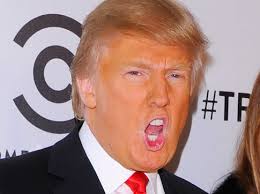
Donald Trump
The first one should have been grounds for his immediate removal from office. And the second should earn him everlasting contempt.
No other President has ever:
- Tried to muscle governors to override the voters of their states.
- Repeatedly spread a lie that his opponent had won by “stealing” the election.
- Demanded that the Supreme Court hear—and act—on frivolous, lie-filled lawsuits challenging the results of the election.
As for the plague, he:
- Spent most of the year ignoring the plague, and then denying it.
- Refused to wear a mask and made its wearing a political act rather than simply the best available means to stay safe.
- Turned his frenzied campaign rallies into “superspreader” events: Masses of mask-less men and women crammed into indoor stadiums, shouting vigorously—then taking the virus with them all over the country.
- Did nothing to bring rival factions in Congress together to fashion a relief bill for millions of Americans made unemployed and hungry by Coronavirus.
* * * * *
Too many people have labeled the actions of Donald Trump and his political accomplices as “insanity.”
On the contrary: It was—literally—an attempted Republican coup.
Never before in United States history has a President—or a political party—made such a blatant and unconstitutional effort to overthrow the will of the electorate.
The sheer hypocrisy of it would be stunning—if Republicans didn’t ordinarily hold to a double-standard: One that applies exclusively to its own members and another for its opponents.
For example:
During the 2016 Presidential race, members of Trump’s campaign met with Russian Intelligence agents on several occasions.
The most infamous of these meetings occurred on July 9, 2016. High-ranking representatives of Trump met at Trump Tower with at least two lobbyists with ties to Russian dictator Vladimir Putin.
Reince Priebus, the incoming White House Chief of Staff for newly-elected Trump, was outraged that many Americans believed that the Russians had helped elect him. He demanded that outgoing President Barack Obama vouch for Trump’s legitimacy.
“I think President Obama should step up,” Priebus said on January 15, 2017, on ABC’s “This Week.”
“This Week” host George Stephanopoulos replied that Trump had questioned Obama’s legitimacy as an American citizen until almost the end of the 2016 Presidential race.
“But look, George, that’s not the point!” Priebus said, visibly agitated. “The point is not where Barack Obama was born! The point is that we’ve got congressmen on the Democratic side of the aisle that are questioning the legitimacy of President-elect Trump.”
Here was Texas—which boasts constantly of its sovereignty—trying to impose its Fascistic will on four other equally sovereign states.
And why? Because the voters in those states dared to pick a candidate Texans didn’t like.
Had New York or California tried to impose its will on Texas, the howls of Texan outrage would have resounded across the nation.
The United States has—momentarily—escaped tyranny imposed by a totally corrupt executive branch and a totally cowardly legislative one.
Every one of the 17 Republican state Attorney Generals—and the 126 Republican members of Congress—has betrayed their oath to “support and defend the Constitution of the United States.”
And they have done so for the basest of reasons: Because they want to be re-elected to their current office or elected to an even higher one. And they fear they won’t be if Trump—like a Mafia capo—puts the “X” on them.
This wasn’t simply “Profiles Without Courage.” It was “Profiles in Treason.”
2020 PRESIDENTIAL CAMPAIGN, ABC NEWS, ALTERNET, AMERICABLOG, AP, BABY BOOMER RESISTANCE, BARACK OBAMA, BLOOMBERG, BRIAN KEMP, BUZZFEED, CBS NEWS, CNN, COVID-19, CROOKS AND LIARS, DAILY KOZ, DONALD TRUMP, DRUDGE REPORT, ELECTORAL COLLEGE, FACEBOOK, FIVETHIRTYEIGHT, GEORGE STEPHANOPOULOS, GEORGIA, HARPER’S MAGAZINE, HUFFINGTON POST, JOE BIDEN, JOSH SHAPIRO, KEN PAXTON, MEDIA MATTERS, MICHIGAN, MIKE KELLY, MIKE PENCE, MITCH MCCONNELL, MOTHER JONES, MOVEON, MSNBC, NBC NEWS, NEWSWEEK, NPR, PBS NEWSHOUR, PENNSYLVANIA, POLITICO, POLITICUSUSA, RAW STORY, REINCE PRIEBUS, REUTERS, ROY BLUNT, SALON, SEATTLE TIMES, SLATE, TALKING POINTS MEMO, TEXAS, THE ATLANTIC, THE CHICAGO SUN-TIMES, THE CHICAGO TRIBUNE, THE DAILY BEAST, THE DAILY BLOG, THE GUARDIAN, THE HILL, THE HUFFINGTON POST, THE LOS ANGELES TIMES, THE NATION, THE NEW REPUBLIC, THE NEW YORK TIMES, THE VILLAGE VOICE, THE WASHINGTON POST, THINKPROGRESS, THIS WEEK, TIME, TREASON, TRUMP TOWER MEETING, TRUTHDIG, TRUTHOUT, TWITTER, TWO POLITICAL JUNKIES, U.S. NEWS & WORLD REPORT, UNITED STATES SUPREME COURT, UPI, USA TODAY, WISCONSIN, WONKETTE
In Bureaucracy, History, Law, Law Enforcement, Politics, Social commentary on December 15, 2020 at 12:11 am
On November 3, Joe Biden became President-elect of the United States by winning 81,283,495 votes, or 51.4% of the vote, compared to 74,223,755 votes, or 46.9% of the vote cast for President Donald Trump.
In the Electoral College—which actually determines the winner—the results were even more stunning: 306 votes for Biden, compared with 232 for Trump. It takes 270 votes to be declared the victor.
From the moment Biden was declared the winner, Trump set out to overturn that verdict.
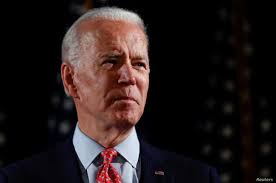
Joe Biden
Trump refused to accept that verdict.
Speaking from the White House in the early hours of November 4, Trump sounded like a petulant child whose planned outing has been suddenly called off:
“We were getting ready for a big celebration, we were winning everything and all of a sudden it was just called off. The results tonight have been phenomenal…I mean literally we were just all set to get outside and just celebrate something that was so beautiful, so good, such a vote such a success.”
For the first time in American history, a President demanded a halt to the counting of votes while the outcome of an election hung in doubt.
States ignored his demand and kept counting.
Next, Trump ordered his attorneys to file lawsuits to overturn the election results, charging electoral fraud. Specifically:
- Illegal aliens had been allowed to vote.
- Trump ballots were systematically destroyed.
- A sinister computer program turned Trump votes into Biden ones.
Throughout November and December, cases were filed in Wisconsin, Arizona, Nevada, Michigan, Minnesota and Georgia challenging the election results. None were supported by evidence of fraud—as even Trump’s lawyers admitted when questioned by judges.
On November 13, nine cases meant to attack President-Elect Joe Biden’s win in key states were denied or dropped. A law firm challenging the vote count in Pennsylvania withdrew from the effort.
In Michigan, Trump’s attorneys dropped their federal suit to block the certification of Detroit-area ballots.
By November 21, more than 30 cases were withdrawn by Trump’s attorneys or dismissed by Federal judges—some of them appointed by Trump himself.
Ultimately, from November 3 to December 14, Trump and his allies lost 59 times in court, either withdrawing cases or having them dismissed by Federal and state judges.
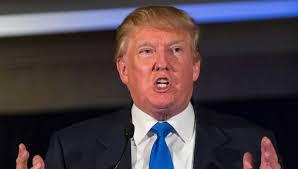
Donald Trump
On November 19, losing in the courts, Trump invited two Republican legislative leaders from Michigan to the White House. The reason: To persuade them to stop the state from certifying the vote.
The Michigan legislators said they would follow the law.
On December 5, Trump called Georgia Governor Brian Kemp and asked him to call a special legislative session and convince state legislators to select their own electors that would support him, thus overturning Biden’s win.
Kemp refused, saying he lacked the authority to do so.
On December 8, the Supreme Court refused to hear Trump’s bid to reverse Pennsylvania’s certification of Biden’s victory. Representative Mike Kelly (R-PA), a Trump ally, argued that the state’s 2.5 million mail-in were unconstitutional.
The Court’s order read, “The application for injunctive relief presented to Justice [Samuel] Alito and by him referred to the Court is denied.”
Although Trump had appointed three of the Court’s Justices, not one of them dissented.
On December 10, the Supreme Court refused to let a Texas lawsuit overturn the results in four battleground states: Georgia, Michigan, Pennsylvania and Wisconsin.
The majority of their votes—cast for Biden—were critical to Trump’s defeat.
“Texas has not demonstrated a judicially cognizable interest in the manner in which another state conducts its elections,” the court said without further comment. It dismissed all other related claims as moot.
The request for their overturning came in a lawsuit brought by Texas Attorney General Ken Paxton. A Trump ally, Paxton has been indicted on felony securities fraud charges. He may be seeking a Presidential pardon as reward for his effort.
Seventeen Republican state Attorney Generals—and 126 Republican members of Congress—supported the lawsuit. They feared Trump’s fanatical base would “primary” them if they didn’t publicly declare their loyalty—to a man they knew was slated to leave office within two months.
Had the Court acted on Paxton’s request, the results for democracy would have been catastrophic.
“Texas seeks to invalidate elections in four states for yielding results with which it disagrees,” Pennsylvania Attorney General Josh Shapiro told the justices in legal papers. “Its request for this court to exercise its original jurisdiction and then anoint Texas’s preferred candidate for president is legally indefensible and is an affront to principles of constitutional democracy.”
Meanwhile, top Republicans—such as Vice President Mike Pence, Missouri United States Senator Roy Blunt and Senate Majority Leader Mitch McConnell—refused to congratulate Biden as the winner.

Mitch McConnell
In fact, the vast majority of House and Senate Republicans refuse to publicly acknowledge Biden as President-Elect of the United States. The reason: They are still in thrall to Trump’s fanatical base.
They fear that if they break with the soon-to-be-ex-President, they will be voted out of office at the next election—and lose their cozy positions and the power and perks that come with them.
ABC NEWS, ALTERNET, AMERICABLOG, AP, AT&T, BABY BOOMER RESISTANCE, BANK OF AMERICA, BLOOMBERG, BUZZFEED, CBS NEWS, CNN, CONSUMER FINANCIAL PROTECTION BUREAU, CROOKS AND LIARS, DAILY KOZ, DRUDGE REPORT, FACEBOOK, FEDERAL COMMUNICATIONS COMMISSION, FIVETHIRTYEIGHT, FRAUD, GOOD COP/BAD COP ROUTINE, HARPER’S MAGAZINE, HUFFINGTON POST, INTERNET SERVICE PROVIDERS, MEDIA MATTERS, MOTHER JONES, MOVEON, MSNBC, NBC NEWS, NEWSWEEK, NPR, PBS NEWSHOUR, POLITICO, POLITICUSUSA, PUBLIC UTILITIES COMMISSION, RAW STORY, REUTERS, SALON, SEATTLE TIMES, SLATE, TALKING POINTS MEMO, THE ATLANTIC, THE CHICAGO SUN-TIMES, THE CHICAGO TRIBUNE, THE DAILY BEAST, THE DAILY BLOG, THE GUARDIAN, THE HILL, THE HUFFINGTON POST, THE LOS ANGELES TIMES, THE NATION, THE NEW REPUBLIC, THE NEW YORK TIMES, THE VILLAGE VOICE, THE WASHINGTON POST, THINKPROGRESS, TIME, TRUTHDIG, TRUTHOUT, TWITTER, TWO POLITICAL JUNKIES, U.S. NEWS & WORLD REPORT, UPI, USA TODAY, UVERSE, WHO/WHOM?, WONKETTE
In Bureaucracy, Business, Law, Law Enforcement, Self-Help, Social commentary on December 14, 2020 at 12:12 am
It’s easy to be intimidated by a large corporation—such as a bank or phone company—when you’ve been ripped off. After all, it’s well-known, has millions of dollars, and legions of attorneys.
But when that happens, it’s essential to remember two words: Who/Whom?
Translation: Who can do What to Whom?
When you’re dealing with people whose greed is equaled only by their arrogance, there is only one way to prevail: You need to make them afraid of you.
And that can be achieved only by finding someone—or some agency—they fear, and turning them into your ally.
A friend of mine—Lynn—tried to order a calendar from an online calendar company. She put in the required information—including her debit card number—but kept getting “Error” messages.
Eventually she quit trying.
Lynn never got the calendar—but she wound up with four separate charges to her debit card, totaling $71.32.
She tried to get a refund from the company—which claimed they couldn’t find the charges.
Meanwhile, Lynn’s bank had in fact confirmed the charges—since the money had been taken from her account. And the bank—Bank of America—promised to remove the charges within 72 hours.
Three days came and went—and no reimbursement had been made to her account.

Bank of America Corporate Center
So Lynn called BofA again—and was told it would take about 45 days to run “an investigation” into her loss.
Luckily, an investigator-friend of hers advised her to file a complaint with the Federal Consumer Financial Protection Bureau (CFPB). It can be reached at https://www.consumerfinance.gov/
According to its website, the agency operates as follows:
- “We create clear rules to implement the law and preserve choices for consumers.”
- “We enforce federal consumer financial laws by investigating cases of potential wrongdoing and taking action.”
- “We supervise financial companies to ensure compliance with federal consumer laws.”
So she called the agency—at (855) 411-2372 on a Friday—and waited to see what happened.
Two days later—a Sunday—she called Bank of America to check her balance. To her surprise, she found that the bank had found a way to reverse the fraudulent charges that had been made to her debit card.
And it had done in far less than 45 days.
Clearly, someone at BofA had gotten the message: This is no woman—or agency—to take lightly.

Then there’s this case: From November, 2011 to February 2012, AT&T demanded that Dave (not his real name) pay for a service the company had failed to provide.
They had promised to supply him with Uverse high-speed Internet—at 25 MBPs a second. Instead, he had gotten only 6 MBPs—and a big dot in the middle of his computer screen while watching YouTube videos.
Finally, an AT&T rep told him the blunt truth: His geographical area in San Francisco was not yet supplied with the fiber-optic cables that could provide high-speed Internet service.
Dave canceled Uverse—and began getting a series of bills from AT&T.
After getting a phone call from a collection agency, Dave decided to ask me to intervene on his behalf.
I decided to go directly to the Office of the President of AT&T.
Why? Because the man at the top of an organization cannot fob you off with the excuse: “My hands are tied. I can’t do it.” He can do anything he wants.
I found the name of the president by a quick search on Google under: “AT&T Corporate Offices.”
And at the top of the heap stood Randall L. Stephenson––Chairman of the Board, CEO and President of AT&T Inc.

Randall L. Stephenson
Robert Scoble, CC BY 2.0 <https://creativecommons.org/licenses/by/2.0>, via Wikimedia Commons
I didn’t expect to speak with Stephenson. One of his chief lieutenants would do nicely—such as a woman I’ll call Margie.
First, I introduced myself and said I was authorized to act on Dave’s behalf. Then I handed the phone to Dave (who was sitting next to me) so he could confirm this.
After that, I briefly outlined the problems Dave had been having.
Margie—using Dave’s phone number—quickly accessed the computerized records documenting all I had told her. She said she needed three or four days to fully investigate the matter before getting back to me.
Police long ago learned the “good cop/bad cop” routine usually works wonders. So I decided to apply a variation of this with Margie.
I said that Dave wanted to resolve this quietly and amicably. But, if necessary, he was prepared to do so through the California Public Utilities Commission (PUC) and the Federal Communications Commission (FCC)—both of which had jurisdiction over AT&T.
Margie hurriedly said there was no need to conduct an investigation after all. In fact, she added, she was writing a credit to Dave of $150.00 that very minute.
Why had Margie changed her mind?
Just as banks use every excuse to charge their customers for anything they can get away with, so do phone companies. AT&T wouldn’t want the PUC and FCC to start asking: “Is AT&T generally dunning customers for money they don’t owe?”
I had no doubt the answer would have proven to be: “Yes.”
And I believe that Margie felt the same way.
2016 PRESIDENTIAL RACE, 2020 PRESIDENTIAL RACE, ABC NEWS, ALTERNET, AMERICABLOG, AP, BABY BOOMER RESISTANCE, BARACK OBAMA, BLOOMBERG, BRIBERY, BUZZFEED, CBS NEWS, CNN, COURIER, CROOKS AND LIARS, DAILY KOZ, DALLAS MORNING NEWS, DEMOCRATS, DONALD TRUMP, DONALD TRUMP JUNIOR, DRUDGE REPORT, FACEBOOK, FIVETHIRTYEIGHT, FSB, GEORGE STEPHANOPOULOS, HARPER’S MAGAZINE, HILLARY CLINTON, HUFFINGTON POST, JARED KUSHNER, JOE BIDEN, KEVIN MCCARTHY, KGB, LYNDON B. JOHNSON, MEDIA MATTERS, MITCH MCCONNELL, MOTHER JONES, MOVEON, MSNBC, NBC NEWS, NEWSWEEK, NICCOLO MACHIAVELLI, NPR, PAUL MANAFORT, PBS NEWSHOUR, PHARMACEUTICAL INDUSTRY, POLITICO, POLITICUSUSA, RAW STORY, REINCE PRIEBUS, REPUBLICANS, REUTERS, Ronald Reagan, ROY BLUNT, RUSSIA, SALON, SEATTLE TIMES, SLATE, SOVIET UNION, TALKING POINTS MEMO, THE ATLANTIC, THE CHICAGO SUN-TIMES, THE CHICAGO TRIBUNE, THE DAILY BEAST, THE DAILY BLOG, THE GUARDIAN, THE HILL, THE HUFFINGTON POST, THE LOS ANGELES TIMES, THE NATION, THE NEW REPUBLIC, THE NEW YORK TIMES, THE PRINCE, THE VILLAGE VOICE, THE WASHINGTON POST, THINKPROGRESS, THIS WEEK, TIME, TRUMP TOWER MEETING, TRUTHDIG, TRUTHOUT, TWITTER, TWO POLITICAL JUNKIES, U.S. NEWS & WORLD REPORT, UNITED STATES JUSTICE DEPARTMENT, UPI, USA TODAY, VLADIMIR PUTIN, WONKETTE
In Bureaucracy, History, Politics, Social commentary on December 9, 2020 at 12:07 am
On December 8, Republican Senate Majority Leader Mitch McConnell and Missouri United States Senator Roy Blunt joined House Republican Leader Kevin McCarthy in blocking a resolution asserting that Joe Biden is the President-elect of the United States.
Republicans clearly have no intention of cooperating with the incoming Biden administration.
Mitch McConnell
But there is a way for Biden to effectively deal with this:
- Recognize that, for Republicans, “compromise” means: You do all the compromising; and
- Apply the only weapon they respect: Fear.
Biden has repeatedly said he wants to be the President of all Americans—Democrats and Republicans.
Yet, for more than a month after the November 3 Presidential election,, the vast majority of House and Senate Republicans—like McConnell—refuse to publicly admit that Biden won by 81,255,933 votes to 74,196,153 for Trump.
The reason: They are still in thrall to Trump’s fanatical base.
They fear that if they break with the soon-to-be-ex-President, they will be voted out of office at the next election—and lose their cozy positions and the power and perks that come with them.
More than 500 years ago, Niccolo Machiavelli, the father of political science, offered this warning for well-intentioned people like Biden in his classic work: The Prince:
“A man who wishes to make a profession of goodness in everything must inevitably come to grief among so many who are not good. And therefore it is necessary for a prince, who wishes to maintain himself, to learn how not to be good, and to use this knowledge and not use it, according to the necessity of the case.”

Niccolo Machiavelli
A good starting point: Go directly after McConnell himself.
Option #1: A May 8, 2018 story in The Dallas Morning News spotlights “How Putin’s Oligarchs Funneled Millions into GOP Campaigns.” And McConnell has been a major recipient of Russian largesse.
A serious inquiry by the Justice Department might lead to an indictment—if not for treason, then for campaign finance violations.
Option #2: According to an April 15, 2020 story in Courier: “Here’s How Much McConnell Got From Big Pharma After Nixing a Bill to Lower Drug Prices”:
“Senate Majority Leader Mitch McConnell announced in September that he would block any consideration of a bill to lower prescription drug costs. By the end of December, he had raked in more than $50,000 in contributions from political action committees and individuals tied to the pharmaceutical industry.”
There could be a campaign finance violation involving bribery. A good place to start is with the allegations contained in that story.
Even if McConnell escaped prison, such a prosecution would dramatically inform him—and other Republicans—that a new era of accountability had arrived.
Option #3: As President, Biden will have the power to divert Federal projects from Kentucky—and other Republican states
President Lyndon Johnson successfully employed this tactic to keep Republican—and Democratic—troublemakers in line. Once they saw projects for roads, post offices and other Federal amenities disappearing from their districts, they quickly got the message as to who was in charge.
Above all, President Biden must constantly remember: For Republicans, the mathematics of power come down to this: Who/Whom.
Or: Who can do What to Whom?
Joe Biden
Republicans believe themselves the only legitimate political party in the country—and champion a double standard for themselves and everyone else.
For example:
On July 9, 2016, high-ranking members of Trump’s Presidential campaign met at Trump Tower with at least two lobbyists with ties to Russian dictator Vladimir Putin. The participants included:
- Trump’s son, Donald Trump Jr.;
- His son-in-law, Jared Kushner;
- His then-campaign manager, Paul Manafort;
- Natalia Veselnitskaya, a Russian lawyer with ties to Putin; and
- Rinat Akhemetshin, a former Soviet counterintelligence officer suspected of “having ongoing ties to Russian Intelligence.”
The purpose of that meeting: To get any “dirt” the Russians might have on Democratic Presidential Nominee Hillary Clinton.
The resulting publicity of this meeting—and Trump’s openly calling on “Russia” to hack Democratic computers—naturally convinced many Americans that he had been elected with the full support of Vladimir Putin.
This alarmed many Republicans—not that their candidate sought help from the FSB (the successor to the KGB) but that many Americans knew he had.
On the January 15, 2017, edition of “This Week,” Reince Priebus, Trump’s incoming chief of staff, whined that President Barack Obama should vouch for Trump’s legitimacy as President.
The host, George Stephanopoulos, noted that Trump had questioned Obama’s legitimacy as an American citizen until almost the end of the 2016 Presidential race.
“But look, George, that’s not the point!” Priebus said, visibly agitated. “The point is not where Barack Obama was born! The point is that we’ve got congressmen on the Democratic side of the aisle that are questioning the legitimacy of President-elect Trump.”
This all-consuming hypocrisy and demand for subservience will not change after Biden becomes President.
The last four years have proven beyond doubt that what Ronald Reagan once said about the leaders of the Soviet Union now applies to those of his own party: “The only morality they recognize is what will further their cause, meaning they reserve unto themselves the right to commit any crime, to lie, to cheat.”
It remains to be seen if Joe Biden has learned anything from those years.
2016 PRESIDENTIAL CAMPAIGN, 2020 PRESIDENTIAL ELECTION, ABC NEWS, ADOLF HITLER, ALTERNET, AMERICABLOG, AP, AUSTRIA, BABY BOOMER RESISTANCE, BERLIN, BLOOMBERG, BORDER WALL, BRIAN KEMP, BUZZFEED, CBS NEWS, CIA, CNN, COVID-19, CROOKS AND LIARS, CZECHOSLOVAKIA, DAILY KOZ, DEMOCRATS, DONALD TRUMP, DRUDGE REPORT, EMILY MURPHY, ENGLAND, FACEBOOK, FBI, FIVETHIRTYEIGHT, FRANCE, GAIUS CALIGULA, GENERAL SERVICES ADMINISTRATION, GEORGE FLOYD, GOVERNMENT SHUTDOWN, HARPER’S MAGAZINE, HUFFINGTON POST, JAMES COMEY, JEFF SESSIONS, JOE BIDEN, LAMAR ALEXANDER, MARTIN GUGINO, MEDIA MATTERS, MIKE PENCE, MITCH MCCONNELL, MITCH MECONNELL, MOTHER JONES, MOVEON, MSNBC, MUNICH CONFERENCE, NANCY PELOSI, NATIONAL SECURITY AGENCY, NAZI GERMANY, NBC NEWS, NEWSWEEK, NPR, PBS NEWSHOUR, POLAND, POLITICO, POLITICUSUSA, RAFAEL EDUARDO "TED" CRUZ, RAW STORY, REPUBLICANS, REUTERS, ROME, RON JOHNSON, RUSSIA, SALON, SEATTLE TIMES, Secret Service, SERGEY KISLYAK, SERGEY LAVROV, SLATE, TALKING POINTS MEMO, THE ATLANTIC, THE CHICAGO SUN-TIMES, THE CHICAGO TRIBUNE, THE DAILY BEAST, THE DAILY BLOG, THE DISCOURSES, THE GUARDIAN, THE HILL, THE HUFFINGTON POST, THE LOS ANGELES TIMES, THE NATION, THE NEW REPUBLIC, THE NEW YORK TIMES, THE PRESS, THE VILLAGE VOICE, THE WALL STREET JOURNAL, THE WASHINGTON POST, THINKPROGRESS, TIME, TREASON, TRUTHDIG, TRUTHOUT, TWENTY-FIFTH AMENDMENT, TWITTER, TWO POLITICAL JUNKIES, U.S. NEWS & WORLD REPORT, UKRAINE, UNITED STATES HOUSE OF REPRESENTATIVES, UNITED STATES SENATE, UPI, USA TODAY, VLADIMIR PUTIN, VOLODMYR ZELENSKY, WONKETTE
In Bureaucracy, History, Law, Law Enforcement, Military, Politics, Social commentary on December 8, 2020 at 12:15 am
Once he became the 45th President of the United States, Donald Trump began undermining one public or private institution after another.
On November 3, 80 million voters decided they wanted a change—and elected former Vice President Joe Biden as the 46th President of the United States.
Trump refused to accept that verdict. Speaking from the White House in the early hours of November 4, he said:
“Millions and millions of people voted for us tonight, and a very sad group of people is trying to disenfranchise that group of people and we won’t stand for it.”
For the first time in American history, a President demanded a halt to the counting of votes while the outcome of an election hung in doubt.
States ignored his demand and kept counting.
Next, Trump ordered his attorneys to file lawsuits to overturn the election results, charging electoral fraud. Specifically:
- Illegal aliens had been allowed to vote.
- Trump ballots had been systematically destroyed.
- Tampered voting machines had turned Trump votes into Biden ones.
Throughout November and December, cases were filed in Wisconsin, Arizona, Nevada, Michigan, Minnesota and Georgia challenging the election results. And, one by one, more than 30 cases were withdrawn by Trump’s attorneys or dismissed by Federal judges—some of them appointed by Trump himself.
For 20 days, General Services Administrator Emily Murphy refused to release $7.3 million in transition funding and Federal resources to the President-elect’s team. Under the law governing presidential transitions, Murphy was responsible for determining the winner based on publicly available information before the actual Electoral College vote.
Finally, on November 23, Murphy released the transition funding and resources.
Losing in the courts, Trump invited two Republican legislative leaders from Michigan to the White House to persuade them to stop the state from certifying the vote.
Nothing changed.
On December 5, Trump called Georgia Governor Brian Kemp and asked him to call a special legislative session and convince state legislators to select their own electors that would support him, thus overturning Biden’s win.
Kemp refused, saying he lacked the authority to do so.
Meanwhile, top Republicans—such as Vice President Mike Pence and Senate Majority Leader Mitch McConnell—have refused to congratulate Biden as the winner. None of them branded Trump’s efforts to overturn the election as those of a tyrant.
Just as Germans did nothing to stop Adolf Hitler’s inexorable march toward war—and the destruction of millions of lives and Germany itself—so, too, did Americans seem paralyzed to put an end to the equally self-destructive reign of the man often dubbed “Carrot Caligula.”

Gaius Caligula was “the mad emperor” of ancient Rome. Like Trump, he lived by a philosophy of “Let them hate me, so long as they fear me.”
He ruled as the most powerful man of his time—three years, 10 months and eight days. And all but the first six months of his reign were drenched in slaughter and debauchery.
There are basically three ways America’s continuing slide into tyranny could have been stopped:
Congressional Republicans could have revolted against Trump’s authority and/or agenda. They could, for example, have demanded that Trump accept the verdict of the electorate—as every other past President had. But they didn’t.
Invoking the Twenty-Fifth Amendment to the United States Constitution. This allows the Vice President and a majority of the Cabinet to recommend the removal of the President in cases where he is “unable to discharge the powers and duties of his office.” It also allows the House and Senate to confirm the recommendation over the President’s objection by two-thirds vote.
The Vice President then takes over as President.
A case could easily have been made that Trump, emotionally distraught over his loss and determined to circumvent the will of the electorate, had been rendered unfit to continue in office. But, once again, Republicans let fear be their guide.
He had fired FBI Director James Comey in 2017 and publicly humiliated his Attorney General, Jeff Sessions, for more than a year until firing him in 2018. Vice President Mike Pence in particular had set new records for sycophancy.
The “Caligula solution.” Like Trump, Caligula delighted in humiliating others. His fatal mistake was taunting Cassius Chaerea, a member of his own bodyguard. Caligula considered Chaerea effeminate because of a weak voice and mocked him with names like “Priapus” and “Venus.”

Gaius Caligula
Sergey Sosnovskiy from Saint-Petersburg, Russia, CC BY-SA 2.0 <https://creativecommons.org/licenses/by-sa/2.0>, via Wikimedia Commons
On January 22 41 A.D. Chaerea and several other bodyguards hacked Caligula to death with swords before other guards could save him.
Trump had similarly behaved arrogantly toward his Secret Service guards. He forced them to work without pay during his 35-day government shutdown in 2018. He also forced them to accompany him to COVID-infected states—both during the Presidential campaign and afterward. Many of them were stricken with this often lethal disease as a result.
During the 12 years that Adolf Hitler ruled Nazi Germany, at least 42 assassination plots were launched against him.
The best-known of these literally exploded on July 20, 1944, when Colonel Count Claus Shenk von Stauffenberg planted a bomb in a conference room attended by Hitler and his generals. Hitler survived only by sheer luck.
By contrast, no similar plot was aimed at Donald Trump.
2016 PRESIDENTIAL CAMPAIGN, 2020 PRESIDENTIAL CAMPAIGN, ABC NEWS, ADOLF HITLER, ALTERNET, AMERICABLOG, AP, AUSTRIA, BABY BOOMER RESISTANCE, BERLIN, BLOOMBERG, BORDER WALL, BRIAN KEMP, BUZZFEED, CBS NEWS, CIA, CNN, COVID-19, CROOKS AND LIARS, CZECHOSLOVAKIA, DAILY KOZ, DEMOCRATS, DONALD TRUMP, DRUDGE REPORT, EMILY MURPHY, ENGLAND, FACEBOOK, FBI, FIVETHIRTYEIGHT, FRANCE, GAIUS CALIGULA, GENERAL SERVICES ADMINISTRATION, GEORGE FLOYD, GOVERNMENT SHUTDOWN, HARPER’S MAGAZINE, HUFFINGTON POST, JAMES COMEY, JEFF SESSIONS, JOE BIDEN, LAMAR ALEXANDER, MARTIN GUGINO, MEDIA MATTERS, MIKE PENCE, MITCH MCCONNELL, MITCH MECONNELL, MOTHER JONES, MOVEON, MSNBC, MUNICH CONFERENCE, NANCY PELOSI, NATIONAL SECURITY AGENCY, NAZI GERMANY, NBC NEWS, NEWSWEEK, NICCOLO MACHIAVELLI, NPR, PBS NEWSHOUR, POLAND, POLITICO, POLITICUSUSA, RAFAEL EDUARDO "TED" CRUZ, RAW STORY, REPUBLICANS, REUTERS, ROME, RON JOHNSON, RUSSIA, SALON, SEATTLE TIMES, Secret Service, SERGEY KISLYAK, SERGEY LAVROV, SLATE, TALKING POINTS MEMO, THE ATLANTIC, THE CHICAGO SUN-TIMES, THE CHICAGO TRIBUNE, THE DAILY BEAST, THE DAILY BLOG, THE DISCOURSES, THE GUARDIAN, THE HILL, THE HUFFINGTON POST, THE LOS ANGELES TIMES, THE NATION, THE NEW REPUBLIC, THE NEW YORK TIMES, THE PRESS, THE VILLAGE VOICE, THE WALL STREET JOURNAL, THE WASHINGTON POST, THINKPROGRESS, TIME, TRUTHDIG, TRUTHOUT, TWENTY-FIFTH AMENDMENT, TWITTER, TWO POLITICAL JUNKIES, U.S. NEWS & WORLD REPORT, UKRAINE, UNITED STATES HOUSE OF REPRESENTATIVES, UNITED STATES SENATE, UPI, USA TODAY, VLADIMIR PUTIN, VOLODMYR ZELENSKY, WONKETTE
In Bureaucracy, History, Law, Law Enforcement, Military, Politics, Social commentary on December 7, 2020 at 12:24 am
“Why are we letting one man systematically destroy our nation before our eyes?”
It’s a question millions of Americans have asked themselves since Donald Trump became President of the United States.
Millions of Germans asked themselves the same question throughout the six years of World War II.
In September, 1938, as Adolf Hitler threatened to go to war against France and England over Czechoslovakia, most Germans feared he would. They knew that Germany was not ready for war, despite all of their Fuhrer’s boasts about how invincible the Third Reich was.
A group of high-ranking German army officers was prepared to overthrow Hitler—provided that England and France held firm and handed him a major diplomatic reverse.
But then England and France—though more powerful than Germany—flinched at the thought of war.
They surrendered to Hitler’s demands that he be given the “Sudetenland”—the northern, southwest and western regions of Czechoslovakia, inhabited mostly by ethnic Germans.
Hitler’s popularity among Germans soared. He had expanded the territories of the Reich by absorbing Austria and Czechoslovakia—without a shot being fired!
The plotters in the German high command, realizing that public opinion stood overwhelmingly against them, abandoned their plans for a coup. They decided to wait for a more favorable time.
It never came.
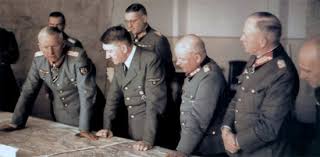
Adolf Hitler and his generals
Less than one year after the infamous “Munich conference,” England and France were at war—and fighting for the lives of their peoples.
As for the Germans: Most of them blindly followed their Fuhrer right to the end—believing his lies (or at least wanting to believe them), serving in his legions, defending his rampant criminality.
And then, in April, 1945, with Russian armies pouring into Berlin, it was too late for conspiracies against the man who had led them to total destruction.
Berliners paid the price for their loyalty to a murderous dictator—through countless rapes, murders and the wholesale destruction of their city. And from 1945 to 1989, Germans living in the eastern part of their country paid the price as slaves to the Soviet Union.
Have Americans learned anything from this this warning from history about subservience to a madman?
The answer seems to be half-yes, half-no.
In 2016, almost 63 million Americans elected Donald Trump—a racist, serial adulterer and longtime fraudster—as President.
On November 3, 2020, 81,255,933 Democratic voters outvoted 74,196,153 Republican voters to elect former Vice President Joseph Biden as the 46th President of the United States.
Donald Trump
Upon taking office on January 20, 2017, Trump began undermining one public or private institution after another.
- Repeatedly attacking the nation’s free press for daring to report his growing list of crimes and disasters, calling it “the enemy of the American people.”
- Siding with Russian dictator Vladimir Putin against the FBI, CIA and National Security Agency which unanimously agreed that Russia had subverted the 2016 Presidential election.
- Firing FBI Director James Comey for investigating that subversion.
- Giving Russian Foreign Minister Sergey Lavrov and Russian Ambassador Sergey Kislyak highly classified CIA Intelligence about an Islamic State plot to turn laptops into concealable bombs.
- Shutting down the Federal Government for 35 days because Democrats refused to fund his ineffective “border wall” between the United States and Mexico. An estimated 380,000 government employees were furloughed and another 420,000 were ordered to work without pay. The shutdown ended due to public outrage—without Trump getting the funding amount he had demanded.
- Trying to coerce Ukrainian President Volodymyr Zelensky to smear former Vice President Joe Biden, who was likely to be his Democratic opponent in the 2020 Presidential election.
- Allowing the deadly COVID-19 virus to ravage the country, infecting (to date) 14.8 million Americans and killing 282,000.
- Attacking medical experts and governors who urged Americans to wear masks and socially distance to protect themselves from COVID-19.
- Ordering his Right-wing followers to defy states’ orders to citizens to “stay-at-home” and wear of masks in public to halt surging COVID-19 rates.
And throughout all those outrages, House and Senate Republican majorities remained silent or vigorously supported him.
A typical example:
On June 4, 2020, during protests over the police murder of black security guard George Floyd, a curfew was imposed on Buffalo, New York. As police swept through Niagara Square, Martin Gugino, a 75-year-old peace activist with the Catholic Worker Movement, walked into their path as if attempting to speak with them.
Two officers pushed him and he fell backwards, hitting the back of his head on the pavement and losing consciousness.
On June 9, Trump charged that Gugino was part of a radical leftist “set up.” Trump offered no evidence to back up his slander.
Typical Republican responses included:
- Kentucky Senate Majority Leader Mitch McConnell refused to say whether Trump’s tweet was appropriate.
- Texas Senator Ted Cruz: “I don’t comment on the tweets.”
- Wisconsin Senator Ron Johnson said he hadn’t seen the tweet—and didn’t want it read to him: “I would rather not hear it.”
- Tennessee Senator Lamar Alexander: “Voters can evaluate that. I’m not going to give a running commentary on the President’s tweets.”
On November 3, 2020, 80 million voters decided they wanted a change—and elected former Vice President Joe Biden as the 46th President of the United States.
2016 PRESIDENTIAL ELECTION, 2020 PRESIDENTIAL ELECTION, ABC NEWS, ADOLF HITLER, ALTERNET, AMERICABLOG, AP, BABY BOOMER RESISTANCE, BARACK OBAMA, BEER HALL PUTSCH, BLOOMBERG, BREITBART NEWS, BUZZFEED, CBS NEWS, CHRIS KREBS, CHRISTOPHER S. MURPHY, CIA, CNN, COVID-19, CROOKS AND LIARS, CYBERSECURITY AND INFRASTRUCTURE SECURITY AGENCY, DAILY KOZ, DEMOCRATIC NATIONAL COMMITTEE, DEMOCRATIC PARTY, DEMOCRATS, DEPARTMENT OF HOMELAND SECURITY, DIRECTOR OF NATIONAL INTELLIGENCE, DONALD J. TRUMP FOUNDATION, DONALD TRUMP, DONALD TRUMP JUNIOR, DRUDGE REPORT, EMOLUMENTS CLAUSE, ERIC SCHNEIDERMAN, EXTORTION, FACE THE NATION, FACEBOOK, FBI, FERGUS CULLEN, FIVETHIRTYEIGHT, FOX NEWS SUNDAY, GREG ABBOTT, GRETCHEN WHITMER, HACKING, HARPER’S MAGAZINE, HILLARY CLINTON, HITLER: ASCENT (BOOK), HUFFINGTON POST, IRS, ISLAMIC STATE, JAMES B. COMEY, JAMES R. CLAPPER, JARED KUSHNER, JEFF SESSIONS, JOE BIDEN, JOHN KASICH, JOSEPH STALIN, JR., JUSTICE DEPARTMENT, KEN PAXTON, KIM JONG ON, KU KLUX KLAN, LANDSBERG PRISON, LEON PANETTA, MAIN INTELLIGENCE DIRECTORATE, MARK LEVIN, MEDIA MATTERS, MEIN KAMPF (BOOK), MICHAEL FLYNN, MICHAEL HAYDEN, MICHAEL ROGERS, MIKE PENCE, MOTHER JONES, MOVEON, MSNBC, NATIONAL SECURITY AGENCY, NAZI PARTY, NAZIS, NBC NEWS, NEW HAMPSHIRE REPUBLICAN PARTY, NEWSWEEK, NPR, PAM BONDI, PAUL MANAFORT, PAUL RYAN, PBS NEWSHOUR, PHILIP KLEIN, POLITICO, POLITICUSUSA, RACKETEER INFLUENCED CORRUPT ORGANIZATIONS ACT (RICO), RAW STORY, RECEP TAYYIP ERDOGAN, REPUBLICAN NATIONAL COMMITTEE, REPUBLICAN NATIONAL CONVENTION, REPUBLICAN PARTY, REPUBLICANS, REUTERS, REX TILLERSON, ROGER STONE, SALON, SEATTLE TIMES, SERGEY KISLYAK, SERGEY LAVROV, SLATE, SOVIET UNION, TALKING POINTS MEMO, THE ATLANTIC, THE CHICAGO SUN-TIMES, THE CHICAGO TRIBUNE, THE DAILY BEAST, THE DAILY BLOG, THE GUARDIAN, THE HILL, THE HUFFINGTON POST, THE LOS ANGELES TIMES, THE NATION, THE NEW REPUBLIC, THE NEW YORK TIMES, THE PRESS, THE VILLAGE VOICE, THE WASHINGTON EXAMINER, THE WASHINGTON POST, THINKPROGRESS, THREATS, TIME, TREASON, TRUMP TOWER MEETING, TRUMP UNIVERSITY, TRUMP-RUSSIA TIES, TRUTHDIG, TRUTHOUT, TWITTER, TWO POLITICAL JUNKIES, U.S. NEWS & WORLD REPORT, UNITED STATES CONSTITUTION, UNITED STATES SECRET SERVICE, UPI, USA TODAY, VLADIMIR PUTIN, VOLKER ULLRICH, VOTER INTIMIDATION, WEIMAR REPUBLIC, WIKILEAKS, WIRETAPPING, WONKETTE, XI JINPING
In Bureaucracy, History, Law, Law Enforcement, Politics, Social commentary on December 3, 2020 at 1:23 am
The election of Donald Trump—and the subsequent dictatorial, vindictive and even treasonous behavior that followed—was not inevitable.
There were at least six instances where the Justice Department of President Barack Obama could have utterly changed the outcome of the 2016 election. Yet, for reasons still unknown, it chose to do nothing.
The first instances has been highlighted in Parts One through Three of this series. These consisted of:
Case #1: The Obama Justice Department did not indict Trump and/or the Attorney Generals of Texas and/or Florida for bribery in the Trump University scandal.
Case #2: The Justice Department did not indict Trump for the series of threats that he made—directly and indirectly—against Republicans and Democrats throughout the 2016 campaign.
Case #3: The Justice Department could have indicted Trump and/or his followers for voter intimidation.
Case #4 Making threats against anyone under protection by the U.S. Secret Service is a felony. Yet Donald Trump was never held legally accountable by the Justice Department for his “dog whistle” threat against Hillary Clinton.
Case #5 The Justice Department did not invalidate the results of the 2016 election, despite overwhelming evidence that Russia intervened to elect Donald Trump as Vladimir Putin’s chosen candidate.
And now the final—and fatal—miscarriage of justice:
Case #6: The Justice Department did not prosecute Donald Trump for treason, even though he solicited aid from Russia, a nation hostile to the United States. And no major official of the government—including President Barack Obama—publicly condemned him as a traitor.
At a news conference in Doral, Florida on July 27, 2016. Trump publicly invited “Russia”—i.e., Vladimir Putin—to hack Hillary Clinton’s emails: “I will tell you this, Russia: If you’re listening, I hope you’re able to find the 30,000 emails that are missing. I think you will probably be rewarded mightily by our press.”
Even Trump’s Trump’s Vice Presidential running mate, Mike Pence, said: “If it is Russia and they are interfering in our elections, I can assure you both parties and the United States government will ensure there are serious consequences.”
Throughout 2016, the CIA, FBI and National Security Agency (NSA) found numerous ties between officials of the Trump Presidential campaign and Russian Intelligence agents. Among these:
- Future Secretary of State Rex Tillerson
- Future National Security Adviser Michael Flynn and
- Future Attorney General Jeff Sessions.
The discovery of such contacts between Trump campaign officials and Russian Intelligence agents led the FBI to launch an investigation into Russia’s efforts to influence the outcome of the 2016 Presidential election.
It was that investigation—totally justified by law and common sense—that Trump later claimed had been a “deep state” coup to prevent him from reaching the White House.
To their shame, the federal agencies charged with safeguarding America failed to take action against these abuses. And, to their shame, the news media, to date, has failed to indict them for their negligence.
Future historians may well indict President Barack Obama for his failure to decisively act, and whose negligence led to the rise and destructive reign of Donald Trump.
Ninety-three years earlier, a similar series of circumstances led to the rise and reign of an even more destructive tyrant.
On November 9, 1923, Nazi Party Fuhrer Adolf Hitler tried to overthrow the government in Munich, Bavaria.
About 2,000 Nazis marched to the center of Munich, where they confronted heavily-armed police. A shootout erupted, killing 16 Nazis and four policemen.
Hitler was injured during the clash, but managed to escape. Two days later, he was arrested and charged with treason.
Put on trial, he found himself treated as a celebrity by a judge sympathetic to Right-wing groups. He was allowed to brutally cross-examine witnesses and even make inflammatory speeches.
At the end of the trial, he was convicted of treason and sentenced to five years’ imprisonment.
Serving time in Landsberg Prison, in Bavaria. he was given a huge cell, allowed to receive unlimited visitors and gifts, and treated with deference by guards and inmates.
Hitler used his time in prison to write his infamous book, Mein Kampf-–“My Struggle.” Part autobiography, part political treatise, it laid out his future plans—including the extermination of the Jews and the conquest of the Soviet Union.

Adolf Hitler leaving Landsberg Prison, December, 20, 1924
Nine months later, he was released on parole—by authorities loyal to the authoritarian Right instead of the newly-created Weimar Republic.
Hitler immediately began rebuilding the shattered Nazi party—and deciding on a new strategy to gain power. Never again would he resort to armed force. He would win office by election—or intrigue.
Writes historian Volker Ullrich, in his monumental new biography, Hitler: Ascent 1889 – 1939: “Historians have perennially tried to answer the question of whether Hitler’s rise to power could have been halted….
“There were repeated opportunities to end Hitler’s run of triumphs. The most obvious one was after the failed Putsch of November 1923. Had the Munich rabble-rouser been forced to serve his full five-year term of imprisonment in Landsberg, it is extremely unlikely that he would have been able to restart his political career.” [Italics added]

Thus, it isn’t just what happens that can influence the course of history. Often, it’s what doesn’t happen that has at least as great a result.
2016 PRESIDENTIAL ELECTION, 2020 PRESIDENTIAL ELECTION, ABC NEWS, ADOLF HITLER, ALTERNET, AMERICABLOG, AP, BABY BOOMER RESISTANCE, BARACK OBAMA, BEER HALL PUTSCH, BLOOMBERG, BREITBART NEWS, BUZZFEED, CBS NEWS, CHRIS KREBS, CHRISTOPHER S. MURPHY, CIA, CNN, COVID-19, CROOKS AND LIARS, CYBERSECURITY AND INFRASTRUCTURE SECURITY AGENCY, DAILY KOZ, DEMOCRATIC NATIONAL COMMITTEE, DEMOCRATIC PARTY, DEMOCRATS, DEPARTMENT OF HOMELAND SECURITY, DIRECTOR OF NATIONAL INTELLIGENCE, DONALD J. TRUMP FOUNDATION, DONALD TRUMP, DONALD TRUMP JUNIOR, DRUDGE REPORT, EMOLUMENTS CLAUSE, ERIC SCHNEIDERMAN, EXTORTION, FACE THE NATION, FACEBOOK, FBI, FERGUS CULLEN, FIVETHIRTYEIGHT, FOX NEWS SUNDAY, GREG ABBOTT, GRETCHEN WHITMER, HACKING, HARPER’S MAGAZINE, HILLARY CLINTON, HITLER: ASCENT (BOOK), HUFFINGTON POST, IRS, ISLAMIC STATE, JAMES B. COMEY, JAMES R. CLAPPER, JARED KUSHNER, JEFF SESSIONS, JOE BIDEN, JOHN KASICH, JOSEPH STALIN, JR., JUSTICE DEPARTMENT, KEN PAXTON, KIM JONG ON, KU KLUX KLAN, LANDSBERG PRISON, LEON PANETTA, MAIN INTELLIGENCE DIRECTORATE, MARK LEVIN, MEDIA MATTERS, MEIN KAMPF (BOOK), MICHAEL FLYNN, MICHAEL HAYDEN, MICHAEL ROGERS, MIKE PENCE, MOTHER JONES, MOVEON, MSNBC, NATIONAL SECURITY AGENCY, NAZI PARTY, NAZIS, NBC NEWS, NEW HAMPSHIRE REPUBLICAN PARTY, NEWSWEEK, NPR, PAM BONDI, PAUL MANAFORT, PAUL RYAN, PBS NEWSHOUR, PHILIP KLEIN, POLITICO, POLITICUSUSA, RACKETEER INFLUENCED CORRUPT ORGANIZATIONS ACT (RICO), RAW STORY, RECEP TAYYIP ERDOGAN, REPUBLICAN NATIONAL COMMITTEE, REPUBLICAN NATIONAL CONVENTION, REPUBLICAN PARTY, REPUBLICANS, REUTERS, REX TILLERSON, ROGER STONE, SALON, SEATTLE TIMES, SERGEY KISLYAK, SERGEY LAVROV, SLATE, SOVIET UNION, TALKING POINTS MEMO, THE ATLANTIC, THE CHICAGO SUN-TIMES, THE CHICAGO TRIBUNE, THE DAILY BEAST, THE DAILY BLOG, THE GUARDIAN, THE HILL, THE HUFFINGTON POST, THE LOS ANGELES TIMES, THE NATION, THE NEW REPUBLIC, THE NEW YORK TIMES, THE PRESS, THE VILLAGE VOICE, THE WASHINGTON EXAMINER, THE WASHINGTON POST, THINKPROGRESS, THREATS, TIME, TREASON, TRUMP TOWER MEETING, TRUMP UNIVERSITY, TRUMP-RUSSIA TIES, TRUTHDIG, TRUTHOUT, TWITTER, TWO POLITICAL JUNKIES, U.S. NEWS & WORLD REPORT, UNITED STATES CONSTITUTION, UNITED STATES SECRET SERVICE, UPI, USA TODAY, VLADIMIR PUTIN, VOLKER ULLRICH, VOTER INTIMIDATION, WEIMAR REPUBLIC, WIKILEAKS, WIRETAPPING, WONKETTE, XI JINPING
In Bureaucracy, History, Law, Law Enforcement, Politics, Social commentary on December 2, 2020 at 12:05 am
The election of Donald Trump—and the subsequent dictatorial, vindictive and even treasonous behavior that followed—was not inevitable.
There were at least six instances where the Justice Department of President Barack Obama could have utterly changed the outcome of the 2016 election. Yet, for reasons still unknown, it chose to do nothing.
Two of these have already been described:
Case #1: The Obama Justice Department did not indict Trump and/or the Attorney Generals of Texas and/or Florida for their roles in the Trump University scandal.
Case #2: The Justice Department did not indict Trump for the series of threats that he made—directly and indirectly—against Republicans and Democrats throughout the 2016 campaign.
Case #3: The Justice Department could have indicted Trump and/or his followers for voter intimidation.
Now for the next ones:
Case #4 Making threats against anyone under protection by the U.S. Secret Service is a felony. Yet Donald Trump was never held legally accountable by the Justice Department.
- On August 9, 2016, Trump told a rally in Wilmington, North Carolina: “Hillary [Clinton] wants to abolish, essentially abolish, the Second Amendment. If she gets to pick her [Supreme Court] judges, nothing you can do folks. Although the Second Amendment people, maybe there is, I don’t know.”
- Reacting to Trump’s “dog-whistle” threat against Clinton, Michael Hayden, former head of the CIA and National Security Agency (NSA) said: “Well, let me say if someone else said that outside of the hall, he’d be in the back of a police wagon now, with the Secret Service questioning him.”
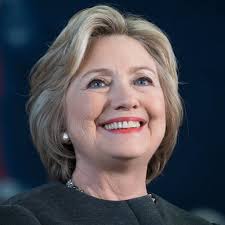
Hillary Clinton
Case #5: The Justice Department did not invalidate the results of the 2016 election, despite overwhelming evidence that Russia intervened to elect Trump as Vladimir Putin’s chosen candidate.
In July, 2016, the Russians hacked the Democratic committee’s servers—but not those of the Republican National Committee.
Admiral Michael Rogers, director of the National Security Agency (NSA) and US Cyber Command, said in mid-November, 2016, that Russia made “a conscious effort” to sway the results of the Presidential election by the hacking of 20,000 emails from the Democratic National Committee.
“There shouldn’t be any doubt in anybody’s mind,” said Rogers. “This was not something that was done casually. This was not something that was done by chance. This was not a target that was selected purely arbitrarily. This was a conscious effort by a nation-state to attempt to achieve a specific effect.”

In October, 2016, the Department of Homeland Security (DHS) and the Office of the Director of National Intelligence (DNI) issued a joint statement: The Russian government had directed the effort to subvert the 2016 Presidential election.
On December 16, 2016, FBI Director James B. Comey and Director of National Intelligence James R. Clapper Jr. agreed with a CIA assessment that Russia intervened in the 2016 election in part to help Donald Trump win the White House.
Trump, however, has steadfastly denied any such role by Russia: “I think it’s ridiculous,” he told “Fox News Sunday.” “I think it’s just another excuse. I don’t believe it….No, I don’t believe it at all.”
These were solid grounds for the Obama Justice Department to indict Donald Trump or invalidate the results of the 2016 election. Yet no action was taken.
Case #6: The Justice Department did not prosecute Donald Trump for treason, even though he solicited aid from Russia, a nation hostile to the United States. And no major official of the government—including President Obama—publicly condemned him as a traitor.
On July 9, 2016, high-ranking members of his Presidential campaign met at Trump Tower with at least two lobbyists with ties to Russian dictator Vladimir Putin. The participants included:
- Trump’s son, Donald Trump Jr.;
- His son-in-law, Jared Kushner;
- His then-campaign manager, Paul Manafort;
- Natalia Veselnitskaya, a Russian lawyer with ties to Putin; and
- Rinat Akhmetshin, a former Soviet counterintelligence officer suspected of “having ongoing ties to Russian Intelligence.”
The purpose of that meeting: To gain access to any “dirt” Russian Intelligence could supply on Democratic Presidential Nominee Hillary Clinton.
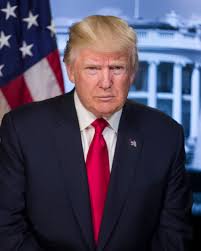
Donald Trump
On July 22, 2016, Wikileaks released 19,252 emails and 8,034 attachments hacked from computers of the highest-ranking officials of the Democratic National Committee (DNC). Early reports traced the leak to Russian hackers.
At a news conference in Doral, Florida on July 27, 2016, Trump publicly invited “Russia”—i.e., Vladimir Putin—to hack Hillary Clinton’s emails: “I will tell you this, Russia: If you’re listening, I hope you’re able to find the 30,000 emails that are missing. I think you will probably be rewarded mightily by our press.”
Hours later, the Main Intelligence Directorate in Moscow targeted Clinton’s personal office and hit more than 70 other Clinton campaign accounts.
This was essentially treason—calling on a hostile foreign power to interfere directly in an American Presidential election. And it was seen as such by both Democrats and even Republicans:
“This has to be the first time that a major presidential candidate has actively encouraged a foreign power to conduct espionage against his political opponent,” Hillary for America policy adviser Jake Sullivan said in a statement. “That’s not hyperbole, those are just the facts. This has gone from being a matter of curiosity, and a matter of politics, to being a national security issue.”
Brendon Buck, a spokesman for House Speaker Paul Ryan, said: “Russia is a global menace led by a devious thug. Putin should stay out of this election.”


 Bureaucracybuster's Blog
ABC NEWS, ADMINISTRATION, ALTERNET, AMERICABLOG, AP, BABY BOOMER RESISTANCE, BLOOMBERG, BUREAUCRACIES, BUSINESS, BUZZFEED, CBS NEWS, CEOS, CNN, COMPLAINTS, CORPORATE GREED, CORPORATIONS, CROOKS AND LIARS, CUSTOMER SERVICE, DAILY KOZ, DRUDGE REPORT, FACEBOOK, FIVETHIRTYEIGHT, GOVERNMENT AGENCIES, HARPER’S MAGAZINE, HIRING MANAGERS, HUFFINGTON POST, INTERNET, MEDIA MATTERS, MOTHER JONES, MOVEON, MSNBC, NBC NEWS, NEWSWEEK, NPR, PBS NEWSHOUR, POLITICO, POLITICUSUSA, RAW STORY, REUTERS, SALON, SEATTLE TIMES, SELF-HELP, SLATE, TALKING POINTS MEMO, THE ATLANTIC, THE CHICAGO SUN-TIMES, THE CHICAGO TRIBUNE, THE DAILY BEAST, THE DAILY BLOG, THE GUARDIAN, THE HILL, THE HUFFINGTON POST, THE LOS ANGELES TIMES, THE NATION, THE NEW REPUBLIC, THE NEW YORK TIMES, THE VILLAGE VOICE, THE WALL STREET JOURNAL, THE WASHINGTON POST, THINKPROGRESS, TIME, TRUTHDIG, TRUTHOUT, TWITTER, TWO POLITICAL JUNKIES, U.S. NEWS & WORLD REPORT, UPI, USA TODAY, WONKETTE
WHEN A COMPANY/AGENCY IGNORES YOUR PROBLEM
In Bureaucracy, Business, History, Politics, Self-Help, Social commentary on December 25, 2020 at 12:06 amHow many times have you called a government agency or company and instantly found yourself put on hold?
To add insult to injury, you usually wind up serenaded by recorded music that would be totally forgettable if it weren’t so unforgivably irritating.
And every 30 seconds or so a recorded voice comes on to assure you: “Your call is very important to us.”
Have you ever wondered: “If my call is so important to you, why aren’t you answering it?”
The truth is that most companies and government agencies don’t want their employees speaking with the customers who make their existence a reality.
Having your questions answered by another human being requires the company/agency to assign—and pay—people to do just that.
Most hiring managers don’t want to hire any more people than they absolutely have to. They want to siphon off as much of the company’s profits for themselves as possible.
And assigning people to answer customers’ calls means that many of those calls will take time to answer, because some problems can’t be solved in a matter of seconds.
Even government agencies like police departments don’t want to spend any more time than necessary taking the calls of those who need to reach them.
Even calls to 911 can leave you talking to no one, with only a recorded message telling you to wait until someone deigns to speak with you.
And you’re no closer to solving the problem that caused you to phone the company/agency in the first place.
What to do?
For starters, don’t lose heart. There are usually a great many things you can do to obtain the help you need.
Share this: