Posts Tagged ‘CONVERSATION WITH AN AMERICAN WRITER (POEM)’
2016 PRESIDENTIAL ELECTION, ABC NEWS, ALTERNET, AMERICABLOG, ANDREW JACKSON, AP, ARMY-MCCARTHY HEARINGS, BABY BOOMER RESISTANCE, BORDER WALL, BUZZFEED, CBS NEWS, CIA, CNN, COLLEGE FOOTBALL, CONSUMER PROTECTION, CONVERSATION WITH AN AMERICAN WRITER (POEM), CROOKS AND LIARS, DAILY KOZ, DONALD TRUMP, DREW PEARSON, DRUDGE RETORT, DWIGHT D. EISENHOWER, EDWARD R. MURROW, ENVIRONMENTAL PROTECTION, EXTORTION, FACEBOOK, FBI, FEDERAL GOVERNMENT SHUTDOWN, FIVETHIRTYEIGHT, FREEDOM OF THE PRESS, GARY SCHULTZ, GEORGE C. MARSHALL, GRAHAM SPANIER, HARPER’S MAGAZINE, HARRY S. TRUMAN, HUNTER BIDEN, JAMES COMEY, JEB BUSH, JEFF BUSH, JERRY SANDJSKY, JERRY SANDUSKY, JOE BIDEN, JOE PATERNO, JOE POTERNO, JOHN MCCAIN, JOSEPH BIDEN, JOSEPH MCCARTHY, JOSEPH WELCH, LOUIS FREEH, MEDIA MATTERS, MIKE MCQUEARY, MIKE MURPHY, MITT ROMNEY, MORAL COURAGE, MOTHER JONES, MOVEON, MSNBC, NATIONAL SECURITY AGENCY, NBC NEWS, NEWSWEEK, NIKE, NPR, PBS NEWSHOUR, PENN STATE NITTANY LIONS, PENN STATE UNIVERSITY, POLITICO, POLITICUSUSA, RAW STORY, REPUBLICANS, REUTERS, RUSSIA, SALON, SEATTLE TIMES, SLATE, SUBVERSION, TALKING POINTS MEMO, THE ATLANTIC, THE CHICAGO SUN-TIMES, THE CHICAGO TRIBUNE, THE DAILY BEAST, THE DAILY BLOG, THE GUARDIAN, THE HILL, THE HUFFINGTON POST, THE LOS ANGELES TIMES, THE NATION, THE NEW REPUBLIC, THE NEW YORK TIMES, THE SECOND MILE, THE VILLAGE VOICE, THE WASHINGTON POST, THINKPROGRESS, TIM CURLEY, TIME, TRUTHDIG, TRUTHOUT, TWITTER, TWO POLITICAL JUNKIES, U.S. NEWS & WORLD REPORT, UKRAINE, UP, UPI, USA TODAY, VLADIMIR PUTIN, VOLODYMYR ZELENSKY, WONKETTE, YEVGENEY YEVTUSHENKO
In Bureaucracy, History, Law, Law Enforcement, Politics, Social commentary on January 2, 2020 at 12:23 am
“One man with courage,” said frontier general Andrew Jackson, “makes a majority.”
Yet many “heroes” come out of the woodwork only after the danger is safely past.
On September 25, 2019, GOP consultant Mike Murphy said that a Republican senator had told him the majority of Republican senators “would vote to impeach” President Donald Trump if they could do so anonymously.
In short: If they didn’t have to face backlash from constituents or the media or Trump, they would gladly stand up for the Constitution. Which is like a fireman saying: “If i didn’t have to worry about getting burned to death, I’d gladly rush into a burning building and save whoever was in it.”
“One Republican senator told me if it was a secret vote, 30 Republican senators would vote to impeach Trump,” he claimed during an interview on MSNBC.
Murphy—who has advised Republican politicians such as Mitt Romney, John McCain and Jeb Bush—implied that the GOP lawmakers fear that voting against Trump could harm them politically.
Yes, a shining example of true moral courage at its finest—and just when it’s most needed: “If we just didn’t have to risk our skins, we’d be glad to do the right thing.”
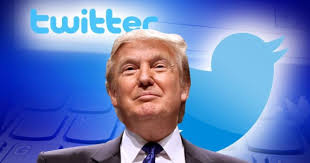
Donald Trump
Throughout Trump’s nearly three years in office, Republicans have remained silent or vigorously supported him as he:
- Repeatedly and viciously attacked the nation’s free press for daring to report his growing list of crimes and disasters, calling it “the enemy of the American people.”
- Publicly siding with Russian dictator Vladimir Putin against American Intelligence agencies (FBI, CIA, National Security Agency) which unanimously agreed that Russia had subverted the 2016 Presidential election,
- Firing FBI Director James Comey for investigating that subversion.
- Allowing predatory corporations to subvert Federal regulatory protections for consumers and the environment.
- Shutting down the Federal Government for more than a month on December 22, 2018, because Democrats refused to fund his “border wall” between the United States and Mexico.
- Attempting to extort a “favor” from Ukrainian President Volodymyr Zelensky: Threatening to withhold military aid unless Zelensky agreed to slander Hunter Biden, the son of Democratic Presidential candidate Joseph Biden.
“I was never courageous,” the Russian poet, Yevgeney Yevtushenko, wrote in his famous poem, “Conversation With an American Writer.” “I simply felt it unbecoming to stoop to the cowardice of my colleagues.”
For Republicans “stooping to the cowardice” of their colleagues has long been a recipe for political survival.
Yet another Republican—Wisconsin Senator Joseph R. McCarthy—terrorized the nation from 1950 to 1954, accusing anyone who disagreed with him of being a Communist, and leaving only ruined lives in his wake.

Joseph R. McCarthy
Among those civilians and government officials he slandered as Communists were:
- President Harry S. Truman
- President Dwight D. Eisenhower
- Broadcast journalist Edward R. Murrow
- Secretary of State George C. Marshall
- Columnist Drew Pearson
Finally, in 1954, McCarthy overreached himself and accused the U.S. Army of being a hotbed of Communist traitors. Joseph Welch, counsel for the Army, destroyed McCarthy’s credibility in a now-famous retort:
“Senator, may we not drop this?….You’ve done enough. Have you no sense of decency, sir? At long last, have you left no sense of decency?”
Later that year, the Senate censured McCarthy, and he rapidly declined in power and health.
Senatorial colleagues who had courted his support now left the Senate when he rose to speak. Reporters who had once fawned on him for his latest sensational slander now ignored him.
But cowardice isn’t confined to politicians.
Fast-forward to July 12, 2012—and the release of former FBI Director Louie Freeh’s report on serial pedophile Jerry Sandusky. As the assistant football coach at Penn State University (PSU), he had used the football facilities to sexually attack numerous young boys.

Jerry Sandusky
But Sandusky was regarded as more than a second-banana. He received Assistant Coach of the Year awards in 1986 and 1999, and authored several books about his coaching experiences.
In 1977, Sandusky founded The Second Mile, a non-profit charity serving underprivileged, at-risk youth.
“Our most saddening and sobering finding is the total disregard for the safety and welfare of Sandusky’s child victims by the most senior leaders at Penn State,” Freeh stated.
College football is a $2.6 billion-a-year business. And Penn State is one of its premiere brands, with revenue of $70 million in 2010.
PSU’s seven-month internal investigation, headed by Freeh, revealed:
- Joe Paterno, head coach of the Penn State Nittany Lions, was aware of a 1998 criminal investigation of Sandusky.
- So were president Graham Spanier, athletic director Tim Curley and vice president Gary Schultz.
- In 2001, then-graduate assistant Mike McQueary reported to Paterno that he’d seen Sandusky attacking a boy in the shower.
- Paterno, Spanier, Curley and Schultz then conspired to cover up for Sandusky.
- The rapes of these boys occurred in the Lasch Building—where Paterno had his office.
- A janitor who had witnessed a rape in 2000 said he had feared losing his job if he told anyone about it. “It would be like going against the President of the United States,” Freeh said at a press conference.
In 2011, Sandusky was arrested and charged with sexually abusing young boys over a 15-year period. On June 22, 2012, he was convicted on 45 of the 48 charges. He will likely spend the rest of his life in prison.
On the day the Freeh report was released, Nike—a longtime sponsor for Penn State—announced that it would remove Paterno’s name from the child care center at its world headquarters in Beaverton, Oregon.
2016 PRESIDENTIAL ELECTION, 2020 PRESIDENTIAL ELECTION, ABC NEWS, ADAM SCHIFF, ADOLF HITLER, ALTERNET, AMERICABLOG, AP, ARMENIA, BABY BOOMER RESISTANCE, BBC, BUZZFEED, CBS NEWS, CHARLES PIERCE, CNN, CONVERSATION WITH AN AMERICAN WRITER (POEM), CORY GARDNER, CROOKS AND LIARS, DAILY KOS, DAILY KOZ, DIMITRI SHOSTAKOVICH, DONALD TRUMP, ESQUIRE MAGAZINE, FACEBOOK, FBI, FIVETHIRTYEIGHT, FOREIGN SERVICE, GREAT TERROR, HOUSE INTELLIGENCE COMMITTEE, HOUSE OF REPRESENTATIVES, HUNTER BIDEN, JAMES COMEY, JEFF SESSIONS, JOE BIDEN, JONI ERNST, JOSEPH STALIN, KEITH SCHILLER, KYRGYZSTAN, MARIA YOVANOVITCH, MARIE YOVANOVICH, MARTHA MCSALLY, MICHAEL ATKINSON, MIKE FLYNN, MIKHAIL TUKHACHEVESKY, MOTHER JONES, MOVEON, MSNBC, NAZI GERMANY, NBC NEWS, NEWSWEEK, NICCOLO MACHIAVELLI, NIKITA KHRUSHCHEV, NIKOLAI ZHILAYEV, NPR, PBS NEWSHOUR, POLITICO, POLITICUSUSA, RAW STORY, REUTERS, ROBERT MUELLER III, ROD ROSENSTEIN, RUDOLPH GIULIANI, RUDY GIULIANI, RUSSIAN ESPIONAGEky, SALON, SEATTLE TIMES, SENATE INTELLIGENCE COMMITTEE, SERGEY KISLYAK, SERGEY LAVOV, SLATE, SOVIET UNION, STATE DEPARTMENT, TALKING POINTS MEMO, THE ATLANTIC, THE CHICAGO SUN-TIMES, THE CHICAGO TRIBUNE, THE DAILY BEAST, THE DAILY BLOG, THE DISCOURSES, THE GUARDIAN, THE HILL, THE HUFFINGTON POST, THE LOS ANGELES TIMES, THE NATION, THE NEW YORK TIMES, THE WALL STREET JOURNAL, THE WASHINGTON POST, THINKPROGRESS, THOM TILLIS, TIME, TRUTHDIG, TWITTER, U.S. NEWS & WORLD REPORT, UKRAINE, UPI, USA TODAY, WEHRMACHT, WORLD WAR 11, YEVGENEY YEVTUSHENKO
In Bureaucracy, History, Military, Politics, Social commentary on October 16, 2019 at 12:05 am
In his poem, “Conversation With an American Writer,” the Russian poet, Yevgeney Yevtushenko spoke for those Russians who managed to maintain their integrity in the face of Stalinist terror:
“You have courage,” they tell me.
It’s not true. I was never courageous.
I simply felt it unbecoming
to stoop to the cowardice of my colleagues.
Unfortunately, the same cannot be said for the vast majority of Republicans in the United States Senate and House of Representatives.

Yevgeney Yevtushenko
In late September, news broke that, on July 25, President Donald Trump had tried to extort a “favor” from the president of Ukraine: Find embarrassing “dirt” on former Vice President Joseph Biden and his son, Hunter.
Hunter had had business dealings in Ukraine. And Joe Biden might be Trump’s Democratic opponent for the White House in 2020.
To underline the seriousness of his “request,” Trump had withheld $400 million in promised military aid to Ukraine, which is facing an increasingly aggressive Russia.
Since late September, reporters have repeatedly asked Congressional Republicans: “Is it appropriate for President Donald Trump to ask a foreign government to investigate his political opponent?”
And the overwhelming majority of Republicans have refused to answer—even though, on October 3, Trump said publicly on the south lawn of the White House: “China should start an investigation into the Bidens.”
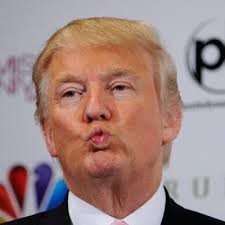
Donald Trump
Among those refusing to answer:
Colorado Republican Senator Cory Gardner: “Well look, that’s what we’re going to get into. The Senate Intelligence Committee is having an investigation, a bipartisan investigation.”
Iowa Senator Joni Ernst: “We don’t have all the facts, we don’t know what is accurate. We have a picture painted by the media and we don’t know if that picture is accurate.”
Arizona Senator Martha McSally: “I think what we’ve seen out of [Speaker of the House Nancy] Pelosi and [House Intelligence Committee Chairman Adam] Schiff and others in the House is quite partisan and I think people want us to take a serious look at this and not have it be just partisan bickering going on.”
North Carolina Senator Thom Tillis: “I’m going to leave it to the President to make that decision” on whether his actions were appropriate.
The reason for Republicans’ deafening silence: They don’t want to anger Trump or his fanatical supporters. Many of them face tough reelection campaigns. And they fear losing their Congressional seats and the perks that go with them.
So they’re willing to support a President who calls on hostile foreign nations to subvert an American Presidential election.
Enter Marie Yovanovitch, the former United States ambassador to Ukraine (2016 – 2019). She had joined the Foreign Service in 1986, and served as ambassador to Kyrgyzstan (2005 – 2008) and Armenia (2008 – 2011).

Marie Yovanovitch
In May 2019, on Trump’s orders, the State Department recalled Yovanovitch as ambassador to Ukraine. She had earned respect from the national security community for her efforts to encourage Ukraine to tackle corruption.
But she had been criticized by Right-wing media outlets—notably Fox News Network—and by Trump’s personal attorney, Rudy Giuliani.
CNN reported that Yovanovitch stopped Giuliani from interviewing witnesses in his search for politically damaging information against former Vice President Joe Biden.
On August 12, a whistleblower filed a complaint with the Intelligence community’s Inspector General, Michael Atkinson.
In it, he warned that Yovanovitch’s ousting raised red flags that Trump was abusing his office by soliciting foreign interference in the 2020 election.
From that complaint ultimately resulted the impeachment inquiry by the House of Representatives.
With so many Republicans cowering before Trump, Yovanovitch emerged as the first real hero of the Trump era.
On October 11, she appeared before the House Intelligence Committee, chaired by Representative Adam Schiff (D-CA). She did so in defiance of orders by the White House and State Department to not attend.
In response, the Committee issued a subpoena to compel her testimony—and provide her with a measure of protection against wrongful termination.
“She was a hero even before she hit the hearing room,” wrote Charles Pierce for Esquire magazine.
“She told them to stuff their directives, she would answer a congressional subpoena like a citizen is supposed to do. And she didn’t sneak in through the basement. She walked into the Capitol through the front doors, and she didn’t do so to fck around.”
Testifying for nearly 10 hours, Yovanovitch said that Trump had removed her from her post owing to “unfounded and false claims” and “a concerted campaign against me.”
She believed that associates of Trump’s personal lawyer, Rudy Giuliani, might have believed “that their personal financial ambitions were stymied by our anti-corruption policy in Ukraine.”
And she warned that the State Department was being “attacked and hollowed out from within. State Department leadership, with Congress, needs to take action now to defend this great institution, and its thousands of loyal and effective employees.
“We need to rebuild diplomacy as the first resort to advance America’s interests and the front line of America’s defense. I fear that not doing so will harm our nation’s interest, perhaps irreparably.”
Frontier general Andrew Jackson once said: “One man with courage makes a majority.”
By courageously defying Trump, Marie Yovanovitch may lead other conscientious men and women to do the same.
2016 PRESIDENTIAL ELECTION, 2020 PRESIDENTIAL ELECTION, ABC NEWS, ADAM SCHIFF, ADOLF HITLER, ALTERNET, AMERICABLOG, AP, ARMENIA, BABY BOOMER RESISTANCE, BBC, BUZZFEED, CBS NEWS, CHARLES PIERCE, CNN, CONVERSATION WITH AN AMERICAN WRITER (POEM), CORY GARDNER, CROOKS AND LIARS, DAILY KOS, DAILY KOZ, DIMITRI SHOSTAKOVICH, DONALD TRUMP, ESQUIRE MAGAZINE, FACEBOOK, FBI, FIVETHIRTYEIGHT, FOREIGN SERVICE, GREAT TERROR, HOUSE INTELLIGENCE COMMITTEE, HOUSE OF REPRESENTATIVES, HUNTER BIDEN, JAMES COMEY, JEFF SESSIONS, JOE BIDEN, JONI ERNST, JOSEPH STALIN, KEITH SCHILLER, KYRGYZSTAN, MARIA YOVANOVITCH, MARIE YOVANOVICH, MARTHA MCSALLY, MICHAEL ATKINSON, MIKE FLYNN, MIKHAIL TUKHACHEVESKY, MOTHER JONES, MOVEON, MSNBC, NAZI GERMANY, NBC NEWS, NEWSWEEK, NICCOLO MACHIAVELLI, NIKITA KHRUSHCHEV, NIKOLAI ZHILAYEV, NPR, PBS NEWSHOUR, POLITICO, POLITICUSUSA, RAW STORY, REUTERS, ROBERT MUELLER III, ROD ROSENSTEIN, RUDOLPH GIULIANI, RUDY GIULIANI, RUSSIAN ESPIONAGEky, SALON, SEATTLE TIMES, SENATE INTELLIGENCE COMMITTEE, SERGEY KISLYAK, SERGEY LAVOV, SLATE, SOVIET UNION, STATE DEPARTMENT, TALKING POINTS MEMO, THE ATLANTIC, THE CHICAGO SUN-TIMES, THE CHICAGO TRIBUNE, THE DAILY BEAST, THE DAILY BLOG, THE DISCOURSES, THE GUARDIAN, THE HILL, THE HUFFINGTON POST, THE LOS ANGELES TIMES, THE NATION, THE NEW YORK TIMES, THE WALL STREET JOURNAL, THE WASHINGTON POST, THINKPROGRESS, THOM TILLIS, TIME, TRUTHDIG, TWITTER, U.S. NEWS & WORLD REPORT, UKRAINE, UPI, USA TODAY, WEHRMACHT, WORLD WAR 11, YEVGENEY YEVTUSHENKO
In Bureaucracy, History, Military, Politics, Social commentary on October 15, 2019 at 12:11 am
Nikolai Sergeyvich Zhilayev (pronounced Zill-lay-ev) was a Russian musicologist and the teacher of several 20th-century Russian composers.
Among these: Dimitri Shostakovich.
Among his friends—to his ultimate misfortune—was Mikhail Nikolayevich Tukhachevsky, the former military hero now falsely condemned and executed as a traitor by Soviet dictator Joseph Stalin.
In 1938, Zhilayev (November 18, 1881 – January 20, 1938) also became a casualty of what has become known as The Great Terror.
In his posthumously-published memoirs, Testimony, Shostakovich, his pupil and friend, described how Zhilayev faced his end with a calmness that awed even the NKVD (the predecessor to the KGB) secret police sent to arrest him.
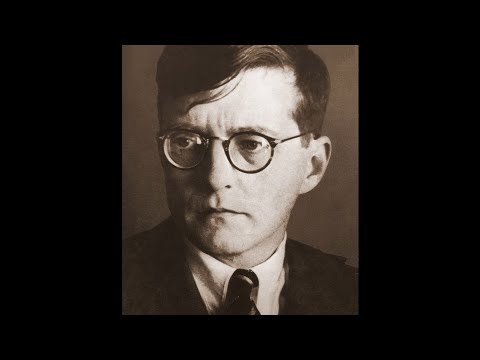
Dimitri Shostakovich
“He had a large picture of Tukhachevsky in his room, and after the announcement that Tukhachevsky had been shot as a traitor to the homeland, Zhilayev did not take the picture down.
“I don’t know if I can explain how heroic a deed that was….As soon as the next poor soul was declared an enemy of the people, everyone destroyed in a panic everything connected with that person….
“And naturally, photographs flew into the fire first, because if someone informed on you, reported that you had a picture of an enemy of the people, it meant certain death.
“Zhilayev wasn’t afraid. When they came for him, Tukhachevsky’s prominently hung portrait amazed even the executioners.”
“What, it’s still up?” one of the secret police asked.
“The time will come,” Zhilayev replied, “when they’ll erect a monument to him.”
As, in fact, has happened.
Meanwhile, Stalin has been universally condemned as one of history’s greatest tyrants.

Mikhail Tukhachevsky appears on a 1963 Soviet Union postage stamp
Third hero—James Brien Comey (December 14, 1960)
Comey served as United States Attorney (federal prosecutor) for the Southern District of New York (2002-2003).
As United States Deputy Attorney General (2003-2005), he opposed the warrantless wiretapping program of the George W. Bush administration. He also argued against the use of water boarding as an interrogation method.
In 2005, he entered the private sector as General Counsel and Senior Vice President for Lockheed Martin, the biggest contractor for the Department of Defense.
On July 29, 2013, the United States Senate voted 93 -1 to confirm Comey as director of the FBI, the seventh in its history.

James B. Comey
He directed the FBI from his appointment in 2013 by President Barack Obama until his firing on May 9, 2017, by President Donald Trump.
In a move that Joseph Stalin would have admired, Trump gave no warning of his intentions. Instead, he sent Keith Schiller, his longtime bodyguard, to the FBI with a letter announcing Comey’s dismissal.
Trump had three reasons for firing Comey:
- Comey had refused to pledge his personal loyalty to Trump. Trump had made this “request” during a private dinner at the White House in January. After refusing to make that pledge, Comey told Trump that he would always be honest with him. But that didn’t satisfy Trump’s demand that the head of the FBI act as his personal secret police chief.
- Trump had tried to coerce him into dropping the FBI’s investigation into former National Security Adviser Mike Flynn, for his secret ties to Russia and Turkey. Comey had similarly resisted that demand.
- Comey had recently asked the Justice Department to fund an expanded FBI investigation into contacts between Trump’s 2016 Presidential campaign and Russian Intelligence agents.
As a Presidential candidate and President, Trump:
- Steadfastly denied those revelations;
- Repeatedly attacked the “fake news” media reporting these revelations. Chief among his targets: CNN, The New York Times and The Washington Post; and
- Attacked the Intelligence agencies responsible for America’s security.
On May 10—the day after firing Comey—Trump met in the Oval Office with Russian Foreign Minister Sergey Lavov and Russian Ambassador Sergey Kislyak.
Kislyak was reportedly a top recruiter for Russia’s SVR foreign Intelligence agency. He has been closely linked with Jeff Sessions and Mike Flynn—respectively,, Trump’s fired Attorney General and fired National Security Adviser.
“I just fired the head of the FBI,” Trump told the two dignitaries. “He was crazy, a real nut job. I faced great pressure because of Russia. That’s taken off.”
During that meeting he gave the Russians sensitive Intelligence on ISIS that had been supplied by Israel.
Two days later, on May 12, Trump tweeted a threat to the fired FBI director: “James Comey better hope that there are no ‘tapes’ of our conversations before he starts leaking to the press.”
But shortly afterward, it appeared Trump was the one who should worry: Reports surfaced that Comey had written memos to himself immediately after his private meetings with Trump.
He had also told close aides that Trump was trying to pressure him into dropping the investigation into close ties between Russian Intelligence agents and Trump campaign staffers.
As for Trump’s threat of having tapes of his and Comey’s conversations: Like Trump’s claim that he could prove that Barack Obama wasn’t an American citizen, this, too, proved to be a lie.
And Comey’s firing led directly to a result Trump did not anticipate: Acting Attorney General Rod Rosenstein yielded to demands from Democrats and appointed former FBI Director Robert Mueller III as a special prosecutor to investigate those ties.
2016 PRESIDENTIAL ELECTION, 2020 PRESIDENTIAL ELECTION, ABC NEWS, ADAM SCHIFF, ADOLF HITLER, ALTERNET, AMERICABLOG, AP, ARMENIA, BABY BOOMER RESISTANCE, BBC, BUZZFEED, CBS NEWS, CHARLES PIERCE, CNN, CONVERSATION WITH AN AMERICAN WRITER (POEM), CORY GARDNER, CROOKS AND LIARS, DAILY KOS, DAILY KOZ, DIMITRI SHOSTAKOVICH, DONALD TRUMP, ESQUIRE MAGAZINE, FACEBOOK, FBI, FIVETHIRTYEIGHT, FOREIGN SERVICE, GREAT TERROR, HOUSE INTELLIGENCE COMMITTEE, HOUSE OF REPRESENTATIVES, HUNTER BIDEN, JAMES COMEY, JEFF SESSIONS, JOE BIDEN, JONI ERNST, JOSEPH STALIN, KEITH SCHILLER, KYRGYZSTAN, MARIA YOVANOVITCH, MARIE YOVANOVICH, MARTHA MCSALLY, MICHAEL ATKINSON, MIKE FLYNN, MIKHAIL TUKHACHEVESKY, MOTHER JONES, MOVEON, MSNBC, NAZI GERMANY, NBC NEWS, NEWSWEEK, NICCOLO MACHIAVELLI, NIKITA KHRUSHCHEV, NIKOLAI ZHILAYEV, NPR, PBS NEWSHOUR, POLITICO, POLITICUSUSA, RAW STORY, REUTERS, ROBERT MUELLER III, ROD ROSENSTEIN, RUDOLPH GIULIANI, RUDY GIULIANI, RUSSIAN ESPIONAGEky, SALON, SEATTLE TIMES, SENATE INTELLIGENCE COMMITTEE, SERGEY KISLYAK, SERGEY LAVOV, SLATE, SOVIET UNION, STATE DEPARTMENT, TALKING POINTS MEMO, THE ATLANTIC, THE CHICAGO SUN-TIMES, THE CHICAGO TRIBUNE, THE DAILY BEAST, THE DAILY BLOG, THE DISCOURSES, THE GUARDIAN, THE HILL, THE HUFFINGTON POST, THE LOS ANGELES TIMES, THE NATION, THE NEW YORK TIMES, THE WALL STREET JOURNAL, THE WASHINGTON POST, THINKPROGRESS, THOM TILLIS, TIME, TRUTHDIG, TWITTER, U.S. NEWS & WORLD REPORT, UKRAINE, UPI, USA TODAY, WEHRMACHT, WORLD WAR 11, YEVGENEY YEVTUSHENKO
In Bureaucracy, History, Military, Politics, Social commentary on October 14, 2019 at 12:09 am
…A truly great man is ever the same under all circumstances. And if his fortune varies, exalting him at one moment and oppressing him at another, he himself never varies, but always preserves a firm courage, which is so closely interwoven with his character that everyone can readily see that the fickleness of fortune has no power over him.
The conduct of weak men is very different. Made vain and intoxicated by good fortune, they attribute their success to merits which they do not possess. And this makes them odious and insupportable to all around them. And when they have afterwards to meet a reverse of fortune, they quickly fall into the other extreme, and become abject and vile.
—Niccolo Machiavelli, The Discourses
Four heroes, two villains.
Two of the heroes are Russians; two are Americans.
The villains: One Russian (actually, Georgian); one American.
First up—in order of disappearance: Mikhail Nikolayevich Tukhachevsky (pronounced too-ka-chev-sky)
Tukhachevsky (February 4, 1893 – June 12, 1937) was a leading Soviet military leader and theoretician from 1918 to 1937.
He commanded the Soviet Western Front during the Russian-Polish War (1920-21) and served as Chief of Staff of the Red Army (1925-1928).
He fought to modernize Soviet armament, as well as develop airborne, aviation and mechanized forces. Almost singlehandedly, he created the theory of deep operations for Soviet forces.

Mikhail Tukhachevsky
All of these innovations would reap huge dividends when the Soviet Union faced the lethal fury of Adolf Hitler’s Wehrmacht.
In 1936, Tukhachevsky warned Soviet dictator Joseph Stalin that Nazi Germany might attack without warning—and ignite a long and murderous war.
Stalin—the son of a Georgian cobbler—resented Tukhachevsky’s coming from a noble family. A monumental egomaniac, he also hated that Tukhachevesky’s fame rivaled his own.
Warned of the approaching German danger, Stalin shouted: “What are you trying to do—frighten Soviet authority?”
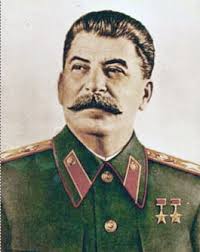
Joseph Stalin
The attack that Tukhachevsky warned against came five years later—on June 22, 1941, leaving at least 20 million Russians dead.
But Tukhachevsky wasn’t alive to command a defense.
The 1930s were a frightening and dangerous time to be alive in the Soviet Union. In 1934, Stalin, seeing imaginary enemies everywhere, ordered a series of purges that lasted right up to the German invasion.
An example of Stalin’s paranoia occurred one day while the dictator walked through the Kremlin corridors with Admiral Ivan Isakov. Officers of the NKVD (the predecessor to the KGB) stood guard at every corner.
“Every time I walk down the corridors,” said Stalin, “I think: Which one of them is it? If it’s this one, he will shoot me in the back. But if I turn the corner, the next one can shoot me in the face.”
In 1937-38, the Red Army fell prey to Stalin’s paranoia.
Its victims included:
- Three of five marshals (five-star generals);
- Thirteen of 15 army commanders (three- and four-star generals);
- Fifty of 57 army corps commanders; and
- One hundred fifty-four out of 186 division commanders.
And heading the list of those marked for death was Marshal Mikhail Tukhachevsky.
Arrested on May 22, 1937, he was interrogated and tortured. As a result, he “confessed” to being a German agent plotting to overthrow Stalin and seize power.
On his confession, which survives in the archives, his bloodstains can clearly be seen.
On June 11, the Soviet Supreme Court convened a special military tribunal to try Tukhachevsky and eight generals for treason.
It was a sham: The accused were denied defense attorneys, and could not appeal the verdict—-which was foregone: Death.
In a Russian version of poetic justice, five of the eight generals who served as Tukhachevsky’s judges were themselves later condemned and executed as traitors.
Within hours of the verdict, Tukhachevsky was summoned from his cell and shot once in the back of the head.
From 1937 until 1956, Tukhachevsky was officially declared a traitor and fifth-columnist.
Then, on February 25, 1956, Soviet Premier Nikita Khrushchev delivered his bombshell “Secret Speech” to the 20th Congress of the Communist Party of the Soviet Union.
In this, he denounced Stalin (who had died in 1953) as a ruthless tyrant responsible for the slaughter of millions of innocent men, women and children. He condemned Stalin for creating a “personality cult” around himself, and for so weakening the Red Army that Nazi Germany was able to easily overrun half of the Soviet Union from 1941 to 1943.
On January 31, 1957, Tukhachevsky and his co-defendants were declared innocent of all charges and were “rehabilitated.”
Today, he is once again—rightly—considered a Russian hero and military genius. And Stalin is universally—and rightly—seen as a blood-stained tyrant.
Next hero: Nikolai Sergeyvich Zhilayev (pronounced Zill-lay-ev)
Zhilayev (November 18, 1881 – January 20, 1938) was a Russian musicologist and the teacher of several 20th-century Russian composers. Among these: Dimitri Shostakovich.
Zhilayev, a member of the Russian Academy of Art-Sciences, taught at the Moscow Conservatory. Among his friends—to his ultimate misfortune—was Mikhail Tukhachevsky.
In 1938, he, too, became a casualty of what has become known as The Great Terror.
In his posthumously-published memoirs, Testimony, Shostakovich, his pupil and friend, described how Zhilayev faced his end with a calmness that awed even the NKVD (the predecessor to the KGB) secret police sent to arrest him.
2016 PRESIDENTIAL ELECTION, ABC NEWS, ALTERNET, AMERICABLOG, ANDREW JACKSON, AP, BABY BOOMER RESISTANCE, BUZZFEED, CBS NEWS, CIA, CNN, COLLEGE FOOTBALL, CONSUMER PROTECTION, CONVERSATION WITH AN AMERICAN WRITER (POEM), CROOKS AND LIARS, DAILY KOZ, DONALD TRUMP, DREW PEARSON, DWIGHT D. EISENHOWER, EDWARD R. MURROW, ENVIRONMENTAL PROTECTION, EXTORTION, FACEBOOK, FBI, FEDERAL GOVERNMENT SHUTDOWN, FIVETHIRTYEIGHT, FREEDOM OF THE PRESS, GEORGE C. MARSHALL, HARRY S. TRUMAN, HUNTER BIDEN, JAMES COMEY, JEFF BUSH, JERRY SANDUSKY, JOE BIDEN, JOE PATERNO, JOHN MCCAIN, JOSEPH MCCARTHY, LOUIS FREEH, MIKE MURPHY, MITT ROMNEY, MORAL COURAGE, MOTHER JONES, MOVEON, MSNBC, NATIONAL SECURITY AGENCY, NBC NEWS, NEWSWEEK, NIKE, NPR, PBS NEWSHOUR, PENN STATE UNIVERSITY, POLITICO, POLITICUSUSA, RAW STORY, REPUBLICANS, REUTERS, RUSSIA, SALON, SEATTLE TIMES, SLATE, SUBVERSION, TALKING POINTS MEMO, THE ATLANTIC, THE CHICAGO SUN-TIMES, THE CHICAGO TRIBUNE, THE DAILY BEAST, THE DAILY BLOG, THE GUARDIAN, THE HILL, THE HUFFINGTON POST, THE LOS ANGELES TIMES, THE NATION, THE NEW YORK TIMES, THE WASHINGTON POST, THINKPROGRESS, TIME, TRUTHDIG, TWITTER, U.S. NEWS & WORLD REPORT, UKRAINE, UP, UPI, USA TODAY, VLADIMIR PUTIN, VOLODYMYR ZELENSKY, YEVGENEY YEVTUSHENKO
In Bureaucracy, History, Law, Law Enforcement, Military, Politics, Social commentary on October 3, 2019 at 12:24 am
“One man with courage,” said frontier general Andrew Jackson, “makes a majority.”
Yet many “heroes” come out of the woodwork only after the danger is safely past.
On September 25, 2019, GOP consultant Mike Murphy said that a Republican senator had told him the majority of Republican senators “would vote to impeach” President Donald Trump if they could do so anonymously.
“One Republican senator told me if it was a secret vote, 30 Republican senators would vote to impeach Trump,” he claimed during an interview on MSNBC.
Murphy—who has advised Republican politicians such as Mitt Romney, John McCain and Jeb Bush—implied that the GOP lawmakers fear that voting against Trump could harm them politically.
Yes, a shining example of true moral courage at its finest—and just when it’s most needed: “If we just didn’t have to risk our skins, we’d be glad to do the right thing.”
Donald Trump
Throughout Trump’s nearly three years in office, Republicans have remained silent or vigorously supported him as he:
- Repeatedly and viciously attacked the nation’s free press for daring to report his growing list of crimes and disasters, calling it “the enemy of the American people.”
- Publicly siding with Russian dictator Vladimir Putin against American Intelligence agencies (FBI, CIA, National Security Agency) which unanimously agreed that Russia had subverted the 2016 Presidential election,
- Firing FBI Director James Comey for investigating that subversion.
- Allowing predatory corporations to subvert Federal regulatory protections for consumers and the environment.
- Shutting down the Federal Government for more than a month on December 22, 2018, because Democrats refused to fund his “border wall” between the United States and Mexico.
- Attempting to extort a “favor” from Ukrainian President Volodymyr Zelensky: Threatening to withhold military aid unless Zelensky agreed to slander Hunter Biden, the son of Democratic Presidential candidate Joseph Biden.
“I was never courageous,” the Russian poet, Yevgeney Yevtushenko, wrote in his famous poem, “Conversation With an American Writer.” “I simply felt it unbecoming to stoop to the cowardice of my colleagues.”
For Republicans “stooping to the cowardice” of their colleagues has long been a recipe for political survival.
Yet another Republican—Wisconsin Senator Joseph R. McCarthy—terrorized the nation from 1950 to 1954, accusing anyone who disagreed with him of being a Communist, and leaving only ruined lives in his wake.
Joseph R. McCarthy
Among those civilians and government officials he slandered as Communists were:
- President Harry S. Truman
- President Dwight D. Eisenhower
- Broadcast journalist Edward R. Murrow
- Secretary of State George C. Marshall
- Columnist Drew Pearson
Finally, in 1954, McCarthy overreached himself and accused the U.S. Army of being a hotbed of Communist traitors. Joseph Welch, counsel for the Army, destroyed McCarthy’s credibility in a now-famous retort:
“Senator, may we not drop this?….You’ve done enough. Have you no sense of decency, sir? At long last, have you left no sense of decency?”
Later that year, the Senate censured McCarthy, and he rapidly declined in power and health.
Senatorial colleagues who had courted his support now left the Senate when he rose to speak. Reporters who had once fawned on him for his latest sensational slander now ignored him.
But cowardice isn’t confined to politicians.
Fast-forward to July 12, 2012—and the release of former FBI Director Louie Freeh’s report on serial pedophile Jerry Sandusky. As the assistant football coach at Penn State University (PSU), he had used the football facilities to sexually attack numerous young boys.
Jerry Sandusky
But Sandusky was regarded as more than a second-banana. He received Assistant Coach of the Year awards in 1986 and 1999, and authored several books about his coaching experiences.
In 1977, Sandusky founded The Second Mile, a non-profit charity serving underprivileged, at-risk youth.
“Our most saddening and sobering finding is the total disregard for the safety and welfare of Sandusky’s child victims by the most senior leaders at Penn State,” Freeh stated.
College football is a $2.6 billion-a-year business. And Penn State is one of its premiere brands, with revenue of $70 million in 2010.
PSU’s seven-month internal investigation, headed by Freeh, revealed:
- Joe Paterno, head coach of the Penn State Nittany Lions, was aware of a 1998 criminal investigation of Sandusky.
- So were president Graham Spanier, athletic director Tim Curley and vice president Gary Schultz.
- In 2001, then-graduate assistant Mike McQueary reported to Paterno that he’d seen Sandusky attacking a boy in the shower.
- Paterno, Spanier, Curley and Schultz then conspired to cover up for Sandusky.
- The rapes of these boys occurred in the Lasch Building—where Paterno had his office.
- A janitor who had witnessed a rape in 2000 said he had feared losing his job if he told anyone about it. “It would be like going against the President of the United States,” Freeh said at a press conference.
In 2011, Sandusky was arrested and charged with sexually abusing young boys over a 15-year period. On June 22, 2012, he was convicted on 45 of the 48 charges. He will likely spend the rest of his life in prison.
On the day the Freeh report was released, Nike—a longtime sponsor for Penn State—announced that it would remove Paterno’s name from the child care center at its world headquarters in Beaverton, Oregon.


2016 PRESIDENTIAL ELECTION, ABC NEWS, ALTERNET, AMERICABLOG, ANDREW JACKSON, AP, ARMY-MCCARTHY HEARINGS, BABY BOOMER RESISTANCE, BORDER WALL, BUZZFEED, CBS NEWS, CIA, CNN, COLLEGE FOOTBALL, CONSUMER PROTECTION, CONVERSATION WITH AN AMERICAN WRITER (POEM), CROOKS AND LIARS, DAILY KOZ, DONALD TRUMP, DREW PEARSON, DRUDGE RETORT, DWIGHT D. EISENHOWER, EDWARD R. MURROW, ENVIRONMENTAL PROTECTION, EXTORTION, FACEBOOK, FBI, FEDERAL GOVERNMENT SHUTDOWN, FIVETHIRTYEIGHT, FREEDOM OF THE PRESS, GARY SCHULTZ, GEORGE C. MARSHALL, GRAHAM SPANIER, HARPER’S MAGAZINE, HARRY S. TRUMAN, HUNTER BIDEN, JAMES COMEY, JEB BUSH, JEFF BUSH, JERRY SANDJSKY, JERRY SANDUSKY, JOE BIDEN, JOE PATERNO, JOE POTERNO, JOHN MCCAIN, JOSEPH BIDEN, JOSEPH MCCARTHY, JOSEPH WELCH, LOUIS FREEH, MEDIA MATTERS, MIKE MCQUEARY, MIKE MURPHY, MITT ROMNEY, MORAL COURAGE, MOTHER JONES, MOVEON, MSNBC, NATIONAL SECURITY AGENCY, NBC NEWS, NEWSWEEK, NIKE, NPR, PBS NEWSHOUR, PENN STATE NITTANY LIONS, PENN STATE UNIVERSITY, POLITICO, POLITICUSUSA, RAW STORY, REPUBLICANS, REUTERS, RUSSIA, SALON, SEATTLE TIMES, SLATE, SUBVERSION, TALKING POINTS MEMO, THE ATLANTIC, THE CHICAGO SUN-TIMES, THE CHICAGO TRIBUNE, THE DAILY BEAST, THE DAILY BLOG, THE GUARDIAN, THE HILL, THE HUFFINGTON POST, THE LOS ANGELES TIMES, THE NATION, THE NEW REPUBLIC, THE NEW YORK TIMES, THE SECOND MILE, THE VILLAGE VOICE, THE WASHINGTON POST, THINKPROGRESS, TIM CURLEY, TIME, TRUTHDIG, TRUTHOUT, TWITTER, TWO POLITICAL JUNKIES, U.S. NEWS & WORLD REPORT, UKRAINE, UP, UPI, USA TODAY, VLADIMIR PUTIN, VOLODYMYR ZELENSKY, WONKETTE, YEVGENEY YEVTUSHENKO
A COWARD’S VERSION OF COURAGE
In Bureaucracy, History, Law, Law Enforcement, Politics, Social commentary on January 2, 2020 at 12:23 am“One man with courage,” said frontier general Andrew Jackson, “makes a majority.”
Yet many “heroes” come out of the woodwork only after the danger is safely past.
On September 25, 2019, GOP consultant Mike Murphy said that a Republican senator had told him the majority of Republican senators “would vote to impeach” President Donald Trump if they could do so anonymously.
In short: If they didn’t have to face backlash from constituents or the media or Trump, they would gladly stand up for the Constitution. Which is like a fireman saying: “If i didn’t have to worry about getting burned to death, I’d gladly rush into a burning building and save whoever was in it.”
“One Republican senator told me if it was a secret vote, 30 Republican senators would vote to impeach Trump,” he claimed during an interview on MSNBC.
Murphy—who has advised Republican politicians such as Mitt Romney, John McCain and Jeb Bush—implied that the GOP lawmakers fear that voting against Trump could harm them politically.
Yes, a shining example of true moral courage at its finest—and just when it’s most needed: “If we just didn’t have to risk our skins, we’d be glad to do the right thing.”
Donald Trump
Throughout Trump’s nearly three years in office, Republicans have remained silent or vigorously supported him as he:
“I was never courageous,” the Russian poet, Yevgeney Yevtushenko, wrote in his famous poem, “Conversation With an American Writer.” “I simply felt it unbecoming to stoop to the cowardice of my colleagues.”
For Republicans “stooping to the cowardice” of their colleagues has long been a recipe for political survival.
Yet another Republican—Wisconsin Senator Joseph R. McCarthy—terrorized the nation from 1950 to 1954, accusing anyone who disagreed with him of being a Communist, and leaving only ruined lives in his wake.
Joseph R. McCarthy
Among those civilians and government officials he slandered as Communists were:
Finally, in 1954, McCarthy overreached himself and accused the U.S. Army of being a hotbed of Communist traitors. Joseph Welch, counsel for the Army, destroyed McCarthy’s credibility in a now-famous retort:
“Senator, may we not drop this?….You’ve done enough. Have you no sense of decency, sir? At long last, have you left no sense of decency?”
Later that year, the Senate censured McCarthy, and he rapidly declined in power and health.
Senatorial colleagues who had courted his support now left the Senate when he rose to speak. Reporters who had once fawned on him for his latest sensational slander now ignored him.
But cowardice isn’t confined to politicians.
Fast-forward to July 12, 2012—and the release of former FBI Director Louie Freeh’s report on serial pedophile Jerry Sandusky. As the assistant football coach at Penn State University (PSU), he had used the football facilities to sexually attack numerous young boys.
Jerry Sandusky
But Sandusky was regarded as more than a second-banana. He received Assistant Coach of the Year awards in 1986 and 1999, and authored several books about his coaching experiences.
In 1977, Sandusky founded The Second Mile, a non-profit charity serving underprivileged, at-risk youth.
“Our most saddening and sobering finding is the total disregard for the safety and welfare of Sandusky’s child victims by the most senior leaders at Penn State,” Freeh stated.
College football is a $2.6 billion-a-year business. And Penn State is one of its premiere brands, with revenue of $70 million in 2010.
PSU’s seven-month internal investigation, headed by Freeh, revealed:
In 2011, Sandusky was arrested and charged with sexually abusing young boys over a 15-year period. On June 22, 2012, he was convicted on 45 of the 48 charges. He will likely spend the rest of his life in prison.
On the day the Freeh report was released, Nike—a longtime sponsor for Penn State—announced that it would remove Paterno’s name from the child care center at its world headquarters in Beaverton, Oregon.
Share this: