Posts Tagged ‘BLOOMBERG’
ABC NEWS, ALCATRAZ PRISON, ALTERNET, AMERICABLOG, AP, BABY BOOMER RESISTANCE, BAY AREA RAPID TRANSIT (BART), BLOOMBERG, BOOKSTORES, BUSINESS CLOSURES, BUZZFEED, CABLE CARS, CAVIAR, CBS NEWS, CNN, CORONAVIRUS, COVID-19, CROOKS AND LIARS, DAILY KOZ, DDMBS (DRUGGIES, DEREK CHAUVIN, DONALD TRUMP, DOORDASH, DRUDGE RETORT, DRUNKS, EMERYVILLE, FACEBOOK, FISHERMAN’S WHARF, FIVETHIRTYEIGHT, GEORGE FLOYD, GHIRADELLI SQUARE, GRUBHUB, HARPER’S MAGAZINE, LONDON BREED, LOOTING, MARKET STREET, MASKS, MEDIA MATTERS, MEDICAL MARIJUANA, MENTALS AND BUMS), MOTHER JONES, MOVEON, MSNBC, NBC NEWS, NEWSWEEK, NPR, OAKLAND, PBS NEWSHOUR, POLITICO, POLITICUSUSA, POWELL STREET, RAW STORY, RESTAURANTS, REUTERS, SALON, SAN FRANCISCO, SAN FRANCISCO DEPARTMENT OF PUBLIC HEALTH, SAN FRANCISCO MUNICIPAL RAILWAY (MUNI) SYSTEM, SAN JOSE, SEATTLE TIMES, SLATE, SOCIAL DISTANCING, TALKING POINTS MEMO, THE ATLANTIC, THE CHICAGO SUN-TIMES, THE CHICAGO TRIBUNE, THE DAILY BEAST, THE DAILY BLOG, THE GUARDIAN, THE HILL, THE HUFFINGTON POST, THE LOS ANGELES TIMES, THE NATION, THE NEW REPUBLIC, THE NEW YORK TIMES, THE VILLAGE VOICE, THE WASHINGTON POST, THINKPROGRESS, TIME, TRUTHDIG, TRUTHOUT, TWITTER, TWO POLITICAL JUNKIES, U.S. NEWS & WORLD REPORT, UBER EATS, UPI, USA TODAY, VANDALISM, WALNUT CREEK, WONKETTE
In Bureaucracy, History, Law, Law Enforcement, Politics, Social commentary on June 2, 2020 at 12:05 am
Want to play a new game? Come to San Francisco and play “Count the Stupids.”
Just walk down any major street during a pandemic that’s killed more than 100,000 Americans and count:
- The people who refuse to wear face masks;
- The people wearing face masks below their noses;
- The people wearing face masks around their necks like bandannas.
On some days—depending on how far you walk—you might spot 10 to 60 or more such people.
Those who wear masks below their nose negate the purpose of wearing a mask. If they have COVID-19 and sneeze on someone else who’s not wearing a mask, that person is going to be stricken. And if someone who’s also not wearing a mask sneezes or coughs on them, they will be infected.
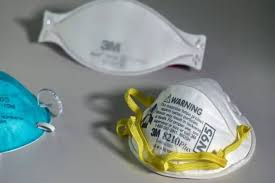
Face masks
Many of those wearing masks as bandannas are smoking. Clearly they value getting their intake of cancer as more important than protecting themselves against a deadly virus. Many mask-less men sport heavy beards—which would make a mask impossible to seal properly.
And as for complying with social distancing requirements that put at least six feet between people: Countless people casually pass others only inches away without any apparent concern—for their own safety or that of others.
On May 28, San Francisco Mayor London Breed announced that a new policy would take effect the next day:
San Francisco will enforce the wearing of masks or face coverings when people leave their home and are within 30 feet of anyone that doesn’t live in their household.
That includes when you’re waiting in line to go into a store and when you’re inside shopping. A mask or face covering will not be needed when:
- You’re in a car by yourself;
- You’re with people you live with;
- You’re picnicking with members of your own household and are more than six feet from other groups;
- You’re walking, hiking, running or biking alone or with people you live with.
Even then, you should still have a mask or face covering on hand.
Of course, that will require police to enforce the new ordinance. This in a city where police have refused to crack down on “homeless” encampments—and their piles of feces, hypodermic needles and trash.
For all the kudos offered city residents by Mayor Breed for complying with social distancing, the blunt truth remains that many of them do not. And the fact that Breed felt forced to legally require citizens to wear face masks is a telling point in its own right.
But to return to life in San Francisco in the Age of COVID-19:
Civic Center—which lies directly across from City Hall—might better be renamed COVID-19 Center. Once it housed farmers markets and offered easy access to the Civic Center BART (Bay Area Rapid Transit) station.
Today it is fenced off and serves as shelter for countless “homeless” tents—and all the drugs, trash, alcohol, feces and hypodermic needles that come with this population.

Tent “city” in San Francisco
Of course, Civic Center isn’t the only place in San Francisco where you’ll find huge tents occupied by DDMB’s—Druggies, Drunks, Mentally Ill and Bums.
Walk down almost any major sidewalk and odds are you’ll find your path blocked by one or more huge tents able to house two to four people.
If you’re in a wheelchair or elderly or on crutches, you’ll likely be forced to step into the street or cross the street to continue your journey.
If you call the police on your cell phone, expecting them to remove the tents, you’re in for a big surprise. In bum-loving San Francisco, that sort of action is no longer handled by police.
Instead, they’ll refer you to a “help-the-homeless” agency that specializes in defending the rights of DDMBs over those of law-abiding, tax-paying San Francisco residents.
The “homeless problem” has become so outrageous in San Francisco that Hastings College of the Law—one of the foremost law schools in the nation—recently filed a lawsuit against the city “to end dangerous and illegal conditions in the Tenderloin neighborhood.”
Among its goals: To compel the City
- To clear sidewalks to allow unfettered safe passage for neighborhood residents and workers; and
- To provide healthy and safe solutions for “homeless” people who now use sidewalk encampments as their residence.
And when it comes to public transit: Forget about using the underground stations of the Municipal Railway (MUNI) bus system. Those have been closed since March—allegedly to protect riders and drivers from COVID-19.

MUNI underground station
Pi.1415926535 / CC BY-SA (https://creativecommons.org/licenses/by-sa/3.0)
MUNI, which serves only San Francisco, has 4,800 employees and an annual budget of $1.28 billion.
The Bay Area Rapid Transit (BART) system serves 33 cities and has an annual budget of $2.3 billion.
Yet BART, which uses many of the same stations is still providing railway service throughout northern California.
MUNI refuses to say why BART has managed to provide service for its passengers—while MUNI has made transit far more complex and time-consuming for its own.
"HAMILTON", ABC NEWS, ALTERNET, AMERICABLOG, AP, ARNOLD SCHWARZENEGGER, BABY BOOMER RESISTANCE, BARACK OBAMA, BLOOMBERG, BRANDON VICTOR DIXON, BUZZFEED, CBS NEWS, CNN, CROOKS AND LIARS, DAILY KOZ, DONALD TRUMP, DRUDGE RETORT, FACEBOOK, FBI, FIVETHIRTYEIGHT, HARPER’S MAGAZINE, HILLARY CLINTON, JAMES COMEY, JOE SCARBOROUGH, JOHN OLIVER, LORI KLAUSUTIS, MEDIA MATTERS, MERYL STREEP, MIKE PENCE, MOTHER JONES, MOVEON, MSNBC, NBC NEWS, NEIL YOUNG, NEWSWEEK, NPR, PBS NEWSHOUR, POLITICO, POLITICUSUSA, RAW STORY, REUTERS, SALON, SEATTLE TIMES, SLATE, TALKING POINTS MEMO, THE ATLANTIC, THE CHICAGO SUN-TIMES, THE CHICAGO TRIBUNE, THE DAILY BEAST, THE DAILY BLOG, THE GUARDIAN, THE HILL, THE HUFFINGTON POST, THE LOS ANGELES TIMES, THE NATION, THE NEW REPUBLIC, THE NEW YORK TIMES, THE VILLAGE VOICE, THE WASHINGTON POST, THINKPROGRESS, TIME, TIMOTHY KLAUSUTIS, TRUTHDIG, TRUTHOUT, TWITTER, TWITTER RULES, TWO POLITICAL JUNKIES, U.S. NEWS & WORLD REPORT, UPI, USA TODAY, WONKETTE
In Bureaucracy, Business, History, Politics, Social commentary on May 28, 2020 at 12:05 am
On December 12, 2017, President Donald Trump used Twitter to attack New York United States Senator Kirsten Gillibrand.
Gillibrand was among six Democratic Senators who called for Trump’s resignation after sexual harassment allegations forced three Republican and Democratic members of Congress to resign.
Trump tweeted: “Lightweight Senator Kirsten Gillibrand, a total flunky for Chuck Schumer and someone who would come to my office ‘begging’ for campaign contributions not so long ago (and would do anything for them), is now in the ring fighting against Trump. Very disloyal to Bill & Crooked-USED!”
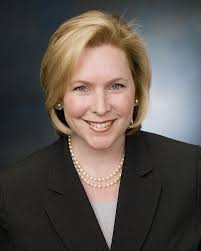
Kirsten Gillibrand
“I see it as a sexist smear. I mean that’s what it is,” Gillibrand replied in a press conference. “It’s part of the President’s efforts of name calling and it’s not going to silence me, it’s not going to silence me. It’s intended to silence me.”
So how does this behavior apply to “The Twitter Rules”?
Abuse/harassment: You may not engage in the targeted harassment of someone, or incite other people to do so. This includes wishing or hoping that someone experiences physical harm.
On February 17, 2017, Trump tweeted: “The FAKE NEWS media (failing @nytimes, @NBCNews, @ABC, @CBS, @CNN) is not my enemy, it is the enemy of the American People!”
On July 2, 2017, Trump tweeted a video showing him punching a man with the CNN logo superimposed on his head during a WWE wrestling match.
And on August 15, 2017, the President retweeted a cartoon photo of a “Trump Train” running over a CNN reporter.

Yet Twitter’s Terms of Service state:
Violence: You may not threaten violence against an individual or a group of people. We also prohibit the glorification of violence.
In May, 2020, Trump tweeted six times about a decades-old conspiracy theory about MSNBC’s Joe Scarborough. Scarborough has been highly critical of Trump’s actions as President—such as his pushing “scam solutions” to Coronavirus instead of relying on scientific experts.
Trump’s smears about Scarborough center on the 2001 death of Lori Klausutis, who worked in his Florida office when he served in Congress. Scarborough’s opponents and a bevy of internet trolls have tried to blame him for her death, even though he was in Washington at the time.
Trump tweeted that Comcast—which owns MSNBC—“should open up a long overdue Florida Cold Case against Psycho Joe Scarborough.” Since then, he has essentially accused Scarborough of murder.
On May 21, Timothy Klausutis, Lori’s widowed husband, wrote Jack Dorsey, Twitter’s CEO, asking him to delete Trump’s tweets,

Jack Dorsey
“Nearly 19 years ago, my wife, who had an undiagnosed heart condition, fell and hit her head on her desk at work. She was found dead the next morning,” wrote Klausutis. “Her passing is the single most painful thing that I have ever had to deal with in my 52 years and continues to haunt her parents and sister.
“The President’s tweet that suggests that Lori was murdered—without evidence (and contrary to the official autopsy)—is a violation of Twitter’s community rules and terms of service.”
Twitter has refused to delete the tweets.
CNN Business asked Twitter if Trump’s “cold case” tweets violated its rules and if any action would be taken. Twitter refused to comment.
So how do Twitter’s top executives justify allowing these repeated violations of “Twitter Rules”?
On September 25, 2018, the company tweeted:
“We hold all accounts to the same Rules, and consider a number of factors when assessing whether Tweets violate our Rules.
“Among the considerations is ‘newsworthiness’ and whether a Tweet is of public interest. This has long been internal policy and we’ll soon update our public-facing rules to reflect it. We need to do better on this, and will.”
Twitter has never acknowledged publicly that Trump has violated any of its guidelines. It rarely even acknowledges Trump’s tweets.
So what gives?
Money.
Trump’s apologists have fiercely defended his tweetstorms, claiming they allow him to bypass the media and “communicate directly with the American people.”
One of those apologists is Twitter CEO Jack Dorsey, who said: “I believe it’s really important to have these conversations out in the open, rather than have them behind closed doors.”
In April, 2017, Twitter announced that it had added 9,000,000 new users, its largest quarterly jump in two years.
“We believe Twitter is the best at showing you what’s happening in the world and what’s being talked about,” said Anthony Noto, Twitter’s chief financial officer.
“Having political leaders of the world as well as news agencies participating and driving that is an important element to reinforcing what we’re the best at.”
In short: Trump is good at attracting more Twitter users. and if the company needs to overlook his blatant and repeated violations of its “Twitter Rules,” so be it.
Twitter has been so plagued by trolling that potential investors like the Walt Disney Company refused to taint their own reputations by partnering with it.
But high-ranking Twitter executives refuse to end their Faustian pact with the biggest Twitter troll of all.
And, as all devotees of the Faust legend know, there comes a time when the Devil wins the bargain.
"HAMILTON", ABC NEWS, ALTERNET, AMERICABLOG, AP, ARNOLD SCHWARZENEGGER, BABY BOOMER RESISTANCE, BARACK OBAMA, BLOOMBERG, BRANDON VICTOR DIXON, BUZZFEED, CBS NEWS, CNN, CROOKS AND LIARS, DAILY KOZ, DONALD TRUMP, DRUDGE RETORT, FACEBOOK, FBI, FIVETHIRTYEIGHT, HARPER’S MAGAZINE, HILLARY CLINTON, JAMES COMEY, JOE SCARBOROUGH, JOHN OLIVER, LORI KLAUSUTIS, MEDIA MATTERS, MERYL STREEP, MIKE PENCE, MOTHER JONES, MOVEON, MSNBC, NBC NEWS, NEIL YOUNG, NEWSWEEK, NPR, PBS NEWSHOUR, POLITICO, POLITICUSUSA, RAW STORY, REUTERS, SALON, SEATTLE TIMES, SLATE, TALKING POINTS MEMO, THE ATLANTIC, THE CHICAGO SUN-TIMES, THE CHICAGO TRIBUNE, THE DAILY BEAST, THE DAILY BLOG, THE GUARDIAN, THE HILL, THE HUFFINGTON POST, THE LOS ANGELES TIMES, THE NATION, THE NEW REPUBLIC, THE NEW YORK TIMES, THE VILLAGE VOICE, THE WASHINGTON POST, THINKPROGRESS, TIME, TIMOTHY KLAUSUTIS, TRUTHDIG, TRUTHOUT, TWITTER, TWITTER RULES, TWO POLITICAL JUNKIES, U.S. NEWS & WORLD REPORT, UPI, USA TODAY, WONKETTE
In Bureaucracy, Business, History, Law, Politics, Social commentary on May 27, 2020 at 12:30 am
According to “The Twitter Rules,” posted on the Twitter website:
“Twitter’s purpose is to serve the public conversation. Violence, harassment and other similar types of behavior discourage people from expressing themselves, and ultimately diminish the value of global public conversation. Our rules are to ensure all people can participate in the public conversation freely and safely.”
Among these:
- Violence: You may not threaten violence against an individual or a group of people. We also prohibit the glorification of violence.
- Terrorism/violent extremism: You may not threaten or promote terrorism or violent extremism.
- Abuse/harassment: You may not engage in the targeted harassment of someone, or incite other people to do so. This includes wishing or hoping that someone experiences physical harm.
- Hateful conduct: You may not promote violence against, threaten, or harass other people on the basis of race, ethnicity, national origin, caste, sexual orientation, gender, gender identity, religious affiliation, age, disability, or serious disease.
That’s the official version of what Twitter users can expect from those charged with policing Twitter.
So why hasn’t Twitter policed—and purged—the single greatest abuser of its “Twitter Rules”: Donald Trump?
Consider:
Donald Trump’s tweet-first-and-never-mind-the-consequences approach to life has been thoroughly documented.
From June 15, 2015, when he launched his Presidential campaign, until October 24, 2016, he fired nearly 4,000 angry, insulting tweets at 281 people and institutions. The New York Times needed two full pages of its print edition to showcase them.
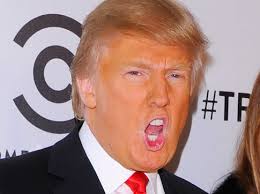
Donald Trump
Among these targets were:
- His Democratic rival, Hillary Clinton
- His fellow Republican Presidential candidates
- Actress Meryl Streep
- News organizations
- President Barack Obama
- Comedian John Oliver
- Obamacare
- Singer Neil Young
- The state of New Jersey
- Actor Arnold Schwarzenegger.
His Twitter assaults have often dominated entire news cycles for days on end.
As President-elect, he continued these assaults—such as the one on November 18, 2016.
On that evening, Vice President-elect Mike Pence attended a Broadway performance of the hit musical “Hamilton.”
After the curtain call, the actor Brandon Victor Dixon—who played Aaron Burr—respectfully addressed Pence:
“We are the diverse America who are alarmed and anxious that your new administration will not protect us, our friends, our children, our parents, or defend us and uphold our inalienable rights. But we truly hope that this show has inspired you to uphold our American values and to work on behalf of all of us.”
Dixon—who is black—was rightly alarmed.
Trump had received the open and enthusiastic support of the Ku Klux Klan, American Nazi Party and other white supremacist groups. Since his election, white thugs had assaulted blacks and other non-whites across the country.
Trump’s reaction to Dixon’s plea came in two Twitter rants:
“Our wonderful future V.P. Mike Pence was harassed last night at the theater by the cast of Hamilton, cameras blazing. This should not happen!”
And: “The Theater must always be a safe and special place. The cast of Hamilton was very rude last night to a very good man, Mike Pence. Apologize!”
And during his first two weeks as President, Trump attacked 22 people, places and things on his @realDonaldTrump account.
Then, on March 4, 2017, in a series of unhinged tweets, Trump accused former President Barack Obama of tapping his Trump Tower phones prior to the election.
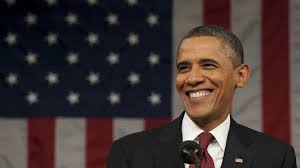
President Barack Obama
“Terrible! Just found out that Obama had my ‘wires tapped’ in Trump Tower just before the victory. Nothing found. This is McCarthyism!”
“Is it legal for a sitting President to be ‘wire tapping’ a race for president prior to an election? Turned down by court earlier. A NEW LOW!”
“I’d bet a good lawyer could make a great case out of the fact that President Obama was tapping my phones in October, just prior to Election!”
“How low has President Obama gone to tapp my phones during the very sacred election process. This is Nixon/Watergate. Bad (or sick) guy!”
Thus, without offering a shred of evidence to back it up, Trump accused his predecessor—on Twitter—of committing an impeachable offense.
On May 9, 2017, Trump abruptly fired FBI Director James Comey.
Reports soon surfaced that his reason for doing so was that Comey had refused to pledge his personal loyalty to Trump. 
James B. Comey
Just 72 hours after firing Comey, Trump issued a threat to him via Twitter: “James Comey better hope that there are no ‘tapes’ of our conversations before he starts leaking to the press!”
And Twitter’s reaction to such a blatant threat? Silence.
From the start of his Presidency, Trump has put his ambitions, excuses and rants on social media. And this has unnerved foreign leaders as well as Trump’s fellow Americans.As CNN Political Analyst Julian Zelizer outlined in a July 3, 2018 article:
“…The President’s ongoing Twitter storms make all leaders uneasy. The heads of government in most nations prefer a certain amount of predictability and decorum from other heads of state.
“To have one of the most powerful people in the room being someone who is willing to send out explosive and controversial statements through social media, including nasty personal attacks or an edited video of him physically assaulting the media, does not make others….feel very confident about how he will handle deliberations with them.”
ABC NEWS, ALTERNET, AMERICABLOG, AP, ARTICLE TWO SECTION THREE, BABY BOOMER RESISTANCE, BARACK OBAMA, BETO O’ROURKE, BLOOMBERG, BUZZFEED, CBS NEWS, CNN, CORONAVIRUS, COVID-19, CROOKS AND LIARS, DAILY KOZ, DONALD TRUMP, DRUDGE RETORT, ECONOMY, FACEBOOK, FIVETHIRTYEIGHT, GRETCHEN WHITMER, HARPER’S MAGAZINE, JAY INSLEE, MEDIA MATTERS, MICHIGAN, MINNESOTA, MOTHER JONES, MOVEON, MSNBC, NBC NEWS, NEWSWEEK, NPR, NUREMBERG RALLIES, PBS NEWSHOUR, POLITICO, POLITICUSUSA, RAW STORY, REUTERS, SALON, SEATTLE TIMES, SLATE, STAY-AT-HOME ORDERS, TALKING POINTS MEMO, THE ATLANTIC, THE CHICAGO SUN-TIMES, THE CHICAGO TRIBUNE, THE DAILY BEAST, THE DAILY BLOG, THE GUARDIAN, THE HILL, THE HUFFINGTON POST, THE LOS ANGELES TIMES, THE NATION, THE NEW REPUBLIC, THE NEW YORK TIMES, THE VILLAGE VOICE, THE WASHINGTON POST, THINKPROGRESS, TIME, TRUTHDIG, TRUTHOUT, TWITTER, TWO POLITICAL JUNKIES, U.S. NEWS & WORLD REPORT, UNITED STATES CONSTITUTION, UPI, USA TODAY, VIRGINIA, WHITE HOUSE CORONAVIRUS TASK FORCE, WONKETTE
In Bureaucracy, History, Law, Law Enforcement, Medical, Politics, Social commentary on May 26, 2020 at 12:06 am
The United States Constitution has a surprise for President Donald Trump—provided that Congress has the courage to enforce it.
The surprise comes in Article II, Section III.
Article II lays out the powers and responsibilities of the President of the United States. Section III states that, among these, is: “He shall take care that the laws be faithfully executed….”

Opening page of the United States Constitution
That requirement certainly doesn’t square with the following behavior.
On April 15, Right-wing demonstrators launched “Operation Gridlock”, a protest against strict stay-at-home orders by Michigan Governor Gretchen Whitmer to curb the spread of Coronavirus. A host of demonstrators—many of them armed with high-powered weaponry—descended on the state capitol building in Lansing.
A group stood on the capitol steps brandishing signs that stated “Trump/Pence”, “Recall Whitmer”, “Heil Whitmer” and “Stop the Tyranny”, and chanted “Lock her up!”
On April 17, with governors across the nation implementing “stay-at-home” orders to curtail the spread of Coronavirus, Trump tweeted:
“LIBERATE MINNESOTA!”
“LIBERATE MICHIGAN!”
“LIBERATE VIRGINIA, and save your great 2nd Amendment. It is under siege!”
It’s no coincidence that all of these states have Democratic governors. And his incendiary remarks followed Right-wing demonstrations against stay-at-home orders in Michigan, Ohio, North Carolina, Virginia and other states.
Some protesters carried guns, wore Trump MAGA caps and brandished Confederate flags. They claimed to be defending constitutional freedoms. Egging them on have been Right-wing pundits on Fox News.
“These are people expressing their views,” Trump said at his April 17 White House Coronavirus task force briefing. “I see where they are and I see the way they’re working. They seem to be very responsible people to me, but they’ve been treated a little bit rough.”
He dismissed fears that, by crowding together, the protesters could become infected and spread COVID-19 to others.
“I think some things are too tough,” said Trump. “And if you look at some of the states you just mentioned, it’s too tough, not only in reference to this but what they’ve done in Virginia with respect to the Second Amendment is just a horrible thing … When you see what other states have done, I think I feel very comfortable.”
Jay Inslee, the Democratic governor of Washington, responded on Twitter: “The president’s statements this morning encourage illegal and dangerous acts. He is putting millions of people in danger of contracting Covid-19. His unhinged rantings and calls for people to ‘liberate’ states could also lead to violence. We’ve seen it before.”
And Beto O’Rourke, a former Texas congressman, said: “Republicans will turn a blind eye [and] too many in the press will focus on ‘tone’. But history books will say: in April of 2020, when the pandemic had already claimed 35,000 lives, the President of the United States incited people to storm their statehouses with AR-15s and AK-47s.”
On May 1, demonstrators—many of them heavily armed—again descended on the state capital in Lansing, protesting Whitmer’s extension of her emergency declaration that kept some businesses closed amidst the plague. And, once again, Trump sided with the protesters.
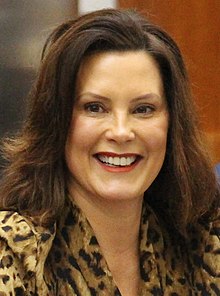
Gretchen Whitmer
“The Governor of Michigan should give a little, and put out the fire,” Trump tweeted. “These are very good people, but they are angry. They want their lives back again, safely! See them, talk to them, make a deal.”
Trump has two hidden agendas for ending “stay-at-home” orders.
First, from the moment he took office on January 20, 2017, he has claimed credit for a booming economy—even though this was largely the work of his predecessor, Barack Obama.
Now, with thousands of businesses shut down because of Coronavirus, that economy is essentially dead.

Coronavirus
Trump knows that Presidents who preside over faltering economies usually don’t win a second term. And Trump not only lusts to win a second term but—as he has repeatedly “joked”—become “President-for-Life.”
Second, Trump is desperate to return to his Nuremberg-style rallies. There he can hurl insults at virtually everyone and bask in the fanatical worship of his followers. These rallies act as fuel to his campaign.
His “White House Coronavirus briefings” have served as a watered-down substitute for those rallies. He must pretend they aren’t purely political. Worse, he must share the podium with others who know far more about the plague than he does.
So now he’ll go to any lengths to “reopen” the country–including the solicitation of violent resistance to the laws of governors he doesn’t like.
Earlier this year, Trump escaped removal from office because Senate Republicans refused to hold him accountable for abuse of power and obstruction of Congress.
But as Coronavirus continues to kill Americans in record numbers—almost 100,000 by May 26—even Republican members of Congress may decide to hold Trump accountable. Especially as the virus moves from Democratic states like New York and Illinois to Republican ones like Florida and South Carolina.
Encouraging violent resistance to the legally established laws of the United States is a crime. If enough Republicans decide to uphold the law rather than ignore it, the Trump Era will become in history what it has in politics: A dirty stain on the American memory.
ABC NEWS, ADOLF HITLER, ALBERT SPEER, ALBERT SPEER: HIS BATTLE WITH TRUTH (BOOK), ALTERNET, AMERICABLOG, AP, BABY BOOMER RESISTANCE, BLOOMBERG, BUZZFEED, CBS NEWS, CIA, CNN, CORONAVIRUS, COVID-19, CROOKS AND LIARS, DAILY KOZ, DONALD TRUMP, DRUDGE RETORT, EGOTISM, FACEBOOK, FIVETHIRTYEIGHT, GITTA SERENY, HARPER’S MAGAZINE, IMPEACHMENT, MEDIA MATTERS, MOTHER JONES, MOVEON, MSNBC, NBC NEWS, NEWSWEEK, NPR, PBS NEWSHOUR, POLITICO, POLITICUSUSA, RAW STORY, REUTERS, RUSSIA INVESTIGATION, SALON, SEATTLE TIMES, SLATE, TALKING POINTS MEMO, THE ATLANTIC, THE CHICAGO SUN-TIMES, THE CHICAGO TRIBUNE, THE DAILY BEAST, THE DAILY BLOG, THE GUARDIAN, THE HILL, THE HUFFINGTON POST, THE LOS ANGELES TIMES, THE NATION, THE NEW REPUBLIC, THE NEW YORK TIMES, THE VILLAGE VOICE, THE WASHINGTON POST, THINKPROGRESS, THIRD REICH, TIME, TIME MAGAZINE, TRUMP INAUGURAL, TRUTHDIG, TRUTHOUT, TV RATINGS, TWITTER, TWO POLITICAL JUNKIES, U.S. NEWS & WORLD REPORT, UPI, USA TODAY, WONKETTE
In Bureaucracy, History, Politics, Social commentary, Uncategorized on May 25, 2020 at 2:31 am
Donald Trump began his administration with a “Me, first!” attitude. And he has held to it ever since.
On January 21, 2017—the day after he was inaugurated as President—Donald Trump visited the CIA’s headquarters in Langley, Virginia.
Officially, he was there to pay tribute to the men and women who serve on the front lines of America’s Intelligence community.
The men and women who dedicate their lives to finding out when and where America’s enemies are planning to strike. And to countering those threats.
And now Trump was appearing before what, to CIA employees, was the agency’s most sacred site: The star-studded memorial wall honoring the 117 CIA officers who had fallen in the line of duty.
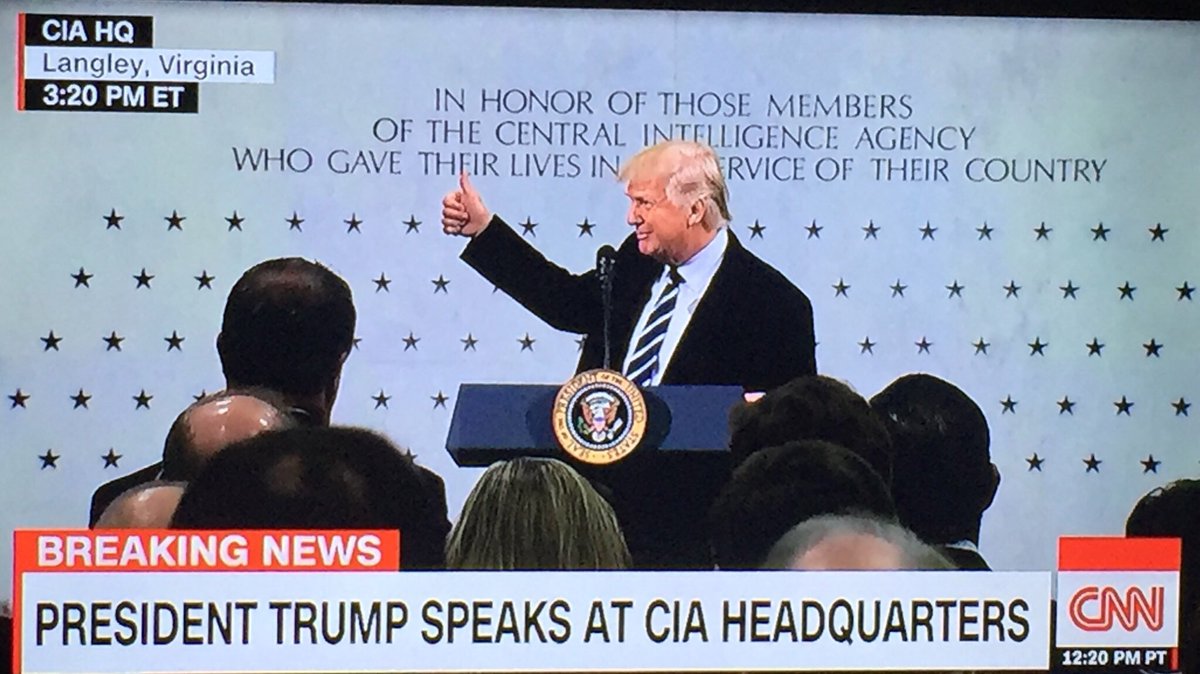
Donald Trump at the CIA
So what did Trump spend much of his time talking about?
Himself, of course.
Here are the major excerpts:
“….You know, when I was young and when I was — of course, I feel young. I feel like I’m 30, 35, 39. Somebody said, are you young? I said, I think I’m young. You know, I was stopping — when we were in the final month of that campaign, four stops, five stops, seven stops. Speeches, speeches, in front of 25,000, 30,000 people, 15,000, 19,000 from stop to stop. I feel young….”
“And I was explaining about the numbers. We did a thing yesterday at the speech. Did everybody like the speech? I’ve been given good reviews.”
“So a reporter for Time magazine — and I have been on their cover, like, 14 or 15 times. I think we have the all-time record in the history of Time Magazine. I’ve been on it for 15 times this year. I don’t think that’s a record….that can ever be broken. Do you agree with that? What do you think?”
Fast forward more than three years later—to an America largely self-locked indoors. The reason: To avoid a deadly plague known as COVID-19, otherwise known as Coronavirus. An America where 1.68 million men, women and children have been diagnosed with the disease. And where 98,035 citizens have so far died.
And, true to form, Trump has shown no sympathy for those who have suffered. Instead, he has turned the tragedy into a celebration of his own ego.
February 28: “One of my people came up to me and said, ‘Mr. President, they tried to beat you on Russia, Russia, Russia’….They couldn’t do it. They tried the impeachment hoax….It’s all turning, they lost….And this is their new hoax.”
March 6: “I like this stuff. I really get it. People are surprised that I understand it. Every one of these doctors said, ‘How do you know so much about this?’ Maybe I have a natural ability. Maybe I should have done that instead of running for President.”
March 12: “I mean, think of it: The United States, because of what I did and what the administration did with China, we have 32 deaths at this point. Other countries that are smaller countries have many, many deaths.”
March 27: “Nobody has done anything like we’ve been able to do And everything I took over was a mess. It was a broken country in so many ways. In so many ways.”
March 29: “President Trump is a ratings hit. Since reviving the daily White House briefing Mr. Trump and his coronavirus updates have attracted an average audience of 8.5 million on cable news, roughly the viewership of the season finale of ‘The Bachelor.’ Numbers are continuing to rise…”
April 26: “I work from early in the morning until late at night, haven’t left the White House in many months (except to launch Hospital Ship Comfort) in order to take care of Trade Deals, Military Rebuilding etc., and then I read a phony story in the failing @nytimes about my work….”
On April 26, The New York Times ran a story entitled: “Self-praise, hubris and self-pity: Examining 260,000 words about the Coronavirus from President Trump.” Summing up the image that Trump has tried to present of himself to the world, the Times concluded:
“The self-regard, the credit-taking, the audacious rewriting of recent history to cast himself as the hero of the pandemic rather than the president who was slow to respond: Such have been the defining features of Trump’s use of the bully pulpit during the coronavirus outbreak….
“By far the most recurring utterances from Trump in the [White House] briefings are self-congratulations, roughly 600 of them, which are often predicated on exaggerations and falsehoods….
“Trump’s attempts to display empathy or appeal to national unity (about 160 instances) amount to only a quarter of the number of times he complimented himself or a top member of his team.”
In 1946, Albert Speer, Adolf Hitler’s architect and minister of armaments, was sentenced to 20 years’ imprisonment for war crimes.

Albert Speer
In Albert Speer: His Batle With Truth, Gitty Sereny wrote: “This was an erudite and solitary man who, recognizing his deficiencies in human relations, had read 5,000 books in prison to try to understand the universe and human beings….Empathy is finally a gift, and cannot be learned. So, essentially returning into the world after 20 years, he remained alone.”
What Sereny says of Speer applies—in spades—to Donald Trump: Empathy is finally a gift, and cannot be learned.
ABC NEWS, ADVICE, ALTERNET, AMERICABLOG, AP, BABY BOOMER RESISTANCE, BARACK OBAMA, BLOOMBERG, BUZZFEED, CBS NEWS, CNN, CORONAVIRUS, COVID-19, CROOKS AND LIARS, DAILY KOZ, DAVID BROOKS, DONALD TRUMP, DRUDGE RETORT, ECONOMY, EHRBERT HOOVER, FACEBOOK, FIVETHIRTYEIGHT, FRANKLIN D. ROOSEVELT, GREAT DEPRESSION, HARPER’S MAGAZINE, HARRY S. TRUMAN, MASKS, MEDIA MATTERS, MOTHER JONES, MOVEON, MSNBC, NBC NEWS, NEWSWEEK, NICCOLO MACHIAVELLI, NPR, NUEMBERG RALLIES, PBS NEWSHOUR, PENNSYLVANIA, POLITICO, POLITICUSUSA, RAW STORY, REUTERS, SALON, SEATTLE TIMES, SLATE, SOCIAL DISTANCING, TALKING POINTS MEMO, THE ATLANTIC, THE CHICAGO SUN-TIMES, THE CHICAGO TRIBUNE, THE DAILY BEAST, THE DAILY BLOG, THE DISCOURSES, THE GUARDIAN, THE HILL, THE HUFFINGTON POST, THE LOS ANGELES TIMES, THE NATION, THE NEW REPUBLIC, THE NEW YORK TIMES, THE PBS NEWSHOUR, THE VILLAGE VOICE, THE WASHINGTON POST, THINKPROGRESS, TIME, TRUTHDIG, TRUTHOUT, TWITTER, TWO POLITICAL JUNKIES, U.S. NEWS & WORLD REPORT, UPI, USA TODAY, WISCONSIN, WONKETTE
In Bureaucracy, History, Medical, Politics, Social commentary on May 20, 2020 at 12:05 am
For all his ruthlessness and duplicity, it’s almost a certainty that Donald Trump has never read the works of Niccolo Machiavelli, the father of modern political science.
Machiavelli (1469 – 1527) is widely thought of as the personification of Satan.
In fact, Machiavelli was a passionate Republican, who spent most of his adult life in the service of his beloved city-state, Florence.
Florence, for all its wealth, lacked a strong army, and thus lay at the mercy of powerful enemies, such as Cesare Borgia. Machiavelli often had to use his wits to keep them at bay.

Niccolo Machiavelli
Contrary to popular belief, Machiavelli did not advocate evil for its own sake.
Rather, he recognized that sometimes there is no perfect solution to a problem. He realized that men—and nations—are not always masters of their fates. And he warned that there is no course of action that is guaranteed safe or successful.
Donald Trump, on the other hand, is a man of simplistic “solutions” for simplistic audiences.
By early April, he opposed the issuing of a national “stay-at-home” order to contain the spread of the Coronavirus. But, one by one, states began issuing shutdown orders of their own. Since then, he has railed against those orders and demanded that “we need to reopen the country.”
Donald Trump
What lies behind this demand are two hidden agendas:
First, throughout his Presidency, Trump has claimed sole credit for a booming economy—even though this was largely the result of the administration of President Barack Obama.
Second, Trump wants to return to his Nuremberg-style rallies, where he can slander anyone he wants while basking in the worship of thousands of his fanatical followers.
His White House “Coronavirus briefings” have been his pale substitute for dispensing propaganda under the guise of sharing reliable medical information.
Which is why he has clearly missed this warning, offered in Machiavelli’s masterwork, The Discourses:
“…I shall speak here only of those dangers to which those expose themselves who counsel a republic or a prince to undertake some grave and important enterprise in such a manner as to take upon themselves all the responsibility of the same.
“For as men only judge of matters by the result, all the blame of failure is charged upon him who first advised it, while in case of success he receives commendations. But the reward never equals the punishment….
“Certainly those who counsel princes and republics are placed between two dangers. If they do not advise what seems to them for the good of the republic or the prince, regardless of the consequences to themselves, then they fail of their duty….
“I see no other course than to take things moderately, and not to undertake to advocate any enterprise with too much zeal, but to give one’s advice calmly and modestly.
“If either then the republic or the prince decides to follow it, they may do so, as it were, of their own will, and not as though they were drawn into it by your importunity.
“In adopting this course it is not reasonable to suppose that either the prince or republic will manifest any ill will towards you on account of a resolution not taken contrary to the wishes of the many.”
Right now, more Americans are wary of “reopening the country” than they are rushing to do so.
On the May 15 edition of The PBS Newshour, New York Times columnist David Brooks noted:
“If you look at actual behavior, people locked themselves down before any politician took a move. And even in those states where the politicians are opening up, people are still locking down….
“You look at the movement based on cell phone tracking. Red and blue states have the same amount of movement. The same number of people basically in state after state are staying home. And red and blue states, there’s no correlation between whether it’s a red and blue state and whether people are doing better or worse.
“And so I think the key decisions right now are not being made in statehouses and certainly not the White House. They’re being made in living rooms, as people decide, is it safe? Can I go out?”
Coronavirus
By pushing his mantra—“America needs to reopen NOW!”—Trump is risking the lives of millions of Americans. But he is also risking the future of his Presidency.
Several states—such as Wisconsin and Pennsylvania—that have re-opened have seen swarms of people flooding into bars and restaurants. They weren’t wearing masks or practicing “social distancing.” Packed together like sardines, they offered themselves like a sacrifice to Coronavirus.
If a new wave of COVID-19 breaks out after America “reopens,” Trump will be seen—as Machiavelli warns—as the primary instigator of that “reopening.” He will also be seen as the primary cause of that re-infection.
Herbert Hoover did not create the Great Depression. But he presided over the first three years of it. And that was enough to elect Franklin D. Roosevelt for 12 years and give Harry S. Truman another eight.
Trump—unintentionally—is offering Democrats another chance to own the Presidency for a generation.
ABC NEWS, ADOLF HITLER, ALTERNET, AMERICABLOG, ANDREW CUOMO, AP, ARMY CORPS OF ENGINEERS, BABY BOOMER RESISTANCE, BARACK OBAMA, BLOOMBERG, BRENDA FITZGERALD, BUZZFEED, CBS NEWS, CENTERS FOR DISEASE CONTROL AND PREVEITON (CDC), CENTERS FOR DISEASE CONTROL AND PREVENTION (CDC), CHINA, CNN, CORONAVIRUS, COVID-19, CROOKS AND LIARS, DAILY KOZ, DEPARTMENT OF HEALTH AND HUMAN SERVICES, DEPARTMENT OF HOMELAND SECURITY (DHS), DOCTORS, DONALD TRUMP, DRUDGE RETORT, EBOLA, FACEBOOK, FEDERAL EMERGENCY MANAGEMENT AGENCY (FEMA), FIVETHIRTYEIGHT, FORBES MAGAZINE, FOX BUSINESS NETWORK, FOX NEWS, FOX NEWS NETWORK, FRANKLIN D. ROOSEVELT, GEORGE W. BUSH, GRETCHEN WHITMER, GROVER NORQUIST, HARPER’S MAGAZINE, IMPEACHMENT, JAY INSLEE, JOE BIDEN, JOHN BOLTON, LARRY HOGAN, LOUIS X1V, MALARIA, MASKS, MEDIA MATTERS, MICK MULVANEY, MIKE PENCE, MOTHER JONES, MOVEON, MSNBC, N95 RESPIRATORS, NATIONAL SECURITY COUNSIL (NSC), NBC NEWS, NEWSWEEK, NPR, NURSES, PBS NEWSHOUR, PERSONAL PROTECTIVE EQUIPMENT (PPES), POLICE, POLITICO, POLITICUSUSA, RAW STORY, REPUBLICANS, REUTERS, ROBERT RAY REDFIELD, ROLLING STONE MAGAZINE, RUDY GIULIANI, SALON, SEAN HANNITY SHOW, SEATTLE TIMES, SLATE, SPANISH INFLUENZA, STOCK MARKET, TALKING POINTS MEMO, THE ATLANTIC, THE CHICAGO SUN-TIMES, THE CHICAGO TRIBUNE, THE DAILY BEAST, THE DAILY BLOG, THE GUARDIAN, THE HILL, THE HUFFINGTON POST, THE LOS ANGELES TIMES, THE NATION, THE NATIONAL SECURITY COUNCIL, THE NEW REPUBLIC, THE NEW YORK TIMES, THE VILLAGE VOICE, THE WASHINGTON POST, THE WHITE HOUSE PANDEMIC OFFICE, THINKPROGRESS, THIRD REICH, TIM ZIEMER, TIME, TOLUSE OLORUNNIPA, TOM BOSSERT, TOM FRIEDMAN, TRISH REGAN, TRISH REGAN PRIMETIME, TRUTHDIG, TRUTHOUT, TWITTER, TWO POLITICAL JUNKIES, U.S. NEWS & WORLD REPORT, UNITED STATES, UPI, USA TODAY, VENDORS, VENTILATORS, WASHINGTON MONTHLY MAGAZINE, WHITE HOUSE PANDEMIC OFFICE, WONKETTE
In Bureaucracy, History, Medical, Politics, Social commentary on May 19, 2020 at 12:06 am
“He was President, OK? Blame him or don’t blame him, but he was President. The World Trade Center came down during his reign.”
—Donald Trump, Presidential candidate, on the failure of George W. Bush to prevent 9/11
“I don’t take responsibility at all.”
—Donald Trump, on whether he feels responsible for the lack of COVID-19 test kits
At his March 27 press briefing, President Donald Trump echoed French King Louis X1V’s infamous remark—“I am the State”: “When they’re [governors] not appreciative to me, they’re not appreciative to the Army Corps, they’re not appreciative to FEMA [Federal Emergency Management Agency]. It’s not right.”
On that same day, Trump attacked Michigan Governor Gretchen Whitmer on Right-wing Fox News’ “Sean Hannity Show”: “I don’t know if she knows what’s going on, but all she does is sit there and blame the Federal Government.”
On March 27, Whitmer told a Michigan radio station: “What I’ve gotten back is that vendors with whom we’ve procured contracts—they’re being told not to send stuff to Michigan. It’s really concerning. I reached out to the White House last night and asked for a phone call with the president, ironically at the time this stuff was going on.”
Gretchen Whitmer
A March 29 story in the Washington Monthly sheds light on what lay behind Whitmer’s inability to secure desperately-needed ventilators from her longtime vendors. Its headline ran: “What If Trump Decides to Save Republicans But Not Democrats?”
A sub-headline read: “He’s providing vital resources to red states and ignoring blue states.”
Florida submitted a request to FEMA on March 11 for 430,000 surgical masks, 180,000 N95 respirators, 82,000 face shields and 238,000 gloves—and received a shipment with everything three days later.
On Fox News, Rudy Giuliani, Trump’s personal lawyer, bluntly told governors: “Take the blame when you have to. When you play with your boss, sometimes it’s better when you don’t win the golf game. He’s the boss, he’s got all the resources.”
The mentality of the Black Hand has come to the Oval Office.

The Black Hand
Trump isn’t simply refusing to provide states with vitally-needed medical supplies—he’s illegally seizing those supplies that states have ordered.
An April 20 Forbes story offers frightening insight into the tyrannical reach of the Trump administration. Entitled, “Maryland Gov. Hogan Takes Extraordinary Steps to Keep Feds From Confiscating COVID Tests,” the story unfolds like a spy thriller.
Governor Larry Hogan had heard reports that the federal government had confiscated crucial medical supplies from other states—like Massachusetts.
After obtaining 500,000 test kits from South Korea, Hogan ordered them flown into Baltimore–Washington International Airport rather than the larger Dulles International Airport in Virginia. From there they were escorted under guard to a secret location and constantly protected by the National Guard.
As they were sent out for distribution across the state, the tests remained under protection by the National Guard and state police.
The precautions were absolutely necessary. Hospitals in Florida and California reported that FEMA had seized their supplies without explanation.
Massachusetts ordered three million masks that were confiscated by the Federal Government at the Port of New York. This forced the state to ask New England Patriots’ owner Robert Kraft to use his team plane to fly in one million N95 masks from China.
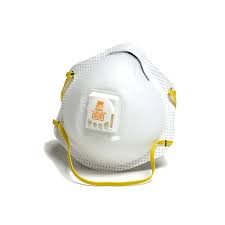
N95 mask
When Trump learned that Hogan had obtained test kits from South Korea, he said: “I don’t think he needed to go to South Korea. I think he needed to get a little knowledge.”
Hogan responded: “The president said the governors are on their own and they should really focus on getting their own tests, and that’s exactly what we did.”
The Federal Government has seized vitally-needed medical supplies in at least seven states. FEMA is not publicly reporting the thefts, despite the outlay of millions of dollars of taxpayer money. Nor has the administration explained how it decides which supplies to seize and where to reroute them.

The Federal Government has not informed states whose supplies it seized if they will receive the materials they ordered and paid for. That has fueled concerns about whether the Trump administration is fairly distributing scarce medical supplies.
“We can’t get any answers,” said a California hospital official who asked not to be identified for fear of retaliation from the White House.
Trump has said it’s the states’ responsibility to obtain critically-needed medical supplies. But when they aren’t outbid by the Federal Government, hospital systems and states find their shipments of medical supplies seized with no explanation.
Where are those supplies going?
To China?
To Trump’s private warehouses?
To Jared Kushner, Trump’s son-in-law, for sale on the black market?
No one as yet knows.
The Washington Monthly story concludes ominously: “What if the White House simply gives all the masks and ventilators to red states and counties, leaving blue ones to struggle? What mechanisms of accountability are left?
“U.S. democracy wasn’t set up to deal with a president openly behaving like a James Bond villain while being protected by a political party behaving more like a mafia than a civic institution.”
ABC NEWS, ADOLF HITLER, ALTERNET, AMERICABLOG, ANDREW CUOMO, AP, ARMY CORPS OF ENGINEERS, BABY BOOMER RESISTANCE, BARACK OBAMA, BLOOMBERG, BRENDA FITZGERALD, BUZZFEED, CBS NEWS, CENTERS FOR DISEASE CONTROL AND PREVEITON (CDC), CENTERS FOR DISEASE CONTROL AND PREVENTION (CDC), CHINA, CNN, CORONAVIRUS, COVID-19, CROOKS AND LIARS, DAILY KOZ, DEPARTMENT OF HEALTH AND HUMAN SERVICES, DEPARTMENT OF HOMELAND SECURITY (DHS), DOCTORS, DONALD TRUMP, DRUDGE RETORT, EBOLA, FACEBOOK, FEDERAL EMERGENCY MANAGEMENT AGENCY (FEMA), FIVETHIRTYEIGHT, FORBES MAGAZINE, FOX BUSINESS NETWORK, FOX NEWS, FOX NEWS NETWORK, FRANKLIN D. ROOSEVELT, GEORGE W. BUSH, GRETCHEN WHITMER, GROVER NORQUIST, HARPER’S MAGAZINE, IMPEACHMENT, JAY INSLEE, JOE BIDEN, JOHN BOLTON, LARRY HOGAN, LOUIS X1V, MALARIA, MASKS, MEDIA MATTERS, MICK MULVANEY, MIKE PENCE, MOTHER JONES, MOVEON, MSNBC, N95 RESPIRATORS, NATIONAL SECURITY COUNSIL (NSC), NBC NEWS, NEWSWEEK, NPR, NURSES, PBS NEWSHOUR, PERSONAL PROTECTIVE EQUIPMENT (PPES), POLICE, POLITICO, POLITICUSUSA, RAW STORY, REPUBLICANS, REUTERS, ROBERT RAY REDFIELD, ROLLING STONE MAGAZINE, RUDY GIULIANI, SALON, SEAN HANNITY SHOW, SEATTLE TIMES, SLATE, SPANISH INFLUENZA, STOCK MARKET, TALKING POINTS MEMO, THE ATLANTIC, THE CHICAGO SUN-TIMES, THE CHICAGO TRIBUNE, THE DAILY BEAST, THE DAILY BLOG, THE GUARDIAN, THE HILL, THE HUFFINGTON POST, THE LOS ANGELES TIMES, THE NATION, THE NATIONAL SECURITY COUNCIL, THE NEW REPUBLIC, THE NEW YORK TIMES, THE VILLAGE VOICE, THE WASHINGTON POST, THE WHITE HOUSE PANDEMIC OFFICE, THINKPROGRESS, THIRD REICH, TIM ZIEMER, TIME, TOLUSE OLORUNNIPA, TOM BOSSERT, TOM FRIEDMAN, TRISH REGAN, TRISH REGAN PRIMETIME, TRUTHDIG, TRUTHOUT, TWITTER, TWO POLITICAL JUNKIES, U.S. NEWS & WORLD REPORT, UNITED STATES, UPI, USA TODAY, VENDORS, VENTILATORS, WASHINGTON MONTHLY MAGAZINE, WHITE HOUSE PANDEMIC OFFICE, WONKETTE
In Bureaucracy, History, Medical, Politics, Social commentary on May 18, 2020 at 12:24 am
On March 9, Trish Regan, host of Trish Regan Primetime on the Fox Business Network, attacked not the virus but those who do not share her fervent embrace of Donald Trump.
“This is yet another attempt to impeach the President. And sadly, it seems the left cares little for any of the destruction they leave in their wake, including losses in the stock market. This, unfortunately, is all just part of the political casualties for them.”
To make certain no one in the television audience missed the point, an electronically generated caption read: “Coronavirus Impeachment Scam.”
Actually, with the virus spreading quickly throughout at least 33 states, the risk was not low to the average American. It was not the news that was fake, but the lies and ignorance Trump and Fox were spewing.
 Symptoms of COVID-19
Then—for the Fox Network—the unexpected happened: On March 14, Fox Business Network announced that Regan’s program would be on “hiatus” until further notice.
The reason: Using one of the favorite words of the Right, her comments had “triggered” an avalanche of criticism. Some of this came from Coronavirus victims. Some came from those related to those victims. And some came simply from people who didn’t appreciate being so blatantly lied to.
On March 13, perhaps warned of her coming suspension, Regan took a more conciliatory tone: “Our path forward right now is together, the left and the right united to fight this crisis. We’re all in this together, and we need to stay safe.”
Trying to put the best spin on her humiliating suspension, she tweeted that same evening: “I want to let everyone know that Trish Regan Primetime is now on hiatus. FBN [Fox Business Network] has taken prudent steps to limit staffing levels and is prioritizing its coverage during market hours. I fully support this decision — we all must to do our part to keep our colleagues safe.”
Thus—at least according to Regan—her leaving the air was not an act of punishment but a “prudent step” to “limit staffing levels” at the station.
During the vital months of January and February, Republicans refused to challenge Trump’s refusal to take the virus seriously—before it gained a foothold in the United States.
The reason: They had utterly tied themselves to him since the 2018 mid-term elections, where many moderate Republicans lost their seats.
According to Toluse Olorunnipa, White House reporter for The Washington Post: “They have realized that if they’re going to keep their seats, if they’re going to be able to have any future in the party, they have to be completely tied to President Trump and really wait for his call in terms of what exactly they’re going to do.”
So much for the lies. Now for the chaos.
Like Adolf Hitler, Trump likes to pit individuals and organizations against each other. Hitler, for example, would assign several agencies to tackle the same problem: “That way, the stronger one gets the job done,” he told his architect, Albert Speer.
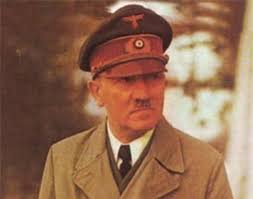
Adolf Hitler
This creates needless duplication of efforts and wasted resources. But it ensures that Trump—like Hitler—remains the final voice of authority, since so many others are competing for his favor and direction.
This has not, however, worked out well for the 50 states that make up the United States of America.
During the Great Depression, President Franklin D. Roosevelt intervened powerfully to ensure that all Americans received the help they needed.
Trump has made it clear that each state is responsible for securing its needed supply of Personal Protective Equipment (PPEs) for its doctors and nurses aiding Coronavirus patients. This has resulted in a dog-eat-dog atmosphere of cutthroat competition and scarcity, with Americans not only fighting the virus but each other.
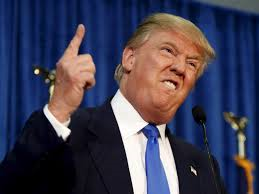
Donald Trump
Even worse: Trump and Republicans are using a deadly plague as a weapon against those Americans they hate.
On March 26, during an interview on Fox News, Trump blamed the failures of his administration’s response to Coronavirus on Democratic state governors like Andrew Cuomo (NY), Jay Inslee (WA), and Gretchen Whitmer (MI).
On March 27, during his press briefing, Trump said he told Vice President Mike Pence—who’s officially in charge of the White House’s response effort—to not call Inslee and Whitmer because they weren’t “appreciative” enough of his efforts.
Trump said this even as hospitals in each of their states were being overwhelmed with Coronavirus patients:
“I tell him—I mean I’m a different type of person—I say, ‘Mike, don’t call the governor in Washington, you’re wasting your time with him. Don’t call the woman in Michigan. If they don’t treat you right, I don’t call.”
Trump said that when people criticized him, they were criticizing the federal government: “When they’re not appreciative to me, they’re not appreciative to the Army Corps [of Engineers], they’re not appreciative to FEMA [Federal Emergency Management Agency]. It’s not right.”
Trump also attacked Whitmer on Right-wing Fox News’ “Sean Hannity Show”: “I don’t know if she knows what’s going on, but all she does is sit there and blame the Federal Government.”
ABC NEWS, ADOLF HITLER, ALTERNET, AMERICABLOG, ANDREW CUOMO, AP, ARMY CORPS OF ENGINEERS, BABY BOOMER RESISTANCE, BARACK OBAMA, BLOOMBERG, BRENDA FITZGERALD, BUZZFEED, CBS NEWS, CENTERS FOR DISEASE CONTROL AND PREVEITON (CDC), CENTERS FOR DISEASE CONTROL AND PREVENTION (CDC), CHINA, CNN, CORONAVIRUS, COVID-19, CROOKS AND LIARS, DAILY KOZ, DEPARTMENT OF HEALTH AND HUMAN SERVICES, DEPARTMENT OF HOMELAND SECURITY (DHS), DOCTORS, DONALD TRUMP, DRUDGE RETORT, EBOLA, FACEBOOK, FEDERAL EMERGENCY MANAGEMENT AGENCY (FEMA), FIVETHIRTYEIGHT, FORBES MAGAZINE, FOX BUSINESS NETWORK, FOX NEWS, FOX NEWS NETWORK, FRANKLIN D. ROOSEVELT, GEORGE W. BUSH, GRETCHEN WHITMER, GROVER NORQUIST, HARPER’S MAGAZINE, IMPEACHMENT, JAY INSLEE, JOE BIDEN, JOHN BOLTON, LARRY HOGAN, LOUIS X1V, MALARIA, MASKS, MEDIA MATTERS, MICK MULVANEY, MIKE PENCE, MOTHER JONES, MOVEON, MSNBC, N95 RESPIRATORS, NATIONAL SECURITY COUNSIL (NSC), NBC NEWS, NEWSWEEK, NPR, NURSES, PBS NEWSHOUR, PERSONAL PROTECTIVE EQUIPMENT (PPES), POLICE, POLITICO, POLITICUSUSA, RAW STORY, REPUBLICANS, REUTERS, ROBERT RAY REDFIELD, ROLLING STONE MAGAZINE, RUDY GIULIANI, SALON, SEAN HANNITY SHOW, SEATTLE TIMES, SLATE, SPANISH INFLUENZA, STOCK MARKET, TALKING POINTS MEMO, THE ATLANTIC, THE CHICAGO SUN-TIMES, THE CHICAGO TRIBUNE, THE DAILY BEAST, THE DAILY BLOG, THE GUARDIAN, THE HILL, THE HUFFINGTON POST, THE LOS ANGELES TIMES, THE NATION, THE NATIONAL SECURITY COUNCIL, THE NEW REPUBLIC, THE NEW YORK TIMES, THE VILLAGE VOICE, THE WASHINGTON POST, THE WHITE HOUSE PANDEMIC OFFICE, THINKPROGRESS, THIRD REICH, TIM ZIEMER, TIME, TOLUSE OLORUNNIPA, TOM BOSSERT, TOM FRIEDMAN, TRISH REGAN, TRISH REGAN PRIMETIME, TRUTHDIG, TRUTHOUT, TWITTER, TWO POLITICAL JUNKIES, U.S. NEWS & WORLD REPORT, UNITED STATES, UPI, USA TODAY, VENDORS, VENTILATORS, WASHINGTON MONTHLY MAGAZINE, WHITE HOUSE PANDEMIC OFFICE, WONKETTE
In Bureaucracy, History, Medical, Politics, Social commentary on May 15, 2020 at 12:07 am
“O happy posterity, who will look upon our testimony as a fable. Will posterity believe that there was a time when, with no deluge from heaven, no worldwide conflagration, no wars….but almost the whole earth was depopulated? Was such a disaster ever seen, even heard of?”
—Francesco Petrach, poet and witness to The Black Death
On January 19, the first Coronavirus case appeared in the United States.
On January 27, then-acting chief of staff Mick Mulvaney tried to get President Donald Trump to act. But officials told the Washington Post that Trump dismissed early briefings “because he did not believe that the virus had spread widely throughout the United States.”
Compounding that outrage: From January to early March, 2020, Trump and his allies within the Republican party and Fox News Network repeatedly assured Americans they had nothing to fear.
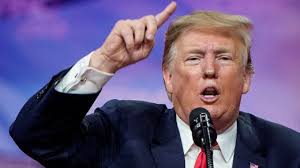
Donald Trump
Barnstorming the country in a series of hate-filled political rallies, Trump told his supporters:
- January 22: “We have it totally under control. It’s one person coming in from China.”
- February 2: “We pretty much shut it down coming in from China. It’s going to be fine.”
- February 24: “The Coronavirus is very much under control in the USA.”
- February 25: “CDC & my administration are doing a GREAT job of handling Coronavirus.”
- February 25: “I think that’s a problem that’s going to go away. They have studied it. They know very much. In fact, we’re very close to a vaccine.”
- February 26: “The 15 cases within a couple of days is going to be down to close to zero.”
- February 26: “We’re going very substantially down, not up.”
- February 27: “One day it’s like a miracle, it will disappear.”
- February 28: “We’re ordering a lot of supplies. We’re ordering a lot of, uh, elements that frankly we wouldn’t be ordering unless it was something like this. But we’re ordering a lot of different elements of medical.”
- February 28: “Now the Democrats are politicizing the Coronavirus….We did one of the great jobs….One of my people came up to me and said, ‘Mr. President, they tried to beat you on Russia, Russia, Russia’….They couldn’t do it. They tried the impeachment hoax….It’s all turning, they lost….And this is their new hoax.”
- March 4: “If we have thousands of people that get better just by, you know, sitting around and even going to work—some of them go to work, but they get better.”
- March 6: “I think we’re doing a really good job in this country of keeping it down. A tremendous job of keeping it down.”
- March 6: “Anybody right now, and yesterday, anybody that needs a test gets a test. And the tests are beautiful.”
- March 6: “I like this stuff. I really get it. People are surprised that I understand it. Every one of these doctors said, ‘How do you know so much about this?’ Maybe I have a natural ability. Maybe I should have done that instead of running for President.”
- March 8: “We have a perfectly coordinated and fine tuned plan at the White House for our attack on Coronavirus.”
- March 9: “The Fake News Media and their new partner, the Democratic Party, is doing everything within its semi-considerable power to inflame the Coronavirus situation.”
- March 10: “It will go away. Just stay calm. It will go away.”
Acting as Trump’s propaganda arm has been Fox News Network.

As late as March 9, Trish Regan, host of Trish Regan Primetime on the Fox Business Network, attacked not the virus but those who do not share her fervent embrace of Donald Trump.
“We’ve reached a tipping point,” said Regan. “The hate is boiling. Many in the liberal media are using Coronavirus in an attempt to demonize and destroy the President, despite the virus originating halfway around the world.
“This is yet another attempt to impeach the President. And sadly, it seems the left cares little for any of the destruction they leave in their wake, including losses in the stock market. This, unfortunately, is all just part of the political casualties for them.
“This is impeachment all over again. And like with the Mueller investigation, like with Ukraine-gate, they don’t care who they hurt. Whether it be their need to create mass hysteria to encourage a market sell-off unlike anything we’ve seen recently, or whether it be to create mass hysteria to stop our economy dead in its tracks, don’t kid yourself. They told us how much they crave a recession as a way to get rid of Donald Trump.”

Trish Regan
TrishRegan, CC BY-SA 4.0 <https://creativecommons.org/licenses/by-sa/4.0>, via Wikimedia Commons
To make certain no one in the television audience missed the point, an electronically generated caption read: “Coronavirus Impeachment Scam.”
On the same day that Regan accused Trump’s critics of being haters, Trump himself was directing hate through his weapon of choice: Twitter:
“The Fake News Media and their partner, the Democrat Party, is doing everything within its semi-considerable power (it used to be greater!) to inflame the CoronaVirus situation, far beyond what the facts would warrant. Surgeon General, The risk is low to the average American.”
Actually, with the virus spreading quickly throughout at least 33 states, the risk was not low to the average American. It was not the news that was fake—but the lies and ignorance that Trump and Fox were spewing.
ABC NEWS, ADOLF HITLER, ALTERNET, AMERICABLOG, ANDREW CUOMO, AP, ARMY CORPS OF ENGINEERS, BABY BOOMER RESISTANCE, BARACK OBAMA, BLOOMBERG, BRENDA FITZGERALD, BUZZFEED, CBS NEWS, CENTERS FOR DISEASE CONTROL AND PREVEITON (CDC), CENTERS FOR DISEASE CONTROL AND PREVENTION (CDC), CHINA, CNN, CORONAVIRUS, COVID-19, CROOKS AND LIARS, DAILY KOZ, DEPARTMENT OF HEALTH AND HUMAN SERVICES, DEPARTMENT OF HOMELAND SECURITY (DHS), DOCTORS, DONALD TRUMP, DRUDGE RETORT, EBOLA, FACEBOOK, FEDERAL EMERGENCY MANAGEMENT AGENCY (FEMA), FIVETHIRTYEIGHT, FORBES MAGAZINE, FOX BUSINESS NETWORK, FOX NEWS, FOX NEWS NETWORK, FRANKLIN D. ROOSEVELT, GEORGE W. BUSH, GRETCHEN WHITMER, GROVER NORQUIST, HARPER’S MAGAZINE, IMPEACHMENT, JAY INSLEE, JOE BIDEN, JOHN BOLTON, LARRY HOGAN, LOUIS X1V, MALARIA, MASKS, MEDIA MATTERS, MICK MULVANEY, MIKE PENCE, MOTHER JONES, MOVEON, MSNBC, N95 RESPIRATORS, NATIONAL SECURITY COUNSIL (NSC), NBC NEWS, NEWSWEEK, NPR, NURSES, PBS NEWSHOUR, PERSONAL PROTECTIVE EQUIPMENT (PPES), POLICE, POLITICO, POLITICUSUSA, RAW STORY, REPUBLICANS, REUTERS, ROBERT RAY REDFIELD, ROLLING STONE MAGAZINE, RUDY GIULIANI, SALON, SEAN HANNITY SHOW, SEATTLE TIMES, SLATE, SPANISH INFLUENZA, STOCK MARKET, TALKING POINTS MEMO, THE ATLANTIC, THE CHICAGO SUN-TIMES, THE CHICAGO TRIBUNE, THE DAILY BEAST, THE DAILY BLOG, THE GUARDIAN, THE HILL, THE HUFFINGTON POST, THE LOS ANGELES TIMES, THE NATION, THE NATIONAL SECURITY COUNCIL, THE NEW REPUBLIC, THE NEW YORK TIMES, THE VILLAGE VOICE, THE WASHINGTON POST, THE WHITE HOUSE PANDEMIC OFFICE, THINKPROGRESS, THIRD REICH, TIM ZIEMER, TIME, TOLUSE OLORUNNIPA, TOM BOSSERT, TOM FRIEDMAN, TRISH REGAN, TRISH REGAN PRIMETIME, TRUTHDIG, TRUTHOUT, TWITTER, TWO POLITICAL JUNKIES, U.S. NEWS & WORLD REPORT, UNITED STATES, UPI, USA TODAY, VENDORS, VENTILATORS, WASHINGTON MONTHLY MAGAZINE, WHITE HOUSE PANDEMIC OFFICE, WONKETTE
In Bureaucracy, History, Medical, Politics, Social commentary on May 14, 2020 at 12:12 am
COVID-19 has so far infected 1.42 million Americans and killed 84,763 others.
And President Donald Trump’s “strategy” for fighting it has boiled down to three tactics: Lies, chaos and thefts.
Upon taking office in 2017, Trump gutted the permanent epidemic monitoring and command groups set up inside the White House: The National Security Council (NSC) and the Department of Homeland Security (DHS).
In 2014, following the Ebola outbreak in West Africa, President Barack Obama had created the White House Pandemic Office, run by the White House’s National Security Council (NSC).
Heading it was Rear Admiral Tim Ziemer. Under President George W. Bush, he had successfully fought malaria overseas. His topflight team of infectious disease and public health experts was creating a national bio-defense strategy. Their goal: Coordinate agencies to make the United States more resilient to the threat of epidemics and biological warfare.
Rear Admiral Timothy Ziemer, who headed the unit, was reassigned.
Neither the NSC nor the DHS epidemic team has been replaced.
The global health section of the CDC was decimated, and had to reduce the number of countries it was monitoring from 49 to 10.
So why did Trump gut these organizations?
Pathologically jealous of President Barack Obama, Trump—a lifelong racist—has tried to destroy every vestige of Obama’s legacy as the first black President of the United States.

Barack Obama
Worsening the situation even more: In 2017—the year Trump assumed office—nearly 700 positions remained vacant at the Centers for Disease Control and Prevention (CDC) because Trump imposed a hiring freeze. This affected programs supporting local and state public health emergency readiness, infectious disease control and chronic disease prevention.
Making the situation worse: The CDC’s director, Tom Friedman, stepped down in January, 2017, and it wasn’t until July that the agency got another one: Brenda Fitzgerald. But she served only until January, 2018. She was succeeded—two months later—by Robert Ray Redfield, Jr. He has been the director since then.
The post of director of the CDC is considered one of the most crucial public health positions in the government. The CDC is charged with tracking and preventing infectious disease outbreaks in the United States and worldwide.

CDC headquarters in Atlanta, Georgia
Nor was that all. In the spring of 2018, Trump pushed Congress to cut $15 billion from national health spending—and cutting the global disease-fighting budgets of the Centers for Disease Control, National Security Council, Department of Homeland Security and the Department of Health and Human Services.
In April, 2018, then-National Security Adviser John Bolton forced Tom Bossert, director of the infectious disease unit at DHS, to resign—along with his entire team.
It’s popular to assume that Trump did all of this out of mere ignorance—and there’s plenty of proof of his ignorance in many areas (such as attributing windmills to causing cancer). But far more is at work here.
The vast majority of those who voted for Trump believe that the Federal Government is evil and its agencies that regulate business should be eliminated.
An example of this constituency is Grover Norquist, founder and president of Americans for Tax Reform, which opposes all tax increases and has forced most Republicans to publicly pledge they will as well, under any circumstances.
His most famous quote: “I’m not in favor of abolishing the government. I just want to shrink it down to the size where we can drown it in the bathtub.”
Under Trump, the epidemic-fighting arm of the Federal Government has become so shrunk that America itself may be the one to drown—in an epidemic of Coronavirus.
The virus first appeared in Wuhan, China, in December, 2019. Its first reported victim became ill on December 1.
By December 31, the outbreak was traced to a novel strain of Coronavirus.
Coronaviruses are a group of viruses that affect birds and mammals. In humans, Coronaviruses can cause pneumonia and may cause bronchitis.
Coronavirus
On February 29, the first American died of Coronavirus.
According to the March 21 edition of Rolling Stone magazine: “The United States intelligence community has been warning the president since January and February about the dire consequences that would occur when coronavirus reached America, but the president seemed determined to play down the threat, leaving the country largely unaware and unprepared.”
An anonymous Intelligence official cited by the Washington Post said: “Donald Trump may not have been expecting this, but a lot of other people in the government were—they just couldn’t get him to do anything about it. The system was blinking red.”
Trump first learned of the virus on January 3, 2020. This did not prevent him from playing golf on January 4, 5, 18 and 19.
On January 19, the first Coronavirus case appeared in the United States.
On January 27, then-acting chief of staff Mick Mulvaney tried to get the President to act. But, according to officials who spoke with the Washington Post, Trump was “dismissive” of early briefings “because he did not believe that the virus had spread widely throughout the United States.”
Trump fired Mulvaney one month later.
Then, for Trump, it was back to the golf course—on February 1, 2 and 15.


ABC NEWS, ALCATRAZ PRISON, ALTERNET, AMERICABLOG, AP, BABY BOOMER RESISTANCE, BAY AREA RAPID TRANSIT (BART), BLOOMBERG, BOOKSTORES, BUSINESS CLOSURES, BUZZFEED, CABLE CARS, CAVIAR, CBS NEWS, CNN, CORONAVIRUS, COVID-19, CROOKS AND LIARS, DAILY KOZ, DDMBS (DRUGGIES, DEREK CHAUVIN, DONALD TRUMP, DOORDASH, DRUDGE RETORT, DRUNKS, EMERYVILLE, FACEBOOK, FISHERMAN’S WHARF, FIVETHIRTYEIGHT, GEORGE FLOYD, GHIRADELLI SQUARE, GRUBHUB, HARPER’S MAGAZINE, LONDON BREED, LOOTING, MARKET STREET, MASKS, MEDIA MATTERS, MEDICAL MARIJUANA, MENTALS AND BUMS), MOTHER JONES, MOVEON, MSNBC, NBC NEWS, NEWSWEEK, NPR, OAKLAND, PBS NEWSHOUR, POLITICO, POLITICUSUSA, POWELL STREET, RAW STORY, RESTAURANTS, REUTERS, SALON, SAN FRANCISCO, SAN FRANCISCO DEPARTMENT OF PUBLIC HEALTH, SAN FRANCISCO MUNICIPAL RAILWAY (MUNI) SYSTEM, SAN JOSE, SEATTLE TIMES, SLATE, SOCIAL DISTANCING, TALKING POINTS MEMO, THE ATLANTIC, THE CHICAGO SUN-TIMES, THE CHICAGO TRIBUNE, THE DAILY BEAST, THE DAILY BLOG, THE GUARDIAN, THE HILL, THE HUFFINGTON POST, THE LOS ANGELES TIMES, THE NATION, THE NEW REPUBLIC, THE NEW YORK TIMES, THE VILLAGE VOICE, THE WASHINGTON POST, THINKPROGRESS, TIME, TRUTHDIG, TRUTHOUT, TWITTER, TWO POLITICAL JUNKIES, U.S. NEWS & WORLD REPORT, UBER EATS, UPI, USA TODAY, VANDALISM, WALNUT CREEK, WONKETTE
THE CHANGED FACE OF SAN FRANCISCO PART ONE (OF TWO)
In Bureaucracy, History, Law, Law Enforcement, Politics, Social commentary on June 2, 2020 at 12:05 amWant to play a new game? Come to San Francisco and play “Count the Stupids.”
Just walk down any major street during a pandemic that’s killed more than 100,000 Americans and count:
On some days—depending on how far you walk—you might spot 10 to 60 or more such people.
Those who wear masks below their nose negate the purpose of wearing a mask. If they have COVID-19 and sneeze on someone else who’s not wearing a mask, that person is going to be stricken. And if someone who’s also not wearing a mask sneezes or coughs on them, they will be infected.
Face masks
Many of those wearing masks as bandannas are smoking. Clearly they value getting their intake of cancer as more important than protecting themselves against a deadly virus. Many mask-less men sport heavy beards—which would make a mask impossible to seal properly.
And as for complying with social distancing requirements that put at least six feet between people: Countless people casually pass others only inches away without any apparent concern—for their own safety or that of others.
On May 28, San Francisco Mayor London Breed announced that a new policy would take effect the next day:
San Francisco will enforce the wearing of masks or face coverings when people leave their home and are within 30 feet of anyone that doesn’t live in their household.
That includes when you’re waiting in line to go into a store and when you’re inside shopping. A mask or face covering will not be needed when:
Even then, you should still have a mask or face covering on hand.
Of course, that will require police to enforce the new ordinance. This in a city where police have refused to crack down on “homeless” encampments—and their piles of feces, hypodermic needles and trash.
For all the kudos offered city residents by Mayor Breed for complying with social distancing, the blunt truth remains that many of them do not. And the fact that Breed felt forced to legally require citizens to wear face masks is a telling point in its own right.
But to return to life in San Francisco in the Age of COVID-19:
Civic Center—which lies directly across from City Hall—might better be renamed COVID-19 Center. Once it housed farmers markets and offered easy access to the Civic Center BART (Bay Area Rapid Transit) station.
Today it is fenced off and serves as shelter for countless “homeless” tents—and all the drugs, trash, alcohol, feces and hypodermic needles that come with this population.
Tent “city” in San Francisco
Of course, Civic Center isn’t the only place in San Francisco where you’ll find huge tents occupied by DDMB’s—Druggies, Drunks, Mentally Ill and Bums.
Walk down almost any major sidewalk and odds are you’ll find your path blocked by one or more huge tents able to house two to four people.
If you’re in a wheelchair or elderly or on crutches, you’ll likely be forced to step into the street or cross the street to continue your journey.
If you call the police on your cell phone, expecting them to remove the tents, you’re in for a big surprise. In bum-loving San Francisco, that sort of action is no longer handled by police.
Instead, they’ll refer you to a “help-the-homeless” agency that specializes in defending the rights of DDMBs over those of law-abiding, tax-paying San Francisco residents.
The “homeless problem” has become so outrageous in San Francisco that Hastings College of the Law—one of the foremost law schools in the nation—recently filed a lawsuit against the city “to end dangerous and illegal conditions in the Tenderloin neighborhood.”
Among its goals: To compel the City
And when it comes to public transit: Forget about using the underground stations of the Municipal Railway (MUNI) bus system. Those have been closed since March—allegedly to protect riders and drivers from COVID-19.
MUNI underground station
Pi.1415926535 / CC BY-SA (https://creativecommons.org/licenses/by-sa/3.0)
MUNI, which serves only San Francisco, has 4,800 employees and an annual budget of $1.28 billion.
The Bay Area Rapid Transit (BART) system serves 33 cities and has an annual budget of $2.3 billion.
Yet BART, which uses many of the same stations is still providing railway service throughout northern California.
MUNI refuses to say why BART has managed to provide service for its passengers—while MUNI has made transit far more complex and time-consuming for its own.
Share this: