Posts Tagged ‘BILL CLINTON’
2016 PRESIDENTIAL ELECTION, A BRONX TALE, ABC NEWS, ADOLF HITLER, ALTERNET, AMERICABLOG, AP, BABY BOOMER RESISTANCE, BBC, BILL CLINTON, BLOOMBERG NEWS, BUZZFEED, CBS NEWS, CHAZZ PALMINTERI, CNN, CROOKS AND LIARS, DAILY KOS, DONALD TRUMP, FACEBOOK, FBI, FIVETHIRTYEIGHT, HARPER’S MAGAZINE, HILLARY CLINTON, HUFFINGTON POST, IRS, J. EDGAR HOOVER, JOHN F. KENNEDY, LYNDON B. JOHNSON, MEDIA MATTERS, MOTHER JONES, MOVEON, MSNBC, NBC NEWS, NEW REPUBLIC, NEWSDAY, NEWSWEEK, NICCOLO MACHIAVELLI, NPR, PBS NEWSHOUR, POLITICO, POLITICUSUSA, RAW STORY, REPUBLICAN PARTY, REUTERS, RICHARD M. NIXON, ROBERT DE NIRO, ROBERT F. KENNEDY, Ronald Reagan, SALON, SEATTLE TIMES, SLATE, TALKING POINTS MEMO, THE ATLANTIC, THE CHICAGO SUN-TIMES, THE CHICAGO TRIBUNE, THE DAILY BEAST, THE DAILY BLOG, THE GUARDIAN, THE HILL, THE HUFFINGTON POST, THE INTERCEPT, THE LOS ANGELES TIMES, THE NATION, THE NEW REPUBLIC, THE NEW YORK TIMES, THE NEW YORKER, THE PRINCE, THE VILLAGE VOICE, THE WASHINGTON POST, THINKPROGRESS, TIME, TRUTHDIG, TRUTHOUT, TWITTER, U.S. NEWS & WORLD REPORT, UPI
In Bureaucracy, History, Law Enforcement, Military, Politics, Social commentary on December 22, 2016 at 12:18 am
Is it better to be loved or feared?
That was the question Florentine statesman Niccolo Machiavelli raised more than 500 years ago.
Presidents have struggled to answer this question—and have come to different conclusions.
LOVE ME, FEAR MY BROTHER
Most people felt irresistibly drawn to John F. Kennedy—even his political foes. Henry Luce, the conservative publisher of Time, once said, “He makes me feel like a whore.”
But JFK could afford to bask in the love of others—because his younger brother, Robert, was the one who inspired fear.
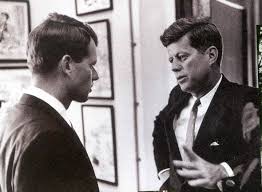
Robert F. Kennedy and John F. Kennedy
He had done so as Chief Counsel for the Senate Rackets Committee (1957-59), grilling Mafia bosses and corrupt union officials—most notably Teamsters President James Hoffa.
Appointed Attorney General by JFK, he unleashed the FBI on the Mafia. When the steel companies colluded in an inflationary rise in the price of steel in 1962, Bobby sicced the FBI on them.
In 1963, JFK’s cavorting with Ellen Rometsh threatened to destroy his Presidency. Rometsch, a Washington, D.C. call girl, was suspected by the FBI of being an East German spy.
With Republican Senators preparing to investigate the rumors, Bobby ordered Rometsch deported immediately (to which, as a German citizen, she was subject).
He also ordered FBI Director J. Edgar Hoover to deliver a warning to the Majority and Minority leaders of the Senate: The Bureau was fully aware of the extramarital trysts of most of its members. And an investigation into the President’s sex life could easily lead into revelations of Senatorial sleaze.
Plans for a Senatorial investigation were shelved.
BEING LOVED AND FEARED
In the 1993 movie, A Bronx Tale, 17-year-old Calogero (Lillo Brancato) asks his idol, the local Mafia capo, Sonny (Chazz Palminteri): “Is it better to be loved or feared?”
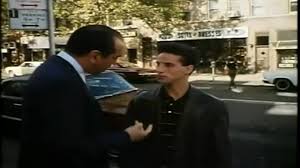
Sonny gives advice to his adopted son, Calogero
Sonny says if he had to choose, he would rather be feared. But he adds a warning straight out of Machiavelli: “The trick is not being hated. That’s why I treat my men good, but not too good.
“I give too much, then they don’t need me. I give them just enough where they need me, but they don’t hate me.”
Machiavelli, writing in The Prince, went further:
“Still a Prince should make himself feared in such a way that if he does not gain love, he at any rate avoids hatred, for fear and the absence of hatred may well go together. And [this] will always be attained by one who abstains from interfering with the property of his citizens and subjects or with their women.”
Many who quote Machiavelli in defense of being feared overlook this vital point: It’s essential to avoid becoming hated.
To establish a fearful reputation, a leader must act decisively and ruthlessly when the interests of the organization are threatened. Punitive action must be taken promptly and confidently.
One or two harsh actions of this kind can make a leader more feared than a reign of terror.
In fact, it’s actually dangerous to constantly employ cruelties or punishments. Whoever does so, warns Machiavelli, “is always obliged to stand with knife in hand, and can never depend on his subjects, because they, owing to continually fresh injuries, are unable to depend upon him.”
The 20th century President who came closest to realizing Machiavelli’s “loved and feared” prince was Ronald Reagan.
Always smiling, quick with a one-liner (especially at press conferences), seemingly unflappable, he projected a constantly optimistic view of his country and its citizens.
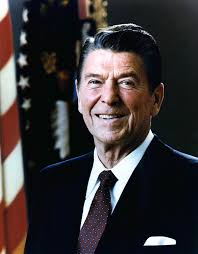
Ronald Reagan
In his acceptance speech at the 1980 Republican National Convention he declared: “[The Democrats] say that the United States has had its days in the sun, that our nation has passed its zenith.… My fellow citizens, I utterly reject that view.”
And Americans enthusiastically responded to that view, twice electing him President (1980 and 1984).
But there was a steely, ruthless side to Reagan that appeared when he felt crossed.
On August 3, 1981, nearly 13,000 air traffic controllers walked out after contract talks with the Federal Aviation Administration collapsed. As a result, some 7,000 flights across the country were canceled on that day at the peak of the summer travel season.
Reagan branded the strike illegal. He threatened to fire any controller who failed to return to work within 48 hours.
On August 5, Reagan fired more than 11,000 air traffic controllers who hadn’t returned to work. The mass firing slowed commercial air travel, but it did not cripple the system as the strikers had forecast.
Reagan’s action stunned the American labor movement. Reagan was the only American President to have belonged to a union, the Screen Actors Guild. He had even been president of this–from 1947 to 1954.
There were no more strikes by Federal workers during Reagan’s tenure in office.
Similarly, Libya’s dictator, Moammar Kadaffi, learned that Reagan was not a man to cross.
On April 5, 1986, Libyan agents bombed a nightclub in West Berlin, killing three people, one a U.S. serviceman. The United States quickly learned that Libyan agents in East Germany were behind the attack.
On April 15, acting on Reagan’s orders, U.S. Air Force, Navy and Marine Corps bombers struck at several sites in Tripoli and Benghazi. Reportedly, Kaddafi himself narrowly missed becoming a casualty.
There were no more acts of Libyan terrorism against Americans for the rest of Reagan’s term.
2016 PRESIDENTIAL ELECTION, A BRONX TALE, ABC NEWS, ADOLF HITLER, ALTERNET, AMERICABLOG, AP, BABY BOOMER RESISTANCE, BBC, BILL CLINTON, BLOOMBERG NEWS, BUZZFEED, CBS NEWS, CHAZZ PALMINTERI, CNN, CROOKS AND LIARS, DAILY KOS, DONALD TRUMP, FACEBOOK, FBI, FIVETHIRTYEIGHT, HARPER’S MAGAZINE, HILLARY CLINTON, HUFFINGTON POST, IRS, J. EDGAR HOOVER, JOHN F. KENNEDY, LYNDON B. JOHNSON, MEDIA MATTERS, MOTHER JONES, MOVEON, MSNBC, NBC NEWS, NEW REPUBLIC, NEWSDAY, NEWSWEEK, NICCOLO MACHIAVELLI, NPR, PBS NEWSHOUR, POLITICO, POLITICUSUSA, RAW STORY, REPUBLICAN PARTY, REUTERS, RICHARD M. NIXON, ROBERT DE NIRO, ROBERT F. KENNEDY, Ronald Reagan, SALON, SEATTLE TIMES, SLATE, TALKING POINTS MEMO, THE ATLANTIC, THE CHICAGO SUN-TIMES, THE CHICAGO TRIBUNE, THE DAILY BEAST, THE DAILY BLOG, THE GUARDIAN, THE HILL, THE HUFFINGTON POST, THE INTERCEPT, THE LOS ANGELES TIMES, THE NATION, THE NEW REPUBLIC, THE NEW YORK TIMES, THE NEW YORKER, THE PRINCE, THE VILLAGE VOICE, THE WASHINGTON POST, THINKPROGRESS, TIME, TRUTHDIG, TRUTHOUT, TWITTER, U.S. NEWS & WORLD REPORT, UPI
In Bureaucracy, History, Law Enforcement, Military, Politics, Social commentary on December 21, 2016 at 12:03 am
It’s probably the most-quoted passage of Niccolo Machiavelli’s infamous book, The Prince:
“From this arises the question whether it is better to be loved than feared, or feared more than loved. The reply is, that one ought to be both feared and loved, but as it is difficult for the two to go together, it is much safer to be feared than loved.
“For it may be said of men in general that they are ungrateful, voluble, dissemblers, anxious to avoid danger and covetous of gain. As long as you benefit them, they are entirely yours: they offer you their blood, their goods, their life and their children, when the necessity is remote, but when it approaches, they revolt.
“And the prince who has relied solely on their words, without making other preparations, is ruined. For the friendship which is gained by purchase and not through grandeur and nobility of spirit is bought but not secured, and at a pinch is not to be expended in your service.
“And men have less scruple in offending one who makes himself loved than one who makes himself feared. For love is held by a chain of obligations which, men being selfish, is broken whenever it serves their purpose. But fear is maintained by a dread of punishment which never fails.”
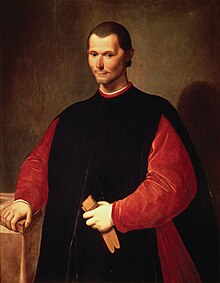
Niccolo Machiavelli
So—which is better: To be feared or loved?
In the 1993 film, A Bronx Tale, 17-year-old Calogero (Lillo Brancato) poses that question to his idol, the local Mafia capo, Sonny (Chazz Palminteri).
“That’s a good question,” Sonny replies. “It’s nice to be both, but it’s very difficult. But if I had my choice, I would rather be feared.
“Fear lasts longer than love. Friendships that are bought with money mean nothing. You see how it is around here. I make a joke, everybody laughs. I know I’m funny, but I’m not that funny. It’s fear that keeps them loyal to me.”
Presidents face the same dilemma as Mafia capos—and resolve it in their own ways.
LOVE ME BECAUSE I NEED TO BE LOVED
Bill Clinton believed that he could win over his self-appointed Republican enemies through his sheer charm.
Part of this lay in self-confidence: He had won the 1992 and 1996 elections by convincing voters that “I feel your pain.”
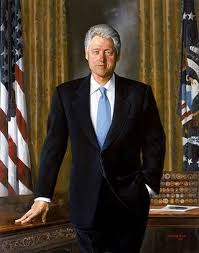
Bill Clinton
And part of it lay in his need to be loved. He once said that if he were in a room with 100 people and 99 of them liked him but one didn’t, he would spend all his time with that one person, trying to win him over.
But while he could charm voters, he could not bring himself to retaliate against his sworn Republican enemies.
On April 19, 1995, Right-wing terrorist Timothy McVeigh drove a truck—packed with 5,000 pounds of ammonium nitrate and nitromethane—to the front of the Alfred P. Murrah Federal Building in Oklahoma City.
The explosion killed 168 people, including 19 children in the day care center on the second floor, and injured 684 others.
Suddenly, Republicans were frightened. Since the end of World War II, they had vilified the very Federal Government they belonged to. They had even courted the Right-wing militia groups responsible for the bombing.
So Republicans feared Clinton would now turn their decades of hate against them.
They need not have worried. On April 23, Clinton presided over a memorial service for the victims of the bombing. He gave a moving eulogy–without condemning the hate-filled Republican rhetoric that had at least indirectly led to the slaughter.
Clinton further sought to endear himself to Republicans by:
- Adopting NAFTA—the Republican-sponsored North American Free Trade Act, which later proved so devastating to American workers;
- Siding with Republicans against poor Americans on welfare; and
- Championing the gutting of the Depression-era Glass-Steagall law, which barred investment banks from commercial banking activities.
In 1998, emboldened by Clinton’s refusal to stand up to them, House Republicans moved to impeach him over a sex scandal with White House intern Monica Lewinsky. But his Presidency survived when the Senate refused to convict.
LOVE ME BECAUSE I’LL HURT YOU IF YOU DON’T
Lyndon Johnson wanted desperately to be loved.
Once, he complained to Dean Acheson, the former Secretary of State under Harry S. Truman, about the ingratitude of American voters. He had passed far more legislation than his predecessor, John F. Kennedy, and yet Kennedy remained beloved, while he, Johnson, was not.
Why was that? Johnson demanded.
“You are not a very likable man,” said Acheson truthfully.
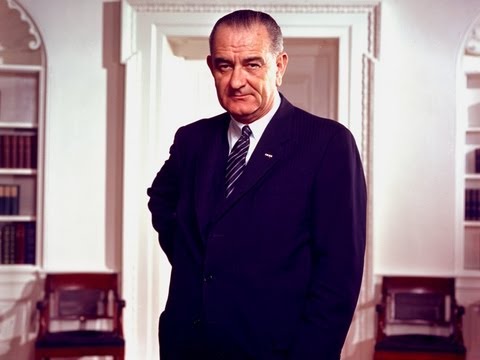
Lyndon B. Johnson
Johnson tried to make his subordinates love him. He would humiliate a man, then give him an expensive gift–such a Cadillac. It was his way of binding the man to him.
He was on a first-name basis with J. Edgar Hoover, the longtime director of the FBI. He didn’t hesitate to request–and get–raw FBI files on his political opponents.
On at least one occasion, he told members of his Cabinet: No one would dare walk out on his administration–because if they did, two men would follow their ass to the end of the earth: Mr. J. Edgar Hoover and the head of the Internal Revenue Service.
2016 PRESIDENTIAL RACE, ABC NEWS, BARACK OBAMA, BASKET OF DEPLORABLES SPEECH, BENGHAZI HEARINGS, BERNIE SANDERS, BILL CLINTON, BLACKS, CBS NEWS, CELINDA LAKE, CLINTON FUNDATION, CNN, COLIN POWELL, COMMUNISM, CONDOLEEZA RICE, DEBBIE WASSERMAN-SCHULTZ, DEMOCRATIC NATIONAL COMMITTEE, DONALD TRUMP, ELIZABETH WARREN, EMAIL SERVER, FACEBOOK, GEORGE W. BUSH, HILLARY CLINTON, HISPANICS, HOUSE OF REPRESENTATIVES, JAMES WEBB, JOSEPH STALIN, KARL MARX, KEVIN MCCARTHY, LIBYA, MAO ZEDONG, MICHELLE OBAMA, NBC NEWS, POPULISM, RACISM, REPUBLICAN NATIONAL COMMITTEE, Ronald Reagan, SATURDAY NIGHT LIVE, SOCIALISM, THE CHICAGO SUN-TIMES, THE CHICAGO TRIBUNE, THE LOS ANGELES TIMES, THE NEW YORK TIMES, THE WASHINGTON POST, TOM BROKAW, TONIGHT SHOW, TWITTER, U.S. HOUSE OF REPRESENTATIVES, U.S. SENATE, Vladimir Lenin, WHITES, WHITEWATER, WIKILEAKS, WOMEN, YOUTH
In Bureaucracy, Business, History, Politics, Social commentary on November 18, 2016 at 10:22 am
Donald Trump owes his victory to a wide range of circumstances. Among these:
#10 Hillary Clinton gave only one memorable speech during the campaign–and then she quashed any benefits that might have come from it.
This was the “basket of deplorables” speech, delivered at a New York fundraiser on September 9. It was the only Clinton speech to be widely quoted by Democrats and Republicans.
She divided Donald Trump’s supporters into two groups. The first group were the “deplorables,” for whom she showed open contempt:
“You know, to just be grossly generalistic, you could put half of Trump’s supporters into what I call the basket of deplorables. Right? The racist, sexist, homophobic, xenophobic, Islamaphobic –you name it. And unfortunately there are people like that. And he has lifted them up.
“He has given voice to their websites that used to only have 11,000 people–now 11 million. He tweets and retweets their offensive hateful mean-spirited rhetoric. Now, some of those folks—they are irredeemable, but thankfully they are not America.”
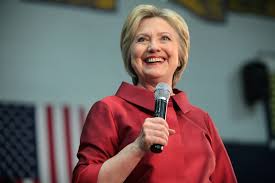
Hillary Clinton (Gage Skidmore photo)
But the second group, she said, consisted of poor, alienated Americans who rightly felt abandoned by their employers and their government:
“But the other basket–and I know this because I see friends from all over America here….but that other basket of people are people who feel that the government has let them down, the economy has let them down, nobody cares about them, nobody worries about what happens to their lives and their futures, and they’re just desperate for change. It doesn’t really even matter where it comes from.
“They don’t buy everything [Trump] says, but he seems to hold out some hope that their lives will be different. They won’t wake up and see their jobs disappear, lose a kid to heroin, feel like they’re in a dead-end. Those are people we have to understand and empathize with as well.”
After giving this speech, Clinton threw away the good it might well have done her.
First, the day after making the speech, she apologized for it: “Last night I was ‘grossly generalistic,’ and that’s never a good idea. I regret saying ‘half’–that was wrong.”
Many of Trump’s followers were racists, sexists and xenophobes–who deserved condemnation, not apologies. By apologizing, she looked weak, indecisive.
Second, having eloquently reached out to many of the men and women who were a prime constituency for Donald Trump, she made no effort to follow up.
She could have used this moment to offer an economic package that would quickly and effectively address their vital needs for jobs and medical care.
But that would have required her to put one together long ago. And all she had to offer now was boilerplate rhetoric, such as: “Education is the answer.”
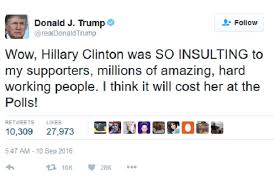
Worst of all, Trump turned her speech against her, tweeting: “Wow, Hillary Clinton was SO INSULTING to my supporters, millions of amazing, hard working people. I think it will cost her at the Polls!”
It did.
#11 Neither the Democrats nor the TV networks dared reveal the full intensity of hatred and violence that were hallmarks of Trump’s rallies–and campaign.
Three New York Times reporters who covered Trump’s rallies for over one year routinely witnessed his supporters hurl vulgar taunts such as:
At Hillary Clinton: “Trump that bitch!” “Kill her!” “Lock her up!” “Hillary is a whore!” “Hang the bitch!”
At protesters: “Get out of here, you fag!” “Get him!” “Get the fuck out of here!”
At Latinos: “Build a wall–kill them all!” “Fuck those dirty beaners!” “Send them bastards back. I’m sure that paperwork comes in Spanish.”
At Muslims: “Fuck Islam!” “Islam is not a religion, partner. It’s an ideology.” “You don’t come and talk about America when you’re supporting Muslims.”
At President Barack Obama: “Fuck that nigger!”
H. Allen Scott, a reporter for Fusion, attended a Trump rally and overheard conversations that startled him.
In one, a man marked Arabs as the enemy: “Those sand niggers are out to get us. We need to bomb the hell out of them.”
In the other, the supposed threat came from a different source: “The Donald will get all those Jews out of Washington.”
When protesters were ejected, Trump supporters went wild–and usually turned violent. Protesters were beaten and kicked–often with Trump’s encouragement.
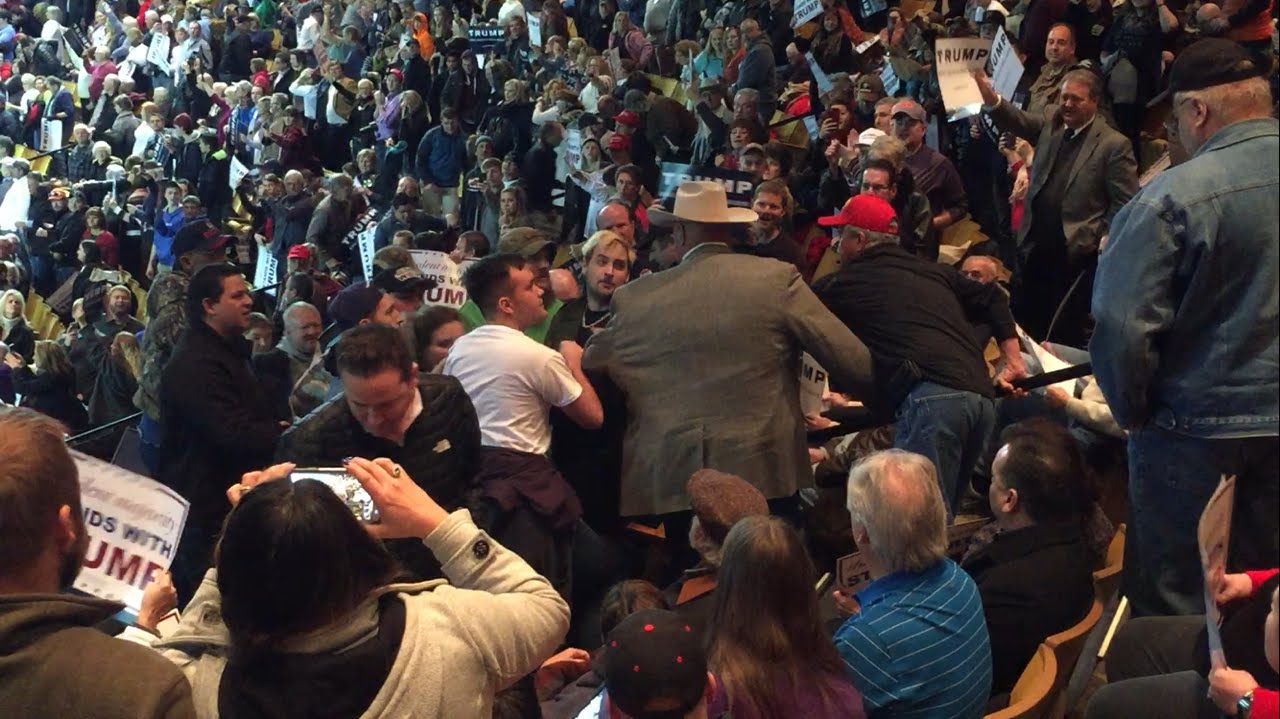
Protesters and supporters duke it out at a Donald Trump rally
Audiences at Trump rallies were overwhelmingly white. Not all were racists, but many of those who were advertised it on T-shirts: “MAKE AMERICA WHITE AGAIN.” Confederate flags were commonly displayed.
TV news networks and the Hillary Clinton campaign could have aired–repeatedly–such footage. Had they done so, Americans would have gotten a brutal, firsthand look at the anger and racism inherent in Trump’s candidacy–and followers.
Instead, Trump was allowed to appear on late-night shows like Saturday Night Live and The Tonight Show where he was treated with kid gloves for fun and laughs.
Thus, it is pointless to blame any one person (such as Hillary Clinton) or group (such as those who voted for third-party candidates) for Clinton’s loss. Many factors played a part–including some that, to keep this series at a reasonable length, could not be mentioned.
2016 PRESIDENTIAL RACE, ABC NEWS, BARACK OBAMA, BASKET OF DEPLORABLES SPEECH, BENGHAZI HEARINGS, BERNIE SANDERS, BILL CLINTON, BLACKS, CBS NEWS, CELINDA LAKE, CLINTON FUNDATION, CNN, COLIN POWELL, COMMUNISM, CONDOLEEZA RICE, DEBBIE WASSERMAN-SCHULTZ, DEMOCRATIC NATIONAL COMMITTEE, DONALD TRUMP, ELIZABETH WARREN, EMAIL SERVER, FACEBOOK, GEORGE W. BUSH, HILLARY CLINTON, HISPANICS, HOUSE OF REPRESENTATIVES, JAMES WEBB, JOSEPH STALIN, KARL MARX, KEVIN MCCARTHY, LIBYA, MAO ZEDONG, MICHELLE OBAMA, NBC NEWS, POPULISM, RACISM, REPUBLICAN NATIONAL COMMITTEE, Ronald Reagan, SATURDAY NIGHT LIVE, SOCIALISM, THE CHICAGO SUN-TIMES, THE CHICAGO TRIBUNE, THE LOS ANGELES TIMES, THE NEW YORK TIMES, THE WASHINGTON POST, TOM BROKAW, TONIGHT SHOW, TWITTER, U.S. HOUSE OF REPRESENTATIVES, U.S. SENATE, Vladimir Lenin, WHITES, WHITEWATER, WIKILEAKS, WOMEN, YOUTH
In Bureaucracy, Business, History, Politics, Social commentary on November 17, 2016 at 12:05 am
Fans of Vermont U.S. Senator Bernie Sanders have loudly claimed that if he had gotten the Democratic Presidential nomination, he would have crushed Donald Trump at the polls.
Since he didn’t get the nomination, we will never know.
But Sanders would have carried his own negatives–which the Republicans would have gleefully exploited. Among the issues he championed:
- Make college tuition free and debt-free.
- Medicare for all.
- Strengthen and expand Social Security.
Although worthy positions, they would have allowed Republicans to label him a “big-spending liberal.”
In addition, Sanders had labeled himself a “democratic Socialist.” For millions of proudly ignorant Americans, “socialist” means “Communist.” And Fox News and the Republican party would have gladly assured them they were correct.
Liberty Maniacs, a Minnesota-based brand that designs and sells political and satirical apparel, literally cashed in on this image with an eye-catching T-shirt.
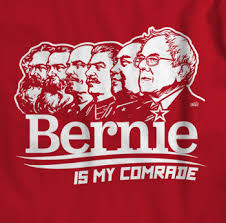
It depicted Sanders’ face alongside those of Karl Marx, Freidrich Engels, Vladimir Lenin, Joseph Stalin and Mao Zedong. And underneath were the words: “Bernie IS MY COMRADE.”
No doubt Republicans would have flooded the airways with similar images.
Sanders’ partisans continue to insist he was “cheated” out of the nomination by Hillary Clinton. But this still leaves unanswered the question:
If Sanders couldn’t prevail against the alleged ruthlessness of Clinton in the primaries, how could he have done so against Trump in the general election?
As the saying goes: “Politics ain’t beanbag.”
#5 Democrats and liberals fell prey to hubris. They dismissed Donald Trump as a bad joke: Surely voters would reject a bombastic, thrice-married “reality show” host who had filed for corporate bankruptcy four times.

If comments on Facebook are any guide, many liberals believed Clinton would bury him at the polls: Blacks, women, youth and Hispanics will turn out huge for her. Democrats will retake the Senate, and maybe even retake the House.
If many Democrats/liberals didn’t vote, one reason may be that they expected others to do it for them.
#6 The coalition that twice elected Barack Obama deserted Hillary Clinton.
Clinton did worse-than-expected among all the groups she was counting on to support her: Blacks, women, youth and Hispanics.
- In 2012, Obama got 93% of the black vote; in 2016, Clinton got 88%.
- In 2012, Obama got 55% of the women’s vote; in 2016, Clinton won 54%.
- In 2012, Obama got 60% of the vote of those under 30; in 2016, Clinton got 54%.
- In 2012, Obama got 71% of the Hispanic vote; in 2016, Clinton got 65%.
Clinton proved less popular even among whites than Obama: In 2012, Obama won 39% of their votes; in 2016, Clinton won 37%.
#7 For years, Republicans had waged a vicious campaign to demonize Hillary Clinton.
This included even falsely accusing her of conspiring to murder American diplomats in Benghazi, Libya.
Kevin McCarthy, a Republican member of the House of Representatives unintentionally admitted this on Fox News on September 30, 2015:
“Everybody thought Hillary Clinton was unbeatable, right? But we put together a Benghazi special committee. A select committee. What are her [poll] numbers today?
“Her numbers are dropping. Why? Because she’s untrustable. But no one would have known that any of that had happened had we not fought to make that happen.”
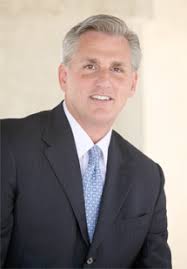
Kevin McCarthy
Thus, McCarthy revealed that:
- The House Select Committee on Benghazi was not a legitimate investigative body.
- Its true purpose was not to investigate the killings of four American diplomats during a 2012 terrorist attack in Benghazi, Libya.
- It’s actual purpose: To destroy the Presidential candidacy of Hillary Clinton.
#8 Republicans attacked Clinton for using a personal email account–while ignoring that her two Republican predecessors had done the same.
General Colin Powell served as Secretary of State under President George W. Bush from 2001 to 2005. He not only used a private email account but advised Clinton to do so as she was about to move into the same job in 2009.
Powell’s successor as Secretary of State, Condoleeza Rice, similarly used a private email account during her tenure (2005-2009).
Yet while Republicans hounded Clinton, accusing her of recklessly endangering national security, they totally ignored Powell’s and Rice’s uses of private email accounts.
#9 Trump, adopting the role of a populist, appealed to blue-collar voters. Clinton offered a “love-your-CEO” economic plan–and suffered for it.
Trump visited “Rustbelt” states like Michigan and Pennsylvania and vowed to “bring back” jobs that had been lost to China, such as those in coal mining and manufacturing. Clinton didn’t deign to show up, assuming she had those states “locked up.”
Most economists agree that, in a globalized economy, such jobs are not coming back, no matter who becomes President.
Even so, voters went for the man who promised them a better future, and shunned the woman who didn’t come to promise them any future at all.
In May, Democratic pollster CeLinda Lake had warned Clinton to revamp her economic platform.
“Democrats simply have to come up with a more robust economic frame and message,” Lake said after the election. “We’re never going to win those white, blue-collar voters if we’re not better on the economy. And 27 policy papers and a list of positions is not a frame. We can laugh about it all we want, but Trump had one.”
2016 PRESIDENTIAL RACE, ABC NEWS, BARACK OBAMA, BASKET OF DEPLORABLES SPEECH, BENGHAZI HEARINGS, BERNIE SANDERS, BILL CLINTON, BLACKS, CBS NEWS, CELINDA LAKE, CLINTON FUNDATION, CNN, COLIN POWELL, COMMUNISM, CONDOLEEZA RICE, DEBBIE WASSERMAN-SCHULTZ, DEMOCRATIC NATIONAL COMMITTEE, DONALD TRUMP, ELIZABETH WARREN, EMAIL SERVER, FACEBOOK, GEORGE W. BUSH, HILLARY CLINTON, HISPANICS, HOUSE OF REPRESENTATIVES, JAMES WEBB, JOSEPH STALIN, KARL MARX, KEVIN MCCARTHY, LIBYA, MAO ZEDONG, MICHELLE OBAMA, NBC NEWS, POPULISM, RACISM, REPUBLICAN NATIONAL COMMITTEE, Ronald Reagan, SATURDAY NIGHT LIVE, SOCIALISM, THE CHICAGO SUN-TIMES, THE CHICAGO TRIBUNE, THE LOS ANGELES TIMES, THE NEW YORK TIMES, THE WASHINGTON POST, TOM BROKAW, TONIGHT SHOW, TWITTER, U.S. HOUSE OF REPRESENTATIVES, U.S. SENATE, Vladimir Lenin, WHITES, WHITEWATER, WIKILEAKS, WOMEN, YOUTH
In Bureaucracy, Business, History, Politics, Social commentary on November 16, 2016 at 12:13 am
Since November 8, Democrats and liberals (the two are not always the same) have been in shock.
“How could this happen?” they keep asking–themselves and others. “How could the country go from electing a brilliant, sophisticated, humane man like Barack Obama to electing an ignorant, coarse, brutal man like Donald Trump?”
Efforts have been made to blame one person/group or another. But the truth is that many factors were involved, and the fallout will be felt for months–if not years–to come.
#1 Hillary Clinton was an uninspiring candidate. When Barack Obama ran for President in 2008, NBC Anchor Tom Brokaw compared his rallies to Hannah Montana concerts. Audiences were excited by his charisma, eloquence, relative youth (47) and optimism (“Yes We Can!”).
Clinton radiated none of these qualities. She was 67 when she declared her candidacy for President–and looked it. Her speaking voice grated like the proverbial fingernail on a blackboard.
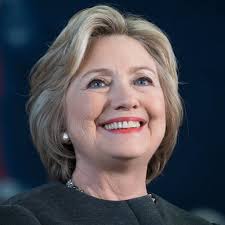
Hillary Clinton
She seemed to have been around forever–as First Lady (1993-2001), as Senator from New York (2001-2009) and as Secretary of State (2009-2013). Those born after 2000 thought of the Clinton Presidency as ancient history. She was offering a resume–and voters wanted an inspiration.
#2 Clinton brought a lot of baggage with her. In contrast to Obama, whose Presidency had been scandal-free, Clinton–rightly or wrongly–has always been dogged by charges of corruption.
During the Clinton Presidency, a failed land deal–Whitewater–while Bill Clinton was Governor of Arkansas triggered a seven-year investigation by a Republican special prosecutor. No criminality was uncovered, and no charge was brought against either Clinton.
After leaving the White House, she and her husband set up the Clinton Foundation, a public charity to bring government, businesses and social groups together to solve problems “faster, better, at lower cost.”
As Secretary of State, more than half of Clinton’s meetings with people outside government were with donors to the Clinton Foundation. If a “pay-to play” system wasn’t at work, one certainly seemed to be.
She cast further suspicion on herself by her unauthorized use of a private email server. This wasn’t revealed until March, 2015–after she was no longer Secretary of State.
She claimed she had used it to avoid carrying two cell-phones. But, as Secretary of State, she traveled with a huge entourage who carried everything she needed. Her critics believed she used a private email system to hide a “pay-for-pay” relationship with Clinton Foundation donors.
Finally, as a candidate for President, she “secretly” worked with Debbie Wasserman-Schultz, the chair of the Democratic National Committee, to ensure that she would get the nomination.
As DNC chair, Wasserman-Schultz was expected to be impartial toward all Democratic candidates seeking the prize. This included Vermont U.S. Senator Bernie Sanders, Clinton’s chief competitor.
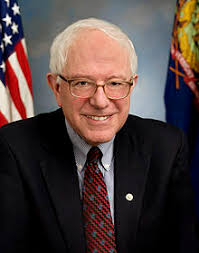
Bernie Sanders
So Sanders and his supporters were outraged when WikiLeaks released 19,252 emails and 8,034 attachments hacked from computers of the highest-ranking officials of the DNC.
The emails revealed a clear bias for Clinton and against Sanders. In one email, Brad Marshall, the chief financial officer of the DNC, suggested that Sanders, who is Jewish, could be portrayed as an atheist.
#3 The Obamas’ support proved a plus/minus for Clinton. Understandably, President Obama wanted to see his legacies continued–and she was the only candidate who could do it.
So he–and his wife, Michelle–stormed the country, giving eloquent, passionate speeches and firing up crowds on Clinton’s behalf.
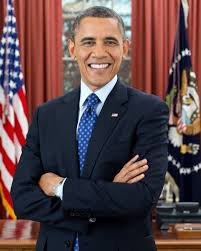
President Barack Obama
So long as either Obama stood before a crowd, the magic lasted. But once the event was over, the excitement vanished. Hillary simply didn’t arouse enough passion to keep it going.
And when Obama supporters compared the President and First Lady with Clinton, they found her wanting–in attractiveness, grace, eloquence, trustworthiness and the ability to inspire.
#4 Not enough Democrats entered the Presidential race. Among those few who did:
- Martin O’Malley, former governor of Maryland;
- Lincoln Chaffee, former governor of Rhode Island;
- James Webb, former U.S. Senator from Virginia;
- Lawrence Lessig, professor at Harvard Law School;
- Vermont U.S. Senator Bernie Sanders;
- and former First Lady/U.S. Senator/Secretary of State Hillary Clinton.
Of these candidates, it’s worth noting that O’Malley withdrew during the primaries. Chaffee, Webb and Lessig withdrew before the primaries started.
Many liberals wanted Massachusetts U.S. Senator Elizabeth Warren to run. As a specialist in consumer protection, she had become a leading figure in the Democratic party and a favorite among progressives.
But, without giving a reason, she declined to do so.
Thus, at least on the Democratic side, the stage was already set at the outset of the race.
No matter who the Republican nominee would be, the Democratic one would be Hillary Clinton or Bernie Sanders.
Sanders fans have loudly claimed that if only he had gotten the Democratic Presidential nomination, he would have crushed Trump at the polls.
But Sanders would have carried big negatives as well–which the Republicans would have gleefully exploited.
These will be explored in Part Two of this continuing series.
1991 GULF WAR, 2003 IRAQ WAR, 2016 ELECTION, 9/11, 9/11 ATTACKS, ABC NEWS, BARACK OBAMA, BILL CLINTON, CBS NEWS, CLINTON FOUNDATION, CNN, DEBBIE WASSERMAN-SCHULTZ, DEMOCRATIC NATIONAL COMMITTEE, DEMOCRATIC PARTY, DONALD TRUMP, EMAIL SERVER, FACEBOOK, FEDERAL EMERGENCY MANAGEMENT AGENCY, FRANKLIN D. ROOSEVELT, GEORGE H.W. BUSH, GEORGE W. BUSH, GLASS-STEAGALL ACT, HILLARY CLINTON, HURRICANE KATRINA, JEB BUSH, KUWAIT, MICHAEL BROWN, MONICA LEWINSKY, NBC NEWS, REPUBLICAN PARTY, Ronald Reagan, SADDAM HUSSEIN, SATURDAY NIGHT LIVE, SAUDI ARABIA, THE CHICAGO SUN-TIMES, THE CHICAGO TRIBUNE, THE LOS ANGELES TIMES, THE NEW YORK TIMES, THE WASHINGTON POST, TIMOTHY MCVEIGH, TWITTER, VLADIMIR PUTIN, WHITEWATER
In History, Politics, Social commentary on November 9, 2016 at 11:38 am
If there is one thing Republicans, Democrats and Independents can agree on, it’s this: 2016 gave America perhaps its most divisive Presidential election in modern history.
Many pundits have correctly noted that both Hillary Clinton and Donald Trump–especially Trump–brought a coarseness to the election never before seen.
Saturday Night Live brutally captured this in a series of skits featuring Alec Baldwin as Trump and Kate McKinnon as Clinton.

But if basic civility proved a casualty of this campaign, there were two other casualties that the overwhelming majority of Americans will be glad to see finally buried: The Bush and Clinton family political dynasties.
Since 1980–36 years ago–there has been only one American Presidential election that did not feature a Bush or Clinton as a candidate. Consider:
- 1980: George H.W. Bush–first as a Presidential candidate; then, losing the Republican nomination to Ronald Reagan, as Reagan’s pick for Vice President.
- 1984: Bush--as Reagan’s continued choice as Vice President.
- 1988: Bush–as Reagan’s anointed choice for President, and then serving as President for four years.
- 1992: Bush--as President running for a second term, only to be defeated by Bill Clinton, whose star now rises.
- 1996: Clinton–as President, running for and winning a second term until 2001.
- 2000: George W. Bush, son of the former President and Governor of Texas, runs for and wins the Presidency.
- 2004: Bush, running for a second term and winning it.
- 2008: Hillary Clinton–former First Lady and now New York Senator runs for the Democratic nomination and loses it to Barack Obama. Even so, he picks her to be his Secretary of State for the next four years.
- 2012: The only Presidential election year since 1980 when neither a Bush nor a Clinton is a Presidential or Vice Presidential candidate.
- 2016: Jeb Bush–son of George H.W. and brother to George W., he seeks the Republican nomination but is easily humiliated and defeated by Trump.
- 2016: Hillary Clinton–having resigned as Secretary of State, she wins the Democratic nomination and loses the race to Republican nominee Donald Trump.
Among the “legacies” of both the Clintons and the Bushes:
- George H.W. Bush: Sends a half-million American troops to Saudi Arabia to “liberate” Kuwait from Saddam Hussein. The real reason: To secure continued American access to Kuwaiti oil.
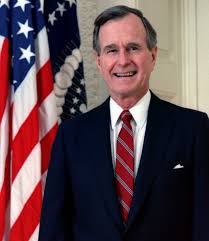
George H.W. Bush
- Presides over one of the worst recessions in American history–causing him to lose the 1992 Presidential election.
- Bill Clinton: “Romances” White House intern Monica Lewinsky–and gets impeached (but not convicted) for it.
Bill Clinton
- Repeals FDR’s Glass-Steagall Act, which separated commercial and investment banking. This allows big banks to merge, becoming “too big to fail”–and sets the stage for the 2008 financial meltdown.
- After Right-wing terrorist Timothy McVeigh blows up the Oklahoma City Federal Building, Clinton refuses to condemn Republicans’ 50-years’ demonizing of government that is largely responsible for it.
- George W. Bush: Repeatedly ignores intelligence warnings of a coming attack by Al Qaeda, which results in the slaughter of 3,000 Americans on 9/11.
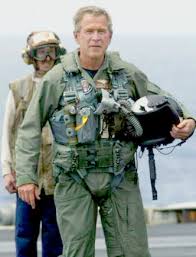
George W. Bush
- Lies the United States into a needless war in Iraq, which costs the lives of 4,486 Americans and costs the treasury at least $2 trillion.
- Assures his fellow Americans that he has “looked into the soul” of Vladimir Putin and found him a man “very straightforward and trustworthy.”
- After Hurricane Katrina devastates New Orleans, his Federal Emergency Management Agency–staffed with political hacks–bungles getting desperately-needed aid to America’s stricken citizens. Bush famously congratulates FEMA Director Michael Brown: “Heck of a job, Brownie.”
- Hillary Clinton: As First Lady, refuses to release documents about Whitewater, a failed Arkansas land deal. This brings on a needless, seven-year investigation by a Republican special prosecutor which turns up–nothing.
Hillary Clinton
- After leaving the White House, she and her husband set up the Clinton Foundation, a public charity to bring government, businesses and social groups together to solve problems “faster, better, at lower cost.”
- As Secretary of State, more than half of Clinton’s meetings with people outside government are with donors to the Clinton Foundation. If there isn’t a “pay-to play” system at work, there certainly is the appearance of one.
- Clinton casts further suspicion on herself by her unauthorized use of a private email server. She claims it’s so she doesn’t have to carry two cell-phones. But, as Secretary of State, she travels with a huge entourage who carry everything she needs.
- As a candidate for President, she “secretly” works with Debbie Wasserman-Schultz, the chair of the Democratic National Committee, to ensure that she will get the nomination.
- She wins the nomination–but is so unpopular she loses to Donald Trump by an overwhelming margin in the Electoral College.
Millions of liberals and Democrats are no doubt dismayed at the outcome of the 2016 election.
And Republicans who sided with Trump will now find themselves at odds with those who refused to do so.
But Democrats and Republicans alike can rejoice that these two embarrassing–and disastrous–family political dynasties have finally been swept into the ashcan of history.
2016 PRESIDENTIAL CAMPAIGN, 2016 PRESIDENTIAL DEBATES, ABC NEWS, ACCESS HOLLYWOOD, ADOLF HITLER, ADRIANNE ZUCKER, ANDERSON COOPER, ANTI-SEMITISM, BARACK OBAMA, BILL CLINTON, BILLY BUSH, CBS NEWS, CNN, DAVID IRVING, DAYS OF OUR LIVES, DEBORAH LIPSTADT, DENIAL, DONALD TRUMP, FACEBOOK, HEINRICH HIMMLER, HILLARY CLINTON, HITLER’S WAR, HOLOCAUST, HOLOCAUST DENIAL, JESSICA LEEDS, LIBEL, MAR-A-LAGO, MELANIA TRUMP, MINDY MCGILLIVRAY, NATASHA STOYNOFF, NBC NEWS, PENGUIN BOOKS, PEOPLE MAGAZINE, RACHEL CROOKS, REINHARD HEYDRICH, RICHARD J. EVANS, SEXUAL HARASSMENT, THE CHICAGO SUN-TIMES, THE CHICAGO TRIBUNE, THE HUFFINGTON POST, THE LOS ANGELES, THE NEW YORK TIMES, THE PALM BEACH POST, THE WALL STREET JOURNAL, THE WASHINGTON POST, THIRD REICH, TWITTER, USA TODAY, WORLD WAR 11
In History, Law, Military, Politics, Social commentary on October 25, 2016 at 12:10 am
On October 7, The Washington Post leaked a video of Donald Trump making sexually predatory comments about women. The remarks came during a 2005 exchange with Billy Bush, then the host of Access Hollywood.
The two were traveling in an Access Hollywood bus to the set of the soap opera Days of Our Lives, where Trump was to make a cameo appearance. A “hot” microphone picked up their conversation–which has proved damning for Trump:
Donald Trump: You know and I moved on her actually. You know she was down on Palm Beach. I moved on her and I failed. I’ll admit it. I did try and fuck her.
She was married. No this was–and I moved on her very heavily, in fact, I took her out furniture shopping. She wanted to get some furniture. I said I’ll show you where they have some nice furniture. I moved on her like a bitch, but I couldn’t get there, and she was married.
Then all of a sudden I see her, she’s now got the big phony tits and everything. She’s totally changed her look.
[At that point, they spot Adrianne Zucker, the starring actress in Days in Our Lives.]
Trump: Yeah, that’s her. With the gold. I better use some Tic Tacs just in case I start kissing her. You know I’m automatically attracted to beautiful–I just start kissing them. It’s like a magnet. Just kiss. I don’t even wait.
And when you’re a star they let you do it. You can do anything. Grab them by the pussy. You can do anything.
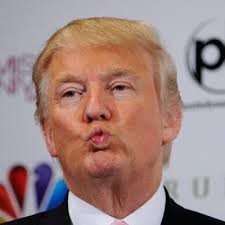
Donald Trump
When the Washington Post broke the story on October 7, the reaction was immediate–and explosive.
The Trump campaign quickly released a statement: “This was locker room banter, a private conversation that took place many years ago. Bill Clinton has said far worse to me on the golf course–not even close. I apologize if anyone was offended.”
During the second Presidential debate on October 9, moderator Anderson Cooper asked Trump: “Have you ever done those things?”
Trump: “And I will tell you–no I have not.”
On October 12, The Palm Beach Post, The New York Times and People all published stories of women claiming to have been sexually assaulted by Trump.
Mindy McGillivray told the Post that Trump groped her buttocks when she visited Mar-a-Lago in Palm Beach, Florida, in 2013.
In December, 2005, People magazine writer Natasha Stoynoff went to Mar-a-Lago to interview Donald and Melania Trump for a first-wedding-anniversary feature story.
During a break in the interview, Trump said he wanted to show Stoynoff around his mansion. There was one “tremendous” room he especially wanted to show her.
According to her account: “We walked into that room alone, and Trump shut the door behind us. I turned around, and within seconds he was pushing me against the wall and forcing his tongue down my throat.”
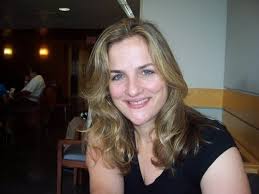
Natasha Stoynoff
Fortunately, Trump’s butler soon entered the room, and Trump acted as though nothing had happened. But as soon as he and Stoynoff were alone again, Trump said: “You know we’re going to have an affair, don’t you?”
Stoynoff asked her editors–and received permission–to be removed from writing any further Trump features.
The Times reported that, more than 30 years ago, Trump had made equally unwelcome advances toward businesswoman Jessica Leeds, then 38.
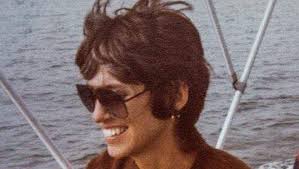
Jessica Leeds
She said she was sitting next to Trump in the first-class cabin of a New York-bound flight when Trump lifted the armrest, grabbed her breasts and tried to put his hand up her skirt.
She fled to the back of the plane.
Another woman who spoke to the Times was Rachel Crooks. She was a 22-year-old receptionist at Bayrock Group, a real estate investment and development company in Trump Tower in Manhattan in 2005.
One morning she came face-to-face with Trump outside an elevator in the building. Knowing that her company did business with him, she introduced herself. They shook hands. But instead of letting go, Trump kissed her cheeks, and then “kissed me directly on the mouth.”
On October 11, questioned by a Times reporter about the women’s claims, Trump shouted: “None of this ever took place.”
He accused the newspaper of inventing accusations to hurt his Presidential candidacy. And he threatened to sue for libel if the Times reported the women’s stories.
On October 13, Trump used Twitter to deny the allegations in the Times and People.
On October 14, at a rally in North Carolina, Trump attacked the character of the women accusing him.
Of Stoynoff, he said: “Take a look. You take a look. Look at her. Look at her words. You tell me what you think. I don’t think so. I don’t think so.”
Calling Jessica Leeds “that horrible woman,” he said: “Believe me, she would not be my first choice, that I can tell you. Whoever she is, wherever she comes from, the stories are total fiction. They’re 100% made up. They never happened.”
At one point during his lengthy outburst, Trump–who’s been married three times and often boasted of his sexual prowess–asked why President Barack Obama hasn’t had similar claims leveled against him.
By October 14, at least 12 women had publicly accused Trump of sexually inappropriate behavior.
2016 PRESIDENTIAL CAMPAIGN, 2016 PRESIDENTIAL DEBATES, ABC NEWS, ACCESS HOLLYWOOD, ADOLF HITLER, ADRIANNE ZUCKER, ANDERSON COOPER, ANTI-SEMITISM, BARACK OBAMA, BILL CLINTON, BILLY BUSH, CBS NEWS, CNN, DAVID IRVING, DAYS OF OUR LIVES, DEBORAH LIPSTADT, DENIAL, DONALD TRUMP, FACEBOOK, HEINRICH HIMMLER, HILLARY CLINTON, HITLER’S WAR, HOLOCAUST, HOLOCAUST DENIAL, JESSICA LEEDS, LIBEL, MAR-A-LAGO, MELANIA TRUMP, MINDY MCGILLIVRAY, NATASHA STOYNOFF, NBC NEWS, PENGUIN BOOKS, PEOPLE MAGAZINE, RACHEL CROOKS, REINHARD HEYDRICH, RICHARD J. EVANS, SEXUAL HARASSMENT, THE CHICAGO SUN-TIMES, THE CHICAGO TRIBUNE, THE HUFFINGTON POST, THE LOS ANGELES, THE NEW YORK TIMES, THE PALM BEACH POST, THE WALL STREET JOURNAL, THE WASHINGTON POST, THIRD REICH, TWITTER, USA TODAY, WORLD WAR 11
In History, Law, Military, Politics, Social commentary on October 24, 2016 at 12:22 am
“Certain things are true,” says the American historian Deborah Lipstadt in the newly-released movie, Denial. “Elvis is dead. The ice caps are melting. And the Holocaust did happen.
“Millions of Jews went to their deaths in camps and open pits in a brutal genocide which was sanctioned and operated by the leaders of the Third Reich. There are some subjects about which two points of view are not equally valid.”
On September 5, 1996, the British author and Holocaust denier David Irving (Timothy Spall in the movie) filed a libel suit against Lipstadt (Rachel Weisz) and her British publisher Penguin Books.

In 1993, in her book, Denying the Holocaust, Lipstadt had called Irving a Holocaust denier and accused him of distorting evidence and manipulating historical documents.
Irving had authored a series of books about the Third Reich and World War II. Among these: The War Path; Hitler’s War; The Trail of the Fox (a biography of Erwin Rommel); and The War Between the Generals (on the infighting among the Allied high command).
Of these, Hitler’s War (1977) was–and remains–the most controversial. Although Irving admitted that the Holocaust had occurred, he claimed that Hitler hadn’t ordered it–or even known about it. He blamed Reichsfuhrer-SS Henirich Himmler and his number-two deputy, Reinhard Heydrich, as its architects.
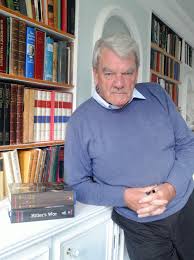
David Irving
For decades, Irving boasted that no one had ever found a written order from Hitler ordering the Holocaust–and offered to pay £1000 to anyone who could find such an order.
In later years, Irving completely denied that the Holocaust had occurred. He claimed that gas chambers had never been used to exterminate Jews and there was no officially-sanctioned Third Reich plan to slaughter European Jewry.
But Irving claimed that Lipstadt’s labeling him a Holocaust denier had tarred him as a disreputable historian–and had thus damaged his professional reputation.
Irving sued in a British court because the burden would be on the defendant to prove that s/he had not committed libel. (In American courts, the plaintiff must not only prove s/he has been libeled, but with actual malice.)
Lipstadt faced a second hurdle: Her lawyers ordered her to not take the witness stand. They wanted to put and keep the focus entirely on Irving–and to make his virulent anti-Semitism the issue in the case.
In her 2005 autobiography, Denial, Lipstadt described the agonies she endured in preparing for–and sitting through–this trial:
“For four years I immersed myself in the works of a man who exuded contempt for me and much of what I believed. I lost many nights of sleep, worried that because of some legal fluke Irving might prevail.”

Deborah Lipstadt
For Lipstadt, more was at stake than the possibility of losing a big chunk of money.
Above all, she feared that an Irving victory would give anti-Semites a legal precedent for “proving” that the extermination of six million Jewish men, women and children hadn’t occurred.
The case was tried in a London court from January to March, 2000.
Entering court on the first morning of trial, Irving assured the assembled reporters that he would be victorious.
Asked where his legal team was, he said he had chosen to represent himself: They might know the law, but he knew the topic–Hitler and the Third Reich.
The outcome was a disaster–for Irving.
Among the expert witnesses testifying on behalf of Lipstadt was Richard J. Evans, professor of modern history at Cambridge University and author of a three-volume history on the Third Reich. In his examination of Irving’s work, Evans found:
“Not one of [Irving’s] books, speeches or articles, not one paragraph, not one sentence in any of them, can be taken on trust as an accurate representation of its historical subject.
“All of them are completely worthless as history, because Irving cannot be trusted anywhere, in any of them, to give a reliable account of what he is talking or writing about. … if we mean by historian someone who is concerned to discover the truth about the past, and to give as accurate a representation of it as possible, then Irving is not a historian.”
Judge Charles Gray found that:
“Irving had for his own ideological reasons persistently and deliberately misrepresented and manipulated historical evidence” and that “for the same reasons, he had portrayed Hitler in an unwarrantedly favorable light, principally in relation to his attitude towards and responsibility for the treatment of the Jews.”
The judge also found that Irving was “an active Holocaust denier; that he was anti-Semitic and racist and that he associated with right-wing extremists who promoted neo-Nazism.”
Irving was discredited as a historian and ordered to pay all of Penguin’s costs of the trial, estimated to be as much as £2 million ($3.2 million in American currency). When Irving didn’t pay, he was forced into bankruptcy and lost his home.
Asked by a reporter, “Will you stop denying the Holocaust on the basis of this judgment?” Irving replied, “Good Lord, no.”
Denying the truth about the past didn’t work for David Irving. Soon America will discover if it works for Donald Trump.
ADOLF HITLER, BARACK OBAMA, BILL CLINTON, CHRIS MATTHEWS, CNN'S "STARTING POINT", CZECHOSLAVAKIA, DARRELL ISSA, DEBT CEILING, EXECUTIVE ORDERS, EXTORTION, FACEBOOK, GEORGE W. BUSH, HOUSE SPEAKER JOHN BOEHNER, immigration reform, JIMMY CARTER, MSNBC'S "HARDBALL", NAZI GERMANY, NEGOTIATING, NEVILLE CHAMBERLAIN, NEWT GINGRICH, NICCOLO MACHIAVELLI, PAP SMEARS, PLANNED PARENTHOOD, POLAND, R.I.CO. ACT, REPUBLICAN PARTY, REPUBLICANS, Ronald Reagan, THE CHICAGO SUN-TIMES, THE CHICAGO TRIBUNE, THE LOS ANGELES TIMES, THE NEW YORK TIMES, THE PRINCE, THE WASHINGTON POST, TITLE X, TWITTER, WARREN BUFFET, WINSTON CHURCHILL, WORLD WAR 11
In Bureaucracy, History, Law, Law Enforcement, Military, Politics, Social commentary on October 19, 2016 at 12:02 am
In 2011, Republicans threatened to destroy the Nation’s credit rating unless their budgetary demands were met.
As Ernst Casier, chairman of philosophy at Hamburg University once warned:
“Those who are willing to risk everything, even death and destruction, to attain their ends will prevail over more responsible and prudent men who have more to lose and are rational, not suicidal.”
Yet President Barack Obama could have ended that threat via the Racketeer Influenced Corrupt Organizations (RICO) Act.
Passed by Congress in 1970, as Title 18, United States Code, Sections 1961-1968, its goal was to destroy the Mafia.
Originally, RICO was aimed at the Mafia and other organized crime syndicates. But in United States v. Turkette, 452 U.S. 576 (1981), the Supreme Court held that RICO applied as well to legitimate enterprises being operated in a criminal manner.
After Turkette, RICO could also be used against corporations, political protest groups, labor unions and loosely knit-groups of people.
Department of Justice
RICO opens with a series of definitions of “racketeering activity” which can be prosecuted by Justice Department attorneys. Among those crimes: Extortion.
Extortion is defined as “a criminal offense which occurs when a person unlawfully obtains either money, property or services from a person(s), entity, or institution, through coercion.”

The RICO Act defines “a pattern of racketeering activity” as “at least two acts of racketeering activity, one of which occurred after the effective date of this chapter and the last of which occurred within ten years…after the commission of a prior act of racketeering activity.”
And if President Obama had believed that RICO was not sufficient to deal with Republicans’ extortion attempts, he could have relied on the USA Patriot Act of 2001, passed in the wake of 9/11.
In Section 802, the Act defines domestic terrorism. Among the behavior that is defined as criminal:
“Activities that…appear to be intended…to influence the policy of a government by intimidation or coercion [and]…occur primarily within the territorial jurisdiction of the United States.”
The remedies for punishing such criminal behavior were now legally in place. President Obama needed only to direct the Justice Department to apply them.
- President Obama could have directed Attorney General Eric Holder to investigate whether actions by Republican Congressman–and their Tea Party cohorts–broke Federal anti-racketeering and/or anti-terrorism laws.
- Holder, in turn, could have ordered the FBI to conduct that investigation.
- If the FBI found sufficient evidence that these laws had been violated, Holder could have convened criminal grand juries to indict those violators.
Criminally investigating and possibly indicting members of Congress would not violate the separation-of-powers principle. Congressmen have in the past been investigated, indicted and convicted for various criminal offenses.
Such indictments and prosecutions–and especially convictions–would have served notice on current and future members of Congress: The lives and fortunes of American citizens may not be held hostage to gain leverage in a political settlement.
In short: Obama could have replaced the law of fear with the rule of law.
But Obama could have stood up to Republican extortionists in another way: By urging his fellow Americans to rally to him in a moment of supreme national danger.
President John F. Kennedy did just that–successfully–during the most dangerous crisis of his administration.
Addressing the Nation on October 22, 1962, Kennedy shocked his fellow citizens by revealing that the Soviet Union had installed offensive nuclear missiles in Cuba.
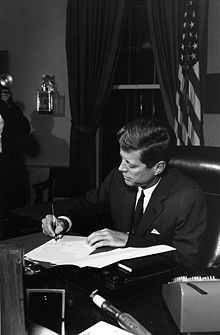
John F. Kennedy
Kennedy outlined a series of steps he had taken to end the crisis–most notably, a blockade of Cuba. Then he sought to reassure and inspire his audience:
“The cost of freedom is always high, but Americans have always paid it. And one path we shall never choose, and that is the path of surrender or submission.”
President Obama could have sent that same message to the extortionists of the Republican Party–by explaining to the American people:
- Republicans have adopted the same my-way-or-else “negotiating” stance as Adolf Hitler.
- Like the Nazis, they are determined to gain absolute power–or destroy the Nation they claim to love.
- They raised the debt ceiling seven times during the eight-year Presidency of George W. Bush.
- But now that a Democrat holds the White House, raising the debt ceiling is unacceptable.
- Despite Republican lies, we cannot revitalize the economy by slashing taxes on the wealthy and on cash-hoarding corporations while cutting benefits for millions of average Americans.
- We will need both tax increases and sensible entitlement cuts to regain our economic strength.
And he could have ended his speech with a direct call for action by the American people:
“We stand on the edge of economic disaster. Therefore, I am asking each of you to stand up for America tonight–by demanding the recall of the entire membership of the Republican Party.
“This is the moment when each of us must decide–whether we will survive as a Republic, or allow ruthless political fanatics to destroy what has lasted and thrived for more than 200 years.”
To paraphrase Winston Churchill: President Obama had to choose between timidity and confrontation.
He chose timidity.
He would get contempt and obstruction at every turn.
ADOLF HITLER, BARACK OBAMA, BILL CLINTON, CHRIS MATTHEWS, CNN'S "STARTING POINT", CZECHOSLAVAKIA, DARRELL ISSA, DEBT CEILING, EXECUTIVE ORDERS, EXTORTION, FACEBOOK, GEORGE W. BUSH, HOUSE SPEAKER JOHN BOEHNER, immigration reform, JIMMY CARTER, MSNBC'S "HARDBALL", NAZI GERMANY, NEGOTIATING, NEVILLE CHAMBERLAIN, NEWT GINGRICH, NICCOLO MACHIAVELLI, PAP SMEARS, PLANNED PARENTHOOD, POLAND, R.I.CO. ACT, REPUBLICAN PARTY, REPUBLICANS, Ronald Reagan, THE CHICAGO SUN-TIMES, THE CHICAGO TRIBUNE, THE LOS ANGELES TIMES, THE NEW YORK TIMES, THE PRINCE, THE WASHINGTON POST, TITLE X, TWITTER, WARREN BUFFET, WINSTON CHURCHILL, WORLD WAR 11
In Bureaucracy, History, Law, Law Enforcement, Military, Politics, Social commentary on October 18, 2016 at 12:02 am
In November, 1995, Newt Gingrich, then Speaker of the House of Representatives, carried out his threat to shut down the government.
Then he unwisely admitted that he did so because President Bill Clinton had put him in the back of Air Force One during a recent trip to Israel.
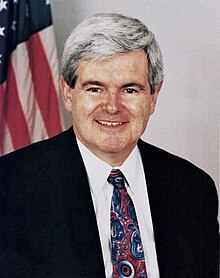
Newt Gingrich
The shutdown proved a disaster for Republicans. Clinton was handily re-elected in 1996 and Gingrich suddenly resigned from Congress in 1998.
Still, the Republicans continued their policy of my-way-or-else.
In April, 2011, the United States government almost shut down over Republican demands about subsidized pap smears.
During a late-night White House meeting with President Barack Obama and key Congressional leaders, Republican House Speaker John Boehner made this threat:
His conference would not approve funding for the government if any money were allowed to flow to Planned Parenthood through Title X legislation.
Facing an April 8 deadline, negotiators worked day and night to strike a compromise–and finally reached one.
Three months later–on July 9–Republican extortionists again threatened the Nation with financial ruin and international disgrace unless their demands were met.

President Obama had offered to make historic cuts in the federal government and the social safety net–on which millions of Americans depend for their most basic needs.
But House Speaker John Boehner rejected that offer. He could not agree to the tax increases that Democrats wanted to impose on the wealthiest 1% as part of the bargain.

John Boehner
As the calendar moved ever closer to the fateful date of August 2, Republican leaders continued to insist: Any deal that includes taxes “can’t pass the House.”
One senior Republican said talks would go right up to–and maybe beyond–the brink of default.
“I think we’ll be here in August,” said Republican Representative Pete Sessions, of Texas. “We are not going to leave town until a proper deal gets done.”
President Obama had previously insisted on extending the debt ceiling through 2012. But in mid-July, he simply asked congressional leaders to review three options with their members:
- The “Grand Bargain” choice—favored by Obama–would cut deficits by about $4 trillion, including spending cuts and new tax revenues.
- A medium-range plan would aim to reduce the deficit by about $2 trillion.
- The smallest option would cut between $1 trillion and $1.5 trillion, without increased tax revenue or any Medicare and Medicaid cuts.
And the Republican response?
Said Rep. Darrell Issa, chairman of the Oversight and Government Reform Committee:“Quite frankly, [Republican] members of Congress are getting tired of what the president won’t do and what the president wants.”
Noted political analyst Chris Matthews summed up the sheer criminality of what happened within the House of Representatives.
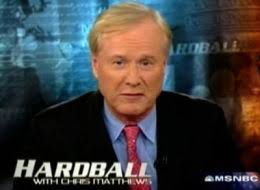
Chris Matthews
Speaking on MSNBC’s “Hardball,” on July 28–five days before Congress reached its August 2 deadline to raise the debt-ceiling–Matthews noted:
“The first people to bow to the demands of those threatening to blow up the economy were the Republicans in the House, the leaders. The leaders did what the followers told them to do: meet the demands, hold up the country to get their way.
“Those followers didn’t win the Senate, or the Presidency, just the House.
“But by using the House they were able to hold up the entire United States government. They threatened to blow things up economically and it worked.
“They said they were willing to do that–just to get their way–not by persuasion, not by politics, not by democratic government, but by threatening the destruction of the country’s finances.
“Right. So what’s next? The power grid? Will they next time threaten to close down the country’s electricity and communications systems?”
With the United States teetering on the brink of national bankruptcy, President Obama faced three choices:
- Prosecute Republican extortionists under the Racketeer Influenced Corrupt Organizations Act;
- Seek to rally the American people against a criminal threat to the financial security of the Nation;
- Cave in to Republican demands.
Unfortunately for Obama and the Nation, he chose Number Three.
A graduate of Columbia University and Harvard Law School, Obama is easily one of the most academically gifted Presidents in United States history.
But for all this, he failed–from the onset of his Presidency–to grasp and apply this fundamental lesson taught by Niccolo Machiavelli, the father of modern political science.
In his classic work on politics, The Prince, Machiavelli warns:
From this arises the question whether it is better to be loved than feared, or feared more than loved.
The reply is, that one ought to be both feared and loved, but as it is difficult for the two to go together, it is much safer to be feared than loved….
Men have less scruple in offending one who makes himself loved than one who makes himself feared. For love is held by a chain of obligations which, men being selfish, is broken whenever it serves their purpose. But fear is maintained by a dread of punishment which never fails.
Obama failed to heed this advice. And, predictably, his sworn enemies–which is what Republicans consider themselves to be–felt free to demonize and obstruct him at every turn.


&docid=EPok_ZIEc87UzM&tbnid=Mz_XfR6ARm69rM%3A&vet=1&w=215&h=309&bih=469&biw=819&ved=0ahUKEwj-7_me_6zQAhXrwlQKHXAtCcIQxiAIAg&iact=c&ictx=1)


 Bureaucracybuster's Blog
2016 PRESIDENTIAL ELECTION, A BRONX TALE, ABC NEWS, ADOLF HITLER, ALTERNET, AMERICABLOG, AP, BABY BOOMER RESISTANCE, BBC, BILL CLINTON, BLOOMBERG NEWS, BUZZFEED, CBS NEWS, CHAZZ PALMINTERI, CNN, CROOKS AND LIARS, DAILY KOS, DONALD TRUMP, FACEBOOK, FBI, FIVETHIRTYEIGHT, HARPER’S MAGAZINE, HILLARY CLINTON, HUFFINGTON POST, IRS, J. EDGAR HOOVER, JOHN F. KENNEDY, LYNDON B. JOHNSON, MEDIA MATTERS, MOTHER JONES, MOVEON, MSNBC, NBC NEWS, NEW REPUBLIC, NEWSDAY, NEWSWEEK, NICCOLO MACHIAVELLI, NPR, PBS NEWSHOUR, POLITICO, POLITICUSUSA, RAW STORY, REPUBLICAN PARTY, REUTERS, RICHARD M. NIXON, ROBERT DE NIRO, ROBERT F. KENNEDY, Ronald Reagan, SALON, SEATTLE TIMES, SLATE, TALKING POINTS MEMO, THE ATLANTIC, THE CHICAGO SUN-TIMES, THE CHICAGO TRIBUNE, THE DAILY BEAST, THE DAILY BLOG, THE GUARDIAN, THE HILL, THE HUFFINGTON POST, THE INTERCEPT, THE LOS ANGELES TIMES, THE NATION, THE NEW REPUBLIC, THE NEW YORK TIMES, THE NEW YORKER, THE PRINCE, THE VILLAGE VOICE, THE WASHINGTON POST, THINKPROGRESS, TIME, TRUTHDIG, TRUTHOUT, TWITTER, U.S. NEWS & WORLD REPORT, UPI
LOVE VS. FEAR: PART TWO (END)
In Bureaucracy, History, Law Enforcement, Military, Politics, Social commentary on December 22, 2016 at 12:18 amIs it better to be loved or feared?
That was the question Florentine statesman Niccolo Machiavelli raised more than 500 years ago.
Presidents have struggled to answer this question—and have come to different conclusions.
LOVE ME, FEAR MY BROTHER
Most people felt irresistibly drawn to John F. Kennedy—even his political foes. Henry Luce, the conservative publisher of Time, once said, “He makes me feel like a whore.”
But JFK could afford to bask in the love of others—because his younger brother, Robert, was the one who inspired fear.
Robert F. Kennedy and John F. Kennedy
He had done so as Chief Counsel for the Senate Rackets Committee (1957-59), grilling Mafia bosses and corrupt union officials—most notably Teamsters President James Hoffa.
Appointed Attorney General by JFK, he unleashed the FBI on the Mafia. When the steel companies colluded in an inflationary rise in the price of steel in 1962, Bobby sicced the FBI on them.
In 1963, JFK’s cavorting with Ellen Rometsh threatened to destroy his Presidency. Rometsch, a Washington, D.C. call girl, was suspected by the FBI of being an East German spy.
With Republican Senators preparing to investigate the rumors, Bobby ordered Rometsch deported immediately (to which, as a German citizen, she was subject).
He also ordered FBI Director J. Edgar Hoover to deliver a warning to the Majority and Minority leaders of the Senate: The Bureau was fully aware of the extramarital trysts of most of its members. And an investigation into the President’s sex life could easily lead into revelations of Senatorial sleaze.
Plans for a Senatorial investigation were shelved.
BEING LOVED AND FEARED
In the 1993 movie, A Bronx Tale, 17-year-old Calogero (Lillo Brancato) asks his idol, the local Mafia capo, Sonny (Chazz Palminteri): “Is it better to be loved or feared?”
Sonny gives advice to his adopted son, Calogero
Sonny says if he had to choose, he would rather be feared. But he adds a warning straight out of Machiavelli: “The trick is not being hated. That’s why I treat my men good, but not too good.
“I give too much, then they don’t need me. I give them just enough where they need me, but they don’t hate me.”
Machiavelli, writing in The Prince, went further:
“Still a Prince should make himself feared in such a way that if he does not gain love, he at any rate avoids hatred, for fear and the absence of hatred may well go together. And [this] will always be attained by one who abstains from interfering with the property of his citizens and subjects or with their women.”
Many who quote Machiavelli in defense of being feared overlook this vital point: It’s essential to avoid becoming hated.
To establish a fearful reputation, a leader must act decisively and ruthlessly when the interests of the organization are threatened. Punitive action must be taken promptly and confidently.
One or two harsh actions of this kind can make a leader more feared than a reign of terror.
In fact, it’s actually dangerous to constantly employ cruelties or punishments. Whoever does so, warns Machiavelli, “is always obliged to stand with knife in hand, and can never depend on his subjects, because they, owing to continually fresh injuries, are unable to depend upon him.”
The 20th century President who came closest to realizing Machiavelli’s “loved and feared” prince was Ronald Reagan.
Always smiling, quick with a one-liner (especially at press conferences), seemingly unflappable, he projected a constantly optimistic view of his country and its citizens.
Ronald Reagan
In his acceptance speech at the 1980 Republican National Convention he declared: “[The Democrats] say that the United States has had its days in the sun, that our nation has passed its zenith.… My fellow citizens, I utterly reject that view.”
And Americans enthusiastically responded to that view, twice electing him President (1980 and 1984).
But there was a steely, ruthless side to Reagan that appeared when he felt crossed.
On August 3, 1981, nearly 13,000 air traffic controllers walked out after contract talks with the Federal Aviation Administration collapsed. As a result, some 7,000 flights across the country were canceled on that day at the peak of the summer travel season.
Reagan branded the strike illegal. He threatened to fire any controller who failed to return to work within 48 hours.
On August 5, Reagan fired more than 11,000 air traffic controllers who hadn’t returned to work. The mass firing slowed commercial air travel, but it did not cripple the system as the strikers had forecast.
Reagan’s action stunned the American labor movement. Reagan was the only American President to have belonged to a union, the Screen Actors Guild. He had even been president of this–from 1947 to 1954.
There were no more strikes by Federal workers during Reagan’s tenure in office.
Similarly, Libya’s dictator, Moammar Kadaffi, learned that Reagan was not a man to cross.
On April 5, 1986, Libyan agents bombed a nightclub in West Berlin, killing three people, one a U.S. serviceman. The United States quickly learned that Libyan agents in East Germany were behind the attack.
On April 15, acting on Reagan’s orders, U.S. Air Force, Navy and Marine Corps bombers struck at several sites in Tripoli and Benghazi. Reportedly, Kaddafi himself narrowly missed becoming a casualty.
There were no more acts of Libyan terrorism against Americans for the rest of Reagan’s term.
Share this: