Posts Tagged ‘BENJAMIN FRANKLIN’
1776 (PLAY), AARON BURR, ABC NEWS, AGING, ALEXANDER HAMILTON, ALTERNET, AMERICABLOG, AP, ASA HUTCHINSON, BABY BOOMER RESISTANCE, BENEDICT ARNOLD, BENJAMIN FRANKLIN, BUZZFEED, CBS NEWS, CHRIS CHRISTIE, CNN, CONGRESS, CROOKS AND LIARS, DAILY KOS, DECLARATION OF INDEPENDENCE, DONALD TRUMP, DOUG BURGUM, ETHAN ALLEN, FIVETHIRTYEIGHT, GEORGE WASHINGTON, GERONTOCRACY, JAMES MADISON, JAMES MONROE, JILL STEIN, JOHN ADAMS, JOHN HANCOCK, JOHN MARSHALL, JOHN PAUL JONES, JOSEPH BIDEN, Kamala Harris, KGB, KONSTANTIN CHERNENKO, LEONID BREZHNEV, MARIANNE WILLIAMSON, MIKHAIL GORBACHEV, MOTHER JONES, MOVEON, MSNBC, NATHAN HALE, NBC NEWS, NEW YORK CITY, NEWSWEEK, NPR, PATRICK HENRY, PAUL REVERE, PBS NEWSHOUR, POLITICO, POLITICUSUSA, RAW STORY, REUTERS, ROBERT F. KENNEDY JR., SALON, SAMUEL ADAMS, SEATTLE TIMES, SLATE, SOVIET UNION, TALKING POINTS MEMO, THE ATLANTIC, THE CHICAGO SUN-TIMES, THE CHICAGO TRIBUNE, THE DAILY BEAST, THE DAILY BLOG, THE GUARDIAN, THE HILL, THE HUFFINGTON POST, THE LOS ANGELES TIMES, THE NATION, THE NEW YORK TIMES, THE WASHINGTON POST, THINKPROGRESS, THOMAS JEFFERSON, THOMAS PAINE, TIME, TRUTHDIG, U.S. NEWS & WORLD REPORT, UPI, USA TODAY, X, YURI ANDROPOV, ZOHRAN MANDANI
In Bureaucracy, History, Medical, Politics, Social commentary on November 24, 2025 at 12:06 am
On November 2, New York City mayoral candidate Zohran Mamdani surprised patrons at a gay night club when he stopped by to campaign at 1 am.
Five hours later, he walked across the Brooklyn Bridge at 6 am.
On the social media platform, Bluesky, a post took notice of this:
“To anyone who’s been awestruck by Zohran’s campaigning stamina in being able to end his night at a gay bar at 1 am and then walk across the Brooklyn Bridge at 6 am….
“This is what happens when you don’t have 76 year old candidates running for office.”
Zohran Mamdani is 34.

Zohran Mamdani
Dmitryshein, CC BY-SA 4.0 <https://creativecommons.org/licenses/by-sa/4.0>, via Wikimedia Commons
On July 4, 1776, representatives of the original Thirteen Colonies met in Philadelphia, Pennsylvania, to affix their signatures to Thomas Jefferson’s Declaration of Independence.
In July, 1776, the ages of key American Revolutionary figures were:
- Marquis de Lafayette, 18
- James Monroe, 18
- Aaron Burr, 20
- John Marshall, 20
- Nathan Hale, 21
- Alexander Hamilton, 21
- James Madison, 25
- John Paul Jones, 28
- Thomas Jefferson, 33
- Benedict Arnold, 35
- Ethan Allen, 38
- John Hancock, 39
- Thomas Paine, 39
- Paul Revere, 41
- George Washington, 44
- Samuel Adams, 53
- Benjamin Franklin, 70

Signing of the Declaration of Independence
Youth was a commonplace among the signers of the Declaration. Their average age was 44.
In the hit play (and later movie) 1776, several members of Congress—including Thomas Jefferson—are surprised to learn that John Adams—who’s 41—still “burns” for his wife Abigail, who’s waiting for him in Boston, Massachusetts.
Today, a nation that once prized youth among its leaders is now moving toward government by gerontocracy.
The average age of members of the House of Representatives is 57.9 years. In the Senate, it’s 64.3.
During 2024, the major Presidential contenders were:
- President Joseph Biden, 81
- Donald Trump, 78
- Robert F. Kennedy Jr, 70
- Jill Stein, 74
- Asa Hutchinson, 72
- Chris Christie, 61
- Doug Burgum, 67
- Marianne Williamson, 71
- Cornel West, 71
- Kamala Harris, 60
A visit to the Soviet Union in the twilight of its 74-year existence reveals where the United States is heading.
In May 1982, 75-year-old General Secretary Leonid Brezhnev, suffered a severe stroke. He had ruled the U.S.S.R. since 1964, but by the early 1980s he was essentially a figurehead. On November 10, 1982, he finally died of a heart attack.
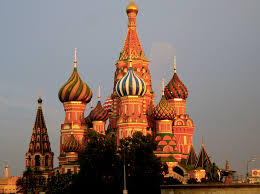
The Kremlin
Succeeding Brezhnev was Yuri Andropov, 69, who until May, 1982, had been chief of the KGB.
Andropov suffered from kidney failure and was often on dialysis. By December, 1983, after barely more than a year in office, he was totally bedridden. On February 9, 1984, he joined Brezhnev at the great Party Congress in the sky.
Andropov had realized that the Soviet Union needed a younger and more energetic ruler. Not long before he died he suggested that Mikhail Gorbachev, his aide, succeed him.
But the Central Committee instead chose Konstantin Chernenko, who, at 72, was older than Andropov. On February 13, 1984, he became the U.S.S.R.’s third leader in a year and a half.
Suffering from emphysema, occasional heart failure and liver disease from alcohol, Chernenko died on March 10, 1985.
Only then did Kremlin rulers decide to choose a General Secretary who was likely to live more than one or two years. One day after Chernenko died, the Politburo chose Gorbachev, a relatively young 54.
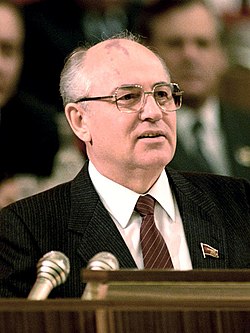
Mikhail Gorbachev
RIA Novosti archive, image #850809 / Vladimir Vyatkin / CC-BY-SA 3.0, CC BY-SA 3.0 <https://creativecommons.org/licenses/by-sa/3.0>, via Wikimedia Commons
Gorbachev survived to retire as President of the Soviet Union on December 25, 1991.
So what does this mean for old men and women seeking the White House?
According to Dr. Michael Roizen, Presidents effectively age twice as fast while in office. Roizen, a chief wellness officer at the Cleveland Clinic and co-founder of RealAge.com, bases his opinion on his research of medical records of previous presidents, back to Theodore Roosevelt.
“The main cause is what we call unrequited stress—they don’t have enough friends to mitigate the stress. The major way most of us handle stress is through a number of techniques, but the most prominent way is to discuss it with friends.
“The problem with presidents is, some of them lose friends, and the closest friend they have is usually the spouse.”
Thus, a person who has been president eight years has the risk of disability or dying of someone who is 16 years older. When you’re already in your late 60s or early 70s, that doesn’t give you much room for risk-taking.
Of course, given America’s Politically Correct social norms, pointing out the disadvantages of combing extreme age with extreme pressure is taboo for many persons.
Julian Castro found this out when, in a debate, he questioned Joseph Biden’s mental acuity.
“In a cultural way, it shocked me,” said Gerson Borrero, a New York City political commentator. “We respect our elders—there may be a point where we smile at their ‘disparates’ (gaffes), but at the same time we stay respectful.”
As the United States approaches the 2028 Presidential election, the perils of gerontocracy loom even larger: Donald Trump has “hinted” he wants to run for a third term in 2028.
Even if he weren’t barred from a third term by the Constitution’s 22nd Amendment, he would be 82 years old when he took office in 2029.
FBI agents have a mandatory retirement age of 57. Airplane pilots must retire at 65. Air traffic controllers must leave at 56.
It’s past time to bring a mandatory retirement age to members of Congress and the Presidency.
2020 PRESIDENTIAL ELECTION, ABC NEWS, ABORTION, AGUSTO PINOCHET, ALTERNET, AMERICABLOG, AMERICAN EXCEPTIONALISM, AMERICAN RECKONING: THE VIETNAM WAR AND OUR NATIONAL IDENTITY (BOOK), AP, AYATOLLAH RUHOLLAH KHOMEINI, BABY BOOMER RESISTANCE, BBC, BENJAMIN FRANKLIN, BIBLE BELT, BLOOMBERG NEWS, BUZZFEED, CBS NEWS, CHILE, CHINA, CHRISTIAN G. APPY, CIA, CIVIL RIGHTS ACT, CIVIL WAR, CNN, COAL MINING, CROOKS AND LIARS, DAILY KOS, DEMOCRATS, DONALD TRUMP, DRUG OVERDOSES, DWIGHT EISENHOWER, EDUCATION, FIVETHIRTYEIGHT, FUNDAMENTALIST CHRISTIANS, GERMANY, GUATEMALA, HARPER’S MAGAZINE, HISTORY, HUFFINGTON POST, INDIA, IRAN, ITALY, JACOBO ARBENZ, JAPAN, JOHN F. KENNEDY, JOSEPH R. BIDEN, LYNDON B. JOHNSON, MEDIA MATTERS, MOHAMMED MOSADDEGH, MOHAMMED-REZA SHAH PHLAVI, MOTHER JONES, MOVEON, MSNBC, MYTHS, NARENDRA MODI, NBC NEWS, NEW REPUBLIC, NEWSDAY, NEWSWEEK, NICARAGUA, NPR, OPIOD ADDICTION, PBS NEWSHOUR, POLITICO, POLITICS, POLITICUSUSA, PORNOGRAPHY, POVERTY, RAW STORY, RELIGIOUS CONSERVATIVES, REPUBLICANS, REUTERS, RICHARD NIXON, ROE V. WADE, RURAL AMERICA, SALON, SALVADORE ALLENDE, SEATTLE TIMES, SLATE, SMOKING, STEEL INDUSTRY, TALKING POINTS MEMO, THE ATLANTIC, THE CHICAGO SUN-TIMES, THE CHICAGO TRIBUNE, THE DAILY BEAST, THE DAILY BLOG, THE GUARDIAN, THE HILL, THE HUFFINGTON POST, THE INTERCEPT, THE LOS ANGELES TIMES, THE NATION, THE NEW REPUBLIC, THE NEW YORK TIMES, THE NEW YORKER, THE VILLAGE VOICE, THE WASHINGTON POST, THINKPROGRESS, THOMAS EDISON, TIME, TRUTHDIG, TRUTHOUT, U.S. NEWS & WORLD REPORT, UNITED STATES, UNITED STATES SUPREME COURT, UPI, USA TODAY, VIETNAM WAR, VOTER IGNORANCE, WORLD WAR 11, X
In Bureaucracy, History, Law, Law Enforcement, Politics, Social commentary on February 21, 2025 at 12:44 am
Americans live by a series of myths—myths they would be wise to abandon. Some are embraced by liberals, others by conservatives, and still others by both.
Myth 4: Americans are knowledgeable about their own history—and that of other nations.
Americans’ ignorance of history—their own and that of other nations—has long been a scandal.
- A 2018 national survey by the Institute for Citizens & Scholars found that only one in three Americans (36%) can actually pass a multiple choice test consisting of items taken from the U.S. Citizenship Test.
- More than half of respondents (60%) didn’t know which countries the United States fought in World War II (Germany, Italy and Japan).
- Only 24% correctly identified one thing Benjamin Franklin was famous for; 37% believed he invented the lightbulb (that inventor was Thomas Edison).
- Twelve percent incorrectly thought WWII General Dwight Eisenhower led troops in the Civil War; six percent thought he was a Vietnam War general.

if Americans are flagrantly ignorant of their own history, they are even worse at the history of other countries.
A major reason for this lies in Americans’ belief that other nations aren’t worth bothering about except when they threaten us. During the Vietnam war, soldiers referred to the United States as “The World”—as if the rest of the planet didn’t exist.
Americans, protected from Europe by the Atlantic Ocean and the Far East by the Pacific Ocean, allowed geography to isolate themselves from the messiness of the rest of the world.
Donald Trump, as President, gave a frightening example of this during a conversation with Indian Prime Minister Narendra Modi: “It’s not like you’ve got China on your border.” In fact, India does share a border with China.
Myth 5: The “Bible Belt” (the Deep South) is the spiritual capitol of America.
On the contrary:
- A 2015 study published in the Archives of Sexual Behavior found that religious conservatives search more for online pornography on Google than anyone else.
- Educational attainment and college graduation rates in the Bible Belt are among the lowest in the nation.
- Smoking rates are high in West Virginia, Kentucky, Arkansas, Tennessee, Louisiana, and Mississippi—and so are rates for smoking-related diseases and deaths.
- Heart disease, obesity, homicide and teenage pregnancies are among the highest in the nation.
Myth 6: Americans are health-conscious.
Comparing the United States with Australia, Austria, Canada, Denmark, Finland, France, Germany, Italy, Japan, Norway, Portugal, Spain, Sweden, Switzerland, the Netherlands, and the United Kingdom, the National Institutes of Health found:
- The United States has the second highest prevalence of HIV infections and the highest incidence of AIDS.
- Americans lose more years of life to alcohol and other drugs than people in peer countries.
- From age 20 onward, U.S. adults have among the highest prevalence rates of diabetes.
- The U.S. death rate from ischemic heart disease is the second highest.
- Lung disease is more prevalent in the United States.
Myth 7: Americans only support democratic regimes.
The United States has long supported foreign dictators—so long as they’re reliably Right-wing.
- Between 1898 and 1934, the United States repeatedly intervened with military force in Central America and the Caribbean.
- The United States occupied Nicaragua almost continuously from 1912 to 1933. Its legacy was the imposition of the tyrannical Somoza family, which ruled from 1936 to 1979.
- In 1953, the Eisenhower administration ordered the CIA to overthrew the democratically-elected government of of Iranian Prime Minister Mohammad Mosaddegh. His crime: Nationalizing the Iranian oil industry, which had been under British control since 1913.

- He was succeeded by Mohammad-Reza Shah Phlavi, a dictator who depended on United States government support to retain power until he was overthrown in 1979 by the Ayatollah Ruhollah Khomeini.
- In 1954, the CIA overthrew the democratically-elected government of Guatemalan President Jacobo Arbenz. His crime: Installing a series of reforms that expanded the right to vote, allowed workers to organize, legitimized political parties and allowed public debate.
- In 1970, President Richard M. Nixon ordered the CIA to prevent Marxist Salvador Allende from being democratically elected as president of Chile. When that failed, he ordered the CIA to overthrow Allende.
- His crime: A series of liberal reforms, including nationalizing large-scale industries (notably copper mining and banking).
- in 1973, he was overthrown by Chilean army units and national police. He was followed by Right-wing dictator Augusto Pinochet, who slaughtered 3,200 political dissidents, imprisoned 30,000 and forced another 200,000 Chileans into exile.
* * * * * * * * * *
Behind these myths: The belief in “American exceptionalism”—that the United States is unlike other nations in its innocence and steadfast dedication to human rights above all else.
Wrote Christian G. Appy, in his 2015 book, American Reckoning: The Vietnam War and Our National Identity:
“It was still unimaginable to most Americans that their own nation would wage aggressive war and justify it with unfounded claims, that it would support undemocratic governments reviled by their own people, and that American troops would be sent to fight in countries where they were widely regarded not as liberators but as imperialist invaders.”
For millions, that belief died a horrific death during the Vietnam war. Yet so long as millions remain convinced that America is guided by God and that its people are His faithful servants, these myths will remain vividly alive.
2020 PRESIDENTIAL ELECTION, ABC NEWS, ABORTION, AGUSTO PINOCHET, ALTERNET, AMERICABLOG, AMERICAN EXCEPTIONALISM, AMERICAN RECKONING: THE VIETNAM WAR AND OUR NATIONAL IDENTITY (BOOK), AP, AYATOLLAH RUHOLLAH KHOMEINI, BABY BOOMER RESISTANCE, BBC, BENJAMIN FRANKLIN, BIBLE BELT, BLOOMBERG NEWS, BUZZFEED, CBS NEWS, CHILE, CHINA, CHRISTIAN G. APPY, CIA, CIVIL RIGHTS ACT, CIVIL WAR, CNN, COAL MINING, CROOKS AND LIARS, DAILY KOS, DEMOCRATS, DONALD TRUMP, DRUG OVERDOSES, DWIGHT EISENHOWER, EDUCATION, FIVETHIRTYEIGHT, FUNDAMENTALIST CHRISTIANS, GERMANY, GUATEMALA, HARPER’S MAGAZINE, HISTORY, HUFFINGTON POST, INDIA, IRAN, ITALY, JACOBO ARBENZ, JAPAN, JOHN F. KENNEDY, JOSEPH R. BIDEN, LYNDON B. JOHNSON, MEDIA MATTERS, MOHAMMED MOSADDEGH, MOHAMMED-REZA SHAH PHLAVI, MOTHER JONES, MOVEON, MSNBC, MYTHS, NARENDRA MODI, NBC NEWS, NEW REPUBLIC, NEWSDAY, NEWSWEEK, NICARAGUA, NPR, OPIOD ADDICTION, PBS NEWSHOUR, POLITICO, POLITICS, POLITICUSUSA, PORNOGRAPHY, POVERTY, RAW STORY, RELIGIOUS CONSERVATIVES, REPUBLICANS, REUTERS, RICHARD NIXON, ROE V. WADE, RURAL AMERICA, SALON, SALVADORE ALLENDE, SEATTLE TIMES, SLATE, SMOKING, STEEL INDUSTRY, TALKING POINTS MEMO, THE ATLANTIC, THE CHICAGO SUN-TIMES, THE CHICAGO TRIBUNE, THE DAILY BEAST, THE DAILY BLOG, THE GUARDIAN, THE HILL, THE HUFFINGTON POST, THE INTERCEPT, THE LOS ANGELES TIMES, THE NATION, THE NEW REPUBLIC, THE NEW YORK TIMES, THE NEW YORKER, THE VILLAGE VOICE, THE WASHINGTON POST, THINKPROGRESS, THOMAS EDISON, TIME, TRUTHDIG, TRUTHOUT, U.S. NEWS & WORLD REPORT, UNITED STATES, UNITED STATES SUPREME COURT, UPI, USA TODAY, VIETNAM WAR, VOTER IGNORANCE, WORLD WAR 11, X
In Bureaucracy, History, Law, Law Enforcement, Politics, Social commentary on February 20, 2025 at 12:44 am
“The great enemy of truth is very often not the lie—deliberate, contrived and dishonest—but the myth, persistent, persuasive and unrealistic. Too often we hold fast to the clichés of our forebears. We subject all facts to a prefabricated set of interpretations. We enjoy the comfort of opinion without the discomfort of thought.”
—John F. Kennedy
Americans live by a series of myths—myths they would be the wiser to abandon. Some are embraced by liberals, others by conservatives, and still others by both.
Myth 1: Americans are highly educated.
According to the 2020 U.S. Census:
- In 2022, the highest level of education of the population age 25 and older in the United States ranged from less than high school to advanced degrees beyond a bachelor’s degree;
- 9% had less than a high school diploma or equivalent;
- 28% had high school as their highest level of school completed;
- 15% had completed some college but didn’t have a degree;
- 10% had an associate degree;
- 23% had a bachelor’s degree;
- 14% had completed advanced education such as a master’s degree, professional degree or doctorate.
Myth 2: Rural America is the repository of old-fashioned virtues.
Years of “hayseed” comedies such as “The Beverly Hillbillies,” “The Real McCoys,” “Green Acres” and “Petticoat Junction” convinced millions of Americans: If you want to find the “real” America, move to rural America.
If rural America is where you’ll find the “real” Americans, the future of the United States lies in peril.

Marshall County, Indiana
Derek Jensen (Tysto), CC BY 2.0 <https://creativecommons.org/licenses/by/2.0>, via Wikimedia Commons
- Rural Americans overwhelmingly support Donald Trump—who refused to accept defeat in a legitimate Presidential election, schemed to overturn the voters’ decision, and finally incited an attack on Congress to illegally remain in office.
- Rural America is home to fundamentalist Christians, who demand an end to legalized abortion and birth control—and thus hope to gain dictatorial control over women’s lives. They brand pro-choice Democrats as “baby killers.”
- During the 2020 Presidential election, Joe Biden won 91 of the nation’s 100 largest counties, but hardly anywhere else.
- Trump won about five times as many counties. Democrats are thriving in major metropolitan areas, but tanking elsewhere.
- Rather than being a Garden of Eden, rural America shares many big-city ills, such as crime, opioid addiction and a decline in life expectancy.
- Nearly all of the economic growth that occurred between the Great Recession and the start of the pandemic happened in a small number of metropolitan areas, making rural residents feel that the recession had never ended.
- Rural Americans refuse to abandon industries that are now dying out—such as in coal mining and steel.
- Trump promised—falsely—to bring those jobs back. Rural voters have forgiven him for this because he delivered on cultural issues—such as appointing anti-abortion Justices to the Supreme Court who overturned Roe v. Wade.
- Nearly half (46.7 percent) of all people living in rural areas are in the South.
- For a century following the Civil War (1861-1865) the South was accurately known as a Democratic stronghold. But that changed after Democratic President Lyndon B. Johnson signed the 1964 Civil Rights Act into law.
- In short: When Democrats went from suppressing black rights to protecting them, the great mass of white, racist rural Southerners moved to the Republican party.
Myth 3: Most Americans take a vital interest in politics.
Most Americans are dismayingly ignorant of politics at all levels—local, state and federal.
- The attempted coup of January 6, 2021, was largely fueled by ignorance. The rioters believed that Donald Trump was the real winner of the 2020 election, and that Joe Biden had “stolen” it through fraud.
- They clung to this belief, despite overwhelming evidence to the contrary, including numerous court decisions rejecting GOP claims of fraud, many of them authored by conservative, Republican-appointed judges.
- And this ignorance continues: A large majority of rural Republicans still believe that Biden was an illegitimate President—just 21% say that he “probably” or “definitely” won.
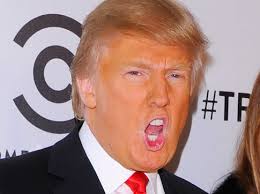
Donald Trump
- Most Americans don’t know the names of their state and federal representatives or even the names of the three branches of government.
- Only one third of Americans can name the three branches of our federal government: executive, legislative, judicial.
- Most voters overestimate the percentage of the federal budget spends on foreign aid (actually, about 1%). Yet they underestimate the amount going to entitlement programs, such as Medicare and Social Security. As a result, they believe we can solve our fiscal problems without either cutting entitlements or raising taxes on the vast majority of Americans.
- Voters also often reward or punish elected officials for events they did not cause, such as short-term economic trends or droughts.
Such ignorance makes people more susceptible to lies and conspiracy theories, including those about the 2020 election.
Myth 4: Americans take pride in their history.
Americans’ ignorance of history—their own and that of other nations—has long been a scandal.
- A 2018 national survey by the Institute for Citizens & Scholars found that only one in three Americans (36%) can actually pass a multiple choice test consisting of items taken from the U.S. Citizenship Test.
- More than half of respondents (60%) didn’t know which countries the United States fought in World War II (Germany, Italy and Japan).
2020 PRESIDENTIAL ELECTION, ABC NEWS, ABORTION, AGUSTO PINOCHET, ALTERNET, AMERICABLOG, AMERICAN EXCEPTIONALISM, AMERICAN RECKONING: THE VIETNAM WAR AND OUR NATIONAL IDENTITY (BOOK), AP, AYATOLLAH RUHOLLAH KHOMEINI, BABY BOOMER RESISTANCE, BBC, BENJAMIN FRANKLIN, BIBLE BELT, BLOOMBERG NEWS, BUZZFEED, CBS NEWS, CHILE, CHINA, CHRISTIAN G. APPY, CIA, CIVIL RIGHTS ACT, CIVIL WAR, CNN, COAL MINING, CROOKS AND LIARS, DAILY KOS, DEMOCRATS, DONALD TRUMP, DRUG OVERDOSES, DWIGHT EISENHOWER, EDUCATION, FIVETHIRTYEIGHT, FUNDAMENTALIST CHRISTIANS, GERMANY, GUATEMALA, HARPER’S MAGAZINE, HISTORY, HUFFINGTON POST, INDIA, IRAN, ITALY, JACOBO ARBENZ, JAPAN, JOHN F. KENNEDY, JOSEPH R. BIDEN, LYNDON B. JOHNSON, MEDIA MATTERS, MOHAMMED MOSADDEGH, MOHAMMED-REZA SHAH PHLAVI, MOTHER JONES, MOVEON, MSNBC, MYTHS, NARENDRA MODI, NBC NEWS, NEW REPUBLIC, NEWSDAY, NEWSWEEK, NICARAGUA, NPR, OPIOD ADDICTION, PBS NEWSHOUR, POLITICO, POLITICS, POLITICUSUSA, PORNOGRAPHY, POVERTY, RAW STORY, RELIGIOUS CONSERVATIVES, REPUBLICANS, REUTERS, RICHARD NIXON, ROE V. WADE, RURAL AMERICA, SALON, SALVADORE ALLENDE, SEATTLE TIMES, SLATE, SMOKING, STEEL INDUSTRY, TALKING POINTS MEMO, THE ATLANTIC, THE CHICAGO SUN-TIMES, THE CHICAGO TRIBUNE, THE DAILY BEAST, THE DAILY BLOG, THE GUARDIAN, THE HILL, THE HUFFINGTON POST, THE INTERCEPT, THE LOS ANGELES TIMES, THE NATION, THE NEW REPUBLIC, THE NEW YORK TIMES, THE NEW YORKER, THE VILLAGE VOICE, THE WASHINGTON POST, THINKPROGRESS, THOMAS EDISON, TIME, TRUTHDIG, TRUTHOUT, TWITTER, U.S. NEWS & WORLD REPORT, UNITED STATES, UNITED STATES SUPREME COURT, UPI, USA TODAY, VIETNAM WAR, VOTER IGNORANCE, WORLD WAR 11
In Bureaucracy, History, Law, Law Enforcement, Politics, Social commentary on May 17, 2024 at 12:10 am
Americans live by a series of myths—myths they would be the wiser to abandon. Some are embraced by liberals, others by conservatives, and still others by both.
Myth 4: Americans are knowledgeable about their own history—and that of other nations.
Americans’ ignorance of history—their own and that of other nations—has long been a scandal.
- A 2018 national survey by the Institute for Citizens & Scholars found that only one in three Americans (36%) can actually pass a multiple choice test consisting of items taken from the U.S. Citizenship Test.
- More than half of respondents (60%) didn’t know which countries the United States fought in World War II (Germany, Italy and Japan).
- Only 24% correctly identified one thing Benjamin Franklin was famous for; 37% believed he invented the lightbulb (that inventor was Thomas Edison).
- Twelve percent incorrectly thought WWII General Dwight Eisenhower led troops in the Civil War; six percent thought he was a Vietnam War general.
if Americans are flagrantly ignorant of their own history, they are even worse at the history of other countries.
A major reason for this lies in Americans’ belief that other nations aren’t worth bothering about except when they threaten us. During the Vietnam war, soldiers referred to the United States as “The World”—as if the rest of the planet didn’t exist.
Americans, protected from Europe by the Atlantic Ocean and the Far East by the Pacific Ocean, allowed geography to isolate themselves from the messiness of the rest of the world.
Donald Trump, as President, gave a frightening example of this during a conversation with Indian Prime Minister Narendra Modi: “It’s not like you’ve got China on your border.” In fact, India does share a border with China.
Myth 5: The “Bible Belt” (the Deep South) is the spiritual capitol of America.
You won’t find these truths on “Green Acres” or “The Andy Griffith Show” but they form a stain on rural America that can’t be ignored:
- A 2015 study published in the Archives of Sexual Behavior found that religious conservatives search more for online pornography on Google than anyone else.
- Educational attainment and college graduation rates in the Bible Belt are among the lowest in the nation.
- Smoking rates are high in West Virginia, Kentucky, Arkansas, Tennessee, Louisiana, and Mississippi—and so are rates for smoking-related diseases and deaths.
- Heart disease, obesity, homicide and teenage pregnancies are among the highest in the nation.
Myth 6: Americans are health-conscious.
The United States is experiencing an epidemic of drug overdose deaths. In 2020, the age-adjusted rate of drug overdose deaths increased 31% compared to 2019.
Adults aged 35-44 experienced the highest rates of drug overdose deaths while young people aged 15-24 experienced the greatest percentage increase in deaths.

In 2019:
- 12 million Americans 12 or older used marijuana
- 9.1 million Americans used tobacco
- 14.5 million Americans aged 12 or older used alcohol
- 9.7 million people misused pain relievers
- 6 million people misused hallucinogens
- 5.9 million people misused depressants
- 5.5 million people misused cocaine
- 4.9 million people misused prescription stimulants
- 2.1 million people misused inhalants
- 2 million people used meth
- 745,000 Americans used heroin
Myth 7: Americans only support democratic regimes.
The United States has long supported foreign dictators—so long as they’re reliably Right-wing.
- Between 1898 and 1934, the United States repeatedly intervened with military force in Central America and the Caribbean.
- The United States occupied Nicaragua almost continuously from 1912 to 1933. Its legacy was the imposition of the tyrannical Somoza family, which ruled from 1936 to 1979.
- In 1953, the Eisenhower administration ordered the CIA to overthrew the democratically-elected government of of Iranian Prime Minister Mohammad Mosaddegh. His crime: Nationalizing the Iranian oil industry, which had been under British control since 1913.
- He was succeeded by Mohammad-Reza Shah Phlavi, a dictator who depended on United States government support to retain power until he was overthrown in 1979 by the Ayatollah Ruhollah Khomeini.
- In 1954, the CIA overthrew the democratically-elected government of Guatemalan President Jacobo Arbenz. His crime: Installing a series of reforms that expanded the right to vote, allowed workers to organize, legitimized political parties and allowed public debate.
- In 1970, President Richard M. Nixon ordered the CIA to prevent Marxist Salvador Allende from being democratically elected as president of Chile. When that failed, he ordered the CIA to overthrow Allende.
- His crime: A series of liberal reforms, including nationalizing large-scale industries (notably copper mining and banking).
- in 1973, he was overthrown by Chilean army units and national police. He was followed by Right-wing dictator Augusto Pinochet, who slaughtered 3,200 political dissidents, imprisoned 30,000 and forced another 200,000 Chileans into exile.
* * * * * * * * * *
Behind these myths: The belief in “American exceptionalism”—that the United States is unlike other nations in its innocence and steadfast dedication to human rights above all else.
Wrote Christian G. Appy, in his 2015 book, American Reckoning: The Vietnam War and Our National Identity:
“It was still unimaginable to most Americans that their own nation would wage aggressive war and justify it with unfounded claims, that it would support undemocratic governments reviled by their own people, and that American troops would be sent to fight in countries where they were widely regarded not as liberators but as imperialist invaders.”
For millions, that belief died a horrific death during the Vietnam war. Yet so long as millions remain convinced that America is guided by God and that its people are His faithful servants, these myths will remain vividly alive.
2020 PRESIDENTIAL ELECTION, ABC NEWS, ABORTION, AGUSTO PINOCHET, ALTERNET, AMERICABLOG, AMERICAN EXCEPTIONALISM, AMERICAN RECKONING: THE VIETNAM WAR AND OUR NATIONAL IDENTITY (BOOK), AP, AYATOLLAH RUHOLLAH KHOMEINI, BABY BOOMER RESISTANCE, BBC, BENJAMIN FRANKLIN, BIBLE BELT, BLOOMBERG NEWS, BUZZFEED, CBS NEWS, CHILE, CHINA, CHRISTIAN G. APPY, CIA, CIVIL RIGHTS ACT, CIVIL WAR, CNN, COAL MINING, CROOKS AND LIARS, DAILY KOS, DEMOCRATS, DONALD TRUMP, DRUG OVERDOSES, DWIGHT EISENHOWER, EDUCATION, FIVETHIRTYEIGHT, FUNDAMENTALIST CHRISTIANS, GERMANY, GUATEMALA, HARPER’S MAGAZINE, HISTORY, HUFFINGTON POST, INDIA, IRAN, ITALY, JACOBO ARBENZ, JAPAN, JOHN F. KENNEDY, JOSEPH R. BIDEN, LYNDON B. JOHNSON, MEDIA MATTERS, MOHAMMED MOSADDEGH, MOHAMMED-REZA SHAH PHLAVI, MOTHER JONES, MOVEON, MSNBC, MYTHS, NARENDRA MODI, NBC NEWS, NEW REPUBLIC, NEWSDAY, NEWSWEEK, NICARAGUA, NPR, OPIOD ADDICTION, PBS NEWSHOUR, POLITICO, POLITICS, POLITICUSUSA, PORNOGRAPHY, POVERTY, RAW STORY, RELIGIOUS CONSERVATIVES, REPUBLICANS, REUTERS, RICHARD NIXON, ROE V. WADE, RURAL AMERICA, SALON, SALVADORE ALLENDE, SEATTLE TIMES, SLATE, SMOKING, STEEL INDUSTRY, TALKING POINTS MEMO, THE ATLANTIC, THE CHICAGO SUN-TIMES, THE CHICAGO TRIBUNE, THE DAILY BEAST, THE DAILY BLOG, THE GUARDIAN, THE HILL, THE HUFFINGTON POST, THE INTERCEPT, THE LOS ANGELES TIMES, THE NATION, THE NEW REPUBLIC, THE NEW YORK TIMES, THE NEW YORKER, THE VILLAGE VOICE, THE WASHINGTON POST, THINKPROGRESS, THOMAS EDISON, TIME, TRUTHDIG, TRUTHOUT, TWITTER, U.S. NEWS & WORLD REPORT, UNITED STATES, UNITED STATES SUPREME COURT, UPI, USA TODAY, VIETNAM WAR, VOTER IGNORANCE, WORLD WAR 11
In Bureaucracy, History, Law, Law Enforcement, Politics, Social commentary on May 16, 2024 at 1:33 am
“The great enemy of truth is very often not the lie—deliberate, contrived and dishonest—but the myth, persistent, persuasive and unrealistic. Too often we hold fast to the clichés of our forebears. We subject all facts to a prefabricated set of interpretations. We enjoy the comfort of opinion without the discomfort of thought.”
—John F. Kennedy
Americans live by a series of myths—myths they would be the wiser to abandon. Some are embraced by liberals, others by conservatives, and still others by both.
Myth 1: Americans are highly educated.
According to the 2020 U.S. Census:
- In 2022, the highest level of education of the population age 25 and older in the United States ranged from less than high school to advanced degrees beyond a bachelor’s degree.
- 9% had less than a high school diploma or equivalent;
- 28% had high school as their highest level of school completed;
- 15% had completed some college but didn’t have a degree;
- 10% had an associate degree;
- 23% had a bachelor’s degree;
- 14% had completed advanced education such as a master’s degree, professional degree or doctorate.
Myth 2: Rural America is the repository of old-fashioned virtues.
Years of “hayseed” comedies such as “The Beverly Hillbillies,” “The Real McCoys,” “Green Acres” and “Petticoat Junction” convinced millions of Americans: If you want to find the “real” America, move to rural America.
If rural America is where you’ll find the “real” Americans, the future of the United States lies in peril.
Marshall County, Indiana
Derek Jensen (Tysto), CC BY 2.0 <https://creativecommons.org/licenses/by/2.0>, via Wikimedia Commons
- Rural Americans overwhelmingly support Donald Trump—who refused to accept defeat in a legitimate Presidential election, schemed to overturn the voters’ decision, and finally incited an attack on Congress to illegally remain in office.
- Rural America is home to fundamentalist Christians, who demand an end to legalized abortion and birth control—and thus hope to gain dictatorial control over women’s lives. They brand pro-choice Democrats as “baby killers.”
- During the 2020 Presidential election, Joe Biden won 91 of the nation’s 100 largest counties, but hardly anywhere else.
- Trump won about five times as many counties. Democrats are thriving in major metropolitan areas, but tanking elsewhere.
- Rather than being a Garden of Eden, rural America shares many big-city ills, such as crime, opioid addiction and a decline in life expectancy.
- Nearly all of the economic growth that occurred between the Great Recession and the start of the pandemic happened in a small number of metropolitan areas, making rural residents feel that the recession had never ended.
- Rural Americans refuse to abandon industries that are now dying out—such as in coal mining and steel.
- Trump promised—falsely—to bring those jobs back. Rural voters have forgiven him for this because he delivered on cultural issues—such as appointing anti-abortion Justices to the Supreme Court who overturned Roe v. Wade.
- Nearly half (46.7 percent) of all people living in rural areas are in the South. For a century following the Civil War (1861-1865) the South was accurately known as a Democratic stronghold. But that changed after Democratic President Lyndon B. Johnson signed the 1964 Civil Rights Act into law.
- In short: When Democrats went from suppressing black rights to protecting them, the great mass of white, racist rural Southerners moved to the Republican party.
Myth 3: Most Americans take a vital interest in politics.
Most Americans are dismayingly ignorant of politics at all levels—local, state and federal.
- The attempted coup of January 6, 2021, was largely fueled by ignorance. The rioters believed that Donald Trump was the real winner of the 2020 election, and that Joe Biden had “stolen” it through fraud.
- They clung to this belief, despite overwhelming evidence to the contrary, including numerous court decisions rejecting GOP claims of fraud, many of them authored by conservative, Republican-appointed judges.
- And this ignorance continues: A large majority of rural Republicans still believe that Biden is an illegitimate President—just 21% say that he “probably” or “definitely” won.
Donald Trump
- Most Americans don’t know the names of their state and federal representatives or even the names of the three branches of government.
- Only one third of Americans can name the three branches of our federal government: executive, legislative, judicial.
- Most voters overestimate the percentage of the federal budget spends on foreign aid (actually, about 1%). Yet they underestimate the amount going to entitlement programs, such as Medicare and Social Security. As a result, they believe we can solve our fiscal problems without either cutting entitlements or raising taxes on the vast majority of Americans.
- Voters also often reward or punish elected officials for events they did not cause, such as short-term economic trends or droughts.
Such ignorance makes people more susceptible to lies and conspiracy theories, including those about the 2020 election.
Myth 4: Americans take pride in their history.
Americans’ ignorance of history—their own and that of other nations—has long been a scandal.
- A 2018 national survey by the Institute for Citizens & Scholars found that only one in three Americans (36%) can actually pass a multiple choice test consisting of items taken from the U.S. Citizenship Test.
- More than half of respondents (60%) didn’t know which countries the United States fought in World War II (Germany, Italy and Japan).
1776 (PLAY), AARON BURR, ABC NEWS, AGING, ALEXANDER HAMILTON, ALTERNET, AMERICABLOG, AP, BABY BOOMER RESISTANCE, BENEDICT ARNOLD, BENJAMIN FRANKLIN, BUZZFEED, CBS NEWS, CNN, CONGRESS, CROOKS AND LIARS, DAILY KOS, DECLARATION OF INDEPENDENCE, ETHAN ALLEN, FIVETHIRTYEIGHT, GEORGE WASHINGTON, GERONTOCRACY, JAMES MADISON, JAMES MONROE, JOHN ADAMS, JOHN HANCOCK, JOHN MARSHALL, JOHN PAUL JONES, KGB, KONSTANTIN CHERNENKO, LEONID BREZHNEV, MIKHAIL GORBACHEV, MOTHER JONES, MOVEON, MSNBC, NATHAN HALE, NBC NEWS, NEWSWEEK, NPR, PATRICK HENRY, PAUL REVERE, PBS NEWSHOUR, POLITICO, POLITICUSUSA, RAW STORY, REUTERS, SALON, SAMUEL ADAMS, SEATTLE TIMES, SLATE, SOVIET UNION, TALKING POINTS MEMO, THE ATLANTIC, THE CHICAGO SUN-TIMES, THE CHICAGO TRIBUNE, THE DAILY BEAST, THE DAILY BLOG, THE GUARDIAN, THE HILL, THE HUFFINGTON POST, THE LOS ANGELES TIMES, THE NATION, THE NEW YORK TIMES, THE WASHINGTON POST, THINKPROGRESS, THOMAS JEFFERSON, THOMAS PAINE, TIME, TRUTHDIG, TWITTER, U.S. NEWS & WORLD REPORT, UPI, USA TODAY, YURI ANDROPOV
In Bureaucracy, History, Medical, Politics, Social commentary on January 29, 2024 at 12:14 am
“Congress has become the most privileged nursing home in the country,” said Republican Presidential candidate Nikki Haley at a rally in Conway, S.C., on January 28.
American voters, she added, deserved to know that those charged with protecting the nation were “at the top of their game.”
“Don’t you think we need to have mental competency tests for anyone over the age of 75?” asked Haley, 52.
On July 4, 1776, representatives of the original Thirteen Colonies met in Philadelphia, Pennsylvania, to affix their signatures to Thomas Jefferson’s Declaration of Independence.
Signing of the Declaration of Independence
The ages of key American Revolutionary figures in July. 1776, were:
- Marquis de Lafayette, 18
- James Monroe, 18
- Aaron Burr, 20
- John Marshall, 20
- Nathan Hale, 21
- Alexander Hamilton, 21
- George Rodgers Clark, 23
- James Madison, 25
- Edward Rutledge, 26
- John Paul Jones, 28
- Thomas Jefferson, 33
- James Wilson, 34
- Benedict Arnold, 35
- Samuel Chase, 35
- Ethan Allen, 38
- John Hancock, 39
- Thomas Paine, 39
- Patrick Henry, 40
- John Adams, 41
- Paul Revere, 41
- Richard Henry Lee, 44
- George Washington, 44
- Josiah Bartlett, 46
- Lyman Hall, 52
- Samuel Adams, 53
- Roger Sherman, 55
- Benjamin Franklin, 70
Youth was a commonplace among the signers of the Declaration. Their average age was 44.
In the hit play (and later movie) 1776, several members of Congress—including Thomas Jefferson—are surprised to learn that John Adams—who’s 41—“burns” for his wife Abigail, who’s waiting for him in Boston, Massachusetts.
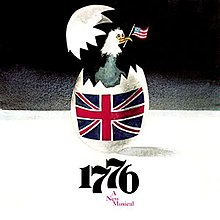
Today, a nation that once prized youth among its leaders is now moving toward government by gerontocracy.
The average age of members of the House of Representatives is 58.4 years. In the Senate, it’s 64.3.
During 2020, the major Democratic Presidential contenders were:
- Vermont United States Senator Bernie Sanders: 79
- Former Vice President Joe Biden: 78
- Massachusetts United States Senator Elizabeth Warren: 71
- Minnesota United States Senator Amy Klobuchar: 60

Opposing them was President Donald Trump, 73, as he sought re-election. On Election Day, he would be 74.
A visit to the Soviet Union in the twilight of its 74-year existence reveals where the United States is heading.
In May 1982, 75-year-old General Secretary Leonid Brezhnev, suffered a severe stroke. He had ruled the U.S.S.R. since 1964, but by the early 1980s he was essentially a figurehead. On November 10, 1982, he finally died of a heart attack.
The Kremlin
Succeeding Brezhnev was Yuri Andropov, 69, who until May, 1982, had been chief of the KGB.
Andropov suffered from kidney failure and was often on dialysis. By December, 1983, after barely more than a year in office, he was totally bedridden. On February 9, 1984, he joined Brezhnev at the great Party Congress in the sky.
Andropov had realized that the Soviet Union needed a younger and more energetic ruler. Not long before he died he suggested that Mikhail Gorbachev, his aide, succeed him.
But the Central Committee instead chose Konstantin Chernenko, who, at 72, was older than Andropov. On February 13, 1984, he became the U.S.S.R.’s third leader in a year and a half.
Suffering from emphysema, occasional heart failure and liver disease from alcohol, Chernenko died on March 10, 1985.
Only then did Kremlin rulers decide to choose a General Secretary who was likely to live more than one or two years. One day after Chernenko died, the Politburo chose Gorbachev, a relatively young 54.

Mikhail Gorbachev
Gorbachev survived to retire as President of the Soviet Union on December 25, 1991.
So what does this mean for old men and women seeking the White House?
According to Dr. Michael Roizen, Presidents effectively age twice as fast while in office. Roizen, a chief wellness officer at the Cleveland Clinic and co-founder of RealAge.com, bases his opinion on his research of medical records of previous presidents, back to Theodore Roosevelt.
“The main cause is what we call unrequited stress—they don’t have enough friends to mitigate the stress. The major way most of us handle stress is through a number of techniques, but the most prominent way is to discuss it with friends.
“The problem with presidents is, some of them lose friends, and the closest friend they have is usually the spouse.”
Thus, a person who has been president eight years has the risk of disability or dying of someone who is 16 years older. When you’re already in your late 60s or early 70s, that doesn’t give you much room for risk-taking.
Of course, given America’s Politically Correct social norms, pointing out the disadvantages of combing extreme age with extreme pressure is taboo for many persons.
Julian Castro found this out when, in a debate, he questioned Joseph Biden’s mental acuity.
“In a cultural way, it shocked me,” said Gerson Borrero, a New York City political commentator. “We respect our elders—there may be a point where we smile at their ‘disparates’ (gaffes), but at the same time we stay respectful.”
As the United States approaches the 2024 Presidential election, the perils of gerontocracy loom even larger.
Biden turned 81 on November 20, 202. If re-elected in 2024, he would be 82. If he lived out his full term, he would be 86.
Trump, who still lusts to be President, is 77. If re-elected President in 2024, he would be 78 upon taking office in 2025.
FBI agents have a mandatory retirement age of 57. Airplane pilots must retire at 65.
It’s past time to bring a mandatory retirement age to members of Congress and the Presidency.
2020 PRESIDENTIAL ELECTION, ABC NEWS, ABORTION, AGUSTO PINOCHET, ALTERNET, AMERICABLOG, AMERICAN EXCEPTIONALISM, AMERICAN RECKONING: THE VIETNAM WAR AND OUR NATIONAL IDENTITY (BOOK), AP, AYATOLLAH RUHOLLAH KHOMEINI, BABY BOOMER RESISTANCE, BBC, BENJAMIN FRANKLIN, BIBLE BELT, BLOOMBERG NEWS, BUZZFEED, CBS NEWS, CHILE, CHINA, CHRISTIAN G. APPY, CIA, CIVIL RIGHTS ACT, CIVIL WAR, CNN, COAL MINING, CROOKS AND LIARS, DAILY KOS, DEMOCRATS, DONALD TRUMP, DRUG OVERDOSES, DWIGHT EISENHOWER, EDUCATION, FIVETHIRTYEIGHT, FUNDAMENTALIST CHRISTIANS, GERMANY, GUATEMALA, HARPER’S MAGAZINE, HISTORY, HUFFINGTON POST, INDIA, IRAN, ITALY, JACOBO ARBENZ, JAPAN, JOHN F. KENNEDY, JOSEPH R. BIDEN, LYNDON B. JOHNSON, MEDIA MATTERS, MOHAMMED MOSADDEGH, MOHAMMED-REZA SHAH PHLAVI, MOTHER JONES, MOVEON, MSNBC, MYTHS, NARENDRA MODI, NBC NEWS, NEW REPUBLIC, NEWSDAY, NEWSWEEK, NICARAGUA, NPR, OPIOD ADDICTION, PBS NEWSHOUR, POLITICO, POLITICS, POLITICUSUSA, PORNOGRAPHY, POVERTY, RAW STORY, RELIGIOUS CONSERVATIVES, REPUBLICANS, REUTERS, RICHARD NIXON, ROE V. WADE, RURAL AMERICA, SALON, SALVADORE ALLENDE, SEATTLE TIMES, SLATE, SMOKING, STEEL INDUSTRY, TALKING POINTS MEMO, THE ATLANTIC, THE CHICAGO SUN-TIMES, THE CHICAGO TRIBUNE, THE DAILY BEAST, THE DAILY BLOG, THE GUARDIAN, THE HILL, THE HUFFINGTON POST, THE INTERCEPT, THE LOS ANGELES TIMES, THE NATION, THE NEW REPUBLIC, THE NEW YORK TIMES, THE NEW YORKER, THE VILLAGE VOICE, THE WASHINGTON POST, THINKPROGRESS, THOMAS EDISON, TIME, TRUTHDIG, TRUTHOUT, TWITTER, U.S. NEWS & WORLD REPORT, UNITED STATES, UNITED STATES SUPREME COURT, UPI, USA TODAY, VIETNAM WAR, VOTER IGNORANCE, WORLD WAR 11
In Bureaucracy, History, Politics, Social commentary on September 12, 2023 at 12:12 am
Americans live by a series of myths—myths they would be the wiser to abandon. Some are embraced by liberals, others by conservatives, and still others by both.
Myth 4: Americans take pride in their history.
Americans’ ignorance of history—their own and that of other nations—has long been a scandal.
- A 2018 national survey by the Institute for Citizens & Scholars found that only one in three Americans (36%) can actually pass a multiple choice test consisting of items taken from the U.S. Citizenship Test.
- More than half of respondents (60%) didn’t know which countries the United States fought in World War II (Germany, Italy and Japan).
- And 57% did not know how many Justices actually serve on the nation’s highest court (nine).
- Only 24% correctly identified one thing Benjamin Franklin was famous for; 37% believed he invented the lightbulb (that inventor was Thomas Edison).
- Twelve percent incorrectly thought WWII General Dwight Eisenhower led troops in the Civil War; six percent thought he was a Vietnam War general.
if Americans are flagrantly ignorant of their own history, they are even worse at the history of other countries.
A major reason for this lies in Americans’ belief that other nations aren’t worth bothering about except when they threaten us. During the Vietnam war, soldiers referred to the United States as “The World”—as if the rest of the planet didn’t exist.
Americans, protected from Europe by the Atlantic Ocean and the Far East by the Pacific Ocean, allowed geography to isolate themselves from the messiness of the rest of the world.
Donald Trump, as President, gave a frightening example of this during a conversation with Indian Prime Minister Narendra Modi: “It’s not like you’ve got China on your border.” In fact, India does share a border with China.
Myth 5: The “Bible Belt” (the Deep South) is the spiritual capitol of America.
You won’t find these truths on “Green Acres” or “The Andy Griffith Show” but they form a stain on rural America that can’t be ignored:
- A 2015 study published in the Archives of Sexual Behavior found that religious conservatives search more for online pornography on Google than anyone else.
- Educational attainment and college graduation rates in the Bible Belt are among the lowest in the nation.
- Smoking rates are high in West Virginia, Kentucky, Arkansas, Tennessee, Louisiana, and Mississippi—and so are rates for smoking-related diseases and deaths.
- Heart disease, obesity, homicide and teenage pregnancies are among the highest in the nation.
Myth 6: Americans are health-conscious.
The United States is experiencing an epidemic of drug overdose deaths. In 2020, the age-adjusted rate of drug overdose deaths increased 31% compared to 2019.
Adults aged 35-44 experienced the highest rates of drug overdose deaths while young people aged 15-24 experienced the greatest percentage increase in deaths.
In 2019:
- 12 million Americans 12 or older used marijuana
- 9.1 million Americans used tobacco
- 14.5 million Americans aged 12 or older used alcohol
- 9.7 million people misused pain relievers
- 6 million people misused hallucinogens
- 5.9 million people misused depressants
- 5.5 million people misused cocaine
- 4.9 million people misused prescription stimulants
- 2.1 million people misused inhalants
- 2 million people used meth
- 745,000 Americans used heroin
Myth 7: Americans only support democratic regimes.
The United States has long supported foreign dictators—so long as they’re reliably Right-wing.
- Between 1898 and 1934, the United States repeatedly intervened with military force in Central America and the Caribbean.
- The United States occupied Nicaragua almost continuously from 1912 to 1933. Its legacy was the imposition of the tyrannical Somoza family, which ruled from 1936 to 1979.
- In 1953, the Eisenhower administration ordered the CIA to overthrew the democratically-elected government of of Iranian Prime Minister Mohammad Mosaddegh. His crime: Nationalizing the Iranian oil industry, which had been under British control since 1913.
- He was succeeded by Mohammad-Reza Shah Phlavi, a dictator who depended on United States government support to retain power until he was overthrown in 1979 by the Ayatollah Ruhollah Khomeini.
- In 1954, the CIA overthrew the democratically-elected government of Guatemalan President Jacobo Arbenz. His crime: Installing a series of reforms that expanded the right to vote, allowed workers to organize, legitimized political parties and allowed public debate.
- In 1970, President Richard M. Nixon ordered the CIA to prevent Marxist Salvador Allende from being democratically elected as president of Chile. When that failed, he ordered the CIA to overthrow Allende.
- His crime: A series of liberal reforms, including nationalizing large-scale industries (notably copper mining and banking).
- in 1973, he was overthrown by Chilean army units and national police. He was followed by Right-wing dictator Augusto Pinochet, who slaughtered 3,200 political dissidents, imprisoned 30,000 and forced another 200,000 Chileans into exile.
* * * * * * * * * *
Behind these myths: The belief in “American exceptionalism”—that the United States is unlike other nations in its innocence and steadfast dedication to human rights above all else.
Wrote Christian G. Appy, in his 2015 book, American Reckoning: The Vietnam War and Our National Identity:
“It was still unimaginable to most Americans that their own nation would wage aggressive war and justify it with unfounded claims, that it would support undemocratic governments reviled by their own people, and that American troops would be sent to fight in countries where they were widely regarded not as liberators but as imperialist invaders.”
For millions, that belief died a horrific death during the Vietnam war. Yet so long as millions remain convinced that America is guided by God and that its people are His faithful servants, these myths will remain vividly alive.
2020 PRESIDENTIAL ELECTION, ABC NEWS, ABORTION, AGUSTO PINOCHET, ALTERNET, AMERICABLOG, AMERICAN EXCEPTIONALISM, AMERICAN RECKONING: THE VIETNAM WAR AND OUR NATIONAL IDENTITY (BOOK), AP, AYATOLLAH RUHOLLAH KHOMEINI, BABY BOOMER RESISTANCE, BBC, BENJAMIN FRANKLIN, BIBLE BELT, BLOOMBERG NEWS, BUZZFEED, CBS NEWS, CHILE, CHINA, CHRISTIAN G. APPY, CIA, CIVIL RIGHTS ACT, CIVIL WAR, CNN, COAL MINING, CROOKS AND LIARS, DAILY KOS, DEMOCRATS, DONALD TRUMP, DRUG OVERDOSES, DWIGHT EISENHOWER, EDUCATION, FIVETHIRTYEIGHT, FUNDAMENTALIST CHRISTIANS, GERMANY, GUATEMALA, HARPER’S MAGAZINE, HISTORY, HUFFINGTON POST, INDIA, IRAN, ITALY, JACOBO ARBENZ, JAPAN, JOHN F. KENNEDY, JOSEPH R. BIDEN, LYNDON B. JOHNSON, MEDIA MATTERS, MOHAMMED MOSADDEGH, MOHAMMED-REZA SHAH PHLAVI, MOTHER JONES, MOVEON, MSNBC, MYTHS, NARENDRA MODI, NBC NEWS, NEW REPUBLIC, NEWSDAY, NEWSWEEK, NICARAGUA, NPR, OPIOD ADDICTION, PBS NEWSHOUR, POLITICO, POLITICS, POLITICUSUSA, PORNOGRAPHY, POVERTY, RAW STORY, RELIGIOUS CONSERVATIVES, REPUBLICANS, REUTERS, RICHARD NIXON, ROE V. WADE, RURAL AMERICA, SALON, SALVADORE ALLENDE, SEATTLE TIMES, SLATE, SMOKING, STEEL INDUSTRY, TALKING POINTS MEMO, THE ATLANTIC, THE CHICAGO SUN-TIMES, THE CHICAGO TRIBUNE, THE DAILY BEAST, THE DAILY BLOG, THE GUARDIAN, THE HILL, THE HUFFINGTON POST, THE INTERCEPT, THE LOS ANGELES TIMES, THE NATION, THE NEW REPUBLIC, THE NEW YORK TIMES, THE NEW YORKER, THE VILLAGE VOICE, THE WASHINGTON POST, THINKPROGRESS, THOMAS EDISON, TIME, TRUTHDIG, TRUTHOUT, TWITTER, U.S. NEWS & WORLD REPORT, UNITED STATES, UNITED STATES SUPREME COURT, UPI, USA TODAY, VIETNAM WAR, VOTER IGNORANCE, WORLD WAR 11
In Bureaucracy, History, Politics, Social commentary on September 11, 2023 at 12:15 am
“The great enemy of truth is very often not the lie—deliberate, contrived and dishonest—but the myth, persistent, persuasive and unrealistic. Too often we hold fast to the clichés of our forebears. We subject all facts to a prefabricated set of interpretations. We enjoy the comfort of opinion without the discomfort of thought.”
—John F. Kennedy
Americans live by a series of myths—myths they would be the wiser to abandon. Some are embraced by liberals, others by conservatives, and still others by both.
Myth 1: Americans are highly educated.
According to the 2020 U.S. Census:
- In 2022, the highest level of education of the population age 25 and older in the United States ranged from less than high school to advanced degrees beyond a bachelor’s degree.
- 9% had less than a high school diploma or equivalent;
- 28% had high school as their highest level of school completed;
- 15% had completed some college but didn’t have a degree;
- 10% had an associate degree;
- 23% had a bachelor’s degree;
- 14% had completed advanced education such as a master’s degree, professional degree or doctorate.
Myth 2: Rural America is the repository of old-fashioned virtues.
Years of “hayseed” comedies such as “The Beverly Hillbillies,” “The Real McCoys” “Green Acres” and “Petticoat Junction” convinced millions of Americans: If you want to find the “real” America, move to rural America.
If rural America is where you’ll find the “real” Americans, the future of the United States lies in peril.
Marshall County, Indiana
Derek Jensen (Tysto), CC BY 2.0 <https://creativecommons.org/licenses/by/2.0>, via Wikimedia Commons
- Rural Americans overwhelmingly support Donald Trump—who refused to accept defeat in a legitimate Presidential election, schemed to overturn the voters’ decision, and finally incited an attack on Congress to illegally remain in office.
- Rural America is home to fundamentalist Christians, who demand an end to legalized abortion and birth control—and thus hope to gain dictatorial control over women’s lives. They brand pro-choice Democrats as “baby killers.”
- During the 2020 Presidential election, Joe Biden won 91 of the nation’s 100 largest counties, but hardly anywhere else.
- Trump won about five times as many counties. Democrats are thriving in major metropolitan areas, but tanking elsewhere.
- Rather than being a Garden of Eden, rural America shares many big-city ills, such as crime, opioid addiction and a decline in life expectancy.
- Nearly all of the economic growth that occurred between the Great Recession and the start of the pandemic happened in a small number of metropolitan areas, making rural residents feel that the recession had never ended.
- Rural Americans refuse to abandon industries that are now dying out—such as in coal mining and steel. Trump promised—falsely—to bring those jobs back. Rural voters have forgiven him for this because he delivered on cultural issues—such as appointing anti-abortion Justices to the Supreme Court who overturned Roe v. Wade.
- Nearly half (46.7 percent) of all people living in rural areas are in the South. For a century following the Civil War (1861-1865) the South was accurately known as a Democratic stronghold. But that changed after Democratic President Lyndon B. Johnson signed the 1964 Civil Rights Act into law.
- In short: When Democrats went from suppressing black rights to protecting them, the great mass of white, racist rural Southerners moved to the Republican party.
Myth 3: Most Americans take a vital interest in politics.
Most Americans are dismayingly ignorant of politics at all levels—local, state and federal.
- The attempted coup of January 6, 2021, was largely fueled by ignorance. The rioters believed that Donald Trump was the real winner of the 2020 election, and that Joe Biden had “stolen” it through fraud.
- They clung to this belief, despite overwhelming evidence to the contrary, including numerous court decisions rejecting GOP claims of fraud, many of them authored by conservative, Republican-appointed judges.
- And this ignorance continues: A large majority of Republicans still believe that Biden is an illegitimate President—just 21% say that he “probably” or “definitely” won.
Donald Trump
- Most Americans don’t know the names of their state and federal representatives or even the names of the three branches of government.
- Only one third of Americans can name the three branches of our federal government: executive, legislative, judicial.
- Most voters overestimate the percentage of the federal budget spends on foreign aid (actually, about 1%). Yet they underestimate the amount going to entitlement programs, such as Medicare and Social Security. As a result, they believe we can solve our fiscal problems without either cutting entitlements or raising taxes on the vast majority of Americans.
- Voters also often reward or punish elected officials for events they did not cause, such as short-term economic trends or droughts.
Such ignorance makes people more susceptible to lies and conspiracy theories, including those about the 2020 election.
Myth 4: Americans take pride in their history.
Americans’ ignorance of history—their own and that of other nations—has long been a scandal.
- A 2018 national survey by the Institute for Citizens & Scholars found that only one in three Americans (36%) can actually pass a multiple choice test consisting of items taken from the U.S. Citizenship Test.
- More than half of respondents (60%) didn’t know which countries the United States fought in World War II (Germany, Italy and Japan).
1776 (PLAY), AARON BURR, ABC NEWS, ABIGAIL ADAMS, AGING, ALEXANDER HAMILTON, ALTERNET, AMERICABLOG, AP, BABY BOOMER RESISTANCE, BENEDICT ARNOLD, BENJAMIN FRANKLIN, BUZZFEED, CBS NEWS, CNN, CONGRESS, CROOKS AND LIARS, DAILY KOZ, DECLARATION OF INDEPENDENCE, ETHAN ALLEN, FACEBOOK, FIVETHIRTYEIGHT, GEORGE WASHINGTON, GERONTOCRACY, JAMES MADISON, JAMES MONROE, JOHN ADAMS, JOHN HANCOCK, JOHN MARSHALL, JOHN PAUL JONES, KGB, KONSTANTIN CHERNENKO, LEONID BREZHNEV, MARTHA WASHINGTON, MIKHAIL GORBACHEV, MOTHER JONES, MOVEON, MSNBC, NATHAN HALE, NBC NEWS, NEWSWEEK, NPR, PATRICK HENRY, PAUL REVERE, PBS NEWSHOUR, POLITICO, POLITICUSUSA, RAW STORY, REUTERS, SALON, SAMUEL ADAMS, SEATTLE TIMES, SLATE, SOVIET UNION, TALKING POINTS MEMO, THE ATLANTIC, THE CHICAGO SUN-TIMES, THE CHICAGO TRIBUNE, THE DAILY BEAST, THE DAILY BLOG, THE GUARDIAN, THE HILL, THE HUFFINGTON POST, THE LOS ANGELES TIMES, THE NATION, THE NEW YORK TIMES, THE WASHINGTON POST, THINKPROGRESS, THOMAS JEFFERSON, THOMAS PAINE, TIME, TRUTHDIG, TWITTER, U.S. NEWS & WORLD REPORT, UPI, USA TODAY, YURI ANDROPOV
In Bureaucracy, History, Politics, Social commentary on April 17, 2023 at 12:52 am
“Many Founding Fathers Were Shockingly Young When the Declaration of Independence Was Signed in 1776.”
So read the headline of a July 5, 2014 story in Business Insider.
On July 4, 1776, representatives of the original Thirteen Colonies met in Philadelphia, Pennsylvania, to affix their signatures to Thomas Jefferson’s Declaration of Independence.
Signing of the Declaration of Independence
Below is a list of the ages of key American Revolutionary figures on July 4, 1776. (Those who signed the Declaration are listed in red.)
- Marquis de Lafayette, 18
- James Monroe, 18
- Henry Lee III, 20
- Aaron Burr, 20
- John Marshall, 20
- Nathan Hale, 21
- Alexander Hamilton, 21
- George Rodgers Clark, 23
- James Madison, 25
- Edward Rutledge, 26
- John Paul Jones, 28
- Abigail Adams, 31
- Thomas Jefferson, 33
- James Wilson, 34
- Benedict Arnold, 35
- Samuel Chase, 35
- Ethan Allen, 38
- John Hancock, 39
- Thomas Paine, 39
- Patrick Henry, 40
- John Adams, 41
- Paul Revere, 41
- Richard Henry Lee, 44
- George Washington, 44
- Martha Washington, 45
- Josiah Bartlett, 46
- Caesar Rodney, 47
- Lyman Hall, 52
- Samuel Adams, 53
- Roger Sherman, 55
- Philip Livingston, 60
- Stephen Hopkins, 69
- Benjamin Franklin, 70
Youth was a commonplace among the signers of the Declaration. Their average age was 44.
In the hit play (and later movie) 1776, several members of Congress—including Thomas Jefferson—are surprised to learn that John Adams—who’s 41—“burns” for his wife Abigail, who’s waiting for him in Boston, Massachusetts.
Today, a nation that once prized youth among its leaders is now moving toward government by gerontocracy.
The average age of members of the House of Representatives is 58.4 years. In the Senate, it’s 64.3.
On Election Day, 2020, the following Democratic contenders were:
- Vermont United States Senator Bernie Sanders: 79
- Former Vice President Joe Biden: 78
- Massachusetts United States Senator Elizabeth Warren: 71
- Minnesota United States Senator Amy Klobuchar: 60
- California United States Senator Kamala Harris: 56
- Former Texas Congressman Beto O’Rourke: 48
Of these candidates, the oldest ones—Sanders, Warren and Biden—were considered the frontrunners for the Democratic nomination.
Opposing them was President Donald Trump, 73, as he sought re-election. On Election Day, he would be 74.
To get an idea of where the United States is heading, let’s revisit the Soviet Union in the twilight of its 74-year existence.
In May 1982, 75-year-old General Secretary Leonid Brezhnev, suffered a severe stroke. He had ruled the U.S.S.R. since 1964, but by the early 1980s he was essentially a figurehead. On November 10, 1982, he finally died of a heart attack.
The Kremlin
Succeeding Brezhnev was Yuri Andropov, 69, who until May, 1982, had been chief of the KGB.
Andropov suffered from kidney failure and was often on dialysis. By December, 1983, after barely more than a year in office, he was totally bedridden. On February 9, 1984, he joined Brezhnev at the great Party Congress in the sky.
Andropov had realized that the Soviet Union needed a younger and more energetic ruler. Not long before he died he suggested that Mikhail Gorbachev, his aide, succeed him.
But the Central Committee instead chose Konstantin Chernenko, who, at 72, was older than Andropov. On February 13, 1984, he became the U.S.S.R.’s third leader in a year and a half.
Suffering from emphysema, occasional heart failure and liver disease from alcohol, Chernenko died on March 10, 1985.
Only then did Kremlin rulers decide to choose a General Secretary who was likely to live more than one or two years. One day after Chernenko died, the Politburo chose Gorbachev, a relatively young 54.
Mikhail Gorbachev
Gorbachev survived to retire as President of the Soviet Union on December 25, 1991.
So what does this mean for old men and women seeking the White House?
According to Dr. Michael Roizen, Presidents effectively age twice as fast while in office. Roizen, a chief wellness officer at the Cleveland Clinic and co-founder of RealAge.com, bases his opinion on his research of medical records of previous presidents, back to Theodore Roosevelt.
“The main cause is what we call unrequited stress—they don’t have enough friends to mitigate the stress. The major way most of us handle stress is through a number of techniques, but the most prominent way is to discuss it with friends.
“The problem with presidents is, some of them lose friends, and the closest friend they have is usually the spouse.”
Thus, a person who has been president eight years has the risk of disability or dying of someone who is 16 years older. When you’re already in your late 60s or early 70s, that doesn’t give you much room for risk-taking.
Of course, given America’s Politically Correct social norms, pointing out the disadvantages of combing extreme age with extreme pressure is taboo for many persons.
Julian Castro found this out when, in a debate, he questioned Joseph Biden’s mental acuity.
“In a cultural way, it shocked me,” said Gerson Borrero, a New York City political commentator. “We respect our elders—there may be a point where we smile at their ‘disparates’ (gaffes), but at the same time we stay respectful.”
That does not, however, make such truths magically disappear.
As the United States approaches the 2024 Presidential election, the perils of gerontocracy loom even larger.
Biden turned 80 on November 20. If re-elected in 2024, he would be 82. If he lived out his full term, he would be 86.
Trump, who still lusts to be President, is 76. If re-elected President in 2024, he would be 77, taking office at 78.
FBI agents have a mandatory retirement age of 57. Airplane pilots must retire at 65.
It’s past time to bring a mandatory retirement age to members of Congress and the Presidency.
1776 (PLAY), AARON BURR, ABC NEWS, ABIGAIL ADAMS, AGING, ALEXANDER HAMILTON, ALTERNET, AMERICABLOG, AP, BABY BOOMER RESISTANCE, BENEDICT ARNOLD, BENJAMIN FRANKLIN, BUZZFEED, CBS NEWS, CNN, CONGRESS, CROOKS AND LIARS, DAILY KOZ, DECLARATION OF INDEPENDENCE, ETHAN ALLEN, FACEBOOK, FIVETHIRTYEIGHT, GEORGE WASHINGTON, GERONTOCRACY, JAMES MADISON, JAMES MONROE, JOHN ADAMS, JOHN HANCOCK, JOHN MARSHALL, JOHN PAUL JONES, KGB, KONSTANTIN CHERNENKO, LEONID BREZHNEV, MARTHA WASHINGTON, MIKHAIL GORBACHEV, MOTHER JONES, MOVEON, MSNBC, NATHAN HALE, NBC NEWS, NEWSWEEK, NPR, PATRICK HENRY, PAUL REVERE, PBS NEWSHOUR, POLITICO, POLITICUSUSA, RAW STORY, REUTERS, SALON, SAMUEL ADAMS, SEATTLE TIMES, SLATE, SOVIET UNION, TALKING POINTS MEMO, THE ATLANTIC, THE CHICAGO SUN-TIMES, THE CHICAGO TRIBUNE, THE DAILY BEAST, THE DAILY BLOG, THE GUARDIAN, THE HILL, THE HUFFINGTON POST, THE LOS ANGELES TIMES, THE NATION, THE NEW YORK TIMES, THE WASHINGTON POST, THINKPROGRESS, THOMAS JEFFERSON, THOMAS PAINE, TIME, TRUTHDIG, TWITTER, U.S. NEWS & WORLD REPORT, UPI, USA TODAY, YURI ANDROPOV
In Bureaucracy, History, Politics, Social commentary on September 25, 2019 at 1:03 am
“Many Founding Fathers Were Shockingly Young When the Declaration of Independence Was Signed in 1776.”
So read the headline of a July 5, 2014 story in Business Insider.
On July 4, 1776, representatives of the original Thirteen Colonies met in Philadelphia, Pennsylvania, to affix their signatures to Thomas Jefferson’s Declaration of Independence.
Signing of the Declaration of Independence
Below is a list of the ages of key American Revolutionary figures on July 4, 1776.
- Marquis de Lafayette, 18
- James Monroe, 18
- Henry Lee III, 20
- Aaron Burr, 20
- John Marshall, 20
- Nathan Hale, 21
- Alexander Hamilton, 21
- George Rodgers Clark, 23
- James Madison, 25
- Thomas Lynch, Jr., 26
- Edward Rutledge, 26
- John Paul Jones, 28
- John Jay, 30
- Abigail Adams, 31
- Anthony Wayne, 31
- Thomas Jefferson, 33
- James Wilson, 34
- Benedict Arnold, 35
- Samuel Chase, 35
- William Paca, 35
- Ethan Allen, 38
- John Hancock, 39
- Daniel Morgan, 39
- Thomas Paine, 39
- Patrick Henry, 40
- John Adams, 41
- Paul Revere, 41
- Richard Henry Lee, 44
- George Washington, 44
- Martha Washington, 45
- Josiah Bartlett, 46
- Caesar Rodney, 47
- Lyman Hall, 52
- Samuel Adams, 53
- Roger Sherman, 55
- Philip Livingston, 60
- Stephen Hopkins, 69
- Benjamin Franklin, 70
Youth was a commonplace among the signers of the Declaration.
In the hit play (and later movie) 1776, several members of Congress—including Thomas Jefferson—are surprised to learn that John Adams—who’s 41—“burns” for his wife Abigail, who’s waiting for him in Boston, Massachusetts.
Today, a nation that once prized youth among its leaders is now moving toward government by gerontocracy.
The average age of members of the House of Representatives is 57.8 years. In the Senate, it’s 61.8—among the oldest in U.S. history.
With the 2020 Presidential contest now in full swing, the advanced age of most of the candidates has become a central concern for millions of Americans.
On Election Day, 2020, the following Democratic contenders will be:
- Vermont United States Senator Bernie Sanders: 79
- Former Vice President Joe Biden: 77
- Massachusetts United States Senator Elizabeth Warren: 71
- Minnesota United States Senator Amy Klobuchar: 60
- California United States Senator Kamala Harris: 56
- New York United States Senator Kirsten Gillibrand: 53
- New Jersey United States Senator Cory Booker: 51
- Former Texas Congressman Beto O’Rourke: 48
- Former mayor and HUD Secretary Julian Castro: 46
- Hawaii Congresswoman Tulsi Gabbard: 39
- South Bend Mayor Pete Buttigieg: 38
Of these candidates, the oldest ones—Sanders, Warren and Biden—are most likely to win the Democratic nomination.
Opposing them will be President Donald Trump as he seeks re-election. On Election Day, he will be 74.
To get an idea of where the United States is heading, let’s revisit the Soviet Union in the twilight of its 74-year existence.
In May 1982, 75-year-old General Secretary Leonid Brezhnev, suffered a severe stroke. He had ruled the U.S.S.R. since 1964, but by the early 1980s he was essentially a figurehead. On November 10, 1982, he finally died of a heart attack.
The Kremlin
Succeeding Brezhnev was Yuri Andropov, 69, who until May had been chief of the KGB.
Andropov suffered from kidney failure and was often on dialysis. By December, 1983, after barely more than a year in office, he was totally bedridden. On February 9, 1984, he joined Brezhnev at the great Party Congress in the sky.
Andropov had realized that the Soviet Union needed a younger and more energetic ruler. Not long before he died he suggested that Mikhail Gorbachev, his aide, succeed him.
But the Central Committee instead chose Konstantin Chernenko, who, at 72, was older than Andropov. On February 13, 1984, he became the U.S.S.R.’s third leader in a year and a half.
Suffering from emphysema, occasional heart failure and liver disease from alcohol, Chernenko died on March 10, 1985.
Only then did the Kremlin rulers decide to choose a General Secretary who was likely to live more than one or two years. One day after Chernenko died, the Politburo chose Gorbachev, a relatively young 54.
Gorbachev survived to retire as President of the Soviet Union on December 25, 1991.
So what does this mean for old men and women seeking the White House?
According to Dr. Michael Roizen, presidents effectively age twice as fast while in office. Roizen, a chief wellness officer at the Cleveland Clinic and co-founder of RealAge.com, bases his opinion on his research of medical records of previous presidents, back to Theodore Roosevelt.
“The main cause is what we call unrequited stress– they don’t have enough friends to mitigate the stress. The major way most of us handle stress is through a number of techniques, but the most prominent way is to discuss it with friends.
“The problem with presidents is, some of them lose friends, and the closest friend they have is usually the spouse.”
Thus, a person who has been president eight years has the risk of disability or dying of someone who is 16 years older. When you’re already in your late 60s or early 70s, that doesn’t give you much room for risk-taking.
Of course, given America’s Politically Correct social norms, pointing out the disadvantages of combing extreme age with extreme pressure is taboo for many persons.
Julian Castro found this out when, in a recent debate, he questioned Joe Biden’s mental acuity.
“In a cultural way, it shocked me,” said Gerson Borrero, a New York City political commentator. “We respect our elders—there may be a point where we smile at their ‘disparates’ (gaffes), but at the same time we stay respectful.”
That does not, however, make such truths magically disappear.


 Bureaucracybuster's Blog
1776 (PLAY), AARON BURR, ABC NEWS, AGING, ALEXANDER HAMILTON, ALTERNET, AMERICABLOG, AP, ASA HUTCHINSON, BABY BOOMER RESISTANCE, BENEDICT ARNOLD, BENJAMIN FRANKLIN, BUZZFEED, CBS NEWS, CHRIS CHRISTIE, CNN, CONGRESS, CROOKS AND LIARS, DAILY KOS, DECLARATION OF INDEPENDENCE, DONALD TRUMP, DOUG BURGUM, ETHAN ALLEN, FIVETHIRTYEIGHT, GEORGE WASHINGTON, GERONTOCRACY, JAMES MADISON, JAMES MONROE, JILL STEIN, JOHN ADAMS, JOHN HANCOCK, JOHN MARSHALL, JOHN PAUL JONES, JOSEPH BIDEN, Kamala Harris, KGB, KONSTANTIN CHERNENKO, LEONID BREZHNEV, MARIANNE WILLIAMSON, MIKHAIL GORBACHEV, MOTHER JONES, MOVEON, MSNBC, NATHAN HALE, NBC NEWS, NEW YORK CITY, NEWSWEEK, NPR, PATRICK HENRY, PAUL REVERE, PBS NEWSHOUR, POLITICO, POLITICUSUSA, RAW STORY, REUTERS, ROBERT F. KENNEDY JR., SALON, SAMUEL ADAMS, SEATTLE TIMES, SLATE, SOVIET UNION, TALKING POINTS MEMO, THE ATLANTIC, THE CHICAGO SUN-TIMES, THE CHICAGO TRIBUNE, THE DAILY BEAST, THE DAILY BLOG, THE GUARDIAN, THE HILL, THE HUFFINGTON POST, THE LOS ANGELES TIMES, THE NATION, THE NEW YORK TIMES, THE WASHINGTON POST, THINKPROGRESS, THOMAS JEFFERSON, THOMAS PAINE, TIME, TRUTHDIG, U.S. NEWS & WORLD REPORT, UPI, USA TODAY, X, YURI ANDROPOV, ZOHRAN MANDANI
GEEZERS FOR GOVERNMENT
In Bureaucracy, History, Medical, Politics, Social commentary on November 24, 2025 at 12:06 amOn November 2, New York City mayoral candidate Zohran Mamdani surprised patrons at a gay night club when he stopped by to campaign at 1 am.
Five hours later, he walked across the Brooklyn Bridge at 6 am.
On the social media platform, Bluesky, a post took notice of this:
“To anyone who’s been awestruck by Zohran’s campaigning stamina in being able to end his night at a gay bar at 1 am and then walk across the Brooklyn Bridge at 6 am….
“This is what happens when you don’t have 76 year old candidates running for office.”
Zohran Mamdani is 34.
Zohran Mamdani
Dmitryshein, CC BY-SA 4.0 <https://creativecommons.org/licenses/by-sa/4.0>, via Wikimedia Commons
On July 4, 1776, representatives of the original Thirteen Colonies met in Philadelphia, Pennsylvania, to affix their signatures to Thomas Jefferson’s Declaration of Independence.
In July, 1776, the ages of key American Revolutionary figures were:
Signing of the Declaration of Independence
Youth was a commonplace among the signers of the Declaration. Their average age was 44.
In the hit play (and later movie) 1776, several members of Congress—including Thomas Jefferson—are surprised to learn that John Adams—who’s 41—still “burns” for his wife Abigail, who’s waiting for him in Boston, Massachusetts.
Today, a nation that once prized youth among its leaders is now moving toward government by gerontocracy.
The average age of members of the House of Representatives is 57.9 years. In the Senate, it’s 64.3.
During 2024, the major Presidential contenders were:
A visit to the Soviet Union in the twilight of its 74-year existence reveals where the United States is heading.
In May 1982, 75-year-old General Secretary Leonid Brezhnev, suffered a severe stroke. He had ruled the U.S.S.R. since 1964, but by the early 1980s he was essentially a figurehead. On November 10, 1982, he finally died of a heart attack.
The Kremlin
Succeeding Brezhnev was Yuri Andropov, 69, who until May, 1982, had been chief of the KGB.
Andropov suffered from kidney failure and was often on dialysis. By December, 1983, after barely more than a year in office, he was totally bedridden. On February 9, 1984, he joined Brezhnev at the great Party Congress in the sky.
Andropov had realized that the Soviet Union needed a younger and more energetic ruler. Not long before he died he suggested that Mikhail Gorbachev, his aide, succeed him.
But the Central Committee instead chose Konstantin Chernenko, who, at 72, was older than Andropov. On February 13, 1984, he became the U.S.S.R.’s third leader in a year and a half.
Suffering from emphysema, occasional heart failure and liver disease from alcohol, Chernenko died on March 10, 1985.
Only then did Kremlin rulers decide to choose a General Secretary who was likely to live more than one or two years. One day after Chernenko died, the Politburo chose Gorbachev, a relatively young 54.
Mikhail Gorbachev
RIA Novosti archive, image #850809 / Vladimir Vyatkin / CC-BY-SA 3.0, CC BY-SA 3.0 <https://creativecommons.org/licenses/by-sa/3.0>, via Wikimedia Commons
Gorbachev survived to retire as President of the Soviet Union on December 25, 1991.
So what does this mean for old men and women seeking the White House?
According to Dr. Michael Roizen, Presidents effectively age twice as fast while in office. Roizen, a chief wellness officer at the Cleveland Clinic and co-founder of RealAge.com, bases his opinion on his research of medical records of previous presidents, back to Theodore Roosevelt.
“The main cause is what we call unrequited stress—they don’t have enough friends to mitigate the stress. The major way most of us handle stress is through a number of techniques, but the most prominent way is to discuss it with friends.
“The problem with presidents is, some of them lose friends, and the closest friend they have is usually the spouse.”
Thus, a person who has been president eight years has the risk of disability or dying of someone who is 16 years older. When you’re already in your late 60s or early 70s, that doesn’t give you much room for risk-taking.
Of course, given America’s Politically Correct social norms, pointing out the disadvantages of combing extreme age with extreme pressure is taboo for many persons.
Julian Castro found this out when, in a debate, he questioned Joseph Biden’s mental acuity.
“In a cultural way, it shocked me,” said Gerson Borrero, a New York City political commentator. “We respect our elders—there may be a point where we smile at their ‘disparates’ (gaffes), but at the same time we stay respectful.”
As the United States approaches the 2028 Presidential election, the perils of gerontocracy loom even larger: Donald Trump has “hinted” he wants to run for a third term in 2028.
Even if he weren’t barred from a third term by the Constitution’s 22nd Amendment, he would be 82 years old when he took office in 2029.
FBI agents have a mandatory retirement age of 57. Airplane pilots must retire at 65. Air traffic controllers must leave at 56.
It’s past time to bring a mandatory retirement age to members of Congress and the Presidency.
Share this: