Posts Tagged ‘BARACK OBAMA’
2020 PRESIDENTIAL ELECTION, ABC NEWS, ADOLF HITLER, AILEEN CANNON, ALFRED JODL, ALTERNET, AMERICABLOG, AP, ATTORNEYS GENERAL, BABY BOOMER RESISTANCE, BARACK OBAMA, BAVARIA, BBC, BEER HALL PUTSCH, BEN SASSE, BLOOMBERG, BRAD RAFFENSPERGER, BRIAN KEMP, BUZZFEED, CBS NEWS, CLASSIFIED DOCUMENTS TRIAL, CNN, CROOKS AND LIARS, D-DAY, DAILY KOS, DEMOCRATIC PARTY, DEMOCRATS, DONALD TRUMP, ELECTORAL COLLEGE, FASCISM, FIVETHIRTYEIGHT, GEORGE W. BUSH, GERD VON RUNDSTEDT, GUNTHER BLUMENTRITT, HARPER’S MAGAZINE, HERITAGE FOUNDATION, HILLARY CLINTON, HITLER: ASCENT (BOOK), HUFFINGTON POST, INSIDER, JANUARY 6 COUP ATTEMPT, JOSEPH BIDEN, jOSH HAWLEY, JUSTICE DEPARTMENT, Kamala Harris, KEN PAXTON, MEDIA MATTERS, MEIN KAMPF, MIKE PENCE, MOTHER JONES, MOVEON, MSNBC, MUNICH, NAZI GERMANY, NAZI PARTY, NBC NEWS, NEW REPUBLIC, NEWSDAY, NEWSWEEK, NORMANDY, NPR, PAT A. CIPOLLONE, PAUL VON HINDENBURG, PBS NEWSHOUR, POLITICO, POLITICUSUSA, RAW STORY, REPUBLICAN PARTY, REPUBLICANS, REUTERS, Ronald Reagan, RUTH BEN-GHIAT, SALON, SEATTLE TIMES, SLATE, STEPHEN COLLINSON, STRONGMEN (BOOK), SUPREME COURT, TALKING POINTS MEMO, THE ATLANTIC, THE CHICAGO SUN-TIMES, THE CHICAGO TRIBUNE, THE DAILY BEAST, THE DAILY BLOG, THE GUARDIAN, THE HILL, THE HUFFINGTON POST, THE INTERCEPT, THE LOS ANGELES TIMES, THE NATION, THE NEW REPUBLIC, THE NEW YORK TIMES, THE NEW YORKER, THE VILLAGE VOICE, THE WASHINGTON POST, THINKPROGRESS, THREATS, TIME, TREATY OF VERSALLIES, TRUTHDIG, TRUTHOUT, TWO POLITICAL JUNKIES, U.S. NEWS & WORLD REPORT, UNITED STATES HOUSE OF REPRESENTATIVES, UNITED STATES SENATE, UPI, USA TODAY, VOLKER ULLRICH, VOTER FRAUD, WEIMAR REPUBLIC, WONKETTE, WORLD WAR 1, WORLD WAR 11
In Bureaucracy, History, Law, Law Enforcement, Military, Politics, Social commentary on December 1, 2023 at 12:10 am
Most Americans believe the United States is immune from the same fates of democracies that have become dictatorships.
Not so New York University historian Ruth Ben-Ghiat. Appearing on the November 13 edition of The PBS Newshour, she warned:
“Since 2015, [Donald Trump] started….using his rallies and campaign events for radicalizing people. And he started saying, oh, in the old days, you used to hurt people. The problem is, Americans don’t hurt each other anymore.

Ruth Ben-Ghiat
Humblewarrior, CC BY-SA 4.0 <https://creativecommons.org/licenses/by-sa/4.0>, via Wikimedia Commons
“So now he’s going into a new phase of openly dehumanizing his targets so that will lessen the taboos in the future. And we see that, in 2025, he’s got plans for mass deportations, mass imprisonments and giant camps.
“So you need people to be less sensitive about violence, either committing it themselves or tolerating it. And I see that as….the reason he’s using this dehumanizing rhetoric now, to prepare people.”
A historical example: The Weimar Republic, the constitutional federal republic in Germany which lasted from November 9, 1918 to March 23, 1933.
During its 14-year existence, the Republic granted Germans rights they had never enjoyed—and which would be ruthlessly suppressed during the 12-year Third Reich that replaced it.
Among those rights:
- Freedom of speech
- Freedom of assembly
- Privacy of mail, telegraph, and telephone
- Free and secret elections
- All citizens were eligible for public office
But the Republic had dangerous enemies—Communists on the Left, and Nazis on the Right. And it was plagued by charges of illegitimacy and even treason—for its members’ having signed the Treaty of Versailles ending World War 1.
Adolf Hitler, joined the National Socialist German Workers (Nazi) Party in 1919—the year after World War 1 ended.
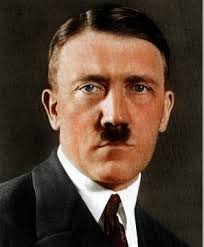

Adolf Hitler
In 1923, he staged a coup attempt in Bavaria—which was quickly and brutally put down by police. He was arrested and sentenced to less than a year in prison.
After that, Hitler decided that winning power through violence was no longer an option. He must win it through election—or appointment.
He repeatedly ran for the highest office in Germany—President—but never got a clear majority in a free election.
When the 1929 Depression struck Germany, the fortunes of Hitler’s Nazi party rose as the life savings of ordinary Germans fell. Streets echoed with bloody clashes between members of Hitler’s Nazi Stormtroopers and those of the German Communist Party.
Germany seemed on the verge of collapsing.
Germans desperately looked for a leader—a Fuhrer—who could somehow deliver them from the threat of financial ruin and Communist takeover.
In early 1933, members of his own cabinet persuaded aging German president, Paul von Hindenburg, that only Hitler’s appointment as Chancellor could do this.
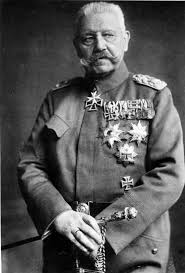
Paul von Hindenburg
Hindenburg considered Hitler a dangerous radical. But he allowed himself to be convinced that, by putting Hitler in the Cabinet, he could be “boxed in” and thus controlled.
So, on January 30, 1933, he reluctantly appointed Adolf Hitler Chancellor—the equivalent of Attorney General.
On August 2, 1934, Hindenburg died, and Hitler immediately assumed the titles—and duties—of the offices of Chancellor and President.
His rise to total power was now complete.
In 2015, Donald Trump declared his candidacy for President.
At that time:
- The country was technically at war in the Middle East—but the fate of the United States was never threatened, as it had been during the Cold War.
- There was no draft; if you didn’t know someone in the military, you didn’t care about the casualties taking place.
- Thanks to government loans from Barack Obama, American capitalism had been saved from its own excesses during the George W. Bush administration.
- In contrast to the scandals of the Ronald Reagan Presidency, the Obama administration had been scandal-free.
- Nor had there been any major terrorist attacks on the country—as had occurred on 9/11 under President George W. Bush.
Yet—not 17 months after announcing his candidacy for President—enough Americans fervently embraced Donald Trump to give him the most powerful position in the country and the world.
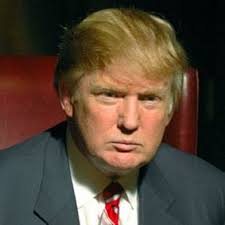
Donald Trump
The message of Barack Obama’s 2008 campaign had been one of hope—“Yes, We Can!”
That of Donald Trump’s campaign was one of hatred toward everyone who was not an avid Trump supporter: “No, You Can’t!”
White supremacists comprised the overwhelming majority of the audiences at Trump rallies. They knew that demographics were steadily working against them. Birthrates among nonwhites were rising. By 2045, whites would make up less than 50 percent of the American population.
The 2008 election of the first black President had shocked Fascistic whites. His 2012 re-election had deprived them of the hope that 2008 had been an accident.
Then came 2016—and the possibility that a black President might be followed by a woman: Former Secretary of State Hillary Clinton.
And the idea of a woman dictating to men was strictly too much for them to bear.
President Joseph Biden is 80—six years younger than Paul von Hindenburg when he died—and capable of dying literally any day.
His Vice President, Kamala Harris, is widely perceived as unprepared for the Presidency.
Meanwhile, Donald Trump—like Adolf Hitler—is waging an all-out campaign to make himself dictator. And—like Hitler—he’s using the democratic system to destroy democracy.
The year 2024 will see the re-election of Joseph Biden—or the end of American democracy.
2020 PRESIDENTIAL ELECTION, ABC NEWS, ADOLF HITLER, AILEEN CANNON, ALFRED JODL, ALTERNET, AMERICABLOG, AP, ATTORNEYS GENERAL, BABY BOOMER RESISTANCE, BARACK OBAMA, BAVARIA, BBC, BEER HALL PUTSCH, BEN SASSE, BLOOMBERG, BRAD RAFFENSPERGER, BRIAN KEMP, BUZZFEED, CBS NEWS, CLASSIFIED DOCUMENTS TRIAL, CNN, CROOKS AND LIARS, D-DAY, DAILY KOS, DEMOCRATIC PARTY, DEMOCRATS, DONALD TRUMP, ELECTORAL COLLEGE, FASCISM, FIVETHIRTYEIGHT, GEORGE W. BUSH, GERD VON RUNDSTEDT, GUNTHER BLUMENTRITT, HARPER’S MAGAZINE, HERITAGE FOUNDATION, HILLARY CLINTON, HITLER: ASCENT (BOOK), HUFFINGTON POST, INSIDER, JANUARY 6 COUP ATTEMPT, JOSEPH BIDEN, jOSH HAWLEY, JUSTICE DEPARTMENT, Kamala Harris, KEN PAXTON, MEDIA MATTERS, MEIN KAMPF, MIKE PENCE, MOTHER JONES, MOVEON, MSNBC, MUNICH, NAZI GERMANY, NAZI PARTY, NBC NEWS, NEW REPUBLIC, NEWSDAY, NEWSWEEK, NORMANDY, NPR, PAT A. CIPOLLONE, PAUL VON HINDENBURG, PBS NEWSHOUR, POLITICO, POLITICUSUSA, RAW STORY, REPUBLICAN PARTY, REPUBLICANS, REUTERS, Ronald Reagan, RUTH BEN-GHIAT, SALON, SEATTLE TIMES, SLATE, STEPHEN COLLINSON, STRONGMEN (BOOK), SUPREME COURT, TALKING POINTS MEMO, THE ATLANTIC, THE CHICAGO SUN-TIMES, THE CHICAGO TRIBUNE, THE DAILY BEAST, THE DAILY BLOG, THE GUARDIAN, THE HILL, THE HUFFINGTON POST, THE INTERCEPT, THE LOS ANGELES TIMES, THE NATION, THE NEW REPUBLIC, THE NEW YORK TIMES, THE NEW YORKER, THE VILLAGE VOICE, THE WASHINGTON POST, THINKPROGRESS, THREATS, TIME, TREATY OF VERSALLIES, TRUTHDIG, TRUTHOUT, TWO POLITICAL JUNKIES, U.S. NEWS & WORLD REPORT, UNITED STATES HOUSE OF REPRESENTATIVES, UNITED STATES SENATE, UPI, USA TODAY, VOLKER ULLRICH, VOTER FRAUD, WEIMAR REPUBLIC, WONKETTE, WORLD WAR 1, WORLD WAR 11
In Bureaucracy, History, Law, Law Enforcement, Military, Politics, Social commentary on November 30, 2023 at 12:19 am
More than two years after he tried to establish himself as a dictator, Donald Trump remains free.
And he is still repeating “The Big Lie”: That he won the 2020 Presidential election but was cheated of victory by widespread voter fraud.
The result: Two-thirds of Republicans still reject the legitimacy of the 2020 election of Joe Biden.
Facing 91 criminal charges in four criminal cases, Trump—unlike any other criminal defendant—has not even been required to post bond.
In Florida, he faces 40 felony counts for illegally withholding highly classified government documents. Yet a judge he had appointed—Aileen Cannon—has repeatedly delayed the start of his trial.
According to former United States Attorney Joyce Vance, her goal is clearly to delay the trial past the November, 2024 Presidential election.
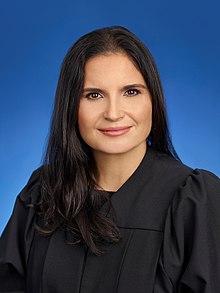
Aileen Cannon
Trump has repeatedly slandered—and even threatened—prosecutors, witnesses, judges and jurors in the four cases he faces. He claims he’s simply exercising his right to “freedom of speech” as a Presidential candidate.
U.S. District Judge Tanya Chutkan, who is overseeing Trump’s election interference case, imposed a limited gag order on Trump in October. But this was lifted by the U.S. Court of Appeals while it hears appeals from Trump’s lawyers, who want it removed completely.
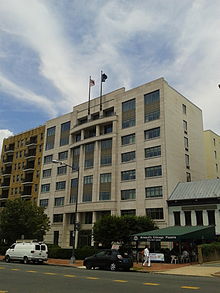
Most ominously, an August 29 story by the Associated Press reports: Right-wing “think tanks”—led by the long-established Heritage Foundation—are plotting to remake the federal government into a Fascist dictatorship:
“With more than a year to go before the 2024 election, a constellation of conservative organizations is preparing for a possible second White House term for Donald Trump, recruiting thousands of Americans to come to Washington on a mission to dismantle the federal government and replace it with a vision closer to his own….
Heritage Foundation
Ser Amantio di Nicolao, CC BY-SA 3.0 <https://creativecommons.org/licenses/by-sa/3.0>, via Wikimedia Commons
“Trump-era conservatives want to gut the ‘administrative state’ from within, by ousting federal employees they believe are standing in the way of the president’s agenda and replacing them with like-minded officials more eager to fulfill a new executive’s approach to governing.
“Much of the new president’s agenda would be accomplished by reinstating what’s called Schedule F — a Trump-era executive order that would reclassify tens of thousands of the 2 million federal employees as essentially at-will workers who could more easily be fired.”
Trump has openly called for ending Constitutionally-granted freedoms:
On December 3, 2022, he wrote in a Truth Social post:
“Do you throw the Presidential Election Results of 2020 OUT and declare the RIGHTFUL WINNER, or do you have a NEW ELECTION? A Massive Fraud of this type and magnitude allows for the termination of all rules, regulations, and articles, even those found in the Constitution.”
A November 14 analysis by CNN’s Stephen Collinson warns:
“The former and possibly future commander in chief aspires to strongman power if he wins back the White House next year. He believes his authority would be absolute. He wants vengeance against his political enemies. He’d pose the greatest challenge to the rule of law and the Constitution in modern times, seek to crush press freedoms and gut the machinery of government.
“None of this is speculation. Trump is saying and showing exactly what he would do in his rallies, social media posts, interviews, lawyers’ filings and even appearances in court that he uses to stigmatize the legal system. And Trump’s ambitions should be taken seriously because one year from the election, President Joe Biden’s reelection hopes are far from secure.”
As an example of Trump’s rhetoric, Ruth Ben-Ghiat professor of history at New York University and author of the bestselling book, Strongmen, cites the former President’s address on Veterans Day: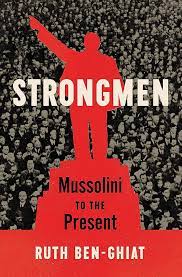
“We will root out the communists, Marxists, fascists, and the radical left thugs that live like vermin within the confines of our country, that lie and steal and cheat on elections, and will do anything possible, they will do anything, whether legally or illegally, to destroy America and to destroy the American dream.”
Speaking on the November 13 edition of The PBS Newshour, Ben-Ghiat said:
“Since the fascists, authoritarians always want to do two things—they want to change the way that people see violence, making it into something necessary and patriotic and even morally righteous, and they want to change the way people see their targets. And so they use dehumanizing language. And former President Trump is doing both.
“He’s been using his rallies since 2015 to shift the idea of violence into something positive. And now he’s starting to use dehumanizing rhetoric, all these groups who live like vermin. And this is what the original fascists did.
“Hitler started talking about Jews as parasites in 1920.So by the time he got in 1933, Germans had been exposed to this dehumanizing rhetoric for 13 years.
“And Mussolini literally talked about rats. After he had become dictator in 1927, he said, we need to kill rats who are bringing infectious diseases and Bolshevism from the east. And so this matches up with Trump talking about immigrants bringing disease and other such things.
“So this is very dangerous rhetoric with a very precise fascist history.”
2020 PRESIDENTIAL ELECTION, ABC NEWS, ADOLF HITLER, AILEEN CANNON, ALFRED JODL, ALTERNET, AMERICABLOG, AP, ATTORNEYS GENERAL, BABY BOOMER RESISTANCE, BARACK OBAMA, BAVARIA, BBC, BEER HALL PUTSCH, BEN SASSE, BLOOMBERG, BRAD RAFFENSPERGER, BRIAN KEMP, BUZZFEED, CBS NEWS, CLASSIFIED DOCUMENTS TRIAL, CNN, CROOKS AND LIARS, D-DAY, DAILY KOS, DEMOCRATIC PARTY, DEMOCRATS, DONALD TRUMP, ELECTORAL COLLEGE, FASCISM, FIVETHIRTYEIGHT, GEORGE W. BUSH, GERD VON RUNDSTEDT, GUNTHER BLUMENTRITT, HARPER’S MAGAZINE, HERITAGE FOUNDATION, HILLARY CLINTON, HITLER: ASCENT (BOOK), HUFFINGTON POST, INSIDER, JANUARY 6 COUP ATTEMPT, JOSEPH BIDEN, jOSH HAWLEY, JUSTICE DEPARTMENT, Kamala Harris, KEN PAXTON, MEDIA MATTERS, MEIN KAMPF, MIKE PENCE, MOTHER JONES, MOVEON, MSNBC, MUNICH, NAZI GERMANY, NAZI PARTY, NBC NEWS, NEW REPUBLIC, NEWSDAY, NEWSWEEK, NORMANDY, NPR, PAT A. CIPOLLONE, PAUL VON HINDENBURG, PBS NEWSHOUR, POLITICO, POLITICUSUSA, RAW STORY, REPUBLICAN PARTY, REPUBLICANS, REUTERS, Ronald Reagan, RUTH BEN-GHIAT, SALON, SEATTLE TIMES, SLATE, STEPHEN COLLINSON, STRONGMEN (BOOK), SUPREME COURT, TALKING POINTS MEMO, THE ATLANTIC, THE CHICAGO SUN-TIMES, THE CHICAGO TRIBUNE, THE DAILY BEAST, THE DAILY BLOG, THE GUARDIAN, THE HILL, THE HUFFINGTON POST, THE INTERCEPT, THE LOS ANGELES TIMES, THE NATION, THE NEW REPUBLIC, THE NEW YORK TIMES, THE NEW YORKER, THE VILLAGE VOICE, THE WASHINGTON POST, THINKPROGRESS, THREATS, TIME, TREATY OF VERSALLIES, TRUTHDIG, TRUTHOUT, TWO POLITICAL JUNKIES, U.S. NEWS & WORLD REPORT, UNITED STATES HOUSE OF REPRESENTATIVES, UNITED STATES SENATE, UPI, USA TODAY, VOLKER ULLRICH, VOTER FRAUD, WEIMAR REPUBLIC, WONKETTE, WORLD WAR 1, WORLD WAR 11
In Bureaucracy, History, Law, Law Enforcement, Military, Politics, Social commentary on November 29, 2023 at 12:10 am
On January 6, 2021, President Donald Trump appeared at the Ellipse, a 52-acre park south of the White House fence and north of Constitution Avenue and the National Mall in Washington, D.C.
A stage had been set up for him to address tens of thousands of his supporters, who eagerly awaited him.
Trump ordered them to march on the Capitol building to express their anger at the voting process and to intimidate their elected officials to reject the results of the 2020 Presidential election.
The Stormtrumpers marched to the United States Capitol—and quickly brushed aside Capitol Police, who made little effort to arrest or shoot them.
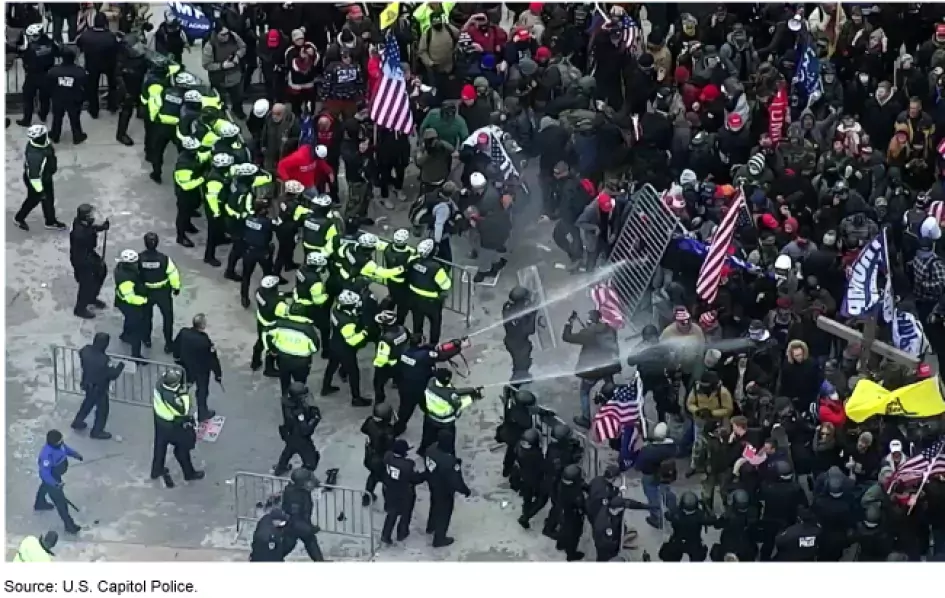

Capitol Police facing off with Stormtrumpers
- One attacker was shot as protesters forced their way toward the House Chamber where members of Congress were sheltering in place.
- Members of the mob attacked police with chemical agents or lead pipes.
- A Capitol Hill police officer was knocked off his feet, dragged into the mob surging toward the building, and beaten with the pole of an American flag.
- Several rioters carried plastic handcuffs, possibly intending to take hostages.
- Others carried treasonous Confederate flags.
- Shouts of “Hang Pence!” often rang out.
- Improvised explosive devices were found in several locations in Washington, D.C.
- Many of the lawmakers’ office buildings were occupied and vandalized—including that of House Speaker Nancy Pelosi, a favorite Right-wing target.
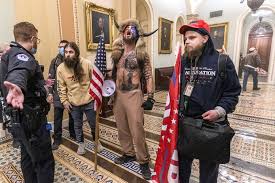
Stormtrumpers inside the Capitol Building
More than three hours passed before police—using riot gear, shields and batons—retook control of the Capitol.
And Trump?
- After giving his inflammatory speech, he returned to the White House—to watch his handiwork on television and rage-tweet against Vice President Mike Pence.
- He was “delighted” at the attack—and surprised that others weren’t, as angry Republican Nebraska Senator Ben Sasse said later.
- He initially denied requests to mobilize the National Guard.
- Six hours after the rioting began, Pat A. Cipollone, the White House Counsel and other officials intervened and deployed the National Guard.
- While the rioting was still erupting, Trump posted a video on Twitter: “I know you’re hurt. We had an election that was stolen from us….But you have to go home now. We have to have peace. We have to have law and order….So go home. We love you. You’re very special.”
- His administration was closing with the same contempt for law and democracy that had characterized it from its outset.
Joseph R. Biden legitimately assumed the Presidency on January 20, 2021.
Yet it was only on November 22, 2022, that his handpicked Attorney General, Merrick Garland, appointed Jack Smith as independent special counsel.
Smith had served in the Justice Department as an assistant U.S. attorney, acting U.S. attorney and head of the agency’s Public Integrity Section.
From 2008 to 2010, Smith worked as investigation coordinator for the Office of the Prosecutor of the International Criminal Court in The Hague, Netherlands. He thus oversaw cases against government officials and militia members accused of war crimes and genocide.

Jack Smith
He is now responsible for overseeing two preexisting Justice Department criminal investigations into Trump.
On June 8, 2023, a grand jury indicted Trump on seven federal criminal charges related to his handling of classified documents. This marked the first time in American history that a serving or former president had been indicted on a federal criminal charge.
On August 1, a second grand jury indicted Trump on four more federal felony counts for attempting to overturn the 2020 Presidential election and inciting a riot against Congress on January 6, 2021.
Meanwhile, Trump has publicly attacked Smith as even notorious Mafia bosses like John Gotti never dared attack their prosecutors.
Trump has attacked Smith as “deranged” and a “Trump-hating prosecutor,” adding that “his wife and family despise me much more than he does.”
A typical Trump post on his website, Truth Social, exploded on August 28, 2023:
“It has just been reported that aides to TRUMP prosecutor, Deranged Jack Smith, met with high officials at the White House just prior to these political SleazeBags Indicating me OVER NOTHING.
“If this is so, which it is, that means that Biden and his Fascist Thugs knew and APPROVED of this Country dividing Form of Election Interference, despite their insisting that they ‘knew nothing.”
Such attacks have led the Justice Department to increase the security detail for Smith from two to at least four deputy U.S. marshals on a 24-hour basis.
Many of Trump’s supporters believe that Smith is acting on behalf of President Biden to deprive Trump of the chance to run for the White House a third time.
The January 6 coup attempt proved beyond doubt their capacity for violence.
On November 14, the Justice Department urged a Washington, DC, appeals court to uphold the gag order against Trump in his federal election subversion criminal case. Prosecutors charged that Trump’s attacks on Smith and his family demonstrates why restrictions on Trump’s speech are necessary.
“There has never been a criminal case in which a court has granted a defendant an unfettered right to try his case in the media, malign the prosecutor and his family, and …target specific witnesses with attacks on their character and credibility,” Smith’s team told the US DC Circuit Court of Appeals in a filing.
2020 PRESIDENTIAL ELECTION, ABC NEWS, ADOLF HITLER, AILEEN CANNON, ALFRED JODL, ALTERNET, AMERICABLOG, AP, ATTORNEYS GENERAL, BABY BOOMER RESISTANCE, BARACK OBAMA, BAVARIA, BBC, BEER HALL PUTSCH, BEN SASSE, BLOOMBERG, BRAD RAFFENSPERGER, BRIAN KEMP, BUZZFEED, CBS NEWS, CLASSIFIED DOCUMENTS TRIAL, CNN, CROOKS AND LIARS, D-DAY, DAILY KOS, DEMOCRATIC PARTY, DEMOCRATS, DONALD TRUMP, ELECTORAL COLLEGE, FASCISM, FIVETHIRTYEIGHT, GEORGE W. BUSH, GERD VON RUNDSTEDT, GUNTHER BLUMENTRITT, HARPER’S MAGAZINE, HERITAGE FOUNDATION, HILLARY CLINTON, HITLER: ASCENT, HITLER: ASCENT (BOOK), HUFFINGTON POST, INSIDER, JANUARY 6 COUP ATTEMPT, JOSEPH BIDEN, jOSH HAWLEY, JUSTICE DEPARTMENT, Kamala Harris, KEN PAXTON, MEDIA MATTERS, MEIN KAMPF, MIKE PENCE, MOTHER JONES, MOVEON, MSNBC, MUNICH, NAZI GERMANY, NAZI PARTY, NBC NEWS, NEW REPUBLIC, NEWSDAY, NEWSWEEK, NORMANDY, NPR, PAT A. CIPOLLONE, PAUL VON HINDENBURG, PBS NEWSHOUR, POLITICO, POLITICUSUSA, RAW STORY, REPUBLICAN PARTY, REPUBLICANS, REUTERS, Ronald Reagan, RUTH BEN-GHIAT, SALON, SEATTLE TIMES, SLATE, STEPHEN COLLINSON, STRONGMEN (BOOK), SUPREME COURT, TALKING POINTS MEMO, THE ATLANTIC, THE CHICAGO SUN-TIMES, THE CHICAGO TRIBUNE, THE DAILY BEAST, THE DAILY BLOG, THE GUARDIAN, THE HILL, THE HUFFINGTON POST, THE INTERCEPT, THE LONGEST DAY (MOVIE, THE LOS ANGELES TIMES, THE NATION, THE NEW REPUBLIC, THE NEW YORK TIMES, THE NEW YORKER, THE VILLAGE VOICE, THE WASHINGTON EXAMINER, THE WASHINGTON POST, THINKPROGRESS, THREATS, TIME, TREASON, TREATY OF VERSALLIES, TRUTHDIG, TRUTHOUT, TWO POLITICAL JUNKIES, U.S. NEWS & WORLD REPORT, UNITED STATES HOUSE OF REPRESENTATIVES, UNITED STATES SENATE, UPI, USA TODAY, VOLKER ULLRICH, VOTER FRAUD, VOTERFRAUD, WEIMAR REPUBLIC, WONKETTE, WORLD WAR 1, WORLD WAR 11
In Bureaucracy, History, Law, Law Enforcement, Military, Politics, Social commentary on November 28, 2023 at 12:11 am
From November 3 to December 14, 2020, President Donald J. Trump and his allies lost 59 times in court to overturn the 2020 Presidential election.
They either withdrew their cases or found them dismissed by Federal and state judges.
On November 19, Trump invited two Republican legislative leaders from Michigan to the White House—to persuade them to stop their state from certifying the vote.
The Michigan legislators said they would follow the law.
.jpg/220px-Donald_Trump_August_19,_2015_(cropped).jpg)
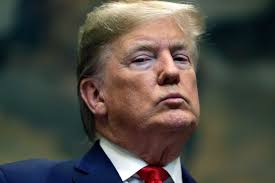
Donald Trump
On December 5, Trump called Georgia Governor Brian Kemp and asked him to call a special legislative session and convince state legislators to select their own electors that would support him, thus overturning Biden’s win.
Kemp refused, saying he lacked the authority to do so.
On December 8, the Supreme Court refused to hear Trump’s bid to reverse Pennsylvania’s certification of Biden’s victory. Representative Mike Kelly (R-PA), a Trump ally, argued that the state’s 2.5 million mail-in votes were unconstitutional.
Although Trump had appointed three of the Court’s Justices, not one of them dissented.
On December 10, the Supreme Court refused to let a Texas lawsuit overturn the results in four battleground states: Georgia, Michigan, Pennsylvania and Wisconsin. The majority of their votes had been cast for Biden.

The Supreme Court
With the Senate due to certify states’ Electoral College results on January 6, Trump pressed Vice President Mike Pence to flip the results of the election to give him a win. This despite the fact that the Electoral Count Act of 1887 limits the Vice President to a largely ceremonial role.
Then, on December 30, Missouri Republican Senator Josh Hawley announced that, on January 6, 2021, he would object to the certification of some states’ Electoral College results.
A total of 147 Republican Congressional members voted to invalidate the Electoral College vote count of the 2020 presidential election: 139 in the House of Representatives, and eight in the Senate.
Having lost in 59 court cases to overturn the election results, Trump opted for some old-fashioned arm-twisting.
On January 2, 2021, he called the office of Georgia Secretary of State Brad Raffensperger. The reason: To pressure him to “find” enough votes to overturn former Vice President Joe Biden’s win in the state’s presidential election.
“All I want to do is this. I just want to find 11,780 votes, which is one more than we have, because we won the state,” Trump lied.
He even threatened Raffensperger with criminal prosecuted if he did not change the vote count in Trump’s favor: “That’s a criminal offense. And you can’t let that happen.”
Raffensperger insisted there hadn’t been any voter fraud—and refused to change the official results.
By January 6, 2021, Trump had almost run out of options for illegally staying in power for the next four years.
On January 6, the United States Senate, with Vice President Mike Pence presiding, would certify states’ Electoral College results of that election.
That morning, Trump urged Pence to flip the results of the election to give him a win. Pence replied that he lacked the power to overturn those results.
But as Pence went off to the Capitol Building housing the Senate and House of Representatives, Trump had one last card to play.
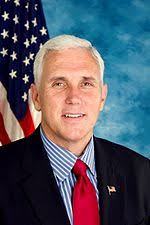
Mike Pence
For weeks Trump had ordered his legions of Right-wing Stormtrumpers to descend on Washington, D.C. on January 6.
On December 20, he had tweeted: “Statistically impossible to have lost the 2020 Election. Big protest in DC on January 6th. Be there, will be wild!”
In tweets, he promoted the rally again on December 27 and 30, and January 1.
On January 6, Trump appeared at the Ellipse, a 52-acre park south of the White House fence and north of Constitution Avenue and the National Mall in Washington, D.C.
A stage had been set up for him to address tens of thousands of his supporters, who eagerly awaited him.
Trump ordered them to march on the Capitol building to express their anger at the voting process and to intimidate their elected officials to reject the results.

Donald Trump addresses his Stormtrumpers
“All of us here today do not want to see our election victory stolen by a bold and radical left Democrats which is what they are doing and stolen by the fake news media.
“Our country has had enough. We will not take it anymore, and that is what this is all about. And to use a favorite term that all of you people really came up with, we will stop the steal….
“Republicans are constantly fighting like a boxer with his hands tied behind his back….And we’re going to have to fight much harder….
“And after this, we’re going to walk down and I’ll be there with you. We’re going to walk down to the Capitol. And we’re going to cheer on our brave Senators and Congressmen and women and we’re probably not going to be cheering so much for some of them.
“Because you’ll never take back our country with weakness. You have to show strength and you have to be strong. We have come to demand that Congress do the right thing and only count the electors who have been lawfully slated.”
The Stormtrumpers marched to the United States Capitol—and quickly brushed aside Capitol Police, who made little effort to arrest or shoot them.
2020 PRESIDENTIAL ELECTION, ABC NEWS, ADOLF HITLER, AILEEN CANNON, ALFRED JODL, ALTERNET, AMERICABLOG, AP, ATTORNEYS GENERAL, BABY BOOMER RESISTANCE, BARACK OBAMA, BAVARIA, BBC, BEER HALL PUTSCH, BEN SASSE, BLOOMBERG, BRAD RAFFENSPERGER, BRIAN KEMP, BUZZFEED, CBS NEWS, CLASSIFIED DOCUMENTS TRIAL, CNN, CROOKS AND LIARS, D-DAY, DAILY KOS, DEMOCRATIC PARTY, DEMOCRATS, DONALD TRUMP, ELECTORAL COLLEGE, FASCISM, FIVETHIRTYEIGHT, GEORGE W. BUSH, GERD VON RUNDSTEDT, GUNTHER BLUMENTRITT, HARPER’S MAGAZINE, HERITAGE FOUNDATION, HILLARY CLINTON, HITLER: ASCENT (BOOK), HUFFINGTON POST, INSIDER, JANUARY 6 COUP ATTEMPT, JOSEPH BIDEN, jOSH HAWLEY, JUSTICE DEPARTMENT, Kamala Harris, KEN PAXTON, MEDIA MATTERS, MEIN KAMPF, MIKE PENCE, MOTHER JONES, MOVEON, MSNBC, MUNICH, NAZI GERMANY, NAZI PARTY, NBC NEWS, NEW REPUBLIC, NEWSDAY, NEWSWEEK, NORMANDY, NPR, PAT A. CIPOLLONE, PAUL VON HINDENBURG, PBS NEWSHOUR, POLITICO, POLITICUSUSA, RAW STORY, REPUBLICAN PARTY, REPUBLICANS, REUTERS, Ronald Reagan, RUTH BEN-GHIAT, SALON, SEATTLE TIMES, SLATE, STEPHEN COLLINSON, STRONGMEN (BOOK), SUPREME COURT, TALKING POINTS MEMO, THE ATLANTIC, THE CHICAGO SUN-TIMES, THE CHICAGO TRIBUNE, THE DAILY BEAST, THE DAILY BLOG, THE GUARDIAN, THE HILL, THE HUFFINGTON POST, THE INTERCEPT, THE LOS ANGELES TIMES, THE NATION, THE NEW REPUBLIC, THE NEW YORK TIMES, THE NEW YORKER, THE VILLAGE VOICE, THE WASHINGTON POST, THINKPROGRESS, THREATS, TIME, TREATY OF VERSALLIES, TRUTHDIG, TRUTHOUT, TWO POLITICAL JUNKIES, U.S. NEWS & WORLD REPORT, UNITED STATES HOUSE OF REPRESENTATIVES, UNITED STATES SENATE, UPI, USA TODAY, VOLKER ULLRICH, VOTER FRAUD, WEIMAR REPUBLIC, WONKETTE, WORLD WAR 1, WORLD WAR 11
In Bureaucracy, History, Law, Law Enforcement, Military, Politics, Social commentary on November 27, 2023 at 12:10 am
On November 9, 1923, Nazi Party Fuhrer Adolf Hitler tried to overthrow the government in Munich, Bavaria.
About 2,000 Nazis marched to the center of Munich, where they confronted heavily-armed police. A shootout erupted, killing 16 Nazis and four policemen.
Hitler was injured during the clash, but managed to escape. Two days later, he was arrested and charged with treason.
Put on trial, he found himself treated as a celebrity by a judge sympathetic to Right-wing groups. He was allowed to brutally cross-examine witnesses and even make inflammatory speeches.
At the end of the trial, he was convicted of treason and sentenced to five years’ imprisonment.
Serving time in Landsberg Prison, in Bavaria. he was given a huge cell, allowed to receive unlimited visitors and gifts, and treated with deference by guards and inmates.
Hitler used his time in prison to write his infamous book, Mein Kampf-–“My Struggle.” Part autobiography, part political treatise, it laid out his future plans—including the extermination of the Jews and the conquest of the Soviet Union.

Adolf Hitler leaving Landsberg Prison, December, 20, 1924
Nine months later, he was released on parole—by authorities loyal to the authoritarian Right instead of the newly-created Weimar Republic.
Hitler immediately began rebuilding the shattered Nazi party—and deciding on a new strategy to gain power. Never again would he resort to armed force. He would win office by election—or intrigue.
Writes historian Volker Ullrich, in his monumental 2016 biography, Hitler: Ascent 1889 – 1939: “Historians have perennially tried to answer the question of whether Hitler’s rise to power could have been halted….
“There were repeated opportunities to end Hitler’s run of triumphs. The most obvious one was after the failed Putsch of November 1923. Had the Munich rabble-rouser been forced to serve his full five-year term of imprisonment in Landsberg, it is extremely unlikely that he would have been able to restart his political career.”
Thus, it isn’t just what happens that can influence the course of history. Often, it’s what doesn’t happen that has at least as great a result.
Consider:
It’s June 6, 1944, and the Allies have launched their long-expected attack on the French coast of Normandy. This is an all-out assault on Adolf Hitler’s “Atlantic Wall” to drive German armies out of the European countries they had conquered in 1940.
“We can’t take any chances. I want the reserve panzers moved forward,” says Field Marshal Gerd von Rundstedt, the commander of all German forces in France, to his subordinate commander, Major General Gunther Blumentritt.
“But we need permission from the Fuhrer’s headquarters,” replies Blumentritt.
And just as Blumentritt fears, permission is denied.
Alfred Jodl, Chief of the Operations Staff of the Wehrmacht, refuses the request. He will not release the panzers without Hitler’s approval.
And the Fuhrer—who stayed up late at night and slept during much of the day—is still sleeping.
“This is history,” says Blumentritt to an aide. “We are living an historical moment. We are going to lose the war because our glorious Fuhrer has taken a sleeping pill and is not to be awakened.
“Think of it, Kurt. We are witnessing something which historians will say is completely improbable. And yet it is true.”
And just as Bluemtritt predicted, defeat comes soon for the German forces in France.
Future historians may one day write that it’s what didn’t happen that played at least as great a role in destroying Constitutional government—and democracy—in the United States as what did.
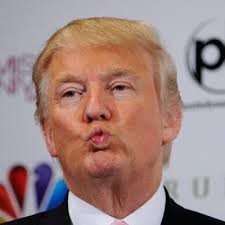
Donald Trump
On November 3, Joe Biden became President-elect of the United States by winning 81,283,495 votes, or 51.4% of the vote, compared to 74,223,755 votes, or 46.9% of the vote cast for President Donald Trump.
In the Electoral College—which actually determines the winner—the results were even more stunning: 306 votes for Biden, compared with 232 for Trump. It takes 270 votes to be declared the victor.
From the moment Biden was declared the winner, Trump set out to overturn that verdict.
For the first time in American history, a President demanded a halt to the counting of votes while the outcome of an election hung in doubt.
States ignored his demand and kept counting.
Next, Trump ordered his attorneys to file lawsuits to overturn the election results, charging electoral fraud. Specifically:
- Illegal aliens had been allowed to vote.
- Trump ballots were systematically destroyed.
- A sinister computer program turned Trump votes into Biden ones.
Throughout November and December, cases were filed in Wisconsin, Arizona, Nevada, Michigan, Minnesota and Georgia challenging the election results. None were supported by evidence of fraud—as even Trump’s lawyers admitted when questioned by judges.
On November 13, nine cases meant to attack President-elect Joe Biden’s win in key states were denied or dropped. A law firm challenging the vote count in Pennsylvania withdrew from the effort.
In Michigan, Trump’s attorneys dropped their federal suit to block the certification of Detroit-area ballots.
By November 21, more than 30 cases were withdrawn by Trump’s attorneys or dismissed by Federal judges—some of them appointed by Trump himself.
Ultimately, from November 3 to December 14, 2020, Trump and his allies lost 59 times in court, either withdrawing cases or having them dismissed by Federal and state judges.
2016 PRESIDENTIAL ELECTION, ABC NEWS, ADOLF HITLER, AFGHANISTAN, ALTERNET, AP, ASIANS, ” 9/11, BARACK OBAMA, BLACKS, BULLYING, BUZZFEED, CBS NEWS, CNN, COMMUNISM, CROOKS AND LIARS, DAILY KOZ, DONALD TRUMP, FACEBOOK, FASCISM, GEORGE W. BUSH, GREAT DEPRESSION, HILLARY CLINTON, HISPANICS, IRAQ, JEWS, MOTHER JONES, MOVEON, MUSLIMS, NAZI GERMANY, NAZI PARTY, NBC NEWS, NEWSWEEK, NPR, PAUL VON HINDENBURG, POLITICO, RACISM, RAW STORY, REPUBLICANS, REUTERS, ROBERT PAYNE, Ronald Reagan, SALON, SEATTLE TIMES, SLATE, THE ATLANTIC, THE CHICAGO SUN-TIMES, THE CHICAGO TRIBUNE, THE DAILY BEAST, THE GUARDIAN, THE HILL, THE HUFFINGTON POST, THE LIFE AND DEATH OF ADOLF HITLER, THE LOS ANGELES TIMES, THE LOS ANGELS TIMES, THE NATION, THE NEW YORK TIMES, THE WASHINGTON POST, TIME, TRUMP EFFECT, TWITTER, U.S. NEWS & WORLD REPORT, UP, UPI, USA TODAY, WORLD WAR 1, WORLD WAR 11
In Bureaucracy, History, Politics, Social commentary on November 23, 2023 at 1:15 am
In his bestselling 1973 biography, The Life and Death of Adolf Hitler, British historian Robert Payne harshly condemned the German people for the rise of the Nazi dictator.
“[They] allowed themselves to be seduced by him and came to enjoy the experience….[They] followed him with joy and enthusiasm because he gave them license to pillage and murder to their hearts’ content. They were his servile accomplices, his willing victims….
“If he answered their suppressed desires, it was not because he shared them, but because he could make use of them. He despised the German people, for they were merely the instruments of his will.”
On November 8, millions of ignorant, hate-filled, Right-wing Americans elected Donald Trump—a man reflecting their own hate and ignorance—to the Presidency.
And as the 2024 Presidential election swiftly approaches, millions of these same voters are prepared to do so again.
Yet, in some ways, Americans have fewer excuses for turning to a Fascistic style of government than the Germans did.
Adolf Hitler, joined the National Socialist German Workers (Nazi) Party in 1919—the year after World War 1 ended.
Adolf Hitler
In 1923, he staged a coup attempt in Bavaria—which was quickly and brutally put down by police. He was arrested and sentenced to less than a year in prison.
After that, Hitler decided that winning power through violence was no longer an option. He must win it through election—or appointment.
He repeatedly ran for the highest office in Germany—President—but never got a clear majority in a free election.
When the 1929 Depression struck Germany, the fortunes of Hitler’s Nazi party rose as the life savings of ordinary Germans fell. Streets echoed with bloody clashes between members of Hitler’s Nazi Stormtroopers and those of the German Communist Party.
Germany seemed on the verge of collapsing.
Germans desperately looked for a leader—a Fuhrer—who could somehow deliver them from the threat of financial ruin and Communist takeover.
In early 1933, members of his own cabinet persuaded aging German president, Paul von Hindenburg, that only Hitler’s appointment as Chancellor could do this.
Paul von Hindenburg
Hindenburg considered Hitler a dangerous radical: “That man for Chancellor? Why, I’ll make him a postmaster, and he can lick my backside—on stamps!”
But he allowed himself to be convinced that, by putting Hitler in the Cabinet, he could be “boxed in” and thus controlled.
So, on January 30, 1933, he reluctantly appointed Adolf Hitler Chancellor—the equivalent of Attorney General—of Germany.
On August 2, 1934, Hindenburg died, and Hitler immediately assumed the titles—and duties—of the offices of Chancellor and President. His rise to total power was now complete.
It had taken him 14 years to do so.
In 2015, Donald Trump declared his candidacy for President.
At that time:
- America was at war in Iraq and Afghanistan—but its fate wasn’t threatened, as it had been during the Cold War.
- If you didn’t know someone in the military, you didn’t care about the casualties happening.
- Nor were these conflicts imposing shortages on Americans, as World War II had.
- Government loans from President Barack Obama had saved American capitalism from its own excesses during the George W. Bush administration.
- The Obama administration had been free of corruption—in contrast to that of George W. Bush.
- Nor had there been any large-scale terrorist attacks on America—as there had been on 9/11 under Bush.
Yet—not 17 months after announcing his candidacy for President—enough Americans fervently embraced Donald Trump to give him the most powerful position in the country and the world.
Donald Trump
The message of Barack Obama’s 2008 campaign had been one of hope—“Yes, We Can!”
That of Donald Trump’s campaign was one of hatred toward everyone who was not an avid Trump supporter: “No, You Can’t!”
Whites comprised the overwhelming majority of the audiences at Trump rallies. Not all were racists, but many of those who were advertised it on T-shirts: “MAKE AMERICA WHITE AGAIN.”
They knew that demographics were steadily working against them. Birthrates among non-whites were rising. By 2045, whites would make up less than 50 percent of the American population.
The 2008 election of the first black President had shocked whites. His 2012 re-election had deprived them of the hope that 2008 had been an accident.
Then came 2016—and the possibility that a black President might actually be followed by a woman: Hillary Clinton.
And the idea of a woman dictating to men was strictly too much to bear.
Even though Russian dictator Vladimir Putin was publicly backing Trump, almost 63 million Americans enthusiastically sent him to the White House.
Today, Trump is once again running for the Presidency—and making it clear that if he’s re-elected, he will purge everyone he blames for his 2020 defeat. Not to mention the judges and prosecutors who are now daring to hold him accountable for his litany of crimes.
And this is where matters stand little more than a year until Americans choose again the current President—Joseph Biden—or the end of democracy with Trump.
All of this should be remembered the next time an American blames Germans for their embrace of Adolf Hitler.
2012 PRESIDENTIAL RACE, ALTERNET, AP, BARACK OBAMA, BAY OF PIGS, BBC, BERLIN WALL, BILL CLINTON, BRUCE GREENWOOD, BUZZFEED, CARLOS MARCELLO, CBS NEWS, CIA, CIVIL RIGHTS, CLIFF ROBERTSON, CNN, CUBAN MISSILE CRISIS, DAILY KOS, DAVID HALBERSTAM, DONALD J. TRUMP, FBI, FIDEL CASTRO, FRANK SINATRA, HERMAN CAIN, ICH BEN EIN BERLINNER SPEECH, INTERNET MOVIE DATABASE, J. EDGAR HOOVER, JAMES MARSDEN, JOHN F. KENNEDY, JOSEPH MCCARTHY, JOSEPH P. KENNEDY, LYNDON B. JOHNSON, MAFIA, MALCOM X, MARTIN LUTHER KING, MARTIN SHEEN, MOTHER JONES, MOVEON, MOVIES, NBC NEWS, NEWSWEEK, NEWT GINGRICH, NIKITA KHRUSHCHEV, NPR, NUCLEAR TEST BAN TREATY, POLITICO, PT-109, RAW STORY, REUTERS, RICK PERRY, ROBERT F. KENNEDY, ROBERT S. MCNAMARA, SALON, SAM GIANCANA, SANTOS TRAFFICANTE, Sarah Palin, SATURDAY NIGHT LIVE, SEATTLE TIMES, SLATE, SOVIET UNION, THE ATLANTIC, THE BEST AND THE BRIGHTEST, THE BUTLER, THE CHICAGO SUN-TIMES, THE CHICAGO TRIBUNE, THE DAILY BEAST, THE GUARDIAN, THE HILL, THE HUFFINGTON POST, THE LOS ANGELES TIMES, THE MISSILES OF OCTOBER, THE NEW YORK TIMES, THE RAT PACK, THE WALL STREET JOURNAL, THE WASHINGTON POST, THIRTEEN DAYS, TIME, TWILIGHT ZONE, TWITTER, U.S. NEWS & WORLD REPORT, UPI, USA TODAY, VIETNAM WAR, WILLIAM DEVANE, WILLIAM PETERSON
In Bureaucracy, Business, History, Law, Law Enforcement, Military, Politics, Social commentary on November 22, 2023 at 12:10 am
Sixty years ago, on November 22, 1963, two bullets slammed into the neck and head of President John Fitzgerald Kennedy.
It has been said that he left his country with three great legacies:
- The Nuclear Test Ban Treaty;
- The Apollo moon landing; and
- The Vietnam war.
Of these, the following can be said with certainty:
- The Test Ban Treaty has prevented atmospheric testing—and poisoning—by almost all the world’s nuclear powers.
- After reaching the moon—in 1969—Americans quickly lost interest in space and have today largely abandoned plans for manned exploration. For America, as for JFK, beating the Russians to the moon was the end-goal.
- Under Presidents Lyndon Johnson and Richard Nixon, 58,000 Americans died in Vietnam; 153,303 were wounded; and billions of dollars were squandered in a hopeless effort to intervene in what was essentially a Vietnamese civil war. From 1965 to 1972, the war angrily divided Americas as had no event since the Civil War.
But there was a fourth legacy—and perhaps the most important of all: The belief that mankind could overcome its greatest challenges through rationality and perseverance.
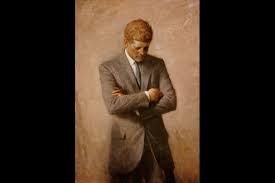
White House painting of JFK
At American University on June 10, 1963, Kennedy called upon his fellow Americans to re-examine the events and attitudes that had led to the Cold War. And he declared that the search for peace was by no means absurd:
“Our problems are man-made; therefore, they can be solved by man. And man can be as big as he wants. No problem of human destiny is beyond human beings.
“Man’s reason and spirit have often solved the seemingly unsolvable, and we believe they can do it again.”
Today, politicians from both parties cannot agree on solutions to even the most vital national problems.
For example: Republicans cannot agree with Democrats that the violent January 6, 2021 attempt by Donald Trump’s supporters to overturn the results of the 2020 Presidential election qualified as treason.
President Kennedy insisted on being well-informed. He speed-read several newspapers every morning and nourished personal relationships with the press—and not for altruistic reasons. These journalistic contacts gave Kennedy additional sources of information and perspectives on national and international issues.
During the 2012 Presidential campaign, Republican Presidential candidates celebrated their ignorance of both.
Former Godfather’s Pizza CEO Herman Cain famously said, “We need a leader, not a reader.” Thus he excused his ignorance for why President Barack Obama had intervened in Libya.
Former Texas Governor Rick Perry and Secretary of Energy showed similar pride in not knowing there are nine judges on the United States Supreme Court:
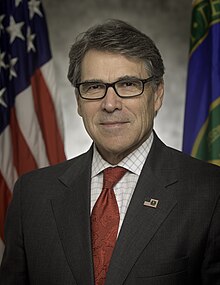
Rick Perry
“Well, obviously, I know there are nine Supreme Court judges. I don’t know how eight came out my mouth. But the, uh, the fact is, I can tell you—I don’t have memorized all of those Supreme Court judges. And, uh, ah—
“Here’s what I do know. That when I put an individual on the Supreme Court, just like I done in Texas, ah, we got nine Supreme Court justices in Texas, ah, they will be strict constructionists….”
In short, it’s the media’s fault if they ask you a question and your answer reveals your own ignorance, stupidity or criminality.
Sarah Palin rewrote history via “The Midnight Ride of Paul Revere”: “He warned the British that they weren’t going to be taking away our arms by ringing those bells and, um, making sure as he’s riding his horse through town to send those warning shots and bells that, uh, we were going to be secure and we were going to be free.”
In fact, Revere wasn’t warning the British about anything. Instead, he was warning his fellow Americans about an impending British attack—as his celebrated catchphrase “The British are coming!” made clear.
During the height of the Cuban Missile Crisis, Kennedy spoke with aides about a book he had just finished: Barbara Tuchman’s The Guns of August, about the events leading to World War 1.
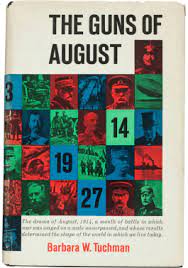
He said that the book’s most important revelation was how European leaders had blindly rushed into war, without thought to the possible consequences. Kennedy told his aides he did not intend to make the same mistake—that, having read his history, he was determined to learn from it.
Republicans attacked President Obama for his Harvard education and articulate use of language. Among their taunts: “Hitler also gave good speeches.”
And they resented his having earned most of his income as a writer of two books: Dreams From My Father and The Audacity of Hope. As if being a writer is somehow subversive.
When knowledge and literacy are attacked as “highfalutin’” arrogance, and ignorance and incoherence are embraced as sincerity, national decline lies just around the corner.
Many Americans believe that decline arrived with the 2016 election of Donald Trump. In fact, they believe it was Trump who announced it after winning the Nevada Republican primary: “We won with poorly educated. I love the poorly educated.”
In retrospect, the funeral for President Kennedy marked the death of more than a rational and optimistic human being.
It marked the death of Americans’ pride in choosing reasoning and educated citizens for their leaders.
2012 PRESIDENTIAL RACE, ABC NEWS, ALTERNET, AP, BARACK OBAMA, BAY OF PIGS, BBC, BERLIN WALL, BILL CLINTON, BRUCE GREENWOOD, BUZZFEED, CARLOS MARCELLO, CBS NEWS, CIA, CIVIL RIGHTS, CLIFF ROBERTSON, CNN, CUBAN MISSILE CRISIS, DAILY KOS, DAVID HALBERSTAM, DONALD J. TRUMP, FBI, FIDEL CASTRO, FRANK SINATRA, HERMAN CAIN, ICH BEN EIN BERLINNER SPEECH, INTERNET MOVIE DATABASE, J. EDGAR HOOVER, JAMES MARSDEN, JOHN F. KENNEDY, JOSEPH MCCARTHY, JOSEPH P. KENNEDY, LYNDON B. JOHNSON, MAFIA, MALCOM X, MARTIN LUTHER KING, MARTIN SHEEN, MOTHER JONES, MOVEON, MOVIES, NBC NEWS, NEWSWEEK, NEWT GINGRICH, NIKITA KHRUSHCHEV, NPR, NUCLEAR TEST BAN TREATY, POLITICO, PT-109, RAW STORY, REUTERS, RICK PERRY, ROBERT F. KENNEDY, ROBERT S. MCNAMARA, SALON, SAM GIANCANA, SANTOS TRAFFICANTE, Sarah Palin, SATURDAY NIGHT LIVE, SEATTLE TIMES, SLATE, SOVIET UNION, THE ATLANTIC, THE BEST AND THE BRIGHTEST, THE BUTLER, THE CHICAGO SUN-TIMES, THE CHICAGO TRIBUNE, THE DAILY BEAST, THE GUARDIAN, THE HILL, THE HUFFINGTON POST, THE LOS ANGELES TIMES, THE MISSILES OF OCTOBER, THE NEW YORK TIMES, THE RAT PACK, THE WALL STREET JOURNAL, THE WASHINGTON POST, THIRTEEN DAYS, TIME, TWILIGHT ZONE, TWITTER, U.S. NEWS & WORLD REPORT, UPI, USA TODAY, VIETNAM WAR, WILLIAM DEVANE, WILLIAM PETERSON
In Bureaucracy, Business, History, Law, Law Enforcement, Military, Politics, Social commentary, Uncategorized on November 21, 2023 at 12:10 am
Elected to the House of Representatives in 1946, John F. Kennedy served six undistinguished years before being elected U.S. Senator from Massachusetts in 1952.
In 1956, his eloquence and political skill almost won him the Vice Presidential nomination at the Democratic National Convention. But the nominee, Adlai Stevenson, chose Tennessee Senator Estes Kefauver as his running mate–fortunately for Kennedy.
President Dwight D. Eisenhower, running for re-election, easily beat Stevenson.
Had Kennedy been on the ticket, his Catholicism would have been blamed for the loss. And this would have likely prevented his getting the Presidential nomination in 1960.
In 1957, his book, Profiles in Courage, won the Pulitzer Prize for history.
From 1957 to 1960, Kennedy laid plans for a successful Presidential race.
Many voters thought him too young and inexperienced for such high office. But he used his TV debates with then-Vice President Richard Nixon to calm such fears, transforming himself overnight into a serious contender.
Many Americans identified with Kennedy as they had with film stars. Compared with normally drab politicians, he seemed exciting and glamorous.
Since 1960, for millions of Americans, mere competence in a President isn’t enough; he should be charming and movie-star handsome as well.
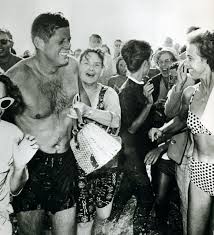
John F. Kennedy after taking a swim at Santa Monica Beach, 1960
But charismatic politicians face the danger of waning enthusiasm.
Many people were growing disillusioned with Kennedy before he died. He had raised hopes that couldn’t be met—especially among blacks.
And many whites bitterly opposed his support of integration, believing that Kennedy was “moving too fast” in changing race relations.
Still, for millions of Americans, Kennedy represented a time of change.
“Let’s get this country moving again” had been his campaign slogan in 1960. He had demanded an end to the non-existent “missile gap” between the United States and Soviet Union.
And he had said that America should create full employment and re-evaluate its policies toward Africa, Latin America and Asia.
His youth, the grace and beauty of his wife and the often-reported antics of his two young children—Caroline and John—added to the atmosphere that change was under way.
But Kennedy was not so committed to reform as many believed:
- As a Senator he had strongly opposed abolishing the Electoral College.
- He never protested the Red-baiting tactics of Senator Joseph R. McCarthy, a frequent dinner guest at the home of his father.
- As President, Kennedy never forgot that he had been elected by a margin of 112,881 votes. He often rationalized his refusal to tackle controversial issues by saying: “We’ll do it after I’m re-elected. So we’d better make damn sure I am re-elected.”
- He thought the United States should recognize “Red” China, but didn’t try to change American foreign policy toward that nation.
Nevertheless, many historians believe that. by vocally supporting civil rights and healthcare for the elderly, Kennedy laid the groundwork for Lyndon Johnson’s legislative victories.
Perhaps no aspect of Kennedy’s Presidency has received closer study than his assassination.
Hundreds of books and thousands of articles have hotly debated whether he was murdered by a lone “nut” or a deadly conspiracy of powerful men.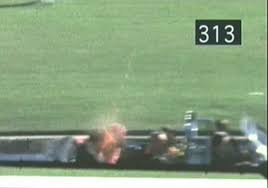

JFK’s assassination: The moment of impact
The murder has been the subject of two government investigations. The first, by the Warren Commission in 1964, concluded that an embittered ex-Marine and Marxist, Lee Harvey Oswald, acted alone in killing Kennedy.
Similarly, the Commission determined that nightclub owner Jack Ruby had killed Oswald on impulse, and not as the result of a conspiracy.
Millions of disbelieving Americans rejected the Warren Report—and named their own villains:
- The KGB;
- The Mob;
- Anti-Castro Cubans;
- Vice President Lyndon B. Johnson;
- Right-wing businessmen and/or military leaders;
- Fidel Castro.
Each of these groups or persons had reason to hate Kennedy:
- The KGB—for Kennedy’s humiliating the Soviet Union during the Cuban Missile Crisis.
- The Mob—in retaliation for the administration’s crackdown on organized crime.
- Anti-Castro Cubans—for JFK’s refusal to commit American military forces to overthrowing Castro at the Bay of Pigs invasion.
- Lyndon Johnson—lusting for power, he stood to gain the most from Kennedy’s elimination.
- Right-wing businessmen and/or military leaders—for believing that Kennedy had “sold out” the country to the Soviet Union.
- Fidel Castro—knowing the CIA was trying to assassinate or overthrow him, he had reason to respond in kind.
The second investigation, conducted in 1977-79 by the House Assassinations Committee, determined that Oswald and a second, unknown sniper had fired at Kennedy. (Oswald was deemed the assassin; the other man’s shot had missed.)
The Chief Counsel for the Committee, G. Robert Blakey, believed New Orleans Mafia boss Carlos Marcello organized the assassination, owing to his hatred of Robert Kennedy for his war on the crime syndicates.
Still, 60 years after JFK’s assassination, no court-admissible evidence has appeared to convict anyone other than Oswald for the murder.
The impact of Kennedy’s death on popular culture remains great. Millions saw him as a brilliant, courageous hero who had worked his way to the top.
But his sudden and violent end shocked those who believed there was always a happy ending.
If so gifted—and protected—a man as John F. Kennedy could be so suddenly and brutally destroyed, no one else could depend on a secure future.
2012 PRESIDENTIAL RACE, ABC NEWS, ALTERNET, AP, BARACK OBAMA, BAY OF PIGS, BBC, BERLIN WALL, BILL CLINTON, BRUCE GREENWOOD, BUZZFEED, CARLOS MARCELLO, CBS NEWS, CIA, CIVIL RIGHTS, CLIFF ROBERTSON, CNN, CUBAN MISSILE CRISIS, DAILY KOS, DAVID HALBERSTAM, DONALD J. TRUMP, FBI, FIDEL CASTRO, FRANK SINATRA, HERMAN CAIN, ICH BEN EIN BERLINNER SPEECH, INTERNET MOVIE DATABASE, J. EDGAR HOOVER, JAMES MARSDEN, JOHN F. KENNEDY, JOSEPH MCCARTHY, JOSEPH P. KENNEDY, LYNDON B. JOHNSON, MAFIA, MALCOM X, MARTIN LUTHER KING, MARTIN SHEEN, MOTHER JONES, MOVEON, MOVIES, NBC NEWS, NEWSWEEK, NEWT GINGRICH, NIKITA KHRUSHCHEV, NPR, NUCLEAR TEST BAN TREATY, POLITICO, PT-109, RAW STORY, REUTERS, RICK PERRY, ROBERT F. KENNEDY, ROBERT S. MCNAMARA, SALON, SAM GIANCANA, SANTOS TRAFFICANTE, Sarah Palin, SATURDAY NIGHT LIVE, SEATTLE TIMES, SLATE, SOVIET UNION, THE ATLANTIC, THE BEST AND THE BRIGHTEST, THE BUTLER, THE CHICAGO SUN-TIMES, THE CHICAGO TRIBUNE, THE DAILY BEAST, THE GUARDIAN, THE HILL, THE HUFFINGTON POST, THE LOS ANGELES TIMES, THE MISSILES OF OCTOBER, THE NEW YORK TIMES, THE RAT PACK, THE WALL STREET JOURNAL, THE WASHINGTON POST, THIRTEEN DAYS, TIME, TWILIGHT ZONE, TWITTER, U.S. NEWS & WORLD REPORT, UPI, USA TODAY, VIETNAM WAR, WILLIAM DEVANE, WILLIAM PETERSON
In Bureaucracy, Business, History, Law, Law Enforcement, Military, Politics, Social commentary on November 20, 2023 at 12:45 am
Throughout his life, John F. Kennedy was lucky—both personally and politically.
Part of the secret lay in his physical presence. He was young and handsome, charming and articulate.
He appeared zestful and athletic despite a series of ailments, including Addison’s disease (a malfunction of the adrenal glands) and an injured back that required the use of a brace.
His wit was sophisticated and often self-deprecating. Addressing an assembly of Nobel Prize winners at the White House, he said: “I think this is the most extraordinary collection of talent, of human knowledge, that has ever been gathered at the White House—with the possible exception of when Thomas Jefferson dined alone.”


JFK making a joke at a press conference
And his sense of humor often defused otherwise ticklish problems. During the 1960 Presidential race, he was sharply criticized for relying on his millionaire father for much of his funding. At a campaign rally, he deflected the charge with humor:
“I just received a telegram from my generous Daddy. It says: ‘Dear Jack: Don’t buy one more vote than necessary. I’ll be damned if I’m going to pay for a landslide.’”
Another controversy emerged when he named his brother, Robert, Attorney General. Critics charged that the appointment smacked of nepotism—and that Robert didn’t have enough legal gravitas to be the nation’s chief law enforcement offer.
“I see nothing wrong in giving Robert a little experience before he goes out to practice law,” he said at a press conference.
His highly-polished rhetoric—produced by wordsmiths such as Theodore Sorensen—dazzled audiences. His Inaugural Address was acclaimed by Democrats and even most Republicans.
Its signature line, “Ask not what your country can do for you, ask what you can do for your country” has become as famous as Abraham Lincoln’s “government of the people, by the people, for the people.”
His speeches often urged Americans to seek a higher cause than mere self-interest. Speaking of the role of the arts in a nation’s life, he said:
“It may be different elsewhere, but [in] democratic society…the highest duty of the writer, the composer, the artist is to remain true to himself and to let the chips fall where they may.”
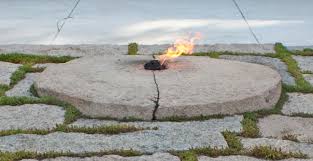
Memorial at the Arlington gravesite for John F. Kennedy
But he could be blunt and profane in private.
“My father always told me all businessmen were sonsofbitches, but I never believed it till now,” he said in private when the steel companies made an inflationary price increase in 1962.
Like Richard Nixon, Kennedy installed a secret taping system in the White House. And, as with Nixon, this picked up many of his profanities. Unlike Nixon, however, Kennedy died before his secret taping system was discovered.
Kennedy impressed many journalists with his capacity for detail.
“He swallows and digests whole books in minutes. His eye seizes instantly on the crucial point of a long memorandum. He confounds experts with superior knowledge of their field,” wrote Games McGregor Burns in 1961.
Having briefly worked as a journalist (covering the opening of the United Nations Assembly in 1945) JFK understood and catered to the sensitivities of the Washington press corps.
Using charm, wit, candor and selective accessibility, he cultivated his own favored group of reporters. Critics charged that he was manipulating the media—and they were right.
Sometimes the manipulation was heavy-handed. He pressured The New York Times to censor its coverage of actions he intended to take—such as during the Bay of Pigs and the Cuban Missile Crisis.
But he failed to coerce the Times to remove David Halberstam, its Vietnam correspondent, whose highly critical articles cast doubt on the effectiveness of the American military commitment to Vietnam.
A major part of Kennedy’s appeal lay in his glamorous background. He was born—on May 29, 1917—into a large, robust family headed by wealthy and powerful financier Joseph P. Kennedy.
He attended Princeton and Harvard, graduating from the latter with top honors.
During World War II he became a Naval hero in 1943 after a Japanese destroyer sliced his PT boat in half—by towing an injured shipmate to safety on a South Pacific island. From there, Kennedy persuaded a native to summon rescue help from the U.S. Navy.
Kennedy had no plans for a postwar political career. That had been assigned to his elder brother, Joseph P. Kennedy, Jr., by their ambitious father, who was determined to seat the first Irish Catholic President.
After learning of his younger brother’s heroism, Joseph volunteered for a dangerous Naval bombing mission. On August 12, 1944, he and a co-pilot flew an explosives-laden plane from England toward France.
While over the English Channel, they were supposed to parachute from the aircraft—after activating a remote control system to send the plane crashing into a German command center.
But the plane mysteriously exploded before the pilots could eject—and before the plane reached its target.
The death of his elder brother ended John F. Kennedy’s plans for a career as a writer. Joseph Kennedy, Sr., insisted that “Jack” assume the political career that the Kennedy patriarch had assigned for his dead brother.
2012 PRESIDENTIAL RACE, ALTERNET, AP, BARACK OBAMA, BAY OF PIGS, BBC, BERLIN WALL, BILL CLINTON, BRUCE GREENWOOD, BUZZFEED, CARLOS MARCELLO, CBS NEWS, CIA, CIVIL RIGHTS, CLIFF ROBERTSON, CNN, CUBAN MISSILE CRISIS, DAILY KOS, DAVID HALBERSTAM, DONALD J. TRUMP, FBI, FIDEL CASTRO, FRANK SINATRA, HERMAN CAIN, ICH BEN EIN BERLINNER SPEECH, INTERNET MOVIE DATABASE, J. EDGAR HOOVER, JAMES MARSDEN, JOHN F. KENNEDY, JOSEPH MCCARTHY, JOSEPH P. KENNEDY, LYNDON B. JOHNSON, MAFIA, MALCOM X, MARTIN LUTHER KING, MARTIN SHEEN, MOTHER JONES, MOVEON, MOVIES, NBC NEWS, NEWSWEEK, NEWT GINGRICH, NIKITA KHRUSHCHEV, NPR, NUCLEAR TEST BAN TREATY, POLITICO, PT-109, RAW STORY, REUTERS, RICK PERRY, ROBERT F. KENNEDY, ROBERT S. MCNAMARA, SALON, SAM GIANCANA, SANTOS TRAFFICANTE, Sarah Palin, SATURDAY NIGHT LIVE, SEATTLE TIMES, SLATE, SOVIET UNION, THE ATLANTIC, THE BEST AND THE BRIGHTEST, THE BUTLER, THE CHICAGO SUN-TIMES, THE CHICAGO TRIBUNE, THE DAILY BEAST, THE GUARDIAN, THE HILL, THE HUFFINGTON POST, THE LOS ANGELES TIMES, THE MISSILES OF OCTOBER, THE NEW YORK TIMES, THE RAT PACK, THE WALL STREET JOURNAL, THE WASHINGTON POST, THIRTEEN DAYS, TIME, TWILIGHT ZONE, TWITTER, U.S. NEWS & WORLD REPORT, UPI, USA TODAY, VIETNAM WAR, WILLIAM DEVANE, WILLIAM PETERSON
In Bureaucracy, Business, History, Law, Law Enforcement, Military, Politics, Social commentary on November 17, 2023 at 12:10 am
John F. Kennedy fired the imaginations and captured the hearts of Americans and foreign citizens as no President since the days of Franklin D. Roosevelt.
Millions who voted for him—or against him or didn’t vote at all—still believe that, if only he had lived to be re-elected, America would have entered a truly Golden Age.
Kennedy certainly encouraged such belief. Asked for his definition of happiness, he quoted the ancient Greeks: “The full use of your powers along lines of excellence.”
More than 53 years after his death on November 22, 1963, he remains frozen in time. Assassinated at age 46, he remains forever young, vigorous and charming.
But even if he had not been assassinated, his Presidency could have ended in disaster.
After his 1953 marriage to Jacqueline Bouvier, he continued to pursue both a married and a bachelor life. Rumors of Kennedy’s extramarital affairs swirled throughout his Senatorial career and followed him into the White House.
His conquests included secretaries, wives of friends, strippers, movie stars (such as Marilyn Monroe and Marlene Dietrich) prostitutes and even a mobster’s mistress.
Various theories have been advanced for his taking such dangerous risks with his political career:
- As a victim of Addison’s Disease (insufficiency of the adrenal glands) he had been told by doctors he might not live beyond 35.
- As a result of the cortisone he took to control his Addison’s, his libido was greatly enhanced.
- After escaping death with the sinking of PT-109, he decided to cram as much excitement into his life as possible.
- His father, Joseph P. Kennedy, Sr., a notorious womanizer, had encouraged him and his three other sons to sleep with as many women as possible.
During the 1960 Presidential campaign, Frank Sinatra—who had become smitten with Kennedy and was determined to see him elected—introduced him to a “good time girl” named Judith Campbell (later Exner).
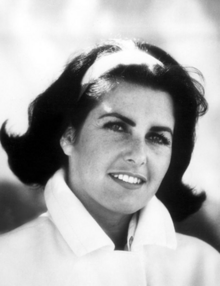

Judith Campbell in 1976
Whether Kennedy knew it or not, Campbell was also sleeping with Sam Giancana—the most-feared Mafia boss in Chicago. And it wasn’t long before Giancana learned about her trysts with Kennedy.
As a favor to Sinatra, Giancana and his fellow mobsters used their powerful influence to ensure that JFK carried Illinois in 1960.
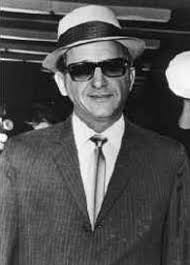
Sam Giancana
In turn, JFK’s father, Joseph P. Kennedy had promised Giancana that the Mob would get a free ride under a Kennedy Presidency.
When JFK appointed his brother, Robert, Attorney General, the latter declared war on organized crime. Giancana and his fellow hoods felt betrayed.
Giancana often raged to Campbell: “If it wasn’t for me, your boyfriend wouldn’t be President.” And having knowledge of her scandalous relationship with JFK, Giancana could have exposed Kennedy to a shocked public.
And if Giancana hadn’t done it, FBI Director J. Edgar Hoover might have.
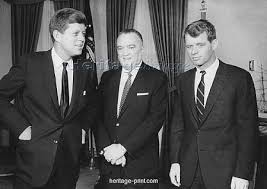
John F. Kennedy, J. Edgar Hoover and Robert F. Kennedy
Hoover, under relentless pressure from Robert Kennedy to crack down on the Mob, had, through illegal electronic surveillance, discovered the Giancana-Campbell-Kennedy connection.
Always fearful that he might be replaced as FBI director, Hoover had quickly alerted the Attorney General to his latest discovery in February, 1962. Neither RFK nor JFK could dare fire Hoover now.
White House telephone logs reveal that, from January, 1961 until February, 1962, Campbell phoned the White House 70 times.
After Hoover informed Robert Kennedy of Campbell’s status with the President, she made only one more call to Kennedy. It was then that the President said the affair was over.
Similarly, the President’s on-and-off affair with Marilyn Monroe put him in an equally dangerous position. Monroe’s behavior, fueled by emotional instability, alcohol and pills, became increasingly erratic. And she grew convinced that Kennedy should divorce Jackie and make her the new First Lady.
Rumors still circulate that the President sent Robert Kennedy—who was by now an old hand at cleaning up JFK’s messes—to tell Monroe their relationship was over.
Whatever secrets Monroe may have been able to reveal about her relationship with Kennedy, she took them to the grave in an overdose of alcohol and sleeping pills on August 5, 1962.
In his 1995 bestseller, The Dark Side of Camelot, investigative reporter Seymour Hersh got several former members of Kennedy’s Secret Service detail to speak about JFK’s extramarital sex life.
They revealed that they had not been allowed to search any of the women Kennedy cavorted with.
Any of these women could have injected the President with a poisonous hypodermic. Or secretly tape recorded their trysts with Kennedy for blackmail purposes.
Kennedy believed he would be re-elected in 1964—especially if his opponent was Barry Goldwater, the Republican Senator from Arizona.
And he almost certainly would have been re-elected; Lyndon Johnson scored a smashing victory over Goldwater that year.
But it’s also possible that Kennedy could have been forced to resign in disgrace over his affairs with Campbell, Monroe or any number of other women.
Such a fate overtook British Secretary of State for War John Profumo in 1962. In 1961, he had begun an affair with Christine Keeler, an attractive model. But Keeler was also bedding Yevgeney Ivanov, the senior naval attaché at the Soviet Embassy in Britain.
When the press learned about the threesome, Profumo was forced to resign, his 22-year political career destroyed.


 Bureaucracybuster's Blog
2020 PRESIDENTIAL ELECTION, ABC NEWS, ADOLF HITLER, AILEEN CANNON, ALFRED JODL, ALTERNET, AMERICABLOG, AP, ATTORNEYS GENERAL, BABY BOOMER RESISTANCE, BARACK OBAMA, BAVARIA, BBC, BEER HALL PUTSCH, BEN SASSE, BLOOMBERG, BRAD RAFFENSPERGER, BRIAN KEMP, BUZZFEED, CBS NEWS, CLASSIFIED DOCUMENTS TRIAL, CNN, CROOKS AND LIARS, D-DAY, DAILY KOS, DEMOCRATIC PARTY, DEMOCRATS, DONALD TRUMP, ELECTORAL COLLEGE, FASCISM, FIVETHIRTYEIGHT, GEORGE W. BUSH, GERD VON RUNDSTEDT, GUNTHER BLUMENTRITT, HARPER’S MAGAZINE, HERITAGE FOUNDATION, HILLARY CLINTON, HITLER: ASCENT (BOOK), HUFFINGTON POST, INSIDER, JANUARY 6 COUP ATTEMPT, JOSEPH BIDEN, jOSH HAWLEY, JUSTICE DEPARTMENT, Kamala Harris, KEN PAXTON, MEDIA MATTERS, MEIN KAMPF, MIKE PENCE, MOTHER JONES, MOVEON, MSNBC, MUNICH, NAZI GERMANY, NAZI PARTY, NBC NEWS, NEW REPUBLIC, NEWSDAY, NEWSWEEK, NORMANDY, NPR, PAT A. CIPOLLONE, PAUL VON HINDENBURG, PBS NEWSHOUR, POLITICO, POLITICUSUSA, RAW STORY, REPUBLICAN PARTY, REPUBLICANS, REUTERS, Ronald Reagan, RUTH BEN-GHIAT, SALON, SEATTLE TIMES, SLATE, STEPHEN COLLINSON, STRONGMEN (BOOK), SUPREME COURT, TALKING POINTS MEMO, THE ATLANTIC, THE CHICAGO SUN-TIMES, THE CHICAGO TRIBUNE, THE DAILY BEAST, THE DAILY BLOG, THE GUARDIAN, THE HILL, THE HUFFINGTON POST, THE INTERCEPT, THE LOS ANGELES TIMES, THE NATION, THE NEW REPUBLIC, THE NEW YORK TIMES, THE NEW YORKER, THE VILLAGE VOICE, THE WASHINGTON POST, THINKPROGRESS, THREATS, TIME, TREATY OF VERSALLIES, TRUTHDIG, TRUTHOUT, TWO POLITICAL JUNKIES, U.S. NEWS & WORLD REPORT, UNITED STATES HOUSE OF REPRESENTATIVES, UNITED STATES SENATE, UPI, USA TODAY, VOLKER ULLRICH, VOTER FRAUD, WEIMAR REPUBLIC, WONKETTE, WORLD WAR 1, WORLD WAR 11
IT’S RERUN TIME FOR THE WEIMAR REPUBLIC: PART FIVE (END)
In Bureaucracy, History, Law, Law Enforcement, Military, Politics, Social commentary on December 1, 2023 at 12:10 amMost Americans believe the United States is immune from the same fates of democracies that have become dictatorships.
Not so New York University historian Ruth Ben-Ghiat. Appearing on the November 13 edition of The PBS Newshour, she warned:
“Since 2015, [Donald Trump] started….using his rallies and campaign events for radicalizing people. And he started saying, oh, in the old days, you used to hurt people. The problem is, Americans don’t hurt each other anymore.
Ruth Ben-Ghiat
Humblewarrior, CC BY-SA 4.0 <https://creativecommons.org/licenses/by-sa/4.0>, via Wikimedia Commons
“So now he’s going into a new phase of openly dehumanizing his targets so that will lessen the taboos in the future. And we see that, in 2025, he’s got plans for mass deportations, mass imprisonments and giant camps.
“So you need people to be less sensitive about violence, either committing it themselves or tolerating it. And I see that as….the reason he’s using this dehumanizing rhetoric now, to prepare people.”
A historical example: The Weimar Republic, the constitutional federal republic in Germany which lasted from November 9, 1918 to March 23, 1933.
During its 14-year existence, the Republic granted Germans rights they had never enjoyed—and which would be ruthlessly suppressed during the 12-year Third Reich that replaced it.
Among those rights:
But the Republic had dangerous enemies—Communists on the Left, and Nazis on the Right. And it was plagued by charges of illegitimacy and even treason—for its members’ having signed the Treaty of Versailles ending World War 1.
Adolf Hitler, joined the National Socialist German Workers (Nazi) Party in 1919—the year after World War 1 ended.
Adolf Hitler
In 1923, he staged a coup attempt in Bavaria—which was quickly and brutally put down by police. He was arrested and sentenced to less than a year in prison.
After that, Hitler decided that winning power through violence was no longer an option. He must win it through election—or appointment.
He repeatedly ran for the highest office in Germany—President—but never got a clear majority in a free election.
When the 1929 Depression struck Germany, the fortunes of Hitler’s Nazi party rose as the life savings of ordinary Germans fell. Streets echoed with bloody clashes between members of Hitler’s Nazi Stormtroopers and those of the German Communist Party.
Germany seemed on the verge of collapsing.
Germans desperately looked for a leader—a Fuhrer—who could somehow deliver them from the threat of financial ruin and Communist takeover.
In early 1933, members of his own cabinet persuaded aging German president, Paul von Hindenburg, that only Hitler’s appointment as Chancellor could do this.
Paul von Hindenburg
Hindenburg considered Hitler a dangerous radical. But he allowed himself to be convinced that, by putting Hitler in the Cabinet, he could be “boxed in” and thus controlled.
So, on January 30, 1933, he reluctantly appointed Adolf Hitler Chancellor—the equivalent of Attorney General.
On August 2, 1934, Hindenburg died, and Hitler immediately assumed the titles—and duties—of the offices of Chancellor and President.
His rise to total power was now complete.
In 2015, Donald Trump declared his candidacy for President.
At that time:
Yet—not 17 months after announcing his candidacy for President—enough Americans fervently embraced Donald Trump to give him the most powerful position in the country and the world.
Donald Trump
The message of Barack Obama’s 2008 campaign had been one of hope—“Yes, We Can!”
That of Donald Trump’s campaign was one of hatred toward everyone who was not an avid Trump supporter: “No, You Can’t!”
White supremacists comprised the overwhelming majority of the audiences at Trump rallies. They knew that demographics were steadily working against them. Birthrates among nonwhites were rising. By 2045, whites would make up less than 50 percent of the American population.
The 2008 election of the first black President had shocked Fascistic whites. His 2012 re-election had deprived them of the hope that 2008 had been an accident.
Then came 2016—and the possibility that a black President might be followed by a woman: Former Secretary of State Hillary Clinton.
And the idea of a woman dictating to men was strictly too much for them to bear.
President Joseph Biden is 80—six years younger than Paul von Hindenburg when he died—and capable of dying literally any day.
His Vice President, Kamala Harris, is widely perceived as unprepared for the Presidency.
Meanwhile, Donald Trump—like Adolf Hitler—is waging an all-out campaign to make himself dictator. And—like Hitler—he’s using the democratic system to destroy democracy.
The year 2024 will see the re-election of Joseph Biden—or the end of American democracy.
Share this: