Posts Tagged ‘ABC NEWS’
2016 PRESIDENTIAL RACE, ABC NEWS, ALEXANDER BUTTERFIELD, ALTERNET, AP, ARNOLD SCHWARTZENEGGER, BARACK OBAMA, BBC, BUZZFEED, CBS NEWS, CNN, DAILY KOS, DONALD TRUMP, FACEBOOK, FBI, HILLARY CLINTON, JAMES COMEY, JOHN OLIVER, JOHN W. DEAN, MERYL STREEP, MOTHER JONES, MOVEON, NBC NEWS, NEWSWEEK, NPR, OBAMACARE, POLITICO, RAW STORY, REUTERS, RICHARD NIXON, SALON, SEATTLE TIMES, SENATE WATERGATE COMMITTEE, SLATE, THE ATLANTIC, THE CHICAGO SUN-TIMES, THE CHICAGO TRIBUNE, THE DAILY BEAST, THE GUARDIAN, THE HILL, THE HUFFINGTON POST, THE LOS ANGELES TIMES, THE NEW YORK TIMES, THE WALL STREET JOURNAL, THE WASHINGTON POST, TIME, TWITTER, UPI, USA TODAY, WATERGATE, WIRETAPPING
In Bureaucracy, History, Law, Law Enforcement, Politics, Social commentary on May 18, 2017 at 12:15 am
Donald Trump’s tweet-first-and-never-mind-the-consequences approach to life has been thoroughly documented.
From June 15, 2015, when he launched his Presidential campaign, until October 24, 2016, he fired nearly 4,000 angry, insulting tweets at 281 people and institutions. The New York Times needed two full pages of its print edition to showcase them.
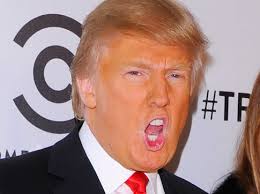
Donald Trump
Among these targets were:
- His Democratic rival, Hillary Clinton
- His fellow Republican Presidential candidates
- Actress Meryl Streep
- News organizations
- President Barack Obama
- Comedian John Oliver
- Obamacare
- Singer Neil Young
- The state of New Jersey
- Actor Arnold Schwarzenegger.
And during his first two weeks as President, Trump attacked 22 people, places and things on his @realDonaldTrump account.
Then, on March 4, 2017, in a series of unhinged tweets, Trump accused former President Barack Obama of tapping his Trump Tower phones prior to the election:
“Terrible! Just found out that Obama had my ‘wires tapped’ in Trump Tower just before the victory. Nothing found. This is McCarthyism!”
“Is it legal for a sitting President to be ‘wire tapping’ a race for president prior to an election? Turned down by court earlier. A NEW LOW!”
“I’d bet a good lawyer could make a great case out of the fact that President Obama was tapping my phones in October, just prior to Election!”
“How low has President Obama gone to tapp my phones during the very sacred election process. This is Nixon/Watergate. Bad (or sick) guy!”
Thus, without offering a shred of evidence to back it up, Trump accused his predecessor of committing an impeachable offense.
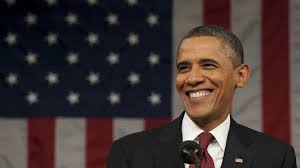
President Barack Obama
On May 9, Trump abruptly fired FBI Director James Comey.
Reports soon surfaced that his reason for doing so was that Comey had refused to pledge his personal loyalty to Trump.
Trump had made this “request” during a private dinner at the White House in January.
After refusing to make that pledge, Comey told Trump that he would always be honest with him.
But that didn’t satisfy Trump’s demand that the head of the FBI act as his personal secret police chief.

James B. Comey
Just 72 hours after firing Comey, Trump issued a threat to him via Twitter:
“James Comey better hope that there are no ‘tapes’ of our conversations before he starts leaking to the press!”
This last tweet may have proved fatal to the man who has weaponized Twitter.
Trump’s implication that he taped his conversation with Comey immediately led White House reporters to ask if he, in fact, taped conversations in the Executive Mansion.
Trump’s response: No comment.
At a White House press conference, Sean Spicer, Trump’s press secretary, was asked three times: Was tape recording occurring in the White House?
Spicer replied: “I’ve talked to the President. The President had nothing further to add on that.”
Asked on Right-wing Fox News–the only major network Trump willingly appears on–if he taped the Comey conversation, the President said: “That I can’t talk about. I won’t talk about that. All I want is for Comey to be honest. And I hope he will be. And I’m sure he will be – I hope.”
By implying on Twitter that he had illegally taped his conversation with Comey–and then refusing to say if this was true–Trump has boxed himself into a no-win situation.
Dead-end #1: If he taped the conversation without Comey’s consent, Trump broke the law.
According to a 2003 Congressional report, “Privacy: An Overview of Federal Statutes Governing Wiretapping and Electronic Eavesdropping”:
“It is a federal crime to wiretap or to use a machine to capture the communications of others without court approval, unless one of the parties has given their prior consent.
“It is likewise a federal crime to use or disclose any information acquired by illegal wiretapping or electronic eavesdropping. Violations can result in imprisonment for not more than 5 years; fines up to $250,000 (up to $500,000 for organizations); in civil liability for damages, attorneys fees and possibly punitive damages; in disciplinary action against any attorneys involved; and in suppression of any derivative evidence.”
Dead-end #2: If Trump admits he taped Comey, he provides Democrats–and even some Republicans–with reason to subpoena all existing White House tapes.
In the summer of 1973, the Senate was investigating the bugging of Democratic headquarters at the Watergate Hotel during the 1972 Presidential campaign.
In June, 1973, John W. Dean III testified before the Senate Watergate Committee. He had served as White House Counsel for Nixon from 1970 to 1973. And now he outlined a litany of crimes ordered by President Richard Nixon.
The White House adamantly denied these charges by attacking Dean as a malcontent. (He had been fired by Nixon in April.)
So–who was telling the truth: Dean or Nixon? It was a classic case of He said/he said.
Then–unexpectedly–a way appeared to answer the question: “Who is telling the truth?”
Alexander Butterfield, who had served as the Deputy Assistant to Nixon from 1969 to 1973, was called as a witness before the Committee.
In a private meeting with Senate investigators, he unintentionally blurted out that Nixon had installed a secret taping system to record all conversations between him and Oval Office visitors.
Suddenly, the Watergate investigation took an entirely new direction–one that would prove fatal to Nixon’s Presidency.
2012 PRESIDENTIAL RACE, ABC NEWS, ALTERNET, AP, BARACK OBAMA, BAY OF PIGS, BBC, BERLIN WALL, BILL CLINTON, BRUCE GREENWOOD, BUZZFEED, CARLOS MARCELLO, CBS NEWS, CIA, CIVIL RIGHTS, CLIFF ROBERTSON, CNN, CUBAN MISSILE CRISIS, DAILY KOS, DAVID HALBERSTAM, DONALD J. TRUMP, FACEBOOK, FBI, FIDEL CASTRO, FRANK SINATRA, HERMAN CAIN, ICH BEN EIN BERLINNER SPEECH, INTERNET MOVIE DATABASE, J. EDGAR HOOVER, JAMES MARSDEN, JOHN F. KENNEDY, JOSEPH MCCARTHY, JOSEPH P. KENNEDY, LYNDON B. JOHNSON, MAFIA, MALCOM X, MARTIN LUTHER KING, MARTIN SHEEN, MOTHER JONES, MOVEON, MOVIES, NBC NEWS, NEWSWEEK, NEWT GINGRICH, NIKITA KHRUSHCHEV, NPR, NUCLEAR TEST BAN TREATY, POLITICO, PT-109, RAW STORY, REUTERS, RICK PERRY, ROBERT F. KENNEDY, ROBERT S. MCNAMARA, SALON, SAM GIANCANA, SANTOS TRAFFICANTE, Sarah Palin, SATURDAY NIGHT LIVE, SEATTLE TIMES, SLATE, SOVIET UNION, THE ATLANTIC, THE BEST AND THE BRIGHTEST, THE BUTLER, THE CHICAGO SUN-TIMES, THE CHICAGO TRIBUNE, THE DAILY BEAST, THE GUARDIAN, THE HILL, THE HUFFINGTON POST, THE LOS ANGELES TIMES, THE MISSILES OF OCTOBER, THE NEW YORK TIMES, THE RAT PACK, THE WALL STREET JOURNAL, THE WASHINGTON POST, THIRTEEN DAYS, TIME, TWILIGHT ZONE, TWITTER, U.S. NEWS & WORLD REPORT, UPI, USA TODAY, VIETNAM WAR, WILLIAM DEVANE, WILLIAM PETERSON
In Bureaucracy, Business, History, Law, Law Enforcement, Military, Politics, Social commentary on May 16, 2017 at 12:05 am
Elected to the House of Representatives in 1946, John F. Kennedy served six undistinguished years before being elected U.S. Senator from Massachusetts in 1952.
In 1956, his eloquence and political skill almost won him the Vice Presidential nomination at the Democratic National Convention. But the nominee, Adlai Stevenson, chose Tennessee Senator Estes Kefauver as his running mate–fortunately for Kennedy.
President Dwight D. Eisenhower, running for re-election, easily beat Stevenson.
Had Kennedy been on the ticket, his Catholicism would have been blamed for the loss. And this would have likely prevented his getting the Presidential nomination in 1960.
In 1957, his book, Profiles in Courage, won the Pulitzer Prize for history.
From 1957 to 1960, Kennedy laid plans for a successful Presidential race.
Many voters thought him too young and inexperienced for such high office. But he used his TV debates with then-Vice President Richard Nixon to calm such fears, transforming himself overnight into a serious contender.
Many Americans identified with Kennedy as they had with film stars. Compared with normally drab politicians, he seemed exciting and glamorous.
Since 1960, for millions of Americans, mere competence in a President isn’t enough; he should be charming and movie-star handsome as well.
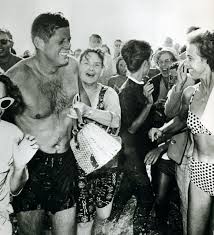
John F. Kennedy after taking a swim at Santa Monica Beach, 1960
But charismatic politicians face the danger of waning enthusiasm.
Many people were growing disillusioned with Kennedy before he died. He had raised hopes that couldn’t be met—especially among blacks.
And many whites bitterly opposed his support of integration, believing that Kennedy was “moving too fast” in changing race relations.
Still, for millions of Americans, Kennedy represented a time of change.
“Let’s get this country moving again” had been his campaign slogan in 1960. He had demanded an end to the non-existent “missile gap” between the United States and Soviet Union.
And he had said that America should create full employment and re-evaluate its policies toward Africa, Latin America and Asia.
His youth, the grace and beauty of his wife and the often-reported antics of his two young children—Caroline and John—added to the atmosphere that change was under way.
But Kennedy was not so committed to reform as many believed:
- As a Senator he had strongly opposed abolishing the Electoral College.
- He never protested the Red-baiting tactics of Senator Joseph R. McCarthy, a frequent dinner guest at the home of his father.
- As President, Kennedy never forgot that he had been elected by a margin of 112,881 votes. He often rationalized his refusal to tackle controversial issues by saying: “We’ll do it after I’m re-elected. So we’d better make damn sure I am re-elected.”
- He thought the United States should recognize “Red” China, but didn’t try to change American foreign policy toward that nation.
Nevertheless, many historians believe that. by vocally supporting civil rights and healthcare for the elderly, Kennedy laid the groundwork for Lyndon Johnson’s legislative victories.
Perhaps no aspect of Kennedy’s Presidency has received closer study than his assassination.
Hundreds of books and thousands of articles have hotly debated whether he was murdered by a lone “nut” or a deadly conspiracy of powerful men.
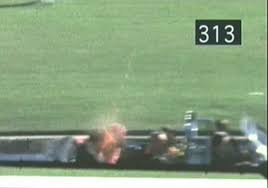
JFK’s assassination: The moment of impact
The murder has been the subject of two government investigations. The first, by the Warren Commission in 1964, concluded that an embittered ex-Marine and Marxist, Lee Harvey Oswald, acted alone in killing Kennedy.
Similarly, the Commission determined that nightclub owner Jack Ruby had killed Oswald on impulse, and not as the result of a conspiracy.
Millions of disbelieving Americans rejected the Warren Report–and named their own villains:
- The KGB;
- The Mob;
- Anti-Castro Cubans;
- Vice President Lyndon B. Johnson;
- Right-wing businessmen and/or military leaders;
- Fidel Castro.
Each of these groups or persons had reason to hate Kennedy:
- The KGB—for Kennedy’s humiliating the Soviet Union during the Cuban Missile Crisis.
- The Mob—in retaliation for the administration’s crackdown on organized crime.
- Anti-Castro Cubans—for JFK’s refusal to commit American military forces to overthrowing Castro at the Bay of Pigs invasion.
- Lyndon Johnson—lusting for power, he stood to gain the most from Kennedy’s elimination.
- Right-wing businessmen and/or military leaders—for believing that Kennedy had “sold out” the country to the Soviet Union.
- Fidel Castro—knowing the CIA was trying to assassinate or overthrow him, he had reason to respond in kind.
The second investigation, conducted in 1977-79 by the House Assassinations Committee, determined that Oswald and a second, unknown sniper had fired at Kennedy. (Oswald was deemed the assassin; the other man’s shot had missed.)
The Chief Counsel for the Committee, G. Robert Blakey, believed New Orleans Mafia boss Carlos Marcello organized the assassination, owing to his hatred of Robert Kennedy for his war on the crime syndicates.
Still, 53 years after JFK’s assassination, no court-admissible evidence has appeared to convict anyone other than Oswald for the murder.
The impact of Kennedy’s death on popular culture remains great. Millions saw him as a brilliant, courageous hero who had worked his way to the top.
But his sudden and violent end shocked those who believed there was always a happy ending.
If so gifted—and protected—a man as John F. Kennedy could be so suddenly and brutally destroyed, no one else could depend on a secure future.
2012 PRESIDENTIAL RACE, ABC NEWS, ALTERNET, AP, BARACK OBAMA, BAY OF PIGS, BBC, BERLIN WALL, BILL CLINTON, BRUCE GREENWOOD, BUZZFEED, CARLOS MARCELLO, CBS NEWS, CIA, CIVIL RIGHTS, CLIFF ROBERTSON, CNN, CUBAN MISSILE CRISIS, DAILY KOS, DAVID HALBERSTAM, DONALD J. TRUMP, FACEBOOK, FBI, FIDEL CASTRO, FRANK SINATRA, HERMAN CAIN, ICH BEN EIN BERLINNER SPEECH, INTERNET MOVIE DATABASE, J. EDGAR HOOVER, JAMES MARSDEN, JOHN F. KENNEDY, JOSEPH MCCARTHY, JOSEPH P. KENNEDY, LYNDON B. JOHNSON, MAFIA, MALCOM X, MARTIN LUTHER KING, MARTIN SHEEN, MOTHER JONES, MOVEON, MOVIES, NBC NEWS, NEWSWEEK, NEWT GINGRICH, NIKITA KHRUSHCHEV, NPR, NUCLEAR TEST BAN TREATY, POLITICO, PT-109, RAW STORY, REUTERS, RICK PERRY, ROBERT F. KENNEDY, ROBERT S. MCNAMARA, SALON, SAM GIANCANA, SANTOS TRAFFICANTE, Sarah Palin, SATURDAY NIGHT LIVE, SEATTLE TIMES, SLATE, SOVIET UNION, THE ATLANTIC, THE BEST AND THE BRIGHTEST, THE BUTLER, THE CHICAGO SUN-TIMES, THE CHICAGO TRIBUNE, THE DAILY BEAST, THE GUARDIAN, THE HILL, THE HUFFINGTON POST, THE LOS ANGELES TIMES, THE MISSILES OF OCTOBER, THE NEW YORK TIMES, THE RAT PACK, THE WALL STREET JOURNAL, THE WASHINGTON POST, THIRTEEN DAYS, TIME, TWILIGHT ZONE, TWITTER, U.S. NEWS & WORLD REPORT, UPI, USA TODAY, VIETNAM WAR, WILLIAM DEVANE, WILLIAM PETERSON
In Bureaucracy, Business, History, Law, Law Enforcement, Military, Politics, Social commentary on May 15, 2017 at 12:26 am
Throughout his life, John F. Kennedy was lucky—both personally and politically.
Part of the secret lay in his physical presence. He was young and handsome, charming and articulate.
He appeared zestful and athletic despite a series of ailments, including Addison’s disease (a malfunction of the adrenal glands) and an injured back that required the use of a brace.
His wit was sophisticated and often self-deprecating. Addressing an assembly of Nobel Prize winners at the White House, he said: “I think this is the most extraordinary collection of talent, of human knowledge, that has ever been gathered at the White House—with the possible exception of when Thomas Jefferson dined alone.”


JFK making a joke at a press conference
And his sense of humor often defused otherwise ticklish problems. During the 1960 Presidential race, he was sharply criticized for relying on his millionaire father for much of his funding. At a campaign rally, he deflected the charge with humor:
“I just received a telegram from my generous Daddy. It says: ‘Dear Jack: Don’t buy one more vote than necessary. I’ll be damned if I’m going to pay for a landslide.’”
Another controversy emerged when he named his brother, Robert, Attorney General. Critics charged that the appointment smacked of nepotism—and that Robert didn’t have enough legal gravitas to be the nation’s chief law enforcement offer.
“I see nothing wrong in giving Robert a little experience before he goes out to practice law,” he said at a press conference.
His highly-polished rhetoric—produced by wordsmiths such as Theodore Sorensen—dazzled audiences. His Inaugural Address was acclaimed by Democrats and even most Republicans.
Its signature line, “Ask not what your country can do for you, ask what you can do for your country” has become as famous as Abraham Lincoln’s “government of the people, by the people, for the people.”
His speeches often urged Americans to seek a higher cause than mere self-interest. Speaking of the role of the arts in a nation’s life, he said:
“It may be different elsewhere, but [in] democratic society…the highest duty of the writer, the composer, the artist is to remain true to himself and to let the chips fall where they may.”
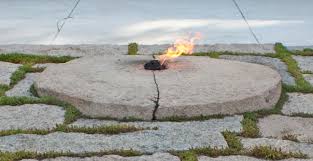
Memorial at the Arlington gravesite for John F. Kennedy
But he could be blunt and profane in private.
“My father always told me all businessmen were sonsofbitches, but I never believed it till now,” he said in private when the steel companies made an inflationary price increase in 1962.
Like Richard Nixon, Kennedy installed a secret taping system in the White House. And, as with Nixon, this picked up many of his profanities. Unlike Nixon, however, Kennedy died before his secret taping system was discovered.
Kennedy impressed many journalists with his capacity for detail.
“He swallows and digests whole books in minutes. His eye seizes instantly on the crucial point of a long memorandum. He confounds experts with superior knowledge of their field,” wrote Games McGregor Burns in 1961.
Having briefly worked as a journalist (covering the opening of the United Nations Assembly in 1945) JFK understood and catered to the sensitivities of the Washington press corps.
Using charm, wit, candor and selective accessibility, he cultivated his own favored group of reporters. Critics charged that he was manipulating the media—and they were right.
Sometimes the manipulation was heavy-handed. He pressured The New York Times to censor its coverage of actions he intended to take—such as during the Bay of Pigs and the Cuban Missile Crisis.
But he failed to coerce the Times to remove David Halberstam, its Vietnam correspondent, whose highly critical articles cast doubt on the effectiveness of the American military commitment to Vietnam.
A major part of Kennedy’s appeal lay in his glamorous background. He was born—on May 29, 1917—into a large, robust family headed by wealthy and powerful financier Joseph P. Kennedy.
He attended Princeton and Harvard, graduating from the latter with top honors.
During World War II he became a Naval hero in 1943 after a Japanese destroyer sliced his PT boat in half—by towing an injured shipmate to safety on a South Pacific island. From there, Kennedy persuaded a native to summon rescue help from the U.S. Navy.
Kennedy had no plans for a postwar political career. That had been assigned to his elder brother, Joseph P. Kennedy, Jr., by their ambitious father, who was determined to seat the first Irish Catholic President.
After learning of his younger brother’s heroism, Joseph volunteered for a dangerous Naval bombing mission. On August 12, 1944, he and a co-pilot flew an explosives-laden plane from England toward France.
While over the English Channel, they were supposed to parachute from the aircraft—after activating a remote control system to send the plane crashing into a German command center.
But the plane mysteriously exploded before the pilots could eject—and before the plane reached its target.
The death of his elder brother ended John F. Kennedy’s plans for a career as a writer. Joseph Kennedy, Sr., insisted that “Jack” assume the political career that the Kennedy patriarch had assigned for his dead brother.
2012 PRESIDENTIAL RACE, ABC NEWS, ALTERNET, ANITA PERRY, AP, BANKING, BARACK OBAMA, BBC, BUZZFEED, CBS NEWS, CNN, DAILY KOS, DEPARTMENT OF ENERGY, DONALD TRUMP, FACEBOOK, HYPOCRISH, MITT ROMNEY, MOTHER JONES, MOVEON, NBC NEWS, NEWSWEEK, NPR, OLIGARCHY, PLUTARCH, POLITICO, PRESIDENTIAL RACE, RAW STORY, REUTERS, RICK PERRY, SALON, SEATTLE TIMES, SECURITIES EXCHANGE COMMISSION, SLATE, THE ATLANTIC, THE CHICAGO SUN-TIMES, THE CHICAGO TRIBUNE, THE DAILY BEAST, THE GUARDIAN, THE HILL, THE HUFFINGTON POST, THE LOS ANGELES TIMES, THE NEW YORK TIMES, THE WALL STREET JOURNAL, THE WASHINGTON POST, TIME, TWITTER, U.S. NEWS & WORLD REPORT, UPI, USA TODAY
In Bureaucracy, Business, History, Politics, Social commentary on May 3, 2017 at 12:10 am
The ancient historian, Plutarch, warned: “And the most glorious episodes do not always furnish us with the clearest discoveries of virtue or vice in men.
“Sometimes a matter of less moment, an expression or a jest, informs us better of their characters and inclinations than the most famous sieges, the greatest armaments, or the bloodiest battles.”
It’s well to keep this warning in mind when judging the character of Rick Perry, the former Texas governor who is now Secretary of Energy for the Trump administration.
Five years ago, he was a candidate for President himself.
Anita Perry, his wealthy wife, wanted voters to know she sympathized with the plight of the unemployed.
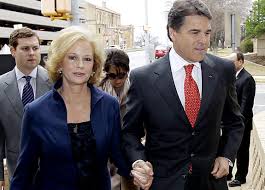
Anita and Rick Perry
For her, unemployment meant that her son, Griffin, had resigned from his job at Deutsche Bank to campaign for his father.
“He resigned from his job two weeks ago because he can’t go out and campaign with his father because of SEC regulations,” she said in a Pendleton, S.C. diner on October 14, 2011.
The Securities and Exchange Commission had recently adopted stricter rules for investment advisers undertaking political activity.
Anita Perry’s comment came in response to a question from a middle-aged voter who had lost his six-figure job and now worked as a handyman.
“My son lost his job because of this administration,” she added.

Griffin Perry
Blaming the Obama administration is, of course, second-nature for those on the radical right. But Anita Perry may have forgotten that, on October 13, 2011, she said that her son had eagerly resigned.
She recalled that her husband assembled the family to discuss his run for the Presidency last May.
“So, our son Griffin Perry is 28. He loves politics, and he just couldn’t wait. He said ‘Dad, I’m in! I’m in! I’ll do whatever you need me to do. I’ll resign my job. I’ll do what you need me to do.’” she said in a speech at North Greenville University.
Anita Perry might have considered that there is a difference between voluntarily resigning from a job and being involuntarily fired from it.
And she might have consoled herself with the truth that, having a family fortune and the income of his attorney-wife to rely on, Griffin Perry wasn’t in danger of standing in a breadline anytime soon.
So why would Anita Perry stoop to mingling with those she considers her social inferiors? And why would she pour out her woes to people she would otherwise cross the street to avoid?
Simple. She needed them. Or, to be more accurate: She needed their votes.
True, her husband was hauling in huge campaign donations that dwarfed those of his rivals. But money can’t vote.
And with an estimated 14 to 25 million Americans unemployed, the Perrys had to reach beyond the minority of voters who would qualify for their country-club membership.
Of course, the voluntary resignation of her son wasn’t the only complaint Anita Perry had to make.
“We are being brutalized by our opponents, and our own party,” she told a South Carolina audience on October 13, 2011. “So much of that is, I think they look at him, because of his faith.
“He is the only true conservative–well, there are some true conservatives. And they’re there for good reasons. And they may feel like God called them, too. But I truly feel like we are here for that purpose.”
Actually, it was Rick Perry–through his surrogate spokesman-pastor, Robert Jeffress–who had repeatedly attacked the Mormon religion of his then-campaign rival, Mitt Romney.
Jeffress told reporters at the Values Voter Summit in Washington he believed Mormonism was a “cult.” While Perry has said he didn’t agree with the charge, he refused to repudiate the remarks–or support–of the influential Baptist pastor.
It was the same strategy favored by demagogues like President Richard Nixon: The “respectable” Nixon took the high road, while ordering his subordinate, Vice President Spiro Agnew, to attack the patriotism of anyone who dared disagree with him.
Why is all of this important?
Because the priorities of the leader of an organization usually determine the priorities of that organization. And those priorities, in turn, derive from the character of that leader.
So consider the character traits that Perry has so far revealed:
- He used surrogates to attack the religion of his opponents.
- He holds his own religious beliefs sacred.
- He sought to slash programs for the poor.
- He piled up millions of dollars for himself.
- His family believes he has been chosen by God to redeem the nation from becoming “soft” and “Godless.”
- His family believes themselves entitled to ignore laws that are supposed to govern all Americans.
It’s fascinating to imagine the verdict Plutarch would deliver on American politics today. After all, he did shrewdly analyze the ruthless political maneuverings of such despots as Alexander and Julius Caesar.
No doubt, would-be despots like Donald Trump and his self-righteous cronies like Rick Perry would find Plutarch’s verdicts highly upsetting.
And Americans who believe in liberty would find those verdicts incredibly frightening.
9/11, ABC NEWS, ABORTION, ADOLF HITLER, ALTERNET, ANTISEMITISM, AP, ARIZONA, BBC, BUZZFEED, CBS NEWS, CNN, DAILY KOS, DISCRIMINATION, FACEBOOK, FASCISM, FBI, FIRST RESPONDERS, GAYS, JEWS, KAREN HANDEL, MOTHER JONES, MOVEON, NAZI GERMANY, NBC NEWS, NEWSWEEK, NPR, PLANNED PARENTHOOD, POLITICO, RAW STORY, REPUBLICAN PARTY, REUTERS, SALON, SEATTLE TIMES, SLATE, STALINGRAD, SUSAN G. KOMEN FOUNDATION, THE ATLANTIC, THE CHICAGO SUN-TIMES, THE CHICAGO TRIBUNE, THE DAILY BEAST, THE GUARDIAN, THE HILL, THE HUFFINGTON POST, THE LOS ANGELES TIMES, THE NEW YORK TIMES, THE WALL STREET JOURNAL, THE WASHINGTON POST, THIRD REICH, TIME, TWITTER, U.S. NEWS & WORLD REPORT, UPI, USA TODAY
In History, Law, Politics, Social commentary on May 2, 2017 at 12:06 am
During the 12-year insanity of the Third Reich, Nazis labeled their acts of aggression as “self-defense.” But they denounced acts of self-defense by others against Nazi assault or terror as “naked aggression.”
This remains the mindset and practice of American Right-wingers.
In Arizona, American Fascists had anticipated becoming victimizers of gays and lesbians. But on February 26, 2014, Arizona Governor Jan Brewer dashed their hopes and vetoed Senate Bill 1062.
The legislation had been passed by the Republican-controlled State House and Senate. It would have:
- Allowed business owners to turn away gay and lesbian customers.
- Allowed employers to deny equal pay to women.
- Allowed individuals to renege on contract obligations.
- Allowed hospitals to refuse to provide care to a gay or lesbian patient.
American Rightists believed they had a God-given right to withhold their business services from gays and lesbians.
But they considered it unfair and even demonic for gays and their supporters to withhold monies from discriminatory Arizona businesses.
The Right had suffered a similar reversal-of-discrimination misfortune in 2012.
Karen Handel, vice president of public affairs for Susan G. Komen for the Cure, fashioned what she believed was a politically viable plan for Komen to pull its grant monies from Planned Parenthood (PP).

A fanatical anti-abortionist, she didn’t care that this money went entirely for breast cancer screenings for poor women. She cared only that about 3% of all PP revenues went toward providing abortion services.
The official version, as put out by Handel and the top brass of Komen, went: “We’ve halted grants to Planned Parenthood because it’s under investigation by Congress for misuse of funds.”
Unfortunately for Komen, the public instantly saw through the lie.
Any crank in Congress can start an “investigation” into anything.
And PP was “under investigation” by a crank: Rep. Cliff Stearns (R-Fla.), chairman of the Energy and Commerce Subcommittee on Oversight and Investigations.
Stearns, a fanatical anti-abortionist, claimed he wanted to determine whether PP had spent public money on abortions over the last decade.
But Stearns didn’t hesitate to slander the patriotism of thousands of 9/11 “first responders”–the police, firefighters, construction workers and others who risked their lives to save their fellow Americans.
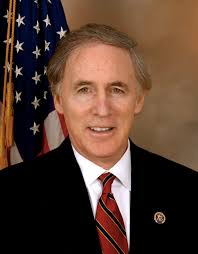
Rep. Cliff Stearns
He did so by demanding that they submit their names, birthplaces, addresses, government ID numbers and other personal data to the FBI to prove they were not terrorists.
Only then could they receive federally-subsidized medical care for injuries caused by exposure to toxic dust and debris at the site.
Not one terrorist was discovered in the resulting investigations.
Public outrage at Komen was immediate and overwhelming:
- More than 50 members of Congress signed letters asking Komen to reverse course.
- New York City Mayor Michael Bloomberg publicly rebuked Komen and pledged $250,000 to PP.
- Approximately 37,000 people from all over the country signed a petition demanding Handel’s resignation.
- PP raised nearly $3 million in contributions.
Reeling before this onslaught of criticism, Komen issued a statement: “We will continue to fund existing grants, including those of Planned Parenthood, and preserve their eligibility to apply for future grants.”
Having failed in their latest assault on women’s rights, the Right’s would-be predators now portrayed themselves as victims:
- “The last time I checked,” Handel told Right-wing Fox News, “private non-profit organizations have a right and a responsibility to be able to set the highest standards and criteria on their own without interference, let alone the level of vicious attacks and coercion that has occurred by Planned Parenthood. It’s simply outrageous.”
- “Planned Parenthood campaigns to destroy anyone who questions them,” charged Marjorie Dannenfelser, president of the anti-abortion Susan B. Anthony List.
- “Their attitude is that of an immature teenager with an enormous sense of entitlement. This is just more proof that Planned Parenthood will pulverize anyone who dares to question them,” Dannenfelser said.
- “What Planned Parenthood did to that venerable and honorable organization [Komen Foundation] is nothing less than a Mafia-style shakedown,” said Steven H. Aden, senior counsel for the Alliance Defense Fund. The Fund bitterly opposes abortion, gay marriage, birth control and the separation of church and state.
Many conservatives correctly defended Komen’s right, as a private charitable organization, to give–or withhold–its money as it saw fit.
But these same conservatives refused to grant PP’s outraged supporters the same right: To withhold their own monies from Komen.
National Review’s Daniel Foster called the backlash to Komen “disgusting,” attacking PP and “the Left” for their “gangsterism.”
During the battle for Stalingrad, in 1942, a young German soldier named Wilhelm Hoffman was appalled that the Russians refused to surrender. In his diary he wrote:
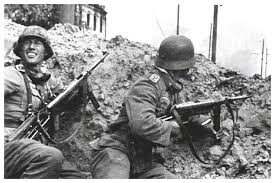
German soldiers at Stalingrad
“September 26. Our regiment is involved in constant heavy fighting. After the elevator was taken the Russians continued to defend themselves just as stubbornly.
“You don’t see them at all, they have established themselves in houses and cellars and are firing on all sides, including our rear. Barbarians–they use gangster methods! Stalingrad is hell….”
What held true for German Fascists holds equally true for those in America: Oppose their efforts to enslave you–and you become a gangster.
9/11, ABC NEWS, ABORTION, ADOLF HITLER, ALTERNET, ANTISEMITISM, AP, ARIZONA, BBC, BUZZFEED, CBS NEWS, CNN, DAILY KOS, DISCRIMINATION, FACEBOOK, FASCISM, FBI, FIRST RESPONDERS, GAYS, INDIANA, JEWS, KAREN HANDEL, MOTHER JONES, MOVEON, NAZI GERMANY, NBC NEWS, NEWSWEEK, NPR, PLANNED PARENTHOOD, POLITICO, RAW STORY, RELIGIOUS F THE CHICAGO TRIBUNE, RELIGIOUS FREEDOM RESTORATION ACT, REPUBLICAN PARTY, REUTERS, SALON, SEATTLE TIMES, SLATE, STALINGRAD, SUSAN G. KOMEN FOUNDATION, THE ATLANTIC, THE CHICAGO SUN-TIMES, THE CHICAGO TRIBUNE, THE DAILY BEAST, THE GUARDIAN, THE HILL, THE HUFFINGTON POST, THE LOS ANGELES TIMES, THE NEW YORK TIMES, THE WALL STREET JOURNAL, THE WASHINGTON POST, THIRD REICH, TIME, TWITTER, U.S. NEWS & WORLD REPORT, UPI, USA TODAY
In Bureaucracy, Business, History, Politics, Social commentary on May 1, 2017 at 12:03 am
Chicago radio host and former Illinois Republican Congressman Joe Walsh knew why Arizona Governor Jan Brewer vetoed Arizona Senate Bill 1062.
“The LGBT community has become nothing more than a group of constitutional terrorists,” tweeted Walsh.
Nor was that all Walsh had to say on Twitter.
“Stop saying she vetoed an ‘anti-gay bill.’ Stop distorting reality to advance your liberal agenda, media,” went one tweet.
And another went: “Obama’s America, where Christians must participate in gay weddings and Catholics forced to pass out birth control like communion.”
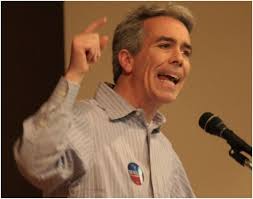
Joe Walsh
The legislation had been passed by the Republican-controlled State House and Senate. It would have:
- Allowed business owners to turn away gay and lesbian customers.
- Allowed employers to deny equal pay to women.
- Allowed individuals to renege on contract obligations.
- Allowed hospitals to refuse to provide medical care to a gay or lesbian patient.
And all of these actions would have been legally protected–so long as “sincere religious belief” was cited as the reason.
The legislation was written by the Right-wing advocacy group Center for Arizona Policy and the Christian legal organization, Alliance Defending Freedom.
Officially, its intent was to prevent the government from forcing business owners to act in ways contrary to strongly held religious beliefs.
Unofficially, its intent was to appease the hatred of gays and lesbians by the religious Right, a key constituency of the Republican party.
Gays and their supporters reacted by threatening a legal business and tourism boycott of Arizona. And the business community and its supporters, alarmed, took notice:
- Large businesses–such as Apple, American Airlines, AT&T, Delta Airlines, Verizon and Intel–publicly opposed the measure.
- With Super Bowl XLIX scheduled to be played in 2015 at the University of Phoenix Stadium in Glendale, Ariz., the Arizona Super Bowl Host Committee expressed concerns.
- Arizona’s United States Senators John McCain and Jeff Flake publicly urged Brewer to veto the measure, citing worries about the economic impact on the state’s businesses.
Faced with a choice between monetary greed and ideological fanaticism, Governor Jan Brewer chose to veto the legislation on February 26, 2014.
By doing so, she forestalled a costly boycott.
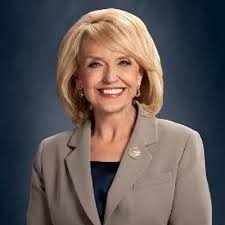
Governor Jan Brewer
Suddenly, it was American Fascists–who had anticipated becoming persecutors–who now claimed themselves to be victims. Among their rants on Twitter:
- “CNN led full court media press to take away rights of Christians. Just the beginning. Using tolerance as weapon against us. Wake up.” –John Nolte (@NolteNC)
- “Not sure what the GOP stands for when it stands against religious freedom out of pure fear of political correctness.” –Ben Shapiro (@benshapiro)
- “Arizona Gov. Jan Brewer makes Christians in her state second class citizens.” –toddstarnes (@toddstarnes)
- “A sad day for Arizonans who cherish and understand religious liberty.” –The Center for Arizona Policy
- “Freedom loses when fear overwhelms facts and a good bill is vetoed. Today’s veto enables the foes of faith to more easily suppress the freedom of the people of Arizona.” –Alliance Defending Freedom
American Rightists believed they had a God-given right to withhold their business services from gays and lesbians.
But they considered it unfair and even demonic for gays and their supporters to withhold monies from discriminatory Arizona businesses.
The Right had suffered a similar reversal-of-discrimination misfortune in 2012.
Karen Handel, vice president of public affairs for Susan G. Komen for the Cure, had it all worked out.
She had fashioned what she believed was a politically viable plan for Komen to pull its grant monies from Planned Parenthood (PP).
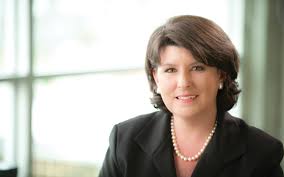
Karen Handel
She didn’t care that this money went entirely for breast cancer screenings for poor women. What she did care about was that about 3% of all PP revenues went toward providing abortion services.
Since being hired by Komen as vice president of public affairs, in April, 2011, Handel had been pushing to drop PP from grants. More than anyone else at Komen, she was the driving force behind the decision.
And why not? She had promised to de-fund PP during her failed 2010 campaign for governor of Georgia.
She believed that:
-
She could strip PP of future grants from the Komen Foundation, and
-
Make the decision look as if it resulted from a legitimate tightening of eligibility criteria.
The official version, as put out by Handel and the top brass of Komen, went: “We’ve halted grants to Planned Parenthood because it’s under investigation by Congress for misuse of funds.”
Unfortunately for Komen, the public instantly saw through the lie. And the results for Komen were as devastating as those that threatened to engulf Arizona two years later.
2012 PRESIDENTIAL RACE, ABC NEWS, ALTERNET, AP, BARACK OBAMA, BBC, BUZZFEED, CBS NEWS, CNN, DAILY KOS, DONALD TRUMP, F. SCOTT FITZGERALD, FACEBOOK, JULIUS CAESAR, KIRK DOUGLAS, LAURENCE OLIVER, MARCUS CRASSUS, MITT ROMNEY, MOTHER JONES, MOVEON, NBC NEWS, NEWSWEEK, NPR, POLITICO, RAW STORY, REPUBLICAN PARTY, REPUBLICANS, REUTERS, SALON, SEATTLE TIMES, SLATE, SPARTACUS, THE ATLANTIC, THE CHICAGO SUN-TIMES, THE CHICAGO TRIBUNE, THE DAILY BEAST, THE GUARDIAN, THE HILL, THE HUFFINGTON POST, THE LOS ANGELES TIMES, THE NEW YORK TIMES, THE WALL STREET JOURNAL, THE WASHINGTON POST, TIME, TWITTER, U.S. NEWS & WORLD REPORT, UPI, USA TODAY, WEALTH
In Business, History, Law, Politics, Social commentary on April 28, 2017 at 12:05 am
Mitt Romney never had the chance to portray Marcus Licinius Crassus, once the wealthiest man in ancient Rome.
That part went to Laurence Oliver in the 1960 Kirk Douglas epic, Spartacus.
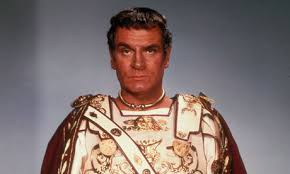
Laurence Oliver as Marcus Crassus in “Spartacus”
The film depicted a slave revolt led by an escaped Thracian gladiator named Spartacus (Douglas). A revolt that Crassus played a major role in destroying.
Still, Romney–whose wealth is estimated at $250 million–has had the opportunity to play the role of a patrician in real life. And nowhere was it on better display than during a May 17, 2012 private fund-raising event.

Mitt Romney
The event–closed to the press–was nevertheless surreptitiously recorded on video and leaked to Mother Jones magazine.
And Romney’s comments about those Americans who do not share his wealth-given privileges proved fatal to his Presidential campaign.
As F. Scott Fitzgerald said, the “very rich” are “different from you and me.”
To observe that difference, it’s necessary only to compare the attitude of Marcus Crassus–as depicted in Spartacus–with that of Mitt Romney.
SENATOR GAIUS GRACCHUS: The Senate’s been in session all day over this business of Spartacus. We’ve got eight legions to march against him and no one to lead them. The minute you offer the generals command…they start wheezing like winded mules….
CRASSUS: I take it the senate’s now offering command of the legions to me.
GRACCHUS: You’ve been expecting it.
CRASSUS: I have. But have you thought how costly my services might be?
GRACCHUS: We buy everything else these days. No reason why we shouldn’t be charged for patriotism. What’s your fee?
CRASSUS: My election as first consul, command of all the legions of ltaly, and the abolition of Senatorial authority over the courts.
GRACCHUS: Dictatorship.
CRASSUS: Order.
* * * * *
ROMNEY: The division of America, based on going after those who have been successful.
And then I quote Marco Rubio….I just said, Senator Rubio says–when he grew up here poor, that they looked at people that had a lot of wealth.
And his parents never once said, “We need some of what they have. They should give us some.”
Instead they said, “If we work hard and go to school, someday we might be able to have that.”
…And–and so my job is not to worry about those people [the 47% of Americans who allegedly don’t pay taxes and expect the government to assist the poor].
I’ll never convince them that they should take personal responsibility and care for for their lives.
* * * * *
In Spartacus, Crassus becomes dictator of Rome and brutally crushes the slave revolt. Then he aims his fury at his longtime political enemy, Gaius Gracchus, the democratic leader of the Roman Senate–and hero to the poor.
CRASSUS: Did you truly believe 500 years of Rome could so easily be delivered into the clutches of a mob? Already the bodies of 6,000 crucified slaves line the Appian Way….
As those slaves have died, so will your rabble if they falter one instant in loyalty to the new order of affairs. The enemies of the state are known. Arrests are in progress. The prisons begin to fill….
Yet upon you I have no desire for vengeance. Your property shall not be touched. You will retain the rank and title of Roman senator. A house, a farmhouse in Picenum has been provided for your exile. You may take your women with you.
GRACCHUS: Why am I to be left so conspicuously alive?
CRASSUS: Your followers are deluded enough to trust you. I intend that you shall speak to them tomorrow for their own good, their peaceful and profitable future.
From time to time thereafter, I may find it useful to bring you back to Rome to continue your duty to her to calm the envious spirit and the troubled mind. You will persuade them to accept destiny and order, and trust the gods!
* * * * *
ROMNEY: The 5 to 6 or 7 percent that we have to bring onto our side—they all voted for Barack Obama four years ago….And because they voted for him, they don’t want to be told that they were wrong, that he’s a bad guy, that he did bad things, that he’s corrupt.
Those people that we have to get, they want to believe they did the right thing, but he just wasn’t up to the task.
But…you and I, we spend our day with Republicans. We spend our days with people who agree with us. And these people are people who voted for him and don’t agree with us.
And so the things that animate us are not the things that animate them….
If it looks like I’m going to win, the markets will be happy. If it looks like the President’s going to win, the markets should not be terribly happy….
My own view is that if we win on November 6th, there will be a great deal of optimism about the future of this country. We’ll see capital come back and we’ll see—without actually doing anything—we’ll actually get a boost in the economy.
2012 PRESIDENTIAL RACE, ABC NEWS, ALTERNET, AP, BARACK OBAMA, BBC, BUZZFEED, CBS NEWS, CNN, DAILY KOS, DONALD TRUMP, F. SCOTT FITZGERALD, FACEBOOK, JULIUS CAESAR, KIRK DOUGLAS, LAURENCE OLIVER, MARCUS CRASSUS, MITT ROMNEY, MOTHER JONES, MOVEON, NBC NEWS, NEWSWEEK, NPR, POLITICO, RAW STORY, REPUBLICAN PARTY, REPUBLICANS, REUTERS, SALON, SEATTLE TIMES, SLATE, SPARTACUS, THE ATLANTIC, THE CHICAGO SUN-TIMES, THE CHICAGO TRIBUNE, THE DAILY BEAST, THE GUARDIAN, THE HILL, THE HUFFINGTON POST, THE LOS ANGELES TIMES, THE NEW YORK TIMES, THE WALL STREET JOURNAL, THE WASHINGTON POST, TIME, TWITTER, U.S. NEWS & WORLD REPORT, UPI, USA TODAY, WEALTH
In Business, History, Law, Politics, Social commentary on April 27, 2017 at 12:06 am
Let me tell you about the very rich. They are different from you and me. They possess and enjoy early, and it does something to them, makes them soft where we are hard, and cynical where we are trustful, in a way that, unless you were born rich, it is very difficult to understand.
They think, deep in their hearts, that they are better than we are because we had to discover the compensations and refuges of life for ourselves. Even when they enter deep into our world or sink below us, they still think that they are better than we are. They are different.
–F. Scott Fitzgerald
The 1960 Kirk Douglas epic, Spartacus, may soon prove to be more than great entertainment. It may also turn out to be a prophecy of the end of the American Republic.
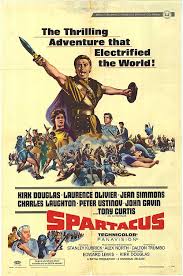
In the movie, Spartacus (Douglas), a Roman slave, entertains Marcus Crassus (Laurence Oliver) the richest man in Rome. He does so by fighting to the death as a gladiator.
While Spartacus and his fellow gladiator/friend, Draba, slash and stab at each other in the arena, Crassus idly chats with his fellow patrician crony, Marcus Glabrus.
Crassus has just secured Glabrus’ appointment as commander of the garrison of Rome. Glabrus is grateful, but curious as to how he did it.
After all, Gaius Gracchus, the democratic leader of the Roman Senate, hates Crassus, and eagerly opposes his every move.
“I fought fire with oil,” says Crassus. “I purchased the Senate behind his back.”
Just as Crassus bought the Roman Senate in Spartacus, so, too, did Mitt Romney and his billionaire supporters try to buy the 2012 Presidential election.
Anyone who doubts this need only examine the controversial video of Romney addressing a private fund-raiser on May 17, 2012. The location: The home of controversial private equity manager Marc Leder, in Boca Raton, Florida.
True, the Romney Presidential campaign ended in disaster. But that of Donald Trump ended in a victory for plutocrats–of which Trump is one.
Thus, the values exhibited by Mitt Romney and warned about by F. Scott Fitzgerald now find their champions in Trump and a wealth-worshiping Congress.
In fact, it’s fascinating to compare some of the remarks of Olivier’s Crassus with some of those by Romney. Doing so will offer useful insights into the values of the super wealthy.
It is the wealthy, after all, who essentially own Congress–and who belong to it. Of the 535 men and women who control the House of Representatives and the Senate, more than half are worth $1 million or more
For both men are truly spokesmen for the privileged moneyed class–of which they themselves are pre-eminent members.
CRASSUS [speaking of Gaius Gracchus, the democratic leader of the Roman Senate]: For Gracchus, hatred of the patrician class is a profession, and not such a bad one, either. How else can one become master of the mob, and first senator of Rome?
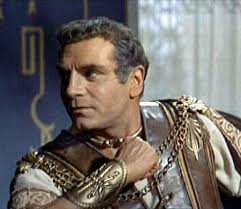
Laurence Oliver as Marcus Crassus in “Spartacus”
* * * * *
ROMNEY: What he’s [President Barack Obama] gonna do, by the way, is try and vilify me as someone who’s been successful. Or who’s– or who’s, you know, closed businesses or laid people off and this is an evil bad guy. And that may work.

Mitt Romney
* * * * *
CRASSUS [To Julius Caesar]: For years, your family and mine have been members of the Equestrian Order and the Patrician Party. servants and rulers of Rome. Why have you left us for Gracchus and the mob?
CAESAR: I’ve left no one, least of all Rome. This much I’ve learned from Gracchus: Rome is the mob.
CRASSUS: No! Rome is an eternal thought in the mind of God.
CAESAR: I had no idea you’d grown religious.
CRASSUS: That doesn’t matter. If there were no gods at all, I’d revere them. If there were no Rome, I’d dream of her…as I want you to do. I want you to come back to your own kind. I beg you to.
CAESAR: Is it me you want or is it the garrison [of Rome, which Caesar now commands]?
CRASSUS: Both. Tell me frankly. If you were l, would you take the field against Spartacus?
CAESAR: Of course.
CRASSUS: Why?
CAESAR: We have no other choice if we’re to save Rome.
CRASSUS: Ah, Caesar! Which Rome? Theirs…or ours?
* * * * *
ROMNEY: Well, there are 47% of the people who will vote for the president no matter what. All right? There are 47% who are with him.
Who are dependent upon government, who believe that–that they are victims, who believe that government has a responsibility to care for them, who believe that they’re entitled to healthcare, to food, to housing, to you name it.
But that’s–it’s an entitlement. And the government should give it to them. And they will vote for this president [Barack Obama] no matter what.
And–and–I mean the President starts off with 48%, 49%, 40–or he….starts off with a huge number. These are people who pay no income tax. 47% of Americans pay no income taxes. So our message of low taxes doesn’t connect. And he’ll be out there talking about tax cuts for the rich. I mean that’s what they sell every….four years.
ABC NEWS, ALTERNET, AMERICABLOG, AP, BABY BOOMER RESISTANCE, BBC, BLOOMBERG NEWS, BUSINESS, BUZZFEED, CBS NEWS, CNN, CROOKS AND LIARS, DAILY KOS, DAILY KOZ, DONALD TRUMP, FACEBOOK, FBI, FIVETHIRTYEIGHT, HARPER’S MAGAZINE, HUFFINGTON POST, INCOME INEQUALITY, MAFIA, MEDIA MATTERS, MOTHER JONES, MOVEON, MSNBC, NBC NEWS, NEW REPUBLIC, NEWSDAY, NEWSWEEK, NICCOLO MACHIAVELLI, NPR, PBS NEWSHOUR, POLITICO, POLITICS, POLITICUSUSA, RAW STORY, REUTERS, SALON, SEATTLE TIMES, SLATE, TALKING POINTS MEMO, TAX HAVENS, TAX JUSTICE NETWORK, THE ATLANTIC, THE CHICAGO SUN-TIMES, THE CHICAGO TRIBUNE, THE DAILY BEAST, THE DAILY BLOG, THE GUARDIAN, THE HILL, THE HUFFINGTON POST, THE INTERCEPT, THE LOS ANGELES TIMES, THE NATION, THE NEW REPUBLIC, THE NEW YORK TIMES, THE NEW YORKER, THE PRINCE, THE VILLAGE VOICE, THE WALL STREET JOURNAL, THE WASHINGTON POST, THINKPROGRESS, TIME, TRUTHDIG, TRUTHOUT, TWITTER, TWO POLITICAL JUNKIES, U.S. NEWS & WORLD REPORT, UPI, USA TODAY, WEALTH, WONKETTE
In Business, History, Law, Law Enforcement, Politics, Social commentary on April 26, 2017 at 12:05 am
As President Donald Trump prepares to drastically cut taxes on the wealthy (including himself) it’s well to remember the man whose name defines modern politics.
In 1513, Niccolo Machiavelli, the Florentine statesman who has been called the father of modern political science, published his best-known work: The Prince.


Niccolo Machiavelli
Among the issues he confronted was how to preserve liberty within a republic. And key to this was mediating the eternal struggle between the wealthy and the poor and middle class.
Machiavelli deeply distrusted the nobility because they stood above the law. He saw them as a major source of corruption because they could buy influence through patronage, favors or nepotism.
Successful political leaders must attain the support of the nobility or general populace. But since these groups have conflicting interests, the safest course is to choose the latter.
Writes Machiavelli:
….He who becomes prince by help of the [wealthy] has greater difficulty in maintaining his power than he who is raised by the populace. He is surrounded by those who think themselves his equals, and is thus unable to direct or command as he pleases.
But one who is raised to leadership by popular favor finds himself alone, and has no one, or very few, who are not ready to obey him. [And] it is impossible to satisfy the [wealthy] by fair dealing and without inflicting injury upon others, whereas it is very easy to satisfy the mass of the people in this way.
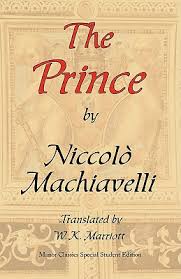
Machiavelli warns that the general populace is more honest than the nobility—i.e., wealthy. The wealthy seek to oppress, while the populace wants to simply avoid oppression.
A political leader cannot protect himself against a hostile population, owing to their numbers, but he can against the hostility of the great, as they are but few.
The worst that a prince has to expect from a hostile people is to be abandoned, but from hostile nobles he has to fear not only desertion but their active opposition. And as they are more far seeing and more cunning, they are always in time to save themselves and take sides with the one who they expect will conquer.
The prince is, moreover, obliged to live always with the same people, but he can easily do without the same nobility, being able to make and unmake them at any time, and improve their position or deprive them of it as he pleases.
Unfortunately, political leaders throughout the world—including the United States–have ignored this sage advice.
The results of this wholesale favoring of the wealthy and powerful have been brilliantly documented in an investigation of tax evasion by the world’s rich.
In 2012, Tax Justice Network, which campaigns to abolish tax havens, commissioned a study of their effect on the world’s economy.
The study was entitled, “The Price of Offshore Revisited: New Estimates for ‘Missing’ Global Private Wealth, Income, Inequality and Lost Taxes.”
http://www.taxjustice.net/cms/upload/pdf/Price_of_Offshore_Revisited_120722.pdf
The research was carried out by James Henry, former chief economist at consultants McKinsey & Co. Among its findings:
Summing up this situation, the report noted: “We are up against one of society’s most well-entrenched interest groups. After all, there’s no interest group more rich and powerful than the rich and powerful.”
Fortunately, Machiavelli has supplied timeless remedies to this increasingly dangerous situation:
- Assume evil among men—and most especially among those who possess the greatest concentration of wealth and power.
- Carefully monitor their activities—the way the FBI now regularly monitors those of the Mafia and major terrorist groups.
- Ruthlessly prosecute the treasonous crimes of the rich and powerful—and, upon their conviction, impose severe punishment.
2016 PRESIDENTIAL RACE, ABC NEWS, ALTERNET, AP, BARACK OBAMA, BASKET OF DEPLORABLES SPEECH, BBC, BERNIE SANDERS, BILL CLINTON, BLACKS, BUZZFEED, CBS NEWS, CELINDA LAKE, CLINTON FUNDATION, CNN, COMMUNISM, DAILY KOS, DEBBIE WASSERMAN-SCHULTZ, DEMOCRATIC NATIONAL COMMITTEE, DONALD TRUMP, FACEBOOK, HILLARY CLINTON, HISPANICS, HOUSE OF REPRESENTATIVES, MICHELLE OBAMA, MOTHER JONES, MOVEON, NBC NEWS, NEWSWEEK, NPR, POLITICO, POPULISM, RACISM, RAW STORY, REPUBLICAN NATIONAL COMMITTEE, REUTERS, SALON, SEATTLE TIMES, SLATE, SOCIALISM, SUSAN BORDO, THE ATLANTIC, THE CHICAGO SUN-TIMES, THE CHICAGO TRIBUNE, THE DAILY BEAST, THE DESTRUCTION OF HILLARY CLINTON, THE GUARDIAN, THE HILL, THE HUFFINGTON POST, THE LOS ANGELES TIMES, THE NEW YORK TIMES, THE WALL STREET JOURNAL, THE WASHINGTON POST, TIME, TOM BROKAW, TWITTER, U.S. HOUSE OF REPRESENTATIVES, U.S. NEWS & WORLD REPORT, U.S. SENATE, UPI, USA TODAY, WHITES, WHITEWATER, WIKILEAKS, WOMEN, YOUTH
In History, Politics, Social commentary on April 25, 2017 at 12:05 am
In The Destruction of Hillary Clinton, author Susan Bordo indicts a wide range of groups for Clinton’s failure to win the 2016 election.
Yet she refuses to put any blame on Clinton herself for a series of self-inflicted wounds.
Among these:
#5 Democrats and liberals fell prey to hubris. They dismissed Donald Trump as a bad joke: Surely voters would reject a bombastic, thrice-married “reality show” host who had filed for corporate bankruptcy four times.

Many liberals believed Clinton would bury him at the polls: Blacks, women, youth and Hispanics will turn out huge for her. Democrats will retake the Senate, and maybe even retake the House.
They didn’t.
#6 The coalition that twice elected Barack Obama deserted Hillary Clinton.
Clinton did worse-than-expected among all the groups she was counting on to support her: Blacks, women, youth and Hispanics.
- In 2012, Obama got 93% of the black vote; in 2016, Clinton got 88%.
- In 2012, Obama got 55% of the women’s vote; in 2016, Clinton won 54%.
- In 2012, Obama got 60% of the vote of those under 30; in 2016, Clinton got 54%.
- In 2012, Obama got 71% of the Hispanic vote; in 2016, Clinton got 65%.
Clinton proved less popular even among whites than Obama: In 2012, Obama won 39% of their votes; in 2016, Clinton won 37%.
#7 Trump, adopting the role of a populist, appealed to blue-collar voters. Clinton offered a “love-your-CEO” economic plan–and suffered for it.
Trump visited “Rustbelt” states like Michigan and Pennsylvania and vowed to “bring back” jobs that had been lost to China, such as those in coal mining and manufacturing. Clinton didn’t deign to show up, assuming she had those states “locked up.”
Most economists agree that, in a globalized economy, such jobs are not coming back, no matter who becomes President.
Even so, voters backed the man who came to promise them a better future, and shunned the woman who didn’t come to promise them any future at all.
In May, Democratic pollster CeLinda Lake had warned Clinton to revamp her economic platform. Clinton ignored the advice.
“Democrats simply have to come up with a more robust economic frame and message,” Lake said after the election. “We’re never going to win those white, blue-collar voters if we’re not better on the economy. And 27 policy papers and a list of positions is not a frame. We can laugh about it all we want, but Trump had one.”
#8 Hillary Clinton gave only one memorable speech during the campaign.
This was the “basket of deplorables” speech, delivered at a New York fundraiser on September 9. It was the only Clinton speech to be widely quoted by Democrats and Republicans.
She divided Donald Trump’s supporters into two groups. The first group were the “deplorables,” for whom she showed open contempt:
“You know, to just be grossly generalistic, you could put half of Trump’s supporters into what I call the basket of deplorables. Right? The racist, sexist, homophobic, xenophobic, Islamaphobic–you name it. And unfortunately there are people like that. And he has lifted them up.
“He has given voice to their websites that used to only have 11,000 people–now 11 million. He tweets and retweets their offensive hateful mean-spirited rhetoric. Now, some of those folks–they are irredeemable, but thankfully they are not America.”
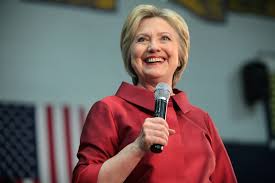
Hillary Clinton (Gage Skidmore photo)
But the second group, she said, consisted of poor, alienated Americans who rightly felt abandoned by their employers and their government:
“But….that other basket of people are people who feel that the government has let them down, the economy has let them down, nobody cares about them, nobody worries about what happens to their lives and their futures, and they’re just desperate for change. It doesn’t really even matter where it comes from.
“They don’t buy everything [Trump] says, but he seems to hold out some hope that their lives will be different. They won’t wake up and see their jobs disappear, lose a kid to heroin, feel like they’re in a dead-end. Those are people we have to understand and empathize with as well.”
#9 After giving this speech, Clinton threw away the good it might well have done her.
First, the day after making the speech, she apologized for it: “Last night I was ‘grossly generalistic,’ and that’s never a good idea. I regret saying ‘half–that was wrong.”
Many of Trump’s followers were racists, sexists and xenophobes–who deserved condemnation, not apologies. By apologizing, she looked weak, indecisive, even cowardly.
Second, having eloquently reached out to many of the men and women who were a prime constituency for Trump, she failed to offer an economic package to quickly and effectively address their vital needs for jobs and medical care.
The reason: She had failed to put one together long ago.
And all she had to offer now was boilerplate rhetoric, such as: “Education is the answer.”
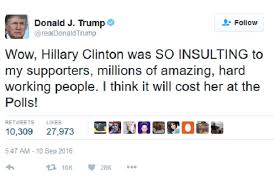
Worst of all, Trump turned her speech against her, tweeting: “Wow, Hillary Clinton was SO INSULTING to my supporters, millions of amazing, hard working people. I think it will cost her at the Polls!”
It did.
As long as liberals like Susan Bordo continue to blame everyone else–and refuse to correct their own weaknesses–they will continue to remain a minority political party.


2016 PRESIDENTIAL RACE, ABC NEWS, ALEXANDER BUTTERFIELD, ALTERNET, AP, ARNOLD SCHWARTZENEGGER, BARACK OBAMA, BBC, BUZZFEED, CBS NEWS, CNN, DAILY KOS, DONALD TRUMP, FACEBOOK, FBI, HILLARY CLINTON, JAMES COMEY, JOHN OLIVER, JOHN W. DEAN, MERYL STREEP, MOTHER JONES, MOVEON, NBC NEWS, NEWSWEEK, NPR, OBAMACARE, POLITICO, RAW STORY, REUTERS, RICHARD NIXON, SALON, SEATTLE TIMES, SENATE WATERGATE COMMITTEE, SLATE, THE ATLANTIC, THE CHICAGO SUN-TIMES, THE CHICAGO TRIBUNE, THE DAILY BEAST, THE GUARDIAN, THE HILL, THE HUFFINGTON POST, THE LOS ANGELES TIMES, THE NEW YORK TIMES, THE WALL STREET JOURNAL, THE WASHINGTON POST, TIME, TWITTER, UPI, USA TODAY, WATERGATE, WIRETAPPING
HE WHO LIVES BY THE TWEET, DIES BY IT: PART ONE (OF TWO)
In Bureaucracy, History, Law, Law Enforcement, Politics, Social commentary on May 18, 2017 at 12:15 amDonald Trump’s tweet-first-and-never-mind-the-consequences approach to life has been thoroughly documented.
From June 15, 2015, when he launched his Presidential campaign, until October 24, 2016, he fired nearly 4,000 angry, insulting tweets at 281 people and institutions. The New York Times needed two full pages of its print edition to showcase them.
Donald Trump
Among these targets were:
And during his first two weeks as President, Trump attacked 22 people, places and things on his @realDonaldTrump account.
Then, on March 4, 2017, in a series of unhinged tweets, Trump accused former President Barack Obama of tapping his Trump Tower phones prior to the election:
“Terrible! Just found out that Obama had my ‘wires tapped’ in Trump Tower just before the victory. Nothing found. This is McCarthyism!”
“Is it legal for a sitting President to be ‘wire tapping’ a race for president prior to an election? Turned down by court earlier. A NEW LOW!”
“I’d bet a good lawyer could make a great case out of the fact that President Obama was tapping my phones in October, just prior to Election!”
“How low has President Obama gone to tapp my phones during the very sacred election process. This is Nixon/Watergate. Bad (or sick) guy!”
Thus, without offering a shred of evidence to back it up, Trump accused his predecessor of committing an impeachable offense.
President Barack Obama
On May 9, Trump abruptly fired FBI Director James Comey.
Reports soon surfaced that his reason for doing so was that Comey had refused to pledge his personal loyalty to Trump.
Trump had made this “request” during a private dinner at the White House in January.
After refusing to make that pledge, Comey told Trump that he would always be honest with him.
But that didn’t satisfy Trump’s demand that the head of the FBI act as his personal secret police chief.
James B. Comey
Just 72 hours after firing Comey, Trump issued a threat to him via Twitter:
“James Comey better hope that there are no ‘tapes’ of our conversations before he starts leaking to the press!”
This last tweet may have proved fatal to the man who has weaponized Twitter.
Trump’s implication that he taped his conversation with Comey immediately led White House reporters to ask if he, in fact, taped conversations in the Executive Mansion.
Trump’s response: No comment.
At a White House press conference, Sean Spicer, Trump’s press secretary, was asked three times: Was tape recording occurring in the White House?
Spicer replied: “I’ve talked to the President. The President had nothing further to add on that.”
Asked on Right-wing Fox News–the only major network Trump willingly appears on–if he taped the Comey conversation, the President said: “That I can’t talk about. I won’t talk about that. All I want is for Comey to be honest. And I hope he will be. And I’m sure he will be – I hope.”
By implying on Twitter that he had illegally taped his conversation with Comey–and then refusing to say if this was true–Trump has boxed himself into a no-win situation.
Dead-end #1: If he taped the conversation without Comey’s consent, Trump broke the law.
According to a 2003 Congressional report, “Privacy: An Overview of Federal Statutes Governing Wiretapping and Electronic Eavesdropping”:
“It is a federal crime to wiretap or to use a machine to capture the communications of others without court approval, unless one of the parties has given their prior consent.
“It is likewise a federal crime to use or disclose any information acquired by illegal wiretapping or electronic eavesdropping. Violations can result in imprisonment for not more than 5 years; fines up to $250,000 (up to $500,000 for organizations); in civil liability for damages, attorneys fees and possibly punitive damages; in disciplinary action against any attorneys involved; and in suppression of any derivative evidence.”
Dead-end #2: If Trump admits he taped Comey, he provides Democrats–and even some Republicans–with reason to subpoena all existing White House tapes.
In the summer of 1973, the Senate was investigating the bugging of Democratic headquarters at the Watergate Hotel during the 1972 Presidential campaign.
In June, 1973, John W. Dean III testified before the Senate Watergate Committee. He had served as White House Counsel for Nixon from 1970 to 1973. And now he outlined a litany of crimes ordered by President Richard Nixon.
The White House adamantly denied these charges by attacking Dean as a malcontent. (He had been fired by Nixon in April.)
So–who was telling the truth: Dean or Nixon? It was a classic case of He said/he said.
Then–unexpectedly–a way appeared to answer the question: “Who is telling the truth?”
Alexander Butterfield, who had served as the Deputy Assistant to Nixon from 1969 to 1973, was called as a witness before the Committee.
In a private meeting with Senate investigators, he unintentionally blurted out that Nixon had installed a secret taping system to record all conversations between him and Oval Office visitors.
Suddenly, the Watergate investigation took an entirely new direction–one that would prove fatal to Nixon’s Presidency.
Share this: