Archive for the ‘Politics’ Category
2016 PRESIDENTIAL CAMPAIGN, ABC NEWS, ADAM SCHIFF, ALTERNET, AP, BUZZFEED, CBS NEWS, CNN, CROOKS AND LIARS, DAILY KOZ, DONALD TRUMP, DONALD TRUMP JUNIOR, FACEBOOK, FBI, GRU (RUSSIAN MILITARY INTELLIGENCE), HILLARY CLINTON, HOUSE INTELLIGENCE COMMITTEE, HOUSE OF REPRESENTATIVES, HOUSE PERMANENT SELECT COMMITTEE ON INTELLIGENCE, JARED KUSHNER, JULIUS CAESAR, JULIUS CAESAR (PLAY), KELLEYANNE CONWAY, KEVIN MCCARTHY, LINDSEY GRAHAM, MARCUS BRUTUS, MARK ANTONY, MIKE CONAWAY, MOTHER JONES, MOVEON, MSNBC, MUELLER REPORT, NBC NEWS, NEWSWEEK, NPR, PAUL MANAFORT, PBS NEWSHOUR, POLITICO, RAW STORY, REPUBLICANS, REUTERS, ROBERT MUELLER, RONNA MCDANIEL, RUSSIA, SALON, SEATTLE TIMES, SLATE, SUBVERSION, THE ATLANTIC, THE CHICAGO SUN-TIMES, THE CHICAGO TRIBUNE, THE DAILY BEAST, THE GUARDIAN, THE HILL, THE HUFFINGTON POST, THE LOS ANGELES TIMES, THE NATION, THE NEW YORK TIMES, THE WASHINGTON POST, TIME, TREASON, TWITTER, U.S. NEWS & WORLD REPORT, UPI, USA TODAY, WIKILEAKS, WILLIAM BAR, WILLIAM SHAKESPEARE
In Bureaucracy, Entertainment, History, Law, Politics, Social commentary on April 2, 2019 at 12:10 am
On March 24, 2019, Attorney General William Barr received the long-awaited report by Special Counsel Robert Mueller about Russian efforts to subvert the 2016 Presidential election.
According to Barr, the report—which no one else in the government has seen—showed no evidence that President Donald Trump had colluded with Russian Intelligence agents.
And now House Republicans—acting entirely on that claim—suddenly went on the offensive.
On March 28, all nine Republicans on the House Permanent Select Committee on Intelligence demanded in a letter that Representative Adam Schiff (D-California) resign as its chairman.
On the same day, President Donald Trump tweeted: “Congressman Adam Schiff, who spent two years knowingly and unlawfully lying and leaking, should be forced to resign from Congress!”
Other Republicans quickly joined the chorus:
- House Minority Leader Kevin McCarthy (R-California): Schiff owes “an apology to the American public” and should step down from his post as head of the Intelligence committee.
- Republican National Committee Chairwoman Ronna McDaniel: “They [Schiff and House Judiciary Chairman Jerry Nadler, D-New York] should be removed from their chairmanships. They owe the American people an apology. They owe this President an apology, and they have work to do to heal this democracy because this is our country we are talking about.”
- South Carolina Senator Lindsey Graham: “He’s getting into conspiracy land and he’s acting like an Oliver Stone type figure. That to me is not helpful to him but I’m not going to ask him to resign from Congress.”
- White House Adviser Kelleyanne Conway: “He’s been on every TV show 50 times a day for practically the last two years, promising Americans that this President would either be impeached or indicted. He has no right, as somebody who has been peddling a lie, day after day after day, unchallenged. Unchallenged and not under oath. Somebody should have put him under oath and said, ‘You have evidence, where is it?’”
On March 28, Schiff—speaking in a firm and controlled voice—addressed his critics in the House and beyond.
It was a speech worthy of that given by Mark Antony at the funeral of Julius Caesar.

Adam Schiff
“My colleagues may think it’s okay that the Russians offered dirt on the Democratic candidate for President as part of what was described as ‘the Russian government’s effort to help the Trump campaign.’ You might think that’s okay.
“My colleagues might think it’s okay that when that was offered to the son of the President, who had a pivotal role in the campaign, that the President’s son did not call the FBI, he did not adamantly refuse that foreign help. No, instead that son said that he would ‘love’ the help of the Russians. You might think it’s okay that he took that meeting.
“You might think it’s okay that Paul Manafort, the campaign chair, someone with great experience running campaigns, also took that meeting.
“You might think it’s okay that the President’s son-in-law also took that meeting.
“You might think it’s okay that they concealed it from the public.
“You might think it’s okay that their only disappointment after that meeting was that the dirt they received on Hillary Clinton wasn’t better. You might think that’s okay.![]()
![]()
![]()
“You might think it’s okay that when it was discovered a year later that they’d lied about that meeting and said it was about adoptions, you might think it’s okay that the President is reported to have helped dictate that lie. You might think that’s okay. I don’t.
![]()
“You might think it’s okay that the Presidential chairman of a campaign would offer information about that campaign to a Russian in exchange for money or debt forgiveness. You might think that’s okay. I don’t.
“You might think it’s okay that campaign chairman offered polling data, campaign polling data to someone linked to Russian intelligence. I don’t think that’s okay.
“You might think it’s okay that the President himself called on Russia to hack his opponent’s emails, ‘if they were listening.’
“You might think it’s okay that later that day, in fact, the Russians attempted to hack a server affiliated with that campaign. I don’t think that’s okay.
“You might think that it’s okay that the President’s son-in-law sought to establish a secret back channel of communications with the Russians through a Russian diplomatic facility. I don’t think that’s okay.
“You might think it’s okay that an associate of the President made direct contact with the GRU [the Russian military Intelligence agency] through Guccifer 2 and Wikileaks, that is considered a hostile Intelligence agency.
“You might think that it’s okay that a senior campaign official was instructed to reach that associate and find out what that hostile Intelligence agency had to say, in terms of dirt on his opponent.
“You might think it’s okay that the National Security Adviser-Designate [Mike Flynn] secretly conferred with the Russian ambassador about undermining U.S. sanctions, and you might think it’s okay he lied about it to the FBI. You might say that’s all okay.
“You might say that’s just what you need to do to win, but I don’t think it’s okay. I think it’s immoral. I think it’s unethical. I think it’s unpatriotic. And yes, I think it’s corrupt and evidence of collusion.”
Not one Republican dared challenge even one accusation Schiff had made.
2016 PRESIDENTIAL CAMPAIGN, ABC NEWS, ADAM SCHIFF, ALTERNET, AP, BUZZFEED, CBS NEWS, CNN, CROOKS AND LIARS, DAILY KOZ, DONALD TRUMP, FACEBOOK, HOUSE INTELLIGENCE COMMITTEE, HOUSE OF REPRESENTATIVES, HOUSE PERMANENT SELECT COMMITTEE ON INTELLIGENCE, JULIUS CAESAR, JULIUS CAESAR (PLAY), MARCUS BRUTUS, MARK ANTONY, MIKE CONAWAY, MOTHER JONES, MOVEON, MSNBC, MUELLER REPORT, NBC NEWS, NEWSWEEK, NPR, PBS NEWSHOUR, POLITICO, RAW STORY, REPUBLICANS, REUTERS, ROBERT MUELLER, RUSSIA, SALON, SEATTLE TIMES, SLATE, SUBVERSION, THE ATLANTIC, THE CHICAGO SUN-TIMES, THE CHICAGO TRIBUNE, THE DAILY BEAST, THE GUARDIAN, THE HILL, THE HUFFINGTON POST, THE LOS ANGELES TIMES, THE NATION, THE NEW YORK TIMES, THE WASHINGTON POST, TIME, TWITTER, U.S. NEWS & WORLD REPORT, UPI, USA TODAY, WILLIAM BAR, WILLIAM SHAKESPEARE
In Bureaucracy, Entertainment, History, Law, Politics, Social commentary on April 1, 2019 at 12:07 am
“Friends, Romans, countrymen—lend me your ears!”
It’s the opening line of a speech once widely memorized by schoolboys in English literature classes. It’s from William Shakespeare’s “Julius Caesar,” and it’s a far more sophisticated piece of writing than most people realize.
Mark Antony, addressing a crowd of Romans at the funeral of his former patron, Julius Caesar, faces a serious problem.
Caesar has been murdered by a band of conspirators who feared he intended to make himself king. The chief conspirator, Marcus Brutus, is one of the most honored men in ancient Rome. And he has just addressed the same crowd.
As a result, they are now convinced that the assassination was fully justified. They assume that Antony intends to attack the conspirators. And they are ready to attack him—maybe physically—if he does.
But Antony is too smart to do that—at least initially.
Instead, he assures the crowd: “I come to bury Caesar, not to praise him.”
And he praises the chief conspirator: “The noble Brutus hath told you Caesar was ambitious. If so, it was a grievous fault—and grievously hath Caesar answered it.”
Then he introduces a line he will repeat with great effectiveness throughout the rest of his speech: “For Brutus is an honorable man—so are they all, all honorable men.”

The “Death of Julius Caesar,” as depicted by Vincenzo Camuccini.
For Antony, the line is ironic. But it serves his purpose to appease the crowd. Later, he will wield it like a sword against the same conspirators.
“He was my friend, faithful and just to me.” And then: “But Brutus says he was ambitious, and Brutus is an honorable man.”
Antony then goes on to extol Caesar as the foremost Roman of his time:
- As a military victor: “You all do know this mantle. I remember the first time ever Caesar put it on. ‘Twas on…that day he overcame the Nervii.”
- As a humanitarian: “When that the poor hath cried, Caesar hath wept.”
And then, as if against his better judgment, he says: “But here’s a parchment with the seal of Caesar. I found it in his closet—’tis his will. Let but the commons hear this testament—which, pardon me, I do not mean to read—and they would go and kiss dead Caesar’s wounds.”
This inflames the crowd’s curiosity and greed: What has Caesar left them? And Antony’s refusing to read the alleged will only makes them determined to hear it.
Now the crowd is entirely at Antony’s disposal. They hurl abuse at the conspirators: “They were traitors!” “They were villains, murderers!”
So Antony, claiming to read Caesar’s will, pronounces: “To every Roman citizen he gives…seventy-five drachmas.”
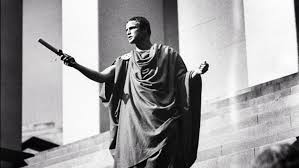
Marlon Brando as Mark Antony in the 1953 film, “Julius Caesar”
Is this truly Caesar’s will? And, if so, does it really make this bequest? No one knows.
In addition, claims Antony, Caesar has left his fellow citizens “his private arbours and new-planted orchards on this side Tiber. He hath left them you, and to your heirs forever, common pleasures, to walk abroad, and recreate yourselves.”
By now the crowd is fired up—against the conspirators.
“Here was a Caesar!” cries Antony. “When comes such another?”
A citizen shouts: “We’ll burn [Caesar’s] body in the holy place. And with the brands fire the traitors’ houses.”
The crowd disperses—to pay fiery homage to Caesar and burn the houses of Brutus and the other conspirators.
Caesar’s assassins flee Rome for their lives. In time, they will face the legions of Antony and Octavian, the young nephew of Caesar—and choose suicide over capture and execution.
Apparently Rep. Adam Schiff (D-California) is familiar with Shakespeare’s play.
Because, on March 28, he used the same repetitive technique in addressing his “Republican colleagues” on the House Permanent Select Committee on Intelligence.
Days earlier, Attorney General William Barr had claimed to summarize the long-awaited report by Special Counsel Robert Mueller about Russian efforts to subvert the 2016 Presidential election.
According to Barr, the report—which no one else in the government has seen—showed no evidence that President Donald Trump had colluded with Russian Intelligence agents.
And now House Republicans—acting entirely on that claim—were going on the offensive.
On March 28, Rep. Mike Conaway (R-Texas) and all other eight Republicans on the Committee demanded in a letter that Schiff resign as its chairman.
“Mr. Chairman,” the letter read, “since prior to the inauguration of President Trump in January 2017, you’ve been at the center of a well-orchestrated media campaign claiming, among other things, that the Trump campaign colluded with the Russian government.
“On March 24, 2019, the special counsel delivered his findings to the Department of Justice….The special counsel’s investigation did not find that the Trump campaign or anyone associated with it conspired or coordinated with Russia in its efforts to influence the 2016 election….
“Despite these findings, you continue to proclaim to the media that there is ‘significant evidence of collusion.’
“The findings of the Special Counsel conclusively refute your past and present conclusions and have exposed you as having abused your position to knowingly promote false information, having damaged the integrity of this Committee, and undermined faith in U.S. Government institutions.”
ABC NEWS, ALCOHOLISM, ALTERNET, AP, BEGGING, BUMS, BUZZFEED, CBS NEWS, CNN, DAILY KOS, DISEASE, DRUG ADDICTION, FACEBOOK, HEPATITIS B, HEPATITIS C, HILLARY RONEN, HIV, HOMELESS, HOMELESSNESS, MENTAL ILLNESS, MOTHER JONES, MOVEON, NBC NEWS, NEWSWEEK, NPR, PANHANDLING, POLITICO, PUBLIC HEALTH, RAW STORY, REUTERS, ROTAVIRUS, SALON, SAN FRANCISCO, SAN FRANCISCO CHRONICLE, SAN FRANCISCO DEPARTMENT OF PUBLIC WORKS, SEATTLE TIMES, SLATE, THE ATLANTIC, THE CHICAGO SUN-TIMES, THE CHICAGO TRIBUNE, THE DAILY BEAST, THE GUARDIAN, THE HILL, THE HUFFINGTON POST, THE LOS ANGELES TIMES, THE NEW YORK TIMES, THE WALL STREET JOURNAL, THE WASHINGTON POST, TIME, TWITTER, U.S. NEWS & WORLD REPORT, UPI, USA TODAY, WILLIE BROWN
In Bureaucracy, History, Law, Law Enforcement, Politics, Social commentary on March 29, 2019 at 12:17 am
In 2010, San Francisco voters passed the “No Sit/No Lie” ordinance, which “makes it unlawful, with certain exceptions, to sit or lie on a public sidewalk, or on an object placed on a public sidewalk, between 7AM and 11PM.”
It also prohibits sleeping in public parks at night and building encampments.
The number of sit-lie infractions peaked at 1,011 in 2013 before steadily declining to just 114 in 2017, according to San Francisco Superior Court records.
Meanwhile, the number of misdemeanors tracked by the SFPD spiked at 195 in 2016 and then declined sharply by almost half the next year.
This does not mean that San Francisco’s Untermenschen problem has abated.
It simply means that the city has essentially given up on trying to protect its contributing, tax-paying citizens from the thousands of tax-draining drug-abusers, alcoholics, mentally ill and bums who infest its streets.
Walk down almost any street in the downtown part of the city and you’ll find sidewalks crowded with stinking,
- disease-ridden,
- lice infested,
- drug-addicted,
- alcohol-soaked,
- often psychotic men and women
whom city officials politely refer to as “the homeless.”
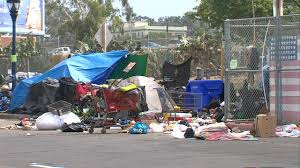
Among the trappings that go with this population:
- Tents
- Mattresses
- Piles of belongings
- Stolen shopping carts
- Trash
- Half-eaten food
- Empty cans/bottles of alcohol
- Feces
- Pools of urine
- Hypodermic needles
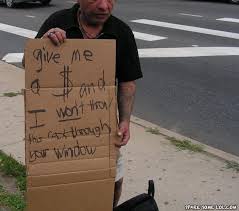
What you’ll almost never see: Police actually enforcing the “No Sit/No Lie” ordinance.
So much for the will of the voters.
San Francisco officials have effectively washed their hands—if not the streets—of the problem. If local residents must put up with repeated violations of the most basic sanitation laws, that’s their tough luck.
What matters to the Mayor and Board of Supervisors is this: The “rights” of those whose filth and behavior pose an immediate threat to public health and safety take precedence over those of tax-paying, law-abiding San Franciscans.
San Francisco residents can be fined $25 to $1,000 for feeding pigeons—but not for giving money to street bums.
Often those asking for money to “buy food” refuse offers to buy them food—no doubt because they intend to use the money on drugs or alcohol.
During the Mayorship of Willie Brown (1996 – 2004), Hizzonor proposed what he thought was a brilliant way for residents to “contribute” to “street people.”
Those who were somehow certified as “homeless” would be issued special electronic “cash cards.” When someone wanted to make a “donation,” s/he would swipe a credit card against the one owned by the street bum, for whatever amount s/he wanted to donate.
But before the program started, someone at City Hall realized a blunt truth: Residents—especially women—weren’t likely to whip out their credit cards in front of a ranting, foul-smelling, probably disease-ridden street bum.
Mercifully, the program died before it ever got started.
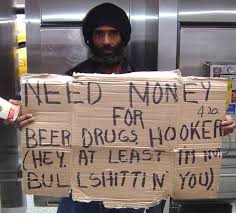
It’s long past time for San Francisco—and other cities—to stop catering to its population of DDMBs: Druggies, Drunks, Mental cases and Bums—who prey on the guilt or fear of law-abiding, tax-paying citizens.
The same laws that protect citizens against patients with highly communicable diseases like typhoid and cholera should be vigorously applied to those whose filthy habits threaten similar public contagion.
Among such reforms:
- The city should launch a “Please Do Not Feed the Bums” publicity campaign—as it has against feeding pigeons. And those caught doing so should be heavily fined.
- Trash cans should be equipped with locked doors, to prevent bums from using them as food dispensers.
- Those living on the street should be given a choice: Go to a local shelter or face arrest and the immediate confiscation of their possessions.
- For those who refuse shelter and insist on living on the streets, a special “Untermenschen City” should be set up near the city dump. There they can live in their tents and/or sleeping bags while being unable to daily confront or assault others to obtain free money.
- San Francisco’s rent control laws should be strengthened, to prevent future evictions owing to the unchecked greed of landlords. Tenants on fixed incomes should be given special protections against extortionate rent increases.
- Bus drivers should have the right to refuse passengers who stink of urine/feces, as they present a potential health-hazard to others.
- The owners of restaurants, theaters and grocery stores should likewise be allowed to refuse service on the same basis.
- Those applying for welfare benefits should be required to provide proof of residence. Too many people come to San Francisco because, upon arrival, they can immediately apply for such benefits.
- The city should set up a special unit to deal entirely with removing “street people” and their possessions from city sidewalks. This could be a division of the Sanitation Department, since its personnel are used to removing filth and debris of all types.
San Francisco officials need to:
- Forcefully tell alcoholics and drug addicts: “Your anti-social behavior is not welcome here. Take your self-destructive lifestyles elsewhere. We won’t subsidize them.”
- Take the mentally unstable off the street and place them in institutions where their needs can be met.
- Tell those who are just plain bums: Don’t expect us to support you.
Only then will San Francisco rightly reclaim its former glory as “the city by the Bay.”
ABC NEWS, ALCOHOLISM, ALTERNET, AP, BEGGING, BUMS, BUZZFEED, CBS NEWS, CNN, DAILY KOS, DISEASE, DRUG ADDICTION, FACEBOOK, HEPATITIS B, HEPATITIS C, HILLARY RONEN, HIV, HOMELESS, HOMELESSNESS, MENTAL ILLNESS, MOTHER JONES, MOVEON, NBC NEWS, NEWSWEEK, NPR, PANHANDLING, POLITICO, PUBLIC HEALTH, RAW STORY, REUTERS, ROTAVIRUS, SALON, SAN FRANCISCO, SAN FRANCISCO CHRONICLE, SAN FRANCISCO DEPARTMENT OF PUBLIC WORKS, SEATTLE TIMES, SLATE, THE ATLANTIC, THE CHICAGO SUN-TIMES, THE CHICAGO TRIBUNE, THE DAILY BEAST, THE GUARDIAN, THE HILL, THE HUFFINGTON POST, THE LOS ANGELES TIMES, THE NEW YORK TIMES, THE WALL STREET JOURNAL, THE WASHINGTON POST, TIME, TWITTER, U.S. NEWS & WORLD REPORT, UPI, USA TODAY, WILLIE BROWN
In Bureaucracy, History, Law, Law Enforcement, Politics, Social commentary on March 28, 2019 at 12:06 am
Huge areas of San Francisco are covered in feces, urine, trash and needles. Hospitals overflow with patients that have fallen ill due to the contamination.
And what has been the reaction of successive mayors and members of the Board of Supervisors?
A disgraceful combination of tolerance and indifference: Tolerance toward those who create such dangers—and indifference toward those who are their potential victims.
And yet those officials remain in office for years.
In February, 2018, NBC News surveyed 153 blocks of the city—an area more than 20 miles. That area includes popular tourist spots like Union Square and the cable car turnaround. It’s bordered by Van Ness Avenue, Market Street, Post Street and Grant Avenue. And it’s also home to City Hall, schools, playgrounds, and a police station.
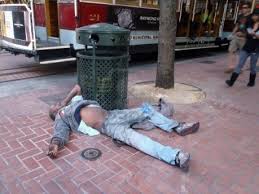
A typical San Francisco scene
Most of the trash found consisted of heaps of garbage, food, and discarded junk—including 100 drug needles and more than 300 piles of feces throughout downtown. If you step on one of these needles, you can get HIV, Hepatitis C, Hepatitis B or a variety of other viral diseases.
But you don’t have to actually get stuck by a needle to become a victim. Once fecal matter dries, it can become airborne and release deadly viruses, such as the rotavirus.
“If you happen to inhale that, it can also go into your intestine,” says Dr. Lee Riley, an infectious disease specialist at the University of California, Berkeley. The results can prove fatal, especially in children.
As the news unit filmed a typical day’s activity in San Francisco, a group of preschool students, enjoying a field trip, walked to City Hall.
Responding to a reporter’s question, Adelita Orellana said: “We see poop, we see pee, we see needles, and we see trash.
“Sometimes they ask what is it, and that’s a conversation that’s a little difficult to have with a two-year old, but we just let them know that those things are full of germs, that they are dangerous, and they should never be touched.”
San Francisco’s political elite see this blight as well as everyone else. They can’t avoid seeing it, since the city covers only 47 square miles.
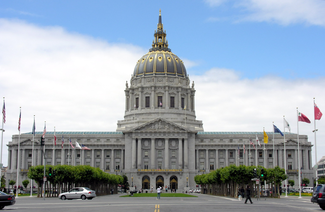
San Francisco City Hall
Cabe6403 at English Wikipedia [CC BY-SA 3.0 (https://creativecommons.org/licenses/by-sa/3.0) or GFDL (http://www.gnu.org/copyleft/fdl.html)%5D, from Wikimedia Commons
One of those who sees the disgrace up-front is Supervisor Hillary Ronen: “Unacceptable. Absolutely unacceptable. We’re losing tourists. We’re losing conventions in San Francisco.”
Yet what does she propose as the solution? “We need more temporary beds for street homelessness.”
This is on a par with a “pest control expert” recommending: “We need more sugar to clear up our roach problem.”
Thanks to its mild climate and social programs that dole out cash payments to virtually anyone with no residency requirement, San Francisco is often considered the “homeless capital” of the United States.
According to a 2016 article in the San Francisco Chronicle, there are about 13,000 “homeless” people in San Francisco. Of these, an estimated 3,000 to 5,000 refuse shelter.
In 2016, San Francisco spent $275 million on homelessness—up from $241 million in 2015. Public Works cleanup crews picked up more than 679 tons of trash from homeless tent camps—and collected more than 100,000 used syringes from the camps.
In 2016, San Francisco residents made 22,608 complaints about encampments—a five-fold increase from 2015.
City officials euphemistically call this population “the homeless.” That’s because they don’t want to use words that accurately describe those who comprise the overwhelming majority of this population:
- Druggies
- Drunks
- Mentally ill
- Bums.
Or, as even many police, social workers and paramedics who wrestle with this population privately refer to them: DDMBs.
Yet the mere citing of statistics—how many “homeless,” how much money is spent on how many people, how much filth they produce—doesn’t capture the true intensity of the problem.
To do that, you must confront its realities at the street level. Imagine:
- You’re elderly, and walking with a cane—and must often try to negotiate your way around big tents that take up most of a sidewalk.
- You’re riding in a wheelchair along a sidewalk until you come to a large mattress lying directly in your path, with a potentially psychotic “homeless” man lying upon it.
- You find a street teeming with rats—eating the food scraps left by “homeless” people.
- You walk into an underground Municipal Railway bus station—and find it littered with derelicts passed out or shooting up heroin in plain sight. Naturally, they don’t worry about picking up their used hypodermic needles. They leave those out for others to step on or pick up at their own risk.

- You’re standing at a bus stop or eating in a restaurant—when a large, filthy, possibly disease-carrying man or woman demands a “handout” from you.
- You board a local bus and are forced to sit near a man stinking of feces and/or urine. Naturally, the driver doesn’t put him off—giving you the choice of surviving the stench or getting off to catch another bus.
- You can’t use the elevator at the Bay Area Rapid Transit (BART) station because “homeless” derelicts have ruined its mechanism with urine and feces.
101 CALIFORNIA SHOOTINGS, ABC NEWS, ADAM LANZA, ADAM WINKLER, ALTERNET, AP, BUZZFEED, CBS NEWS, CENTURY 16 THEATER SHOOTINGS, CNN, COLUMBINE SCHOOL SHOOTINGS, CONNECTICUT SUPREME COURT, CONSUMER PROTECTION LAWS, CRIME, CROOKS AND LIARS, DAILY KOZ, FACEBOOK, GUN CONTROL, JOSH KOSKOFF, M1-16 ASSAULT RIFLE, MARTIN LUTHER KING, MEDICAID, MENTAL ILLNESS, MIKE MOORE, MOTHER JONES, MOVEON, MSNBC, NANCY LANZA, NATIONAL RIFLE ASSOCIATION, NBC NEWS, NEWSWEEK, NPR, PBS NEWSHOUR, POLITICO, PROTECTION OF LAWFUL COMMERCE IN ARMS ACT, RAW STORY, REMINGTON AR-15 BUSHMASTER RIFLE, REMINGTON OUTDOOR COMPANY, REP. GABRIELLE GIFFORDS SHOOTING, REPUBLICANS, REUTERS, ROBERT F. KENNEDY, SALON, SAN YASIDRO MACDONALD’S SHOOTINGS, SANDY HOOK ELEMENTARY SCHOOL MASSACRE, SEATTLE TIMES, SECOND AMENDMENT, SELF-DEFENSE, SLATE, STAND-YOUR-GROUND LAWS, THE ATLANTIC, THE CHICAGO SUN-TIMES, THE CHICAGO TRIBUNE, THE DAILY BEAST, THE GUARDIAN, THE HILL, THE HUFFINGTON POST, THE LOS ANGELES TIMES, THE NATION, THE NEW YORK TIMES, THE WASHINGTON POST, TIME, TOBACCO COMPANY LAWSUITS, TWITTER, U.S. CONSTITUTION, U.S. NEWS & WORLD REPORT, UCLA LAW SCHOOL, UNITED STATES SUPREME COURT, UPI, USA TODAY, VIRGINIA TECH SHOOTINGS, WRONGFUL-DEATH LAWSUITS
In Bureaucracy, History, Law, Law Enforcement, Military, Politics, Social commentary on March 27, 2019 at 12:13 am
“The victims of the violence are black and white, rich and poor, young and old, famous and unknown. They are, most important of all, human beings whom other human beings loved and needed. No one—no matter where he lives or what he does— can be certain who will suffer from some senseless act of bloodshed. And yet it goes on and on.”
–Robert F. Kennedy, April 4, 1968

Senator Robert F. Kennedy announcing the murder of Dr. Martin Luther King, Jr.
What should the surviving victims of gun massacres do to seek redress?
And how can the relatives and friends of those who didn’t survive seek justice for those they loved?
As far back as 2012, this writer posed those questions. And offered the following solution.
But only now has a court—the Connecticut Supreme Court—made this remedy possible.
First, don’t count on politicians to support a ban on assault weapons.
Politicians—with rare exceptions—have only two goals:
- Get elected to office, and
- Stay in office.
And too many of them fear the economic and voting clout of the National Rifle Association (NRA) to risk its wrath.
Consider Republican Presidential Nominee Mitt Romney and then-President Barack Obama.
Both rushed to offer condolences to the surviving victims of the massacre at the Century 16 Theater in Aurora, Colorado, on July 20, 2012.
And both steadfastly refused to even discuss gun control—let alone support a ban on the type of assault weapons used by James Holmes, leaving 12 dead and 58 wounded.
Second, those who survived the massacre—and the relatives and friends of those who didn’t—should file wrongful death, class-action lawsuits against the NRA.
There is sound, legal precedent for this.
- For decades, the American tobacco industry peddled death and disability to millions and reaped billions of dollars in profits.
- The industry vigorously claimed there was no evidence that smoking caused cancer, heart disease, emphysema or any other ailment.
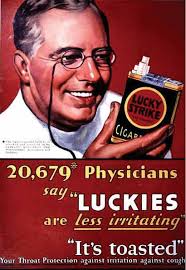
- Tobacco companies spent billions on slick advertising campaigns to win new smokers and attack medical warnings about the dangers of smoking.
- Tobacco companies spent millions to elect compliant politicians and block anti-smoking legislation.
- From 1954 to 1994, over 800 private lawsuits were filed against tobacco companies in state courts. But only two plaintiffs prevailed, and both of those decisions were reversed on appeal.
- In 1994, amidst great pessimism, Mississippi Attorney General Mike Moore filed a lawsuit against the tobacco industry. But other states soon followed, ultimately growing to 46.
- Their goal: To seek monetary, equitable and injunctive relief under various consumer-protection and anti-trust laws.
- The theory underlying these lawsuits was: Cigarettes produced by the tobacco industry created health problems among the population, which badly strained the states’ public healthcare systems.
- In 1998, the states settled their Medicaid lawsuits against the tobacco industry for recovery of their tobacco-related, health-care costs. In return, they exempted the companies from private lawsuits for tobacco-related injuries.
- The companies agreed to curtail or cease certain marketing practices. They also agreed to pay, forever, annual payments to the states to compensate some of the medical costs for patients with smoking-related illnesses.
The parallels with the NRA are obvious:
- For decades, the NRA has peddled deadly weapons to millions, reaped billions of dollars in profits and refused to admit the carnage those weapons have produced: “Guns don’t kill people. People kill people.” With guns.

- The NRA has bitterly fought background checks on gun-buyers, in effect granting even criminals and the mentally ill the right to own arsenals of death-dealing weaponry.
- The NRA has spent millions on slick advertising campaigns to win new members and frighten them into buying guns.
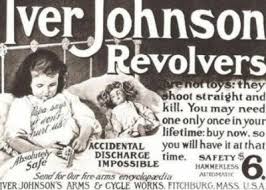
- The NRA has spent millions on political contributions to block gun-control legislation.
- The NRA has spent millions attacking political candidates and elected officials who warned about the dangers of unrestricted access to assault and/or concealed weapons.

- The NRA has spent millions pushing “Stand Your Ground” laws in more than half the states, which potentially give every citizen a “license to kill.”
- The NRA receives millions of dollars from online sales of ammunition, high-capacity ammunition magazines, and other accessories through its point-of-sale Round-Up Program—thus directly profiting by selling a product that kills about 30,288 people a year.
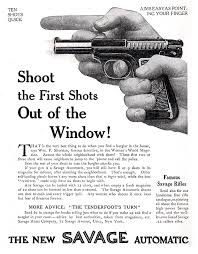
- Firearms made indiscriminately available through NRA lobbying have filled hospitals with casualties, and have thus badly strained the states’ public healthcare systems.
It will take a series of highly expensive and well-publicized lawsuits to significantly weaken the NRA, financially and politically.
The first ones will have to be brought by the surviving victims of gun violence—and by the friends and families of those who did not survive it. Only they will have the courage and motivation to take such a risk.
As with the cases first brought against tobacco companies, there will be losses. And the NRA will rejoice with each one.
But, in time, state Attorneys General will see the clear parallels between lawsuits filed against those who peddle death by cigarette and those who peddle death by armor-piercing bullet.
And then the NRA—like the tobacco industry—will face an adversary wealthy enough to stand up for the rights of the gun industry’s own victims.
Only then will those politicians supporting reasonable gun controls dare to stand up for the victims of these needless tragedies.
101 CALIFORNIA SHOOTINGS, ABC NEWS, ADAM LANZA, ADAM WINKLER, ALTERNET, AP, BUZZFEED, CBS NEWS, CENTURY 16 THEATER SHOOTINGS, CNN, COLUMBINE SCHOOL SHOOTINGS, CONNECTICUT SUPREME COURT, CONSUMER PROTECTION LAWS, CRIME, CROOKS AND LIARS, DAILY KOZ, FACEBOOK, GUN CONTROL, JOSH KOSKOFF, M1-16 ASSAULT RIFLE, MARTIN LUTHER KING, MEDICAID, MENTAL ILLNESS, MIKE MOORE, MOTHER JONES, MOVEON, MSNBC, NANCY LANZA, NATIONAL RIFLE ASSOCIATION, NBC NEWS, NEWSWEEK, NPR, PBS NEWSHOUR, POLITICO, PROTECTION OF LAWFUL COMMERCE IN ARMS ACT, RAW STORY, REMINGTON AR-15 BUSHMASTER RIFLE, REMINGTON OUTDOOR COMPANY, REP. GABRIELLE GIFFORDS SHOOTING, REPUBLICANS, REUTERS, ROBERT F. KENNEDY, SALON, SAN YASIDRO MACDONALD’S SHOOTINGS, SANDY HOOK ELEMENTARY SCHOOL MASSACRE, SEATTLE TIMES, SECOND AMENDMENT, SELF-DEFENSE, SLATE, STAND-YOUR-GROUND LAWS, THE ATLANTIC, THE CHICAGO SUN-TIMES, THE CHICAGO TRIBUNE, THE DAILY BEAST, THE GUARDIAN, THE HILL, THE HUFFINGTON POST, THE LOS ANGELES TIMES, THE NATION, THE NEW YORK TIMES, THE WASHINGTON POST, TIME, TOBACCO COMPANY LAWSUITS, TWITTER, U.S. CONSTITUTION, U.S. NEWS & WORLD REPORT, UCLA LAW SCHOOL, UNITED STATES SUPREME COURT, UPI, USA TODAY, VIRGINIA TECH SHOOTINGS, WRONGFUL-DEATH LAWSUITS
In Bureaucracy, History, Law, Military, Politics, Social commentary on March 26, 2019 at 12:11 am
Weapons manufacturers are the only companies in the United States that cannot be sued for the deaths and injuries their products cause.
This is because The Protection of Lawful Commerce in Arms Act, or PLCAA, immunizes the American firearms industry against lawsuits by victims of mass shootings and gun violence.
Rammed through a Republican-dominated Congress in 2005 by the National Rifle Association (NRA), it was signed into law by President George W. Bush.
But on March 15, 2019, the Supreme Court of Connecticut ruled that families of schoolchildren gunned down in the 2012 Sandy Hook Elementary School massacre could sue Remington Outdoor Co Inc., over its marketing of military-style Bushmaster weapons to civilians.
The Court ruled that the victims’ families had the right to sue Remington under the Connecticut Unfair Trade Practices Act (CUTPA).
Among the ads that Remington ran to promote its military-style AR-15 Bushmaster rifle:
- “Truly the most versatile and adaptive rifle ever conceived, it was born of a collaborative effort between Bushmaster, Magpul and Remington to create the ultimate military combat weapons system.”
- A photo of a Bushmaster with its barrel facing the reader, with the caption: “CONSIDER YOUR MAN CARD REISSUED.”
- A photo of a Bushmaster, alongside the slogan: “Forces of opposition, bow down. You are single-handedly outnumbered.”
- “ONE RIFLE. MANY MISSIONS. THE REVOLUTIONARY, FULLY MODULAR REMINGTON ACR (ADAPTIVE COMBAT RIFLE).”

Remington AR-15 Bushmaster
“The defendants knowingly marketed, advertised, and promoted the XM15-E2S for civilians to use to carry out offensive, military style combat missions against their perceived enemies,” alleges the Newtown lawsuit.
And the Justices ruled that, “such use of the XM15-E2S, or any weapon for that matter, would be illegal, and Connecticut law does not permit advertisements that promote or encourage violent, criminal behavior.
“We are confident… that, if there were credible allegations that a firearms seller had run explicit advertisements depicting and glorifying school shootings, and promoted its products in video games, such as ‘School Shooting,’ that glorify and reward such unlawful conduct, and if a troubled young man who watched those advertisements and played those games were inspired thereby to commit a terrible crime like the ones involved in the Sandy Hook massacre, then even the most ardent sponsors of PLCAA would not have wanted to bar a consumer protection lawsuit seeking to hold the supplier accountable for the injuries wrought by such unscrupulous marketing practices.”

Connecticut Supreme Court Building
Said David Wheeler, father of a Sandy Hook victim: “There is a reason why this particular consumer product is the one that is used by people who want to inflict the most damage, and we have seen it time and time again since my son and his classmates were killed. That reason very likely potentially resides in the documents that we have been unable to look at until now.”
“The families’ goal has always been to shed light on Remington’s calculated and profit-driven strategy to expand the AR-15 market and court high-risk users, all at the expense of Americans’ safety,” said Josh Koskoff, one of the lawyers for the victims’ families, “Today’s decision is a critical step toward achieving that goal.”
“This is a landmark and potentially historic ruling,” said Adam Winkler, a UCLA Law School professor who specializes in constitutional law. “While all this decision does is allow a case to go forward, in broader terms it really opens up a new avenue for holding gunmakers responsible.”
More importantly, the ruling could spur similar suits in other states. “This could prompt further such suits not only for cases of mass shootings, but individual ones as well,” Winkler said.
The decision by the Connecticut Supreme Court wasn’t unanimous. Three of its seven justices dissented.
The case now goes back to the lower court for further proceedings and a possible trial.
Opinion remains divided over its chances for success.
According to National Public Radio: “The suit is a high-stakes challenge to gun companies, which have rarely been held liable for crimes committed with their products, and could mark a new front in the battle over gun regulations and corporate accountability.
“An eventual ruling against Remington could establish legal precedent, opening doors for more lawsuits against gun manufacturers, and expose the company’s communications about its marketing plans.”
Noted The Root: “While federal judges remain split on which laws apply to firearm manufacturers, Connecticut judges have drawn a line in the sand. While U.S. Supreme Court intervention on behalf of Remington is a distinct possibility, Connecticut’s decision could inspire lawmakers and lawyers to take a hard look at PLCAA.”
“The larger implications of this are that the Connecticut Supreme Court has just blown a giant hole in the PLCAA and in federal immunity for firearms manufacturers,” said Timothy Lytton, a law professor at Georgia State University.
Lytton predicted that the United States Supreme Court would be likely to take up the case: “What we’re talking about here is the interpretation of a federal statute and that falls squarely in the jurisdiction of the [United States] Supreme Court.”
A spokeswoman for the National Rifle Association declined to comment.
101 CALIFORNIA SHOOTINGS, ABC NEWS, ADAM LANZA, ADAM WINKLER, ALTERNET, AP, BUZZFEED, CBS NEWS, CENTURY 16 THEATER SHOOTINGS, CNN, COLUMBINE SCHOOL SHOOTINGS, CONNECTICUT SUPREME COURT, CONSUMER PROTECTION LAWS, CRIME, CROOKS AND LIARS, DAILY KOZ, FACEBOOK, GUN CONTROL, JOSH KOSKOFF, M1-16 ASSAULT RIFLE, MARTIN LUTHER KING, MEDICAID, MENTAL ILLNESS, MIKE MOORE, MOTHER JONES, MOVEON, MSNBC, NANCY LANZA, NATIONAL RIFLE ASSOCIATION, NBC NEWS, NEWSWEEK, NPR, PBS NEWSHOUR, POLITICO, PROTECTION OF LAWFUL COMMERCE IN ARMS ACT, RAW STORY, REMINGTON AR-15 BUSHMASTER RIFLE, REMINGTON OUTDOOR COMPANY, REP. GABRIELLE GIFFORDS SHOOTING, REPUBLICANS, REUTERS, ROBERT F. KENNEDY, SALON, SAN YASIDRO MACDONALD’S SHOOTINGS, SANDY HOOK ELEMENTARY SCHOOL MASSACRE, SEATTLE TIMES, SECOND AMENDMENT, SELF-DEFENSE, SLATE, STAND-YOUR-GROUND LAWS, THE ATLANTIC, THE CHICAGO SUN-TIMES, THE CHICAGO TRIBUNE, THE DAILY BEAST, THE GUARDIAN, THE HILL, THE HUFFINGTON POST, THE LOS ANGELES TIMES, THE NATION, THE NEW YORK TIMES, THE WASHINGTON POST, TIME, TOBACCO COMPANY LAWSUITS, TWITTER, U.S. CONSTITUTION, U.S. NEWS & WORLD REPORT, UCLA LAW SCHOOL, UNITED STATES SUPREME COURT, UPI, USA TODAY, VIRGINIA TECH SHOOTINGS, WRONGFUL-DEATH LAWSUITS
In Bureaucracy, History, Law, Law Enforcement, Military, Politics, Social commentary on March 25, 2019 at 1:38 am
It had happened before—all too often before:
- Midnight vigils for the victims of yet another spree-killer.
- Makeshift memorials of flowers, candles and teddy bears.
- Grief counselors for students at elementary, junior high and high schools.
- And, of course, the inevitable question: “Why?”
Americans had seen it all before—too many times before:
- After the San Ysidro McDonald’s shootings, 1984: 21 dead, 19 wounded.
- After the 101 California Street shootings in San Francisco, 1993: 9 dead, 6 injured.
- After the Columbine High School shootings in Colorado, 1999: 15 dead, 21 wounded.
- After the Virginia Tech shootings, 2007: 32 dead, 23 wounded.
- After the Tucson shooting of Rep. Gabrielle Giffords, 2011: 6 dead, 13 wounded.
- After the massacre at the Century 16 Theater in Aurora, Colorado, 2012: 12 dead, 58 wounded.
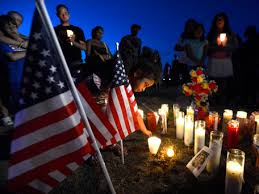
And then, on December 14, 2012, Adam Lanza, a mentally unstable, 20-year-old gunman, shot and killed his sleeping mother, Nancy, as she lay in bed at home.
Then he drove his mother’s car to Sandy Hook Elementary School, in Newtown, Connecticut, and slaughtered 20 school children aged six and seven and six adult staff.
His weapon of choice: A Remington AR-15 Bushmaster rifle, a semi-automatic civilian version of the U.S. military’s M-16.
A fanatical gun collector, Nancy Lanza had turned the house she shared with her son into a virtual arsenal:
- Izhmash Saiga 12-gauge semiautomatic shotgun
- Bushmaster Model XM15-E2S .223-caliber semiautomatic rifle
- Glock 20 10mm semiautomatic handgun
- Sig Sauer P226 9mm semiautomatic handgun
- Savage Mark II bolt-action .22-caliber rifle
- Enfield Albian bolt-action .323-caliber rifle
- Volcanic .22-caliber starter pistol.
Of the firearms listed above, Lanza used the first four (italicized) to carry out the Sandy Hook massacre.
Stockpiles of ammunition for all of these weapons were later found by police as they searched the house.

Adam Lanza
Yet Adam Lanza’s mentally unbalanced condition should have barred him from possessing even a single firearm.
A report issued by the Office of the Child Advocate in November, 2014, noted that Lanza had Asperger’s syndrome. As a teenager he had suffered from anxiety, depression and obsessive-compulsive disorder.
The report concluded: “His severe and deteriorating internalized mental health problems…. combined with an atypical preoccupation with violence….(and) access to deadly weapons…. proved a recipe for mass murder.”
On the day of the massacre, Adam Lanza chose his firearms with care.
He shot his defenseless mother four times in the head with a Savage Mark II .22-caliber rifle, a bolt-action firearm that can accept a 10-round magazine. But for his planned massacre at Sandy Hook, he chose semiautomatic weapons with detachable ammunition magazines.
Of all the weapons Lanza carried to Sandy Hook, the Bushmaster XM15-E2S proved the most lethal: A semiautomatic rifle that can be equipped with 30-round magazines, which allows the shooter to cut down on the number of times he has to reload.
In the past, countless Americans had responded to the latest gun outrage with “sending thoughts and prayers.”
But, this time, there would be a different response to this latest slaughter.
In February, 2014, nine families of the victims in the Sandy Hook massacre filed a lawsuit against the gun manufacturer, Remington Outdoor Co Inc., over its marketing of military-style Bushmaster weapons.
In October, 2016, the Connecticut Superior Court dismissed the case based on a federal law that protects the gun industry from liability.
Rammed through a Republican-dominated Congress by the National Rifle Association (NRA), the Protection of Lawful Commerce in Arms Act, or PLCAA, was signed into law by President George W. Bush in 2005. Since then, it has armed the American firearms industry with immunity against lawsuits by victims of mass shootings and gun violence.
But on March 15, 2019, the Connecticut Supreme Court ruled that families of Sandy Hook victims could sue Remington Outdoor Co Inc.
The families asserted that Remington, along with a gun wholesaler and local retailer, were partially responsible for the carnage because they marketed the weapon based on its militaristic appeal.
For the first time in American history, victims of gun violence have won the legal right to hold gun makers accountable for the devastation caused by their products.
“The perception for the gun industry is: ‘We can’t get sued,’” said Josh Koskoff, a Connecticut attorney representing families of the Newtown massacre. “‘We can be as unethical and as wild and aggressive in the marketing as we want.’”
The families had sued Remington by citing the legal doctrine of negligent entrustment. This has been used in such cases as when someone lends a car to a high-risk driver who then causes an accident.
But the Supreme Court rejected that theory. Instead, it ruled that the families could bring their claims under the consumer protection statute.
The court said that state unfair-trade-practices law allows anyone who’s suffered a financial loss from such activities to sue “regardless of whether they had a business relationship with the person or entity that engaged in the prohibited practice.”
“Once we accept the premise that Congress did not intend to immunize firearms suppliers who engage in truly unethical and irresponsible marketing practices promoting criminal conduct … it falls to a jury to decide whether the promotional schemes alleged in the present case rise to the level of illegal trade practices and whether fault for the tragedy can be laid at their feet,” the judges said.
ABC NEWS, AIRLINES, ALTERNET, ANTHEM INC., AP, BUSINESS, BUZZFEED, CBS NEWS, CHINA, CNN, COMPUTER SECURITY, CREDIT CARDS, CROOKS AND LIARS, CYBERSECURITY, DAILY KOZ, DAIRY QUEEN, FACEBOOK, HACKING, JOHN HERING, JPMORGAN/CHASE, LILY TOMLIN, LOOKOUT, LUGGAGE THEFTS, MA BELL, MOTHER JONES, MOVEON, NBC NEWS, NEWSWEEK, NPR, POLITICO, RAW STORY, REUTERS, ROWAN & MARTIN'S LAUGH-IN, SALON, SEATTLE TIMES, SLATE, SOCIAL SECURITY, STAPLES, TARGET, THE ATLANTIC, THE CHICAGO SUN-TIMES, THE CHICAGO TRIBUNE, THE DAILY BEAST, THE GUARDIAN, THE HILL, THE HUFFINGTON POST, THE LOS ANGELES TIMES, THE NATION, THE NEW YORK TIMES, THE WALL STREET JOURNAL, THE WASHINGTON POST, TIME, TWITTER, U.S. NEWS & WORLD REPORT, UP, UPI, USA TODAY
In Bureaucracy, Business, History, Law Enforcement, Politics, Social commentary on March 22, 2019 at 12:18 am
Comedian Lily Tomlin rose to fame on the 1960s comedy hit, Rowan & Martin’s Laugh-In, as Ernestine, the rude, sarcastic switchboard operator for Ma Bell.
She would tap into customers’ calls, interrupt them, make snide remarks about their personal lives. And her victims included celebrities as much as run-of-the-mill customers.

Lily Tomlin as Ernestine
She introduced herself as working for “the phone company, serving everyone from presidents and kings to the scum of the earth.”
But perhaps the line for which her character is best remembered was: “We don’t care. We don’t have to. We’re the phone company.”
Watching Ernestine on Laugh-In was a blast for millions of TV viewers. But facing such corporate arrogance in real-life is no laughing matter.
Clearly, too many companies take the same attitude as Ernestine: “We don’t care. We don’t have to.”
This is especially true for companies that are supposed to safeguard their customers’ most sensitive information—such as their credit card numbers, addresses, emails and phone numbers.
An October 22, 2014 “commentary” published in Forbes magazine raised the highly disturbing question: “Cybersecurity: Does Corporate America Really Care?”
And the answer is clearly: No.
Its author is John Hering, co-founder and executive director of Lookout, which bills itself as “the world leader in mobile security for consumers and enterprises alike.”
Click here: Cybersecurity: Does corporate America really care?
October, 2014 proved a bad month for credit card-using customers of Kmart, Staples and Dairy Queen.
All these corporations reported data breeches involving the theft of credit card numbers of countless numbers of customers.
Earlier breaches had hit Target, Home Depot and JPMorgan/Chase.
And on February 5, 2015, health insurance giant Anthem Inc. announced that hackers had breached its computer system and accessed the medical records of tens of millions of its customers and employees.

Anthem, the nation’s second-largest health insurer, said the infiltrated database held records on up to 80 million people.
Among the customers’ information accessed:
- Names
- Birthdates
- Social Security numbers
- Member ID numbers
- Addresses
- Phone numbers
- Email addresses and
- Employment information.
Some of the customer data may also include details on their income.
Click here: Anthem hack exposes data on 80 million; experts warn of identity theft – LA Times
Bad as that news was, worse was to come.
A February 5 2015 story by the Wall Street Journal revealed that Anthem stored the Social Security numbers of 80 million customers without encrypting them.
The company believes that hackers used a stolen employee password to access the database
Anthem’s alleged reason for refusing to encrypt such sensitive data: Doing so would have made it harder for the company’s employees to track health care trends or share data with state and Federal health providers.
Anthem spokeswoman Kristin Binns blamed the data breach on employers and government agencies who “require us to maintain a member’s Social Security number in our systems so that their systems can uniquely identify their members.”
She said that Anthem encrypts personal data when it moves in or out of its database—but not where it is stored.
This is a commonplace practice in the healthcare industry.
The FBI launched an investigation into the hack.
According to an anonymous source, the hackers used malware that has been used almost exclusively by Chinese cyberspies.
Naturally, China has denied any wrongdoing. With a completely straight face, Chinese Foreign Ministry spokesman Hong Lei said:
“We maintain a cooperative, open and secure cyberspace, and we hope that countries around the world will make concerted efforts to that end.”
He also said that the charge that the hackers were Chinese was “groundless.”
Click here: Health Insurer Anthem Didn’t Encrypt Stolen Data – WSJ
Meanwhile, John Hering’s complaints remain as valid today as they did in 2014.
“One thing is clear,” writes Hering. “CEOs need to put security on their strategic agendas alongside revenue growth and other issues given priority in boardrooms.”
Hering warns that “CEOs don’t seem to be making security a priority.” And he offers several reasons for this:
- The sheer number of data compromises;
- Relatively little consumer outcry;
- Almost no impact on the companies’ standing on Wall Street;
- Executives may consider such breaches part of the cost of doing business.
“There’s a short-term mindset and denial of convenience in board rooms,” writes Hering.
“Top executives don’t realize their systems are vulnerable and don’t understand the risks. Sales figures and new products are top of mind; shoring up IT systems aren’t.”
There are three ways corporations can be forced to start behaving responsibly on this issue.
- Smart attorneys need to start filing class-action lawsuits against companies that refuse to take steps to protect their customers’ private information. There is a name for such behavior: Criminal negligence. And there are laws carrying serious penalties for it.
- There must be Federal legislation to ensure that multi-million-dollar fines are levied against such companies—and especially their CEOs—when such data breaches occur.
- Congress should enact legislation allowing for the prosecution of CEOs whose companies’ negligence leads to such massive data breaches. They should be considered as accessories to crime, and, if convicted, sentenced to lengthy prison terms.
Only then will the CEO mindset of “We don’t care, we don’t have to” be replaced with: “We care, because we’ll lose our money and/or freedom if we don’t.”
2016 PRESIDENTIAL ELECTION, ABC NEWS, ALTERNET, BARACK OBAMA, BENEDICT ARNOLD, BOEING, CBS NEWS, CHRISTOPHER LASCH, CLEAR CHANNEL COMMUNICATIONS, CNN, CONSOLIDATED EDISON, CORPORATE TAXES, CORRUPTION, DRUDGE REPORT, EDUARDO SAVEREN, EPA, FAA, FACEBOOK, FBI, FDA, FORBES MAGAZINE, GENERAL ELECTRIC, GROVER NORQUIST, MEDICARE, METROPCS COMMUNICATIONS, NBC NEWS, NEWSWEEK, NICCOLO MACHIAVELLI, NPR, PG&E CORPORATION, POLITICO, PUBLIC CAMPAIGN, REPUBLICAN PARTY, RICHARD M. NIXON, RUSH LIMBAUGH, SENATOR CHARLES SCHUMER, SOCIAL SECURITY, STEPHEN DECATUR, TAX AVOIDANCE, THE CHICAGO SUN-TIMES, THE CHICAGO TRIBUNE, THE DISCOURSES, THE HUFFINGTON POST, THE LOS ANGELES TIMES, THE NEW YORK TIMES, THE WALL STREET JOURNAL, THE WASHINGTON POST, TIME, TREASON, TWITTER, U.S. NEWS & WORLD REPORT, USA TODAY, VERIZON COMMUNICATIONS, WALL STREET, WEALTH GAP
In Bureaucracy, History, Law, Law Enforcement, Politics, Social commentary on March 20, 2019 at 12:06 am
Niccolo Machiavelli, the father of modern politics, warns in his masterwork, The Discourses:
All those who have written upon civil institutions demonstrate…that whoever desires to found a state and give it laws, must start with assuming that all men are bad and ever ready to display their vicious nature, whenever they may find occasion for it.
If their evil disposition remains concealed for a time, it must be attributed to some unknown reason; and we must assume that it lacked occasion to show itself. But time, which has been said to be the father of all truth, does not fail to bring it to light.
Where the crimes of corporate employers are concerned, Americans need not wait for their evil disposition to reveal itself. It has been fully revealed for decades.
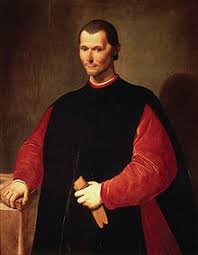
Niccolo Machiavelli
Increased media attention to “income inequality” has led some Democratic lawmakers to press for a long-overdue reform: Raising the stock threshold to 50%, making it harder for firms to abandon their country.
Yet a more comprehensive reform package would include legislation that mandates:
- American companies that move their headquarters abroad would be officially declared “agents of a foreign power engaged in hostile activity against the United States.”
- Those “foreign-owned” companies would be forbidden to sell products within the United States.
- Their assets would be subject to seizure by the Internal Revenue Service.
- The citizenship of those Americans engaged in such activity would be revoked and they would be ordered to leave the United States or face criminal prosecution for treason—and face trial for this if they returned.
Public Campaign is a non-profit, non-partisan organization dedicated to eliminating special interest money in American politics by securing publicly-funded elections at local, state and federal levels.
According to Public Campaign: “Twenty-five profitable Fortune 500 companies, some with a history of tax dodging, spent more on lobbying than they paid in federal taxes between 2008 and 2012….
“Over the past five years, these 25 corporations generated nearly $170 billion in combined profits and received $8.7 billion in tax rebates while paying their lobbyists over half a billion ($543 million), an average of nearly $300,000 a day.
“Based on newly released data by Citizens for Tax Justice, these 25 companies actually received tax refunds over all those five years.
“So most individual American families and small businesses have bigger tax bills than these corporate giants. Unfortunately, most American families and businesses do not have the lobbying operation and access these 25 companies enjoy.”
Several companies on this list are well-known—and spend millions of dollars on self-glorifying ads every year to convince consumers how wonderful they are. Among these:
- General Electric
- PG&E Corp
- Verizon Communications
- Boeing
- Consolidated Edison
- MetroPCS Communications
Republicans—and some Democrats—have tirelessly defended the greed of the richest and most privileged in America. For example, they have dubbed the estate tax—which affects only a tiny, rich minority—“the death tax.”
This makes it appear to affect everyone. So millions of poor and middle-class Americans who will never have to pay a cent in estate taxes vigorously oppose it.
It’s time to recognize that a country can be sold out for other than political reasons. It can be sold out for economic ones, too.
The United States desperately needs a new definition of treason—one that takes into account the following:
- Employers who set up offshore accounts to claim their American companies are foreign-owned—and thus exempt from taxes—are traitors.
- Employers who enrich themselves by firing American workers and moving their plants to other countries—are traitors.
- Employers who systematically violate Federal immigration laws—to hire illegal aliens at cut-rate wages–instead of American workers–are traitors.
For thousands of years, otherwise highly intelligent men and women believed that kings ruled by divine right. That kings held absolute power, levied extortionate taxes and sent countless millions of men off to war—all because God wanted it that way.
That lunacy was dealt a deadly blow in 1776 when American Revolutionaries threw off the despotic rule of King George III of England.
But today, millions of Americans remain imprisoned by an equally outrageous and dangerous theory: The Theory of the Divine Right of Employers.
America can no longer afford such a dangerous fallacy as the Theory of the Divine Right of Employers.
The solution lies in remembering that the powerful never voluntarily surrender their privileges. Americans did not win their freedom from Great Britain—and its enslaving doctrine of the “divine right of kings”—by begging for their rights.
Americans will not win their freedom from their corporate masters—and the equally enslaving doctrine of “the divine right of employers”—by begging for the right to work and support themselves and their families.
And they will most certainly never win such freedom by supporting Right-wing political candidates whose first and only allegiance is to the corporate interests who bankroll their campaigns.
Corporations can—and do—spend millions of dollars on TV ads, selling lies—such as if the wealthy are forced to pay their fair share of taxes, jobs will inevitably disappear.
But Americans can choose to reject those lies—and demand that employers behave like patriots instead of predators.
2016 PRESIDENTIAL ELECTION, ABC NEWS, ALTERNET, BARACK OBAMA, BENEDICT ARNOLD, BOEING, CBS NEWS, CHRISTOPHER LASCH, CLEAR CHANNEL COMMUNICATIONS, CNN, CONSOLIDATED EDISON, CORPORATE TAXES, CORRUPTION, DRUDGE REPORT, EDUARDO SAVEREN, EPA, FAA, FACEBOOK, FBI, FDA, FORBES MAGAZINE, GENERAL ELECTRIC, GROVER NORQUIST, MEDICARE, METROPCS COMMUNICATIONS, NBC NEWS, NEWSWEEK, NICCOLO MACHIAVELLI, NPR, PG&E CORPORATION, POLITICO, PUBLIC CAMPAIGN, REPUBLICAN PARTY, RICHARD M. NIXON, RUSH LIMBAUGH, SENATOR CHARLES SCHUMER, SOCIAL SECURITY, STEPHEN DECATUR, TAX AVOIDANCE, THE CHICAGO SUN-TIMES, THE CHICAGO TRIBUNE, THE DISCOURSES, THE HUFFINGTON POST, THE LOS ANGELES TIMES, THE NEW YORK TIMES, THE WALL STREET JOURNAL, THE WASHINGTON POST, TIME, TREASON, TWITTER, U.S. NEWS & WORLD REPORT, USA TODAY, VERIZON COMMUNICATIONS, WALL STREET, WEALTH GAP
In Bureaucracy, History, Law, Law Enforcement, Politics, Social commentary on March 19, 2019 at 12:10 am
The British offered Revolutionary War General Benedict Arnold £20,000 for betraying West Point to the Crown.
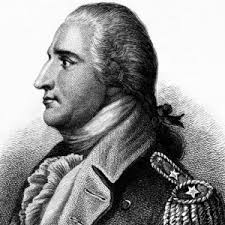
Benedict Arnold
But Arnold was a piker compared to companies that are raking in literally billions of untaxed dollars by betraying the United States in its time of economic trial.
To avoid paying their legitimate share of taxes, they move their headquarters overseas to countries with reduced tax rates. In tax parlance, this is called an “inversion.”
For almost 20 years, tax-avoiding corporations fled to Caribbean countries such as Bermuda and the Cayman Islands. But in 2004, Congress ruled that American companies could relocate overseas if foreign shareholders owned 20% of their stock.
According to statistics compiled by the Congressional Research Service (CRS) in 2014:
“Forty-seven U.S. corporations have reincorporated overseas through corporate inversions in the last 10 years, far more than during the previous 20 years combined.
“In total, 75 U.S. corporations have inverted since 1994 – with one other inversion occurring in 1983. What’s more, there are a dozen prospective inversion deals involving U.S. corporations looking to reincorporate overseas, according to CRS
“The new data underscores the significant increase in the number of U.S. corporations that have or are seeking to lower their U.S. taxes by reincorporating overseas.
“It also adds urgency to a legislative solution. Ways and Means Committee Ranking Member Sander Levin in May introduced legislation that would tighten rules to limit inversions.
“The Joint Committee on Taxation estimates that the legislation would save $19.5 billion over 10 years. Companion legislation was introduced in the Senate by Sen. Carl Levin.
“‘Barely a week seems to pass without news that another corporation plans to move its address overseas simply to avoid paying its fair share of U.S. taxes,’” said Ranking Member Levin.
“These corporate inversions are costing the U.S. billions of dollars and undermining vital domestic interests.
“‘We can and should address this problem immediately through legislation to tighten rules to limit the ability of corporations to simply change their address and ship U.S. tax dollars overseas.’”
Among those companies that have chosen to betray their country in its time of economic need:
| INVERSION YEAR |
COMPANY NAME |
TYPE |
COUNTRY OF INCORPORATION |
REVENUE |
| 1983 |
McDermott International |
Engineering |
Panama |
$2.7 billion |
| 1994 |
Helen of Troy |
Consumer Products |
Bermuda |
$1.3 billion (FY 2014) |
| 1996 |
Triton Energy |
Oil and Gas |
Cayman Islands |
Acq by Hess in ’01 |
| 1996 |
Chicago Bridge & Iron (CBI) |
Engineering |
Netherlands |
$11.1 billion |
| 1997 |
Tyco International |
Diversified Manufacturer |
Bermuda |
$10.6 billion |
| 1997 |
Santa Fe International |
Oil and Gas |
Cayman Islands |
Acq by Transocean in ’07 |
| 1998 |
Fruit of the Loom |
Apparel Manufacturer |
Cayman Islands |
private company |
| 1998 |
Gold Reserve |
Mining |
Bermuda |
N/A |
| 1998 |
Playstar Corp. |
Toys |
Antigua |
Acq by Premier Mobile in ’06 |
| 1999 |
Transocean |
Offshore Drilling |
Cayman Islands |
$9.4 billion |
| 1999 |
White Mountain Insurance |
Insurance |
Bermuda |
$2.3 billion |
| 1999 |
Xoma Corp. |
Biotech |
Bermuda |
$35.5 million |
| 1999 |
PXRE Group |
Insurance |
Bermuda |
Acq by Argonaut Group in ’07 |
| 1999 |
Trenwick Group |
Insurance |
Bermuda |
Acq by LaSalle Re Holdings in ’00 |
| 2000 |
Applied Power |
Engineering |
Bermuda |
Now called Actuant $494 million |
| 2000 |
Everest Reinsurance |
Insurance |
Bermuda |
$5.6 billion |
| 2000 |
Seagate Technology |
Data Storage |
Cayman Islands |
$14.4 billion |
| 2000 |
R&B Falcon |
Drilling |
Cayman Islands |
Acq by Transocean in ’00 |
| 2001 |
Global Santa Fe Corp. |
Offshore Drilling |
Cayman Islands |
Acq by Transocean in ’07 |
| 2001 |
Foster Wheeler |
Engineering |
Bermuda |
$559 million |
| 2001 |
Accenture |
Consulting |
Bermuda |
$28.6 billion (FY 2013) |
| 2001 |
Global Marine |
Engineering |
Cayman Islands |
Acq by Bridgehouse Capital in ’04 |
| 2002 |
Noble Corp. |
Offshore Drilling |
Cayman Islands |
$4.2 billion |
| 2002 |
Cooper Industries |
Electrical Products |
Bermuda |
Acq by Eaton in ’12 |
| 2002 |
Nabor Industries |
Oil and Gas |
Bermuda |
$1.6 billion |
| 2002 |
Weatherford International |
Oil and Gas |
Bermuda |
$15.2 billion |
| 2002 |
Ingersoll-Rand |
Industrial Manufacturer |
Bermuda |
$12.3 billion |
| 2002 |
PricewaterhouseCoopers Consulting |
Consulting |
Bermuda |
N/A |
| 2002 |
Herbalife International |
Nutrition |
Cayman Islands |
$4.8 billion (sales) |
| 2005 |
Luna Gold Corp |
Mining |
Canada |
$85.3 million |
| 2007 |
Lincoln Gold Group |
Mining |
N/A |
|
| 2007 |
Western Goldfields |
Mining |
N/A |
Acq by New Gold in ’09 |
| 2007 |
Star Maritime Acquisition Grp |
Shipping |
N/A |
Now Star Bulk $69 million |
| 2007 |
Argonaut Group |
Insurance |
Bermuda |
$1.4 billion |
| 2007 |
Fluid Media Networks |
Music Distribution |
|
|
| 2008 |
Tyco Electronics |
Industrial Manufacturer |
Switzerland |
Now TE Connectivity $3.4 billion (FY ’13) |
| 2008 |
Foster Wheeler |
Engineering |
Bermuda |
$3.3 billion |
| 2008 |
Covidien |
Healthcare |
Ireland |
$10.2 billion |
| 2008 |
Patch International Inc |
Oil and Gas |
Canada |
|
| 2008 |
Arcade Acquisition Group |
Financial |
|
|
| 2008 |
Energy Infrastructure Acquisition Group |
Energy |
|
|
| 2008 |
Ascend Acquisition Group |
Electronics |
N/A |
Acq by Kitara Media in ’13 |
| 2008 |
ENSCO International |
Oil and Gas |
United Kingdom |
$4.9 billion |
| 2009 |
Tim Hortons Inc |
Restaurant Chain |
Canada |
$3.2 billion |
| 2009 |
Hungarian Telephone & Cable Corp. |
Telecommunications |
Denmark |
$219 million |
| 2009 |
Alpha Security Group |
Security |
N/A |
|
| 2009 |
Alyst Acquisition Group |
Financial |
N/A |
Acq by China Networks Media in ’09 |
| 2009 |
2020 ChinaCap Acquirco |
Financial |
N/A |
Acq by Exceed Co. in ’09 |
| 2009 |
Ideation Acquisition Grp |
Private Equity |
N/A |
Acq by SearchMedia in ’09 |
| 2009 |
InterAmerican Acquisition Grp |
Business Management |
N/A |
Acq by Sing Kung Ltd in ’09 |
| 2009 |
Vantage Energy Services |
Offshore Drilling |
Cayman Islands |
$732 million |
| 2009 |
Plastinum Polymer Tech Corp. |
Industrial Manufacturer |
|
|
| 2010 |
Valient Biovail |
Pharmaceuticals |
Canada |
$5.7 billion |
| 2010 |
Pride International |
Offshore Drilling |
United Kindom |
Acq by Ensco in ’11 |
| 2010 |
Global Indemnity |
Insurance |
Ireland |
$319 billion |
| 2011 |
Alkermes, Inc. |
Biopharmaceutical |
Ireland |
$575 million |
| 2011 |
TE Connectivity |
Industrial Manufacturer |
Switzerland |
$13.3 billion |
| 2011 |
Pentair |
Water Filtration |
Switzerland |
$7.5 billion |
| 2012 |
Rowan Companies |
Oil Well Drilling |
United Kindom |
$1.5 billion |
| 2012 |
AON |
Insurance |
United Kindom |
$11.8 billion |
| 2012 |
Tronox Inc |
Chemical |
Australia |
$1.9 billion |
| 2012 |
Jazz Pharmaceuticals / Azur Pharma |
Pharmaceuticals |
Ireland |
$872 million |
| 2012 |
D.E. Master Blenders |
Coffee |
Netherlands |
$3.5 billion |
| 2012 |
Stratasys |
Printer Manufacturer |
Israel |
$486.7 million |
| 2012 |
Eaton/Cooper |
Power Management |
Ireland |
$22 billion |
| 2012 |
Endo Health Solutions |
Pharmaceuticals |
Ireland |
$2.6 billion |
| 2013 |
Liberty Global PLC |
Cable Company |
United Kindom |
$17.3 billion |
| 2013 |
Actavis / Warner Chilcott |
Pharmaceuticals |
Ireland |
$8.7 billion |
| 2013 |
Perrigo/Elan |
Pharmaceuticals |
Ireland |
$3.5 billion (FY 2013) |
| 2013 |
Cadence Pharmaceuticals |
Pharmaceuticals |
Ireland |
$110 million |
| 2014 |
Mallinckrodt Pharmaceuticals |
Pharmaceuticals |
Ireland |
$2.2 billion |
| 2014 |
Chiquita Brands |
Produce |
Ireland |
$3 billion |
| 2014 |
Medtronic |
Pharmaceuticals |
Ireland |
$16.5 billion |
SOURCE: Source: Ways and Means Committee Democrats. GRAPHIC: Danielle Douglas – The Washington Post. Published Aug. 6, 2014.
The most popular countries for these “inversions” are:
- The Cayman Islands
- Bermuda
- Canada
- United Kingdom
- Ireland
- Switzerland
- Netherlands


 Bureaucracybuster's Blog
2016 PRESIDENTIAL CAMPAIGN, ABC NEWS, ADAM SCHIFF, ALTERNET, AP, BUZZFEED, CBS NEWS, CNN, CROOKS AND LIARS, DAILY KOZ, DONALD TRUMP, DONALD TRUMP JUNIOR, FACEBOOK, FBI, GRU (RUSSIAN MILITARY INTELLIGENCE), HILLARY CLINTON, HOUSE INTELLIGENCE COMMITTEE, HOUSE OF REPRESENTATIVES, HOUSE PERMANENT SELECT COMMITTEE ON INTELLIGENCE, JARED KUSHNER, JULIUS CAESAR, JULIUS CAESAR (PLAY), KELLEYANNE CONWAY, KEVIN MCCARTHY, LINDSEY GRAHAM, MARCUS BRUTUS, MARK ANTONY, MIKE CONAWAY, MOTHER JONES, MOVEON, MSNBC, MUELLER REPORT, NBC NEWS, NEWSWEEK, NPR, PAUL MANAFORT, PBS NEWSHOUR, POLITICO, RAW STORY, REPUBLICANS, REUTERS, ROBERT MUELLER, RONNA MCDANIEL, RUSSIA, SALON, SEATTLE TIMES, SLATE, SUBVERSION, THE ATLANTIC, THE CHICAGO SUN-TIMES, THE CHICAGO TRIBUNE, THE DAILY BEAST, THE GUARDIAN, THE HILL, THE HUFFINGTON POST, THE LOS ANGELES TIMES, THE NATION, THE NEW YORK TIMES, THE WASHINGTON POST, TIME, TREASON, TWITTER, U.S. NEWS & WORLD REPORT, UPI, USA TODAY, WIKILEAKS, WILLIAM BAR, WILLIAM SHAKESPEARE
ADAM SCHIFF CHANNELS MARK ANTONY: PART TWO (END)
In Bureaucracy, Entertainment, History, Law, Politics, Social commentary on April 2, 2019 at 12:10 amOn March 24, 2019, Attorney General William Barr received the long-awaited report by Special Counsel Robert Mueller about Russian efforts to subvert the 2016 Presidential election.
According to Barr, the report—which no one else in the government has seen—showed no evidence that President Donald Trump had colluded with Russian Intelligence agents.
And now House Republicans—acting entirely on that claim—suddenly went on the offensive.
On March 28, all nine Republicans on the House Permanent Select Committee on Intelligence demanded in a letter that Representative Adam Schiff (D-California) resign as its chairman.
On the same day, President Donald Trump tweeted: “Congressman Adam Schiff, who spent two years knowingly and unlawfully lying and leaking, should be forced to resign from Congress!”
Other Republicans quickly joined the chorus:
On March 28, Schiff—speaking in a firm and controlled voice—addressed his critics in the House and beyond.
It was a speech worthy of that given by Mark Antony at the funeral of Julius Caesar.
Adam Schiff
“My colleagues may think it’s okay that the Russians offered dirt on the Democratic candidate for President as part of what was described as ‘the Russian government’s effort to help the Trump campaign.’ You might think that’s okay.
“My colleagues might think it’s okay that when that was offered to the son of the President, who had a pivotal role in the campaign, that the President’s son did not call the FBI, he did not adamantly refuse that foreign help. No, instead that son said that he would ‘love’ the help of the Russians. You might think it’s okay that he took that meeting.
“You might think it’s okay that Paul Manafort, the campaign chair, someone with great experience running campaigns, also took that meeting.
“You might think it’s okay that the President’s son-in-law also took that meeting.
“You might think it’s okay that they concealed it from the public.
“You might think it’s okay that their only disappointment after that meeting was that the dirt they received on Hillary Clinton wasn’t better. You might think that’s okay.![]()
![]()
![]()
“You might think it’s okay that when it was discovered a year later that they’d lied about that meeting and said it was about adoptions, you might think it’s okay that the President is reported to have helped dictate that lie. You might think that’s okay. I don’t.
“You might think it’s okay that the Presidential chairman of a campaign would offer information about that campaign to a Russian in exchange for money or debt forgiveness. You might think that’s okay. I don’t.
“You might think it’s okay that campaign chairman offered polling data, campaign polling data to someone linked to Russian intelligence. I don’t think that’s okay.
“You might think it’s okay that the President himself called on Russia to hack his opponent’s emails, ‘if they were listening.’
“You might think it’s okay that later that day, in fact, the Russians attempted to hack a server affiliated with that campaign. I don’t think that’s okay.
“You might think that it’s okay that the President’s son-in-law sought to establish a secret back channel of communications with the Russians through a Russian diplomatic facility. I don’t think that’s okay.
“You might think it’s okay that an associate of the President made direct contact with the GRU [the Russian military Intelligence agency] through Guccifer 2 and Wikileaks, that is considered a hostile Intelligence agency.
“You might think that it’s okay that a senior campaign official was instructed to reach that associate and find out what that hostile Intelligence agency had to say, in terms of dirt on his opponent.
“You might think it’s okay that the National Security Adviser-Designate [Mike Flynn] secretly conferred with the Russian ambassador about undermining U.S. sanctions, and you might think it’s okay he lied about it to the FBI. You might say that’s all okay.
“You might say that’s just what you need to do to win, but I don’t think it’s okay. I think it’s immoral. I think it’s unethical. I think it’s unpatriotic. And yes, I think it’s corrupt and evidence of collusion.”
Not one Republican dared challenge even one accusation Schiff had made.
Share this: