Archive for the ‘Law Enforcement’ Category
ABC NEWS, ACCOUNTING, AL CAPONE, ALTERNET, AMERICABLOG, AP, AUDITS, BABY BOOMER RESISTANCE, BLOOMBERG, BUSINESS LETTERS, BUZZFEED, CBS NEWS, CNN, CROOKS AND LIARS, DAILY KOZ, DAVE BARRY, DRUDGE REPORT, FACEBOOK, FIVETHIRTYEIGHT, HARPER’S MAGAZINE, INTERNAL REVENUE SERVICE, MAFIA, MEDIA MATTERS, MOTHER JONES, MOVEON, MSNBC, NBC NEWS, NEWSWEEK, NICCOLO MACHIAVELLI, NPR, PAYROLL TAXES, PBS NEWSHOUR, PENALTIES, POLITICO, POLITICUSUSA, RAW STORY, REUTERS, SALON, SEATTLE TIMES, SELF-HELP, SLATE, TALKING POINTS MEMO, TAX LAW, TAXES, THE ATLANTIC, THE CHICAGO SUN-TIMES, THE CHICAGO TRIBUNE, THE DAILY BEAST, THE DAILY BLOG, THE GUARDIAN, THE HILL, THE HUFFINGTON POST, THE LOS ANGELES TIMES, THE NATION, THE NEW REPUBLIC, THE NEW YORK TIMES, THE VILLAGE VOICE, THE WALL STREET JOURNAL, THE WASHINGTON POST, THINKPROGRESS, TIME, TRUTHDIG, TRUTHOUT, TWITTER, TWO POLITICAL JUNKIES, U.S. NEWS & WORLD REPORT, UPI, USA TODAY, WONKETTE, WRITING
In Bureaucracy, Business, History, Law, Law Enforcement, Politics, Social commentary on August 7, 2020 at 12:10 am
More than 500 years ago, the Florentine statesman, Niccolo Machiavelli, warned: A prince…must imitate the fox and the lion, for the lion cannot protect himself from traps, and the fox cannot defend himself from wolves. One must therefore be a fox to avoid traps, and a lion to frighten wolves. Those who wish to be only lions do not realize this.
And never is the need greater to imitate the fox than when dealing with the Internal Revenue Service (IRS).
Several years ago, a private investigative agency found itself in serious trouble with that agency.
One of its employees had suddenly quit the company—leaving behind a major financial disaster.
That employee—whom I’ll call Pete—had been tasked with sending payroll tax records to the IRS. The company’s owner, Bill, assumed he had carried out his assignment.
Until he learned from the IRS that they had never received the records.
Consider the potential consequences:
- Failing to timely and properly pay federal payroll taxes results in an automatic penalty of 2% to 10%.
- Similar state and local penalties apply.
- Failing to properly file monthly or quarterly returns may result in additional penalties.
- Failing to file W-2 Forms results in an automatic penalty of up to $50 per form not timely filed.
- A particularly severe penalty applies where federal income tax withholding and Social Security taxes are not paid to the IRS.
- The penalty of up to 100% of the amount not paid can be assessed against the employer entity as well as any person (such as a corporate officer) having control or custody of the funds from which payment should have been made.
About 70% of the annual revenue collected by the IRS comes from payroll taxes. Under-reported and unpaid employment taxes account for about $72 billion of the United States tax gap. So the IRS makes the collection of payroll taxes a high priority.
No doubt about it—Bill was facing serious trouble.

What to do?
Fortunately, Steve, one of Bill’s employees, had a B.A. in Communications and had worked as a newspaper reporter.
When Bill told him of the calamity he was facing, Steve offered his best advice: Immediately contest the charge that he had been delinquent in providing the records. And explain to the IRS—in writing—what had happened.
Bill agreed.
First, Steve interviewed him at length to make certain he fully understood the circumstances leading up to his present crisis.
Then Steve sat down and typed up a letter—on office letterhead stationery—-to the IRS. Letterhead would give it an official appearance—and Steve wanted every advantage he could get.
Steve offered a straightforward presentation of what had happened: Pete, the number-two man in the company, had been entrusted with submitting payroll tax records to the IRS. But, nursing a grudge against his employer, he had dumped the records in a box and stashed this in a locked filing cabinet.
Then he had given notice and left the company. Later, an investigation of the office turned up the records—as well as the revelation that Pete had often used his office computer to access pornography.
In his letter, Steve emphasized that Bill’s company had previously had an unblemished record for meeting its payroll tax obligations on time. And he stated that the newly-found records had been sent to the IRS by registered mail.
Finally, Steve wrote that Bill was prepared to fully meet his financial obligations to the IRS. But he asked that Bill not be penalized for the irresponsible actions of a single, disgruntled employee.
The result?
Bill ended up paying only those monies that he legally owed. He was not forced to pay a penalty.
So what are the lessons to be learned from this episode?
- In dealing with an agency as powerful as the IRS, don’t ignore its letters.
- You have nothing to gain by pretending it will go away. It won’t.
- If you owe money, don’t deny it.
- Remain calm, even if you feel angry or afraid.
- Don’t use profanity or insults.
- Don’t try to play tough-guy with the IRS. Even the Mafia fears this agency.
- And with good reason: Al Capone didn’t go to prison for murder or bootlegging. He went away for income tax evasion.

- If you have a legitimate reason for having missed a payment, say so.
- Remember that everything you say to the IRS—verbally or in writing—is considered evidence given under oath.
- If you lie and get caught, you can face perjury charges as well as those for failing to comply with tax laws.
- Offer to fully pay any monies that you legally owe.
- If these amount to more than you can meet in a single payment, say so. Ask the agency to set up a plan by which you can pay it off in installments.
- If the agency balks at cooperating with you, contact a veteran tax accountant or attorney.
- The best accountants or attorneys for dealing with the IRS are former agents now working in private practice. They not only know the tax laws; they know the best ways to short-circuit an IRS audit and/or penalties.
9/11 ATTACKS, ABC NEWS, ADOLF HITLER, ALLEN WEISSELBERG, ALTERNET, AMERICABLOG, AMERICAN CIVIL LIBERTIES UNION, AP, BABY BOOMER RESISTANCE, BLOOMBERG, BUZZFEED, CBS NEWS, CNN, CROOKS AND LIARS, DAILY KOS, DAILY KOZ, DEPARTMENT OF HOMELAND SECURITY, DONALD TRUMP, DONALD TRUMP JUNIOR, DRUDGE REPORT, EGYPT, ERIC TRUMP, EXECUTIVE ORDER, FACEBOOK, FIVETHIRTYEIGHT, HARPER’S MAGAZINE, HEINRICH HIMMLER, HERMAN GORING, HITLER 1889-1936: HUBRIS, HITLER 1936-1945: NEMESIS, HITLER: ASCENT: 1889-1939, IAN KERSHAW, IRAN, IRQA, JOSEPH GOEBBELS, LIBYA, MEDIA MATTERS, MOTHER JONES, MOVEON, MSNBC, MUSLIM REFUGEES, NAZI GERMANY, NBC NEWS, NEWSWEEK, NPR, OSAMA BIN LADEN, PBS NEWSHOUR, PENTAGON, POLITICO, POLITICUSUSA, RAW STORY, REUTERS, SALON, SAUDI ARABIA, SEATTLE TIMES, SLATE, SOMALIA, STALINGRAD (MOVIE), SUDAN, SYRIA, TALKING POINTS MEMO, THE ATLANTIC, THE CHICAGO SUN-TIMES, THE CHICAGO TRIBUNE, THE DAILY BEAST, THE DAILY BLOG, THE GUARDIAN, THE HILL, THE HUFFINGTON POST, THE LOS ANGELES TIMES, THE NATION, THE NEW REPUBLIC, THE NEW YORK TIMES, THE VILLAGE VOICE, THE WASHINGTON POST, THINKPROGRESS, THIRD REICH, TIME, TRUTHDIG, TRUTHOUT, TURKEY, TWITTER, TWO POLITICAL JUNKIES, U.S. NEWS & WORLD REPORT, UNITED ARAB EMIRATES, UPI, USA TODAY, VOLKER ULRICH, WALTER SHAUB, WONKETTE, WORLD TRADE CENTER, YEMEN
In Bureaucracy, History, Law, Law Enforcement, Military, Politics, Social commentary on August 6, 2020 at 12:39 am
In the 1993 movie, Stalingrad, a platoon of young German Army soldiers leaves behind the beaches and beauties of Italy and find themselves fighting desperately to stay alive in Russia.
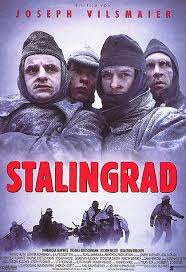
Early in the film, there is an exchange that has its real-life counterpart almost 75 years later.
A young, idealistic German lieutenant, newly transferred to the Russian front, is horrified when he sees a fellow soldier from another unit sadistically beat a Russian prisoner to death.
He seeks out the man’s superior, a captain, and says: “Captain, I must protest about the behavior of your men.”
“You want to protest?” asks the captain, grinning sardonically. “Tell the Fuhrer.”
Fast forward to January 28, 2017, the day after President Donald J. Trump signed into law an executive order which:
- Suspended entry of all refugees to the United States for 120 days;
- Barred Syrian refugees indefinitely;, and
- Blocked entry into the United States for 90 days for citizens from Iran, Iraq, Libya, Somalia, Sudan, Syria and Yemen.
The new rules—and the efforts of security personnel at major international airports to enforce them—triggered a tsunami of chaos and fear among travelers.
“We’ve gotten reports of people being detained all over the country,” said Becca Heller, the director of the International Refugee Assistance Project. “They’re literally pouring in by the minute.”
Refugees on flights when the order was signed on January 27 were detained upon arrival.
Many students attending American universities were blocked from returning to the United States from visits abroad.
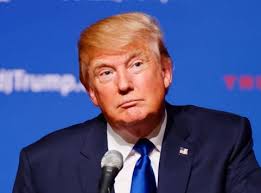
Donald Trump
According to Homeland Security officials:
- 109 people who were already in transit to the United States when the order was signed were denied access;
- 173 were stopped before boarding planes heading to America;
- 81 who were stopped were eventually given waivers to enter the United States.
Internationally, travelers were seized by panic when they were not allowed to board flights to the United States. In Dubai and Istanbul, airport and immigration officials turned passengers away at boarding gates. At least one family was removed from a flight it had boarded.
Earlier on January 28, Trump, isolated in the White House from all the chaos he had unleashed in airports across the nation and throughout the world, said:
“It’s not a Muslim ban, but we were totally prepared. It’s working out very nicely. You see it at the airports, you see it all over.”
Then the American Civil Liberties Union intervened.

Two Iraqi immigrants, defended by the ACLU, accused Trump of legal and constitutional overreach.
The Iraqis had been detained at John F. Kennedy International Airport in New York City. One had served as an interpreter for American forces in Iraq for a decade. The other was en route to reunite with his wife and son in Texas.
The interpreter, Hameed Khalid Darweesh, was released after nearly 19 hours of detention. So was the other traveler, Haider Sameer Abdulkhaleq Alshawi.
Before the two men were released, one of their lawyers, Mark Doss, a supervising attorney at the International Refugee Assistance Project, asked an official, “Who is the person we need to talk to?”
“Call Mr. Trump,” said the official, who refused to identify himself.
He might just as well have said: “You want to protest? Tell the Fuhrer.”
The ACLU action secured at least a temporary blocking of part of Trump’s order. A Brooklyn judge barred the government from deporting some arrivals who found themselves ensnared by the Presidential order.
Judge Ann M. Donnelly, of the Federal District Court in Brooklyn, ruled that sending the travelers home could cause them “irreparable harm.” She said the government was “enjoined and restrained from, in any manner and by any means, removing individuals” who had arrived in the United States with valid visas or refugee status.
But she didn’t force the administration to let in people otherwise blocked by the executive order who had not yet traveled to the United States. Nor did she issue a broader ruling on the constitutionality of the order.
* * * * *
On November 8, 2016, millions of ignorant, hate-filled, Right-wing Americans elected Donald Trump—a man reflecting their own hate and ignorance—to the Presidency.
Summing up Trump’s character in a March 25, 2016 broadcast of The PBS Newshour, conservative political columnist David Brooks warned: “The odd thing about [Trump’s] whole career and his whole language, his whole world view is there is no room for love in it. You get a sense of a man who received no love, can give no love….
“And so you really are seeing someone who just has an odd psychology unleavened by kindness and charity, but where it’s all winners and losers, beating and being beat. And that’s part of the authoritarian personality.”
There were countless warning signs available for Trump’s supporters to see—if they had wanted to see them:
- His threats of violence and/or imprisonment against his political opponents;
- His rampant egomania;
- His attacks on everyone who dared to disagree with him;
- His refusal to release his tax returns;
- His history of bankruptcies and lawsuits filed against him;
- His bragging about sexually abusing women (“Grab them by the pussy”).
Those who voted against Trump are now learning the meaning of the Nazi slogan: “The Fuhrer proposes and disposes for all.”
2016 PRESIDENTIAL CAMPAIGN, 2016 PRESIDENTIAL ELECTION, 25TH AMENDMENT, ABC NEWS, ADOLF HITLER, ALTERNET, AMERICABLOG, AP, BABY BOOMER RESISTANCE, BARACK OBAMA, BLOOMBERG, BORDER WALL, BUZZFEED, CBS NEWS, CIA, CNN, CROOKS AND LIARS, CZECHOSLOVAKIA, DAILY KOZ, DEMOCRATS, DEPARTMENT OF HOMELAND SECURITY, DONALD TRUMP, DRUDGE REPORT, ELECTORAL COLLEGE, ENGLAND, FACEBOOK, FBI, FEDERAL AVIATION ADMINISTRATION (FAA), FEDERAL GOVERNMENT SHUTDOWN, FIVETHIRTYEIGHT, FRANCE, GOVERNMENT SHUTDOWN, HARPER’S MAGAZINE, HILLARY CLINTON, HOUSE OF REPRESENTATIVES, IMPEACHMENT, INISPECTORS GENERAL, JAMES COMEY, JOE BIDEN, JULY 20 1944 BOMB PLOT, MEDIA MATTERS, MIKE PENCE, MOTHER JONES, MOVEON, MSNBC, MUNICH CONFERENCE, NATIONAL SECURITY AGENCY, NAZI GERMANY, NBC NEWS, NEWSWEEK, NPR, PBS NEWSHOUR, POLITICO, POLITICUSUSA, POPULAR VOTE, RAW STORY, REPUBLICANS, REUTERS, RUSSIA, SALON, SEATTLE TIMES, SERGEY KISLYAK, SERGEY LAVROV, SLATE, TALKING POINTS MEMO, THE ATLANTIC, THE CHICAGO SUN-TIMES, THE CHICAGO TRIBUNE, THE DAILY BEAST, THE DAILY BLOG, THE DISCOURSES, THE GUARDIAN, THE HILL, THE HUFFINGTON POST, THE LOS ANGELES TIMES, THE NATION, THE NEW REPUBLIC, THE NEW YORK TIMES, THE PRESS, THE VILLAGE VOICE, THE WALL STREET JOURNAL, THE WASHINGTON POST, THINKPROGRESS, TIME, TRANSPORTATION SAFETY ADMINISTRATION (TSA), TREASON, TRUTHDIG, TRUTHOUT, TWENTY-FIFTH AMENDMENT, TWITTER, TWO POLITICAL JUNKIES, U.S. NEWS & WORLD REPORT, UNITED STATES HOUSE OF REPRESENTATIVES, UNITED STATES SENATE, UPI, USA TODAY, VLADIMIR PUTIN, WONKETTE
In Bureaucracy, History, Law, Law Enforcement, Politics, Social commentary on August 4, 2020 at 12:10 am
In September, 1938, as Adolf Hitler threatened to go to war against France and England over Czechoslovakia, most Germans feared he would. They knew that Germany was not ready for war, despite all of their Fuhrer’s boasts about how invincible the Third Reich was.
A group of high-ranking German army officers was prepared to overthrow Hitler—provided that England and France held firm and handed him a major diplomatic reverse.
But then England and France—though more powerful than Germany—surrendered to Hitler’s demands for the “Sudetenland”—the northern, southwest and western regions of Czechoslovakia, inhabited mostly by ethnic Germans.
Hitler’s popularity among Germans soared.
The plotters in the German high command, realizing that public opinion stood overwhelmingly against them, abandoned their plans for a coup. They decided to wait for a more favorable time.
It never came.
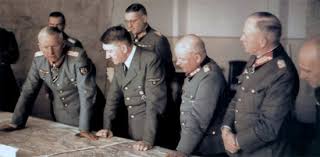
Adolf Hitler and his generals
Less than one year after the infamous “Munich conference,” World War II erupted.
Most Germans blindly followed their Fuhrer right to the end—believing his lies (or at least wanting to believe them), serving in his legions, defending his rampant criminality.
Germans paid the price for their loyalty to a murderous dictator—not just on the battlefield, but through countless rapes, murders and the wholesale destruction of their cities. And from 1945 to 1989, Germans living in the eastern part of their country paid the price as slaves to the Soviet Union.
Americans have learned nothing from this warning from history about subservience to a madman.
In 2016, almost 63 million Americans elected Donald Trump—a racist, serial adulterer and longtime fraudster—as President.
Upon taking office in January, 2017, Trump began undermining one public or private institution after another. Among his outrages:
- Repeatedly and viciously attacked the nation’s free press for daring to report his growing list of crimes and disasters, calling it “the enemy of the American people.”
- Publicly sided with Russian dictator Vladimir Putin against American Intelligence agencies (FBI, CIA, National Security Agency) which unanimously agreed that Russia had subverted the 2016 Presidential election,
- Fired FBI Director James Comey for investigating that subversion.
- Gave Russian Foreign Minister Sergey Lavrov and Russian Ambassador Sergey Kislyak highly classified CIA Intelligence about an Islamic State plot to turn laptops into concealable bombs.
- Allowed predatory corporations to subvert Federal regulatory protections for consumers and the environment.
- Shut down the Federal Government for more than a month on December 22, 2018, because Democrats refused to fund his “border wall” between the United States and Mexico. An estimated 380,000 government employees were furloughed and another 420,000 were ordered to work without pay.
- Threatened members of Congress with treason charges for daring to challenge him.
- Since being acquitted of impeachable offenses by the Senate, fired the Inspectors General (IG) of five cabinet departments in six weeks.
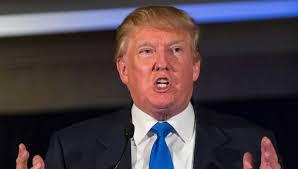
Donald Trump
Through all those outrages, House and Senate Republican majorities remained silent or vigorously supported him.
Democrats seemed unable to cope with Trump’s legislative agenda and his personal attacks on Twitter and in press conferences.
Even when the press unearthed his latest corruptions, the public didn’t care.
And now, with the 2020 Presidential election fast approaching, Trump has unleashed his latest outrage—while Americans who could stand against it do nothing: Trump now is laying the groundwork to discredit the outcome if he loses.
And it’s increasingly looking as if he will.
His tactics: Make it difficult to vote, guarantee voting is slow and complicated and raise questions about the outcome.
He wants to claim that if former Vice President Joe Biden wins, he was elected through a fraudulent mail-in vote.
Republicans have not protested any of this. Nor would they likely protest if Trump illegally occupied the White House in the face of massive vote fraud—on his part.
(His Democratic opponent, Hillary Clinton, won the popular vote in 2016—but lost in the Electoral College. But that didn’t prevent Trump from claiming that he would have won the popular vote except for massive fraud—which never happened.)
Whatever happens, Trump will claim he won.
In 2012, after President Barack Obama defeated his endorsed candidate, Mitt Romney, Trump tweeted:
- Lets fight like hell and stop this great and disgusting injustice!
- The world is laughing at us. We can’t let this happen. We should march on Washington and stop this travesty.
- Our nation is totally divided!
- The loser one! [Trump’s spelling]
- He lost the popular vote by a lot and won the election. We should have a revolution in this country!
And even if he’s forced to leave office, he will undercut the ability of his successor to govern.
During World War II, scores of high-ranking German army officers risked their lives to plot the overthrow—and even assassination—of Adolf Hitler. Their efforts culminated in the ill-fated July 20, 1944 bomb plot that left Hitler badly injured but still in total command of Germany.
It would take only Vice President Mike Pence and eight Cabinet officers to courageously invoke the 25th Amendment and find Donald Trump “unable to discharge the powers and duties of his office,”
Yet even that small a number of honorable men cannot be found within the Trump administration.
2016 PRESIDENTIAL CAMPAIGN, ABC NEWS, AL QAEDA, ALEXANDER THE GREAT, ALTERNET, AMERICABLOG, ANDREW G. MCCABE, AP, BABY BOOMER RESISTANCE, BARACK OBAMA, BLOOMBERG, BUZZFEED, CBS NEWS, CHINA, CIA, CNN, CONSERVATIVE POLITICAL ACTION CONFERENCE, CROOKS AND LIARS, DAILY KOS, DAILY KOZ, DONALD TRUMP, DRUDGE RETORT, FACEBOOK, FBI, FEDERAL JUDICIARY, FIVETHIRTYEIGHT, FOX NEWS SUNDAY, HARPER’S MAGAZINE, INTELLIGENCE AGENCIES, JAMES COMEY, JAMES ROBART, JEFF SESSIONS, MEDIA MATTERS, MOTHER JONES, MOVEON, MSNBC, NAVY SEALS, NBC NEWS, NEW YORK TIMES, NEWSWEEK, NINTH CIRCUIT COURT OF APPEALS, NPR, NSA, PBS NEWSHOUR, PLUTARCH, POLITICO, POLITICUSUSA, RAW STORY, REPUBLICAN DONORS, REUTERS, ROBERT MUELLER, ROD J. ROSENSTEIN, RUSSIA, RUSSIAN INTELLIGENCE, SALON, SEATTLE TIMES, SLATE, STEPHEN MILLER, TALKING POINTS MEMO, THE ATLANTIC, THE CHICAGO SUN-TIMES, THE CHICAGO TRIBUNE, THE DAILY BEAST, THE DAILY BLOG, THE GUARDIAN, THE HILL, THE HUFFINGTON POST, THE LOS ANGELES TIMES, THE NATION, THE NEW REPUBLIC, THE NEW YORK TIMES, THE PRESS, THE VILLAGE VOICE, THE WALL STREET JOURNAL, THE WASHINGTON POST, THINKPROGRESS, TIME, TRUTHDIG, TRUTHOUT, TWITTER, TWO POLITICAL JUNKIES, U.S. NEWS & WORLD REPORT, UPI, USA TODAY, WILLIAM “RYAN” OWENS, WIRETAPPING, WONKETTE, XI JINPING, YEMEN
In Bureaucracy, History, Law, Law Enforcement, Military, Politics, Social commentary on July 31, 2020 at 12:06 am
And the most glorious exploits do not always furnish us with the clearest discoveries of virtue or vice in men; sometimes a matter of less moment, an expression or a jest, informs us better of their characters and inclinations, than the most famous sieges, the greatest armaments, or the bloodiest battles whatsoever.
—Plutarch, “Life of Alexander”
In a closed-door speech to Republican donors on March 3, 2018, President Donald Trump proved the accuracy of Plutarch’s observation.
He praised China’s President, Xi Jinping, for recently assuming full dictatorial powers: “He’s now president for life. President for life. No, he’s great. And look, he was able to do that. I think it’s great. Maybe we’ll have to give that a shot some day.”
The statement was greeted with cheers and laughter by Republican donors.
And, in making that unguarded statement, Trump revealed his ultimate intention: To overthrow America’s constitutional government.
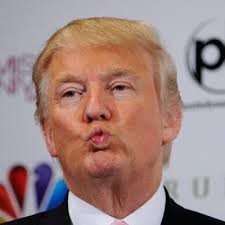
Donald Trump
Since then, Trump has continued to “joke” about serving more than the legal limit of eight years.
In April, 2019, at a White House event, he said he might remain in the Oval Office “at least for 10 or 14 years.”
In May, 2019, Trump retweeted Evangelical leader Jerry Falwell Jr.’s suggestion that he’s owed “2 yrs added to his 1st term” due to distractions caused by the Robert Mueller investigation.
Anyone who thought he was simply joking got a rude awakening on July 30, 2020, when Trump tweeted: “With Universal Mail-In Voting (not Absentee Voting, which is good), 2020 will be the most INACCURATE & FRAUDULENT Election in history. It will be a great embarrassment to the USA. Delay the Election until people can properly, securely and safely vote???”
Leaders of both Republican and Democratic parties quickly attacked Trump for suggesting that the election might be delayed.
With COVID-19 ravaging the nation and many economists predicting a coming Depression, Trump is desperate to reverse his falling poll numbers. But the election is now less than 100 days away and, short of a miracle—or indefinitely postponing the vote—he looks increasingly like a one-term President.

Coronavirus
Since taking office as the Nation’s 45th President, Donald Trump has attacked or undermined one public or private institution after another.
Among these:
- American Intelligence: Even before taking office, Trump refused to accept the findings of the FBI, CIA and NSA that Russian Intelligence agents had intervened in the 2016 election to ensure his victory.
- And when FBI Director James Comey dared to pursue a probe into “the Russia thing,” Trump fired him without warning.
- American law enforcement agencies: Trump repeatedly attacked—and later fired—his own Attorney General, Jeff Sessions, for not “protecting” him from agents pursuing the Russia investigation.
- He repeatedly attacked the integrity of Deputy FBI Director Andrew G. McCabe until the latter resigned.
- He threatened to fire Rod J. Rosenstein, the deputy attorney general who oversaw Special Counsel Robert Mueller’s investigation into Russian subversion of the 2016 election.
- The press: On February 17, 2017, Trump tweeted: “The FAKE NEWS media (failing @nytimes, @NBCNews, @ABC, @CBS, @CNN) is not my enemy, it is the enemy of the American People!”
- Seven days later, appearing before the Conservative Political Action Conference on February 24, Trump said: “I want you all to know that we are fighting the fake news. It’s fake, phony, fake….I’m against the people that make up stories and make up sources. They shouldn’t be allowed to use sources unless they use somebody’s name. Let their name be put out there.”
- The judiciary: Trump repeatedly attacked Seattle U.S/ District Judge James Robart, who halted Trump’s first travel ban.
- At Trump’s bidding, White House aide Stephen Miller attacked the Ninth Circuit Court of Appeals: “We have a judiciary that has taken far too much power and become, in many cases, a supreme branch of government.”
- President Barack Obama: For five years, Trump, more than anyone else, popularized the slander that Barack Obama was born in Kenya—and was therefore not an American citizen.
- Even after Obama released the long-form version of his birth certificate—on April 27, 2011—Trump tweeted, on August 6, 2012: “An ‘extremely credible source’ has called my office and told me that @BarackObama‘s birth certificate is a fraud.”
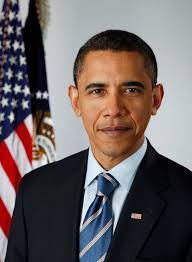
Barack Obama
- On March 4, 2017, in a series of unhinged tweets, Trump accused Obama of tapping his Trump Tower phones prior to the election: “Terrible! Just found out that Obama had my ‘wires tapped’ in Trump Tower just before the victory. Nothing found. This is McCarthyism!”
Trump was later forced to admit he had no evidence to back up his slanderous claims.
* * * * *
Donald Trump isn’t crazy, as many of his critics charge. He knows what he’s doing—and why.
He has tried to strip every potential challenger to his authority–and version of reality—of legitimacy. He intends there will be:
- No independent press to reveal his failures and crimes.
- No independent law enforcement agencies to investigate his abuses of office.
- No independent judiciary to hold him accountable.
- No independent military to dissent as he recklessly hurtles toward a nuclear disaster.
- No candidate—Democrat or Republican—to challenge him for re-election in 2020.
In short: No one—ever—to challenge his remaining in office as “President-for-Life.”
ABC NEWS, ALTERNET, AMERICABLOG, AP, BABY BOOMER RESISTANCE, BLOOMBERG, BUZZFEED, CBS NEWS, CNN, CROOKS AND LIARS, DAILY KOZ, DRUDGE RETORT, DRUG TRAFFICKING, FACEBOOK, FIVETHIRTYEIGHT, HARPER’S MAGAZINE, INFORMANTS, MAFIA, MEDIA MATTERS, MOTHER JONES, MOVEON, MSNBC, NARCOTICS TRAFFICKING, NBC NEWS, NEW YORK POLICE DEPARTMENT, NEWSWEEK, NPR, ORGANIZED CRIME, PBS NEWSHOUR, POLICE CORRUPTION, POLITICO, POLITICUSUSA, PRINCE OF THE CITY, RAW STORY, REUTERS, ROBERT LEUCI, RUDOLPH GUILIANI, SALON, SEATTLE TIMES, SIDNEY LUMET, SLATE, SPECIAL INVESTIGATING UNIT, TALKING POINTS MEMO, THE ATLANTIC, THE CHICAGO SUN-TIMES, THE CHICAGO TRIBUNE, THE DAILY BEAST, THE DAILY BLOG, THE GUARDIAN, THE HILL, THE HUFFINGTON POST, THE LOS ANGELES TIMES, THE NATION, THE NEW REPUBLIC, THE NEW YORK TIMES, THE VILLAGE VOICE, THE WASHINGTON POST, THINKPROGRESS, TIME, TREAT WILLIAMS, TRUTHDIG, TRUTHOUT, TWITTER, TWO POLITICAL JUNKIES, U.S. DEPARTMENT OF JUSTICE, U.S. NEWS & WORLD REPORT, UPI, USA TODAY, WONKETTE
In Bureaucracy, History, Law, Law Enforcement, Politics, Social commentary on July 29, 2020 at 1:19 pm
Almost 40 years later, “Prince of the City” remains that rarity—a movie about big-city police that:
- Tells a dramatic (and true) story; and
- Offers serious truths about how police and prosecutors really operate.
Released in 1981, it’s based on the real-life case of NYPD Detective Robert Leuci (“Danny Ciello” in the film).

Robert Leuci (“Danny Ciello” in “Prince of the City”)
A member of the elite Special Investigating Unit (SIU) targeting high-level narcotics dealers, Ciello (played by Treat Williams) volunteers to work undercover against rampant corruption among narcotics agents, attorneys and bail bondsmen.
His motive appears simple: To redeem himself and the NYPD from the corruption he sees everywhere: “These people we take from own us.”
His only condition: “I will never betray cops who’ve been my partners.”
And Assistant U.S. Attorney Rick Cappalino assures Ciello: “We’ll never make you do something you can’t live with.”
As the almost three-hour movie unfolds, Ciello finds—to his growing dismay—that there are a great many things he will have to learn to live with.

Treat Williams as “Danny Ciello”
Although he doesn’t have a hand in it, he’s appalled to learn that Gino Moscone, a former buddy, is going to be arrested for taking bribes from drug dealers.
Confronted by a high-ranking agent for the Federal Drug Enforcement Agency, Moscone refuses to “rat out” his buddies. Instead, he puts his service revolver to his head and blows out his brains.
Ciello is devastated, but the investigation—and film—must go on.
Along the way, he’s suspected by a corrupt cop and bail bondsman of being a “rat” and threatened with death.
He’s about to be wasted in a back alley when his cousin—a Mafia member—suddenly intervenes. The Mafioso tells Ciello’s would-be killers: “You’d better be sure he’s a rat, because people like him.”
At which point, the grotesquely fat bail bondsman—who has been demanding Ciello’s execution—pats Danny on the arm and says, “No hard feelings.”
It is director Sidney Lumet’s way of graphically saying: “Sometimes the bad guys can be good guys—and the good guys can be bad guys.”

Lumet makes it clear that police don’t always operate with the Godlike efficiency of cops in TV and films. It’s precisely because his Federal backup agents lost him that Ciello almost became a casualty.
In the end, Ciello becomes a victim of the prosecutorial forces he has unleashed. Although he’s vowed to never testify against his former partners, Ciello finds this is a promise he can’t keep.
Too many of the cops he’s responsible for indicting have implicated him of similar—if not worse—behavior. He’s even suspected of being involved in the theft of 450 pounds of heroin (“the French Connection”) from the police property room.
A sympathetic prosecutor—Mario Vincente in the movie, Rudolph Giuliani in real-life—convinces Ciello that he must finally reveal everything he’s done.
Ciello had originally claimed to have done “three things” as a corrupt narcotics agent. By the time his true confessions are over, he’s admitted to scores of felonies.
Ciello then tries to convince his longtime SIU partners to do the same. One of them commits suicide. Another tells Ciello to screw himself: “I’m not going to shoot myself and I’m not going to rat out my friends.”
To his surprise, Ciello finds himself admiring his corrupt former partner for being willing to stand up to the Federal case-agents and prosecutors demanding his head.
The movie ends with a double dose of irony.
First: Armed with Ciello’s confessions, an attorney whom Ciello had successfully testified against appeals his conviction. But the judge rules Ciello’s admitted misdeeds to be “collateral”—apart from the main evidence in the case—and affirms the conviction.
Second: Ciello is himself placed on trial—-of a sort. A large group of assistant U.S. attorneys gathers to debate whether their prize “canary” should be indicted. If he is, his confessions will ensure his conviction.
Some prosecutors argue forcefully that Ciello is a corrupt law enforcement officer who has admitted to more than 40 cases of perjury—among other crimes. How can the government use him to convict others and not address the criminality in his own past?
Other prosecutors argue that Ciello voluntarily risked his life—physically and professionally—to expose rampant police corruption. He deserves a better deal than to be cast aside by those who have made so many cases through his testimony.
Eventually, the U.S. Attorney for the Southern District of New York makes his decision: “The government declines to prosecute Detective Daniel Ciello.”
It is Lumet’s way of showing that the decision to prosecute is not always an easy or objective one.
The movie ends with Ciello now teaching surveillance classes at the NYPD Academy.
A student asks: “Are you the Detective Ciello?”
“I’m Detective Ciello.”
“I don’t think I have anything to learn from you.” And he walks out.
Is Danny Ciello a hero, a villain, or some combination of the two? It’s with this ambiguity that the film ends—an ambiguity that infuses America’s clearly hopeless “war on drugs.”
2020 PRESIDENTIAL ELECTION, ABC NEWS, ADAM LANZA, AL PACINO, ALEX JONES, ALTERNET, AMERICABLOG, ANTHONY FAUCI, AP, BABY BOOMER RESISTANCE, BLOOMBERG, BUZZFEED, CBS NEWS, CHIP ROY, CHRIS CILLIZZA, CLIMATE CHANGE, CLIMATE CHANGE DENIAL, CNN, CORONAVIRUS, CORRUPTION, COVID-19, CROOKS AND LIARS, DAILY KOZ, DONALD TRUMP, DRUDGE RETORT, FACEBOOK, FIVETHIRTYEIGHT, FOX NEWS NETWORK, FRANK SERPICO, GRETA TUNBERG, HEARTLAND INSTITUTE, JOE BIDEN, KOCH FAMILY, LAURA INGRAHAM, LIZ CHENEY, MEDIA MATTERS, MOTHER JONES, MOVEON, MSNBC, NBC NEWS, NEW YORK POLICE DEPARTMENT, NEWSWEEK, NPR, PBS NEWSHOUR, POLITICO, POLITICUSUSA, RAW STORY, REUTERS, SALON, SANDY HOOK ELEMENTARY SCHOOL, SEATTLE TIMES, SERPICO (MOVIE), SLATE, STEPHEN KING, TALKING POINTS MEMO, THE ALEX JONES SHOW, THE ATLANTIC, THE CHICAGO SUN-TIMES, THE CHICAGO TRIBUNE, THE DAILY BEAST, THE DAILY BLOG, THE GUARDIAN, THE HILL, THE HUFFINGTON POST, THE LOS ANGELES TIMES, THE NATION, THE NEW REPUBLIC, THE NEW YORK TIMES, THE VILLAGE VOICE, THE WASHINGTON POST, THINKPROGRESS, TIME, TRUTHDIG, TRUTHOUT, TWITTER, TWO POLITICAL JUNKIES, U.S. NEWS & WORLD REPORT, UPI, USA TODAY, WONKETTE
In Bureaucracy, History, Law, Law Enforcement, Politics, Social commentary on July 28, 2020 at 12:34 am
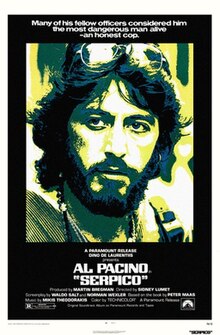
In Serpico (1973) audiences were led to cheer on the lonely and dangerous efforts of incorruptible Frank Serpico (Al Pacino) to combat widespread payoffs within the NYPD.
And even though a wounded Serpico is forced to resign from the NYPD, he leaves behind the Knapp Commission to investigate widespread police corruption.
The audience was not led to root for the men who dedicated their lives to deceit and corruption.
But for Right-wingers, the opposite is the case. Supporting those who peddle lies for profit is considered a patriotic duty. And so is attacking those who dare to stand up against lies and corruption.
Case #1:
On December 14, 2012, Adam Lanza, a mentally unstable, 20-year-old gunman, slaughtered 20 school children aged six and seven and six adult staff at Sandy Hook Elementary School, in Newtown, Connecticut.
Enter Right-wing broadcaster and conspiracy theorist Alex Jones, who hosts The Alex Jones Show from Austin, Texas.
On his program in January, 2015, he said: “Sandy Hook is a synthetic completely fake with actors, in my view, manufactured. I couldn’t believe it at first. I knew they had actors there, clearly, but I thought they killed some real kids. And it just shows how bold they are, that they clearly used actors.”
On August 1, 2018, families of four students and two educators who died in the Sandy Hook Elementary School massacre filed a defamation lawsuit against Jones.

Alex Jones
Michael Zimmermann [CC BY-SA 4.0 (https://creativecommons.org/licenses/by-sa/4.0)%5D
According to the complaint:
“The Jones defendants concoct elaborate and false paranoia-tinged conspiracy theories because it moves product and they make money. Not because they truly believe what they are saying, but rather because it increases profits.”
Typically, Jones responded to the lawsuit with more lies:
“This is all out of context….And it’s not even what I said or my intent. I’m not going to get into the real defects of this, I’m going to wait until it’s thrown out with prejudice.”
Case #2:
On September 23, 2019, 16-year-old activist Greta Thunberg indicted world leaders at the United Nations for failing to act on climate change:
“You have stolen my dreams and my childhood with your empty words. And yet I’m one of the lucky ones. People are suffering. People are dying. Entire ecosystems are collapsing. We are in the beginning of a mass extinction, and all you can talk about is money and fairy tales of eternal economic growth. How dare you!”

Greta Thunberg
“She seems like a very happy young girl looking forward to a bright and wonderful future. So nice to see!” President Donald Trump tweeted sarcastically above a link to Thunberg’s speech.
CNN’s Chris Cillizza immediately recognized the sarcasm: “Unfortunately, it’s not at all surprising that Trump saw fit to make fun of Thunberg’s passion and emotion. This is who he is — a schoolyard bully who doesn’t differentiate between a 16-year-old girl and Joe Biden. Or a Gold Star family. Or a prisoner of war. Or white nationalists and those protesting their ideology of hate.”
Fox News host Laura Ingraham juxtaposed Thunberg’s speech with a clip from the 1984 horror film Children of the Corn, joking, “I can’t wait for Stephen King’s sequel, Children of the Climate.”
Ingraham’s brother, Curtis, wrote: “I can no longer apologize for a sibling who I no longer recognize.”
Many American commentators attacking Thunberg are tied to the Heartland Institute, funded by Big Oil, and which promotes climate science denial.
Other critics of Greta owe their allegiance to the Koch family, owners of the U.S.’s largest private energy company.
Case #3:
Dr. Anthony Fauci has served under six Republican and Democratic Presidents as the director of the National Institute of Allergy and Infectious Diseases since 1984.
Since COVID-19 struck the United States in January, he has dared to speak the hard truth about the pandemic—and the Federal Government’s failure to combat it.

Anthony Fauci
in doing so, he has occasionally contradicted President Trump’s statements filled with ignorance or outright lies. For example: Trump has been loudly touting hydroxychloroquine, used for treating malaria, as a miracle cure for COVID-19.
Yet Fauci has pointed out there have been no scientific trials of the drug for its effectiveness against Coronavirus. Given the medical condition of some patients, it could even prove fatal.
Trump resents that his own popularity is steadily falling as COVID cases and deaths rise—and he offers only rosy predictions that “one day it will be gone.”
Trump’s supporters are equally furious.
On July 21, Representative Liz Cheney (R-Wyoming) the House Republican Conference Chair—and the only female member of the House GOP leadership—was attacked by members of her own party.
Her “crime”? Supporting Fauci.
Representative Chip Roy (Texas) complained that Trump’s Democratic opponent, Joe Biden, has retweeted some of Cheney’s tweets supporting Fauci.
Like Holocaust deniers, Right-wing shills like Alex Jones, Laura Ingraham and Chip Roy can’t afford to admit the corruption of the causes they support.
By demanding “Prove it!” and then attacking all evidence put forward, Rightists hope to keep their critics on the defensive.
Thus, the best course to take when a Right-winger makes a claim: Assume it’s a lie—because it is.
ABC NEWS, ABORTION, ADOLF HITLER, ALTERNET, AMERICABLOG, ANTHONY FAUCI, ANTI-SCIENCE, AP, BABY BOOMER RESISTANCE, BLOOMBERG, BRIGHAM AND WOMEN’S HOUSPITAL, BUZZFEED, CBS NEWS, CENTERS FOR DISEASE CONTROL AND PREVENTION, CNN, COLUMBIA UNIVERSITY MEDICAL CENTER, CORONAVIRUS, COSTCO, COVID-19, CRAIG SPENCER, CROOKS AND LIARS, DAILY KOZ, DAVID ABRAMS, DEMOCRATS, DONALD TRUMP, DRUDGE RETORT, EDUCATION, FACEBOOK, FASCISM, FIVETHIRTYEIGHT, FLORIDA ATLANTIC UNIVERSITY, HARPER’S MAGAZINE, HYPOCRISY, JENNY FAUST, JOE BIDEN, KRISTI NOEM, MASKS, MEDIA MATTERS, MIKE PENCE, MOTHER JONES, MOUNT RUSHMORE, MOVEON, MSNBC, NANCY PELOSI, NAZI GERMANY, NBC NEWS, NEWSWEEK, NICCOLO MACHIAVELLI, NPR, NYU SCHOOL OF GLOBAL PUBLIC HEALTH, PBS NEWSHOUR, PETER GLICK, POLITICO, POLITICUSUSA, RAW STORY, RELIGIOUS FANATICISM, REPUBLICANS, REUTERS, RUSH LIMBAUGH, SALON, SCIENCE, SCIENTIFIC AMERICAN, SEATTLE TIMES, SLATE, SOCIAL DISTANCING, STUDENTS FOR TRUMP RALLY, SUPREME COURT, TALKING POINTS MEMO, TARGET, THE ATLANTIC, THE CHICAGO SUN-TIMES, THE CHICAGO TRIBUNE, THE DAILY BEAST, THE DAILY BLOG, THE DISCOURSES, THE GUARDIAN, THE HILL, THE HUFFINGTON POST, THE LOS ANGELES TIMES, THE NATION, THE NEW REPUBLIC, THE NEW YORK TIMES, THE VILLAGE VOICE, THE WASHINGTON POST, THINKPROGRESS, TIME, TRUTHDIG, TRUTHOUT, TULSA RALLY, TWITTER, TWO POLITICAL JUNKIES, TYPHOID MARY MALLON, U.S. NEWS & WORLD REPORT, UPI, USA TODAY, WONKETTE, WORLD HEALTH ORGANIZATION
In Bureaucracy, History, Law, Law Enforcement, Politics, Social commentary on July 24, 2020 at 12:11 am
There are five reasons why millions of Americans refuse to wear masks during a deadly pandemic:
- A feeling of solidarity against authority.
- “If liberals do it, it’s fascistic.”
- Rejection of the death-toll caused by COVID-19.
- Disdain for education in general—and science in particular.
- Religious fanaticism.
To these must be added:
Sixth: Hypocrisy. Since the Supreme Court legalized abortion in 1973, the Right has demanded that even women who are pregnant due to rape or incest carry the fetus to term.
Yet now that Right-wingers are being asked to wear masks in public—to protect themselves and others from a deadly plague—they’ve suddenly discovered the mantra: “It’s my body!”
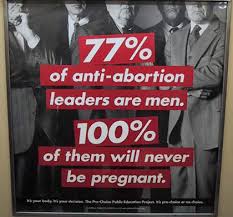
Seventh: Identifying with Donald Trump. The President has made it clear that his followers don’t wear masks. And they have fallen into line, refusing to mask up even in crowded, indoor arenas where infection is most likely.
The following states require their citizens to wear masks when in public: Alabama, Arkansas, California, Colorado, Connecticut, Delaware, District of Columbia, Hawaii, Idaho, Illinois, Kansas, Kentucky, Louisiana, Maine, Massachusetts, Maryland, Michigan, Mississippi, Nevada, New Jersey, New Mexico, New York, North Carolina, Ohio, Oregon, Pennsylvania, Rhode Island, Texas, Virginia, Washington, West Virginia.
The following states still refuse to order their citizens to wear masks when in public: Arizona, Alaska, Florida, Georgia, Iowa, Indiana, Minnesota, Missouri, Montana, Nebraska, New Hampshire, North Dakota, Oklahoma, South Carolina, South Dakota, Tennessee, Utah, Vermont, Wisconsin, Wyoming.
Yet even in states where wearing a mask is mandatory when venturing out in public, many people refuse to do so. Fights have erupted before mask-less and mask-wearing customers—and sometimes store employees—who asked them to put on a mask before entering.
- Two men were arrested for felony battery after starting a fight with employees at a Los Angeles Target store over wearing masks inside the store.
- A woman entered Curbside Eatery in La Mesa, California, without a mask, pulling her T-shirt over her face. When the owner told her to mask up or leave, the woman yelled: “This is ridiculous! You’re discriminating against me!’ and threatened a lawsuit.
- In a Costco in Fort Myers, Florida, a masked man asked an unmasked customer to wear a mask. The unmasked man screamed that he was being harassed: “I feel threatened!”
So: How should those who refuse to wear a mask—and thus present a clear and present danger to others—be dealt with?
Ideally, President Donald Trump should issue a mandatory emergency order requiring everyone to wear a mask when out in public. But Trump cannot admit to error—let alone one that could cost him votes among his most fanatical followers. So that’s not going to happen.
Governors, mayors and business owners need to fill the leadership void. They should issue emergency orders mandating the wearing of masks in public. And these orders should be forcibly backed up by the following:
- Stop mollycoddling Right-wing thugs.
- Stop stressing that wearing a mask will protect others from “you.” Most people don’t care about strangers. Emphasize that wearing a mask will protect “you and your family” from others.
- Don’t hand out tickets to mask-evaders. They will simply ignore them—or write them off as a cheap price for going without a mask.
- Major retailers should hire professional guards to handle mask-evaders—who should be turned over to police.
- Police should arrest everyone not wearing a mask in public and jail them—without bond—until the plague is over or a vaccine is found.
- These inmates should be lodged together—and away from those who are not infected with COVID-19.
- Police should create tip hotlines for reporting mask-evaders.
- Police should offer rewards for tips that lead to arrests.
- The media should publicize these arrests and jailings—to warn other potential mask-evaders.
- Many Right-wingers openly threaten unarmed civilians with assault rifles. They must be forcibly taught the penalties for endangering the lives of others—via firearms or as potential carriers of a deadly virus.
It was the failure of German police and courts to abort Right-wing violence during the Weimar Republic that led to even greater violence through the rise of Adolf Hitler and his Nazi party.
This is how United States authorities dealt with “Typhoid Mary” Mallon (September 23, 1869 – November 11, 1938).

Mary Mallon
An Irish-born cook, she was an asymptomatic carrier of typhoid fever and is believed to have infected 53 people, three of whom died. Because she persisted in working as a cook, she exposed others to the disease.
As a result, she was twice forcibly quarantined by authorities, and died after a total of nearly 30 years in isolation at Riverside Hospital on North Brother Island, in New York City.
Laws are useless if citizens believe they are unfairly or unpredictably enforced. As Niccolo Machiavelli warns in his classic work, The Discourses:
All those who have written upon civil institutions demonstrate…that whoever desires to found a state and give it laws, must start with assuming that all men are bad and ever ready to display their vicious nature, whenever they may find occasion for it.
ABC NEWS, ABORTION, ADOLF HITLER, ALTERNET, AMERICABLOG, ANTHONY FAUCI, ANTI-SCIENCE, AP, BABY BOOMER RESISTANCE, BLOOMBERG, BRIGHAM AND WOMEN’S HOUSPITAL, BUZZFEED, CBS NEWS, CENTERS FOR DISEASE CONTROL AND PREVENTION, CNN, COLUMBIA UNIVERSITY MEDICAL CENTER, CORONAVIRUS, COSTCO, COVID-19, CRAIG SPENCER, CROOKS AND LIARS, DAILY KOZ, DAVID ABRAMS, DEMOCRATS, DONALD TRUMP, DRUDGE RETORT, EDUCATION, FACEBOOK, FASCISM, FIVETHIRTYEIGHT, FLORIDA ATLANTIC UNIVERSITY, HARPER’S MAGAZINE, HYPOCRISY, JENNY FAUST, JOE BIDEN, KRISTI NOEM, MASKS, MEDIA MATTERS, MIKE PENCE, MOTHER JONES, MOUNT RUSHMORE, MOVEON, MSNBC, NANCY PELOSI, NAZI GERMANY, NBC NEWS, NEWSWEEK, NICCOLO MACHIAVELLI, NPR, NYU SCHOOL OF GLOBAL PUBLIC HEALTH, PBS NEWSHOUR, PETER GLICK, POLITICO, POLITICUSUSA, RAW STORY, RELIGIOUS FANATICISM, REPUBLICANS, REUTERS, RUSH LIMBAUGH, SALON, SCIENCE, SCIENTIFIC AMERICAN, SEATTLE TIMES, SLATE, SOCIAL DISTANCING, STUDENTS FOR TRUMP RALLY, SUPREME COURT, TALKING POINTS MEMO, TARGET, THE ATLANTIC, THE CHICAGO SUN-TIMES, THE CHICAGO TRIBUNE, THE DAILY BEAST, THE DAILY BLOG, THE DISCOURSES, THE GUARDIAN, THE HILL, THE HUFFINGTON POST, THE LOS ANGELES TIMES, THE NATION, THE NEW REPUBLIC, THE NEW YORK TIMES, THE VILLAGE VOICE, THE WASHINGTON POST, THINKPROGRESS, TIME, TRUTHDIG, TRUTHOUT, TULSA RALLY, TWITTER, TWO POLITICAL JUNKIES, TYPHOID MARY MALLON, U.S. NEWS & WORLD REPORT, UPI, USA TODAY, WONKETTE, WORLD HEALTH ORGANIZATION More stats
In Bureaucracy, History, Law, Law Enforcement, Medical, Politics, Social commentary on July 23, 2020 at 12:22 am
Not only does President Donald Trump refuse to wear a mask, but he suspects the loyalty of his staffers and Republican allies who don’t follow his mask-less example.
On April 28, Vice President Mike Pence toured the Mayo Clinic in Rochester, Minnesota. Pence, who leads the White House task force on the virus, refused to wear a mask, even though all the officials and medical personnel clustered around him did. Pence even visited with a patient who had survived the Coronavirus and was going to give blood.
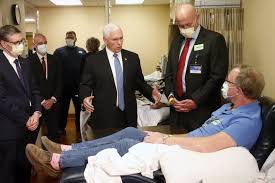
Mike Pence at the May Clinic
Few White House aides wear masks, although they claim that Trump hasn’t told them not to wear them. Some Republican allies have asked Trump’s campaign how they would be seen by Trump if he saw them wearing a mask.
“It’s a vanity thing, I guess, with him,” Nancy Pelosi, speaker of the House of Representatives, said. “You’d think, as the President of the United States, you would have the confidence to honor the guidance he’s giving the country.”
By refusing to wear a mask, Trump has convinced untold numbers of Americans—mostly males—that ignoring the dangers of Coronavirus is the manly thing to do.
(On July 20, he tweeted an image of himself wearing a mask and called it “patriotic” to wear one. Hours later, however, he appeared without a mask at a fundraiser at the Trump International Hotel in Washington.)
Meanwhile, former Vice President Joe Biden, the presumptive Democratic nominee for President, has often appeared in public wearing a mask. During a June 26 television interview he said that, if he were elected President, he would require wearing face masks in public to prevent the spread of the Coronavirus.
“The one thing we do know—these masks make a gigantic difference,” Biden said. “I would insist that everybody out in public be wearing that mask.”
Yet even in states such as California and New York, where this is required, many people still refuse to do so.
From May 5 to May 12, the Centers for Disease Control and Prevention (CDC) surveyed 4,042 adults throughout the country on wearing masks. The agency found that 60.3% of respondents said they always wore a mask when out in public. Another 13.8% said they often wore a mask in public.
But 17.1% said they either rarely or never wore a mask in public.
The CDC found that women were more likely than men to say they always wore a mask in public.

CDC headquarters in Atlanta
There are several reasons why people refuse to wear masks.
First: A feeling of solidarity. According to David Abrams, a professor of social and behavioral sciences at NYU School of Global Public Health: People who don’t wear masks may see it as a sign of solidarity, as if they are taking a stand against authority.
Second: If liberals do it, it’s fascistic. Many mask protesters accuse those who wear masks of being fascists. This is a hallmark of Right-wing politics—accusing their opponents of being what they are themselves.
Third: They have utterly rejected the rising death-toll caused by the virus. They claim stories of such deaths are mere “fake news”—the term Trump uses to dismiss any news stories that highlight his mistakes and criminality.
Fourth: Republicans disdain education in general—and science in particular. In March, an NBC News poll found that only 30% of Republicans said that they would actually listen to the advice of doctors to stay away from large, crowded areas to avoid Coronavirus.
These are the same people who get their version of reality from Right-wing sources like Fox News Network and radio broadcaster Rush Limbaugh.
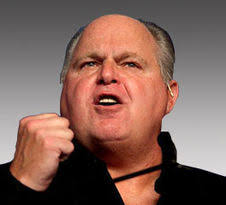
Rush Limbaugh
On his March 27 show, Limbaugh dismissed Coronavirus as “the common cold,” then added: “We didn’t elect a president to defer to a bunch of health experts that we don’t know.
“And how do we know they’re even health experts? Well, they wear white lab coats, and they’ve been in the job for a while, and they’re at the CDC [Centers for Disease Control and Prevention] and they’re at the NIH [National Institutes of Health] and they’re up, well—yeah, they’ve been there, and they are there.
“But has there been any job assessment for them? They’re just assumed to be the best because they’re in government. But, these are all kinds of things that I’ve been questioning.”
In 2015, Limbaugh said: “Firsthand smoke takes 50 years to kill people, if it does. Not everybody that smokes gets cancer. Now, it’s true that everybody who smokes dies, but so does everyone who eats carrots.”
Five years later, Limbaugh—a longtime and heavy cigar smoker—announced that he had Stage Four lung cancer.
Fifth: Religious Fanaticism: Many fundamentalist Christians believe that their faith in Jesus will protect them against COVID-19. They continue to attend services indoors in defiance of CDC warnings by meeting in large numbers indoors.
A female member of the Solid Red Rock Church in Monroe, Ohio, told CNN: “I wouldn’t be anywhere else. I’m covered in Jesus’ blood. I’m covered in Jesus’ blood.”
ABC NEWS, ABORTION, ADOLF HITLER, ALTERNET, AMERICABLOG, ANTHONY FAUCI, ANTI-SCIENCE, AP, BABY BOOMER RESISTANCE, BLOOMBERG, BRIGHAM AND WOMEN’S HOUSPITAL, BUZZFEED, CBS NEWS, CENTERS FOR DISEASE CONTROL AND PREVENTION, CNN, COLUMBIA UNIVERSITY MEDICAL CENTER, CORONAVIRUS, COSTCO, COVID-19, CRAIG SPENCER, CROOKS AND LIARS, DAILY KOZ, DAVID ABRAMS, DEMOCRATS, DONALD TRUMP, DRUDGE RETORT, EDUCATION, FACEBOOK, FASCISM, FIVETHIRTYEIGHT, FLORIDA ATLANTIC UNIVERSITY, HARPER’S MAGAZINE, HYPOCRISY, JENNY FAUST, JOE BIDEN, KRISTI NOEM, MASKS, MEDIA MATTERS, MIKE PENCE, MOTHER JONES, MOUNT RUSHMORE, MOVEON, MSNBC, NANCY PELOSI, NAZI GERMANY, NBC NEWS, NEWSWEEK, NICCOLO MACHIAVELLI, NPR, NYU SCHOOL OF GLOBAL PUBLIC HEALTH, PBS NEWSHOUR, PETER GLICK, POLITICO, POLITICUSUSA, RAW STORY, RELIGIOUS FANATICISM, REPUBLICANS, REUTERS, RUSH LIMBAUGH, SALON, SCIENCE, SCIENTIFIC AMERICAN, SEATTLE TIMES, SLATE, SOCIAL DISTANCING, STUDENTS FOR TRUMP RALLY, SUPREME COURT, TALKING POINTS MEMO, TARGET, THE ATLANTIC, THE CHICAGO SUN-TIMES, THE CHICAGO TRIBUNE, THE DAILY BEAST, THE DAILY BLOG, THE DISCOURSES, THE GUARDIAN, THE HILL, THE HUFFINGTON POST, THE LOS ANGELES TIMES, THE NATION, THE NEW REPUBLIC, THE NEW YORK TIMES, THE VILLAGE VOICE, THE WASHINGTON POST, THINKPROGRESS, TIME, TRUTHDIG, TRUTHOUT, TULSA RALLY, TWITTER, TWO POLITICAL JUNKIES, TYPHOID MARY MALLON, U.S. NEWS & WORLD REPORT, UPI, USA TODAY, WONKETTE, WORLD HEALTH ORGANIZATION
In History, Law, Law Enforcement, Medical, Politics, Social commentary on July 22, 2020 at 12:24 am
The United States is now into the seventh month of a deadly plague. More than 3.9 million Americans have become infected with COVID-19 and at least 142,028 have died.
Wearing a mask and “social distancing”—keeping at least six feet between yourself and others while in public—have been the Golden Rules urged by public health officials for months.
And yet vast numbers of Americans still refuse to do either.

Surgical mask
In the early weeks and months of the pandemic, cloth face masks weren’t universally endorsed, even by public health experts.
“One, we didn’t know whether they were actually helpful, and two, there was a lot of concern that if people were using medical masks then people like myself, were not going to have access to them,” said Dr. Craig Spencer, director of global health in emergency medicine at Columbia University Medical Center.
No less an authority than Dr. Anthony Fauci, the country’s leading infectious disease expert, said in March that “people should not be walking around with masks.”
Only in early June did the World Health Organization (WHO) urge non-healthcare workers to mask up. The WHO advised people to don masks when social distancing was not possible, such as when visiting stores and using public transportation.

According to Dr. Jeremy Faust, the change in attitudes toward masks should be seen as the nature of science, and not as a flaw.
“That is what experts, in fact, do. They don’t just have an opinion and stick to it,” said Faust, an emergency physician at Brigham and Women’s Hospital, in Boston, Massachusetts. “They actually let their opinions develop and evolve as better information becomes available.”
Scientists have learned, for example, that COVID-19 can be spread by those who show no symptom of the disease. And mounting evidence has proven that masks are essential for protecting people from the virus.
Coronavirus is spread by respiratory droplets when an infected person coughs, sneezes or talks—especially if large numbers of people are packed indoors. The danger goes up if the talker is shouting or singing loudly.
If not blocked by a face covering, the droplets can travel six to 13 feet.
Researchers at Florida Atlantic University found that some masks were more effective than others. One study showed that well-fitted homemade masks with multiple layers of fabric, as well as off-the-shelf cone style masks, were the most effective in reducing droplet dispersal.
Bandannas turned out to be the least effective in reducing transmission.
Coronavirus
In cases involving SARS, MERS and COVID, the chance of transmission of an infection was significantly reduced when a mask was worn.
So why do so many Americans refuse to wear a mask?
Start at the top: With Donald Trump, 45th President of the United States.
From the outset, Trump refused to wear a mask in public.
A colossal egotist, Trump is orange-skinned, morbidly obese and lacking a neck. (His head seems to pop right out of his shoulders.) Yet he still thinks of himself as dangerously handsome. And he fears that covering his face would diminish his power and appeal.
“Appearing to play it safe contradicts a core principle of masculinity: show no weakness,” wrote social sciences professor Peter Glick at Scientific American magazine. “Defying experts’ warnings about personal danger signals ‘I’m a tough guy, bring it on.’”
On May 21, Trump refused to wear a face mask as he toured a Ford facility in Michigan that’s manufacturing ventilators and personal protective equipment. This violated the policies of the facility, the governor’s executive order and warnings from the state’s attorney general.
Once states across the country began “reopening,” Trump scheduled his first 2020 re-election rally in Tulsa, Oklahoma.
It was held on June 20 at the BOK Center. Scientists had learned that Coronavirus is more likely to be transmitted indoors than outdoors, when masses of people are packed together, and when people are loudly talking—or, worse, shouting.
Masks were available for those who wanted them, but Trump made it clear that his supporters shouldn’t wear masks, as a sign of support for him. Photos of the rally show men and women densely packed together, with none of them wearing masks.
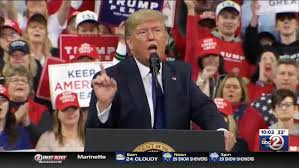
A Trump rally
The Tulsa event was followed by another indoor rally in Phoenix on June 23. “Students for Trump” featured a packed crowd, with almost no one wearing masks.
After staging COVID-spreading rallies at Tulsa, Oklahoma, and Phoenix, Arizona, Trump scheduled another one for July 3 at Mount Rushmore, in Keystone, South Dakota.
Such rallies had been put on hold since March, due to the issuing of stay-at-home orders across the country by states’ mayors and governors.
Although health experts expressed fears about a large gathering during the Coronavirus pandemic, South Dakota Governor Kristi Noem said people would “not be social distancing” during the celebration:
“In South Dakota, we’ve told people to focus on personal responsibility….Those who want to come and join us, we’ll be giving out free face masks, if they choose to wear one. But we won’t be social distancing.”
2016 PRESIDENTIAL CAMPAIGN, ABC NEWS, ACADEMY AWARDS, ALEXANDER SHUSTOROVICH, ALTERNET, AMERICABLOG, ANDREW INTRATER, AP, ARCHIBALD COX, BABY BOOMER RESISTANCE, BARACK OBAMA, BEST ACTOR OSCAR, BLOOMBERG, BUZZFEED, CBS NEWS, CIA, CNN, CROOKS AND LIARS, DAILY KOZ, DAVID BROOKS, DEPARTMENT OF HOMELAND SECURITY, DONALD TRUMP, DONALD TRUMP JR., DONALD TRUMP’S INAUGURAL COMMITTEE, DRUDGE RETORT, FACEBOOK, FBI, FEDERAL ELECTIONS COMMISSION, FIVETHIRTYEIGHT, FOX NEWS, FRED ZINNEMANN, FRED ZINNENANN, GARY COOPER, GEORGE W. BUSH, GRACE KELLY, HARPER’S MAGAZINE, HIGH NOON, HILLARY CLINTON, HOUSE INTELLIGENCE COMMITTEE, JAMES COMEY, JARED KUSHNER, JEFF SESSIONS, JENNIFER TAUB, JOHN KASICH, JOHN MCCAIN, JOSEPH R. MCCARTHY, LEN BLAVATNIK, LESTER HOLT, LINDSEY GRAHAM, MARCO RUBIO, MARK SHIELDS, MEDIA MATTERS, MICHAEL FLYNN, MITCH MCCONNELL, MOTHER JONES, MOVEON, MSNBC, NATIONAL SECURITY AGENCY, NBC NEWS, NEWSWEEK, NPR, OFFICE OF THE DIRECTOR OF NATIONAL INTELLIGENCE, PAUL MANAFORT, PAUL RYAN, PBS NEWSHOUR, PEW RESEARCH SURVEY, POLITICAL ACTION COMMITTEES (PACS), POLITICAL CONSULTANTS, POLITICO, POLITICUSUSA, PRINCETON UNIVERSITY, RAW STORY, REPUBLICAN PARTY, REPUBLICANS, REUTERS, RICHARD M. NIXON, ROBERT MUELLER III, ROD ROSENSTEIN, RUDOLPH GIULIANI, RUSSIA, RUSSIAN OLIGARCHS, SALON, SCOTT WALKER, SEATTLE TIMES, SENATE INTELLIGENCE COMMITTEE, SENATE LEADERSHIP FUND, SERGEY KISLYAK, SERGEY LAVROV, SIMON KUKES, SLATE, SOVIET UNION, TALKING POINTS MEMO, TEX RITTER, THE ATLANTIC, THE CHICAGO SUN-TIMES, THE CHICAGO TRIBUNE, THE DAILY BEAST, THE DAILY BLOG, THE GUARDIAN, THE HILL, THE HUFFINGTON POST, THE LOS ANGELES TIMES, THE NATION, THE NEW REPUBLIC, THE NEW YORK TIMES, THE VILLAGE VOICE, THE WASHINGTON POST, THINKPROGRESS, TIME, TRUMP INAUGURAL COMMITTEE, TRUMP TOWER, TRUTHDIG, TRUTHOUT, TWITTER, TWO POLITICAL JUNKIES, U.S. NEWS & WORLD REPORT, UNITED STATES DEPARTMENT OF JUSTICE, UNITED STATES DEPARTMENT OF STATE, UNITED STATES HOUSE OF REPRESENTATIVES, UNITED STATES MARINE CORPS, UNITED STATES SENATE, UNIVERSITY OF VIRGINIA LAW SCHOOL, UPI, USA TODAY, VIETNAM WAR, VLADIMIR PUTIN, WILL KANE, WILLIAM BARR, WONKETTE
In Bureaucracy, History, Law, Law Enforcement, Military, Politics, Social commentary on July 17, 2020 at 12:15 am
Special Counsel Robert Mueller III submitted his findings to Attorney General William Barr on March 22, 2019. A redacted version of the 448-page report was publicly released by the Department of Justice on April 18.
By that date, Mueller had:
- Indicted 34 people—including four former Trump campaign advisers.
- Indicted three Russian companies.
- Obtained eight guilty pleas to felonies or convictions—including five Trump associates and campaign officials.
- Unveiled Russians’ determination to elect Trump over Hillary Clinton.
- Revealed that former National Security Adviser Michael Flynn discussed removing sanctions against Russia with then-Russian ambassador, Sergey Kislyak, during the transition period.
- Discovered that Trump associates knew about Russian outreach efforts during the campaign.
On July 24, 2019, Mueller testified before the House Judiciary Committee. There he revealed that Donald Trump, the President of the United States, had:
- Sought Russian interference during the 2016 Presidential campaign.
- Benefited from that intervention.
- Concealed his close personal economic ties to Vladimir Putin by lying to the public about his hidden attempts to secure a construction project in Moscow.
- Lied to the special prosecutor.
- Directed subordinates to falsify records.
- Tried to exert “undue influence” on law enforcement in order to protect himself and his allies.
While appearing before Congress, Mueller was forced to:
- Testify for seven hours before the House Judiciary Committee and the House Intelligence Committee.
- Endure powerful, hot klieg lights needed by television cameras.
- Patiently take questions that were at times self-serving
- Respectfully answer questions meant to attack his personal and professional integrity.
- Simplify complex legal scenarios for men and women who have the attention span of a gnat.
Although Mueller was joined by former deputy special counsel Aaron Zebley, Zebley was forbidden to give testimony. He could only serve as Mueller’s counsel, giving quiet advice.
So the entire seven hours of public testimony fell on the shoulders of a 74-year-old man. No wonder he appeared tired by the end of the day.
And what was his reward?
A July 26, 2019 article in The Atlantic—entitled “The Press Has Adopted Trump’s Reality-Show Standards”—sums up the general reaction of the nation’s press to these bombshell revelations:
“In any other administration, in any other time, a special prosecutor, former FBI director, and decorated Marine testifying that the president of the United States was an unprosecuted felon who encouraged and then benefited from an attack on American democracy in pursuit of personal and political gain would bring the country to a grinding halt.
“But the American political press found Mueller insufficiently dazzling.”
Among those media:
- The New York Times: “Mueller’s Performance Was a Departure From His Much-Fabled Stamina.”
- The Washington Post: “On Mueller’s Final Day on the National Stage, a Halting, Faltering Performance.” And another reporter dubbed him a “weary old man.”
- The Hill: “Muller’s ‘Blockbuster’ Appearance Turned into ‘Bomb’ of Performance.”
- Politico: “Bob Mueller Is Struggling.”
- Right-wing media openly questioned Mueller’s health. These same media never mentioned that Trump is grotesquely overweight, never walks when he can ride, and eats a diet high in fats and calories.
In short: The nation’s most influential news media—on which citizens depend for their understanding of national and international personalities and events—has adopted the standards of teenagers.
* * * * *
Americans like their heroes young and powerful—preferably invincible. They want their heroes to be handsome and their villains to be ugly. They want to see lots of explosions and collapsing buildings.
And if a superhero can deliver a zinger of a line while throwing a KO punch, so much the better.
Lacking a sense of history—or concern for it—most Americans remain ignorant of the men, women and events that have shaped the era in which they live.
Most of those who watched Robert Mueller testify before Congress knew nothing of the sacrifices he had made for his country:
- As a Marine Vietnam veteran decorated for heroism (1968-1971);
- As a United States Attorney (1986-1987 and 1998-2001);
- As a United States Assistant Attorney General (1990-1993 and 2001); and
- As director of the FBI (2001-2013).
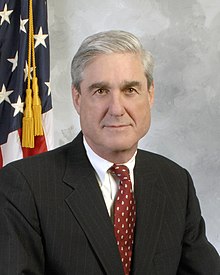
Robert Mueller
A news media that prizes glitz over substance has abdicated the role intended for it by the Founding Fathers: To act as a watchdog over the nation’s leaders.
That does not, however, diminish the legacy of Robert Mueller’s achievements—as Special Counsel and every other position he has held.
Revered within the law enforcement community, he will forever rank among the giants who personify courage and integrity
As a soldier, prosecutor, FBI director and Special Counsel, Robert Mueller took an oath to “support and defend the Constitution of the United States against all enemies, foreign and domestic.”
So did Donald Trump when he was inaugurated the nation’s 45th President. And so did every Republican member of the House of Representatives and the Senate.
The difference between Robert Mueller and Trump—and the overwhelming majority of Republican Congressional members—is this: Mueller, like a compass pointing True North, has always stayed faithful to that oath.
In doing so, he carried on his shoulders the burdens created when millions of racist, hate-filled Americans deliberately sent a corrupt, Russian-backed egomaniac and would-be dictator to the White House.
&docid=yt8OxrbTDh591M&tbnid=ik44Wblm3ZvX6M%3A&vet=1&w=325&h=475&bih=469&biw=819&ved=0ahUKEwjC-_Ka0enRAhVJKGMKHV61ApUQMwghKAAwAA&iact=c&ictx=1)


.jpg)


ABC NEWS, ACCOUNTING, AL CAPONE, ALTERNET, AMERICABLOG, AP, AUDITS, BABY BOOMER RESISTANCE, BLOOMBERG, BUSINESS LETTERS, BUZZFEED, CBS NEWS, CNN, CROOKS AND LIARS, DAILY KOZ, DAVE BARRY, DRUDGE REPORT, FACEBOOK, FIVETHIRTYEIGHT, HARPER’S MAGAZINE, INTERNAL REVENUE SERVICE, MAFIA, MEDIA MATTERS, MOTHER JONES, MOVEON, MSNBC, NBC NEWS, NEWSWEEK, NICCOLO MACHIAVELLI, NPR, PAYROLL TAXES, PBS NEWSHOUR, PENALTIES, POLITICO, POLITICUSUSA, RAW STORY, REUTERS, SALON, SEATTLE TIMES, SELF-HELP, SLATE, TALKING POINTS MEMO, TAX LAW, TAXES, THE ATLANTIC, THE CHICAGO SUN-TIMES, THE CHICAGO TRIBUNE, THE DAILY BEAST, THE DAILY BLOG, THE GUARDIAN, THE HILL, THE HUFFINGTON POST, THE LOS ANGELES TIMES, THE NATION, THE NEW REPUBLIC, THE NEW YORK TIMES, THE VILLAGE VOICE, THE WALL STREET JOURNAL, THE WASHINGTON POST, THINKPROGRESS, TIME, TRUTHDIG, TRUTHOUT, TWITTER, TWO POLITICAL JUNKIES, U.S. NEWS & WORLD REPORT, UPI, USA TODAY, WONKETTE, WRITING
MACHIAVELLI VS. THE IRS
In Bureaucracy, Business, History, Law, Law Enforcement, Politics, Social commentary on August 7, 2020 at 12:10 amMore than 500 years ago, the Florentine statesman, Niccolo Machiavelli, warned: A prince…must imitate the fox and the lion, for the lion cannot protect himself from traps, and the fox cannot defend himself from wolves. One must therefore be a fox to avoid traps, and a lion to frighten wolves. Those who wish to be only lions do not realize this.
And never is the need greater to imitate the fox than when dealing with the Internal Revenue Service (IRS).
Several years ago, a private investigative agency found itself in serious trouble with that agency.
One of its employees had suddenly quit the company—leaving behind a major financial disaster.
That employee—whom I’ll call Pete—had been tasked with sending payroll tax records to the IRS. The company’s owner, Bill, assumed he had carried out his assignment.
Until he learned from the IRS that they had never received the records.
Consider the potential consequences:
About 70% of the annual revenue collected by the IRS comes from payroll taxes. Under-reported and unpaid employment taxes account for about $72 billion of the United States tax gap. So the IRS makes the collection of payroll taxes a high priority.
No doubt about it—Bill was facing serious trouble.
What to do?
Fortunately, Steve, one of Bill’s employees, had a B.A. in Communications and had worked as a newspaper reporter.
When Bill told him of the calamity he was facing, Steve offered his best advice: Immediately contest the charge that he had been delinquent in providing the records. And explain to the IRS—in writing—what had happened.
Bill agreed.
First, Steve interviewed him at length to make certain he fully understood the circumstances leading up to his present crisis.
Then Steve sat down and typed up a letter—on office letterhead stationery—-to the IRS. Letterhead would give it an official appearance—and Steve wanted every advantage he could get.
Steve offered a straightforward presentation of what had happened: Pete, the number-two man in the company, had been entrusted with submitting payroll tax records to the IRS. But, nursing a grudge against his employer, he had dumped the records in a box and stashed this in a locked filing cabinet.
Then he had given notice and left the company. Later, an investigation of the office turned up the records—as well as the revelation that Pete had often used his office computer to access pornography.
In his letter, Steve emphasized that Bill’s company had previously had an unblemished record for meeting its payroll tax obligations on time. And he stated that the newly-found records had been sent to the IRS by registered mail.
Finally, Steve wrote that Bill was prepared to fully meet his financial obligations to the IRS. But he asked that Bill not be penalized for the irresponsible actions of a single, disgruntled employee.
The result?
Bill ended up paying only those monies that he legally owed. He was not forced to pay a penalty.
So what are the lessons to be learned from this episode?
Share this: