Posts Tagged ‘THOMAS JEFFERSON’
1776 (PLAY), AARON BURR, ABC NEWS, AGING, ALEXANDER HAMILTON, ALTERNET, AMERICABLOG, AP, ASA HUTCHINSON, BABY BOOMER RESISTANCE, BENEDICT ARNOLD, BENJAMIN FRANKLIN, BUZZFEED, CBS NEWS, CHRIS CHRISTIE, CNN, CONGRESS, CROOKS AND LIARS, DAILY KOS, DECLARATION OF INDEPENDENCE, DONALD TRUMP, DOUG BURGUM, ETHAN ALLEN, FIVETHIRTYEIGHT, GEORGE WASHINGTON, GERONTOCRACY, JAMES MADISON, JAMES MONROE, JILL STEIN, JOHN ADAMS, JOHN HANCOCK, JOHN MARSHALL, JOHN PAUL JONES, JOSEPH BIDEN, Kamala Harris, KGB, KONSTANTIN CHERNENKO, LEONID BREZHNEV, MARIANNE WILLIAMSON, MIKHAIL GORBACHEV, MOTHER JONES, MOVEON, MSNBC, NATHAN HALE, NBC NEWS, NEW YORK CITY, NEWSWEEK, NPR, PATRICK HENRY, PAUL REVERE, PBS NEWSHOUR, POLITICO, POLITICUSUSA, RAW STORY, REUTERS, ROBERT F. KENNEDY JR., SALON, SAMUEL ADAMS, SEATTLE TIMES, SLATE, SOVIET UNION, TALKING POINTS MEMO, THE ATLANTIC, THE CHICAGO SUN-TIMES, THE CHICAGO TRIBUNE, THE DAILY BEAST, THE DAILY BLOG, THE GUARDIAN, THE HILL, THE HUFFINGTON POST, THE LOS ANGELES TIMES, THE NATION, THE NEW YORK TIMES, THE WASHINGTON POST, THINKPROGRESS, THOMAS JEFFERSON, THOMAS PAINE, TIME, TRUTHDIG, U.S. NEWS & WORLD REPORT, UPI, USA TODAY, X, YURI ANDROPOV, ZOHRAN MANDANI
In Bureaucracy, History, Medical, Politics, Social commentary on November 24, 2025 at 12:06 am
On November 2, New York City mayoral candidate Zohran Mamdani surprised patrons at a gay night club when he stopped by to campaign at 1 am.
Five hours later, he walked across the Brooklyn Bridge at 6 am.
On the social media platform, Bluesky, a post took notice of this:
“To anyone who’s been awestruck by Zohran’s campaigning stamina in being able to end his night at a gay bar at 1 am and then walk across the Brooklyn Bridge at 6 am….
“This is what happens when you don’t have 76 year old candidates running for office.”
Zohran Mamdani is 34.

Zohran Mamdani
Dmitryshein, CC BY-SA 4.0 <https://creativecommons.org/licenses/by-sa/4.0>, via Wikimedia Commons
On July 4, 1776, representatives of the original Thirteen Colonies met in Philadelphia, Pennsylvania, to affix their signatures to Thomas Jefferson’s Declaration of Independence.
In July, 1776, the ages of key American Revolutionary figures were:
- Marquis de Lafayette, 18
- James Monroe, 18
- Aaron Burr, 20
- John Marshall, 20
- Nathan Hale, 21
- Alexander Hamilton, 21
- James Madison, 25
- John Paul Jones, 28
- Thomas Jefferson, 33
- Benedict Arnold, 35
- Ethan Allen, 38
- John Hancock, 39
- Thomas Paine, 39
- Paul Revere, 41
- George Washington, 44
- Samuel Adams, 53
- Benjamin Franklin, 70

Signing of the Declaration of Independence
Youth was a commonplace among the signers of the Declaration. Their average age was 44.
In the hit play (and later movie) 1776, several members of Congress—including Thomas Jefferson—are surprised to learn that John Adams—who’s 41—still “burns” for his wife Abigail, who’s waiting for him in Boston, Massachusetts.
Today, a nation that once prized youth among its leaders is now moving toward government by gerontocracy.
The average age of members of the House of Representatives is 57.9 years. In the Senate, it’s 64.3.
During 2024, the major Presidential contenders were:
- President Joseph Biden, 81
- Donald Trump, 78
- Robert F. Kennedy Jr, 70
- Jill Stein, 74
- Asa Hutchinson, 72
- Chris Christie, 61
- Doug Burgum, 67
- Marianne Williamson, 71
- Cornel West, 71
- Kamala Harris, 60
A visit to the Soviet Union in the twilight of its 74-year existence reveals where the United States is heading.
In May 1982, 75-year-old General Secretary Leonid Brezhnev, suffered a severe stroke. He had ruled the U.S.S.R. since 1964, but by the early 1980s he was essentially a figurehead. On November 10, 1982, he finally died of a heart attack.
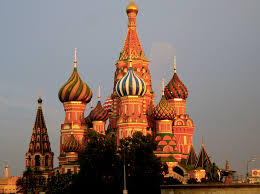
The Kremlin
Succeeding Brezhnev was Yuri Andropov, 69, who until May, 1982, had been chief of the KGB.
Andropov suffered from kidney failure and was often on dialysis. By December, 1983, after barely more than a year in office, he was totally bedridden. On February 9, 1984, he joined Brezhnev at the great Party Congress in the sky.
Andropov had realized that the Soviet Union needed a younger and more energetic ruler. Not long before he died he suggested that Mikhail Gorbachev, his aide, succeed him.
But the Central Committee instead chose Konstantin Chernenko, who, at 72, was older than Andropov. On February 13, 1984, he became the U.S.S.R.’s third leader in a year and a half.
Suffering from emphysema, occasional heart failure and liver disease from alcohol, Chernenko died on March 10, 1985.
Only then did Kremlin rulers decide to choose a General Secretary who was likely to live more than one or two years. One day after Chernenko died, the Politburo chose Gorbachev, a relatively young 54.
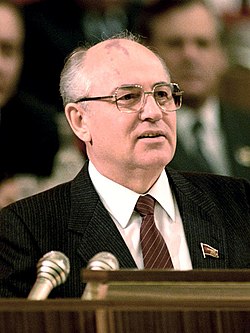
Mikhail Gorbachev
RIA Novosti archive, image #850809 / Vladimir Vyatkin / CC-BY-SA 3.0, CC BY-SA 3.0 <https://creativecommons.org/licenses/by-sa/3.0>, via Wikimedia Commons
Gorbachev survived to retire as President of the Soviet Union on December 25, 1991.
So what does this mean for old men and women seeking the White House?
According to Dr. Michael Roizen, Presidents effectively age twice as fast while in office. Roizen, a chief wellness officer at the Cleveland Clinic and co-founder of RealAge.com, bases his opinion on his research of medical records of previous presidents, back to Theodore Roosevelt.
“The main cause is what we call unrequited stress—they don’t have enough friends to mitigate the stress. The major way most of us handle stress is through a number of techniques, but the most prominent way is to discuss it with friends.
“The problem with presidents is, some of them lose friends, and the closest friend they have is usually the spouse.”
Thus, a person who has been president eight years has the risk of disability or dying of someone who is 16 years older. When you’re already in your late 60s or early 70s, that doesn’t give you much room for risk-taking.
Of course, given America’s Politically Correct social norms, pointing out the disadvantages of combing extreme age with extreme pressure is taboo for many persons.
Julian Castro found this out when, in a debate, he questioned Joseph Biden’s mental acuity.
“In a cultural way, it shocked me,” said Gerson Borrero, a New York City political commentator. “We respect our elders—there may be a point where we smile at their ‘disparates’ (gaffes), but at the same time we stay respectful.”
As the United States approaches the 2028 Presidential election, the perils of gerontocracy loom even larger: Donald Trump has “hinted” he wants to run for a third term in 2028.
Even if he weren’t barred from a third term by the Constitution’s 22nd Amendment, he would be 82 years old when he took office in 2029.
FBI agents have a mandatory retirement age of 57. Airplane pilots must retire at 65. Air traffic controllers must leave at 56.
It’s past time to bring a mandatory retirement age to members of Congress and the Presidency.
1776 (PLAY), AARON BURR, ABC NEWS, AGING, ALEXANDER HAMILTON, ALTERNET, AMERICABLOG, AP, BABY BOOMER RESISTANCE, BENEDICT ARNOLD, BENJAMIN FRANKLIN, BUZZFEED, CBS NEWS, CNN, CONGRESS, CROOKS AND LIARS, DAILY KOS, DECLARATION OF INDEPENDENCE, ETHAN ALLEN, FIVETHIRTYEIGHT, GEORGE WASHINGTON, GERONTOCRACY, JAMES MADISON, JAMES MONROE, JOHN ADAMS, JOHN HANCOCK, JOHN MARSHALL, JOHN PAUL JONES, KGB, KONSTANTIN CHERNENKO, LEONID BREZHNEV, MIKHAIL GORBACHEV, MOTHER JONES, MOVEON, MSNBC, NATHAN HALE, NBC NEWS, NEWSWEEK, NPR, PATRICK HENRY, PAUL REVERE, PBS NEWSHOUR, POLITICO, POLITICUSUSA, RAW STORY, REUTERS, SALON, SAMUEL ADAMS, SEATTLE TIMES, SLATE, SOVIET UNION, TALKING POINTS MEMO, THE ATLANTIC, THE CHICAGO SUN-TIMES, THE CHICAGO TRIBUNE, THE DAILY BEAST, THE DAILY BLOG, THE GUARDIAN, THE HILL, THE HUFFINGTON POST, THE LOS ANGELES TIMES, THE NATION, THE NEW YORK TIMES, THE WASHINGTON POST, THINKPROGRESS, THOMAS JEFFERSON, THOMAS PAINE, TIME, TRUTHDIG, TWITTER, U.S. NEWS & WORLD REPORT, UPI, USA TODAY, YURI ANDROPOV
In Bureaucracy, History, Medical, Politics, Social commentary on January 29, 2024 at 12:14 am
“Congress has become the most privileged nursing home in the country,” said Republican Presidential candidate Nikki Haley at a rally in Conway, S.C., on January 28.
American voters, she added, deserved to know that those charged with protecting the nation were “at the top of their game.”
“Don’t you think we need to have mental competency tests for anyone over the age of 75?” asked Haley, 52.
On July 4, 1776, representatives of the original Thirteen Colonies met in Philadelphia, Pennsylvania, to affix their signatures to Thomas Jefferson’s Declaration of Independence.
Signing of the Declaration of Independence
The ages of key American Revolutionary figures in July. 1776, were:
- Marquis de Lafayette, 18
- James Monroe, 18
- Aaron Burr, 20
- John Marshall, 20
- Nathan Hale, 21
- Alexander Hamilton, 21
- George Rodgers Clark, 23
- James Madison, 25
- Edward Rutledge, 26
- John Paul Jones, 28
- Thomas Jefferson, 33
- James Wilson, 34
- Benedict Arnold, 35
- Samuel Chase, 35
- Ethan Allen, 38
- John Hancock, 39
- Thomas Paine, 39
- Patrick Henry, 40
- John Adams, 41
- Paul Revere, 41
- Richard Henry Lee, 44
- George Washington, 44
- Josiah Bartlett, 46
- Lyman Hall, 52
- Samuel Adams, 53
- Roger Sherman, 55
- Benjamin Franklin, 70
Youth was a commonplace among the signers of the Declaration. Their average age was 44.
In the hit play (and later movie) 1776, several members of Congress—including Thomas Jefferson—are surprised to learn that John Adams—who’s 41—“burns” for his wife Abigail, who’s waiting for him in Boston, Massachusetts.
Today, a nation that once prized youth among its leaders is now moving toward government by gerontocracy.
The average age of members of the House of Representatives is 58.4 years. In the Senate, it’s 64.3.
During 2020, the major Democratic Presidential contenders were:
- Vermont United States Senator Bernie Sanders: 79
- Former Vice President Joe Biden: 78
- Massachusetts United States Senator Elizabeth Warren: 71
- Minnesota United States Senator Amy Klobuchar: 60

Opposing them was President Donald Trump, 73, as he sought re-election. On Election Day, he would be 74.
A visit to the Soviet Union in the twilight of its 74-year existence reveals where the United States is heading.
In May 1982, 75-year-old General Secretary Leonid Brezhnev, suffered a severe stroke. He had ruled the U.S.S.R. since 1964, but by the early 1980s he was essentially a figurehead. On November 10, 1982, he finally died of a heart attack.
The Kremlin
Succeeding Brezhnev was Yuri Andropov, 69, who until May, 1982, had been chief of the KGB.
Andropov suffered from kidney failure and was often on dialysis. By December, 1983, after barely more than a year in office, he was totally bedridden. On February 9, 1984, he joined Brezhnev at the great Party Congress in the sky.
Andropov had realized that the Soviet Union needed a younger and more energetic ruler. Not long before he died he suggested that Mikhail Gorbachev, his aide, succeed him.
But the Central Committee instead chose Konstantin Chernenko, who, at 72, was older than Andropov. On February 13, 1984, he became the U.S.S.R.’s third leader in a year and a half.
Suffering from emphysema, occasional heart failure and liver disease from alcohol, Chernenko died on March 10, 1985.
Only then did Kremlin rulers decide to choose a General Secretary who was likely to live more than one or two years. One day after Chernenko died, the Politburo chose Gorbachev, a relatively young 54.

Mikhail Gorbachev
Gorbachev survived to retire as President of the Soviet Union on December 25, 1991.
So what does this mean for old men and women seeking the White House?
According to Dr. Michael Roizen, Presidents effectively age twice as fast while in office. Roizen, a chief wellness officer at the Cleveland Clinic and co-founder of RealAge.com, bases his opinion on his research of medical records of previous presidents, back to Theodore Roosevelt.
“The main cause is what we call unrequited stress—they don’t have enough friends to mitigate the stress. The major way most of us handle stress is through a number of techniques, but the most prominent way is to discuss it with friends.
“The problem with presidents is, some of them lose friends, and the closest friend they have is usually the spouse.”
Thus, a person who has been president eight years has the risk of disability or dying of someone who is 16 years older. When you’re already in your late 60s or early 70s, that doesn’t give you much room for risk-taking.
Of course, given America’s Politically Correct social norms, pointing out the disadvantages of combing extreme age with extreme pressure is taboo for many persons.
Julian Castro found this out when, in a debate, he questioned Joseph Biden’s mental acuity.
“In a cultural way, it shocked me,” said Gerson Borrero, a New York City political commentator. “We respect our elders—there may be a point where we smile at their ‘disparates’ (gaffes), but at the same time we stay respectful.”
As the United States approaches the 2024 Presidential election, the perils of gerontocracy loom even larger.
Biden turned 81 on November 20, 202. If re-elected in 2024, he would be 82. If he lived out his full term, he would be 86.
Trump, who still lusts to be President, is 77. If re-elected President in 2024, he would be 78 upon taking office in 2025.
FBI agents have a mandatory retirement age of 57. Airplane pilots must retire at 65.
It’s past time to bring a mandatory retirement age to members of Congress and the Presidency.
1776 (PLAY), AARON BURR, ABC NEWS, ABIGAIL ADAMS, AGING, ALEXANDER HAMILTON, ALTERNET, AMERICABLOG, AP, BABY BOOMER RESISTANCE, BENEDICT ARNOLD, BENJAMIN FRANKLIN, BUZZFEED, CBS NEWS, CNN, CONGRESS, CROOKS AND LIARS, DAILY KOZ, DECLARATION OF INDEPENDENCE, ETHAN ALLEN, FACEBOOK, FIVETHIRTYEIGHT, GEORGE WASHINGTON, GERONTOCRACY, JAMES MADISON, JAMES MONROE, JOHN ADAMS, JOHN HANCOCK, JOHN MARSHALL, JOHN PAUL JONES, KGB, KONSTANTIN CHERNENKO, LEONID BREZHNEV, MARTHA WASHINGTON, MIKHAIL GORBACHEV, MOTHER JONES, MOVEON, MSNBC, NATHAN HALE, NBC NEWS, NEWSWEEK, NPR, PATRICK HENRY, PAUL REVERE, PBS NEWSHOUR, POLITICO, POLITICUSUSA, RAW STORY, REUTERS, SALON, SAMUEL ADAMS, SEATTLE TIMES, SLATE, SOVIET UNION, TALKING POINTS MEMO, THE ATLANTIC, THE CHICAGO SUN-TIMES, THE CHICAGO TRIBUNE, THE DAILY BEAST, THE DAILY BLOG, THE GUARDIAN, THE HILL, THE HUFFINGTON POST, THE LOS ANGELES TIMES, THE NATION, THE NEW YORK TIMES, THE WASHINGTON POST, THINKPROGRESS, THOMAS JEFFERSON, THOMAS PAINE, TIME, TRUTHDIG, TWITTER, U.S. NEWS & WORLD REPORT, UPI, USA TODAY, YURI ANDROPOV
In Bureaucracy, History, Politics, Social commentary on April 17, 2023 at 12:52 am
“Many Founding Fathers Were Shockingly Young When the Declaration of Independence Was Signed in 1776.”
So read the headline of a July 5, 2014 story in Business Insider.
On July 4, 1776, representatives of the original Thirteen Colonies met in Philadelphia, Pennsylvania, to affix their signatures to Thomas Jefferson’s Declaration of Independence.
Signing of the Declaration of Independence
Below is a list of the ages of key American Revolutionary figures on July 4, 1776. (Those who signed the Declaration are listed in red.)
- Marquis de Lafayette, 18
- James Monroe, 18
- Henry Lee III, 20
- Aaron Burr, 20
- John Marshall, 20
- Nathan Hale, 21
- Alexander Hamilton, 21
- George Rodgers Clark, 23
- James Madison, 25
- Edward Rutledge, 26
- John Paul Jones, 28
- Abigail Adams, 31
- Thomas Jefferson, 33
- James Wilson, 34
- Benedict Arnold, 35
- Samuel Chase, 35
- Ethan Allen, 38
- John Hancock, 39
- Thomas Paine, 39
- Patrick Henry, 40
- John Adams, 41
- Paul Revere, 41
- Richard Henry Lee, 44
- George Washington, 44
- Martha Washington, 45
- Josiah Bartlett, 46
- Caesar Rodney, 47
- Lyman Hall, 52
- Samuel Adams, 53
- Roger Sherman, 55
- Philip Livingston, 60
- Stephen Hopkins, 69
- Benjamin Franklin, 70
Youth was a commonplace among the signers of the Declaration. Their average age was 44.
In the hit play (and later movie) 1776, several members of Congress—including Thomas Jefferson—are surprised to learn that John Adams—who’s 41—“burns” for his wife Abigail, who’s waiting for him in Boston, Massachusetts.
Today, a nation that once prized youth among its leaders is now moving toward government by gerontocracy.
The average age of members of the House of Representatives is 58.4 years. In the Senate, it’s 64.3.
On Election Day, 2020, the following Democratic contenders were:
- Vermont United States Senator Bernie Sanders: 79
- Former Vice President Joe Biden: 78
- Massachusetts United States Senator Elizabeth Warren: 71
- Minnesota United States Senator Amy Klobuchar: 60
- California United States Senator Kamala Harris: 56
- Former Texas Congressman Beto O’Rourke: 48
Of these candidates, the oldest ones—Sanders, Warren and Biden—were considered the frontrunners for the Democratic nomination.
Opposing them was President Donald Trump, 73, as he sought re-election. On Election Day, he would be 74.
To get an idea of where the United States is heading, let’s revisit the Soviet Union in the twilight of its 74-year existence.
In May 1982, 75-year-old General Secretary Leonid Brezhnev, suffered a severe stroke. He had ruled the U.S.S.R. since 1964, but by the early 1980s he was essentially a figurehead. On November 10, 1982, he finally died of a heart attack.
The Kremlin
Succeeding Brezhnev was Yuri Andropov, 69, who until May, 1982, had been chief of the KGB.
Andropov suffered from kidney failure and was often on dialysis. By December, 1983, after barely more than a year in office, he was totally bedridden. On February 9, 1984, he joined Brezhnev at the great Party Congress in the sky.
Andropov had realized that the Soviet Union needed a younger and more energetic ruler. Not long before he died he suggested that Mikhail Gorbachev, his aide, succeed him.
But the Central Committee instead chose Konstantin Chernenko, who, at 72, was older than Andropov. On February 13, 1984, he became the U.S.S.R.’s third leader in a year and a half.
Suffering from emphysema, occasional heart failure and liver disease from alcohol, Chernenko died on March 10, 1985.
Only then did Kremlin rulers decide to choose a General Secretary who was likely to live more than one or two years. One day after Chernenko died, the Politburo chose Gorbachev, a relatively young 54.
Mikhail Gorbachev
Gorbachev survived to retire as President of the Soviet Union on December 25, 1991.
So what does this mean for old men and women seeking the White House?
According to Dr. Michael Roizen, Presidents effectively age twice as fast while in office. Roizen, a chief wellness officer at the Cleveland Clinic and co-founder of RealAge.com, bases his opinion on his research of medical records of previous presidents, back to Theodore Roosevelt.
“The main cause is what we call unrequited stress—they don’t have enough friends to mitigate the stress. The major way most of us handle stress is through a number of techniques, but the most prominent way is to discuss it with friends.
“The problem with presidents is, some of them lose friends, and the closest friend they have is usually the spouse.”
Thus, a person who has been president eight years has the risk of disability or dying of someone who is 16 years older. When you’re already in your late 60s or early 70s, that doesn’t give you much room for risk-taking.
Of course, given America’s Politically Correct social norms, pointing out the disadvantages of combing extreme age with extreme pressure is taboo for many persons.
Julian Castro found this out when, in a debate, he questioned Joseph Biden’s mental acuity.
“In a cultural way, it shocked me,” said Gerson Borrero, a New York City political commentator. “We respect our elders—there may be a point where we smile at their ‘disparates’ (gaffes), but at the same time we stay respectful.”
That does not, however, make such truths magically disappear.
As the United States approaches the 2024 Presidential election, the perils of gerontocracy loom even larger.
Biden turned 80 on November 20. If re-elected in 2024, he would be 82. If he lived out his full term, he would be 86.
Trump, who still lusts to be President, is 76. If re-elected President in 2024, he would be 77, taking office at 78.
FBI agents have a mandatory retirement age of 57. Airplane pilots must retire at 65.
It’s past time to bring a mandatory retirement age to members of Congress and the Presidency.
1776 (PLAY), AARON BURR, ABC NEWS, ABIGAIL ADAMS, AGING, ALEXANDER HAMILTON, ALTERNET, AMERICABLOG, AP, BABY BOOMER RESISTANCE, BENEDICT ARNOLD, BENJAMIN FRANKLIN, BUZZFEED, CBS NEWS, CNN, CONGRESS, CROOKS AND LIARS, DAILY KOZ, DECLARATION OF INDEPENDENCE, ETHAN ALLEN, FACEBOOK, FIVETHIRTYEIGHT, GEORGE WASHINGTON, GERONTOCRACY, JAMES MADISON, JAMES MONROE, JOHN ADAMS, JOHN HANCOCK, JOHN MARSHALL, JOHN PAUL JONES, KGB, KONSTANTIN CHERNENKO, LEONID BREZHNEV, MARTHA WASHINGTON, MIKHAIL GORBACHEV, MOTHER JONES, MOVEON, MSNBC, NATHAN HALE, NBC NEWS, NEWSWEEK, NPR, PATRICK HENRY, PAUL REVERE, PBS NEWSHOUR, POLITICO, POLITICUSUSA, RAW STORY, REUTERS, SALON, SAMUEL ADAMS, SEATTLE TIMES, SLATE, SOVIET UNION, TALKING POINTS MEMO, THE ATLANTIC, THE CHICAGO SUN-TIMES, THE CHICAGO TRIBUNE, THE DAILY BEAST, THE DAILY BLOG, THE GUARDIAN, THE HILL, THE HUFFINGTON POST, THE LOS ANGELES TIMES, THE NATION, THE NEW YORK TIMES, THE WASHINGTON POST, THINKPROGRESS, THOMAS JEFFERSON, THOMAS PAINE, TIME, TRUTHDIG, TWITTER, U.S. NEWS & WORLD REPORT, UPI, USA TODAY, YURI ANDROPOV
In Bureaucracy, History, Politics, Social commentary on September 25, 2019 at 1:03 am
“Many Founding Fathers Were Shockingly Young When the Declaration of Independence Was Signed in 1776.”
So read the headline of a July 5, 2014 story in Business Insider.
On July 4, 1776, representatives of the original Thirteen Colonies met in Philadelphia, Pennsylvania, to affix their signatures to Thomas Jefferson’s Declaration of Independence.
Signing of the Declaration of Independence
Below is a list of the ages of key American Revolutionary figures on July 4, 1776.
- Marquis de Lafayette, 18
- James Monroe, 18
- Henry Lee III, 20
- Aaron Burr, 20
- John Marshall, 20
- Nathan Hale, 21
- Alexander Hamilton, 21
- George Rodgers Clark, 23
- James Madison, 25
- Thomas Lynch, Jr., 26
- Edward Rutledge, 26
- John Paul Jones, 28
- John Jay, 30
- Abigail Adams, 31
- Anthony Wayne, 31
- Thomas Jefferson, 33
- James Wilson, 34
- Benedict Arnold, 35
- Samuel Chase, 35
- William Paca, 35
- Ethan Allen, 38
- John Hancock, 39
- Daniel Morgan, 39
- Thomas Paine, 39
- Patrick Henry, 40
- John Adams, 41
- Paul Revere, 41
- Richard Henry Lee, 44
- George Washington, 44
- Martha Washington, 45
- Josiah Bartlett, 46
- Caesar Rodney, 47
- Lyman Hall, 52
- Samuel Adams, 53
- Roger Sherman, 55
- Philip Livingston, 60
- Stephen Hopkins, 69
- Benjamin Franklin, 70
Youth was a commonplace among the signers of the Declaration.
In the hit play (and later movie) 1776, several members of Congress—including Thomas Jefferson—are surprised to learn that John Adams—who’s 41—“burns” for his wife Abigail, who’s waiting for him in Boston, Massachusetts.
Today, a nation that once prized youth among its leaders is now moving toward government by gerontocracy.
The average age of members of the House of Representatives is 57.8 years. In the Senate, it’s 61.8—among the oldest in U.S. history.
With the 2020 Presidential contest now in full swing, the advanced age of most of the candidates has become a central concern for millions of Americans.
On Election Day, 2020, the following Democratic contenders will be:
- Vermont United States Senator Bernie Sanders: 79
- Former Vice President Joe Biden: 77
- Massachusetts United States Senator Elizabeth Warren: 71
- Minnesota United States Senator Amy Klobuchar: 60
- California United States Senator Kamala Harris: 56
- New York United States Senator Kirsten Gillibrand: 53
- New Jersey United States Senator Cory Booker: 51
- Former Texas Congressman Beto O’Rourke: 48
- Former mayor and HUD Secretary Julian Castro: 46
- Hawaii Congresswoman Tulsi Gabbard: 39
- South Bend Mayor Pete Buttigieg: 38
Of these candidates, the oldest ones—Sanders, Warren and Biden—are most likely to win the Democratic nomination.
Opposing them will be President Donald Trump as he seeks re-election. On Election Day, he will be 74.
To get an idea of where the United States is heading, let’s revisit the Soviet Union in the twilight of its 74-year existence.
In May 1982, 75-year-old General Secretary Leonid Brezhnev, suffered a severe stroke. He had ruled the U.S.S.R. since 1964, but by the early 1980s he was essentially a figurehead. On November 10, 1982, he finally died of a heart attack.
The Kremlin
Succeeding Brezhnev was Yuri Andropov, 69, who until May had been chief of the KGB.
Andropov suffered from kidney failure and was often on dialysis. By December, 1983, after barely more than a year in office, he was totally bedridden. On February 9, 1984, he joined Brezhnev at the great Party Congress in the sky.
Andropov had realized that the Soviet Union needed a younger and more energetic ruler. Not long before he died he suggested that Mikhail Gorbachev, his aide, succeed him.
But the Central Committee instead chose Konstantin Chernenko, who, at 72, was older than Andropov. On February 13, 1984, he became the U.S.S.R.’s third leader in a year and a half.
Suffering from emphysema, occasional heart failure and liver disease from alcohol, Chernenko died on March 10, 1985.
Only then did the Kremlin rulers decide to choose a General Secretary who was likely to live more than one or two years. One day after Chernenko died, the Politburo chose Gorbachev, a relatively young 54.
Gorbachev survived to retire as President of the Soviet Union on December 25, 1991.
So what does this mean for old men and women seeking the White House?
According to Dr. Michael Roizen, presidents effectively age twice as fast while in office. Roizen, a chief wellness officer at the Cleveland Clinic and co-founder of RealAge.com, bases his opinion on his research of medical records of previous presidents, back to Theodore Roosevelt.
“The main cause is what we call unrequited stress– they don’t have enough friends to mitigate the stress. The major way most of us handle stress is through a number of techniques, but the most prominent way is to discuss it with friends.
“The problem with presidents is, some of them lose friends, and the closest friend they have is usually the spouse.”
Thus, a person who has been president eight years has the risk of disability or dying of someone who is 16 years older. When you’re already in your late 60s or early 70s, that doesn’t give you much room for risk-taking.
Of course, given America’s Politically Correct social norms, pointing out the disadvantages of combing extreme age with extreme pressure is taboo for many persons.
Julian Castro found this out when, in a recent debate, he questioned Joe Biden’s mental acuity.
“In a cultural way, it shocked me,” said Gerson Borrero, a New York City political commentator. “We respect our elders—there may be a point where we smile at their ‘disparates’ (gaffes), but at the same time we stay respectful.”
That does not, however, make such truths magically disappear.
2016 PRESIDENTIAL CAMPAIGN, ABC NEWS, ABC’S THIS WEEK, ADAM SCHIFF, ADOLF HITLER, ALEXANDER HAMILTON, ALTERNET, AP, ATTORNEY GENERAL, BBC, BENITO MUSSOLINI, BENJAMIN FRANKLIN, BUZZFEED, CBS NEWS, CHIEF OF STAFF, CNN, DAILY KOS, DONALD TRUMP, FACEBOOK, HOUSE FINANCIAL SERVICES COMMITTEE, HOUSE INTELLIGENCE COMMITTEE, INSULTS, JAMES COMEY, JAMES MADISON, JEFF SESSIONS, JOHN GOTTI, JOHN KELLY, JOSEPH STALIN, MATT WHITAKER, MAXINE WATERS, MOTHER JONES, MOVEON, NBC NEWS, NEWSWEEK, NICCOLO MACHIAVELLI, NPR, POLITICO, RAW STORY, REINCE PRIEBUS, REUTERS, ROBERT MUELLER, ROD ROSENSTEIN, Ronald Reagan, SALON, SEATTLE TIMES, SLATE, TAX RETURNS, THE ATLANTIC, THE CHICAGO SUN-TIMES, THE CHICAGO TRIBUNE, THE DAILY BEAST, THE DISCOURSES, THE GUARDIAN, THE HILL, THE HUFFINGTON POST, THE LOS ANGELES TIMES, THE NEW YORK TIMES, THE WALL STREET JOURNAL, THE WASHINGTON POST, THOMAS JEFFERSON, TIME, TWITTER, U.S. NEWS & WORLD REPORT, UPI, USA TODAY, VLADIMIR PUTIN
In Bureaucracy, History, Politics, Social commentary on June 26, 2019 at 12:06 am
Niccolo Machiavelli (1469 – 1527) was an Italian Renaissance historian, diplomat and writer. Two of his books continue to profoundly influence modern politics: The Prince and The Discourses on the First Ten Books of Titus Livy.
The Prince has often been damned as a dictator’s guide on how to gain and hold power. Adolf Hitler, Benito Mussolini and John Gotti have effusively praised its teachings.
But The Discourses outlines how citizens in a republic can maintain their liberty.
Machiavelli’s writings on republicanism greatly influenced the political thinking of America’s own Founding Fathers. For example: Benjamin Franklin, James Madison, and Thomas Jefferson feared that Alexander Hamilton was creating an American aristocracy through the Federalist Party. And they moved vigorously to oppose him.
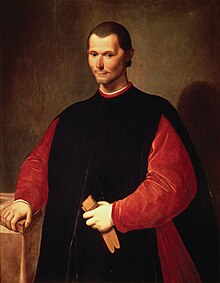
Niccolo Machiavelli
In Chapter 26 of The Discourses, Machiavelli advises:
I hold it to be a proof of great prudence for men to abstain from threats and insulting words towards any one, for neither the one nor the other in any way diminishes the strength of the enemy—but the one makes him more cautious, and the other increases his hatred of you, and makes him more persevering in his efforts to injure you.
If Donald Trump has read Machiavelli, he’s clearly forgotten the Florentine statesman’s advice. Or he decided long ago that it simply didn’t apply to him.
On November 18, 2018, Trump hurled a scatological insult at Rep. Adam Schiff (D-CA), one of his frequent critics.
Trump’s was furious that Schiff had said on ABC’s “This Week” that the President’s appointment of Acting Attorney General Matt Whitaker was “unconstitutional” because he wasn’t confirmed by the Senate.
So, true to form, Trump responded with a tweet: “So funny to see little Adam Schitt (D-CA) talking about the fact that Acting Attorney General Matt Whitaker was not approved by the Senate, but not mentioning the fact that Bob Mueller (who is highly conflicted) was not approved by the Senate!”
Special counsel Robert Mueller was appointed by Deputy Attorney General Rod Rosenstein in May, 2017, after Trump suddenly fired FBI Director James Comey. Mueller didn’t require Senate confirmation for the position.
Schiff was quick to respond on Twitter: “Wow, Mr. President, that’s a good one. Was that like your answers to Mr. Mueller’s questions, or did you write this one yourself?”
What made Trump’s insult not only infantile but self-destructive was that, on November 6, the Democrats had retaken the House of Representatives.
For Trump, this spelled real danger. Even before taking office in 2017, he had been haunted by charges of conspiring with Russian Intelligence agents to subvert the 2016 Presidential election.
And in six weeks, Schiff would become Chairman of the House Intelligence Committee when Democrats returned in January. This would arm him with investigative powers even greater than those possessed by Mueller.

Adam Schiff
Trump similarly relishes tossing insults at another longtime critic—Rep. Maxime Waters (D-CA). On June 25, 2018, he tweeted: “Congresswoman Maxine Waters, an extraordinarily low IQ person, has become, together with Nancy Pelosi, the Face of the Democrat Party.”
This also proved a mistake. After voters returned Democrats to running the House, Waters was slated to become Chairwoman of the House Financial Services Committee.
For Trump, this had to be a nightmare come true. Throughout the 2016 Presidential race, Trump had refused to release his tax returns—which every Presidential candidate has done since Ronald Reagan in 1980.
Trump’s longstanding ties to Russian oligarchs and subservience to Vladimir Putin have fueled speculation that his returns could reveal some truly unscrupulous financial dealings.
Waters would now have the power to subpoena Trump’s tax returns and delve into the long-standing mystery of what he’s hiding.
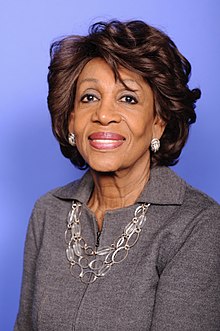
Maxine Waters
As both a Presidential candidate and President, Trump has repeatedly attacked hundreds of real and imagined enemies in politics, journalism, TV and films.
From June 15, 2015, when he launched his Presidential campaign, until October 24, 2016, Trump fired almost 4,000 angry, insulting tweets at 281 people and institutions that had somehow offended him. The New York Times needed two full pages of its print edition to showcase them.
As President, he has bullied and insulted even White House officials and his own handpicked Cabinet officers:
- Trump waged a Twitter-laced feud against Jeff Sessions, his Attorney General. Sessions’ “crime”? Recusing himself from investigations into well-established ties between Russian Intelligence agents and members of Trump’s Presidential campaign. Trump fired him on November 7, 2018, the day after Democrats retook the House of Representatives in the mid-term elections.
- Trump humiliated his Chief of Staff, Reince Priebus—at one point ordering him to kill a fly that was buzzing about. On July 28, 2017, six months after taking the job, Priebus resigned.
- Trump similarly tongue-lashed Priebus’ replacement, former Marine Corps General John Kelly. Trump was angered by Kelly’s efforts to limit the number of advisers who had unrestricted access to him. Kelly told colleagues he had never been spoken to like that during 35 years of military service—and wouldn’t tolerate it again.
With Adam Schiff and Maxine Waters now heading powerful House investigative committees, Trump will undoubtedly come to regret the fury his ill-advised insults have raised up against him.
Which leads to a final warning by Machiavelli: Unwise princes cannot be wisely advised.
ABC NEWS, BUREAUCRACY, CATHOLIC CHURCH, CBS NEWS, CHILD ABUSE, CNN, COLLEGE FOOTBALL, FACEBOOK, FBI, J. EDGAR HOOVER, JERRY SANDUSKY, JOE PATERNO, LOUIS J. FREEH, NBC NEWS, NUCLEAR POWER PLANTS, PENN STATE UNIVERSITY, PRIESTS, THE CHICAGO SUN-TIMES, THE CHICAGO TRIBUNE, THE LOS ANGELES TIMES, THE NEW YORK TIMES, THE WASHINGTON POST, THOMAS JEFFERSON, TWITTER
In Bureaucracy, Business, History, Law, Law Enforcement, Medical, Military, Politics, Social commentary on April 7, 2016 at 12:04 am
After spending years of his life sexually abusing boys entrusted into his care, Jerry Sandusky will likely spend the rest of his life as a prison inmate.
On October 9, 2012, a Pennsylvania judge sentenced the 68-year-old former Penn State assistant football coach to at least 30 years in prison. And he may spend as many as 60 years behind bars.
Following his conviction on June 22, 2012, he had faced a maximum of 400 years’ imprisonment for his sexual abuse of 10 boys over a 15-year period.
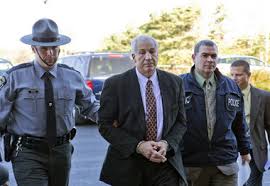
Jerry Sandusky (middle) in police custody
After the sentencing decision was announced, Penn State University President Rodney Erickson released a statement:
“Our thoughts today, as they have been for the last year, go out to the victims of Jerry Sandusky’s abuse.
“While today’s sentence cannot erase what has happened, hopefully it will provide comfort to those affected by these horrible events and help them continue down the road to recovery.”
No doubt Erickson–and the rest of Penn State–waned to move on from this shameful page in the university’s history. And the university desperately tried to sweep the sordid scandal out of sight of the ticket-paying public–-and of history.
Among the steps it took:
- Firing Joe Paterno, the legendary head football coach who had led Penn State to a staggering 112 victories;
- Ousting Graham Spanier, the university’s longtime president; and
- Removing the iconic statue of Paterno–long held in worshipful esteem by almost everyone at the football-obsessed institution.
So what remains to be learned from this sordid affair?
A great deal, it turns out.
To begin at the beginning:
In 2002, assistant coach Mike McQueary, then a Penn State graduate assistant, walked in on Sandusky anally raping a 10-year-old boy. The next day, McQueary reported the incident to head coach Paterno.
“You did what you had to do,” said Paterno. “It is my job now to figure out what we want to do.”
Paterno’s idea of “what we want to do” consisted of reporting the incident to three other top Penn State officials:
Their idea of “what we want to do” was to close ranks around Sandusky and engage in a diabolical “code of silence.”
As former FBI Director Louis J. Freeh summed up in an internal investigative report compiled at the request of Penn State and released on July 12, 2012:
“Four of the most powerful people at the Pennsylvania State University–-President Graham B. Spanier, Senior Vice President-Finance and Business Gary C. Schultz, Athletic Director Timothy M. Curley and Head Football Coach Joseph V. Paterno–-failed to protect against a child sexual predator harming children for over a decade.
“These men concealed Sandusky’s activities from the board of trustees, the university community and authorities.

Louis J. Freeh
“They exhibited a striking lack of empathy for Sandusky’s victims by failing to inquire as to their safety and well-being, especially by not attempting to determine the identity of the child who Sandusky assaulted in the Lasch Building in 2001.
“… In order to avoid the consequences of bad publicity, the most powerful leaders at the University….repeatedly concealed critical facts relating to Sandusky’s child abuse from the authorities, the University’s Board of Trustees, the Penn State community, and the public at large.
“The avoidance of the consequences of bad publicity is the most significant, but not the only, cause for this failure to protect child victims and report to authorities.”
If there is a fundamental truth to be learned from this sordid affair, it is this:
The first rule of any and every bureaucracy is: Above all else, the reputation of the institution must be protected.
And this holds true at:
- The level of local / state / Federal government;
- For-profit organizations;
- Non-profit organizations; or
- Religious institutions
During the 48-year reign of FBI Director J. Edgar Hoover, agents had their own version of this: Do not embarrass the Bureau.
Those who did were fired or shipped to Hoover’s version of Siberia: A posting in remote Butte, Montana.
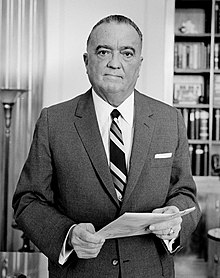
J. Edgar Hoover
Within the Catholic Church, countless Catholic priests who abused young boys entrusted to their protection were repeatedly protected by their high-ranking superiors.
In private industry, whistleblowers who report rampant safety violations in nuclear power plants are often ignored by the very regulatory agencies the public counts on to prevent catastrophic accidents.
Imperfect institutions staffed by perfect men obsessed with power, money and fame–-and fearful of losing one or all of these–-can never be expected to act otherwise.
And those who do expect ordinary mortals to behave like extraordinary saints will be forever disappointed.
So how can we at least minimize such outrages in the future?
“Eternal vigilance is the price of freedom,” warned Thomas Jefferson. And it remains as true today as it did more than 200 years ago.
Add to this the more recent adage: “Sunlight is the best disinfectant.”
The more we know about how our institutions actually work–as opposed to how they want us to believe they work–the more chances we have to control their behavior.
And to check their abuses when they occur.
Which they will.
2016 PRESIDENTIAL RACE, ABC NEWS, ABRAHAM LINCOLN, ALAMO, CENSORSHIP, CHRISTIAN RIGHT, CIVIL WAR, CNN, COUNTDOWN, DAVY CROCKETT, EDWARD R. MURROW, FACEBOOK, GEORGE ORWELL, GEORGE W. BUSH, GETTYSBURG ADDRESS, HISPANICS, HISTORY, IRAQ WAR, JEB BUSH, JEFFERSON DAVIS, JIM BOWIE, JOSEPH STALIN, LAVRENTI BERIA, MARTIN LUTHER KING, MSNBC, RACHEL MADDOW, RELIGION, SCHOOLS, SLAVERY, SOVIET UNION, TEXAS, TEXTBOOKS, THE CHICAGO SUN-TIMES, THE CHICAGO TRIBUNE, THE HUFFINGTON POST, THE LOS ANGELES TIMES, THE NEW YORK TIMES, THE WASHINGTON POST, THOMAS JEFFERSON, TWITTER, USA TODAY
In Bureaucracy, History, Politics, Social commentary on August 18, 2015 at 12:54 am
At one time, Americans believed that wholesale rewriting of history could happen only in the Soviet Union.
“The problem with writing about history in the Soviet Union,” went the joke, “is that you never know what’s going to happen yesterday.”
A classic example of this occurred within the Great Soviet Encyclopedia.
Lavrenti Beria had been head of the NKVD, the dreaded secret police, from 1938 to 1953. In 1953, following the death of Soviet dictator Joseph Stalin, Beria was arrested and executed on orders of his fellow Communist Party leaders.
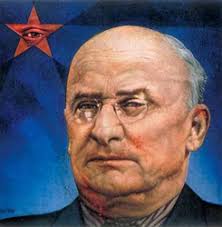
Lavrenti Beria
But the Great Soviet Encyclopedia had just gone to press with a long article singing Beria’s praises.
What to do?
The editors of the Encyclopedia wrote an equally long article about “the Berring Straits,” which was to be pasted over the article about Beria, and sent this off to its subscribers. An unknown number of them decided it was safer to paste accordingly.
In the 1981 film, “Excalibur,” Merlin warns the newly-minted knights of the Round Table: “For it is the doom of men that they forget.”
Forgetting our past is dangerous, but so is “understanding” it incorrectly.
In Texas, state-mandated “history” textbooks omit selected events and persons from the historical record–such as Thomas Jefferson and Martin Luther King.
This can be as lethal to the truth as outright lying.

Joseph Stalin, for example, ordered that school textbooks omit all references to the major role played by Leon Trotsky, his arch-rival for power, during the Russian Revolution.
Similarly, in Texas students are required to study Confederate President Jefferson Davis’ inaugural address alongside President Lincoln’s Gettysburg Address.
Such “teaching” should be seen for what it is: A thinly-veiled attempt to legitimize the most massive case of treason in United States history.
(The Civil War started on April 12, 1861, when Confederate artillery opened fire on Fort Sumter, a United States fort in Charleston Harbor. Fort Sumter surrendered 34 hours later.
(At least 800,000 Southerners took up arms against the legally elected government of the United States.)
The late broadcast journalist, Edward R. Murrow, would have referred to this practice as “giving Jesus and Judas equal time.”
Recently, Jeb Bush has entered the “Rewriting History for Americans” contest.
On August 13, speaking at a national security forum in Davenport, Iowa, he defended the unprovoked 2003 invasion of Iraq by his brother, President George W. Bush:
“I’ll tell you though, that taking out Saddam Hussein turned out to be a pretty good deal.”
And he went on to defend the 2007 troop “surge”, calling it “a great success that made Iraq safer.

“I’ve been critical and I think people have every right to be critical of decisions that were made. In 2009, Iraq was fragile but secure. It was–its mission was accomplished in a way that there was security there.”
(Ironically, the phrase, “its mission was accomplished” proved an embarrassing reminder for the Bush family.
(A banner titled “Mission Accomplished” was displayed on the aircraft carrier USS Abraham Lincoln as George W. Bush announced–wrongly–that the war was over on May 1, 2003.)
Jeb Bush claimed that President Barack Obama had prematurely withdrawn troops from Iraq during his first term, thus allowing ISIS to “fill the void.”
One dissenter to Jeb Bush’s effort to rewrite his brother’s history is David Corn, Washington bureau chief for Mother Jones magazine.
Addressing Bush’s claims on the August 15 edition of The PBS Newshour, he said:
“I mean, I have to laugh a little bit, because I think he was setting a record for chutzpah.
“…It wasn’t until after his brother’s invasion of Iraq that you had something called al-Qaida in Iraq. And that was the group that morphed into ISIS.
“So ISIS is a direct result of the war in Iraq right there. And so he’s wrong on the history.
“But then he said what happened was that Obama and Hillary Clinton orchestrated this quick withdrawal after everything was secure. Nothing was really secure in 2009-2010.
“…But it was George W. Bush in December 2008 who created the agreement with [Iraqi] Prime Minister [Nouri] [al-]Maliki that said that U.S. troops had to be out by 2011.
“And then Obama didn’t renegotiate that. And there is a lot of question as to whether he could even have, given the political situation in Baghdad itself.
“So Bush is totally–Jeb Bush is totally rewriting this.”
Click here: Brooks and Corn on Cuba as campaign issue
This is no small matter. George W. Bush’s needless and unprovoked war on Iraq:
- Cost the lives of 4,486 American soldiers.
- Wounded another 32,226 troops.
- Resulted in the deaths of an estimated 655,000 Iraqis.
- Cost the American treasury at least $2 trillion.
- Turned up no Weapons of Mass Destruction–Bush’s pretext for going to war.
- Led to the rise of Al-Qaeda–and later ISIS–in Iraq.
- Strengthened theocratic Iran by removing its major secularist opponent.
All of which simply proves, once again, that the past is never truly dead. It simply waits to be re-interpreted by each new generation–with some interpretations winding up closer to the truth than others.
Or, in this case, each new Presidential candidate of the Bush family.
ABC NEWS, BUREAUCRACIES, BUREAUCRACY, CATHOLIC CHURCH, CBS NEWS, CHILD ABUSE, CNN, COLLEGE FOOTBALL, FACEBOOK, FBI, J. EDGAR HOOVER, JERRY SANDUSKY, JOE PATERNO, LOUIS J. FREEH, NBC NEWS, PENN STATE UNIVERSITY, PRIESTS, THE CHICAGO SUN-TIMES, THE CHICAGO TRIBUNE, THE LOS ANGELES TIMES, THE NEW YORK TIMES, THE WASHINGTON POST, THOMAS JEFFERSON, TWITTER, USA TODAY
In Bureaucracy, History, Law Enforcement, Politics, Social commentary on July 23, 2015 at 12:02 pm
After spending years of his life sexually abusing boys entrusted into his care, Jerry Sandusky will likely spend the rest of his life as a prison inmate.
On October 9, 2012, a Pennsylvania judge sentenced the 68-year-old former Penn State assistant football coach to at least 30 years in prison. And he may spend as many as 60 years behind bars.
Following his conviction on June 22, 2012, he had faced a maximum of 400 years’ imprisonment for his sexual abuse of 10 boys over a 15-year period.
Jerry Sandusky (middle) in police custody
After the sentencing decision was announced, Penn State University President Rodney Erickson released a statement:
“Our thoughts today, as they have been for the last year, go out to the victims of Jerry Sandusky’s abuse.
“While today’s sentence cannot erase what has happened, hopefully it will provide comfort to those affected by these horrible events and help them continue down the road to recovery.”
No doubt Erickson–and the rest of Penn State–waned to move on from this shameful page in the university’s history. And the university desperately tried to sweep the sordid scandal out of sight of the ticket-paying public–-and of history.
Among the steps it took:
- Firing Joe Paterno, the legendary head football coach who had led Penn State to a staggering 112 victories;
- Ousting Graham Spanier, the university’s longtime president; and
- Removing the iconic statue of Paterno–long held in worshipful esteem by almost everyone at the football-obsessed institution.
So what remains to be learned from this sordid affair?
A great deal, it turns out.
To begin at the beginning:
In 2002, assistant coach Mike McQueary, then a Penn State graduate assistant, walked in on Sandusky anally raping a 10-year-old boy. The next day, McQueary reported the incident to head coach Joe Paterno.
“You did what you had to do,” said Paterno. “It is my job now to figure out what we want to do.”

Joe Paterno
Paterno’s idea of “what we want to do” consisted of reporting the incident to three other top Penn State officials:
Their idea of “what we want to do” was to close ranks around Sandusky and engage in a diabolical “code of silence.”
As former FBI Director Louis J. Freeh summed up in an internal investigative report compiled at the request of Penn State and released on July 12, 2012:
“Four of the most powerful people at the Pennsylvania State University–-President Graham B. Spanier, Senior Vice President-Finance and Business Gary C. Schultz, Athletic Director Timothy M. Curley and Head Football Coach Joseph V. Paterno–-failed to protect against a child sexual predator harming children for over a decade.
“These men concealed Sandusky’s activities from the board of trustees, the university community and authorities.
Louis J. Freeh
“They exhibited a striking lack of empathy for Sandusky’s victims by failing to inquire as to their safety and well-being, especially by not attempting to determine the identity of the child who Sandusky assaulted in the Lasch Building in 2001.
“… In order to avoid the consequences of bad publicity, the most powerful leaders at the University….repeatedly concealed critical facts relating to Sandusky’s child abuse from the authorities, the University’s Board of Trustees, the Penn State community, and the public at large.
“The avoidance of the consequences of bad publicity is the most significant, but not the only, cause for this failure to protect child victims and report to authorities.”
If there is a fundamental truth to be learned from this sordid affair, it is this:
The first rule of any and every bureaucracy is: Above all else, the institution must be protected.
And this holds true:
- At the level of local / state / Federal government;
- For-profit organizations;
- Non-profit organizations; or
- Religious institutions
During the 48-year reign of FBI Director J. Edgar Hoover, agents had their own version of this: Do not embarrass the Bureau.
Those who did were fired ot shipped to Hoover’s version of Siberia: A posting in remote Butte, Montana.
Within the Catholic Church, countless Catholic priests abusing young boys entrusted to their protection were repeatedly protected by their high-ranking superiors.
In private industry, whistleblowers who report rampant safety violations in nuclear power plants are often ignored by the very regulatory agencies the public counts on to prevent catastrophic accidents.
Imperfect institutions staffed by perfect men obsessed with power, money and fame–-and fearful of losing one or all of these–-can never be expected to act otherwise.
And those who do expect ordinary mortals to behave like extraordinary saints will be forever disappointed.
So how can we at least minimize such outrages in the future?
“Eternal vigilance is the price of freedom,” warned Thomas Jefferson. And it remains as true today as it did more than 200 years ago.
Add to this the more recent adage: “Sunlight is the best disinfectant.”
The more we know about how our institutions actually work–-as opposed to how they want us to believe they work–-the more chance we have to control their behavior.
And to check their abuses when they occur.
Which they will.
ABC NEWS, BUREAUCRACY, CATHOLIC CHURCH, CBS NEWS, CHILD ABUSE, COLLEGE FOOTBALL, FACEBOOK, FBI, J. EDGAR HOOVER, JERRY SANDUSKY, JOE PATERNO, LOUIS J. FREEH, NBC NEWS, PENN STATE UNIVERSITY, PRIESTS, THE CHICAGO SUN-TIMES, THE CHICAGO TRIBUNE, THE LOS ANGELES TIMES, THE NEW YORK TIMES, THE WASHINGTON POST, THOMAS JEFFERSON, TWITTER, USA TODAY
In Bureaucracy, History, Law Enforcement, Politics, Social commentary on April 10, 2015 at 1:18 am
After spending years of his life sexually abusing boys entrusted into his care, Jerry Sandusky will likely spend the rest of his life as a prison inmate.
On October 9, 2012, a Pennsylvania judge sentenced the 68-year-old former Penn State assistant football coach to at least 30 years in prison. And he may spend as many as 60 years behind bars.
Following his conviction on June 22, 2012, he had faced a maximum of 400 years’ imprisonment for his sexual abuse of 10 boys over a 15-year period.
Jerry Sandusky (middle) in police custody
After the sentencing decision was announced, Penn State University President Rodney Erickson released a statement:
“Our thoughts today, as they have been for the last year, go out to the victims of Jerry Sandusky’s abuse.
“While today’s sentence cannot erase what has happened, hopefully it will provide comfort to those affected by these horrible events and help them continue down the road to recovery.”
No doubt Erickson–and the rest of Penn State–wants to move on from this shameful page in the university’s history. And the university has desperately tried to sweep the sordid scandal out of sight of the ticket-paying public–and of history:
- It fired Joe Paterno, the legendary head football coach who had led Penn State to a staggering 112 victories.
- It ousted Graham Spanier, the university’s longtime president.
- And it removed the iconic statue of Paterno–long held in worshipful esteem by almost everyone at the football-obsessed institution.
So what remains to be learned from this sordid affair?
A great deal, it turns out.
To begin at the beginning:
In 2002, assistant coach Mike McQueary, then a Penn State graduate assistant, walked in on Sandusky anally raping a 10-year-old boy. The next day, McQueary reported the incident to head coach Paterno.
“You did what you had to do,” said Paterno. “It is my job now to figure out what we want to do.”
Paterno’s idea of “what we want to do” consisted of reporting the incident to three other top Penn State officials:
Their idea of “what we want to do” was to close ranks around Sandusky and engage in a diabolical “code of silence.”
As former FBI Director Louis J. Freeh summed up in an internal investigative report compiled at the request of Penn State and released on July 12:
“Four of the most powerful people at the Pennsylvania State University–President Graham B. Spanier, Senior Vice President-Finance and Business Gary C. Schultz, Athletic Director Timothy M. Curley and Head Football Coach Joseph V. Paterno–failed to protect against a child sexual predator harming children for over a decade.
“These men concealed Sandusky’s activities from the board of trustees, the university community and authorities.
Louis J. Freeh
“They exhibited a striking lack of empathy for Sandusky’s victims by failing to inquire as to their safety and well-being, especially by not attempting to determine the identity of the child who Sandusky assaulted in the Lasch Building in 2001.
“… In order to avoid the consequences of bad publicity, the most powerful leaders at the University….repeatedly concealed critical facts relating to Sandusky’s child abuse from the authorities, the University’s Board of Trustees, the Penn State community, and the public at large.
“The avoidance of the consequences of bad publicity is the most significant, but not the only, cause for this failure to protect child victims and report to authorities.”
If there is a fundamental truth to be learned from this sordid affair, it is this: The first rule of any and every bureaucracy is: Above all else, the institution must be protected.
And this holds true:
- At the level of local / state / Federal government;
- For-profit organizations;
- Non-profit organizations; or
- Religious institutions
During the 48-year reign of FBI Director J. Edgar Hoover, agents had their own version of this: Do not embarrass the Bureau.
So Hoover could order agents to bug Mafia hangouts–with the understanding that if they were caught, they would be disavowed as rogue agents, fired from the Bureau, and almost certainly prosecuted for criminal trespass.
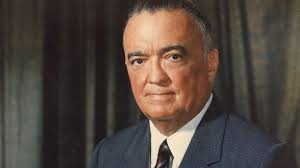
J. Edgar Hoover
Thus we have seen countless Catholic priests abusing young boys entrusted to their protection–only to be repeatedly protected by high-ranking authorities within the Catholic Church.
We have seen whistleblowers who report rampant safety violations in nuclear power plants ignored by the very regulatory agencies the public counts on to prevent catastrophic accidents.
Imperfect institutions staffed by imperfect men obsessed with power, money and fame–and fearful of losing one or all of these–can never be expected to act otherwise.
And those who do expect ordinary mortals to behave like extraordinary saints will be forever disappointed.
So how can we at least minimize such outrages in the future?
“Eternal vigilance is the price of freedom,” warned Thomas Jefferson. And it remains as true today as it did more than 200 years ago.
Add to this the more recent adage: “Sunlight is the best disinfectant.”
The more we know about how our institutions actually work–as opposed to how they want us to believe they work–the more chance we have to control their behavior. And to check their abuses when they occur.
Which they will.
ABC NEWS, BUREAUCRACY, CATHOLIC CHURCH, CBS NEWS, CHILD ABUSE, COLLEGE FOOTBALL, FACEBOOK, FBI, J. EDGAR HOOVER, JERRY SANDUSKY, JOE PATERNO, LOUIS J. FREEH, NBC NEWS, PENN STATE UNIVERSITY, PRIESTS, THE LOS ANGELES TIMES, THE NEW YORK TIMES, THE WASHINGTON POST, THOMAS JEFFERSON, TWITTER
In Bureaucracy, History, Law Enforcement, Politics, Social commentary on April 3, 2014 at 12:09 am
After spending years of his life sexually abusing boys entrusted into his care, Jerry Sandusky will likely spend the rest of his life as a prison inmate.
On October 9, 2012, a Pennsylvania judge sentenced the 68-year-old former Penn State assistant football coach to at least 30 years in prison. And he may spend as many as 60 years behind bars.
Following his conviction on June 22, 2012, he had faced a maximum of 400 years’ imprisonment for his sexual abuse of 10 boys over a 15-year period.
Jerry Sandusky (middle) in police custody
After the sentencing decision was announced, Penn State University President Rodney Erickson released a statement:
“Our thoughts today, as they have been for the last year, go out to the victims of Jerry Sandusky’s abuse.
“While today’s sentence cannot erase what has happened, hopefully it will provide comfort to those affected by these horrible events and help them continue down the road to recovery.”
No doubt Erickson–and the rest of Penn State–waned to move on from this shameful page in the university’s history. And the university desperately tried to sweep the sordid scandal out of sight of the ticket-paying public–-and of history.
Among the steps it took:
- Firing Joe Paterno, the legendary head football coach who had led Penn State to a staggering 112 victories;
- Ousting Graham Spanier, the university’s longtime president; and
- Removing the iconic statue of Paterno–long held in worshipful esteem by almost everyone at the football-obsessed institution.
So what remains to be learned from this sordid affair?
A great deal, it turns out.
To begin at the beginning:
In 2002, assistant coach Mike McQueary, then a Penn State graduate assistant, walked in on Sandusky anally raping a 10-year-old boy. The next day, McQueary reported the incident to head coach Paterno.
“You did what you had to do,” said Paterno. “It is my job now to figure out what we want to do.”
Paterno’s idea of “what we want to do” consisted of reporting the incident to three other top Penn State officials:
Their idea of “what we want to do” was to close ranks around Sandusky and engage in a diabolical “code of silence.”
As former FBI Director Louis J. Freeh summed up in an internal investigative report compiled at the request of Penn State and released on July 12, 2012:
“Four of the most powerful people at the Pennsylvania State University–-President Graham B. Spanier, Senior Vice President-Finance and Business Gary C. Schultz, Athletic Director Timothy M. Curley and Head Football Coach Joseph V. Paterno–-failed to protect against a child sexual predator harming children for over a decade.
“These men concealed Sandusky’s activities from the board of trustees, the university community and authorities.
Louis J. Freeh
“They exhibited a striking lack of empathy for Sandusky’s victims by failing to inquire as to their safety and well-being, especially by not attempting to determine the identity of the child who Sandusky assaulted in the Lasch Building in 2001.
“… In order to avoid the consequences of bad publicity, the most powerful leaders at the University….repeatedly concealed critical facts relating to Sandusky’s child abuse from the authorities, the University’s Board of Trustees, the Penn State community, and the public at large.
“The avoidance of the consequences of bad publicity is the most significant, but not the only, cause for this failure to protect child victims and report to authorities.”
If there is a fundamental truth to be learned from this sordid affair, it is this:
The first rule of any and every bureaucracy is: Above all else, the institution must be protected.
And this holds true:
- At the level of local / state / Federal government;
- For-profit organizations;
- Non-profit organizations; or
- Religious institutions
During the 48-year reign of FBI Director J. Edgar Hoover, agents had their own version of this: Do not embarrass the Bureau.
Those who did were fired ot shipped to Hoover’s version of Siberia: A posting in remote Butte, Montana.
Within the Catholic Church, countless Catholic priests abusing young boys entrusted to their protection were repeatedly protected by their high-ranking superiors.
In private industry, whistleblowers who report rampant safety violations in nuclear power plants are often ignored by the very regulatory agencies the public counts on to prevent catastrophic accidents.
Imperfect institutions staffed by perfect men obsessed with power, money and fame–-and fearful of losing one or all of these–-can never be expected to act otherwise.
And those who do expect ordinary mortals to behave like extraordinary saints will be forever disappointed.
So how can we at least minimize such outrages in the future?
“Eternal vigilance is the price of freedom,” warned Thomas Jefferson. And it remains as true today as it did more than 200 years ago.
Add to this the more recent adage: “Sunlight is the best disinfectant.”
The more we know about how our institutions actually work–-as opposed to how they want us to believe they work–-the more chance we have to control their behavior.
And to check their abuses when they occur.
Which they will.


 Bureaucracybuster's Blog
1776 (PLAY), AARON BURR, ABC NEWS, AGING, ALEXANDER HAMILTON, ALTERNET, AMERICABLOG, AP, ASA HUTCHINSON, BABY BOOMER RESISTANCE, BENEDICT ARNOLD, BENJAMIN FRANKLIN, BUZZFEED, CBS NEWS, CHRIS CHRISTIE, CNN, CONGRESS, CROOKS AND LIARS, DAILY KOS, DECLARATION OF INDEPENDENCE, DONALD TRUMP, DOUG BURGUM, ETHAN ALLEN, FIVETHIRTYEIGHT, GEORGE WASHINGTON, GERONTOCRACY, JAMES MADISON, JAMES MONROE, JILL STEIN, JOHN ADAMS, JOHN HANCOCK, JOHN MARSHALL, JOHN PAUL JONES, JOSEPH BIDEN, Kamala Harris, KGB, KONSTANTIN CHERNENKO, LEONID BREZHNEV, MARIANNE WILLIAMSON, MIKHAIL GORBACHEV, MOTHER JONES, MOVEON, MSNBC, NATHAN HALE, NBC NEWS, NEW YORK CITY, NEWSWEEK, NPR, PATRICK HENRY, PAUL REVERE, PBS NEWSHOUR, POLITICO, POLITICUSUSA, RAW STORY, REUTERS, ROBERT F. KENNEDY JR., SALON, SAMUEL ADAMS, SEATTLE TIMES, SLATE, SOVIET UNION, TALKING POINTS MEMO, THE ATLANTIC, THE CHICAGO SUN-TIMES, THE CHICAGO TRIBUNE, THE DAILY BEAST, THE DAILY BLOG, THE GUARDIAN, THE HILL, THE HUFFINGTON POST, THE LOS ANGELES TIMES, THE NATION, THE NEW YORK TIMES, THE WASHINGTON POST, THINKPROGRESS, THOMAS JEFFERSON, THOMAS PAINE, TIME, TRUTHDIG, U.S. NEWS & WORLD REPORT, UPI, USA TODAY, X, YURI ANDROPOV, ZOHRAN MANDANI
GEEZERS FOR GOVERNMENT
In Bureaucracy, History, Medical, Politics, Social commentary on November 24, 2025 at 12:06 amOn November 2, New York City mayoral candidate Zohran Mamdani surprised patrons at a gay night club when he stopped by to campaign at 1 am.
Five hours later, he walked across the Brooklyn Bridge at 6 am.
On the social media platform, Bluesky, a post took notice of this:
“To anyone who’s been awestruck by Zohran’s campaigning stamina in being able to end his night at a gay bar at 1 am and then walk across the Brooklyn Bridge at 6 am….
“This is what happens when you don’t have 76 year old candidates running for office.”
Zohran Mamdani is 34.
Zohran Mamdani
Dmitryshein, CC BY-SA 4.0 <https://creativecommons.org/licenses/by-sa/4.0>, via Wikimedia Commons
On July 4, 1776, representatives of the original Thirteen Colonies met in Philadelphia, Pennsylvania, to affix their signatures to Thomas Jefferson’s Declaration of Independence.
In July, 1776, the ages of key American Revolutionary figures were:
Signing of the Declaration of Independence
Youth was a commonplace among the signers of the Declaration. Their average age was 44.
In the hit play (and later movie) 1776, several members of Congress—including Thomas Jefferson—are surprised to learn that John Adams—who’s 41—still “burns” for his wife Abigail, who’s waiting for him in Boston, Massachusetts.
Today, a nation that once prized youth among its leaders is now moving toward government by gerontocracy.
The average age of members of the House of Representatives is 57.9 years. In the Senate, it’s 64.3.
During 2024, the major Presidential contenders were:
A visit to the Soviet Union in the twilight of its 74-year existence reveals where the United States is heading.
In May 1982, 75-year-old General Secretary Leonid Brezhnev, suffered a severe stroke. He had ruled the U.S.S.R. since 1964, but by the early 1980s he was essentially a figurehead. On November 10, 1982, he finally died of a heart attack.
The Kremlin
Succeeding Brezhnev was Yuri Andropov, 69, who until May, 1982, had been chief of the KGB.
Andropov suffered from kidney failure and was often on dialysis. By December, 1983, after barely more than a year in office, he was totally bedridden. On February 9, 1984, he joined Brezhnev at the great Party Congress in the sky.
Andropov had realized that the Soviet Union needed a younger and more energetic ruler. Not long before he died he suggested that Mikhail Gorbachev, his aide, succeed him.
But the Central Committee instead chose Konstantin Chernenko, who, at 72, was older than Andropov. On February 13, 1984, he became the U.S.S.R.’s third leader in a year and a half.
Suffering from emphysema, occasional heart failure and liver disease from alcohol, Chernenko died on March 10, 1985.
Only then did Kremlin rulers decide to choose a General Secretary who was likely to live more than one or two years. One day after Chernenko died, the Politburo chose Gorbachev, a relatively young 54.
Mikhail Gorbachev
RIA Novosti archive, image #850809 / Vladimir Vyatkin / CC-BY-SA 3.0, CC BY-SA 3.0 <https://creativecommons.org/licenses/by-sa/3.0>, via Wikimedia Commons
Gorbachev survived to retire as President of the Soviet Union on December 25, 1991.
So what does this mean for old men and women seeking the White House?
According to Dr. Michael Roizen, Presidents effectively age twice as fast while in office. Roizen, a chief wellness officer at the Cleveland Clinic and co-founder of RealAge.com, bases his opinion on his research of medical records of previous presidents, back to Theodore Roosevelt.
“The main cause is what we call unrequited stress—they don’t have enough friends to mitigate the stress. The major way most of us handle stress is through a number of techniques, but the most prominent way is to discuss it with friends.
“The problem with presidents is, some of them lose friends, and the closest friend they have is usually the spouse.”
Thus, a person who has been president eight years has the risk of disability or dying of someone who is 16 years older. When you’re already in your late 60s or early 70s, that doesn’t give you much room for risk-taking.
Of course, given America’s Politically Correct social norms, pointing out the disadvantages of combing extreme age with extreme pressure is taboo for many persons.
Julian Castro found this out when, in a debate, he questioned Joseph Biden’s mental acuity.
“In a cultural way, it shocked me,” said Gerson Borrero, a New York City political commentator. “We respect our elders—there may be a point where we smile at their ‘disparates’ (gaffes), but at the same time we stay respectful.”
As the United States approaches the 2028 Presidential election, the perils of gerontocracy loom even larger: Donald Trump has “hinted” he wants to run for a third term in 2028.
Even if he weren’t barred from a third term by the Constitution’s 22nd Amendment, he would be 82 years old when he took office in 2029.
FBI agents have a mandatory retirement age of 57. Airplane pilots must retire at 65. Air traffic controllers must leave at 56.
It’s past time to bring a mandatory retirement age to members of Congress and the Presidency.
Share this: