Posts Tagged ‘SOVIET UNION’
ABC NEWS, ADOLF HITLER, ALTERNET, AMERICABLOG, AP, BABY BOOMER RESISTANCE, BLOOMBERG, BUZZFEED, CBS NEWS, CNN, CORONAVIRUS, COVID-19, CROOKS AND LIARS, DAILY KOZ, DONALD TRUMP, DRUDGE RETORT, ENGLAND, FACEBOOK, FBI, FIVETHIRTYEIGHT, HARPER’S MAGAZINE, HERMAN CAIN, JAMES COMEY, LIFTWAFFE, MEDIA MATTERS, MOTHER JONES, MOVEON, MSNBC, NBC NEWS, NEWSWEEK, NPR, PBS NEWSHOUR, POLITICO, POLITICUSUSA, RAW STORY, REUTERS, ROYAL AIR FORCE, SALON, SEATTLE TIMES, SERGEY KISLYAK, SERGEY LAVROV, SLATE, SOVIET UNION, TALKING POINTS MEMO, THE ATLANTIC, THE BLITZ, THE CHICAGO SUN-TIMES, THE CHICAGO TRIBUNE, THE DAILY BEAST, THE DAILY BLOG, THE GUARDIAN, THE HILL, THE HUFFINGTON POST, THE LOS ANGELES TIMES, THE NATION, THE NEW REPUBLIC, THE NEW YORK TIMES, THE VILLAGE VOICE, THE WASHINGTON POST, THINKPROGRESS, TIME, TRUTHDIG, TRUTHOUT, TWITTER, TWO POLITICAL JUNKIES, U.S. NEWS & WORLD REPORT, UPI, USA TODAY, WEHRMACHT, WONKETTE
In Bureaucracy, History, Military, Politics, Social commentary, Uncategorized on August 19, 2022 at 12:10 am
Sometimes your worst enemies aid you in ways you could never help yourself.
From July 10 to October 31, 1940, hundreds of badly-outnumbered pilots of the British Royal Air Force (RAF) fought off relentless attacks by Germany’s feared Luftwaffe—since known as the Battle of Britain.
But Adolf Hitler wasn’t prepared to give up. He believed he could so terrorize Britons that they would insist that their government submit to German surrender demands.
From September 7, 1940 to May 21, 1941, the Luftwaffe subjected England—and especially London—to a ruthless bombing campaign that became known as The Blitz.
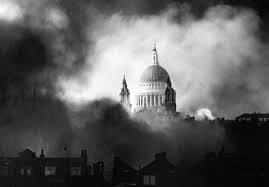
The undamaged St. Paul’s Cathredal, December, 1940
More than 100 tons of high explosives were dropped on 16 British cities.
During 267 days—almost 37 weeks—between 40,000 and 43,000 British civilians were killed. About 139,000 others were wounded.
Clearly, what Great Britain desperately needed most was a miracle.
Exactly that happened on June 22, 1941.
With 134 Divisions at full fighting strength and 73 more divisions for deployment behind the front, the German Wehrmacht invaded the Soviet Union.
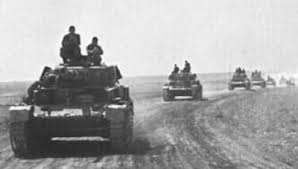
German tanks invading Russia
Joseph Stalin, the longtime Soviet dictator, was stunned. The invasion had come less than two years after Germany had signed a non-aggression pact with the Soviet Union.
Now they were locked in a fight to the death.
People in England were suddenly hopeful. Britain now had an ally whose resources might tip the balance against Hitler—as they did.
Fast forward to 2020.
After Donald Trump became President of the United States in 2017, he seemed invincible: Over the next three years, he:
- Repeatedly and viciously attacked the nation’s free press for daring to report his growing list of crimes and disasters, calling it “the enemy of the American people.”
- Publicly sided with Russian dictator Vladimir Putin against American Intelligence agencies (FBI, CIA, National Security Agency) which unanimously agreed that Russia had subverted the 2016 Presidential election,
- Fired FBI Director James Comey for investigating that subversion.
- Gave Russian Foreign Minister Sergey Lavrov and Russian Ambassador Sergey Kislyak highly classified CIA Intelligence about an Islamic State plot to turn laptops into concealable bombs.
- Allowed predatory corporations to subvert Federal regulatory protections for consumers and the environment.
- Shut down the Federal Government for more than a month on December 22, 2018, because Democrats refused to fund his “border wall” between the United States and Mexico. An estimated 380,000 government employees were furloughed and another 420,000 were ordered to work without pay.
- Attempted to extort a “favor” from Ukrainian President Volodymyr Zelensky: Threatening to withhold military aid unless Zelensky agreed to slander Hunter Biden, the son of Democratic Presidential candidate Joseph Biden.
- Threatened members of Congress with treason charges for daring to challenge him.
- After being acquitted of impeachable offenses by the Senate, Trump fired the Inspectors General (IG) of five cabinet departments in six weeks.
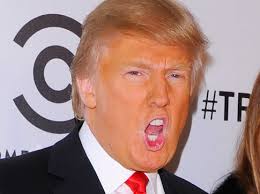
Donald Trump
And through all those outrages, House and Senate Republican majorities remained silent or vigorously supported him.
Democrats seemed unable to cope with Trump’s legislative agenda and his personal attacks on Twitter and in press conferences.
Even when the press unearthed his latest corruptions, the public didn’t care.
Then, in January, 2020, the Coronavirus pandemic struck the United States.
On February 29, the first American died from the disease.
Donald Trump’s first reaction was to minimize the threat: “We have it totally under control. It’s one person coming in from China.”
Then he turned to outright lying: “Now the Democrats are politicizing the Coronavirus….They tried the impeachment hoax….It’s all turning, they lost….And this is their new hoax.”
When many of the nation’s mayors and governors urged citizens to wear face masks and socially distance themselves from others, Trump urged his supporters to defy both. And they did as he ordered—marching down streets shoulder-to-shoulder, most of them not wearing masks, and with many of them carrying automatic rifles.
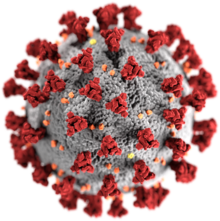
Coronavirus
In March, when much of the country’s businesses shut down, Trump demanded their immediate reopening—although there was no vaccine nor even adequate testing and contact-tracing facilities. This would allow him to claim he had “restored” the American economy.
Many states—especially in the South and Midwest—reopened prematurely. As a result, by his last day in office—January 20, 2021—American COVID-19 deaths numbered 400,000.
Then Trump demanded that Americans put their children at risk by sending them back to school in the fall—so their parents could return to work. Then he could claim he’d “saved” the American economy—and be re-elected.
Meanwhile, countless Stormtrumpers in Texas, Florida and other Red states had died because they refused to wear masks and/or social distance. His most high profile supporter to die: Herman Cain, the 2012 Republican Presidential candidate.
Significantly, Cain died one month after attending Trump’s Tulsa rally on June 20.
Thus, Trump, through his arrogance and ignorance, had inflicted far greater casualties on his core supporters and poll numbers than the Democrats ever could—or would.
His lies had been exposed. His followers were succumbing to a disease he called a Democratic hoax. He had nothing to offer as a cure for the economy—or the pandemic. And his polls were tanking.
Seventy-nine years earlier, events turned around for England when all seemed lost. The same proved true for former Vice President Joe Biden on November 3.
ABC NEWS, ALEX ACOSTA, ALTERNET, AMERICABLOG, ANASTAS MIKOYAN, AP, BABY BOOMER RESISTANCE, BBC, BLOOMBERG NEWS, BUZZFEED, CBS NEWS, CNN, CROOKS AND LIARS, DAILY KOS, DAILY KOZ, DEPARTMENT OF AGRICULTURE, DEPARTMENT OF HEALTH AND HUMAN SERVICES, DEPARTMENT OF JUSTICE, DEPARTMENT OF LABOR, DEPARTMENT OF TRANSPORTATION, DONALD TRUMP, ELAINE CHAO, FACEBOOK, FBI, FIVETHIRTYEIGHT, GEORGI MALENKOV, HARPER’S MAGAZINE, HUFFINGTON POST, JAMES COMEY, JEFF SESSIONS, JOSEPH STALIN, KIM JONG ON, KLIMENT VOROSHILOV, LAVRENTI P. BERIA, MEDIA MATTERS, MICK MULVANEY, MIKE PENCE, MOTHER JONES, MOVEON, MSNBC, NBC NEWS, NEW REPUBLIC, NEWSDAY, NEWSWEEK, NIKKI HALEY, NPR, OFFICE OF MANAGEMENT AND BUDGET, PBS NEWSHOUR, POLITICO, POLITICUSUSA, RAW STORY, REINCE PRIEBUS, REUTERS, ROBERT PAYNE, SALON, SEATTLE TIMES, SLATE, SONNY PERDUE, SOVIET UNION, TALKING POINTS MEMO, THE ATLANTIC, THE CHICAGO SUN-TIMES, THE CHICAGO TRIBUNE, THE DAILY BEAST, THE DAILY BLOG, THE GUARDIAN, THE HILL, THE HUFFINGTON POST, THE INTERCEPT, THE LOS ANGELES TIMES, THE NATION, THE NEW REPUBLIC, THE NEW YORK TIMES, THE NEW YORKER, THE RISE AND FALL OF STALIN, THE VILLAGE VOICE, THE WALL STREET JOURNAL, THE WASHINGTON POST, THINKPROGRESS, TIME, TOM PRICE, TRUTHDIG, TRUTHOUT, TWITTER, TWO POLITICAL JUNKIES, U.S. NEWS & WORLD REPORT, UNITED NATIONS, UNITED STATES ATTORNEY GENERAL, UPI, USA TODAY, VLADIMIR PUTIN, VYACHESLAV MOLOTOV
In Bureaucracy, History, Politics, Social commentary on July 25, 2022 at 2:54 pm
Donald Trump has often been compared to Adolf Hitler.
But, in fact, he bears a far more striking resemblance to Joseph Vissarionovich Djugashvili—better known as Stalin, which, in Russian, means “Man of Steel.”
On December 21, 1949, Stalin turned 70. And millions of Russians feverishly competed to out-do one another in singing his praises.
For almost 30 years, through purges and starvation caused by enforced collections of farmers’ crops, he had slaughtered 20 to 60 million people.
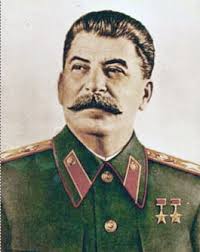
Joseph Stalin
The British historian, Robert Payne, described how Russians’ celebrated Stalin’s birthday in his classic 1965 biography, The Rise and Fall of Stalin:
“The guns blazed in salute, the processions marched across the Red Square, and huge balloons bearing the features of a younger Stalin climbed into the wintry sky.
“The official buildings were draped in red, the color of happiness. From all over the country came gifts of embroidered cloth, tapestries and carpets bearing his name or his features.
“Ornamental swords, cutlasses, tankards, cups, everything that might conceivably please him, were sent to the Kremlin, and then displayed in the State Museum of the Revolution….Poets extolled him in verses, He was the sun, the splendor, the lord of creation.
“The novelist Leonid Lenov...foretold the day when all the peoples of the earth would celebrate his birthday; the new calendar would begin with the birth of Stalin rather than with the birth of Christ.”
Lavrenti P. Beria, Stalin’s sinister and feared secret police chief, oozed: “Millions of fighters for peace and democracy in all countries of the world are closing their ranks still firmer around Comrade Stalin.”
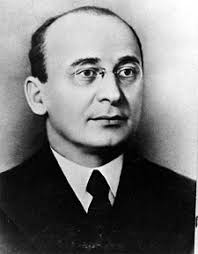
Lavrenti P. Beria
“With a feeling of great gratitude, turning their eyes to Stalin,” gushed Central Committee Secretary Georgi Malenkov, “the peoples of the Soviet Union, and hundreds of millions of peoples in all countries of the world, and all progressive mankind, see in Comrade Stalin their beloved leader and teacher….”
“The mighty voice of the Great Stalin, defending the peace of the world, has penetrated into all corners of the globe,” enthused Defense Commissar Kliment Voroshilov.
“Without Comrade Stalin’s special care,” extolled Trade and Supply Minister Anastas Mikoyan, “we would have never have had a network of meat combines equipped with the latest machinery, canneries and sugar refineries, a fishing industry….”
Foreign Minister Vyacheslav Molotov: “The gigantic Soviet army created during [World War II] was under the direct leadership of Comrade Stalin and built on the basis of the principles of Stalinist military science.”
So those Americans with a sense of history were alarmed and disgusted upon watching President Donald J. Trump—also 70—convene his first full Cabinet meeting since taking office on January 20, 2017.
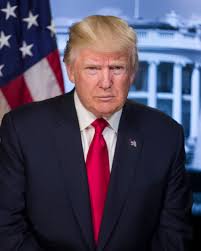
Donald Trump
On June 12, 2017, polls showed that only 36% of Americans approved of his conduct. But from his Cabinet members, Trump got praise traditionally lavished on dictators like Stalin and North Korea’s Kim Jong On.
While the Cabinet members sat around a mahogany table in the West Wing of the White House, Trump instructed each one to say a few words about the good work his administration was doing.
“Start with Mike,” ordered Trump, referring to Vice President Mike Pence.
“It is the greatest privilege of my life to serve as the vice president to a president who is keeping his word to the American people,” Pence dutifully said.
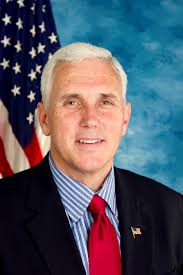
Mike Pence
Then it was the turn of Attorney General Jeff Sessions: “It’s an honor to be able to serve you.”
“My hat’s off to you,” oozed Energy Secretary Rick Perry, referring to Trump’s decision to withdraw from the Paris climate agreement.
Secretary of Agriculture Sonny Perdue: “I just got back from Mississippi. They love you there.”
“What an incredible honor it is to lead the Department of Health and Human Services at this pivotal time under your leadership,” gushed Secretary Tom Price. “I can’t thank you enough for the privilege that you’ve given me, and the leadership you’ve shown.”
Secretary of Labor Alex Acosta raved: “I’m deeply honored and I want to thank you for keeping your commitment to the American workers.”
“Thank you for coming over to the Department of Transportation,” eulogized Elaine Chao, its secretary. “I want to thank you for getting this country moving again, and also working again.”
“On behalf of the entire senior staff around you, Mr. President,” said Reince Prebus, Trump’s chief of staff, “we thank you for the opportunity and the blessing you’ve given us to serve your agenda and the American people, and we’re continuing to work very hard every day to accomplish those goals.”
Mick Mulvaney, director of the Office of Management and Budget: “At your direction, we were able to also focus on the forgotten men and women who are paying taxes, so I appreciate your support on pulling that budget together.”
* * * * *
Donald Trump’s followers believe he was all that stood between the United States and the threat of “Godless Communism.”
They totally ignore that he was elected via Russian propaganda orchestrated by Russian President Vladimir Putin. And that he repeatedly defended Putin’s every aggressive move.
And, all the while, he continues to rage against the evils of “socialism.”
1968 PRESIDENTIAL CAMPAIGN, 2022 MID-TERM ELECTIONS, 2024 PRESIDENTIAL ELECTIONS, 9/11, ABC NEWS, ABORTION, ADOLF HITLER, ALTERNET, AMERICABLOG, AP, ARI FLEISCHER, BABY BOOMER RESISTANCE, BBC, BILL CLINTON, BLOOMBERG NEWS, BUZZFEED, CBS NEWS, CNN, COMMUNISTS, CROOKS AND LIARS, DAILY KOZ, DAVID BROOKS, DEMOCRATS, DONALD TRUMP, ECONOMY, FACEBOOK, FEAR, FIVETHIRTYEIGHT, GEORGE H.W. BUSH, GEORGE W. BUSH, GREED, HARPER’S MAGAZINE, HATRED, HUFFINGTON POST, HUMAN NATURE, JANUARY 6 COUP ATTEMPT, JONATHAN CAPEHART, JOSEPH BIDEN, JOSEPH MCCARTHY, LEE ATWATER, LLEGAL ALIENS, MEDIA MATTERS, MOTHER JONES, MOVEON, MSNBC, NBC NEWS, NEW REPUBLIC, NEWSDAY, NEWSWEEK, NPR, PAUL VON HINDENBURG, PBS NEWSHOUR, POLITICO, POLITICUSUSA, RAW STORY, REPUBLICANS, REUTERS, RICHARD NIXON, SALON, SARAH HUCKABEE SANDERS, SEATTLE TIMES, SLATE, SOUTHERN STRATEGY, SOVIET UNION, TALKING POINTS MEMO, THE ATLANTIC, THE CHICAGO SUN-TIMES, THE CHICAGO TRIBUNE, THE DAILY BEAST, THE DAILY BLOG, THE GUARDIAN, THE HILL, THE HUFFINGTON POST, THE INTERCEPT, THE LOS ANGELES TIMES, THE NATION, THE NEW REPUBLIC, THE NEW YORK TIMES, THE NEW YORKER, THE VILLAGE VOICE, THE WASHINGTON POST, THINKPROGRESS, TIME, TREASON, TRUTHDIG, TRUTHOUT, TWITTER, TWO POLITICAL JUNKIES, U.S. NEWS & WORLD REPORT, UNITED STATES DEPARTMENT OF JUSTICE, UPI, USA TODAY, WEIMAR REPUBLIC, WILLIAM BRANGHAM, WONKETTE, WORLD WAR 11
In Bureaucracy, History, Law, Law Enforcement, Medical, Politics, Social commentary on July 21, 2022 at 12:10 am
Democrats want to believe a day will come when all races, colors and creeds will live together in harmony. Their policies aim at creating that sort of society.
Republicans have turned “illegal alien” into a battle cry.
This is especially true when inflation is high, jobs and housing are scarce, and local schools and hospitals are crammed with illegal aliens—who, by law, shouldn’t even be in the country.
Moreover, the “illegal alien” tagline often allows Republicans to sidestep criticism on even the most outrageous of their actions.
Example: The case of a 10-year-old Ohio girl who was raped—and had to travel to Indiana to obtain an abortion after the Supreme Court overturned Roe. v. Wade.
Ohio has a “heartbeat” law making abortion a crime after a fetal heartbeat is determined—usually within the first six weeks.
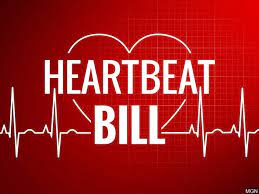
For Ohio’s Republican legislators and governor, the “rights” of a fetus far outweigh those of an actual human being—even if she is a child.
Ari Fleischer, former press secretary for President George W. Bush, recently said on Fox News that the girl’s illegal alien rapist from Guatemala was the villain, not the fetal heartbeat law.
“The agenda is to allow people to come into America without having to come here legally. If you start pointing things out like this, it makes it a moral question. And that’s why the press doesn’t want to face up to the fact it’s a moral issue that people should not be allowed in America unless they come here legally.”
Perhaps the most fatal reason why Democrats consistently lose elections: They believe—or want to believe—that voters are creatures of rationality.
Republicans learned long ago that most voters aren’t moved by appeals to their rationality. Instead, what counts with them is emotions—such as fear.
From the end of World War II in 1945 to the collapse of the Soviet Union in 1991, the Enemy of Choice for Republicans was the Communists.
Millions of Americans were so pathologically frightened by “The Red Menace” that any Democratic politician libeled as a “Communist,” “Comsymp,” “fellow traveler” was considered at least a potential traitor, if not an actual one.
Among the Republican politicians who rode to victory on a wave of Red hysteria: Richard Nixon and Joseph McCarthy
Even as late as 1992, President George H.W. Bush and the Republican establishment charged that Arkansas Governor Bill Clinton might be a KGB plant. Their evidence: During his tenure at Oxford University in 1969-70, Clinton had briefly visited Moscow—and thus might have been turned into a “Manchurian Candidate.”
After the collapse of the Soviet Union, Right-wingers had to settle for attacking their opponents as “liberals” and “soft on crime.” But these charges didn’t carry the same weight as “Communists” and “traitors.”
Then, on September 11, 2001, Republicans—and their Right-wing supporters—at last found a suitable replacement for the Red Menace: The Maniacal Muslim.
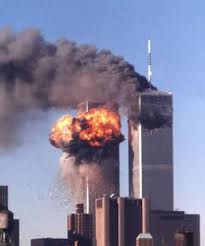
The World Trade Center on Septemeber 11, 2001
Led by President George W. Bush, Republicans used fear of Muslims to con and bully the nation into a needless, bloody, budget-busting war on Iraq.
The most immediate danger facing Democratic candidates: Their unwillingness to fight fire with fire.
Example 1: Republicans are now organizing a nationwide effort to suppress voter turnout among blacks and liberals.
Yet Democrats are not making any similar effort to suppress Right-wing turnout. Nor is the Biden Justice Department indicting those Republicans responsible for their anti-democratic efforts.
Example 2: On January 6, 2021, President Donald Trump—supported by at least 144 Republicans in the House and Senate—incited a treasonous coup to remain in office. This despite the overwhelming evidence that he had lost the 2020 election to Joseph Biden.
More than a year and a half has passed, and not one major Republican supporting such treason has been indicted for that infamy. Let alone tried, convicted and imprisoned.
The single biggest reason for the coming Democratic rout lies in the Biden administration’s toleration of Donald Trump’s continuing campaign of lies.
Trump continues to spread The Big Lie that he was robbed by a vast conspiracy—although not one of the more than 60 cases his lawyers brought before Federal judges proved this true.
Trump should have been indicted for treason by no later than mid-2021. Even then, the evidence was overwhelming that he had instigated the coup attempt. He’s clearly preparing to run again for President in 2024.
An indictment for treason would cast a heavy—if not fatal—blow to that decision. At the very least, Trump would be forced to mount a feverish—and expensive—defense.
And even many of his most fanatical supporters would question the wisdom of voting for a man who might well become a Federal prison inmate.
America now stands at the point where the German Weimar Republic stood in 1932: With an aged President (Paul von Hindenburg) unable—or unwilling—to cope with a surging Fascistic movement (led by Adolf Hitler).
The results of that collective failure destroyed Germany and left 60 million dead around the world.
The United States cannot afford to make that same fatal mistake.
1968 PRESIDENTIAL CAMPAIGN, 2022 MID-TERM ELECTIONS, 2024 PRESIDENTIAL ELECTIONS, 9/11, ABC NEWS, ABORTION, ADOLF HITLER, ALTERNET, AMERICABLOG, AP, ARI FLEISCHER, BABY BOOMER RESISTANCE, BBC, BILL CLINTON, BLOOMBERG NEWS, BUZZFEED, CBS NEWS, CNN, COMMUNISTS, CROOKS AND LIARS, DAILY KOZ, DAVID BROOKS, DEMOCRATS, DONALD TRUMP, ECONOMY, FACEBOOK, FEAR, FIVETHIRTYEIGHT, GEORGE H.W. BUSH, GEORGE W. BUSH, GREED, HARPER’S MAGAZINE, HATRED, HUFFINGTON POST, HUMAN NATURE, JANUARY 6 COUP ATTEMPT, JONATHAN CAPEHART, JOSEPH BIDEN, JOSEPH MCCARTHY, LEE ATWATER, LLEGAL ALIENS, MEDIA MATTERS, MOTHER JONES, MOVEON, MSNBC, NBC NEWS, NEW REPUBLIC, NEWSDAY, NEWSWEEK, NPR, PAUL VON HINDENBURG, PBS NEWSHOUR, POLITICO, POLITICUSUSA, RAW STORY, REPUBLICANS, REUTERS, RICHARD NIXON, SALON, SARAH HUCKABEE SANDERS, SEATTLE TIMES, SLATE, SOUTHERN STRATEGY, SOVIET UNION, TALKING POINTS MEMO, THE ATLANTIC, THE CHICAGO SUN-TIMES, THE CHICAGO TRIBUNE, THE DAILY BEAST, THE DAILY BLOG, THE GUARDIAN, THE HILL, THE HUFFINGTON POST, THE INTERCEPT, THE LOS ANGELES TIMES, THE NATION, THE NEW REPUBLIC, THE NEW YORK TIMES, THE NEW YORKER, THE VILLAGE VOICE, THE WASHINGTON POST, THINKPROGRESS, TIME, TREASON, TRUTHDIG, TRUTHOUT, TWITTER, TWO POLITICAL JUNKIES, U.S. NEWS & WORLD REPORT, UNITED STATES DEPARTMENT OF JUSTICE, UPI, USA TODAY, WEIMAR REPUBLIC, WILLIAM BRANGHAM, WONKETTE, WORLD WAR 11
In Bureaucracy, History, Law, Law Enforcement, Medical, Politics, Social commentary on July 20, 2022 at 12:10 am
There are many reasons why Democrats consistently lose elections.
A major one: Democrats believe that people can be better than they are—and, given the chance, want to become better than they are.
Republicans realize that most people like themselves as they are—and don’t want to change. At least, not in the altruistic ways Democrats envision.
If they want to change anything about themselves, it’s strictly at the materialistic level: More money, lower prices, more big-ticket toys.
Susan Page, Washington Bureau Chief for USA TODAY, summed up the popularity of the “Greed Appeal” to voters on the March 13, 2020 edition of “Washington Week in Review”:
“USA Today has conducted a poll about the economic concerns that are out there….And Congress—you’re seeing fear in this country about the economy.
“In fact, when we did this poll this week about how Americans’ lives have been affected by the Coronavirus, people expressed more concern about the economic and financial effect than they did about the health effect. And you know, that goes to why this matters so much to President Trump.
“How many voters have you talked to who said, you know, I don’t really like President Trump’s tweets, but I like what I see happening in my 401(k)? And when they look at their 401(k) this week, it may not look quite as bright as it did before.”
Democrats expect people to rise above their worst selves and embrace a higher, altruistic cause—civil rights, abortion rights, healthcare for all.
Republicans look for those who are comfortable in their racism, their greed, their hatred for women. They don’t try to reform them—they encourage them in their racism, greed and misogyny.
This began long before Donald Trump became a Presidential candidate in 2016.
When Richard Nixon announced his candidacy for President in 1968, he pursued what was euphemistically termed “a Southern strategy.”
In reality, this was aimed to exploit whites fear and hatred of blacks.
In a now-infamous 1981 interview, Right-wing political consultant Lee Atwater explained how this worked.
“You start out in 1954 by saying, ‘Nigger, nigger, nigger.’ By 1968 you can’t say ‘nigger’—that hurts you, backfires.
“So you say stuff like, uh, forced busing, states’ rights, and all that stuff, and you’re getting so abstract.
“Now, you’re talking about cutting taxes, and all these things you’re talking about are totally economic things and a byproduct of them is, blacks get hurt worse than whites….
“‘We want to cut this,’ is much more abstract than even the busing thing, uh, and a hell of a lot more abstract than ‘Nigger, nigger.’
“So anyway you look at it, race is coming on the back burner.”

Lee Atwater
But blacks have by no means been the only targets—and victims—of Republican hate campaigns. A partial list of these would include:
- Liberals
- Women
- Socialists
- Secularists
- Disabled
- Environmentalists
- Hispanics
- Gays
- Lesbians
And now transgenders.
Republicans are experts at inciting hatred—and reaping huge gains in power as a result.
There can be no better example of a politician who has played successfully on the hatred of American voters than Donald Trump. If Barack Obama was the 2008 candidate of “Hope and Change,” then Trump was the 2016 candidate of “Hate and Fear.”
From June 15, 2015, when he launched his Presidential campaign, until October 24, 2016, Trump fired almost 4,000 angry, insulting tweets at 281 people and institutions that had somehow offended him.
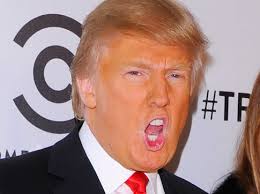
Donald Trump
The New York Times needed two full pages of its print edition to showcase them.
Among his targets:
- Hillary Clinton
- The New York Times
- President Barack Obama
- CNN
- Actress Meryl Streep
- The Washington Post
- Singer Neil Young
- Democrats
- Actor Arnold Schwarzenegger
- Republicans
- Comedian John Oliver
- The State of New Jersey
- Beauty pageant contestants
Others he clearly delighted in insulting during the campaign included:
- Women
- Blacks
- Hispanics
- Asians
- Muslims
- The disabled
- Prisoners-of-war
Democrats want to believe a day will come when all races, colors and creeds will live together in harmony. Their policies aim at creating that sort of society.
Republicans know that most people instinctively feel comfortable with those who most resemble themselves. And they don’t seek out those who differ from themselves.
That’s why—in schools and prisons—whites sit mostly with whites, blacks sit mostly with blacks, and Hispanics sit mostly with Hispanics.
And if most Americans feel uncomfortable with fellow Americans who don’t resemble themselves, they are even more intolerant toward foreigners who don’t.
This is especially true when inflation is high, jobs and housing are scarce, and local schools and hospitals are crammed with illegal aliens—who, by law, shouldn’t even be in the country.
For these Americans, the Democrats’ “Kumbaya” message of love and tolerance falls on deaf ears. By contrast, Republicans’ cries of “Get rid of the illegal aliens!” ring loud and clear.
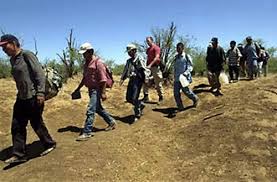
Illegal aliens crossing into the United States
Moreover, the “illegal alien” tagline often allows Republicans to sidestep criticism on even the most outrageous of their actions.
Example: The case of a 10-year-old Ohio girl who was raped—and had to travel to Indiana to obtain an abortion after the Supreme Court overturned Roe. v. Wade.
1968 PRESIDENTIAL CAMPAIGN, 2022 MID-TERM ELECTIONS, 2024 PRESIDENTIAL ELECTIONS, 9/11, ABC NEWS, ABORTION, ADOLF HITLER, ALTERNET, AMERICABLOG, AP, ARI FLEISCHER, BABY BOOMER RESISTANCE, BBC, BILL CLINTON, BLOOMBERG NEWS, BUZZFEED, CBS NEWS, CNN, COMMUNISTS, CROOKS AND LIARS, DAILY KOZ, DAVID BROOKS, DEMOCRATS, DONALD TRUMP, ECONOMY, FACEBOOK, FEAR, FIVETHIRTYEIGHT, GEORGE H.W. BUSH, GEORGE W. BUSH, GREED, HARPER’S MAGAZINE, HATRED, HUFFINGTON POST, HUMAN NATURE, JANUARY 6 COUP ATTEMPT, JONATHAN CAPEHART, JOSEPH BIDEN, JOSEPH MCCARTHY, LEE ATWATER, LLEGAL ALIENS, MEDIA MATTERS, MOTHER JONES, MOVEON, MSNBC, NBC NEWS, NEW REPUBLIC, NEWSDAY, NEWSWEEK, NPR, PAUL VON HINDENBURG, PBS NEWSHOUR, POLITICO, POLITICUSUSA, RAW STORY, REPUBLICANS, REUTERS, RICHARD NIXON, SALON, SARAH HUCKABEE SANDERS, SEATTLE TIMES, SLATE, SOUTHERN STRATEGY, SOVIET UNION, SUSAN PAGE, TALKING POINTS MEMO, THE ATLANTIC, THE CHICAGO SUN-TIMES, THE CHICAGO TRIBUNE, THE DAILY BEAST, THE DAILY BLOG, THE GUARDIAN, THE HILL, THE HUFFINGTON POST, THE INTERCEPT, THE LOS ANGELES TIMES, THE NATION, THE NEW REPUBLIC, THE NEW YORK TIMES, THE NEW YORKER, THE VILLAGE VOICE, THE WASHINGTON POST, THINKPROGRESS, TIME, TREASON, TRUTHDIG, TRUTHOUT, TWITTER, TWO POLITICAL JUNKIES, U.S. NEWS & WORLD REPORT, UNITED STATES DEPARTMENT OF JUSTICE, UPI, USA TODAY, WEIMAR REPUBLIC, WILLIAM BRANGHAM, WONKETTE, WORLD WAR 11
In Bureaucracy, History, Law, Law Enforcement, Medical, Politics, Social commentary on July 19, 2022 at 12:11 am
If you’re wondering what’s going to happen during the mid-term elections this November—and what will happen during the Presidential election of 2024—you can stop wondering.
The Democrats are going to lose—first the House (and maybe the Senate) on November 8. Then they’re going to lose the Presidential election on November 5, 2024.
Why?
Because Republicans understand the darker sides of human nature far better than Democrats—and don’t hesitate to take full advantage of them.
Democrats believe that people can be better than they are—and, given the chance, want to become better than they are.
Republicans realize that most people like themselves as they are—and don’t want to change. At least, not in the altruistic ways Democrats envision.
If they want to change anything about themselves, it’s strictly at the materialistic level: More money, lower prices, more big-ticket toys.
They may claim concern for others, but if given a choice between their pocketbook and a higher goal, most will vote for their pocketbook.
A first-rate example of this appeared on The PBS Newshour on July 15, during an exchange between conservative New York Times columnist David Brooks and Jonathan Capehart, associate editor for the Washington Post.
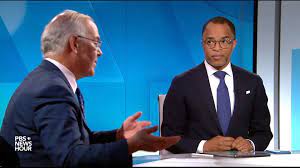
David Brooks (left) and Jonathan Capehart (right) on the PBS Newshour
Host William Brangham led off the exchange:
“I want to switch, Jonathan, to this issue of the continued fallout of the Supreme Court overturning Roe v. Wade. And Democrats seem to believe that this could be one of the things that might give them at least some trace of a fighting chance in the midterms.
“And we saw we this week this sort of horrendous case of a young 10-year-old girl who had been raped. She got pregnant. She then had to leave her state [Ohio] and go to another state [Indiana] where abortion would still be allowed.
“And GOP officials tried to make hay of it. They doubted that that story really existed. The local [Attorney General] said, we’re going to go after the doctor that performed this.
“Do you think that—that issue and the extremity of the way that this is being handled will actually benefit Democrats?”
Capehart: “It should. The idea that we’re talking about violence against a child, and then being forced by the state to give birth to this child, going to another state so she can terminate that pregnancy, and then being persecuted and prosecuted by the state for doing that….
“We are in “Handmaid’s Tale” territory here. We are turning into Gilead. And if there are people out there who are upset by the Supreme Court decision, by what Republican legislators around the country in states and localities are doing to further restrictions and bans on abortion.
“I don’t know what else could push people to the polls more than not just being stripped of a constitutional right, but having your right to — right to freedom, right to privacy, right to liberty not just taken away, but local officials doing everything they can to ensure that you don’t have autonomy over your own body.
“If that doesn’t get people out to the polls, I don’t know what will.”
Brangham then turned to Brooks:
“I mean, David, this was an incredibly extreme case, in some ways crystallized the sharpness and the horribleness of this division in this country.
“Do you think it will redound to the Democrats’ benefit?”
Brooks: “A little, but, frankly, not much.
“Now, abortion rights defenders, they should pursue their cause with the passion that they’re bringing to it….
“But there’s just a giant gap between what a lot of Democrats want to talk about and what the whole rest of the country wants to talk about. And if you ask people, what’s the most important issues, progressives want to talk about abortion and guns.
“The entire rest of the country, independents, conservatives, unaffiliated people, they want talk about the economy. And, for them, the economy is way up here. Jobs are number one. Inflation is number two.

“And so why is Joe Biden at 33 percent approval in the latest Times poll? It’s the economy. Why in the same poll do half of Hispanics support the Republicans now? The economy. These are earthquake numbers for Democrats…..
“But if Democrats, if they’re not talking about economic policy every day, then they’re just not talking about the policy that is clearly ranking number one with a vast majority of voters.”
No Republican has appealed more directly to greed as a motivator than Donald Trump.
On August 23, 2018, Trump, as President, offered additional evidence that he’s “not like other people.” He did so by giving an unprecedented reason why he shouldn’t be impeached: “I tell you what, if I ever got impeached, I think the market would crash, I think everybody would be very poor.”
White House Press Secretary Sarah Huckabee Sanders doubtless spoke for millions of Trump supporters when she said, on June 4, 2018:
“Since taking office, the President has strengthened American leadership, security, prosperity, and accountability. And as we saw from Friday’s jobs report, our economy is stronger, Americans are optimistic, and business is booming.”
ABC NEWS, ABORTION, ALTERNET, AMERICABLOG, AP, BABY BOOMER RESISTANCE, BBC, BLOOMBERG NEWS, BUZZFEED, CBS NEWS, CELL PHONES ABORTION PILLS, CNN, CROOKS AND LIARS, DAILY KOZ, DIGITAL PERIOD TRACKING APPS, FACEBOOK, FIVETHIRTYEIGHT, GPU, HARPER’S MAGAZINE, HUFFINGTON POST, INFORMERS, JOSEPH STALIN, KGB, MARY ELIZABETH COLEMAN, MEDIA MATTERS, MISSOURI, MOTHER JONES, MOVEON, MSNBC, NBC NEWS, NEW REPUBLIC, NEWSDAY, NEWSWEEK, NPR, PAVLIK MOROZOV, PBS NEWSHOUR, POLITICO, POLITICUSUSA, RAW STORY, REUTERS, ROE V. WADE, SALON, SEATTLE TIMES, SLATE, SOVIET UNION, TALKING POINTS MEMO, TELEMEDICINE, TEXAS, THE ATLANTIC, THE CHICAGO SUN-TIMES, THE CHICAGO TRIBUNE, THE DAILY BEAST, THE DAILY BLOG, THE GUARDIAN, THE HILL, THE HUFFINGTON POST, THE INTERCEPT, THE LOS ANGELES TIMES, THE NATION, THE NEW REPUBLIC, THE NEW YORK TIMES, THE NEW YORKER, THE VILLAGE VOICE, THE WASHINGTON POST, THINKPROGRESS, TIME, TRUTHDIG, TRUTHOUT, TWITTER, TWO POLITICAL JUNKIES, U.S. NEWS & WORLD REPORT, UNITED STATES SUPREME COURT, UPI, USA TODAY, WONKETTE
In Bureaucracy, History, Law, Law Enforcement, Medical, Politics, Social commentary on July 18, 2022 at 12:10 am
You can’t understand what’s happening in Texas—and other states where abortion is now banned as a crime—without knowing the story of Pavlik Morozov.
Pavel Trofimovich Morozov—better known by the diminutive Pavlik—was born on November 14, 1918. Until his 13th birthday, he did nothing to win the status of a Hero of the Soviet Union.
Then his chance came—in 1932, at the height of Soviet dictator Joseph Stalin’s campaign to confiscate the grain of millions of Soviet peasants.
Stalin intended to convert the backward Soviet Union into a major industrial power within a decade. Central to this: Turning land privately farmed by peasants into collective farms which would be “great factories of grain.”
Morozov was a dedicated Communist who led the Young Pioneers at his school and supported Stalin’s forced collections policies.
In 1932, at the age of 13, Morozov reported his father, Trofim, to the political police, the GPU—the forerunner to the KGB.
According to one account,, Trofim, the chairman of the Gerasimovka Village Soviet, had been “forging documents and selling them to the bandits and enemies of the Soviet State” (as the sentence read).
Another account charges him with hoarding grain.
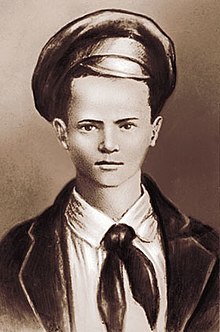
Pavlik Morozov
Trofim Morozov was sentenced to 10 years in a labor camp. There his sentence was changed to execution, which was carried out.
On September 3, 1932, Pavlik’s infuriated uncle, grandfather, grandmother and a cousin murdered him, along with his younger brother.
Only the uncle escaped arrest by the GPU’s sentence to “the highest measure of social defense”—execution by a firing squad.
Soviet authorities quickly turned Pavlik Morozov into a Communist martyr. He became a subject for readings, plays, songs, a symphonic poem, a full-length opera and no fewer than six biographies.
The goal of these efforts: To encourage other Soviet children to inform on their parents.
Which brings us, appropriately enough, to 2022 America—and the June 24 Supreme Court decision overturning Roe v. Wade, the Court’s historic decision legalizing abortion in 1973.
For Right-wing states dominated by Republican governors and/or legislatures, it isn’t enough to forbid women in their states to get abortions. They insist on preventing them from terminating their pregnancies (even in cases of rape and/or incest) in states where abortion is legal.
And key to making this a reality is turning America into a nation of Pavlik Morozovs.
Even before the Supreme Court handed down its infamous decision, Missouri gave the nation a foretaste of what was to come.
A first-of-its-kind proposal from Missouri lawmakers allowed private citizens to sue anyone who helped a Missouri resident obtain an abortion.
This included the out-of-state physician who performed the procedure to whoever helped transport a person across state lines to a clinic.
Republican state Rep. Mary Elizabeth Coleman admitted that her measure specifically targeted a Planned Parenthood clinic in Illinois just across the river from St. Louis that opened in 2019 with the stated goal of serving Missouri patients.

Mary Elizabeth Coleman
“If you believe as I do that every person deserves dignity and respect and protection whether they’re born or unborn, then of course you want to protect your citizens, no matter where they are,” Coleman told POLITICO.
“If a Missouri resident is hurt, even in Illinois, by a product that they bought in Illinois, there is still jurisdiction for them to sue in a Missouri court because that’s home for them … and this is extending that same kind of thought to abortion jurisprudence.”
This totally ignores the huge difference between unknowingly buying a defective product that causes harm and knowingly seeking a medical procedure.
Abortion pills—now the most popular method of terminating a pregnancy in the United States—are also a target of Republican-dominated states.
Several states including Texas have moved to ban prescribing the drugs via telemedicine and sending them by mail to people’s homes. Many others are looking to implement similar bans in the wake of the Biden administration’s move earlier this year to loosen restrictions on the pills.
Anti-abortion-rights activists claim they can’t eliminate all abortions without deterring travel across state lines. They blame pro-choice advocates who are raising money to help people terminate a pregnancy in another state.
“You have a very aggressive industry working on helping people circumvent pro-life laws,” said Kristi Hamrick with Students for Life of America, which has chapters lobbying for restrictions in all 50 states. “So the conversation in Missouri and other locations is in direct response to that.”
In post-Roe America, a woman’s cell phone can also become her legal undoing.

Digital period tracking apps could be used against them. As a result, many experts advise removing them from cell phones.
More than 100 million women use period tracking applications. They help predict the date of the next period, the ovulation period, and track the signs of premenstrual syndrome. Dozens of applications are available.
And if you want to talk about abortion online in Texas, remember: Doing so on Facebook or Twitter could hurt you.
Texas residents could find themselves in legal hot water for sharing a Facebook or Twitter post on how to get an abortion or holding an online fundraiser for someone seeking one.
Thus Texans, who have long prided themselves on their independence from authority, have become a state filled with informers hoping to get rich quick by invading the privacy of others.
2012 PRESIDENTIAL RACE, ALTERNET, AP, BARACK OBAMA, BAY OF PIGS, BBC, BERLIN WALL, BILL CLINTON, BRUCE GREENWOOD, BUZZFEED, CARLOS MARCELLO, CBS NEWS, CIA, CIVIL RIGHTS, CLIFF ROBERTSON, CNN, CUBAN MISSILE CRISIS, DAILY KOS, DAVID HALBERSTAM, DONALD J. TRUMP, FACEBOOK, FBI, FIDEL CASTRO, FRANK SINATRA, HERMAN CAIN, ICH BEN EIN BERLINNER SPEECH, INTERNET MOVIE DATABASE, J. EDGAR HOOVER, JAMES MARSDEN, JOHN F. KENNEDY, JOSEPH MCCARTHY, JOSEPH P. KENNEDY, LYNDON B. JOHNSON, MAFIA, MALCOM X, MARTIN LUTHER KING, MARTIN SHEEN, MOTHER JONES, MOVEON, MOVIES, NBC NEWS, NEWSWEEK, NEWT GINGRICH, NIKITA KHRUSHCHEV, NPR, NUCLEAR TEST BAN TREATY, POLITICO, PT-109, RAW STORY, REUTERS, RICK PERRY, ROBERT F. KENNEDY, ROBERT S. MCNAMARA, SALON, SAM GIANCANA, SANTOS TRAFFICANTE, Sarah Palin, SATURDAY NIGHT LIVE, SEATTLE TIMES, SLATE, SOVIET UNION, THE ATLANTIC, THE BEST AND THE BRIGHTEST, THE BUTLER, THE CHICAGO SUN-TIMES, THE CHICAGO TRIBUNE, THE DAILY BEAST, THE GUARDIAN, THE HILL, THE HUFFINGTON POST, THE LOS ANGELES TIMES, THE MISSILES OF OCTOBER, THE NEW YORK TIMES, THE RAT PACK, THE WALL STREET JOURNAL, THE WASHINGTON POST, THIRTEEN DAYS, TIME, TWILIGHT ZONE, TWITTER, U.S. NEWS & WORLD REPORT, UPI, USA TODAY, VIETNAM WAR, WILLIAM DEVANE, WILLIAM PETERSON
In Bureaucracy, Business, History, Law, Law Enforcement, Military, Politics, Social commentary on July 15, 2022 at 12:10 am
Fifty-nine years ago, on November 22, 1963, two bullets slammed into the neck and head of President John Fitzgerald Kennedy.
It has been said that he left his country with three great legacies:
- The Nuclear Test Ban Treaty;
- The Apollo moon landing; and
- The Vietnam war.
Of these, the following can be said with certainty:
- The Test Ban Treaty has prevented atmosphereic testing—and poisoning—by almost all the world’s nuclear powers.
- After reaching the moon—in 1969—Americans quickly lost interest in space and have today largely abandoned plans for manned exploration. For America, as for JFK, beating the Russians to the moon was the end-goal.
- Under Presidents Lyndon Johnson and Richard Nixon, 58,000 Americans died in Vietnam; 153,303 were wounded; and billions of dollars were squandered in a hopeless effort to intervene in what was essentially a Vietnamese civil war. From 1965 to 1972, the war angrily divided Americas as had no event since the Civil War.
But there was a fourth legacy—and perhaps the most important of all: The belief that mankind could overcome its greatest challenges through rationality and perseverance.
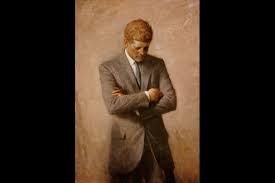
White House painting of JFK
At American University on June 10, 1963, Kennedy called upon his fellow Americans to re-examine the events and attitudes that had led to the Cold War. And he declared that the search for peace was by no means absurd:
“Our problems are man-made; therefore, they can be solved by man. And man can be as big as he wants. No problem of human destiny is beyond human beings.
“Man’s reason and spirit have often solved the seemingly unsolvable, and we believe they can do it again.”
Today, politicians from both parties cannot agree on solutions to even the most vital national problems.
On November 21, 2011, the 12 members of the “Super-Committee” of Congress, tasked with finding $1.2 trillion in cuts in government spending, threw up their hands in defeat.
President Kennedy insisted on being well-informed. He speed-read several newspapers every morning and nourished personal relationships with the press—and not for altruistic reasons. These journalistic contacts gave Kennedy additional sources of information and perspectives on national and international issues.
During the 2012 Presidential campaign, Republican Presidential candidates celebrated their ignorance of both.
Former Godfather’s Pizza CEO Herman Cain famously said, “We need a leader, not a reader.” Thus he excused his ignorance for why President Barack Obama had intervened in Libya.
Texas Governor Rick Perry (and now Secretary of Energy) showed similar pride in not knowing there are nine judges on the United States Supreme Court:
“Well, obviously, I know there are nine Supreme Court judges. I don’t know how eight came out my mouth. But the, uh, the fact is, I can tell you—I don’t have memorized all of those Supreme Court judges. And, uh, ah—
“Here’s what I do know. That when I put an individual on the Supreme Court, just like I done in Texas, ah, we got nine Supreme Court justices in Texas, ah, they will be strict constructionists….”
In short, it’s the media’s fault if they ask you a question and your answer reveals your own ignorance, stupidity or criminality.
Sarah Palin rewrote history via “The Midnight Ride of Paul Revere”: “He warned the British that they weren’t going to be taking away our arms by ringing those bells and, um, making sure as he’s riding his horse through town to send those warning shots and bells that, uh, we were going to be secure and we were going to be free.”
In fact, Revere wasn’t warning the British about anything. Instead, he was warning his fellow Americans about an impending British attack—as his celebrated catchphrase “The British are coming!” made clear.
During the height of the Cuban Missile Crisis, Kennedy spoke with aides about a book he had just finished: Barbara Tuchman’s The Guns of August, about the events leading to World War 1.
He said that the book’s most important revelation was how European leaders had blindly rushed into war, without thought to the possible consequences. Kennedy told his aides he did not intend to make the same mistake—that, having read his history, he was determined to learn from it.
Republicans attacked President Obama for his Harvard education and articulate use of language. Among their taunts: “Hitler also gave good speeches.”
And they resented his having earned most of his income as a writer of two books: Dreams From My Father and The Audacity of Hope. As if being a writer is somehow subversive.
When knowledge and literacy are attacked as “highfalutin’” arrogance, and ignorance and incoherence are embraced as sincerity, national decline lies just around the corner.
Many Americans believe that decline arrived with the 2016 election of Donald Trump. In fact, they believe it was Trump who announced it after winning the Nevada Republican primary: “We won with poorly educated. I love the poorly educated.”
In retrospect, the funeral for President Kennedy marked the death of more than a rational and optimistic human being.
It marked the death of Americans’ pride in choosing reasoning and educated citizens for their leaders.

The Eternal Flame at the grave of President John F. Kennedy
2012 PRESIDENTIAL RACE, ABC NEWS, ALTERNET, AP, BARACK OBAMA, BAY OF PIGS, BBC, BERLIN WALL, BILL CLINTON, BRUCE GREENWOOD, BUZZFEED, CARLOS MARCELLO, CBS NEWS, CIA, CIVIL RIGHTS, CLIFF ROBERTSON, CNN, CUBAN MISSILE CRISIS, DAILY KOS, DAVID HALBERSTAM, DONALD J. TRUMP, FACEBOOK, FBI, FIDEL CASTRO, FRANK SINATRA, HERMAN CAIN, ICH BEN EIN BERLINNER SPEECH, INTERNET MOVIE DATABASE, J. EDGAR HOOVER, JAMES MARSDEN, JOHN F. KENNEDY, JOSEPH MCCARTHY, JOSEPH P. KENNEDY, LYNDON B. JOHNSON, MAFIA, MALCOM X, MARTIN LUTHER KING, MARTIN SHEEN, MOTHER JONES, MOVEON, MOVIES, NBC NEWS, NEWSWEEK, NEWT GINGRICH, NIKITA KHRUSHCHEV, NPR, NUCLEAR TEST BAN TREATY, POLITICO, PT-109, RAW STORY, REUTERS, RICK PERRY, ROBERT F. KENNEDY, ROBERT S. MCNAMARA, SALON, SAM GIANCANA, SANTOS TRAFFICANTE, Sarah Palin, SATURDAY NIGHT LIVE, SEATTLE TIMES, SLATE, SOVIET UNION, THE ATLANTIC, THE BEST AND THE BRIGHTEST, THE BUTLER, THE CHICAGO SUN-TIMES, THE CHICAGO TRIBUNE, THE DAILY BEAST, THE GUARDIAN, THE HILL, THE HUFFINGTON POST, THE LOS ANGELES TIMES, THE MISSILES OF OCTOBER, THE NEW YORK TIMES, THE RAT PACK, THE WALL STREET JOURNAL, THE WASHINGTON POST, THIRTEEN DAYS, TIME, TWILIGHT ZONE, TWITTER, U.S. NEWS & WORLD REPORT, UPI, USA TODAY, VIETNAM WAR, WILLIAM DEVANE, WILLIAM PETERSON
In Bureaucracy, Business, History, Law, Law Enforcement, Military, Politics, Social commentary on July 14, 2022 at 12:11 am
Elected to the House of Representatives in 1946, John F. Kennedy served six undistinguished years before being elected U.S. Senator from Massachusetts in 1952.
In 1956, his eloquence and political skill almost won him the Vice Presidential nomination at the Democratic National Convention. But the nominee, Adlai Stevenson, chose Tennessee Senator Estes Kefauver as his running mate–fortunately for Kennedy.
President Dwight D. Eisenhower, running for re-election, easily beat Stevenson.
Had Kennedy been on the ticket, his Catholicism would have been blamed for the loss. And this would have likely prevented his getting the Presidential nomination in 1960.
In 1957, his book, Profiles in Courage, won the Pulitzer Prize for history.
From 1957 to 1960, Kennedy laid plans for a successful Presidential race.
Many voters thought him too young and inexperienced for such high office. But he used his TV debates with then-Vice President Richard Nixon to calm such fears, transforming himself overnight into a serious contender.
Many Americans identified with Kennedy as they had with film stars. Compared with normally drab politicians, he seemed exciting and glamorous.
Since 1960, for millions of Americans, mere competence in a President isn’t enough; he should be charming and movie-star handsome as well.
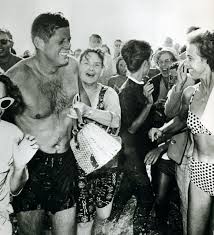
John F. Kennedy after taking a swim at Santa Monica Beach, 1960
But charismatic politicians face the danger of waning enthusiasm.
Many people were growing disillusioned with Kennedy before he died. He had raised hopes that couldn’t be met—especially among blacks.
And many whites bitterly opposed his support of integration, believing that Kennedy was “moving too fast” in changing race relations.
Still, for millions of Americans, Kennedy represented a time of change.
“Let’s get this country moving again” had been his campaign slogan in 1960. He had demanded an end to the non-existent “missile gap” between the United States and Soviet Union.
And he had said that America should create full employment and re-evaluate its policies toward Africa, Latin America and Asia.
His youth, the grace and beauty of his wife and the often-reported antics of his two young children—Caroline and John—added to the atmosphere that change was under way.
But Kennedy was not so committed to reform as many believed:
- As a Senator he had strongly opposed abolishing the Electoral College.
- He never protested the Red-baiting tactics of Senator Joseph R. McCarthy, a frequent dinner guest at the home of his father.
- As President, Kennedy never forgot that he had been elected by a margin of 112,881 votes. He often rationalized his refusal to tackle controversial issues by saying: “We’ll do it after I’m re-elected. So we’d better make damn sure I am re-elected.”
- He thought the United States should recognize “Red” China, but didn’t try to change American foreign policy toward that nation.
Nevertheless, many historians believe that. by vocally supporting civil rights and healthcare for the elderly, Kennedy laid the groundwork for Lyndon Johnson’s legislative victories.
Perhaps no aspect of Kennedy’s Presidency has received closer study than his assassination.
Hundreds of books and thousands of articles have hotly debated whether he was murdered by a lone “nut” or a deadly conspiracy of powerful men.
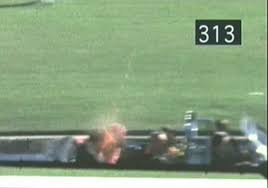
JFK’s assassination: The moment of impact
The murder has been the subject of two government investigations. The first, by the Warren Commission in 1964, concluded that an embittered ex-Marine and Marxist, Lee Harvey Oswald, acted alone in killing Kennedy.
Similarly, the Commission determined that nightclub owner Jack Ruby had killed Oswald on impulse, and not as the result of a conspiracy.
Millions of disbelieving Americans rejected the Warren Report—and named their own villains:
- The KGB;
- The Mob;
- Anti-Castro Cubans;
- Vice President Lyndon B. Johnson;
- Right-wing businessmen and/or military leaders;
- Fidel Castro.
Each of these groups or persons had reason to hate Kennedy:
- The KGB—for Kennedy’s humiliating the Soviet Union during the Cuban Missile Crisis.
- The Mob—in retaliation for the administration’s crackdown on organized crime.
- Anti-Castro Cubans—for JFK’s refusal to commit American military forces to overthrowing Castro at the Bay of Pigs invasion.
- Lyndon Johnson—lusting for power, he stood to gain the most from Kennedy’s elimination.
- Right-wing businessmen and/or military leaders—for believing that Kennedy had “sold out” the country to the Soviet Union.
- Fidel Castro—knowing the CIA was trying to assassinate or overthrow him, he had reason to respond in kind.
The second investigation, conducted in 1977-79 by the House Assassinations Committee, determined that Oswald and a second, unknown sniper had fired at Kennedy. (Oswald was deemed the assassin; the other man’s shot had missed.)
The Chief Counsel for the Committee, G. Robert Blakey, believed New Orleans Mafia boss Carlos Marcello organized the assassination, owing to his hatred of Robert Kennedy for his war on the crime syndicates.
Still, 53 years after JFK’s assassination, no court-admissible evidence has appeared to convict anyone other than Oswald for the murder.
The impact of Kennedy’s death on popular culture remains great. Millions saw him as a brilliant, courageous hero who had worked his way to the top.
But his sudden and violent end shocked those who believed there was always a happy ending.
If so gifted—and protected—a man as John F. Kennedy could be so suddenly and brutally destroyed, no one else could depend on a secure future.
2012 PRESIDENTIAL RACE, ABC NEWS, ALTERNET, AP, BARACK OBAMA, BAY OF PIGS, BBC, BERLIN WALL, BILL CLINTON, BRUCE GREENWOOD, BUZZFEED, CARLOS MARCELLO, CBS NEWS, CIA, CIVIL RIGHTS, CLIFF ROBERTSON, CNN, CUBAN MISSILE CRISIS, DAILY KOS, DAVID HALBERSTAM, DONALD J. TRUMP, FACEBOOK, FBI, FIDEL CASTRO, FRANK SINATRA, HERMAN CAIN, ICH BEN EIN BERLINNER SPEECH, INTERNET MOVIE DATABASE, J. EDGAR HOOVER, JAMES MARSDEN, JOHN F. KENNEDY, JOSEPH MCCARTHY, JOSEPH P. KENNEDY, LYNDON B. JOHNSON, MAFIA, MALCOM X, MARTIN LUTHER KING, MARTIN SHEEN, MOTHER JONES, MOVEON, MOVIES, NBC NEWS, NEWSWEEK, NEWT GINGRICH, NIKITA KHRUSHCHEV, NPR, NUCLEAR TEST BAN TREATY, POLITICO, PT-109, RAW STORY, REUTERS, RICK PERRY, ROBERT F. KENNEDY, ROBERT S. MCNAMARA, SALON, SAM GIANCANA, SANTOS TRAFFICANTE, Sarah Palin, SATURDAY NIGHT LIVE, SEATTLE TIMES, SLATE, SOVIET UNION, THE ATLANTIC, THE BEST AND THE BRIGHTEST, THE BUTLER, THE CHICAGO SUN-TIMES, THE CHICAGO TRIBUNE, THE DAILY BEAST, THE GUARDIAN, THE HILL, THE HUFFINGTON POST, THE LOS ANGELES TIMES, THE MISSILES OF OCTOBER, THE NEW YORK TIMES, THE RAT PACK, THE WALL STREET JOURNAL, THE WASHINGTON POST, THIRTEEN DAYS, TIME, TWILIGHT ZONE, TWITTER, U.S. NEWS & WORLD REPORT, UPI, USA TODAY, VIETNAM WAR, WILLIAM DEVANE, WILLIAM PETERSON
In Bureaucracy, Business, History, Law, Law Enforcement, Military, Politics, Social commentary on July 13, 2022 at 12:10 am
Throughout his life, John F. Kennedy was lucky—both personally and politically.
Part of the secret lay in his physical presence. He was young and handsome, charming and articulate.
He appeared zestful and athletic despite a series of ailments, including Addison’s disease (a malfunction of the adrenal glands) and an injured back that required the use of a brace.
His wit was sophisticated and often self-deprecating. Addressing an assembly of Nobel Prize winners at the White House, he said: “I think this is the most extraordinary collection of talent, of human knowledge, that has ever been gathered at the White House—with the possible exception of when Thomas Jefferson dined alone.”


JFK making a joke at a press conference
And his sense of humor often defused otherwise ticklish problems. During the 1960 Presidential race, he was sharply criticized for relying on his millionaire father for much of his funding. At a campaign rally, he deflected the charge with humor:
“I just received a telegram from my generous Daddy. It says: ‘Dear Jack: Don’t buy one more vote than necessary. I’ll be damned if I’m going to pay for a landslide.’”
Another controversy emerged when he named his brother, Robert, Attorney General. Critics charged that the appointment smacked of nepotism—and that Robert didn’t have enough legal gravitas to be the nation’s chief law enforcement offer.
“I see nothing wrong in giving Robert a little experience before he goes out to practice law,” he said at a press conference.
His highly-polished rhetoric—produced by wordsmiths such as Theodore Sorensen—dazzled audiences. His Inaugural Address was acclaimed by Democrats and even most Republicans.
Its signature line, “Ask not what your country can do for you, ask what you can do for your country” has become as famous as Abraham Lincoln’s “government of the people, by the people, for the people.”
His speeches often urged Americans to seek a higher cause than mere self-interest. Speaking of the role of the arts in a nation’s life, he said:
“It may be different elsewhere, but [in] democratic society…the highest duty of the writer, the composer, the artist is to remain true to himself and to let the chips fall where they may.”
Memorial at the Arlington gravesite for John F. Kennedy
But he could be blunt and profane in private.
“My father always told me all businessmen were sonsofbitches, but I never believed it till now,” he said in private when the steel companies made an inflationary price increase in 1962.
Like Richard Nixon, Kennedy installed a secret taping system in the White House. And, as with Nixon, this picked up many of his profanities. Unlike Nixon, however, Kennedy died before his secret taping system was discovered.
Kennedy impressed many journalists with his capacity for detail.
“He swallows and digests whole books in minutes. His eye seizes instantly on the crucial point of a long memorandum. He confounds experts with superior knowledge of their field,” wrote Games McGregor Burns in 1961.
Having briefly worked as a journalist (covering the opening of the United Nations Assembly in 1945) JFK understood and catered to the sensitivities of the Washington press corps.
Using charm, wit, candor and selective accessibility, he cultivated his own favored group of reporters. Critics charged that he was manipulating the media—and they were right.
Sometimes the manipulation was heavy-handed. He pressured The New York Times to censor its coverage of actions he intended to take—such as during the Bay of Pigs and the Cuban Missile Crisis.
But he failed to coerce the Times to remove David Halberstam, its Vietnam correspondent, whose highly critical articles cast doubt on the effectiveness of the American military commitment to Vietnam.
A major part of Kennedy’s appeal lay in his glamorous background. He was born—on May 29, 1917—into a large, robust family headed by wealthy and powerful financier Joseph P. Kennedy.
He attended Princeton and Harvard, graduating from the latter with top honors.
During World War II he became a Naval hero in 1943 after a Japanese destroyer sliced his PT boat in half—by towing an injured shipmate to safety on a South Pacific island. From there, Kennedy persuaded a native to summon rescue help from the U.S. Navy.
Kennedy had no plans for a postwar political career. That had been assigned to his elder brother, Joseph P. Kennedy, Jr., by their ambitious father, who was determined to seat the first Irish Catholic President.
After learning of his younger brother’s heroism, Joseph volunteered for a dangerous Naval bombing mission. On August 12, 1944, he and a co-pilot flew an explosives-laden plane from England toward France.
While over the English Channel, they were supposed to parachute from the aircraft—after activating a remote control system to send the plane crashing into a German command center.
But the plane mysteriously exploded before the pilots could eject—and before the plane reached its target.
The death of his elder brother ended John F. Kennedy’s plans for a career as a writer. Joseph Kennedy, Sr., insisted that “Jack” assume the political career that the Kennedy patriarch had assigned for his dead brother.
2012 PRESIDENTIAL RACE, ALTERNET, AP, BARACK OBAMA, BAY OF PIGS, BBC, BERLIN WALL, BILL CLINTON, BRUCE GREENWOOD, BUZZFEED, CARLOS MARCELLO, CBS NEWS, CIA, CIVIL RIGHTS, CLIFF ROBERTSON, CNN, CUBAN MISSILE CRISIS, DAILY KOS, DAVID HALBERSTAM, DONALD J. TRUMP, FACEBOOK, FBI, FIDEL CASTRO, FRANK SINATRA, HERMAN CAIN, ICH BEN EIN BERLINNER SPEECH, INTERNET MOVIE DATABASE, J. EDGAR HOOVER, JAMES MARSDEN, JOHN F. KENNEDY, JOSEPH MCCARTHY, JOSEPH P. KENNEDY, LYNDON B. JOHNSON, MAFIA, MALCOM X, MARTIN LUTHER KING, MARTIN SHEEN, MOTHER JONES, MOVEON, MOVIES, NBC NEWS, NEWSWEEK, NEWT GINGRICH, NIKITA KHRUSHCHEV, NPR, NUCLEAR TEST BAN TREATY, POLITICO, PT-109, RAW STORY, REUTERS, RICK PERRY, ROBERT F. KENNEDY, ROBERT S. MCNAMARA, SALON, SAM GIANCANA, SANTOS TRAFFICANTE, Sarah Palin, SATURDAY NIGHT LIVE, SEATTLE TIMES, SLATE, SOVIET UNION, THE ATLANTIC, THE BEST AND THE BRIGHTEST, THE BUTLER, THE CHICAGO SUN-TIMES, THE CHICAGO TRIBUNE, THE DAILY BEAST, THE GUARDIAN, THE HILL, THE HUFFINGTON POST, THE LOS ANGELES TIMES, THE MISSILES OF OCTOBER, THE NEW YORK TIMES, THE RAT PACK, THE WALL STREET JOURNAL, THE WASHINGTON POST, THIRTEEN DAYS, TIME, TWILIGHT ZONE, TWITTER, U.S. NEWS & WORLD REPORT, UPI, USA TODAY, VIETNAM WAR, WILLIAM DEVANE, WILLIAM PETERSON
In Bureaucracy, Business, History, Law, Law Enforcement, Military, Politics, Social commentary on July 12, 2022 at 4:09 pm
John F. Kennedy fired the imaginations and captured the hearts of Americans and foreign citizens as no President since the days of Franklin D. Roosevelt.
Millions who voted for him—or against him or didn’t vote at all—still believe that, if only he had lived to be re-elected, America would have entered a truly Golden Age.
Kennedy certainly encouraged such belief. Asked for his definition of happiness, he quoted the ancient Greeks: “The full use of your powers along lines of excellence.”
More than 53 years after his death on November 22, 1963, he remains frozen in time. Assassinated at age 46, he remains forever young, vigorous and charming.
But even if he had not been assassinated, his Presidency could have ended in disaster.
After his 1953 marriage to Jacqueline Bouvier, he continued to pursue both a married and a bachelor life. Rumors of Kennedy’s extramarital affairs swirled throughout his Senatorial career and followed him into the White House.
His conquests included secretaries, wives of friends, strippers, movie stars (such as Marilyn Monroe and Marlene Dietrich) prostitutes and even a mobster’s mistress.
Various theories have been advanced for his taking such dangerous risks with his political career:
- As a victim of Addison’s Disease (insufficiency of the adrenal glands) he had been told by doctors he might not live beyond 35.
- As a result of the cortisone he took to control his Addison’s, his libido was greatly enhanced.
- After escaping death with the sinking of PT-109, he decided to cram as much excitement into his life as possible.
- His father, Joseph P. Kennedy, Sr., a notorious womanizer, had encouraged him and his three other sons to sleep with as many women as possible.
During the 1960 Presidential campaign, Frank Sinatra—who had become smitten with Kennedy and was determined to see him elected—introduced him to a “good time girl” named Judith Campbell.

Judith Campbell
Whether Kennedy knew it or not, Campbell was also sleeping with Sam Giancana—the most-feared Mafia boss in Chicago. And it wasn’t long before Giancana learned about her trysts with Kennedy.
As a favor to Sinatra, Giancana and his fellow mobsters used their powerful influence to ensure that JFK carried Illinois in 1960.
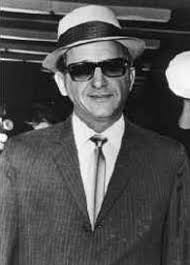
Sam Giancana
In turn, JFK’s father, Joseph P. Kennedy had promised Giancana that the Mob would get a free ride under a Kennedy Presidency.
When JFK appointed his brother, Robert, Attorney General, the latter declared war on organized crime. Giancana and his fellow hoods felt betrayed.
Giancana often raged to Campbell: “If it wasn’t for me, your boyfriend wouldn’t be President.” And having knowledge of her scandalous relationship with JFK, Giancana could have exposed Kennedy to a shocked public.
And if Giancana hadn’t done it, FBI Director J. Edgar Hoover might have.
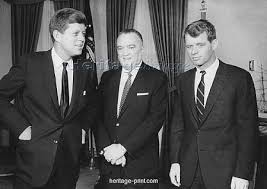
John F. Kennedy, J. Edgar Hoover and Robert F. Kennedy
Hoover, under relentless pressure from Robert Kennedy to crack down on the Mob, had, through illegal electronic surveillance, discovered the Giancana-Campbell-Kennedy connection.
Always fearful that he might be replaced as FBI director, Hoover had quickly alerted the Attorney General to his latest discovery in February, 1962. Neither RFK nor JFK could dare fire Hoover now.
White House telephone logs reveal that, from January, 1961 until February, 1962, Campbell phoned the White House 70 times.
After Hoover informed Robert Kennedy of Campbell’s status with the President, she made only one more call to Kennedy. It was then that the President said the affair was over.
Similarly, the President’s on-and-off affair with Marilyn Monroe put him in an equally dangerous position. Monroe’s behavior, fueled by emotional instability, alcohol and pills, became increasingly erratic. And she grew convinced that Kennedy should divorce Jackie and make her the new First Lady.
Rumors still circulate that the President sent Robert Kennedy—who was by now an old hand at cleaning up JFK’s messes—to tell Monroe their relationship was over.
Whatever secrets Monroe may have been able to reveal about her relationship with Kennedy, she took them to the grave in an overdose of alcohol and sleeping pills on August 5, 1962.
In his 1995 bestseller, The Dark Side of Camelot, investigative reporter Seymour Hersh got several former members of Kennedy’s Secret Service detail to speak about JFK’s extramarital sex life.
They revealed that they had not been allowed to search any of the women Kennedy cavorted with.
Any of these women could have injected the President with a poisonous hypodermic. Or secretly tape recorded their trysts with Kennedy for blackmail purposes.
Kennedy believed he would be re-elected in 1964—especially if his opponent was Barry Goldwater, the Republican Senator from Arizona.
And he almost certainly would have been re-elected; Lyndon Johnson scored a smashing victory over Goldwater that year.
But it’s also possible that Kennedy could have been forced to resign in disgrace over his affairs with Campbell, Monroe or any number of other women.
Such a fate overtook British Secretary of State for War John Profumo in 1962. In 1961, he had begun an affair with Christine Keeler, an attractive model. But Keeler was also bedding Yevgeney Ivanov, the senior naval attaché at the Soviet Embassy in Britain.
When the press learned about the threesome, Profumo was forced to resign, his 22-year political career destroyed.


 Bureaucracybuster's Blog
ABC NEWS, ADOLF HITLER, ALTERNET, AMERICABLOG, AP, BABY BOOMER RESISTANCE, BLOOMBERG, BUZZFEED, CBS NEWS, CNN, CORONAVIRUS, COVID-19, CROOKS AND LIARS, DAILY KOZ, DONALD TRUMP, DRUDGE RETORT, ENGLAND, FACEBOOK, FBI, FIVETHIRTYEIGHT, HARPER’S MAGAZINE, HERMAN CAIN, JAMES COMEY, LIFTWAFFE, MEDIA MATTERS, MOTHER JONES, MOVEON, MSNBC, NBC NEWS, NEWSWEEK, NPR, PBS NEWSHOUR, POLITICO, POLITICUSUSA, RAW STORY, REUTERS, ROYAL AIR FORCE, SALON, SEATTLE TIMES, SERGEY KISLYAK, SERGEY LAVROV, SLATE, SOVIET UNION, TALKING POINTS MEMO, THE ATLANTIC, THE BLITZ, THE CHICAGO SUN-TIMES, THE CHICAGO TRIBUNE, THE DAILY BEAST, THE DAILY BLOG, THE GUARDIAN, THE HILL, THE HUFFINGTON POST, THE LOS ANGELES TIMES, THE NATION, THE NEW REPUBLIC, THE NEW YORK TIMES, THE VILLAGE VOICE, THE WASHINGTON POST, THINKPROGRESS, TIME, TRUTHDIG, TRUTHOUT, TWITTER, TWO POLITICAL JUNKIES, U.S. NEWS & WORLD REPORT, UPI, USA TODAY, WEHRMACHT, WONKETTE
GETTING HELP FROM YOUR ENEMIES
In Bureaucracy, History, Military, Politics, Social commentary, Uncategorized on August 19, 2022 at 12:10 amSometimes your worst enemies aid you in ways you could never help yourself.
From July 10 to October 31, 1940, hundreds of badly-outnumbered pilots of the British Royal Air Force (RAF) fought off relentless attacks by Germany’s feared Luftwaffe—since known as the Battle of Britain.
But Adolf Hitler wasn’t prepared to give up. He believed he could so terrorize Britons that they would insist that their government submit to German surrender demands.
From September 7, 1940 to May 21, 1941, the Luftwaffe subjected England—and especially London—to a ruthless bombing campaign that became known as The Blitz.
The undamaged St. Paul’s Cathredal, December, 1940
More than 100 tons of high explosives were dropped on 16 British cities.
During 267 days—almost 37 weeks—between 40,000 and 43,000 British civilians were killed. About 139,000 others were wounded.
Clearly, what Great Britain desperately needed most was a miracle.
Exactly that happened on June 22, 1941.
With 134 Divisions at full fighting strength and 73 more divisions for deployment behind the front, the German Wehrmacht invaded the Soviet Union.
German tanks invading Russia
Joseph Stalin, the longtime Soviet dictator, was stunned. The invasion had come less than two years after Germany had signed a non-aggression pact with the Soviet Union.
Now they were locked in a fight to the death.
People in England were suddenly hopeful. Britain now had an ally whose resources might tip the balance against Hitler—as they did.
Fast forward to 2020.
After Donald Trump became President of the United States in 2017, he seemed invincible: Over the next three years, he:
Donald Trump
And through all those outrages, House and Senate Republican majorities remained silent or vigorously supported him.
Democrats seemed unable to cope with Trump’s legislative agenda and his personal attacks on Twitter and in press conferences.
Even when the press unearthed his latest corruptions, the public didn’t care.
Then, in January, 2020, the Coronavirus pandemic struck the United States.
On February 29, the first American died from the disease.
Donald Trump’s first reaction was to minimize the threat: “We have it totally under control. It’s one person coming in from China.”
Then he turned to outright lying: “Now the Democrats are politicizing the Coronavirus….They tried the impeachment hoax….It’s all turning, they lost….And this is their new hoax.”
When many of the nation’s mayors and governors urged citizens to wear face masks and socially distance themselves from others, Trump urged his supporters to defy both. And they did as he ordered—marching down streets shoulder-to-shoulder, most of them not wearing masks, and with many of them carrying automatic rifles.
Coronavirus
In March, when much of the country’s businesses shut down, Trump demanded their immediate reopening—although there was no vaccine nor even adequate testing and contact-tracing facilities. This would allow him to claim he had “restored” the American economy.
Many states—especially in the South and Midwest—reopened prematurely. As a result, by his last day in office—January 20, 2021—American COVID-19 deaths numbered 400,000.
Then Trump demanded that Americans put their children at risk by sending them back to school in the fall—so their parents could return to work. Then he could claim he’d “saved” the American economy—and be re-elected.
Meanwhile, countless Stormtrumpers in Texas, Florida and other Red states had died because they refused to wear masks and/or social distance. His most high profile supporter to die: Herman Cain, the 2012 Republican Presidential candidate.
Significantly, Cain died one month after attending Trump’s Tulsa rally on June 20.
Thus, Trump, through his arrogance and ignorance, had inflicted far greater casualties on his core supporters and poll numbers than the Democrats ever could—or would.
His lies had been exposed. His followers were succumbing to a disease he called a Democratic hoax. He had nothing to offer as a cure for the economy—or the pandemic. And his polls were tanking.
Seventy-nine years earlier, events turned around for England when all seemed lost. The same proved true for former Vice President Joe Biden on November 3.
Share this: