Less than three months after moving into the White House, Omarosa Manigault married John Allen Newman, the senior pastor at The Sanctuary at Mt. Calvary, a church in Jacksonville, Florida.
The wedding, on April 8, 2017, was at Donald Trump’s Washington, DC, hotel. Afterwards, in full bridal attire, Omarosa took her 39-member bridal party to the White House for an extended photo shoot.
According to Politico, White House senior aides and security officials were caught by surprise. Omarosa hadn’t alerted them in advance. Her visitors “loudly wandered around” the Rose Garden and West Wing.
White House officials, citing ethics and security concerns, banned Manigault-Newman from posting the photographs online.
Omarosa Manigault-Newman Gage Skidmore photo
On December 13, Omarosa learned that she would be leaving the White House—and her $180,000-a-year position as director of communications for the Office of Public Liaison. Her last day would be January 20, 2018—one year from the day she had arrived.
She asked Ivanka Trump to intervene on her behalf, but the First Daughter refused.
Deciding to go right to the top, she headed for the Trumps’ private quarters. There she tripped an alarm—which brought guards and White House Chief of Staff John Kelly to the scene.
An enraged Kelly ordered her ejected from the White House.
Multiple sources report that she had to be physically restrained and escorted—cursing and screaming—from the Executive Mansion.
Next day—December 14—Manigault-Newman appeared on “Good Morning America.”
The woman who had been Trump’s ambassador to blacks now sang a different tune:
“I have seen things that made me uncomfortable, that have upset me, that have affected me deeply and emotionally, that has affected my community and my people. And when I can tell my story, it is a profound story that I know the world will want to hear.”
On August 8, 2018, news broke that Omarosa had secretly taped Trumpduring several phone conversations in the White House. And that she would use these recordings to promote an upcoming—and highly critical—book on the President.
Its title: Unhinged.
It would be released on August 14.
Omarosa has since launched her book tour blasting Trump as a racist, a misogynist and in mental decline.
On Trump as a racist: Interviewed on The PBS Newshour, she said: “One of the most dramatic scenes in Unhinged where I talk about taking him to task for the birther movement.”
Since 2011, Trump slandered President Barack Obama as born in Kenya—instead of his native Hawaii. The purpose: To de-legitimize Obama as a lawful President.
But Omarosa said nothing about this at the time.
On Trump as a misogynist: In an Associated Press interview, she claims she saw Trump behaving “like a dog off the leash” at numerous events he attended without his wife, Melania Trump.
During the 2016 campaign, at least 12 women publicly accused Trump of sexual harassment. A noteworthy moment: The infamous “grab-’em-by-the-pussy” Access Hollywood tape released just before the election.
But this didn’t enrage Omarosa at the time.
On Trump’s mental decline: On the PBS Newshour: “We’re in the White House and Donald Trump couldn’t remember basic words or phrases. He couldn’t read the legislation that was put in front of him.”
During the 2016 campaign, numerous journalists commented on Trump’s short attention span, limited vocabulary and obvious inability to absorb large amounts of information.
But this came as a surprise to Omarosa only in 2017.
* * * * *
As the Third Reich reached its fiery end, Adolf Hitler sought to punish the German people for being“unworthy” of his “genius”—and losing the war he had started.
His attitude was: “If I can’t rule Germany, then there won’t be a Germany.”
In his infamous “Nero Order,” he decreed the destruction of everything still remaining—industries, ships, harbors, communications, roads, mines, bridges, stores, utility plants, food stuffs.
Fortunately for Germany, one man—Albert Speer—finally broke ranks with his Fuehrer.
Albert Speer
Risking death, he refused to carry out Hitler’s “scorched earth” order. Even more important, he mounted a successful effort to block such destruction or persuade influential military and civilian leaders to disobey the order as well.
As a result, those targets slated for destruction were spared.
By the time Omarosa was evicted from the White House, Donald Trump had:
Fervently embraced America’s most dangerous foe—Russia—and alienated most of its longtime allies, such as Canada and Great Britain.
Attacked America’s Intelligence agencies—while backing Vladimir Putin’s claim that he didn’t subvert the 2016 election.
Gutted protections for consumers and the environment.
Supported racists like the Ku Klux Klan and American Nazi Party—while attacking black football players for kneeling during the National Anthem to protest police brutality.
Called reporters “the enemy of the people” and encouraged violence against them.
Omarosa Manigault-Newman had a front-row seat to all of this infamy. Yet she didn’t leave or even protest until she was forcibly booted from the White House.
Unlike Albert Speer, she risked nothing by opposing Trump and expects to enrich herself via book sales.
America still awaits its own Albert Speer to come forward and save its liberties from a racist, vindictive and treasonous President installed by American Fascists and KGB computer-hackers.
On March 19, 1945, facing certain defeat, Adolf Hitler ordered a massive “scorched-earth” campaign throughout Germany.
All German agriculture, industry, ships, communications, roads, food stuffs, mines, bridges, stores and utility plants were to be destroyed.
If implemented, it would deprive the entire German population of even the barest necessities after the war.
Now living in a bunker 50 feet below bomb-shattered Berlin, Hitler gave full vent to his most destructive impulses.
Adolf Hitler addressing boy soldiers as the Third Reich crumbles
“If the war is lost,”Hitler told Albert Speer, his Minister of Armaments, “the nation will also perish. This fate is inevitable. There is no necessity to take into consideration the basis which the people will need to continue even a most primitive existence.
“On the contrary, it will be better to destroy these things ourselves, because this nation will have proved to be the weaker one and the future will belong solely to the stronger eastern nation.
“Besides, those who will remain after the battle are only the inferior ones, for the good ones have all been killed.”
Speer argued in vain that there must be a future for the German people. But Hitler refused to back down. He gave Speer 24 hours to reconsider his opposition to the order.
The next day, Speer told Hitler: “My Fuhrer, I stand unconditionally behind you!”
“Then all is well,”said Hitler, suddenly with tears in his eyes.
“If I stand unreservedly behind you,” said Speer, “then you must entrust me rather than the Gauleiters [district Party leaders serving as provincial governors] with the implementation of your decree.”
Filled with gratitude, Hitler signed the decree Speer had thoughtfully prepared before their fateful meeting.
By doing so, Hitler unintentionally gave Speer the power to thwart his “scorched earth” decree.
Speer had been the closest thing to a friend in Hitler’s life. Trained as an architect, he had joined the Nazi Party in 1931.
He met Hitler in 1933, when he presented the Fuhrer with architectural designs for the Nuremberg Rally scheduled for that year.
Albert Speer and Adolf Hitler pouring over architectural plans
From then on, Speer became Hitler’s “genius architect” assigned to create buildings meant to last for a thousand years.
In 1943, Hitler appointed him Minister of Armaments, charged with revitalizing the German war effort.
Nevertheless, Speer now crisscrossed Germany, persuading military leaders and district governors to not destroy the vital facilities that would be needed after the war.
“No other senior National Socialist could have done the job,” writes Randall Hanson, author of Disobeying Hitler: German Resistance After Valkyrie.
“Speer was one of the very few people in the Reich—perhaps even the only one—with such power to influence actors’ willingness/unwillingness to destroy.”
Despite his later conviction for war crimes at Nuremberg, Speer never regretted his efforts to save Germany from total destruction at the hands of Adolf Hitler.
Fast-forward to August, 2018, and the White House of President Donald J. Trump.
Omarosa Manigault furiously defended Donald Trump throughout the 2016 Presidential campaign.
In an interview with Frontline, she boasted: “Every critic, every detractor, will have to bow down to President Trump. It’s everyone who’s ever doubted Donald, who ever disagreed, who ever challenged him.”
Manigault didn’t care that she had no base or credibility within the back community—or that blacks regarded Trump so poorly: “My reality is that I’m surrounded by people who want to see Donald Trump as the next President of the United States who are African-American.”
On January 20, 2017, she entered the White House with Trump as Director of Communications for the Office of Public Liaison.
This wasn’t her first tenure at the Executive Mansion. During the Clinton administration she held four jobs in two years—and was thoroughly disliked in all of them.
“She was asked to leave [her last job] as quickly as possible, she was so disruptive,” said Cheryl Shavers, the former Under Secretary for Technology at the Commerce Department. “One woman wanted to slug her.”
And in her work at the Trump White House, she made herself just as unpopular as she had in the Clinton one.
In her first press interview, she announced that she was a “Trumplican”and had switched her political affiliation to the Republican Party. She said Democrats took black voters for granted and hoped blacks would leave the Democratic party.
In June, 2017, she invited the Congressional Black Caucus (CBC) to visit the White House. And she signed the invitation: “The Honorable Omarosa Manigault.”
This is not a title given to political aides. And it’s not used by those referring to themselves. The arrogance offended some members of the Caucus, which declined the invitation.
In August, she appeared at the National Association of Black Journalists convention in New Orleans. She was a panelist on a discussion about losing loved ones to violence.
When the moderator, Ed Gordon, asked her about Trump’s policies and not her personal history with losing family members through violence, Manigault got into a shouting match with him.
“Omarosa Manigault and Ed Gordon are literally arguing on stage right now. This is insane,” tweeted Yamiche Alcindor, the PBS Newshour White House correspondent.
On April 22, 1974, a break finally came in the “Zebra killers” case.
Anthony Cornelius Harris, a member of the Nation of Islam—-otherwise known as the Black Muslims—-came forward as a police witness.
Before doing so, he visited the parents of his close friend, Larry Craig Green—who was one of the “Zebra” killers. He hoped that, through Green’s mother, he could persuade his comrade to go with him to the police as a witness against the other three Death Angels.
While at the home of Green’s parents, he called Green.
“I knew right there it was impossible to get him to admit to doing anything,” Harris later testified. “He told me to get the hell out of his house and never to come back.”
Later, Harris phoned the Black Self-Help moving and storage company where he had been working for the last six months.
One of the Muslims he spoke with was Green, who warned him: “Man, they’ve got a contract out to kill you, your wife and the baby.”
It was then that Harris realized that he, his wife, Debra, and their newborn son had been marked for death by his former friends. There was nowhere else to go but the police if he wanted to stay alive.
So, on April 22, 1974, he came forward as a police witness.
Many police believed Harris had been one of the killers himself. He bore a strong resemblance to the suspect in a police artist’s sketch: A young black man with a short Afro and pointed chin.
Police composite sketch of “the Zebra killer”
But Harris insisted that he hadn’t murdered anyone, and that he had resisted efforts by his friends to enlist him in their murder spree. He claimed to fear for his life at the hands of his fellow Muslims.
The police immediately placed Harris and his family under round-the-clock guard by its SWAT team.
At 5 a.m. on the morning of May 1, 1974, more than 100 police officers assembled at the San Francisco Hall of Justice. They were heavily armed—with shotguns, submachineguns and automatic rifles.
Their assignment: Arrest seven men believed responsible for the brutal series of murders known as the “Zebra” case.
At a given signal, police charged into the various homes and apartments where the suspects lay sleeping. None of the wanted men offered any resistance.
Three of the seven were soon release for lack of evidence. The remaining three—Larry Craig Green, Manuel Moore and J.C. Simon—were held at high bond.
A fourth suspect, Jessie Lee Cooks, was already serving a life sentence in prison for his admitted murder of Frances Rose, a physical therapist, on October 30, 1973.
Cooks would be charged and convicted with other “Zebra” murders by a San Francisco grand jury on May 16, 1974.
Chief Assistant District Attorney W.H. Guibbini asked for high bail for three of the suspects after their indictment. Presiding Superior Court Judge Clayton V. Horn raised it to $300,000 each.
The accused killers remained in jail before and during their trial.
The trial began on March 3, 1975, and lasted longer than any previous one in the history of California—376 days. Testimony from 181 witnesses—115 for the prosecution—filled 13,331 pages of trial transcript.
San Francisco Superior Court
The Nation of Islam paid for the legal representation of every one of the defendants except Cooks, who had admitted to murdering Frances Rose.
During his testimony as a prosecution witness, Harris was guarded constantly by San Francisco police SWAT team.
When the SFPD’s resources began to be strained, Harris was placed on the Witness Security Program, operated by the U.S. Marshals Service for the Justice Department. Originally created to safeguard Mafia witnesses, it offers protection, relocation and new identities to those who testify against organized crime groups.
Deputy U.S. marshals guarding a witness while testifying before Congress
Harris was flown to Houston, Texas, and kept under the watchful eye of the local police. From there he moved to El Paso, and then on to Las Vegas.
He proved a difficult witness to protect. Refusing to take a job suitable for his menial work skills, he demanded ever-increasing amounts of subsistence money from, first, the SFPD, and, later, the U.S. Marshals Service. At times he threatened to recant his testimony unless he got more subsistence payments.
After the trial, Harris received a portion of the $30,000 reward. Eventually he turned up in Oakland, and then ultimately disappeared.
On March 13, 1976, Larry Craig Green, Manuel Moore, Jessie Lee Cooks and J.C. Simon were convicted of multiple murders. All were sentenced to life in state prison, where three of them remain today.
On March 12, 2015, J.C. Simon (aged 69) was found unresponsive in his cell at San Quentin Prison. He was declared dead of unknown causes.
The toll of victims taken by the “Zebra” killers had been staggering:
Sixteen murdered
Five wounded
One raped
The attempted kidnapping of three children
At the time of sentencing, San Francisco Superior Court Judge Joseph Karesh turned to a wall map showing where each of the murders had taken place.
“As I look at this map and see all these dots,” said Karesh, “I hope we do not forget all these people who have been reduced to dots.”
The slayings of the “Zebra killers” were always proceeded by elaborate safety precautions. These included disguises, escape routes and the use of safehouses.
“In case you kill someone in that area,” Harris later testified that his Muslim friends were told, “you can automatically go to that house. There won’t be any questions asked about it at all. They made that clear all the time, every Saturday, at the Fruit of Islam (FOI) meetings.”
The FOI was the enforcement and disciplinary arm of the Nation of Islam.
“They said that if you’re going to kill someone, come right out and say it. Let us know ahead of time so we can set up a good alibi.”
Recruiting poster for the Fruit of Islam, the elite guard of the Nation of Islam
Non-Muslims were not to be trusted or used in any way.
“Our own attorneys,” the listeners were told at these weekend meetings, “will lie for you,” Harris quoted one of the Muslim speakers as saying.
On the night of January 28, 1974, J.C. Simon, Larry Green and Manuel Moore launched their most spectacular assault on San Francisco whites.
Shots and screams echoed throughout the city as the killers, cruising in a fast-moving black Cadillac, literally turned the streets into a shooting gallery:
Tana Smith, a secretary, was slain while waiting at a bus stop.
A derelict, John Bambic, was murdered as he rummaged in a garbage can.
Vincent Wollin, a pensioner, was walking down the street when one of the gunmen fatally overtook him.
A housewife named Jane Holly was killed in a Laundromat while she removed clothes from a dryer.
And Roxanne McMillan, another housewife, was critically wounded and left paralyzed from the waist down as she walked down a flight of stairs to her apartment.
Each victim had been shot twice in the back by a black gunman using a .32 automatic pistol.
Just hours before the murder spree, Anthony Harris had asked his friend, Larry Green, why their comrade, J.C. Simon, was so depressed and irritable.
J.C. Simon
“He’s pretty pissed off because he didn’t make lieutenant,” Green had replied. “He didn’t have enough kills on his record.”
The San Francisco Police Department formed a task force to hunt the killers. Officers used a “Z” radio band assigned to the case. When this became publicly known, it was widely assumed that “Zebra” meant black-on-white.
The killings continued to mid-April, 1974.
On April 20, 1974, San Francisco’s liberal mayor, Joseph L. Alioto, authorized a city-wide police dragnet to flush out the still-supposed lone gunman.
Throughout the city, roving squads of specially-assigned officers stopped and questioned over 600 young black men. Those stopped were thought by police to resemble a vague description of the “killer,” as given by witnesses and surviving victims.
Some blacks were stopped so many times they were issued special identification cards to prevent future police interrogations.
The dragnet failed to flush out the Zebra Killers. But it ignited an uproar within the black community. Mayor Alioto was heatedly denounced by civil rights and religious activists.
The National Association for the Advancement of Colored People filed a suit in federal court for the Northern District of California to halt the stops.
On April 26—six days after the dragnet began—San Francisco’s U.S. District Judge Alfonzo J. Zirpoli acted on the NAACP’s suit. He declared the stops an unconstitutional violation of blacks’ civil rights.
In the future, ordered Zirpoli, police would need specific information leading them to believe that whoever they stopped had committed a crime or was in the process of doing so.
In San Francisco, the sudden collapse of the citywide police dragnet heightened panic among an already frightened citizenry.
Many whites stopped going outdoors after dark. Even police officers frequently looked over their shoulders as evening approached.
Some whites—especially in the heavily Italian North Beach area—began talking about spreading vigilante terror among blacks.
The reaction of blacks was entirely different.
During the manhunt for the notorious “Zodiac” serial killer in the late 1960s, San Francisco police had relied heavily on dragnets and interrogations of young white men resembling a composite sketch.
But blacks charged racism when the same tactic was used to hunt for the supposed lone “Zebra” gunman.
Many blacks blamed “unemployment” and “oppression” for the attacks. When interviewed by the San Francisco Examiner,none condemned the murders or expressed sympathy for their victims.
Then, on April 22, 1974, a break finally came in the case.
Anthony Cornelius Harris decided to tell the police what he knew about the men responsible for the murders.
The killings, said Harris, weren’t the work of a crazed loner. They were being carried out by a group of militant Black Muslims who made use of elaborate security precautions.
Harris’ intimate knowledge of the killers stemmed from their having been among his closest friends for over six months.
Harris claimed that the killers had repeatedly—and unsuccessfully—tried to enlist him as an accomplice. This led them to suspect that Harris might be a police informer or agent.
Harris began fearing for his life. He also wanted the $30,000 reward being offered for the capture of the still-supposed lone gunman.
On May 1, 1974, police—acting on Harris’ information—arrested seven suspects.
The “Zebra killers” were on a rampage–one that showed no signs of ending.
On November 25, 1973, Salem Erakat, a grocer, was found shot in the back of the head in his mom-and-pop market, which lay across the street from the San Francisco Federal Building.
On December 11, a San Francisco resident named Paul Dancik was fatally shot three times as he used a public telephone.
On December 13, Arthur Agnos, a former administrative aide to San Francisco Assemblyman Leo T. McCarthy, was shot and wounded while standing on a street corner, talking to two friends.
He would survive and later serve as Mayor of San Francisco from 1988 to 1992.
On Christmas Eve, Larry Craig Green and J.C. Simon asked Anthony Harris to help them take some packages to a nearby beach.
“When I unloaded the truck, I recall getting a lot of blood on my hands,” Harris later testified as a witness for the prosecution. He asked Simon and Green what was in the packages.
“They said, it was probably a dog or a cat,” said Harris. Later, he learned that the package had held a human body. But he never learned whose.
Harris helped to dispose of similar packages “about 40-some times.”
Harris was taken along by the “Zebra” killers on several shootings. Later, Harris reasoned: “I guess they thought that, sooner or later, I would join their little clique.”
One night, Harris, J.C. Simon and Manuel Moore parked their black Cadillac near an apartment complex. Simon and Moore got out, leaving Harris in the vehicle.
“The next thing I knew,” said Harris, “I heard a gunshot. Manuel started running from the same area that the gunshot came from.”
Moore and Simon jumped into the car. As the vehicle sped off, Harris saw “what appeared to be a body” lying on the sidewalk.
On another occasion, Harris asked his comrades what had happened after he heard shots ring out.
“Just watch television or listen to the radio, and you’ll see what happened,” one of them said.
Harris learned from the news later on that “somebody had been shot and killed.”
Between killings, Harris and his friends attended regular meetings at the Black Self-Help, the Muslim-owned furniture-moving company in San Francisco.
At some of these meetings, as many as 40 to 50 or more Muslims were present.
Members of the Nation of Islam
“They were talking about killing people,” Harris later testified. Films were shown “of the Watts riots [in 1965] and different riots taking place throughout the past, black people being beaten down by the police and shot.”
The meetings’ participants were asked, “Could we allow this to continue? They said the only way to stop it was to act and be vicious…like the police department.
“That you had to…be able to go out and just deliberately take a baby and smash his head against the wall and kill him and, if you have to, even drink the blood to show how vicious you are.
“And they showed us a large number of pictures” on a bulletin board “of a lot of bald-headed men with little white wings on their necks, and identified each guy as being members of the Death Angels.”
Harris was told that “if I wanted to be a member of the Death Angels, that I’d have to go out and kill people to get some wings.”
Not only was the wearing of a pair of white wings a symbol of belonging to the Death Angels, so was a shaved head.
Only certified members of the Death Angels could enter Muslim temples with shaved heads. Anyone else who entered such a temple with a shaved head “can be killed or put out of the temple for coming in like that.”
“[The Death Angels] is supposed to be a pretty high branch of the Nation of Islam, supposed to be 2,000 people inside it,” Harris later testified.
“And every time you kill a person, you’re supposed to have somebody witness your killing the person for verification when you go back to Chicago,” the national headquarters for the Nation of Islam.
Chicago Headquarters of the Nation of Islam
It was there, said Harris, that the photographs or eyewitnesses had to appear before the prospective Death Angel could receive his winged badge of membership.
“And after you get to killing people,” the Death Angels “give you a pair of wings to put on your neck, and they take a picture,” testified Harris.
“They say you kill four children, you automatically become a captain, or a lieutenant. If you kill five or six women, you become a lieutenant. Or kill nine men, the number of completion, and they give you a rank.”
Extra status was attached to Death Angels who mutilated the bodies of their victims.
“If you cut their heads off, and cut the legs and arms off and cut them open wide with a lot of blood, it’s supposed to symbolize you’re very vicious and that you could be well trusted.
“The killing was so, if they see you do it, they know for a fact you’re not a police officer and you’re not involved” as an informer,” testified Harris.
In 1971, Anthony C. Harris was arrested for second-degree burglary in Los Angeles. For this, he drew a sentence at San Quentin prison.
That was where he met two of the future “Zebra” killers: Manuel Moore and Jessie Lee Cooks.
After Harris was paroled on October 15, 1973, he drifted into San Francisco. There he made a new friend—Larry Craig Green, who helped him into a job at the Black Self-Help, a Muslim-owned, furniture-moving company in the city.
Yet another new friend he made there was J.C. Simon.
Manuel Moore, Larry Green, Jessie Lee Cooks, JCX Simon
Soon he was reunited with Jessie Cooks, who had been paroled in July. The release of Manuel Moore followed in November—as did his own arrival in San Francisco.
In September or October, 1973, Harris and 12 to 13 other Muslims—including Simon, Cooks and Green—met at J.C. Simon’s San Francisco apartment.
“They asked me,” Harris later testified, “was I able to kill anyone? Did I have my mind together? They wanted me to work in the [Muslim] temple” as a kung-fu instructor.
At a second meeting at Simon’s apartment, a large, velvet-lined case was prominently displayed. In it were two machetes, three pistols—a snubnose .38 revolver, a .357 Magnum and an automatic—and a shotgun.
“They asked me, how did I feel about white people? Did I feel they were my enemy? Was my mind together enough to destroy my enemy?
“And I just told them, ‘I don’t know what you mean by destroying my enemy.’” Harris told the other Muslims that he had no enemies.
“They wanted me to go out and kill some people, to show them I could be trusted among them. They told me I would have to make some kind of move sooner or later.”
Once again, Harris found himself under cross-examination: Was he ready to take his first step towards joining the elite of Allah, the Death Angels? Was he willing to assist his brethren in destroying the blue-eyed white devils?
To drive the point home, the Muslims showed Harris photographs of his brother, stepbrother, mother, sister and fiancee.
“They told me I knew too much about the organization, and something could happen” to Harris himself and his family unless he joined the group of future killers.
Still, Harris refused to commit himself to the coming plot to slaughter whites.
Anthony Harris
So his companions decided to enlist him in their cause in one dramatic—and lethal—move.
On the night of October 20, 1973, Americans were glued to their TV sets: President Richard Nixon had just fired Special Watergate Prosecutor Archibald Cox and disbanded the Watergate Special Prosecutor’s office.
On that same evening, Harris stood at a bus stop, waiting to be taken home from his job at the Black Self-Help, when a panel truck driven by Larry Green pulled up in the bus zone.
Next to Green, in the passenger’s seat, sat Jessie Lee Cooks. Both men offered Harris a ride home, and he accepted.
The truck drove around for awhile, then parked in the shadows near Powell and Chestnut Streets, in a residential neighborhood.
A few minutes later, the three Muslims spotted a young—and white—married couple, Richard and Quita Hague, strolling nearby.
Hague, 30, worked as a mining engineer for the San Francisco office of Utah International. Quita, 28, was a reporter for the Industrial City Pressin South San Francisco. The previous month they had celebrated their seventh wedding anniversary.
Quita and Richard Hague
Cooks stopped the Hagues, asking for directions. Then he shoved a pistol into the back of Richard Hague and forced the couple into the rear of the panel truck.
The Hagues were bound, beaten and driven to a remote spot in the San Francisco industrial district. There they were yanked from the van. Larry Green seized a machete and, with one stroke, nearly decapitated Quita Hague.
“He got blood all over him,” Harris would later testify.
“Larry came over with the knife and said something about, ‘You ought to have seen all the blood gush out of her neck.’”
Green handed the machete to Cooks, who slashed Richard Hague about the face and back of the head. Left for dead, Hague would eventually recover—and testify against his wife’s killers.
Almost immediately after the two Black Muslims finished hacking their victims, flashbulbs began popping. Two other cars, driven by members of the Nation of Islam, had pulled up.
Several camera-toting Muslims started taking pictures of the blood-soaked murder scene–as evidence of Larry Green’s and Jessie Lee Cooks’ worthiness as Death Angels.
A series of murders followed.
On October 30—ten days after the abduction of Richard and Quita Hague—Jessie Lee Cooks struck again.
He shot Frances Rose, a physical therapist, four times in the head and neck as she sat in her car at the entrance of the parking lot to the University of California Extension.
Cooks was arrested within a few minutes and only a short distance from the scene, still in possession of the murder weapon, a revolver. He pleaded guilty and was sentenced to life imprisonment on December 14, 1974.
He would be tried again and convicted of other murders, along with the other “Zebra” defendants on March 13, 1976.
Blacks, charging police with brutality and racism, are increasingly strident in demanding an end to both.
On March 3, 1991, Rodney King, a black motorist, was severely beaten by four Los Angeles Police Department officers. Captured on video, the beating came during his arrest after a high speed pursuit for driving while intoxicated.
On April 29, 1992, the jury acquitted the officers of assault. The verdict touched off six days of rioting, resulting in 63 deaths, 2,383 injuries, more than 7,000 fires, damage to 3,100 businesses, and nearly $1 billion in financial losses.
On July 17, 2014, Eric Garner, a black man, was choked to death in Staten Island by NYPD officer Daniel Pantaleo. His “crime”: Selling single cigarettes without a tax stamp.
On June 17, 2015, Dylann Roof, a white high school dropout, gunned down three black men and six black women at Emanuel African Methodist Episcopal Church in Charleston, South Carolina.
And on May 25, 2020, George Floyd, a part-time security guard, was murdered by a white Minneapolis police officer who knelt on his neck for nine minutes and 29 seconds.
Nationwide rioting erupted, and at least 200 cities imposed curfews. At least 27 states and Washington, D.C., activated over 62,000 National Guard troops in response to the protests.
Then-President Donald Trump, frightened by protests in Washington, D.C., disappeared into the White House bunker. Later, he ordered U.S. Park police to clear nearby Lafayette Park of a peaceful demonstration so he could stage a photo-op at St. John’s Church.
But blacks have not been the only victims of brutality by racist police or vigilantes.
Fifty years ago, whites—not blacks—-were the targets of black men intent on waging a race war.
From October 20, 1973 to April 20, 1974, San Francisco was rocked by a series of random, brutal attacks against whites. The assailant was at first thought to be a lone black gunman.
The toll finally reached 16 murders, five woundings, one rape, and the attempted kidnapping of three children.
The rampage, however, was not limited to San Francisco. Throughout California—from Bakersfield to San Diego—at least 93 other whites were murdered, according to later police investigations.
The killing spree did not end until May 1, 1974, with a surprise raid by heavily-armed San Francisco police.
What follows is an inside account of the “Zebra” death cult, as depicted through the grand jury testimony of the star witness against the killers: Anthony C. Harris.
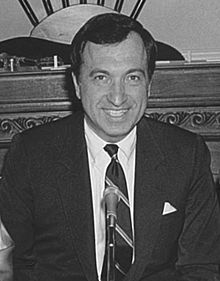
At 28, Harris was a fifth-dan kung-fu expert who always dressed well and spoke softly. He also had firsthand knowledge of the “Zebra murders.”
Anthony Harris
Born in Long Beach, California, in 1946, Anthony Cornelius Harris got as far as the sixth grade. He clashed often with police and, on January 3, 1969, he was convicted for assaulting a policeman.
He was released from prison in May, 1970, when he won a reversal of his sentence at the California Supreme Court.
But he was once again arrested and convicted, in 1971, of second-degree burglary in Los Angeles. For this, he drew a sentence at San Quentin prison.
And he also met two of the future “Zebra” killers: Manuel Moore and Jessie Lee Cooks.
Cooks had been convicted of robbery; Moore had been sent to prison for burglary. Both wanted Harris, a fifth-dan kung-fu expert, to teach them the martial arts.
Cooks wanted to learn kung-fu so he could kill whites “because they had castrated and killed our ancestors and stomped our babies’ heads in.”
While an inmate at San Quentin prison, Harris became a devout member of the Nation of Islam.
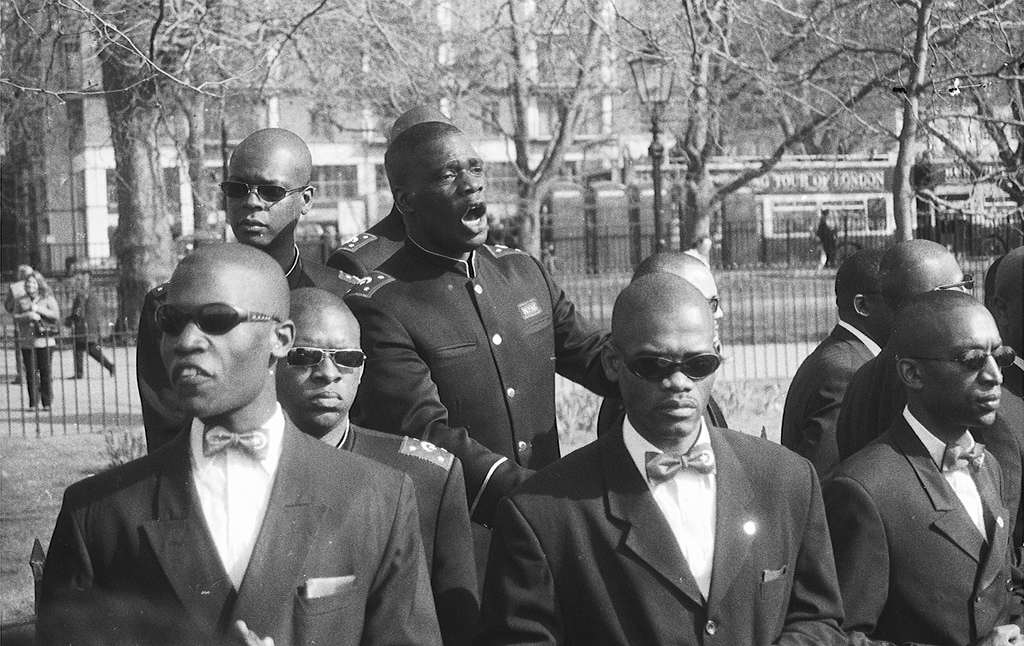
At that time, the spiritual leader of the Nation was Elijah Muhammad, who preached a gospel of black separatism and superiority. Muhammad taught that whites were literally the incarnation of evil, a race of “blue-eyed devils.”
Elijah Muhammed
To test the worthiness of His Chosen Black People, proclaimed Muhammad, Allah had allowed their 400-year persecution by these “bleached-out, grafted snakes.”
But that great testing period would soon come to its end. Then would follow the literal, heaven-sent destruction of all whites. At the conclusion of this divine slaughter, Allah would create a paradise earth for His Chosen Black People.
Harris, Moore and Cooks had a conversation in the temporary Muslim temple in the prison–about “killing people and cutting their heads off—just white people,” Harris later testified in court.
After Harris was paroled on October 15, 1973, he drifted into San Francisco. There he made a new friend—Larry Craig Green, who helped him into a job at the Black Self-Help, a Muslim-owned, furniture-moving company in the city.
Yet another new friend he made there was J.C. Simon.
Soon he was reunited with Jessie Cooks, who had been paroled in July. The release of Manuel Moore followed in November—as did his own arrival in San Francisco.
In September or October, 1973, Harris and 12 to 13 other Muslims—including Simon, Cooks and Green—et at J.C. Simon’s San Francisco apartment.
“They asked me,” Harris later testified, “was I able to kill anyone? Did I have my mind together? They wanted me to work in the [Muslim] temple” as a kung-fu instructor.
On January 18, 2016, Daniel Shaver crawled on his hands and knees and begged for his life while facing six armed Arizona police officers.
It didn’t save him.
One of the officers, Philip Brailsford, was carrying an AR-15 rifle with the telltale phrase “You’re Fucked” etched into the weapon.
Shaver couldn’t see the etching. But the humiliating and fear-inspiring commands of Sergeant Charles Langley—captured on a police body camera—were clearly audible.
Shaver, 26, on a work-related trip to Mesa from Granbury, Texas, had been doing rum shots with a woman he had met earlier that day. He had also been showing off a pellet gun he used to take out rodents in his work in pest control.
Daniel Shaver
At some point, a caller informed the Mesa Police Department that a man was pointing a rifle out of a fifth-floor window at a La Quinta Inn.
When officers arrived at the Inn, they ordered Shaver and the woman to come out of the hotel room. They did so and immediately complied with commands from Sergeant Langley.
LANGLEY:Stop right there! Stop! Stop! Get on the ground both of you! Lay down on the ground. Lay down on the ground.
If you make a mistake, another mistake, there is a very severe possibility that you’re both going to get shot. Do you understand? Who else is in the room?
SHAVER: Nobody.
Philip Brailsford
[Langley then asked if they were sober enough to understand his commands. Both Shaver and the woman said they were.]
SHAVER: What—?
LANGLEY: Shut up. I’m not here to be tactful or diplomatic with you. You listen, you obey. For one thing: Did I tell you to move young man?
SHAVER: No.
LANGLEY: Put both hands on the top of your head and interlace your fingers. Take your feet and cross your left foot over your right foot.
Young man, you’re not to move. You’re to put your eyes down and look down at the carpet. You’re to keep your fingers interlaced behind your head. You’re to keep your legs crossed.
If you move we’re going to consider that a threat and we’re going to deal with it and you may not survive.
[Langley ordered the woman to crawl toward him. She did so and was handcuffed off-camera.]
LANGLEY: Young man listen to my instructions and do not make a mistake. You are to keep your legs crossed. Do you understand me?
SHAVER: Yes, sir.
LANGLEY:You are to put both of your hands palms down straight out in front of you, push yourself up to a kneeling position. I said keep your legs crossed! I didn’t say this as a conversation.
[Shaver put his hands behind his back.]
LANGLEY (shouting): I said put your hands up hands in the air! You do that again, we’re shooting you, do you understand?
SHAVER: Please do not shoot me.
LANGLEY: Then listen to my instructions!
SHAVER: I’m trying to do what you say—
LANGLEY: Don’t talk! Listen! Hands straight up in the air! Do not put your hands down for any reason. You think you’re gonna fall, you better fall on your face. Your hands go back into the small of your back or down we are going to shoot you. Do you understand me?
SHAVER: Yes, sir.
LANGLEY: Crawl towards me, crawl towards me.
Shaver started crawling toward Langley and Brailsford, sobbing. At one point, he reached back toward his pants leg—possibly to pull up his shorts.
Suddenly Brailsford opened fire so quickly it sounded like a single shot—although Shaver was struck five times.
Brailsford later claimed he believed that Shaver was reaching for a gun.
The video makes clear that Shaver was thoroughly covered by the officers. Any of them could have approached Shaver while he was prone and handcuffed him.
No gun was found on Shaver’s body. Two pellet rifles used in Shaver’s pest-control job were later found in the hotel room.
In May, 2016, Brailsford was charged with second-degree murder.
On December 7, 2017, after a six week trial, a jury deliberated for less than six hours over two days and acquitted Brailsford of second degree murder as well as of a lesser charge of reckless manslaughter.
“The justice system miserably failed Daniel (Shaver) and his family,” said Mark Geragos, an attorney for Shaver’s widow, Laney Sweet.
The Mesa Police Department fired Brailsford two months after the shooting. In August 2018, he was reinstated, staying for a further 42 days in what the department described as a “budget position”.
The department reimbursed Brailsford for medical expenses related to his claim of post-traumatic stress disorder (PTSD) over the shooting of Shaver and the resultant criminal trial.
The reinstatement allowed Brailsford to apply for “accidental disability” suffered during the course of work. Brailsford was also given a monthly pension of $2,500.
The fact that Brailsford was ultimately medically retired instead of remaining fired was only revealed to the public in July 2019.
Langley retired as a police officer and moved to the Philippines—where police death squads operated under orders from the country’s president, Rodrigo Duterte.
According to a Washington Post database, there were at least 963 fatal police shootings in 2016.
On January 18, 2016, Daniel Shaver crawled on his hands and knees and begged for his life while facing six armed Arizona police officers.
It didn’t save him.
One of the officers, Philip Brailsford, was carrying an AR-15 rifle with the phrase “You’re Fucked” etched into the weapon.
Shaver couldn’t see the etching. But the humiliating and fear-inspiring commands of Sergeant Charles Langley—captured on a police body camera—were clearly audible.
Shaver, 26, on a work-related trip to Mesa from Granbury, Texas, had been doing rum shots with a woman he had met earlier that day. He had also been showing off a pellet gun he used to take out rodents in his work in pest control.
Daniel Shaver
At some point, a caller informed the Mesa Police Department that a man was pointing a rifle out of a fifth-floor window at a La Quinta Inn.
When officers arrived at the Inn, they ordered Shaver and the woman to come out of the hotel room. They did so and immediately complied with commands from Sergeant Langley.
LANGLEY:Stop right there! Stop! Stop! Get on the ground both of you! Lay down on the ground. Lay down on the ground.
If you make a mistake, another mistake, there is a very severe possibility that you’re both going to get shot. Do you understand? Who else is in the room?
SHAVER: Nobody.
Philip Brailsford
[Langley then asked if they were sober enough to understand his commands. Both Shaver and the woman said they were.]
SHAVER: What—?
LANGLEY: Shut up. I’m not here to be tactful or diplomatic with you. You listen, you obey. For one thing: Did I tell you to move young man?
SHAVER: No.
LANGLEY:Put both hands on the top of your head and interlace your fingers. Take your feet and cross your left foot over your right foot.
Young man, you’re not to move. You’re to put your eyes down and look down at the carpet. You’re to keep your fingers interlaced behind your head. You’re to keep your legs crossed.
If you move we’re going to consider that a threat and we’re going to deal with it and you may not survive.
[Langley ordered the woman to crawl toward him. She did so and was handcuffed off-camera.]
LANGLEY: Young man listen to my instructions and do not make a mistake. You are to keep your legs crossed. Do you understand me?
SHAVER: Yes, sir.
LANGLEY:You are to put both of your hands palms down straight out in front of you, push yourself up to a kneeling position. I said keep your legs crossed! I didn’t say this as a conversation.
[Shaver put his hands behind his back.]
LANGLEY (shouting): I said put your hands up hands in the air! You do that again, we’re shooting you, do you understand?
SHAVER: Please do not shoot me.
LANGLEY: Then listen to my instructions!
SHAVER: I’m trying to do what you say—
LANGLEY:Don’t talk! Listen! Hands straight up in the air! Do not put your hands down for any reason. You think you’re gonna fall, you better fall on your face. Your hands go back into the small of your back or down we are going to shoot you. Do you understand me?
SHAVER: Yes, sir.
LANGLEY: Crawl towards me, crawl towards me.
Shaver started crawling toward Langley and Brailsford, sobbing. At one point, he reached back toward his pants leg—possibly to pull up his shorts.
Suddenly Brailsford opened fire so quickly it sounded like a single shot—although Shaver was struck five times.
Brailsford later claimed he believed that Shaver was reaching for a gun.
The video makes clear that Shaver was thoroughly covered by the officers. Any of them could have approached Shaver while he was prone and handcuffed him.
No gun was found on Shaver’s body. Two pellet rifles used in Shaver’s pest-control job were later found in the hotel room.
In May, 2016, Brailsford was charged with second-degree murder.
On December 7, 2017, after a six week trial, a jury deliberated for less than six hours over two days and acquitted Brailsford of second degree murder as well as of a lesser charge of reckless manslaughter.
“The justice system miserably failed Daniel (Shaver) and his family,” said Mark Geragos, an attorney for Shaver’s widow, Laney Sweet.
The Mesa Police Department fired Brailsford two months after the shooting. In August 2018, he was reinstated, staying for a further 42 days in what the department described as a “budget position”.
The department reimbursed Brailsford for medical expenses related to his claim of post-traumatic stress disorder (PTSD) over the shooting of Shaver and the resultant criminal trial. The reinstatement allowed Brailsford to apply for “accidental disability” suffered during the course of work. Brailsford was also given a monthly pension of $2,500.
The fact that Brailsford was ultimately medically retired instead of remaining fired was only revealed to the public in July 2019.
Langley retired as a police officer and moved to the Philippines—where police death squads operate under orders from the country’s president, Rodrigo Duterte.
According to a Washington Post database, there were at least 963 fatal police shootings in 2016.
A war is flaring in football stadiums across the country.
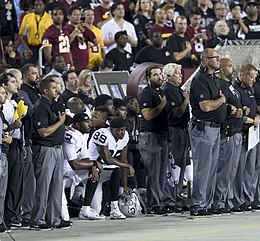
It’s a symbolic war—with football players literally “taking a knee” on one side and with President Donald Trump and his Right-wing minions symbolically waving the Stars and Stripes on the other.
And it’s fueled, on both sides, by a stadium-sized dose of hypocrisy.
For players, “taking a knee” during the playing of the National Anthem before the start of a football game means protesting against racial injustice and police brutality aimed at blacks.
For the Right, refusing to stand for “The Star Spangled Banner” is unpatriotic, perhaps treasonous. They claim it’s insulting to the military—and especially those soldiers who have died in America’s wars.
San Francisco 49ers quarterback Colin Kaepernick first took a knee on August 14, 2016.
Colin Kaepernick
During the 49ers’ first game of the pre-season, Kaepernick sat on the bench during the National Anthem both then and in their next game.
On August 26, he did so again. The next day, he explained his reason for ,it: “I am not going to stand up to show pride in a flag for a country that oppresses black people and people of color. To me, this is bigger than football and it would be selfish on my part to look the other way. There are bodies in the street and people getting paid leave and getting away with murder.”
On August 29, Trump—still a Presidential candidate—thrust himself into the budding controversy: “I think it’s personally not a good thing. I think it’s a terrible thing. And, you know, maybe he should find a country that works better for him. Let him try. It won’t happen.”
Donald Trump
One year later, on August 12, 2017, Oakland Raiders running back Marshawn Lynch sat for the anthem during preseason, on his first game back post-retirement.
The next day, Seattle Seahawks defensive lineman Michael Bennett sat for the anthem. He gave as his reason the “Unite the Right” rally of white racists in Charlottesville, Virginia.
On September 17, Trump—now President—told a rally in Alabama that refusing to sing the National Anthem showed “disrespect of our heritage. Wouldn’t you love to see one of these NFL owners, when somebody disrespects our flag, to say, ‘Get that son of a bitch off the field right now, out, he’s fired.'”
On September 23, Trump, on Twitter, called for NFL players who “disrespect our great American flag” to be fired. Later on in the day, he called for a boycott of the NFL.
On September 24, infuriated by Trump’s insults, NFL players across the country linked arms, took a knee, or stayed in the changing room during the National Anthem. Every game featured some form of demonstration.
Since then, the confrontation between players “taking a knee” and Trump and his Right-wing shills has mushroomed.
During 2017, there were 987 fatal police shootings; 223 blacks were shot and killed by police (23% of all fatal shootings), and 68 of the victims were unarmed.
Yet these protests have not led one police department to change its “use-of-deadly-force” policies. No State legislature has offered reform legislation. Nor has Congress.
Blacks are still getting shot by trigger-happy police—often while they’re unarmed and unresisting
So where does the hypocrisy come in?
On the part of the players:
These protests have caused police shootings to be largely forgotten—while the kneeling players are claiming the media’s attention.
The kneeling players consider themselves heroes—and are considered heroes by many within the black and white communities.
Yet there is nothing remotely heroic about kneeling for about a minute before you’re about to earn tens of thousands of dollars just for knocking a ball around a stadium. It’s a cheap and easy way to win applause while risking nothing.
These players’ celebrity could be put to far better use by appearing before legislative committees urging reforms in police “use-of-deadly-force” policies.
On the part of the Right:
Donald Trump, for all his boasts of patriotism, was a five-deferment draft dodger during the Vietnam war. Four deferments cited academic reasons and the fifth cited bone spurs—which usually result in small pointed outgrowths of bone—in his heels.
Many of those attacking the patriotism of the kneeling players have similarly refused to enter military service.
Standing for the National Anthem is likewise a cheap and easy way to declare yourself a patriot.
It’s akin to taking forced loyalty oaths: You take the oath, “prove” your integrity—and can then betray national security secrets almost with impunity.
Finally, there is one truth takes precedence over all others: There is no reason to play “The Star Spangled Banner” at football games—or any other sports event.
The reasons:
There is nothing inherently patriotic about attending any sports game:
The country isn’t being threatened.
No one is risking anything in its defense.
There are no casualties (save those suffered by athletes earning kingly salaries).
No one’s life is made any better by watching the game—or the protests.
Police brutality remains a serious matter. But “taking a knee” and its opponents most definitely isn’t.
Steffen White’s Email: Sparta480@aol.com Former reporter, legal investigator and troubleshooter. Columnist at Bureaucracybuster.com. Fighting political and bureaucratic arrogance, incompetence and/or indifference.
When making complaints in writing, carefully review your email or letter before sending it. Remove any words that are vulgar or profane. Don't make sweeping accusations: "Your agency is a waste."
Don't attribute motives to people you've had problems with, such as: "The postal clerk refused to help me because he's a drunk." If the person actually appeared to be drunk, then be precise in your description: "As he leaned over the counter I could smell beer on his breath. Behind him, in a waste basket, I saw an empty bottle of Coors beer."
Show how the failure of the official to address your problem reflects badly on the company or agency: "This is not the level of service your ads would lead potential customers to expect."
If necessary, note any regulatory agencies that can make life rough for the company or agency if your complaint isn't resolved. For the phone company, for example, cite the FCC or the PUC. But do this only after you have stated you hope your complaint can be settled amicably and privately within the company.






 Bureaucracybuster's Blog
ABC NEWS, ADOLF HITLER, ALBERT SPEER, ALTERNET, AMERICABLOG, AMERICAN NAZI PARTY, AP, BABY BOOMER RESISTANCE, BARACK OBAMA, BBC, BILL CLINTON ADMINISTRATION, BIRTHER MOVEMENT, BLOOMBERG, BLUESKY, BUZZFEED, CANADA, CBS NEWS, CHERYL SHAVERS, CNN, CONGRESSIONAL BLACK CAUCUS, CROOKS AND LIARS, DAILY KOS, DONALD TRUMP, ED GORDON, FACEBOOK, FIVETHIRTYEIGHT, GREAT BRITAIN, HARPER’S MAGAZINE, HUFFINGTON POST, JOHN KELLY, KU KLUX KLAN, MEDIA MATTERS, MELANIA TRUMP, MENTAL DISABILITY, MOTHER JONES, MOVEON, MSNBC, NATIONAL ASSOCIATION OF BLACK JOURNALISTS, NAZI GERMANY, NBC NEWS, NEWSDAY, NEWSWEEK, NPR, OMAROSSA MANIGAULT-NEWMAN, PBS NEWSHOUR, POLICE BRUTALITY, POLITICO, POLITICUSUSA, RACISM, RAW STORY, REPORTERS, REUTERS, SALON, SEATTLE TIMES, SLATE, TALKING POINTS MEMO, THE ATLANTIC, THE CHICAGO SUN-TIMES, THE CHICAGO TRIBUNE, THE DAILY BEAST, THE DAILY BLOG, THE GUARDIAN, THE HILL, THE HUFFINGTON POST, THE INTERCEPT, THE LOS ANGELES TIMES, THE NATION, THE NEW REPUBLIC, THE NEW YORK TIMES, THE NEW YORKER, THE VILLAGE VOICE, THE WASHINGTON POST, THINKPROGRESS, THIRD REICH, TIME, TRUTHDIG, TRUTHOUT, TWO POLITICAL JUNKIES, U.S. NEWS & WORLD REPORT, UPI, USA TODAY, VLADIMIR PUTIN, WAR ON THE PRESS, WOMANIZING, X
FASCISTIC DEFECTORORS–IN HITLER’S GERMANY AND TRUMP’S AMERICA: PART TWO (END)
In Bureaucracy, History, Military, Politics, Social commentary on January 23, 2026 at 12:41 amLess than three months after moving into the White House, Omarosa Manigault married John Allen Newman, the senior pastor at The Sanctuary at Mt. Calvary, a church in Jacksonville, Florida.
The wedding, on April 8, 2017, was at Donald Trump’s Washington, DC, hotel. Afterwards, in full bridal attire, Omarosa took her 39-member bridal party to the White House for an extended photo shoot.
According to Politico, White House senior aides and security officials were caught by surprise. Omarosa hadn’t alerted them in advance. Her visitors “loudly wandered around” the Rose Garden and West Wing.
White House officials, citing ethics and security concerns, banned Manigault-Newman from posting the photographs online.
Omarosa Manigault-Newman Gage Skidmore photo
On December 13, Omarosa learned that she would be leaving the White House—and her $180,000-a-year position as director of communications for the Office of Public Liaison. Her last day would be January 20, 2018—one year from the day she had arrived.
She asked Ivanka Trump to intervene on her behalf, but the First Daughter refused.
Deciding to go right to the top, she headed for the Trumps’ private quarters. There she tripped an alarm—which brought guards and White House Chief of Staff John Kelly to the scene.
An enraged Kelly ordered her ejected from the White House.
Multiple sources report that she had to be physically restrained and escorted—cursing and screaming—from the Executive Mansion.
Next day—December 14—Manigault-Newman appeared on “Good Morning America.”
The woman who had been Trump’s ambassador to blacks now sang a different tune:
“I have seen things that made me uncomfortable, that have upset me, that have affected me deeply and emotionally, that has affected my community and my people. And when I can tell my story, it is a profound story that I know the world will want to hear.”
On August 8, 2018, news broke that Omarosa had secretly taped Trump during several phone conversations in the White House. And that she would use these recordings to promote an upcoming—and highly critical—book on the President.
Its title: Unhinged.
It would be released on August 14.
Omarosa has since launched her book tour blasting Trump as a racist, a misogynist and in mental decline.
On Trump as a racist: Interviewed on The PBS Newshour, she said: “One of the most dramatic scenes in Unhinged where I talk about taking him to task for the birther movement.”
Since 2011, Trump slandered President Barack Obama as born in Kenya—instead of his native Hawaii. The purpose: To de-legitimize Obama as a lawful President.
But Omarosa said nothing about this at the time.
On Trump as a misogynist: In an Associated Press interview, she claims she saw Trump behaving “like a dog off the leash” at numerous events he attended without his wife, Melania Trump.
During the 2016 campaign, at least 12 women publicly accused Trump of sexual harassment. A noteworthy moment: The infamous “grab-’em-by-the-pussy” Access Hollywood tape released just before the election.
But this didn’t enrage Omarosa at the time.
On Trump’s mental decline: On the PBS Newshour: “We’re in the White House and Donald Trump couldn’t remember basic words or phrases. He couldn’t read the legislation that was put in front of him.”
During the 2016 campaign, numerous journalists commented on Trump’s short attention span, limited vocabulary and obvious inability to absorb large amounts of information.
But this came as a surprise to Omarosa only in 2017.
* * * * *
As the Third Reich reached its fiery end, Adolf Hitler sought to punish the German people for being “unworthy” of his “genius”—and losing the war he had started.
His attitude was: “If I can’t rule Germany, then there won’t be a Germany.”
In his infamous “Nero Order,” he decreed the destruction of everything still remaining—industries, ships, harbors, communications, roads, mines, bridges, stores, utility plants, food stuffs.
Fortunately for Germany, one man—Albert Speer—finally broke ranks with his Fuehrer.
Albert Speer
Risking death, he refused to carry out Hitler’s “scorched earth” order. Even more important, he mounted a successful effort to block such destruction or persuade influential military and civilian leaders to disobey the order as well.
As a result, those targets slated for destruction were spared.
By the time Omarosa was evicted from the White House, Donald Trump had:
Omarosa Manigault-Newman had a front-row seat to all of this infamy. Yet she didn’t leave or even protest until she was forcibly booted from the White House.
Unlike Albert Speer, she risked nothing by opposing Trump and expects to enrich herself via book sales.
America still awaits its own Albert Speer to come forward and save its liberties from a racist, vindictive and treasonous President installed by American Fascists and KGB computer-hackers.
Share this: