Posts Tagged ‘PETER CAPPELLI’
2016 PRESIDENTIAL CAMPAIGN, ABC NEWS, ALTERNET, AMERICAN REVOLUTION, AP, BARACK OBAMA, BUREAU OF LABOR STATISTICS, BUZZFEED, CALVIN COOLIDGE, CBS NEWS, CELINDA LAKE, CHINA, CHRIS MATTHEWS, CNN, CROOKS AND LIARS, DAILY KOZ, DIVINE RIGHT OF KINGS THEORY, DONALD TRUMP, EMANCIPATION PROCLAMATION, EMPLOYERS RESPONSIBILITY ACT, EMPLOYMENT ACT OF 1946, FACEBOOK, HARDBALL, HILLARY CLINTON, JOB CREATORS, JOHN F. KENNEDY, LOS ANGELES TIMES, LYNDON B. JOHNSON, MOTHER JONES, MOVEON, MSNBC, NBC NEWS, NEW YORK TIMES, NEWSWEEK, NPR, PBS NEWSHOUR, PETER CAPPELLI, POLITICO, RAW STORY, READERS DIGEST, REPUBLICANS, REUTERS, ROBERT REICH, SALON, SEATTLE TIMES, SENATOR BERNIE SANDERS, SLATE, SLAVERY, STEVE POIZNER, THE ATLANTIC, THE CHICAGO SUN-TIMES, THE CHICAGO TRIBUNE, THE DAILY BEAST, THE GUARDIAN, THE HILL, THE HUFFINGTON POST, THE LOS ANGELES TIMES, THE NATION, THE NEW YORK TIMES, THE RACHEL MADDOW SHOW, THE WASHINGTON POST, TIME, TOMMY G. THOMPSON, TWITTER, U.S. NEWS & WORLD REPORT, UNEMPLOYMENT, UPI, USA TODAY, WALLACE C. PETERSON, WASHINGTON POST, WHY GOOD PEOPLE CAN'T FIND JOBS
In Bureaucracy, History, Law, Law Enforcement, Politics, Social commentary on September 14, 2018 at 12:16 am
Niccolo Machiavelli, the father of modern politics, warns in his masterwork, The Discourses:
All those who have written upon civil institutions demonstrate…that whoever desires to found a state and give it laws, must start with assuming that all men are bad and ever ready to display their vicious nature, whenever they may find occasion for it.
If their evil disposition remains concealed for a time, it must be attributed to some unknown reason; and we must assume that it lacked occasion to show itself. But time, which has been said to be the father of all truth, does not fail to bring it to light.

Niccolo Machiavelli
Where the crimes of corporate employers are concerned, we do not have to wait for their evil disposition to reveal itself. It has been fully revealed for decades. We need only find the courage to redress the costly outrages we see every day in the workplace.
In its June 8, 2011 cover-story on “What U.S. Economic Recovery? Five Destructive Myths,” Time magazine warned that profit-seeking corporations can’t be relied on to ”make it all better.”
Click here: What U.S. Economic Recovery? Five Destructive Myths – TIME
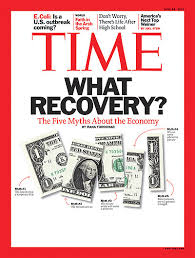
Wrote Rana Foroohar, Time‘s assistant managing editor in charge of economics and business:
American companies “are doing quite well,” but most American workers “are earning a lower hourly wage now than they did during the recession.”
Corporations, in short, are doing extremely well. But they don’t spend their profits on American workers.
“There may be $2 trillion sitting on the balance sheets of American corporations globally, but firms show no signs of wanting to spend it in order to hire workers at home.”
In short: Giving even greater tax breaks to mega-corporations—the standard Republican mantra—will not persuade them to stop “outsourcing” jobs. Nor will it convince them to start hiring Americans.

While embarrassingly overpaid CEOs squander corporate wealth on themselves, millions of Americans can’t afford medical care or must depend on charity to feed their families.
Yet there is also a disconnect between the truth of this situation and the willingness of Americans to face up to that truth.
The reason, writes Foroohar:
Republicans have convinced most Americans they can revitalize the economy by slashing “taxes on the wealthy and on cash-hoarding corporations while cutting benefits for millions of Americans.”
To restore prosperity, America will need both tax increases and cuts in entitlement programs.
Now, fast forward to a March 30, 2018 story in The Motley Fool: “These 12 Companies Have Laid Off Workers in 2018.”
The “tax reform” bill passed by a Republican Congress in 2017 “included a long-awaited reduction in corporate taxes. The top rate for corporations fell from 35% to a flat 21%.
“It also set a one-time repatriation tax on foreign profits at 15.5%, creating a windfall for many companies.”
“In spite of the good fortune these events have bestowed on corporate America,” sums up the writer, “you might be surprised to find that there is a growing list of employers that are sending workers home this year.”
Among those companies:
- Verizon Wireless – 3,000 employees.
- PepsiCo, Inc. – 1,000 layoffs.
- J.C. Penney – 360 layoffs on top of an already 5,000 firings.
- Ford Motor Company – 2,000 layoffs. Amazon.com – hundreds of workers (no specific number given).
- Macy’s, Inc. – 5,000 jobs eliminated.
- AT&T – 4,000 employees.
- Walmart – eliminating 3,500 co-manager positions in its domestic market, and replacing half of these with lower-paying assistant store managers. It’s also laying off about 500 headquarters staff this year, and will do so in 2019.
- Kimberly Clark Corporation – laying off 5,000 to 5,500 employees.
- International Business Machines – According to a Mother Jones article, laid off an estimated 20,000 U.S. workers over the age of 40 since 2013, who were all replaced by “less-experienced and lower-paid workers.”
- Toys R Us – Filed for bankruptcy and plans to liquidate its 700 remaining U.S. locations, resulting in the loss of 33,000 American jobs.
A June 14, 2018 story on Fox Business News warned: “Major Companies Have Announced Layoffs This Month. Here’s a Look.”
The companies:
- Hewlett-Packard – cutting 5,000 jobs.
- McDonalds – Undisclosed.
- Citigroup – 20,000 jobs.
- Tesla – 3,600 jobs.
And a June 28 article in The Street announced: “These Companies Have Had Some of the Worst Layoffs in 2018.”
- EBay. Inc. – Cutting “cutting a single-digit percentage of jobs.”
- General Mills – 625 employees. Mid-Continent Nail Corp – firing 60 workers. Deutsche Bank – laying off 10,000 employees.
Admittedly, some companies have legitimate reasons for cutting back on employees:
- PepsiCo has suffered a fall-off in customers as Americans switch from soda to healthier drinks.
- Sears has struggled for years after the rise of e-commerce and the decline of customer traffic at shopping malls.
- Macy’s is another company struggling to realign itself in an age of online sales and changing consumer habits.
- Toys R Us has filed for bankruptcy and will soon be gone.
But there are also sinister reasons why millions of willing-to-work Americans remain unemployed. Or remain trapped in part-time, no-benefits jobs far below their levels of education and experience.
Chief among these is the refusal of Congressional Republicans to create job opportunities for their fellow Americans.
2016 PRESIDENTIAL CAMPAIGN, ABC NEWS, ALTERNET, AMERICAN REVOLUTION, AP, BARACK OBAMA, BUREAU OF LABOR STATISTICS, BUZZFEED, CALVIN COOLIDGE, CBS NEWS, CELINDA LAKE, CHINA, CHRIS MATTHEWS, CNN, CROOKS AND LIARS, DAILY KOZ, DIVINE RIGHT OF KINGS THEORY, DONALD TRUMP, EMANCIPATION PROCLAMATION, EMPLOYERS RESPONSIBILITY ACT, EMPLOYMENT ACT OF 1946, FACEBOOK, HARDBALL, HILLARY CLINTON, JOB CREATORS, JOHN F. KENNEDY, LOS ANGELES TIMES, LYNDON B. JOHNSON, MOTHER JONES, MOVEON, MSNBC, NBC NEWS, NEW YORK TIMES, NEWSWEEK, NPR, PBS NEWSHOUR, PETER CAPPELLI, POLITICO, RAW STORY, READERS DIGEST, REPUBLICANS, REUTERS, ROBERT REICH, SALON, SEATTLE TIMES, SENATOR BERNIE SANDERS, SLATE, SLAVERY, STEVE POIZNER, THE ATLANTIC, THE CHICAGO SUN-TIMES, THE CHICAGO TRIBUNE, THE DAILY BEAST, THE GUARDIAN, THE HILL, THE HUFFINGTON POST, THE LOS ANGELES TIMES, THE NATION, THE NEW YORK TIMES, THE RACHEL MADDOW SHOW, THE WASHINGTON POST, TIME, TOMMY G. THOMPSON, TWITTER, U.S. NEWS & WORLD REPORT, UNEMPLOYMENT, UPI, USA TODAY, WALLACE C. PETERSON, WASHINGTON POST, WHY GOOD PEOPLE CAN'T FIND JOBS
In Bureaucracy, Business, History, Law, Law Enforcement, Politics, Social commentary on September 13, 2018 at 12:07 am
Have you noticed how every American employer has suddenly become a “job creator”?
At least, that’s the official Republican line.
But if that’s true:
- Why are so many employers not hiring at all?
- Or, if they are hiring, why aren’t they hiring American workers?
- Why are they hiring mostly part-time employees on a no-benefits basis?
- Why are so many employers shutting down American plants but starting new ones in China, Mexico or the Philippines?
According to an August, 2018 news release by the Bureau of Labor Statistics, U.S. Department of Labor:
- The unemployment rate stood at 3.9 percent in August, 2018, and the number of unemployed persons stood at 6.2 million.
- The unemployment rates stood at the following for:
- Adult men: (3.5 percent)
- Adult women (3.6 percent)
- Teenagers (12.8 percent
- Whites (3.4 percent
- Blacks (6.3 percent)
- Asians (3.0 percent)
- Hispanics (4.7 percent)
- The number of long-term unemployed (those jobless for 27 weeks or more) was little changed in August at 1.3 million and accounted for 21.5 percent of the unemployed. Over the year, the number of long-term unemployed has declined by 403,000.
- The number of persons employed part time for economic reasons (sometimes referred to as involuntary part-time workers), at 4.4 million.
-
Among the marginally attached, there were 1.4 million discouraged workers. These individuals were not in the labor force, wanted and were available for work, and had looked for a job sometime in the prior 12 months.
-
Among the marginally attached, there were 434,000 discouraged workers in August, essentially unchanged from a year earlier. Discouraged workers are persons not currently looking for work because they believe no jobs are available for them.
At the same time, U.S. corporations sit on at least $2 trillion in cash.
Besides lying beyond the reach of the IRS, those monies could be used to hire those millions of qualified, willing-to-work Americans who can’t find fulltime, permanent employment.
An article in the March, 2011 issue of Reader’s Digest gives the lie to the excuses so many employers use for refusing to hire.
Entitled “22 Secrets HR Won’t Tell You About Getting a Job,” it lays bare many of the reasons why America needs to legally force employers to demonstrate as much responsibility for hiring as job-seekers are expected to show toward searching for work.
Among the truths it reveals:
TRUTH NO: 1: After you’re unemployed more than six months, employers consider you unemployable.
TRUTH NO. 2: It’s not what but who you know that counts.
TRUTH NO. 3: Try to avoid HR. Find someone in the company you know. If you don’t know anyone, contact the hiring manager.
TRUTH NO. 4: Cover letters are often ignored, going directly into “the round file.”
TRUTH NO. 5: Employers judge you on the basis of your email address. Avoid the type that reads: “Igetdrunkand party.”
TRUTH NO. 6: You’re not protected against age discrimination. Many employers regularly ignore the law. Are you in your 50s or 60s? Leave your year of graduation off your resume.
TRUTH NO: 7: Just because it’s illegal to discriminate against applicants who have children does not mean you’re safe. Many employers try to screen out parents–such as by checking cars for child safety seats.
TRUTH NO. 8: It’s harder to get a job if you’re fat, since fat people are usually assumed to be lazy.
TRUTH NO. 9: Make sure you give the interviewer a firm handshake. Or he might assume you’re a loser for giving him a weak one.
TRUTH NO. 10: The more you can get the interviewer to talk–especially about himself–the more likely you are to be hired. Ego-driven interviewers love hearing the sound of their own voices and will assume you’re better-qualified than someone who doesn’t want to listen to them prattle.
Millions of Americans blamed President Barack Obama for the nation’s high unemployment rate during his administration. And millions more believe that President Donald Trump has created an economic miracle—despite those millions of Americans still desperately searching for work.
The brutal truth is that no President can hope to turn unemployment around until employers are forced to start living up to their responsibilities.
And those responsibilities should encompass more than simply fattening their own pocketbooks and/or egos at the expense of their fellow Americans. Such behavior used to be called treason.
Americans need to recognize that a country can be betrayed for other than political reasons. It can be sold out for economic ones, too.
Trea$on
Employers who enrich themselves by weakening their country—by throwing millions of qualified workers into the street and moving their plants to other countries—are traitors.
Employers who set up offshore accounts to claim their American companies are foreign-owned—and thus exempt from taxes—are traitors.
Employers who systematically violate Federal immigration laws—to hire illegal aliens instead of willing-to-work Americans—are traitors.
And with a new definition of treason should go new penalties—heavy fines and/or prison terms–for those who sell out their country to enrich themselves.
ABC NEWS, BARACK OBAMA, BUREAU OF LABOR STATISTICS, CBS NEWS, CHINA, CNN, EMANCIPATION PROCLAMATION, EMPLOYERS RESPONSIBILITY ACT, FACEBOOK, JOB CREATORS, LOS ANGELES TIMES, NEW YORK TIMES, PETER CAPPELLI, READERS DIGEST, REPUBLICANS, SENATOR BERNIE SANDERS, SLAVERY, TED RALL, THE RACHEL MADDOW SHOW, TWITTER, UNEMPLOYMENT, WASHINGTON POST, WHY GOOD PEOPLE CAN'T FIND JOBS
In Bureaucracy, Business, History, Law, Politics, Social commentary on March 13, 2014 at 12:05 am
An Employers Responsibility Act would simultaneously address a series of evils for which employers are directly responsible. Among its remaining provisions:
(9) Employers refusing to hire would be required to pay an additional “crime tax.”
Sociologists and criminologists agree that “the best cure for crime is a job.” Thus, employers who refuse to hire contribute to a growing crime rate in this Nation. Such non-hiring employers would be required to pay an additional tax, which would be earmarked for agencies of the criminal justice system at State and Federal levels.
(10) The seeking of “economic incentives” by companies in return for moving to or remaining in cities/states would be strictly forbidden.
Such “economic incentives” usually:
- allow employers to ignore existing laws protecting employees from unsafe working conditions;
- allow employers to ignore existing laws protecting the environment;
- allow employers to pay their employees the lowest acceptable wages, in return for the “privilege” of working at these companies; and/or
- allow employers to pay little or no business taxes, at the expense of communities who are required to make up for lost tax revenues.
(11) Employers who continue to make such overtures would be prosecuted for attempted bribery or extortion:
- Bribery, if they offered to move to a city/state in return for “economic incentives,” or
- Extortion, if they threatened to move their companies from a city/state if they did not receive such “economic incentives.”
This would protect employees against artificially-depressed wages and unsafe working conditions; protect the environment in which these employees live; and protect cities/states from being pitted against one another at the expense of their economic prosperity.
(12) The U.S. Departments of Justice and Labor would regularly monitor the extent of employer compliance with the provisions of this Act.
Among these measures: Sending undercover agents, posing as highly-qualified job-seekers, to apply at companies—and then vigorously prosecuting those employers who blatantly refused to hire despite their proven economic ability to do so.
This would be comparable to the long-time and legally-validated practice of using undercover agents to determine compliance with fair-housing laws.
(13) The Justice Department and/or the Labor Department would be required to maintain a publicly-accessible database on those companies that had been cited, sued and/or convicted for such offenses as
- discrimination,
- harassment,
- health and/or safety violations or
- violating immigration laws.
Employers would be legally required to regularly provide such information to these agencies, so that it would remain accurate and up-to-date.
Such information would arm job applicants with vital information about the employers they were approaching. They could thus decide in advance if an employer is deserving of their skills and dedication.
As matters now stand, employers can legally demand to learn even the most private details of an applicant’s life without having to disclose even the most basic information about themselves and their history of treating employees.
(14) CEOs whose companies employ illegal aliens would be held directly accountable for the actions of their subordinates. Upon conviction, the CEO would be sentenced to a mandatory prison term of at least ten years.
This would prove a more effective remedy for controlling illegal immigration than stationing tens of thousands of soldiers on the U.S./ Mexican border. With CEOs forced to account for their subordinates’ actions, they would take drastic steps to ensure their companies complied with Federal immigration laws.
Without employers eager to hire illegal aliens at a fraction of the money paid to American workers, the invasions of illegal job-seekers would quickly come to an end.
(15) A portion of employers’ existing Federal taxes would be set aside to create a national clearinghouse for placing unemployed but qualified job-seekers.
* * * * *
For thousands of years, otherwise highly intelligent men and women believed that kings ruled by divine right. That kings held absolute power, levied extortionate taxes and sent countless millions of men off to war–all because God wanted it that way.
That lunacy was dealt a deadly blow in 1776 when American Revolutionaries threw off the despotic rule of King George III of England.
But today, millions of Americans remain imprisoned by an equally outrageous and dangerous theory: The Theory of the Divine Right of Employers.
America can no longer afford such a dangerous fallacy as the Theory of the Divine Right of Employers.

The solution lies in remembering that the powerful never voluntarily surrender their privileges.
Americans did not win their freedom from Great Britain–-and its enslaving doctrine of “the divine right of kings”-–by begging for their rights.
And Americans will not win their freedom from their corporate masters–-and the equally enslaving doctrine of “the divine right of employers”––by begging for the right to work and support themselves and their families.
And they will most certainly never win such freedom by supporting right-wing political candidates whose first and only allegiance is to the corporate interests who bankroll their campaigns.
Corporations can–and do–spend millions of dollars on TV ads, selling lies–lies such as the “skills gap,” and how if the wealthy are forced to pay their fair share of taxes, jobs will inevitably disappear.
But Americans can choose to reject those lies–and demand that employers behave like patriots instead of predators.
ABC NEWS, BARACK OBAMA, BUREAU OF LABOR STATISTICS, CBS NEWS, CHINA, CNN, EMANCIPATION PROCLAMATION, EMPLOYERS RESPONSIBILITY ACT, FACEBOOK, JOB CREATORS, LOS ANGELES TIMES, NEW YORK TIMES, PETER CAPPELLI, READERS DIGEST, REPUBLICANS, SENATOR BERNIE SANDERS, SLAVERY, TED RALL, THE RACHEL MADDOW SHOW, TWITTER, UNEMPLOYMENT, WASHINGTON POST, WHY GOOD PEOPLE CAN'T FIND JOBS
In Bureaucracy, Business, History, Law, Politics, Social commentary on March 12, 2014 at 12:02 am
An Employers Responsibility Act would simultaneously address the following evils for which employers are directly responsible:
- The loss of jobs within the United States owing to companies’ moving their operations abroad—solely to pay substandard wages to their new employees.
- The mass firings of employees which usually accompany corporate mergers or acquisitions.
- The widespread victimization of part-time employees, who are not legally protected against such threats as racial discrimination, sexual harassment and unsafe working conditions.

- The refusal of many employers to create better than menial, low-wage jobs.
- The widespread employer practice of extorting “economic incentives” from cities or states in return for moving to or remaining in those areas. Such “incentives” usually absolve employers from complying with laws protecting the environment and/or workers’ rights.
- The refusal of many employers to provide medical and pension benefits—nearly always in the case of part-time employees, and, increasingly, for full-time, permanent ones as well.
- Rising crime rates, due to rising unemployment.
Among its provisions:
(1) American companies that close plants in the United States and open others abroad would be forbidden to sell products made in those foreign plants within the United States.
This would protect both American and foreign workers from employers seeking to profit at their expense. American workers would be ensured of continued employment. And foreign laborers would be protected against substandard wages and working conditions.
Companies found violating this provision would be subject to Federal criminal prosecution. Guilty verdicts would result in heavy fines and lengthy imprisonment for their owners and top managers.
(2) Large companies (those employing more than 100 persons) would be required to create entry-level training programs for new, future employees.
These would be modeled on programs now existing for public employees, such as firefighters, police officers and members of the armed services. Such programs would remove the employer excuse, “I’m sorry, but we can’t hire you because you’ve never had any experience in this line of work.” After all, the Air Force has never rejected an applicant because, “I’m sorry, but you’ve never flown a plane before.”
This Nation has greatly benefited from the humane and professional efforts of the men and women who have graduated from public-sector training programs. There is no reason for the private sector to shun programs that have succeeded so brilliantly for the public sector.
(3) Employers would receive tax credits for creating professional, well-paying, full-time jobs.
This would encourage the creation of better than the menial, dead-end, low-paying and often part-time jobs which exist in the service industry. Employers found using such tax credits for any other purpose would be prosecuted for tax fraud.
(4) A company that acquired another—through a merger or buyout—would be forbidden to fire en masse the career employees of that acquired company.
This would be comparable to the protection existing for career civil service employees. Such a ban would prevent a return to the predatory “corporate raiding” practices of the 1980s, which left so much human and economic wreckage in their wake.
The wholesale firing of employees would trigger the prosecution of the company’s new owners. Employees could still be fired, but only for provable just cause, and only on a case-by-case basis.
(5) Employers would be required to provide full medical and pension benefits for all employees, regardless of their full-time or part-time status.
Increasingly, employers are replacing full-time workers with part-time ones—solely to avoid paying medical and pension benefits. Requiring employers to act humanely and responsibly toward all their employees would encourage them to provide full-time positions—and hasten the death of this greed-based practice.
(6) Employers of part-time workers would be required to comply with all federal labor laws.
Under current law, part-time employees are not protected against such abuses as discrimination, sexual harassment and unsafe working conditions. Closing this loophole would immediately create two positive results:
- Untold numbers of currently-exploited workers would be protected from the abuses of predatory employers; and
- Even predatorily-inclined employers would be encouraged to offer permanent, fulltime jobs rather than only part-time ones—since a major incentive for offering part-time jobs would now be eliminated.
(7) Employers would be encouraged to hire to their widest possible limits, through a combination of financial incentives and legal sanctions. Among those incentives: Employers demonstrating a willingness to hire would receive substantial Federal tax credits, based on the number of new, permanent employees hired per year.
Employers claiming eligibility for such credits would be required to make their financial records available to Federal investigators. Employers found making false claims would be prosecuted for perjury and tax fraud, and face heavy fines and imprisonment if convicted.
(8) Among those sanctions: Employers refusing to hire could be required to prove, in court:
- Their economic inability to hire further employees, and/or
- The unfitness of the specific, rejected applicant.
Companies found guilty of unjustifiably refusing to hire would face the same penalties as now applying in cases of discrimination on the basis of age, race, sex and disability.
Employers would thus fund it easier to hire than to refuse to do so. Job-seekers would no longer be prevented from even being considered for employment because of arbitrary and interminable “hiring freezes.”
ABC NEWS, BARACK OBAMA, BUREAU OF LABOR STATISTICS, CBS NEWS, CHINA, CNN, EMANCIPATION PROCLAMATION, EMPLOYERS RESPONSIBILITY ACT, FACEBOOK, HARDBALL, JOB CREATORS, LOS ANGELES TIMES, NEW YORK TIMES, PETER CAPPELLI, READERS DIGEST, REPUBLICANS, SENATOR BERNIE SANDERS, SLAVERY, TED RALL, THE RACHEL MADDOW SHOW, TWITTER, UNEMPLOYMENT, WASHINGTON POST, WHY GOOD PEOPLE CAN'T FIND JOBS
In Bureaucracy, Business, History, Law, Politics on March 11, 2014 at 12:06 am
Why do millions of willing-to-work Americans remain unemployed?
Or remain trapped in part-time, no-benefits jobs far below their levels of education and experience?
A major reason: The refusal of Congressional Republicans to create job opportunities for their fellow Americans.
U.S. Senator Bernie Sanders (I, Vermont) made just that argument to guest host Ezra Klein on the June 12, 2012 edition of “The Rachel Maddow Show.”
SANDERS: Everybody knows you have to invest in infrastructure. We can create millions of decent paying jobs in the long term and I speak as a former mayor, you obviously save money because you don’t have to do constant repairs as we’ve just seen.
The simple reason is I’m afraid that you have a Republican mindset that says, “Hmm, let`s see, we can repair the infrastructure, save money long time, create millions of jobs, bad idea. Barack Obama will look good. And we’ve got to do everything that we can to make Barack Obama look bad.”
Another reason for America’s unemployment miseries: Many employers have designed “hiring” systems that simply don’t work.
So says Peter Cappelli, the George W. Taylor professor of management at the Wharton School at the University of Pennsylvania. He is also the author of Why Good People Can’t Get Jobs: The Skills Gap and What Companies Can Do About It.
Amazon.com: Why Good People Can’t Get Jobs: The Skills Gap and What Companies Can Do About It

Employers often whine that they can’t find the talent they need. Today’s applicants, they claim, lack skills, education and even a willingness to work.
The truth is altogether different. According to Cappelli, the fault lies with employers, not job-seekers:
- Hiring managers create wildly inflated descriptions of the talents and skills needed for openings: “They ask for the moon.”
- Computer technology eliminates many qualified people for consideration when their resumés don’t match the inflated qualifications demanded by employers.
- Employers aren’t willing to pay for the education and skills they demand: “What they really want is someone young, cheap and experienced.”
- Online applicants are often told to name a salary expectation. Anyone who names a salary higher than what the company is willing to pay is automatically rejected. There’s no chance to negotiate the matter.
- About 10% of employers admit that the problem is that their desired candidates refuse to accept the positions at the wage level being offered.
- Employers are not looking to hire entry-level applicants right out of school. They want experienced candidates who can contribute immediately with no training or start-up time.
- Employers demand that a single employee perform the work of several highly skilled employees. One company wanted an employee to be an expert in (1) human resources, (2) marketing, (3) publishing, (4) project management, (5) accounting and (6) finance.
- When employers can’t find the “perfect candidate” they leave positions open for months. But if they were willing to offer some training, they might easily hire someone who could quickly take on the job.
- Companies have stopped hiring new college graduates and grooming them for management ranks. They no longer have their own training and development departments. Without systems for developing people, companies must recruit outsiders.
- Employers’ unrealistic expectations are fueled partly by their own arrogance. With more than three jobless people for every opening, employers believe they should be able to find these “perfect people.”
According to Cappelli, the hiring system desperately needs serious reform:
- Review job descriptions. If they’re inflated, bring them down-to earth.
- Don’t expect to get something for nothing–or next to it. Offer competitive salaries.
- Scrutinize the hiring process. Make sure that the automated systems aren’t screening out qualified candidates simply because they don’t have all the brass buttons in a row.
- Beef up the Human Resources section.
A 1996 cartoon by Ted Rall, the no-holds-barred cartoonist, entitled “Something for Nothing,” brilliantly sums up how most corporate “job creators” actually regard and treat their employees and applicants:
Cappelli worries that the complaints about a labor shortage caused by an unwilling, unskilled workforce will be repeated enough that they will be accepted as truth:
“It’s a loud story … that could become pernicious if it persists. It does have a blame-the-victim feeling to it. It makes people feel better. You don’t have to feel so bad about people suffering if you think they are choosing it somehow.”
But America can end this national disaster–and disgrace.
A policy based only on concessions–such as endless tax breaks for hugely profitable corporations–is a policy of appeasement.
And appeasement only whets the appetite of those appeased for even greater concessions.
It is past time to hold wealthy and powerful corporations accountable for their socially and financially irresponsible acts.
This solution can be summed up in three words: Employers Responsibility Act (ERA).
If passed by Congress and vigorously enforced by the U.S. Departments of Justice and Labor, an ERA would ensure full-time, permanent and productive employment for millions of capable, job-seeking Americans.
And it would achieve this without raising taxes or creating controversial government “make work” programs.
Such legislation would legally require employers to demonstrate as much initiative for hiring as job-seekers are now expected to show in searching for work.
ABC NEWS, BARACK OBAMA, BUREAU OF LABOR STATISTICS, CBS NEWS, CHINA, CNN, EMANCIPATION PROCLAMATION, EMPLOYERS RESPONSIBILITY ACT, FACEBOOK, JOB CREATORS, LOS ANGELES TIMES, NEW YORK TIMES, PETER CAPPELLI, READERS DIGEST, REPUBLICANS, SENATOR BERNIE SANDERS, SLAVERY, TED RALL, THE RACHEL MADDOW SHOW, TWITTER, UNEMPLOYMENT, WASHINGTON POST, WHY GOOD PEOPLE CAN'T FIND JOBS
In Bureaucracy, Business, History, Law, Politics, Social commentary on March 10, 2014 at 12:01 am
Americans now consider unemployment the country’s Number 1 problem.
The finding comes in a Gallup poll conducted February 6-9.
Twenty-three percent now consider unemployment the greatest challenge facing the nation, while only 16% said the same in January.
Only 63% of working-age Americans are now employed or seeking work–the lowest share of the population making up the labor force since 1978.
Among the proposals offered for creating jobs:
- Steering more students into technical schools.
- Improving efforts to guide students into fields where the jobs are.
- Helping small busineses find foreign customers.
- Welcoming more immigrants.
- Creating a national jobs database.
- Rewarding companies that hire the long-term unemployed.
Yet none of these proposed solutions addresses the single greatest reason for America’s continuing unemployment problem: The refusal of American employers to hire American job-seekers.
An article in the March, 2011 issue of Reader’s Digest gives the lie to the excuses so many employers use for refusing to hire.
Entitled “22 Secrets HR Won’t Tell You About Getting a Job,” it lays bare many of the reasons why America needs to legally force employers to demonstrate as much responsibility for hiring as job-seekers are expected to show toward searching for work.
Click here: 22 Secrets HR Won’t Tell You About Getting a Job | HT Staffing
Among the truths it reveals:
- Once you’re unemployed more than six months, you’re considered unemployable.
- It’s not what but who you know that counts.
- Try to avoid HR and seek out someone in the company you know. If you don’t know anyone, go straight to the hiring manager.
- Don’t assume that someone will read your cover letter. Many of them go straight into the garbage can.
- You will be judged on the basis of your email address–especially if it’s something like “Igetwasted@aol.com.”
- If you’re in your 50s or 60s, protect yourself against age discrimination by leaving your year of graduation off your resume.
- Many managers don’t want to hire people with children, and will go to illegal lengths to find out their parental status–like checking an applicant’s car for child safety seats.
- It’s harder to get a job if you’re fat. Hiring managers make quick judgments based on stereotypes.
- Many managers will assume you’re a loser if you give them a weak handshake.
- Encourage the interviewer to talk–especially about himself. Ego-driven interviewers love hearing the sound of their own voices and will assume you’re better-qualified than someone who doesn’t want to listen to them prattle.
Millions of Americans continue to blame President Barack Obama for the nation’s high unemployment rate. But no President can hope to turn unemployment around until employers are forced to start living up to their responsibilities.
And those responsibilities should encompass more than simply fattening their own pocketbooks and/or egos at the expense of their fellow Americans. Such behavior used to be called treason.
It’s time to recognize that a country can be betrayed for other than political reasons. It can be sold out for economic ones, to
Employers who enrich themselves by weakening their country—by throwing millions of qualified workers into the street and moving their plants to other countries—are traitors.
Employers who set up offshore accounts to claim their American companies are foreign-owned—and thus exempt from taxes—are traitors.
Employers who systematically violate Federal immigration laws–to hire illegal aliens instead of willing-to-work Americans–-are traitors.
In its June 8, 2011 cover-story on “What U.S. Economic Recovery? Five Destructive Myths,” Time magazine warned that profit-seeking corporations can’t be relied on to ”make it all better.”
Click here: What U.S. Economic Recovery? Five Destructive Myths – TIME
Wrote Rana Foroohar, Time‘s assistant managing editor in charge of economics and business:
“There is a fundamental disconnect between the fortunes of American companies, which are doing quite well, and American workers, most of whom are earning a lower hourly wage now than they did during the recession.
“The thing is, companies make plenty of money; they just don’t spend it on workers here.
“There may be $2 trillion sitting on the balance sheets of American corporations globally, but firms show no signs of wanting to spend it in order to hire workers at home.”
In short: Giving even greater tax breaks to mega-corporations–the standard Republican mantra–has not persuaded them to stop “outsourcing” jobs. Nor has it convinced them to start hiring Americans.
While embarrassingly overpaid CEOs squander corporate wealth on themselves, millions of Americans can’t afford medical care or must depend on charity to feed their families.
Yet there is also a disconnect between the truth of this situation and the willingness of Americans to face up to that truth.
The reason:
“The Republicans have pulled off a major (some would say cynical) miracle,” writes Foroohar.
They have convinced “the majority of Americans that the way to jump-start the economy is to slash taxes on the wealthy and on cash-hoarding corporations while cutting benefits for millions of Americans.
“It’s fun-house math that can’t work. We’ll need both tax increases and sensible entitlement cuts to get back on track.”
ABC NEWS, AMERICAN REVOLUTION, BARACK OBAMA, CALVIN COOLIDGE, CBS NEWS, CHINA, CNN, DIVINE RIGHT OF KINGS THEORY, EMPLOYERS RESPONSIBILITY ACT, FACEBOOK, HARDBALL, JOB CREATORS, JOHN BOEHNER, LOS ANGELES TIMES, NEW YORK TIMES, PETER CAPPELLI, READERS DIGEST, REPUBLICANS, SENATOR BERNIE SANDERS, SUSAN COLLINS, TED RALL, THE RACHEL MADDOW SHOW, TWITTER, UNEMPLOYMENT, WASHINGTON POST, WHY GOOD PEOPLE CAN'T FIND JOBS
In Bureaucracy, Business, History, Law, Politics, Social commentary on January 14, 2014 at 12:00 am
Among the remaining portions of a nationwide Employers Responsibility Act:
(11) Employers who continue to make such overtures would be prosecuted for attempted bribery or extortion:
- Bribery, if they offered to move to a city/state in return for “economic incentives,” or
- Extortion, if they threatened to move their companies from a city/state if they did not receive such “economic incentives.”
This would protect employees against artificially-depressed wages and unsafe working conditions; protect the environment in which these employees live; and protect cities/states from being pitted against one another at the expense of their economic prosperity.
(12) The U.S. Departments of Justice and Labor would regularly monitor the extent of employer compliance with the provisions of this Act.
Among these measures: Sending undercover agents, posing as highly-qualified job-seekers, to apply at companies—and then vigorously prosecuting those employers who blatantly refused to hire despite their proven economic ability to do so.
This would be comparable to the long-time and legally-validated practice of using undercover agents to determine compliance with fair-housing laws.
(13) The Justice Department and/or the Labor Department would be required to maintain a publicly-accessible database on those companies that had been cited, sued and/or convicted for such offenses as
- discrimination,
- harassment,
- health and/or safety violations or
- violating immigration laws.
Employers would be legally required to regularly provide such information to these agencies, so that it would remain accurate and up-to-date.
Such information would arm job applicants with vital information about the employers they were approaching. They could thus decide in advance if an employer is deserving of their skills and dedication.
As matters now stand, employers can legally demand to learn even the most private details of an applicant’s life without having to disclose even the most basic information about themselves and their history of treating employees.
(14) CEOs whose companies employ illegal aliens would be held directly accountable for the actions of their subordinates. Upon conviction, the CEO would be sentenced to a mandatory prison term of at least ten years.
This would prove a more effective remedy for controlling illegal immigration than stationing tens of thousands of soldiers on the U.S./ Mexican border. With CEOs forced to account for their subordinates’ actions, they would take drastic steps to ensure their companies complied with Federal immigration laws.
Without employers eager to hire illegal aliens at a fraction of the money paid to American workers, the invasions of illegal job-seekers would quickly come to an end.
(15) A portion of employers’ existing Federal taxes would be set aside to create a national clearinghouse for placing unemployed but qualified job-seekers.

* * * * *
All those who have written upon civil institutions demonstrate…that whoever desires to found a state and give it laws, must start with assuming that all men are bad and ever ready to display their vicious nature, whenever they may find occasion for it.
If their evil disposition remains concealed for a time, it must be attributed to some unknown reason; and we must assume that it lacked occasion to show itself. But time, which has been said to be the father of all truth, does not fail to bring it to light.
–Niccolo Machiavelli, The Discourses
For thousands of years, otherwise highly intelligent men and women believed that kings ruled by divine right. That kings held absolute power, levied extortionate taxes and sent countless millions of men off to war–all because God wanted it that way.
That lunacy was dealt a deadly blow in 1776 when American Revolutionaries threw off the despotic rule of King George III of England.
But today, millions of Americans remain imprisoned by an equally outrageous and dangerous theory: The Theory of the Divine Right of Employers.
Summing up this employer-as-God attitude, Calvin Coolidge still speaks for the overwhelming majority of employers and their paid shills in government: “The man who builds a factory builds a temple, and the man who works there worships there.”
America can no longer afford such a dangerous fallacy as the Theory of the Divine Right of Employers.
The solution lies in remembering that the powerful never voluntarily surrender their privileges.
Americans did not win their freedom from Great Britain–-and its enslaving doctrine of “the divine right of kings”-–by begging for their rights.
And Americans will not win their freedom from their corporate masters–-and the equally enslaving doctrine of “the divine right of employers”––by begging for the right to work and support themselves and their families.
And they will most certainly never win such freedom by supporting right-wing political candidates whose first and only allegiance is to the corporate interests who bankroll their campaigns.
Corporations can–and do–spend millions of dollars on TV ads, selling lies–lies such as the “skills gap,” and how if the wealthy are forced to pay their fair share of taxes, jobs will inevitably disappear.
But Americans can choose to reject those lies–and demand that employers behave like patriots instead of predators.
ABC NEWS, AMERICAN REVOLUTION, BARACK OBAMA, CALVIN COOLIDGE, CBS NEWS, CHINA, CNN, DIVINE RIGHT OF KINGS THEORY, EMPLOYERS RESPONSIBILITY ACT, FACEBOOK, HARDBALL, JOB CREATORS, JOHN BOEHNER, LOS ANGELES TIMES, NEW YORK TIMES, PETER CAPPELLI, READERS DIGEST, REPUBLICANS, SENATOR BERNIE SANDERS, SUSAN COLLINS, TED RALL, THE RACHEL MADDOW SHOW, TWITTER, UNEMPLOYMENT, WASHINGTON POST, WHY GOOD PEOPLE CAN'T FIND JOBS
In Bureaucracy, Business, History, Law, Politics, Social commentary on January 13, 2014 at 12:10 am
Among the provisions of a nationwide Employers Responsibility Act:
(1) American companies that close plants in the United States and open others abroad would be forbidden to sell products made in those foreign plants within the United States.
This would protect both American and foreign workers from employers seeking to profit at their expense. American workers would be ensured of continued employment. And foreign laborers would be protected against substandard wages and working conditions.
Companies found violating this provision would be subject to Federal criminal prosecution. Guilty verdicts would result in heavy fines and lengthy imprisonment for their owners and top managers.
(2) Large companies (those employing more than 100 persons) would be required to create entry-level training programs for new, future employees.
These would be modeled on programs now existing for public employees, such as firefighters, police officers and members of the armed services. Such programs would remove the employer excuse, “I’m sorry, but we can’t hire you because you’ve never had any experience in this line of work.” After all, the Air Force has never rejected an applicant because, “I’m sorry, but you’ve never flown a plane before.”
This Nation has greatly benefited from the humane and professional efforts of the men and women who have graduated from public-sector training programs. There is no reason for the private sector to shun programs that have succeeded so brilliantly for the public sector.
(3) Employers would receive tax credits for creating professional, well-paying, full-time jobs.
This would encourage the creation of better than the menial, dead-end, low-paying and often part-time jobs which exist in the service industry. Employers found using such tax credits for any other purpose would be prosecuted for tax fraud.

(4) A company that acquired another—through a merger or buyout—would be forbidden to fire en masse the career employees of that acquired company.
This would be comparable to the protection existing for career civil service employees. Such a ban would prevent a return to the predatory “corporate raiding” practices of the 1980s, which left so much human and economic wreckage in their wake.
The wholesale firing of employees would trigger the prosecution of the company’s new owners. Employees could still be fired, but only for provable just cause, and only on a case-by-case basis.
(5) Employers would be required to provide full medical and pension benefits for all employees, regardless of their full-time or part-time status.
Increasingly, employers are replacing full-time workers with part-time ones—solely to avoid paying medical and pension benefits. Requiring employers to act humanely and responsibly toward all their employees would encourage them to provide full-time positions—and hasten the death of this greed-based practice.
(6) Employers of part-time workers would be required to comply with all federal labor laws.
Under current law, part-time employees are not protected against such abuses as discrimination, sexual harassment and unsafe working conditions. Closing this loophole would immediately create two positive results:
- Untold numbers of currently-exploited workers would be protected from the abuses of predatory employers; and
- Even predatorily-inclined employers would be encouraged to offer permanent, fulltime jobs rather than only part-time ones—since a major incentive for offering part-time jobs would now be eliminated.
(7) Employers would be encouraged to hire to their widest possible limits, through a combination of financial incentives and legal sanctions. Among those incentives: Employers demonstrating a willingness to hire would receive substantial Federal tax credits, based on the number of new, permanent employees hired per year.
Employers claiming eligibility for such credits would be required to make their financial records available to Federal investigators. Employers found making false claims would be prosecuted for perjury and tax fraud, and face heavy fines and imprisonment if convicted.
(8) Among those sanctions: Employers refusing to hire could be required to prove, in court:
- Their economic inability to hire further employees, and/or
- The unfitness of the specific, rejected applicant.
Companies found guilty of unjustifiably refusing to hire would face the same penalties as now applying in cases of discrimination on the basis of age, race, sex and disability. Employers would thus fund it easier to hire than to refuse to do so. Job-seekers would no longer be prevented from even being considered for employment because of arbitrary and interminable “hiring freezes.”
(9) Employers refusing to hire would be required to pay an additional “crime tax.”
Sociologists and criminologists agree that “the best cure for crime is a job.” Thus, employers who refuse to hire contribute to a growing crime rate in this Nation. Such non-hiring employers would be required to pay an additional tax, which would be earmarked for agencies of the criminal justice system at State and Federal levels.
(10) The seeking of “economic incentives” by companies in return for moving to or remaining in cities/states would be strictly forbidden.
Such “economic incentives” usually:
- allow employers to ignore existing laws protecting employees from unsafe working conditions;
- allow employers to ignore existing laws protecting the environment;
- allow employers to pay their employees the lowest acceptable wages, in return for the “privilege” of working at these companies; and/or
- allow employers to pay little or no business taxes, at the expense of communities who are required to make up for lost tax revenues.
ABC NEWS, AMERICAN REVOLUTION, BARACK OBAMA, CALVIN COOLIDGE, CBS NEWS, CHINA, CNN, DIVINE RIGHT OF KINGS THEORY, EMPLOYERS RESPONSIBILITY ACT, FACEBOOK, HARDBALL, JOB CREATORS, JOHN BOEHNER, LOS ANGELES TIMES, NEW YORK TIMES, PETER CAPPELLI, READERS DIGEST, REPUBLICANS, SENATOR BERNIE SANDERS, SUSAN COLLINS, TED RALL, THE RACHEL MADDOW SHOW, TWITTER, UNEMPLOYMENT, WASHINGTON POST, WHY GOOD PEOPLE CAN'T FIND JOBS
In Bureaucracy, Business, History, Law, Politics, Social commentary on January 10, 2014 at 12:00 am
Here’s another reason for America’s unemployment miseries:
More than 12 million Americans are now unemployed because many employers have designed “hiring” systems that simply don’t work.
So says Peter Cappelli, the George W. Taylor professor of management at the Wharton School at the University of Pennsylvania. He is also the author of Why Good People Can’t Get Jobs: The Skills Gap and What Companies Can Do About It.
Amazon.com: Why Good People Can’t Get Jobs: The Skills Gap and What Companies Can Do About It
Employers often whine that they can’t find the talent they need. Today’s applicants, they claim, lack skills, education and even a willingness to work.
The truth is altogether different. According to Cappelli, the fault lies with employers, not job-seekers:
- Hiring managers create wildly inflated descriptions of the talents and skills needed for openings: “They ask for the moon.”
- Computer technology eliminates many qualified people for consideration when their resumés don’t match the inflated qualifications demanded by employers.
- Employers aren’t willing to pay for the education and skills they demand: “What they really want is someone young, cheap and experienced.”
- Online applicants are often told to name a salary expectation. Anyone who names a salary higher than what the company is willing to pay is automatically rejected. There’s no chance to negotiate the matter.
- About 10% of employers admit that the problem is that their desired candidates refuse to accept the positions at the wage level being offered.
- Employers are not looking to hire entry-level applicants right out of school. They want experienced candidates who can contribute immediately with no training or start-up time.
- Employers demand that a single employee perform the work of several highly skilled employees. One company wanted an employee to be an expert in (1) human resources, (2) marketing, (3) publishing, (4) project management, (5) accounting and (6) finance.
- When employers can’t find the “perfect candidate” they leave positions open for months. But if they were willing to offer some training, they might easily hire someone who could quickly take on the job.
- Companies have stopped hiring new college graduates and grooming them for management ranks. They no longer have their own training and development departments. Without systems for developing people, companies must recruit outsiders.
- Employers’ unrealistic expectations are fueled partly by their own arrogance. With more than three jobless people for every opening, employers believe they should be able to find these “perfect people.”
According to Cappelli, the hiring system desperately needs serious reform:
- Review job descriptions. If they’re inflated, bring them down-to earth.
- Don’t expect to get something for nothing–or next to it. Offer competitive salaries.
- Scrutinize the hiring process. Make sure that the automated systems aren’t screening out qualified candidates simply because they don’t have all the brass buttons in a row.
- Beef up the Human Resources section.
A 1996 cartoon by Ted Rall, the no-holds-barred cartoonist–entitled “Something for Nothing”–brilliantly sums up how most corporate “job creators” actually regard and treat their employees and applicants:
Cappelli worries that the complaints about a labor shortage caused by an unwilling, unskilled workforce will be repeated enough that they will be accepted as truth:
“It’s a loud story … that could become pernicious if it persists. It does have a blame-the-victim feeling to it. It makes people feel better. You don’t have to feel so bad about people suffering if you think they are choosing it somehow.”
But America can end this national disaster–and disgrace.
A policy based only on concessions–such as endless tax breaks for hugely profitable corporations–is a policy of appeasement.
And appeasement only whets the appetite of those appeased for even greater concessions.
It is past time to hold wealthy and powerful corporations accountable for their socially and financially irresponsible acts.
This solution can be summed up in three words: Employers Responsibility Act (ERA).
If passed by Congress and vigorously enforced by the U.S. Departments of Justice and Labor, an ERA would ensure full-time, permanent and productive employment for millions of capable, job-seeking Americans.
And it would achieve this without raising taxes or creating controversial government “make work” programs.
Such legislation would legally require employers to demonstrate as much initiative for hiring as job-seekers are now expected to show in searching for work.
An Employers Responsibility Act would simultaneously address the following evils for which employers are directly responsible:
- The loss of jobs within the United States owing to companies’ moving their operations abroad—solely to pay substandard wages to their new employees.
- The mass firings of employees which usually accompany corporate mergers or acquisitions.
- The widespread victimization of part-time employees, who are not legally protected against such threats as racial discrimination, sexual harassment and unsafe working conditions.
- The refusal of many employers to create better than menial, low-wage jobs.
- The widespread employer practice of extorting “economic incentives” from cities or states in return for moving to or remaining in those areas. Such “incentives” usually absolve employers from complying with laws protecting the environment and/or workers’ rights.
- The refusal of many employers to provide medical and pension benefits—nearly always in the case of part-time employees, and, increasingly, for full-time, permanent ones as well.
- Rising crime rates, due to rising unemployment.
ABC NEWS, AMERICAN REVOLUTION, BARACK OBAMA, CALVIN COOLIDGE, CBS NEWS, CHINA, CNN, DIVINE RIGHT OF KINGS THEORY, EMPLOYERS RESPONSIBILITY ACT, FACEBOOK, HARDBALL, JOB CREATORS, JOHN BOEHNER, LOS ANGELES TIMES, NEW YORK TIMES, PETER CAPPELLI, READERS DIGEST, REPUBLICANS, SENATOR BERNIE SANDERS, SUSAN COLLINS, TED RALL, THE RACHEL MADDOW SHOW, TWITTER, UNEMPLOYMENT, WASHINGTON POST, WHY GOOD PEOPLE CAN'T FIND JOBS
In Bureaucracy, Business, History, Law, Politics, Social commentary on January 9, 2014 at 12:01 am
Millions of Americans continue to blame President Barack Obama for the nation’s high unemployment rate. But no President can hope to turn unemployment around until employers are forced to start living up to their responsibilities.
And those responsibilities should encompass more than simply fattening their own pocketbooks and/or egos at the expense of their fellow Americans. Such behavior used to be called treason.
It’s time to recognize that a country can be betrayed for other than political reasons. It can be sold out for economic ones, too.

Employers who enrich themselves by weakening their country—by throwing millions of qualified workers into the street and moving their plants to other countries—are traitors.
Employers who set up offshore accounts to claim their American companies are foreign-owned—and thus exempt from taxes—are traitors.
Employers who systematically violate Federal immigration laws—to hire illegal aliens instead of willing-to-work Americans—are traitors.
And with a new definition of treason should go new penalties–heavy fines and/or prison terms–for those who sell out their country to enrich themselves.
In its June 8, 2011 cover-story on “What U.S. Economic Recovery? Five Destructive Myths,” Time magazine warned that profit-seeking corporations can’t be relied on to ”make it all better.”
Click here: What U.S. Economic Recovery? Five Destructive Myths – TIME
Wrote Rana Foroohar, Time‘s assistant managing editor in charge of economics and business:
American companies “are doing quite well,” but most American workers “are earning a lower hourly wage now than they did during the recession.”
Corporations, in short, are doing extremely well. But they don’t spend their profits on American workers.
“There may be $2 trillion sitting on the balance sheets of American corporations globally, but firms show no signs of wanting to spend it in order to hire workers at home.”
In short: Giving even greater tax breaks to mega-corporations–the standard Republican mantra–has not persuaded them to stop “outsourcing” jobs. Nor has it convinced them to start hiring Americans.
While embarrassingly overpaid CEOs squander corporate wealth on themselves, millions of Americans can’t afford medical care or must depend on charity to feed their families.
Yet there is also a disconnect between the truth of this situation and the willingness of Americans to face up to that truth.
The reason, writes Foroohar:
Republicans have convinced most Americans they can revitalize the economy by slashing “taxes on the wealthy and on cash-hoarding corporations while cutting benefits for millions of Americans.”
To restore prosperity, America will need both tax increases and cuts in entitlement programs.
Now, fast-forward one year later–to a June 11, 2012 CNNMoney investigation, which raised the question: “Why is the jobs recovery still so sluggish?”
And the answer? “These 8 companies recently announced layoffs in the thousands.”
8 job killing companies – Hewlett-Packard slashes 27,000 jobs (1) – CNNMoney
The companies:
- Hewlett-Packard – cutting 27,000 jobs.
- American Airlines – slashing 13,000 jobs–with most of the cuts affecting maintenance and ground workers. That’s something to think about the next time you’re thinking of flying American.
- Sony – eliminating 10,000 jobs.
- Proctor & Gamble – axing 5,700 jobs.
- PepsiCo – slashing 8,700 jobs.
- Yahoo – wiping out 2,000 jobs.
- First Solar – cutting 2,000 jobs.
- Kraft Foods – slashes 1,600 workers.
Of course, some companies have legitimate reasons for cutting back on employees:
- Sony has failed to revive its losing television business, which hasn’t turned a profit in eight years.
- And PepsiCo has suffered a fall-off in customers as Americans switch from soda to healthier drinks.
But there are also sinister reasons why millions of willing-to-work Americans remain unemployed. Or remain trapped in part-time, no-benefits jobs far below their levels of education and experience.
Chief among these is the refusal of Congressional Republicans to create job opportunities for their fellow Americans.
U.S. Senator Bernie Sanders (I, Vermont) made just that argument to guest host Ezra Klein on the June 12 edition of “The Rachel Maddow Show.”

U.S. Senator Bernie Sanders
SANDERS: Everybody knows you have to invest in infrastructure. We can create millions of decent paying jobs in the long term and I speak as a former mayor, you obviously save money because you don’t have to do constant repairs as we’ve just seen.
The simple reason is I’m afraid that you have a Republican mindset that says, “Hmm, let`s see, we can repair the infrastructure, save money long time, create millions of jobs, bad idea. Barack Obama will look good. And we’ve got to do everything that we can to make Barack Obama look bad.”
So, despite the fact that we had a modest bipartisan transportation bill, roads, bridges, public transit pass the Senate with over 70 votes, Inhofe, the most conservative guy in the Senate, working with Barbara Boxer, one of the most progressives, we can’t get that bill moving in the House of Representatives.
So if you’re asking me why, I would say 100 percent political. If it’s good for America, if it creates jobs, if it’s good for Barack Obama, we can’t do it.
 Bureaucracybuster's Blog
2016 PRESIDENTIAL CAMPAIGN, ABC NEWS, ALTERNET, AMERICAN REVOLUTION, AP, BARACK OBAMA, BUREAU OF LABOR STATISTICS, BUZZFEED, CALVIN COOLIDGE, CBS NEWS, CELINDA LAKE, CHINA, CHRIS MATTHEWS, CNN, CROOKS AND LIARS, DAILY KOZ, DIVINE RIGHT OF KINGS THEORY, DONALD TRUMP, EMANCIPATION PROCLAMATION, EMPLOYERS RESPONSIBILITY ACT, EMPLOYMENT ACT OF 1946, FACEBOOK, HARDBALL, HILLARY CLINTON, JOB CREATORS, JOHN F. KENNEDY, LOS ANGELES TIMES, LYNDON B. JOHNSON, MOTHER JONES, MOVEON, MSNBC, NBC NEWS, NEW YORK TIMES, NEWSWEEK, NPR, PBS NEWSHOUR, PETER CAPPELLI, POLITICO, RAW STORY, READERS DIGEST, REPUBLICANS, REUTERS, ROBERT REICH, SALON, SEATTLE TIMES, SENATOR BERNIE SANDERS, SLATE, SLAVERY, STEVE POIZNER, THE ATLANTIC, THE CHICAGO SUN-TIMES, THE CHICAGO TRIBUNE, THE DAILY BEAST, THE GUARDIAN, THE HILL, THE HUFFINGTON POST, THE LOS ANGELES TIMES, THE NATION, THE NEW YORK TIMES, THE RACHEL MADDOW SHOW, THE WASHINGTON POST, TIME, TOMMY G. THOMPSON, TWITTER, U.S. NEWS & WORLD REPORT, UNEMPLOYMENT, UPI, USA TODAY, WALLACE C. PETERSON, WASHINGTON POST, WHY GOOD PEOPLE CAN'T FIND JOBS
LIE CREATORS: PART TWO (OF SEVEN)
In Bureaucracy, History, Law, Law Enforcement, Politics, Social commentary on September 14, 2018 at 12:16 amNiccolo Machiavelli, the father of modern politics, warns in his masterwork, The Discourses:
All those who have written upon civil institutions demonstrate…that whoever desires to found a state and give it laws, must start with assuming that all men are bad and ever ready to display their vicious nature, whenever they may find occasion for it.
If their evil disposition remains concealed for a time, it must be attributed to some unknown reason; and we must assume that it lacked occasion to show itself. But time, which has been said to be the father of all truth, does not fail to bring it to light.
Niccolo Machiavelli
Where the crimes of corporate employers are concerned, we do not have to wait for their evil disposition to reveal itself. It has been fully revealed for decades. We need only find the courage to redress the costly outrages we see every day in the workplace.
In its June 8, 2011 cover-story on “What U.S. Economic Recovery? Five Destructive Myths,” Time magazine warned that profit-seeking corporations can’t be relied on to ”make it all better.”
Click here: What U.S. Economic Recovery? Five Destructive Myths – TIME
Wrote Rana Foroohar, Time‘s assistant managing editor in charge of economics and business:
American companies “are doing quite well,” but most American workers “are earning a lower hourly wage now than they did during the recession.”
Corporations, in short, are doing extremely well. But they don’t spend their profits on American workers.
“There may be $2 trillion sitting on the balance sheets of American corporations globally, but firms show no signs of wanting to spend it in order to hire workers at home.”
In short: Giving even greater tax breaks to mega-corporations—the standard Republican mantra—will not persuade them to stop “outsourcing” jobs. Nor will it convince them to start hiring Americans.
While embarrassingly overpaid CEOs squander corporate wealth on themselves, millions of Americans can’t afford medical care or must depend on charity to feed their families.
Yet there is also a disconnect between the truth of this situation and the willingness of Americans to face up to that truth.
The reason, writes Foroohar:
Republicans have convinced most Americans they can revitalize the economy by slashing “taxes on the wealthy and on cash-hoarding corporations while cutting benefits for millions of Americans.”
To restore prosperity, America will need both tax increases and cuts in entitlement programs.
Now, fast forward to a March 30, 2018 story in The Motley Fool: “These 12 Companies Have Laid Off Workers in 2018.”
The “tax reform” bill passed by a Republican Congress in 2017 “included a long-awaited reduction in corporate taxes. The top rate for corporations fell from 35% to a flat 21%.
“It also set a one-time repatriation tax on foreign profits at 15.5%, creating a windfall for many companies.”
“In spite of the good fortune these events have bestowed on corporate America,” sums up the writer, “you might be surprised to find that there is a growing list of employers that are sending workers home this year.”
Among those companies:
The companies:
And a June 28 article in The Street announced: “These Companies Have Had Some of the Worst Layoffs in 2018.”
Admittedly, some companies have legitimate reasons for cutting back on employees:
But there are also sinister reasons why millions of willing-to-work Americans remain unemployed. Or remain trapped in part-time, no-benefits jobs far below their levels of education and experience.
Chief among these is the refusal of Congressional Republicans to create job opportunities for their fellow Americans.
Share this: