Posts Tagged ‘NEW YEAR’S DAY’
2020 PRESIDENTIAL ELECTION, ABC NEWS, ABRAHAM LINCOLN, ALTERNET, AMERICABLOG, AP, APOCALYPSE, ARMAGEDDON, BABY BOOMER RESISTANCE, BLOOMBERG, BOLDNESS, BUZZFEED, CAUTION, CBS NEWS, CHINA, CLIMATE CHANGE, CNN, COVID-19, CROOKS AND LIARS, DONALD TRUMP, FIVETHIRTYEIGHT, GAIUS CASSIUS, GAZA, HAMAS, HARPER’S MAGAZINE, HUFFINGTON POST, illegal immigration, IMAGE, ISRAEL, J.P. MORGAN, JESUS CHRIST, JULIUS CAESAR (PLAY), KEVIN MCCARTHY, MAFIA, MEDIA MATTERS, MOTHER JONES, MOVEON, MSNBC, NBC NEWS, NEW YEAR'S DAY, NEW YEAR'S EVE, NEW YORK, NEWSWEEK, NICCOLO MACHIAVELLI, NPR, PBS NEWSHOUR, POLITICO, POLITICUSUSA, RAW STORY, REALITY, REPUBLICANS, REUTERS, RUSSIA, SALON, SEATTLE TIMES, SLATE, SOREN KIERKEGAARD, TALKING POINTS MEMO, THE ATLANTIC, THE CHICAGO SUN-TIMES, THE CHICAGO TRIBUNE, THE DAILY BEAST, THE DAILY BLOG, THE GUARDIAN, THE HILL, THE HUFFINGTON POST, THE LOS ANGELES TIMES, THE MILLENNIUM, THE NATION, THE NEW REPUBLIC, THE NEW YORK TIMES, THE VILLAGE VOICE, THE WASHINGTON POST, THINKPROGRESS, TIME, TITLE 42, TRUTHDIG, TRUTHOUT, TWITTER, TWO POLITICAL JUNKIES, U.S. NEWS & WORLD REPORT, UKRAINE, UNITED STATES HOUSE OF REPRESENTATIVES, UPI, USA TODAY, VLADIMIR PUTIN, WEALTH, WILLIAM SHAESPEARE, WONKETTE
In Bureaucracy, Business, History, Medical, Military, RELIGION, Social commentary on January 1, 2024 at 12:49 am
New Year’s Eve, 2023, will soon lie behind us.
And for many people, saying “Goodbye” to 2023 can’t happen soon enough.
New Year’s Eve is traditionally a time for people to reflect on the major events of the previous 12 months. Some of these are highly personal. Others have been shared by the entire country.
Some of these remembrances inevitably bring pleasure. Others bring pain.
And 2023 has been a year of pain for millions.
- Russian President Vladimir Putin continued to violently assault Ukraine. Despite a series of military setbacks, he continued to hurl missiles at Russia’s “brother nation.” Many Ukrainians spent a second Christmas without electricity or running water.
- On October 7, the Hamas terrorist group launched an attack on Israel, slaughtering 1,400 men, women and children and kidnapping at least 250 others. Israel responded with massive airstrikes and ground assault on Gaza, killing upwards of 20,000.

Emblem of Hamas
- In the United States, Donald Trump continued to lie that he had been cheated of victory in the 2020 Presidential election. His lie resonated with millions of Fascistic Americans, including members of Congress.
- And he prepared to run again for President—even as he faced 91 felony counts in four criminal cases. Determined to make himself “President-for-Life,” he posed the single greatest threat to American democracy in its history.
But 2023 also brought reason for hope:
- Republicans remained lethal but divided, ousting Kevin McCarthy, their own Speaker of the House and threatening to cannibalize others in their quest for dictatorial power.
- The COVID-19 pandemic had been largely contained, although the virus posed a lethal threat to those refusing to get vaccinated.
- Conscious of the dangers of climate change, Americans made wind, solar and hydropower more than 20 percent of the power supply.
Every New Year’s Eve celebration brings the fantasy that you get to start fresh in a matter of hours. And with that fantasy comes hope—that, this time, you can put your sorrows and failures behind you.
And each new year comes with lessons to be learned—and applied.
Each year gives us the chance to learn from history—our own and that of others. Try to learn from your mistakes—and especially those of others. With luck, you won’t repeat your past ones—or those of others. But don’t expect to lead a mistake-free life.
There is a time to be bold—and a time to be cautious. As Niccolo Machiavelli put it: “A prince….must imitate the fox and the lion: For the lion cannot protect himself from traps, and the fox cannot defend himself from wolves.” Learn to tell when is the appropriate time to be which—and to play that role to the hilt.
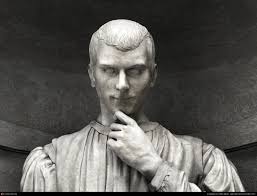
Niccolo Machiavelli
There is image—and there is reality. J.P. Morgan once said: “A man always has two reasons for doing anything: A good reason and the real reason.” This is never truer than when a corporation or politician is asking for your money / vote.
When trying to decide whether to commit yourself to either, ask yourself: Who benefits? For example: When studying a proposed law that claims to aid the environment, find out who supports it. That will usually tell you what you need to know.
Learn how to evaluate others. Once again, Niccolo Machiavelli supplies the answer: “The first impression that one gets of a ruler and his brains is from seeing the men that he has about him. When they are competent and loyal one can always consider him wise, as he has been able to recognize their ability and keep them faithful.
“But when they are the reverse, one can always form an unfavorable opinion of him, because the first mistake that he makes is in making this choice.”
Don’t confuse wealth with virtue. Too many Americans believe that God bestows wealth on the worthy. If this were true, every Mafia boss would be a candidate for sainthood.
Each year is a journey unto itself—filled with countless joys and sorrows. Many of these joys can’t be predicted. And many of these tragedies can’t be prevented.
Learn to tell real dangers from imaginary ones. Computers are real—and sometimes they crash. Men who died 2,000 years ago do not leap out of graveyards, no matter what their disciples predict.
Don’t expect any particular year to usher in the Apocalypse. In any given year there will be wars, famines, earthquakes, riots, floods and a host of other disasters. These have always been with us—and always will be. As Abraham Lincoln once said: “The best thing about the future is that it comes one day at a time.”

Don’t expect some Great Leader to lead you to success. As Gaius Cassius says in William Shakespeare’s “Julius Caesar”: “Men at some time are masters of their fate. The fault, dear Brutus, is not in our stars but in ourselves that we are underlings.”
Don’t expect any particular year or event to usher in your happiness. To again quote Lincoln: “Most people are about as happy as they make up their minds to be.”
If your life seems to make no sense to you, consider this: The philosopher Soren Kierkegaard once noted: “Life can only be understood backwards, but it must be lived forwards.”
2020 PRESIDENTIAL ELECTION, ABC NEWS, ABRAHAM LINCOLN, ALTERNET, AMERICABLOG, AP, APOCALYPSE, ARMAGEDDON, BABY BOOMER RESISTANCE, BLOOMBERG, BOLDNESS, BUZZFEED, CAUTION, CBS NEWS, CHINA, CNN, COVID-19, CROOKS AND LIARS, DONALD TRUMP, FIVETHIRTYEIGHT, GAIUS CASSIUS, HARPER’S MAGAZINE, HUFFINGTON POST, illegal immigration, IMAGE, J.P. MORGAN, JESUS CHRIST, JULIUS CAESAR (PLAY), MAFIA, MEDIA MATTERS, MOTHER JONES, MOVEON, MSNBC, NBC NEWS, NEW YEAR'S DAY, NEW YEAR'S EVE, NEW YORK, NEWSWEEK, NICCOLO MACHIAVELLI, NPR, PBS NEWSHOUR, POLITICO, POLITICUSUSA, RAW STORY, REALITY, REUTERS, RUSSIA, SALON, SEATTLE TIMES, SLATE, SOREN KIERKEGAARD, TALKING POINTS MEMO, THE ATLANTIC, THE CHICAGO SUN-TIMES, THE CHICAGO TRIBUNE, THE DAILY BEAST, THE DAILY BLOG, THE GUARDIAN, THE HILL, THE HUFFINGTON POST, THE LOS ANGELES TIMES, THE MILLENNIUM, THE NATION, THE NEW REPUBLIC, THE NEW YORK TIMES, THE VILLAGE VOICE, THE WASHINGTON POST, THINKPROGRESS, TIME, TITLE 42, TRUTHDIG, TRUTHOUT, TWITTER, TWO POLITICAL JUNKIES, U.S. NEWS & WORLD REPORT, UKRAINE, UNITED STATES HOUSE OF REPRESENTATIVES, UPI, USA TODAY, VLADIMIR PUTIN, WEALTH, WILLIAM SHAESPEARE, WONKETTE
In Bureaucracy, Business, History, Medical, RELIGION, Social commentary on December 30, 2022 at 1:01 am
New Year’s Eve, 2022, will soon lie behind us.
And for many people, saying “Goodbye” to 2022 can’t happen soon enough.
New Year’s Eve is traditionally a time for people to reflect on the major events of the previous 12 months. Some of these are highly personal. Others have been shared by the entire country.
Some of these remembrances inevitably bring pleasure. Others bring pain.
And 2022 has been a year of pain for millions.
Starting on February 24, Russian President Vladimir Putin unleashed a violent assault on Ukraine. Even after his forces were battered by Ukrainian armies, he continued to hurl missiles at Russia’s “brother nation.” As a result, many Ukrainians spent Christmas without electricity or running water.
The invasion was accompanied by Putin’s threats of nuclear war if the West didn’t stop supplying Ukraine with weaponry to repulse his unprovoked attack.
COVID-19 continued to sweep across the globe. Although largely under control in the United States, it remained a mortal threat. In China, that threat surged as the government dropped restrictions that had largely kept it at bay since 2020.

COVID-19
But, as the year ended, hope suddenly dawned: During mid-term elections, millions of Americans rejected Donald Trump’s continuing lies that he had been cheated of victory in 2020. As a result, Republicans won only the House, whereas they had been expected to win the Senate as well.
And as the United States braced itself for an onslaught of tens of thousands—if not millions—of illegal aliens, the Supreme Court upheld—at least temporarily—Title 42.
This policy, begun in 2020, during the early weeks of the COVID-19 pandemic, has allowed immigration agents to expel 2.4.million illegal aliens from the southern border.
At the heart of every New Year’s Eve celebration is the fantasy that you get to start fresh in a matter of hours. And with that fantasy comes hope—that, this time, you can put your sorrows and failures behind you.
And each new year comes with lessons to be learned—and applied.
Each year gives us the chance to learn from history—our own and that of others. Try to learn from your mistakes—and especially those of others. With luck, you won’t repeat your past ones—or those of others. But don’t expect to lead a mistake-free life.
There is a time to be bold—and a time to be cautious. As Niccolo Machiavelli put it: “A prince….must imitate the fox and the lion: For the lion cannot protect himself from traps, and the fox cannot defend himself from wolves.” Learn to tell when is the appropriate time to be which—and to play that role to the hilt.
Niccolo Machiavelli
There is image—and there is reality. J.P. Morgan once said: “A man always has two reasons for doing anything: A good reason and the real reason.” This is never truer than when a corporation or politician is asking for your money / vote. When trying to decide whether to commit yourself to either, ask yourself: Who benefits? For example: When studying a proposed law that claims to aid the environment, find out who supports it. That will usually tell you what you need to know.
Learn how to evaluate others. Once again, Niccolo Machiavelli supplies the answer: “The first impression that one gets of a ruler and his brains is from seeing the men that he has about him. When they are competent and loyal one can always consider him wise, as he has been able to recognize their ability and keep them faithful. But when they are the reverse, one can always form an unfavorable opinion of him, because the first mistake that he makes is in making this choice.”
Don’t confuse wealth with virtue. Too many Americans believe that wealth is a gift that God bestows on the worthy. If this were true, every Mafia boss would be a candidate for sainthood.
Each year is a journey unto itself—filled with countless joys and sorrows. Many of these joys can’t be predicted. And many of these tragedies can’t be prevented.
Learn to tell real dangers from imaginary ones. Computers are real—and sometimes they crash. Men who died 2,000 years ago do not leap out of graveyards, no matter what their disciples predict.
Don’t expect any particular year to usher in the Apocalypse. In any given year there will be wars, famines, earthquakes, riots, floods and a host of other disasters. These have always been with us—and always will be. As Abraham Lincoln once said: “The best thing about the future is that it comes one day at a time.”
Don’t expect some Great Leader to lead you to success. As Gaius Cassius says in William Shakespeare’s “Julius Caesar”: “Men at some time are masters of their fate. The fault, dear Brutus, is not in our stars but in ourselves that we are underlings.”
Don’t expect any particular year or event to usher in your happiness. To again quote Lincoln: “Most people are about as happy as they make up their minds to be.”
If your life seems to make no sense to you, consider this: The philosopher Soren Kierkegaard once noted: “Life can only be understood backwards, but it must be lived forwards.”
1999 (YEAR), 2000 (YEAR), 2020, 2020 PRESIDENTIAL ELECTION, ABC NEWS, ABRAHAM LINCOLN, ALTERNET, AMERICABLOG, AP, APOCALYPSE, ARMAGEDDON, BABY BOOMER RESISTANCE, BLOOMBERG, BUZZFEED, CBS NEWS, CHINA, CNN, COLD WAR, COMPUTERS, COVID-19, CROOKS AND LIARS, DAILY KOZ, DONALD TRUMP, DRUDGE REPORT, FACEBOOK, FIVETHIRTYEIGHT, GAIUS CASSIUS, GERMANY, HARPER’S MAGAZINE, HUFFINGTON POST, JAPAN, JESUS CHRIST, JOSEPH BIDEN, JULIUS CAESAR (PLAY), MEDIA MATTERS, MILLENNIUM, MOTHER JONES, MOVEON, MSNBC, NBC NEWS, NEW YEAR'S DAY, NEW YEAR'S EVE, NEW YORK, NEWSWEEK, NPR, PBS NEWSHOUR, POLITICO, POLITICUSUSA, RAW STORY, REUTERS, RIOTS, SALON, SAN FRANCISCO, SEATTLE TIMES, SLATE, SOREN KIERKEGAARD, SOVIET UNION, TALKING POINTS MEMO, THE ATLANTIC, THE CHICAGO SUN-TIMES, THE CHICAGO TRIBUNE, THE DAILY BEAST, THE DAILY BLOG, THE GUARDIAN, THE HILL, THE HUFFINGTON POST, THE LOS ANGELES TIMES, THE MILLENNIUM, THE NATION, THE NEW REPUBLIC, THE NEW YORK TIMES, THE VILLAGE VOICE, THE WASHINGTON POST, THINKPROGRESS, TIME, TIMES SQUARE, TRUTHDIG, TRUTHOUT, TWITTER, TWO POLITICAL JUNKIES, U.S. NEWS & WORLD REPORT, UPI, USA TODAY, WILLIAM SHAESPEARE, WONKETTE, Y2K
In Entertainment, History, Medical, Social commentary on December 31, 2021 at 12:23 am
New Year’s Eve, 2021, will soon lie behind us.
And for most people, saying “Goodbye” to 2021 can’t happen soon enough.
New Year’s Eve is traditionally a time for people to reflect on the major events of the previous 12 months. Some of these are highly personal. Others have been shared by the entire country.
Some of these remembrances inevitably bring pleasure. Others bring pain.
And 2021 has been a year of pain for millions.
Starting on January 6, then-President Donald Trump incited thousands of his fanatical disciples to attack the United States Capitol Building.
The reason: To halt the counting of Electoral College votes to certify the legitimate Presidential victory of Joe Biden in 2020—thus leaving Trump in office as “President-for-Life.”

Donald Trump
Fortunately, democracy was saved—for the moment.
Meanwhile, COVID-19 continued to sweep across the globe. To date, it’s infected 285 million worldwide—and killed 5.42 million. In the United States, it’s infected 153.8 million and killed 822,000.
But by March, three new vaccines were being rolled out—and thus saving the lives of untold numbers of potential COVID victims.
COVID-19
At the heart of every New Year’s Eve celebration is the fantasy that you get to start fresh in a matter of hours. And with that fantasy comes hope—that, this time, you can put your sorrows and failures behind you.
And for millions in 2022, life will look brighter—because Donald Trump, whose Presidency was marked by unprecedented criminality and treason, no longer holds office.
True, Trump has refused to admit that he was defeated in a legitimate election. And his lust to become America’s Dictator-in-chief remains as lethal as ever.
But democracies are always threatened by would-be tyrants. And Americans can take heart in the knowledge that, in 1945, they helped defeat two of the worst—in Germany and Japan.
And, for 50 years during the Cold War, they stood firm against dictators in China and the Soviet Union.
The last New Year’s Eve to be marked by worldwide fears was that of 1999:
- Fear of Y2K—that our highly computerized, globally-interconnected world would crash when the “19″ at the start of every year was replaced with a “20″.
- Fear of Armageddon—that Jesus, after dying 2,000 years ago, would magically return to destroy mankind (except for those 144,000 righteous souls He deemed worthy of salvation).
- Fear of the Millennium itself—of ending not simply another decade and century but an entire thousand-year period of history, and thus losing our historical ties to the familiar highlights of our own (and America’s) past.
And, especially where Y2K was concerned, news commentators were quick to stoke our anxieties.
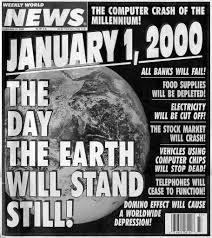
Long before New Year’s Eve, TV newscasters repeatedly warned that, when midnight struck on January 1, 2000, the three places you did not want to be were:
- In an airplane.
- In an elevator.
- In a hospital.
Countless numbers of people in America and around the world stocked up on food, water, batteries and other essentials for surviving an emergency.
Merchants and police feared widespread rioting and violence. If Y2K didn’t set it off, then fears of a heaven-sent Apocalypse might.
In San Francisco, along Powell Street—a major center of tourism and commerce—store owners boarded up their doors and windows as New Year’s Eve approached. Many closed earlier than usual that day.
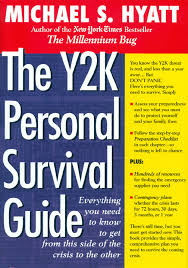
Fortunately, when midnight struck on January 1, 2000, the predictors of the coming Apocalypse were proven wrong.
- Computers kept working—and civilization didn’t crash along with them.
- Jesus didn’t miraculously return from the dead—just as he hadn’t during any previous year.
- And those who feared that the Millennium would usher in a strange and frightening new world soon found that 2000 was not all that different from previous years.
New Year’s Eve 1999 is now 22 years distant. But some lessons may still be learned from it:
Each year is a journey unto itself—filled with countless joys and sorrows. Many of these joys can’t be predicted. And many of these tragedies can’t be prevented.
Learn to tell real dangers from imaginary ones. Computers are real—and sometimes they crash. Men who died 2,000 years ago do not leap out of graveyards, no matter what their disciples predict.
Don’t expect any particular year to usher in the Apocalypse. In any given year there will be wars, famines, earthquakes, riots, floods and a host of other disasters. These have always been with us—and always will be. As Abraham Lincoln once said: “The best thing about the future is that it comes one day at a time.”
BumFluff2009, CC BY-SA 2.0 <https://creativecommons.org/licenses/by-sa/2.0>, via Wikimedia Commons
Don’t expect some Great Leader to lead you to success. As Gaius Cassius says in William Shakespeare’s “Julius Caesar”: “Men at some time are masters of their fate. The fault, dear Brutus, is not in our stars but in ourselves that we are underlings.”
Don’t expect any particular year or event to usher in your happiness. To again quote Lincoln: “Most people are about as happy as they make up their minds to be.”
If your life seems to make no sense to you, consider this: The philosopher Soren Kierkegaard once noted: “Life can only be understood backwards, but it must be lived forwards.”
ABC NEWS, ALTERNET, AMERICABLOG, ANTHONY FAUCI, AP, BABY BOOMER RESISTANCE, BLOOMBERG, BUZZFEED, CBS NEWS, CENTERS FOR DISEASE CONTROL AND PREVENTION (CDC), CHRISTMAS, CNN, CORONAVIRUS, COVID-19, CROOKS AND LIARS, DAILY KOZ, DEMOCRATS, DONALD TRUMP, DRUDGE REPORT, FACEBOOK, FIVETHIRTYEIGHT, FLORIDA, FOX NEWS NETWORK, GRETCHEN WHITMER, HANUKKAH, HARPER’S MAGAZINE, HUFFINGTON POST, JANE CASTOR, KANSAS CITY CHIEFS, KRISTI NOEM, MASKS, MAY DAY, MEDIA MATTERS, MICHIGAN, MINNESOTA, MOTHER JONES, MOVEON, MSNBC, NBC NEWS, NEW YEAR'S DAY, NEWSWEEK, NPR, PBS NEWSHOUR, POLITICO, POLITICUSUSA, RAW STORY, REPUBLICANS, REUTERS, SALON, SEATTLE TIMES, SLATE, SOCIAL DISTANCING, SOUTH DAKOTA, STAY-AT-HOME ORDERS, SUPER BOWL, TALKING POINTS MEMO, TAMPA, TAMPA BAY BUCCANEERS, TAMPA BAY TIMES, TAMPA POLICE DEPARTMENT, TEXAS, THANKSGIVING, THE ATLANTIC, THE CHICAGO SUN-TIMES, THE CHICAGO TRIBUNE, THE DAILY BEAST, THE DAILY BLOG, THE GUARDIAN, THE HILL, THE HUFFINGTON POST, THE LOS ANGELES TIMES, THE NATION, THE NEW REPUBLIC, THE NEW YORK TIMES, THE VILLAGE VOICE, THE WASHINGTON POST, THINKPROGRESS, TIME, TRUTHDIG, TRUTHOUT, TULSA, TWITTER, TWO POLITICAL JUNKIES, U.S. NEWS & WORLD REPORT, UPI, USA TODAY, VIRGUINA, WONKETTE, WUHAN
In Bureaucracy, History, Law, Law Enforcement, Medical, Politics, Social commentary on February 11, 2021 at 12:15 am
In the midst of the COVID-19 pandemic, President Donald Trump scheduled his first 2020 re-election rally in Tulsa, Oklahoma on June 20.
The Tulsa event was followed by another indoor rally in Phoenix on June 23. “Students for Trump” featured a packed crowd, with almost no one wearing masks.
Then, to celebrate Independence Day, Trump scheduled yet another rally at Mount Rushmore, in Keystone, South Dakota, on July 3.
Although health experts expressed fears about a large gathering during the Coronavirus pandemic, South Dakota’s Republican Governor Kristi Noem said people would “not be social distancing” during the celebration:
“In South Dakota, we’ve told people to focus on personal responsibility….Those who want to come and join us, we’ll be giving out free face masks, if they choose to wear one. But we won’t be social distancing.”
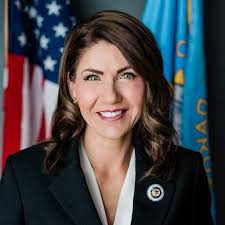
Kristi Noem
Meanwhile, more than 135,000 Americans had died of the virus.
And on June 30, Dr. Anthony Fauci, director of the U.S. National Institute of Allergy and Infectious Diseases, testified before the U.S. Senate: “We are now having 40-plus thousand new cases a day. I would not be surprised if we go up to 100,000 a day if this does not turn around.”
Fauci warned that the infection surge across the South and West “puts the entire country at risk.” Much of that increase was being fueled by young adults testing positive for COVID-19.
With the end of summer came fall.
Normally this would have meant the return of millions of children to school. But COVID-19 had already closed most of the nation’s schools—at elementary, junior high and high school levels.
Having their children constantly underfoot for most of the year no doubt grated on the nerves of many parents. But the closure of schools also prevented many infections—to students, teachers and the families of both.
That advantage, however, was quickly offset by the succession of holidays that come with the fall—Labor Day, Halloween, Veterans Day, Christmas/Hanukkah, New Year’s Day.
A December 19 story in Business Insider carried the attention-catching headline: “The Thanksgiving Surge in Coronavirus Deaths is Here. It’s ‘Horrifically Awful,’ a Hospital Chaplain Said.”
To sum up its contents:
- More than 47,000 Americans had died from COVID-19 since Thanksgiving.
- COVID-19 was now the country’s leading cause of death.
- It was just the beginning of the effects of Thanksgiving travel and gatherings.
The Centers for Disease Control and Prevention (CDC) begged Americans to forego traveling for Thanksgiving. But at least 55 million Americans ignored that warning. Their selfish, egotistical mantra—“I want to be with my family!”—overrode their supposed concern for the lives of their relatives.
As a result, untold numbers of those families would not again be sharing Thanksgiving—or anything else.
And Dr. Fauci warned: The Christmas season would pose an even greater threat.
People would gather not just for Christmas Eve or Christmas Day, but for New Year’s Eve and New Year’s Day—not to mention any parties held in-between those dates.
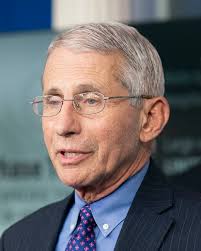
Anthony Fauci
The virus spreads faster indoors, where large numbers of people don’t wear masks, pack closely together, and talk or laugh loudly, thus spreading the droplets across a room.
December brought the United States over 77,400 COVID-19 deaths.
Within a year, by January 1, 2021, the virus had killed more than 350,000 Americans.
And then, to top it off, came the Super Bowl on February 7.
Once again, Fauci advised people to avoid crowds and parties: Enjoy the Super Bowl only with members of your immediate family.
And Tampa Mayor Jane Castor ordered people to wear masks in popular outdoor areas during Super Bowl week.
She estimated that tens of thousands of people crowded the streets of Ybor City after midnight, early Sunday morning. People were packed shoulder-to-shoulder in the middle of the street.
Seventh Avenue has drawn crowds since the outbreak of the pandemic nearly a year ago, reaching a crescendo on New Year’s Eve. But Super Bowl eve trumped that, said Tampa Bay Times photographer Luis Santana. And, once again, masses of Americans—especially in Tampa, Florida—behaved as if Coronavirus never existed.
Bars and restaurants were crammed with revelers celebrating the victory of the Tampa Bay Buccaneers over the Kansas City Chiefs. Many of them wore masks—but many others didn’t.
There was plenty of drinking—which causes people to lower their guard against deadly enemies like COVID-19. And with this came plenty of loud talk and cheering—which hurtle COVID-19 droplets across a room.
When Mayor Castor announced her “mask-up” order, she said that police might issue fines of up to $450 for repeat offenders.
Police chief Brian Dugan said he didn’t want his officers to become “mask police,” adding, “We’re hoping people will just kind of work with us when it comes to the mask compliance.”
The police department expressed its disappointment with the behavior of Tampa citizens.
One year after the coming of Coronavirus, masks and hand sanitizers are now widely available. Vaccines are finally becoming available.
But without the full cooperation of millions, eradicating COVID-19 will take far longer—and take a great many more thousands of lives.
ABC NEWS, ALTERNET, AMERICABLOG, ANTHONY FAUCI, AP, BABY BOOMER RESISTANCE, BLOOMBERG, BUZZFEED, CBS NEWS, CENTERS FOR DISEASE CONTROL AND PREVENTION (CDC), CHRISTMAS, CNN, CORONAVIRUS, COVID-19, CROOKS AND LIARS, DAILY KOZ, DEMOCRATS, DONALD TRUMP, DRUDGE REPORT, FACEBOOK, FIVETHIRTYEIGHT, FLORIDA, FOX NEWS NETWORK, GRETCHEN WHITMER, HANUKKAH, HARPER’S MAGAZINE, HUFFINGTON POST, JANE CASTOR, KANSAS CITY CHIEFS, KRISTI NOEM, MASKS, MAY DAY, MEDIA MATTERS, MICHIGAN, MINNESOTA, MOTHER JONES, MOVEON, MSNBC, NBC NEWS, NEW YEAR'S DAY, NEWSWEEK, NPR, PBS NEWSHOUR, POLITICO, POLITICUSUSA, RAW STORY, REPUBLICANS, REUTERS, SALON, SEATTLE TIMES, SLATE, SOCIAL DISTANCING, SOUTH DAKOTA, STAY-AT-HOME ORDERS, SUPER BOWL, TALKING POINTS MEMO, TAMPA, TAMPA BAY BUCCANEERS, TAMPA BAY TIMES, TAMPA POLICE DEPARTMENT, TEXAS, THANKSGIVING, THE ATLANTIC, THE CHICAGO SUN-TIMES, THE CHICAGO TRIBUNE, THE DAILY BEAST, THE DAILY BLOG, THE GUARDIAN, THE HILL, THE HUFFINGTON POST, THE LOS ANGELES TIMES, THE NATION, THE NEW REPUBLIC, THE NEW YORK TIMES, THE VILLAGE VOICE, THE WASHINGTON POST, THINKPROGRESS, TIME, TRUTHDIG, TRUTHOUT, TULSA, TWITTER, TWO POLITICAL JUNKIES, U.S. NEWS & WORLD REPORT, UPI, USA TODAY, VIRGUINA, WONKETTE, WUHAN
In Bureaucracy, History, Law, Law Enforcement, Medical, Politics, Social commentary on February 10, 2021 at 12:08 am
Snatching Defeat From the Jaws of Victory could well serve as the title for a future book on Coronavirus—and the incredibly self-destructive ways Americans have responded to it.
The virus first appeared in Wuhan, China, in December, 2019. Its first reported victim became ill on December 1.
By December 31, the outbreak was traced to a novel strain of Coronavirus.
Coronaviruses are a group of viruses that affect birds and mammals. In humans, Coronaviruses can cause pneumonia and may cause bronchitis.
On January 19, 2020, the first Coronavirus case appeared in the United States.

Coronavirus
On February 29, the first American died of Coronavirus.
From January to early March, 2020, President Donald J. Trump and his allies within the Republican party and Fox News Network repeatedly assured Americans they had nothing to fear.
Typical of these false reassurances was Trump’s statement on March 10: “It will go away. Just stay calm. It will go away.”
But the virus didn’t.
With the Federal Government refusing to take action, states began doing so.
From March 1 to May 31, 42 states and territories issued mandatory stay-at-home orders. Those citizens who were forced to venture out were advised to wear face masks and keep a distance of six feet between themselves and others.
On April 3, the Centers for Disease Control and Prevention (CDC) recommended that people wear non-medical face masks in public to reduce transmission of COVID-19.
Yet President Trump saw the stay-at-home orders as a two-fold threat to himself—and openly encouraged defiance of those orders.
- He couldn’t return to his hate-filled rallies until these were lifted; and
- The stock market wouldn’t start soaring again so long as the country was “locked down.”
Without his Nuremberg-style rallies and a roaring stock market, Trump faced the danger of being a one-term President.
On April 17, he issued a series of tweets to his supporters, encouraging them to defy the law:
“LIBERATE MINNESOTA!”
“LIBERATE MICHIGAN!”
“LIBERATE VIRGINIA, and save your great 2nd Amendment. It is under siege!”
Michigan, Minnesota and Virginia all had Democratic governors. They had urged their residents to stay indoors, wear masks when they ventured outside, and keep a six-feet distance between themselves and others.
As a result, those governors—especially Michigan’s Gretchen Whitmer—were being targeted for abuse and even death threats. And their states were facing disruptive protests by large numbers of Right-wingers standing close together, with few of them wearing masks. The protesters claimed their rights were being infringed upon.

Donald Trump
As a result of the shutdowns and the increased emphasis on social distancing and mask-wearing, COVID-19 rates dropped by mid-May.
According to a May 17 story in U.S. News & World Report:
“According to The New York Times, in New York state the figure has dropped over the last month, and case counts have also plunged in hard-hit Massachusetts and Rhode Island. Some states, including Vermont, Hawaii and Alaska, are seeing hardly any new cases at all, the newspaper said.”
Then came May Day—and after that, the start of summer.
On July 2, Vox published a story headlined: “A likely culprit in Covid-19 surges: People hell-bent on ignoring social distancing orders.”
“For months,” it opened, “it’s been clear that the world has separated into two camps: the rule followers, observant of social distancing and hopeful of quashing the pandemic; and the risk takers, who have been storming the nation’s beaches, bars, and burger joints in spite of the coronavirus—and public health efforts to curtail its spread.
“Some states, such as New York, have contained new cases, but others, including Texas and Arizona, brazenly reopened even as cases continued to rise, unleashing a torrent of pent-up partiers. Now, even as an illusion of normalcy has slowly returned, rates of infection are reaching new records, with cases surging in dozens of states….
“’They’re conducting themselves like it’s pre-Covid, and that’s not going to work anymore,’ Bruce Dart, director of the Tulsa Health Department, told the Washington Post. Younger people, he said, are ‘not social distancing, not wearing masks or paying attention to hand-washing.’ In one stunning case shortly after Memorial Day, a group of 16 friends all tested positive for the virus after visiting a newly reopened bar in Florida.”
As if this wasn’t bad enough, Trump scheduled his first 2020 re-election rally in Tulsa, Oklahoma.
It was held on June 20 at the BOK Center. Scientists had learned that Coronavirus is more likely to be transmitted indoors than outdoors, when masses of people are packed together, and when people are loudly talking—or, worse, shouting.

A Trump rally
Masks were available for those who wanted them, but Trump made it clear that his supporters shouldn’t wear masks, as a sign of support for him. Men and women were densely packed together, with none of them wearing masks.
The Trump campaign boasted that 100,000 people would turn up. To its embarrassment, fewer than 6,200 did. Even worse: At least eight event staff members, including two who were at the rally, later tested positive for COVID-19.
The Tulsa event was followed by another indoor rally in Phoenix on June 23. “Students for Trump” featured a packed crowd, with almost no one wearing masks.
1999 (YEAR), 2000 (YEAR), 2020, 2020 PRESIDENTIAL ELECTION, ABC NEWS, ABRAHAM LINCOLN, ALTERNET, AMERICABLOG, AP, APOCALYPSE, ARMAGEDDON, BABY BOOMER RESISTANCE, BLOOMBERG, BUZZFEED, CBS NEWS, CNN, COMPUTERS, COVID-19, CROOKS AND LIARS, DAILY KOZ, DONALD TRUMP, DRUDGE REPORT, FACEBOOK, FIVETHIRTYEIGHT, GAIUS CASSIUS, HARPER’S MAGAZINE, HUFFINGTON POST, JESUS CHRIST, JOSEPH BIDEN, JULIUS CAESAR (PLAY), MEDIA MATTERS, MILLENNIUM, MOTHER JONES, MOVEON, MSNBC, NBC NEWS, NEW YEAR'S DAY, NEW YEAR'S EVE, NEW YORK, NEWSWEEK, NPR, PBS NEWSHOUR, POLITICO, POLITICUSUSA, RAW STORY, REUTERS, RIOTS, SALON, SAN FRANCISCO, SEATTLE TIMES, SLATE, SOREN KIERKEGAARD, TALKING POINTS MEMO, THE ATLANTIC, THE CHICAGO SUN-TIMES, THE CHICAGO TRIBUNE, THE DAILY BEAST, THE DAILY BLOG, THE GUARDIAN, THE HILL, THE HUFFINGTON POST, THE LOS ANGELES TIMES, THE MILLENNIUM, THE NATION, THE NEW REPUBLIC, THE NEW YORK TIMES, THE VILLAGE VOICE, THE WASHINGTON POST, THINKPROGRESS, TIME, TIMES SQUARE, TRUTHDIG, TRUTHOUT, TWITTER, TWO POLITICAL JUNKIES, U.S. NEWS & WORLD REPORT, UPI, USA TODAY, WILLIAM SHAESPEARE, WONKETTE, Y2K
In Entertainment, History, Social commentary, Uncategorized on December 31, 2020 at 12:08 am
New Year’s Eve, 2020, will soon lie behind us.
And for most people, saying “Goodbye” to 2020 can’t happen soon enough.
New Year’s Eve is traditionally a time for people to reflect on the major events of the previous 12 months. Some of these are highly personal. Others have been shared by the entire country.
Some of these remembrances inevitably bring pleasure. Others bring pain.
And 2020 has been a year of pain for millions.
Starting in January, COVID-19 swept across the globe. To date, it’s infected 82 million worldwide—and taken 1.79 million. In the United States, it’s infected 19.7 million and killed 341,000.
COVID-19
But, as the year came near its end, a ray of hope suddenly dawned: Two anti-COVID vaccines finally appeared on the market.
It would take time for them to reach significant numbers of people. But now an end to the global pandemic was finally within sight.
At the heart of every New Year’s Eve celebration is the fantasy that you get to start fresh in a matter of hours. And with that fantasy comes hope—that, this time, you can put your sorrows and failures behind you.
And for millions in 2021, life will look brighter—because Donald Trump, whose Presidency has been marked by unprecedented criminality and treason, will leave office on January 20.
True, he’s not going gently into that good night.
Donald Trump
Ever since former Vice President Joseph Biden won the votes of 81 million Americans, Trump has refused to concede. Even worse, he’s repeatedly—and falsely—claimed that he was “cheated” of victory by massive electoral fraud.
He’s pressed these lies as high as the Supreme Court—and has seen more than 50 cases dismissed by judges or withdrawn by his lawyers.
So he is going.
The last New Year’s Eve to be marked by worldwide fears was that of 1999:
- Fear of Y2K—that our highly computerized, globally-interconnected world would crash when the “19″ at the start of every year was replaced with a “20″.
- Fear of Armageddon—that Jesus, after dying 2,000 years ago, would return to destroy mankind (except for those 144,000 righteous souls He deemed worthy of salvation).
- Fear of the Millennium itself—of ending not simply another decade and century but an entire thousand-year period of history, and thus losing our historical ties to the familiar highlights of our own (and America’s) past.
And, especially where Y2K was concerned, news commentators were quick to stoke our anxieties.
Long before New Year’s Eve, TV newscasters repeatedly warned that, when midnight struck on January 1, 2000, the three places you did not want to be were:
- In an airplane.
- In an elevator.
- In a hospital.
Countless numbers of people in America and around the world stocked up on food, water, batteries and other essentials for surviving an emergency.
Merchants and police feared widespread rioting and violence. If Y2K didn’t set it off, then fears of a heaven-sent Apocalypse might.
In San Francisco, along Powell Street—a major center of tourism and commerce—store owners boarded up their doors and windows as New Year’s Eve approached. Many closed earlier than usual that day.
Fortunately, when midnight struck on January 1, 2000, the predictors of the coming Apocalypse were proven wrong.
- Computers kept working—and civilization didn’t crash along with them.
- Jesus didn’t miraculously return from the dead—just as he hadn’t during any previous year.
- And those who feared that the Millennium would usher in a strange and frightening new world soon found that 2000 was not all that different from previous years.
New Year’s Eve 1999 is now 21 years distant. But some lessons may still be learned from it:
Each year is a journey unto itself—filled with countless joys and sorrows. Many of these joys can’t be predicted. And many of these tragedies can’t be prevented.
Learn to tell real dangers from imaginary ones. Computers are real—and sometimes they crash. Men who died 2,000 years ago do not leap out of graveyards, no matter what their disciples predict.
Don’t expect any particular year to usher in the Apocalypse. In any given year there will be wars, famines, earthquakes, riots, floods and a host of other disasters. These have always been with us–and always will be. As Abraham Lincoln once said: “The best thing about the future is that it comes one day at a time.”
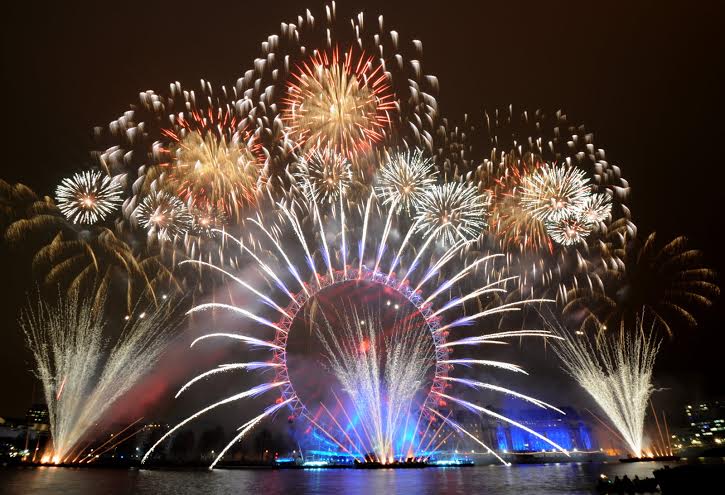
Don’t expect some Great Leader to lead you to success. As Gaius Cassius says in William Shakespeare’s “Julius Caesar”: “Men at some time are masters of their fate. The fault, dear Brutus, is not in our stars but in ourselves that we are underlings.”
Don’t expect any particular year or event to usher in your happiness. To again quote Lincoln: “Most people are about as happy as they make up their minds to be.”
If your life seems to make no sense to you, consider this: The philosopher Soren Kierkegaard once noted: “Life can only be understood backwards, but it must be lived forwards.”
1999 (YEAR), 2000 (YEAR), ABC NEWS, ABRAHAM LINCOLN, ALTERNET, AP, APOCALYPSE, ARMAGEDDON, BUZZFEED, CBS NEWS, CNN, COMPUTERS, CROOKS AND LIARS, DAILY KOZ, FACEBOOK, GAIUS CASSIUS, JESUS CHRIST, JULIUS CAESAR (PLAY), MILLENNIUM, MOTHER JONES, MOVEON, MSNBC, NBC NEWS, NEW YEAR'S DAY, NEW YEAR'S EVE, NEW YORK, NEWSWEEK, NPR, PBS NEWSHOUR, POLITICO, RAW STORY, REUTERS, RIOTS, SALON, SAN FRANCISCO, SEATTLE TIMES, SLATE, SOREN KIERKEGAARD, THE ATLANTIC, THE CHICAGO SUN-TIMES, THE CHICAGO TRIBUNE, THE DAILY BEAST, THE GUARDIAN, THE HILL, THE HUFFINGTON POST, THE LOS ANGELES TIMES, THE MILLENNIUM, THE NATION, THE NEW YORK TIMES, THE WASHINGTON POST, TIME, TIMES SQUARE, TWITTER, U.S. NEWS & WORLD REPORT, UPI, USA TODAY, WILLIAM SHAESPEARE, Y2K
In History, Social commentary on December 31, 2018 at 12:12 am
New Year’s Eve, 2018, will soon lie behind us.
But for those who consciously lived through Friday, December 31, 1999, there will never be another New Year’s Eve like it.
New Year’s Eve is traditionally a time for people to reflect on the major events of the previous 12 months. Some of these are highly personal. Others have been shared by the entire country.
Some of these remembrances inevitably bring pleasure. Others bring pain.
But at the heart of every New Year’s Eve celebration is the fantasy that you get to start fresh in a matter of hours. And with that fantasy comes hope—that, this time, you can put your sorrows and failures behind you.
New Year’s Eve, 1999, was marked far more by apprehension and fear than joy.
- Fear of Y2K—that our highly computerized, globally-interconnected world would crash when the “19″ at the start of every year was replaced with a “20″.
- Fear of Armageddon—that Jesus, after dying 2,000 years ago, would return to destroy mankind (except for those 144,000 righteous souls He deemed worthy of salvation).
- Fear of the Millennium itself—of ending not simply another decade and century but an entire thousand-year period of history, and thus losing our historical ties to the familiar highlights of our own (and America’s) past.
And, especially where Y2K was concerned, news commentators were quick to stoke our anxieties.
For those living on the West Coast of the United States on December 31, 1999, the day began with news reports of celebrations of the New Year in such distant countries as Australia and New Zealand.
“So far,” each of these reports ended, “there have been no reports of Y2K-related outages.”
But the underlying message was clear: Stay tuned—it could still happen. And this message kept blaring for the rest of the day and into the evening.
Long before New Year’s Eve, TV newscasters repeatedly warned that, when midnight struck on January 1, 2000, the three places you did not want to be were:
- In an airplane.
- In an elevator.
- In a hospital.
Countless numbers of people in America and around the world stocked up on food, water, batteries and other essentials for surviving an emergency.
Merchants and police feared widespread rioting and violence. If Y2K didn’t set it off, then fears of a heaven-sent Apocalypse might.
In San Francisco, along Powell Street—a major center of tourism and commerce—store owners boarded up their doors and windows as New Year’s Eve approached. Many closed earlier than usual that day.
At 9 p.m. California time, a friend of mine turned off a VCR and turned on a local news station to watch celebrations—or chaos—unfold in New York City.
If the lights went off in New York at midnight Eastern time, then, in three more hours, the same would happen in California.
When he saw lights glittering in Times Square, he felt reasonably certain that Y2K would probably be a dud.
Fortunately, no Y2K disasters occurred.
Three people I know decided to throw an “End of the World” party. They didn’t believe the world was coming to an end. But they decided to throw an “absolute last blast” party as though it were.
Among the items they stockpiled for this occasion:
- Country pork spareribs
- Yams
- Crabs
- Apple cider
- Black olives
- Fresh cranberries
- Avocados
- Chocolate chip ice cream
- Lambrusco
- Gin and tonic water
- Root beer
- Smoked cheese
- Artichoke hearts
- Pumpkin cream mousse cake
- Chocolate cake
- Pickles
- Asparagus
- Tortilla chips
- Picante sauce
It was definitely an unforgettable night.
New Year’s Eve 1999 is now 16 years distant. But some lessons may still be learned from it:
Each year is a journey unto itself–filled with countless joys and sorrows. Many of these joys can’t be predicted. And many of these tragedies can’t be prevented.
Learn to tell real dangers from imaginary ones. Computers are real—and sometimes they crash. Men who died 2,000 years ago do not leap out of graveyards, no matter what their disciples predict.
Don’t expect any particular year to usher in the Apocalypse. In any given year there will be wars, famines, earthquakes, riots, floods and a host of other disasters. These have always been with us–and always will be. As Abraham Lincoln once said: “The best thing about the future is that it comes one day at a time.”
Don’t expect some Great Leader to lead you to success. As Gaius Cassius says in William Shakespeare’s “Julius Caesar”: “Men at some time are masters of their fate. The fault, dear Brutus, is not in our stars but in ourselves that we are underlings.”
Don’t expect any particular year or event to usher in your happiness. To again quote Lincoln: “Most people are about as happy as they make up their minds to be.”
If your life seems to make no sense to you, consider this: The philosopher Soren Kierkegaard once noted: “Life can only be understood backwards, but it must be lived forwards.”
ABC NEWS, ALTERNET, AP, ARMAGEDDON, BUZZFEED, CBS NEWS, CNN, CROOKS AND LIARS, DAILY KOZ, FACEBOOK, JESUS CHRIST, MOTHER JONES, MOVEON, NBC NEWS, NEW YEAR'S DAY, NEW YEAR'S EVE, NEWSWEEK, NPR, POLITICO, RAW STORY, REUTERS, RIOTS, SALON, SAN FRANCISCO, SEATTLE TIMES, SLATE, SOREN KIERKEGAARD, THE ATLANTIC, THE CHICAGO SUN-TIMES, THE CHICAGO TRIBUNE, THE DAILY BEAST, THE GUARDIAN, THE HILL, THE HUFFINGTON POST, THE LOS ANGELES TIMES, THE MILLENNIUM, THE NATION, THE NEW YORK TIMES, THE WASHINGTON POST, TIME, TWITTER, U.S. NEWS & WORLD REPORT, UPI, USA TODAY, Y2K
In Business, History, Social commentary on January 2, 2018 at 12:06 am
New Year’s Eve, 2017, now lies behind us.
But for those who consciously lived through December 31, 1999, there will never be another New Year’s Eve like it.
New Year’s Eve is traditionally a time for people to reflect on the major events of the previous 12 months. Some of these are highly personal. Others have been shared by the entire country.
Some of these remembrances inevitably bring pleasure. Others bring pain.
But at the heart of every New Year’s Eve celebration is the fantasy that you get to start fresh in a matter of hours. And with that fantasy comes hope—that, this time, you can put your sorrows and failures behind you.
New Year’s Eve, 1999, was marked far more by apprehension and fear than joy.
- Fear of Y2K—that our highly computerized, globally-interconnected world would crash when the “19″ at the start of every year was replaced with a “20″.
- Fear of Armageddon—that Jesus, after dying 2,000 years ago, would return to destroy mankind (except for those 144,000 righteous souls He deemed worthy of salvation).
- Fear of the Millennium itself—of ending not simply another decade and century but an entire thousand-year period of history, and thus losing our historical ties to the familiar highlights of our own (and America’s) past.
And, especially where Y2K was concerned, news commentators were quick to stoke our anxieties.
For those living on the West Coast of the United States on December 31, 1999, the day began with news reports of celebrations of the New Year in such distant countries as Australia and New Zealand.
“So far,” each of these reports ended, “there have been no reports of Y2K-related outages.”
But the underlying message was clear: Stay tuned—it could still happen. And this message kept blaring for the rest of the day and into the evening.
Long before New Year’s Eve, TV newscasters repeatedly warned that, when midnight struck on January 1, 2000, the three places you did not want to be were:
- In an airplane.
- In an elevator.
- In a hospital.
Countless numbers of people in America and around the world stocked up on food, water, batteries and other essentials for surviving an emergency.
Merchants and police feared widespread rioting and violence. If Y2K didn’t set it off, then fears of a heaven-sent Apocalypse might.
In San Francisco, along Powell Street—a major center of tourism and commerce—store owners boarded up their doors and windows as New Year’s Eve approached. Many closed earlier than usual that day.
At 9 p.m. California time, a friend of mine turned off a VCR and turned on a local news station to watch celebrations—or chaos—unfold in New York City.
If the lights went off in New York at midnight Eastern time, then, in three more hours, the same would happen in California.
When he saw lights glittering in Times Square, he felt reasonably certain that Y2K would probably be a dud.
Fortunately, no Y2K disasters occurred.
Three people I know decided to throw an “End of the World” party. They didn’t believe the world was coming to an end. But they decided to throw an “absolute last blast” party as though it were.
Among the items they stockpiled for this occasion:
- Country pork spareribs
- Yams
- Crabs
- Apple cidar
- Black olives
- Fresh cranberries
- Avacodos
- Chocolate chip ice cream
- Lambrusco
- Gin and tonic water
- Root beer
- Smoked cheese
- Artichoke hearts
- Pumpkin cream mousse cake
- Chocolate cake
- Pickles
- Asparagus
It was definitely an unforgettable night.
New Year’s Eve 1999 is now 18 years distant. But some lessons may still be learned from it:
Each year is a journey unto itself–filled with countless joys and sorrows. Many of these joys can’t be predicted. And many of these tragedies can’t be prevented.
Learn to tell real dangers from imaginary ones. Computers are real—and sometimes they crash. Men who died 2,000 years ago do not leap out of graveyards, no matter what their disciples predict.
Don’t expect any particular year to usher in the Apocalypse. In any given year there will be wars, famines, earthquakes, riots, floods and a host of other disasters. These have always been with us–and always will be. As Abraham Lincoln once said: “The best thing about the future is that it comes one day at a time.”

Don’t expect some Great Leader to lead you to success. As Gaius Cassius says in William Shakespeare’s “Julius Caesar”: “Men at some time are masters of their fate. The fault, dear Brutus, is not in our stars but in ourselves that we are underlings.”
Don’t expect any particular year or event to usher in your happiness. To again quote Lincoln: “Most people are about as happy as they make up their minds to be.”
If your life seems to make no sense to you, consider this: The philosopher Soren Kierkegaard once noted: “Life can only be understood backwards, but it must be lived forwards.”
ABC NEWS, ARMAGEDDON, CBS NEWS, CNN, FACEBOOK, JESUS CHRIST, NBC NEWS, NEW YEAR'S DAY, NEW YEAR'S EVE, RIOTS, SAN FRANCISCO, SOREN KIERKEGAARD, THE CHICAGO SUN-TIMES, THE CHICAGO TRIBUNE, THE HUFFINGTON POST, THE LOS ANGELES TIMES, THE MILLENNIUM, THE WASHINGTON POST, TWITTER, USA TODAY, Y2K
In History, Social commentary on January 4, 2016 at 12:56 am
New Year’s Eve, 2015, now lies behind us.
But for those who consciously lived through December 31, 1999, there will never be another New Year’s Eve like it.
New Year’s Eve is traditionally a time for people to reflect on the major events of the previous 12 months. Some of these are highly personal. Others have been shared by the entire country.
Some of these remembrances inevitably bring pleasure. Others bring pain.
But at the heart of every New Year’s Eve celebration is the fantasy that you get to start fresh in a matter of hours. And with that fantasy comes hope–that, this time, you can put your sorrows and failures behind you.
New Year’s Eve, 1999, was marked far more by apprehension and fear than joy.
- Fear of Y2K–that our highly computerized, globally-interconnected world would crash when the “19″ at the start of every year was replaced with a “20″.
- Fear of Armageddon–that Jesus, after dying 2,000 years ago, would return to destroy mankind (except for those 144,000 righteous souls He deemed worthy of salvation).
- Fear of the Millennium itself–of ending not simply another decade and century but an entire thousand-year period of history, and thus losing our historical ties to the familiar highlights of our own (and America’s) past.
And, especially where Y2K was concerned, news commentators were quick to stoke our anxieties.
For those living on the West Coast of the United States on December 31, 1999, the day began with news reports of celebrations of the New Year in such distant countries as Australia and New Zealand.
“So far,” each of these reports ended, “there have been no reports of Y2K-related outages.”
But the underlying message was clear: Stay tuned–it could still happen. And this message kept blaring for the rest of the day and into the evening.
Long before New Year’s Eve, TV newscasters repeatedly warned that, when midnight struck on January 1, 2000, the three places you did not want to be were:
- In an airplane.
- In an elevator.
- In a hospital.
Countless numbers of people in America and around the world stocked up on food, water, batteries and other essentials for surviving an emergency.
Merchants and police feared widespread rioting and violence. If Y2K didn’t set it off, then fears of a heaven-sent Apocalypse might.
In San Francisco, along Powell Street–a major center of tourism and commerce–store owners boarded up their doors and windows as New Year’s Eve approached. Many closed earlier than usual that day.
At 9 p.m. California time, a friend of mine turned off a VCR and turned on a local news station to watch celebrations–or chaos–unfold in New York City.
If the lights went off in New York at midnight Eastern time, then, in three more hours, the same would happen in California.
When he saw lights glittering in Times Square, he felt reasonably certain that Y2K would probably be a dud.
Fortunately, no Y2K disasters occurred.
Three people I know decided to throw an “End of the World” party. They didn’t believe the world was coming to an end. But they decided to throw an “absolute last blast” party as though it were.
Among the items they stockpiled for this occasion:
- Country pork spareribs
- Yams
- Crabs
- Apple cidar
- Black olives
- Fresh cranberries
- Avacodos
- Chocolate chip ice cream
- Lambrusco
- Gin and tonic water
- Root beer
- Smoked cheese
- Artichoke hearts
- Pumpkin cream mousse cake
- Chocolate cake
- Pickles
- Asparagus
It was definitely an unforgettable night.
New Year’s Eve 1999 is now 16 years distant. But some lessons may still be learned from it:
Each year is a journey unto itself–filled with countless joys and sorrows. Many of these joys can’t be predicted. And many of these tragedies can’t be prevented.
Learn to tell real dangers from imaginary ones. Computers are real–and sometimes they crash. Men who died 2,000 years ago do not leap out of graveyards, no matter what their disciples predict.
Don’t expect any particular year to usher in the Apocalypse. In any given year there will be wars, famines, earthquakes, riots, floods and a host of other disasters. These have always been with us–and always will be. As Abraham Lincoln once said: “The best thing about the future is that it comes one day at a time.”
Don’t expect some Great Leader to lead you to success. As Gaius Cassius says in William Shakespeare’s “Julius Caesar”: “Men at some time are masters of their fate. The fault, dear Brutus, is not in our stars but in ourselves that we are underlings.”
Don’t expect any particular year or event to usher in your happiness. To again quote Lincoln: “Most people are about as happy as they make up their minds to be.”
If your life seems to make no sense to you, consider this: The philosopher Soren Kierkegaard once noted: “Life can only be understood backwards, but it must be lived forwards.”
ABC NEWS, ARMAGEDDON, CBS NEWS, CNN, FACEBOOK, JESUS CHRIST, NBC NEWS, NEW YEAR'S DAY, NEW YEAR'S EVE, RIOTS, SAN FRANCISCO, SOREN KIERKEGAARD, THE CHICAGO SUN-TIMES, THE CHICAGO TRIBUNE, THE HUFFINGTON POST, THE LOS ANGELES TIMES, THE MILLENNIUM, THE WASHINGTON POST, TWITTER, USA TODAY, Y2K
In History, Self-Help, Social commentary on January 1, 2015 at 12:16 am
New Year’s Eve, 2014, now lies behind us.
But for those who consciously lived through December 31, 1999, there will never be another New Year’s Eve like it.
New Year’s Eve is traditionally a time for people to reflect on the major events of the previous 12 months. Some of these are highly personal. Others have been shared by the entire country.
Some of these remembrances inevitably bring pleasure. Others bring pain.
But at the heart of every New Year’s Eve celebration is the fantasy that you get to start fresh in a matter of hours. And with that fantasy comes hope–that, this time, you can put your sorrows and failures behind you.
New Year’s Eve, 1999, was marked far more by apprehension and fear than joy.
- Fear of Y2K–that our highly computerized, globally-interconnected world would crash when the “19″ at the start of every year was replaced with a “20″.
- Fear of Armageddon–that Jesus, after dying 2,000 years ago, would return to destroy mankind (except for those 144,000 righteous souls He deemed worthy of salvation).
- Fear of the Millennium itself–of ending not simply another decade and century but an entire thousand-year period of history, and thus losing our historical ties to the familiar highlights of our own (and America’s) past.
And, especially where Y2K was concerned, news commentators were quick to stoke our anxieties.
For those living on the West Coast of the United States on December 31, 1999, the day began with news reports of celebrations of the New Year in such distant countries as Australia and New Zealand.
“So far,” each of these reports ended, “there have been no reports of Y2K-related outages.”
But the underlying message was clear: Stay tuned–it could still happen. And this message kept blaring for the rest of the day and into the evening.
At 9 p.m. California time, a friend of mine turned off a VCR and turned on a local news station to watch celebrations–or chaos–unfold in New York City.
If the lights went off in New York at midnight Eastern time, then, in three more hours, the same would happen in California.
When he saw lights glittering in Times Square, he felt reasonably certain that Y2K would probably be a dud.
Long before New Year’s Eve, TV newscasters had repeatedly warned that, when midnight struck on January 1, 2000, the three places you did not want to be were:
- In an airplane.
- In an elevator.
- In a hospital.
Fortunately, no Y2K disasters occurred.
Countless numbers of people in America and around the world stocked up on food, water, batteries and other essentials for surviving an emergency.
Merchants and police feared widespread rioting and violence. If Y2K didn’t set it off, then fears of a heaven-sent Apocalypse might.
In San Francisco, along Powell Street–a major center of tourism and commerce–store owners boarded up their doors and windows as New Year’s Eve approached. Many closed earlier than usual that day.
Fortunately, these fears proved groundless.
Three people I know decided to throw an “End of the World” party. They didn’t believe the world was coming to an end. But they decided to throw an “absolute last blast” party as though it were.
Among the items they stockpiled for this occasion:
- Country pork spareribs
- Yams
- Crabs
- Apple cidar
- Black olives
- Fresh cranberries
- Avacodos
- Chocolate chip ice cream
- Lambrusco
- Gin and tonic water
- Root beer
- Smoked cheese
- Pumpkin cream mousse cake
- Chocolate cake
It was definitely an unforgettable night.
New Year’s Eve 1999 is now 15 years distant. But some lessons may still be learned from it:
Each year is a journey unto itself–filled with countless joys and sorrows. Many of these joys can’t be predicted. And many of these tragedies can’t be prevented.
Learn to tell real dangers from imaginary ones. Computers are real–and sometimes they crash. Men who died 2,000 years ago do not leap out of graveyards, no matter what their disciples predict.
Don’t expect any particular year to usher in the Apocalypse. In any given year there will be wars, famines, earthquakes, riots, floods and a host of other disasters. These have always been with us–and always will be. As Abraham Lincoln once said: “The best thing about the future is that it comes one day at a time.”
Don’t expect some Great Leader to lead you to success. As Gaius Cassius says in William Shakespeare’s “Julius Caesar”: “Men at some time are masters of their fate. The fault, dear Brutus, is not in our stars but in ourselves that we are underlings.”
Don’t expect any particular year or event to usher in your happiness. To again quote Lincoln: “Most people are about as happy as they make up their minds to be.”
If your life seems to make no sense to you, consider this: The philosopher Soren Kierkegaard once noted: “Life can only be understood backwards, but it must be lived forwards.”


 Bureaucracybuster's Blog
2020 PRESIDENTIAL ELECTION, ABC NEWS, ABRAHAM LINCOLN, ALTERNET, AMERICABLOG, AP, APOCALYPSE, ARMAGEDDON, BABY BOOMER RESISTANCE, BLOOMBERG, BOLDNESS, BUZZFEED, CAUTION, CBS NEWS, CHINA, CLIMATE CHANGE, CNN, COVID-19, CROOKS AND LIARS, DONALD TRUMP, FIVETHIRTYEIGHT, GAIUS CASSIUS, GAZA, HAMAS, HARPER’S MAGAZINE, HUFFINGTON POST, illegal immigration, IMAGE, ISRAEL, J.P. MORGAN, JESUS CHRIST, JULIUS CAESAR (PLAY), KEVIN MCCARTHY, MAFIA, MEDIA MATTERS, MOTHER JONES, MOVEON, MSNBC, NBC NEWS, NEW YEAR'S DAY, NEW YEAR'S EVE, NEW YORK, NEWSWEEK, NICCOLO MACHIAVELLI, NPR, PBS NEWSHOUR, POLITICO, POLITICUSUSA, RAW STORY, REALITY, REPUBLICANS, REUTERS, RUSSIA, SALON, SEATTLE TIMES, SLATE, SOREN KIERKEGAARD, TALKING POINTS MEMO, THE ATLANTIC, THE CHICAGO SUN-TIMES, THE CHICAGO TRIBUNE, THE DAILY BEAST, THE DAILY BLOG, THE GUARDIAN, THE HILL, THE HUFFINGTON POST, THE LOS ANGELES TIMES, THE MILLENNIUM, THE NATION, THE NEW REPUBLIC, THE NEW YORK TIMES, THE VILLAGE VOICE, THE WASHINGTON POST, THINKPROGRESS, TIME, TITLE 42, TRUTHDIG, TRUTHOUT, TWITTER, TWO POLITICAL JUNKIES, U.S. NEWS & WORLD REPORT, UKRAINE, UNITED STATES HOUSE OF REPRESENTATIVES, UPI, USA TODAY, VLADIMIR PUTIN, WEALTH, WILLIAM SHAESPEARE, WONKETTE
LIFE LESSONS FOR 2024—AND EVERY NEW YEAR
In Bureaucracy, Business, History, Medical, Military, RELIGION, Social commentary on January 1, 2024 at 12:49 amNew Year’s Eve, 2023, will soon lie behind us.
And for many people, saying “Goodbye” to 2023 can’t happen soon enough.
New Year’s Eve is traditionally a time for people to reflect on the major events of the previous 12 months. Some of these are highly personal. Others have been shared by the entire country.
Some of these remembrances inevitably bring pleasure. Others bring pain.
And 2023 has been a year of pain for millions.
Emblem of Hamas
But 2023 also brought reason for hope:
Every New Year’s Eve celebration brings the fantasy that you get to start fresh in a matter of hours. And with that fantasy comes hope—that, this time, you can put your sorrows and failures behind you.
And each new year comes with lessons to be learned—and applied.
Each year gives us the chance to learn from history—our own and that of others. Try to learn from your mistakes—and especially those of others. With luck, you won’t repeat your past ones—or those of others. But don’t expect to lead a mistake-free life.
There is a time to be bold—and a time to be cautious. As Niccolo Machiavelli put it: “A prince….must imitate the fox and the lion: For the lion cannot protect himself from traps, and the fox cannot defend himself from wolves.” Learn to tell when is the appropriate time to be which—and to play that role to the hilt.
Niccolo Machiavelli
There is image—and there is reality. J.P. Morgan once said: “A man always has two reasons for doing anything: A good reason and the real reason.” This is never truer than when a corporation or politician is asking for your money / vote.
When trying to decide whether to commit yourself to either, ask yourself: Who benefits? For example: When studying a proposed law that claims to aid the environment, find out who supports it. That will usually tell you what you need to know.
Learn how to evaluate others. Once again, Niccolo Machiavelli supplies the answer: “The first impression that one gets of a ruler and his brains is from seeing the men that he has about him. When they are competent and loyal one can always consider him wise, as he has been able to recognize their ability and keep them faithful.
“But when they are the reverse, one can always form an unfavorable opinion of him, because the first mistake that he makes is in making this choice.”
Don’t confuse wealth with virtue. Too many Americans believe that God bestows wealth on the worthy. If this were true, every Mafia boss would be a candidate for sainthood.
Each year is a journey unto itself—filled with countless joys and sorrows. Many of these joys can’t be predicted. And many of these tragedies can’t be prevented.
Learn to tell real dangers from imaginary ones. Computers are real—and sometimes they crash. Men who died 2,000 years ago do not leap out of graveyards, no matter what their disciples predict.
Don’t expect any particular year to usher in the Apocalypse. In any given year there will be wars, famines, earthquakes, riots, floods and a host of other disasters. These have always been with us—and always will be. As Abraham Lincoln once said: “The best thing about the future is that it comes one day at a time.”
Don’t expect some Great Leader to lead you to success. As Gaius Cassius says in William Shakespeare’s “Julius Caesar”: “Men at some time are masters of their fate. The fault, dear Brutus, is not in our stars but in ourselves that we are underlings.”
Don’t expect any particular year or event to usher in your happiness. To again quote Lincoln: “Most people are about as happy as they make up their minds to be.”
If your life seems to make no sense to you, consider this: The philosopher Soren Kierkegaard once noted: “Life can only be understood backwards, but it must be lived forwards.”
Share this: