Posts Tagged ‘INTERNET’
ABC NEWS, ALTERNET, AMERICABLOG, AP, BABY BOOMER RESISTANCE, BBC, BLOOMBERG, BLUESKY, BUZZFEED, CBS NEWS, CNN, COMPUTER FRAUD, CROOKS AND LIARS, CYBERCRIME, DAILY KOS, EMAIL, EMAILS, FBI, FIVETHIRTYEIGHT, HARPER’S MAGAZINE, HUFFINGTON POST, INTERNET, MEDIA MATTERS, MOTHER JONES, MOVEON, MSNBC, NBC NEWS, NEWSDAY, NEWSWEEK, NIGERIA, NIGERIAN SCAMS, NPR, PASSWORDS, PBS NEWSHOUR, POLITICO, POLITICUSUSA, RAW STORY, REUTERS, SALON, SCAMS, SEATTLE TIMES, SLATE, TALKING POINTS MEMO, THE ATLANTIC, THE CHICAGO SUN-TIMES, THE CHICAGO TRIBUNE, THE DAILY BEAST, THE DAILY BLOG, THE GUARDIAN, THE HILL, THE HUFFINGTON POST, THE INTERCEPT, THE LOS ANGELES TIMES, THE NATION, THE NEW REPUBLIC, THE NEW YORK TIMES, THE NEW YORKER, THE VILLAGE VOICE, THE WALL STREET JOURNAL, THE WASHINGTON POST, THE WASHINGTONPOST, THINKPROGRESS, TIME, TRUTHDIG, TRUTHOUT, TWO POLITICAL JUNKIES, U.S. NEWS & WORLD REPORT, UPI, USA TODAY, VIRUSES, X
In Business, History, Law Enforcement, Self-Help, Social commentary on January 12, 2026 at 12:12 am
Receiving unsolicited, get-rich-quick emails has become a regular headache for millions of Internet users.
All too often, the result is fraud for their recipients. The Federal Trade Commission reported losses of $12.5 billion from online get-rich Ponzi schemes in 2024..
Here’s how to spot the warning signs of fraud:
- Addressed Generally: “Attention!” “Dear Friend,” “Attention the owner of this email,” “Hello, Dear.” Your name is not mentioned, because this email has been mass-mailed to thousands of intended victims.
- Unsolicited: You’re told that you’ve won a lottery you never entered, or have inherited a fortune from someone you never knew existed.
- Appeals to Religion: “Hello Beloved in the Lord” or “Yours in Christ” seeks to create a bond with those who deeply believe in God.
- Misuse of English: Mis-spellings and faulty grammar usually denote someone—probably a foreigner—using English as a second language. Examples: Run-on sentences; “you’re” for “your”; “except” instead of “accept”; “Dear Beneficial” instead of “Dear Beneficiary.”
- Appeals to Sympathy: “My husband just died” or “I am dying of cancer.” This is to make you feel sorry for the sender and lower your guard as an intended victim.

- Use of Important Titles/Organizations: “Director,” ‘Barrister,” “Secretary General of the United Nations,” “Police Inspector.” This is to impress recipients and convince them that the email comes from a trusted and legitimate organization.
- Request for Personal Information: This includes some combination of: Name / Address / Telephone Number / Bank Name / Bank Account Number / Fax Number / Driver’s License Number / Occupation / Sex / Beneficiary / Passport Number
- Claims of Deposit: “We have deposited the check of your fund to your account” is a typical line to instantly grab your attention. Someone you’ve never heard of claims he has just put a huge amount of money into an account you know nothing about. Nor can you access it unless you first pay a “contact fee.”
- The “Bank” is in Africa: Unless you know you have relatives there, this should be a dead giveaway to a scam. Africa is a continent kept alive by the charity of other nations. It’s not in the business of doling out large sums of money to Westerners.
- Overseas Phone Numbers: If you call these, you’ll have a huge bill. So many people skip calling and just send the money “required” to receive their “cash prize.”
- Highly Personal Requests: Asking you—someone they’ve never met—to assume the burden of acting as the executor of their “Last Will and Testament.”
- Love Scams: The scammer poses as a man or woman—usually outside the United States—seeking love. After days/weeks, the scammer says s/he will fly to the United States to be yours. All you have to do is put up the money for the flight cost.
- “Make Money From Home”: “Work from home” scams promise a way to support yourself and your family. You’re required to provide bank information or pay an up-front “registration fee.” Then you wait for job orders—that never come.
- Debt Relief: Scammers promise to relieve most or all of your debt—for a large up-front fee. You pay the fee—and are not only out of that money but still in debt.
- Home Repair Schemes: Huge down payments are required for home repairs that never happen.
- “Free” Trial Offers: The service or product is free for awhile, but you must opt out later to avoid monthly billings.
- The Email Claims to Be From the FBI: Often the “address” includes “Anti-Terrorist and Monetary Crime Division.” One such email was addressed: “Dear Beneficiary” and offered help in obtaining a “fund.” The FBI is an investigative agency responsible to the U.S. Department of Justice. It does not resolve financial disputes or secure monies for “deserving” recipients. If the FBI wants to contact you, it will do so by letter or by sending agents to your address. The FBI’s own website states: “At this time we do not have a national e-mail address for sending or forwarding investigative information.”
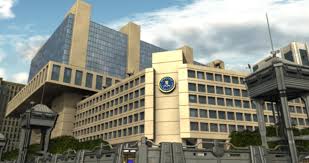
FBI Headquarters: Where stopping cybercrime is now a top priority.
- “I Need Help”: You get an email claiming to be from someone you know—who’s “in jail here in Mexico” or some other foreign country. S/he begs you to send money for bail or bribes to win his/her freedom. If you get such an email, call the person to make certain. Don’t rush to send money—chances are it will go directly to a scammer.
There are several commonsense rules to follow in protecting yourself from online scammers:
- Don’t trust people you’ve never met to want to give you money.
- Shop online only with well-known merchants who have a good reputation.
- Don’t click on unknown links—especially those in emails from unknown senders.
- If you’re required to pay an advance fee—“on faith”—to receive a big amount of money, the odds are it’s a scam.
- If you can’t find any solid information on a company, chances are it doesn’t exist.
- For additional information on how to protect yourself from cybercrime, check out the FBI’s page at http://www.fbi.gov/about-us/investigate/cyber.
- If it sounds too good to be true, the odds are: It is untrue.
2016 PRESIDENTIAL ELECTION, 202O PRESIDENTIAL ELECTION, ABC NEWS, ADOLF HITLER, ALASKA, ALEXANDER VINDMAN, ALTERNET, AMERICABLOG, AP, BABY BOOMER RESISTANCE, BBC, BLOOMBERG NEWS, BUZZFEED, CBS NEWS, CNN, CONSERVATIVE POLITICAL ACTION COMMITTEE (C-PAC, CRIMEA, CROOKS AND LIARS, CZECHOSLOVKIA, DONALD TRUMP, EDOUARD DALADIER, FIVETHIRTYEIGHT, FRANCE, FRANKLIN D. ROOSEVELT, GEORGE W. BUSH, GREAT BRITAIN, HARPER’S MAGAZINE, HOUSE INTELLIGENCE COMMITTEE, HUFFINGTON POST, HUNTER BIDEN, IMPEACHMENT, INTERNET, J.D. VANCE, JAMES B. COMEY, JOE SCARBOROUGH, JOSEPH BIDEN, KGB, MEDIA MATTERS, MICK MULVANEY, MIKE POMPEO, MORNING JOE, MOTHER JONES, MOVEON, MSNBC, MUNICH CONFERENCE, NATIONAL SECURITY COUNCIL, NAZI GERMANY, NBC NEWS, NEVILLE CHAMBERLAIN, NEW REPUBLIC, NEWSDAY, NEWSWEEK, NPR, PBS NEWSHOUR, POLITICO, POLITICUSUSA, RAW STORY, REPUBLICANS, REUTERS, RUSSIA, SALON, SEATTLE TIMES, SLATE, TALKING POINTS MEMO, THE ATLANTIC, THE CHICAGO SUN-TIMES, THE CHICAGO TRIBUNE, THE DAILY BEAST, THE DAILY BLOG, THE GUARDIAN, THE HILL, THE HUFFINGTON POST, THE INTERCEPT, THE LOS ANGELES TIMES, THE NATION, THE NEW REPUBLIC, THE NEW YORK TIMES, THE NEW YORKER, THE VILLAGE VOICE, THE WASHINGTON POST, THINKPROGRESS, TIME, TRUTHDIG, TRUTHOUT, TUCKER CARLSON, TWO POLITICAL JUNKIES, U.S. NEWS & WORLD REPORT, UKRAINE, UPI, USA TODAY, VLADIMIR PUTIN, VOLODYMYR ZELENSKY, WINSTON CHURCHILL, WONKETTE, X
In History, Military, Politics, Social commentary on August 19, 2025 at 12:04 am
On August 15, 2025, President Donald Trump met with Russian President Vladimir Putin in Anchorage, Alaska.
While flying to Alaska, Trump said his main goal was a ceasefire in Ukraine—and warned of “severe consequences” if it didn’t happen.
But shortly after meeting Putin, Trump reversed himself and said a ceasefire in the Russia-Ukraine war wasn’t critical.
He wrote on social media that “it was determined by all that the best way to end the horrific war between Russia and Ukraine is to go directly to a Peace Agreement, which would end the war, and not a mere Ceasefire Agreement, which often times do not hold up.”
Through “by all” he meant that he—a would-be tyrant, and Putin, a demonstrated one—decided that Ukraine should submit to Putin’s imperialistic demands.
In short: There would be no “consequences” for Putin.
Trump has always shown a deference to dictators—and a disdain for democracies. He admires tyrants who can—and do—order the arrest and murder of their political opponents. And no doubt he wishes he could do the same.
This latest meeting between Trump and Putin is essentially an updated version of the infamous Munich Conference. There, on September 29, 1938, British Prime Minister Neville Chamberlain met with German Chancellor Adolf Hitler.
Hitler had threatened war with Czechoslovakia—and even with Great Britain—if the Czechs did not cede to Germany the “Sudetenland.” This consisted of the northern, southwest and western regions of Czechoslovakia, inhabited mostly by ethnic Germans.
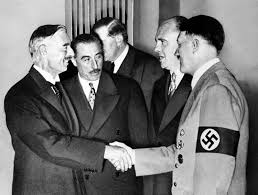
Neville Chamberlain and Adolf Hitler
Hitler now demanded not only the annexation of the Sudetenland but the immediate military occupation of the territories. This would give the Czechoslovak army no time to adapt their defense measures to the new borders.
On September 29, Hitler, Chamberlain and French Prime Minister Edouard Daladier signed the Munich Agreement, which accepted the immediate occupation of the Sudetenland.
The Czechoslovak government had not been a party to the talks. Nevertheless, it promised to abide by the agreement on September 30.
Like Ukraine with Trump, it had been deserted by its pledged allies: Britain, France and the Soviet Union.
On February 28, Trump had given Ukrainian President Volodymyr Zelensky a foretaste of the outcome of this meeting.
Having invited Zelensky to the White House, Trump insulted and threatened him with the loss of American support if he didn’t make concessions to Russia: “You’ve done enough talking. You’re not winning this. You gotta be thankful. You don’t have the cards.”
ZELENSKY: I’m not playing cards. I’m very serious, Mr. President. I’m the president in a war.
TRUMP: You’re gambling with World War Three. And what you’re doing is very disrespectful to the country, this country, that’s backed you far more than a lot of people said they should have.
VICE PRESIDENT J.D. VANCE: Have you said ‘thank you’ once this entire meeting? No.
It’s impossible to imagine a scene like this occurring between President Franklin D. Roosevelt and British Prime Minister Winston Churchill.
But, then, Roosevelt was a President who championed democracy and hated tyrants.
The opposite of the man now occupying the White House.
Before Trump substituted tyranny for patriotism, his predecessor, George W. Bush, substituted naïveté for common sense.
In June 2001, Bush and Putin met in Slovenia. During the meeting a truly startling exchange occurred.

Vladimir Putin and George W. Bush
Putin, a former KGB Intelligence officer, had clearly done his homework on Bush. When he mentioned that one of the sports Bush had played was rugby, Bush was highly impressed.
“I did play rugby,” said Bush. “Very good briefing.”
Bush knew that Putin had worked for Soviet Intelligence. So he should not have been surprised that the KGB had amassed a lengthy dossier on him.
But more was to come.
BUSH: Let me say something about what caught my attention, Mr. President, was that your mother gave you a cross which you had blessed in Israel, the Holy land.
PUTIN: It’s true.
BUSH: That amazes me, that here you were a Communist, KGB operative, and yet you were willing to wear a cross. That speaks volumes to me, Mr. President. May I call you Vladimir?
Putin instantly sensed that Bush judged others—even world leaders—through the lens of his own fundamentalist Christian ideology. Falling back on his KGB training, Putin seized on this apparent point of commonality to build a bond.
He told Bush that his dacha had once burned to the ground, and the only item that had been saved was that cross.
“Well, that’s the story of the cross as far as I’m concerned,” said Bush, clearly impressed. “Things are meant to be.”
Afterward, Bush and Putin gave an outdoor news conference.
“Is this a man that Americans can trust?” Associated Press Correspondent Ron Fourmier asked Bush.
“Yes,” said Bush. “I looked the man in the eye. I found him to be very straightforward and trustworthy. We had a very good dialogue. I was able to get a sense of his soul, a man deeply committed to his country and the best interests of his country. I wouldn’t have invited him to my ranch if I didn’t trust him.”
ABC NEWS, ALTERNET, AMERICABLOG, AP, BABY BOOMER RESISTANCE, BBC, BLOOMBERG NEWS, BUZZFEED, CBS NEWS, CNN, COMPUTER FRAUD, CROOKS AND LIARS, CYBERCRIME, DAILY KOZ, EMAIL, EMAILS, FACEBOOK, FBI, FIVETHIRTYEIGHT, HARPER’S MAGAZINE, HUFFINGTON POST, INTERNET, MEDIA MATTERS, MOTHER JONES, MOVEON, MSNBC, NBC NEWS, NEW REPUBLIC, NEWSDAY, NEWSWEEK, NIGERIA, NIGERIAN SCAMS, NPR, PASSWORDS, PBS NEWSHOUR, POLITICO, POLITICUSUSA, RAW STORY, REUTERS, SALON, SCAMS, SEATTLE TIMES, SLATE, TALKING POINTS MEMO, THE ATLANTIC, THE CHICAGO SUN-TIMES, THE CHICAGO TRIBUNE, THE DAILY BEAST, THE DAILY BLOG, THE GUARDIAN, THE HILL, THE HUFFINGTON POST, THE LOS ANGELES TIMES, THE NATION, THE NEW REPUBLIC, THE NEW YORK TIMES, THE NEW YORKER, THE VILLAGE VOICE, THE WALL STREET JOURNAL, THE WASHINGTON POST, THE WASHINGTONPOST, THINKPROGRESS, TIME, TRUTHDIG, TRUTHOUT, TWITTER, TWO POLITICAL JUNKIES, U.S. NEWS & WORLD REPORT, UPI, USA TODAY, VIRUSES, WONKETTE
In Bureaucracy, Business, History, Law, Law Enforcement, Politics, Social commentary on December 16, 2021 at 12:11 am
In 2020, the Federal Trade Commission received 4.8 million identity theft and fraud complaints. Of these, 1.4 million were for identity theft, up from 651,000 in 2019.
Identity theft complaints accounted for 29% of all complaints received by the FTC, up from 20% in 2019. About 2.2 million reports were fraud complaints and 1.2 million involved other complaints.
Of the 2.2 million fraud cases, 34% reported money was lost. Fraud robbed consumers of more than $3.3 billion, an increase of $1.5 billion from 2019.
Among the online scams to be alert for:
- Email phishing scams
- Credit card scams
- Bank loan scams
- Lottery fee scams
- Online dating scams
- “Nigerian Prince” scams
Here’s how to protect yourself.
- Addressed Generally: “Attention!” “Dear Friend,” “Attention the owner of this email,” “Hello, Dear.” Your name is not mentioned, because this email has been mass-mailed to thousands of intended victims.
- Unsolicited: You’re told that you’ve won a lottery you never entered, or have inherited a fortune from someone you never knew existed.
- Appeals to Religion: “Hello Beloved in the Lord” or “Yours in Christ” seeks to create a bond with those who deeply believe in God.
- Misuse of English: Misspellings and faulty grammar usually denote someone—probably a foreigner—using English as a second language. Examples: Run-on sentences; “you’re” for “your”; “except” instead of “accept”; “Dear Beneficial” instead of “Dear Beneficiary.”
- Appeals to Sympathy: “My husband just died” or “I am dying of cancer.” This is to make you feel sorry for the sender and lower your guard as an intended victim.
- Use of Important Titles/Organizations: “Director,” ‘Barrister,” “Secretary General of the United Nations,” “Police Inspector.” This is to impress recipients and convince them that the email comes from a trusted and legitimate organization.
- Request for Personal Information: This includes some combination of: Name / Address / Telephone Number / Bank Name / Bank Account Number / Fax Number / Driver’s License Number / Occupation / Sex / Beneficiary / Passport Number
- Claims of Deposit: “We have deposited the check of your fund to your account” is a typical line to instantly grab your attention. Someone you’ve never heard of claims he has just put a huge amount of money into an account you know nothing about. Nor can you access it unless you first pay a “contact fee.”
- The “Bank” is in Africa: Unless you know you have relatives there, this should be a dead giveaway to a scam. Africa is a continent kept alive by the charity of other nations. It’s not in the business of doling out large sums of money to Westerners.

- Overseas Phone Numbers: If you call these, you’ll have a huge bill. So many people skip calling and just send the money “required” to receive their “cash prize.”
- Highly Personal Requests: Asking you—someone they’ve never met—to assume the burden of acting as the executor of their “Last Will and Testament.”
- Love Scams: The scammer poses as a man or woman—usually outside the United States—seeking love. A series of emails flows back and forth for days/weeks, until the scammer says s/he will be glad to fly to the United States to be yours. All you have to do is put up the money for the flight cost.
- “Make Money From Home”: With most employers refusing to hire, “work from home” scams promise a way to support yourself and your family. You’re required to provide bank information or pay an up-front “registration fee.” Then you wait for job orders—that never come.
- Debt Relief: Scammers promise to relieve most or all of your debt—for a large up-front fee. You pay the fee—and are not only out of that money but still in debt.
- Home Repair Schemes: Huge down payments are required for home repairs that never happen.
- “Free” Trial Offers: The service or product is free for awhile, but you must opt out later to avoid monthly billings.
- The Email Claims to Be From the FBI: The FBI is an investigative agency responsible to the U.S. Department of Justice. It does not resolve financial disputes or secure monies for “deserving” recipients. If the FBI contacts you, it does so by letter or sending agents to your address.
- “I Need Help”: You get an email claiming to be from someone you know—who’s “in jail here in Mexico” or some other foreign country. S/he begs you to send money for bail or bribes to win his/her freedom. If you get such an email, call the person to make certain. Don’t rush to send money—chances are it will go directly to a scammer.
FBI Headquarters
There are several commonsense rules to follow in protecting yourself from online scammers:
- Don’t trust people you’ve never met to want to give you money.
- Shop online only with well-known merchants who have a good reputation.
- Don’t click on unknown links—especially those in emails from unknown senders.
- If you’re required to pay an advance fee—“on faith”—to receive a big amount of money, the odds are it’s a scam.
- If you can’t find any solid information on a company, chances are it doesn’t exist.
- For additional information on how to protect yourself from cybercrime, check out the FBI’s page at https://www.fbi.gov/investigate/cyber.
- If it sounds too good to be true, the odds are: It is untrue.
ABC NEWS, ALTERNET, AMERICABLOG, AP, BABY BOOMER RESISTANCE, BUZZFEED, CBS NEWS, CNN, COMPUTER FRAUD, CROOKS AND LIARS, CYBERCRIME, DAILY KOZ, EMAIL, EMAILS, FACEBOOK, FBI, FIVETHIRTYEIGHT, HARPER’S MAGAZINE, INTERNET, MEDIA MATTERS, MOTHER JONES, MOVEON, MSNBC, NBC NEWS, NEWSWEEK, NIGERIA, NIGERIAN SCAMS, NPR, PASSWORDS, PBS NEWSHOUR, POLITICO, POLITICUSUSA, RAW STORY, REUTERS, SALON, SCAMS, SEATTLE TIMES, SLATE, TALKING POINTS MEMO, THE ATLANTIC, THE CHICAGO SUN-TIMES, THE CHICAGO TRIBUNE, THE DAILY BEAST, THE DAILY BLOG, THE GUARDIAN, THE HILL, THE HUFFINGTON POST, THE LOS ANGELES TIMES, THE NATION, THE NEW REPUBLIC, THE NEW YORK TIMES, THE VILLAGE VOICE, THE WALL STREET JOURNAL, THE WASHINGTON POST, THE WASHINGTONPOST, THINKPROGRESS, TIME, TRUTHDIG, TRUTHOUT, TWITTER, TWO POLITICAL JUNKIES, U.S. NEWS & WORLD REPORT, UPI, USA TODAY, VIRUSES, WONKETTE
In History, Law, Law Enforcement, Politics, Social commentary on June 9, 2021 at 12:23 am
In 2020, the Federal Trade Commission received 4.8 million identity theft and fraud complaints. Of these, 1.4 million were for identity theft, up from 651,000 in 2019.
Identity theft complaints accounted for 29 percent of all complaints received by the FTC, up from 20 percent in 2019. About 2.2 million reports were fraud complaints and 1.2 million involved other complaints.
Of the 2.2 million fraud cases, 34 percent reported money was lost. Fraud robbed consumers of more than $3.3 billion, an increase of $1.5 billion from 2019.
Among the online scams to be alert for:
- Email phishing scams
- Credit card scams
- Bank loan scams
- Lottery fee scams
- Online dating scams
- “Nigerian Prince” scams
Here’s how to protect yourself.
- Addressed Generally: “Attention!” “Dear Friend,” “Attention the owner of this email,” “Hello, Dear.” Your name is not mentioned, because this email has been mass-mailed to thousands of intended victims.
- Unsolicited: You’re told that you’ve won a lottery you never entered, or have inherited a fortune from someone you never knew existed.
- Appeals to Religion: “Hello Beloved in the Lord” or “Yours in Christ” seeks to create a bond with those who deeply believe in God.
- Misuse of English: Misspellings and faulty grammar usually denote someone—probably a foreigner—using English as a second language. Examples: Run-on sentences; “you’re” for “your”; “except” instead of “accept”; “Dear Beneficial” instead of “Dear Beneficiary.”
- Appeals to Sympathy: “My husband just died” or “I am dying of cancer.” This is to make you feel sorry for the sender and lower your guard as an intended victim.
- Use of Important Titles/Organizations: “Director,” ‘Barrister,” “Secretary General of the United Nations,” “Police Inspector.” This is to impress recipients and convince them that the email comes from a trusted and legitimate organization.
- Request for Personal Information: This includes some combination of: Name / Address / Telephone Number / Bank Name / Bank Account Number / Fax Number / Driver’s License Number / Occupation / Sex / Beneficiary / Passport Number
- Claims of Deposit: “We have deposited the check of your fund to your account” is a typical line to instantly grab your attention. Someone you’ve never heard of claims he has just put a huge amount of money into an account you know nothing about. Nor can you access it unless you first pay a “contact fee.”
- The “Bank” is in Africa: Unless you know you have relatives there, this should be a dead giveaway to a scam. Africa is a continent kept alive by the charity of other nations. It’s not in the business of doling out large sums of money to Westerners.
- Overseas Phone Numbers: If you call these, you’ll have a huge bill. So many people skip calling and just send the money “required” to receive their “cash prize.”
- Highly Personal Requests: Asking you—someone they’ve never met—to assume the burden of acting as the executor of their “Last Will and Testament.”
- Love Scams: The scammer poses as a man or woman—usually outside the United States—seeking love. A series of emails flows back and forth for days/weeks, until the scammer says s/he will be glad to fly to the United States to be yours. All you have to do is put up the money for the flight cost.
- “Make Money From Home”: With most employers refusing to hire, “work from home” scams promise a way to support yourself and your family. You’re required to provide bank information or pay an up-front “registration fee.” Then you wait for job orders—that never come.
- Debt Relief: Scammers promise to relieve most or all of your debt—for a large up-front fee. You pay the fee—and are not only out of that money but still in debt.
- Home Repair Schemes: Huge down payments are required for home repairs that never happen.
- “Free” Trial Offers: The service or product is free for awhile, but you must opt out later to avoid monthly billings.
- The Email Claims to Be From the FBI: The FBI is an investigative agency responsible to the U.S. Department of Justice. It does not resolve financial disputes or secure monies for “deserving” recipients. If the FBI contacts you, it does so by letter or sending agents to your address.
- “I Need Help”: You get an email claiming to be from someone you know—who’s “in jail here in Mexico” or some other foreign country. S/he begs you to send money for bail or bribes to win his/her freedom. If you get such an email, call the person to make certain. Don’t rush to send money—chances are it will go directly to a scammer.
FBI Headquarters
There are several commonsense rules to follow in protecting yourself from online scammers:
- Don’t trust people you’ve never met to want to give you money.
- Shop online only with well-known merchants who have a good reputation.
- Don’t click on unknown links—especially those in emails from unknown senders.
- If you’re required to pay an advance fee—“on faith”—to receive a big amount of money, the odds are it’s a scam.
- If you can’t find any solid information on a company, chances are it doesn’t exist.
- For additional information on how to protect yourself from cybercrime, check out the FBI’s page at https://www.fbi.gov/investigate/cyber.
- If it sounds too good to be true, the odds are: It is untrue.
ABC NEWS, ADMINISTRATION, ALTERNET, AMERICABLOG, AP, BABY BOOMER RESISTANCE, BLOOMBERG, BUREAUCRACIES, BUSINESS, BUZZFEED, CBS NEWS, CEOS, CNN, COMPLAINTS, CORPORATE GREED, CORPORATIONS, CROOKS AND LIARS, CUSTOMER SERVICE, DAILY KOZ, DRUDGE REPORT, FACEBOOK, FIVETHIRTYEIGHT, GOVERNMENT AGENCIES, HARPER’S MAGAZINE, HIRING MANAGERS, HUFFINGTON POST, INTERNET, MEDIA MATTERS, MOTHER JONES, MOVEON, MSNBC, NBC NEWS, NEWSWEEK, NPR, PBS NEWSHOUR, POLITICO, POLITICUSUSA, RAW STORY, REUTERS, SALON, SEATTLE TIMES, SELF-HELP, SLATE, TALKING POINTS MEMO, THE ATLANTIC, THE CHICAGO SUN-TIMES, THE CHICAGO TRIBUNE, THE DAILY BEAST, THE DAILY BLOG, THE GUARDIAN, THE HILL, THE HUFFINGTON POST, THE LOS ANGELES TIMES, THE NATION, THE NEW REPUBLIC, THE NEW YORK TIMES, THE VILLAGE VOICE, THE WALL STREET JOURNAL, THE WASHINGTON POST, THINKPROGRESS, TIME, TRUTHDIG, TRUTHOUT, TWITTER, TWO POLITICAL JUNKIES, U.S. NEWS & WORLD REPORT, UPI, USA TODAY, WONKETTE
In Bureaucracy, Business, History, Politics, Self-Help, Social commentary on December 25, 2020 at 12:06 am
How many times have you called a government agency or company and instantly found yourself put on hold?
To add insult to injury, you usually wind up serenaded by recorded music that would be totally forgettable if it weren’t so unforgivably irritating.
And every 30 seconds or so a recorded voice comes on to assure you: “Your call is very important to us.”
Have you ever wondered: “If my call is so important to you, why aren’t you answering it?”

The truth is that most companies and government agencies don’t want their employees speaking with the customers who make their existence a reality.
Having your questions answered by another human being requires the company/agency to assign—and pay—people to do just that.
Most hiring managers don’t want to hire any more people than they absolutely have to. They want to siphon off as much of the company’s profits for themselves as possible.
And assigning people to answer customers’ calls means that many of those calls will take time to answer, because some problems can’t be solved in a matter of seconds.
Even government agencies like police departments don’t want to spend any more time than necessary taking the calls of those who need to reach them.
Even calls to 911 can leave you talking to no one, with only a recorded message telling you to wait until someone deigns to speak with you.
And you’re no closer to solving the problem that caused you to phone the company/agency in the first place.
What to do?

For starters, don’t lose heart. There are usually a great many things you can do to obtain the help you need.
- Go on the Internet and look up the company’s/agency’s website.
- Look for links to their Board of Directors. Often enough you’ll get not only their names but their bios, phone numbers and even email addresses.
- Look at the bottom of the website page. Many companies/agencies put this information there–and usually in small print.
- Look for the names of officials who can help you—those at the top, or at least high enough so that whoever responds to your call/letter/email has the necessary clout to address your problem.
- If you call, don’t ask to speak directly with Mr. Big. Ask to speak with Mr. Big’s secretary, who is far more accessible.
- Keep your tone civil, and try to make your call as brief as possible. Don’t go into a lot of background about the problems you had getting through.
- Give the gist and ask for a referral to someone who can help resolve your problem.
- If the secretary needs more time to study the problem before referring you to someone else, be patient.
- Answer any questions asked—such as your name, address, phone number and/or email.
- State—specifically—what you want the company to do to resolve your problem. If you want a refund or repairs for your product, say so.
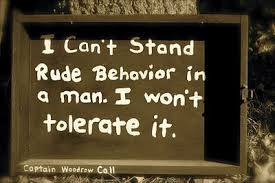
- If you want a refund, don’t ask for more money than you paid for the product.
- If you want to return a product for an exchange, don’t expect the company to give you a new one with even more bells and whistles—unless you’re willing to pay the difference in price.
- If you want an agency to investigate your complaint, don’t expect them to do so instantly. Give them time to assess your information and that supplied by others.
- It’s usually possible to get one agency to sit on another—if you can make a convincing case that it’s in that secondary agency’s best interests to do so.
- That doesn’t guarantee they will resolve your problem. But if you can show that the agency will gain by it—such as getting good publicity.
- If a company/agency official has acted so outrageously that the company/agency might be held liable for his actions, don’t be afraid to say so. But don’t threaten to sue.
- Just point out that the employee has acted in such a way as to jeopardize the company’s/agency’s reputation for integrity/efficiency and that the organization is not well-served by such behavior.
- Whoever reads your letter/email will instantly realize the legal implications of what you’re saying—and, in most cases, will take quick action to head off a lawsuit by trying to satisfy your request.
- Give the CEO’s secretary at least one to two days to get back to you. Remember: Resolving your problem isn’t the only task she needs to complete.
- If you’re writing the CEO, make sure you use his full name and title–and that you spell both correctly. People don’t get to be CEOs without a huge sense of ego. Nothing will turn him off faster than your failing to get his name and title exactly right.
- As in the case with his secretary, be brief—no more than a page and a half. Outline the problem you’re having and at least some (though not necessarily all) of the steps you’re taken to get it resolved.
- Then state what you want the company to do. Again, be fair and reasonable.
ABC NEWS, ALTERNET, AMERICABLOG, AP, BABY BOOMER RESISTANCE, BUZZFEED, CBS NEWS, CNN, COMPUTER FRAUD, CROOKS AND LIARS, CYBERCRIME, DAILY KOZ, DRUDGE RETORT, EMAIL, EMAILS, FACEBOOK, FBI, FIVETHIRTYEIGHT, HARPER’S MAGAZINE, INTERNET, MEDIA MATTERS, MOTHER JONES, MOVEON, MSNBC, NBC NEWS, NEWSWEEK, NIGERIA, NIGERIAN SCAMS, NPR, PASSWORDS, PBS NEWSHOUR, POLITICO, POLITICUSUSA, RAW STORY, REUTERS, SALON, SCAMS, SEATTLE TIMES, SLATE, TALKING POINTS MEMO, THE ATLANTIC, THE CHICAGO SUN-TIMES, THE CHICAGO TRIBUNE, THE DAILY BEAST, THE DAILY BLOG, THE GUARDIAN, THE HILL, THE HUFFINGTON POST, THE LOS ANGELES TIMES, THE NATION, THE NEW REPUBLIC, THE NEW YORK TIMES, THE VILLAGE VOICE, THE WALL STREET JOURNAL, THE WASHINGTON POST, THE WASHINGTONPOST, THINKPROGRESS, TIME, TRUTHDIG, TRUTHOUT, TWITTER, TWO POLITICAL JUNKIES, U.S. NEWS & WORLD REPORT, UPI, USA TODAY, VIRUSES, WONKETTE
In Business, History, Law, Law Enforcement, Social commentary on February 25, 2020 at 12:06 am
In 2018, consumers were victimized in more “emotional romance scams” than any other category of fraud.
“That’s $143 million that consumers reported that they lost in 2018 to romance scams,” said Monica Vaca, of the Federal Trade Commission.
The average loss per victim amounted to $2,600—seven times higher than other frauds. Most of that money was wired or sent with gift cards.
But there are plenty of other online scams to be alert for:
- Email phishing scams
- Credit card scams
- Bank loan scams
- Lottery fee scams
- Online dating scams
- “Nigerian Prince” scams
Here’s how to protect yourself.
- Addressed Generally: “Attention!” “Dear Friend,” “Attention the owner of this email,” “Hello, Dear.” Your name is not mentioned, because this email has been mass-mailed to thousands of intended victims.
- Unsolicited: You’re told that you’ve won a lottery you never entered, or have inherited a fortune from someone you never knew existed.
- Appeals to Religion: “Hello Beloved in the Lord” or “Yours in Christ” seeks to create a bond with those who deeply believe in God.
- Misuse of English: Mis-spellings and faulty grammar usually denote someone—probably a foreigner—using English as a second language. Examples: Run-on sentences; “you’re” for “your”; “except” instead of “accept”; “Dear Beneficial” instead of “Dear Beneficiary.”
- Appeals to Sympathy: “My husband just died” or “I am dying of cancer.” This is to make you feel sorry for the sender and lower your guard as an intended victim.
- Use of Important Titles/Organizations: “Director,” ‘Barrister,” “Secretary General of the United Nations,” “Police Inspector.” This is to impress recipients and convince them that the email comes from a trusted and legitimate organization.
- Request for Personal Information: This includes some combination of: Name / Address / Telephone Number / Bank Name / Bank Account Number / Fax Number / Driver’s License Number / Occupation / Sex / Beneficiary / Passport Number
- Claims of Deposit: “We have deposited the check of your fund to your account” is a typical line to instantly grab your attention. Someone you’ve never heard of claims he has just put a huge amount of money into an account you know nothing about. Nor can you access it unless you first pay a “contact fee.”
- The “Bank” is in Africa: Unless you know you have relatives there, this should be a dead giveaway to a scam. Africa is a continent kept alive by the charity of other nations. It’s not in the business of doling out large sums of money to Westerners.
- Overseas Phone Numbers: If you call these, you’ll have a huge bill. So many people skip calling and just send the money “required” to receive their “cash prize.”
- Highly Personal Requests: Asking you—someone they’ve never met—to assume the burden of acting as the executor of their “Last Will and Testament.”
- Love Scams: The scammer poses as a man or woman—usually outside the United States—seeking love. A series of emails flows back and forth for days/weeks, until the scammer says s/he will be glad to fly to the United States to be yours. All you have to do is put up the money for the flight cost.
- “Make Money From Home”: With most employers refusing to hire, “work from home” scams promise a way to support yourself and your family. You’re required to provide bank information or pay an up-front “registration fee.” Then you wait for job orders—that never come.
- Debt Relief: Scammers promise to relieve most or all of your debt—for a large up-front fee. You pay the fee—and are not only out of that money but still in debt.
- Home Repair Schemes: Huge down payments are required for home repairs that never happen.
- “Free” Trial Offers: The service or product is free for awhile, but you must opt out later to avoid monthly billings.
- The Email Claims to Be From the FBI: The FBI is an investigative agency responsible to the U.S. Department of Justice. It does not resolve financial disputes or secure monies for “deserving” recipients. If the FBI contacts you, it does so by letter or sending agents to your address.
- “I Need Help”: You get an email claiming to be from someone you know—who’s “in jail here in Mexico” or some other foreign country. S/he begs you to send money for bail or bribes to win his/her freedom. If you get such an email, call the person to make certain. Don’t rush to send money—chances are it will go directly to a scammer.
FBI Headquarters
There are several commonsense rules to follow in protecting yourself from online scammers:
- Don’t trust people you’ve never met to want to give you money.
- Shop online only with well-known merchants who have a good reputation.
- Don’t click on unknown links—especially those in emails from unknown senders.
- If you’re required to pay an advance fee—“on faith”—to receive a big amount of money, the odds are it’s a scam.
- If you can’t find any solid information on a company, chances are it doesn’t exist.
- For additional information on how to protect yourself from cybercrime, check out the FBI’s page at https://www.fbi.gov/investigate/cyber.
- If it sounds too good to be true, the odds are: It is untrue.
ABC NEWS, ALTERNET, AP, BUZZFEED, CBS NEWS, CNN, COMPUTER FRAUD, CROOKS AND LIARS, CYBERCRIME, DAILY KOZ, EMAIL, EMAILS, FACEBOOK, FBI, INTERNET, MOTHER JONES, MOVEON, MSNBC, NBC NEWS, NEWSWEEK, NIGERIA, NIGERIAN SCAMS, NPR, PASSWORDS, PBS NEWSHOUR, POLITICO, RAW STORY, REUTERS, SALON, SCAMS, SEATTLE TIMES, SLATE, THE ATLANTIC, THE CHICAGO SUN-TIMES, THE CHICAGO TRIBUNE, THE DAILY BEAST, THE GUARDIAN, THE HILL, THE HUFFINGTON POST, THE LOS ANGELES TIMES, THE NATION, THE NEW YORK TIMES, THE WALL STREET JOURNAL, THE WASHINGTON POST, THE WASHINGTONPOST, TIME, TWITTER, U.S. NEWS & WORLD REPORT, UPI, USA TODAY, VIRUSES
In Business, History, Law, Law Enforcement, Self-Help, Social commentary on March 21, 2019 at 12:08 am
According to the FBI, Internet scams cost victims more than $1.4 billion in 2017. Among the most popular types of fraud:
- Email phishing scams
- Credit card scams
- Bank loan scams
- Lottery fee scams
- Online dating scams
- “Nigerian Prince” scams
But you can protect yourself. Here’s how to spot the warning signs of fraud.
- Addressed Generally: “Attention!” “Dear Friend,” “Attention the owner of this email,” “Hello, Dear.” Your name is not mentioned, because this email has been mass-mailed to thousands of intended victims.
- Unsolicited: You’re told that you’ve won a lottery you never entered, or have inherited a fortune from someone you never knew existed.
- Appeals to Religion: “Hello Beloved in the Lord” or “Yours in Christ” seeks to create a bond with those who deeply believe in God.
- Misuse of English: Mis-spellings and faulty grammar usually denote someone—probably a foreigner—using English as a second language. Examples: Run-on sentences; “you’re” for “your”; “except” instead of “accept”; “Dear Beneficial” instead of “Dear Beneficiary.”
- Appeals to Sympathy: “My husband just died” or “I am dying of cancer.” This is to make you feel sorry for the sender and lower your guard as an intended victim.
- Use of Important Titles/Organizations: “Director,” ‘Barrister,” “Secretary General of the United Nations,” “Police Inspector.” This is to impress recipients and convince them that the email comes from a trusted and legitimate organization.
- Request for Personal Information: This includes some combination of: Name / Address / Telephone Number / Bank Name / Bank Account Number / Fax Number / Driver’s License Number / Occupation / Sex / Beneficiary / Passport Number
- Claims of Deposit: “We have deposited the check of your fund to your account” is a typical line to instantly grab your attention. Someone you’ve never heard of claims he has just put a huge amount of money into an account you know nothing about. Nor can you access it unless you first pay a “contact fee.”
- The “Bank” is in Africa: Unless you know you have relatives there, this should be a dead giveaway to a scam. Africa is a continent kept alive by the charity of other nations. It’s not in the business of doling out large sums of money to Westerners.
- Overseas Phone Numbers: If you call these, you’ll have a huge bill. So many people skip calling and just send the money “required” to receive their “cash prize.”
- Highly Personal Requests: Asking you—someone they’ve never met—to assume the burden of acting as the executor of their “Last Will and Testament.”
- Love Scams: The scammer poses as a man or woman—usually outside the United States—seeking love. A series of emails flows back and forth for days/weeks, until the scammer says s/he will be glad to fly to the United States to be yours. All you have to do is put up the money for the flight cost.
- “Make Money From Home”: With most employers refusing to hire, “work from home” scams promise a way to support yourself and your family. You’re required to provide bank information or pay an up-front “registration fee.” Then you wait for job orders—that never come.
- Debt Relief: Scammers promise to relieve most or all of your debt—for a large up-front fee. You pay the fee—and are not only out of that money but still in debt.
- Home Repair Schemes: Huge down payments are required for home repairs that never happen.
- “Free” Trial Offers: The service or product is free for awhile, but you must opt out later to avoid monthly billings.
- The Email Claims to Be From the FBI: Often the “address” includes “Anti-Terrorist and Monetary Crime Division.” One such email was addressed: “Dear Beneficiary” and offered help in obtaining a “fund.” The FBI is an investigative agency responsible to the U.S. Department of Justice. It does not resolve financial disputes or secure monies for “deserving” recipients. If the FBI wants to contact you, it will do so by letter or by sending agents to your address. The FBI’s own website states: “At this time we do not have a national e-mail address for sending or forwarding investigative information.”
- “I Need Help”: You get an email claiming to be from someone you know—who’s “in jail here in Mexico” or some other foreign country. S/he begs you to send money for bail or bribes to win his/her freedom. If you get such an email, call the person to make certain. Don’t rush to send money—chances are it will go directly to a scammer.
FBI Headquarters
There are several commonsense rules to follow in protecting yourself from online scammers:
- Don’t trust people you’ve never met to want to give you money.
- Shop online only with well-known merchants who have a good reputation.
- Don’t click on unknown links—especially those in emails from unknown senders.
- If you’re required to pay an advance fee—“on faith”—to receive a big amount of money, the odds are it’s a scam.
- If you can’t find any solid information on a company, chances are it doesn’t exist.
- For additional information on how to protect yourself from cybercrime, check out the FBI’s page at https://www.fbi.gov/investigate/cyber.
- If it sounds too good to be true, the odds are: It is untrue.
ABC NEWS, ALTERNET, AP, BUZZFEED, CBS NEWS, CNN, COMPUTER FRAUD, CROOKS AND LIARS, CYBERCRIME, DAILY KOZ, EMAIL, EMAILS, FACEBOOK, FBI, INTERNET, MOTHER JONES, MOVEON, NBC NEWS, NEWSWEEK, NIGERIA, NIGERIAN SCAMS, NPR, PASSWORDS, POLITICO, RAW STORY, REUTERS, SALON, SCAMS, SEATTLE TIMES, SLATE, THE ATLANTIC, THE CHICAGO SUN-TIMES, THE CHICAGO TRIBUNE, THE DAILY BEAST, THE GUARDIAN, THE HILL, THE HUFFINGTON POST, THE LOS ANGELES TIMES, THE NATION, THE NEW YORK TIMES, THE WALL STREET JOURNAL, THE WASHINGTON POST, THE WASHINGTONPOST, TIME, TWITTER, U.S. NEWS & WORLD REPORT, UPI, USA TODAY, VIRUSES
In Business, History, Law Enforcement, Self-Help, Social commentary on April 27, 2018 at 12:04 am
Receiving unsolicited, get-rich-quick emails has become a regular headache for millions of Internet users.
All too often, the result is fraud for their recipients. In 2016, losses from get-rich Ponzi schemes totaled $123 million.
Here’s how to spot the warning signs of fraud:
- Addressed Generally: “Attention!” “Dear Friend,” “Attention the owner of this email,” “Hello, Dear.” Your name is not mentioned, because this email has been mass-mailed to thousands of intended victims.
- Unsolicited: You’re told that you’ve won a lottery you never entered, or have inherited a fortune from someone you never knew existed.
- Appeals to Religion: “Hello Beloved in the Lord” or “Yours in Christ” seeks to create a bond with those who deeply believe in God.
- Misuse of English: Mis-spellings and faulty grammar usually denote someone–probably a foreigner–using English as a second language. Examples: Run-on sentences; “you’re” for “your”; “except” instead of “accept”; “Dear Beneficial” instead of “Dear Beneficiary.”
- Appeals to Sympathy: “My husband just died” or “I am dying of cancer.” This is to make you feel sorry for the sender and lower your guard as an intended victim.
- Use of Important Titles/Organizations: “Director,” ‘Barrister,” “Secretary General of the United Nations,” “Police Inspector.” This is to impress recipients and convince them that the email comes from a trusted and legitimate organization.
- Request for Personal Information: This includes some combination of: Name / Address / Telephone Number / Bank Name / Bank Account Number / Fax Number / Driver’s License Number / Occupation / Sex / Beneficiary / Passport Number
- Claims of Deposit: “We have deposited the check of your fund to your account” is a typical line to instantly grab your attention. Someone you’ve never heard of claims he has just put a huge amount of money into an account you know nothing about. Nor can you access it unless you first pay a “contact fee.”
- The “Bank” is in Africa: Unless you know you have relatives there, this should be a dead giveaway to a scam. Africa is a continent kept alive by the charity of other nations. It’s not in the business of doling out large sums of money to Westerners.
- Overseas Phone Numbers: If you call these, you’ll have a huge bill. So many people skip calling and just send the money “required” to receive their “cash prize.”
- Highly Personal Requests: Asking you—someone they’ve never met—to assume the burden of acting as the executor of their “Last Will and Testament.”
- Love Scams: The scammer poses as a man or woman—usually outside the United States—seeking love. A series of emails flows back and forth for days/weeks, until the scammer says s/he will be glad to fly to the United States to be yours. All you have to do is put up the money for the flight cost.
- “Make Money From Home”: With most employers refusing to hire, “work from home” scams promise a way to support yourself and your family. You’re required to provide bank information or pay an up-front “registration fee.” Then you wait for job orders—that never come.
- Debt Relief: Scammers promise to relieve most or all of your debt—for a large up-front fee. You pay the fee—and are not only out of that money but still in debt.
- Home Repair Schemes: Huge down payments are required for home repairs that never happen.
- “Free” Trial Offers: The service or product is free for awhile, but you must opt out later to avoid monthly billings.
- The Email Claims to Be From the FBI: Often the “address” includes “Anti-Terrorist and Monetary Crime Division.” One such email was addressed: “Dear Beneficiary” and offered help in obtaining a “fund.” The FBI is an investigative agency responsible to the U.S. Department of Justice. It does not resolve financial disputes or secure monies for “deserving” recipients. If the FBI wants to contact you, it will do so by letter or by sending agents to your address. The FBI’s own website states: “At this time we do not have a national e-mail address for sending or forwarding investigative information.”
- “I Need Help”: You get an email claiming to be from someone you know—who’s “in jail here in Mexico” or some other foreign country. S/he begs you to send money for bail or bribes to win his/her freedom. If you get such an email, call the person to make certain. Don’t rush to send money—chances are it will go directly to a scammer.
FBI Headquarters: Where stopping cybercrime is now a top priority.
There are several commonsense rules to follow in protecting yourself from online scammers:
- Don’t trust people you’ve never met to want to give you money.
- Shop online only with well-known merchants who have a good reputation.
- Don’t click on unknown links—especially those in emails from unknown senders.
- If you’re required to pay an advance fee—“on faith”—to receive a big amount of money, the odds are it’s a scam.
- If you can’t find any solid information on a company, chances are it doesn’t exist.
- For additional information on how to protect yourself from cybercrime, check out the FBI’s page at http://www.fbi.gov/about-us/investigate/cyber.
- If it sounds too good to be true, the odds are: It is untrue.
ABC NEWS, ALTERNET, AMERICA ONLINE, AMERICAN FEDERATION OF TEACHERS, AOL GOLD, AP, BUZZFEED, CBS NEWS, CNN, COMPUTERS, CROOKS AND LIARS, CUSTOMER SERVICE, DAILY KOZ, FACEBOOK, GCHAT, INSTANT MESSENGER, INTERNET, LIBRARY OF CONGRESS, MEG RYAN, MOTHER JONES, MOVEON, NATIONAL EDUCATION ASSOCIATION, NATIONAL GEOGRAPHIC, NBC NEWS, NEWSWEEK, NPR, PISSED CONSUMER, POLITICO, RAW STORY, REUTERS, SALON, SEATTLE TIMES, SLATE, TEXTING, THE ATLANTIC, THE CHICAGO SUN-TIMES, THE CHICAGO TRIBUNE, THE DAILY BEAST, THE GUARDIAN, THE HILL, THE HUFFINGTON POST, THE LOS ANGELES TIMES, THE NATION, THE NEW YORK TIMES, THE WASHINGTON POST, TIME, TIME WARNER, TOM HANKS, TWITTER, U.S. NEWS & WORLD REPORT, UP, UPI, USA TODAY, YOU’VE GOT MAIL
In Bureaucracy, Business, History, Social commentary on October 18, 2017 at 12:06 am
When the movie, You’ve Got Mail appeared in 1998, no one needed to be told that America Online (AOL) would be prominently featured.
It was through AOL that the two main characters in this romantic comedy—Tom Hanks and Meg Ryan—found offline happiness through an online romance.

The film was aptly timed to boost AOL’s popularity. By 1997, about half of all American homes with Internet access had it through AOL.
Founded in 1983, AOL began began as a short-lived venture called Control Video Corporation (or CVC). Its sole product was an online service called GameLine for the Atari 2600 video game console.
Subscribers bought a modem from the company for $50 and paid a one-time $15 setup fee.
On May 24, 1985, Quantum Computer Services, an online services company, was founded by Jim Kimsey from the remnants of Control Video.
Kimsey changed the company’s strategy, and in 1985, launched a dedicated online service.
During the early 1990s, the average subscription lasted for about 25 months and accounted for $350 in total revenue. AOL greatly expanded its customer rolls by distributing free AOL trial disks through companies like The Good Guys and Circuit City. At one point, 50% of the CDs produced worldwide had an AOL logo.
By 1997, about half of all U.S. homes with Internet access had it through AOL.

AOL’s Silicon Valley branch office
Over the next several years, AOL launched services with the a wide range of educational organizations, including:
- The National Education Association
- NPR
- The American Federation of Teachers
- National Geographic
- The Library of Congress.
A big draw for AOL customers was its “Instant Messenger” service. Launched in 1997, it allowed AOL members to “chat” with each other. No other online service had anything like it, and AOL refused to share the technology that made this possible.
(Eventually, an anti-monopoly lawsuit by the Justice Department forced AOL to share its “Instant Messenger” technology with its online rivals.)
By 1998, anyone with an Internet-connected computer could access AOL for free. Its revenues were now driven by ads companies eagerly paid to showcase their services or products.
In January 2000, AOL and Time Warner announced plans to merge, forming AOL Time Warner, Inc. AOL shareholders would own 55% of the new, combined company. The deal closed on January 11, 2001.
At the time, it seemed a merger made in heaven. It would supposedly allow Time Warner to digitise its content and reach out to a new online audience. And AOL would gain access to Time Warner’s cable systems, innovative broadband capability and additional content to provide to its 27 million customers.
Yet by 2002 the merger resulted in a net loss of $99 billion, the largest loss ever reported by a company. By 2009, the merger-marriage was over. Time Warner Chief Jeff Bawkes called it “the biggest mistake in corporate history.”
In June, 2017, AOL warned its customers that, starting in August, they would have to pay about $5 a month to access its services. The company was switching to a “new, improved” version called AOL Gold.
As usually happens when new software is launched, there were bugs all around in it. A complainant to the Pissed Consumer website wrote:
“If I have to pay I don’t want to see ads all over my mail, reading or when I’m writing. Send to later folder is all messed up. It seems to crash more & runs slower….
“I read an email & clicked on ‘mark unread’ when I tried to pull it back up I only got the heading but NOT the info. Trying to send email to a group of friends & being told there is a problem, but no idea what is wrong. I always used this group in my 9.8 desktop with no problems.”
And another customer wrote: “Aol gold sucks.90% of the time I get error to load account.”
A third customer: “Spent 4.5 hours waiting for aol gold to import my old pfc [Private Filing Cabinet–where emails are stored] only to find it imported the wrong version of my favorites…. Then spent 3.5 hours on a remote tech call where he repeatedly uninstalled and reinstalled gold with the same results.”
Other problems include:
- AOL shutting off immediately after sending an email
- The lack of a “Clear Toolbar History” function (as was available on the “old” AOL)
- The inability to transfer an image from the Internet (such as a beautiful seascape) to the desktop (another feature that was also available previously)
Customers who call AOL’ at (888) 265-3733 and press “1” for “support on your existing AOL account” automatically get transferred to the billing department. So anyone seeking technical help needs to press “2”.
But AOL apparently doesn’t have enough techs trained in its new Gold technology. So there is usually a long wait before one of them comes on the phone. This means that if you’re calling on a cell phone, you can easily run out of battery time before your problem is resolved.
Then, in early October, AOL announced that, on December 15, it would shut down its Instant Messenger service.
The reason: Competing “chat” systems—such as texting, Gchat and Facebook—have replaced Instant Messenger as go-to forms of communication.
Nor does AOL plan to replace its Instant Messenger service.
Perhaps only the movie business can rival AOL for sheer self-destructiveness. Once “the big dog on the block,” AOL now risks the fate of dogs sent to the pound.
ABC NEWS, ALTERNET, AP, BUZZFEED, CBS NEWS, CNN, COMPUTER FRAUD, CROOKS AND LIARS, CYBERCRIME, DAILY KOZ, EMAIL, EMAILS, FACEBOOK, FBI, INTERNET, MOTHER JONES, MOVEON, NBC NEWS, NEWSWEEK, NIGERIA, NIGERIAN SCAMS, NPR, PASSWORDS, POLITICO, RAW STORY, REUTERS, SALON, SCAMS, SEATTLE TIMES, SLATE, THE ATLANTIC, THE CHICAGO SUN-TIMES, THE CHICAGO TRIBUNE, THE DAILY BEAST, THE GUARDIAN, THE HILL, THE HUFFINGTON POST, THE LOS ANGELES TIMES, THE NATION, THE NEW YORK TIMES, THE WALL STREET JOURNAL, THE WASHINGTON POST, THE WASHINGTONPOST, TIME, TWITTER, U.S. NEWS & WORLD REPORT, UPI, USA TODAY, VIRUSES
In Business, Law Enforcement, Self-Help, Social commentary on August 26, 2016 at 12:01 am
Receiving unsolicited, get-rich-quick emails has become a regular headache for millions of Internet users.
All too often, the result is fraud for their recipients. In 2013, losses from Nigerian scams alone totaled $12.7 billion.
Here’s how to spot the warning signs of fraud:
- Addressed Generally: “Attention!” “Dear Friend,” “Attention the owner of this email,” “Hello, Dear.” Your name is not mentioned, because this email has been mass-mailed to thousands of intended victims.
- Unsolicited: You’re told that you’ve won a lottery you never entered, or have inherited a fortune from someone you never knew existed.
- Appeals to religion: Appeals to Religion: “Hello Beloved in the Lord” or “Yours in Christ” seeks to create a bond with those who deeply believe in God.
- Misuse of English: Misuse of English: Mis-spellings and faulty grammar usually denote someone–probably a foreigner–using English as a second language. Examples: Run-on sentences; “you’re” for “your”; “except” instead of “accept”; “Dear Beneficial” instead of “Dear Beneficiary.”
- Appeals to Sympathy: Appeals to Sympathy: “My husband just died” or “I am dying of cancer.” This is to make you feel sorry for the sender and lower your guard as an intended victim.
- Use of Important Titles/Organizations: “Director,” ‘Barrister,” “Secretary General of the United Nations,” “Police Inspector.” This is to impress recipients and convince them that the email comes from a trusted and legitimate organization.
- Request for Personal Information: This includes some combination of: Name / Address / Telephone Number / Bank Name / Bank Account Number / Fax Number / Driver’s License Number / Occupation / Sex / Beneficiary / Passport Number
- Claims of Deposit: “We have deposited the check of your fund to your account” is a typical line to instantly grab your attention. Someone you’ve never heard of claims he has just put a huge amount of money into an account you know nothing about. Nor can you access it unless you first pay a “contact fee.”
- The “Bank” is in Africa: Unless you know you have relatives there, this should be a dead giveaway to a scam. Africa is a continent kept alive by the charity of other nations. It’s not in the business of doling out large sums of money to Westerners.

- Overseas Phone Numbers: If you call these, you’ll have a huge bill. So many people skip calling and just send the money “required” to receive their “cash prize.”
- Highly Personal Requests: Asking you–someone they’ve never met–to assume the burden of acting as the executor of their “Last Will and Testament.”
- Love Scams: The scammer poses as a man or woman–usually outside the United States–seeking love. A series of emails flows back and forth for days/weeks, until the scammer says s/he will be glad to fly to the United States to be yours. All you have to do is put up the money for the flight cost.
- “Make Money From Home”: With most employers refusing to hire, “work from home” scams promise a way to support yourself and your family. You’re required to provide bank information or pay an up-front “registration fee.” Then you wait for job orders–that never come.
- Debt Relief: Scammers promise to relieve most or all of your debt–for a large up-front fee. You pay the fee–and are not only out of that money but still in debt.
- Home Repair Schemes: Huge down payments are required for home repairs that never happen.
- “Free” Trial Offers: The service or product is free for awhile, but you must opt out later to avoid monthly billings.
- The Email Claims to Be From the FBI: Often the “address” includes “Anti-Terrorist and Monetary Crime Division.” One such email was addressed: “Dear Beneficiary” and offered help in obtaining a “fund.” The FBI is an investigative agency responsible to the U.S. Department of Justice. It does not resolve financial disputes or secure monies for “deserving” recipients. If the FBI wants to contact you, it will do so by letter or by sending agents to your address. The FBI’s own website states: “At this time we do not have a national e-mail address for sending or forwarding investigative information.”
- “I Need Help”: You get an email claiming to be from someone you know–who’s “in jail here in Mexico” or some other foreign country. S/he begs you to send money for bail or bribes to win his/her freedom. If you get such an email, call the person to make certain. Don’t rush to send money–chances are it will go directly to a scammer.
FBI Headquarters: Where stopping cybercrime is now a top priority.
There are several commonsense rules to follow in protecting yourself from online scammers:
- Don’t trust people you’ve never met to want to give you money.
- Shop online only with well-known merchants who have a good reputation.
- Don’t click on unknown links–especially those in emails from unknown senders.
- If you’re required to pay an advance fee–“on faith”–to receive a big amount of money, the odds are it’s a scam.
- If you can’t find any solid information on a company, chances are it doesn’t exist.
- For additional information on how to protect yourself from cybercrime, check out the FBI’s page at http://www.fbi.gov/about-us/investigate/cyber.
- If it sounds too good to be true, the odds are: It is untrue.


 Bureaucracybuster's Blog
ABC NEWS, ALTERNET, AMERICABLOG, AP, BABY BOOMER RESISTANCE, BBC, BLOOMBERG, BLUESKY, BUZZFEED, CBS NEWS, CNN, COMPUTER FRAUD, CROOKS AND LIARS, CYBERCRIME, DAILY KOS, EMAIL, EMAILS, FBI, FIVETHIRTYEIGHT, HARPER’S MAGAZINE, HUFFINGTON POST, INTERNET, MEDIA MATTERS, MOTHER JONES, MOVEON, MSNBC, NBC NEWS, NEWSDAY, NEWSWEEK, NIGERIA, NIGERIAN SCAMS, NPR, PASSWORDS, PBS NEWSHOUR, POLITICO, POLITICUSUSA, RAW STORY, REUTERS, SALON, SCAMS, SEATTLE TIMES, SLATE, TALKING POINTS MEMO, THE ATLANTIC, THE CHICAGO SUN-TIMES, THE CHICAGO TRIBUNE, THE DAILY BEAST, THE DAILY BLOG, THE GUARDIAN, THE HILL, THE HUFFINGTON POST, THE INTERCEPT, THE LOS ANGELES TIMES, THE NATION, THE NEW REPUBLIC, THE NEW YORK TIMES, THE NEW YORKER, THE VILLAGE VOICE, THE WALL STREET JOURNAL, THE WASHINGTON POST, THE WASHINGTONPOST, THINKPROGRESS, TIME, TRUTHDIG, TRUTHOUT, TWO POLITICAL JUNKIES, U.S. NEWS & WORLD REPORT, UPI, USA TODAY, VIRUSES, X
SCAMMER ALERT: “WE WANT TO GIVE YOU MONEY!”
In Business, History, Law Enforcement, Self-Help, Social commentary on January 12, 2026 at 12:12 amReceiving unsolicited, get-rich-quick emails has become a regular headache for millions of Internet users.
All too often, the result is fraud for their recipients. The Federal Trade Commission reported losses of $12.5 billion from online get-rich Ponzi schemes in 2024..
Here’s how to spot the warning signs of fraud:
FBI Headquarters: Where stopping cybercrime is now a top priority.
There are several commonsense rules to follow in protecting yourself from online scammers:
Share this: