Posts Tagged ‘HACKING’
ABC NEWS, BARACK OBAMA, BREITBART NEWS, CBS NEWS, CHRISTOPHER S. MURPHY, CIA, CNN, DEMOCRATIC NATIONAL COMMITTEE, DEMOCRATIC PARTY, DONALD TRUMP, ERIC SCHNEIDERMAN, EXTORTION, FACE THE NATION, FACEBOOK, FERGUS CULLEN, FOX NEWS SUNDAY, GREG ABBOTT, HACKING, HILLARY CLINTON, IRS, JAMES B. COMEY, JAMES R. CLAPPER, JEFF SESSIONS, JEWS, JOHN KASICH, JUSTICE DEPARTMENT, KEN PAXTON, MARK LEVIN, MICHAEL ROGERS, MIKE PENCE, NATIONAL SECURITY AGENCY, NBC NEWS, NEW HAMPSHIRE REPUBLICAN PARTY, NEWSWEEK, NPR, PAM BONDI, PAUL RYAN, PHILIP KLEIN, POLITICO, Racketeer Influenced Corrupt Organizations (RICO) Act, REPUBLICAN NATIONAL COMMITTEE, REPUBLICAN NATIONAL CONVENTION, REPUBLICAN PARTY, ROGER STONE, SALON, SOVIET UNION, THE CHICAGO SUN-TIMES, THE CHICAGO TRIBUNE, THE HUFFINGTON POST, THE LOS ANGELES TIMES, THE NEW YORK TIMES, THE WASHINGTON EXAMINER, THE WASHINGTON POST, THREATS, TIME, TREASON, TRUMP UNIVERSITY, TRUMP-RUSSIA TIES, TWITTER, U.S. NEWS & WORLD REPORT, U.S. SECRET SERVICE, USA PATRIOT ACT, USA TODAY, VLADIMIR PUTIN, WIRETAPPING
In Bureaucracy, History, Law, Law Enforcement, Politics, Social commentary on March 8, 2017 at 12:06 am
President Donald Trump claims that, as a Presidential candidate, he was a victim of illegal wiretapping ordered by President Barack Obama.
In fact, even without wiretaps, there were at least four instances where Federal law enforcement authorities could have utterly changed the outcome of the 2016 election.
Two of these dealt with purely domestic issues–
- The Trump University scandal; and
- Trump’s repeated threats of violence against Republican and Democratic opponents.
The third and fourth ones dealt with issues directly affecting the security of the United States.
It is unprecedented for an American Presidential candidate to repeatedly bestow fulsome praise on the leader of a foreign power hostile to the United States. And to receive equally fawning compliments in return from that leader.
Yet that is precisely what has happened between Donald Trump and Vladimir Putin.
Thus Putin on Trump: “He is a bright personality, a talented person, no doubt about it. It is not up to us to appraise his positive sides, it is up to the U.S. voters. but, as we can see, he is an absolute leader in the presidential race.”
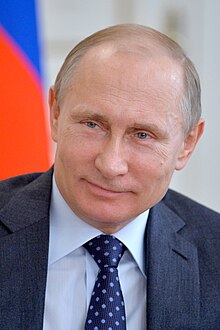
Vladimir Putin
And Trump on Putin: “It is always a great honor to be so nicely complimented by a man so highly respected within his own country and beyond. He’s running his country, and at least he’s a leader. Unlike what we have in this country”–a clear attack on President Barack Obama.
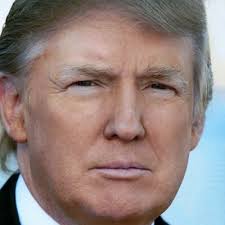
Donald Trump
Case #3: The Justice Department did not invalidate the results of the 2016 election, despite overwhelming evidence that Russia intervened to elect Trump as Vladimir Putin’s chosen candidate.
- Admiral Michael Rogers, director of the National Security Agency (NSA) and US Cyber Command, said in mid-November that Russia made “a conscious effort” to sway the results of the Presidential election by the hacking of 20,000 emails from the Democratic National Committee.
- “There shouldn’t be any doubt in anybody’s mind,” said Rogers. “This was not something that was done casually. This was not something that was done by chance. This was not a target that was selected purely arbitrarily. This was a conscious effort by a nation-state to attempt to achieve a specific effect.”

- The Russians hacked the Democratic committee’s servers–but not those of the Republican National Committee.
- On December 16, FBI Director James B. Comey and Director of National Intelligence James R. Clapper Jr. agreed with a CIA assessment that Russia intervened in the 2016 election in part to help Donald Trump win the White House.

Trump, however, has steadfastly denied any such role by Russia: “I think it’s ridiculous,” he told “Fox News Sunday.” “I think it’s just another excuse. I don’t believe it….No, I don’t believe it at all.”
Case #4: The Justice Department did not prosecute Trump for treason, even though he solicited aid from Russia, a nation hostile to the United States. And no major official of the government–including President Obama–publicly condemned him as a traitor.
At a news conference in Doral, Florida on July 27, Trump publicly invited “Russia”–i.e., Vladimir Putin–to hack Hillary Clinton’s emails: “I will tell you this, Russia: If you’re listening, I hope you’re able to find the 30,000 emails that are missing. I think you will probably be rewarded mightily by our press.”
This was essentially treason–calling on a hostile foreign power to interfere directly in an American Presidential election. And it was seen as such by both Democrats and even Republicans.
- “This has to be the first time that a major presidential candidate has actively encouraged a foreign power to conduct espionage against his political opponent,” Hillary for America policy adviser Jake Sullivan said in a statement. “That’s not hyperbole, those are just the facts. This has gone from being a matter of curiosity, and a matter of politics, to being a national security issue.”
- “I find those kinds of statements to be totally outrageous because you’ve got now a presidential candidate who is, in fact, asking the Russians to engage in American politics,” said former CIA Director Leon Panetta, a Clinton surrogate. “I just think that’s beyond the pale.”
- Brendan Buck, a spokesman for House Speaker Paul Ryan, said: “Russia is a global menace led by a devious thug. Putin should stay out of this election.”
- Even Trump’s Vice Presidential running mate, Mike Pence, said: “If it is Russia and they are interfering in our elections, I can assure you both parties and the United States government will ensure there are serious consequences.”
FBI Director James Comey believed that Hillary Clinton’s emails on a private server were so dangerous to national security that he announced–11 days before the election–that he was re-opening an investigation he had closed.
That announcement erased widespread outrage over Trump’s unintended admissions of predatory behavior toward women–“Grab them by the pussy”–and reversed Clinton’s growing lead in the polls.
Yet the Bureau has not issued any such statements about the continuing reports of close ties between Trump and Putin, and Trump’s possible investments in Russia.
To their shame, the federal agencies charged with safeguarding America failed to take action against these abuses.
And, to their shame, the news media, to date, has failed to indict them for their negligence.
ABC NEWS, BARACK OBAMA, BREITBART NEWS, CBS NEWS, CHRISTOPHER S. MURPHY, CIA, CNN, DEMOCRATIC NATIONAL COMMITTEE, DEMOCRATIC PARTY, DONALD TRUMP, ERIC SCHNEIDERMAN, EXTORTION, FACE THE NATION, FACEBOOK, FERGUS CULLEN, FOX NEWS SUNDAY, GREG ABBOTT, HACKING, HILLARY CLINTON, IRS, JAMES B. COMEY, JAMES R. CLAPPER, JEFF SESSIONS, JOHN KASICH, JUSTICE DEPARTMENT, KEN PAXTON, LEON PANETTA, MARK LEVIN, MICHAEL ROGERS, MIKE PENCE, NATIONAL SECURITY AGENCY, NBC NEWS, NEW HAMPSHIRE REPUBLICAN PARTY, NEWSWEEK, NPR, PAM BONDI, PAUL RYAN, PHILIP KLEIN, POLITICO, Racketeer Influenced Corrupt Organizations (RICO) Act, REPUBLICAN NATIONAL COMMITTEE, REPUBLICAN NATIONAL CONVENTION, REPUBLICAN PARTY, ROGER STONE, SALON, SOVIET UNION, THE CHICAGO SUN-TIMES, THE CHICAGO TRIBUNE, THE HUFFINGTON POST, THE LOS ANGELES TIMES, THE NEW YORK TIMES, THE WASHINGTON EXAMINER, THE WASHINGTON POST, THREATS, TIME, TREASON, TRUMP UNIVERSITY, TRUMP-RUSSIA TIES, TWITTER, U.S. NEWS & WORLD REPORT, U.S. SECRET SERVICE, USA PATRIOT ACT, USA TODAY, VLADIMIR PUTIN, WEIMAR REPUBLIC, WIRETAPPING
In Bureaucracy, History, Law, Law Enforcement, Politics, Social commentary on March 7, 2017 at 12:35 am
Even without wiretaps, there were at least four instances when Federal law enforcement authorities could have disqualified Donald Trump as a Presidential candidate–or secured his indictment.
Threatening your political opponents with violence is a crime under Federal law. Yet such threats against his Republican and Democratic opponents played a major role in Trump’s Presidential campaign.
- Philip Klein, the managing editor of the Washington Examiner, wrote on the eve of the Republican National Convention in July: “Political commentators now routinely talk about the riots that would break out in Cleveland if Trump were denied the nomination, about how his supporters have guns and all hell could break loose, that they would burn everything to the ground. It works to Trump’s advantage to not try too hard to dispel these notions.”
- On August 9, 2016, Trump told a rally in Wilmington, North Carolina: “Hillary [Clinton] wants to abolish, essentially abolish, the Second Amendment. If she gets to pick her [Supreme Court] judges, nothing you can do folks. Although the Second Amendment people, maybe there is, I don’t know.”
- Reacting to Trump’s “dog-whistle” threat against Clinton, Michael Hayden, former head of the CIA and National Security Agency (NSA) said: “Well, let me say if someone else said that outside of the hall, he’d be in the back of a police wagon now, with the Secret Service questioning him.”
Making threats against anyone under protection by the U.S. Secret Service is a felony. Yet Donald Trump was never held legally accountable by the Justice Department.
Threats of violence continued to be made by Trump supporters right up to the day of the election.
- On July 29, 2016, Roger Stone, a notorious Right-wing political consultant acting as a Trump strategist, told Breitbart News: “The first thing Trump needs to do is begin talking about [voter fraud] constantly. If there’s voter fraud, this election will be illegitimate, the election of the winner will be illegitimate, we will have a constitutional crisis, widespread civil disobedience, and the government will no longer be the government.”
- At a town hall meeting where Trump’s Vice Presidential nominee Mike Pence appeared, a woman named Rhonda said: “For me personally, if Hillary Clinton gets in, I myself am ready for a revolution.”
- In Cincinnati, a Trump supporter threatened to forcibly remove Hillary Clinton, the Democratic nominee, from the White House if she won the race: “If she’s in office, I hope we can start a coup. She should be in prison or shot. That’s how I feel about it,” said Dan Bowman, a 50-year-old contractor. “We’re going to have a revolution and take them out of office if that’s what it takes. There’s going to be a lot of bloodshed. But that’s what it’s going to take….”
Even Fergus Cullen, former chairman of the New Hampshire GOP, expressed fear of what might happen if Trump lost the election:

Fergus Cullen
“That’s really scary,” Cullen said, recounting the violence at Trump rallies around the country leading up to the Republican National Convention. “In this country, we’ve always had recriminations after one side loses. But we haven’t had riots. We haven’t had mobs that act out with violence against supporters of the other side.
“There’s no telling what his supporters would be willing to do at the slightest encouragement from their candidate,” he said.
Trump even began encouraging his mostly white supporters to sign up online to be “election observers” to stop “Crooked Hillary from rigging this election.” He urged them to act as poll watchers in “other” [non-white] communities to ensure that things are “on the up and up.”
Many of his supporters promised to do so.
“Trump said to watch your precincts. I’m going to go, for sure,” said Steve Webb, a 61-year-old carpenter from Fairfield, Ohio.
“I’ll look for…well, it’s called racial profiling. Mexicans. Syrians. People who can’t speak American,” he said. “I’m going to go right up behind them. I’ll do everything legally. I want to see if they are accountable. I’m not going to do anything illegal. I’m going to make them a little bit nervous.”
Knowing that large numbers of angry–and possibly armed–Right-wingers planned to descend on polling places could only have had a chilling effect on untold numbers of Democratic voters. And this would have been especially true in heavily conservative states.
Both the USA Patriot Act and the Racketeer Influenced Corrupt Organizations (RICO) Act have statutes dealing with making terrorist threats against government institutions to influence their members.
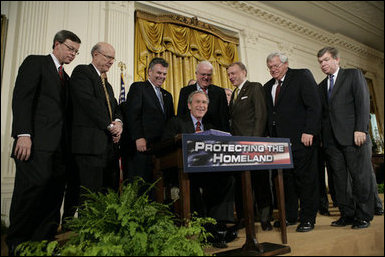
President George W. Bush signing the USA Patriot Reauthorization Act of 2005
If Trump’s remarks did not violate one or both of those laws, certainly remarks made by his surrogates did.
Thus, the Justice Department could have cited the Patriot Act in indicting Trump and/or any number of his followers for “activities that…appear to be intended…to influence the policy of a government by intimidation or coercion [and]…occur primarily within the territorial jurisdiction of the United States.”
The Justice Department could have also demanded that the results of the election be invalidated on the basis that widespread voter and candidate intimidation played a massive role in it.
But of course this did not happen.
ABC NEWS, BARACK OBAMA, BREITBART NEWS, CBS NEWS, CHRISTOPHER S. MURPHY, CIA, CNN, DEMOCRATIC NATIONAL COMMITTEE, DEMOCRATIC PARTY, DONALD TRUMP, ERIC SCHNEIDERMAN, EXTORTION, FACE THE NATION, FACEBOOK, FERGUS CULLEN, FOX NEWS SUNDAY, GREG ABBOTT, HACKING, HILLARY CLINTON, IRS, JAMES B. COMEY, JAMES R. CLAPPER, JEFF SESSIONS, JOHN KASICH, JUSTICE DEPARTMENT, KEN PAXTON, LEON PANETTA, MARK LEVIN, MICHAEL ROGERS, MIKE PENCE, NATIONAL SECURITY AGENCY, NBC NEWS, NEW HAMPSHIRE REPUBLICAN PARTY, NEWSWEEK, NPR, PAM BONDI, PAUL RYAN, PHILIP KLEIN, POLITICO, Racketeer Influenced Corrupt Organizations (RICO) Act, REPUBLICAN NATIONAL COMMITTEE, REPUBLICAN NATIONAL CONVENTION, REPUBLICAN PARTY, ROGER STONE, SALON, SOVIET UNION, THE CHICAGO SUN-TIMES, THE CHICAGO TRIBUNE, THE HUFFINGTON POST, THE LOS ANGELES TIMES, THE NEW YORK TIMES, THE WASHINGTON EXAMINER, THE WASHINGTON POST, THREATS, TIME, TREASON, TRUMP UNIVERSITY, TRUMP-RUSSIA TIES, TWITTER, U.S. NEWS & WORLD REPORT, U.S. SECRET SERVICE, USA PATRIOT ACT, USA TODAY, VLADIMIR PUTIN, WIRETAPPING
In Bureaucracy, History, Law, Law Enforcement, Politics, Social commentary on March 6, 2017 at 12:56 am
Future historians–if there are any–may one day write that it’s what didn’t happen that played at least as great a role in electing Donald Trump President as what actually did.
There were at least four instances where intervention by Federal law enforcement authorities could have utterly changed the outcome of the 2016 election.
And Trump’s completely unsupported accusations that he was illegally wiretapped were not one of those instances.
On March 4, in a series of unhinged tweets, Trump accused former President Barack Obama of tapping his Trump Tower phones prior to the election:
“Terrible! Just found out that Obama had my ‘wires tapped’ in Trump Tower just before the victory. Nothing found. This is McCarthyism!”
“Is it legal for a sitting President to be ‘wire tapping’ a race for president prior to an election? Turned down by court earlier. A NEW LOW!”
“I’d bet a good lawyer could make a great case out of the fact that President Obama was tapping my phones in October, just prior to Election!”
“How low has President Obama gone to tapp my phones during the very sacred election process. This is Nixon/Watergate. Bad (or sick) guy!”
There are two theories about what prompted Trump’s accusations.
Theory #1: They were prompted by Right-wing media outlets that had been pushing wiretapping claims in recent days.
On March 2, Right-wing radio host Mark Levin claimed that Obama had used “powers of the federal government to surveil members of the Trump campaign.”
Referring to Attorney General Jeff Sessions and his newly disclosed meetings with Russia’s ambassador last year, Levin asked: “Today’s reporting on Sessions having a chance meeting with the ambassador–where did that information come from? Look at the timing of it. Was Obama surveilling top Trump campaign officials during the election?”
On March 3, the Fascist media site Breitbart News echoed the charge. Its story was based on Levin’s show and offered no evidence to back up its accusations.
Theory #2: Trump, under scrutiny for ties between his campaign and Russia, sought to deflect attention by making an outrageous accusation.
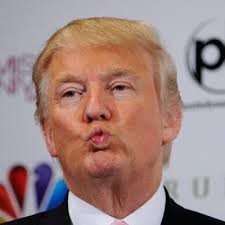
Donald Trump
Even without wiretaps, there were at least four instances where intervention by Federal law enforcement authorities could have disqualified Trump as a Presidential candidate and/or secured his indictment.
Case #1: The Justice Department did not indict Trump and/or the Attorney Generals of Texas and/or Florida for their roles in the Trump University scandal.
- Florida Attorney General Pam Bondi personally solicited a political contribution from Donald Trump around the same time her office deliberated joining an investigation of alleged fraud at Trump University and its affiliates.
- After Bondi dropped the Trump University case against Trump, he wrote her a check $25,000 for her re-election campaign. The money came from the Donald J. Trump Foundation.
- Republican Texas Attorney General Ken Paxton moved to muzzle a former state regulator who says he was ordered in 2010 to drop a fraud investigation into Trump University for political reasons.
- Paxton’s office issued a cease and desist letter to former Deputy Chief of Consumer Protection John Owens after he made public copies of a 14-page internal summary of the state’s case against Donald Trump for scamming millions from students of his now-defunct real estate seminar.
- After the Texas case was dropped, Trump cut a $35,000 check to the gubernatorial campaign of then attorney general and now Texas Governor Greg Abbott.
One attorney general who refused to accept money from Trump was New York’s Eric Schneiderman. His decision to press fraud claims against Trump forced the real estate mogul to settle the case out of court for $25 million.
“Today’s $25 million settlement agreement is a stunning reversal by Donald Trump,” said Schneiderman on November 18, “and a major victory for the over 6,000 victims of his fraudulent university.”
There have been no press reports that the Justice Department investigated these cases to determine if Trump violated the Racketeer Influenced Corrupt Organizations (RICO) Act statutes.

If the Justice Department did not investigate these cases, it should have. And if he did violate the RICO statutes, he should have been indicted, even as a Presidential candidate or President-elect.
Even if an indictment had not produced a conviction, the mere bringing of one would have cast an unprecedented cloud over his candidacy–let alone his being sworn in as President.
Case #2: The Justice Department did not indict Trump for his series of threats that he made–directly and indirectly–against Republicans and Democrats throughout the 2016 campaign.
- On March 16, he warned Republicans that if he didn’t win the GOP nomination in July, his supporters would literally riot: “I think you’d have riots. I think you would see problems like you’ve never seen before. I think bad things would happen. I really do. I wouldn’t lead it, but I think bad things would happen.”
- An NBC reporter summed it up as: “The message to Republicans was clear on [March 16]: ‘Nice convention you got there, shame if something happened to it.’”
- That Republicans clearly saw this as a threat is undeniable. Paul Ryan, their Speaker of the House, said on March 17: “Nobody should say such things in my opinion because to even address or hint to violence is unacceptable.”
ABC NEWS, ADOLF HITLER, BAVARIA, BEER HALL PUTSCH, BREITBART NEWS, CBS NEWS, CHRISTOPHER S. MURPHY, CIA, CNN, DEMOCRATIC NATIONAL COMMITTEE, DEMOCRATIC PARTY, DONALD TRUMP, EXTORTION, FACE THE NATION, FACEBOOK, FERGUS CULLEN, FOX NEWS SUNDAY, GREG ABBOTT, HACKING, HILLARY CLINTON, HITLER: ASCENT, IRS, JAMES B. COMEY, JAMES R. CLAPPER, JEWS, JOHN KASICH, JUSTICE DEPARTMENT, KEN PAXTON, LEON PANETTA, MEIN KAMPF, MICHAEL ROGERS, MIKE PENCE, MUNICH, NATIONAL SECURITY AGENCY, NAZI PARTY, NBC NEWS, NEW HAMPSHIRE REPUBLICAN PARTY, NEWSWEEK, NPR, PAM BONDI, PAUL RYAN, PHILIP KLEIN, POLITICO, Racketeer Influenced Corrupt Organizations (RICO) Act, REPUBLICAN NATIONAL COMMITTEE, REPUBLICAN NATIONAL CONVENTION, REPUBLICAN PARTY, ROGER STONE, SALON, SOVIET UNION, THE CHICAGO SUN-TIMES, THE CHICAGO TRIBUNE, THE HUFFINGTON POST, THE LOS ANGELES TIMES, THE NEW YORK TIMES, THE WASHINGTON EXAMINER, THE WASHINGTON POST, THREATS, TIME, TREASON, TRUMP UNIVERSITY, TWITTER, U.S. NEWS & WORLD REPORT, U.S. SECRET SERVICE, USA PATRIOT ACT, USA TODAY, VLADIMIR PUTIN, VOLKER ULLRICH, WEIMAR REPUBLIC
In Bureaucracy, History, Law, Law Enforcement, Politics, Social commentary on January 4, 2017 at 12:15 am
Future historians may one day write that it’s what didn’t happen that played at least as great a role in electing Donald Trump President as what actually did.
There were at least four instances where intervention by Federal law enforcement authorities could have utterly changed the outcome of the 2016 election.
Two of these dealt with purely domestic issues—the Trump University scandal and Trump’s repeated threats of violence against Republican and Democratic opponents.
The third and fourth ones dealt with events directly affecting the security of the United States.
It is unprecedented for an American Presidential candidate to repeatedly bestow fulsome praise on the leader of a foreign power hostile to the United States. And to receive equally fawning compliments in return from that leader.
Yet that is precisely what has happened between Donald Trump and Vladimir Putin.
Thus Putin on Trump: “He is a bright personality, a talented person, no doubt about it. It is not up to us to appraise his positive sides, it is up to the U.S. voters. but, as we can see, he is an absolute leader in the presidential race.”
Vladimir Putin
And Trump on Putin: “It is always a great honor to be so nicely complimented by a man so highly respected within his own country and beyond. He’s running his country, and at least he’s a leader. Unlike what we have in this country”—a clear attack on President Barack Obama.
Donald Trump
Case #3: The Justice Department did not invalidate the results of the 2016 election, despite overwhelming evidence that Russia intervened to elect Trump as Vladimir Putin’s chosen candidate.
- Admiral Michael Rogers, director of the National Security Agency (NSA) and US Cyber Command, said in mid-November that Russia made “a conscious effort” to sway the results of the Presidential election by the hacking of 20,000 emails from the Democratic National Committee.
- “There shouldn’t be any doubt in anybody’s mind,” said Rogers. “This was not something that was done casually. This was not something that was done by chance. This was not a target that was selected purely arbitrarily. This was a conscious effort by a nation-state to attempt to achieve a specific effect.”
- The Russians hacked the Democratic committee’s servers–but not those of the Republican National Committee.
- On December 16, FBI Director James B. Comey and Director of National Intelligence James R. Clapper Jr. agreed with a CIA assessment that Russia intervened in the 2016 election in part to help Donald Trump win the White House.

Trump, however, has steadfastly denied any such role by Russia: “I think it’s ridiculous,” he told “Fox News Sunday.” “I think it’s just another excuse. I don’t believe it….No, I don’t believe it at all.”
Case #4: The Justice Department did not prosecute Trump for treason, even though he solicited aid from Russia, a nation hostile to the United States. And no major official of the government—including President Obama—publicly condemned him as a traitor.
At a news conference in Doral, Florida on July 27, Trump publicly invited “Russia”—i.e., Vladimir Putin—to hack Hillary Clinton’s emails: “I will tell you this, Russia: If you’re listening, I hope you’re able to find the 30,000 emails that are missing. I think you will probably be rewarded mightily by our press.”
This was essentially treason—calling on a hostile foreign power to interfere directly in an American Presidential election. And it was seen as such by both Democrats and even Republicans.
- “This has to be the first time that a major presidential candidate has actively encouraged a foreign power to conduct espionage against his political opponent,” Hillary for America policy adviser Jake Sullivan said in a statement. “That’s not hyperbole, those are just the facts. This has gone from being a matter of curiosity, and a matter of politics, to being a national security issue.”
- “I find those kinds of statements to be totally outrageous because you’ve got now a presidential candidate who is, in fact, asking the Russians to engage in American politics,” said former CIA Director Leon Panetta, a Clinton surrogate. “I just think that’s beyond the pale.”
- Brendan Buck, a spokesman for House Speaker Paul Ryan, said: “Russia is a global menace led by a devious thug. Putin should stay out of this election.”
- Even Trump’s Vice Presidential running mate, Mike Pence, said: “If it is Russia and they are interfering in our elections, I can assure you both parties and the United States government will ensure there are serious consequences.”
FBI Director James Comey believed that Hillary Clinton’s emails on a private server were so dangerous to national security that he announced—11 days before the election—that he was re-opening an investigation he had closed.
That announcement erased widespread outrage over Trump’s unintended admissions of predatory behavior toward women—“Grab them by the pussy”—and reversed Clinton’s growing lead in the polls.
Yet the Bureau has not issued any such statements about the continuing reports of close ties between Trump and Putin, and Trump’s possible investments in Russia.
To their shame, the federal agencies charged with safeguarding America failed to take action against these abuses. And, to their shame, the news media, to date, has failed to indict them for their negligence.
ABC NEWS, ADOLF HITLER, BAVARIA, BEER HALL PUTSCH, BREITBART NEWS, CBS NEWS, CHRISTOPHER S. MURPHY, CIA, CNN, DEMOCRATIC NATIONAL COMMITTEE, DEMOCRATIC PARTY, DONALD TRUMP, EXTORTION, FACE THE NATION, FACEBOOK, FERGUS CULLEN, FOX NEWS SUNDAY, GREG ABBOTT, HACKING, HILLARY CLINTON, HITLER: ASCENT, IRS, JAMES B. COMEY, JAMES R. CLAPPER, JEWS, JOHN KASICH, JUSTICE DEPARTMENT, KEN PAXTON, LEON PANETTA, MEIN KAMPF, MICHAEL ROGERS, MIKE PENCE, MUNICH, NATIONAL SECURITY AGENCY, NAZI PARTY, NBC NEWS, NEW HAMPSHIRE REPUBLICAN PARTY, NEWSWEEK, NPR, PAM BONDI, PAUL RYAN, PHILIP KLEIN, POLITICO, Racketeer Influenced Corrupt Organizations (RICO) Act, REPUBLICAN NATIONAL COMMITTEE, REPUBLICAN NATIONAL CONVENTION, REPUBLICAN PARTY, ROGER STONE, SALON, SOVIET UNION, THE CHICAGO SUN-TIMES, THE CHICAGO TRIBUNE, THE HUFFINGTON POST, THE LOS ANGELES TIMES, THE NEW YORK TIMES, THE WASHINGTON EXAMINER, THE WASHINGTON POST, THREATS, TIME, TREASON, TRUMP UNIVERSITY, TWITTER, U.S. NEWS & WORLD REPORT, U.S. SECRET SERVICE, USA PATRIOT ACT, USA TODAY, VLADIMIR PUTIN, VOLKER ULLRICH, WEIMAR REPUBLIC
In Bureaucracy, History, Law, Law Enforcement, Politics, Social commentary on January 3, 2017 at 12:01 am
Threatening his Republican and Democratic opponents with violence played a major role in Donald Trump’s campaign for President.
No other candidate—Republican or Democrat—had ever made such repeated and brutal use of threats of physical assault in pursuing the Presidency.
- Philip Klein, the managing editor of the Washington Examiner, wrote on the eve of the Republican National Convention in July: “Political commentators now routinely talk about the riots that would break out in Cleveland if Trump were denied the nomination, about how his supporters have guns and all hell could break loose, that they would burn everything to the ground. It works to Trump’s advantage to not try too hard to dispel these notions.”
- On August 9, Trump told a rally in Wilmington, North Carolina: “Hillary [Clinton] wants to abolish, essentially abolish, the Second Amendment. If she gets to pick her [Supreme Court] judges, nothing you can do folks. Although the Second Amendment people, maybe there is, I don’t know.”
- “Don’t treat this as a political misstep,” Senator Christopher S. Murphy of Connecticut, who has called for stiffer gun laws, wrote on Twitter. “It’s an assassination threat, seriously upping the possibility of a national tragedy & crisis.”
- “Well, let me say if someone else said that outside of the hall, he’d be in the back of a police wagon now, with the Secret Service questioning him,” said Michael Hayden, former head of the CIA and National Security Agency (NSA).
Making threats against anyone under protection by the U.S. Secret Service is a felony. Yet Donald Trump was never held legally accountable by the Justice Department.
Threats of this type continued to be made by Trump supporters right up to the day of the election.
- On July 29, Roger Stone, a notorious Right-wing political consultant acting as a Trump strategist, told Breitbart News: “The first thing Trump needs to do is begin talking about [voter fraud] constantly. If there’s voter fraud, this election will be illegitimate, the election of the winner will be illegitimate, we will have a constitutional crisis, widespread civil disobedience, and the government will no longer be the government.”
- At a town hall meeting where Trump’s Vice Presidential nominee Mike Pence appeared, a woman named Rhonda said: “For me personally, if Hillary Clinton gets in, I myself am ready for a revolution.”
- In Cincinnati, a Trump supporter threatened to forcibly remove Clinton from the White House if she won the race: “If she’s in office, I hope we can start a coup. She should be in prison or shot. That’s how I feel about it,” Dan Bowman, a 50-year-old contractor, said of Hillary Clinton, the Democratic nominee. “We’re going to have a revolution and take them out of office if that’s what it takes. There’s going to be a lot of bloodshed. But that’s what it’s going to take….I would do whatever I can for my country.”
Even Fergus Cullen, former chairman of the New Hampshire GOP, expressed fear of what might happen if Trump lost the election:
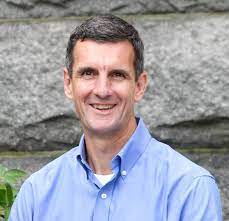
Fergus Cullen
“That’s really scary,” Cullen said, recounting the violence at Trump rallies around the country leading up to the Republican National Convention. “In this country, we’ve always had recriminations after one side loses. But we haven’t had riots. We haven’t had mobs that act out with violence against supporters of the other side.
“There’s no telling what his supporters would be willing to do at the slightest encouragement from their candidate,” he said.
Trump even began encouraging his mostly white supporters to sign up online to be “election observers” to stop “Crooked Hillary from rigging this election.” He urged them to act as poll watchers in “other” [non-white] communities to ensure that things are “on the up and up.”
Many of his supporters promised to do so.
“Trump said to watch your precincts. I’m going to go, for sure,” said Steve Webb, a 61-year-old carpenter from Fairfield, Ohio.
“I’ll look for…well, it’s called racial profiling. Mexicans. Syrians. People who can’t speak American,” he said. “I’m going to go right up behind them. I’ll do everything legally. I want to see if they are accountable. I’m not going to do anything illegal. I’m going to make them a little bit nervous.”
Knowing that large numbers of angry—and possibly armed—Right-wingers planned to descend on polling places could only have had a chilling effect on untold numbers of Democratic voters. And this would have been especially true in heavily conservative states.
Both the USA Patriot Act and the Racketeer Influenced Corrupt Organizations (RICO) Act have statutes dealing with making terrorist threats against government institutions to influence their members.
President George W. Bush signing the USA Patriot Reauthorization Act of 2005
If Trump’s remarks did not violate one or both of those laws, certainly remarks made by his surrogates did.
Thus, the Justice Department could have cited the Patriot Act in indicting Trump and/or any number of his followers for “activities that…appear to be intended…to influence the policy of a government by intimidation or coercion [and]…occur primarily within the territorial jurisdiction of the United States.”
The Justice Department could have also demanded that the results of the election be invalidated on the basis that widespread voter and candidate intimidation played a massive role in it.
But of course this did not happen.
ABC NEWS, ADOLF HITLER, BAVARIA, BEER HALL PUTSCH, BREITBART NEWS, CBS NEWS, CHRISTOPHER S. MURPHY, CIA, CNN, DEMOCRATIC NATIONAL COMMITTEE, DEMOCRATIC PARTY, DONALD TRUMP, ERIC SCHNEIDERMAN, EXTORTION, FACE THE NATION, FACEBOOK, FERGUS CULLEN, FOX NEWS SUNDAY, GREG ABBOTT, HACKING, HILLARY CLINTON, HITLER: ASCENT, IRS, JAMES B. COMEY, JAMES R. CLAPPER, JEWS, JOHN KASICH, JUSTICE DEPARTMENT, KEN PAXTON, LEON PANETTA, MEIN KAMPF, MICHAEL ROGERS, MIKE PENCE, MUNICH, NATIONAL SECURITY AGENCY, NAZI PARTY, NBC NEWS, NEW HAMPSHIRE REPUBLICAN PARTY, NEWSWEEK, NPR, PAM BONDI, PAUL RYAN, PHILIP KLEIN, POLITICO, Racketeer Influenced Corrupt Organizations (RICO) Act, REPUBLICAN NATIONAL COMMITTEE, REPUBLICAN NATIONAL CONVENTION, REPUBLICAN PARTY, ROGER STONE, SALON, SOVIET UNION, THE CHICAGO SUN-TIMES, THE CHICAGO TRIBUNE, THE HUFFINGTON POST, THE LOS ANGELES TIMES, THE NEW YORK TIMES, THE WASHINGTON EXAMINER, THE WASHINGTON POST, THREATS, TIME, TREASON, TRUMP UNIVERSITY, TWITTER, U.S. NEWS & WORLD REPORT, U.S. SECRET SERVICE, USA PATRIOT ACT, USA TODAY, VLADIMIR PUTIN, VOLKER ULLRICH, WEIMAR REPUBLIC
In Bureaucracy, History, Law, Law Enforcement, Politics, Social commentary on January 2, 2017 at 12:12 am
On November 9, 1923, Nazi Party Fuhrer Adolf Hitler tried to overthrow the government in Munich, Bavaria.
About 2,000 Nazis marched to the center of Munich, where they confronted heavily-armed police. A shootout erupted, killing 16 Nazis and four policemen.
Hitler was injured during the clash, but managed to escape. Two days later, he was arrested and charged with treason.
Put on trial, he found himself treated as a celebrity by a judge sympathetic to Right-wing groups. He was allowed to brutally cross-examine witnesses and even make inflammatory speeches.
At the end of the trial, he was convicted of treason and sentenced to five years’ imprisonment.
Serving time in Landsberg Prison, in Bavaria. he was given a huge cell, allowed to receive unlimited visitors and gifts, and treated with deference by guards and inmates.
Hitler used his time in prison to write his infamous book, Mein Kampf-–“My Struggle.” Part autobiography, part political treatise, it laid out his future plans—including the extermination of the Jews and the conquest of the Soviet Union.

Adolf Hitler leaving Landsberg Prison, December, 20, 1924
Nine months later, he was released on parole—by authorities loyal to the authoritarian Right instead of the newly-created Weimar Republic.
Hitler immediately began rebuilding the shattered Nazi party—and deciding on a new strategy to gain power. Never again would he resort to armed force. He would win office by election—or intrigue.
Writes historian Volker Ullrich, in his monumental new biography, Hitler: Ascent 1889 – 1939: “Historians have perennially tried to answer the question of whether Hitler’s rise to power could have been halted….
“There were repeated opportunities to end Hitler’s run of triumphs. The most obvious one was after the failed Putsch of November 1923. Had the Munich rabble-rouser been forced to serve his full five-year term of imprisonment in Landsberg, it is extremely unlikely that he would have been able to restart his political career.”


Thus, it isn’t just what happens that can influence the course of history. Often, it’s what doesn’t happen that has at least as great a result.
Future historians—if there are any—may one day write that it’s what didn’t happen that played at least as great a role in electing Donald Trump President as what actually did.
There were at least four instances where intervention by Federal law enforcement authorities could have utterly changed the outcome of the 2016 election.
Donald Trump
Case #1: The Justice Department did not indict Trump and/or the Attorney Generals of Texas and/or Florida for their roles in the Trump University scandal.
- Florida Attorney General Pam Bondi personally solicited a political contribution from Donald Trump around the same time her office deliberated joining an investigation of alleged fraud at Trump University and its affiliates.
- After Bondi dropped the Trump University case against Trump, he wrote her a check $25,000 for her re-election campaign. The money came from the Donald J. Trump Foundation.
- Republican Texas Attorney General Ken Paxton moved to muzzle a former state regulator who says he was ordered in 2010 to drop a fraud investigation into Trump University for political reasons.
- Paxton’s office issued a cease and desist letter to former Deputy Chief of Consumer Protection John Owens after he made public copies of a 14-page internal summary of the state’s case against Donald Trump for scamming millions from students of his now-defunct real estate seminar.
- After the Texas case was dropped, Trump cut a $35,000 check to the gubernatorial campaign of then attorney general and now Texas Governor Greg Abbott.
One attorney general who refused to accept money from Trump was New York’s Eric Schneiderman. His decision to press fraud claims against Trump forced the real estate mogul to settle the case out of court for $25 million.
“Today’s $25 million settlement agreement is a stunning reversal by Donald Trump,” said Schneiderman on November 18, “and a major victory for the over 6,000 victims of his fraudulent university.”
There have been no press reports that the Justice Department investigated these cases to determine if Trump violated the Racketeer Influenced Corrupt Organizations (RICO) Act statutes.
If the Justice Department did not investigate these cases, it should have. And if he did violate the RICO statutes, he should have been indicted, even as a Presidential candidate or President-elect.
Even if an indictment had not produced a conviction, the mere bringing of one would have cast an unprecedented cloud over his candidacy–let alone his being sworn in as President.
Case #2: The Justice Department did not indict Trump for his series of threats that he made—directly and indirectly—against Republicans and Democrats throughout the 2016 campaign.
- On March 16, he warned Republicans that if he didn’t win the GOP nomination in July, his supporters would literally riot: “I think you’d have riots. I think you would see problems like you’ve never seen before. I think bad things would happen. I really do. I wouldn’t lead it, but I think bad things would happen.”
- An NBC reporter summed it up as: “The message to Republicans was clear on [March 16]: ‘Nice convention you got there, shame if something happened to it.'”
- That Republicans clearly saw this as a threat is undeniable. Paul Ryan, their Speaker of the House, said on March 17: “Nobody should say such things in my opinion because to even address or hint to violence is unacceptable.”
- And Ohio governor and Republican presidential candidate John Kasich chinned in. “Leaders don’t imply violence,” Kasich told “Face the Nation” on March 20. “When he says that there could be riots, that’s inappropriate. I think you understand that, okay? Secondly, while we have our differences and disagreements, we’re Americans. Americans don’t say, ‘Let’s take to the streets and have violence.'”
2016 PRESIDENTIAL CAMPAIGN, ABC NEWS, ASHLEY MADISON, BENGHAZI, BERNIE SANDERS, BOBBY MOOK, CBS NEWS, CNN, CYBERSECURITY, DEBBIE WASSERMAN-SCHULTZ, DEMOCRATIC NATIONAL COMMITTEE, DEMOCRATIC PARTY, DONALD TRUMP, EMAILS, FACEBOOK, FORTUNE, HACKING, HILLARY CLINTON, HUFFINGTON POST, LATINOS, MUSLIMS, NBC NEWS, PRIVATE EMAIL SERVER, REPUBLICAN PARTY, SEXUAL HARASSMENT, THE CHICAGO SUN-TIMES, THE CHICAGO TRIBUNE, THE LOS ANGELES TIMES, THE NEW YORK TIMES, THE WASHINGTON POST, TOM BROKAW, TWITTER, U.S. STATE DEPARTMENT, U.S. UNCUT, VLADIMIR PUTIN, WHITEWATER, WIKILEAKS, WOMEN
In Bureaucracy, History, Politics, Social commentary on November 3, 2016 at 12:02 am
The signs were there long before Wikileaks confirmed them.
Even the most casual observer of politics could see the aren’t-we-cute? relationship between Hillary Clinton and Debbie Wasserman-Schultz.
Clinton, of course, was the former First Lady, U.S. Senator from New York and Secretary of State under President Barack Obama. She was also, by popular consensus, the candidate to beat for the 2016 Democratic Presidential nomination.
And Wasserman-Schultz was the chair of the Democratic National Committee (DNC).
Nobody expected Clinton to act impartially. But that was the expectation demanded of Wasserman-Schultz.
There were, after all, other Democrats besides Clinton seeking their party’s nomination–the most prominent of these being Bernie Sanders, the U.S. Senator from Vermont.
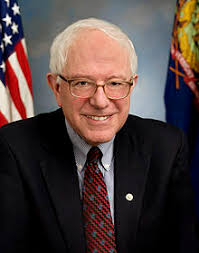
Bernie Sanders
Yet Wasserman-Schultz made no effort to hide her clear bias on behalf of Clinton.
On December 18, 2015, writing in The Huffington Post, political blogger Miles Mogulescu sounded a warning:
“It’s increasingly clear that Debbie Wasserman Schultz, Chair of the Democratic National Committee, isn’t acting as a neutral party Chair, trying to insure a fair and democratic primary and building the Democratic Party in the states.
“Rather, she’s acting as a shill for Hillary Clinton, doing everything in her power to ensure that no one will effectively challenge Hillary’s coronation as the nominee.”
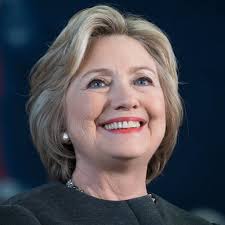
Hillary Clinton
Two days later, on December 20, 2015, the website, U.S. Uncut published an article:
5 TIMES DEBBIE WASSERMAN SCHULTZ VIOLATED DNC RULES AND STACKED THE DECK IN FAVOR OF CLINTON.
The article bluntly stated that Wasserman-Schultz “has made a name for herself among many Democratic voters as a shill for the Clinton machine.” And then it offered five specific examples to back up this assertion:
- Scheduling primary debates to garner as few viewers as possible–and thus “circle the wagons” around the front-running Clinton.
- Locating grassroots Clinton field offices at DNC offices.
- Shutting off Bernie Sanders’ access to the DNC’s voter database, thus crippling his ground strategy.
- Raising money for the Clinton campaign via a top DNC official.
- Lining up Superdelegates for Clinton before the first primary debate.
So no one should have been surprised when the full dimensions of the truth were finally revealed on July 22, 2016.
That was when Wikileaks released 19,252 emails and 8,034 attachments hacked from computers of the highest-ranking officials of the DNC.
The emails had been exchanged from January 2015 through May 2016. And they clearly revealed a bias for Hillary Clinton and against Sanders.
One email revealed that Brad Marshall, the chief financial officer of the DNC, suggested that Sanders, who is Jewish, could be portrayed as an atheist.
Sanders’ supporters had long charged that the DNC and Wasserman-Schultz had undercut his campaign. Now they had the evidence in black-and-white.
The leak badly embarrassed Clinton. About to receive the Democratic nomination for President, she found herself charged with undermining the electoral process.
Wasserman-Schultz proved the first casualty of the leak, resigning as chair of the DNC and saying she would not open the Democratic convention as previously scheduled.
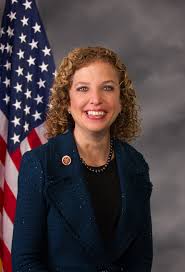
Debbie Wasserman-Schultz
Clinton’s campaign manager, Bobby Mook, put his best spin on the scandal: He blamed the Russians for the leak. Their alleged motive–to help Republican Presidential nominee Donald Trump.
Cyber-security experts believed the hackers originated from Russia–and that Russian President Vladimir Putin may have authorized it.
Perhaps the worst mistake of the DNC was not putting so many embarrassing emails into computers.
Its worst was favoring Hillary Clinton above all other Presidential candidates.
On August 31, an ABC News/Washington Post poll found that Donald Trump and Hillary Clinton are the two most unpopular presidential candidates in more than 30 years.
A July 6 Fortune story sheds light on “Why Trump and Clinton Are America’s Most Disliked Presidential Candidates.”
Trump: “After making comments insulting Muslims, Latinos and women, Trump has been unable to fend off charges of racisms and sexism.”
Clinton: “Clinton is dogged by voter mistrust stoked by her handling of classified State Department information on a private email server, the Benghazi hearings, and the long-ago Whitewater scandal.”
And applying to both candidates: “People who exhibit a few instances of socially unacceptable behavior are quickly labeled as deviant and have to commit disproportionately many more acceptable behaviors to restore their reputation.”
Since October, Trump has been dogged by his admission of sexually predatory behavior toward women: “You know I’m automatically attracted to beautiful–I just start kissing them. It’s like a magnet. Just kiss. I don’t even wait. And when you’re a star they let you do it. You can do anything. Grab them by the pussy. You can do anything.”
At least a dozen women have since charged him with making unwanted sexual advances.
Such revelations would normally prove the kiss of death for any Presidential candidate.
Had the Democrats chosen a genuinely popular candidate–or at least one who was not so widely hated as Clinton–the electoral map would now look very different.
But as matters now stand, Trump and Clinton seem locked dead-even in the polls.
In 2008, NBC anchor Tom Brokaw compared the Presidential campaign rallies of then-U.S. Senator Barack Obama to popular Hannah Montana concerts.
In 2016, not even the most partisan Democrats would make such a remark about Clinton.
2016 PRESIDENTIAL CAMPAIGN, ABC NEWS, ANTHEM INC., ASHLEY MADISON, BERNIE SANDERS, CBS NEWS, CNN, CYBERSECURITY, DAIRY QUEEN, DEBBIE WASSERMAN-SCHULTZ, DEMOCRATIC NATIONAL COMMITTEE, DEMOCRATIC PARTY, DONALD TRUMP, FACEBOOK, HACKING, HILLARY CLINTON, HOME DEPOT, JPMORGAN/CHASE, KMART, NAPOLEON BONAPARTE, NATIONAL LEGAL AND POLICY CENTER, NBC NEWS, NICCOLO MACHIAVELLI, REPUBLICAN PARTY, SONY PICTURES, STAPLES, TARGET, THE DISCOURSES, THE LOS ANGELES TIMES, THE NEW YORK TIMES, THE OFFICE OF PERSONNEL MANAGEMENT, THE PENTAGON, THE PRINCE, THE U.S. DEPARTMENT OF STATE, THE WASHINGTON POST, TWITTER, WIKILEAKS
In Bureaucracy, History, Military, Politics, Social commentary on July 26, 2016 at 12:15 am
On July 22, Wikileaks released 19,252 emails and 8,034 attachments hacked from computers of the highest-ranking officials of the Democratic National Committee (DNC).
The emails were exchanged from January 2015 through May 2016.
These clearly reveal a bias for Hillary Clinton and against her lone challenger, Vermont U.S. Senator Bernie Sanders.
One email revealed that Brad Marshall, the chief financial officer of the DNC, suggested that Sanders, who is Jewish, could be portrayed as an atheist.
Sanders’ supporters have long charged that the DNC and its chair, Debbie Wasserman-Schultz, were plotting to undercut his campaign. Now thousands of them are expected to descend on the Democratic convention as furious protesters.
The leak could not have come at a worse time for Hillary Clinton, the former First Lady, U.S. Senator from New York and Secretary of State under President Barack Obama.
About to receive the Democratic nomination for President, she finds herself charged with undermining the electoral process.
Wasserman-Schultz has proven the first casualty of the leak, resigning from her position as chair of the DNC and saying she would not open the Democratic convention as previously scheduled.
Debbie Wasserman-Schultz
As for Clinton: Her campaign manager, Bobby Mook, blamed the Russians for the leak. Their alleged motive: To help Republican Presidential nominee Donald Trump.
Cyber-security experts believe the hackers originated from Russia–and that Russian President Vladimir Putin may have authorized it.
His alleged motive: Trump has repeatedly attacked United States’ membership in the North Atlantic Treaty Organization (NATO).
He believes the United States is paying an unfairly large portion of the monies needed to maintain this alliance–and he wants other members to contribute far more. Otherwise, if he is elected President, they would be on their own if attacked by Russia.
Trump took to twitter to offer his take on the release: “How much BAD JUDGEMENT was on display by the people in DNC in writing those really dumb e-mails, using even religion, against Bernie!”
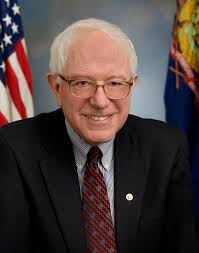
Bernie Sanders
Which brings up the obvious question: Why was such sensitive information entrusted to computers that could be hacked?
This is not the first time a major corporation or government agency has fallen prey to hackers.
Name-brand companies, trusted by millions, have been hit with massive data breaches that compromised their customers’ and/or employees’ most sensitive financial and personal information.
Among those companies and agencies:
- Target
- Kmart
- Home Depot
- JPMorgan/Chase
- Staples
- Dairy Queen
- Anthem, Inc.
- Sony Pictures
- The U.S. State Department
- The Pentagon
- The Office of Personnel Management
Perhaps the most notorious target so far hacked is Ashley Madison, the website for cheating wives and husbands. Launched in 2001, its catchy slogan is: “Life is short. Have an affair.”

On July 15, 2015, its more than 37 million members learned that highly embarrassing secrets they had entrusted to Ashley Madison had been compromised.
This included their sexual fantasies, matching credit card transactions, real names and addresses, and employee documents and emails.
A website offering cheating services to those wealthy enough to afford high-priced fees is an obvious target for hackers. After all, its database is a blackmailer’s dream-come-true.
And the same is true for computers of one of the two major political parties of the United States.
Among the secrets unearthed in the WikiLeaks document-dump: Plans by Democratic party officials to reward large donors and prominent fundraisers with lucrative appointments to federal boards and commissions.
Most of the donors listed gave to Clinton’s campaign. None gave to Sanders.
According to Ken Boehm, chairman of the National Legal and Policy Center, a government watchdog group:
“The disclosed DNC emails sure look like the potential Clinton Administration has intertwined the appointments to federal government boards and commissions with the political and fund raising operations of the Democratic Party. That is unethical, if not illegal.”
Centuries before the invention of computers–and the machinery needed to hack into them–Niccolo Machiavelli offered cautionary advice to those thinking of entering into a conspiracy. He did so in his masterwork on politics, The Discourses.

Niccolo Machiavelli
Unlike his better-known work, The Prince, which deals with how to secure power, The Discourses lays out rules for preserving liberty within a republic.
In Book Three, Chapter Six (“Of Conspiracies”) he writes:
“I have heard many wise men say that you may talk freely with any one man about everything, for unless you have committed yourself in writing, the ‘Yes’ of one man is worth as much as the ‘No’ of another.
“And therefore one should guard most carefully against writing, as against a dangerous rock, for nothing will convict you quicker than your own handwriting.”
In 1804, Napoleon Bonaparte, then First Consul of France, ordered the execution of the popular Louis Antoine de Bourbon, Duke of Enghien, claiming that he had aided Britain and plotted against France.
The aristocracy of Europe, still recalling the slaughters of the French Revolution, was shocked.
Asked for his opinion on the execution, Napoleon’s chief of police, Joseph Fouche, said: “It was worse than a crime; it was a blunder.”
This may prove to be history’s verdict on the storing of so many incriminating computer files by the DNC.
ABC NEWS, ADULTERY, AIRLINES, ANTHEM INSURANCE, ASHLEY MADISON, BUSINESS, CBS NEWS, CHINA, CNN, COMPUTER SECURITY, CREDIT CARDS, CYBERSECURITY, DAIRY QUEEN, FACEBOOK, HACKING, JOHN HERING, JPMORGAN/CHASE, LILY TOMLIN, LOOKOUT INC., LUGGAGE THEFTS, MA BELL, NBC NEWS, SOCIAL SECURITY, SONY PICTURES, STAPLES, TARGET, THE CHICAGO SUN-TIMES, THE CHICAGO TRIBUNE, THE LOS ANGELES TIMES, THE NEW YORK TIMES, TWITTER, U.S. POSTAL SERVICE
In Bureaucracy, Business, Entertainment, Law, Law Enforcement, Social commentary on April 14, 2016 at 12:07 am
It’s the nightmare-come-true for corporate America.
Name-brand companies, trusted by millions, hit with massive data breaches.
And with a series of keystrokes, the most sensitive financial and personal information of their employees and/or customers is compromised.
Among those companies:
- Target
- Kmart
- Home Depot
- JPMorgan/Chase
- Staples
- Dairy Queen
- Anthem, Inc.
- Sony Pictures
- Primera Blue Cross
- U.S. Postal Service
Click here: Data Breach Tracker: All the Major Companies That Have Been Hacked | Money.com
And as of July 15, 2015, Ashley Madison joined this list.
Ashley Madison is, of course, the notorious website for cheating wives and husbands.
Launched in 2001, its catchy slogan is: “Life is short. Have an affair.”
One of its ads featured a photo of a woman apparently kneeling at the feet of a bare-chested man, her hand passionately clawing at his belt. Next to her was the caption: “Join FREE & change your life today. Guaranteed!”
Now millions of its clients may find their lives changed in ways they never imagined–and for the worse.
Ashley Madison claims to have more than 37 million members. And now, untold numbers of them may find their lives changed forever.
Its hackers were enraged at the company’s refusal to fully delete users’ profiles unless it received a $19 fee.
Referring to themselves as “The Impact Team,” they stated in an online manifesto: “Full Delete netted [Avid Life Media, the parent company of Ashley Madison] $1.7 million in revenue in 2014. It’s also a complete lie.
“Users almost always pay with credit card; their purchase details are not removed as promised, and include real names and address, which is of course the most important information the users want removed.”
On July 20, Avid Life Media defended the service, and said it would make it free.

The hackers demanded: “AM [Ashley Madison] AND EM [Established Men] MUST SHUT DOWN IMMEDIATELY PERMANENTLY.
“We have taken over all systems in your entire office and production domains, all customer information databases, source code repositories, financial records, emails.
“Shutting down AM and EM will cost you, but non-compliance will cost you more.”
The hackers threatened to “release all customer records, including profiles with all the customers’ secret sexual fantasies and matching credit card transactions, real names and addresses, and employee documents and emails.”
ABC NEWS, ADOLF HITLER, CARLOS THE JACKAL, CBS NEWS, CNN, FACEBOOK, FBI, HACKING, HARRY S. TRUMAN, ISLAM, ISLAMIC STATE OF IRAQ AND SYRIA (ISIS0, NAZI GERMANY, NBC NEWS, PENTAGON, REFUGEES, SOVIET UNION, SYRIA, TERRORISM, THE CHICAGO SUN-TIMES, THE CHICAGO TRIBUNE, THE LOS ANGELES TIMES, THE NEW YORK TIMES, TWITTER, U.S. DEPARTMENT OF STATE, WORLD WAR ii
In Bureaucracy, History, Law Enforcement, Military, Politics, Social commentary on January 11, 2016 at 12:26 pm
In March, 2015, a group claiming affiliation with the Islamic State of Iraq and Syria (ISIS) took responsibility for posting online the names, photos, street addresses, and, in some cases, ranks, of 100 American military service members.
And it called upon its Islamic “brothers residing in America” to kill them.
Calling itself Islamic State Hacking Division, the group said that it obtained this information by hacking military servers, databases and emails.
But an unnamed Defense Department official quoted by the New York Times downplayed the claim that government databases had been hacked.

Instead, he said most of the information could be found in public records, residential address search sites and social media.
Accompanying the release of this information was a message calling upon “lone wolf” Islamics to wage jihad stateside:
“These Kuffar [nonbelievers] that drop bombs over Syria, Iraq, Yemen, Khurasan and Somalia are from the same lands that you reside in, so when will you take action?
“Know that it is wajib [oblilgatory] for you to kill these kuffar! and now we have made it easy for you by giving you addresses, all you need to do is take the final step, so what are you waiting for?
“Kill them in their own lands, behead them in their own homes, stab them to death as they walk their streets thinking they are safe….”
Servicemen’s identities posted by ISIS
After the information was posted, the Pentagon announced that it was investigating the matter.
So is the FBI.![]()
Local police were asked to step up patrols in the neighborhoods where the target service members lived.
Meanwhile, the Pentagon proved itself at a loss to deal with this new threat of Islamic terrorists using the Internet as a recruiting tool.
The agency didn’t ask YouTube to take down the posted message until a CBS News reporter asked if it had done so.
And how is the United States Government responding to threats such as this?
It’s vastly increasing the numbers of potential terrorists within the United States.
According to a December 9, 2014 press release by the U.S. Department of State:
“We applaud the 25 countries that have agreed to resettle Syrian refugees, including some who will be accepting UNHCR [United Nations High Commissioner for Refugees] referrals for the first time.
“The United States accepts the majority of all UNHCR referrals from around the world. Last year, we reached our goal of resettling nearly 70,000 refugees from nearly 70 countries. And we plan to lead in resettling Syrians as well.
“We are reviewing some 9,000 recent UNHCR referrals from Syria. We are receiving roughly a thousand new ones each month, and we expect admissions from Syria to surge in 2015 and beyond.”
Click here: U.S. Plans To Lead in Resettling Syrian Refugees
Not only are swelling numbers of potential Islamic terrorists arriving almost daily in the United States, they are being provided, gratis, with assistance millions of hard-working Americans desperately need.
Assistance such as:
- homes
- furniture
- clothes
- English classes
- help in enrolling their children in school
- job training
- health care
These will be provided by
- the International Organization for Migrationtation to the United States;
- networks of resettlement agencies
- charities
- churches
- civic organizations
- and local volunteers.
And what is the reason for the United States’ shipping so many potential terrorists into its borders?
Nothing more than simple liberal guilt for the sins of the world.
From the State Department’s press release:
“As the flow of [Syrian] refugees has grown to a mass exodus, countries hosting refugees in the region have contended with overcrowded hospitals and schools, shortages of everything from housing to water, economic pressures and recent evidence of mounting public resentment.
“But these very real burdens must pale in comparison to the daily struggles of Syrians themselves.
“Imagine losing practically everything – your loved ones, your home, your profession, and your dignity. Imagine the frustration of languishing for years, unable to work or send children to school, exhausting your resources and relying on handouts. Imagine fearing that this situation is never going to end.
“For Syrians and for other victims of violence and persecution – resettlement offers not just an escape, but a chance to start over.”
Of course, the State Department press release omits these startling facts:
- Since 1979, Syria has been listed by the U.S. State Department as a sponsor of terrorism.
- Among the terrorist groups it supports are Hizbollah and Hamas.
- For years, Syria provided a safe-house in Damascus to Ilich Ramirez Sanches–the notorious terrorist better known as Carlos the Jackal.
- There are no “good Syrians” for the United States to support–only murderers who have long served a tyrant and now wish to become the next tyrant.
- Thus, flooding the United States with thousands–if not millions–of potential terroristic Fifth Columnists poses a genuine threat to present and future generations of Americans.
While Islamic nations like Syria and Egypt wage war within their own borders, they will lack the resources to launch attacks against the United States.
When Adolf Hitler invaded the Soviet Union in 1941, then-Senator Harry Truman said: “I hope the Russians kill lots of Nazis and vice versa.”
That should be America’s view whenever its sworn enemies start killing themselves off. Americans should welcome such self-slaughters, not become entrapped in them.


 Bureaucracybuster's Blog
ABC NEWS, BARACK OBAMA, BREITBART NEWS, CBS NEWS, CHRISTOPHER S. MURPHY, CIA, CNN, DEMOCRATIC NATIONAL COMMITTEE, DEMOCRATIC PARTY, DONALD TRUMP, ERIC SCHNEIDERMAN, EXTORTION, FACE THE NATION, FACEBOOK, FERGUS CULLEN, FOX NEWS SUNDAY, GREG ABBOTT, HACKING, HILLARY CLINTON, IRS, JAMES B. COMEY, JAMES R. CLAPPER, JEFF SESSIONS, JEWS, JOHN KASICH, JUSTICE DEPARTMENT, KEN PAXTON, MARK LEVIN, MICHAEL ROGERS, MIKE PENCE, NATIONAL SECURITY AGENCY, NBC NEWS, NEW HAMPSHIRE REPUBLICAN PARTY, NEWSWEEK, NPR, PAM BONDI, PAUL RYAN, PHILIP KLEIN, POLITICO, Racketeer Influenced Corrupt Organizations (RICO) Act, REPUBLICAN NATIONAL COMMITTEE, REPUBLICAN NATIONAL CONVENTION, REPUBLICAN PARTY, ROGER STONE, SALON, SOVIET UNION, THE CHICAGO SUN-TIMES, THE CHICAGO TRIBUNE, THE HUFFINGTON POST, THE LOS ANGELES TIMES, THE NEW YORK TIMES, THE WASHINGTON EXAMINER, THE WASHINGTON POST, THREATS, TIME, TREASON, TRUMP UNIVERSITY, TRUMP-RUSSIA TIES, TWITTER, U.S. NEWS & WORLD REPORT, U.S. SECRET SERVICE, USA PATRIOT ACT, USA TODAY, VLADIMIR PUTIN, WIRETAPPING
ABORTING TRUMP’S CANDIDACY–WHAT MIGHT HAVE BEEN: PART THREE (END)
In Bureaucracy, History, Law, Law Enforcement, Politics, Social commentary on March 8, 2017 at 12:06 amPresident Donald Trump claims that, as a Presidential candidate, he was a victim of illegal wiretapping ordered by President Barack Obama.
In fact, even without wiretaps, there were at least four instances where Federal law enforcement authorities could have utterly changed the outcome of the 2016 election.
Two of these dealt with purely domestic issues–
The third and fourth ones dealt with issues directly affecting the security of the United States.
It is unprecedented for an American Presidential candidate to repeatedly bestow fulsome praise on the leader of a foreign power hostile to the United States. And to receive equally fawning compliments in return from that leader.
Yet that is precisely what has happened between Donald Trump and Vladimir Putin.
Thus Putin on Trump: “He is a bright personality, a talented person, no doubt about it. It is not up to us to appraise his positive sides, it is up to the U.S. voters. but, as we can see, he is an absolute leader in the presidential race.”
Vladimir Putin
And Trump on Putin: “It is always a great honor to be so nicely complimented by a man so highly respected within his own country and beyond. He’s running his country, and at least he’s a leader. Unlike what we have in this country”–a clear attack on President Barack Obama.
Donald Trump
Case #3: The Justice Department did not invalidate the results of the 2016 election, despite overwhelming evidence that Russia intervened to elect Trump as Vladimir Putin’s chosen candidate.
Trump, however, has steadfastly denied any such role by Russia: “I think it’s ridiculous,” he told “Fox News Sunday.” “I think it’s just another excuse. I don’t believe it….No, I don’t believe it at all.”
Case #4: The Justice Department did not prosecute Trump for treason, even though he solicited aid from Russia, a nation hostile to the United States. And no major official of the government–including President Obama–publicly condemned him as a traitor.
At a news conference in Doral, Florida on July 27, Trump publicly invited “Russia”–i.e., Vladimir Putin–to hack Hillary Clinton’s emails: “I will tell you this, Russia: If you’re listening, I hope you’re able to find the 30,000 emails that are missing. I think you will probably be rewarded mightily by our press.”
This was essentially treason–calling on a hostile foreign power to interfere directly in an American Presidential election. And it was seen as such by both Democrats and even Republicans.
FBI Director James Comey believed that Hillary Clinton’s emails on a private server were so dangerous to national security that he announced–11 days before the election–that he was re-opening an investigation he had closed.
That announcement erased widespread outrage over Trump’s unintended admissions of predatory behavior toward women–“Grab them by the pussy”–and reversed Clinton’s growing lead in the polls.
Yet the Bureau has not issued any such statements about the continuing reports of close ties between Trump and Putin, and Trump’s possible investments in Russia.
To their shame, the federal agencies charged with safeguarding America failed to take action against these abuses.
And, to their shame, the news media, to date, has failed to indict them for their negligence.
Share this: