Posts Tagged ‘BERLIN’
ABC NEWS, ADOLF HITLER, ALTERNET, AMERICABLOG, ANTHONY FAUCI, AP, BABY BOOMER RESISTANCE, BARACK OBAMA, BERLIN, BUZZFEED, CBS NEWS, CENTERS FOR DISEASE CONTROL, CNN, COMMISSARS, CORONAVIRUS, CROOKS AND LIARS, DAILY KOZ, DEPARTMENT OF HEALTH AND HUMAN SERVICES, DEPARTMENT OF HOMELAND SECURITY, DONALD TRUMP, DRUDGE RETORT, FACEBOOK, FIVETHIRTYEIGHT, FRIEDRICH VON PAULUS, GERMAN-SOVIET NON-AGGRESSION PACT, GREAT BRITAIN, HARPER’S MAGAZINE, JOHN BOLTON, JOSEPH STALIN, MALARIA, MEDIA MATTERS, MICK MULVANEY, MOSCOW, MOTHER JONES, MOVEON, MSNBC, NATIONAL INSTITUTE OF ALLERGY AND INFECTIOUS DISEASES, NAZI GERMANY, NBC NEWS, NEWSWEEK, NIKITA KHRUSHCHEV, NPR, PBS NEWSHOUR, POLAND, POLITICO, POLITICUSUSA, PRISONERS-OF-WAR, RAW STORY, REUTERS, ROLLING STONE MAGAZINE, SALON, SEATTLE TIMES, SLATE, SOVIET UNION, STALINGRAD, TALKING POINTS MEMO, THE ATLANTIC, THE CHICAGO SUN-TIMES, THE CHICAGO TRIBUNE, THE DAILY BEAST, THE DAILY BLOG, THE GUARDIAN, THE HILL, THE HUFFINGTON POST, THE LOS ANGELES TIMES, THE NATION, THE NATIONAL SECURITY COUNCIL, THE NEW REPUBLIC, THE NEW YORK TIMES, THE VILLAGE VOICE, THE WASHINGTON POST, THE WHITE HOUSE PANDEMIC OFFICE, THINKPROGRESS, THIRD REICH, TIME, TOM BOSSERT, TRUTHDIG, TRUTHOUT, TWITTER, TWO POLITICAL JUNKIES, U.S. NEWS & WORLD REPORT, UNITED STATES, UPI, USA TODAY, Vladimir Lenin, WEHRMACHT, WEIMAR REPUBLIC, WONKETTE
In Bureaucracy, History, Medical, Military, Politics, Social commentary on July 16, 2021 at 12:39 am
Two dictators. Two crises.
Next up: Donald Trump.
Soviet dictator Joseph Stalin received multiple warnings that his supposed ally, Nazi Germany, would soon invade Russia. He ignored all of them. And when the invasion came—on June 22, 1941—the result was the loss of 26 million men, women and children and four years of devastation.
President Donald Trump similarly received warnings that Coronavirus was a major world threat—and would likely hit the United States. Like Stalin, he ignored those warnings—with similarly disastrous consequences.
The virus first appeared in Wuhan, China, in December, 2019. Its first reported victim became ill on December 1.
By December 31, the outbreak was traced to a novel strain of Coronavirus.
Coronaviruses are a group of viruses that affect birds and mammals. In humans, Coronaviruses can cause pneumonia and may cause bronchitis.
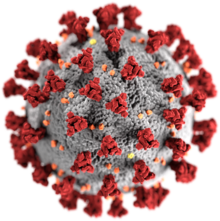
Coronavirus
According to the March 21, 2020 edition of Rolling Stone magazine: “The United States intelligence community has been warning the president since January and February about the dire consequences that would occur when coronavirus reached America, but the president seemed determined to play down the threat, leaving the country largely unaware and unprepared.”
An anonymous Intelligence official cited by the Washington Post said: “Donald Trump may not have been expecting this, but a lot of other people in the government were—they just couldn’t get him to do anything about it. The system was blinking red.”
Trump first learned of the virus on January 3, 2020. This did not prevent him from playing golf on January 4, 5, 18 and 19.
On January 19, the first Coronavirus case appeared in the United States.
On January 27, then-acting chief of staff Mick Mulvaney tried to get the President to act. But, according to officials who spoke with the Post, Trump was “dismissive” of early briefings “because he did not believe that the virus had spread widely throughout the United States.”
Trump fired Mulvaney one month later.
Then, for Trump, it was back to the golf course—on February 1, 2, 15.

Refusing to take action against the emerging Coronavirus threat, Trump repeatedly made statements that minimized it.
January 22: “We have it totally under control. It’s one person coming in from China. We have it under control. It’s going to be just fine.”
January 30: “We think we have it very well under control. We have very little problem in this country at this moment–five—and those people are all recuperating successfully. But we’re working very closely with China and other countries, and we think it’s going to have a very good ending for us .…that I can assure you.”
February 10: “Now, the virus that we’re talking about having to do—you know, a lot of people think that goes away in April with the heat—as the heat comes in. Typically, that will go away in April. We’re in great shape though. We have 12 cases—11 cases, and many of them are in good shape now.”
February 28: “[Democrats] tried the impeachment hoax…They lost…. And this is their new hoax.”
A major reason for the spectacular early victories of the German army in Russia was that, from 1936 to 1938, Stalin had gutted his own military by a series of systematic purges. Thus, there were few experienced, competent officers—from army corps commanders to four-star generals—to mount a strategic defense.
Similarly, upon taking office, Trump had gutted the permanent epidemic monitoring and command groups set up inside the White House: The National Security Council (NSC) and the Department of Homeland Security (DHS).
Pathologically jealous of Barack Obama, Trump tried to destroy every vestige of Obama’s legacy as the first black President of the United States. And these disease-monitoring groups were set up by Obama following the Ebola outbreak in West Africa in 2014.
In the spring of 2018, Trump pushed Congress to cut $15 billion from national health spending—and cutting the global disease-fighting budgets of the Centers for Disease Control, National Security Council, Department of Homeland Security and the Department of Health and Human Services (HHS).
In April, 2018, then-National Security Adviser John Bolton forced Tom Bossert, director of the infectious disease unit at DHS, to resign—along with his entire team.
On February 29, the first American died of Coronavirus.
Trump continued to be unconcerned about the growing threat.
On March 7, reporters asked him if he was concerned that Coronavirus had arrived in Washington, D.C. He replied: “No, I’m not concerned at all. No, we’ve done a great job with it.”
And in a March 9 tweet, Trump wrote: “So last year 37,000 Americans died from the common Flu. It averages between 27,000 and 70,000 per year. Nothing is shut down, life & the economy go on. At this moment there are 546 confirmed cases of CoronaVirus, with 22 deaths. Think about that!”
Perhaps most dangerously of all, Trump from the outset blatantly contradicted health officials—even when standing next to them at press conferences.
On March 21, Trump insisted he had a “very good” feeling about using a malaria drug to combat the virus. It fell to Dr. Anthony Fauci, head of the National Institute of Allergy and Infectious Diseases, to set the record straight: “No.”
By January 20, 2021—the end of Trump’s term—the United States had more than 24.2 million confirmed Coronavirus cases—and more than 400,000 deaths.
ABC NEWS, ADOLF HITLER, ALTERNET, AMERICABLOG, ANTHONY FAUCI, AP, BABY BOOMER RESISTANCE, BARACK OBAMA, BERLIN, BUZZFEED, CBS NEWS, CENTERS FOR DISEASE CONTROL, CNN, COMMISSARS, CORONAVIRUS, CROOKS AND LIARS, DAILY KOZ, DEPARTMENT OF HEALTH AND HUMAN SERVICES, DEPARTMENT OF HOMELAND SECURITY, DONALD TRUMP, DRUDGE RETORT, FACEBOOK, FIVETHIRTYEIGHT, FRIEDRICH VON PAULUS, GERMAN-SOVIET NON-AGGRESSION PACT, GREAT BRITAIN, HARPER’S MAGAZINE, JOHN BOLTON, JOSEPH STALIN, MALARIA, MEDIA MATTERS, MICK MULVANEY, MOSCOW, MOTHER JONES, MOVEON, MSNBC, NATIONAL INSTITUTE OF ALLERGY AND INFECTIOUS DISEASES, NAZI GERMANY, NBC NEWS, NEWSWEEK, NIKITA KHRUSHCHEV, NPR, PBS NEWSHOUR, POLAND, POLITICO, POLITICUSUSA, PRISONERS OF WAR, RAW STORY, REUTERS, ROLLING STONE MAGAZINE, SALON, SEATTLE TIMES, SLATE, SOVIET UNION, STALINGRAD, TALKING POINTS MEMO, THE ATLANTIC, THE CHICAGO SUN-TIMES, THE CHICAGO TRIBUNE, THE DAILY BEAST, THE DAILY BLOG, THE GUARDIAN, THE HILL, THE HUFFINGTON POST, THE LOS ANGELES TIMES, THE NATION, THE NATIONAL SECURITY COUNCIL, THE NEW REPUBLIC, THE NEW YORK TIMES, THE VILLAGE VOICE, THE WASHINGTON POST, THE WHITE HOUSE PANDEMIC OFFICE, THINKPROGRESS, THIRD REICH, TIME, TOM BOSSERT, TRUTHDIG, TRUTHOUT, TWITTER, TWO POLITICAL JUNKIES, U.S. NEWS & WORLD REPORT, UNITED STATES, UPI, USA TODAY, Vladimir Lenin, WEHRMACHT, WEIMAR REPUBLIC, WONKETTE
In Bureaucracy, History, Medical, Military, Politics, Social commentary on July 15, 2021 at 12:25 am
Two dictators. Two crises.
First up: Joseph Stalin.
“I know what Hitler’s up to. He thinks he’s outsmarted me. But in actuality, it is I who have outsmarted him.”
So spoke Joseph Stalin, absolute dictator of the Soviet Union, to his future successor, Nikita Khrushchev, in 1939.
Less than two years later, on June 22, 1941, three million German soldiers poured across the western border of the Soviet Union.
On August 23, 1939, Stalin had signed the German-Soviet Nonaggression Pact with German Fuhrer Adolf Hitler. The reason: Each dictator got what he wanted—for the moment. Hitler was planning to invade Poland in a matter of days—and he wanted to avoid a war with the Soviet Union. And Stalin got what he wanted: The eastern half of Poland.
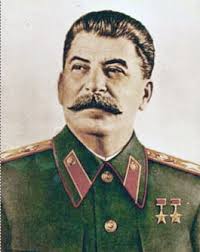
Joseph Stalin
The agreement stunned the world. Since 1919, Nazis and Communists had fought bitter battles against each other in the streets of Germany during the Weimar Republic.
When this was replaced in 1933 by the Third Reich, German Communists were rounded up and imprisoned, if not murdered, by Hitler’s ruthless secret police, the Schutzstaffel (“Protective Squads”).
For the moment, however, all of that was conveniently forgotten.
But Hitler hadn’t forgotten his life’s ambition to conquer the Soviet Union and utterly destroy “the scourge of Jewish-Marxism.”
Stalin received numerous warnings from the United States and Great Britain about the coming invasion. But he dismissed them as efforts by the West to trick him into violating the pact and turning Nazi Germany into his mortal enemy.
When informed of the attack, Stalin at first believed it was being made by rogue German forces. He refused to order an immediate counterattack. Upon being convinced that the Wehrmacht intended to wage all-out war, he went into a funk in his dacha and shut himself off from everyone. To his closest associates he wailed: “Lenin left us a great inheritance and we, his heirs, have fucked it all up!”
Meanwhile, the Red Air Force was destroyed on the ground by the awesome Luftwaffe. And the Wehrmacht was advancing at a rate of 25 miles a day.
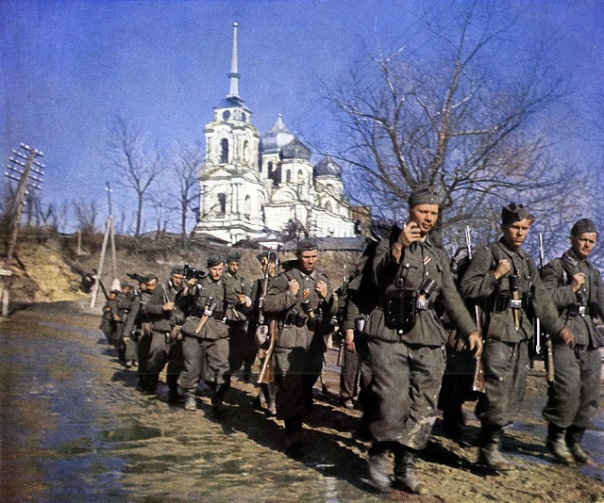
German soldiers marching through Russia
On July 3, after 10 days of brooding (and probably drinking heavily) in his dacha, Stalin finally took to the airways. He didn’t speak live; Radio Moscow played a recording of his voice across the Soviet Union.
Never a spellbinding orator, Stalin spoke in slow and faltering tones. Nevertheless, his opening words were startling: “Comrades! Citizens! Brothers and sisters! Men of our army and navy! I am addressing you, my friends!”
Stalin had never addressed an audience this way, and he never would again. Born Joseph Vissarionovich Djugashvili, he had given himself the name of “Stalin”—“Man of Steel.” And he had lived up to it, sending tens of thousands to the Soviet penal system known as the Gulag while ordering the executions of tens of thousands of others.
He said the “peace loving” Soviet Union had been attacked by “fiends and cannibals.” He claimed the non-aggression pact with Germany had given the army much-needed time to rearm and reorganize its forces. He claimed the Germans wanted to restore the rule of the landlords and re-establish Tsarism.
He repeatedly spoke of the treachery of the enemy—and of the need for constant vigilance against traitors: “We must wage a ruthless fight against all disorganizers of the rear, deserters, panic-mongers and rumor-mongers.”
This was accompanied by orders unprecedented in any other army: Those taken prisoner by the Germans were to be considered traitors—and shot or imprisoned. Those suspected of wounding themselves to avoid combat were also subject to summary execution. So were soldiers who had been legitimately wounded in battle but were suspected of inflicting those injuries.
The first two years of the war—1941 to 1943—proved disastrous for the Soviet Union.
During the first six months—June to December, 1941—German armies lured huge Soviet forces into gigantic “cauldron battles,” surrounding and exterminating them. An estimated 5.7 million prisoners of war (POWs) fell into German hands. Of these, at least 3.5 million died in custody.
But then the infamous Russian cold and snows of winter halted the Wehrmacht before Moscow. In the summer of 1942 German forces once again mounted a ferocious offensive, driving all the way to the Volga—and Stalingrad.
But they became bogged down in bitter house-to-house fighting. With the arrival of winter, Soviet forces surrounded the Wehrmacht’s powerful Sixth Army. The besiegers became the besieged. On February 2, 1943, Field Marshal Friedrich von Paulus surrendered what remained of his army. The battle cost Germany 500,000 men, including 91,000 taken prisoner.
As the Red Army finally began to go over on the offensive, Stalin relaxed the iron controls that had long stifled creativity on the part of his commandeers.
The infamous political commissars were removed from control over Russian generals. Gold braid and fancy uniforms were manufactured and rushed to the front as morale boosters.
At last, Stalin realized there was no way to win a life-and-death struggle than to give his soldiers the flexibility they needed.
The war would last another two years—costing the Soviet Union at least 26 million citizens—before it ended with the Red flag flying over Berlin.
2016 PRESIDENTIAL CAMPAIGN, 2020 PRESIDENTIAL ELECTION, ABC NEWS, ADOLF HITLER, ALTERNET, AMERICABLOG, AP, AUSTRIA, BABY BOOMER RESISTANCE, BERLIN, BLOOMBERG, BORDER WALL, BRIAN KEMP, BUZZFEED, CBS NEWS, CIA, CNN, COVID-19, CROOKS AND LIARS, CZECHOSLOVAKIA, DAILY KOZ, DEMOCRATS, DONALD TRUMP, DRUDGE REPORT, EMILY MURPHY, ENGLAND, FACEBOOK, FBI, FIVETHIRTYEIGHT, FRANCE, GAIUS CALIGULA, GENERAL SERVICES ADMINISTRATION, GEORGE FLOYD, GOVERNMENT SHUTDOWN, HARPER’S MAGAZINE, HUFFINGTON POST, JAMES COMEY, JEFF SESSIONS, JOE BIDEN, LAMAR ALEXANDER, MARTIN GUGINO, MEDIA MATTERS, MIKE PENCE, MITCH MCCONNELL, MITCH MECONNELL, MOTHER JONES, MOVEON, MSNBC, MUNICH CONFERENCE, NANCY PELOSI, NATIONAL SECURITY AGENCY, NAZI GERMANY, NBC NEWS, NEWSWEEK, NPR, PBS NEWSHOUR, POLAND, POLITICO, POLITICUSUSA, RAFAEL EDUARDO "TED" CRUZ, RAW STORY, REPUBLICANS, REUTERS, ROME, RON JOHNSON, RUSSIA, SALON, SEATTLE TIMES, Secret Service, SERGEY KISLYAK, SERGEY LAVROV, SLATE, TALKING POINTS MEMO, THE ATLANTIC, THE CHICAGO SUN-TIMES, THE CHICAGO TRIBUNE, THE DAILY BEAST, THE DAILY BLOG, THE DISCOURSES, THE GUARDIAN, THE HILL, THE HUFFINGTON POST, THE LOS ANGELES TIMES, THE NATION, THE NEW REPUBLIC, THE NEW YORK TIMES, THE PRESS, THE VILLAGE VOICE, THE WALL STREET JOURNAL, THE WASHINGTON POST, THINKPROGRESS, TIME, TREASON, TRUTHDIG, TRUTHOUT, TWENTY-FIFTH AMENDMENT, TWITTER, TWO POLITICAL JUNKIES, U.S. NEWS & WORLD REPORT, UKRAINE, UNITED STATES HOUSE OF REPRESENTATIVES, UNITED STATES SENATE, UPI, USA TODAY, VLADIMIR PUTIN, VOLODMYR ZELENSKY, WONKETTE
In Bureaucracy, History, Law, Law Enforcement, Military, Politics, Social commentary on December 8, 2020 at 12:15 am
Once he became the 45th President of the United States, Donald Trump began undermining one public or private institution after another.
On November 3, 80 million voters decided they wanted a change—and elected former Vice President Joe Biden as the 46th President of the United States.
Trump refused to accept that verdict. Speaking from the White House in the early hours of November 4, he said:
“Millions and millions of people voted for us tonight, and a very sad group of people is trying to disenfranchise that group of people and we won’t stand for it.”
For the first time in American history, a President demanded a halt to the counting of votes while the outcome of an election hung in doubt.
States ignored his demand and kept counting.
Next, Trump ordered his attorneys to file lawsuits to overturn the election results, charging electoral fraud. Specifically:
- Illegal aliens had been allowed to vote.
- Trump ballots had been systematically destroyed.
- Tampered voting machines had turned Trump votes into Biden ones.
Throughout November and December, cases were filed in Wisconsin, Arizona, Nevada, Michigan, Minnesota and Georgia challenging the election results. And, one by one, more than 30 cases were withdrawn by Trump’s attorneys or dismissed by Federal judges—some of them appointed by Trump himself.
For 20 days, General Services Administrator Emily Murphy refused to release $7.3 million in transition funding and Federal resources to the President-elect’s team. Under the law governing presidential transitions, Murphy was responsible for determining the winner based on publicly available information before the actual Electoral College vote.
Finally, on November 23, Murphy released the transition funding and resources.
Losing in the courts, Trump invited two Republican legislative leaders from Michigan to the White House to persuade them to stop the state from certifying the vote.
Nothing changed.
On December 5, Trump called Georgia Governor Brian Kemp and asked him to call a special legislative session and convince state legislators to select their own electors that would support him, thus overturning Biden’s win.
Kemp refused, saying he lacked the authority to do so.
Meanwhile, top Republicans—such as Vice President Mike Pence and Senate Majority Leader Mitch McConnell—have refused to congratulate Biden as the winner. None of them branded Trump’s efforts to overturn the election as those of a tyrant.
Just as Germans did nothing to stop Adolf Hitler’s inexorable march toward war—and the destruction of millions of lives and Germany itself—so, too, did Americans seem paralyzed to put an end to the equally self-destructive reign of the man often dubbed “Carrot Caligula.”

Gaius Caligula was “the mad emperor” of ancient Rome. Like Trump, he lived by a philosophy of “Let them hate me, so long as they fear me.”
He ruled as the most powerful man of his time—three years, 10 months and eight days. And all but the first six months of his reign were drenched in slaughter and debauchery.
There are basically three ways America’s continuing slide into tyranny could have been stopped:
Congressional Republicans could have revolted against Trump’s authority and/or agenda. They could, for example, have demanded that Trump accept the verdict of the electorate—as every other past President had. But they didn’t.
Invoking the Twenty-Fifth Amendment to the United States Constitution. This allows the Vice President and a majority of the Cabinet to recommend the removal of the President in cases where he is “unable to discharge the powers and duties of his office.” It also allows the House and Senate to confirm the recommendation over the President’s objection by two-thirds vote.
The Vice President then takes over as President.
A case could easily have been made that Trump, emotionally distraught over his loss and determined to circumvent the will of the electorate, had been rendered unfit to continue in office. But, once again, Republicans let fear be their guide.
He had fired FBI Director James Comey in 2017 and publicly humiliated his Attorney General, Jeff Sessions, for more than a year until firing him in 2018. Vice President Mike Pence in particular had set new records for sycophancy.
The “Caligula solution.” Like Trump, Caligula delighted in humiliating others. His fatal mistake was taunting Cassius Chaerea, a member of his own bodyguard. Caligula considered Chaerea effeminate because of a weak voice and mocked him with names like “Priapus” and “Venus.”

Gaius Caligula
Sergey Sosnovskiy from Saint-Petersburg, Russia, CC BY-SA 2.0 <https://creativecommons.org/licenses/by-sa/2.0>, via Wikimedia Commons
On January 22 41 A.D. Chaerea and several other bodyguards hacked Caligula to death with swords before other guards could save him.
Trump had similarly behaved arrogantly toward his Secret Service guards. He forced them to work without pay during his 35-day government shutdown in 2018. He also forced them to accompany him to COVID-infected states—both during the Presidential campaign and afterward. Many of them were stricken with this often lethal disease as a result.
During the 12 years that Adolf Hitler ruled Nazi Germany, at least 42 assassination plots were launched against him.
The best-known of these literally exploded on July 20, 1944, when Colonel Count Claus Shenk von Stauffenberg planted a bomb in a conference room attended by Hitler and his generals. Hitler survived only by sheer luck.
By contrast, no similar plot was aimed at Donald Trump.
2016 PRESIDENTIAL CAMPAIGN, 2020 PRESIDENTIAL CAMPAIGN, ABC NEWS, ADOLF HITLER, ALTERNET, AMERICABLOG, AP, AUSTRIA, BABY BOOMER RESISTANCE, BERLIN, BLOOMBERG, BORDER WALL, BRIAN KEMP, BUZZFEED, CBS NEWS, CIA, CNN, COVID-19, CROOKS AND LIARS, CZECHOSLOVAKIA, DAILY KOZ, DEMOCRATS, DONALD TRUMP, DRUDGE REPORT, EMILY MURPHY, ENGLAND, FACEBOOK, FBI, FIVETHIRTYEIGHT, FRANCE, GAIUS CALIGULA, GENERAL SERVICES ADMINISTRATION, GEORGE FLOYD, GOVERNMENT SHUTDOWN, HARPER’S MAGAZINE, HUFFINGTON POST, JAMES COMEY, JEFF SESSIONS, JOE BIDEN, LAMAR ALEXANDER, MARTIN GUGINO, MEDIA MATTERS, MIKE PENCE, MITCH MCCONNELL, MITCH MECONNELL, MOTHER JONES, MOVEON, MSNBC, MUNICH CONFERENCE, NANCY PELOSI, NATIONAL SECURITY AGENCY, NAZI GERMANY, NBC NEWS, NEWSWEEK, NICCOLO MACHIAVELLI, NPR, PBS NEWSHOUR, POLAND, POLITICO, POLITICUSUSA, RAFAEL EDUARDO "TED" CRUZ, RAW STORY, REPUBLICANS, REUTERS, ROME, RON JOHNSON, RUSSIA, SALON, SEATTLE TIMES, Secret Service, SERGEY KISLYAK, SERGEY LAVROV, SLATE, TALKING POINTS MEMO, THE ATLANTIC, THE CHICAGO SUN-TIMES, THE CHICAGO TRIBUNE, THE DAILY BEAST, THE DAILY BLOG, THE DISCOURSES, THE GUARDIAN, THE HILL, THE HUFFINGTON POST, THE LOS ANGELES TIMES, THE NATION, THE NEW REPUBLIC, THE NEW YORK TIMES, THE PRESS, THE VILLAGE VOICE, THE WALL STREET JOURNAL, THE WASHINGTON POST, THINKPROGRESS, TIME, TRUTHDIG, TRUTHOUT, TWENTY-FIFTH AMENDMENT, TWITTER, TWO POLITICAL JUNKIES, U.S. NEWS & WORLD REPORT, UKRAINE, UNITED STATES HOUSE OF REPRESENTATIVES, UNITED STATES SENATE, UPI, USA TODAY, VLADIMIR PUTIN, VOLODMYR ZELENSKY, WONKETTE
In Bureaucracy, History, Law, Law Enforcement, Military, Politics, Social commentary on December 7, 2020 at 12:24 am
“Why are we letting one man systematically destroy our nation before our eyes?”
It’s a question millions of Americans have asked themselves since Donald Trump became President of the United States.
Millions of Germans asked themselves the same question throughout the six years of World War II.
In September, 1938, as Adolf Hitler threatened to go to war against France and England over Czechoslovakia, most Germans feared he would. They knew that Germany was not ready for war, despite all of their Fuhrer’s boasts about how invincible the Third Reich was.
A group of high-ranking German army officers was prepared to overthrow Hitler—provided that England and France held firm and handed him a major diplomatic reverse.
But then England and France—though more powerful than Germany—flinched at the thought of war.
They surrendered to Hitler’s demands that he be given the “Sudetenland”—the northern, southwest and western regions of Czechoslovakia, inhabited mostly by ethnic Germans.
Hitler’s popularity among Germans soared. He had expanded the territories of the Reich by absorbing Austria and Czechoslovakia—without a shot being fired!
The plotters in the German high command, realizing that public opinion stood overwhelmingly against them, abandoned their plans for a coup. They decided to wait for a more favorable time.
It never came.
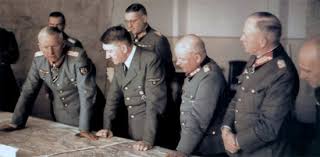
Adolf Hitler and his generals
Less than one year after the infamous “Munich conference,” England and France were at war—and fighting for the lives of their peoples.
As for the Germans: Most of them blindly followed their Fuhrer right to the end—believing his lies (or at least wanting to believe them), serving in his legions, defending his rampant criminality.
And then, in April, 1945, with Russian armies pouring into Berlin, it was too late for conspiracies against the man who had led them to total destruction.
Berliners paid the price for their loyalty to a murderous dictator—through countless rapes, murders and the wholesale destruction of their city. And from 1945 to 1989, Germans living in the eastern part of their country paid the price as slaves to the Soviet Union.
Have Americans learned anything from this this warning from history about subservience to a madman?
The answer seems to be half-yes, half-no.
In 2016, almost 63 million Americans elected Donald Trump—a racist, serial adulterer and longtime fraudster—as President.
On November 3, 2020, 81,255,933 Democratic voters outvoted 74,196,153 Republican voters to elect former Vice President Joseph Biden as the 46th President of the United States.
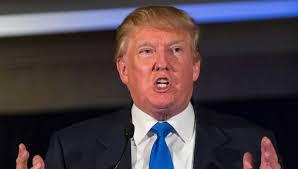
Donald Trump
Upon taking office on January 20, 2017, Trump began undermining one public or private institution after another.
- Repeatedly attacking the nation’s free press for daring to report his growing list of crimes and disasters, calling it “the enemy of the American people.”
- Siding with Russian dictator Vladimir Putin against the FBI, CIA and National Security Agency which unanimously agreed that Russia had subverted the 2016 Presidential election.
- Firing FBI Director James Comey for investigating that subversion.
- Giving Russian Foreign Minister Sergey Lavrov and Russian Ambassador Sergey Kislyak highly classified CIA Intelligence about an Islamic State plot to turn laptops into concealable bombs.
- Shutting down the Federal Government for 35 days because Democrats refused to fund his ineffective “border wall” between the United States and Mexico. An estimated 380,000 government employees were furloughed and another 420,000 were ordered to work without pay. The shutdown ended due to public outrage—without Trump getting the funding amount he had demanded.
- Trying to coerce Ukrainian President Volodymyr Zelensky to smear former Vice President Joe Biden, who was likely to be his Democratic opponent in the 2020 Presidential election.
- Allowing the deadly COVID-19 virus to ravage the country, infecting (to date) 14.8 million Americans and killing 282,000.
- Attacking medical experts and governors who urged Americans to wear masks and socially distance to protect themselves from COVID-19.
- Ordering his Right-wing followers to defy states’ orders to citizens to “stay-at-home” and wear of masks in public to halt surging COVID-19 rates.
And throughout all those outrages, House and Senate Republican majorities remained silent or vigorously supported him.
A typical example:
On June 4, 2020, during protests over the police murder of black security guard George Floyd, a curfew was imposed on Buffalo, New York. As police swept through Niagara Square, Martin Gugino, a 75-year-old peace activist with the Catholic Worker Movement, walked into their path as if attempting to speak with them.
Two officers pushed him and he fell backwards, hitting the back of his head on the pavement and losing consciousness.
On June 9, Trump charged that Gugino was part of a radical leftist “set up.” Trump offered no evidence to back up his slander.
Typical Republican responses included:
- Kentucky Senate Majority Leader Mitch McConnell refused to say whether Trump’s tweet was appropriate.
- Texas Senator Ted Cruz: “I don’t comment on the tweets.”
- Wisconsin Senator Ron Johnson said he hadn’t seen the tweet—and didn’t want it read to him: “I would rather not hear it.”
- Tennessee Senator Lamar Alexander: “Voters can evaluate that. I’m not going to give a running commentary on the President’s tweets.”
On November 3, 2020, 80 million voters decided they wanted a change—and elected former Vice President Joe Biden as the 46th President of the United States.
ABC NEWS, ADOLF HITLER, ALTERNET, AMERICABLOG, ANTHONY FAUCI, AP, BABY BOOMER RESISTANCE, BARACK OBAMA, BERLIN, BUZZFEED, CBS NEWS, CENTERS FOR DISEASE CONTROL, CNN, COMMISSARS, CORONAVIRUS, CROOKS AND LIARS, DAILY KOZ, DEPARTMENT OF HEALTH AND HUMAN SERVICES, DEPARTMENT OF HOMELAND SECURITY, DONALD TRUMP, DRUDGE RETORT, FACEBOOK, FIVETHIRTYEIGHT, FRIEDRICH VON PAULUS, GERMAN-SOVIET NON-AGGRESSION PACT, GREAT BRITAIN, HARPER’S MAGAZINE, JOHN BOLTON, JOSEPH STALIN, MALARIA, MEDIA MATTERS, MICK MULVANEY, MOSCOW, MOTHER JONES, MOVEON, MSNBC, NATIONAL INSTITUTE OF ALLERGY AND INFECTIOUS DISEASES, NAZI GERMANY, NBC NEWS, NEWSWEEK, NIKITA KHRUSHCHEV, NPR, PBS NEWSHOUR, POLAND, POLITICO, POLITICUSUSA, PRISONERS-OF-WAR, RAW STORY, REUTERS, ROLLING STONE MAGAZINE, SALON, SEATTLE TIMES, SLATE, SOVIET UNION, STALINGRAD, TALKING POINTS MEMO, THE ATLANTIC, THE CHICAGO SUN-TIMES, THE CHICAGO TRIBUNE, THE DAILY BEAST, THE DAILY BLOG, THE GUARDIAN, THE HILL, THE HUFFINGTON POST, THE LOS ANGELES TIMES, THE NATION, THE NATIONAL SECURITY COUNCIL, THE NEW REPUBLIC, THE NEW YORK TIMES, THE VILLAGE VOICE, THE WASHINGTON POST, THE WHITE HOUSE PANDEMIC OFFICE, THINKPROGRESS, THIRD REICH, TIME, TOM BOSSERT, TRUTHDIG, TRUTHOUT, TWITTER, TWO POLITICAL JUNKIES, U.S. NEWS & WORLD REPORT, UNITED STATES, UPI, USA TODAY, Vladimir Lenin, WEHRMACHT, WEIMAR REPUBLIC, WONKETTE
In Bureaucracy, History, Medical, Military, Politics, Social commentary on March 26, 2020 at 12:27 am
Two dictators. Two crises.
Next up: Donald Trump.
Soviet dictator Joseph Stalin received multiple warnings that his supposed ally, Nazi Germany, would soon invade Russia. He ignored all of them. And when the invasion came—on June 22, 1941—the result was the loss of 26 million men, women and children and four years of devastation.
President Donald Trump similarly received warnings that Coronavirus was now a major world threat—and would likely hit the United States. Like Stalin, he ignored those warnings—with similarly disastrous consequences for the United States.
The virus first appeared in Wuhan, China, in December, 2019. Its first reported victim became ill on December 1.
By December 31, the outbreak was traced to a novel strain of Coronavirus.
Coronaviruses are a group of viruses that affect birds and mammals. In humans, Coronaviruses can cause pneumonia and may cause bronchitis.
Coronavirus
According to the March 21 edition of Rolling Stone magazine: “The United States intelligence community has been warning the president since January and February about the dire consequences that would occur when coronavirus reached America, but the president seemed determined to play down the threat, leaving the country largely unaware and unprepared.”
An anonymous Intelligence official cited by the Washington Post said: “Donald Trump may not have been expecting this, but a lot of other people in the government were—they just couldn’t get him to do anything about it. The system was blinking red.”
Trump first learned of the virus on January 3, 2020. This did not prevent him from playing golf on January 4, 5, 18 and 19.
On January 19, the first Coronavirus case appeared in the United States.
On January 27, then-acting chief of staff Mick Mulvaney tried to get the President to act. But, according to officials who spoke with the Post, Trump was “dismissive” of early briefings “because he did not believe that the virus had spread widely throughout the United States.”
Trump fired Mulvaney one month later.
Then, for Trump, it was back to the golf course—on February 1, 2, 15.
Refusing to take action against the emerging Coronavirus threat, Trump repeatedly made statements that minimized it.
January 22: “We have it totally under control. It’s one person coming in from China. We have it under control. It’s going to be just fine.”
January 30: “We think we have it very well under control. We have very little problem in this country at this moment –five—and those people are all recuperating successfully. But we’re working very closely with China and other countries, and we think it’s going to have a very good ending for us .…that I can assure you.”
February 10: “Now, the virus that we’re talking about having to do—you know, a lot of people think that goes away in April with the heat—as the heat comes in. Typically, that will go away in April. We’re in great shape though. We have 12 cases—11 cases, and many of them are in good shape now.”
February 28: “[Democrats] tried the impeachment hoax…They lost…. And this is their new hoax.”
A major reason for the spectacular early victories of the German army in Russia was that, from 1936 to 1938, Stalin had gutted his own military by a series of systematic purges. Thus, there were few experienced, competent officers—from army corps commanders to four-star generals—to mount a strategic defense.
Similarly, upon taking office, Trump had gutted the permanent epidemic monitoring and command groups set up inside the White House: The National Security Council (NSC) and the Department of Homeland Security (DHS).
Pathologically jealous of President Barack Obama, Trump has tried to destroy every vestige of Obama’s legacy as the first black President of the United States. And these disease-monitoring groups were set up by Obama following the Ebola outbreak in West Africa in 2014.
In the spring of 2018, Trump pushed Congress to cut $15 billion from national health spending—and cutting the global disease-fighting budgets of the Centers for Disease Control, National Security Council, Department of Homeland Security (DHS) and the Department of Health and Human Services.
In April, 2018, then-National Security Adviser John Bolton forced Tom Bossert, director of the infectious disease unit at DHS, to resign—along with his entire team.
On February 29, the first American died of Coronavirus.
Trump continued to be unconcerned about the growing threat.
On March 7, reporters asked him if he was concerned that Coronavirus had arrived in Washington, D.C. He replied: “No, I’m not concerned at all. No, we’ve done a great job with it.”
And in a March 9 tweet, Trump wrote: “So last year 37,000 Americans died from the common Flu. It averages between 27,000 and 70,000 per year. Nothing is shut down, life & the economy go on. At this moment there are 546 confirmed cases of CoronaVirus, with 22 deaths. Think about that!”
Perhaps most dangerously of all, Trump has from the outset blatantly contradicted health officials—even when standing next to them at press conferences.
On March 21, Trump insisted he had a “very good” feeling about using a malaria drug to combat the virus. It fell to Dr. Anthony Fauci, head of the National Institute of Allergy and Infectious Diseases, to set the record straight: “No.”
As of March 26, the United States had 68,489 Coronavirus cases—with 1,032 deaths.
ABC NEWS, ADOLF HITLER, ALTERNET, AMERICABLOG, ANTHONY FAUCI, AP, BABY BOOMER RESISTANCE, BARACK OBAMA, BERLIN, BUZZFEED, CBS NEWS, CENTERS FOR DISEASE CONTROL, CNN, COMMISSARS, CORONAVIRUS, CROOKS AND LIARS, DAILY KOZ, DEPARTMENT OF HEALTH AND HUMAN SERVICES, DEPARTMENT OF HOMELAND SECURITY, DONALD TRUMP, DRUDGE RETORT, FACEBOOK, FIVETHIRTYEIGHT, FRIEDRICH VON PAULUS, GERMAN-SOVIET NON-AGGRESSION PACT, GREAT BRITAIN, HARPER’S MAGAZINE, JOHN BOLTON, JOSEPH STALIN, MALARIA, MEDIA MATTERS, MICK MULVANEY, MOSCOW, MOTHER JONES, MOVEON, MSNBC, NATIONAL INSTITUTE OF ALLERGY AND INFECTIOUS DISEASES, NAZI GERMANY, NBC NEWS, NEWSWEEK, NIKITA KHRUSHCHEV, NPR, PBS NEWSHOUR, POLAND, POLITICO, POLITICUSUSA, PRISONERS OF WAR, RAW STORY, REUTERS, ROLLING STONE MAGAZINE, SALON, SEATTLE TIMES, SLATE, SOVIET UNION, STALINGRAD, TALKING POINTS MEMO, THE ATLANTIC, THE CHICAGO SUN-TIMES, THE CHICAGO TRIBUNE, THE DAILY BEAST, THE DAILY BLOG, THE GUARDIAN, THE HILL, THE HUFFINGTON POST, THE LOS ANGELES TIMES, THE NATION, THE NATIONAL SECURITY COUNCIL, THE NEW REPUBLIC, THE NEW YORK TIMES, THE VILLAGE VOICE, THE WASHINGTON POST, THE WHITE HOUSE PANDEMIC OFFICE, THINKPROGRESS, THIRD REICH, TIME, TOM BOSSERT, TRUTHDIG, TRUTHOUT, TWITTER, TWO POLITICAL JUNKIES, U.S. NEWS & WORLD REPORT, UNITED STATES, UPI, USA TODAY, Vladimir Lenin, WEHRMACHT, WEIMAR REPUBLIC, WONKETTE
In Bureaucracy, History, Medical, Military, Politics, Social commentary on March 25, 2020 at 12:25 am
Two dictators. Two crises.
First up: Joseph Stalin.
“I know what Hitler’s up to. He thinks he’s outsmarted me. But in actuality, it is I who have outsmarted him.”
So spoke Joseph Stalin, absolute dictator of the Soviet Union, to his future successor, Nikita Khrushchev, in 1939.
Less than two years later, on June 22, 1941, three million German soldiers poured across the western border of the Soviet Union.
On August 23, 1939, Stalin had signed the German-Soviet Nonaggression Pact with German Fuhrer Adolf Hitler. The reason: Each dictator got what he wanted—for the moment. Hitler was planning to invade Poland in a matter of days—and he wanted to avoid a war with the Soviet Union. And Stalin got what he wanted: The eastern half of Poland.
Joseph Stalin
The agreement stunned the world. Since 1919, Nazis and Communists had fought bitter battles against each other in the streets of Germany during the Weimar Republic.
When this was replaced in 1933 by the Third Reich, German Communists were rounded up and imprisoned, if not murdered, by Hitler’s ruthless secret police, the Schutzstaffel (“Protective Squads”).
For the moment, however, all of that was conveniently forgotten.
But Hitler hadn’t forgotten his life’s ambition to conquer the Soviet Union and utterly destroy “the scourge of Jewish-Marxism.”
Stalin received numerous warnings from the United States and Great Britain about the coming invasion. But he dismissed them as efforts by the West to trick him into violating the pact and turning Nazi Germany into his mortal enemy.
When informed of the attack, Stalin at first believed it was being made by rogue German forces. He refused to order an immediate counterattack. Upon being convinced that the Wehrmacht intended to wage all-out war, he went into a funk in his dacha and shut himself off from everyone. To his closest associates he wailed: “Lenin left us a great inheritance and we, his heirs, have fucked it all up!”
Meanwhile, the Red Air Force was destroyed on the ground by the awesome Luftwaffe. And the Wehrmacht was advancing at a rate of 25 miles a day.
German soldiers marching through Russia
On July 3, after 10 days of brooding (and probably drinking heavily) in his dacha, Stalin finally took to the airways. He didn’t speak live; Radio Moscow played a recording of his voice across the Soviet Union.
Never a spellbinding orator, Stalin spoke in slow and faltering tones. Nevertheless, his opening words were startling: “Comrades! Citizens! Brothers and sisters! Men of our army and navy! I am addressing you, my friends!”
Stalin had never addressed an audience this way, and he never would again. Born Joseph Vissarionovich Djugashvili, he had given himself the name of “Stalin”—“Man of Steel.” And he had lived up to it, sending tens of thousands to the Soviet penal system known as the Gulag while ordering the executions of tens of thousands of others.
He said the “peace loving” Soviet Union had been attacked by “fiends and cannibals.” He claimed the non-aggression pact with Germany had given the army much-needed time to rearm and reorganize its forces. He claimed the Germans wanted to restore the rule of the landlords and re-establish Tsarism.
He repeatedly spoke of the treachery of the enemy—and of the need for constant vigilance against traitors: “We must wage a ruthless fight against all disorganizers of the rear, deserters, panic-mongers and rumor-mongers.”
This was accompanied by orders unprecedented in any other army: Those taken prisoner by the Germans were to be considered traitors—and shot or imprisoned. Those suspected of wounding themselves to avoid combat were also subject to summary execution. So were soldiers who had been legitimately wounded in battle but were suspected of inflicting those injuries.
The first two years of the war—1941 to 1943—proved disastrous for the Soviet Union.
During the first six months—June to December, 1941—German armies lured huge Soviet forces into gigantic “cauldron battles,” surrounding and exterminating them. An estimated 5.7 million prisoners of war (POWs) fell into German hands. Of these, at least 3.5 million died in custody.
But then the infamous Russian cold and snows of winter halted the Wehrmacht before Moscow. In the summer of 1942 German forces once again mounted a ferocious offensive, driving all the way to the Volga—and Stalingrad.
But they became bogged down in bitter house-to-house fighting. With the arrival of winter, Soviet forces surrounded the Wehrmacht’s powerful Sixth Army. The besiegers became the besieged. On February 2, 1943, Field Marshal Friedrich von Paulus surrendered what remained of his army. The battle cost Germany 500,000 men, including 91,000 taken prisoner.
As the Red Army finally began to go over on the offensive, Stalin relaxed the iron controls that had long stifled creativity on the part of his commandeers.
The infamous political commissars were removed from control over Russian generals. Gold braid and fancy uniforms were manufactured and rushed to the front as morale boosters.
At last, Stalin realized there was no way to win a life-and-death struggle than to give his soldiers the flexibility they needed.
The war would last another two years—costing the Soviet Union at least 26 million citizens—before it ended with the Red flag flying over Berlin.


ABC NEWS, ADOLF HITLER, ALTERNET, AMERICABLOG, ANTHONY FAUCI, AP, BABY BOOMER RESISTANCE, BARACK OBAMA, BERLIN, BUZZFEED, CBS NEWS, CENTERS FOR DISEASE CONTROL, CNN, COMMISSARS, CORONAVIRUS, CROOKS AND LIARS, DAILY KOZ, DEPARTMENT OF HEALTH AND HUMAN SERVICES, DEPARTMENT OF HOMELAND SECURITY, DONALD TRUMP, DRUDGE RETORT, FACEBOOK, FIVETHIRTYEIGHT, FRIEDRICH VON PAULUS, GERMAN-SOVIET NON-AGGRESSION PACT, GREAT BRITAIN, HARPER’S MAGAZINE, JOHN BOLTON, JOSEPH STALIN, MALARIA, MEDIA MATTERS, MICK MULVANEY, MOSCOW, MOTHER JONES, MOVEON, MSNBC, NATIONAL INSTITUTE OF ALLERGY AND INFECTIOUS DISEASES, NAZI GERMANY, NBC NEWS, NEWSWEEK, NIKITA KHRUSHCHEV, NPR, PBS NEWSHOUR, POLAND, POLITICO, POLITICUSUSA, PRISONERS-OF-WAR, RAW STORY, REUTERS, ROLLING STONE MAGAZINE, SALON, SEATTLE TIMES, SLATE, SOVIET UNION, STALINGRAD, TALKING POINTS MEMO, THE ATLANTIC, THE CHICAGO SUN-TIMES, THE CHICAGO TRIBUNE, THE DAILY BEAST, THE DAILY BLOG, THE GUARDIAN, THE HILL, THE HUFFINGTON POST, THE LOS ANGELES TIMES, THE NATION, THE NATIONAL SECURITY COUNCIL, THE NEW REPUBLIC, THE NEW YORK TIMES, THE VILLAGE VOICE, THE WASHINGTON POST, THE WHITE HOUSE PANDEMIC OFFICE, THINKPROGRESS, THIRD REICH, TIME, TOM BOSSERT, TRUTHDIG, TRUTHOUT, TWITTER, TWO POLITICAL JUNKIES, U.S. NEWS & WORLD REPORT, UNITED STATES, UPI, USA TODAY, Vladimir Lenin, WEHRMACHT, WEIMAR REPUBLIC, WONKETTE
DICTATORS IN CRISIS: PART TWO (END)
In Bureaucracy, History, Medical, Military, Politics, Social commentary on July 16, 2021 at 12:39 amTwo dictators. Two crises.
Next up: Donald Trump.
Soviet dictator Joseph Stalin received multiple warnings that his supposed ally, Nazi Germany, would soon invade Russia. He ignored all of them. And when the invasion came—on June 22, 1941—the result was the loss of 26 million men, women and children and four years of devastation.
President Donald Trump similarly received warnings that Coronavirus was a major world threat—and would likely hit the United States. Like Stalin, he ignored those warnings—with similarly disastrous consequences.
The virus first appeared in Wuhan, China, in December, 2019. Its first reported victim became ill on December 1.
By December 31, the outbreak was traced to a novel strain of Coronavirus.
Coronaviruses are a group of viruses that affect birds and mammals. In humans, Coronaviruses can cause pneumonia and may cause bronchitis.
Coronavirus
According to the March 21, 2020 edition of Rolling Stone magazine: “The United States intelligence community has been warning the president since January and February about the dire consequences that would occur when coronavirus reached America, but the president seemed determined to play down the threat, leaving the country largely unaware and unprepared.”
An anonymous Intelligence official cited by the Washington Post said: “Donald Trump may not have been expecting this, but a lot of other people in the government were—they just couldn’t get him to do anything about it. The system was blinking red.”
Trump first learned of the virus on January 3, 2020. This did not prevent him from playing golf on January 4, 5, 18 and 19.
On January 19, the first Coronavirus case appeared in the United States.
On January 27, then-acting chief of staff Mick Mulvaney tried to get the President to act. But, according to officials who spoke with the Post, Trump was “dismissive” of early briefings “because he did not believe that the virus had spread widely throughout the United States.”
Trump fired Mulvaney one month later.
Then, for Trump, it was back to the golf course—on February 1, 2, 15.
Refusing to take action against the emerging Coronavirus threat, Trump repeatedly made statements that minimized it.
January 22: “We have it totally under control. It’s one person coming in from China. We have it under control. It’s going to be just fine.”
January 30: “We think we have it very well under control. We have very little problem in this country at this moment–five—and those people are all recuperating successfully. But we’re working very closely with China and other countries, and we think it’s going to have a very good ending for us .…that I can assure you.”
February 10: “Now, the virus that we’re talking about having to do—you know, a lot of people think that goes away in April with the heat—as the heat comes in. Typically, that will go away in April. We’re in great shape though. We have 12 cases—11 cases, and many of them are in good shape now.”
February 28: “[Democrats] tried the impeachment hoax…They lost…. And this is their new hoax.”
A major reason for the spectacular early victories of the German army in Russia was that, from 1936 to 1938, Stalin had gutted his own military by a series of systematic purges. Thus, there were few experienced, competent officers—from army corps commanders to four-star generals—to mount a strategic defense.
Similarly, upon taking office, Trump had gutted the permanent epidemic monitoring and command groups set up inside the White House: The National Security Council (NSC) and the Department of Homeland Security (DHS).
Pathologically jealous of Barack Obama, Trump tried to destroy every vestige of Obama’s legacy as the first black President of the United States. And these disease-monitoring groups were set up by Obama following the Ebola outbreak in West Africa in 2014.
In the spring of 2018, Trump pushed Congress to cut $15 billion from national health spending—and cutting the global disease-fighting budgets of the Centers for Disease Control, National Security Council, Department of Homeland Security and the Department of Health and Human Services (HHS).
In April, 2018, then-National Security Adviser John Bolton forced Tom Bossert, director of the infectious disease unit at DHS, to resign—along with his entire team.
On February 29, the first American died of Coronavirus.
Trump continued to be unconcerned about the growing threat.
On March 7, reporters asked him if he was concerned that Coronavirus had arrived in Washington, D.C. He replied: “No, I’m not concerned at all. No, we’ve done a great job with it.”
And in a March 9 tweet, Trump wrote: “So last year 37,000 Americans died from the common Flu. It averages between 27,000 and 70,000 per year. Nothing is shut down, life & the economy go on. At this moment there are 546 confirmed cases of CoronaVirus, with 22 deaths. Think about that!”
Perhaps most dangerously of all, Trump from the outset blatantly contradicted health officials—even when standing next to them at press conferences.
On March 21, Trump insisted he had a “very good” feeling about using a malaria drug to combat the virus. It fell to Dr. Anthony Fauci, head of the National Institute of Allergy and Infectious Diseases, to set the record straight: “No.”
By January 20, 2021—the end of Trump’s term—the United States had more than 24.2 million confirmed Coronavirus cases—and more than 400,000 deaths.
Share this: