Posts Tagged ‘AIRLINES’
ABC NEWS, AIRLINE PASSENGER RIGHTS, AIRLINES, AIRTRAN, ALTERNET, AMERICAN AIRLINES, AMERICAN CUSTOMER SATISFACTION INDEX, AP, BBC, BUSINESS INSIDER, BUZZFEED, CBS NEWS, CNN, COMPLAINT LETTERS, CONSUMER RIGHTS, DAILY KOS, DAVE CARROLL, DELTA AIRLINES, FACEBOOK, ITUNES, JETBLUE AIRWAYS, KGB, LEISHA HAILEY, MOTHER JONES, MOVEON, NBC NEWS, NEWSWEEK, NICCOLO MACHIAVELLI, NPR, POLITICO, RALPH NADER, RAW STORY, REUTERS, SALON, SEATTLE TIMES, SLATE, SOUTHWEST AIRLINES, THE ATLANTIC, THE CHICAGO SUN-TIMES, THE CHICAGO TRIBUNE, THE DAILY BEAST, THE GUARDIAN, THE HILL, THE HUFFINGTON POST, THE LOS ANGELES TIMES, THE NEW YORK TIMES, THE PRINCE, THE WALL STREET JOURNAL, THE WASHINGTON POST, TIME, TWITTER, U.S. AIRWAYS, U.S. NEWS & WORLD REPORT, UNITED BREAKS GUITARS, UPI, US AIRWAYS, USA TODAY, YOUTUBE
In Bureaucracy, Business, History, Law, Law Enforcement, Politics, Self-Help, Social commentary on April 17, 2017 at 1:36 am
If you have a complaint against an airline, don’t waste your time with low-level Customer Service reps.
If you want action, seek out those who are empowered to make it happen.
But who are those people? And how do you track them down?
You start by realizing that every major airline has a website. And that website can usually be counted on to list the top honchos of the company.
Even if it doesn’t, you can usually obtain this information on the Internet. Go to “Google” and type “[Name of airline] board of directors.”
This should arm you with:
- The name of its CEO; Its mailing address;
- Its phone number for reaching its top executives; and
- Its website and/or email address.
Below are listed:
- The names of the CEOs of the major United States airlines;
- Their mailing addresses;
- Their corporate phone numbers and (where given)
- Their email addresses.
Remember: The names provided below will not stay permanent. You must do your own research to ensure you’re reaching the right person.
Send out a letter addressed “To Whom It May Concern” or to the wrong official–and you’ll instantly be branded as a lightweight. This only shows you were too lazy or stupid to find out who holds power in the company.
But a well-written letter addressed to the key decision maker(s) will instantly warn top executives: “Take this person seriously.”
AMERICAN AIRLINES
William Douglas Parker – Chairman, President and Chief Executive Officer, AMR Corporation / American Airlines Group, Inc., Fort Worth, Texas
Robert Isom – President
Mail:
P.O. Box 619616
DFW Airport,
TX 75261-9616
Phone: (817) 963-123
Click here: American Airlines Board of Directors
DELTA AIRLINES
Edward H. Bastian – Chief Executive Officer
Francis S. Blake – Chairman of Delta’s Board of Directors
Click here: Delta Air Lines Newsroom – Leadership
Mail:
Delta Air Lines, Inc.
1030 Delta Blvd.
Atlanta, Georgia 30354
Phone: (404) 715-2600
SPIRIT AIRLINES
Robert Fornaro – President and CEO
John Bendoraitis – Senior Vice President and Chief Operating Officer
Ted Christie – Executive Vice President and Chief Financial Officer
Address:
2800 Executive Way
Miramar, FL 33025
Phone: (954) 447-7920
Email: http://www.spiritair.com
JETBLUE AIRWAYS
Robin Hayes – President and Chief Executive Officer
Mike Elliott – Executive Vice President, People
Steve Preist – Executive Vice President, Chief Financial Officer
JetBlue Airways Corporation Corporate Office | Headquarters
118-29 Queens Blvd.
Forest Hills, NY 11375
Website: http://www.jetblue.com
Phone: (718) 286-7900
Toll Free: (800) 538-2583
UNITED AIRLINES
Oscar Munoz – Chairman, President and Chief Executive Officer, United Continental Holdings, Inc
Gerry Laderman – Senior Vice President, Finance, Procurement and Treasurer
Shareholders and other interested parties may contact the United Continental Holdings, Inc. Board of Directors as a whole, or any individual member, by one of the following means:
- Writing to the Board of Directors, United Continental Holdings, Inc., c/o the Corporate Secretary’s Office, HDQLD, 77 W. Wacker Drive, Chicago, IL 60601; or
- Emailing the Board of Directors at UALBoard@united.com
If neither of these methods seems to work, try these:
Mail:
P.O. Box 66100
Chicago, IL 60666
Email: InvestorRelations@united.com
Phone (general): (800) 864-8331
Phone Investor Relations: (312) 997-8610
United Continental Holdings, Inc. – Investor Relations – Board of Directors
ALASKA AIRLINES
Bradley D. Tilden – Chairman and CEO
Ben Minicucci – President and Chief Operating Officer
Brandon Pederson – Executive Vice President Finance and Chief Financial Officer
Corporate Offices
P.O. Box 68900
Seattle, WA 98168
Phone: (206-433-3200
Click here: Executive Leadership – Alaska Airlines
SOUTHWEST AIRLINES
Gary C. Kelly – Chief Executive Officer and Chairman of the Board at Southwest Airlines, the parent company for AirTran
Thomas Nealon – President
Tammy Romo – Chief Financial Officer, Executive Vice President
Click here: Board of Directors – Southwest Airlines
Southwest Airlines Corporate Headquarters Address:
2702 Love Field Drive
Dallas, Texas 75235
Telephone: (214) 792-4223
AIRTRAN
AirTran Airways is a wholly-owned subsidiary of Southwest Airlines. Thus, complaints against Airtran should be directed to the top executives of Southwest.
FRONTIER AIRLINES
Barry F. Biffle – President and Chief Executive Officer
Ashok Shah – Vice President of Finance
Click here: Frontier Airlines, Inc.: CEO and Executives – Bloomberg
Address:
Frontier Airlines
7001 Tower Road
Denver, CO 80249
Phone: (720) 374-4200
HAWAIIAN AIRLINES
Mark B. Dunkerley – President and Chief Executive Officer
Jeff Helfrick – Vice President Customer Service
Jay Schaefer – President and Treasurer
Click here: Board of Directors | Hawaiian Airlines
Headquarters Address:
Hawaiian Airlines
3375 Koapaka Street, G-350
Honolulu, HI 96819
Telephone: 808-835-3700 (Monday through Friday, 8:30 a.m. – 5:00 p.m. HST)
ALLEGIANT AIR
Maurice J. Gallagher, Jr. – Chairman and Chief Executive Officer
John Redmond – President
D. Scott Sheldon – Executive Vice President and Chief Financial Officer
Click here: Corporate Governance – Board of Directors | Investor Relations | Allegiant Air
Head office:
Allegiant Air Corporate Office
8360 South Durango Drive
Las Vegas, Nevada, 89113
Phone number: +1 702 851 7300
VIRGIN AMERICA
Donald J. Carty – Chairman of the Board
Samuel K. Skinner – Vice Chairman of the Board
Stacy J. Smith – Executive Vice President and Chief Financial Officer
Click here: Virgin America – Corporate Governance
Address:
3555 Airport Blvd.
Burlingame, CA 94010
Phone: (877) 359-8474
Email: http://www.virginamerica.com
Your best bet: Contact the CEO–as the highest-ranking officer, he can’t claim his hands are tied by superiors.
Next best: Contact the Chief Financial Officer–anyone charged with company profits will be instantly concerned about a problem that can cost big money.
For your complaint to be addressed, it must first be put in writing–whether in a letter and/or an email. Most likely, several letters and/or emails.
Even in our video-oriented society, the written word still carries far greater weight than the spoken one. A document can be used as evidence in a civil lawsuit.
ABC NEWS, AIRLINE PASSENGER RIGHTS, AIRLINES, AIRTRAN, ALTERNET, AMERICAN AIRLINES, AMERICAN CUSTOMER SATISFACTION INDEX, AP, BBC, BUSINESS INSIDER, BUZZFEED, CBS NEWS, CNN, COMPLAINT LETTERS, CONSUMER RIGHTS, DAILY KOS, DAVE CARROLL, DELTA AIRLINES, FACEBOOK, ITUNES, JETBLUE AIRWAYS, KGB, LEISHA HAILEY, MOTHER JONES, MOVEON, NBC NEWS, NEWSWEEK, NICCOLO MACHIAVELLI, NPR, POLITICO, RALPH NADER, RAW STORY, REUTERS, SALON, SEATTLE TIMES, SLATE, SOUTHWEST AIRLINES, THE ATLANTIC, THE CHICAGO SUN-TIMES, THE CHICAGO TRIBUNE, THE DAILY BEAST, THE GUARDIAN, THE HILL, THE HUFFINGTON POST, THE LOS ANGELES TIMES, THE NEW YORK TIMES, THE PRINCE, THE WALL STREET JOURNAL, THE WASHINGTON POST, TIME, TWITTER, U.S. AIRWAYS, U.S. NEWS & WORLD REPORT, UNITED BREAKS GUITARS, UPI, US AIRWAYS, USA TODAY, YOUTUBE
In Bureaucracy, Business, History, Law, Law Enforcement, Politics, Self-Help, Social commentary on April 14, 2017 at 1:25 am
Under Federal law, as enforced by the Federal Aviation Administration (FAA) airline passengers have only the following guaranteed rights:
If your flight is delayed (such as by bad weather) and you’re stuck on the tarnac:
- Tarnac delays cannot exceed three hours. You can leave the plane if you choose after that.
- Food and water must be available after the plane has been stuck on the tarnac for two hours.
- The airline must service toilets, keep air conditioning on, and keep trash cans clean.
In addition, the U.S. government mandates these “rights” for air travelers:
- Compensation when you’re bumped due to overbooking–and for no other reason.
- An airline must accept lost/damaged baggage liability up to $3,000 in depreciated value per passenger for a domestic flight (limits on international flights are either about $1,700 or $635, depending on which rule applies).
Beyond those, all you can claim is what’s in each airline’s “contract of carriage.” Those contracts are written by and entirely biased toward airlines–not customers.
Given that the law–and the Congressmen who create it–are still mostly owned by the airlines, you, as a customer, are forced to make do with the weapons at hand.
These essentially boil down to two:
- Threatening the airlines with bad publicity; and
- Threatening the airlines with a private or class-action lawsuit.
In both cases, it’s best to first contact the highest-ranking officials in the airline company.
There are two reasons for this:
- They have the most to lose, and
- They have the power to redress your complaint.
You can try to reach the CEO or one of his assistants during the time of the incident. But, most likely, this will happen afterwards.
If a mini-Hitler of an airline steward decides to eject you because s/he doesn’t like your clothes or request for help, there’s nothing you can do about it.
If you physically resist, you will certainly be arrested and charged with some version of domestic terrorism. You’ll be shipped off to jail and forced to defend yourself against the bogus charge.
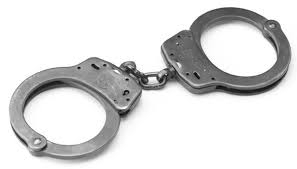
Even if the authorities decide to not prosecute, you’ll have to spend at least several hundred dollars on legal representation.
And, of course, the airlines won’t care. They won’t be spending a dime on your prosecution–that will be paid for by the local U.S. Attorney’s (federal prosecutor’s) office.
Niccolo Machiavelli, the father of political science, wisely advised in The Prince:
“A prince…must imitate the fox and the lion, for the lion cannot protect himself from traps, and the fox cannot defend himself from wolves. One must therefore be a fox to avoid traps, and a lion to frighten wolves.”
This is definitely the time to take on the trappings of a fox. However painful it is to swallow the insult at the time it’s given, don’t give the airlines an excuse to have you arrested.
Take your revenge afterward. That’s what musician Dave Carroll did.
Carroll alleged that, in 2008, he and fellow passengers saw United Airlines’ baggage-handling crew throwing guitars on the tarmac in Chicago O’Hare. He arrived at Omaha, Nebraska, his destination to discover that the neck of his $3,500 Taylor guitar had been broken.
Carroll complained to three United employees, but they proved indifferent. He filed a claim with the airline–but was told he was ineligible for compensation.
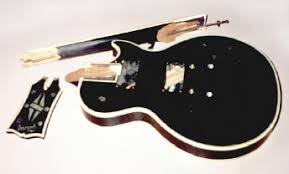
The reason? He had not filed the claim within the company’s stipulated “standard 24-hour timeframe.” Carroll turned to his musical roots for a remedy.
He wrote a song, “United Breaks Guitars,” and turned it into a music video which he posted on YouTube and iTunes in July, 2009.
Click here: United Breaks Guitars – YouTube
The song went viral, and became a public relations nightmare for the airline.
The Sunday Times reported that, four days after the video’s posting, United Airlines’ stock price fell 10% costing stockholders about $180 million in value.
Most customers, admittedly, aren’t musicians. For them–short of suing–the weapons of choice will be:
- The phone
- Letters
- The Internet
- Consumer protection organizations that can be enlisted
Let’s start with the first: The phone.
Most customers assume the place to take their anger is the airline Customer Service desk. And the airlines encourage people to do just that.
Don’t do it.
Customer Service is staffed by people who may ooze compassion but who aren’t authorized to do anything on your behalf. And of course they’ll be well-versed in the standard airline excuses for why your request is denied.
(Think of Dave Carroll and the excuse United’s reps offered him: You didn’t file your complaint within 24 hours.)
Even if they truly want to help you, they’ll find themselves outranked at every level.
So take your complaint to someone who has the authority to resolve it. This means, preferably, the CEO of the airline, or at least one of his executive colleagues.
This is the single most important lesson in bureaucracy-busting: If you want action, seek out those who are empowered to make it happen.
ABC NEWS, AIRLINE PASSENGER RIGHTS, AIRLINES, AIRTRAN, ALTERNET, AMERICAN AIRLINES, AMERICAN CUSTOMER SATISFACTION INDEX, AP, BBC, BUSINESS INSIDER, BUZZFEED, CBS NEWS, CNN, COMPLAINT LETTERS, CONSUMER RIGHTS, DAILY KOS, DAVE CARROLL, DELTA AIRLINES, FACEBOOK, ITUNES, JETBLUE AIRWAYS, KGB, LEISHA HAILEY, MOTHER JONES, MOVEON, NBC NEWS, NEWSWEEK, NICCOLO MACHIAVELLI, NPR, POLITICO, RALPH NADER, RAW STORY, REUTERS, SALON, SEATTLE TIMES, SLATE, SOUTHWEST AIRLINES, THE ATLANTIC, THE CHICAGO SUN-TIMES, THE CHICAGO TRIBUNE, THE DAILY BEAST, THE GUARDIAN, THE HILL, THE HUFFINGTON POST, THE LOS ANGELES TIMES, THE NEW YORK TIMES, THE PRINCE, THE WALL STREET JOURNAL, THE WASHINGTON POST, TIME, TWITTER, U.S. AIRWAYS, U.S. NEWS & WORLD REPORT, UNITED BREAKS GUITARS, UPI, US AIRWAYS, USA TODAY, YOUTUBE
In Bureaucracy, Business, History, Law, Law Enforcement, Politics, Self-Help, Social commentary on April 13, 2017 at 12:06 am
When Leisha Hailey and her girlfriend kissed aboard a Southwest Airlines flight to Los Angeles, a flight attendant told them that Southwest was “a family airline.” When they argued they were targets of homophobia, the attendant ejected them from the plane.
Naturally, Southwest had its own explanation for what had happened:
“…We received several passenger complaints characterizing the behavior as excessive. Our crew, responsible for the comfort of all Customers on board, approached the passengers based solely on behavior and not gender. The conversation escalated to a level that was better resolved on the ground, as opposed to in flight.”
In short, the situation was “better resolved on the ground” by forcing two unarmed, non-threatening women to leave the plane rather than having the airline honor their high-priced tickets.
Now, a quick question: When does a camera become a dangerous weapon?
When you snap a picture of an especially rude airline employee.
- A Miami photographer was escorted off a US Airways plane and deemed a “security risk” after she did this at Philadelphia International Airport in July, 2011.
Sandy DeWitt believed the employee, Tonialla G., was being rude to several passengers in the boarding area of the flight to Miami.
So DeWitt, a professional photographer, used her iPhone to snap a picture of G.’s nametag. She intended to file a complaint with US Airways and wanted the picture as evidence.
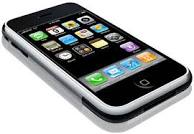
As DeWitt settled into her seat, preparing for take-off, G. entered the plane and confronted her.
She ordered DeWitt to delete the photo.
DeWitt had already turned off her iPhone, as required before take-off. She turned the phone back on to prove that the photo hadn’t come out. Even so, she deleted the too-dark picture.
G. then walked into the cockpit to inform the pilot that DeWitt was a “security risk.”
Suddenly, DeWitt found herself being escorted off the plane by two flight attendants. Her husband followed.
Speaking with Michael Lofton, a US Airways manager at Philadelphia International Airport, she learned that she would not be allowed back on the plane.
The reason: She was a “security risk.”
But that didn’t keep Lofton from directing her to American Airlines for a flight back to Miami.
But that flight had already departed and it was already after 7 p.m. And there were no other flights back to Miami until the following morning.
“We were expecting to spend the night at the airport,” she said.
They eventually boarded a Southwest Airlines flight to Fort Lauderdale at 11 p.m.
Apparently, Southwest didn’t consider her to be a “security risk.”
Naturally, US Airways had a cover-story to explain what had happened.
Todd Lehmacher, a spokesman for US Airways, told msnbc.com that DeWitt was removed for being “disruptive.”
“Once onboard, she was using foul and explicit language,” Lehmacher said. “She was removed at the request of the captain.”
Apparently, “disruptive” means whatever an airline official claims it to mean.
Business Insider ranked US Airways sixth in a list of the 19 Most Hated Companies in America.
The American Customer Satisfaction Index (ACSI) is an economic indicator that measures the satisfaction of consumers across the United States. It is produced by the American Customer Satisfaction Index, a private company based in Ann Arbor, Michigan.
The ACSI interviews about 80,000 Americans annually and asks about their satisfaction with the goods and services they have consumed. And Americans’ most-hated companies include large banks, airlines, power and telecom companies.
David VanAmburg, managing director at ACSI, offered a critical insight into why these companies are so detested.

David VanAmburg
“These are not terribly competitive industries, as the switching barriers for most of them are quite high,” he told Business Insider in June, 2011.
“In other industries, like the food or clothing sector, the competition is huge. They bend over backwards to make customers happy, because they have to.”
That lack of choice certainly applies to the airlines–whose numbers are limited and continue to shrink due to mergers and the rising cost of fuel.
For the airline industry generally, the former slogan of United Airlines–”Fly the Friendly Skies”–has unofficially been replaced with: “We don’t care. We don’t have to.”
So–when you’re facing a would-be KGB agent masquerading as an airline employee–what do you do?
First, you recognize that the concept of “consumer rights” has not yet reached the airline industry.
Then you do what you can to see that it does.
The concept of “consumer rights” has not yet reached the airline industry.
Under Federal law, as enforced by the Federal Aviation Administration, airline passengers have only the following guaranteed rights:
If your flight is delayed (such as by bad weather) and you’re stuck on the tarnac:
- Tarnac delays cannot exceed three hours. You can leave the plane if you choose after that.
- Food and water must be available after the plane has been stuck on the tarnac for two hours.
- The airline must service toilets, keep air conditioning on, and keep trash cans clean.
In addition, the U.S. government mandates these “rights” for air travelers.
More on this in Part Four of this series.
ABC NEWS, AIRLINE PASSENGER RIGHTS, AIRLINES, AIRTRAN, ALTERNET, AMERICAN AIRLINES, AMERICAN CUSTOMER SATISFACTION INDEX, AP, BBC, BUSINESS INSIDER, BUZZFEED, CBS NEWS, CNN, COMPLAINT LETTERS, CONSUMER RIGHTS, DAILY KOS, DAVE CARROLL, DELTA AIRLINES, FACEBOOK, ITUNES, JETBLUE AIRWAYS, KGB, LEISHA HAILEY, MOTHER JONES, MOVEON, NBC NEWS, NEWSWEEK, NICCOLO MACHIAVELLI, NPR, POLITICO, RALPH NADER, RAW STORY, REUTERS, SALON, SEATTLE TIMES, SLATE, SOUTHWEST AIRLINES, THE ATLANTIC, THE CHICAGO SUN-TIMES, THE CHICAGO TRIBUNE, THE DAILY BEAST, THE GUARDIAN, THE HILL, THE HUFFINGTON POST, THE LOS ANGELES TIMES, THE NEW YORK TIMES, THE PRINCE, THE WALL STREET JOURNAL, THE WASHINGTON POST, TIME, TWITTER, U.S. AIRWAYS, U.S. NEWS & WORLD REPORT, UNITED BREAKS GUITARS, UPI, US AIRWAYS, USA TODAY, YOUTUBE
In Bureaucracy, Business, History, Law, Law Enforcement, Politics, Self-Help, Social commentary on April 12, 2017 at 12:16 am
The First Amendment of the American Constitution guarantees freedom of speech.
But some airline employees haven’t gotten the word.
Click here: 3 Easy Ways to Tell If a Business Puts Its Customers First – DailyFinance
Yes, what you say can get you thrown off an airplane–or worse. And it doesn’t have to be anything even remotely like a threat.
- In May, 2011, a US Airways flight was due to depart San Francisco International Airport for Charlotte, North Carolina at 1:20 p.m. But due to bad weather, passengers boarded the plane after 2 p.m.
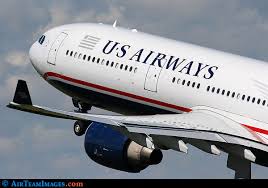
Once on the plane, a flight attendant told customers over the intercom to hurry up and put their carry-ons in bins so they could take off and make their connecting flight in Charlotte.
One of the passengers, Luke Hazlewood, turned to the person next to him and said it was the airline’s fault they were late, “so don’t get mad at us.”
The flight attendant rushed out of the galley demanding to know who had said that. Once she determined it was Hazlewood, she told him he would have to leave for being disruptive and a threat to the plane.
Sandra Kraus, a former flight attendant, came to Hazlewood’s defense–and the flight attendant told her to get off the plane as well.
Both passengers asked to speak with the captain but he refused to speak with them.
Kraus was put on another flight. Hazlewood and his accompanying girlfriend (who had left the plane with him) found that US Airways wouldn’t compensate them for a hotel room.
The airline refused to answer questions about the matter. Its written statement said “The passengers interfered with the flight crew and in the interest of safety they had to be removed.”
It’s a truism in both journalism and police work: When people refuse to answer questions, it’s nearly always because they know they have something to hide.
And the airline’s response came in the classic voice of the all-powerful dictator: “They refused to treat me like God and so they had to be eliminated.”
Business Insider ranked US Airways #6 on a list of Click here: The 19 Most Hated Companies In America – Business Insider
- In December, 2011, three middle-aged women were thrown off an AirTran flight at Palm Beach International Airport after a steward began roughly handling the luggage of one of them.
Marilyn Miller, a lawyer, was buckled in for takeoff when the attendant mishandled her overhead luggage. “I have breakables in that,” she said.
The attendant ignored her and kept shoving other bags into hers.

Another passenger, Carol Gray, a retired travel agent, asked the same attendant for help, saying that her seat was broken.
“I’m not talking to you,” said the attendant, and poked her in the arm. He then threatened to throw Miller and Gray off the plane.
“You’ve got to be kidding me,” said Miller.
“Well, you’re getting off,” said the attendant.
Two sheriff’s deputies and airline staff arrived to remove them.
A third passenger, a therapist named Karyn Schoor, spoke up in their defense: “This is crazy, they didn’t do anything. Why are you doing this to them?”
“Throw her off too,”’ hissed the attendant.
All three women were marched off the plane and back into the terminal.
The women were offered flights on other airlines paid for by AirTran.
And the official explanation given by AirTran?
“Our employees are responsible for the safety and comfort of everyone onboard a flight. Our goal is always to mitigate any uncomfortable situation prior to departure.”
Uncomfortable for whom–the passenger who doesn’t want her luggage roughly treated? Or the attendant whose ego gets bent out of shape at the slightest objection?
- In July, 2010, Southwest Airlines removed a slender, five-foot-four woman from a plane to accommodate an obese passenger.
The woman was flying standby from Las Vegas to Sacramento. She had paid full fare for the last available seat, boarded and stowed her bags–and was told she must deplane immediately.
The reason: A late-arriving, 14-year-old passenger required two seats because of her girth.
When the woman asked Southwest personnel why she was being removed her from the flight, they berated her for daring to question their decision.
The temporarily stranded passenger managed to catch the next flight out to Sacramento.
- You don’t have to assault someone to be thrown off an airplane. Even kissing your partner will do.
Southwest Airlines kicked Leisha Hailey–who not only plays a lesbian in Showtime’s The L-Word series but is one–and her girlfriend off a flight to Los Angeles.
Their crime? Kissing.
A flight attendant told them that Southwest was “a family airline.” When they argued they were targets of homophobia, the attendant ejected them from the plane.

Leisha Hailey
Hailey–the star of Showtime’s The L-Word (and a lesbian)–posted her experience on Twitter. Calling for a boycott of Southwest, she tweeted:
“I want to know what Southwest Airlines considers as ‘family.’ I know plenty of wonderful same-sex families I would like to introduce them to. Boycott @SouthwestAir if you are gay. They don’t like us.”
ABC NEWS, AIRLINE PASSENGER RIGHTS, AIRLINES, AIRTRAN, ALTERNET, AMERICAN AIRLINES, AMERICAN CUSTOMER SATISFACTION INDEX, AP, BBC, BUSINESS INSIDER, BUZZFEED, CBS NEWS, CNN, COMPLAINT LETTERS, CONSUMER RIGHTS, DAILY KOS, DAVE CARROLL, DELTA AIRLINES, FACEBOOK, ITUNES, JETBLUE AIRWAYS, KGB, LEISHA HAILEY, MOTHER JONES, MOVEON, NBC NEWS, NEWSWEEK, NICCOLO MACHIAVELLI, NPR, POLITICO, RALPH NADER, RAW STORY, REUTERS, SALON, SEATTLE TIMES, SLATE, SOUTHWEST AIRLINES, THE ATLANTIC, THE CHICAGO SUN-TIMES, THE CHICAGO TRIBUNE, THE DAILY BEAST, THE GUARDIAN, THE HILL, THE HUFFINGTON POST, THE LOS ANGELES TIMES, THE NEW YORK TIMES, THE PRINCE, THE WALL STREET JOURNAL, THE WASHINGTON POST, TIME, TWITTER, U.S. AIRWAYS, U.S. NEWS & WORLD REPORT, UNITED BREAKS GUITARS, UPI, US AIRWAYS, USA TODAY, YOUTUBE
In Bureaucracy, Business, History, Law, Law Enforcement, Politics, Self-Help, Social commentary on April 11, 2017 at 12:02 am
With summer vacations fast approaching, tens of thousands of Americans will be traveling across the country to visit with loved ones.
And many of them will become the victims of KGB Airways.

In truth, many airline personnel treat passengers the way KGB agents once treated Soviet citizens–with the arrogance that comes from holding near-absolute power over the lives of others.
Consider the following:
- From the website of American Airlines:
ESSENTIAL NEEDS DURING EXTRAORDINARY DELAYS
In the case of extraordinary events that result in very lengthy onboard delays, American will make every reasonable effort to ensure that essential needs of food (snack bar such as Nutri-Grain®), water, restroom facilities, and basic medical assistance are met.
We are not responsible for any special, incidental or consequential damages if we do not meet this commitment.
Translation: On one hand, American promises that it will try to ensure that “essential needs of food, water, restroom facilities and basic medical assistance are met” during “very lengthy onboard delays.” On the other hand, if they “do not meet this commitment,” that’s just the passengers’ tough luck.
ACCEPTANCE OF PASSENGERS
American may refuse to transport you, or may remove you from your flight at any point, for one or several reasons, including but not limited to the following:
- Compliance with government requisition of space.
- Action necessary or advisable due to weather, or other conditions beyond American’s control.
- Refusal to permit a search of person or property for explosives or for deadly, controlled, or dangerous weapons, articles or substances.
- Refusal to produce positive identification upon request.
- Your physical or mental condition is such that in American’s sole opinion, you are rendered or likely to be rendered incapable of comprehending or complying with safety instructions without the assistance of an attendant.
- Your conduct is disorderly, abusive or violent, or you
- Appear to be intoxicated or under the influence of drugs,
- Attempt to interfere with any member of the flight crew,
- Have a communicable disease that has been determined by a federal public health authority to be transmissible to other persons in the normal course of flight,
- Refuse to obey instructions from any flight crew member,
- Have an offensive odor not caused by a disability or illness,
- Are clothed in a manner that would cause discomfort or offense to other passengers,
- Are barefoot, or
- Engage in any action, voluntary or involuntary, that might jeopardize the safety of the aircraft or any of its occupants.
Translation: “American may refuse to transport you, or may remove you from your flight at any point” for just about any reason it wants to give.
Click here: American Airlines Conditions Of Carriage On AA.com
DELAYS, CANCELLATIONS AND DIVERSIONS
American Airlines will provide customers at the airport and onboard an affected aircraft with timely and frequent updates regarding known delays, cancellations and diversions and will strive to provide the best available information concerning the duration of delays and to the extent available, the flight’s anticipated departure time.
We are not responsible for any special, incidental or consequential damages if we do not meet this commitment.
Translation: On one hand, American promises to give customers “timely and frequent updates regarding known delays, cancellations and diversions.” On the other hand, American absolves itself from any damages “if we do not meet this commitment.”
And how does all this translate into action?
- In late March, 2012, a woman was barred from boarding an American Airlines flight because its staff disliked her choice of clothing. She was wearing a T-shirt bearing the words: “IF I WANTED THE GOVERNMENT IN MY WOMB, I’D F— A SENATOR.”
After taking a seat she was told by a flight attendant that she needed to speak with the captain, who found the T-shirt “offensive.” He said she would have to change before she could re-board the plane.
The passenger claims this interaction caused her to miss her connection: Her luggage was checked and “changing shirts without spending money wasn’t an option.”
Business Insider ranked American Airlines 8th on a list of The 19 Most Hated Companies In America.
- In July, 2011, Malinda Knowles, a 27-year-old financial consultant, was kicked off a JetBlue flight at JFK Airport in New York because of herattire–a baggy blue T-shirt and denim shorts.

A male JetBlue employee walking down the aisle noticed Knowles. He told her he didn’t think she was wearing enough clothing. An argument erupted when the employee put his walkie-talkie between her legs to see if she was wearing shorts underneath. When Knowles objected, the JetBlue worker brought her off the plane and to a hangar.
There she modeled for the employees, showing that she was wearing shorts. She returned to the plane, but the same employee once again approached her and said: “The captain is refusing to fly you today. We need to remove you from the flight.”
After waiting four hours for another flight, she arrived in Florida. Apparently the crew of that plane didn’t have any problem with her attire.
Knowles has since filed a lawsuit against JetBlue.
ABC NEWS, AIRLINE PASSENGER RIGHTS, AIRLINES, AIRTRAN, AMERICAN AIRLINES, AMERICAN CUSTOMER SATISFACTION INDEX, BUSINESS INSIDER, CBS NEWS, CNN, COMPLAINT LETTERS, CONSUMER RIGHTS, DAVE CARROLL, DELTA AIRLINES, FACEBOOK, ITUNES, JETBLUE AIRWAYS, KGB, LEISHA HAILEY, NBC NEWS, NICCOLO MACHIAVELLI, SOUTHWEST AIRLINES, THE CHICAGO SUN-TIMES, THE CHICAGO TRIBUNE, THE LOS ANGELES TIMES, THE NEW YORK TIMES, THE PRINCE, THE WASHINGTON POST, TWITTER, U.S. AIRWAYS, UNITED BREAKS GUITARS, US AIRWAYS, YOUTUBE
In Bureaucracy, Business, History, Law, Self-Help, Social commentary on June 10, 2016 at 12:21 am
The concept of “consumer rights” has not yet reached the airline industry.
Under Federal law, as enforced by the Federal Aviation Administration, airline passengers have only the following guaranteed rights:
If your flight is delayed (such as by bad weather) and you’re stuck on the tarnac:
- Tarnac delays cannot exceed three hours. You can leave the plane if you choose after that.
- Food and water must be available after the plane has been stuck on the tarnac for two hours.
- The airline must service toilets, keep air conditioning on, and keep trash cans clean.
In addition, the U.S. government mandates these “rights” for air travelers:
- Compensation when you’re bumped due to overbooking –and for no other reason.
- An airline must accept lost/damaged baggage liability up to $3,000 in depreciated value per passenger for a domestic flight (limits on international flights are either about $1,700 or $635, depending on which rule applies).
Beyond those, all you can claim is what’s in each airline’s “contract of carriage.” Those contracts are–naturally–heavily biased toward airlines, not customers.
Unfortunately, the law–and the Congressmen who create it–is still largely owned by the airlines. Thus you, as a customer, are forced to make do with the weapons at hand.
These essentially boil down to two:
- Threatening the airlines with bad publicity; and
- Threatening the airlines with a private or class-action lawsuit.
In both cases, it’s best to first contact the highest-ranking officials in the airline company.
There are two reasons for this:
- They have the most to lose, and
- They have the power to redress your complaint.
You can try to reach the CEO or one of his assistants during the time of the incident. But, most likely, this will happen afterwards.
If a mini-Hitler of an airline steward decides to eject you because s/he doesn’t like your clothes or request for help, there’s nothing you can do about it.
If you physically resist, you will almost certainly be arrested and charged with some version of domestic terrorism. You’ll be shipped off to jail and forced to defend yourself against the bogus charge.
Even if the authorities decide to not prosecute, you’ll have to spend at least several hundred dollars on legal representation.
And, of course, the airlines won’t care. They won’t be spending a dime on your prosecution–that will be paid for by the local U.S. Attorney’s (federal prosecutor’s) office.
Niccolo Machiavelli, the father of political science, wisely advised in The Prince:
“A prince…must imitate the fox and the lion, for the lion cannot protect himself from traps, and the fox cannot defend himself from wolves. One must therefore be a fox to avoid traps, and a lion to frighten wolves.”
This is definitely the time to take on the trappings of a fox. However painful it is to swallow the insult at the time it’s given, don’t give the airlines an excuse to have you arrested.
Take your revenge afterward. That’s what musician Dave Carroll did.
Carroll alleged that, in 2008, he and fellow passengers saw United Airlines’ baggage-handling crew throwing guitars on the tarmac in Chicago O’Hare. He arrived at Omaha, Nebraska, his destination to discover that the neck of his $3,500 Taylor guitar had been broken.
Carroll complained to three United employees, but they proved indifferent. He filed a claim with the airline–but was told he was ineligible for compensation.
The reason? He had not filed the claim within the company’s stipulated “standard 24-hour timeframe.”
Carroll turned to his musical roots for a remedy. He wrote a song, “United Breaks Guitars,” and turned it into a music video which he posted on YouTube and iTunes in July, 2009.
Click here: United Breaks Guitars – YouTube
The song went viral, and became a public relations nightmare for the airline.
The Sunday Times reported that, four days after the video’s posting, United Airlines’ stock price fell 10% costing stockholders about $180 million in value.
Most customers, admittedly, aren’t musicians. For them–short of suing–the weapons of choice will be:
- The phone
- Letters
- The Internet
- Consumer protection organizations that can be enlisted
Let’s start with the first: The phone.
Most customers assume the place to take their anger is the airline Customer Service desk. And the airlines encourage people to do just that.
Don’t do it.
Customer Service is staffed by people who may ooze compassion but who aren’t authorized to do anything on your behalf. And of course they’ll be well-versed in the standard airline excuses for why your request is denied.
(Think of Dave Carroll and the excuse United’s reps offered him: You didn’t file your claim within 24 hours.)
Even if they truly want to help you, they’ll find themselves outranked at every level.
So take your complaint to someone who has the authority to resolve it. This means, preferably, the CEO of the airline, or at least one of his executive colleagues.
The other above-mentioned remedies will be discussed in my coming series, “KGB Airways: Fighting Airline Arrogance.”
ABC NEWS, AIRLINE PASSENGER RIGHTS, AIRLINES, AIRTRAN, AMERICAN AIRLINES, AMERICAN CUSTOMER SATISFACTION INDEX, BUSINESS INSIDER, CBS NEWS, CNN, COMPLAINT LETTERS, CONSUMER RIGHTS, DAVE CARROLL, DELTA AIRLINES, FACEBOOK, ITUNES, JETBLUE AIRWAYS, KGB, LEISHA HAILEY, NBC NEWS, NICCOLO MACHIAVELLI, SOUTHWEST AIRLINES, THE CHICAGO SUN-TIMES, THE CHICAGO TRIBUNE, THE LOS ANGELES TIMES, THE NEW YORK TIMES, THE PRINCE, THE WASHINGTON POST, TWITTER, U.S. AIRWAYS, UNITED BREAKS GUITARS, US AIRWAYS, YOUTUBE
In Bureaucracy, Business, Law, Self-Help, Social commentary on June 9, 2016 at 12:07 am
When Leisha Hailey and her girlfriend kissed aboard a Southwest Airlines flight to Los Angeles, they quickly found themselves in trouble.
Leisha Hailey
A flight attendant told them that Southwest was “a family airline.” When they argued they were targets of homophobia, the attendant ejected them from the plane.
Hailey–the star of Showtime’s The L-Word (and a lesbian)–posted her experience on Twitter. Calling for a boycott of Southwest, she tweeted:
“I want to know what Southwest Airlines considers as ‘family.’ I know plenty of wonderful same-sex families I would like to introduce them to. Boycott @SouthwestAir if you are gay. They don’t like us.”
Naturally, Southwest had its own explanation for what had happened:
“…We received several passenger complaints characterizing the behavior as excessive. Our crew, responsible for the comfort of all Customers on board, approached the passengers based solely on behavior and not gender. The conversation escalated to a level that was better resolved on the ground, as opposed to in flight.”
In short, the situation was “better resolved on the ground” by forcing two unarmed, non-threatening women to leave the plane rather than having the airline honor their high-priced tickets.
Now, a quick question: When does a camera become a dangerous weapon?
When you snap a picture of an especially rude airline employee.
- A Miami photographer was escorted off a US Airways plane and deemed a “security risk” after she did this at Philadelphia International Airport in July, 2011.
Sandy DeWitt believed the employee, Tonialla G., was being rude to several passengers in the boarding area of the flight to Miami.
So DeWitt, a professional photographer, used her iPhone to snap a picture of G.’s nametag. She intended to file a complaint with US Airways and wanted the picture as evidence.
As DeWitt settled into her seat, preparing for take-off, G. entered the plane and confronted her.
She ordered DeWitt to delete the photo.
DeWitt had already turned off her iPhone, as required before take-off. She turned the phone back on to prove that the photo hadn’t come out. Even so, she deleted the too-dark picture.
G. then walked into the cockpit to inform the pilot that DeWitt was a “security risk.”
Suddenly, DeWitt found herself being escorted off the plane by two flight attendants. Her husband followed.
Speaking with Michael Lofton, a US Airways manager at Philadelphia International Airport, she learned that she would not be allowed back on the plane.
The reason: She was a “security risk.”
But that didn’t keep Lofton from directing her to American Airlines for a flight back to Miami.
But that flight had already departed and it was already after 7 p.m. And there were no other flights back to Miami until the following morning.
“We were expecting to spend the night at the airport,” she said.
They eventually boarded a Southwest Airlines flight to Fort Lauderdale at 11 p.m.
Apparently, Southwest didn’t consider her to be a “security risk.”
Naturally, US Airways had a cover-story to explain what had happened.
Todd Lehmacher, a spokesman for US Airways, told msnbc.com that DeWitt was removed for being “disruptive.”
“Once onboard, she was using foul and explicit language,” Lehmacher said. “She was removed at the request of the captain.”
Apparently, “disruptive” means whatever an airline official claims it to mean.
Business Insider ranked US Airways sixth in a list of the 19 Most Hated Companies in America.
The American Customer Satisfaction Index (ACSI) is an economic indicator that measures the satisfaction of consumers across the United States. It is produced by the American Customer Satisfaction Index, a private company based in Ann Arbor, Michigan.
The ACSI interviews about 80,000 Americans annually and asks about their satisfaction with the goods and services they have consumed. And Americans’ most-hated companies include large banks, airlines, power and telecom companies.
David VanAmburg, managing director at ACSI, offered a critical insight into why these companies are so detested.
“These are not terribly competitive industries, as the switching barriers for most of them are quite high,” he told Business Insider in June, 2011.
“In other industries, like the food or clothing sector, the competition is huge. They bend over backwards to make customers happy, because they have to.”
That certainly does not apply to applies to airlines–whose numbers are limited and continue to shrink due to mergers and the occasionally rising cost of fuel.
For the airline industry generally, the former slogan of United Airlines–”Fly the Friendly Skies–has unofficially been replaced with: “We don’t care. We don’t have to.”
So–when you’re facing a would-be KGB agent masquerading as an airline employee–what do you do?
First, you recognize that the concept of “consumer rights” has not yet reached the airline industry.
Then you do what you can to see that it does.
ABC NEWS, AIRLINE PASSENGER RIGHTS, AIRLINES, AIRTRAN, AMERICAN AIRLINES, AMERICAN CUSTOMER SATISFACTION INDEX, BUSINESS INSIDER, CBS NEWS, CNN, COMPLAINT LETTERS, CONSUMER RIGHTS, DAVE CARROLL, DELTA AIRLINES, FACEBOOK, ITUNES, JETBLUE AIRWAYS, KGB, LEISHA HAILEY, NBC NEWS, NICCOLO MACHIAVELLI, SOUTHWEST AIRLINES, THE CHICAGO SUN-TIMES, THE CHICAGO TRIBUNE, THE LOS ANGELES TIMES, THE NEW YORK TIMES, THE PRINCE, THE WASHINGTON POST, TWITTER, U.S. AIRWAYS, UNITED BREAKS GUITARS, US AIRWAYS, YOUTUBE
In Bureaucracy, Business, History, Law, Self-Help, Social commentary on June 8, 2016 at 12:14 am
The First Amendment of the American Constitution guarantees freedom of speech.
But some airline employees haven’t gotten the word.
Click here: 3 Easy Ways to Tell If a Business Puts Its Customers First – DailyFinance
Yes, what you say can get you thrown off an airplane–or worse. And it doesn’t have to be anything even remotely like a threat.
- In May, 2011, a US Airways flight was due to depart San Francisco International Airport for Charlotte, North Carolina at 1:20 p.m. But due to bad weather, passengers boarded the plane after 2 p.m.
Once on the plane, a flight attendant told customers over the intercom to hurry up and put their carry-ons in bins so they could take off and make their connecting flight in Charlotte.
One of the passengers, Luke Hazlewood, turned to the person next to him and said it was the airline’s fault they were late, “so don’t get mad at us.”
The flight attendant rushed out of the galley demanding to know who had said that. Once she determined it was Hazlewood, she told him he would have to leave for being disruptive and a threat to the plane.
Sandra Kraus, a former flight attendant, came to Hazlewood’s defense–and the flight attendant told her to get off the plane as well.
Both passengers asked to speak with the captain but he refused to speak with them.
Kraus was put on another flight. Hazlewood and his accompanying girlfriend (who had left the plane with him) found that US Airways wouldn’t compensate them for a hotel room.
The airline refused to answer questions about the matter. Its written statement said “The passengers interfered with the flight crew and in the interest of safety they had to be removed.”
It’s a truism in both journalism and police work: When people refuse to answer questions, it’s nearly always because they know they have something to hide.
And the airline’s response came in the classic voice of the all-powerful dictator: “They refused to treat me like God and so they had to be eliminated.”
Business Insider ranked US Airways #6 on a list of Click here: The 19 Most Hated Companies In America – Business Insider
- In December, 2011, three middle-aged women were thrown off an AirTran flight at Palm Beach International Airport after a steward began roughly handling the luggage of one of them.
Marilyn Miller, a lawyer, was buckled in for takeoff when the attendant mishandled her overhead luggage. “I have breakables in that,” she said.
The attendant ignored her and kept shoving other bags into hers.
Another passenger, Carol Gray, a retired travel agent, asked the same attendant for help, saying that her seat was broken.
“I’m not talking to you,” said the attendant, and poked her in the arm. He then threatened to throw Miller and Gray off the plane.
“You’ve got to be kidding me,” said Miller.
“Well, you’re getting off,” said the attendant.
Two sheriff’s deputies and airline staff arrived to remove them.
A third passenger, a therapist named Karyn Schoor, spoke up in their defense: “This is crazy, they didn’t do anything. Why are you doing this to them?”
“Throw her off too,”’ ordered the attendant.
All three women were marched off the plane and back into the terminal.
The women were offered flights on other airlines paid for by AirTran.
And the official explanation given by AirTran?
“Our employees are responsible for the safety and comfort of everyone onboard a flight. Our goal is always to mitigate any uncomfortable situation prior to departure.”
Uncomfortable for whom–the passenger who doesn’t want her luggage roughly treated? Or the attendant whose ego gets bent out of shape at the slightest objection?
- In July, 2010, Southwest Airlines removed a slender, five-foot-four woman from a plane to accomodate an obese passenger.
The woman was flying standby from Las Vegas to Sacramento. She had paid full fare for the last available seat, boarded and stowed her bags–and was told she must deplane immediately.
The reason: A late-arriving, 14-year-old passenger required two seats because of her girth.
When the woman asked Southwest personnel why she was being removed her from the flight, they berated her for daring to question their decision.
The temporarily stranded passenger managed to catch the next flight out to Sacramento.
- You don’t have to assault someone to be thrown off an airplane. Even kissing your partner will do.
Southwest Airlines kicked Leisha Hailey–who not only played a lesbian in Showtime’s The L-Word series but is one–and her girlfriend off a flight to Los Angeles.
Their crime? Kissing.
A flight attendant told them that Southwest was “a family airline.” When they argued they were targets of homophobia, the attendant ejected them from the plane.
ABC NEWS, AIRLINE PASSENGER RIGHTS, AIRLINES, AIRTRAN, AMERICAN AIRLINES, AMERICAN CUSTOMER SATISFACTION INDEX, BUSINESS INSIDER, CBS NEWS, CNN, COMPLAINT LETTERS, CONSUMER RIGHTS, DAVE CARROLL, DELTA AIRLINES, FACEBOOK, ITUNES, JETBLUE AIRWAYS, KGB, LEISHA HAILEY, NBC NEWS, NICCOLO MACHIAVELLI, SOUTHWEST AIRLINES, THE CHICAGO SUN-TIMES, THE CHICAGO TRIBUNE, THE LOS ANGELES TIMES, THE NEW YORK TIMES, THE PRINCE, THE WASHINGTON POST, TWITTER, U.S. AIRWAYS, UNITED BREAKS GUITARS, US AIRWAYS, YOUTUBE
In Bureaucracy, Business, Law, Self-Help, Social commentary on June 7, 2016 at 12:02 am
With the summer tourism season now on, tens of thousands of Americans will be flying across the country to visit with loved ones.
And many of them will become the victims of KGB Airways.
In truth, many airline personnel treat passengers the way KGB agents once treated Soviet citizens–with the arrogance that comes from holding near-absolute power over the lives of others.
Consider the following:
- From the website of American Airlines:
ESSENTIAL NEEDS DURING EXTRAORDINARY DELAYS
In the case of extraordinary events that result in very lengthy onboard delays, American will make every reasonable effort to ensure that essential needs of food (snack bar such as Nutri-Grain®), water, restroom facilities, and basic medical assistance are met.
We are not responsible for any special, incidental or consequential damages if we do not meet this commitment.
Translation: On one hand, American promises that it will try to ensure that “essential needs of food, water, restroom facilities and basic medical assistance are met” during “very lengthy onboard delays.” On the other hand, if they “do not meet this commitment,” that’s just the passengers’ tough luck.
ACCEPTANCE OF PASSENGERS
American may refuse to transport you, or may remove you from your flight at any point, for one or several reasons, including but not limited to:
- Compliance with government requisition of space.
- Action necessary or advisable due to weather, or other conditions beyond American’s control.
- Refusal to permit a search of person or property for explosives or for deadly, controlled, or dangerous weapons, articles or substances.
- Refusal to produce positive identification upon request.
- Your physical or mental condition is such that in American’s sole opinion, you are rendered or likely to be rendered incapable of comprehending or complying with safety instructions without the assistance of an attendant.
- Your conduct is disorderly, abusive or violent.
- Appear to be intoxicated or under the influence of drugs.
- Attempt to interfere with any member of the flight crew.
- Have a communicable disease that has been determined by a federal public health authority to be transmissible to other persons in the normal course of flight.
- Refuse to obey instructions from any flight crew member.
- Have an offensive odor not caused by a disability or illness.
- Are clothed in a manner that would cause discomfort or offense to other passengers or are barefoot.
- Engage in any action, voluntary or involuntary, that might jeopardize the safety of the aircraft or any of its occupants.
Translation: “American may refuse to transport you, or may remove you from your flight at any point” for just about any reason it wants to give.
Click here: Conditions of carriage – Contract of transportation – American Airlines
DELAYS, CANCELLATIONS AND DIVERSIONS
American Airlines will provide customers at the airport and onboard an affected aircraft with timely and frequent updates regarding known delays, cancellations and diversions and will strive to provide the best available information concerning the duration of delays and to the extent available, the flight’s anticipated departure time.
We are not responsible for any special, incidental or consequential damages if we do not meet this commitment.
Translation: On one hand, American promises to give customers “timely and frequent updates regarding known delays, cancellations and diversions.” On the other hand, American absolves itself from any damages “if we do not meet this commitment.”
And how does all this translate into action?
- In late March, 2012, a woman was barred from boarding an American Airlines flight because its staff disliked her choice of clothing. She was wearing a T-shirt bearing the words: “IF I WANTED THE GOVERNMENT IN MY WOMB, I’D F— A SENATOR.”
After taking a seat she was told by a flight attendant that she needed to speak with the captain, who found the T-shirt “offensive.” He said she would have to change before she could re-board the plane.
The passenger claims this interaction caused her to miss her connection: Her luggage was checked and “changing shirts without spending money wasn’t an option.”
Business Insider ranked American Airlines 8th on a list of The 19 Most Hated Companies In America.
- In July, 2011, Malinda Knowles, a 27-year-old financial consultant, was kicked off a JetBlue flight at JFK Airport in New York because of her attire–a baggy blue T-shirt and denim shorts.
A male JetBlue employee walking down the aisle noticed Knowles. He told her he didn’t think she was wearing enough clothing. An argument erupted when the employee put his walkie-talkie between her legs to see if she was wearing shorts underneath. When Knowles objected, the JetBlue worker brought her off the plane and to a hangar.
There she modeled for the employees, showing that she was wearing shorts. She returned to the plane, but the same employee once again approached her and said: “The captain is refusing to fly you today. We need to remove you from the flight.”
After waiting four hours for another flight, she arrived in Florida. Apparently the crew of that plane didn’t have any problem with her attire.
Knowles has since filed a lawsuit against JetBlue.
ABC NEWS, ADULTERY, AIRLINES, ANTHEM INSURANCE, ASHLEY MADISON, BUSINESS, CBS NEWS, CHINA, CNN, COMPUTER SECURITY, CREDIT CARDS, CYBERSECURITY, DAIRY QUEEN, FACEBOOK, HACKING, JOHN HERING, JPMORGAN/CHASE, LILY TOMLIN, LOOKOUT INC., LUGGAGE THEFTS, MA BELL, NBC NEWS, SOCIAL SECURITY, SONY PICTURES, STAPLES, TARGET, THE CHICAGO SUN-TIMES, THE CHICAGO TRIBUNE, THE LOS ANGELES TIMES, THE NEW YORK TIMES, TWITTER, U.S. POSTAL SERVICE
In Bureaucracy, Business, Entertainment, Law, Law Enforcement, Social commentary on April 14, 2016 at 12:07 am
It’s the nightmare-come-true for corporate America.
Name-brand companies, trusted by millions, hit with massive data breaches.
And with a series of keystrokes, the most sensitive financial and personal information of their employees and/or customers is compromised.
Among those companies:
- Target
- Kmart
- Home Depot
- JPMorgan/Chase
- Staples
- Dairy Queen
- Anthem, Inc.
- Sony Pictures
- Primera Blue Cross
- U.S. Postal Service
Click here: Data Breach Tracker: All the Major Companies That Have Been Hacked | Money.com
And as of July 15, 2015, Ashley Madison joined this list.
Ashley Madison is, of course, the notorious website for cheating wives and husbands.
Launched in 2001, its catchy slogan is: “Life is short. Have an affair.”
One of its ads featured a photo of a woman apparently kneeling at the feet of a bare-chested man, her hand passionately clawing at his belt. Next to her was the caption: “Join FREE & change your life today. Guaranteed!”

Now millions of its clients may find their lives changed in ways they never imagined–and for the worse.
Ashley Madison claims to have more than 37 million members. And now, untold numbers of them may find their lives changed forever.
Its hackers were enraged at the company’s refusal to fully delete users’ profiles unless it received a $19 fee.
Referring to themselves as “The Impact Team,” they stated in an online manifesto: “Full Delete netted [Avid Life Media, the parent company of Ashley Madison] $1.7 million in revenue in 2014. It’s also a complete lie.
“Users almost always pay with credit card; their purchase details are not removed as promised, and include real names and address, which is of course the most important information the users want removed.”
On July 20, Avid Life Media defended the service, and said it would make it free.

The hackers demanded: “AM [Ashley Madison] AND EM [Established Men] MUST SHUT DOWN IMMEDIATELY PERMANENTLY.
“We have taken over all systems in your entire office and production domains, all customer information databases, source code repositories, financial records, emails.
“Shutting down AM and EM will cost you, but non-compliance will cost you more.”
The hackers threatened to “release all customer records, including profiles with all the customers’ secret sexual fantasies and matching credit card transactions, real names and addresses, and employee documents and emails.”
 Bureaucracybuster's Blog
ABC NEWS, AIRLINE PASSENGER RIGHTS, AIRLINES, AIRTRAN, ALTERNET, AMERICAN AIRLINES, AMERICAN CUSTOMER SATISFACTION INDEX, AP, BBC, BUSINESS INSIDER, BUZZFEED, CBS NEWS, CNN, COMPLAINT LETTERS, CONSUMER RIGHTS, DAILY KOS, DAVE CARROLL, DELTA AIRLINES, FACEBOOK, ITUNES, JETBLUE AIRWAYS, KGB, LEISHA HAILEY, MOTHER JONES, MOVEON, NBC NEWS, NEWSWEEK, NICCOLO MACHIAVELLI, NPR, POLITICO, RALPH NADER, RAW STORY, REUTERS, SALON, SEATTLE TIMES, SLATE, SOUTHWEST AIRLINES, THE ATLANTIC, THE CHICAGO SUN-TIMES, THE CHICAGO TRIBUNE, THE DAILY BEAST, THE GUARDIAN, THE HILL, THE HUFFINGTON POST, THE LOS ANGELES TIMES, THE NEW YORK TIMES, THE PRINCE, THE WALL STREET JOURNAL, THE WASHINGTON POST, TIME, TWITTER, U.S. AIRWAYS, U.S. NEWS & WORLD REPORT, UNITED BREAKS GUITARS, UPI, US AIRWAYS, USA TODAY, YOUTUBE
TAKING ON KGB AIRWAYS: PART FIVE (OF EIGHT)
In Bureaucracy, Business, History, Law, Law Enforcement, Politics, Self-Help, Social commentary on April 17, 2017 at 1:36 amIf you have a complaint against an airline, don’t waste your time with low-level Customer Service reps.
If you want action, seek out those who are empowered to make it happen.
But who are those people? And how do you track them down?
You start by realizing that every major airline has a website. And that website can usually be counted on to list the top honchos of the company.
Even if it doesn’t, you can usually obtain this information on the Internet. Go to “Google” and type “[Name of airline] board of directors.”
This should arm you with:
Below are listed:
Remember: The names provided below will not stay permanent. You must do your own research to ensure you’re reaching the right person.
Send out a letter addressed “To Whom It May Concern” or to the wrong official–and you’ll instantly be branded as a lightweight. This only shows you were too lazy or stupid to find out who holds power in the company.
But a well-written letter addressed to the key decision maker(s) will instantly warn top executives: “Take this person seriously.”
AMERICAN AIRLINES
William Douglas Parker – Chairman, President and Chief Executive Officer, AMR Corporation / American Airlines Group, Inc., Fort Worth, Texas
Robert Isom – President
Mail:
P.O. Box 619616
DFW Airport,
TX 75261-9616
Phone: (817) 963-123
Click here: American Airlines Board of Directors
DELTA AIRLINES
Edward H. Bastian – Chief Executive Officer
Francis S. Blake – Chairman of Delta’s Board of Directors
Click here: Delta Air Lines Newsroom – Leadership
Mail:
Delta Air Lines, Inc.
1030 Delta Blvd.
Atlanta, Georgia 30354
Phone: (404) 715-2600
SPIRIT AIRLINES
Robert Fornaro – President and CEO
John Bendoraitis – Senior Vice President and Chief Operating Officer
Ted Christie – Executive Vice President and Chief Financial Officer
Address:
2800 Executive Way
Miramar, FL 33025
Phone: (954) 447-7920
Email: http://www.spiritair.com
JETBLUE AIRWAYS
Robin Hayes – President and Chief Executive Officer
Mike Elliott – Executive Vice President, People
Steve Preist – Executive Vice President, Chief Financial Officer
JetBlue Airways Corporation Corporate Office | Headquarters
118-29 Queens Blvd.
Forest Hills, NY 11375
Website: http://www.jetblue.com
Phone: (718) 286-7900
Toll Free: (800) 538-2583
UNITED AIRLINES
Oscar Munoz – Chairman, President and Chief Executive Officer, United Continental Holdings, Inc
Gerry Laderman – Senior Vice President, Finance, Procurement and Treasurer
Shareholders and other interested parties may contact the United Continental Holdings, Inc. Board of Directors as a whole, or any individual member, by one of the following means:
If neither of these methods seems to work, try these:
Mail:
P.O. Box 66100
Chicago, IL 60666
Email: InvestorRelations@united.com
Phone (general): (800) 864-8331
Phone Investor Relations: (312) 997-8610
United Continental Holdings, Inc. – Investor Relations – Board of Directors
ALASKA AIRLINES
Bradley D. Tilden – Chairman and CEO
Ben Minicucci – President and Chief Operating Officer
Brandon Pederson – Executive Vice President Finance and Chief Financial Officer
Corporate Offices
P.O. Box 68900
Seattle, WA 98168
Phone: (206-433-3200
Click here: Executive Leadership – Alaska Airlines
SOUTHWEST AIRLINES
Gary C. Kelly – Chief Executive Officer and Chairman of the Board at Southwest Airlines, the parent company for AirTran
Thomas Nealon – President
Tammy Romo – Chief Financial Officer, Executive Vice President
Click here: Board of Directors – Southwest Airlines
Southwest Airlines Corporate Headquarters Address:
2702 Love Field Drive
Dallas, Texas 75235
Telephone: (214) 792-4223
AIRTRAN
AirTran Airways is a wholly-owned subsidiary of Southwest Airlines. Thus, complaints against Airtran should be directed to the top executives of Southwest.
FRONTIER AIRLINES
Barry F. Biffle – President and Chief Executive Officer
Ashok Shah – Vice President of Finance
Click here: Frontier Airlines, Inc.: CEO and Executives – Bloomberg
Address:
Frontier Airlines
7001 Tower Road
Denver, CO 80249
Phone: (720) 374-4200
HAWAIIAN AIRLINES
Mark B. Dunkerley – President and Chief Executive Officer
Jeff Helfrick – Vice President Customer Service
Jay Schaefer – President and Treasurer
Click here: Board of Directors | Hawaiian Airlines
Headquarters Address:
Hawaiian Airlines
3375 Koapaka Street, G-350
Honolulu, HI 96819
Telephone: 808-835-3700 (Monday through Friday, 8:30 a.m. – 5:00 p.m. HST)
ALLEGIANT AIR
Maurice J. Gallagher, Jr. – Chairman and Chief Executive Officer
John Redmond – President
D. Scott Sheldon – Executive Vice President and Chief Financial Officer
Click here: Corporate Governance – Board of Directors | Investor Relations | Allegiant Air
Head office:
Allegiant Air Corporate Office
8360 South Durango Drive
Las Vegas, Nevada, 89113
Phone number: +1 702 851 7300
VIRGIN AMERICA
Donald J. Carty – Chairman of the Board
Samuel K. Skinner – Vice Chairman of the Board
Stacy J. Smith – Executive Vice President and Chief Financial Officer
Click here: Virgin America – Corporate Governance
Address:
3555 Airport Blvd.
Burlingame, CA 94010
Phone: (877) 359-8474
Email: http://www.virginamerica.com
Your best bet: Contact the CEO–as the highest-ranking officer, he can’t claim his hands are tied by superiors.
Next best: Contact the Chief Financial Officer–anyone charged with company profits will be instantly concerned about a problem that can cost big money.
For your complaint to be addressed, it must first be put in writing–whether in a letter and/or an email. Most likely, several letters and/or emails.
Even in our video-oriented society, the written word still carries far greater weight than the spoken one. A document can be used as evidence in a civil lawsuit.
Share this: