Archive for the ‘Military’ Category
9/11, ABC NEWS, ABDUL GHANI BARADAR, AFGHANISTAN, ALTERNET, AMERICABLOG, AP, BABY BOOMER RESISTANCE, BARACK OBAMA, BBC, BLOOMBERG NEWS, BUZZFEED, CBS NEWS, CNN, CROOKS AND LIARS, DAILY KOZ, DICK CHENEY, DONALD RUMSFELD, DONALD TRUMP, FACEBOOK, FIVETHIRTYEIGHT, GEORGE W. BUSH, HARPER’S MAGAZINE, HUFFINGTON POST, JOE BIDEN, LIZ CHENEY, MEDIA MATTERS, MOTHER JONES, MOVEON, MSNBC, NATION BUILDING, NBC NEWS, NEW REPUBLIC, NEWSDAY, NEWSWEEK, NPR, OSAMA BIN LADEN, PAKISTAN, PBS NEWSHOUR, POLITICO, POLITICUSUSA, RAW STORY, REUTERS, SALON, SEATTLE TIMES, SLATE, TA;OBAM. MUJAHIDEEN, TALKING POINTS MEMO, THE ATLANTIC, THE CHICAGO SUN-TIMES, THE CHICAGO TRIBUNE, THE DAILY BEAST, THE DAILY BLOG, THE GUARDIAN, THE HILL, THE HUFFINGTON POST, THE LOS ANGELES TIMES, THE NATION, THE NEW REPUBLIC, THE NEW YORK TIMES, THE NEW YORKER, THE VILLAGE VOICE, THE WASHINGTON POST, THINKPROGRESS, TIME, TRUTHDIG, TRUTHOUT, TWITTER, TWO POLITICAL JUNKIES, U.S. NEWS & WORLD REPORT, UPI, USA TODAY, WONKETTE
In Bureaucracy, History, Military, Politics, Social commentary on August 23, 2021 at 12:09 am
Want to play the blame game? Let’s see who we can blame for Afghanistan:
(1) The Bush administration: They got us into this mess with no exit strategy and then dropped the ball, failing to get Bin Laden and starting another war in Iraq. I hope the war profiteers’ profits were worth all the American (and other) lives lost. The war in Afghanistan was a rushed response to the events of 9/11. Everyone in Congress supported it except for one Representative. Barbra Lee of California voted ‘no’ because she believed we should have been cautious. She was right.
The USA ignored what happened previously to the Russians. And the irony is that we helped the resistance fighters (the Mujahideen) with arms and training which were later used against us. The Mujahideen became the Taliban.
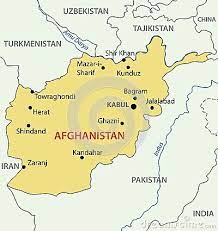
Afghanistan
(2) The Obama administration: Obama got Bin Laden, but shortly thereafter we lost Seal Team 6 in a helicopter that was shot down by the Taliban. After that, Obama was pretty much hands off. He wanted to withdraw troops from Afghanistan, nut he got burned when he pulled us out of Iraq and the Iraqi army collapsed under pressure from ISIS. He did not want to make the same mistake. But that decision left us in limbo land. We weren’t winning, but at least we weren’t losing. The plan continued to be propping up the ineffective Afghan government and training their army.
(3) The Trump administration: Trump came into office and increased the number of troops to 14,000. But he planned to reduce the number of troops back to the level he inherited from Obama and eventually pull out entirely. They made a deal with the Taliban that did not include the Afghan government and signaled that a pullout was coming. Whatever happened to “We don’t deal with terrorists”?
No telling how the pullout would have worked under Trump, but if the Afghans folded like they did, the result would have probably been the same. Interestingly, the GOP pulled down a webpage that lauded Trump’s “Historic peace agreement with the Taliban”.
And let’s not forget that Trump negotiated the release of Abdul Ghani Baradar (one of the founders of the Taliban) from a Pakistani prison. And he’s the one who signed the peace agreement. That peace agreement was supposed to have led to discussions between the Taliban and the Afghan government, but that never happened.
(4) The Biden administration: They went along with the Trump agreement, basically giving the green light to the Taliban. The Taliban would have waited us out for a hundred years if necessary. Joe gets the blame for what happens under his watch, but he should get credit for ending an occupation that should have ended many years ago.
(5) Pakistan: They let Bin Laden and the Taliban hide. We got Bin Laden, but we couldn’t get the Taliban without starting a war with Pakistan. And they have nuclear weapons.
(6) The Afghan people: Who let the Taliban take over in the first place? They did. Who counted on the USA and others to keep them safe? They did. Who took advantage of our training and weapons, only to fold like a cheap suit against the Taliban when they were on their own? They did.
I do feel sorry for those who did what they could, but overall, there was no way they could ever defend themselves.
So, there’s plenty of blame to go around.
Biden is getting heat from both sides. The pullout is a mess, largely because of underestimating the speed at which the Taliban would take over and the collapse of both the Afghan government and Afghan army. There is fear that many of the Afghans who helped the US are in danger and they may not get out. Some people have already died trying to cling to a jet as it took off. Biden is sending more troops to cover the evacuation.

President Joseph Biden
But Biden gave an honest speech. He admitted that there were failures. He took responsibility and defended his decision instead of trying to deflect. It’s hard to imagine Trump doing the same.
Time will tell if the decision to pull out at this time was the right move. There is no denying that we have been mired in this quagmire for too long. We have wasted too many lives and too many resources.
The spin will continue. Liz Cheney hilariously blamed Obama and Trump while conveniently forgetting to mention her dad’s involvement (along with Bush and Rumsfeld) in getting us into this mess in the first place. George Bush told a German broadcaster that Biden’s order to pull out was a grave mistake. That’s like an arsonist blaming the firefighters for not handling the blaze he created.
Hopefully, we will learn from this fiasco. The moral of the story is that we shouldn’t go around and mess with others’ business when we can’t even get our own shit in order. And if we should fall into that trap again, we should at least refrain from “nation building”, which is the height of American arrogance.
__________
Ed Muurahainen is a historian, writer, and musician. He resides in Orlando, FL, where he studied psychology, political science and logic at Valencia College and the University of Central Florida.
ABC NEWS, ALTERNET, AMERICABLOG, AMERICAN TABLOID (BOOK), ANTI-CASTRO CUBANS, AP, ASSASSINATION, BABY BOOMER RESISTANCE, BBC, BLOOMBERG NEWS, BUZZFEED, CBS NEWS, CIA, CNN, COMMUNISM, CROOKS AND LIARS, CUBA, CUBAN MISSILE CRISIS, DAILY KOZ, DONALD TRUMP, DWIGHT D. EISENHOWER, FACEBOOK, FBI, FIDEL CASTRO, FIVETHIRTYEIGHT, FLORIDA, FULGENCIO BATISTA, GUS RUSSO, HARPER’S MAGAZINE, HUFFINGTON POST, JACK RUBY, JAMES ELLROY, JOHN F. KENNEDY, JOHNNY ROSELLI, LEE HARVEY OSWALD, LIVE BY THE SWORD (BOOK), LYNDON B. JOHNSON, MAFIA, MARCO RUBIO, MARINA OSWALD, MARTIN SHEEN, MEDIA MATTERS, MIAMI, MOTHER JONES, MOVEON, MSNBC, NBC NEWS, NEW REPUBLIC, NEWSDAY, NEWSWEEK, NIKITA KHRUSHCHEV, NPR, PBS NEWSHOUR, POLITICO, POLITICUSUSA, RAW STORY, REUTERS, RICHARD NIXON, ROBERT F. KENNEDY, ROBERT MCNAMARA, SALON, SAM GIANCANA, SEATTLE TIMES, SLATE, TALKING POINTS MEMO, THE ATLANTIC, THE CHICAGO SUN-TIMES, THE CHICAGO TRIBUNE, THE DAILY BEAST, THE DAILY BLOG, THE GUARDIAN, THE HILL, THE HUFFINGTON POST, THE LOS ANGELES TIMES, THE MISSILES OF OCTOBER (MOVIE), THE NATION, THE NEW REPUBLIC, THE NEW YORK TIMES, THE NEW YORKER, THE VILLAGE VOICE, THE WASHINGTON POST, THINKPROGRESS, THIRTEEN DAYS (BOOK), TIME, TRUTHDIG, TRUTHOUT, TWITTER, TWO POLITICAL JUNKIES, U.S. NEWS & WORLD REPORT, UPI, USA TODAY, WARREN COMMISSION, WILLIAM DEVANE, WONKETTE
In Bureaucracy, History, Military, Politics, Social commentary on August 20, 2021 at 12:12 am
“John and Robert Kennedy knew what they were doing. They waged a vicious war against Fidel Castro—a war someone had to lose.”
And the loser turned out to be John F. Kennedy.
So writes investigative reporter Gus Russo in Live By the Sword: The Secret War Against Castro and the Death of JFK, published in 1998.
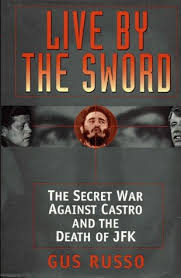
In what is almost certainly the definitive account of the assassination of President John F. Kennedy, Russo reaches some startling—but highly documented—conclusions:
- Lee Harvey Oswald assassinated Kennedy.
- He did it alone.
- Oswald, a former Marine, was a committed Marxist—whose hero was Castro.
- The CIA’s ongoing campaign to overthrow and/or assassinate Castro was an open secret throughout the Gulf.
- Oswald visited New Orleans in the spring of 1963.
- There he learned that Castro was in the crosshairs of the CIA.
- For this, he blamed John F. Kennedy.
- Oswald told his Russian-born wife, Marina: “Fidel Castro needs defenders. I’m going to join his army of volunteers.”
- Jack Ruby, a Dallas nightclub owner, murdered Oswald because he was distraught over Kennedy’s death.
- Ruby was not part of a Mafia conspiracy to silence Oswald.
- Skeptics of the Warren Commission—which concluded that Oswald had acted alone—asked the wrong question: “Who killed Kennedy?”
- They should have asked: “Why was he killed?”
- The answer—according to Russo: “The Kennedys’ relentless pursuit of Castro and Cuba backfired in tragedy on that terrible day in November, 1963.”
Another book well worth reading about America’s Cuban obsession during the early 1960s is American Tabloid, by James Ellroy.
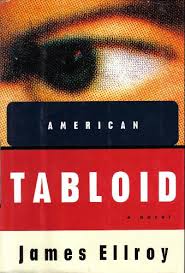
Although a novel, it vividly captures the atmosphere of intrigue, danger and sleaziness that permeated that era in a way that dry, historical documents never can.
“The 50’s are finished,” reads its paperback dust jacket. “Zealous young lawyer Robert Kennedy has a red-hot jones to nail Jimmy Hoffa. JFK has his eyes on the Oval Office.
“J. Edgar Hoover is swooping down on the Red Menace. Howard Hughes is dodging subpoenas and digging up Kennedy dirt. And Castro is mopping up the bloody aftermath of his new Communist nation….
“Mob bosses, politicos, snitches, psychos, fall guys and femmes fatale. They’re mixing up a Molotov cocktail guaranteed to end the country’s innocence with a bang.”
Among the legacies of America’s twisted romance with anti-Castro Cubans:
- The Cuban Missile Crisis remains the single most dangerous moment of the 50-year Cold War, when the world stood only minutes away from nuclear Armageddon.
- That crisis stemmed from the American Right’s twisted obsession with Cuba, an obsession that continues today.
- Following the JFK assassination, there was a cover-up.
- Its purpose: To protect the reputation of the United States Government—and that of its newly-martyred President.
- The CIA and FBI concealed the CIA-Mafia assassination plots from the Warren Commission assigned to investigate Kennedy’s murder.
- Other government officials participating in the cover-up included Attorney General Robert F. Kennedy and President Lyndon B. Johnson.
- Ironically, this secrecy ignited the widespread—and false—belief that the President had died at the hands of a government conspiracy.
- Robert Kennedy feared that his relentless pursuit of Castro might have led Castro to “take out” JFK first.
- Fearing his own assassination if he continued Kennedy’s efforts to murder Castro, President Johnson ordered the CIA to halt its campaign to overthrow and/or assassinate the Cuban leader.
- The huge Cuban community throughout Florida—and especially Miami—continues to exert a blackmailing influence on American politics.
- Right-wing politicians from Richard Nixon to Donald Trump have reaped electoral rewards by catering to the demands of this hate-obsessed voting block.
- These Cuban ex-patriots hope that the United States will launch a full-scale military invasion of the island to remove Castro.
- Having grown rich and soft in the United States, they fear to risk their own lives by returning to Cuba to overthrow the Castro regime—Castro he had overthrown Fulgencio Batista.
- Only President Barack Obama had the political courage to re-establish diplomatic relations with Cuba—in 2015.
- This occurred long after the United States had done so with such former enemies as the Soviet Union, China and Vietnam.
- President Donald Trump. hoping to please anti-Castro voters in Florida, abandoned engagement and increased sanctions against Cuba.
So what are the lessons to be learned from America’s twisted obsession with Cuba?
- Americans should initiate major changes in its foreign policy toward Cuba.
- America should end the half-century contamination of American politics by those Cubans who live only for their hatred of Castro—and those political candidates who live to exploit it.
- (For example: Marco Rubio got elected U.S. Senator from Florida in 2010 by claiming that his parents had been forced to leave Cuba in 1959, after Fidel Castro took power. In fact, they had left Cuba in 1956—during the Batista dictatorship.)
- America needs to end this wag-the-dog relationship. A population of about 1.53 million Cuban exiles living in Florida should not be allowed to shape the domestic and foreign policy of a nation of 333 million.
- Those who continue to hate—or love—Fidel Castro should be left to their own private feud. But that is a feud they should settle on their own island, and not from the shores of the United States.
ABC NEWS, ALTERNET, AMERICABLOG, AMERICAN TABLOID (BOOK), ANTI-CASTRO CUBANS, AP, ASSASSINATION, BABY BOOMER RESISTANCE, BBC, BLOOMBERG NEWS, BUZZFEED, CBS NEWS, CIA, CNN, COMMUNISM, CROOKS AND LIARS, CUBA, CUBAN MISSILE CRISIS, DAILY KOZ, DONALD TRUMP, DWIGHT D. EISENHOWER, FACEBOOK, FBI, FIDEL CASTRO, FIVETHIRTYEIGHT, FLORIDA, FULGENCIO BATISTA, GUS RUSSO, HARPER’S MAGAZINE, HUFFINGTON POST, JACK RUBY, JAMES ELLROY, JOHN F. KENNEDY, JOHNNY ROSELLI, LEE HARVEY OSWALD, LIVE BY THE SWORD (BOOK), LYNDON B. JOHNSON, MAFIA, MARCO RUBIO, MARINA OSWALD, MARTIN SHEEN, MEDIA MATTERS, MIAMI, MOTHER JONES, MOVEON, MSNBC, NBC NEWS, NEW REPUBLIC, NEWSDAY, NEWSWEEK, NIKITA KHRUSHCHEV, NPR, PBS NEWSHOUR, POLITICO, POLITICUSUSA, RAW STORY, REUTERS, RICHARD NIXON, ROBERT F. KENNEDY, ROBERT MCNAMARA, SALON, SAM GIANCANA, SEATTLE TIMES, SLATE, TALKING POINTS MEMO, THE ATLANTIC, THE CHICAGO SUN-TIMES, THE CHICAGO TRIBUNE, THE DAILY BEAST, THE DAILY BLOG, THE GUARDIAN, THE HILL, THE HUFFINGTON POST, THE LOS ANGELES TIMES, THE MISSILES OF OCTOBER (MOVIE), THE NATION, THE NEW REPUBLIC, THE NEW YORK TIMES, THE NEW YORKER, THE VILLAGE VOICE, THE WASHINGTON POST, THINKPROGRESS, THIRTEEN DAYS (BOOK), TIME, TRUTHDIG, TRUTHOUT, TWITTER, TWO POLITICAL JUNKIES, U.S. NEWS & WORLD REPORT, UPI, USA TODAY, WARREN COMMISSION, WILLIAM DEVANE, WONKETTE
In Bureaucracy, History, Military, Politics, Social commentary on August 19, 2021 at 12:15 am
On October 22, 1962, President John F. Kennedy went on nationwide TV to announce the discovery of the missiles and his blockade of Cuba.
He warned that any nuclear missile launched from Cuba against any nation would be regarded as an attack on the United States by the Soviet Union—and would trigger “a full retaliatory response” upon the U.S.S.R.
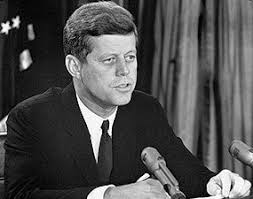
President John F. Kennedy addresses the nation
And he demanded that the Soviets remove all of their offensive weapons from Cuba:
“The path we have chosen for the present is full of hazards, as all paths are, but it is the one most consistent with our character and courage as a nation and our commitments around the world.
“The cost of freedom is always high, but Americans have always paid it. And one path we shall never choose, and that is the path of surrender or submission.”
On October 26, the United States raised the readiness level of SAC forces to DEFCON 2—the step just short of war. For the only time in U.S. history, B-52 bombers were dispersed to various locations and made ready to take off, fully equipped, on 15 minutes’ notice.
Other measures taken included:
- One-eighth of America’s 1,436 bombers were on airborne alert.
- About 145 intercontinental ballistic missiles stood on ready alert.
- Air Defense Command redeployed 161 nuclear-armed interceptors to 16 dispersal fields within nine hours with one-third maintaining 15-minute alert status.
- Twenty-three nuclear-armed B-52 were sent to orbit points within striking distance of the Soviet Union.
An invasion date was set for October 29. But the Kennedy Administration–and the American military—didn’t know that the Russian soldiers guarding the missiles had been armed with tactical nuclear weapons.
Had the Marines gone in, those mini-nukes would have been used. And a full-scale nuclear exchange between the United States and the Soviet Union would have almost certainly followed.
At the height of the crisis, Attorney General Robert F. Kennedy offered a solution.
Khrushchev had sent two teletypes to Kennedy. The first had agreed to remove the missiles, but the second had demanded that the United States remove its own missiles from Turkey, which bordered the Soviet Union.
Robert Kennedy’s solution: The administration should ignore the second message—and announce that it had accepted Khrushchev’s offer to remove the missiles.
After this announcement was made, President Kennedy said to his advisers: “It can go either way now.”
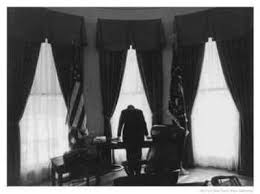
John F. Kennedy in the Oval Office
The crisis ended on October 28. Under enormous pressure, Khrushchev agreed to remove the missiles from Cuba.
Behind his decision lay a secret promise by the Kennedy administration to remove its obsolete nuclear missiles from Turkey, which bordered the Soviet Union. And a public pledge to not invade Cuba.
On the night the crisis ended, there occurred a prophetic exchange between the two Kennedy brothers.
JFK: “Maybe this is the night I should go to the theater”—a reference to Abraham Lincoln’s fatal attendance of Ford’s Theater at the end of the Civil War.
RFK: “If you go, I want to go with you.”
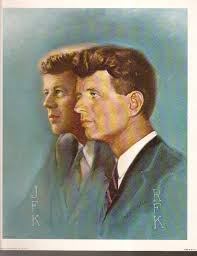
John F. and Robert F. Kennedy
But President Kennedy was not finished with Castro. While continuing the campaign of sabotage throughout Cuba, the Kennedys were preparing something far bigger: A full-scale American invasion of the island.
On October 4, 1963, the Joint Chiefs of Staff submitted its latest version of the invasion plan, known as OPLAN 380-63. Its timetable went:
- January, 1964: Infiltration into Cuba by Cuban exiles.
- July 15, 1964: U.S. conventional forces join the fray.
- August 3, 1964: All-out U.S. air strikes on Cuba.
- October 1, 1964: Full-scale invasion to install “a government friendly to the U.S.”
During the Cuban Missile Crisis, Robert Kennedy–r-eferring to the 1941 Japanese attack on Pearl Harbor—had resisted demands for a “sneak attack” on Cuba by saying: “I don’t want my brother to be the Tojo of the 1960s.”
Now the Kennedys planned such an attack on Cuba just one month before the November, 1964 Presidential election.
Then fate—in the unlikely figure of Lee Harvey Oswald—intervened.
On November 22, 1963, while the President rode through Dallas in an open-air automobile, a rifle-wielding assassin opened fire. He scored two hits on Kennedy—in the back of the neck and head. The second wound proved instantly fatal.
The nation and the world were shocked—and plunged into deep mourning.
But for some of those who had waged a secret, lethal war against Fidel Castro for the previous two years, Kennedy’s death—at least in retrospect—didn’t come as a surprise.
Robert Kennedy, in particular, spent the remaining years of his life agonizing over the possibility that his highly personal war against Castro had backfired.
That Castro, fed up with the CIA’s assassination plots against him, had retaliated with one of his own.
Robert Kennedy’s fears and guilt were compounded by the fact that, while waging war on Castro, he had waged an equally ruthless crusade against organized crime.
He knew that some of the mobsters he had tried to send to prison had played a major role in the CIA’s efforts to “hit” Castro. Had the Mafia—believing itself the victim of a double-cross—put out a “contract” on JFK instead?
It was a question that haunted him until the day he died.
ABC NEWS, ALTERNET, AMERICABLOG, AMERICAN TABLOID (BOOK), ANTI-CASTRO CUBANS, AP, ASSASSINATION, BABY BOOMER RESISTANCE, BBC, BLOOMBERG NEWS, BUZZFEED, CBS NEWS, CIA, CNN, COMMUNISM, CROOKS AND LIARS, CUBA, CUBAN MISSILE CRISIS, DAILY KOZ, DONALD TRUMP, DWIGHT D. EISENHOWER, FACEBOOK, FBI, FIDEL CASTRO, FIVETHIRTYEIGHT, FLORIDA, FULGENCIO BATISTA, GUS RUSSO, HARPER’S MAGAZINE, HUFFINGTON POST, JACK RUBY, JAMES ELLROY, JOHN F. KENNEDY, JOHNNY ROSELLI, LEE HARVEY OSWALD, LIVE BY THE SWORD (BOOK), LYNDON B. JOHNSON, MAFIA, MARCO RUBIO, MARINA OSWALD, MARTIN SHEEN, MEDIA MATTERS, MIAMI, MOTHER JONES, MOVEON, MSNBC, NBC NEWS, NEW REPUBLIC, NEWSDAY, NEWSWEEK, NIKITA KHRUSHCHEV, NPR, PBS NEWSHOUR, POLITICO, POLITICUSUSA, RAW STORY, REUTERS, RICHARD NIXON, ROBERT F. KENNEDY, ROBERT MCNAMARA, SALON, SAM GIANCANA, SEATTLE TIMES, SLATE, TALKING POINTS MEMO, THE ATLANTIC, THE CHICAGO SUN-TIMES, THE CHICAGO TRIBUNE, THE DAILY BEAST, THE DAILY BLOG, THE GUARDIAN, THE HILL, THE HUFFINGTON POST, THE LOS ANGELES TIMES, THE MISSILES OF OCTOBER (MOVIE), THE NATION, THE NEW REPUBLIC, THE NEW YORK TIMES, THE NEW YORKER, THE VILLAGE VOICE, THE WASHINGTON POST, THINKPROGRESS, THIRTEEN DAYS (BOOK), TIME, TRUTHDIG, TRUTHOUT, TWITTER, TWO POLITICAL JUNKIES, U.S. NEWS & WORLD REPORT, UPI, USA TODAY, WARREN COMMISSION, WILLIAM DEVANE, WONKETTE
In Bureaucracy, History, Military, Politics, Social commentary on August 18, 2021 at 12:11 am
In April, 1961, the CIA tried to overthrow the Communist regime of Cuba’s “Maximum Leader,” Fidel Castro, at the Bay of Pigs.
When that failed, President John F. Kennedy ordered Castro’s removal through a campaign of sabotage and assassination.
These covert operatives became known within the CIA as the Special Group, and were ultimately supervised by Robert F. Kennedy, the President’s brother and Attorney General.
The war against Castro became known within the CIA as Operation Mongoose.
But not everyone in the CIA was enthusiastic about the “get Castro” effort.
“Everyone at CIA was surprised at Kennedy’s obsession with Fidel,” recalled Sam Halpern, who was assigned to the Cuba Project. “They thought it was a waste of time. We all knew [Fidel] couldn’t hurt us. Most of us at CIA initially liked Kennedy, but why go after this little guy?
“One thing is for sure: Kennedy wasn’t doing it out of national security concerns. It was a personal thing. The Kennedy family felt personally burnt by the Bay of Pigs and sought revenge.”
It was all-out war. Among the tactics used:
- Hiring Cuban gangsters to murder Cuban police officials and Soviet technicians.
- Sabotaging mines.
- Paying up to $100,000 per “hit” for the murder or kidnapping of Cuban officials.
- Using biological and chemical warfare against the Cuban sugar industry.
“Bobby (Kennedy) wanted boom and bang all over the island,” recalled Halpern. “It was stupid. The pressure from the White House was very great.”
Among that “boom and bang” were a series of assassination plots against Castro, in which the Mafia was to be a key player.
Chicago Mobster Johnny Roselli proposed a simple plan: through its underworld connections in Cuba, the Mafia would recruit a Cuban in Castro’s entourage, such as a waiter or bodyguard, who would poison him.
The CIA’s Technical Services division produced a botulinus toxin which was then injected into Castro’s favorite brand of cigars. The CIA also produced simpler botulinus toxin pills that could be dissolved in his food or drink.
But the deputized Mafia contacts failed to deliver any of the poisons to Castro.
Roselli told the CIA that the first poisoner had been discharged from Castro’s employ before he could kill him, and the back-up agent got “cold feet.”
Other proposals or attempts included:
- Planting colorful seashells rigged to explode at a site where Castro liked to go skindiving.
- Trying to arrange for his being presented with a wetsuit impregnated with noxious bacteria and mold spores, or with lethal chemical agents.
- Attempting to infect Castro’s scuba regulator with tuberculous bacilli.
- Trying to douse his handkerchiefs, tea and coffee with other lethal bacteria.
Former members of the Kennedy Administration later insisted that neither John nor Robert Kennedy knew or approved of these assassination plots. But the sheer weight of available evidence indicates otherwise.
Bobby, in particular, was constantly pressing the CIA to “do something” about Castro. In the world of covert action, words like “Kill Castro” aren’t committed to paper. Or even spoken.
Castro, rightly seeing his life and regime threatened, appealed to Nikita Khrushchev, leader of the Soviet Union, for assistance.

1960s poster of Fidel Castro and Nikita Khrushchev
Keizers [CC BY-SA 3.0 (https://creativecommons.org/licenses/by-sa/3.0)%5D
Khrushchev quickly complied: “We must not allow the communist infant to be strangled in its crib,” he told members of his inner circle.
By October, 1962, the Soviet Union had sent more than
- 40,000 soldiers,
- 1,300 field pieces,
- 700 anti-aircraft guns,
- 350 tanks and
- 150 jets
to Cuba to deter another invasion.
Most importantly, Khrushchev began supplying Castro with nuclear-tipped ballistic missiles.
Their discovery, on October 15, 1962, ignited the single most dangerous confrontation of the 50-year Cold War.
Suddenly, the United States and the Soviet Union—bristling with nuclear weapons—found themselves on the brink of nuclear war.
At the time, Kennedy officials claimed they couldn’t understand why Khrushchev had placed nuclear missiles in Cuba. “Maybe Khrushchev’s gone mad” was a typical public musing.
This remained the official American view for years afterward—as depicted in Robert Kennedy’s memoir, Thirteen Days: A Memoir of the Cuban Missile Crisis, published in 1969, the year after his death.
No admission was made that JFK had been waging a no-holds-barred campaign to overthrow the Cuban government and assassinate its leader.
The same proved true for the 1974 doc-u-drama, The Missiles of October, starring William Devane as John F. Kennedy and Martin Sheen as Robert Kennedy.
On October 16, President Kennedy was informed of the missile installations. He immediately convened a group of his 12 most important advisers, which became known as Ex-Comm, for Executive Committee.
Then followed seven days of guarded and intense debate by Kennedy and his advisers. Some of the participants—such as Air Force General Curtis LeMay—urged an all-out air strike against the missile sites.
Others—such as Adlai Stevenson, the United States delegate to the United Nations—urged a reliance on quiet diplomacy.
It was Secretary of Defense Robert S. McNamara who suggested a middle course: A naval blockade—a “quarantine” in Kennedy’s softened term—around Cuba. This would hopefully prevent the arrival of more Soviet offensive weapons on the island.
Finally, the President decided to to impose a naval blockade.
On October 22, Kennedy went on nationwide TV to announce the discovery of the missiles and his blockade of Cuba.
ABC NEWS, ALTERNET, AMERICABLOG, AMERICAN TABLOID (BOOK), ANTI-CASTRO CUBANS, AP, ASSASSINATION, BABY BOOMER RESISTANCE, BBC, BLOOMBERG NEWS, BUZZFEED, CBS NEWS, CIA, CNN, COMMUNISM, CROOKS AND LIARS, CUBA, CUBAN MISSILE CRISIS, DAILY KOZ, DONALD TRUMP, DWIGHT D. EISENHOWER, FACEBOOK, FBI, FIDEL CASTRO, FIVETHIRTYEIGHT, FLORIDA, FULGENCIO BATISTA, GUS RUSSO, HARPER’S MAGAZINE, HUFFINGTON POST, JACK RUBY, JAMES ELLROY, JOHN F. KENNEDY, JOHNNY ROSELLI, LEE HARVEY OSWALD, LIVE BY THE SWORD (BOOK), LYNDON B. JOHNSON, MAFIA, MARCO RUBIO, MARINA OSWALD, MARTIN SHEEN, MEDIA MATTERS, MIAMI, MOTHER JONES, MOVEON, MSNBC, NBC NEWS, NEW REPUBLIC, NEWSDAY, NEWSWEEK, NIKITA KHRUSHCHEV, NPR, PBS NEWSHOUR, POLITICO, POLITICUSUSA, RAW STORY, REUTERS, RICHARD NIXON, ROBERT F. KENNEDY, ROBERT MCNAMARA, SALON, SAM GIANCANA, SEATTLE TIMES, SLATE, TALKING POINTS MEMO, THE ATLANTIC, THE CHICAGO SUN-TIMES, THE CHICAGO TRIBUNE, THE DAILY BEAST, THE DAILY BLOG, THE GUARDIAN, THE HILL, THE HUFFINGTON POST, THE LOS ANGELES TIMES, THE MISSILES OF OCTOBER (MOVIE), THE NATION, THE NEW REPUBLIC, THE NEW YORK TIMES, THE NEW YORKER, THE VILLAGE VOICE, THE WASHINGTON POST, THINKPROGRESS, THIRTEEN DAYS (BOOK), TIME, TRUTHDIG, TRUTHOUT, TWITTER, TWO POLITICAL JUNKIES, U.S. NEWS & WORLD REPORT, UPI, USA TODAY, WARREN COMMISSION, WILLIAM DEVANE, WONKETTE
In Bureaucracy, History, Military, Politics, Social commentary on August 17, 2021 at 12:12 am
On November 25, 2016, Fidel Castro, Cuba’s longtime “Maximum Leader,” died at the age of 90.
Old age and disease had finally achieved what years of CIA plotting and Mafia assassins could not.
To his supporters he was a tireless champion of the poor and a foe of American imperialism. To his enemies he was a ruthless dictator who drove his country to economic ruin in the name of a failed ideology—communism.
His reign began on January 1, 1959, when he swept triumphantly into Havana after a two-year guerrilla campaign against Cuban dictator Fulgencio Batista.
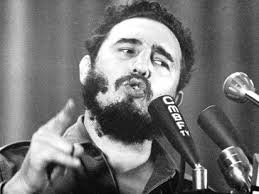
Fidel Castro
Almost immediately, hundreds of thousands of Cubans began fleeing to America. The first émigrés were more than 215,000 Batista followers. The exodus increased, peaking at approximately 78,000 in 1962.
In October, 1962, Castro stopped regularly scheduled travel between the two countries, and asylum seekers began sailing from Cuba to Florida.
Between 1962 and 1979, hundreds of thousands of Cubans entered the United States under the Attorney General’s parole authority.
By 2017, more than 1.53 million Cubans were living in Florida, where the population of Miami was about one-third Cuban. Their sheer numbers transformed the state’s political, economic and cultural life. And not entirely for the better.
Many of these Cubans viewed themselves as political exiles, rather than immigrants, hoping to eventually return to Cuba after its Communist regime fell from power.
With so many discontented immigrants concentrated in Florida, they became a potential force for politicians to court.
And the issue guaranteed to sway their votes was unrelenting hostility to Castro. Unsurprisingly, most of their votes went to Right-wing Republicans.
John F. Kennedy was the first President to face this dilemma.
During the closing months of the administration of President Dwight D. Eisenhower, the CIA had begun training Cuban exiles for an invasion of their former homeland.
The exiles’ goal: To do what Castro had done–seek refuge in the mountains and launch a successful anti-Castro revolution.
But word of the coming invasion quickly leaked: The exiles were terrible secret-keepers. (A joke at the CIA went: “A Cuban thinks a secret is something you tell to only 300 people.”)
Kennedy insisted the invasion must appear to be an entirely Cuban enterprise. He refused to commit U.S. Marines and Air Force bombers.
More than 1,400 invaders landed on April 17, 1961 at the Bay of Pigs—and were quickly overwhelmed, with hundreds of the men taken prisoner.
Kennedy publicly took the blame for its failure: “Victory has a hundred fathers but defeat is an orphan.” But privately he seethed, and ordered the CIA to redouble its efforts to remove Castro at all costs.
To make certain his order was carried out, he appointed his brother, Robert—then Attorney General—to oversee the CIA’s “Castro removal” program.
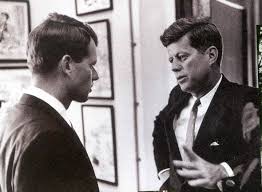
Robert F. Kennedy and John F. Kennedy
It’s here that America’s obsession with Cuba entered its darkest and most disgraceful period.
The CIA and the Mafia entered into an unholy alliance to assassinate Castro—each for its own benefit:
- The CIA wanted to please Kennedy;
- The mobsters wanted to regain their casino and brothel holdings that had made Cuba their private playground in pre-Castro times; and
- They also hoped to use their pose as patriots to win immunity from future prosecution.
The CIA supplied poisons and explosives to various members of the Mafia. It was then up to the mobsters to assassinate Castro.
The CIA asked Johnny Roselli, a mobster linked to the Chicago syndicate, to go to Florida in 1961 and 1962 to organize assassination teams of Cuban exiles. They were to infiltrate their homeland and assassinate Castro.
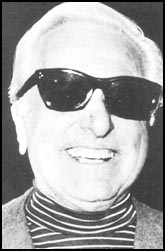
Johnny Roselli
Roselli called upon two other crime figures: Chicago Mafia boss Sam Giancana and Santos Trafficante, the Cosa Nostra chieftain for Tampa, for assistance.
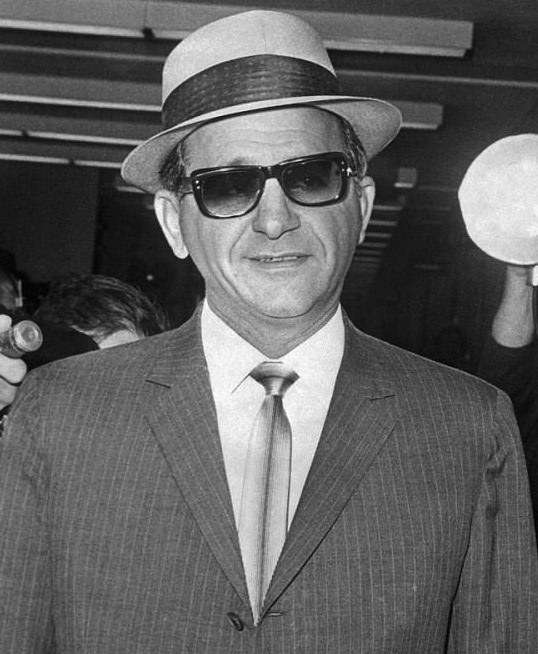
Sam Giancana
Giancana, using the name “Sam Gold” in his dealings with the CIA, was meanwhile being hounded by the FBI on direct orders of Attorney General Robert Kennedy.
The mobsters were authorized to offer $150,000 to anyone who would kill Castro and were promised any support the Agency could yield.
Giancana was to locate someone who was close enough to Castro to be able to drop pills into his food. Trafficante would serve as courier to Cuba, helping to make arrangements for the murder on the island.
Roselli was to be the main link between all of the participants in the plot.
The available sources disagree on what actually happened. Some believe that the Mob made a genuine effort to “whack” Fidel.
Others are convinced the mobsters simply ran a scam on the government. They pretended to carry out their “patriotic duty” while in fact making no effort at all to penetrate Castro’s security.
The CIA’s war against Castro was known as Operation Mongoose—the mongoose being a traditional enemy of the cobra. And those entrusted with this assignment were known as the Special Group.
“We were hysterical about Castro at about the time of the Bay of Pigs and thereafter,” Secretary of Defense Robert S. McNamara later testified before Congress about these efforts. “And there was pressure from JFK and RFK to do something about Castro.”
9/11, ABC NEWS, AFGHANISTAN, AL-QUAEDA, ALTERNET, AMERICABLOG, ANDREW M. CUOMO, AP, BABY BOOMER RESISTANCE, BARACK OBAMA, BBC, BLOOMBERG NEWS, BUZZFEED, CBS NEWS, CNN, CROOKS AND LIARS, DAILY KOS, DAILY KOZ, FACEBOOK, FIVETHIRTYEIGHT, GEORGE W. BUSH, HAMID KARZAI, HARPER’S MAGAZINE, HUFFINGTON POST, JOSEPH BIDEN, JOSEPH LEMM, MEDIA MATTERS, MOTHER JONES, MOVEON, MSNBC, NBC NEWS, NEW REPUBLIC, NEW YORK AIR NATIONAL GUARD, NEW YORK POLICE DEPARTMENT, NEWSDAY, NEWSWEEK, NORTH VIETNAMESE ARMY, NPR, OSAMA BIN LADEN, PBS NEWSHOUR, POLITICO, POLITICUSUSA, RAW STORY, REUTERS, ROLLING STONE MAGAZINE, SALON, SEATTLE TIMES, SLATE, TALKING POINTS MEMO, THE ATLANTIC, THE CHICAGO SUN-TIMES, THE CHICAGO TRIBUNE, THE DAILY BEAST, THE DAILY BLOG, THE GUARDIAN, THE HILL, THE HUFFINGTON POST, THE LOS ANGELES TIMES, THE NATION, THE NEW REPUBLIC, THE NEW YORK TIMES, THE NEW YORKER, THE PENTAGON, THE VILLAGE VOICE, THE WALL STREET JOURNAL, THE WASHINGTON POST, THINKPROGRESS, TIME, TRUTHDIG, TRUTHOUT, TWITTER, TWO POLITICAL JUNKIES, U.S. NEWS & WORLD REPORT, UPI, USA TODAY, VIETCONG, VIETNAM, VIETNAM WAR, WONKETTE, WORLD TRADE CENTER
In Bureaucracy, History, Military, Politics, Social commentary on August 16, 2021 at 12:07 am
On July 8, President Joseph Biden said that America would withdraw its armed forces from Afghanistan by August 31, thus ending the nearly 20-year war.
“How many more, how many more thousands of American daughters and sons are you willing to risk?” Biden said to those calling for the United States to extend the military operation.
To put the consequences of this effort into human terms:
On December 21, 2015, a suicide-bomber rammed an explosives-laden motorcycle into a joint NATO-Afghan patrol. Six American troops and an Afghan were killed.
One of the dead was Joseph Lemm, 45, a detective and 15-year veteran of the New York Police Department. A technical sergeant in the New York Air National Guard, he had been deployed three times—once to Iraq and twice to Afghanistan.
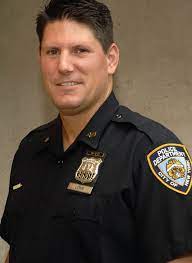
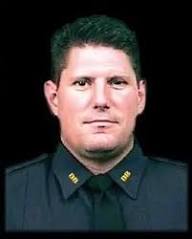
Joseph Lemm
Lemm left behind a daughter, Brook, 16, a son, Ryan, four, and his wife, Christine.
New York Governor Andrew M. Cuomo ordered that flags on all state government buildings be flown at half-staff on December 23 in Lemm’s honor.
“Staff Sergeant Joe Lemm served this nation with the selflessness and bravery that embodies the U.S. Armed Forces and the NYPD,” Cuomo said in a statement.
Lemm’s death was a double tragedy—that of a dedicated man who should not have died so needlessly.
A total of 2,312 US military personnel in Afghanistan have died and 20,066 have been wounded since 2001. The cost of military operations is put at $824 billion.
The history of American conflict in Afghanistan began on September 11, 2001.
On that date, 19 Islamic hijackers slammed two jetliners into the World Trade Center in New York and one into the Pentagon in Washington, D.C.
A fourth plane, headed for the White House or Capitol Building, failed to reach its target when its passengers rioted—and the hijackers dove it into a Pennsylvania field.
The mastermind of the attacks was Osama bin Laden, a Saudi millionaire then living in Afghanistan, under protection by its ruling thugocracy, the Taliban.
The administration of President George W. Bush demanded his immediate surrender to American justice.
The Taliban refused.
So, on October 7, 2011—less than one month from the 9/11 attacks—American bombers began pounding Taliban positions.
The whole point of the campaign was to pressure the Taliban to surrender Bin Laden.
But the Taliban refused. Bin Laden holed up in the mountains of Tora Bora, and then ultimately escaped into Pakistan.
After December, 2001, American Intelligence completely lost track of Bin Laden. CIA officials repeatedly said he was likely living in the “no-man’s-land” between Afghanistan and Pakistan.
Thus, there was no longer any point in pressuring the Taliban to surrender Bin Laden.
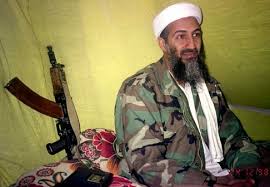
Osama bin Laden
Still, the United States continued to commit forces to Afghanistan—to turn a primitive, warlord-ruled country into a modern-day democracy.
There was, admittedly, a great deal to detest about the Taliban:
- When the Taliban ruled Afghanistan, they turned soccer stadiums into execution plazas for mass beheadings or shootings.
- Taliban “fighters” have proven their “courage” by throwing acid into the faces of women who dared to attend school.
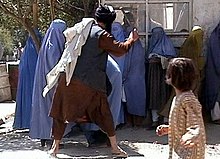
Taliban religious police beating a woman
- On August 8, 1989, the Taliban attacked Mazar-i-Sharif. Talibanists began shooting people in the street, then moved on to mass rapes of women. Thousands of people were locked in containers and left to suffocate.
- The Taliban forbade women to leave their homes unless accompanied by a male relative and wearing the burqa—a traditional dress covering the entire body. Those who disobeyed were publicly beaten.
Yet, as horrific as such atrocities were, these did not obligate the United States to spend eternity trying to bring civilization to this barbaric country.
And, in pursuing that goal, both the Bush and Obama administrations repeatedly overlooked the following realities:
- Hamid Karzai, the “president” of Afghanistan (2001-2014) didn’t believe in democracy—despite American claims to support his efforts to bring this to Afghanistan.
- His authority didn’t extend beyond Kabul, and he was viewed by most Afghans as an illegitimate ruler, imposed by America.
- The same can be said for his successor, Mohammad Ashraf Ghani.
- American soldiers in Afghanistan felt surrounded by enemies and hamstrung by unrealistic orders to win “hearts and minds” at the risk of their own lives.
- The Taliban poses no threat to the security of the United States.
- Afghan “insurgents” are fighting American forces because (1) they are in a civil war; and (2) they believe their country has once again been occupied by foreigners.
- Counterinsurgency was preached as the key to defeating the Taliban in Afghanistan—where it hasn’t worked.
- Americans entered Afghanistan without an exit strategy.
All these truths applied just as firmly to America’s failed misadventure in Vietnam.
Almost 50 years ago, American “grunts” felt about their so-called South Vietnamese allies as American troops now feel about their Afghan “allies.”
Dr. Dennis Greenbaum, a former army medic, summed up how Americans had really felt about their supposed South Vietnamese allies.
“The highest [priority for medical treatment] was any U.S. person. The second highest was a U.S. dog from the canine corps. The third was NVA [North Vietnamese Army].
“The fourth was VC [Viet Cong]. And the fifth was ARVIN [Army of the Republic of South Vietnam], because they had no particular value. The only thing below them was the civilians,” said Greenbaum.
When you despise the “ally” you’re spending lives and treasure to defend, it’s time to pack up.
2003 IRAQ WAR, 2020 PRESIDENTIAL ELECTION, 9/11 ATTACKS, ABC NEWS, ADOLF HITLER, ALTERNET, AMERICABLOG, AP, BABY BOOMER RESISTANCE, BATTLE OF BRITAIN, BILL KRISTOL, BLOOMBERG, BUZZFEED, CAROL LEONNIG, CBS NEWS, CHAIRMAN OF THE JOINT CHIEFS OF STAFF, CIA, CNN, COUP, CROOKS AND LIARS, DAILY KOZ, DEPARTMENT OF DEFENSE, DONALD TRUMP, DRUDGE RETORT, FACEBOOK, FBI, FIVETHIRTYEIGHT, FOREIGN POLICY MAGAZINE, HARPER’S MAGAZINE, HERMANN GORING, HITLER OATH, I ALONE CAN FIX IT (BOOK), JAMES MATTIS, MARK MILLEY, MEDIA MATTERS, MICHAEL CUTRONE, MIKE PENCE, MOTHER JONES, MOVEON, MSNBC, NBC NEWS, NEWSWEEK, NPR, OSAMA BIN LADEN, PAUL VON HINDENBURG, PBS NEWSHOUR, PENTAGON, PHILIP RUCKER, POLITICO, POLITICUSUSA, RAW STORY, REICHSTAG FIRE, REPUBLICANS, REUTERS, SALON, SEATTLE TIMES, SLATE, SYRIA, TALKING POINTS MEMO, THE ATLANTIC, THE CHICAGO SUN-TIMES, THE CHICAGO TRIBUNE, THE DAILY BEAST, THE DAILY BLOG, THE GUARDIAN, THE HILL, THE HUFFINGTON POST, THE LOS ANGELES TIMES, THE NATION, THE NEW REPUBLIC, THE NEW YORK TIMES, THE PENTAGON, THE VILLAGE VOICE, THE WASHINGTON POST, THE WEEKLY STANDARD, THINKPROGRESS, THIRD REICH, TIME, TRUTHDIG, TRUTHOUT, TWITTER, TWO POLITICAL JUNKIES, U.S. NEWS & WORLD REPORT, UPI, USA TODAY, WEEKLY STANDARD, WEHRMACHT, WILLIAM KRISTOL, WONKETTE
In Bureaucracy, History, Military, Politics, Social commentary on July 20, 2021 at 12:06 am
On August 2, 1934, German President Paul von Hindenburg died.
Adolf Hitler was then serving as Reich Chancellor—the equivalent of prime minister. Within hours, the Nazi Reichstag [parliament] announced the following law, back-dated to August 1st:
“The office of Reich President will be combined with that of Reich Chancellor. The existing authority of the Reich President will consequently be transferred to the Führer and Reich Chancellor, Adolf Hitler.”
Immediately following the announcement of the new Führer law, the German officer corps and every individual soldier in the German Army [Wehrmacht] was made to swear a new oath of allegiance:
“I swear by God this holy oath, that I will render to Adolf Hitler, Führer of the German Reich and People, Supreme Commander of the Armed Forces, unconditional obedience, and that I am ready, as a brave soldier, to risk my life at any time for this oath.”
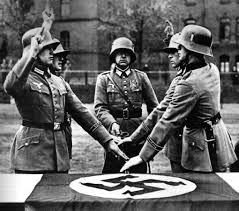
Soldiers swearing the Fuhrer Oath
For Germans—especially officers of the Wehrmacht—taking an oath was a holy act. Previously they had sworn obedience to the German state. Now they swore personal allegiance to Adolf Hitler.
President Donald Trump wanted to resurrect “the German experiment.”
On February 5, 2020, Republicans refused to impeach Trump for abuse of power and obstruction of Congress. Trump quickly began purging independent officials throughout government—and appointing political loyalists in their places.
On May 6, 2000, Foreign Policy magazine carried an alarming story under the headline: “Trump Taps Point Man to Remove Pentagon Officials Seen as Disloyal.”
Specifically: “Michael Cutrone, who has been detailed as Vice President Mike Pence’s top national security aide for South Asia, is set to arrive at the Pentagon to serve in a behind-the-scenes role vetting Defense Department officials for loyalty to the president, according to two current administration officials.”
Veteran Pentagon officials feared that the few remaining professional appointees who could resist illegal or irrational policy ideas would be removed from their posts or undermined. This would ensure far tighter White House control than had been the case under Defense Secretary James Mattis.
Their fears reached a crescendo during the months after Trump lost the 2020 Presidential election—from November 3, 2020 to January 20, 2021.
Chairman of the Joint Chiefs of Staff General Mark Milley feared that Trump and his allies might attempt a coup or take other dangerous or illegal measures. He and the other Joint Chiefs planned to resign, one-by-one, rather than carry out orders from Trump that they considered to be illegal, dangerous or ill-advised.

Mark Milley
Milley shared his fears of a coup with friends, lawmakers and colleagues.
“They may try, but they’re not going to fucking succeed,” Milley told his deputies. “You can’t do this without the military. You can’t do this without the CIA and the FBI. We’re the guys with the guns.”
In the days leading up to the January 6 attack on the Capitol Building, Milley told his staff that he believed Trump was stoking unrest, possibly in hopes of an excuse to invoke the Insurrection Act and call out the military.
Milley saw Trump as the classic authoritarian leader with nothing to lose.
“This is a Reichstag moment,” Milley told aides—referring to the February 27, 1933 arson of Germany’s parliament building which enabled Adolf Hitler to assume dictatorial powers.
The military’s plans to thwart a Trump coup are revealed in the new book I Alone Can Fix It: Donald J. Trump’s Catastrophic Final Year, by Carol Leonnig and Philip Rucker.
In a July 15 statement, Trump attacked Milley: “I never threatened, or spoke about, to anyone, a coup of our Government. So ridiculous!
“Sorry to inform you, but an Election is my form of ‘coup,’ and if I was going to do a coup, one of the last people I would want to do it with is General Mark Milley.”
Which implies he would choose some other general to plot a coup.
William Kristol—a Right-wing political analyst—has been dubbed “the godfather of neoconservatism.” And with good reason.
Immediately following the 9/11 attacks, Kristol, the editor of the Weekly Standard, was one of the leading instigators of the 2003 war with Iraq.
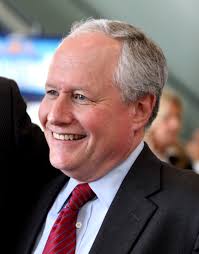
Bill Kristol
But on February 15, 2019, Kristol posted on Twitter:
“Members of Congress take this oath of office (see Title 5, Section 3331 of the United States Code): ‘I do solemnly swear (or affirm) that I will support and defend the Constitution of the United States against all enemies, foreign and domestic; that I will bear true faith and allegiance to the same; that I take this obligation freely, without any mental reservation or purpose of evasion, and that I will well and faithfully discharge the duties of the office on which I am about to enter. So help me God.'”
On May 7, 2019, he posted “the new GOP Congressional oath”:
“I do solemnly swear that I will support and defend Donald Trump against all oversight; that I will bear true faith and allegiance to him; that I take this obligation despite mental reservation and in the spirit of evasion of duty. So help me God.”
No doubt Kristol, who considers himself a dyed-in-the-wool conservative, remembers all too well the fate of those who took a similar oath to Adolf Hitler.
ABC NEWS, ADOLF HITLER, ALTERNET, AMERICABLOG, ANTHONY FAUCI, AP, BABY BOOMER RESISTANCE, BARACK OBAMA, BERLIN, BUZZFEED, CBS NEWS, CENTERS FOR DISEASE CONTROL, CNN, COMMISSARS, CORONAVIRUS, CROOKS AND LIARS, DAILY KOZ, DEPARTMENT OF HEALTH AND HUMAN SERVICES, DEPARTMENT OF HOMELAND SECURITY, DONALD TRUMP, DRUDGE RETORT, FACEBOOK, FIVETHIRTYEIGHT, FRIEDRICH VON PAULUS, GERMAN-SOVIET NON-AGGRESSION PACT, GREAT BRITAIN, HARPER’S MAGAZINE, JOHN BOLTON, JOSEPH STALIN, MALARIA, MEDIA MATTERS, MICK MULVANEY, MOSCOW, MOTHER JONES, MOVEON, MSNBC, NATIONAL INSTITUTE OF ALLERGY AND INFECTIOUS DISEASES, NAZI GERMANY, NBC NEWS, NEWSWEEK, NIKITA KHRUSHCHEV, NPR, PBS NEWSHOUR, POLAND, POLITICO, POLITICUSUSA, PRISONERS-OF-WAR, RAW STORY, REUTERS, ROLLING STONE MAGAZINE, SALON, SEATTLE TIMES, SLATE, SOVIET UNION, STALINGRAD, TALKING POINTS MEMO, THE ATLANTIC, THE CHICAGO SUN-TIMES, THE CHICAGO TRIBUNE, THE DAILY BEAST, THE DAILY BLOG, THE GUARDIAN, THE HILL, THE HUFFINGTON POST, THE LOS ANGELES TIMES, THE NATION, THE NATIONAL SECURITY COUNCIL, THE NEW REPUBLIC, THE NEW YORK TIMES, THE VILLAGE VOICE, THE WASHINGTON POST, THE WHITE HOUSE PANDEMIC OFFICE, THINKPROGRESS, THIRD REICH, TIME, TOM BOSSERT, TRUTHDIG, TRUTHOUT, TWITTER, TWO POLITICAL JUNKIES, U.S. NEWS & WORLD REPORT, UNITED STATES, UPI, USA TODAY, Vladimir Lenin, WEHRMACHT, WEIMAR REPUBLIC, WONKETTE
In Bureaucracy, History, Medical, Military, Politics, Social commentary on July 16, 2021 at 12:39 am
Two dictators. Two crises.
Next up: Donald Trump.
Soviet dictator Joseph Stalin received multiple warnings that his supposed ally, Nazi Germany, would soon invade Russia. He ignored all of them. And when the invasion came—on June 22, 1941—the result was the loss of 26 million men, women and children and four years of devastation.
President Donald Trump similarly received warnings that Coronavirus was a major world threat—and would likely hit the United States. Like Stalin, he ignored those warnings—with similarly disastrous consequences.
The virus first appeared in Wuhan, China, in December, 2019. Its first reported victim became ill on December 1.
By December 31, the outbreak was traced to a novel strain of Coronavirus.
Coronaviruses are a group of viruses that affect birds and mammals. In humans, Coronaviruses can cause pneumonia and may cause bronchitis.
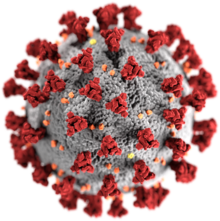
Coronavirus
According to the March 21, 2020 edition of Rolling Stone magazine: “The United States intelligence community has been warning the president since January and February about the dire consequences that would occur when coronavirus reached America, but the president seemed determined to play down the threat, leaving the country largely unaware and unprepared.”
An anonymous Intelligence official cited by the Washington Post said: “Donald Trump may not have been expecting this, but a lot of other people in the government were—they just couldn’t get him to do anything about it. The system was blinking red.”
Trump first learned of the virus on January 3, 2020. This did not prevent him from playing golf on January 4, 5, 18 and 19.
On January 19, the first Coronavirus case appeared in the United States.
On January 27, then-acting chief of staff Mick Mulvaney tried to get the President to act. But, according to officials who spoke with the Post, Trump was “dismissive” of early briefings “because he did not believe that the virus had spread widely throughout the United States.”
Trump fired Mulvaney one month later.
Then, for Trump, it was back to the golf course—on February 1, 2, 15.

Refusing to take action against the emerging Coronavirus threat, Trump repeatedly made statements that minimized it.
January 22: “We have it totally under control. It’s one person coming in from China. We have it under control. It’s going to be just fine.”
January 30: “We think we have it very well under control. We have very little problem in this country at this moment–five—and those people are all recuperating successfully. But we’re working very closely with China and other countries, and we think it’s going to have a very good ending for us .…that I can assure you.”
February 10: “Now, the virus that we’re talking about having to do—you know, a lot of people think that goes away in April with the heat—as the heat comes in. Typically, that will go away in April. We’re in great shape though. We have 12 cases—11 cases, and many of them are in good shape now.”
February 28: “[Democrats] tried the impeachment hoax…They lost…. And this is their new hoax.”
A major reason for the spectacular early victories of the German army in Russia was that, from 1936 to 1938, Stalin had gutted his own military by a series of systematic purges. Thus, there were few experienced, competent officers—from army corps commanders to four-star generals—to mount a strategic defense.
Similarly, upon taking office, Trump had gutted the permanent epidemic monitoring and command groups set up inside the White House: The National Security Council (NSC) and the Department of Homeland Security (DHS).
Pathologically jealous of Barack Obama, Trump tried to destroy every vestige of Obama’s legacy as the first black President of the United States. And these disease-monitoring groups were set up by Obama following the Ebola outbreak in West Africa in 2014.
In the spring of 2018, Trump pushed Congress to cut $15 billion from national health spending—and cutting the global disease-fighting budgets of the Centers for Disease Control, National Security Council, Department of Homeland Security and the Department of Health and Human Services (HHS).
In April, 2018, then-National Security Adviser John Bolton forced Tom Bossert, director of the infectious disease unit at DHS, to resign—along with his entire team.
On February 29, the first American died of Coronavirus.
Trump continued to be unconcerned about the growing threat.
On March 7, reporters asked him if he was concerned that Coronavirus had arrived in Washington, D.C. He replied: “No, I’m not concerned at all. No, we’ve done a great job with it.”
And in a March 9 tweet, Trump wrote: “So last year 37,000 Americans died from the common Flu. It averages between 27,000 and 70,000 per year. Nothing is shut down, life & the economy go on. At this moment there are 546 confirmed cases of CoronaVirus, with 22 deaths. Think about that!”
Perhaps most dangerously of all, Trump from the outset blatantly contradicted health officials—even when standing next to them at press conferences.
On March 21, Trump insisted he had a “very good” feeling about using a malaria drug to combat the virus. It fell to Dr. Anthony Fauci, head of the National Institute of Allergy and Infectious Diseases, to set the record straight: “No.”
By January 20, 2021—the end of Trump’s term—the United States had more than 24.2 million confirmed Coronavirus cases—and more than 400,000 deaths.
ABC NEWS, ADOLF HITLER, ALTERNET, AMERICABLOG, ANTHONY FAUCI, AP, BABY BOOMER RESISTANCE, BARACK OBAMA, BERLIN, BUZZFEED, CBS NEWS, CENTERS FOR DISEASE CONTROL, CNN, COMMISSARS, CORONAVIRUS, CROOKS AND LIARS, DAILY KOZ, DEPARTMENT OF HEALTH AND HUMAN SERVICES, DEPARTMENT OF HOMELAND SECURITY, DONALD TRUMP, DRUDGE RETORT, FACEBOOK, FIVETHIRTYEIGHT, FRIEDRICH VON PAULUS, GERMAN-SOVIET NON-AGGRESSION PACT, GREAT BRITAIN, HARPER’S MAGAZINE, JOHN BOLTON, JOSEPH STALIN, MALARIA, MEDIA MATTERS, MICK MULVANEY, MOSCOW, MOTHER JONES, MOVEON, MSNBC, NATIONAL INSTITUTE OF ALLERGY AND INFECTIOUS DISEASES, NAZI GERMANY, NBC NEWS, NEWSWEEK, NIKITA KHRUSHCHEV, NPR, PBS NEWSHOUR, POLAND, POLITICO, POLITICUSUSA, PRISONERS OF WAR, RAW STORY, REUTERS, ROLLING STONE MAGAZINE, SALON, SEATTLE TIMES, SLATE, SOVIET UNION, STALINGRAD, TALKING POINTS MEMO, THE ATLANTIC, THE CHICAGO SUN-TIMES, THE CHICAGO TRIBUNE, THE DAILY BEAST, THE DAILY BLOG, THE GUARDIAN, THE HILL, THE HUFFINGTON POST, THE LOS ANGELES TIMES, THE NATION, THE NATIONAL SECURITY COUNCIL, THE NEW REPUBLIC, THE NEW YORK TIMES, THE VILLAGE VOICE, THE WASHINGTON POST, THE WHITE HOUSE PANDEMIC OFFICE, THINKPROGRESS, THIRD REICH, TIME, TOM BOSSERT, TRUTHDIG, TRUTHOUT, TWITTER, TWO POLITICAL JUNKIES, U.S. NEWS & WORLD REPORT, UNITED STATES, UPI, USA TODAY, Vladimir Lenin, WEHRMACHT, WEIMAR REPUBLIC, WONKETTE
In Bureaucracy, History, Medical, Military, Politics, Social commentary on July 15, 2021 at 12:25 am
Two dictators. Two crises.
First up: Joseph Stalin.
“I know what Hitler’s up to. He thinks he’s outsmarted me. But in actuality, it is I who have outsmarted him.”
So spoke Joseph Stalin, absolute dictator of the Soviet Union, to his future successor, Nikita Khrushchev, in 1939.
Less than two years later, on June 22, 1941, three million German soldiers poured across the western border of the Soviet Union.
On August 23, 1939, Stalin had signed the German-Soviet Nonaggression Pact with German Fuhrer Adolf Hitler. The reason: Each dictator got what he wanted—for the moment. Hitler was planning to invade Poland in a matter of days—and he wanted to avoid a war with the Soviet Union. And Stalin got what he wanted: The eastern half of Poland.
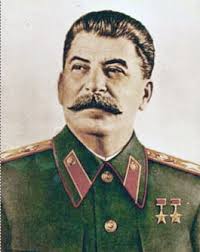
Joseph Stalin
The agreement stunned the world. Since 1919, Nazis and Communists had fought bitter battles against each other in the streets of Germany during the Weimar Republic.
When this was replaced in 1933 by the Third Reich, German Communists were rounded up and imprisoned, if not murdered, by Hitler’s ruthless secret police, the Schutzstaffel (“Protective Squads”).
For the moment, however, all of that was conveniently forgotten.
But Hitler hadn’t forgotten his life’s ambition to conquer the Soviet Union and utterly destroy “the scourge of Jewish-Marxism.”
Stalin received numerous warnings from the United States and Great Britain about the coming invasion. But he dismissed them as efforts by the West to trick him into violating the pact and turning Nazi Germany into his mortal enemy.
When informed of the attack, Stalin at first believed it was being made by rogue German forces. He refused to order an immediate counterattack. Upon being convinced that the Wehrmacht intended to wage all-out war, he went into a funk in his dacha and shut himself off from everyone. To his closest associates he wailed: “Lenin left us a great inheritance and we, his heirs, have fucked it all up!”
Meanwhile, the Red Air Force was destroyed on the ground by the awesome Luftwaffe. And the Wehrmacht was advancing at a rate of 25 miles a day.
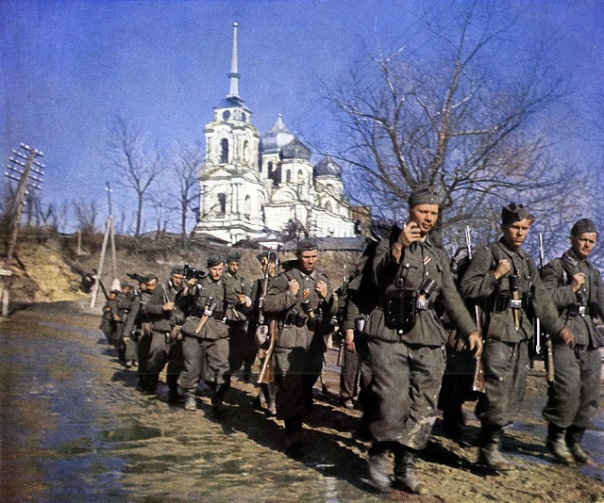
German soldiers marching through Russia
On July 3, after 10 days of brooding (and probably drinking heavily) in his dacha, Stalin finally took to the airways. He didn’t speak live; Radio Moscow played a recording of his voice across the Soviet Union.
Never a spellbinding orator, Stalin spoke in slow and faltering tones. Nevertheless, his opening words were startling: “Comrades! Citizens! Brothers and sisters! Men of our army and navy! I am addressing you, my friends!”
Stalin had never addressed an audience this way, and he never would again. Born Joseph Vissarionovich Djugashvili, he had given himself the name of “Stalin”—“Man of Steel.” And he had lived up to it, sending tens of thousands to the Soviet penal system known as the Gulag while ordering the executions of tens of thousands of others.
He said the “peace loving” Soviet Union had been attacked by “fiends and cannibals.” He claimed the non-aggression pact with Germany had given the army much-needed time to rearm and reorganize its forces. He claimed the Germans wanted to restore the rule of the landlords and re-establish Tsarism.
He repeatedly spoke of the treachery of the enemy—and of the need for constant vigilance against traitors: “We must wage a ruthless fight against all disorganizers of the rear, deserters, panic-mongers and rumor-mongers.”
This was accompanied by orders unprecedented in any other army: Those taken prisoner by the Germans were to be considered traitors—and shot or imprisoned. Those suspected of wounding themselves to avoid combat were also subject to summary execution. So were soldiers who had been legitimately wounded in battle but were suspected of inflicting those injuries.
The first two years of the war—1941 to 1943—proved disastrous for the Soviet Union.
During the first six months—June to December, 1941—German armies lured huge Soviet forces into gigantic “cauldron battles,” surrounding and exterminating them. An estimated 5.7 million prisoners of war (POWs) fell into German hands. Of these, at least 3.5 million died in custody.
But then the infamous Russian cold and snows of winter halted the Wehrmacht before Moscow. In the summer of 1942 German forces once again mounted a ferocious offensive, driving all the way to the Volga—and Stalingrad.
But they became bogged down in bitter house-to-house fighting. With the arrival of winter, Soviet forces surrounded the Wehrmacht’s powerful Sixth Army. The besiegers became the besieged. On February 2, 1943, Field Marshal Friedrich von Paulus surrendered what remained of his army. The battle cost Germany 500,000 men, including 91,000 taken prisoner.
As the Red Army finally began to go over on the offensive, Stalin relaxed the iron controls that had long stifled creativity on the part of his commandeers.
The infamous political commissars were removed from control over Russian generals. Gold braid and fancy uniforms were manufactured and rushed to the front as morale boosters.
At last, Stalin realized there was no way to win a life-and-death struggle than to give his soldiers the flexibility they needed.
The war would last another two years—costing the Soviet Union at least 26 million citizens—before it ended with the Red flag flying over Berlin.
60 MINUTES, 9/11 ATTACKS, ABC NEWS, ADOLF HITLER, AFGHANISTAN, AL QAEDA, ALTERNET, AMERICABLOG, AP, AYATOLLAH RUHOLLAH KHOMEINI, BABY BOOMER RESISTANCE, BARACK OBAMA, BASHAR AL-ASSAD, BBC, BLOOMBERG NEWS, BUZZFEED, CARL VON CLAUSEWITZ, CARLOS THE JACKAL, CBS NEWS, CIA, CNN, CROOKS AND LIARS, DAILY KOZ, DAVID BROOKS, FACEBOOK, FIVETHIRTYEIGHT, HAITI, HARPER’S MAGAZINE, HARRY TRUMAN, HUFFINGTON POST, IMPERIAL HUBRIS, IRAN, ISLAM, ISLAMIC STATE OF IRAQ AND THE LEVANT, ISRAEL, JOSEPH BIDEN, MARCHING TOWARD HELL, MEDIA MATTERS, MICHAEL SCHEUER, MOTHER JONES, MOVEON, MSNBC, MUSLIMS, NAZI GERMANY, NBC NEWS, NEW REPUBLIC, NEWSDAY, NEWSWEEK, NPR, OSAMA BIN LADEN, PBS NEWSHOUR, PETER KING, PETER KINIG, POLITICO, POLITICUSUSA, RAW STORY, REUTERS, RUSSIA, SALON, SEATTLE TIMES, SHAH OF IRAN, SLATE, SOVIET UNION, SYRIA, TALKING POINTS MEMO, TERRORISM, THE ATLANTIC, THE CHICAGO SUN-TIMES, THE CHICAGO TIMES, THE CHICAGO TRIBUNE, THE DAILY BEAST, THE DAILY BLOG, THE GUARDIAN, THE HILL, THE HUFFINGTON POST, THE LOS ANGELES TIMES, THE NATION, THE NEW REPUBLIC, THE NEW YORK TIMES, THE NEW YORKER, THE VILLAGE VOICE, THE WASHINGTON POST, THINKPROGRESS, TIME, TRUTHDIG, TRUTHOUT, TWITTER, TWO POLITICAL JUNKIES, U.S. NEWS & WORLD REPORT, UPI, USA TODAY, VIETNAM WAR, VLADIMIR PUTIN, WONKETTE
In Bureaucracy, History, Military, Politics, Social commentary on July 14, 2021 at 12:11 am
For America to avoid permanent military entanglements in the Middle East, it must learn to mind its own business.
Perhaps the most important reason for doing so: America’s past efforts in that region have usually gone horribly awry.
Two examples should suffice:
Iran: Mohammad Mosaddegh was the democratically elected prime minister of Iran from 1951 until 1953. His decision to nationalize the Iranian oil industry led to his overthrow in a CIA coup.
He was replaced by Shah Mohammad Reza Pahlavi, who ruled until 1979 when a national upheaval forced him to flee. Iranians have never forgiven the United States for subjecting them to the 25-year reign of a brutal despot.
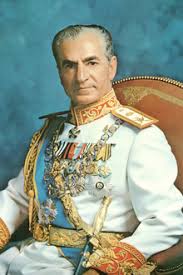
Shah of Iran
Afghanistan: In 1979, the Soviet Union invaded Afghanistan. America began supplying shoulder-fired Stinger anti-aircraft missiles to the Afghan Mujahideen fighters. These shifted the balance of the war to the Afghans, who brought down countless Soviet airplanes and helicopters.
Deprived of air supremacy, the Soviet Army lost 14,453 killed and 53,753 wounded, and withdrew by 1989.
Americans congratulated themselves on their Realpolitic. But many of the Stingers remained in the hands of jihadists—who decided that America was now “The Great Satan.”
One of those jihadists: Osama bin Laden.
According to Michael Scheuer, a primary step for disengaging from the Middle East is for America to its role as Israel’s permanent bodyguard.
Scheuer is a 20-year CIA veteran—as well as an author, historian, foreign policy critic and political analyst.
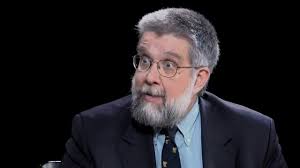
Michael Scheuer
For decades, the United States has pursued two policies in the Middle East—one based on relations with the Arab world and the other based on relations with Israel.
Policy 1: Maintaining access to vast amounts of Arab oil at low prices.
Policy 2: Maintaining the security of Israel.
Since the Arabs and Israelis hate each other, each side constantly tries to sway American support in its direction.
Every step the United States takes to defend Israel—diplomatically or militarily—ignites hatred of Americans among Islamics.
And every step—diplomatically or militarily—the United States takes to improve its relations with Islamic countries convinces Israelis that they’re being “sold out.”
In short: The United States is like a giant with one foot stuck in Israel and the other stuck in the Islamic world—leaving his private parts fully exposed to both.
This is not to deny that Israel has a right to exist. Every nation—including Israel—has the absolute right to defend itself from aggression.
But no nation—including Israel—has the right to expect another nation to act as its permanent bodyguard.
Millions of Americans believe they are morally obligated to defend Israel owing to the barbarism of the Holocaust. America, however, was never a party to this, and has nothing to atone for.
Another reason many Americans feel committed to Israel: Many fundamentalist Christians believe that, for Jesus Christ to awaken from his 2,000-year slumber, Israel must first re-conquer every inch of territory it supposedly held during the reign of Kings David and Solomon.
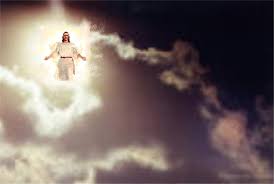
Right-wing Christian fantasy: Dead man hovering
After Christ returns, they believe, the Jews will face a choice: Become Christians or go to hell. For evangelical Christians, Jews remain the eternal “Christ killers.”
And if Jews must assume temporary control of the Middle East to bring about the return of a man who died 2,000 years ago, so be it.
This is also the view of many Right-wing members of the House of Representatives and Senate.
Unfortunately, such unbalanced views are shared by millions of equally irrational evangelical Christians.
During his October 9, 2013 appearance before the House Committee on Homeland Security, Michael Scheuer absolutely rejected the conservatives’ assertion that jihadists wage war on America because they “hate us for our freedoms.”
SCHEUER: These people are fighting for something substantive, for something religious….They are not going to fight us because we have women in the workplace.
That is an insanity. What they are fighting us about is what we do.…Invariably, they attribute their motivation to U.S. and Western military intervention and support for Israel and Muslim tyrannies.
Scheuer’s take on Israel brought him into direct conflict with Rep. Peter T. King (R-New York).
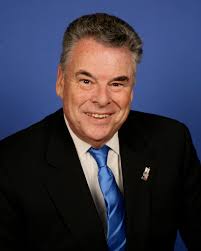
Congressman Peter T. King
KING: I would just say we would have more dead Americans if we didn’t stand by our allies in the Middle East. We would just encourage al-Qaeda to take advantage of us.
SCHEUER: You know, you are presiding over a bankruptcy. What can be worse? What has been the goal of al-Qaeda since it was formed? To bankrupt the United States. Who is winning today, sir? We are done like dinner.
KING: We are winning and we will continue to win unless we take the advice of people like you.
SCHEUER: Sir, you are exactly wrong. We are losing. Two U.S. field armies were defeated by men in the field with weapons from the Korean War.
KING: The fact is we have not been successfully attacked since September 11.
SCHEUER: The fact is, sir, we have had two military defeats overseas, which is far more important.
And, warns Scheuer, more defeats—domestic and international—lie ahead unless the United States radically changes its policies toward the Middle East.


9/11, ABC NEWS, ABDUL GHANI BARADAR, AFGHANISTAN, ALTERNET, AMERICABLOG, AP, BABY BOOMER RESISTANCE, BARACK OBAMA, BBC, BLOOMBERG NEWS, BUZZFEED, CBS NEWS, CNN, CROOKS AND LIARS, DAILY KOZ, DICK CHENEY, DONALD RUMSFELD, DONALD TRUMP, FACEBOOK, FIVETHIRTYEIGHT, GEORGE W. BUSH, HARPER’S MAGAZINE, HUFFINGTON POST, JOE BIDEN, LIZ CHENEY, MEDIA MATTERS, MOTHER JONES, MOVEON, MSNBC, NATION BUILDING, NBC NEWS, NEW REPUBLIC, NEWSDAY, NEWSWEEK, NPR, OSAMA BIN LADEN, PAKISTAN, PBS NEWSHOUR, POLITICO, POLITICUSUSA, RAW STORY, REUTERS, SALON, SEATTLE TIMES, SLATE, TA;OBAM. MUJAHIDEEN, TALKING POINTS MEMO, THE ATLANTIC, THE CHICAGO SUN-TIMES, THE CHICAGO TRIBUNE, THE DAILY BEAST, THE DAILY BLOG, THE GUARDIAN, THE HILL, THE HUFFINGTON POST, THE LOS ANGELES TIMES, THE NATION, THE NEW REPUBLIC, THE NEW YORK TIMES, THE NEW YORKER, THE VILLAGE VOICE, THE WASHINGTON POST, THINKPROGRESS, TIME, TRUTHDIG, TRUTHOUT, TWITTER, TWO POLITICAL JUNKIES, U.S. NEWS & WORLD REPORT, UPI, USA TODAY, WONKETTE
GUEST EDITORIAL: PLAYING THE BLAME GAME
In Bureaucracy, History, Military, Politics, Social commentary on August 23, 2021 at 12:09 am(1) The Bush administration: They got us into this mess with no exit strategy and then dropped the ball, failing to get Bin Laden and starting another war in Iraq. I hope the war profiteers’ profits were worth all the American (and other) lives lost. The war in Afghanistan was a rushed response to the events of 9/11. Everyone in Congress supported it except for one Representative. Barbra Lee of California voted ‘no’ because she believed we should have been cautious. She was right.
The USA ignored what happened previously to the Russians. And the irony is that we helped the resistance fighters (the Mujahideen) with arms and training which were later used against us. The Mujahideen became the Taliban.
Afghanistan
(2) The Obama administration: Obama got Bin Laden, but shortly thereafter we lost Seal Team 6 in a helicopter that was shot down by the Taliban. After that, Obama was pretty much hands off. He wanted to withdraw troops from Afghanistan, nut he got burned when he pulled us out of Iraq and the Iraqi army collapsed under pressure from ISIS. He did not want to make the same mistake. But that decision left us in limbo land. We weren’t winning, but at least we weren’t losing. The plan continued to be propping up the ineffective Afghan government and training their army.
(3) The Trump administration: Trump came into office and increased the number of troops to 14,000. But he planned to reduce the number of troops back to the level he inherited from Obama and eventually pull out entirely. They made a deal with the Taliban that did not include the Afghan government and signaled that a pullout was coming. Whatever happened to “We don’t deal with terrorists”?
No telling how the pullout would have worked under Trump, but if the Afghans folded like they did, the result would have probably been the same. Interestingly, the GOP pulled down a webpage that lauded Trump’s “Historic peace agreement with the Taliban”.
And let’s not forget that Trump negotiated the release of Abdul Ghani Baradar (one of the founders of the Taliban) from a Pakistani prison. And he’s the one who signed the peace agreement. That peace agreement was supposed to have led to discussions between the Taliban and the Afghan government, but that never happened.
(4) The Biden administration: They went along with the Trump agreement, basically giving the green light to the Taliban. The Taliban would have waited us out for a hundred years if necessary. Joe gets the blame for what happens under his watch, but he should get credit for ending an occupation that should have ended many years ago.
(5) Pakistan: They let Bin Laden and the Taliban hide. We got Bin Laden, but we couldn’t get the Taliban without starting a war with Pakistan. And they have nuclear weapons.
(6) The Afghan people: Who let the Taliban take over in the first place? They did. Who counted on the USA and others to keep them safe? They did. Who took advantage of our training and weapons, only to fold like a cheap suit against the Taliban when they were on their own? They did.
I do feel sorry for those who did what they could, but overall, there was no way they could ever defend themselves.
So, there’s plenty of blame to go around.
Biden is getting heat from both sides. The pullout is a mess, largely because of underestimating the speed at which the Taliban would take over and the collapse of both the Afghan government and Afghan army. There is fear that many of the Afghans who helped the US are in danger and they may not get out. Some people have already died trying to cling to a jet as it took off. Biden is sending more troops to cover the evacuation.
President Joseph Biden
But Biden gave an honest speech. He admitted that there were failures. He took responsibility and defended his decision instead of trying to deflect. It’s hard to imagine Trump doing the same.
Time will tell if the decision to pull out at this time was the right move. There is no denying that we have been mired in this quagmire for too long. We have wasted too many lives and too many resources.
The spin will continue. Liz Cheney hilariously blamed Obama and Trump while conveniently forgetting to mention her dad’s involvement (along with Bush and Rumsfeld) in getting us into this mess in the first place. George Bush told a German broadcaster that Biden’s order to pull out was a grave mistake. That’s like an arsonist blaming the firefighters for not handling the blaze he created.
Hopefully, we will learn from this fiasco. The moral of the story is that we shouldn’t go around and mess with others’ business when we can’t even get our own shit in order. And if we should fall into that trap again, we should at least refrain from “nation building”, which is the height of American arrogance.
__________
Ed Muurahainen is a historian, writer, and musician. He resides in Orlando, FL, where he studied psychology, political science and logic at Valencia College and the University of Central Florida.
Share this: