Archive for the ‘Business’ Category
2003 IRAQ WAR, 9/11 ATTACKS, ABC NEWS, ABORTION, ADOLF HITLER, AL-QAEDA, ALTERNET, AMERICABLOG, ANDREW CUOMO, ANTHONY FAUCI, AP, BABY BOOMER RESISTANCE, BARACK OBAMA, BLOOMBERG, BOB WOODWARD, BRENDA FITZGERALD, BUZZFEED, CARL BERNSTEIN, CBS NEWS, CENTERS FOR DISEASE CONTROL AND PREVENTION (CDC), CHICAGO, CHINA, CLOROX BLEACH, CNN, CORONAVIRUS, COVID-19, COVID-19 TEST KITS, CROOKS AND LIARS, DAILY KOZ, DAVID BROOKS, DEBORAH BIRX, DEPARTMENT OF HOMELAND SECURITY (DHS), DONALD RUMSFELD, DONALD TRUMP, DRUDGE REPORT, EBOLA, FACEBOOK, FEDERAL EMERGENCY MANAGEMENT AGENCY (FEMA), FIVETHIRTYEIGHT, FLORIDA, FORBES, FOX BUSINESS NETWORK, FOX NEWS, FOX NEWS NETWORK, FRANKLIN D. ROOSEVELT, GEORGE W. BUSH, GRETCHEN WHITMER, GROVER NORQUIST, HARPER’S MAGAZINE, HUFFINGTON POST, IMPEACHMENT, JARED KUSHNER, JAY INSLEE, JOE BIDEN, JOHN BOLTON, JOHNSON & JOHNSON VACCINE, KRISTI NOEM, KRISTIN URQUIZA, LARRY HOGAN, LOS ANGELES, LOUIS X1V, LYNDON B. JOHNSON, MALARIA, MARK ANTHONY URQUIZA, MARK SHIELDS, MARYLAND, MASKS, MASSACHUSSETS, MEDIA MATTERS, MICHIGAN, MICK MULVANEY, MIKE PENCE, MODERNA VACCINE, MOLOCH, MOTHER JONES, MOVEON, MSNBC, N95 MASKS, N95 RESPIRATORS, NATIONAL SECURITY COUNSIL (NSC), NAVY SEALS, NBC NEWS, NEW YORK, NEW YORK CITY, NEWSWEEK, NPR, NURSES, OSAMA BIN LADEN, PAULA REID, PBS NEWSHOUR, PERSONAL PROTECTIVE EQUIPMENT (PPE), PFIZER VACCINE, PHOENIX RALLY, POLITICO, POLITICUSUSA, RAW STORY, REPUBLICANS, REUTERS, RICHARD M. NIXON, ROBERT RAY REDFIELD, ROLLING STONE MAGAZINE, RUDOLPH GIULIANI, RUDY GIULIANI, SALON, SCHOOLS, SEAN HANNITY, SEAN HANNITY SHOW, SEATTLE TIMES, SLATE, SOUTH DAKOTA, STOCK MARKET, TALKING POINTS MEMO, THE ATLANTIC, THE CHICAGO SUN-TIMES, THE CHICAGO TRIBUNE, THE DAILY BEAST, THE DAILY BLOG, THE GUARDIAN, THE HILL, THE HUFFINGTON POST, THE LOS ANGELES TIMES, THE NATION, THE NATIONAL SECURITY COUNCIL, THE NEW REPUBLIC, THE NEW YORK TIMES, THE VILLAGE VOICE, THE WASHINGTON POST, THE WHITE HOUSE PANDEMIC OFFICE, THINKPROGRESS, THIRD REICH, TIM ZIEMER, TIME, TOLUSE OLORUNNIPA, TOM BOSSERT, TOM FRIEDMAN, TRISH REGAN, TRISH REGAN PRIMETIME, TRUTHDIG, TRUTHOUT, TULSA OKLAHOMA RALLY, TWITTER, TWO POLITICAL JUNKIES, U.S. NEWS & WORLD REPORT, UNITED STATES, UPI, USA TODAY, UV LIGHT, VENDORS, VENTILATORS, VIETNAM WAR, WALTER SHAUB, WASHINGTON, WASHINGTON D.C., WASHINGTON MONTHLY, WASHINGTON WEEK IN REVIEW, WATERGATE, WHITE HOUSE PANDEMIC OFFICE, WONKETTE, WORLD TRADE CENTER
In Bureaucracy, Business, History, Law, Law Enforcement, Politics, Social commentary on November 8, 2021 at 12:12 am
THE DANGERS OF TRUMP’S QUACKERY
On April 23, 2020, President Donald Trump offered his own suggestions for how COVID-19 might be prevented or cured. His proposed remedies: Ultraviolet light and disinfectant.
Medical experts found Trump’s off-the-cuff remarks no laughing matter. Several doctors warned the public against injecting disinfectant or using UV light.
“It is incomprehensible to me that a moron like this holds the highest office in the land and that there exist people stupid enough to think this is OK,” said Walter Shaub, the former director of the Office of Government Ethics. “I can’t believe that in 2020 I have to caution anyone listening to the president that injecting disinfectant could kill you.”
Faced with public ridicule, Trump canceled a White House press briefing for the first time since Easter weekend.
In a self-pitying tweet, on April 25, he wrote: “What is the purpose of having White House News Conferences when the Lamestream Media asks nothing but hostile questions, & then refuses to report the truth or facts accurately.”
The Centers for Disease Control and Prevention (CDC) had urged Americans to wear masks and keep at least six feet from their fellows. And most of the nation’s governors had issued stay-at-home orders that banned large gatherings—including visits to parks and beaches.
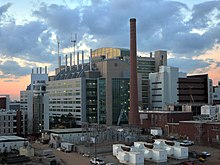
CDC headquarters in Atlanta, Georgia
TRUMP’S DEFIANCE OF SCIENCE–AND LAW
Yet President Trump openly encouraged defiance of those orders.
On April 17, he issued a series of tweets to his supporters, encouraging them to defy the law:
“LIBERATE MINNESOTA!”
“LIBERATE MICHIGAN!”
“LIBERATE VIRGINIA, and save your great 2nd Amendment. It is under siege!”
All these states had Democratic governors. Their residents were being urged to stay indoors, wear masks when they ventured outside and keep a six-feet distance between themselves and others.
These states had been targeted for Right-wing protests—featuring large numbers of men and women standing close together, with most of them not wearing masks. They claim their “freedoms” are being infringed upon.
On April 17, Trump launched his latest effort to deal with Coronavirus:
He issued a series of tweets to his supporters, encouraging them to defy the stay-at-home laws of Minnesota, Michigan and Virginia.
Trump saw the stay-at-home orders as a two-fold threat to himself:
- He couldn’t return to his hate-filled rallies until these were lifted; and
- The stock market wouldn’t start soaring again so long as the country was “locked down.”
Without his Nuremberg-style rallies and a roaring stock market, Trump faced the danger of being a one-term President.
Michigan, Minnesota and Virginia all had Democratic governors. They had urged their residents to stay indoors, wear masks when they ventured outside, and keep a six-feet distance between themselves and others.
As a result, those governors—especially Michigan’s Gretchen Whitmer—were being targeted for abuse and even death threats. And their states were facing disruptive protests by large numbers of Right-wingers standing close together, with few of them wearing masks. The protesters claimed their rights were being infringed upon.
Since the Supreme Court legalized abortion in 1973, the Right has demanded that even women who are pregnant due to rape or incest carry the fetus to term. Yet now that Right-wingers were being asked to wear masks in public—to protect themselves and others from a deadly plague—they had suddenly discovered the mantra: “It’s my body!”
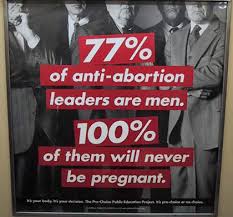
Writer Steven Pressfield summed up the immorality of these protests: “Why are we asked to wear surgical or face masks in public, to practice social distancing and to observe self-quarantining? Because these practices are not for the individual alone but for the protection of the whole [community].”
Washington Governor Jay Inslee tweeted: “The president’s statements this morning encourage illegal and dangerous acts. He is putting millions of people in danger of contracting COVID-19.
“His unhinged rantings and calls for people to ‘liberate’ states could also lead to violence. We’ve seen it before.”
Once states across the country began “reopening,” Trump scheduled his first 2020 re-election rally in Tulsa, Oklahoma.
It was held on June 20 at the BOK Center.
Scientists had learned that Coronavirus is more likely to be transmitted indoors than outdoors, when masses of people are packed together, and when people are loudly talking—or, worse, shouting. This is especially true when they’re not wearing masks.
Masks were available for those who wanted them, but Trump made it clear that his supporters shouldn’t wear masks, as a sign of support for him. Thus, his egomania literally put the lives of his most devoted followers at risk.
Photos of the rally showed men and women densely packed together, with none of them wearing masks.
The Trump campaign boasted that 100,000 people would turn up. To its embarrassment, fewer than 6,200 did. Even worse: At least eight event staff members, including two who were at the rally, later tested positive for COVID-19.
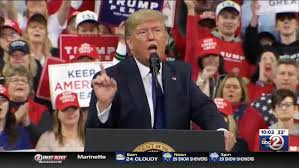
A Trump rally
The Tulsa event was followed by another indoor rally in Phoenix on June 23. “Students for Trump” featured a packed crowd, with almost no one wearing masks.
Then, to celebrate Independence Day, Trump scheduled yet another rally at Mount Rushmore, in Keystone, South Dakota, on July 3.
2003 IRAQ WAR, 9/11 ATTACKS, ABC NEWS, ABORTION, ADOLF HITLER, AL-QAEDA, ALTERNET, AMERICABLOG, ANDREW CUOMO, ANTHONY FAUCI, AP, BABY BOOMER RESISTANCE, BARACK OBAMA, BLOOMBERG, BOB WOODWARD, BRENDA FITZGERALD, BUZZFEED, CARL BERNSTEIN, CBS NEWS, CENTERS FOR DISEASE CONTROL AND PREVENTION (CDC), CHICAGO, CHINA, CLOROX BLEACH, CNN, CORONAVIRUS, COVID-19, COVID-19 TEST KITS, CROOKS AND LIARS, DAILY KOZ, DAVID BROOKS, DEBORAH BIRX, DEPARTMENT OF HOMELAND SECURITY (DHS), DONALD TRUMP, DRUDGE REPORT, EBOLA, FACEBOOK, FEDERAL EMERGENCY MANAGEMENT AGENCY (FEMA), FIVETHIRTYEIGHT, FLORIDA, FORBES, FOX BUSINESS NETWORK, FOX NEWS, FOX NEWS NETWORK, FRANKLIN D. ROOSEVELT, GEORGE W. BUSH, GRETCHEN WHITMER, GROVER NORQUIST, HARPER’S MAGAZINE, HUFFINGTON POST, IMPEACHMENT, JARED KUSHNER, JAY INSLEE, JOE BIDEN, JOHN BOLTON, JOHNSON & JOHNSON VACCINE, KRISTI NOEM, KRISTIN URQUIZA, LARRY HOGAN, LOS ANGELES, LOUIS X1V, LYNDON B. JOHNSON, MALARIA, MARK ANTHONY URQUIZA, MARK SHIELDS, MARYLAND, MASKS, MASSACHUSSETS, MEDIA MATTERS, MICHIGAN, MICK MULVANEY, MIKE PENCE, MODERNA VACCINE, MOLOCH, MOTHER JONES, MOVEON, MSNBC, N95 MASKS, N95 RESPIRATORS, NATIONAL SECURITY COUNSIL (NSC), NAVY SEALS, NBC NEWS, NEW YORK, NEW YORK CITY, NEWSWEEK, NPR, NURSES, OSAMA BIN LADEN, PAULA REID, PBS NEWSHOUR, PERSONAL PROTECTIVE EQUIPMENT (PPE), PFIZER VACCINE, PHOENIX RALLY, POLITICO, POLITICUSUSA, RAW STORY, REPUBLICANS, REUTERS, RICHARD M. NIXON, ROBERT RAY REDFIELD, ROLLING STONE MAGAZINE, RUDOLPH GIULIANI, RUDY GIULIANI, SALON, SCHOOLS, SEAN HANNITY, SEAN HANNITY SHOW, SEATTLE TIMES, SLATE, SOUTH DAKOTA, STOCK MARKET, TALKING POINTS MEMO, THE ATLANTIC, THE CHICAGO SUN-TIMES, THE CHICAGO TRIBUNE, THE DAILY BEAST, THE DAILY BLOG, THE GUARDIAN, THE HILL, THE HUFFINGTON POST, THE LOS ANGELES TIMES, THE NATION, THE NATIONAL SECURITY COUNCIL, THE NEW REPUBLIC, THE NEW YORK TIMES, THE VILLAGE VOICE, THE WASHINGTON POST, THE WHITE HOUSE PANDEMIC OFFICE, THINKPROGRESS, THIRD REICH, TIM ZIEMER, TIME, TOLUSE OLORUNNIPA, TOM BOSSERT, TOM FRIEDMAN, TRISH REGAN, TRISH REGAN PRIMETIME, TRUTHDIG, TRUTHOUT, TULSA OKLAHOMA RALLY, TWITTER, TWO POLITICAL JUNKIES, U.S. NEWS & WORLD REPORT, UNITED STATES, UPI, USA TODAY, UV LIGHT, VENDORS, VENTILATORS, VIETNAM WAR, WALTER SHAUB, WASHINGTON, WASHINGTON D.C., WASHINGTON MONTHLY, WASHINGTON WEEK IN REVIEW, WATERGATE, WHITE HOUSE PANDEMIC OFFICE, WONKETTE, WORLD TRADE CENTER
In Bureaucracy, Business, History, Law, Law Enforcement, Politics, Social commentary on November 5, 2021 at 12:35 am
The Trump administration seized vitally-needed medical supplies in at least seven states. FEMA did not publicly report the thefts, despite the outlay of millions of dollars of taxpayer money. Nor did the administration explain how it decided which supplies to seize and where to reroute them.

SEIZING STATES’ MEDICAL SUPPLIES
The Federal Government did not inform states whose supplies it seized if they would receive the materials they ordered and paid for. That fueled concerns about whether the Trump administration was fairly distributing scarce medical supplies.
“We can’t get any answers,” said a California hospital official who asked not to be identified for fear of retaliation from the White House.
President Donald Trump said it was the states’ responsibility to obtain critically-needed medical supplies. But when they weren’t outbid by the Federal Government, hospital systems and states found their shipments of medical supplies seized with no explanation.
Where did those supplies go?
To China?
To Trump’s private warehouses?
To Jared Kushner, Trump’s son-in-law, for sale on the black market?
No one as yet knows.
A March 2 Washington Monthly story concluded ominously: “What if the White House simply gives all the masks and ventilators to red states and counties, leaving blue ones to struggle? What mechanisms of accountability are left?
“U.S. democracy wasn’t set up to deal with a president openly behaving like a James Bond villain while being protected by a political party behaving more like a mafia than a civic institution.”
PROPAGANDA AS “NEWS”
After Easter weekend, Trump began holding daily press briefings at the White House.
Their official purpose: To update the country on the administration’s ongoing response to the Coronavirus pandemic.
Their real purpose: To serve as a substitute for Trump’s hate-filled political rallies, which resembled those staged by Germany’s Fuhrer, Adolf Hitler, at Nuremberg.
These had been temporarily cancelled due to demands for social distancing to stem the rising tide of the COVID-19 pandemic. That had been Trump’s primary reason for seeking to end social distancing.
The White House tried hard to stage-manage these appearances. For example, on April 14, 2020, Trump interrupted the question-and-answer session by cutting to a White House-produced video to try to shame the media for critical coverage of his response to the crisis.
On April 26, The New York Times ran a story entitled: “Self-praise, hubris and self-pity: Examining 260,000 words about the Coronavirus from President Trump.” Summing up the image that Trump has tried to present of himself to the world, the Times concluded:
“The self-regard, the credit-taking, the audacious rewriting of recent history to cast himself as the hero of the pandemic rather than the president who was slow to respond: Such have been the defining features of Trump’s use of the bully pulpit during the coronavirus outbreak….
“By far the most recurring utterances from Trump in the [White House] briefings are self-congratulations, roughly 600 of them, which are often predicated on exaggerations and falsehoods….
“Trump’s attempts to display empathy or appeal to national unity (about 160 instances) amount to only a quarter of the number of times he complimented himself or a top member of his team.”
QUACKERY AS “MEDICINE”
On April 23, Trump ventured into the equivalent of a PR minefield—and stepped on a mine of his own making.
After musing on new government research into how the virus reacts to different temperatures, climates and surfaces, Trump said: “So I asked Bill [William N. Bryan, acting Under Secretary for Science and Technology at the Department of Homeland Security] a question….
“So, supposing we hit the body with a tremendous—whether it’s ultraviolet or just very powerful light—and I think you said that that hasn’t been checked, but you’re going to test it. And then I said, supposing you brought the light inside the body, which you can do either through the skin or in some other way, and I think you said you’re going to test that too. It sounds interesting.
“And then I see the disinfectant, where it knocks it out in a minute. One minute! And is there a way we can do something like that, by injection inside or almost a cleaning. Because you see it gets in the lungs and it does a tremendous number on the lungs. So it would be interesting to check that. So, that, you’re going to have to use medical doctors with. But it sounds interesting to me.”
Trump was clearly seeking agreement with his latest medical theory. But Dr. Deborah Birx, the Coronavirus Task Force response coordinator, remained silent.
The Internet—and medical experts—did not.
On Twitter—the social media platform Trump routinely uses to attack everyone he hates—his suggestion that injecting disinfectants could treat Coronavirus drew scorn and ridicule.
One tweet showed Trump as a doctor hovering over a patient and saying: “Once I’ve pumped you full of disinfectant, I’ll zap you with this UV torch until you’re cured.”
Another meme featured Trump as Marie Antoinette saying: “Let them eat Clorox.”
Medical experts found Trump’s off-the-cuff remarks no laughing matter. Several doctors warned the public against injecting disinfectant or using UV light.
2003 IRAQ WAR, 9/11 ATTACKS, ABC NEWS, ABORTION, ADOLF HITLER, AL-QAEDA, ALTERNET, AMERICABLOG, ANDREW CUOMO, ANTHONY FAUCI, AP, BABY BOOMER RESISTANCE, BARACK OBAMA, BLOOMBERG, BOB WOODWARD, BRENDA FITZGERALD, BUZZFEED, CARL BERNSTEIN, CBS NEWS, CENTERS FOR DISEASE CONTROL AND PREVENTION (CDC), CHICAGO, CHINA, CLOROX BLEACH, CNN, CORONAVIRUS, COVID-19, COVID-19 TEST KITS, CROOKS AND LIARS, DAILY KOZ, DAVID BROOKS, DEBORAH BIRX, DEPARTMENT OF HOMELAND SECURITY, DEPARTMENT OF HOMELAND SECURITY (DHS), DONALD TRUMP, DRUDGE REPORT, EBOLA, FACEBOOK, FEDERAL EMERGENCY MANAGEMENT AGENCY (FEMA), FIVETHIRTYEIGHT, FLORIDA, FORBES, FOX BUSINESS NETWORK, FOX NEWS, FOX NEWS NETWORK, FRANKLIN D. ROOSEVELT, GEORGE W. BUSH, GRETCHEN WHITMER, GROVER NORQUIST, HARPER’S MAGAZINE, HUFFINGTON POST, IMPEACHMENT, JARED KUSHNER, JAY INSLEE, JOE BIDEN, JOHN BOLTON, JOHNSON & JOHNSON VACCINE, KRISTI NOEM, KRISTIN URQUIZA, LARRY HOGAN, LOS ANGELES, LOUIS X1V, LYNDON B. JOHNSON, MALARIA, MARK ANTHONY URQUIZA, MARK SHIELDS, MARYLAND, MASKS, MASSACHUSSETS, MEDIA MATTERS, MICHIGAN, MICK MULVANEY, MIKE PENCE, MODERNA VACCINE, MOLOCH, MOTHER JONES, MOVEON, MSNBC, N95 MASKS, N95 RESPIRATORS, NATIONAL SECURITY COUNSIL (NSC), NAVY SEALS, NBC NEWS, NEW YORK, NEW YORK CITY, NEWSWEEK, NPR, NURSES, OSAMA BIN LADEN, PAULA REID, PBS NEWSHOUR, PERSONAL PROTECTIVE EQUIPMENT (PPE), PFIZER VACCINE, PHOENIX RALLY, POLITICO, POLITICUSUSA, RAW STORY, REPUBLICANS, REUTERS, RICHARD M. NIXON, ROBERT RAY REDFIELD, ROLLING STONE MAGAZINE, RUDOLPH GIULIANI, RUDY GIULIANI, SALON, SCHOOLS, SEAN HANNITY, SEAN HANNITY SHOW, SEATTLE TIMES, SLATE, SOUTH DAKOTA, STOCK MARKET, TALKING POINTS MEMO, THE ATLANTIC, THE CHICAGO SUN-TIMES, THE CHICAGO TRIBUNE, THE DAILY BEAST, THE DAILY BLOG, THE GUARDIAN, THE HILL, THE HUFFINGTON POST, THE LOS ANGELES TIMES, THE NATION, THE NATIONAL SECURITY COUNCIL, THE NEW REPUBLIC, THE NEW YORK TIMES, THE VILLAGE VOICE, THE WASHINGTON POST, THE WHITE HOUSE PANDEMIC OFFICE, THINKPROGRESS, THIRD REICH, TIM ZIEMER, TIME, TOLUSE OLORUNNIPA, TOM BOSSERT, TOM FRIEDMAN, TRISH REGAN, TRISH REGAN PRIMETIME, TRUTHDIG, TRUTHOUT, TULSA OKLAHOMA RALLY, TWITTER, TWO POLITICAL JUNKIES, U.S. NEWS & WORLD REPORT, UNITED STATES, UPI, USA TODAY, UV LIGHT, VENDORS, VENTILATORS, VIETNAM WAR, WALTER SHAUB, WASHINGTON, WASHINGTON D.C., WASHINGTON MONTHLY, WASHINGTON WEEK IN REVIEW, WATERGATE, WHITE HOUSE PANDEMIC OFFICE, WONKETTE, WORLD TRADE CENTER
In Bureaucracy, Business, History, Law, Law Enforcement, Politics, Social commentary on November 4, 2021 at 12:59 pm
“O happy posterity, who will look upon our testimony as a fable. Will posterity believe that there was a time when, with no deluge from heaven, no worldwide conflagration, no wars….but almost the whole earth was depopulated? Was such a disaster ever seen, even heard of?”
—Francesco Petrach, poet and witness to The Black Death
Like Nazi Germany’s Fuhrer, Adolf Hitler, President Donald Trump liked to pit individuals and organizations against each other. Hitler, for example, would assign several agencies to tackle the same problem: “That way, the stronger one gets the job done,” he told his architect, Albert Speer.
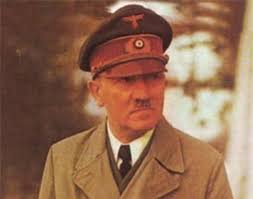
Adolf Hitler
PITTING CITIES AND STATES AGAINST EACH OTHER
This created needless duplication of efforts and wasted resources. But it ensured that Trump—like Hitler—remained the final voice of authority, since so many others were competing for his favor and direction.
This did not, however, help the 50 states that comprise the United States of America.
During the Great Depression, President Franklin D. Roosevelt intervened powerfully to ensure that all Americans received the help they needed.
Trump demanded that each state was responsible for securing its needed supply of Personal Protective Equipment (PPEs) for its doctors and nurses aiding Coronavirus patients. This created a dog-eat-dog atmosphere of cutthroat competition and scarcity, with Americans fighting the virus and each other.
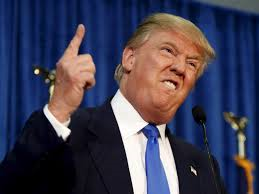
Donald Trump
USING A PLAGUE TO DESTROY AMERICANS
Even worse: Trump and Republicans turned a deadly plague into a weapon against those Americans they hated.
On March 26, 2020, during an interview on Fox News, Trump blamed the failures of his administration’s response to Coronavirus on Democratic state governors like Andrew Cuomo (NY), Jay Inslee (WA), and Gretchen Whitmer (MI).
On March 27, during his press briefing, Trump said he told Vice President Mike Pence—officially in charge of the White House’s response effort—to not call Inslee and Whitmer because they weren’t “appreciative” enough of his efforts.
Trump said this even as hospitals in each of their states were being overwhelmed with Coronavirus patients:
“I tell him—I mean I’m a different type of person—I say, ‘Mike, don’t call the governor in Washington, you’re wasting your time with him. Don’t call the woman in Michigan. If they don’t treat you right, I don’t call.”
At his March 27 press briefing, Trump echoed French King Louis X1V’s infamous remark—“I am the State”: “When they’re [governors] not appreciative to me, they’re not appreciative to the Army Corps, they’re not appreciative to FEMA [Federal Emergency Management Agency]. It’s not right.”
On that same day, Trump attacked Michigan Governor Gretchen Whitmer on Right-wing Fox News’ “Sean Hannity Show”: “I don’t know if she knows what’s going on, but all she does is sit there and blame the Federal Government.”
On March 27, Michigan Governor Gretchen Whitmer told a local radio station: “What I’ve gotten back is that vendors with whom we’ve procured contracts—they’re being told not to send stuff to Michigan. It’s really concerning. I reached out to the White House last night and asked for a phone call with the president, ironically at the time this stuff was going on.”
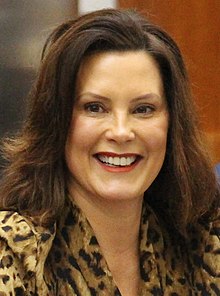
Gretchen Whitmer
A March 29 story in the Washington Monthly shed light on what lay behind Whitmer’s inability to secure desperately-needed ventilators from her longtime vendors. Its headline ran: “What If Trump Decides to Save Republicans But Not Democrats?”
A sub-headline read: “He’s providing vital resources to red states and ignoring blue states.”
Florida submitted a request to FEMA on March 11 for 430,000 surgical masks, 180,000 N95 respirators, 82,000 face shields and 238,000 gloves—and received a shipment with everything three days later.
On Fox News, Rudy Giuliani, Trump’s personal lawyer, bluntly told governors: “Take the blame when you have to. When you play with your boss, sometimes it’s better when you don’t win the golf game. He’s the boss, he’s got all the resources.”
Translation: Suck up to the capo’s ego if you want to survive.

The Black Hand
SEIZING STATES’ MEDICAL SUPPLIES
Trump didn’t simply refuse to provide states with vitally-needed medical supplies—he illegally seized those supplies that states had ordered.
An April 20 Forbes story offered frightening insight into the tyrannical reach of the Trump administration. Entitled, “Maryland Gov. Hogan Takes Extraordinary Steps to Keep Feds From Confiscating COVID Tests,” the story unfolds like a spy thriller.
Governor Larry Hogan had heard reports that the federal government had confiscated crucial medical supplies from other states—like Massachusetts.
After obtaining 500,000 test kits from South Korea, Hogan ordered them flown into Baltimore–Washington International Airport rather than the larger Dulles International Airport in Virginia. From there they were escorted under guard to a secret location and constantly protected by the National Guard.
As they were sent out for distribution across the state, the tests remained under protection by the National Guard and state police.
The precautions were absolutely necessary. Hospitals in Florida and California reported that FEMA had seized their supplies without explanation.
Massachusetts ordered three million masks that were confiscated by the Federal Government at the Port of New York. This forced the state to ask New England Patriots’ owner Robert Kraft to use his team plane to fly in one million N95 masks from China.
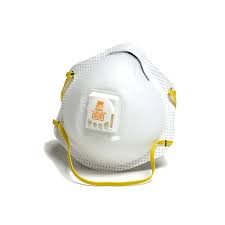
N95 mask
2003 IRAQ WAR, 9/11 ATTACKS, ABC NEWS, ABORTION, ADOLF HITLER, AL-QAEDA, ALTERNET, AMERICABLOG, ANDREW CUOMO, ANTHONY FAUCI, AP, BABY BOOMER RESISTANCE, BARACK OBAMA, BLOOMBERG, BOB WOODWARD, BRENDA FITZGERALD, BUZZFEED, CARL BERNSTEIN, CBS NEWS, CENTERS FOR DISEASE CONTROL AND PREVENTION (CDC), CHICAGO, CHINA, CLOROX BLEACH, CNN, CORONAVIRUS, COVID-19, COVID-19 TEST KITS, CROOKS AND LIARS, DAILY KOZ, DAVID BROOKS, DEBORAH BIRX, DEPARTMENT OF HOMELAND SECURITY (DHS), DONALD TRUMP, DRUDGE REPORT, EBOLA, FACEBOOK, FEDERAL EMERGENCY MANAGEMENT AGENCY (FEMA), FIVETHIRTYEIGHT, FLORIDA, FORBES, FOX BUSINESS NETWORK, FOX NEWS, FOX NEWS NETWORK, FRANKLIN D. ROOSEVELT, GEORGE W. BUSH, GRETCHEN WHITMER, GROVER NORQUIST, HARPER’S MAGAZINE, HUFFINGTON POST, IMPEACHMENT, JARED KUSHNER, JAY INSLEE, JOE BIDEN, JOHN BOLTON, JOHNSON & JOHNSON VACCINE, KRISTI NOEM, KRISTIN URQUIZA, LARRY HOGAN, LOS ANGELES, LOUIS X1V, LYNDON B. JOHNSON, MALARIA, MARK ANTHONY URQUIZA, MARK SHIELDS, MARYLAND, MASKS, MASSACHUSSETS, MEDIA MATTERS, MICHIGAN, MICK MULVANEY, MIKE PENCE, MODERNA VACCINE, MOLOCH, MOTHER JONES, MOVEON, MSNBC, N95 MASKS, N95 RESPIRATORS, NATIONAL SECURITY COUNSIL (NSC), NAVY SEALS, NBC NEWS, NEW YORK, NEW YORK CITY, NEWSWEEK, NPR, NURSES, OSAMA BIN LADEN, PAULA REID, PBS NEWSHOUR, PERSONAL PROTECTIVE EQUIPMENT (PPE), PFIZER VACCINE, PHOENIX RALLY, POLITICO, POLITICUSUSA, RAW STORY, REPUBLICANS, REUTERS, RICHARD M. NIXON, ROBERT RAY REDFIELD, ROLLING STONE MAGAZINE, RUDOLPH GIULIANI, RUDY GIULIANI, SALON, SCHOOLS, SEAN HANNITY, SEAN HANNITY SHOW, SEATTLE TIMES, SLATE, SOUTH DAKOTA, STOCK MARKET, TALKING POINTS MEMO, THE ATLANTIC, THE CHICAGO SUN-TIMES, THE CHICAGO TRIBUNE, THE DAILY BEAST, THE DAILY BLOG, THE GUARDIAN, THE HILL, THE HUFFINGTON POST, THE LOS ANGELES TIMES, THE NATION, THE NATIONAL SECURITY COUNCIL, THE NEW REPUBLIC, THE NEW YORK TIMES, THE VILLAGE VOICE, THE WASHINGTON POST, THE WHITE HOUSE PANDEMIC OFFICE, THINKPROGRESS, THIRD REICH, TIM ZIEMER, TIME, TOLUSE OLORUNNIPA, TOM BOSSERT, TOM FRIEDMAN, TRISH REGAN, TRISH REGAN PRIMETIME, TRUTHDIG, TRUTHOUT, TULSA OKLAHOMA RALLY, TWITTER, TWO POLITICAL JUNKIES, U.S. NEWS & WORLD REPORT, UNITED STATES, UPI, USA TODAY, UV LIGHT, VENDORS, VENTILATORS, VIETNAM WAR, WALTER SHAUB, WASHINGTON, WASHINGTON D.C., WASHINGTON MONTHLY, WASHINGTON WEEK IN REVIEW, WATERGATE, WHITE HOUSE PANDEMIC OFFICE, WONKETTE, WORLD TRADE CENTER
In Bureaucracy, Business, History, Law, Law Enforcement, Politics, Social commentary on November 3, 2021 at 9:03 am
WHAT TRUMP SAID IN PUBLIC
From January to early March, 2020, President Donald Trump and his allies within the Republican party and Fox News Network repeatedly assured Americans they had nothing to fear.
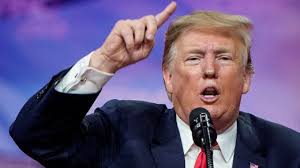
Donald Trump
Barnstorming the country in a series of hate-filled political rallies, Trump told his supporters:
- January 22: “We have it totally under control. It’s one person coming in from China.”
- February 2: “We pretty much shut it down coming in from China. It’s going to be fine.”
- February 24: “The Coronavirus is very much under control in the USA.”
- February 25: “CDC & my administration are doing a GREAT job of handling Coronavirus.”
- February 25: “I think that’s a problem that’s going to go away. They have studied it. They know very much. In fact, we’re very close to a vaccine.”
- February 26: “The 15 cases within a couple of days is going to be down to close to zero.”
- February 26: “We’re going very substantially down, not up.”
- February 27: “One day it’s like a miracle, it will disappear.”
- February 28: “We’re ordering a lot of supplies. We’re ordering a lot of, uh, elements that frankly we wouldn’t be ordering unless it was something like this. But we’re ordering a lot of different elements of medical.”
- February 28: “Now the Democrats are politicizing the Coronavirus….We did one of the great jobs….One of my people came up to me and said, ‘Mr. President, they tried to beat you on Russia, Russia, Russia’….They couldn’t do it. They tried the impeachment hoax….It’s all turning, they lost….And this is their new hoax.”
- March 4: “If we have thousands of people that get better just by, you know, sitting around and even going to work—some of them go to work, but they get better.”
- March 6: “I think we’re doing a really good job in this country of keeping it down. A tremendous job of keeping it down.”
- March 6: “Anybody right now, and yesterday, anybody that needs a test gets a test. And the tests are beautiful.”
- March 6: “I like this stuff. I really get it. People are surprised that I understand it. Every one of these doctors said, ‘How do you know so much about this?’ Maybe I have a natural ability. Maybe I should have done that instead of running for President.”
- March 8: “We have a perfectly coordinated and fine tuned plan at the White House for our attack on Coronavirus.”
- March 9: “The Fake News Media and their partner, the Democrat Party, is doing everything within its semi-considerable power (it used to be greater!) to inflame the CoronaVirus situation, far beyond what the facts would warrant. Surgeon General, The risk is low to the average American.”
- March 10: “It will go away. Just stay calm. It will go away.”
Acting as Trump’s propaganda arm was Fox News Network. 
As late as March 9, Trish Regan, host of Trish Regan Primetime on the Fox Business Network, attacked not the virus but those who did not share her fervent embrace of Donald Trump.
“We’ve reached a tipping point,” said Regan. “The hate is boiling. Many in the liberal media are using Coronavirus in an attempt to demonize and destroy the President, despite the virus originating halfway around the world.
“This is yet another attempt to impeach the President. And sadly, it seems the left cares little for any of the destruction they leave in their wake, including losses in the stock market. This, unfortunately, is all just part of the political casualties for them.
“This is impeachment all over again. And like with the Mueller investigation, like with Ukraine-gate, they don’t care who they hurt. Whether it be their need to create mass hysteria to encourage a market sell-off unlike anything we’ve seen recently, or whether it be to create mass hysteria to stop our economy dead in its tracks, don’t kid yourself. They told us how much they crave a recession as a way to get rid of Donald Trump.”
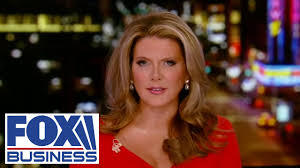
Trish Regan
To make certain no one in the television audience missed the point, an electronically generated caption read: “Coronavirus Impeachment Scam.”
Actually, with the virus spreading quickly throughout at least 33 states, the risk was not low to the average American. It was not the news that was fake, but the lies and ignorance Trump and Fox were spewing.
Then, on March 14, Fox Business Network announced that Regan’s program would be on “hiatus” until further notice. The reason: Her comments had “triggered” an avalanche of criticism—from Coronavirus victims, their families and people angered at being blatantly lied to.
During the vital months of January and February, Republicans refused to challenge Trump’s refusal to take the virus seriously—before it gained a foothold in the United States.
The reason: They had utterly tied themselves to him since the 2018 mid-term elections, where many moderate Republicans lost their seats.
According to Toluse Olorunnipa, White House reporter for The Washington Post: “They have realized that if they’re going to keep their seats, if they’re going to be able to have any future in the party, they have to be completely tied to President Trump and really wait for his call in terms of what exactly they’re going to do.”
2003 IRAQ WAR, 9/11 ATTACKS, ABC NEWS, ABORTION, ADOLF HITLER, AL-QAEDA, ALTERNET, AMERICABLOG, ANDREW CUOMO, ANTHONY FAUCI, AP, BABY BOOMER RESISTANCE, BARACK OBAMA, BLOOMBERG, BOB WOODWARD, BRENDA FITZGERALD, BUZZFEED, CARL BERNSTEIN, CBS NEWS, CENTERS FOR DISEASE CONTROL AND PREVENTION (CDC), CHICAGO, CHINA, CLOROX BLEACH, CNN, CORONAVIRUS, COVID-19, COVID-19 TEST KITS, CROOKS AND LIARS, DAILY KOZ, DAVID BROOKS, DEBORAH BIRX, DEPARTMENT OF HOMELAND SECURITY (DHS), DONALD TRUMP, DRUDGE REPORT, EBOLA, FACEBOOK, FEDERAL EMERGENCY MANAGEMENT AGENCY (FEMA), FIVETHIRTYEIGHT, FLORIDA, FORBES, FOX BUSINESS NETWORK, FOX NEWS, FOX NEWS NETWORK, FRANKLIN D. ROOSEVELT, GEORGE W. BUSH, GRETCHEN WHITMER, GROVER NORQUIST, HARPER’S MAGAZINE, HUFFINGTON POST, IMPEACHMENT, JARED KUSHNER, JAY INSLEE, JOE BIDEN, JOHN BOLTON, JOHNSON & JOHNSON VACCINE, KRISTI NOEM, KRISTIN URQUIZA, LARRY HOGAN, LOS ANGELES, LOUIS X1V, LYNDON B. JOHNSON, MALARIA, MARK ANTHONY URQUIZA, MARK SHIELDS, MARYLAND, MASKS, MASSACHUSSETS, MEDIA MATTERS, MICHIGAN, MICK MULVANEY, MIKE PENCE, MODERNA VACCINE, MOLOCH, MOTHER JONES, MOVEON, MSNBC, N95 MASKS, N95 RESPIRATORS, NATIONAL SECURITY COUNSIL (NSC), NAVY SEALS, NBC NEWS, NEW YORK, NEW YORK CITY, NEWSWEEK, NPR, NURSES, OSAMA BIN LADEN, PAULA REID, PBS NEWSHOUR, PERSONAL PROTECTIVE EQUIPMENT (PPE), PFIZER VACCINE, PHOENIX RALLY, POLITICO, POLITICUSUSA, RAW STORY, REPUBLICANS, REUTERS, RICHARD M. NIXON, ROBERT RAY REDFIELD, ROLLING STONE MAGAZINE, RUDOLPH GIULIANI, RUDY GIULIANI, SALON, SCHOOLS, SEAN HANNITY, SEAN HANNITY SHOW, SEATTLE TIMES, SLATE, SOUTH DAKOTA, STOCK MARKET, TALKING POINTS MEMO, THE ATLANTIC, THE CHICAGO SUN-TIMES, THE CHICAGO TRIBUNE, THE DAILY BEAST, THE DAILY BLOG, THE GUARDIAN, THE HILL, THE HUFFINGTON POST, THE LOS ANGELES TIMES, THE NATION, THE NATIONAL SECURITY COUNCIL, THE NEW REPUBLIC, THE NEW YORK TIMES, THE VILLAGE VOICE, THE WASHINGTON POST, THE WHITE HOUSE PANDEMIC OFFICE, THINKPROGRESS, THIRD REICH, TIM ZIEMER, TIME, TOLUSE OLORUNNIPA, TOM BOSSERT, TOM FRIEDMAN, TRISH REGAN, TRISH REGAN PRIMETIME, TRUTHDIG, TRUTHOUT, TULSA OKLAHOMA RALLY, TWITTER, TWO POLITICAL JUNKIES, U.S. NEWS & WORLD REPORT, UNITED STATES, UPI, USA TODAY, UV LIGHT, VENDORS, VENTILATORS, VIETNAM WAR, WALTER SHAUB, WASHINGTON, WASHINGTON D.C., WASHINGTON MONTHLY, WASHINGTON WEEK IN REVIEW, WATERGATE, WHITE HOUSE PANDEMIC OFFICE, WONKETTE, WORLD TRADE CENTER
In Bureaucracy, Business, History, Law, Law Enforcement, Politics, Social commentary on November 2, 2021 at 9:06 am
“I hope everyone remembers when they’re getting the COVID-19 (often referred to as the China Virus) Vaccine, that if I wasn’t President, you wouldn’t be getting that beautiful ‘shot’ for 5 years, at best, and probably wouldn’t be getting it at all. I hope everyone remembers!”
—Donald Trump, March 10, 2021
COVID-19 has so far infected 29.2 million Americans and killed 529,000 others.
With the pandemic appearing to reach its end—at least in the United States—Americans will soon revert to one of their favorite pastimes: Forgetting events that caused them unpleasantness.
But this should not be forgotten: The catastrophe that has overtaken the United States is the inevitable result of a confluence between natural disaster and an evil and incompetent administration.
In this case, COVID-19 served as the natural disaster. And President Donald Trump served as the head of an evil and incompetent administration.
The seeds of that catastrophe were planted early—by Trump himself.
First: Upon taking office in 2017, Trump gutted the permanent epidemic monitoring and command groups set up inside the White House: The National Security Council (NSC) and the Department of Homeland Security (DHS).
In 2014, following the Ebola outbreak in West Africa, President Barack Obama had created the White House Pandemic Office, run by the White House’s National Security Council (NSC).
Heading it was Rear Admiral Tim Ziemer. Under President George W. Bush, he had successfully fought malaria overseas. His topflight team of infectious disease and public health experts was creating a national bio-defense strategy. Their goal: Coordinate agencies to make the United States more resilient to the threat of epidemics and biological warfare.
Rear Admiral Timothy Ziemer, who headed the unit, was reassigned.
Neither the NSC nor the DHS epidemic team has been replaced.
The global health section of the CDC was decimated, and had to reduce the number of countries it was monitoring from 49 to 10.
So why did Trump do this?
Pathologically jealous of President Barack Obama, Trump—a lifelong racist—tried to destroy every vestige of Obama’s legacy as the first black President of the United States.
Chief among these actions: Making repeated efforts to undermine—and ultimately destroy—the Affordable Care Act, otherwise known as “Obamacare.” Under this expanded, Federally-subsidized insurance program, 28 million Americans who previously could not afford medical care are now receiving it.

Barack Obama
Second: In 2017—the year Trump assumed office—nearly 700 positions remained vacant at the Centers for Disease Control and Prevention (CDC) because Trump imposed a hiring freeze.
This affected programs supporting local and state public health emergency readiness, infectious disease control and chronic disease prevention.
Making the situation worse: The CDC’s director, Tom Friedman, stepped down in January, 2017, and it wasn’t until July that the agency got another one: Brenda Fitzgerald. But she served only until January, 2018. She was succeeded—two months later—by Robert Ray Redfield, Jr. He has been the director since then.
The post of director of the CDC is considered one of the most crucial public health positions in the government. The CDC is charged with tracking and preventing infectious disease outbreaks in the United States and worldwide.
CDC headquarters in Atlanta, Georgia
Third: In the spring of 2018, Trump pushed Congress to cut $15 billion from national health spending—and cutting the global disease-fighting budgets of the Centers for Disease Control, National Security Council, Department of Homeland Security and the Department of Health and Human Services.
In April, 2018, then-National Security Adviser John Bolton forced Tom Bossert, director of the infectious disease unit at DHS, to resign—along with his entire team.
It’s popular to assume that Trump did all of this out of mere ignorance—and there’s plenty of proof of his ignorance in many areas (such as attributing windmills to causing cancer). But far more was at work here.
Fourth The vast majority of those who voted for Trump believe that the Federal Government is evil and its agencies that regulate business should be eliminated.
An example of this constituency is Grover Norquist, founder and president of Americans for Tax Reform, which opposes all tax increases and has forced most Republicans to publicly pledge they will as well, under any circumstances.
His most famous quote: “I’m not in favor of abolishing the government. I just want to shrink it down to the size where we can drown it in the bathtub.”
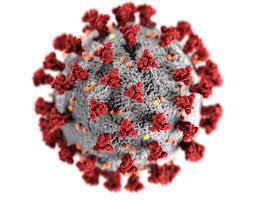
Coronavirus
According to the March 21, 2020 edition of Rolling Stone magazine: “The United States intelligence community has been warning the president since January and February about the dire consequences that would occur when coronavirus reached America, but the president seemed determined to play down the threat, leaving the country largely unaware and unprepared.”
An anonymous Intelligence official cited by the Washington Post said: “Donald Trump may not have been expecting this, but a lot of other people in the government were—they just couldn’t get him to do anything about it. The system was blinking red.”
Trump first learned of the virus on January 3, 2020. This did not prevent him from playing golf on January 4, 5, 18 and 19.
On January 19, the first Coronavirus case appeared in the United States.
On February 29, the first American died of Coronavirus.
2003 IRAQ WAR, 9/11 ATTACKS, ABC NEWS, ABORTION, ADOLF HITLER, AL-QAEDA, ALTERNET, AMERICABLOG, ANDREW CUOMO, ANTHONY FAUCI, AP, BABY BOOMER RESISTANCE, BARACK OBAMA, BLOOMBERG, BOB WOODWARD, BRENDA FITZGERALD, BUZZFEED, CARL BERNSTEIN, CBS NEWS, CENTERS FOR DISEASE CONTROL AND PREVENTION (CDC), CHICAGO, CHINA, CLOROX BLEACH, CNN, CORONAVIRUS, COVID-19, COVID-19 TEST KITS, CROOKS AND LIARS, DAILY KOZ, DAVID BROOKS, DEBORAH BIRX, DEPARTMENT OF HOMELAND SECURITY (DHS), DONALD TRUMP, DRUDGE REPORT, EBOLA, FACEBOOK, FEDERAL EMERGENCY MANAGEMENT AGENCY (FEMA), FIVETHIRTYEIGHT, FLORIDA, FORBES, FOX BUSINESS NETWORK, FOX NEWS, FOX NEWS NETWORK, FRANKLIN D. ROOSEVELT, GEORGE W. BUSH, GRETCHEN WHITMER, GROVER NORQUIST, HARPER’S MAGAZINE, HUFFINGTON POST, IMPEACHMENT, JARED KUSHNER, JAY INSLEE, JOE BIDEN, JOHN BOLTON, JOHNSON & JOHNSON VACCINE, KRISTI NOEM, KRISTIN URQUIZA, LARRY HOGAN, LOS ANGELES, LOUIS X1V, LYNDON B. JOHNSON, MALARIA, MARK ANTHONY URQUIZA, MARK SHIELDS, MARYLAND, MASKS, MASSACHUSSETS, MEDIA MATTERS, MICHIGAN, MICK MULVANEY, MIKE PENCE, MODERNA VACCINE, MOLOCH, MOTHER JONES, MOVEON, MSNBC, N95 MASKS, N95 RESPIRATORS, NATIONAL SECURITY COUNSIL (NSC), NAVY SEALS, NBC NEWS, NEW YORK, NEW YORK CITY, NEWSWEEK, NPR, NURSES, OSAMA BIN LADEN, PAULA REID, PBS NEWSHOUR, PERSONAL PROTECTIVE EQUIPMENT (PPE), PFIZER VACCINE, PHOENIX RALLY, POLITICO, POLITICUSUSA, RAW STORY, REPUBLICANS, REUTERS, RICHARD M. NIXON, ROBERT RAY REDFIELD, ROLLING STONE MAGAZINE, RUDOLPH GIULIANI, RUDY GIULIANI, SALON, SCHOOLS, SEAN HANNITY, SEAN HANNITY SHOW, SEATTLE TIMES, SLATE, SOUTH DAKOTA, STOCK MARKET, TALKING POINTS MEMO, THE ATLANTIC, THE CHICAGO SUN-TIMES, THE CHICAGO TRIBUNE, THE DAILY BEAST, THE DAILY BLOG, THE GUARDIAN, THE HILL, THE HUFFINGTON POST, THE LOS ANGELES TIMES, THE NATION, THE NATIONAL SECURITY COUNCIL, THE NEW REPUBLIC, THE NEW YORK TIMES, THE VILLAGE VOICE, THE WASHINGTON POST, THE WHITE HOUSE PANDEMIC OFFICE, THINKPROGRESS, THIRD REICH, TIM ZIEMER, TIME, TOLUSE OLORUNNIPA, TOM BOSSERT, TOM FRIEDMAN, TRISH REGAN, TRISH REGAN PRIMETIME, TRUTHDIG, TRUTHOUT, TULSA OKLAHOMA RALLY, TWITTER, TWO POLITICAL JUNKIES, U.S. NEWS & WORLD REPORT, UNITED STATES, UPI, USA TODAY, UV LIGHT, VENDORS, VENTILATORS, VIETNAM WAR, WALTER SHAUB, WASHINGTON, WASHINGTON D.C., WASHINGTON MONTHLY, WASHINGTON WEEK IN REVIEW, WATERGATE, WHITE HOUSE PANDEMIC OFFICE, WONKETTE, WORLD TRADE CENTER
In Bureaucracy, Business, History, Law, Law Enforcement, Politics, Social commentary on November 1, 2021 at 10:47 am
The end of the COVID-19 plague may finally be in sight.
No fewer than three vaccines—by Pfizer, Moderna and Johnson & Johnson—are now available. A total of 90.4 million doses of these vaccines have been given. And 189,709,710 Americans have now been fully vaccinated against the virus.
States such as Texas, Florida, Mississippi and Louisiana have thrown caution—and masks—to the winds. Bars and restaurants are reopening. Social distancing is the new taboo.
In Boise, Idaho, anti-mask protesters organized a public mask-burning. Children cheered, “Destroy them!” as masks were burned in an oil barrel.
With the pandemic appearing to reach its end—at least in the United States—Americans will soon revert to one of their favorite pastimes: Forgetting events that caused them unpleasantness.
A typical example: The Vietnam war, which raged from 1965 to 1975, costing the lives of 58,000 Americans and $843.63 billion in money and resources. The conflict divided Americans more than any other since the Civil War (1861-1865).
The Vietnam war was brought on by the lies of Democratic President Lyndon B. Johnson—that North Vietnamese forces has fired on innocent U.S. Navy ships peacefully patrolling the Gulf of Tonkin.

The Vietnam War
Having forgotten—or ignored—the truth that they had been lied into a needless, bloody, budget-busting war in Southeast Asia, Americans allowed themselves to be lied into another such war in Iraq, lasting from 2003 to 2011.But no sooner was the war over than Americans acted as if it had never happened.
The Iraq war grew out of the lies of the Republican George W. Bush administration—that Iraqi dictator Saddam Hussein had plotted 9/11 and was preparing to strike the United States with nuclear and/or biological weapons.
No doubt as soon as the “all-clear” sounds on COVID-19, Americans will forget that it ever happened—and thus learn nothing from it.
Yet history remains an unforgiving teacher. And while Americans usually ignore its lessons, history always exacts a punishment for doing so.
At the center of its lessons on COVID-19 is the catastrophe that inevitably occurs when there is a confluence between natural disaster and an evil and incompetent administration.
And in the case of the COVID-19 pandemic, the figure who stands most responsible for the deaths of more than a half-million Americans is Donald Trump, the 45th President of the United States.
Under his tyrannical rule, the United States suffered not simply from a lethal virus but a combination of denial, lies, Republican subservience, chaos, extortion, propaganda as news, quackery as medicine, demands to “re-open the country,” Ignoring the danger and—finally—resignation (“Learn to live with the virus”).
DONALD TRUMP AS SUPREME EGOTIST
Conservative New York Times columnist David Brooks attacked President Donald Trump in terms usually reserved for serial killers. On the March 13, 2020 edition of The PBS Newshour, he said:
“This is what happens when you elect a sociopath as president, who doesn’t care, who has treated this whole thing for the past month as if it’s about him. ‘How do people like me?’ Minimizing the risks. ‘Does the stock market reflect well on me?’ And he hasn’t done the things a normal human being would do, which was to, let’s take precautions….
“And he’s incapable of that. And he’s even created an information distortion field around him.”
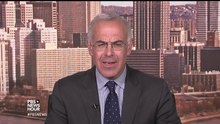
David Brooks
INTRODUCING CORONAVIRUS
Coronavirus first appeared in Wuhan, China, in December, 2019. Its first reported victim became ill on December 1.
By December 31, the outbreak was traced to a novel strain of Coronavirus.
Coronaviruses are a group of viruses that affect birds and mammals. In humans, Coronaviruses can cause pneumonia and may cause bronchitis.
Trump first learned of the virus on January 3, 2020. Then he went golfing on January 4, 5, 18 and 19.
On January 19, the first Coronavirus case appeared in the United States.
On January 27, then-acting chief of staff Mick Mulvaney tried to get Trump to act.
But, according to officials who spoke with the Washington Post, Trump was “dismissive” of early briefings “because he did not believe that the virus had spread widely throughout the United States.”
Trump fired Mulvaney one month later.
Then Trump returned to the golf course—on February 1, 2 and 15.
TRUMP CONFESSES TO BOB WOODWARD
On February 7, he decided to share some of his Coronavirus Intelligence with legendary Washington Post editor and reporter Bob Woodward.
Woodward and Carl Bernstein had achieved imperishable fame in 1972-74 as the Washington Post reporters whose Watergate-related stories led to the fall of President Richard M. Nixon.
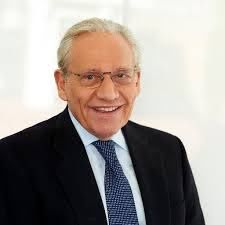
Bob Woodward
Bob Woodward: And so, what was [Chinese] President Xi [Jinping] saying yesterday?
Donald Trump: Oh, we were talking mostly about the virus, and I think he’s going to have it in good shape. But it’s a very tricky situation.
Woodward: Indeed, it is.
Trump: It goes through air, Bob. That’s always tougher than the touch. The touch, you don’t have to touch things, right? But the air, you just breathe the air and that’s how it’s passed. And so that’s a very tricky one. That’s a very delicate one. It’s also more deadly than even your strenuous flues. People don’t realize, we lose 25,000, 30,000 people a year here. Who would ever think that, right?
ABC NEWS, ADOLF HITLER, ALTERNET, AMERICABLOG, AP, ARAB SHEIKS, “DROOPERS”, BABY BOOMER RESISTANCE, BBC, BLACKS, BLOOMBERG NEWS, BUMS, BUZZFEED, CAITLYN JENNER, CBS NEWS, CNN, COSTUMES, CRAZED KILLERS, CROOKS AND LIARS, DAILY KOZ, ESCAPED MENTAL PATIENTS, FACEBOOK, FAT PERSONS, FIVETHIRTYEIGHT, GEISHAS, HALLOWEEN, HARPER’S MAGAZINE, HILLARY CLINTON, HOMOSEXUALS, HUFFINGTON POST, ILLEGAL ALIENS, INDIAN SNAKE CHARMERS, MEDIA MATTERS, MEXICANS, MOTHER JONES, MOVEON, MSNBC, NAUGHTY PRIESTS, NBC NEWS, NEW REPUBLIC, NEWSDAY, NEWSWEEK, NPR, NURSES, PBS NEWSHOUR, PIMPS, POLITICAL CORRECTNESS, POLITICO, POLITICUSUSA, RAW STORY, REUTERS, ROBERT E. LEE, SALON, SAN FRANCISCO CASTRO DISTRICT, SEATTLE TIMES, SEXY CONVICTS, SEXY HAREM SLAVES, SEXY PRISON GUARDS, SLATE, TALKING POINTS MEMO, TERRORISTS, THE ATLANTIC, THE CHICAGO SUN-TIMES, THE CHICAGO TRIBUNE, THE DAILY BEAST, THE DAILY BLOG, THE GUARDIAN, THE HILL, THE HUFFINGTON POST, THE LOS ANGELES TIMES, THE NATION, THE NEW REPUBLIC, THE NEW YORK TIMES, THE NEW YORKER, THE VILLAGE VOICE, THE WALL, THE WASHINGTON POST, THINKPROGRESS, TIME, TRUTHDIG, TRUTHOUT, TWITTER, TWO POLITICAL JUNKIES, U.S. NEWS & WORLD REPORT, UP, UPI, USA TODAY, WONKETTE
In Business, History, Politics, Social commentary on October 29, 2021 at 12:17 am
Those putting out this avalanche of money will, of course, be adults. And a lot of those costumes will be worn by adults at parties across the nation.
Halloween isn’t just for kids anymore. The National Retail Federation estimates that an all-time high of $10.14 billion will be spent on Halloween 2021—an increase from the $8.05 billion spent in 2020.
The average American will spend $3 billion on candy, $3.17 billion on Halloween decorations, and $3.32 billion on costumes.

This will be especially true in San Francisco.
In 1979, Halloween in its Castro District shifted from being a children’s event to a celebration among homosexuals.
The massive crowds quickly overwhelmed the streets, mass transit and due to the Castro’s location along two major transport corridors, disrupted traffic flow well outside the neighborhood.
In 2002, 500,000 people celebrated Halloween in the Castro and four people were stabbed.
It continued to grow into a massive annual street party until 2006, when a shooting wounded nine people and prompted the city to call off the event.
In 2007, 600 police were deployed in the Castro on Halloween. By 2010, San Francisco had banned the event in the Castro, directing celebrants to various balls and parties elsewhere.
But there’s another force working to suppress Halloween joy among its participants: Political Correctness.
A number of articles highlight a series of costumes it’s now Politically Incorrect to wear on Halloween. As a result, it’s now virtually impossible to enjoy this occasion without fearing that you’ll hurt the Politically Correct sensitivities of almost every group imaginable.
For example:
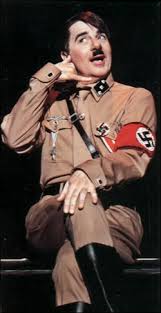
Adolf Hitler: PC types damn it as offensive and upsetting to many people—such as Jews generally and Holocaust survivors in particular. (The same could be said for any actor who portrays Hitler in a movie, such as Downfall or The Bunker.)
Homeless Persons: Such costumes will hurt the feelings of bums who won’t be attending Halloween parties anyway.

Illegal Alien: It’s not nice to spotlight people who constantly violate the immigration laws of the United States.

Terrorist: You might upset Islamics, who make up the vast majority of the world’s terrorists.

Others on the list of groups that uber-liberals believes it’s Politically Incorrect to dress up as include:
- Blacks (if you’re white).
- Naughty priests: It’s offensive to mock religious hypocrites who violate the bodies of children.
- Caitlyn Jenner: It’s cruel to make fun of a man who, as a man, won gold medals as an Olympic athlete—and then had sophisticated surgery to make himself look like a woman.
- Mexicans (such as a woman wearing a mariachi outfit or a man sporting a sombrero, serape and drooping moustache).
- Pimp: It’s offensive to blacks—especially those who make their living through the sale of women’s bodies.
- Sexy nurse: Because nursing is a serious profession—and everybody knows that nurses never enter into romances with doctors.
- Fat costumes: It will hurt the feelings of people who can barely fit into an airplane seat—many of them because they simply eat too much.
- Crazed Killer: Because it’s not fair to make fun of psychopathic murderers who prey on innocent men, women and children.
- Sexy Convict/Prison Guard: You could be accused of “trivializing” the United States prison system.
- The Wall: Wearing an imitation brick wall reminds people that millions of Hispanics have illegally violated America’s immigration laws—and millions more intend to.
- Arab Sheik: It’s not nice to dress like an OPEC board member in a long flowing robe and headdress.
- Sexy Harem Slave: Consider this the flip side of “Arab Sheik.” It’s uncool to remind people that women throughout the Islamic world are treated like chattel.
- “Droopers”: An obvious parody of the “Hooters” outfit, this features a fake pair of drooping breasts, thus winning it dual charges of “ageism” and “sexism.”
- Geisha: You could be accused of “cultural appropriation.”
- Hillary in Prison: Depicting a woman who often skirted the law as paying the price for it is anti-feminist.
- Robert E. Lee: Once a Southern icon of the Civil War, he is now damned as a racist defender of slavery.
- Escaped Mental Patient: Wearing an imitation straitjacket makes fun of real-life whackjobs who need to be restrained—for their own safety and that of others.
- Indian Snake Charmer: This costume supposedly appropriates Middle Eastern culture and has “disturbing sexual undertones”—if you equate snakes with penises.
If you follow the guidelines of these articles, you might as well skip Halloween altogether.
Yet no one objects to children—or adults—dressing up as pirates like Blackbeard, who once terrorized the oceans as modern-day terrorists menace the world.
No one objects to those who dress up like skeletons—when almost everyone has lost a friend or family member to death.
No one objects to those who dress up as witches, who have been associated with evil for hundreds of years.
No one objects to those who dress up as Satan—the literal personification of evil for millions of Christians, Jews and Muslims.
The whole idea of Halloween is to momentarily step into a character that’s utterly different from you.
So if you are a terrorist, try dressing up at Halloween as Dr. Albert Schweitzer or Florence Nightingale.
9/11, ABC NEWS, ALASKA AIRLINES, ALDRICH AMES, ALTERNET, AMERICAN AIRLINES, AP, BBC, BUZZFEED, CBS NEWS, CIA, CNN, DAILY KOS, DELTA AIRLINES, FACEBOOK, FBI, IDENTOGO, JETBLUE AIRLINES, JOHN F. KENNEDY, JOHN W. HINCKLEY, LYNETTE "SQUEAKY" FROMME, MOTHER JONES, MOVEON, NBC NEWS, NEWSWEEK, NPR, POLITICO, PRESIDENT GERALD FORD, PRESIDENT RONALD REAGAN, RALPH NADER, RAW STORY, REUTERS, RICHARD REID, ROBERT HANSSEN, SALON, SARAH JANE MOORE, SEATTLE TIMES, Secret Service, SECURITY, SHOE-BOMBER, SLATE, SOUTHWEST AIRLINES, TERRORISM, THE ATLANTIC, THE CHICAGO SUN-TIMES, THE CHICAGO TRIBUNE, THE DAILY BEAST, THE GUARDIAN, THE HILL, THE HUFFINGTON POST, THE LOS ANGELES TIMES, THE NEW YORK TIMES, THE PENTAGON, THE WALL STREET JOURNAL, THE WASHINGTON POST, TIME, TRANSPORTATION SECURITY ADMINISTRATION, TSA PRECHECK, TWITTER, U.S. NEWS & WORLD REPORT, UNITED AIRLINES, UNITED FLIGHT 93, UPI, USA TODAY, USAIRWAYS, VIRGIN AMERICAN AIRLINES, WEALTH GAP, WORLD TRADE CENTER
In Bureaucracy, Business, History, Law, Law Enforcement, Politics, Social commentary on October 28, 2021 at 12:10 am
All security systems—including those considered the best—are created by humans. And humans are and will always be imperfect creatures.
So there will inevitably be times when security agents miss the assassin or terrorist intent on mayhem. For example:
- In September, 1975, two women—Lynette “Squeaky” Fromme and Sara Jane Moore—tried to assassinate President Gerald R. Ford on two separate occasions.
- Fromme was tackled by a Secret Service agent. Moore’s aim was deflected by Oliver Sipple, a Marine and Vietnam veteran, thus saving Ford’s life.
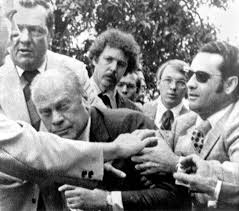
Gerald Ford being hustled from danger by Secret Service agents
Until these incidents, the Secret Service profile of a potential assassin didn’t include a woman.
- On March 30, 1981, John W. Hinckley, a psychotic obsessed with actress Jodie Foster, gained access to a line of reporters waiting to throw questions at President Ronald Reagan.
- As Reagan got into his bulletproof Presidential limousine, Hinckley drew a pistol and opened fire. Wounded, Reagan escaped death by inches.
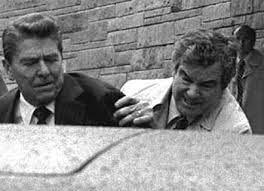
The Reagan Assassination attempt
The Secret Service Service had failed to prevent the attack because no one—until that moment—had attacked a President from the section reserved for reporters.
- On September 11, 2001, Islamic terrorists armed with boxcutters highjacked four American jetliners and turned them into fuel-bombs.
- Two of the airliners struck the North and South towers of the World Trade Center, destroying both structures.
- A third hit the Pentagon.
- The fourth—United Airlines Flight 93—crashed when it was diverted from its intended target (the White House or Congress) by passengers who resolved to fight back.
- Three thousand Americans died that day—in New York City, Washington, D.C., and Shanksville, Pennsylvania.
Until this day of catastrophe, no highjacker had turned a jumbo-jet into a fuel-bomb. Passengers had been advised to cooperate with highjackers, not resist them.
So how will the next 9/11 happen? In all likelihood, like this:
- A terrorist—or, more likely, several terrorists—will sign up for one or more airline “VIP screening” programs.
- They will be completely clean—no arrests, no convictions.
- They may well be respectable citizens in their communities.
- They will probably have amassed enough “frequent flier miles” to ingratiate themselves with the airlines and convince the Transportation Safety Administration (TSA) of their integrity.
- Then, one day, they will breeze through their selected airports—
- Without removing their belts and shoes;
- Without undergoing pat-down searches;
- Without being required to remove laptops and other electronic devices from their carry-ons;
- Without exposing their electronic devices to X-ray technology.
- Then they will board planes—either as part of an individual terrorist effort or a coordinated one, a la 9/11.
And then it will be too late.
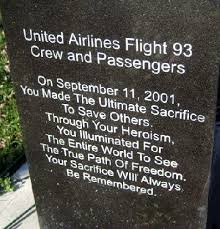
Memorial to the passengers and crew of United Flight 93
The TSA/airlines’ VIP programs are based on the assumption that someone who has completed a security check in the past need not be re-checked in the future.
This assumption has proven false for American Intelligence agencies such as the FBI and CIA.
- FBI agent Robert Hanssen spied for Soviet and Russian Intelligence services for 22 years (1979-2001). He’s now serving a life sentence in Florence, Colorado.
- CIA agent Aldrich Ames betrayed American secrets—including those Russians who had shared them—to Soviet and Russian espionage agencies from 1985 to 1994. He is likewise serving a life sentence.
Even requiring an agent to undergo repeated security checks is no guarantee of trustworthiness.
When asked about how he repeatedly passed CIA polygraph tests, Ames said: “There’s no special magic. Confidence is what does it. Confidence and a friendly relationship with the examiner. Rapport, where you smile and make him think that you like him.”
Thus, as William Shakespeare warned in Hamlet, “One may smile and smile and be a villain”—or a highjacker.
The TSA introduced its Pre-Check program during the fall of 2011. By March 2, 2020, 10 million travelers had been found worthy of “expedited” status.
In early September, 2013, TSA announced that it would more than double its “expedited screening” program, Pre-Check, from 40 to 100 airports by the end of the year.
Nor is TSA the only organization giving big-spending fliers special treatment at potential risk to their country. For example:
Delta Air Lines offers Sky Priority, described as providing “privileged access through security checkpoints” at select airports.
Another private security program, Clear, collects several pieces of biometric data on well-heeled passengers. Once verified by a kiosk local to the security checkpoint, the passengers are allowed to skirt the security barriers that poor and middle-class folks must pass through.
Priority Access, set up by TSA and the airlines, provides “expedited service” to first-class and business passengers. To qualify, you need only possess certain credit cards—such as the United Mileage Plus Club Card.
Some critics blast this two-tier passenger check-in system as an affront to democratic principles.
“It’s stratifying consumers by class and wealth, because the people who travel a lot usually have higher incomes,” said Ralph Nader, consumer advocate and frequent business traveler.
But there is an even more important reason to immediately disband these programs and require everyone—rich and middle-class alike—to undergo the same level of security screening:
The 3,000 men and women who died horrifically on September 11, 2001, at the hands of airline passengers whom authorities thought could be trusted to board a plane.

Tribute to the vanished World Trade Center
ABC NEWS, ALASKA AIRLINES, ALDRICH AMES, ALTERNET, AMERICAN AIRLINES, AP, ” 9/11, BBC, BUZZFEED, CBS NEWS, CIA, CNN, DAILY KOS, DELTA AIRLINES, FACEBOOK, FBI, IDENTOGO, JETBLUE AIRLINES, JOHN F. KENNEDY, JOHN W. HINCKLEY, LYNETTE "SQUEAKY" FROMME, MOTHER JONES, MOVEON, NBC NEWS, NEWSWEEK, NPR, POLITICO, PRESIDENT GERALD FORD, PRESIDENT RONALD REAGAN, RALPH NADER, RAW STORY, REUTERS, RICHARD REID, ROBERT HANSSEN, SALON, SARAH JANE MOORE, SEATTLE TIMES, Secret Service, SECURITY, SHOE-BOMBER, SLATE, SOUTHWEST AIRLINES, TERRORISM, THE ATLANTIC, THE CHICAGO SUN-TIMES, THE CHICAGO TRIBUNE, THE DAILY BEAST, THE GUARDIAN, THE HILL, THE HUFFINGTON POST, THE LOS ANGELES TIMES, THE NEW YORK TIMES, THE PENTAGON, THE WALL STREET JOURNAL, THE WASHINGTON POST, TIME, TRANSPORTATION SECURITY ADMINISTRATION, TSA PRECHECK, TWITTER, U.S. NEWS & WORLD REPORT, UNITED AIRLINES, UNITED FLIGHT 93, UPI, USA TODAY, USAIRWAYS, VIRGIN AMERICAN AIRLINES, WEALTH GAP, WORLD TRADE CENTER
In Bureaucracy, Business, History, Law, Law Enforcement, Politics, Social commentary on October 27, 2021 at 12:08 am
More than 20 years after 9/11, America is now selling its Islamic enemies access to the very weapons—jet-fueled airplanes—they need to wage jihad against its citizens.
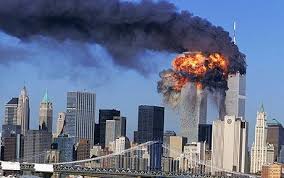
World Trade Center on September 11, 2001
This danger is brought to you by IdentoGO, the private security company chosen by the Transportation Safety Administration (TSA) to screen airline passengers.
Consider this ad it posts:
“How many times have you stood in line at the airport watching others breeze through security with no hassle? By enrolling in TSA Pre✓® , you too can breeze through security.
“Keep your shoes, jacket and belt on; your laptop in its case; 3-1-1 compliant liquids in your bag; and enjoy a better overall travel experience.
“TSA Pre✓® allows low-risk travelers to experience faster, more efficient screening at participating U.S. airport checkpoints for domestic and international travel.”
Yes, for a one-time payment of $149.95, you, too, can apply to receive such preferential treatment. Even if it means putting the Nation’s security at risk. Travelers that are eligible for TSA Pre✓® include:
- U.S. citizens of frequent flyer programs who meet TSA-mandated criteria and who have been invited by a participating airline;
- U.S. citizen, U.S. national or Lawful Permanent Residents who are members of the TSA Pre✓® Application Program;
- U.S. citizens who are members of a U.S. Customs and Border Protection Trusted Traveler program, such as Global Entry, SENTRI, and NEXUS and Canadian citizens who are members of NEXUS; and
- Members of the U.S. Armed Forces.
- Find an IdentoGO Center near you, including a growing number of airport locations, offering TSA Pre✓® and pre-enroll online.
- Schedule an appointment to come in for fingerprinting.
- Pay the $85 applications fee and show your proof-of-identity documents from the approved list of valid government IDs.
- A Known Traveler Number (KTN) will be mailed to you or can be obtained online.
- Once enrolled, your KTN is used when booking travel and your TSA Pre✓® approval is printed on your boarding passes.
- Be sure to update your airline member profile to have the number automatically sent to the TSA when making reservations.
Among the credit cards that will buy you such preferential treatment:
If you’re accepted, you don’t need to undergo another background check for the next five years.
In September 2021, 96% of TSA PreCheck passengers waited less than five minutes to board.
So what difference does it make that some passengers must submit to close inspection while others do not?
- If you’re trying to carry a metallic firearm aboard a plane, the magnetometer will likely pick it up. But if you’ve filled your computer with plastic explosive, the magnetometer won’t pick it up.

Advanced imaging technology
- Or maybe you want to be a shoe-bomber like Richard Reid, who tried to blow up an American Airlines flight in 2001. Being allowed to skip the requirement to remove your shoes will certainly take you a long way toward reaching your goal.
Why is America being placed at such risk? Three reasons:
- The greed of American airline corporations and the TSA.
- Wealthy, self-entitled Americans hate waiting in long airport security lines—like ordinary citizens.
- The Calvinistic belief—shared by most Americans—that wealth is a sign of God’s favor, and thus proof that its holder is worthy of deference, if not awe.
On September 11, 2001, 2,996 people were killed and more than 6,000 others wounded as three highjacked airliners slammed into:
- The North Tower of the World Trade Center;
- The South Tower of the World Trade Center;
- The Pentagon; and
- A field in Somerset County, Pennsylvania, after passengers and crew on United Flight 93 tried to regain control.
The attacks inflicted the worst shock and grief on America since the 1963 assassination of President John F. Kennedy.
So think about how easy it is to qualify as a TSA Pre-Check passenger the next time you board an airliner.
According to Yelp! reviews of thoroughly satisfied IdentoGO customers:
- “My TSA precheck appointment was done in 10 minutes! Plenty of free parking in their parking lot. The staff was friendly and courteous. I made an appointment thru the TSA precheck website. When I arrived, there was no wait. The office was clean, and the staff member who I met was friendly and courteous. Be sure to bring in your proper documents. $85 fee collected at the end of appointment. TSA precheck works for domestic flights only.”
- “The friendly agent took me in right away and he proceeded to go through my application with me, just to double check that all the information in the application is correct. He took my fingerprints (all fingers) and I was pretty much done in about 10 minutes.”
- “Going here for TSA precheck is a no-brainer. Super easy to get an appointment, free parking, and no waiting. Staff was friendly and efficient, explained what to expect after they submitted my information, and within less than 10 minutes I was on my way. Went in on a Friday afternoon and by Monday evening (ok, late evening really), I had my KTN. So, so easy.”
ABC NEWS, ALTERNET, AMERICABLOG, ANTHONY FAUCI, AP, ATTACK ON THE UNITED STATES CAPITOL BUILDING, BABY BOOMER RESISTANCE, BBC, BLOOMBERG NEWS, BUZZFEED, CBS NEWS, CENTERS FOR DISEASE CONTROL AND PREVENTION, CLOROX BLEACH, CNN, COVID-19, CROOKS AND LIARS, DAILY KOZ, DONALD TRUMP, FACEBOOK, FIVETHIRTYEIGHT, HARPER’S MAGAZINE, HUFFINGTON POST, JAMES COBURN, JOE BIDEN, JULIUS CAESAR (PLAY), MARK ANTHONY, MASKS, MEDIA MATTERS, MOTHER JONES, MOVEON, MSNBC, NBC NEWS, NEW REPUBLIC, NEWSDAY, NEWSWEEK, NPR, PBS NEWSHOUR, POLITICO, POLITICUSUSA, RAW STORY, REUTERS, ROD SERLING, SALON, SEATTLE TIMES, SLATE, SOCIAL DISTANCING, TALKING POINTS MEMO, THE ATLANTIC, THE CHICAGO SUN-TIMES, THE CHICAGO TRIBUNE, THE DAILY BEAST, THE DAILY BLOG, THE GUARDIAN, THE HILL, THE HUFFINGTON POST, THE LOS ANGELES TIMES, THE NATION, THE NEW REPUBLIC, THE NEW YORK TIMES, THE NEW YORKER, THE VILLAGE VOICE, THE WASHINGTON POST, THINKPROGRESS, TIME, TRUTHDIG, TRUTHOUT, TWILIGHT ZONE, TWITTER, TWO POLITICAL JUNKIES, U.S. NEWS & WORLD REPORT, UPI, USA TODAY, UV LIGHT, WILLIAM SHAKESPEARE, WONKETTE
In Business, Entertainment, History, Medical, Politics, Social commentary on October 26, 2021 at 12:20 am
On November 8, 1963—57 years before COVID-19 invaded the United States—Rod Serling’s “The Twilight Zone” offered a prophecy of future disaster for the country.
“The Old Man in the Cave” is set in a post-apocalyptic rural town in 1974, 10 years after a nuclear war has devastated the United States.
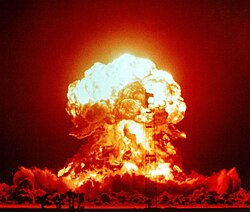
A nuclear explosion
The townspeople have discovered a supply of canned food. However, they are waiting for Mr. Goldsmith [John Anderson], their leader, to return with a message from the mysterious and unseen “old man in the cave.” Then they will learn whether the food is contaminated with radiation.
When Goldsmith returns, he informs them that the old man has declared the food is contaminated and that it should be destroyed.
Shortly thereafter, three soldiers led by Major French [James Coburn] enter the town and clash with Goldsmith as they try to establish their authority.
French is clearly a precursor of Donald Trump: Demanding instant obedience and threatening death to anyone who disobeys him. He claims his job is to organize the region so that society can be rebuilt.
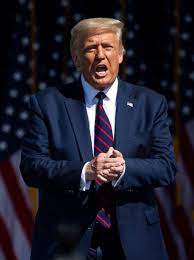
Donald Trump
However, Goldsmith believes that French and his men simply want to strip the town of its food.
French tries to dispel the townspeople’s beliefs in the seemingly infallible “old man in the cave” and take control of the area. He tells them they have survived these past 10 years—but they haven’t lived.
Fifty-seven years later, Donald Trump will furiously attack not COVID-19 but the medical advice of his own Centers for Disease Control and Prevention—especially that provided by Dr. Anthony Fauci, the nation’s top expert on infectious disease.
He will disdain the wearing of masks and social distancing, and attack those Democratic governors who impose stay-at-home orders to contain the virus. He will offer a series of rosy predictions—none of which come true—that the virus will soon end.
His “cures” include ingesting Clorox bleach and/or having UV light shined up one’s anus.
COVID-19 virus
And French holds himself out as the man who can deliver them a wonderful new future.
Fifty-seven years later, Donald Trump will similarly declare: “I have joined the political arena so that the powerful can no longer beat up on people that cannot defend themselves. Nobody knows the system better than me, which is why I alone can fix it.”
French tempts the townspeople to eat the food Goldsmith warned was contaminated. There is a wild orgy of gluttony as they greedily consume it.
Only Goldsmith refuses to partake in the food orgy.
The townspeople turn on Goldsmith and threaten him with death unless he reveals the identity of “the old man in the cave.” Goldsmith finally takes the assembly to the cave. There it’s revealed that his source has been a computer.
French incites the townspeople to destroy the machine, and they stone it to death with rocks and canned goods. Then French leads the people into celebrating their new-found freedom from this “tyranny”.
Fifty-seven years later, Trump will similarly incite his followers to attack the United States Capitol building to halt the legal transfer of Presidential power from himself to Joe Biden.
But as Goldsmith had insisted, the “old man” was correct: The canned goods were contaminated with radiation. All the townspeople—including French and the soldiers—die, their bodies left lying throughout the streets.
Trump will similarly tempt millions of Americans to ignore the deaths of tens of thousands of their fellow citizens from COVID-19 and the overwhelming of the nation’s hospitals. The result will be a vast increase in deaths and the shuttering of many of the businesses Trump hoped to keep open.
Only one man survives—Goldsmith, who has refused to eat the forbidden food and somberly walks out of the now-dead town.
As always in a “Twilight Zone” episode, it is Rod Serling who gets the final word: “Mr. Goldsmith, survivor. An eyewitness to man’s imperfection. An observer of the very human trait of greed. And a chronicler of the last chapter—the one reading ‘suicide’. Not a prediction of what is to be, just a projection of what could be. This has been The Twilight Zone.”

Rod Serling
Except that Serling was wrong: “The Old Man in the Cave” has proven an uncanny prediction of what did happen in America.
* * * * *
The chief lesson to be learned from the COVID-19 epidemic is that catastrophe inevitably results when natural disaster collides with an evil and incompetent administration.
And the man who stands most responsible for the deaths of 400,000 Americans is Donald Trump, the 45th President of the United States.
Under his tyrannical rule, the United States suffered not simply from a lethal virus but a combination of denial, lies, Republican subservience, chaos, extortion, propaganda as news, quackery as medicine, premature demands to “re-open the country,” ignoring the danger and—finally—resignation (“Learn to live with the virus”).
Even now, when three vaccines have been produced, millions of Americans—almost all of them Right-wing Trump supporters—refuse to protect themselves and the families and friends they claim to love.
Mark Anthony—in William Shakespeare’s “Julius Caesar”—had it right: “The evil that men do lives after them.”


2003 IRAQ WAR, 9/11 ATTACKS, ABC NEWS, ABORTION, ADOLF HITLER, AL-QAEDA, ALTERNET, AMERICABLOG, ANDREW CUOMO, ANTHONY FAUCI, AP, BABY BOOMER RESISTANCE, BARACK OBAMA, BLOOMBERG, BOB WOODWARD, BRENDA FITZGERALD, BUZZFEED, CARL BERNSTEIN, CBS NEWS, CENTERS FOR DISEASE CONTROL AND PREVENTION (CDC), CHICAGO, CHINA, CLOROX BLEACH, CNN, CORONAVIRUS, COVID-19, COVID-19 TEST KITS, CROOKS AND LIARS, DAILY KOZ, DAVID BROOKS, DEBORAH BIRX, DEPARTMENT OF HOMELAND SECURITY (DHS), DONALD RUMSFELD, DONALD TRUMP, DRUDGE REPORT, EBOLA, FACEBOOK, FEDERAL EMERGENCY MANAGEMENT AGENCY (FEMA), FIVETHIRTYEIGHT, FLORIDA, FORBES, FOX BUSINESS NETWORK, FOX NEWS, FOX NEWS NETWORK, FRANKLIN D. ROOSEVELT, GEORGE W. BUSH, GRETCHEN WHITMER, GROVER NORQUIST, HARPER’S MAGAZINE, HUFFINGTON POST, IMPEACHMENT, JARED KUSHNER, JAY INSLEE, JOE BIDEN, JOHN BOLTON, JOHNSON & JOHNSON VACCINE, KRISTI NOEM, KRISTIN URQUIZA, LARRY HOGAN, LOS ANGELES, LOUIS X1V, LYNDON B. JOHNSON, MALARIA, MARK ANTHONY URQUIZA, MARK SHIELDS, MARYLAND, MASKS, MASSACHUSSETS, MEDIA MATTERS, MICHIGAN, MICK MULVANEY, MIKE PENCE, MODERNA VACCINE, MOLOCH, MOTHER JONES, MOVEON, MSNBC, N95 MASKS, N95 RESPIRATORS, NATIONAL SECURITY COUNSIL (NSC), NAVY SEALS, NBC NEWS, NEW YORK, NEW YORK CITY, NEWSWEEK, NPR, NURSES, OSAMA BIN LADEN, PAULA REID, PBS NEWSHOUR, PERSONAL PROTECTIVE EQUIPMENT (PPE), PFIZER VACCINE, PHOENIX RALLY, POLITICO, POLITICUSUSA, RAW STORY, REPUBLICANS, REUTERS, RICHARD M. NIXON, ROBERT RAY REDFIELD, ROLLING STONE MAGAZINE, RUDOLPH GIULIANI, RUDY GIULIANI, SALON, SCHOOLS, SEAN HANNITY, SEAN HANNITY SHOW, SEATTLE TIMES, SLATE, SOUTH DAKOTA, STOCK MARKET, TALKING POINTS MEMO, THE ATLANTIC, THE CHICAGO SUN-TIMES, THE CHICAGO TRIBUNE, THE DAILY BEAST, THE DAILY BLOG, THE GUARDIAN, THE HILL, THE HUFFINGTON POST, THE LOS ANGELES TIMES, THE NATION, THE NATIONAL SECURITY COUNCIL, THE NEW REPUBLIC, THE NEW YORK TIMES, THE VILLAGE VOICE, THE WASHINGTON POST, THE WHITE HOUSE PANDEMIC OFFICE, THINKPROGRESS, THIRD REICH, TIM ZIEMER, TIME, TOLUSE OLORUNNIPA, TOM BOSSERT, TOM FRIEDMAN, TRISH REGAN, TRISH REGAN PRIMETIME, TRUTHDIG, TRUTHOUT, TULSA OKLAHOMA RALLY, TWITTER, TWO POLITICAL JUNKIES, U.S. NEWS & WORLD REPORT, UNITED STATES, UPI, USA TODAY, UV LIGHT, VENDORS, VENTILATORS, VIETNAM WAR, WALTER SHAUB, WASHINGTON, WASHINGTON D.C., WASHINGTON MONTHLY, WASHINGTON WEEK IN REVIEW, WATERGATE, WHITE HOUSE PANDEMIC OFFICE, WONKETTE, WORLD TRADE CENTER
TRUMP AND COVID: COUNTDOWN TO CATASTROPHE: PART SIX (OF EIGHT)
In Bureaucracy, Business, History, Law, Law Enforcement, Politics, Social commentary on November 8, 2021 at 12:12 amTHE DANGERS OF TRUMP’S QUACKERY
On April 23, 2020, President Donald Trump offered his own suggestions for how COVID-19 might be prevented or cured. His proposed remedies: Ultraviolet light and disinfectant.
Medical experts found Trump’s off-the-cuff remarks no laughing matter. Several doctors warned the public against injecting disinfectant or using UV light.
“It is incomprehensible to me that a moron like this holds the highest office in the land and that there exist people stupid enough to think this is OK,” said Walter Shaub, the former director of the Office of Government Ethics. “I can’t believe that in 2020 I have to caution anyone listening to the president that injecting disinfectant could kill you.”
Faced with public ridicule, Trump canceled a White House press briefing for the first time since Easter weekend.
In a self-pitying tweet, on April 25, he wrote: “What is the purpose of having White House News Conferences when the Lamestream Media asks nothing but hostile questions, & then refuses to report the truth or facts accurately.”
The Centers for Disease Control and Prevention (CDC) had urged Americans to wear masks and keep at least six feet from their fellows. And most of the nation’s governors had issued stay-at-home orders that banned large gatherings—including visits to parks and beaches.
CDC headquarters in Atlanta, Georgia
TRUMP’S DEFIANCE OF SCIENCE–AND LAW
Yet President Trump openly encouraged defiance of those orders.
On April 17, he issued a series of tweets to his supporters, encouraging them to defy the law:
“LIBERATE MINNESOTA!”
“LIBERATE MICHIGAN!”
“LIBERATE VIRGINIA, and save your great 2nd Amendment. It is under siege!”
All these states had Democratic governors. Their residents were being urged to stay indoors, wear masks when they ventured outside and keep a six-feet distance between themselves and others.
These states had been targeted for Right-wing protests—featuring large numbers of men and women standing close together, with most of them not wearing masks. They claim their “freedoms” are being infringed upon.
On April 17, Trump launched his latest effort to deal with Coronavirus:
He issued a series of tweets to his supporters, encouraging them to defy the stay-at-home laws of Minnesota, Michigan and Virginia.
Trump saw the stay-at-home orders as a two-fold threat to himself:
Without his Nuremberg-style rallies and a roaring stock market, Trump faced the danger of being a one-term President.
Michigan, Minnesota and Virginia all had Democratic governors. They had urged their residents to stay indoors, wear masks when they ventured outside, and keep a six-feet distance between themselves and others.
As a result, those governors—especially Michigan’s Gretchen Whitmer—were being targeted for abuse and even death threats. And their states were facing disruptive protests by large numbers of Right-wingers standing close together, with few of them wearing masks. The protesters claimed their rights were being infringed upon.
Since the Supreme Court legalized abortion in 1973, the Right has demanded that even women who are pregnant due to rape or incest carry the fetus to term. Yet now that Right-wingers were being asked to wear masks in public—to protect themselves and others from a deadly plague—they had suddenly discovered the mantra: “It’s my body!”
Writer Steven Pressfield summed up the immorality of these protests: “Why are we asked to wear surgical or face masks in public, to practice social distancing and to observe self-quarantining? Because these practices are not for the individual alone but for the protection of the whole [community].”
Washington Governor Jay Inslee tweeted: “The president’s statements this morning encourage illegal and dangerous acts. He is putting millions of people in danger of contracting COVID-19.
“His unhinged rantings and calls for people to ‘liberate’ states could also lead to violence. We’ve seen it before.”
Once states across the country began “reopening,” Trump scheduled his first 2020 re-election rally in Tulsa, Oklahoma.
It was held on June 20 at the BOK Center.
Scientists had learned that Coronavirus is more likely to be transmitted indoors than outdoors, when masses of people are packed together, and when people are loudly talking—or, worse, shouting. This is especially true when they’re not wearing masks.
Masks were available for those who wanted them, but Trump made it clear that his supporters shouldn’t wear masks, as a sign of support for him. Thus, his egomania literally put the lives of his most devoted followers at risk.
Photos of the rally showed men and women densely packed together, with none of them wearing masks.
The Trump campaign boasted that 100,000 people would turn up. To its embarrassment, fewer than 6,200 did. Even worse: At least eight event staff members, including two who were at the rally, later tested positive for COVID-19.
A Trump rally
The Tulsa event was followed by another indoor rally in Phoenix on June 23. “Students for Trump” featured a packed crowd, with almost no one wearing masks.
Then, to celebrate Independence Day, Trump scheduled yet another rally at Mount Rushmore, in Keystone, South Dakota, on July 3.
Share this: