Posts Tagged ‘THE DISCOURSES’
ABC NEWS, ALTERNET, AP, APPLE, ARIZONA REPUBLIC, BUZZFEED, CBS NEWS, CNN, CROOKS AND LIARS, DAILY KOZ, DON BOLLES, DONALD TRUMP, FACEBOOK, FBI, J.P. MORGAN, JAMES COMEY, JOHN GOTTI, MAFIA, MEDIA, MICHAEL FLYNN, MOTHER JONES, MOVEON, MSNBC, NBC NEWS, NEWSWEEK, NICCOLO MACHIAVELLI, NPR, NYPD, PAUL RYAN, POLITICO, RAW STORY, REUTERS, SALON, SEATTLE TIMES, SLATE, SPEAKER OF THE HOUSE, THE ATLANTIC, THE CHICAGO SUN-TIMES, THE CHICAGO TRIBUNE, THE DAILY BEAST, THE DISCOURSES, THE GUARDIAN, THE HILL, THE HUFFINGTON POST, THE LOS ANGELES TIMES, THE NATION, THE NEW YORK TIMES, THE WASHINGTON POST, TIME, TWITTER, U.S. NEWS & WORLD REPORT, UNITED STATES SENATE SELECT COMMITTEE ON INTELLIGENCE, UPI, USA TODAY
In Bureaucracy, History, Politics, Social commentary on May 14, 2018 at 12:13 am
On June 8, 2017, James Comey testified before the United States Senate Select Committee on Intelligence.
On May 9, he had been fired as director of the FBI by President Donald Trump.
During his Congressional testimony, Comey revealed that, on February 14, 2017, Trump had ordered everyone but Comey to leave a crowded meeting in the Oval Office.
Michael Flynn had resigned the previous day from his position as National Security Adviser. The FBI was investigating him for his previously undisclosed ties to Russia.
“I hope you can see your way clear to letting this go, to letting Flynn go,” said Trump. “He is a good guy. I hope you can let this go.”
This was clearly an attempt by Trump to obstruct the FBI’s investigation.
Yet Republican House Speaker Paul Ryan rushed to excuse his clearly illegal behavior: “He’s new at government, so therefore I think he’s learning as he goes.”
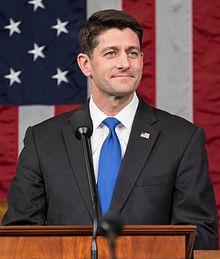
Paul Ryan
Many reporters who undoubtedly knew better agreed with this excuse: He just didn’t understand the protocols. He’ll get it right next time.
They didn’t dare report the truth: America is being ruled by a dictator in the mold of John Gotti.
Thus, Trump didn’t meet privately with Comey because he didn’t know “how modern government operates.” He wanted a private meeting to make a request he knew was on its face illegal—and he wanted to ensure “plausible deniability” in doing so.
If Comey later told the truth about that meeting—as he later did—Trump could say—as he later did: “It’s just his word against mine. Who are you going to believe?”
Reporters covering the Trump administration need to radically change their methods for doing so.
They should start covering it the way organized crime reporters have long covered the Mafia.
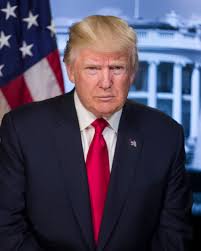
Donald Trump
First, assume that Trump—and those who serve him—are acting criminally unless they can prove otherwise.
As Niccolo Machiavelli advised in his classic work, The Discourses:
“All those who have written upon civil institutions demonstrate…that whoever desires to found a state and give it laws, must start with assuming that all men are bad and ever ready to display their vicious nature, whenever they may find occasion for it.
“If their evil disposition remains concealed for a time, it must be attributed to some unknown reason, and we must assume that it lacked occasion to show itself.”
Second, report what he and his minions say publicly—but look for well-placed sources in law enforcement for the truth.
Reporters covering John Gotti found him highly quotable copy. But they also cultivated secret sources within the FBI and NYPD to discover what crimes he had committed—and was committing.
And when they wrote stories about him, they stated—unequivocally—that he was the boss of an organized crime family.
Reporters covering Trump should similarly list his own history of conflicts with the law.

John Gotti
Third, news media should devote fewer resources to covering the public side of Trump—and more to unearthing the truths he wants to suppress.
As robber baron J.P. Morgan once admitted: “A man generally has two reasons for doing a thing. One that sounds good, and a real one.”
What’s said during a press conference—whether by Trump or any other of his officials—is strictly the version he wants stated. This could be transcribed by a single pool reporter, who shares whatever’s said with all the major news media.
This, in turn, would free legions of reporters to unearth truths that Trump doesn’t want revealed.
Fourth, recognize that Trump is fighting an all-out war on the media—and have the courage to publicly state this.
In 1976, Arizona Republic reporter and organized crime expert Don Bolles, was killed by a car bomb. Legions of reporters from across the country descended on Arizona to prove to mobsters: Attacking reporters is as dangerous as attacking cops.
Donald Trump has labeled established news media as “fake news.” He has called reporters “the enemy of America.” On at least one occasion, he told a CNN reporter: “You’re fake news.”
Yet no reporter—for CNN or any other news outlet—has called him a “fake President.” Nor has any reporter dared to call him a pathological liar with dictatorial ambitions.
CNN has started running an ad featuring a shiny red apple, while a voice-over intones:
“This is an apple. Some people might try to tell you that it’s a banana. They might scream banana, banana, banana over and over and over again. They might put BANANA in all caps. You might even start to believe that this is a banana. But it’s not. This is an apple.”
Unfortunately, many viewers might mistake the “apple” for Apple. Thus, a more effective ad could feature a picture of Trump in an SS uniform, and the following message:
“This is a Fascist. Some people might try to tell you that he’s a Republican. They might scream Republican, Republican, Republican over and over and over again. They might put REPUBLICAN in all caps. You might even start to believe that he is a Republican. But he’s not. This is a Fascist.”
2016 PRESIDENTIAL CAMPAIGN, ABC NEWS, ALTERNET, ANTHEM INC., AP, ASHLEY MADISON, BERNIE SANDERS, BUZZFEED, CBS NEWS, CNN, CROOKS AND LIARS, CYBERSECURITY, DAILY KOZ, DAIRY QUEEN, DEBBIE WASSERMAN-SCHULTZ, DEMOCRATIC NATIONAL COMMITTEE, DEMOCRATIC PARTY, DONALD TRUMP, FACEBOOK, HACKING, HILLARY CLINTON, HOME DEPOT, JPMORGAN/CHASE, KMART, MOTHER JONES, MOVEON, NAPOLEON BONAPARTE, NATIONAL LEGAL AND POLICY CENTER, NBC NEWS, NEWSWEEK, NICCOLO MACHIAVELLI, NPR, POLITICO, RAW STORY, REPUBLICAN PARTY, REUTERS, SALON, SEATTLE TIMES, SLATE, SONY PICTURES, STAPLES, TARGET, THE ATLANTIC, THE CHICAGO SUN-TIMES, THE CHICAGO TRIBUNE, THE DAILY BEAST, THE DISCOURSES, THE GUARDIAN, THE HILL, THE HUFFINGTON POST, THE LOS ANGELES TIMES, THE NATION, THE NEW YORK TIMES, THE OFFICE OF PERSONNEL MANAGEMENT, THE PENTAGON, THE PRINCE, THE U.S. DEPARTMENT OF STATE, THE WASHINGTON POST, TIME, TWITTER, U.S. NEWS & WORLD REPORT, UPI, USA TODAY, WIKILEAKS
In Bureaucracy, Business, History, Politics, Social commentary on April 13, 2018 at 12:06 am
On July 22, 2016, Wikileaks released 19,252 emails and 8,034 attachments hacked from computers of the highest-ranking officials of the Democratic National Committee (DNC).
The emails were exchanged from January 2015 through May 2016.
These clearly reveal a bias for Hillary Clinton and against her lone challenger, Vermont United States Senator Bernie Sanders.
One email revealed that Brad Marshall, the chief financial officer of the DNC, suggested that Sanders, who is Jewish, could be portrayed as an atheist.
Sanders’ supporters had long charged that the DNC and its chair, Debbie Wasserman-Schultz, were plotting to undercut his campaign. Now thousands of them were outraged to discover that their fears had been confirmed.
The leak came at a disastrous time for Hillary Clinton, the former First Lady, United States Senator from New York and Secretary of State under President Barack Obama.
About to receive the Democratic nomination for President, she found herself charged with undermining the electoral process.
Wasserman-Schultz proved the first casualty of the leak, resigning from her position as chair of the DNC and saying she would not open the Democratic convention as previously scheduled.
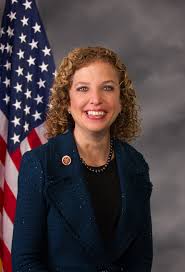
Debbie Wasserman-Schultz
As for Clinton: Her campaign manager, Bobby Mook, blamed the Russians for the leak. Their alleged motive: To help Republican Presidential nominee Donald Trump.
Cyber-security experts believed the hackers originated from Russia—-and that Russian President Vladimir Putin may have authorized it.
His alleged motive: Trump had repeatedly attacked United States’ membership in the North Atlantic Treaty Organization (NATO).
Trump believed the United States was paying an unfairly large portion of the monies needed to maintain this alliance—and he wanted other members to contribute far more. He made it clear that if they didn’t—and if he was elected President—they would be on their own if attacked by Russia.
Trump took to twitter to offer his take on the release: “How much BAD JUDGEMENT was on display by the people in DNC in writing those really dumb e-mails, using even religion, against Bernie!”
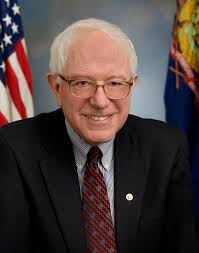
Bernie Sanders
Which brings up the obvious question: Why was such sensitive information entrusted to computers that could be hacked?
This is not the first time a major corporation or government agency has fallen prey to hackers.
Name-brand companies, trusted by millions, have been hit with massive data breaches that compromised their customers’ and/or employees’ most sensitive financial and personal information.
Among those companies and agencies:
- Target
- Kmart
- Home Depot
- JPMorgan/Chase
- Staples
- Dairy Queen
- Anthem, Inc.
- Sony Pictures
- The U.S. State Department
- The Pentagon
- The Office of Personnel Management
Perhaps the most notorious target hacked was Ashley Madison, the website for cheating wives and husbands. Launched in 2001, its catchy slogan was: “Life is short. Have an affair.”
On July 15, 2015, its more than 37 million members learned that highly embarrassing secrets they had entrusted to Ashley Madison had been compromised.
This included their sexual fantasies, matching credit card transactions, real names and addresses, and employee documents and emails.
A website offering cheating services to those wealthy enough to afford high-priced fees is an obvious target for hackers. After all, its database is a blackmailer’s dream-come-true.
And the same is true for computers of one of the two major political parties of the United States.
Among the secrets unearthed in the WikiLeaks document-dump: Plans by Democratic party officials to reward large donors and prominent fundraisers with lucrative appointments to federal boards and commissions.
Most of the donors listed gave to Clinton’s campaign. None gave to Sanders.
According to Ken Boehm, chairman of the National Legal and Policy Center, a government watchdog group:
“The disclosed DNC emails sure look like the potential Clinton Administration has intertwined the appointments to federal government boards and commissions with the political and fund raising operations of the Democratic Party. That is unethical, if not illegal.”
Centuries before the invention of computers–and the machinery needed to hack into them–Niccolo Machiavelli offered cautionary advice to those thinking of entering into a conspiracy. He did so in his masterwork on politics, The Discourses.

Niccolo Machiavelli
Unlike his better-known work, The Prince, which deals with how to secure power, The Discourses lays out rules for preserving liberty within a republic.
In Book Three, Chapter Six (“Of Conspiracies”) he writes:
“I have heard many wise men say that you may talk freely with any one man about everything, for unless you have committed yourself in writing, the ‘Yes’ of one man is worth as much as the ‘No’ of another.
“And therefore one should guard most carefully against writing, as against a dangerous rock, for nothing will convict you quicker than your own handwriting.”
In 1804, Napoleon Bonaparte, then First Consul of France, ordered the execution of the popular Louis Antoine de Bourbon, Duke of Enghien, claiming that he had aided Britain and plotted against France.
The aristocracy of Europe, still recalling the slaughters of the French Revolution, was shocked.
Asked for his opinion on the execution, Napoleon’s chief of police, Joseph Fouche, said: “It was worse than a crime; it was a blunder.”
This may prove to be history’s verdict on the storing of so many incriminating computer files by the DNC.
ABC NEWS, ADOLF HITLER, ALTERNET, AP, BBC, BUZZFEED, CBS NEWS, CNN, DAILY KOS, DIMITRI SHOSTAKOVICH, DONALD TRUMP, FACEBOOK, FBI, GREAT TERROR, JAMES COMEY, JEFF SESSIONS, JOSEPH STALIN, KEITH SCHILLER, MIKE FLYNN, MIKHAIL TUKHACHEVESKY, MOTHER JONES, MOVEON, NAZI GERMANY, NBC NEWS, NEWSWEEK, NICCOLO MACHIAVELLI, NIKITA KHRUSHCHEV, NIKOLAI ZHILAYEV, NPR, POLITICO, RAW STORY, REUTERS, ROBERT MUELLER III, ROD ROSENSTEIN, RUSSIAN ESPIONAGEky, SALON, SEATTLE TIMES, SENATE INTELLIGENCE COMMITTEE, SERGEY KISLYAK, SERGEY LAVOV, SLATE, SOVIET UNION, THE ATLANTIC, THE CHICAGO SUN-TIMES, THE CHICAGO TRIBUNE, THE DAILY BEAST, THE DISCOURSES, THE GUARDIAN, THE HILL, THE HUFFINGTON POST, THE LOS ANGELES TIMES, THE NEW YORK TIMES, THE WALL STREET JOURNAL, THE WASHINGTON POST, TIME, TWITTER, U.S. NEWS & WORLD REPORT, UPI, USA TODAY, WEHRMACHT, WORLD WAR 11
In Bureaucracy, History, Law, Law Enforcement, Military, Politics, Social commentary on April 11, 2018 at 12:04 am
Nikolai Sergeyvich Zhilayev (pronounced Zill-lay-ev) was a Russian musicologist and the teacher of several 20th-century Russian composers.
Among these: Dimitri Shostakovich.
Among his friends—to his ultimate misfortune—was Mikhail Tukhachevsky, the former military hero now falsely condemned and executed as a traitor by Soviet dictator Joseph Stalin.
In 1938, Zhilayev (November 18, 1881 – January 20, 1938) also became a casualty of what has become known as The Great Terror.
In his posthumously-published memoirs, Testimony, Shostakovich, his pupil and friend, described how Zhilayev faced his end with a calmness that awed even the NKVD (the predecessor to the KGB) secret police sent to arrest him.
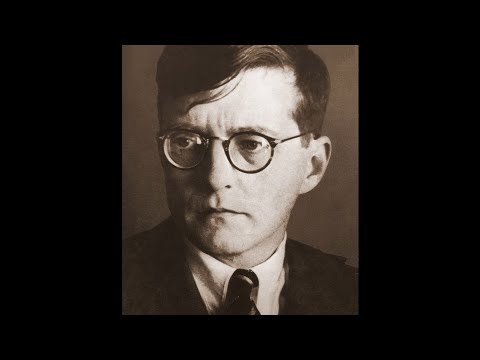
Dimitri Shostakovich
“He had a large picture of Tukhachevsky in his room, and after the announcement that Tukhachevsky had been shot as a traitor to the homeland, Zhilayev did not take the picture down.
“I don’t know if I can explain how heroic a deed that was….As soon as the next poor soul was declared an enemy of the people, everyone destroyed in a panic everything connected with that person….
“And naturally, photographs flew into the fire first, because if someone informed on you, reported that you had a picture of an enemy of the people, it meant certain death.
“Zhilayev wasn’t afraid. When they came for him, Tukhachevsky’s prominently hung portrait amazed even the executioners.”
“What, it’s still up?” one of the secret police asked.
“The time will come,” Zhilayev replied, “when they’ll erect a monument to him.”
As, in fact, has happened.
Meanwhile, Stalin has been universally condemned as one of history’s greatest tyrants.

Mikhail Tukhachevsky appears on a 1963 Soviet Union postage stamp
Third hero—James Brien Comey (December 14, 1960)
Comey served as United States Attorney (federal prosecutor) for the Southern District of New York (2002-2003).
As United States Deputy Attorney General (2003-2005), he opposed the warrantless wiretapping program of the George W. Bush administration. He also argued against the use of water boarding as an interrogation method.
In 2005, he entered the private sector as General Counsel and Senior Vice President for Lockheed Martin, the biggest contractor for the Department of Defense.
On July 29, 2013, the United States Senate voted 93 -1 to confirm Comey as director of the FBI, the seventh in its history.

James B. Comey
He directed the FBI from his appointment in 2013 by President Barack Obama until his firing on May 9 by President Donald Trump.
In a move that Joseph Stalin would have admired, Trump gave no warning of his intentions. Instead, he sent Keith Schiller, his longtime bodyguard, to the FBI with a letter announcing Comey’s dismissal.
Trump had three reasons for firing Comey:
- Comey had refused to pledge his personal loyalty to Trump. Trump had made this “request” during a private dinner at the White House in January. After refusing to make that pledge, Comey told Trump that he would always be honest with him. But that didn’t satisfy Trump’s demand that the head of the FBI act as his personal secret police chief.
- Trump had tried to coerce him into dropping the FBI’s investigation into former National Security Adviser Mike Flynn, for his secret ties to Russia and Turkey. Comey had similarly resisted that demand.
- Comey had recently asked the Justice Department to fund an expanded FBI investigation into contacts between Trump’s 2016 Presidential campaign and Russian Intelligence agents.
As a Presidential candidate and President, Trump:
- Steadfastly denied those revelations;
- Repeatedly attacked the “fake news” media reporting these revelations. Chief among his targets: CNN, The New York Times and The Washington Post; and
- Attacked the Intelligence agencies responsible for America’s security.
On May 10—the day after firing Comey—Trump met in the Oval Office with Russian Foreign Minister Sergey Lavov and Russian Ambassador Sergey Kislyak.
Kislyak is reportedly a top recruiter for Russia’s SVR foreign intelligence agency. He has been closely linked with Jeff Sessions, now Attorney General, and fired National Security Adviser Mike Flynn.
“I just fired the head of the F.B.I.,” Trump told the two dignitaries. “He was crazy, a real nut job. I faced great pressure because of Russia. That’s taken off.”
During that meeting he gave the Russians sensitive Intelligence on ISIS that had been supplied by Israel.
Two days later, on May 12, Trump tweeted a threat to the fired FBI director: “James Comey better hope that there are no ‘tapes’ of our conversations before he starts leaking to the press.”
But shortly afterward, it appeared Trump was the one who should worry: Reports surfaced that Comey had written memos to himself immediately after his private meetings with Trump.
He had also told close aides that Trump was trying to pressure him into dropping the investigation into close ties between Russian Intelligence agents and Trump campaign staffers.
As for Trump’s threat of having tapes of his and Comey’s conversations: Like Trump’s claim that he could prove that Barack Obama wasn’t an American citizen, this, too, proved to be a lie.
And Comey’s firing led directly to a result Trump did not anticipate: Acting Attorney General Rod Rosenstein yielded to demands from Democrats and appointed former FBI Director Robert Meuller III as a special prosecutor to investigate those ties.
ABC NEWS, ADOLF HITLER, ALTERNET, AP, BBC, BUZZFEED, CBS NEWS, CNN, DAILY KOS, DIMITRI SHOSTAKOVICH, DONALD TRUMP, FACEBOOK, FBI, GREAT TERROR, JAMES COMEY, JEFF SESSIONS, JOSEPH STALIN, KEITH SCHILLER, MIKE FLYNN, MIKHAIL TUKHACHEVESKY, MOTHER JONES, MOVEON, NAZI GERMANY, NBC NEWS, NEWSWEEK, NICCOLO MACHIAVELLI, NIKITA KHRUSHCHEV, NIKOLAI ZHILAYEV, NPR, POLITICO, RAW STORY, REUTERS, ROBERT MUELLER III, ROD ROSENSTEIN, RUSSIAN ESPIONAGEky, SALON, SEATTLE TIMES, SENATE INTELLIGENCE COMMITTEE, SERGEY KISLYAK, SERGEY LAVOV, SLATE, SOVIET UNION, THE ATLANTIC, THE CHICAGO SUN-TIMES, THE CHICAGO TRIBUNE, THE DAILY BEAST, THE DISCOURSES, THE GUARDIAN, THE HILL, THE HUFFINGTON POST, THE LOS ANGELES TIMES, THE NEW YORK TIMES, THE WALL STREET JOURNAL, THE WASHINGTON POST, TIME, TWITTER, U.S. NEWS & WORLD REPORT, UPI, USA TODAY, WEHRMACHT, WORLD WAR 11
In Bureaucracy, History, Law Enforcement, Military, Politics, Social commentary on April 10, 2018 at 3:03 pm
…A truly great man is ever the same under all circumstances. And if his fortune varies, exalting him at one moment and oppressing him at another, he himself never varies, but always preserves a firm courage, which is so closely interwoven with his character that everyone can readily see that the fickleness of fortune has no power over him.
The conduct of weak men is very different. Made vain and intoxicated by good fortune, they attribute their success to merits which they do not possess. And this makes them odious and insupportable to all around them. And when they have afterwards to meet a reverse of fortune, they quickly fall into the other extreme, and become abject and vile.
–Niccolo Machiavelli, The Discourses
Three heroes, two villains.
Two of the heroes are Russian; the third is an American.
The villains: One Russian (actually, Georgian); one American.
First up—in order of disappearance: Mikhail Nikolayevich Tukhachevsky (pronounced too-ka-chev-sky)
Tukhachevsky (February 4, 1893 – June 12, 1937) was a leading Soviet military leader and theoretician from 1918 to 1937.
He commanded the Soviet Western Front during the Russian-Polish War (1920-21) and served as Chief of Staff of the Red Army (1925-1928).
He fought to modernize Soviet armament, as well as develop airborne, aviation and mechanized forces. Almost singlehandedly, he created the theory of deep operations for Soviet forces.

Mikhail Tukhachevsky
All of these innovations would reap huge dividends when the Soviet Union faced the lethal fury of Adolf Hitler’s Wehrmacht.
In 1936, Tukhachevsky warned Soviet dictator Joseph Stalin that Nazi Germany might attack without warning—and ignite a long and murderous war.
Stalin—the son of a Georgian cobbler—resented Tukhachevsky’s coming from a noble family. A monumental egomaniac, he also hated that Tukhachevesky’s fame rivaled his own.
Warned of the approaching German danger, Stalin shouted: “What are you trying to do—frighten Soviet authority?”
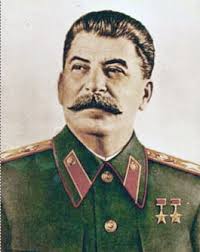
Joseph Stalin
The attack that Tukhachevsky warned against came five years later—on June 22, 1941, leaving at least 20 million Russians dead.
But Tukhachevsky wasn’t alive to command a defense.
The 1930s were a frightening and dangerous time to be alive in the Soviet Union. In 1934, Stalin, seeing imaginary enemies everywhere, ordered a series of purges that lasted right up to the German invasion.
An example of Stalin’s paranoia occurred one day while the dictator walked through the Kremlin corridors with Admiral Ivan Isakov. Officers of the NKVD (the predecessor to the KGB) stood guard at every corner.
“Every time I walk down the corridors,” said Stalin, “I think: Which one of them is it? If it’s this one, he will shoot me in the back. But if I turn the corner, the next one can shoot me in the face.”
In 1937-38, the Red Army fell prey to Stalin’s paranoia.
Its victims included:
- Three of five marshals (five-star generals);
- Thirteen of 15 army commanders (three- and four-star generals);
- Fifty of 57 army corps commanders; and
- One hundred fifty-four out of 186 division commanders.
And heading the list of those marked for death was Marshal Mikhail Tukhachevsky.
Arrested on May 22, 1937, he was interrogated and tortured. As a result, he “confessed” to being a German agent plotting to overthrow Stalin and seize power.
On his confession, which survives in the archives, his bloodstains can clearly be seen.
On June 11, the Soviet Supreme Court convened a special military tribunal to try Tukhachevsky and eight generals for treason.
It was a sham: The accused were denied defense attorneys, and could not appeal the verdict—-which was foregone: Death.
In a Russian version of poetic justice, five of the eight generals who served as Tukhachevsky’s judges were themselves later condemned and executed as traitors.
Within hours of the verdict, Tukhachevsky was summoned from his cell and shot once in the back of the head.
From 1937 until 1956, Tukhachevsky was officially declared a traitor and fifth-columnist.
Then, on February 25, 1957, Soviet Premier Nikita Khrushchev delivered his bombshell “Secret Speech” to the 20th Congress of the Communist Party of the Soviet Union.
In this, he denounced Stalin (who had died in 1953) as a ruthless tyrant responsible for the slaughter of millions of innocent men, women and children. He condemned Stalin for creating a “personality cult” around himself, and for so weakening the Red Army that Nazi Germany was able to easily overrun half of the Soviet Union from 1941 to 1943.
On January 31, 1957, Tukhachevsky and his co-defendants were declared innocent of all charges and were “rehabilitated.”
Today, he is once again—rightly—considered a Russian hero and military genius. And Stalin is universally—and rightly—seen as a blood-stained tyrant.
Next hero: Nikolai Sergeyvich Zhilayev (pronounced Zill-lay-ev)
Zhilayev (November 18, 1881 – January 20, 1938) was a Russian musicologist and the teacher of several 20th-century Russian composers. Among these: Dimitri Shostakovich.
Zhilayev, a member of the Russian Academy of Art-Sciences, taught at the Moscow Conservatory. Among his friends–to his ultimate misfortune–was Mikhail Tukhachevsky.
In 1938, he, too, became a casualty of what has become known as The Great Terror.
In his posthumously-published memoirs, Testimony, Shostakovich, his pupil and friend, described how Zhilayev faced his end with a calmness that awed even the NKVD (the predecessor to the KGB) secret police sent to arrest him.
ABC NEWS, ALTERNET, AP, BLACKS, BUZZFEED, CBS NEWS, CNN, CROOKS AND LIARS, DAILY KOZ, DAVID BROOKS, DONALD TRUMP, FACEBOOK, HILLARY CLINTON, JOHN KASICH, JOHN MCCAIN, LATINOS, MOTHER JONES, MOVEON, MUSLIMS, NBC NEWS, NEWSWEEK, NICCOLO MACHIAVELLI, NPR, NUCLEAR TRIAD, PBS NEWSHOUR, POLITICO, PRISONERS OF WAR, RAFAEL CRUZ, RAW STORY, REPUBLICAN PRESIDENTIAL NOMINATION, REUTERS, SALON, SEATTLE TIMES, SLATE, THE ATLANTIC, THE CHICAGO SUN-TIMES, THE CHICAGO TRIBUNE, THE DAILY BEAST, THE DISCOURSES, THE GUARDIAN, THE HILL, THE HUFFINGTON POST, THE LOS ANGELES TIMES, THE NATION, THE NEW YORK TIMES, THE PRINCE, THE WASHINGTON POST, TIME, TWITTER, U.S. NEWS & WORLD REPORT, UPI, USA TODAY, WOMEN
In Bureaucracy, History, Military, Politics, Social commentary on March 29, 2018 at 3:36 pm
As a Presidential candidate, Donald Trump was fiercely attacked by Democrats and his fellow Republicans. But one of his sharpest critics lived more than 500 years ago
He was Niccolo Machiavelli, the 16th-century Florentine statesmen and father of modern politics.
For openers: Trump had drawn heavy criticism for his angry and brutal attacks on a wide range of persons and organizations—including his fellow Republicans, journalists, news organizations, other countries and even celebrities who have nothing to do with politics.
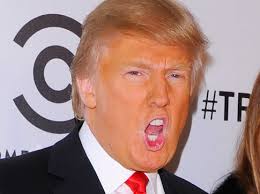
Donald Trump
Now consider Machiavelli’s advice on gratuitously handing out insults and threats:
- “I hold it to be a proof of great prudence for men to abstain from threats and insulting words towards any one.”
- “For neither the one nor the other in any way diminishes the strength of the enemy–but the one makes him more cautious, and the other increases his hatred of you, and makes him more persevering in his efforts to injure you.”
Trump, in turn, casually dismissed the criticism he had received:
“I can be Presidential, but if I was Presidential I would only have–about 20% of you would be here because it would be boring as hell, I will say,” Trump told supporters at a rally in Superior, Wisconsin.
Trump admitted that his wife, Melania, and daughter, Ivanka, had urged him to be more Presidential. And he promised that he would.
“But I gotta knock off the final two [Republican candidates—Ohio Governor John Kasich and Texas U.S. Senator Rafael Cruz] first, if you don’t mind.”
For those who expected Trump to shed his propensity for constantly picking fights, Machiavelli offered a stern warning:
- “…If it happens that time and circumstances are favorable to one who acts with caution and prudence he will be successful. But if time and circumstances change he will be ruined, because he does not change the mode of his procedure.”
- “No man can be found so prudent as to be able to adopt himself to this, either because he cannot deviate from that to which his nature disposes him, or else because, having always prospered by walking in one path, he cannot persuade himself that it is well to leave it…”
- “For if one could change one’s nature with time and circumstances, fortune would never change.”
Niccolo Machiavelli
Then there was Trump’s approach to consulting advisers:
Asked on MSNBC’s “Morning Joe” who he consults about foreign policy, Trump replied; “I’m speaking with myself, number one, because I have a very good brain and I’ve said a lot of things.”
This totally contrasted with the advice given by Machiavelli:
- “A prudent prince must [choose] for his counsel wise men, and [give] them alone full liberty to speak the truth to him, but only of those things that he asks and of nothing else.”
- “But he must be a great asker about everything and hear their opinions, and afterwards deliberate by himself in his own way, and in these counsels…comport himself so that every one may see that the more freely he speaks, the more he will be acceptable.”
And Machiavelli gave a related warning on the advising of rulers: Unwise princes cannot be wisely advised.
During the fifth GOP debate in the Presidential sweepstakes, host Hugh Hewitt asked Trump this question:
“Mr. Trump, Dr. [Ben] Carson just referenced the single most important job of the president, the command and the care of our nuclear forces. And he mentioned the triad.
“The B-52s are older than I am. The missiles are old. The submarines are aging out. It’s an executive order. It’s a commander-in-chief decision.
“What’s your priority among our nuclear triad?”
[The triad refers to America’s land-, sea- and air-based systems for delivering nuclear missiles and bombs.]
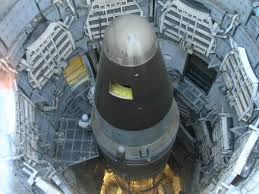
Nuclear missile in silo
Trump’s reply: “Well, first of all, I think we need somebody absolutely that we can trust, who is totally responsible, who really knows what he or she is doing. That is so powerful and so important.”
He then digressed to his having called the Iraq invasion a mistake in 2003 and 2004. Finally he came back on topic:
“But we have to be extremely vigilant and extremely careful when it comes to nuclear.
“Nuclear changes the whole ballgame. The biggest problem we have today is nuclear–nuclear proliferation and having some maniac, having some madman go out and get a nuclear weapon.
“I think to me, nuclear, is just the power, the devastation is very important to me.”
Which brings us back to Machiavelli:
- “…Some think that a prince who gains the reputation of being prudent [owes this to] the good counselors he has about him; they are undoubtedly deceived.”
- “It is an infallible rule that a prince who is not wise himself cannot be well advised, unless by chance he leaves himself entirely in the hands of one man who rules him in everything, and happens to be a very prudent man. In this case, he may doubtless be well governed, but it would not last long, for the governor would in a short time deprive him of the state.”
All of which led Niccolo Machiavelli to warn: “This bodes ill for your Republic.”
ABC NEWS, ADOLF HITLER, ALTERNET, ASSASSINATION, BARACK OBAMA, BUZZFEED, CBS NEWS, CIA, CNN, CONSPIRACIES, DAILY KOS, DAY OF THE JACKAL, DONALD TRUMP, FACEBOOK, FBI, FREDERICK FORSYTHE, GAIUS CASSIUS, JAMES COMEY, JULIUS CAESAR, MAR-A-LAGO, MARCUS BRUTUS, MARK ANTHONY, MOTHER JONES, MOVEON, NBC NEWS, NEWSWEEK, NICCOLO MACHIAVELLI, NPR, PLOTS, POLITICO, RAW STORY, RICHARD NIXON, SALON, Secret Service, SLATE, THE CHICAGO SUN-TIMES, THE CHICAGO TRIBUNE, THE DAILY BEAST, THE DISCOURSES, THE HUFFINGTON POST, THE LOS ANGELES TIMES, THE NEW YORK TIMES, THE WALL STREET JOURNAL, THE WASHINGTON POST, TIME, TWITTER, U.S. NEWS & WORLD REPORT, USA TODAY
In Bureaucracy, History, Law Enforcement, Military, Politics, Social commentary on January 22, 2018 at 12:02 am
Niccolo Machiavelli, the father of modern political science, wrote that there are three periods of danger in a conspiracy:
- Dangers in organizing the plot
- Dangers in executing the conspiracy
- Dangers following the execution of the plot.
The first two dangers were covered in Part One of this series. Now, as to the third danger.
Dangers following the Execution of the Conspiracy: There is really but one—someone is left who will avenge the murdered prince. These can be brothers, sons or other relatives, who have been spared by negligence or for other reasons.
But of all the perils that follow the execution of a conspiracy, the most certain and fearful is the attachment of the people to the murdered prince. There is no remedy against this, for the conspirators can never secure themselves against a whole people.
An example of this occurred in the case of Julius Caesar, who, being beloved by the people, was avenged by them.
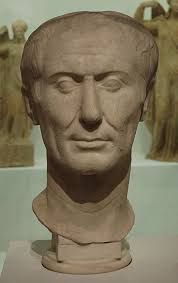
Julius Caesar
Machiavelli closes his chapter “Of Conspiracies” with advice to rulers on how they should act when they find a conspiracy has been formed against them.
If they discover that a conspiracy exists against them, they must, before punishing its authors, strive to learn its nature and extent. And they must measure the danger posed by the conspirators against their own strength.
And if they find it powerful and alarming, they must not expose it until they have amassed sufficient force to crush it. Otherwise, they will only speed their own destruction. They should try to pretend ignorance of it. If the conspirators find themselves discovered, they will be forced by necessity to act without consideration.
The foregoing was taken from Book Three, Chapter Six, of Machiavelli’s masterwork, The Discourses on Livy, which was published posthumously in 1531. But elsewhere in this volume, he notes how important it is for rulers to make themselves loved—or at least respected—by their fellow citizens:

Niccolo Machiavelli
Note how much more praise those Emperors merited who, after Rome became an empire, conformed to her laws like good princes, than those who took the opposite course.
Titus, Nerva, Trajan, Hadrian, Antoninus and Marcus Auelius did not require the Praetorians nor the multitudinous legions to defend them, because they were protected by their own good conduct, the good will of the people, and by the love of the Senate.
On the other hand, neither the Eastern nor the Western armies saved Caligula, Nero, Vitellius and so many other wicked Emperors from the enemies which their bad conduct and evil lives had raised up against them.
In his better-known work, The Prince, he warns rulers who—like Donald Trump—are inclined to rule by fear:
A prince should make himself feared in such a way that if he does not gain love, he at any rate avoids hatred: for fear and the absence of hatred may well go together.

Donald Trump
If Trump is aware of Machiavelli’s warnings, he has shown no signs of it.
Presidents have universally tried to seem friendly and caring toward their fellow Americans.
This held true even for Richard M. Nixon, when he made an impromptu visit to the Lincoln Memorial and engaged in a rambling dialogue with Vietnam war protesters.
The encounter happened around 4 a.m. on May 9, 1970, shortly after the invasion of Cambodia. Nationwide outrage had exploded on college campuses, climaxing in the killing of four students at Kent State University on May 4.
So young Vietnam antiwar protesters who had descended on Washington, D.C. were startled when Nixon suddenly appeared in their midst.
Nixon, in his awkward way of trying to establish rapport, asked some of the students where they were from. When they said they attended Syracuse University, Nixon replied that it had a great football team.
But Nixon and the protesters were separated by too many differences—in their views on sexuality, civil rights, dissent and war—to find common cause.
Still, Nixon at least made an effort to understand and reach an accommodation with his critics.
Since taking office on January 20, 2017, Donald Trump has made none.
Instead, he has:
- Defended white supremacists who sparked violence in Charlottesville, Virginia.
- Fired James Comey, the director of the FBI, for investigating ties between his 2016 Presidential campaign and Russian Intelligence agents.
- Attacked the integrity of Federal judges who struck down his travel ban on Muslims.
- Called the nation’s most prestigious news media “the enemy of the American people.”
- Rammed through Congress a massive tax cut for the wealthy, at the expense of ordinary Americans.
- Attacked the integrity of American Intelligence agencies, such as the FBI and CIA.
- Falsely accused his predecessor, President Barack Obama, of wiretapping him.
These and other infamous actions have led to only 36% of Americans approving of his performance—while 58% disapprove.
Trump’s approval rating is now lower than that of any other President at this point in modern polling at this point.
By Machiavelli’s standards, Trump has made himself the perfect target for a conspiracy: “When a prince becomes universally hated, it is likely that he’s harmed some individuals—who thus seek revenge. This desire is increased by seeing that the prince is widely loathed.”
ABC NEWS, ADOLF HITLER, ALTERNET, ASSASSINATION, BUZZFEED, CBS NEWS, CNN, CONSPIRACIES, DAILY KOS, DAY OF THE JACKAL, DONALD TRUMP, FACEBOOK, FREDERICK FORSYTHE, GAIUS CASSIUS, JULIUS CAESAR, MAR-A-LAGO, MARCUS BRUTUS, MARK ANTHONY, MOTHER JONES, MOVEON, NBC NEWS, NEWSWEEK, NICCOLO MACHIAVELLI, NPR, PLOTS, POLITICO, RAW STORY, SALON, Secret Service, SLATE, THE CHICAGO SUN-TIMES, THE CHICAGO TRIBUNE, THE DAILY BEAST, THE DISCOURSES, THE HUFFINGTON POST, THE LOS ANGELES TIMES, THE NEW YORK TIMES, THE WALL STREET JOURNAL, THE WASHINGTON POST, TIME, TWITTER, U.S. NEWS & WORLD REPORT, USA TODAY
In Bureaucracy, History, Law Enforcement, Military, Politics, Social commentary on January 19, 2018 at 1:50 am
More than 500 years ago, Niccolo Machiavelli, the Florentine statesman, authored The Discourses on Livy, a work of political history and philosophy. In it, he outlined how citizens of a republic can maintain their freedoms.
One of the longest chapters—Book Three, Chapter Six—covers “Of Conspiracies.” In it, those who wish to conspire against a ruler will find highly useful advice.
And so will those who wish to foil such a conspiracy.
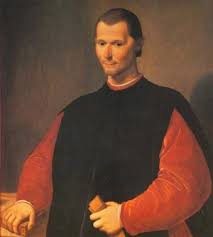

Niccolo Machiavelli
Writes Machiavelli:
For conspirators, there are three ways their efforts can be foiled:
- Discovery through denunciation;
- Discovery through incautiousness;
- Discovery through writings.
Discovery through Denunciation: This occurs through treachery or lack of prudence among one or more conspirators.
Treachery is so common that you can safely tell your plans to only your most trusted friends who are willing to risk their lives for your sake. You may find that you have only one or two of these.
But as you are bring more people into the conspiracy, the chances of discovery greatly increase. It’s impossible to find many who can be completely trusted: For their devotion to you must be greater than their sense of danger and fear of punishment.
Discovery through Carelessness: This happens when one of the conspirators speaks incautiously, so that a third person overhears it Or it may occur from thoughtlessness, when a conspirator tells the secret to his wife or child, or to some other indiscreet person.
When a conspiracy has more than three or four members, its discovery is almost certain, either through treason, imprudence or carelessness.
If more than one conspirator is arrested, the whole plot is discovered, for it will be impossible for any two to agree perfectly as to all their statements.
If only one is arrested, he may–through courage and stubbornness–be able to conceal the names of his accomplices. But then the others, to remain safe, must not panic and flee, since this is certain to be discovered.
If one of them becomes fearful—whether it’s the one who was arrested or is still at liberty—discovery of the conspiracy is certain.
The best way to avoid such detection is to confide your project to your intended fellow conspirators at the moment of execution—and not sooner.
A classic example of this occurred in ancient Persia: A group of nobles assembled to discuss overthrowing a usurper to the throne. The last one to arrive was Darius.
When one of the conspirators asked, “When should we strike?” Darius replied: “We must either go now at this very moment and carry it into execution, or I shall go and denounce you all. For I will not give any of you time to denounce me.”
At that, they went directly to the palace, assassinated the usurper and proclaimed Darius their new king.
Discovery through Writings: You may talk freely with anyone man about everything, for unless you have committed yourself in writing, the “Yes” of one man is worth as much as the “No” of another.
Thus, you should guard most carefully against writing, as against a dangerous rock, for nothing will convict you quicker than your own handwriting.
You may escape, then, from the accusation of a single individual, unless you are convicted by some writing or other pledge, which you should be careful never to give.
If you are denounced, there are means of escaping punishment:
- By denying the accusation and claiming that the person making it hates you; or
- Claiming that your accuser was tortured or coerced into giving false testimony against you.
But the most prudent course is to not tell your intentions to anyone, and to carry out the attempt yourself.
Even if you’re not discovered before you carry out your attack, there are still two dangers facing a conspirator:
Dangers in Execution: These result from:
- An unexpected change in the routine of the intended target;
- The lack of courage among the conspirators; or
- An error on their part, such as leaving some of those alive whom the conspirators intended to kill.
Adolf Hitler, who claimed to have a sixth-sense for danger, was famous for changing his routine at the last minute.
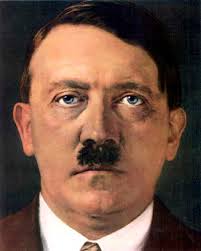
Adolf Hitler
On November 9, 1939, this instinct saved his life. He had been scheduled to give a long speech at a Munich beer hall before the “Old Fighters” of his storm troopers.
But that evening he cut short his speech and left the beer hall. Forty-five minutes later, a bomb exploded inside a pillar—before which Hitler had been speaking.
Conspirators can also be doomed by their good intentions.
In 44 B.C., Gaius Cassius, Marcus Brutus and other Roman senators decided to assassinate Julius Caesar, whose dictatorial ambitions they feared.
Cassius also intended to murder Mark Anthony, Caesar’s strongest ally. But Brutus objected, fearing the plotters would look like butchers, not saviors. Even worse, he allowed Anthony to deliver a eulogy at Caesar’s funeral.
This proved so inflammatory that the mourners rioted, driving the conspirators out of Rome. Soon afterward, they were defeated in a battle with the legions of Anthony and Octavian Caesar—and forced to commit suicide to avoid capture and execution.
ABC NEWS, ADOLF HITLER, ALBANIA, ALTERNET, ANDREI CHERNY, AP, BERLIN AIRLIFT, BULGARIA, BUZZFEED, CAMILLUS, CBS NEWS, CNN, CONTAINMENT, CROOKS AND LIARS, CZECHOSLOVAKIA, DAILY KOZ, EAST GERMANY, FACEBOOK, FALISCIA, FRANCE, FRANKLIN D. ROOSEVELT, GAIL “HAL” HALVORSEN, GREAT BRITAIN, HARRY S. TRUMAN, HUNGARY, IRON CURTAIN, JOSEPH STALIN, MOTHER JONES, MOVEON, NAZI GERMANY, NBC NEWS, NEWSWEEK, NICCOLO MACHIAVELLI, NPR, POLAND, POLITICO, RAW STORY, REUTERS, ROMANIA, ROME, SALON, SEATTLE TIMES, SLATE, SOVIET UNION, THE ATLANTIC, THE CANDY BOMBERS, THE CHICAGO SUN-TIMES, THE CHICAGO TRIBUNE, THE DAILY BEAST, THE DISCOURSES, THE GUARDIAN, THE HILL, THE HUFFINGTON POST, THE LOS ANGELES TIMES, THE NATION, THE NEW YORK TIMES, THE WASHINGTON POST, TIME, TWITTER, U.S. NEWS & WORLD REPORT, UNITED STATES, UPI, USA TODAY, WEST BERLIN, WILLIE "THE WHIP" TUNNER, WORLD WAR 11, YUGOSLAVIA
In Bureaucracy, History, Military, Politics, Social commentary on December 21, 2017 at 3:12 am
In June, 1948, Soviet dictator Joseph Stalin was determined to drive the Western occupying powers out of Berlin—and of West Germany.
On June 19, the Soviet Union blocked the Western Allies’ railway, road, and canal access to the sectors of Berlin under Western control.
At that time, West Berlin had only 36 days’ worth of food and 45 days’ worth of coal. And the United States had only 8,973 Americans stationed in Berlin. British forces totaled 7,606, and French forces 6,100.
Russian forces in Berlin and East Germany outnumbered them 62 to 1.
The United States seemed to face a choice between all-out war with the Soviet Union—or appeasing its growing aggression in Eastern Europe.
Fortunately, a third choice was found. It became known as the Berlin Airlift.
This was carried out primarily by the United States and Great Britain. Other Western powers taking part in this operation included France, Australia, Canada, New Zealand and South Africa.
Starting on June 24, 1948, the Berlin Airlift aimed to supply the city’s two and a half million residents with food and energy supplies.
There was no guarantee that such an operation could succeed–at least, not in the long run. Since 1903, airplanes had been used to carry out surveillance, engage in dogfights or bomb cities. But airlifts—flying supplies to stranded people—had proven dismal failures.
At first, the Berlin Airlift worked haphazardly. Pilots flew themselves to exhaustion to meet the needs of those they had relentlessly bombed just three years ago.
Then Major General William “Willie the Whip” Tunner took charge—and brought a totally mechanized approach to the drops:
- Pilots must fly strictly by instruments, even when visibility was excellent.
- Planes could no longer circle over Berlin. Each plane would have only one chance to land in Berlin—or must return to its base if it missed its approach.
- Every 90 seconds, a plane was to take off or land.
Just keeping Berliners alive demanded 4,000 tons of supplies each day. Each plane was thus overloaded by 10 tons. Pilots flew literally round the clock. When fog rolled in that winter, visibility was reduced to zero. Twenty-eight Americans died in crashes.
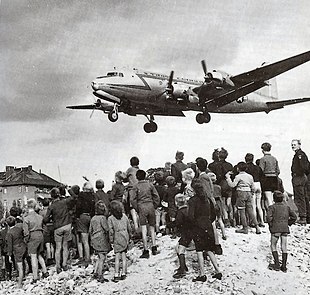
A Douglas C-54 Skymaster lands at Berlin’s Templehof Airport
Germans were impressed with American efficiency, but knew that, in the eyes of most of their American occupiers, they were pariahs. They had waged an aggressive war and exterminated millions of helpless men, women and children in concentration camps.
They were glad the Allies were keeping them alive, but felt they were pawns in a global chess game between the United States and the Soviet Union.
Then fate took a hand.
An Army Air Force pilot named Gail “Hal” Halvorsen impulsively decided to drop a series of small, hand-made parachutes of candies to Berlin’s children.
When General Tunner learned of this, he instantly realized its worth as a morale booster to Berliners. He ordered Halvorsen to continue the drops.

Gail “Hal” Halvorsen
Other pilots followed Halvorsen’s example. Soon Berlin’s children were lining up by the thousands, hoping to grab one of the candy-filled parachutes made from handkerchiefs or strips of clothing.
When the press learned of the drops, the story became a worldwide sensation. Back in the United States, Americans mailed literally tons of candy to Germany for distribution to Berlin’s children.
“The candy bombers” became the most beloved Americans in Berlin. And Halvorsen became the most beloved of them all. On October 3, 1948, when his plane landed in Berlin during a pouring storm, 700 children greeted him on the tarmac for “Lieutenant Gail Halvorsen Day.”
Among the letters he received from Berlin’s children:
Dear Uncle Wiggly Wings,
When yesterday I came from school, I had the happiness to get one of your sweet gifts….You cannot think how big the joy was….My brother and parents stood about me when I opened the strings and fetched out all the chocolate.
Dear Candy Bomber,
…How lucky I was last Sunday. I played at a ruin with some friends of mine opposite our house. Suddenly we saw about ten white parachutes coming out of the sky! One of them set down on the roof of our house. There were three stripes chocolate in the parachute….I want to thank you for your love to the German kids….
From 10-year-old Helma Lurch came this tribute:
Take care of yourself, and remember us children and we will remember you our whole life.
Adults as well as children responded emotionally to the candy drops—and “the candy bombers” responsible for them. When a plane crashed, killing two American lieutenants, residents of the neighborhood memorialized them with a plaque: “Once we were enemies yet you now gave your lives for us. We are doubly in your debt.”
The Airlift ended on May 12, 1949, when Stalin finally accepted defeat and ended the blockade.
“As [Halvorsen] came to represent the Airlift and America to the Berliners,” writes Andrei Cherney in his definitive book, The Candy Bombers, “through him America became a country that cared enough about the defeated Germans to…deliver candy to children, an act without any…ulterior motive, a gift of plain compassion.”
In 1948, that act forged a solid bond—which still exists—between Germany and the United States.
ABC NEWS, ADOLF HITLER, ALBANIA, ALTERNET, AP, BERLIN AIRLIFT, BULGARIA, BUZZFEED, CAMILLUS, CBS NEWS, CNN, CONTAINMENT, CROOKS AND LIARS, CZECHOSLOVAKIA, DAILY KOZ, EAST GERMANY, FACEBOOK, FALISCIA, FRANCE, FRANKLIN D. ROOSEVELT, GREAT BRITAIN, HARRY S. TRUMAN, HUNGARY, IRON CURTAIN, JOSEPH STALIN, MOTHER JONES, MOVEON, NAZI GERMANY, NBC NEWS, NEWSWEEK, NICCOLO MACHIAVELLI, NPR, POLAND, POLITICO, RAW STORY, REUTERS, ROMANIA, ROME, SALON, SEATTLE TIMES, SLATE, SOVIET UNION, THE ATLANTIC, THE CHICAGO SUN-TIMES, THE CHICAGO TRIBUNE, THE DAILY BEAST, THE DISCOURSES, THE GUARDIAN, THE HILL, THE HUFFINGTON POST, THE LOS ANGELES TIMES, THE NATION, THE NEW YORK TIMES, THE WASHINGTON POST, TIME, TWITTER, U.S. NEWS & WORLD REPORT, UNITED STATES, UPI, USA TODAY, WEST BERLIN, WORLD WAR ii, YUGOSLAVIA
In Bureaucracy, History, Military, Politics, Social commentary on December 20, 2017 at 12:40 am
Once again, it falls to Niccolo Machiavelli to reveal truths long forgotten—especially by those who subscribe only to the darkest arts.
In his most important book, The Discourses, he outlines the methods by which citizens of a republic can maintain their freedom.
In Book Three, Chapter 20, he offers this example of the power of humanity to win over even the most stubborn opponents:
Niccolo Machiavelli
“Camillus was besieging the city of the Faliscians, and had surrounded it….A teacher charged with the education of the children of some of the noblest families of that city [to ingratiate himself] with Camillus and the Romans, led these children…into the Roman camp.
“And presenting them to Camillus [the teacher] said to him, ‘By means of these children as hostages, you will be able to compel the city to surrender.’
“Camillus not only declined the offer but had the teacher stripped and his hands tied behind his back….[Then Camillus] had a rod put into the hands of each of the children…[and] directed them to whip [the teacher] all the way back to the city.
“Upon learning this fact, the citizens of Faliscia were so much touched by the humanity and integrity of Camillus, that they surrendered the place to him without any further defense.
“This example shows that an act of humanity and benevolence will at all times have more influence over the minds of men than violence and ferocity. It also proves that provinces and cities which no armies…could conquer, have yielded to an act of humanity, benevolence, chastity or generosity.”
Americans put this lesson to use in 1948 in the skies over Berlin.
When Nazi Germany fell to the Allies in May, 1945, the country was divided into four zones of occupation—one for each of the occupying powers: The United States, Great Britain, France and the Soviet Union.
Within the fledgling administration of President Harry S. Truman, many believed that a new era of peace had dawned between America and Russia.
But then grim reality intruded.
Adolf Hitler had invaded the Soviet Union in 1941. As a result, at least 20 million Soviet men, women and children died violently.
To expel the invasion and destroy Nazi Germany, Russian armies had advanced across a series of Eastern European countries. With the war over, Soviet dictator Joseph Stalin decided to protect the Soviet Union from a future German invasion.
Joseph Stalin
His solution: Occupy Eastern Europe with Red Army units as a buffer between Germany and the Soviet Union. Poland, East Germany, Czechoslovakia, Romania, Bulgaria, Hungary, Albania and Yugoslavia.
Stalin had promised President Franklin Roosevelt that he would withdraw his armies from these countries once Germany was defeated. And he would allow them to choose whatever form of government they desired.
But Stalin had no intention of living up to his promises. And backing him up were 10 to 13 million Red Army soldiers. The entire United States Army had been reduced to 552,000 men by February 1948.
Liberating the captive nations of Eastern Europe—as General George S. Patton wanted to do—would have plunged the United States into full-scale war against its World War II ally.
And by 1945, the Red Army was a formidable enemy: Of the 4.3 million dead and missing casualties suffered by the Wehrmacht, 85% of them occurred on the dreaded “Eastern front.”
So there was nothing the United States could do—short of all-out war—to “roll back” the “Iron Curtain” that had swept over Eastern Europe.
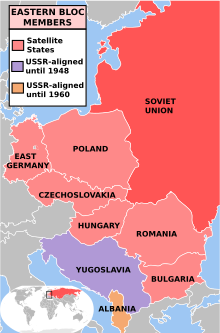
But Americans could—and did—draw a line in the sand. That line became known as the policy of “containment.”
And nowhere was the collision between the U.S.A and the U.S.S.R. more likely to ignite into full-scale war than in Berlin.
Between 1945 and 1948, the Soviets increased their pressure on Western forces occupying Berlin to leave the city. The Soviets already controlled East Germany; gaining control of the Western-held part of Berlin would likely be their first step toward overwhelming the rest of Germany.
And, after Germany, probably France—and as many other European countries as possible.
During the first two years of occupation the occupying powers of France, United Kingdom, United States, and the Soviet Union were not able to successfully negotiate a possible currency reform in Germany. Each of the Allies printed its own occupation currency.
Then, on June 20, 1948, the Bizonal Economic Council introduced the Deutsche mark to West Germany.
On June 24, 1945, the Soviet Union blocked the Western Allies’ railway, road, and canal access to the sectors of Berlin under Western control. This meant a cutoff of food and energy supplies to Berlin’s two and a half million residents.
The United States faced a monumental crisis:
- Should it abandon West Berlin—and thus tempt the Soviet Union into further aggression?
- Should it match the puny Western military forces—outnumbered 62 to 1—against the massive Soviet military presence?
- If it chose to fight in Berlin, would this lead to nuclear war?
Fortunately for the Allies—and West Germany—a third choice was available besides war and appeasement.
It became known as the Berlin Airlift.
2016 PRESIDENTIAL CAMPAIGN, ABC NEWS, ALTERNET, AP, BBC, BILL CLINTON, BUZZFEED, CBS NEWS, CNN, DAILY KOS, DONALD TRUMP, FACEBOOK, FBI, HILLARY CLINTON, HOUSE OF REPRESENTATIVES, IMPEACHMENT, JAMES COMEY, JOSEPH STALIN, KEITH SCHILLER, KENNETH STARR, MIKE FLYNN, MONICA LEWINSKY, MOTHER JONES, MOVEON, NBC NEWS, NEWSWEEK, NICCOLO MACHIAVELLI, NPR, POLITICO, RAW STORY, REUTERS, ROBERT MEULLER 111, ROD ROSENSTEIN, RUSSIA, SALON, SEATTLE TIMES, SERGEY KISLYAK, SERGEY LAVOV, SLATE, SPECIAL PROSECUTOR, TAPES, THE ATLANTIC, THE CHICAGO SUN-TIMES, THE CHICAGO TRIBUNE, THE DAILY BEAST, THE DISCOURSES, THE GUARDIAN, THE HILL, THE HUFFINGTON POST, THE LOS ANGELES TIMES, THE NEW YORK TIMES, THE PRINCE, THE WALL STREET JOURNAL, THE WASHINGTON POST, TIME, TWITTER, U.S. NEWS & WORLD REPORT, UNITED STATES SENATE, UPI, USA TODAY, WHITEWATER
In Bureaucracy, History, Law, Law Enforcement, Politics, Social commentary on June 13, 2017 at 12:20 am
Hear that sound?
It’s the sound of Niccolo Machiavelli laughing at President Donald J. Trump.
Machiavelli (1469 – 1527) was an Italian Renaissance historian, diplomat and writer. Two of his books continue to profoundly influence modern politics: The Prince and The Discourses on the First Ten Books of Titus Livy.
The Prince has often been damned as a dictator’s guide on how to gain and hold power. But The Discourses outlines how citizens in a republic can maintain their liberty.
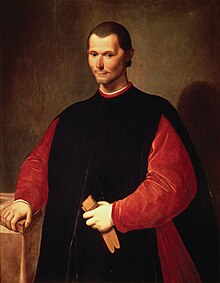
Niccolo Machiavelli
In Chapter 26 of The Discourses, he advises:
I hold it to be a proof of great prudence for men to abstain from threats and insulting words towards any one, for neither the one nor the other in any way diminishes the strength of the enemy—but the one makes him more cautious, and the other increases his hatred of you, and makes him more persevering in his efforts to injure you.
If Trump has read Machiavelli, he’s utterly forgotten the Florentine statesman’s advice. Or he decided long ago that it simply didn’t apply to him.
Consider his treatment of James Comey, the former FBI director whom the President fired on May 9.
James B. Comey (By Federal Bureau of Investigation)
In a move that Joseph Stalin would have admired, Trump gave no warning of his intentions.
Instead, he sent Keith Schiller, his longtime bodyguard and henchman, to the FBI with a letter announcing Comey’s dismissal.
Trump had three reasons for firing Comey:
- Comey had refused to pledge his personal loyalty to Trump. Trump had made this “request” during a private dinner at the White House in January. After refusing to make that pledge, Comey told Trump that he would always be honest with him. But that didn’t satisfy Trump’s demand that the head of the FBI act as his personal secret police chief.
- Trump had tried to coerce him into dropping the FBI’s investigation into former National Security Adviser Mike Flynn, for his secret ties to Russia and Turkey. Comey had similarly resisted that demand.
- Comey had recently asked the Justice Department to fund an expanded FBI investigation into contacts between Trump’s 2016 Presidential campaign and Russian Intelligence agents.
On May 10–the day after firing Comey–Trump met in the Oval Office with Russian Foreign Minister Sergey Lavov and Russian Ambassador Sergey Kislyak.
Donald Trump
Kislyak is reportedly a top recruiter for Russia’s SVR foreign intelligence agency. He has been closely linked with Jeff Sessions, now Attorney General, and fired National Security Adviser Mike Flynn.
“I just fired the head of the FBI,” Trump told the two dignitaries. “He was crazy, a real nut job. I faced great pressure because of Russia. That’s taken off.”
Two days later, on May 12, Trump tweeted a threat to the fired FBI director: “James Comey better hope that there are no ‘tapes’ of our conversations before he starts leaking to the press.”
It clearly didn’t occur to Trump that Comey might have created his own record of their exchanges. Or that he might choose to publicly release it.
But shortly afterward, that’s exactly what he did.
News stories surfaced that Comey had written memos to himself immediately after his private meetings with Trump. He had also told close aides that Trump was trying to pressure him into dropping the Russia investigation.
The news stories led to another result Trump had not anticipated: Acting Attorney General Rod Rosenstein yielded to demands from Democrats and appointed former FBI Director Robert Meuller III as a Special Prosecutor to investigate Trump’s Russian ties.
A Special Prosecutor (now euphemistically called an “Independent Counsel”) holds virtually unlimited power and discretion.
In 1993, Kenneth Starr was appointed Special Prosecutor to investigate Bill and Hillary Clinton’s involvement in “Whitewater.” This was a failed Arkansas land deal that had happened while Clinton was still governor there. It had nothing to do with his role as President.
Starr never turned up anything incriminating about Whitewater. But he discovered that Clinton had gotten oral sex in the Oval Office from a lust-hungry intern named Monica Lewinsky.
Clinton’s lying about these incidents before a Federal grand jury led to his impeachment by a Republican-dominated House of Representatives. But he avoided removal when the Senate refused to convict him by a vote of 55 to 45.
Finally, Trump’s implying that he had illegally taped his conversations with Comey was yet another dangerous mistake, with four possible outcomes:
- If Trump has such tapes, they can and will be subpoenaed by the Special Prosecutor and the House and Senate committees investigating Russia’s meddling in the 2016 election.
- If Trump has such tapes and refuses to turn them over, he can be charged with obstruction of justice–and impeached for that reason alone.
- If he has burned or erased such tapes, that, too, counts as obstruction of justice.
- If he doesn’t have such tapes, he will be revealed as a maker of empty threats.
This last outcome wouldn’t get him impeached. But it would make him a national laughingstock.
As Machiavelli also warns: Unwise princes cannot be wisely advised.


.jpg&imgrefurl=https%3A%2F%2Fen.wikipedia.org%2Fwiki%2FJulius_Caesar&docid=i5zp8D4W-fCkiM&tbnid=pa1aoGEpET-OGM%3A&vet=1&w=1117&h=1769&bih=414&biw=745&ved=0ahUKEwjsvNnh8-rSAhULe7wKHWZBDxoQMwhQKBUwFQ&iact=c&ictx=1)
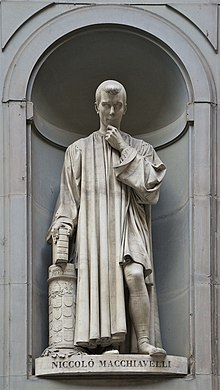

 Bureaucracybuster's Blog
ABC NEWS, ALTERNET, AP, APPLE, ARIZONA REPUBLIC, BUZZFEED, CBS NEWS, CNN, CROOKS AND LIARS, DAILY KOZ, DON BOLLES, DONALD TRUMP, FACEBOOK, FBI, J.P. MORGAN, JAMES COMEY, JOHN GOTTI, MAFIA, MEDIA, MICHAEL FLYNN, MOTHER JONES, MOVEON, MSNBC, NBC NEWS, NEWSWEEK, NICCOLO MACHIAVELLI, NPR, NYPD, PAUL RYAN, POLITICO, RAW STORY, REUTERS, SALON, SEATTLE TIMES, SLATE, SPEAKER OF THE HOUSE, THE ATLANTIC, THE CHICAGO SUN-TIMES, THE CHICAGO TRIBUNE, THE DAILY BEAST, THE DISCOURSES, THE GUARDIAN, THE HILL, THE HUFFINGTON POST, THE LOS ANGELES TIMES, THE NATION, THE NEW YORK TIMES, THE WASHINGTON POST, TIME, TWITTER, U.S. NEWS & WORLD REPORT, UNITED STATES SENATE SELECT COMMITTEE ON INTELLIGENCE, UPI, USA TODAY
COVERING TRUMP AS HE DESERVES
In Bureaucracy, History, Politics, Social commentary on May 14, 2018 at 12:13 amOn June 8, 2017, James Comey testified before the United States Senate Select Committee on Intelligence.
On May 9, he had been fired as director of the FBI by President Donald Trump.
During his Congressional testimony, Comey revealed that, on February 14, 2017, Trump had ordered everyone but Comey to leave a crowded meeting in the Oval Office.
Michael Flynn had resigned the previous day from his position as National Security Adviser. The FBI was investigating him for his previously undisclosed ties to Russia.
“I hope you can see your way clear to letting this go, to letting Flynn go,” said Trump. “He is a good guy. I hope you can let this go.”
This was clearly an attempt by Trump to obstruct the FBI’s investigation.
Yet Republican House Speaker Paul Ryan rushed to excuse his clearly illegal behavior: “He’s new at government, so therefore I think he’s learning as he goes.”
Paul Ryan
Many reporters who undoubtedly knew better agreed with this excuse: He just didn’t understand the protocols. He’ll get it right next time.
They didn’t dare report the truth: America is being ruled by a dictator in the mold of John Gotti.
Thus, Trump didn’t meet privately with Comey because he didn’t know “how modern government operates.” He wanted a private meeting to make a request he knew was on its face illegal—and he wanted to ensure “plausible deniability” in doing so.
If Comey later told the truth about that meeting—as he later did—Trump could say—as he later did: “It’s just his word against mine. Who are you going to believe?”
Reporters covering the Trump administration need to radically change their methods for doing so.
They should start covering it the way organized crime reporters have long covered the Mafia.
Donald Trump
First, assume that Trump—and those who serve him—are acting criminally unless they can prove otherwise.
As Niccolo Machiavelli advised in his classic work, The Discourses:
“All those who have written upon civil institutions demonstrate…that whoever desires to found a state and give it laws, must start with assuming that all men are bad and ever ready to display their vicious nature, whenever they may find occasion for it.
“If their evil disposition remains concealed for a time, it must be attributed to some unknown reason, and we must assume that it lacked occasion to show itself.”
Second, report what he and his minions say publicly—but look for well-placed sources in law enforcement for the truth.
Reporters covering John Gotti found him highly quotable copy. But they also cultivated secret sources within the FBI and NYPD to discover what crimes he had committed—and was committing.
And when they wrote stories about him, they stated—unequivocally—that he was the boss of an organized crime family.
Reporters covering Trump should similarly list his own history of conflicts with the law.
John Gotti
Third, news media should devote fewer resources to covering the public side of Trump—and more to unearthing the truths he wants to suppress.
As robber baron J.P. Morgan once admitted: “A man generally has two reasons for doing a thing. One that sounds good, and a real one.”
What’s said during a press conference—whether by Trump or any other of his officials—is strictly the version he wants stated. This could be transcribed by a single pool reporter, who shares whatever’s said with all the major news media.
This, in turn, would free legions of reporters to unearth truths that Trump doesn’t want revealed.
Fourth, recognize that Trump is fighting an all-out war on the media—and have the courage to publicly state this.
In 1976, Arizona Republic reporter and organized crime expert Don Bolles, was killed by a car bomb. Legions of reporters from across the country descended on Arizona to prove to mobsters: Attacking reporters is as dangerous as attacking cops.
Donald Trump has labeled established news media as “fake news.” He has called reporters “the enemy of America.” On at least one occasion, he told a CNN reporter: “You’re fake news.”
Yet no reporter—for CNN or any other news outlet—has called him a “fake President.” Nor has any reporter dared to call him a pathological liar with dictatorial ambitions.
CNN has started running an ad featuring a shiny red apple, while a voice-over intones:
“This is an apple. Some people might try to tell you that it’s a banana. They might scream banana, banana, banana over and over and over again. They might put BANANA in all caps. You might even start to believe that this is a banana. But it’s not. This is an apple.”
Unfortunately, many viewers might mistake the “apple” for Apple. Thus, a more effective ad could feature a picture of Trump in an SS uniform, and the following message:
“This is a Fascist. Some people might try to tell you that he’s a Republican. They might scream Republican, Republican, Republican over and over and over again. They might put REPUBLICAN in all caps. You might even start to believe that he is a Republican. But he’s not. This is a Fascist.”
Share this: