Posts Tagged ‘TAX JUSTICE NETWORK’
ABC NEWS, ALTERNET, AMERICABLOG, AP, BABY BOOMER RESISTANCE, BBC, BLOOMBERG NEWS, BUSINESS, BUZZFEED, CBS NEWS, CNN, CROOKS AND LIARS, DAILY KOS, DAILY KOZ, DONALD TRUMP, FBI, FIVETHIRTYEIGHT, HARPER’S MAGAZINE, HUFFINGTON POST, INCOME INEQUALITY, MAFIA, MEDIA MATTERS, MOTHER JONES, MOVEON, MSNBC, NBC NEWS, NEW REPUBLIC, NEWSDAY, NEWSWEEK, NICCOLO MACHIAVELLI, NPR, PBS NEWSHOUR, POLITICO, POLITICS, POLITICUSUSA, RAW STORY, REUTERS, SALON, SEATTLE TIMES, SLATE, TALKING POINTS MEMO, TAX HAVENS, TAX JUSTICE NETWORK, THE ATLANTIC, THE CHICAGO SUN-TIMES, THE CHICAGO TRIBUNE, THE DAILY BEAST, THE DAILY BLOG, THE GUARDIAN, THE HILL, THE HUFFINGTON POST, THE INTERCEPT, THE LOS ANGELES TIMES, THE NATION, THE NEW REPUBLIC, THE NEW YORK TIMES, THE NEW YORKER, THE PRINCE, THE VILLAGE VOICE, THE WALL STREET JOURNAL, THE WASHINGTON POST, THINKPROGRESS, TIME, TRUTHDIG, TRUTHOUT, TWITTER, TWO POLITICAL JUNKIES, U.S. NEWS & WORLD REPORT, UPI, USA TODAY, WEALTH, WONKETTE
In Business, History, Law, Law Enforcement, Politics, Social commentary on January 6, 2023 at 12:14 am
For President Donald Trump and Congressional Republicans, the single greatest achievement of their time in office was to drastically cut taxes on the wealthy (including themselves).
It’s a view that Niccolo Machiavelli would dispute.
In 1513, Machiavelli, the Florentine statesman who has been called the father of modern political science, published his best-known work: The Prince.
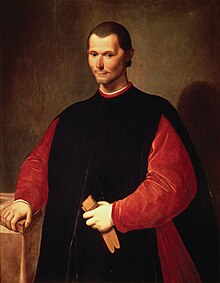

Niccolo Machiavelli
Among the issues he confronted was how to preserve liberty within a republic. And key to this was mediating the eternal struggle between the wealthy and the poor and middle class.
Machiavelli deeply distrusted the nobility because they stood above the law. He saw them as a major source of corruption because they could buy influence through patronage, favors or nepotism.
Successful political leaders must attain the support of the nobility or general populace. But since these groups have conflicting interests, the safest course is to choose the latter.
Writes Machiavelli:
….He who becomes prince by help of the [wealthy] has greater difficulty in maintaining his power than he who is raised by the populace. He is surrounded by those who think themselves his equals, and is thus unable to direct or command as he pleases.
But one who is raised to leadership by popular favor finds himself alone, and has no one, or very few, who are not ready to obey him. [And] it is impossible to satisfy the [wealthy] by fair dealing and without inflicting injury upon others, whereas it is very easy to satisfy the mass of the people in this way.
Machiavelli warns that the general populace is more honest than the nobility—i.e., wealthy. The wealthy seek to oppress, while the populace wants to simply avoid oppression.
A political leader cannot protect himself against a hostile population, owing to their numbers, but he can against the hostility of the great, as they are but few.
The worst that a prince has to expect from a hostile people is to be abandoned, but from hostile nobles he has to fear not only desertion but their active opposition. And as they are more far seeing and more cunning, they are always in time to save themselves and take sides with the one who they expect will conquer.
The prince is, moreover, obliged to live always with the same people, but he can easily do without the same nobility, being able to make and unmake them at any time, and improve their position or deprive them of it as he pleases.
Unfortunately, political leaders throughout the world—including the United States–have ignored this sage advice.
In 2012, Tax Justice Network, which campaigns to abolish tax havens, commissioned a study of their effect on the world’s economy.
The study was entitled, “The Price of Offshore Revisited: New Estimates for ‘Missing’ Global Private Wealth, Income, Inequality and Lost Taxes.”
http://www.taxjustice.net/cms/upload/pdf/Price_of_Offshore_Revisited_120722.pdf
The research was carried out by James Henry, former chief economist at consultants McKinsey & Co. Among its findings:
Summing up this situation, the report noted: “We are up against one of society’s most well-entrenched interest groups. After all, there’s no interest group more rich and powerful than the rich and powerful.”
Fortunately, Machiavelli has supplied timeless remedies to this increasingly dangerous situation:
- Assume evil among men—and most especially among those who possess the greatest concentration of wealth and power.
- Carefully monitor their activities—the way the FBI now regularly monitors those of the Mafia and major terrorist groups.
- Ruthlessly prosecute the treasonous crimes of the rich and powerful—and, upon their conviction, impose severe punishment.
ABC NEWS, ALTERNET, AMERICABLOG, AP, BABY BOOMER RESISTANCE, BBC, BLOOMBERG NEWS, BUSINESS, BUZZFEED, CBS NEWS, CNN, CROOKS AND LIARS, DAILY KOS, DAILY KOZ, DONALD TRUMP, FACEBOOK, FBI, FIVETHIRTYEIGHT, HARPER’S MAGAZINE, HUFFINGTON POST, INCOME INEQUALITY, MAFIA, MEDIA MATTERS, MOTHER JONES, MOVEON, MSNBC, NBC NEWS, NEW REPUBLIC, NEWSDAY, NEWSWEEK, NICCOLO MACHIAVELLI, NPR, PBS NEWSHOUR, POLITICO, POLITICS, POLITICUSUSA, RAW STORY, REUTERS, SALON, SEATTLE TIMES, SLATE, TALKING POINTS MEMO, TAX HAVENS, TAX JUSTICE NETWORK, THE ATLANTIC, THE CHICAGO SUN-TIMES, THE CHICAGO TRIBUNE, THE DAILY BEAST, THE DAILY BLOG, THE GUARDIAN, THE HILL, THE HUFFINGTON POST, THE INTERCEPT, THE LOS ANGELES TIMES, THE NATION, THE NEW REPUBLIC, THE NEW YORK TIMES, THE NEW YORKER, THE PRINCE, THE VILLAGE VOICE, THE WALL STREET JOURNAL, THE WASHINGTON POST, THINKPROGRESS, TIME, TRUTHDIG, TRUTHOUT, TWITTER, TWO POLITICAL JUNKIES, U.S. NEWS & WORLD REPORT, UPI, USA TODAY, WEALTH, WONKETTE
In Business, History, Law, Law Enforcement, Politics, Social commentary on March 31, 2022 at 12:14 am
For President Donald Trump and Congressional Republicans, the single greatest achievement of their time in office was to drastically cut taxes on the wealthy (including themselves).
It’s a view that Niccolo Machiavelli would dispute.
In 1513, Machiavelli, the Florentine statesman who has been called the father of modern political science, published his best-known work: The Prince.

Niccolo Machiavelli
Among the issues he confronted was how to preserve liberty within a republic. And key to this was mediating the eternal struggle between the wealthy and the poor and middle class.
Machiavelli deeply distrusted the nobility because they stood above the law. He saw them as a major source of corruption because they could buy influence through patronage, favors or nepotism.
Successful political leaders must attain the support of the nobility or general populace. But since these groups have conflicting interests, the safest course is to choose the latter.
Writes Machiavelli:
….He who becomes prince by help of the [wealthy] has greater difficulty in maintaining his power than he who is raised by the populace. He is surrounded by those who think themselves his equals, and is thus unable to direct or command as he pleases.
But one who is raised to leadership by popular favor finds himself alone, and has no one, or very few, who are not ready to obey him. [And] it is impossible to satisfy the [wealthy] by fair dealing and without inflicting injury upon others, whereas it is very easy to satisfy the mass of the people in this way.
Machiavelli warns that the general populace is more honest than the nobility—i.e., wealthy. The wealthy seek to oppress, while the populace wants to simply avoid oppression.
A political leader cannot protect himself against a hostile population, owing to their numbers, but he can against the hostility of the great, as they are but few.
The worst that a prince has to expect from a hostile people is to be abandoned, but from hostile nobles he has to fear not only desertion but their active opposition. And as they are more far seeing and more cunning, they are always in time to save themselves and take sides with the one who they expect will conquer.
The prince is, moreover, obliged to live always with the same people, but he can easily do without the same nobility, being able to make and unmake them at any time, and improve their position or deprive them of it as he pleases.
Unfortunately, political leaders throughout the world—including the United States–have ignored this sage advice.
In 2012, Tax Justice Network, which campaigns to abolish tax havens, commissioned a study of their effect on the world’s economy.
The study was entitled, “The Price of Offshore Revisited: New Estimates for ‘Missing’ Global Private Wealth, Income, Inequality and Lost Taxes.”
http://www.taxjustice.net/cms/upload/pdf/Price_of_Offshore_Revisited_120722.pdf
The research was carried out by James Henry, former chief economist at consultants McKinsey & Co. Among its findings:
Summing up this situation, the report noted: “We are up against one of society’s most well-entrenched interest groups. After all, there’s no interest group more rich and powerful than the rich and powerful.”
Fortunately, Machiavelli has supplied timeless remedies to this increasingly dangerous situation:
- Assume evil among men—and most especially among those who possess the greatest concentration of wealth and power.
- Carefully monitor their activities—the way the FBI now regularly monitors those of the Mafia and major terrorist groups.
- Ruthlessly prosecute the treasonous crimes of the rich and powerful—and, upon their conviction, impose severe punishment.
ABC NEWS, ALTERNET, AMERICABLOG, AP, BABY BOOMER RESISTANCE, BBC, BLOOMBERG NEWS, BUSINESS, BUZZFEED, CBS NEWS, CNN, CROOKS AND LIARS, DAILY KOS, DAILY KOZ, DONALD TRUMP, FACEBOOK, FBI, FIVETHIRTYEIGHT, HARPER’S MAGAZINE, HUFFINGTON POST, INCOME INEQUALITY, MAFIA, MEDIA MATTERS, MOTHER JONES, MOVEON, MSNBC, NBC NEWS, NEW REPUBLIC, NEWSDAY, NEWSWEEK, NICCOLO MACHIAVELLI, NPR, PBS NEWSHOUR, POLITICO, POLITICS, POLITICUSUSA, RAW STORY, REUTERS, SALON, SEATTLE TIMES, SLATE, TALKING POINTS MEMO, TAX HAVENS, TAX JUSTICE NETWORK, THE ATLANTIC, THE CHICAGO SUN-TIMES, THE CHICAGO TRIBUNE, THE DAILY BEAST, THE DAILY BLOG, THE GUARDIAN, THE HILL, THE HUFFINGTON POST, THE LOS ANGELES TIMES, THE NATION, THE NEW REPUBLIC, THE NEW YORK TIMES, THE NEW YORKER, THE PRINCE, THE VILLAGE VOICE, THE WALL STREET JOURNAL, THE WASHINGTON POST, THINKPROGRESS, TIME, TRUTHDIG, TRUTHOUT, TWITTER, TWO POLITICAL JUNKIES, U.S. NEWS & WORLD REPORT, UPI, USA TODAY, WEALTH, WONKETTE
In Bureaucracy, Business, History, Law, Law Enforcement, Politics, Social commentary on May 14, 2021 at 12:55 am
In November, 2017, President Donald Trump and a Republican-dominated House and Senate rammed the Tax Cuts and Jobs Act of 2017 through Congress. It became law on December 22, 2017.
The law:
- Ignored the stagnation of working-class wages and exacerbated inequality;
- Weakened revenues when the nation needed to raise more;
- Encouraged rampant tax avoidance and gaming that will undermine the integrity of the tax code;
- Left behind low- and moderate-income Americans—and in many ways hurt them.
For American corporations, however, the law was a godsend:
- Cutting the corporate tax rate from 35 to 21 percent;
- Shifting toward a territorial tax system, where multinational corporations’ foreign profits go largely untaxed;
- Benefitting overwhelmingly wealthy shareholders and highly paid executives.
In 1513, Niccolo Machiavelli, the Florentine statesman who has been called the father of modern political science, published his best-known work: The Prince.
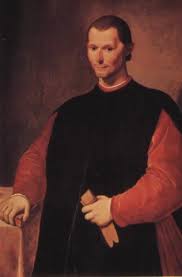
Niccolo Machiavelli
Among the issues he confronted was how to preserve liberty within a republic. And key to this was mediating the eternal struggle between the wealthy and the poor and middle class.
Machiavelli deeply distrusted the nobility because they stood above the law. He saw them as a major source of corruption because they could buy influence through patronage, favors or nepotism.
Successful political leaders must attain the support of the nobility or general populace. But since these groups have conflicting interests, the safest course is to choose the latter.
Writes Machiavelli:
….He who becomes prince by help of the [wealthy] has greater difficulty in maintaining his power than he who is raised by the populace. He is surrounded by those who think themselves his equals, and is thus unable to direct or command as he pleases.
But one who is raised to leadership by popular favor finds himself alone, and has no one, or very ew, who are not ready to obey him. [And] it is impossible to satisfy the [wealthy] by fair dealing and without inflicting injury upon others, whereas it is very easy to satisfy the mass of the people in this way.
Machiavelli warns that the general populace is more honest than the nobility–i-.e., wealthy. The wealthy seek to oppress, while the populace wants to simply avoid oppression.
A political leader cannot protect himself against a hostile population, owing to their numbers, but he can against the hostility of the great, as they are but few.
The worst that a prince has to expect from a hostile people is to be abandoned, but from hostile nobles he has to fear not only desertion but their active opposition. And as they are more far seeing and more cunning, they are always in time to save themselves and take sides with the one who they expect will conquer.
One…who becomes prince by favor of the populace, must maintain its friendship, which he will find easy, the people asking nothing but not to be oppressed.
But one who against the people’s wishes becomes prince by favor of the nobles, should above all endeavor to gain the favor of the people. This will be easy for him if he protects them.
In 2020, Tax Justice Network, which campaigns to abolish tax havens, commissioned a study of their effect on the world’s economy.
The study was entitled, “The State of Tax Justice 2020.”

The research was carried out by James Henry, former chief economist at consultants McKinsey & Co. Among its findings:
- Countries lose over $427 billion in tax each year to international corporate tax abuse and private tax evasion.
- More tax is lost to tax havens ever year due to corporate tax abuse by multinational corporations than by individuals.
- Multinational corporations short-change countries out of $245 billion in tax every year.
- People who move their wealth offshore short-change their governments out of $182 billion in taxes every year.
- Almost all responsibility for global tax losses falls on higher income countries.
- Higher income countries were responsible for 98 per cent of all the tax loss countries around the world lost.
The report recommended:
- Governments should introduce an excess profit tax on large multinational corporations which have profited during the pandemic while local businesses were forced into lockdown.
- Digital tech giants claim to have our best interests at heart but have been short-changing us out of billions in tax for years.
- Governments should introduce a wealth tax to reign in the billions in tax lost to tax havens every year.
- Establish a UN tax convention that makes sure robust international tax standards are set in a transparent and democratic way.
Fortunately, Machiavelli has supplied timeless remedies to this increasingly dangerous situation:
- Assume evil among men—and most especially among those who possess the greatest concentration of wealth and power.
- Carefully monitor their activities—the way the FBI now regularly monitors those of the Mafia and major terrorist groups.
- This means using bugs, wiretaps and informants—and, above all, assuming that powerful men dedicated to their own greed will inevitably become criminals.
- Ruthlessly prosecute the treasonous crimes of the rich and powerful—and, upon their conviction, impose severe punishment.
ABC NEWS, ALTERNET, AMERICABLOG, AP, BABY BOOMER RESISTANCE, BBC, BLOOMBERG NEWS, BUSINESS, BUZZFEED, CBS NEWS, CNN, CROOKS AND LIARS, DAILY KOS, DAILY KOZ, DONALD TRUMP, FACEBOOK, FBI, FIVETHIRTYEIGHT, HARPER’S MAGAZINE, HUFFINGTON POST, INCOME INEQUALITY, MAFIA, MEDIA MATTERS, MOTHER JONES, MOVEON, MSNBC, NBC NEWS, NEW REPUBLIC, NEWSDAY, NEWSWEEK, NICCOLO MACHIAVELLI, NPR, PBS NEWSHOUR, POLITICO, POLITICS, POLITICUSUSA, RAW STORY, REUTERS, SALON, SEATTLE TIMES, SLATE, TALKING POINTS MEMO, TAX HAVENS, TAX JUSTICE NETWORK, THE ATLANTIC, THE CHICAGO SUN-TIMES, THE CHICAGO TRIBUNE, THE DAILY BEAST, THE DAILY BLOG, THE GUARDIAN, THE HILL, THE HUFFINGTON POST, THE INTERCEPT, THE LOS ANGELES TIMES, THE NATION, THE NEW REPUBLIC, THE NEW YORK TIMES, THE NEW YORKER, THE PRINCE, THE VILLAGE VOICE, THE WALL STREET JOURNAL, THE WASHINGTON POST, THINKPROGRESS, TIME, TRUTHDIG, TRUTHOUT, TWITTER, TWO POLITICAL JUNKIES, U.S. NEWS & WORLD REPORT, UPI, USA TODAY, WEALTH, WONKETTE
In Business, History, Law, Law Enforcement, Politics, Social commentary on April 26, 2017 at 12:05 am
As President Donald Trump prepares to drastically cut taxes on the wealthy (including himself) it’s well to remember the man whose name defines modern politics.
In 1513, Niccolo Machiavelli, the Florentine statesman who has been called the father of modern political science, published his best-known work: The Prince.
Niccolo Machiavelli
Among the issues he confronted was how to preserve liberty within a republic. And key to this was mediating the eternal struggle between the wealthy and the poor and middle class.
Machiavelli deeply distrusted the nobility because they stood above the law. He saw them as a major source of corruption because they could buy influence through patronage, favors or nepotism.
Successful political leaders must attain the support of the nobility or general populace. But since these groups have conflicting interests, the safest course is to choose the latter.
Writes Machiavelli:
….He who becomes prince by help of the [wealthy] has greater difficulty in maintaining his power than he who is raised by the populace. He is surrounded by those who think themselves his equals, and is thus unable to direct or command as he pleases.
But one who is raised to leadership by popular favor finds himself alone, and has no one, or very few, who are not ready to obey him. [And] it is impossible to satisfy the [wealthy] by fair dealing and without inflicting injury upon others, whereas it is very easy to satisfy the mass of the people in this way.
Machiavelli warns that the general populace is more honest than the nobility—i.e., wealthy. The wealthy seek to oppress, while the populace wants to simply avoid oppression.
A political leader cannot protect himself against a hostile population, owing to their numbers, but he can against the hostility of the great, as they are but few.
The worst that a prince has to expect from a hostile people is to be abandoned, but from hostile nobles he has to fear not only desertion but their active opposition. And as they are more far seeing and more cunning, they are always in time to save themselves and take sides with the one who they expect will conquer.
The prince is, moreover, obliged to live always with the same people, but he can easily do without the same nobility, being able to make and unmake them at any time, and improve their position or deprive them of it as he pleases.
Unfortunately, political leaders throughout the world—including the United States–have ignored this sage advice.
The results of this wholesale favoring of the wealthy and powerful have been brilliantly documented in an investigation of tax evasion by the world’s rich.
In 2012, Tax Justice Network, which campaigns to abolish tax havens, commissioned a study of their effect on the world’s economy.
The study was entitled, “The Price of Offshore Revisited: New Estimates for ‘Missing’ Global Private Wealth, Income, Inequality and Lost Taxes.”
http://www.taxjustice.net/cms/upload/pdf/Price_of_Offshore_Revisited_120722.pdf
The research was carried out by James Henry, former chief economist at consultants McKinsey & Co. Among its findings:
Summing up this situation, the report noted: “We are up against one of society’s most well-entrenched interest groups. After all, there’s no interest group more rich and powerful than the rich and powerful.”
Fortunately, Machiavelli has supplied timeless remedies to this increasingly dangerous situation:
- Assume evil among men—and most especially among those who possess the greatest concentration of wealth and power.
- Carefully monitor their activities—the way the FBI now regularly monitors those of the Mafia and major terrorist groups.
- Ruthlessly prosecute the treasonous crimes of the rich and powerful—and, upon their conviction, impose severe punishment.
ABC NEWS, BUSINESS, CBS NEWS, CNN, FACEBOOK, FBI, INCOME INEQUALITY, MAFIA, NBC NEWS, NICCOLO MACHIAVELLI, POLITICS, TAX HAVENS, TAX JUSTICE NETWORK, THE CHICAGO SUN-TIMES, THE CHICAGO TRIBUNE, THE LOS ANGELES TIMES, THE NEW YORK TIMES, THE PRINCE, THE WALL STREET JOURNAL, THE WASHINGTON POST, TWITTER, USA TODAY, WEALTH
In Business, History, Law, Law Enforcement, Politics, Social commentary on February 16, 2015 at 2:04 am
As Americans vacation their way through yet another observance of Presidents’ Day, it’s well to remember the man whose name defines modern politics.
In 1513, Niccolo Machiavelli, the Florentine statesman who has been called the father of modern political science, published his best-known work: The Prince.
Niccolo Machiavelli
Among the issues he confronted was how to preserve liberty within a republic. And key to this was mediating the eternal struggle between the wealthy and the poor and middle class.
Machiavelli deeply distrusted the nobility because they stood above the law. He saw them as a major source of corruption because they could buy influence through patronage, favors or nepotism.
Successful political leaders must attain the support of the nobility or general populace. But since these groups have conflicting interests, the safest course is to choose the latter.
….He who becomes prince by help of the [wealthy] has greater difficulty in maintaining his power than he who is raised by the populace. He is surrounded by those who think themselves his equals, and is thus unable to direct or command as he pleases.
But one who is raised to leadership by popular favor finds himself alone, and has no one, or very few, who are not ready to obey him. [And] it is impossible to satisfy the [wealthy] by fair dealing and without inflicting injury upon others, whereas it is very easy to satisfy the mass of the people in this way.
For the aim of the people is more honest than that of the [wealthy], the latter desiring to oppress, and the former merely to avoid oppression. [And] the prince can never insure himself against a hostile population on account of their numbers, but he can against the hostility of the great, as they are but few.
The worst that a prince has to expect from a hostile people is to be abandoned, but from hostile nobles he has to fear not only desertion but their active opposition. And as they are more far seeing and more cunning, they are always in time to save themselves and take sides with the one who they expect will conquer.
The prince is, moreover, obliged to live always with the same people, but he can easily do without the same nobility, being able to make and unmake them at any time, and improve their position or deprive them of it as he pleases.
Unfortunately, political leaders throughout the world–including the United States–have ignored this sage advice.
The results of this wholesale favoring of the wealth and powerful have been brilliantly documented in a recent investigation of tax evasion by the world’s rich.
In 2012, Tax Justice Network, which campaigns to abolish tax havens, commissioned a study of their effect on the world’s economy.
The study was entitled, “The Price of Offshore Revisited: New Estimates for ‘Missing’ Global Private Wealth, Income, Inequality and Lost Taxes.”
http://www.taxjustice.net/cms/upload/pdf/Price_of_Offshore_Revisited_120722.pdf
The research was carried out by James Henry, former chief economist at consultants McKinsey & Co. Among its findings:
Summing up this situation, the report notes: “We are up against one of society’s most well-entrenched interest groups. After all, there’s no interest group more rich and powerful than the rich and powerful.”
Fortunately, Machiavelli has supplied a timeless remedy to this increasingly dangerous situation:
- Assume evil among men–and most especially among those who possess the greatest concentration of wealth and power.
- Carefully monitor their activities–the way the FBI now regularly monitors those of the Mafia and major terrorist groups.
- Ruthlessly prosecute the treasonous crimes of the rich and powerful–and, upon their conviction, impose severe punishment.
ABC NEWS, ANN COULTER, BUSINESS, CBS NEWS, CNN, FACEBOOK, MITT ROMNEY, NBC NEWS, TAX HAVENS, TAX JUSTICE NETWORK, THE LOS ANGELES TIMES, THE NEW YORK TIMES, THE WALL STREET JOURNAL, TWITTER, WEALTH
In Bureaucracy, Business, Politics, Social commentary on May 13, 2014 at 1:42 pm
Ann Coulter, the Republican version of the Miss America Nazi, was devastated by the November 6 defeat of Mitt Romney.
“People are suffering,” she whined. “The country is in disarray. If Mitt Romney cannot win in this economy, then the tipping point has been reached.
“We have more takers than makers and it’s over. There is no hope.”
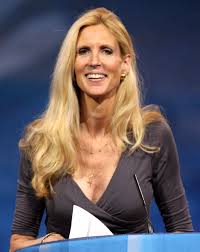
Ann Coulter
Actually, Coulter was right–but not in the way she thought she was.
The “takers” are not the “have-nots” who depend on government for assistance. They are the “more-than-haves” who cheat the government of billions in lost tax revenues.
In 2012, Tax Justice Network, which campaigns to abolish tax havens, commissioned a study of their effect on the world’s economy.
The study was entitled, “The Price of Offshore Revisited: New Estimates for ‘Missing’ Global Private Wealth, Income, Inequality and Lost Taxes.”
http://www.taxjustice.net/cms/upload/pdf/Price_of_Offshore_Revisited_120722.pdf
The research was carried out by James Henry, former chief economist at consultants McKinsey & Co. Among its findings:
- By 2010, at least $21 to $32 trillion of the world’s private financial wealth had been invested virtually tax-free through more than 80 offshore secrecy jurisdictions.
- Since the 1970s, with eager (and often aggressive and illegal) assistance from the international private banking industry, private elites in 139 countries had accumulated $7.3 to $9.3 trillion of unrecorded offshore wealth by 2010.
- This happened while many of those countries’ public sectors were borrowing themselves into bankruptcy, suffering painful adjustment and low growth, and holding fire sales of public assets.
- The assets of these countries are held by a small number of wealthy individuals while the debts are shouldered by the ordinary people of these countries through their governments.
- Local elites continue to vote with their financial feet while their public sectors borrow heavily abroad.
- First World countries do most of the borrowing.
- Of the $7.3–$9.3 trillion of offshore wealth belonging to residents of these 139 countries, the top 10 countries account for 61% and the top 20 for 81%.
- The offshore industry has many levels of protection: Private bankers, lawyers and accountants get paid handsomely to hide their clients assets and identities. These groups also maintain influential lobbies.
-
Bank regulators and central banks of most individual countries typically view private banks as key clients. They have long permitted the world’s top tax havens and banks to conceal the ultimate origins and ownership of assets under their supervision, especially those held in off-balance sheet trusts and
fiduciary accounts.
- Although multilateral institutions like the Bank for International Settlements (BIS), the IMF and the World Bank are supposedly insulated from politics, they have been highly compromised by the collective interests of Wall Street.
- These regulatory bodies have never required financial institutions to fully report their cross-border customer liabilities, deposits, customer assets under management or under custody.
- All conventional measures of inequality sharply understate the levels of income and wealth inequality at both the country and global level.
- Less than 100,000 people, .001% of the world’s population, now control over 30% of the world’s financial wealth.
- The impact on lost tax revenue may be huge–large enough to make a significant difference to the finances of nations.
- Assuming that global offshore financial wealth of $21 trillion earns a total return of just 3% a year, and would have been taxed an average of 30% in the home country, this unrecorded wealth might have generated tax revenues of $189 billion per year.
Summing up this situation, the report notes: “We are up against one of society’s most well-entrenched interest groups. After all, there’s no interest group more rich and powerful than the rich and powerful.”
Yet the study reveals two bright spots for countries fed up with being bled dry by those parasites whose allegiance runs only to their wallets.
- A huge pile at least $21 trillion of untapped financial wealth has been discovered–monies that can be called upon to help solve the most pressing global problems.
- A substantial fraction of this wealth is being managed by the top 50 players in the global private banking industry.
As a result, these findings allow nations’ leaders to:
- Prevent the abuses that have lead to off-the-books wealth accumulation in the future.
- Make use of the huge stock of accumulated, untaxed wealth that is already there, as well as the steady stream of untaxed earnings that it generates.
It was Stephen Decatur, the naval hero of the War of 1812, who famously said: “Our country, right or wrong.”
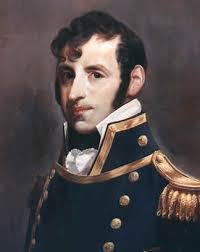
Stephen Decatur
Billionaire tax-cheats like those uncovered in the above-cited report have coined their own motto: “My wallet–first and always.”
ABC NEWS, BUSINESS, CBS NEWS, CNN, FACEBOOK, NBC NEWS, NICCOLO MACHIAVELLI, POLITICS, TAX HAVENS, TAX JUSTICE NETWORK, THE LOS ANGELES TIMES, THE NEW YORK TIMES, THE PRINCE, THE WALL STREET JOURNAL, TWITTER, WEALTH
In Business, History, Law, Social commentary on March 1, 2013 at 12:37 am
In 1513, Niccolo Machiavelli, the Florentine statesman who has been called the father of modern political science, published his best-known work: The Prince.
Niccolo Machiavelli
Among the issues he confronted was how to preserve liberty within a republic. And key to this was mediating the eternal struggle between the wealthy and the poor and middle class.
Machiavelli deeply distrusted the nobility because they stood above the law. He saw them as a major source of corruption because they could buy influence through patronage, favors or nepotism.
Successful political leaders must attain the support of the nobility or general populace. But since these groups have conflicting interests, the safest course is to choose the latter.
…He who becomes prince by help of the [wealthy] has greater difficulty in maintaining his power than he who is raised by the populace. He is surrounded by those who think themselves his equals, and is thus unable to direct or command as he pleases.
But one who is raised to leadership by popular favor finds himself alone, and has no one, or very few, who are not ready to obey him. [And] it is impossible to satisfy the [wealthy] by fair dealing and without inflicting injury upon others, whereas it is very easy to satisfy the mass of the people in this way.
For the aim of the people is more honest than that of the [wealthy], the latter desiring to oppress, and the former merely to avoid oppression. [And] the prince can never insure himself against a hostile population on account of their numbers, but he can against the hostility of the great, as they are but few.
The worst that a prince has to expect from a hostile people is to be abandoned, but from hostile nobles he has to fear not only desertion but their active opposition. And as they are more far seeing and more cunning, they are always in time to save themselves and take sides with the one who they expect will conquer.
The prince is, moreover, obliged to live always with the same people, but he can easily do without the same nobility, being able to make and unmake them at any time, and improve their position or deprive them of it as he pleases.
Unfortunately, political leaders throughout the world–including the United States–have ignored this sage advice.
The results of this wholesale favoring of the wealth and powerful have been brilliantly documented in a recent investigation of tax evasion by the world’s rich.
In 2012, Tax Justice Network, which campaigns to abolish tax havens, commissioned a study of their effect on the world’s economy.
The study was entitled, “The Price of Offshore Revisited: New Estimates for ‘Missing’ Global Private Wealth, Income, Inequality and Lost Taxes.”
http://www.taxjustice.net/cms/upload/pdf/Price_of_Offshore_Revisited_120722.pdf
The research was carried out by James Henry, former chief economist at consultants McKinsey & Co. Among its findings:
Summing up this situation, the report notes: “We are up against one of society’s most well-entrenched interest groups. After all, there’s no interest group more rich and powerful than the rich and powerful.”
Fortunately, Machiavelli has supplied a timeless remedy to this increasingly dangerous situation:
- Assume evil among men–and most especially among those who possess the greatest concentration of wealth and power.
- Carefully monitor their activities–the way the FBI now regularly monitors those of the Mafia and major terrorist groups.
- Ruthlessly prosecute the treasonous crimes of the rich and powerful–and, upon their conviction, impose severe punishment.
ABC NEWS, ANN COULTER, BUSINESS, CBS NEWS, CNN, FACEBOOK, MITT ROMNEY, NBC NEWS, TAX HAVENS, TAX JUSTICE NETWORK, THE LOS ANGELES TIMES, THE NEW YORK TIMES, THE WALL STREET JOURNAL, TWITTER, WEALTH
In Business, History, Politics, Social commentary on February 26, 2013 at 1:08 am
Ann Coulter, the Republican version of the Miss America Nazi, was devastated by the November 6 defeat of Mitt Romney.
“People are suffering,” she whined. “The country is in disarray. If Mitt Romney cannot win in this economy, then the tipping point has been reached. We have more takers than makers and it’s over. There is no hope.”
Actually, Coulter was right–but not in the way she thought she was.
The “takers” are not the “have-nots” who depend on government for assistance. They are the “more-than-haves” who cheat the government of billions in lost tax revenues.

In 2012, Tax Justice Network, which campaigns to abolish tax havens, commissioned a study of their effect on the world’s economy.
The study was entitled, “The Price of Offshore Revisited: New Estimates for ‘Missing’ Global Private Wealth, Income, Inequality and Lost Taxes.”
http://www.taxjustice.net/cms/upload/pdf/Price_of_Offshore_Revisited_120722.pdf
The research was carried out by James Henry, former chief economist at consultants McKinsey & Co. Among its findings:
- By 2010, at least $21 to $32 trillion of the world’s private financial wealth had been invested virtually tax-free through more than 80 offshore secrecy jurisdictions.
- Since the 1970s, with eager (and often aggressive and illegal) assistance from the international private banking industry, private elites in 139 countries had accumulated $7.3 to $9.3 trillion of unrecorded offshore wealth by 2010.
- This happened while many of those countries’ public sectors were borrowing themselves into bankruptcy, suffering painful adjustment and low growth, and holding fire sales of public assets.
- The assets of these countries are held by a small number of wealthy individuals while the debts are shouldered by the ordinary people of these countries through their governments.
- Local elites continue to vote with their financial feet while their public sectors borrow heavily abroad.
- First World countries do most of the borrowing.
- Of the $7.3–$9.3 trillion of offshore wealth belonging to residents of these 139 countries, the top 10 countries account for 61% and the top 20 for 81%.
- The offshore industry has many levels of protection: Private bankers, lawyers and accountants get paid handsomely to hide their clients assets and identities. These groups also maintain influential lobbies.
-
Bank regulators and central banks of most individual countries typically view private banks as key clients. They have long permitted the world’s top tax havens and banks to conceal the ultimate origins and ownership of assets under their supervision, especially those held in off-balance sheet trusts and
fiduciary accounts.
- Although multilateral institutions like the Bank for International Settlements (BIS), the IMF and the World Bank are supposedly insulated from politics, they have been highly compromised by the collective interests of Wall Street.
- These regulatory bodies have never required financial institutions to fully report their cross-border customer liabilities, deposits, customer assets under management or under custody.
- All conventional measures of inequality sharply understate the levels of income and wealth inequality at both the country and global level.
- Less than 100,000 people, .001% of the world’s population, now control over 30% of the world’s financial wealth.
- The impact on lost tax revenue may be huge–large enough to make a significant difference to the finances of nations.
- Assuming that global offshore financial wealth of $21 trillion earns a total return of just 3% a year, and would have been taxed an average of 30% in the home country, this unrecorded wealth might have generated tax revenues of $189 billion per year.
Summing up this situation, the report notes: “We are up against one of society’s most well-entrenched interest groups. After all, there’s no interest group more rich and powerful than the rich and powerful.”
Yet the study reveals two bright spots for countries fed up with being bled dry by those parasites whose allegiance runs only to their wallets.
- A huge pile at least $21 trillion of untapped financial wealth has been discovered–monies that can be called upon to help solve the most pressing global problems.
- A substantial fraction of this wealth is being managed by the top 50 players in the global private banking industry.
As a result, these findings allow nations’ leaders to:
- Prevent the abuses that have lead to off-the-books wealth accumulation in the future.
- Make use of the huge stock of accumulated, untaxed wealth that is already there, as well as the steady stream of untaxed earnings that it generates.
It was Stephen Decatur, the naval hero of the War of 1812, who famously said: “Our country, right or wrong.”
Billionaire tax-cheats like those uncovered in the above-cited report have coined their own motto: “My wallet–first and always.”


 Bureaucracybuster's Blog
ABC NEWS, ALTERNET, AMERICABLOG, AP, BABY BOOMER RESISTANCE, BBC, BLOOMBERG NEWS, BUSINESS, BUZZFEED, CBS NEWS, CNN, CROOKS AND LIARS, DAILY KOS, DAILY KOZ, DONALD TRUMP, FBI, FIVETHIRTYEIGHT, HARPER’S MAGAZINE, HUFFINGTON POST, INCOME INEQUALITY, MAFIA, MEDIA MATTERS, MOTHER JONES, MOVEON, MSNBC, NBC NEWS, NEW REPUBLIC, NEWSDAY, NEWSWEEK, NICCOLO MACHIAVELLI, NPR, PBS NEWSHOUR, POLITICO, POLITICS, POLITICUSUSA, RAW STORY, REUTERS, SALON, SEATTLE TIMES, SLATE, TALKING POINTS MEMO, TAX HAVENS, TAX JUSTICE NETWORK, THE ATLANTIC, THE CHICAGO SUN-TIMES, THE CHICAGO TRIBUNE, THE DAILY BEAST, THE DAILY BLOG, THE GUARDIAN, THE HILL, THE HUFFINGTON POST, THE INTERCEPT, THE LOS ANGELES TIMES, THE NATION, THE NEW REPUBLIC, THE NEW YORK TIMES, THE NEW YORKER, THE PRINCE, THE VILLAGE VOICE, THE WALL STREET JOURNAL, THE WASHINGTON POST, THINKPROGRESS, TIME, TRUTHDIG, TRUTHOUT, TWITTER, TWO POLITICAL JUNKIES, U.S. NEWS & WORLD REPORT, UPI, USA TODAY, WEALTH, WONKETTE
MACHIAVELLI WAS RIGHT: DISTRUST THE RICH
In Business, History, Law, Law Enforcement, Politics, Social commentary on January 6, 2023 at 12:14 amFor President Donald Trump and Congressional Republicans, the single greatest achievement of their time in office was to drastically cut taxes on the wealthy (including themselves).
It’s a view that Niccolo Machiavelli would dispute.
In 1513, Machiavelli, the Florentine statesman who has been called the father of modern political science, published his best-known work: The Prince.
Niccolo Machiavelli
Among the issues he confronted was how to preserve liberty within a republic. And key to this was mediating the eternal struggle between the wealthy and the poor and middle class.
Machiavelli deeply distrusted the nobility because they stood above the law. He saw them as a major source of corruption because they could buy influence through patronage, favors or nepotism.
Successful political leaders must attain the support of the nobility or general populace. But since these groups have conflicting interests, the safest course is to choose the latter.
Writes Machiavelli:
….He who becomes prince by help of the [wealthy] has greater difficulty in maintaining his power than he who is raised by the populace. He is surrounded by those who think themselves his equals, and is thus unable to direct or command as he pleases.
But one who is raised to leadership by popular favor finds himself alone, and has no one, or very few, who are not ready to obey him. [And] it is impossible to satisfy the [wealthy] by fair dealing and without inflicting injury upon others, whereas it is very easy to satisfy the mass of the people in this way.
Machiavelli warns that the general populace is more honest than the nobility—i.e., wealthy. The wealthy seek to oppress, while the populace wants to simply avoid oppression.
A political leader cannot protect himself against a hostile population, owing to their numbers, but he can against the hostility of the great, as they are but few.
The worst that a prince has to expect from a hostile people is to be abandoned, but from hostile nobles he has to fear not only desertion but their active opposition. And as they are more far seeing and more cunning, they are always in time to save themselves and take sides with the one who they expect will conquer.
The prince is, moreover, obliged to live always with the same people, but he can easily do without the same nobility, being able to make and unmake them at any time, and improve their position or deprive them of it as he pleases.
Unfortunately, political leaders throughout the world—including the United States–have ignored this sage advice.
In 2012, Tax Justice Network, which campaigns to abolish tax havens, commissioned a study of their effect on the world’s economy.
The study was entitled, “The Price of Offshore Revisited: New Estimates for ‘Missing’ Global Private Wealth, Income, Inequality and Lost Taxes.”
http://www.taxjustice.net/cms/upload/pdf/Price_of_Offshore_Revisited_120722.pdf
The research was carried out by James Henry, former chief economist at consultants McKinsey & Co. Among its findings:
Summing up this situation, the report noted: “We are up against one of society’s most well-entrenched interest groups. After all, there’s no interest group more rich and powerful than the rich and powerful.”
Fortunately, Machiavelli has supplied timeless remedies to this increasingly dangerous situation:
Share this: