Posts Tagged ‘REPUBLICAN PARTY’
2016 PRESIDENTIAL ELECTION, 2020 PRESIDENTIAL ELECTION, ABC NEWS, ABOUT FACE: THE ODYSSEY OF AN AMERICAN WARRIOR, ADAM SCHIFF, ALAMO, ALTERNET, AMERICABLOG, AP, ARTICLES OF IMPEACHMENT, BABY BOOMER RESISTANCE, BRAD RAFFENSPERGER, BUZZFEED, CBS NEWS, CNN, CROOKS AND LIARS, DACHAU CONCENTRATION CAMP, DAILY KOZ, DAVID HACKWORTH, DEMOCRATIC PARTY, DONALD TRUMP, DRUDGE RETORT, FACEBOOK, FBI, FIVETHIRTYEIGHT, GEORGIA SECRETARY OF STATE’S OFFICE, HARPER’S MAGAZINE, HOUSE INTELLIGENCE COMMITTEE, IMPEACHMENT, JOE BIDEN, MEDIA MATTERS, MOTHER JONES, MOVEON, MSNBC, NAZI GERMANY, NBC NEWS, NEWSWEEK, NPR, PBS NEWSHOUR, POLITICO, POLITICUSUSA, RAW STORY, REPUBLICAN PARTY, REUTERS, SALON, SARAH JONES, SEATTLE TIMES, SLATE, TALKING POINTS MEMO, THE ATLANTIC, THE CHICAGO SUN-TIMES, THE CHICAGO TRIBUNE, THE DAILY BEAST, THE DAILY BLOG, THE GUARDIAN, THE HILL, THE HUFFINGTON POST, THE LOS ANGELES TIMES, THE NATION, THE NEW REPUBLIC, THE NEW YORK TIMES, THE VILLAGE VOICE, THE WASHINGTON POST, THERMOPYLAE, THINKPROGRESS, TIME, TRUMP TOWER MEETING, TRUTHDIG, TRUTHOUT, TWITTER, TWO POLITICAL JUNKIES, U.S. NEWS & WORLD REPORT, UNITED STATES CONSTITUTION, UNITED STATES HOUSE OF REPRESENTATIVES, UNITED STATES SENATE, UPI, USA TODAY, WONKETTE
In Bureaucracy, History, Law, Law Enforcement, Military, Politics, Social commentary on January 11, 2021 at 12:08 am
On December 10, 2019, Sarah Jones, editor-in-chief of PoliticusUSA, did what Senate Republicans fear to do: She openly declared Donald J. Trump to be an illegitimate President whose removal is entirely justified.
She did so in an editorial titled, “Adam Schiff Tells Trump That He Won’t Be Allowed To Cheat In 2020.”
“On Tuesday as House Democrats made the formal announcement of articles of impeachment against President Trump, House Intelligence Committee Chairman Adam Schiff gave a perfectly accurate rebuttal to the plea that Democrats should ‘just wait’ on impeachment, saying that those who argue ‘just wait’ are actually arguing ‘just let him cheat in one more election’ and ‘let him have foreign help just one more time,’” wrote Jones. [Italics added]
Sarah Jones
“This matters because after three years of pretending that Trump is the rightful president, it is finally being acknowledged that not only is he trying to cheat in 2020, but it is again, because he cheated in 2016.
“For three years this nation has endured the abuses of this pretender and his entire party of lock step enablers, save for Rep. Amash of Michigan.
“For three long years those who suggested Trump was not a legitimate president were shamed and silenced, even after the Mueller report made it clear that the Trump campaign sought illegal help and took illegal help from Russia in the 2016 election….
“A cheating cheater.
“A loser.
“A man who can’t win an election and did not win an election of the people fairly.
“Donald Trump can’t win an election without cheating. He knows that, and that’s why it upsets him so much to be called out for his illegal actions.
Donald Trump
“Trump is used to getting away with his criminal entitlements, but today, even if just for a moment before Republicans in the Senate betray their country again by letting Trump off as he attacks the United States, justice has been spoken and served.” [Italics added]
In September, 2019, the House Intelligence Committee began investigating Trump’s attempt to coerce Ukraine to smear a 2020 political rival for the White House—former Vice President Joseph Biden.
And every day of its hearings, Republicans loudly and brutally defended that extortion.
- They didn’t offer any evidence that Trump didn’t try to extort an ally.
- They simply attacked the witnesses who dared to come forward and testify to their own knowledge of it.
- They attacked Schiff, who heads that committee, demanding self-righteously that he resign.
And they continued to do so throughout the Senate “trial”—where they banned witnesses from testifying about Trump’s impeachable behavior.
On February 5, 2020, the Republican-dominated Senate—ignoring the overwhelming evidence against him—acquitted Donald Trump on both impeachment articles: Obstruction of Congress and abuse of power.
On January 2, 2021, Trump once again proved he couldn’t win without cheating: He called the office of Georgia Secretary of State Brad Raffensperger. The reason: To pressure him to “find” enough votes to overturn former Vice President Joe Biden’s win in the state’s presidential election.
“All I want to do is this. I just want to find 11,780 votes, which is one more than we have,” Trump said. “Because we won the state.”
Actually, he didn’t.
He even threatened Raffensperger with criminal prosecuted if he did not change the vote count in Trump’s favor: “That’s a criminal offense. And you can’t let that happen.”
But there is a way to put the impeachment effort into historical perspective.
In 1960, David Hackworth was a young Army captain stationed in West Germany. The end of World War II had revealed the horror of Nazi death camps and the extermination of millions. To everyone, that is, but the Germans.

David Hackworth
Dale Cruse. (Flickr profile.) / CC BY-SA (http://creativecommons.org/licenses/by-sa/3.0/)
One winter’s day, Hackworth took his wife, Patty, to Dachau, the infamous concentration camp. In his 1989 memoir, About Face: The Odyssey of an American Warrior, he describes that experience:
“The horror of Hitler’s vision was alive and well in this grim death camp: the barracks, the ovens, the electrified barbed wire fences, remained intact. A mound here held the bones of 10,000 Jews; one over there held the bones of 12,000 more.
“The place was a monument to the darkest side of man, and yet—despite the smoke and ash that rained down on their homes from camp incinerators, despite the sickly smell of burning flesh and hair….the villagers claimed they hadn’t known. I couldn’t square it….”
Nor could Hackworth accept that “not one of the laughing, backslapping, congenial comrades I met…had fought the Americans in the West. All assured me they’d been on the Eastern Front, fighting ‘the real enemy,’ the Russians….
“In 15 years the Germans had come a long way in their rewrite of history. But at least there’s Dachau, I thought to myself, to remind them of the truth.”
So, too, will the impeachment of Donald Trump stand as a monument to the sheer evil and infamy of himself and the Republican party.
And it will remind future generations that there were decent Americans who dared to confront that evil in a stand as hopeless and glorious as that at Thermopylae and the Alamo.
2016 PRESIDENTIAL CAMPAIGN, ABC NEWS, AFGHANISTAN, ALTERNET, AMERICABLOG, AP, BABY BOOMER RESISTANCE, BARACK OBAMA, BLOOMBERG, BUZZFEED, CBS NEWS, CENTER FOR AMERICAN PROGRESS ACTION FUND, CIA, CLINTON WATTS, CNN, CRAIG UNGER, CROOKS AND LIARS, DAILY KOZ, DAVID ROTHKOPF, DEPARTMENT OF HOMELAND SECURITY, DIRECTOR OF NATIONAL INTELLIGENCE, DONALD TRUMP, DONALD TRUMP JR., DRUDGE RETORT, ERIC TRUMP, FACEBOOK, FBI, FBI’S COUNTERTERRORISM DIVISION, FIVETHIRTYEIGHT, FOX NEWS, G7, GEORGE PAPADOPOULOS, GREG MILLER, HARPER’S MAGAZINE, HILLARY CLINTON, HOUSE INTELLIGENCE COMMITTEE, HOUSE OF TRUMP HOUSE OF PUTIN (BOOK), ISLAMIC STATE OF IRAQ AND SYRIA (ISIS), ISRAELI INTELLIGENCE, JAMES CARLOS BLAKE, JAMES COMEY, JARED KUSHNER, JEFF SESSIONS, JOE SCARBOROUGH, JOINT TERRORISM TASK FORCE, KAYLEIGH MCENANY, MAIN INTELLIGENCE DIRECTORATE, MALCOM W. NANCE, MEDIA MATTERS, MICHAEL FLYNN, MICHAEL ISIKOFF, MOSCOW PROJECT, MOTHER JONES, MOVEON, MSNBC, NATALIA VESELNITSKAYA, NATIONAL SECURITY AGENCY, NBC NEWS, NEWSWEEK, NPR, OFFICE OF THE DIRECTOR OF NATIONAL INTELLIGENCE, PAUL MANAFORT, PBS NEWSHOUR, POLITICO, POLITICUSUSA, PRESIDENT’S DAILY BRIEFING, PRINCETON UNIVERSITY, RAW STORY, REPUBLICAN PARTY, REPUBLICANS, REUTERS, REX TILLERSON, RICHARD M. NIXON, RINAT AKHMETSHIN, ROBERT S. MUELLER 111, ROD ROSENSTEIN, RUSSIA, RUSSIAN ROULETTE (BOOK), SALLY YATES, SALON, SEAL TEAM SIX, SEATTLE TIMES, SENATE INTELLIGENCE COMMITTEE, SERGEY KISLYAK, SERGEY LAVROV, SLATE, TALIBAN, TALKING POINTS MEMO, THE APPRENTICE (BOOK), THE ATLANTIC, THE CHICAGO SUN-TIMES, THE CHICAGO TRIBUNE, THE DAILY BEAST, THE DAILY BLOG, THE FRIENDS OFPANCHO VILLA (BOOK(), THE GUARDIAN, THE HILL, THE HUFFINGTON POST, THE LOS ANGELES TIMES, THE NATION, THE NEW REPUBLIC, THE NEW YORK TIMES, THE PLOT TO DESTROY DEMOCRACY (BOOK), THE VILLAGE VOICE, THE WASHINGTON POST, THINKPROGRESS, TIME, TREASON, TRUMP TOWER MEETING, TRUTHDIG, TRUTHOUT, TWITTER, TWO POLITICAL JUNKIES, U.S. NAVY SEALS, U.S. NEWS & WORLD REPORT, UNITED STATES DEPARTMENT OF JUSTICE, UNITED STATES DEPARTMENT OF STATE, UPI, USA TODAY, VICTOR YANUKOVYCH, VLADIMIR PUTIN, WIKILEAKS, WILLIAM BARR, WONKETTE
In Bureaucracy, History, Law, Law Enforcement, Military, Politics, Social commentary on December 23, 2020 at 12:14 am
The appointment of Robert S. Mueller as Special Counsel on May 17, 2017, aroused unprecedented hopes and fears.
Foes of President Donald Trump hoped that Mueller would unearth evidence of criminality—if not treason—blatant enough to guarantee his impeachment.
Supporters of Trump—starting with the President—feared that this would be the case. When Attorney General Jeff Sessions told Trump that a Special Counsel had been appointed, the President exclaimed, “Oh my God. This is terrible. This is the end of my Presidency. I’m fucked.”
Yet even before the release of the long-awaited Mueller report, several deeply-researched and well-written books outlined Russia’s efforts to subvert the 2016 Presidential race. And they cast devastating light on Trump’s loyalty to the United States.
Among these:
- The Apprentice: Trump, Russia and the Subversion of Democracy, by Greg Miller
- House of Trump, House of Putin: The Untold Story of Donald Trump and the Russian Mafia, by Craig Unger
- Russian Roulette: The Inside Story of Putin’s War on America and the Election of Donald Trump, by Michael Isikoff
- The Plot to Destroy Democracy: How Putin and His Spies Are Undermining America and Dismantling the West, by Malcom W. Nance
According to its blurb on Amazon.com, The Apprentice is “based on interviews with hundreds of people in Trump’s inner circle, current and former government officials, individuals with close ties to the White House, members of the law enforcement and intelligence communities, foreign officials, and confidential documents.”
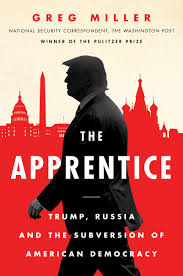
Among the subjects it covers:
- The Trump Tower meeting, where the Trump campaign sought “dirt” on Hillary Clinton from Russian Intelligence agents;
- The penetration by Russian Intelligence of computer systems used by Democrats;
- How Jared Kushner, Trump’s son-in-law, tried to set up a secret back channel to Moscow via Russian diplomatic facilities;
- Trump’s giving Russian officials highly classified secrets supplied by Israeli Intelligence;
- Trump’s clashes with the FBI and CIA.
Miller is a veteran investigative journalist and twice winner of the Pulitzer Prize. Among his stories: National security adviser Michael Flynn’s discussing ending U.S. sanctions on Russia with Russian officials prior to Trump’s inauguration. The story contributed to Flynn’s ouster.
House of Trump, House of Putin, whose jacket blurb describes Trump’s inauguration as “the culmination of Vladimir Putin’s long mission to undermine Western democracy, a mission that he and his hand-selected group of oligarchs and Mafia kingpins had ensnared Trump in, starting more than twenty years ago with the massive bailout of a string of sensational Trump hotel and casino failures in Atlantic City.

“…Craig Unger methodically traces the deep-rooted alliance between the highest echelons of American political operatives and the biggest players in the frightening underworld of the Russian Mafia. He traces Donald Trump’s sordid ascent from foundering real estate tycoon to leader of the free world….
“Without Trump, Russia would have lacked a key component in its attempts to return to imperial greatness. Without Russia, Trump would not be president.”
As an appendix to the book, Unger writes: “Donald Trump has repeatedly said he has nothing to do with Russia. Below are fifty-nine Trump connections to Russia.”
Russian Roulette, according to its dust jacket, “is a story of political skullduggery unprecedented in American history. It weaves together tales of international intrigue, cyber espionage, and superpower rivalry.
“After U.S.-Russia relations soured, as Vladimir Putin moved to reassert Russian strength on the global stage, Moscow trained its best hackers and trolls on U.S. political targets and exploited WikiLeaks to disseminate information that could affect the 2016 election.
“The Russians were wildly successful and the great break-in of 2016 was no ‘third-rate burglary.’ It was far more sophisticated and sinister—a brazen act of political espionage designed to interfere with American democracy. At the end of the day, Trump, the candidate who pursued business deals in Russia, won….
“This story of high-tech spying and multiple political feuds is told against the backdrop of Trump’s strange relationship with Putin and the curious ties between members of his inner circle—including Paul Manafort and Michael Flynn—and Russia.”
Malcom Nance, the author of The Plot to Destroy Democracy, is an Intelligence and foreign policy analyst and media commentator on terrorism, Intelligence, insurgency and torture.
In his book, he outlines how “Donald Trump was made President of the United States with the assistance of a foreign power.
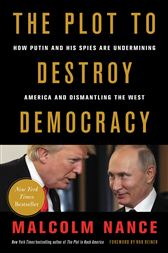
“[It is] the dramatic story of how blackmail, espionage, assassination, and psychological warfare were used by Vladimir Putin and his spy agencies to steal the 2016 U.S. election—and attempted to bring about the fall of NATO, the European Union, and western democracy….
“Nance has utilized top secret Russian-sourced political and hybrid warfare strategy documents to demonstrate the master plan to undermine American institutions that has been in effect from the Cold War to the present day.
“Based on original research and countless interviews with espionage experts, Nance examines how Putin’s recent hacking accomplished a crucial first step for destabilizing the West for Russia, and why Putin is just the man to do it.”
These books—combined with the findings of the Mueller report—clearly establish the damning conclusion: The man now sitting in the Oval Office is an illegitimate usurper, installed by an unholy alliance of American Fascists and Russian Communists.
2016 PRESIDENTIAL CAMPAIGN, ABC NEWS, AFGHANISTAN, ALTERNET, AMERICABLOG, AP, BABY BOOMER RESISTANCE, BARACK OBAMA, BLOOMBERG, BUZZFEED, CBS NEWS, CENTER FOR AMERICAN PROGRESS ACTION FUND, CIA, CLINTON WATTS, CNN, CRAIG UNGER, CROOKS AND LIARS, DAILY KOZ, DAVID ROTHKOPF, DEPARTMENT OF HOMELAND SECURITY, DIRECTOR OF NATIONAL INTELLIGENCE, DONALD TRUMP, DONALD TRUMP JR., DRUDGE RETORT, ERIC TRUMP, FACEBOOK, FBI, FBI’S COUNTERTERRORISM DIVISION, FIVETHIRTYEIGHT, FOX NEWS, G7, GEORGE PAPADOPOULOS, GREG MILLER, HARPER’S MAGAZINE, HILLARY CLINTON, HOUSE INTELLIGENCE COMMITTEE, HOUSE OF TRUMP HOUSE OF PUTIN (BOOK), ISLAMIC STATE OF IRAQ AND SYRIA (ISIS), ISRAELI INTELLIGENCE, JAMES CARLOS BLAKE, JAMES COMEY, JARED KUSHNER, JEFF SESSIONS, JOE SCARBOROUGH, JOINT TERRORISM TASK FORCE, KAYLEIGH MCENANY, MAIN INTELLIGENCE DIRECTORATE, MALCOM W. NANCE, MEDIA MATTERS, MICHAEL FLYNN, MICHAEL ISIKOFF, MOSCOW PROJECT, MOTHER JONES, MOVEON, MSNBC, NATALIA VESELNITSKAYA, NATIONAL SECURITY AGENCY, NBC NEWS, NEWSWEEK, NPR, OFFICE OF THE DIRECTOR OF NATIONAL INTELLIGENCE, PAUL MANAFORT, PBS NEWSHOUR, POLITICO, POLITICUSUSA, PRESIDENT’S DAILY BRIEFING, PRINCETON UNIVERSITY, RAW STORY, REPUBLICAN PARTY, REPUBLICANS, REUTERS, REX TILLERSON, RICHARD M. NIXON, RINAT AKHMETSHIN, ROBERT S. MUELLER 111, ROD ROSENSTEIN, RUSSIA, RUSSIAN ROULETTE (BOOK), SALLY YATES, SALON, SEAL TEAM SIX, SEATTLE TIMES, SENATE INTELLIGENCE COMMITTEE, SERGEY KISLYAK, SERGEY LAVROV, SLATE, TALIBAN, TALKING POINTS MEMO, THE APPRENTICE (BOOK), THE ATLANTIC, THE CHICAGO SUN-TIMES, THE CHICAGO TRIBUNE, THE DAILY BEAST, THE DAILY BLOG, THE FRIENDS OFPANCHO VILLA (BOOK(), THE GUARDIAN, THE HILL, THE HUFFINGTON POST, THE LOS ANGELES TIMES, THE NATION, THE NEW REPUBLIC, THE NEW YORK TIMES, THE PLOT TO DESTROY DEMOCRACY (BOOK), THE VILLAGE VOICE, THE WASHINGTON POST, THINKPROGRESS, TIME, TREASON, TRUMP TOWER MEETING, TRUTHDIG, TRUTHOUT, TWITTER, TWO POLITICAL JUNKIES, U.S. NAVY SEALS, U.S. NEWS & WORLD REPORT, UNITED STATES DEPARTMENT OF JUSTICE, UNITED STATES DEPARTMENT OF STATE, UPI, USA TODAY, VICTOR YANUKOVYCH, VLADIMIR PUTIN, WIKILEAKS, WILLIAM BARR, WONKETTE
In Bureaucracy, Law, Law Enforcement, Military, Politics, Social commentary on December 22, 2020 at 12:05 am
Donald Trump assumed the office of President of the United States on a pledge to “make America great again.”
Yet it is Russia that has been the beneficiary of his treasonous reign.
Which brings us to:
TREASON EXAMPLE #5: On January 20, 2017—the day Donald J. Trump became the 45th President of the United States—Michael Flynn took office as the nation’s 25th National Security Adviser.
On February 13, The Washington Post reported that Acting Attorney General Sally Yates had warned Trump in late January that Flynn had lied about his contacts with Russian ambassador Sergey Kislyak in December, 2016.
During those exchanges, Flynn had talked about removing the sanctions placed on Russia by the outgoing Obama administration.
Flynn was forced to resign that same day—after only 24 days as National Security Adviser.
On December 1, 2017, Flynn appeared in federal court to formalize a deal with Special Counsel Robert S. Mueller III. He pleaded guilty to a felony count of “willfully and knowingly” making “false, fictitious and fraudulent statements” to the FBI.
On November 25, 2020, Trump pardoned him, tweeting: “It is my Great Honor to announce that General Michael T. Flynn has been granted a Full Pardon.”
TREASON EXAMPLE #6: On May 9, 2017, President Trump fired FBI Director James B. Comey for investigating Russia’s subversion of the 2016 Presidential race.
There were four reasons for this:
- Comey refused to pledge his personal loyalty to Trump. Trump had made the “request” during a private dinner at the White House in January.
- Comey told Trump that he would always be honest with him. But Trump wanted the head of the FBI to act as his personal secret police chief—as was the case in the former Soviet Union.
- Trump had tried to coerce Comey into dropping the FBI’s investigation into Michael Flynn, for his secret ties to Russia and Turkey. Comey had similarly resisted that demand.
- Comey had recently asked the Justice Department to fund an expanded FBI investigation into well-documented contacts between Trump’s 2016 Presidential campaign and Russian Intelligence agents. The goal of that collaboration: To elect Trump over Hillary Clinton, a longtime foe of Russian President Vladimir Putin.

James Comey
TREASON EXAMPLE #7: On May 10, 2017, Trump met with Russian Foreign Minister Sergey Lavrov and Russian Ambassador Sergey Kislyak in the Oval Office—and gave them highly classified Israeli Intelligence about an Islamic State plot to turn laptops into concealable bombs.
Kislyak is reportedly a top recruiter for Russia’s SVR foreign intelligence agency. He has been closely linked with Jeff Sessions, then Attorney General, and fired National Security Adviser Mike Flynn.
“I just fired the head of the FBI,” Trump told the two dignitaries. “He was crazy, a real nut job. I faced great pressure because of Russia. That’s taken off.”
TREASON EXAMPLE #8: On July 16, 2018, Trump attended a press conference in Helsinki, Finland, with Russian President Vladimir Putin.
There he blamed American Intelligence agencies—the FBI, CIA and National Security Agency—as partners in a conspiracy: “You have groups that are wondering why the FBI never took the server, why haven’t they taken the server? Why was the FBI told to leave the office of the Democratic National Committee?
“I have President Putin. He just said it’s not Russia. I will say this: I don’t see any reason why it would be.”
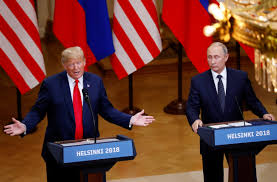
Donald Trump, Vladimir Putin in Helsinki
TREASON EXAMPLE #9: On June 9, 2018, Trump called for Russia to be readmitted to the G7.
“I think it would be an asset to have Russia back in,” he said during an impromptu press conference at the summit.
“I think it would be good for the world. I think it would be good for Russia. I think it would be good for the United States. I think it would be good for all of the countries of the current G7. I think the G8 would be better.”
Russia was ousted from the group in 2014 after Putin annexed Crimea—the first violation of a European country’s borders since World War II.
“Today crystallizes precisely why Putin was so eager to see Trump elected,” said former Obama National Security Council spokesman Ned Price.
“For Putin, this is return on his investment, and it’s safe to say that his investment has paid off beyond even his wildest dreams,” he said in a statement to CNN.
TREASON EXAMPLE #10: In early 2020, members of the elite SEAL Team Six raided a Taliban outpost and recovered roughly $500,000 in American cash. The recovered funds led the American intelligence community to believe that the government of Vladimir Putin had offered money to Taliban militants to kill American soldiers in Afghanistan.
Additional confirmation came from the interrogations of captured militants and criminals.
As early as January, the SEALS in Afghanistan alerted their superiors of this danger.
Trump—who receives Intelligence from a wide range of military and civilian agencies—claimed he wasn’t briefed on these Intelligence assessments. He made his denial through White House Press Secretary Kayleigh McEnany: The information had not been “verified.”
This despite the fact that every morning he receives the President’s Daily Briefing, a top-secret document containing highly classified Intelligence analysis.
In fact, the Intelligence assessment had been under discussion within the Trump administration since at least March.
2016 PRESIDENTIAL CAMPAIGN, ABC NEWS, AFGHANISTAN, ALTERNET, AMERICABLOG, AP, BABY BOOMER RESISTANCE, BARACK OBAMA, BLOOMBERG, BUZZFEED, CBS NEWS, CENTER FOR AMERICAN PROGRESS ACTION FUND, CIA, CLINTON WATTS, CNN, CRAIG UNGER, CROOKS AND LIARS, DAILY KOZ, DAVID ROTHKOPF, DEPARTMENT OF HOMELAND SECURITY, DIRECTOR OF NATIONAL INTELLIGENCE, DONALD TRUMP, DONALD TRUMP JR., DRUDGE RETORT, ERIC TRUMP, FACEBOOK, FBI, FBI’S COUNTERTERRORISM DIVISION, FIVETHIRTYEIGHT, FOX NEWS, G7, GEORGE PAPADOPOULOS, GREG MILLER, HARPER’S MAGAZINE, HILLARY CLINTON, HOUSE INTELLIGENCE COMMITTEE, HOUSE OF TRUMP HOUSE OF PUTIN (BOOK), ISLAMIC STATE OF IRAQ AND SYRIA (ISIS), ISRAELI INTELLIGENCE, JAMES CARLOS BLAKE, JAMES COMEY, JARED KUSHNER, JEFF SESSIONS, JOE SCARBOROUGH, JOINT TERRORISM TASK FORCE, KAYLEIGH MCENANY, MAIN INTELLIGENCE DIRECTORATE, MALCOM W. NANCE, MEDIA MATTERS, MICHAEL FLYNN, MICHAEL ISIKOFF, MOSCOW PROJECT, MOTHER JONES, MOVEON, MSNBC, NATALIA VESELNITSKAYA, NATIONAL SECURITY AGENCY, NBC NEWS, NEWSWEEK, NPR, OFFICE OF THE DIRECTOR OF NATIONAL INTELLIGENCE, PAUL MANAFORT, PBS NEWSHOUR, POLITICO, POLITICUSUSA, PRESIDENT’S DAILY BRIEFING, PRINCETON UNIVERSITY, RAW STORY, REPUBLICAN PARTY, REPUBLICANS, REUTERS, REX TILLERSON, RICHARD M. NIXON, RINAT AKHMETSHIN, ROBERT S. MUELLER 111, ROD ROSENSTEIN, RUSSIA, RUSSIAN ROULETTE (BOOK), SALLY YATES, SALON, SEAL TEAM SIX, SEATTLE TIMES, SENATE INTELLIGENCE COMMITTEE, SERGEY KISLYAK, SERGEY LAVROV, SLATE, TALIBAN, TALKING POINTS MEMO, THE APPRENTICE (BOOK), THE ATLANTIC, THE CHICAGO SUN-TIMES, THE CHICAGO TRIBUNE, THE DAILY BEAST, THE DAILY BLOG, THE FRIENDS OFPANCHO VILLA (BOOK(), THE GUARDIAN, THE HILL, THE HUFFINGTON POST, THE LOS ANGELES TIMES, THE NATION, THE NEW REPUBLIC, THE NEW YORK TIMES, THE PLOT TO DESTROY DEMOCRACY (BOOK), THE VILLAGE VOICE, THE WASHINGTON POST, THINKPROGRESS, TIME, TREASON, TRUMP TOWER MEETING, TRUTHDIG, TRUTHOUT, TWITTER, TWO POLITICAL JUNKIES, U.S. NAVY SEALS, U.S. NEWS & WORLD REPORT, UNITED STATES DEPARTMENT OF JUSTICE, UNITED STATES DEPARTMENT OF STATE, UPI, USA TODAY, VICTOR YANUKOVYCH, VLADIMIR PUTIN, WIKILEAKS, WILLIAM BARR, WONKETTE
In Bureaucracy, History, Law, Law Enforcement, Military, Politics, Social commentary on December 21, 2020 at 12:10 am
Donald Trump took office as the 45th President of the United States on a promise to “make America great again.”
Yet the chief beneficiary of his treasonous reign has been the former Soviet Union.
TREASON EXAMPLE #4: Trump has repeatedly praised and defended Russian dictator Vladimir Putin.

Vladimir Putin
On December 18, 2015, Trump appeared on MSNBC’s “Morning Joe.” Its host, Joe Scarborough, was upset by Trump’s praise for Putin:
SCARBOROUGH: Well, I mean, [he’s] also a person who kills journalists, political opponents, and invades countries. Obviously that would be a concern, would it not?
TRUMP: He’s running his country, and at least he’s a leader. Unlike what we have in this country.
SCARBOROUGH: But again: He kills journalists that don’t agree with him.
TRUMP: I think our country does plenty of killing, also, Joe, so, you know. There’s a lot of stupidity going on in the world right now, Joe. A lot of killing going on. A lot of stupidity. And that’s the way it is.
On October 7, 2016, the Department of Homeland Security and the Office of the Director of National Intelligence issued a joint statement blaming the Russian government for the hacking of Democratic National Committee emails. Its motive: “To interfere with the US election process.”
Two days later, Trump publicly stated: “But I notice, anytime anything wrong happens, they like to say the Russians are—Maybe there is no hacking. But they always blame Russia.”
On December 16, 2016, FBI Director James B. Comey and Director of National Intelligence James R. Clapper Jr. agreed with a CIA assessment that Russia intervened in the 2016 election in part to help Donald Trump win the White House.

Trump, however, steadfastly denied any such role by Russia: “I think it’s ridiculous,” he told “Fox News Sunday.” “I think it’s just another excuse. I don’t believe it….No, I don’t believe it at all.”
Clinton Watts, a consultant to the FBI’s Counter Terrorism Division, is an expert on cyberwarfare.
Testifying before the U.S. Senate Select Committee on Intelligence on March 30, 2017, Watts outlined cyberwarfare measures that Russia used to subvert the 2016 Presidential campaign.
This pattern of Russian falsehoods and social media manipulation of the American electorate continued through Election Day and persists today.
Many of the accounts we watched push the false Incirlik story in July now focus their efforts on shaping the upcoming European elections, promoting fears of immigration or false claims of refugee criminality.
They’ve not forgotten about the United States either. This past week, we observed social media campaigns targeting Speaker of the House Paul Ryan hoping to foment further unrest amongst U.S. democratic institutions, their leaders and their constituents.
As we noted two days before the Presidential election in our article describing Russian influence operations, Russia certainly seeks to promote Western candidates sympathetic to their worldview and foreign policy objectives.
But winning a single election is not their end goal. Russian Active Measures hope to topple democracies through the pursuit of five complementary objectives:
- Undermine citizen confidence in democratic governance;
- Foment and exacerbate divisive political fractures;
- Erode trust between citizens and elected officials and democratic institutions;
- Popularize Russian policy agendas within foreign populations;
- Create general distrust or confusion over information sources by blurring the lines between fact and fiction.
From these objectives, the Kremlin can crumble democracies from the inside out creating political divisions resulting in two key milestones:
- The dissolution of the European Union and
- The break up of the North American Treaty Organization (NATO).
TREASON EXAMPLE #5: On January 20, 2017—the day Donald J. Trump became the 45th President of the United States—Michael Flynn took office as the nation’s 25th National Security Adviser.
Flynn, a former United States Army lieutenant general and director of the Defense Intelligence Agency, seemed the perfect choice for safeguarding the country’s security.
Two days later, The Wall Street Journal reported that Flynn was under investigation by U.S. counterintelligence agents for his secret communications with Russian officials.
On February 8, Flynn denied having spoken to Russian ambassador Sergey Kislyak in December, 2016, about removing the sanctions placed on Russia by the outgoing Obama administration.
The sanctions had been placed in retaliation for Russia’s efforts to manipulate the 2016 Presidential election.
On February 13, The Washington Post reported that Acting Attorney General Sally Yates had warned Trump in late January that Flynn had lied about his contacts with Kislyak—and that he could be blackmailed by Russian Intelligence.
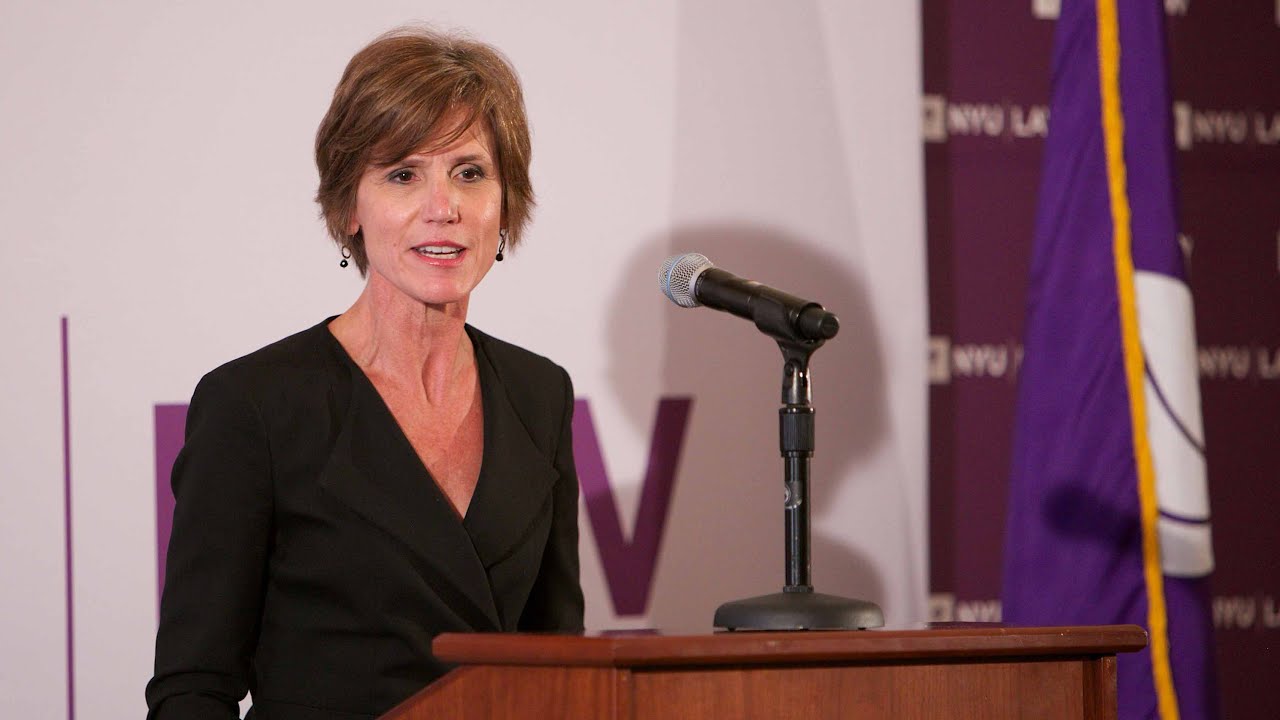
Sally Yates
Flynn was forced to resign that same day—after only 24 days as National Security Adviser.
Officially, the reason given was that he had misled Vice President Mike Pence. But Flynn’s deception had already been known—via the warning to Trump by Yates.
Only after Yates’ warning became known to the media was Flynn forced to resign.
The same Washington Post story reported that, in December, 2015, Flynn had appeared on Russia Today, the news network that American Intelligence agencies consider “the Kremlin’s principal international propaganda outlet.”
He had also received more than $45,000 as a “speaking fee” from the network for a talk on world affairs. At the gala where Flynn received the fee, he sat next to Russian President Vladimir Putin for dinner.
2016 PRESIDENTIAL CAMPAIGN, ABC NEWS, AFGHANISTAN, ALTERNET, AMERICABLOG, AP, BABY BOOMER RESISTANCE, BARACK OBAMA, BLOOMBERG, BUZZFEED, CBS NEWS, CENTER FOR AMERICAN PROGRESS ACTION FUND, CIA, CLINTON WATTS, CNN, CRAIG UNGER, CROOKS AND LIARS, DAILY KOZ, DAVID ROTHKOPF, DEPARTMENT OF HOMELAND SECURITY, DIRECTOR OF NATIONAL INTELLIGENCE, DONALD TRUMP, DONALD TRUMP JR., DRUDGE RETORT, ERIC TRUMP, FACEBOOK, FBI, FBI’S COUNTERTERRORISM DIVISION, FIVETHIRTYEIGHT, FOX NEWS, G7, GEORGE PAPADOPOULOS, GREG MILLER, HARPER’S MAGAZINE, HILLARY CLINTON, HOUSE INTELLIGENCE COMMITTEE, HOUSE OF TRUMP HOUSE OF PUTIN (BOOK), ISLAMIC STATE OF IRAQ AND SYRIA (ISIS), ISRAELI INTELLIGENCE, JAMES CARLOS BLAKE, JAMES COMEY, JARED KUSHNER, JEFF SESSIONS, JOE SCARBOROUGH, JOINT TERRORISM TASK FORCE, KAYLEIGH MCENANY, MAIN INTELLIGENCE DIRECTORATE, MALCOM W. NANCE, MEDIA MATTERS, MICHAEL FLYNN, MICHAEL ISIKOFF, MOSCOW PROJECT, MOTHER JONES, MOVEON, MSNBC, NATALIA VESELNITSKAYA, NATIONAL SECURITY AGENCY, NBC NEWS, NEWSWEEK, NPR, OFFICE OF THE DIRECTOR OF NATIONAL INTELLIGENCE, PAUL MANAFORT, PBS NEWSHOUR, POLITICO, POLITICUSUSA, PRESIDENT’S DAILY BRIEFING, PRINCETON UNIVERSITY, RAW STORY, REPUBLICAN PARTY, REPUBLICANS, REUTERS, REX TILLERSON, RICHARD M. NIXON, RINAT AKHMETSHIN, ROBERT S. MUELLER 111, ROD ROSENSTEIN, RUSSIA, RUSSIAN ROULETTE (BOOK), SALLY YATES, SALON, SEAL TEAM SIX, SEATTLE TIMES, SENATE INTELLIGENCE COMMITTEE, SERGEY KISLYAK, SERGEY LAVROV, SLATE, TALIBAN, TALKING POINTS MEMO, THE APPRENTICE (BOOK), THE ATLANTIC, THE CHICAGO SUN-TIMES, THE CHICAGO TRIBUNE, THE DAILY BEAST, THE DAILY BLOG, THE FRIENDS OFPANCHO VILLA (BOOK(), THE GUARDIAN, THE HILL, THE HUFFINGTON POST, THE LOS ANGELES TIMES, THE NATION, THE NEW REPUBLIC, THE NEW YORK TIMES, THE PLOT TO DESTROY DEMOCRACY (BOOK), THE VILLAGE VOICE, THE WASHINGTON POST, THINKPROGRESS, TIME, TREASON, TRUMP TOWER MEETING, TRUTHDIG, TRUTHOUT, TWITTER, TWO POLITICAL JUNKIES, U.S. NAVY SEALS, U.S. NEWS & WORLD REPORT, UNITED STATES DEPARTMENT OF JUSTICE, UNITED STATES DEPARTMENT OF STATE, UPI, USA TODAY, VICTOR YANUKOVYCH, VLADIMIR PUTIN, WIKILEAKS, WILLIAM BARR, WONKETTE
In Bureaucracy, History, Law, Law Enforcement, Military, Politics, Social commentary on December 18, 2020 at 12:12 am
“There is no doubt that [Donald] Trump has betrayed the country time and time again. It is a matter of public record that he encouraged our Russian adversaries to become involved in the 2016 election. When the intelligence community provided evidence of the threat posed by Russia, we saw Trump dismiss it, ignore it, fail in his duty to ‘preserve, protect and defend.'”
So charged David Rothkopf, an opinion columnist for USA Today, on October 27, 2020.
Among Trump’s many treasonous acts:
TREASON EXAMPLE #3: Many of those whom Donald Trump appointed to office had strong ties to the government of Russian President Vladimir Putin.
One of these—already mentioned—was Secretary of State Rex Tillerson.
Another was Attorney General Jeff Sessions. During the 2016 campaign, Sessions—then serving as a surrogate for Trump’s campaign—twice spoke with Russian Ambassador Sergey Kislyak. But during his Senate nomination hearings, Sessions denied that he had had “communications with the Russians” during the campaign.
It was the discovery of those contacts by the news media that forced Sessions to recuse himself from any Justice Department cases involving Trump and Russia. All of these—including the appointment of Special Counsel Robert Mueller III—would be handled by Deputy Attorney General Rod Rosenstein.
This led Trump to rage at Sessions—in person, in press conferences and on Twitter: “If I had known he would do this, I would have never appointed him.”
On November 7, 2018, the day after the Democrats won a majority in the House of Representatives, Trump fired him.
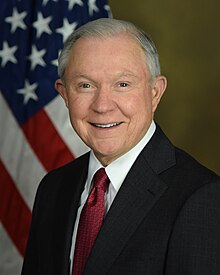
Jeff Sessions
The Moscow Project is an initiative of the Center for American Progress Action Fund. Its objective: “Analyzing the facts behind Trump’s collusion with Russia and communicating the findings to the public.”
According to its March 21, 2018 report (updated on July 10): “In total, we have learned of 80 contacts between Trump’s team and Russia linked operatives, including at least 23 meetings.
“And we know that at least 24 high-ranking campaign officials and Trump advisors were aware of contacts with Russia-linked operatives during the campaign and transition. None of these contacts were ever reported to the proper authorities. Instead, the Trump team tried to cover up every single one of them….
“The Trump campaign issued at least 15 blanket denials of contacts with Russia, all of which have been proven false.”
Members of the Trump team who had contacts with Russians during the campaign or transition included:
- Michael Cohen
- Roger Stone
- Donald Trump Jr.
- Jeff Sessions
- Paul Manafort
- Jared Kushner
- Carter Page
- Michael Flynn
- Erik Prince
- George Papadopoulos
- Anthony Scaramucci
- Rick Gates
George Papadopoulos, a member of the foreign policy advisory panel to Trump’s 2016 Presidential campaign, pleaded guilty to making false statements about his contacts with Russians to the FBI. So did Flynn.
Paul Manafort was convicted for money-laundering relating to his work for the government of the Putin-supported president of Ukraine, Victor Yanukovych.
The discovery of numerous contacts between Trump campaign officials and Russian Intelligence agents led the FBI to investigate Russia’s efforts to subvert the 2016 Presidential election.
In July, 2018, Special Counsel Robert S. Mueller charged 12 officers of the GRU, Russia’s military intelligence agency, with crimes committed to the high-profile hacking and leaking emails from the Democratic National Committee during the 2016 campaign.
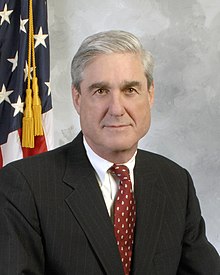
Robert S. Mueller III
On numerous occasions, Donald Trump has fiercely denied any Russian connections. For example:
July 27, 2016: “I mean I have nothing to do with Russia. I don’t have any jobs in Russia. I’m all over the world but we’re not involved in Russia.”
October 24, 2016: “I have nothing to do with Russia, folks, I’ll give you a written statement.”
January 11, 2017: “Russia has never tried to use leverage over me. I HAVE NOTHING TO DO WITH RUSSIA – NO DEALS, NO LOANS, NO NOTHING!”
February 7, 2017: “I don’t know [Russian President Vladimir] Putin, have no deals in Russia, and the haters are going crazy.”
In fact, Trump had a highly profitable relationship with Russia—as his two sons, Donald, Jr., and Eric, unintentionally revealed.
In 2008, Donald Trump, Jr. said at a New York real estate conference: “In terms of high-end product influx into the US, Russians make up a pretty disproportionate cross-section of a lot of our assets. Say, in Dubai, and certainly with our project in SoHo, and anywhere in New York. We see a lot of money pouring in from Russia.”

Donald Trump, Jr.
Gage Skidmore from Surprise, AZ, United States of America, CC BY-SA 2.0 <https://creativecommons.org/licenses/by-sa/2.0>, via Wikimedia Commons
And Trump’s son, Eric, has been quoted as saying in 2014: “Well, we don’t rely on American banks. We have all the funding we need out of Russia. We’ve got some guys that really, really love golf, and they’re really invested in our programs. We just go there all the time.”
So any statement Trump gave—oral or written–on that relationship was a lie.
Donald Trump took office as the 45th President of the United States on a promise to “make America great again.”
Yet the chief beneficiary of his treasonous reign has been the former Soviet Union.
2016 PRESIDENTIAL CAMPAIGN, ABC NEWS, AFGHANISTAN, ALTERNET, AMERICABLOG, AP, BABY BOOMER RESISTANCE, BARACK OBAMA, BLOOMBERG, BUZZFEED, CBS NEWS, CENTER FOR AMERICAN PROGRESS ACTION FUND, CIA, CLINTON WATTS, CNN, CRAIG UNGER, CROOKS AND LIARS, DAILY KOZ, DAVID ROTHKOPF, DEPARTMENT OF HOMELAND SECURITY, DIRECTOR OF NATIONAL INTELLIGENCE, DONALD TRUMP, DONALD TRUMP JR., DRUDGE RETORT, ERIC TRUMP, FACEBOOK, FBI, FBI’S COUNTERTERRORISM DIVISION, FIVETHIRTYEIGHT, FOX NEWS, G7, GEORGE PAPADOPOULOS, GREG MILLER, HARPER’S MAGAZINE, HILLARY CLINTON, HOUSE INTELLIGENCE COMMITTEE, HOUSE OF TRUMP HOUSE OF PUTIN (BOOK), ISLAMIC STATE OF IRAQ AND SYRIA (ISIS), ISRAELI INTELLIGENCE, JAMES CARLOS BLAKE, JAMES COMEY, JARED KUSHNER, JEFF SESSIONS, JOE SCARBOROUGH, JOINT TERRORISM TASK FORCE, MAIN INTELLIGENCE DIRECTORATE, MALCOM W. NANCE, MEDIA MATTERS, MICHAEL FLYNN, MICHAEL ISIKOFF, MOSCOW PROJECT, MOTHER JONES, MOVEON, MSNBC, NATALIA VESELNITSKAYA, NATIONAL SECURITY AGENCY, NBC NEWS, NEWSWEEK, NPR, OFFICE OF THE DIRECTOR OF NATIONAL INTELLIGENCE, PAUL MANAFORT, PBS NEWSHOUR, POLITICO, POLITICUSUSA, PRESIDENT’S DAILY BRIEFING, PRINCETON UNIVERSITY, RAW STORY, REPUBLICAN PARTY, REPUBLICANS, REUTERS, REX TILLERSON, RICHARD M. NIXON, RINAT AKHMETSHIN, ROBERT S. MUELLER 111, ROD ROSENSTEIN, RUSSIA, RUSSIAN ROULETTE (BOOK), SALLY YATES, SALON, SEAL TEAM SIX, SEATTLE TIMES, SENATE INTELLIGENCE COMMITTEE, SERGEY KISLYAK, SERGEY LAVROV, SLATE, TALIBAN, TALKING POINTS MEMO, THE APPRENTICE (BOOK), THE ATLANTIC, THE CHICAGO SUN-TIMES, THE CHICAGO TRIBUNE, THE DAILY BEAST, THE DAILY BLOG, THE FRIENDS OFPANCHO VILLA (BOOK(), THE GUARDIAN, THE HILL, THE HUFFINGTON POST, THE LOS ANGELES TIMES, THE NATION, THE NEW REPUBLIC, THE NEW YORK TIMES, THE PLOT TO DESTROY DEMOCRACY (BOOK), THE VILLAGE VOICE, THE WASHINGTON POST, THINKPROGRESS, TIME, TREASON, TRUMP TOWER MEETING, TRUTHDIG, TRUTHOUT, TWITTER, TWO POLITICAL JUNKIES, U.S. NAVY SEALS, U.S. NEWS & WORLD REPORT, UNITED STATES DEPARTMENT OF JUSTICE, UNITED STATES DEPARTMENT OF STATE, UPI, USA TODAY, VICTOR YANUKOVYCH, VLADIMIR PUTIN, WIKILEAKS, WILLIAM BARR, WONKETTE
In Bureaucracy, History, Law, Law Enforcement, Military, Politics, Social commentary on December 17, 2020 at 12:26 am
“Who has not known men who discovered the truth about themselves only to be tortured by it for the rest of their lives? Is a man worse off when he doesn’t know who he is or when he learns he is truly a coward? When he is ignorant of his true nature or when he knows he is a traitor at heart? Not that I pity either cowards or traitors. To the contrary: In a just world, they would all be made to face the hard truth about themselves before they died.”
—James Carlos Blake, The Friends of Pancho Villa
On June 28, 2019, President Donald Trump demonstrated how seriously he took American election security.
It came during a meeting with Russian President Vladimir Putin in Osaka, Japan—their first since the March 22 release of the Mueller Report, which documented Russia’s subversion of the 2016 Presidential election.
An NBC News reporter asked: Would you tell Putin not to meddle in the 2020 Presidential election?
“Yes, of course I will,” replied Trump, grinning. “Don’t meddle in the election, please.”
And he jokingly wagged his finger at Putin: “Don’t meddle in the election.”
Putin grinned back.
Trump has repeatedly claimed that there was “no collusion” between him and members of Russia’s Intelligence community. But from the outset, he has acted like a guilty man desperate to stop an investigation before it uncovers the full extent of his criminality and treason.
TREASON EXAMPLE #1: On July 9, 2016, high-ranking members of his Presidential campaign met at Trump Tower with at least two lobbyists who had ties to Russian dictator Vladimir Putin. The participants included:
- Trump’s son, Donald Trump Jr.;
- His son-in-law, Jared Kushner;
- His then-campaign manager, Paul Manafort;
- Natalia Veselnitskaya, a Russian lawyer with ties to Putin; and
- Rinat Akhmetshin, a former Soviet counterintelligence officer suspected of having ongoing ties to Russian Intelligence.
The purpose of that meeting: To gain access to any “dirt” Russian Intelligence could supply on Democratic Presidential nominee Hillary Clinton.
Trump originally claimed that the meeting was “about the adoption of Russian children.” Eventually he admitted that it had been “a meeting to get information on an opponent.”
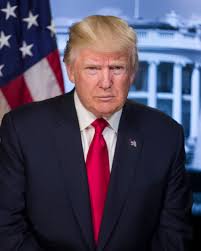
Donald Trump
TREASON EXAMPLE #2: On July 22, 2016, Wikileaks released 19,252 emails and 8,034 attachments hacked from computers of the highest-ranking officials of the Democratic National Committee (DNC). Early reports traced the leak to Russian hackers.
On July 27, 2016, during his campaign for President, Trump said at a press conference in Doral, Florida: “Russia, if you are listening, I hope you are able to find the 33,000 emails that are missing [from Democratic Presidential candidate Hillary Clinton’s computer]. I think you will probably be rewarded mightily by our press.”
This was nothing less than treason—calling upon a foreign power, hostile to the United States, to interfere in its Presidential election.
Hours later, the Main Intelligence Directorate in Moscow targeted Clinton’s personal office and hit more than 70 other Clinton campaign accounts.
Clinton Watts is a consultant and researcher on cyberwarfare. He has served as:
- An FBI Special Agent on a Joint Terrorism Task Force (JTTF);
- The Executive Officer of the Combating Terrorism Center at West Point (CTC); and
- A consultant to the FBI’s Counter Terrorism Division (CTD) and National Security Branch (NSB).
In a statement he prepared for the U.S. Senate Select Committee on Intelligence, Watts outlined cyberwarfare measures that Russia used to subvert the 2016 Presidential campaign.
He delivered this on March 30. 2017. Part of this reads as follows:
Through the end of 2015 and start of 2016, the Russian influence system….began pushing themes and messages seeking to influence the outcome of the U.S. Presidential election.
Russia’s overt media outlets and covert trolls sought to sideline opponents on both sides of the political spectrum with adversarial views toward the Kremlin. The final months leading up to the election have been the predominate focus of Russian influence discussions to date.
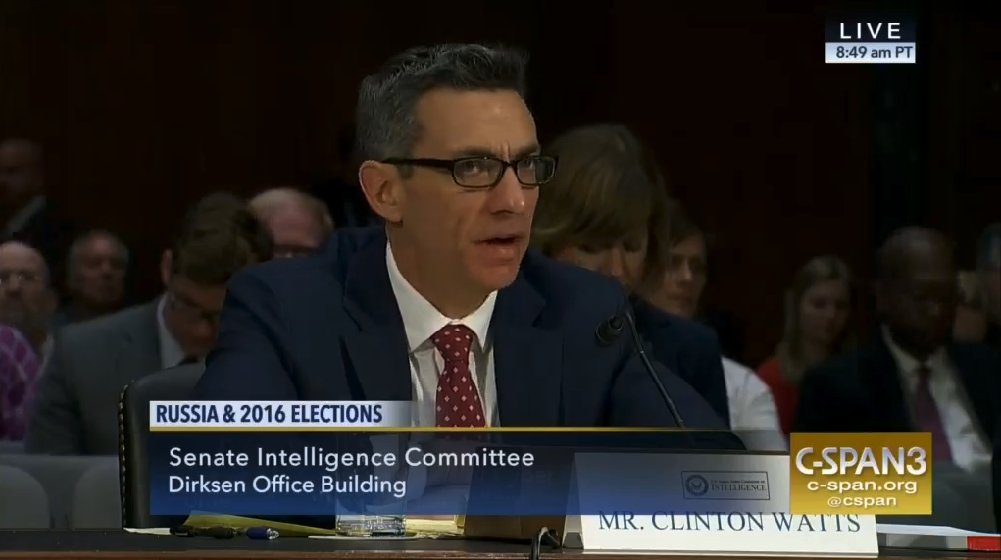
Clinton Watts
However, Russian Active Measures were in full swing during both the Republican and Democratic primary season and may have helped sink the hopes of candidates more hostile to Russian interests long before the field narrowed.
The final piece of Russia’s modern Active Measures surfaced in the summer of 2016 as hacked materials from previous months were strategically leaked.
On 22 July 2016, Wikileaks released troves of stolen communications from the Democratic National Committee and later batches of campaign emails. Guccifer 2.0 and DC Leaks revealed hacked information from a host of former U.S. government officials throughout July and August 2016.
For the remainder of the campaign season, this compromising material powered the influence system Russia successfully constructed in the previous two years.
TREASON EXAMPLE #3: Many of those Trump appointed to office had strong ties to the government of Russian President Vladimir Putin.
One of these was Secretary of State Rex Tillerson. In 2013, as the chief executive of ExxonMobil, he was presented with Russia’s Order of Friendship award. He had just signed deals with the state-owned Russian oil company Rosneft. Its chief, Igor Sechin, is a loyal Putin lieutenant.

Rex Tillerson
2016 PRESIDENTIAL ELECTION, 2020 PRESIDENTIAL ELECTION, ABC NEWS, ADOLF HITLER, ALTERNET, AMERICABLOG, AP, BABY BOOMER RESISTANCE, BARACK OBAMA, BEER HALL PUTSCH, BLOOMBERG, BREITBART NEWS, BUZZFEED, CBS NEWS, CHRIS KREBS, CHRISTOPHER S. MURPHY, CIA, CNN, COVID-19, CROOKS AND LIARS, CYBERSECURITY AND INFRASTRUCTURE SECURITY AGENCY, DAILY KOZ, DEMOCRATIC NATIONAL COMMITTEE, DEMOCRATIC PARTY, DEMOCRATS, DEPARTMENT OF HOMELAND SECURITY, DIRECTOR OF NATIONAL INTELLIGENCE, DONALD J. TRUMP FOUNDATION, DONALD TRUMP, DONALD TRUMP JUNIOR, DRUDGE REPORT, EMOLUMENTS CLAUSE, ERIC SCHNEIDERMAN, EXTORTION, FACE THE NATION, FACEBOOK, FBI, FERGUS CULLEN, FIVETHIRTYEIGHT, FOX NEWS SUNDAY, GREG ABBOTT, GRETCHEN WHITMER, HACKING, HARPER’S MAGAZINE, HILLARY CLINTON, HITLER: ASCENT (BOOK), HUFFINGTON POST, IRS, ISLAMIC STATE, JAMES B. COMEY, JAMES R. CLAPPER, JARED KUSHNER, JEFF SESSIONS, JOE BIDEN, JOHN KASICH, JOSEPH STALIN, JR., JUSTICE DEPARTMENT, KEN PAXTON, KIM JONG ON, KU KLUX KLAN, LANDSBERG PRISON, LEON PANETTA, MAIN INTELLIGENCE DIRECTORATE, MARK LEVIN, MEDIA MATTERS, MEIN KAMPF (BOOK), MICHAEL FLYNN, MICHAEL HAYDEN, MICHAEL ROGERS, MIKE PENCE, MOTHER JONES, MOVEON, MSNBC, NATIONAL SECURITY AGENCY, NAZI PARTY, NAZIS, NBC NEWS, NEW HAMPSHIRE REPUBLICAN PARTY, NEWSWEEK, NPR, PAM BONDI, PAUL MANAFORT, PAUL RYAN, PBS NEWSHOUR, PHILIP KLEIN, POLITICO, POLITICUSUSA, RACKETEER INFLUENCED CORRUPT ORGANIZATIONS ACT (RICO), RAW STORY, RECEP TAYYIP ERDOGAN, REPUBLICAN NATIONAL COMMITTEE, REPUBLICAN NATIONAL CONVENTION, REPUBLICAN PARTY, REPUBLICANS, REUTERS, REX TILLERSON, ROGER STONE, SALON, SEATTLE TIMES, SERGEY KISLYAK, SERGEY LAVROV, SLATE, SOVIET UNION, TALKING POINTS MEMO, THE ATLANTIC, THE CHICAGO SUN-TIMES, THE CHICAGO TRIBUNE, THE DAILY BEAST, THE DAILY BLOG, THE GUARDIAN, THE HILL, THE HUFFINGTON POST, THE LOS ANGELES TIMES, THE NATION, THE NEW REPUBLIC, THE NEW YORK TIMES, THE PRESS, THE VILLAGE VOICE, THE WASHINGTON EXAMINER, THE WASHINGTON POST, THINKPROGRESS, THREATS, TIME, TREASON, TRUMP TOWER MEETING, TRUMP UNIVERSITY, TRUMP-RUSSIA TIES, TRUTHDIG, TRUTHOUT, TWITTER, TWO POLITICAL JUNKIES, U.S. NEWS & WORLD REPORT, UNITED STATES CONSTITUTION, UNITED STATES SECRET SERVICE, UPI, USA TODAY, VLADIMIR PUTIN, VOLKER ULLRICH, VOTER INTIMIDATION, WEIMAR REPUBLIC, WIKILEAKS, WIRETAPPING, WONKETTE, XI JINPING
In Bureaucracy, History, Law, Law Enforcement, Politics, Social commentary on December 3, 2020 at 1:23 am
The election of Donald Trump—and the subsequent dictatorial, vindictive and even treasonous behavior that followed—was not inevitable.
There were at least six instances where the Justice Department of President Barack Obama could have utterly changed the outcome of the 2016 election. Yet, for reasons still unknown, it chose to do nothing.
The first instances has been highlighted in Parts One through Three of this series. These consisted of:
Case #1: The Obama Justice Department did not indict Trump and/or the Attorney Generals of Texas and/or Florida for bribery in the Trump University scandal.
Case #2: The Justice Department did not indict Trump for the series of threats that he made—directly and indirectly—against Republicans and Democrats throughout the 2016 campaign.
Case #3: The Justice Department could have indicted Trump and/or his followers for voter intimidation.
Case #4 Making threats against anyone under protection by the U.S. Secret Service is a felony. Yet Donald Trump was never held legally accountable by the Justice Department for his “dog whistle” threat against Hillary Clinton.
Case #5 The Justice Department did not invalidate the results of the 2016 election, despite overwhelming evidence that Russia intervened to elect Donald Trump as Vladimir Putin’s chosen candidate.
And now the final—and fatal—miscarriage of justice:
Case #6: The Justice Department did not prosecute Donald Trump for treason, even though he solicited aid from Russia, a nation hostile to the United States. And no major official of the government—including President Barack Obama—publicly condemned him as a traitor.
At a news conference in Doral, Florida on July 27, 2016. Trump publicly invited “Russia”—i.e., Vladimir Putin—to hack Hillary Clinton’s emails: “I will tell you this, Russia: If you’re listening, I hope you’re able to find the 30,000 emails that are missing. I think you will probably be rewarded mightily by our press.”
Even Trump’s Trump’s Vice Presidential running mate, Mike Pence, said: “If it is Russia and they are interfering in our elections, I can assure you both parties and the United States government will ensure there are serious consequences.”
Throughout 2016, the CIA, FBI and National Security Agency (NSA) found numerous ties between officials of the Trump Presidential campaign and Russian Intelligence agents. Among these:
- Future Secretary of State Rex Tillerson
- Future National Security Adviser Michael Flynn and
- Future Attorney General Jeff Sessions.
The discovery of such contacts between Trump campaign officials and Russian Intelligence agents led the FBI to launch an investigation into Russia’s efforts to influence the outcome of the 2016 Presidential election.
It was that investigation—totally justified by law and common sense—that Trump later claimed had been a “deep state” coup to prevent him from reaching the White House.
To their shame, the federal agencies charged with safeguarding America failed to take action against these abuses. And, to their shame, the news media, to date, has failed to indict them for their negligence.
Future historians may well indict President Barack Obama for his failure to decisively act, and whose negligence led to the rise and destructive reign of Donald Trump.
Ninety-three years earlier, a similar series of circumstances led to the rise and reign of an even more destructive tyrant.
On November 9, 1923, Nazi Party Fuhrer Adolf Hitler tried to overthrow the government in Munich, Bavaria.
About 2,000 Nazis marched to the center of Munich, where they confronted heavily-armed police. A shootout erupted, killing 16 Nazis and four policemen.
Hitler was injured during the clash, but managed to escape. Two days later, he was arrested and charged with treason.
Put on trial, he found himself treated as a celebrity by a judge sympathetic to Right-wing groups. He was allowed to brutally cross-examine witnesses and even make inflammatory speeches.
At the end of the trial, he was convicted of treason and sentenced to five years’ imprisonment.
Serving time in Landsberg Prison, in Bavaria. he was given a huge cell, allowed to receive unlimited visitors and gifts, and treated with deference by guards and inmates.
Hitler used his time in prison to write his infamous book, Mein Kampf-–“My Struggle.” Part autobiography, part political treatise, it laid out his future plans—including the extermination of the Jews and the conquest of the Soviet Union.

Adolf Hitler leaving Landsberg Prison, December, 20, 1924
Nine months later, he was released on parole—by authorities loyal to the authoritarian Right instead of the newly-created Weimar Republic.
Hitler immediately began rebuilding the shattered Nazi party—and deciding on a new strategy to gain power. Never again would he resort to armed force. He would win office by election—or intrigue.
Writes historian Volker Ullrich, in his monumental new biography, Hitler: Ascent 1889 – 1939: “Historians have perennially tried to answer the question of whether Hitler’s rise to power could have been halted….
“There were repeated opportunities to end Hitler’s run of triumphs. The most obvious one was after the failed Putsch of November 1923. Had the Munich rabble-rouser been forced to serve his full five-year term of imprisonment in Landsberg, it is extremely unlikely that he would have been able to restart his political career.” [Italics added]

Thus, it isn’t just what happens that can influence the course of history. Often, it’s what doesn’t happen that has at least as great a result.
2016 PRESIDENTIAL ELECTION, 2020 PRESIDENTIAL ELECTION, ABC NEWS, ADOLF HITLER, ALTERNET, AMERICABLOG, AP, BABY BOOMER RESISTANCE, BARACK OBAMA, BEER HALL PUTSCH, BLOOMBERG, BREITBART NEWS, BUZZFEED, CBS NEWS, CHRIS KREBS, CHRISTOPHER S. MURPHY, CIA, CNN, COVID-19, CROOKS AND LIARS, CYBERSECURITY AND INFRASTRUCTURE SECURITY AGENCY, DAILY KOZ, DEMOCRATIC NATIONAL COMMITTEE, DEMOCRATIC PARTY, DEMOCRATS, DEPARTMENT OF HOMELAND SECURITY, DIRECTOR OF NATIONAL INTELLIGENCE, DONALD J. TRUMP FOUNDATION, DONALD TRUMP, DONALD TRUMP JUNIOR, DRUDGE REPORT, EMOLUMENTS CLAUSE, ERIC SCHNEIDERMAN, EXTORTION, FACE THE NATION, FACEBOOK, FBI, FERGUS CULLEN, FIVETHIRTYEIGHT, FOX NEWS SUNDAY, GREG ABBOTT, GRETCHEN WHITMER, HACKING, HARPER’S MAGAZINE, HILLARY CLINTON, HITLER: ASCENT (BOOK), HUFFINGTON POST, IRS, ISLAMIC STATE, JAMES B. COMEY, JAMES R. CLAPPER, JARED KUSHNER, JEFF SESSIONS, JOE BIDEN, JOHN KASICH, JOSEPH STALIN, JR., JUSTICE DEPARTMENT, KEN PAXTON, KIM JONG ON, KU KLUX KLAN, LANDSBERG PRISON, LEON PANETTA, MAIN INTELLIGENCE DIRECTORATE, MARK LEVIN, MEDIA MATTERS, MEIN KAMPF (BOOK), MICHAEL FLYNN, MICHAEL HAYDEN, MICHAEL ROGERS, MIKE PENCE, MOTHER JONES, MOVEON, MSNBC, NATIONAL SECURITY AGENCY, NAZI PARTY, NAZIS, NBC NEWS, NEW HAMPSHIRE REPUBLICAN PARTY, NEWSWEEK, NPR, PAM BONDI, PAUL MANAFORT, PAUL RYAN, PBS NEWSHOUR, PHILIP KLEIN, POLITICO, POLITICUSUSA, RACKETEER INFLUENCED CORRUPT ORGANIZATIONS ACT (RICO), RAW STORY, RECEP TAYYIP ERDOGAN, REPUBLICAN NATIONAL COMMITTEE, REPUBLICAN NATIONAL CONVENTION, REPUBLICAN PARTY, REPUBLICANS, REUTERS, REX TILLERSON, ROGER STONE, SALON, SEATTLE TIMES, SERGEY KISLYAK, SERGEY LAVROV, SLATE, SOVIET UNION, TALKING POINTS MEMO, THE ATLANTIC, THE CHICAGO SUN-TIMES, THE CHICAGO TRIBUNE, THE DAILY BEAST, THE DAILY BLOG, THE GUARDIAN, THE HILL, THE HUFFINGTON POST, THE LOS ANGELES TIMES, THE NATION, THE NEW REPUBLIC, THE NEW YORK TIMES, THE PRESS, THE VILLAGE VOICE, THE WASHINGTON EXAMINER, THE WASHINGTON POST, THINKPROGRESS, THREATS, TIME, TREASON, TRUMP TOWER MEETING, TRUMP UNIVERSITY, TRUMP-RUSSIA TIES, TRUTHDIG, TRUTHOUT, TWITTER, TWO POLITICAL JUNKIES, U.S. NEWS & WORLD REPORT, UNITED STATES CONSTITUTION, UNITED STATES SECRET SERVICE, UPI, USA TODAY, VLADIMIR PUTIN, VOLKER ULLRICH, VOTER INTIMIDATION, WEIMAR REPUBLIC, WIKILEAKS, WIRETAPPING, WONKETTE, XI JINPING
In Bureaucracy, History, Law, Law Enforcement, Politics, Social commentary on December 2, 2020 at 12:05 am
The election of Donald Trump—and the subsequent dictatorial, vindictive and even treasonous behavior that followed—was not inevitable.
There were at least six instances where the Justice Department of President Barack Obama could have utterly changed the outcome of the 2016 election. Yet, for reasons still unknown, it chose to do nothing.
Two of these have already been described:
Case #1: The Obama Justice Department did not indict Trump and/or the Attorney Generals of Texas and/or Florida for their roles in the Trump University scandal.
Case #2: The Justice Department did not indict Trump for the series of threats that he made—directly and indirectly—against Republicans and Democrats throughout the 2016 campaign.
Case #3: The Justice Department could have indicted Trump and/or his followers for voter intimidation.
Now for the next ones:
Case #4 Making threats against anyone under protection by the U.S. Secret Service is a felony. Yet Donald Trump was never held legally accountable by the Justice Department.
- On August 9, 2016, Trump told a rally in Wilmington, North Carolina: “Hillary [Clinton] wants to abolish, essentially abolish, the Second Amendment. If she gets to pick her [Supreme Court] judges, nothing you can do folks. Although the Second Amendment people, maybe there is, I don’t know.”
- Reacting to Trump’s “dog-whistle” threat against Clinton, Michael Hayden, former head of the CIA and National Security Agency (NSA) said: “Well, let me say if someone else said that outside of the hall, he’d be in the back of a police wagon now, with the Secret Service questioning him.”
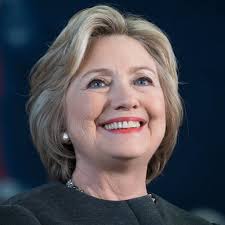
Hillary Clinton
Case #5: The Justice Department did not invalidate the results of the 2016 election, despite overwhelming evidence that Russia intervened to elect Trump as Vladimir Putin’s chosen candidate.
In July, 2016, the Russians hacked the Democratic committee’s servers—but not those of the Republican National Committee.
Admiral Michael Rogers, director of the National Security Agency (NSA) and US Cyber Command, said in mid-November, 2016, that Russia made “a conscious effort” to sway the results of the Presidential election by the hacking of 20,000 emails from the Democratic National Committee.
“There shouldn’t be any doubt in anybody’s mind,” said Rogers. “This was not something that was done casually. This was not something that was done by chance. This was not a target that was selected purely arbitrarily. This was a conscious effort by a nation-state to attempt to achieve a specific effect.”
In October, 2016, the Department of Homeland Security (DHS) and the Office of the Director of National Intelligence (DNI) issued a joint statement: The Russian government had directed the effort to subvert the 2016 Presidential election.
On December 16, 2016, FBI Director James B. Comey and Director of National Intelligence James R. Clapper Jr. agreed with a CIA assessment that Russia intervened in the 2016 election in part to help Donald Trump win the White House.
Trump, however, has steadfastly denied any such role by Russia: “I think it’s ridiculous,” he told “Fox News Sunday.” “I think it’s just another excuse. I don’t believe it….No, I don’t believe it at all.”
These were solid grounds for the Obama Justice Department to indict Donald Trump or invalidate the results of the 2016 election. Yet no action was taken.
Case #6: The Justice Department did not prosecute Donald Trump for treason, even though he solicited aid from Russia, a nation hostile to the United States. And no major official of the government—including President Obama—publicly condemned him as a traitor.
On July 9, 2016, high-ranking members of his Presidential campaign met at Trump Tower with at least two lobbyists with ties to Russian dictator Vladimir Putin. The participants included:
- Trump’s son, Donald Trump Jr.;
- His son-in-law, Jared Kushner;
- His then-campaign manager, Paul Manafort;
- Natalia Veselnitskaya, a Russian lawyer with ties to Putin; and
- Rinat Akhmetshin, a former Soviet counterintelligence officer suspected of “having ongoing ties to Russian Intelligence.”
The purpose of that meeting: To gain access to any “dirt” Russian Intelligence could supply on Democratic Presidential Nominee Hillary Clinton.
Donald Trump
On July 22, 2016, Wikileaks released 19,252 emails and 8,034 attachments hacked from computers of the highest-ranking officials of the Democratic National Committee (DNC). Early reports traced the leak to Russian hackers.
At a news conference in Doral, Florida on July 27, 2016, Trump publicly invited “Russia”—i.e., Vladimir Putin—to hack Hillary Clinton’s emails: “I will tell you this, Russia: If you’re listening, I hope you’re able to find the 30,000 emails that are missing. I think you will probably be rewarded mightily by our press.”
Hours later, the Main Intelligence Directorate in Moscow targeted Clinton’s personal office and hit more than 70 other Clinton campaign accounts.
This was essentially treason—calling on a hostile foreign power to interfere directly in an American Presidential election. And it was seen as such by both Democrats and even Republicans:
“This has to be the first time that a major presidential candidate has actively encouraged a foreign power to conduct espionage against his political opponent,” Hillary for America policy adviser Jake Sullivan said in a statement. “That’s not hyperbole, those are just the facts. This has gone from being a matter of curiosity, and a matter of politics, to being a national security issue.”
Brendon Buck, a spokesman for House Speaker Paul Ryan, said: “Russia is a global menace led by a devious thug. Putin should stay out of this election.”
2016 PRESIDENTIAL ELECTION, 2020 PRESIDENTIAL ELECTION, ABC NEWS, ADOLF HITLER, ALTERNET, AMERICABLOG, AP, BABY BOOMER RESISTANCE, BARACK OBAMA, BEER HALL PUTSCH, BLOOMBERG, BREITBART NEWS, BUZZFEED, CBS NEWS, CHRIS KREBS, CHRISTOPHER S. MURPHY, CIA, CNN, COVID-19, CROOKS AND LIARS, CYBERSECURITY AND INFRASTRUCTURE SECURITY AGENCY, DAILY KOZ, DEMOCRATIC NATIONAL COMMITTEE, DEMOCRATIC PARTY, DEMOCRATS, DEPARTMENT OF HOMELAND SECURITY, DIRECTOR OF NATIONAL INTELLIGENCE, DONALD J. TRUMP FOUNDATION, DONALD TRUMP, DONALD TRUMP JUNIOR, DRUDGE REPORT, EMOLUMENTS CLAUSE, ERIC SCHNEIDERMAN, EXTORTION, FACE THE NATION, FACEBOOK, FBI, FERGUS CULLEN, FIVETHIRTYEIGHT, FOX NEWS SUNDAY, GREG ABBOTT, GRETCHEN WHITMER, HACKING, HARPER’S MAGAZINE, HILLARY CLINTON, HITLER: ASCENT (BOOK), HUFFINGTON POST, IRS, ISLAMIC STATE, JAMES B. COMEY, JAMES R. CLAPPER, JARED KUSHNER, JEFF SESSIONS, JOE BIDEN, JOHN KASICH, JOSEPH STALIN, JR., JUSTICE DEPARTMENT, KEN PAXTON, KIM JONG ON, KU KLUX KLAN, LANDSBERG PRISON, LEON PANETTA, MAIN INTELLIGENCE DIRECTORATE, MARK LEVIN, MEDIA MATTERS, MEIN KAMPF (BOOK), MICHAEL FLYNN, MICHAEL HAYDEN, MICHAEL ROGERS, MIKE PENCE, MOTHER JONES, MOVEON, MSNBC, NATIONAL SECURITY AGENCY, NAZI PARTY, NAZIS, NBC NEWS, NEW HAMPSHIRE REPUBLICAN PARTY, NEWSWEEK, NPR, PAM BONDI, PAUL MANAFORT, PAUL RYAN, PBS NEWSHOUR, PHILIP KLEIN, POLITICO, POLITICUSUSA, RACKETEER INFLUENCED CORRUPT ORGANIZATIONS ACT (RICO), RAW STORY, RECEP TAYYIP ERDOGAN, REPUBLICAN NATIONAL COMMITTEE, REPUBLICAN NATIONAL CONVENTION, REPUBLICAN PARTY, REPUBLICANS, REUTERS, REX TILLERSON, ROGER STONE, SALON, SEATTLE TIMES, SERGEY KISLYAK, SERGEY LAVROV, SLATE, SOVIET UNION, TALKING POINTS MEMO, THE ATLANTIC, THE CHICAGO SUN-TIMES, THE CHICAGO TRIBUNE, THE DAILY BEAST, THE DAILY BLOG, THE GUARDIAN, THE HILL, THE HUFFINGTON POST, THE LOS ANGELES TIMES, THE NATION, THE NEW REPUBLIC, THE NEW YORK TIMES, THE PRESS, THE VILLAGE VOICE, THE WASHINGTON EXAMINER, THE WASHINGTON POST, THINKPROGRESS, THREATS, TIME, TREASON, TRUMP TOWER MEETING, TRUMP UNIVERSITY, TRUMP-RUSSIA TIES, TRUTHDIG, TRUTHOUT, TWITTER, TWO POLITICAL JUNKIES, U.S. NEWS & WORLD REPORT, UNITED STATES CONSTITUTION, UNITED STATES SECRET SERVICE, UPI, USA TODAY, VLADIMIR PUTIN, VOLKER ULLRICH, VOTER INTIMIDATION, WEIMAR REPUBLIC, WIKILEAKS, WIRETAPPING, WONKETTE, XI JINPING
In Bureaucracy, History, Law, Law Enforcement, Politics, Social commentary on December 1, 2020 at 12:11 am
The election of Donald Trump—and his subsequent dictatorial, vindictive and even treasonous behavior that followed—was not inevitable.
There were at least six instances where the Justice Department of President Barack Obama could have utterly changed the outcome of the 2016 election. Yet, for reasons still unknown, it chose to do nothing.
The first instance has been highlighted in Part One of this series: Case #1: The Obama Justice Department did not indict Trump and/or the Attorney Generals of Texas and/or Florida for their roles in the Trump University scandal.
Here is the next one:
Case #2: The Justice Department did not indict Trump for the series of threats that he made—directly and indirectly—against Republicans and Democrats throughout the 2016 campaign.
Threatening political opponents with violence is a crime under Federal law. Yet making threats against his Republican and Democratic opponents played a major role in Trump’s Presidential campaign.

Seal of the Justice Department
- On March 16, 2016, Trump warned Republicans that if he didn’t win the GOP nomination in July, his supporters would literally riot: “I think you’d have riots. I think you would see problems like you’ve never seen before. I think bad things would happen. I really do. I wouldn’t lead it, but I think bad things would happen.”
- An NBC reporter summed it up as: “The message to Republicans was clear on [March 16]: ‘Nice convention you got there, shame if something happened to it.’”
- That Republicans clearly saw this as a threat is undeniable. Paul Ryan, their Speaker of the House, said on March 17: “Nobody should say such things in my opinion because to even address or hint to violence is unacceptable.”
- Philip Klein, the managing editor of the Washington Examiner, wrote on the eve of the Republican National Convention in July: “Political commentators now routinely talk about the riots that would break out in Cleveland if Trump were denied the nomination, about how his supporters have guns and all hell could break loose, that they would burn everything to the ground. It works to Trump’s advantage to not try too hard to dispel these notions.”
- On July 29, 2016, Roger Stone, a notorious Right-wing political consultant acting as a Trump strategist, told Breitbart News: “The first thing Trump needs to do is begin talking about [voter fraud] constantly. If there’s voter fraud, this election will be illegitimate, the election of the winner will be illegitimate, we will have a constitutional crisis, widespread civil disobedience, and the government will no longer be the government.”
- At a town hall meeting where Trump’s Vice Presidential nominee Mike Pence appeared, a woman named Rhonda said: “For me personally, if Hillary Clinton gets in, I myself am ready for a revolution.”
- In Cincinnati, a Trump supporter threatened to forcibly remove Hillary Clinton, the Democratic nominee, from the White House if she won the race: “If she’s in office, I hope we can start a coup. She should be in prison or shot. That’s how I feel about it,” said Dan Bowman, a 50-year-old contractor. “We’re going to have a revolution and take them out of office if that’s what it takes. There’s going to be a lot of bloodshed. But that’s what it’s going to take….”

Fergus Cullen
Even Fergus Cullen, former chairman of the New Hampshire GOP, expressed fear of what might happen if Trump lost the election:
“That’s really scary,” Cullen said, recounting the violence at Trump rallies around the country leading up to the Republican National Convention. “In this country, we’ve always had recriminations after one side loses. But we haven’t had riots. We haven’t had mobs that act out with violence against supporters of the other side.
“There’s no telling what his supporters would be willing to do at the slightest encouragement from their candidate,” he said.
Case #3: The Justice Department could have indicted Trump and/or his followers for voter intimidation.
18 U.S. Code Section 594 states: “Whoever intimidates, threatens, coerces, or attempts to intimidate, threaten, or coerce, any other person for the purpose of interfering with the right of such other person to vote or to vote as he may choose…shall be fined under this title or imprisoned not more than one year, or both.”
Trump even began encouraging his mostly white supporters to sign up online to be “election observers” to stop “Crooked Hillary from rigging this election.” He urged them to act as poll watchers in “other” [non-white] communities to ensure that things are “on the up and up.”
Many of his supporters promised to do so.
“Trump said to watch your precincts. I’m going to go, for sure,” said Steve Webb, a 61-year-old carpenter from Fairfield, Ohio.
“I’ll look for…well, it’s called racial profiling. Mexicans. Syrians. People who can’t speak American,” he said. “I’m going to go right up behind them. I’ll do everything legally. I want to see if they are accountable. I’m not going to do anything illegal. I’m going to make them a little bit nervous.”
Knowing that large numbers of angry—and possibly armed—Right-wingers planned to descend on polling places could only have had a chilling effect on untold numbers of Democratic voters. And this would have been especially true in heavily conservative states.
But the Justice Department refused to act.
2016 PRESIDENTIAL ELECTION, 2020 PRESIDENTIAL ELECTION, ABC NEWS, ADOLF HITLER, ALTERNET, AMERICABLOG, AP, BABY BOOMER RESISTANCE, BARACK OBAMA, BEER HALL PUTSCH, BLOOMBERG, BREITBART NEWS, BUZZFEED, CBS NEWS, CHRIS KREBS, CHRISTOPHER S. MURPHY, CIA, CNN, COVID-19, CROOKS AND LIARS, CYBERSECURITY AND INFRASTRUCTURE SECURITY AGENCY, DAILY KOZ, DEMOCRATIC NATIONAL COMMITTEE, DEMOCRATIC PARTY, DEMOCRATS, DEPARTMENT OF HOMELAND SECURITY, DIRECTOR OF NATIONAL INTELLIGENCE, DONALD J. TRUMP FOUNDATION, DONALD TRUMP, DONALD TRUMP JUNIOR, DRUDGE REPORT, EMOLUMENTS CLAUSE, ERIC SCHNEIDERMAN, EXTORTION, FACE THE NATION, FACEBOOK, FBI, FERGUS CULLEN, FIVETHIRTYEIGHT, FOX NEWS SUNDAY, GREG ABBOTT, GRETCHEN WHITMER, HACKING, HARPER’S MAGAZINE, HILLARY CLINTON, HITLER: ASCENT (BOOK), HUFFINGTON POST, IRS, ISLAMIC STATE, JAMES B. COMEY, JAMES R. CLAPPER, JARED KUSHNER, JEFF SESSIONS, JOE BIDEN, JOHN KASICH, JOSEPH STALIN, JR., JUSTICE DEPARTMENT, KEN PAXTON, KIM JONG ON, KU KLUX KLAN, LANDSBERG PRISON, LEON PANETTA, MAIN INTELLIGENCE DIRECTORATE, MARK LEVIN, MEDIA MATTERS, MEIN KAMPF (BOOK), MICHAEL FLYNN, MICHAEL HAYDEN, MICHAEL ROGERS, MIKE PENCE, MOTHER JONES, MOVEON, MSNBC, NATIONAL SECURITY AGENCY, NAZI PARTY, NAZIS, NBC NEWS, NEW HAMPSHIRE REPUBLICAN PARTY, NEWSWEEK, NPR, PAM BONDI, PAUL MANAFORT, PAUL RYAN, PBS NEWSHOUR, PHILIP KLEIN, POLITICO, POLITICUSUSA, RACKETEER INFLUENCED CORRUPT ORGANIZATIONS ACT (RICO), RAW STORY, RECEP TAYYIP ERDOGAN, REPUBLICAN NATIONAL COMMITTEE, REPUBLICAN NATIONAL CONVENTION, REPUBLICAN PARTY, REPUBLICANS, REUTERS, REX TILLERSON, ROGER STONE, SALON, SEATTLE TIMES, SERGEY KISLYAK, SERGEY LAVROV, SLATE, SOVIET UNION, TALKING POINTS MEMO, THE ATLANTIC, THE CHICAGO SUN-TIMES, THE CHICAGO TRIBUNE, THE DAILY BEAST, THE DAILY BLOG, THE GUARDIAN, THE HILL, THE HUFFINGTON POST, THE LOS ANGELES TIMES, THE NATION, THE NEW REPUBLIC, THE NEW YORK TIMES, THE PRESS, THE VILLAGE VOICE, THE WASHINGTON EXAMINER, THE WASHINGTON POST, THINKPROGRESS, THREATS, TIME, TREASON, TRUMP TOWER MEETING, TRUMP UNIVERSITY, TRUMP-RUSSIA TIES, TRUTHDIG, TRUTHOUT, TWITTER, TWO POLITICAL JUNKIES, U.S. NEWS & WORLD REPORT, UNITED STATES CONSTITUTION, UNITED STATES SECRET SERVICE, UPI, USA TODAY, VLADIMIR PUTIN, VOLKER ULLRICH, VOTER INTIMIDATION, WEIMAR REPUBLIC, WIKILEAKS, WIRETAPPING, WONKETTE, XI JINPING
In Bureaucracy, History, Law, Law Enforcement, Politics, Social commentary on November 30, 2020 at 12:05 am
“The only thing necessary for the triumph of evil is for good men to do nothing.”
So wrote Edmund Burke (1729-1797) the Irish statesman, author, orator, political theorist and philosopher. And history has repeatedly proved him right.
That may well prove to be the epitaph of the Donald Trump Presidency.
That Presidency has made the United States a polarized country.
But it’s not the polarization between Republicans and Democrats, or between conservatives and liberals.
It’s the polarization between:
- Those intent on enslaving everyone who doesn’t subscribe to their Fascistic beliefs and agenda—and those who resist being enslaved.
- Those who believe in reason and science—and those who worship an “infallible strong man” who rejects both.
- Those who cherish education—and those who celebrate ignorance.
- Those who believe in the rule of law—and those who believe in their right to act as a law unto themselves.
- Those who believe in treating others (especially the less fortunate) with decency—and those who believe in the triumph of intimidation and force.
Since Trump became President, he has:
- Allowed the deadly COVID-19 virus to ravage the country, infecting (to date) 13.4 million Americans and killing 267,000.
- Attacked medical experts and governors who urged Americans to wear masks and socially distance to protect themselves from COVID-19.
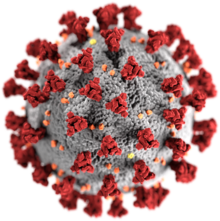
COVID-19.
- Fired FBI Director James B. Comey for investigating Russia’s subversion of the 2016 Presidential election.
- Fired John Sessions, his own handpicked Attorney General, for recusing himself from matters involving the 2016 Presidential election owing to his own conflicts-of-interest.
- Repeatedly sided with Russian dictator Vladimir Putin against the FBI, CIA and National Security Agency.
- Gave highly classified CIA Intelligence to Russian Foreign Minister Sergey Lavrov and Russian Ambassador Sergey Kislyak. Specifically: How Islamic State terrorists planned to turn laptops into concealable bombs.
- Attacked and alienated America’s oldest allies, such as Canada and Great Britain.
- Identified with and coddled such ruthless dictator as North Korea’s Kim Jong-On, China’s Xi Jinping and Turkey’s Recep Tayyip Erdoğan.
- Praised Nazis and Ku Klux Klansmen.
- Shut down the United States Government for more than a month—imperiling the lives of 800,000 Federal employees—to extort money from Congress for a worthless wall on the U.S.-Mexico border.
- “Joked” that the United States—like China—should have a “President-for-Life.”
- Repeatedly attacked Michigan Democratic Governor Gretchen Whitmer—after she had been targeted for kidnapping and execution by Trump’s Right-wing followers.
- Attacked the free press as “the enemy of the people”—a phrase popularized by Soviet dictator Joseph Stalin—for revealing his crimes and blunders.
- Used his position as President to further enrich himself, in violation of the Emoluments Clause of the Constitution.
- Urged his followers to illegally vote twice for him in the 2020 Presidential election.
- Fired Chris Krebs, the director of the Cybersecurity and Infrastructure Security Agency, for rejecting Trump’s false claims of widespread voter fraud in the 2020 Presidential election.
- Refused to accept the will of 80,117,438 voters who have made former Vice President Joe Biden President-elect of the United States
Future historians may one day write that what didn’t happen played at least as great a role in electing Donald Trump President as what actually did.
There were at least six instances where the Justice Department of President Barack Obama could have utterly changed the outcome of the 2016 election. Yet, for reasons still unknown, it chose to do nothing.
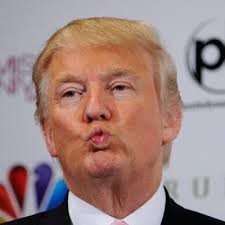
Donald Trump
Case #1: The Obama Justice Department did not indict Trump and/or the Attorney Generals of Texas and Florida for their roles in the Trump University scandal.
- Florida Attorney General Pam Bondi personally solicited a political contribution from Donald Trump around the same time her office deliberated joining an investigation of alleged fraud at Trump University and its affiliates.
- After Bondi dropped the Trump University case against Trump, he wrote her a $25,000 check for her re-election campaign. The money came from the Donald J. Trump Foundation.
- Republican Texas Attorney General Ken Paxton moved to muzzle a former state regulator who says he was ordered in 2010 to drop a fraud investigation into Trump University for political reasons.
- Paxton’s office issued a cease and desist letter to former Deputy Chief of Consumer Protection John Owens after he made public copies of a 14-page internal summary of the state’s case against Donald Trump for scamming millions from students of his now-defunct real estate seminar.
- After the Texas case was dropped, Trump cut a $35,000 check to the gubernatorial campaign of then-attorney general and now Texas Governor Greg Abbott.
But New York’s Attorney General, Eric Schneiderman, pressed fraud claims against Trump—and forced the real estate mogul to settle the case out of court for $25 million on November 18, 2016.
There have been no press reports that the Justice Department investigated these cases to determine if Trump violated the Racketeer Influenced Corrupt Organizations (RICO) Act statutes against bribery.
If the Justice Department did not investigate these cases, it should have. And if he did violate the RICO statutes, he should have been indicted, even as a Presidential candidate or President-elect.
Even if an indictment had not produced a conviction, the mere bringing of one would have cast an unprecedented cloud over his candidacy—let alone his being sworn in as President.


2016 PRESIDENTIAL ELECTION, 2020 PRESIDENTIAL ELECTION, ABC NEWS, ABOUT FACE: THE ODYSSEY OF AN AMERICAN WARRIOR, ADAM SCHIFF, ALAMO, ALTERNET, AMERICABLOG, AP, ARTICLES OF IMPEACHMENT, BABY BOOMER RESISTANCE, BRAD RAFFENSPERGER, BUZZFEED, CBS NEWS, CNN, CROOKS AND LIARS, DACHAU CONCENTRATION CAMP, DAILY KOZ, DAVID HACKWORTH, DEMOCRATIC PARTY, DONALD TRUMP, DRUDGE RETORT, FACEBOOK, FBI, FIVETHIRTYEIGHT, GEORGIA SECRETARY OF STATE’S OFFICE, HARPER’S MAGAZINE, HOUSE INTELLIGENCE COMMITTEE, IMPEACHMENT, JOE BIDEN, MEDIA MATTERS, MOTHER JONES, MOVEON, MSNBC, NAZI GERMANY, NBC NEWS, NEWSWEEK, NPR, PBS NEWSHOUR, POLITICO, POLITICUSUSA, RAW STORY, REPUBLICAN PARTY, REUTERS, SALON, SARAH JONES, SEATTLE TIMES, SLATE, TALKING POINTS MEMO, THE ATLANTIC, THE CHICAGO SUN-TIMES, THE CHICAGO TRIBUNE, THE DAILY BEAST, THE DAILY BLOG, THE GUARDIAN, THE HILL, THE HUFFINGTON POST, THE LOS ANGELES TIMES, THE NATION, THE NEW REPUBLIC, THE NEW YORK TIMES, THE VILLAGE VOICE, THE WASHINGTON POST, THERMOPYLAE, THINKPROGRESS, TIME, TRUMP TOWER MEETING, TRUTHDIG, TRUTHOUT, TWITTER, TWO POLITICAL JUNKIES, U.S. NEWS & WORLD REPORT, UNITED STATES CONSTITUTION, UNITED STATES HOUSE OF REPRESENTATIVES, UNITED STATES SENATE, UPI, USA TODAY, WONKETTE
THE TRUE LEGACY OF TRUMP’S IMPEACHMENT–ONE YEAR LATER
In Bureaucracy, History, Law, Law Enforcement, Military, Politics, Social commentary on January 11, 2021 at 12:08 amOn December 10, 2019, Sarah Jones, editor-in-chief of PoliticusUSA, did what Senate Republicans fear to do: She openly declared Donald J. Trump to be an illegitimate President whose removal is entirely justified.
She did so in an editorial titled, “Adam Schiff Tells Trump That He Won’t Be Allowed To Cheat In 2020.”
“On Tuesday as House Democrats made the formal announcement of articles of impeachment against President Trump, House Intelligence Committee Chairman Adam Schiff gave a perfectly accurate rebuttal to the plea that Democrats should ‘just wait’ on impeachment, saying that those who argue ‘just wait’ are actually arguing ‘just let him cheat in one more election’ and ‘let him have foreign help just one more time,’” wrote Jones. [Italics added]
Sarah Jones
“This matters because after three years of pretending that Trump is the rightful president, it is finally being acknowledged that not only is he trying to cheat in 2020, but it is again, because he cheated in 2016.
“For three years this nation has endured the abuses of this pretender and his entire party of lock step enablers, save for Rep. Amash of Michigan.
“For three long years those who suggested Trump was not a legitimate president were shamed and silenced, even after the Mueller report made it clear that the Trump campaign sought illegal help and took illegal help from Russia in the 2016 election….
“A cheating cheater.
“A loser.
“A man who can’t win an election and did not win an election of the people fairly.
“Donald Trump can’t win an election without cheating. He knows that, and that’s why it upsets him so much to be called out for his illegal actions.
Donald Trump
“Trump is used to getting away with his criminal entitlements, but today, even if just for a moment before Republicans in the Senate betray their country again by letting Trump off as he attacks the United States, justice has been spoken and served.” [Italics added]
In September, 2019, the House Intelligence Committee began investigating Trump’s attempt to coerce Ukraine to smear a 2020 political rival for the White House—former Vice President Joseph Biden.
And every day of its hearings, Republicans loudly and brutally defended that extortion.
And they continued to do so throughout the Senate “trial”—where they banned witnesses from testifying about Trump’s impeachable behavior.
On February 5, 2020, the Republican-dominated Senate—ignoring the overwhelming evidence against him—acquitted Donald Trump on both impeachment articles: Obstruction of Congress and abuse of power.
On January 2, 2021, Trump once again proved he couldn’t win without cheating: He called the office of Georgia Secretary of State Brad Raffensperger. The reason: To pressure him to “find” enough votes to overturn former Vice President Joe Biden’s win in the state’s presidential election.
“All I want to do is this. I just want to find 11,780 votes, which is one more than we have,” Trump said. “Because we won the state.”
Actually, he didn’t.
He even threatened Raffensperger with criminal prosecuted if he did not change the vote count in Trump’s favor: “That’s a criminal offense. And you can’t let that happen.”
But there is a way to put the impeachment effort into historical perspective.
In 1960, David Hackworth was a young Army captain stationed in West Germany. The end of World War II had revealed the horror of Nazi death camps and the extermination of millions. To everyone, that is, but the Germans.
David Hackworth
Dale Cruse. (Flickr profile.) / CC BY-SA (http://creativecommons.org/licenses/by-sa/3.0/)
One winter’s day, Hackworth took his wife, Patty, to Dachau, the infamous concentration camp. In his 1989 memoir, About Face: The Odyssey of an American Warrior, he describes that experience:
“The horror of Hitler’s vision was alive and well in this grim death camp: the barracks, the ovens, the electrified barbed wire fences, remained intact. A mound here held the bones of 10,000 Jews; one over there held the bones of 12,000 more.
“The place was a monument to the darkest side of man, and yet—despite the smoke and ash that rained down on their homes from camp incinerators, despite the sickly smell of burning flesh and hair….the villagers claimed they hadn’t known. I couldn’t square it….”
Nor could Hackworth accept that “not one of the laughing, backslapping, congenial comrades I met…had fought the Americans in the West. All assured me they’d been on the Eastern Front, fighting ‘the real enemy,’ the Russians….
“In 15 years the Germans had come a long way in their rewrite of history. But at least there’s Dachau, I thought to myself, to remind them of the truth.”
So, too, will the impeachment of Donald Trump stand as a monument to the sheer evil and infamy of himself and the Republican party.
And it will remind future generations that there were decent Americans who dared to confront that evil in a stand as hopeless and glorious as that at Thermopylae and the Alamo.
Share this: