Posts Tagged ‘POLICE’
ABC NEWS, ALCOHOLISM, ALTERNET, AMERICABLOG, AMERICAN PUBLIC TRANSPORTATION ASSOCIATION, AP, “STREET MUSICIANS, ” ROBBERIES, BABY BOOMER RESISTANCE, BART BOARD OF DIRECTORS, BAY AREA RAPID TRANSIT (BART), BUMS, BUZZFEED, CBS NEWS, CNN, CRIME, CROOKS AND LIARS, DAILY KOZ, DRUDGE RETORT, DRUG ADDICTION, FACEBOOK, FARE EVASION, FIVETHIRTYEIGHT, HARPER’S MAGAZINE, MEDIA MATTERS, MENTAL ILLNESS, MOTHER JONES, MOVEON, MSNBC, NBC NEWS, NEWSWEEK, NPR, PBS NEWSHOUR, POLICE, POLITICO, POLITICUSUSA, PUBLIC TRANSIT, RAW STORY, REUTERS, SALON, SAN FRANCISCO, SEATTLE TIMES, SLATE, TALKING POINTS MEMO, TERRORISM, THE ATLANTIC, THE CHICAGO SUN-TIMES, THE CHICAGO TRIBUNE, THE DAILY BEAST, THE DAILY BLOG, THE GUARDIAN, THE HILL, THE HUFFINGTON POST, THE LOS ANGELES TIMES, THE NATION, THE NEW REPUBLIC, THE NEW YORK TIMES, THE VILLAGE VOICE, THE WASHINGTON POST, THINKPROGRESS, TIME, TRUTHDIG, TRUTHOUT, TWITTER, TWO POLITICAL JUNKIES, U.S. NEWS & WORLD REPORT, UPI, USA TODAY, WONKETTE
In Bureaucracy, History, Law, Law Enforcement, Social commentary on February 4, 2020 at 12:11 am
When the Bay Area Rapid Transit (BART) system was launched on September 11, 1972, it was hailed as the future for mass transit.
Forty-seven years later, that future looks to be a nightmare.
Here are the basic facts that the San Francisco Municipal Transportation Agency—which operates BART—is happy to release:
- The BART system services Alameda County (Oakland), Contra Costa County, San Francisco County and stations in San Mateo County.
- There are 48 BART stations.
- There are 669 cars.
- BART track runs about 121 miles.
- Trains usually travel at 35 mph, but can reach a speed of 70 mph.
- BART operates its own police force, with 206 sworn law enforcement officers.
- Its security system includes alarms, video surveillance and other intrusion prevention equipment.
Now for the facts that BART does not feel proud to publicize.
- BART does not provide phone service for its riders on weekends.
In 2019, BART had an average of 411,000 weekday passengers and 118 million annual passengers.
Nevertheless, those passengers using BART on weekends are left to their own devices when it comes to getting directions on which trains to take to which destinations.
“Can’t they get that information from ticket agents at BART booths?” seems a logical question.
And the answer is: “No, not always”—because many BART ticket booths are empty on weekends.
It’s as if BART officials don’t think people travel on BART on weekends—or don’t care if they do.

A BART train
Pi.1415926535 [CC BY-SA (https://creativecommons.org/licenses/by-sa/3.0)%5D
- BART stations—especially in San Francisco—are usually filthy and potentially dangerous places.
Many of these are peopled by drug addicts, alcoholics, mentally ill and parasitical bums. And many of these derelicts are passed out or shooting up heroin in plain sight. Naturally, they don’t worry about picking up their used hypodermic needles. They leave those out for others to step on or pick up at their own risk.
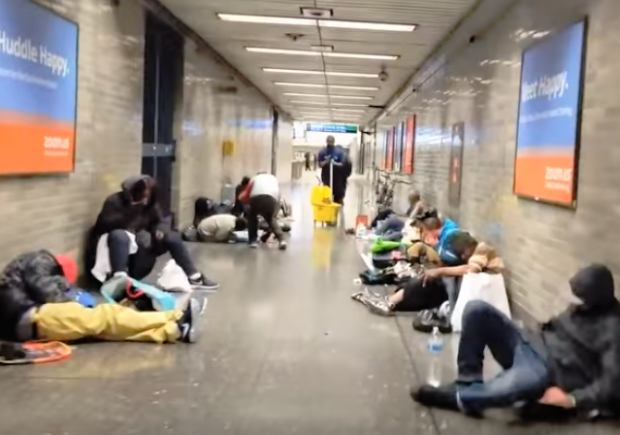
A typical San Francisco BART station
Those who aren’t shooting up are usually hitting up legitimate BART riders for money. Sometimes these encounters can become ugly, especially if the beggar is psychotic or drugged up.
As for the much-vaunted BART police: They are almost never in sight. If you can find one and point out a violation, the odds are he will say, “That falls outside my jurisdiction.”
This despite the fact that BART officials admit that “fare evasion” costs BART $15 million to $25 million each year.
So when someone pushes open the electronic “gates” that can be opened with BART cards, there are no police to nab him.
Interviewed privately, BART ticket agents admit they feel as helpless as BART riders in these stations. The police are nowhere in sight, and ticket agents aren’t trained or empowered to take action against fare-evaders, drug-abusers or those who assault BART passengers.
BART stations in downtown San Francisco are usually littered with sleeping bags or blankets— evidence of a serious bum infestation.
These stations have locked their bathrooms, claiming it’s a “security measure against terrorism.” Yet a far greater potential danger lies under all those blankets and sleeping bags: It would be easy for a terrorist to scatter such disguised bombs in a BART station and then clear out—long before his handiwork went off.
That, however, is a danger BART officials seem content to ignore.
- BART trains are often unpleasant at best, and unsafe at worst.
Cars are often taken over by gangs of teens—usually black—who crank up “boom boxes” and “perform” high-kicking stunts, then “ask” for “donations.” Many of their kicks come close to the heads of the riders who are forced to sit through these “entertainments.”
And there is always the risk that the “entertainers” might turn violent if they feel they aren’t getting enough “compensation” for their unasked-for “performance.”
But there are usually no guards on any BART train. And, even if there were, there are no “panic buttons” whereby threatened riders could secretly summon such aid.
According to the latest (2018) BART Uniform Crime Reporting data, violent crime increased 57% between 2013 and 2017. Robberies make up most of the reported crimes—up nearly 40% since 2013. Cell phone thefts are defined as robberies.
“He was standing in front of me just looking, and I could see his gun in his jacket,” crime victim Daniel Mendez recalled. “I was surrounded. They took everything. There was nothing you could do…They’re doing that because there’s no police presence.”
He swore he would never again ride BART.

Adding to the lack of police on BART trains: Most of the vaunted “security cameras” on BART trains don’t work.
Of course, high-ranking transit officials—who almost never ride public transit—disagree.
“Transit is very safe,” claims Polly Hansen, speaking for the American Public Transportation Association. “When you have low numbers, a slight increase will look like a large percentage. Transit doesn’t operate in isolation. It’s going through, above and around communities and you really have to analyze crime in those communities to look at the crime you’re having.”
The BART Board of Directors is comprised of nine elected officials from the nine BART districts. Each of them earns an average of $96,110. They can well afford to use private autos—even limousines—instead of public transit.
Only when BART officials are held directly—and financially—responsible for the disgraceful conditions in BART stations and aboard BART trains will there be any hope for long-overdue reforms.
ABC NEWS, ALCOHOLISM, ALTERNET, AP, BUMS, BUZZFEED, CBS NEWS, CNN, CROOKS AND LIARS, DAILY KOZ, DEBBIE STABENOW, DEPARTMENT OF EDUCATION, DRUG ADDICTION, DRUG ENFORCEMENT ADMINISTRATION, FACEBOOK, FIREARMS, HOMELESSNESS, IRAQ, LIBERTARIAN PARTY, MENTAL ILLNESS, MOTHER JONES, MOVEON, MSNBC, NBC NEWS, NEWSWEEK, NPR, POLICE, POLITICO, RAW STORY, REUTERS, SALON, SEATTLE TIMES, SHOTGUNS, SLATE, THE ATLANTIC, THE CHICAGO SUN-TIMES, THE CHICAGO TRIBUNE, THE DAILY BEAST, THE GUARDIAN, THE HILL, THE HUFFINGTON POST, THE LOS ANGELES TIMES, THE NATION, THE NEW YORK TIMES, THE WASHINGTON POST, TIME, TRANSPORTATION SECURITY ADMINISTRATION, TWITTER, U.S. NEWS & WORLD REPORT, UNITED STATES SENATE, UPI, USA TODAY, USA TODAY BRIAN ELLISON
In Bureaucracy, History, Law, Law Enforcement, Politics, Social commentary on August 26, 2019 at 12:19 am
In 2018, Brian Ellison was a Libertarian candidate for United States Senator from Michigan. And unlike other political candidates, he had a unique position on homelessness.
Some politicians want to outlaw homeless encampments. Others want to spend billions on low-cost housing for this population.
Ellison, instead, wanted to arm bums with guns. Specifically, with pump-action shotguns.
“Get us a group of 20 homeless people that we could train, help them understand how the shotgun works, how to maintain it, how to fire it,” Ellison told Newsweek. “And equip them with a shotgun, a sling and some shells so they can protect themselves.”

Brian Ellison
Actually, the shotgun was not Ellison’s first choice of weaponry for his intended beneficiaries.
“Frankly I think the ideal weapon would be a pistol,” he told The Guardian, “but due to the licensing requirements in the state we’re going to have a hard enough time getting homeless people shotguns as it is.
“Getting them pistols is probably next to impossible. The pistols need to be registered, people have to have addresses.”
But “open-carrying a long gun is completely legal. So we thought that pump-action shotguns were a suitable alternative to a pistol.”

Winchester Model 1912-gauge pump-action shotgun
Ellison is a former Army soldier who served in Iraq.
Apparently that experience didn’t teach him that when too many people have guns, no one is safe.
Ellison also wanted to abolish the Drug Enforcement Administration and the Transportation Security Administration, and localize the Department of Education.
“I’m basically entirely opposed to any government program,” said Ellison.
Unless it’s a government program to arm bums with guns.
This population can be roughly divided into four categories:
- Druggies
- Drunks
- Mental cases and
- Bums.
The homeless are “constantly victims of violent crime,” said Ellison, who believes that giving them firearms would provide a deterrent.
It would also provide a real incentive for tax-paying citizens to hand over their money the moment a shotgun-carrying DDMB confronts them on the street.
But Ellison had an answer for this: “Pre-qualify” DDMBs as suitable candidates to own firearms:
“The first thing that we’re gonna do is ask them if they think this is something that would benefit them. We’re certainly not trying to force anything on anybody.”
Except, of course, on those citizens being hit on daily—sometimes hourly—by DDMBs for money.
Naturally, ammunition would be provided—at state expense—for the shotguns. This would come in five- or six-shell magazines.
Ellison said that more shells would be provided if the owners legitimately used their guns to defend themselves.
But if they used their ammo for “shooting cans in somebody’s private property” then they would not be given more shells.
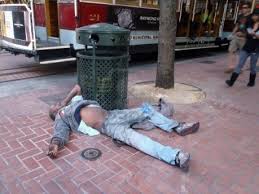
A potential beneficiary of Ellison’s “guns for bums” program
Ellison wasn’t worried that his intended beneficiaries might use the guns for murder or robbery: “Well, are you worried about the police being armed with military weapons? I am.
“The world we live in is a scary world, where the police who used to dress in short-sleeved shirts and carry a revolver now have long rifles with scopes and bulletproof vests and armored vehicles.
“And quite frankly that scares me much more than a homeless person trying to defend themselves with a shotgun.”
This, of course, ignores the fact that police are pre-qualified with firearms—and every shooting by officers in a big-city police department is thoroughly investigated.
Their firearms are turned in for investigation. And the officers who used them can be disciplined and even prosecuted if a police chief and/or prosecutor believes the shooting was improper or illegal.
And who would make such lethal weaponry available to street people?
“There are a lot of charities out there that help to provide the homeless with food, housing, job training, all kinds of stuff,” said Ellison. “There’s not a charity out there that helps them learn how to protect themselves. What’s going to drive this is popular support.”
Just how many DDMBs could receive Ellison’s special gift? In Michigan, there are more than 56,000 of them.
Ellison remarked that the population is “constantly victims of violent crime” in his state.
His website page opened with: “LIBERTARIANISM MEANS ALL OF YOUR FREEDOMS ALL OF THE TIME.” And it outlined his core beliefs:
“We as a people must admit that the many laws, regulations, and policies established over the years in an effort to ‘promote social welfare’ have failed in their stated purpose. These laws and regulations now represent the greatest threat to our natural rights, and must be repealed.
“Abroad, we must change how we engage the rest of the world, leading by example, not force of arms….Imperialism was not the intent of our founders nor is it the desire of the majority of Americans.”
“In order to move forward in these beliefs,” said his website, “we must remember that while our ideology is our core, we must also be practical and reasonable in their implementation.”
Apparently, many voters decided that arming bums with guns wasn’t “practical and reasonable.” Ellison’s opponent, Democratic incumbent Debbie Stabenow, defeated him in the general election on November 6, 2018.
ABC NEWS, ALCOHOLISM, ALTERNET, AP, BUMS, BUZZFEED, CBS NEWS, CNN, CROOKS AND LIARS, DAILY KOZ, DEBBIE STABENOW, DEPARTMENT OF EDUCATION, DRUG ADDICTION, DRUG ENFORCEMENT ADMINISTRATION, FACEBOOK, FIREARMS, HOMELESSNESS, IRAQ, LIBERTARIAN PARTY, MENTAL ILLNESS, MOTHER JONES, MOVEON, MSNBC, NBC NEWS, NEWSWEEK, NPR, POLICE, POLITICO, RAW STORY, REUTERS, SALON, SEATTLE TIMES, SHOTGUNS, SLATE, THE ATLANTIC, THE CHICAGO SUN-TIMES, THE CHICAGO TRIBUNE, THE DAILY BEAST, THE GUARDIAN, THE HILL, THE HUFFINGTON POST, THE LOS ANGELES TIMES, THE NATION, THE NEW YORK TIMES, THE WASHINGTON POST, TIME, TRANSPORTATION SECURITY ADMINISTRATION, TWITTER, U.S. NEWS & WORLD REPORT, UNITED STATES SENATE, UPI, USA TODAY, USA TODAY BRIAN ELLISON
In History, Law, Law Enforcement, Politics, Social commentary on August 2, 2018 at 12:04 am
Brian Ellison is running for the position of United States Senator from Michigan. And unlike other political candidates, he has taken a unique position on homelessness.
Some politicians want to outlaw homeless encampments. Others want to spend billions on low-cost housing for this population.
Ellison, instead, wants to arm bums with guns. Specifically, with pump-action shotguns.
“Get us a group of 20 homeless people that we could train, help them understand how the shotgun works, how to maintain it, how to fire it,” Ellison told Newsweek. “And equip them with a shotgun, a sling and some shells so they can protect themselves.”
Brian Ellison
Actually, the shotgun was not Ellison’s first choice of weaponry for his intended beneficiaries.
“Frankly I think the ideal weapon would be a pistol,” he told The Guardian, “but due to the licensing requirements in the state we’re going to have a hard enough time getting homeless people shotguns as it is.
“Getting them pistols is probably next to impossible. The pistols need to be registered, people have to have addresses.”
But “open-carrying a long gun is completely legal. So we thought that pump-action shotguns were a suitable alternative to a pistol.”
Winchester Model 1912-gauge pump-action shotgun
Ellison is a Libertarian. He’s also a former Army soldier who served in Iraq.
Apparently that experience didn’t teach him that when too many people have guns, no one is safe.
Ellison’s opponent is Democratic incumbent Debbie Stabenow.
Besides providing shotguns to thousands of rootless people, Ellison wants to abolish the Drug Enforcement Administration and the Transportation Security Administration, and localize the Department of Education.
“I’m basically entirely opposed to any government program,” said Ellison.
Unless it’s a government program to arm bums with guns.
This population can be roughly divided into four categories:
- Druggies
- Drunks
- Mental cases and
- Bums.
The homeless are “constantly victims of violent crime,” says Ellison, who believes that giving them firearms would provide a deterrent.
It would also provide a real incentive for tax-paying citizens to hand over their money the moment a shotgun-carrying DDMB confronts them on the street.
Of course, Ellison has an answer for this: He would try to “pre-qualify” DDMBs as suitable candidates to own firearms:
“The first thing that we’re gonna do is ask them if they think this is something that would benefit them. We’re certainly not trying to force anything on anybody.”
Except, of course, on those citizens being hit on daily—sometimes hourly—by DDMBs for money.
Naturally, ammunition would be provided—at state expense—for the shotguns. This would come in five- or six-shell magazines.
Ellison said that more shells would be provided if the owners legitimately used their guns to defend themselves.
But if they used their ammo for “shooting cans in somebody’s private property” then they would not be given more shells.
A potential beneficiary of Ellison’s “guns for bums” program
Ellison isn’t worried that is intended beneficiaries might use the guns for murder or robbery: “Well, are you worried about the police being armed with military weapons? I am.
“The world we live in is a scary world, where the police who used to dress in short-sleeved shirts and carry a revolver now have long rifles with scopes and bulletproof vests and armoured vehicles.
“And quite frankly that scares me much more than a homeless person trying to defend themselves with a shotgun.”
This, of course, ignores the fact that police are pre-qualified with firearms—and every shooting by officers in a big-city police department is thoroughly investigated.
Their firearms are turned in for investigation. And the officers who used them can be disciplined and even prosecuted if a police chief and/or prosecutor believes the shooting was improper or illegal.
And who would make such lethal weaponry available to street people?
“There are a lot of charities out there that help to provide the homeless with food, housing, job training, all kinds of stuff,” said Ellison. “There’s not a charity out there that helps them learn how to protect themselves. What’s going to drive this is popular support.”
Just how many DDMBs could receive Ellison’s special gift? In Michigan, there are more than 56,000 of them.
Ellison remarked that the population is “constantly victims of violent crime” in his state.
His website page opens with: “LIBERTARIANISM MEANS ALL OF YOUR FREEDOMS ALL OF THE TIME.” And it outlines his core beliefs:
“We as a people must admit that the many laws, regulations, and policies established over the years in an effort to ‘promote social welfare’ have failed in their stated purpose. These laws and regulations now represent the greatest threat to our natural rights, and must be repealed.
“Abroad, we must change how we engage the rest of the world, leading by example, not force of arms….Imperialism was not the intent of our founders nor is it the desire of the majority of Americans.”
“In order to move forward in these beliefs,” says his website, “we must remember that while our ideology is our core, we must also be practical and reasonable in their implementation.”
Yet many voters may well decide that arming bums with guns isn’t “practical and reasonable.”
ABC NEWS, ALTERNET, AP, BBC, BUZZFEED, CBS NEWS, CHICAGO SUN-TIMES, CNN, DAILY KOS, FACEBOOK, INTERROGATION, MIRANDA VS. ARIZONA, MOTHER JONES, MOVEON, NBC NEWS, NEWSWEEK, NPR, POLICE, POLITICO, RAW STORY, REUTERS, SALON, SEATTLE TIMES, SLATE, THE ATLANTIC, THE CHICAGO SUN-TIMES, THE CHICAGO TRIBUNE, THE DAILY BEAST, THE DENVER POST, THE GUARDIAN, THE HILL, THE HUFFINGTON POST, THE LOS ANGELES TIMES, THE NEW YORK TIMES, THE WALL STREET JOURNAL, THE WASHINGTON POST, TIME, TWITTER, U.S. NEWS & WORLD REPORT, UPI, USA TODAY
In Bureaucracy, History, Law, Law Enforcement, Politics, Social commentary on July 5, 2017 at 12:18 am
Ever heard of “polygraph by copier”?
If you haven’t, here’s how it works:
A detective loads three sheets of paper into a Xerox machine.
“Truth” has been typed onto the first sheet.
“Truth” has been typed onto the second sheet.
“Lie” has been typed onto the third sheet.
Then a criminal suspect is led into the room and told to put his hand against the side of the machine.
 “What is your name?” asks the detective.
The suspect gives it.
The detective hits the copy button, and a page comes out: “Truth.”
“Where do you live?” asks the detective.
The suspect gives an address, the detective again hits the copy button, and a second page appears: “Truth.”
Then comes the bonus question: “Did you or did you not kill Big Jim Tate on the evening of….?”
The suspect answers. The detective presses the copy button one last time, and the sheet appears: “Lie.”
“Well, well, well, you lying little bastard,” says the detective.
Convinced that the police have found some mysterious way to peer into the darkest recesses of his criminality, the suspect “gives it up” and makes a full confession.
Yes, contrary to what many believe, police can legally use deceit to obtain a confession.
In 1973, the Supreme Court ruled, in United States v. Russell: “Nor will the mere fact of deceit defeat a prosecution, for there are circumstances when the use of deceit is the only practicable law enforcement technique available.”
In that case, the Court narrowly upheld a conviction for methamphetamine production even though the defendant had argued entrapment.
So what types of interrogative deceit might a police officer use to develop admissible evidence of a suspect’s guilt?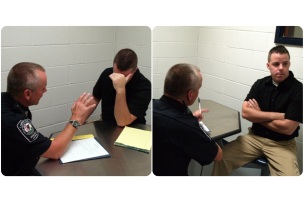
Police interrogation
The general rule is that deception can be used so long as it’s not likely to cause an innocent person to commit a crime or confess to a crime that s/he didn’t commit.
Click here: The Lawful Use of Deception – Article – POLICE Magazine
Consider the following examples:
- A detective is interviewing a suspect in a rape case. “Oh, that girl,” he says, thus implying that the victim was a slut and had it coming. The suspect, thinking he’s dealing with a sympathetic listener, starts bragging about his latest conquest—only to learn, too late, that his listener isn’t so simpatico after all.
- “We found your prints on the gun—or on any number of other surfaces. Actually, there are few good places on a pistol to leave prints. And those that are left can be smeared. The same goes for other surfaces. But if a suspect can be led to believe the cops have his prints, a confession is often forthcoming.
- A police officer is interrogating a suspect in a murder case. “He came at you, didn’t he?” asks the cop. The suspect, who murdered the victim in cold blood, thinks he has an escape route. “Yeah, he came at me”—this confirming that, yes, he did kill the deceased.
- “Your partner just gave you up” is a favorite police stratagen when there is more than one suspect involved. If one suspect can be made to “flip—turn–against the other, the case is essentially wrapped up.
- Interrogating a bank robbery suspect, a cop might say: “We know you didn’t do the shooting, that you were only the wheelman.” This implies that the penalty for driving the getaway car is far less than that for killing someone during a robbery. In fact, criminal law allows every member of the conspiracy to be charged as a principal.
- “I don’t give a damn what you did,” says the detective. “Just tell me why you did it.” For some suspects, this offers a cathartic release, a chance to justify their guilt.
- The “good cop/bad cop” routine is known to everyone who has ever seen a police drama. Yet it continues to yield results so often it continues to be routinely used. “Look, I believe you,” says the “good” cop, “but my partner’s a real asshole. Just tell me what happened so we can clear this up and you can go.”
- “So,” says the detective, “why do you think the police believe you did it?” “I have no idea,” says the suspect, confident that he isn’t giving up anything that might come back to haunt him. “Well,” says the cop, “I guess you’ll just have to make something up.” Make something up sounds easy, but is actually a trap. The suspect may end up giving away details that could incriminate him—or lying so brazenly that his lies can be used against him.
So is there a best way for a suspect to deal with an invitation to waive his Miranda right to remain silent?
Yes, there is. It’s to refuse to say anything and to ask for permission to call a lawyer.
That’s the preferred method for Mafia hitmen—and accused police officers.
Any cop who finds himself under investigation by his department’s Internal Affairs unit automatically shuts up—and calls his lawyer.
Any other respons—no matter how well-intentioned—may well result in a lengthy prison sentence.
ABC NEWS, ALTERNET, AP, BBC, BUZZFEED, CBS NEWS, CHRISTOPHER DORNER, CNN, DAILY KOS, DEATH THREATS, FACEBOOK, GEORGE ZIMMERMAN, HAWAII FIVE-O, JACK LORD, LORI TANKEL, LOS ANGELES POLICE DEPARTMENT, MOTHER JONES, MOVEON, NBC NEWS, NEWSWEEK, NPR, POLICE, POLITICO, RAW STORY, REUTERS, ROBERT DALEY, SALON, SEATTLE TIMES, SLATE, SWAT TEAMS, TARGET BLUE, THE ATLANTIC, THE CHICAGO SUN-TIMES, THE CHICAGO TRIBUNE, THE DAILY BEAST, THE GUARDIAN, THE HILL, THE HUFFINGTON POST, THE LOS ANGELES TIMES, THE NEW YORK TIMES, THE UNTOUCHABLES, THE WALL STREET JOURNAL, THE WASHINGTON POST, TIME, TRAYVON MARTIN, TWITTER, U.S. NEWS & WORLD REPORT, UPI, USA TODAY
In Bureaucracy, History, Law, Law Enforcement, Politics, Social commentary on June 9, 2017 at 1:51 am
Lori Tankel had a problem: A lot of angry people thought she was George Zimmerman.
She began getting death threats on her
Unfortunately for Tankel, her number was one digit away from the number Zimmerman used to make his call to police just before he fatally shot Martin.
The phone number had been shown throughout the trial. And, believing the number was Zimmerman’s, someone posted Tankel’s number online.
Just minutes after the verdict, Tankel began getting death threats.“We’re going to kill you. We’re going to get you. Watch your back,” threatened a typical call.
Tankel worked as a sales representative for several horse companies. She had grown used to relying on her phone to keep her business going.
But, almost as soon as the Zimmerman verdict came in, “My phone just started to blow up. Phone call after phone call, multiple phone
So she did what any ordinary citizen, faced with multiple death threats, would do: She called the police.
According to her, the Seminole County Sheriff’s Office told her the department itself receives around 400 death threats a minute on social media sites.
In short: Unless you’re wealthy, a politician or–best of all–a cop, don’t expect the police to protect you if your life is threatened.
If you doubt it, consider the lessons to be learned when, in February, 2013, Christopher Dorner declared war on his former fellow officers of the Los Angeles Police Department.
First, above everyone else, police look out for each other.
Robert Daley bluntly revealed this truth in his 1971 bestseller, Target Blue: An Insider’s View of the N.Y.P.D. A police reporter for the New York Times, he served for one year as a deputy police commissioner.
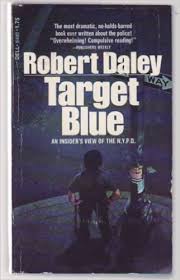
“A great many solvable crimes in the city were never solved, because not enough men were assigned to the case, or because those assigned were lazy or hardly cared or got sidetracked.
“But when a cop got killed, no other cop got sidetracked. Detectives worked on the case night and day….
“In effect, the citizen who murdered his wife’s lover was sought by a team of detectives, two men. But he who killed a cop was sought by 32,000.”
Second, don’t expect the police to do for you what they’ll do for one another.
The LAPD assigned security and surveillance details to at least 50 threatened officers and their families. A typical detail consists of two to five or more guards. And those guards must be changed every eight to 12 hours.

SWAT Team
By Oregon Department of Transportation (SWAT team preparedUploaded by Smallman12q) [CC BY 2.0 (https://creativecommons.org/licenses/by/2.0)%5D, via Wikimedia Commons

Those details stayed in place long after Dorner was killed in a firefight on February 12, 2013.
But if your bullying neighbor threatens to kill you, don’t expect the police to send a guard detail over. They’ll claim: ”We can’t do anything until the guy does something. If he does, give us a call.”
Third, the more status and wealth you command, the more likely the police are to address your complaint or solve your case.
If you’re rich, your complaint will likely get top priority and the best service the agency can provide.
But if you’re poor or even middle-class without high-level political or police connections, you’ll be told: “We just don’t have the resources to protect everybody.”
Fourth, don’t expect your police department to operate with the vigor or efficiency of TV police agencies.
“I want this rock [Hawaii] sealed off,” Steve McGarrett (Jack Lord) routinely ordered when pursuing criminals on “Hawaii Five-O.”

Jack Lord as Steve McGarrett
Real-life police departments, on the other hand:
- Often lack state-of-the-art crime labs to analyze evidence.
- Often lose or accidentally destroy important files.
- Are–like all bureaucracies–staffed by those who are lazy, indifferent or incompetent.
- Are notoriously competitive, generally refusing to share information with other police departments-–thus making it easier for criminals to run amok.
Even when police ”solve” a crime, that simply means making an arrest. After that, there are at least three possible outcomes:
- The District Attorney may decide not to file charges.
- Or the perpetrator may plead to a lesser offense and serve only a token sentence-–or none at all.
- Or he might be found not guilty by a judge or jury.
Fifth, the result of all this can only be increased disrespect for law enforcement from a deservedly–and increasingly–cynical public.
It is the witnessing of blatant inequities and hypocrisies such as those displayed in the Christopher Dorner case that most damages public support for police at all levels.
When citizens believe police lack the ability-–or even the will-–to protect them or avenge their victimization, that is a deadly blow to law enforcement.
Police depend on citizens for more than crime tips.
They depend upon them to support hiring more cops and buying state-of-the-art police equipment.
When public support vanishes, so does much of that public funding.
The result can only be a return to the days of the lawless West, where citizens–as individuals or members of vigilante committees–look only to themselves for protection.
ABC NEWS, ARREST, CBS NEWS, CHICAGO SUN-TIMES, CIVIL RIGHTS, CNN, CONFESSION, DECEPTION, FACEBOOK, FALSE EMPATHY, FIFTH AMENDMENT, FINGERPRINTS, GOOD COP/BAD COP, INTERROGATION, MIRANDA VS. ARIZONA, NBC NEWS, POLICE, RAPE, THE CHICAGO SUN-TIMES, THE CHICAGO TRIBUNE, THE DENVER POST, THE LOS ANGELES TIMES, THE NEW YORK TIMES, THE WALL STREET JOURNAL, THE WASHINGTON POST, TWITTER, U.S. SUPREME COURT, UNITED STATES SUPREME COURT, UNITED STATES V. RUSSELL, USA TODAY
In Bureaucracy, History, Law, Law Enforcement, Politics, Social commentary on October 20, 2016 at 12:30 am
Ever heard of “polygraph by copier”? If you haven’t, here’s how it works:
A detective loads three sheets of paper into a Xerox machine.
“Truth” has been typed onto the first sheet.
“Truth” has been typed onto the seond sheet.
“Lie” has been typed onto the third sheet. Then a criminal suspect is led into the room and told to put his hand against the side of the machine.“What is your name?” asks the detective.
The suspect gives it.
The detective hits the copy button, and a page comes out: “Truth.”
“Where do you live?” asks the detective.
The suspect gives an address, the detective again hits the copy button, and a second page appears: “Truth.”
Then comes the bonus question: “Did you or did you not kill Big Jim Tate on the evening of….?”
The suspect answers.
The detective presses the copy button one last time, and the sheet appears: “Lie.”
“Well, well, well, you lying little bastard,” says the detective.
Convinced that the police have found some mysterious way to peer into the darkest recesses of his criminality, the suspect “gives it up” and makes a full confession.
Yes, contrary to what many believe, police can legally use deceit to obtain a confession.
In 1973, the Supreme Court ruled, in United States v. Russell: “Nor will the mere fact of deceit defeat a prosecution, for there are circumstances when the use of deceit is the only practicable law enforcement technique available.”
In that case, the Court narrowly upheld a conviction for methamphetamine production even though the defendant had argued entrapment.
So what types of interrogative deceit might a police officer use to develop admissible evidence of a suspect’s guilt?
The general rule is that deception can be used so long as it’s not likely to cause an innocent person to commit a crime or confess to a crime that s/he didn’t commit.
Click here: The Lawful Use of Deception – Article – POLICE Magazine

Consider the following examples:
- A detective is interviewing a suspect in a rape case. “Oh, that girl,” he says, thus implying that the victim was a slut and had it coming. The suspect, thinking he’s dealing with a sympathetic listener, starts bragging about his latest conquest–only to learn, too late, that his listener isn’t so simpatico after all.
- “We found your prints on the gun”–or on any number of other surfaces. Actually, there are few good places on a pistol to leave prints. And those that are left can be smeared. The same goes for other surfaces. But if a suspect can be led to believe the cops have his prints, a confession is often forthcoming.
- A police officer is interrogating a suspect in a murder case. “He came at you, didn’t he?” asks the cop. The suspect, who murdered the victim in cold blood, thinks he has an escape route. “Yeah, he came at me”–this confirming that, yes, he did kill the deceased.
- “Your partner just gave you up” is a favorite police tactic when there is more than one suspect involved. If one suspect can be made to “flip–turn–against the other, the case is essentially wrapped up.

- Interrogating a bank robbery suspect, a cop might say: “We know you didn’t do the shooting, that you were only the wheelman.” This implies that the penalty for driving the getaway car is far less than that for killing someone during a robbery. In fact, criminal law allows every member of the conspiracy to be charged as a principal.
- “I don’t give a damn what you did,” says the detective. “Just tell me why you did it.” For some suspects, this offers a cathartic release, a chance to justify their guilt.
- The “good cop/bad cop” routine is known to everyone who has ever seen a police drama. Yet it continues to yield results so often it continues to be routinely used. “Look, I believe you,” says the “good” cop, “but my partner’s a real asshole. Just tell me what happened so we can clear this up and you can go.”
- “So,” says the detective, “why do you think the police believe you did it?” “I have no idea,” says the suspect, confident that he isn’t giving up anything that might come back to haunt him. “Well,” says the cop, “I guess you’ll just have to make something up.” Make something up sounds easy, but is actually a trap. The suspect may end up giving away details that could incriminate him–or lying so brazenly that his lies can be used against him.
So: Is there a best way to deal with police who suspect you of a crime?
Yes, there is: Refuse to say anything and ask for permission to call a lawyer.
That’s what the Supreme Court laid out in Miranda vs. Arizona (1966): “You have the right to remain silent….”
That’s the preferred method for Mafia hitmen–and accused police officers. Any cop who finds himself under investigation by his department’s Internal Affairs unit automatically shuts up–and calls his lawyer, supplied by the police union.
Any other response–even if you’re innocent–may well result in a lengthy prison sentence.
ABC NEWS, CBS NEWS, CNN, FACEBOOK, FBI, MEXICAN WAR, NBC NEWS, NICCOLO MACHIAVELLI, POLICE, POLICE BRUTALITY, SANDRA BLAND, TEXAS RANGERS, THE CHICAGO SUN-TIMES, THE CHICAGO TRIBUNE, THE DISCOURSES, THE LOS ANGELES TIMES, THE NEW YORK TIMES, THE PRINCE, THE WASHINGTON POST, TWITTER, USA TODAY
In Bureaucracy, History, Law Enforcement, Social commentary on July 31, 2015 at 12:10 am
By now, a second–and female–officer has arrived on the scene of the arrest of motorist Sandra Bland.
Bland: Make you feel real good for a female. Y’all strong, y’all real strong.
Encinia: I want you to wait right here.
Bland: I can’t go anywhere with your fucking knee in my back, duh!
Encinia: (to bystander): You need to leave! You need to leave!
(Bland continues screaming, but much of it is inaudible)
Encinia: For a warning you’re going to jail.
Bland: Whatever, whatever.
Encinia: You’re going to jail for resisting arrest. Stand up.
Bland: If I could, I can’t.
Encinia: OK, roll over.
Bland: I can’t even fucking feel my arms.
Encinia: Tuck your knee in, tuck your knee in.
Bland: (Crying): Goddamn. I can’t [muffled].
Encinia: Listen, listen. You’re going to sit up on your butt.
Bland: You just slammed my head into the ground and you do not even care …
[Bland has already told both officers that (1) she is an epileptic, and (2) Encinia slammed her head into the ground. Now she is again putting them on notice that she could have sustained a traumatic brain injury. But neither officer shows any concern.]
Sandra Bland’s jail booking photo
Encinia: Sit up on your butt.
Female officer: Listen to how he is telling you to get up.
Bland: I can’t even hear.
Female officer: Yes you can.
[After having her head slammed into the ground, Bland says she cannot hear. Both officers should consider that the injury to her head may be serious–and take her to an emergency room for evaluation.]
Encinia: Sit up on your butt.
Bland: He slammed my fucking head into the ground.
Encinia: Sit up on your butt.
Bland: What the hell.
Encinia: Now stand up.
Bland: All of this for a traffic signal. I swear to God. All of this for a traffic signal. (To bystander.) Thank you for recording! Thank you! For a traffic signal — slam me into the ground and everything! Everything! I hope y’all feel good.
Encinia: This officer saw everything.
Female officer: I saw everything.
[Since the female officer was not present when Encinia initially encountered Bland–as the video proves–she could not have “seen everything.” Her claiming to have done so could be seen as evidence that she intends to lie on Encinia’s behalf.]
Bland: And (mufled) no you didn’t. You didn’t see everything leading up to it.
Female Officer: I’m not talking to you.
Bland: You don’t have to.
[This is the last exchange between Bland and the officers as recorded on the dashcam video of Brian Encinia’s police cruiser.]
* * * * *
Born in 1987, Sandra Bland grew up in Illinois, and lived with her family in suburban Chicago.
She graduated Willowbrook High School in Villa Park, Illinois, where she ran track and played volleyball. She was also a varsity cheerleader and part of the marching band.
She then attended Prairie View A&M University outside Hempstead, Waller County, Texas. She graduated in 2009 with a degree in agriculture.
Bland returned to Illinois in 2009.
In January 2015, she began posting videos on Facebook about police brutality against blacks.
In early July she traveled to Waller County, Texas, to begin a job at her alma mater, Prairie View A&M.
In one of her last conversations with her mother, Geneva Reed-Veal, Bland said:
“Momma, now I know what my purpose is. My purpose is to go back to Texas. My purpose is to stop all social injustice in the South.”
On July 13–three days after her arrest on July 10–Bland was found dead in her cell in Waller County Jail in Hempstead, Texas.

Sandra Bland memorial
Police claimed that she had hanged herself, citing a video she posted in Facebook in March, where Bland stated she was depressed.
Cannon Lambert, an attorney for the Bland family, said that at the time of Bland’s death, her relatives were raising money for Bland’s $5,000 bail. And Bland knew it.
“We don’t understand this,” said Lambert. “It doesn’t make sense.”
The Texas Rangers and the FBI are still investigating Bland’s death.
The Harris County medical examiner conducted an autopsy and ruled her death a suicide, claiming that it found no evidence of a violent struggle.
One possibility: Bland came to Texas to “stop all social injustice in the South.” She may have grown fatally depressed at her inability to “save herself” from jail over a simple traffic violation.
Another possibility: Texas authorities may have indulged in a long-cherished Texas tradition, best explained by a 19th-century Texas Ranger named Samuel Reid.
Reid served as a Ranger scout during the Mexican War (1846-1848). Recalling his experiences south of the border, he wrote:
“Our orders were most strict not to molest any unarmed Mexican.
“And if some of the most notorious of these villians were found shot, or hung up in the chaparral…the [United States] government was charitably bound to suppose that, during a fit of remorse and desperation, tortured by conscience for the many evil deeds they had committed, they had recklessly laid violent hands upon their own lives! Quien sabe?”
Meanwhile, Brian Encinia has been placed on administrative duties after the state Department of Public Safety found “violations of procedures regarding traffic stops and the department’s courtesy policy.”
ABC NEWS, CBS NEWS, CNN, FACEBOOK, FBI, MEXICAN WAR, NBC NEWS, NICCOLO MACHIAVELLI, POLICE, POLICE BRUTALITY, SANDRA BLAND, TEXAS RANGERS, THE CHICAGO SUN-TIMES, THE CHICAGO TRIBUNE, THE DISCOURSES, THE LOS ANGELES TIMES, THE NEW YORK TIMES, THE PRINCE, THE WASHINGTON POST, TWITTER, USA TODAY
In Bureaucracy, History, Law Enforcement, Social commentary on July 30, 2015 at 1:02 am
The confrontation between black motorist Sandra Bland and Texas State Trooper Brian Encinia continued to worsen.
Encinia: If you would’ve just listened.
Bland: I was trying to sign the fucking ticket — whatever.
Encinia: Stop moving!
Bland: Are you fucking serious?
Encinia: Stop moving!
Bland: Oh I can’t wait ’til we go to court. Ooh I can’t wait. I cannot wait ’til we go to court. I can’t wait. Oh I can’t wait! You want me to sit down now?
Encinia: No.
Bland: Or are you going to throw me to the floor? That would make you feel better about yourself?
[Bland continues to attack Encinia’s masculinity–almost as if she’s daring him to rough her up. If he wasn’t thinking of throwing her to the floor, she just gave him the idea.]

Sandra Bland voicemail from jail
Encinia: Knock it off!
Bland: Nah that would make you feel better about yourself. That would make you feel real good wouldn’t it? Pussy ass. Fucking pussy. For a failure to signal you’re doing all of this. In little ass Praire View, Texas. My God they must have …
[Niccolo Machiavelli, in his masterwork, The Discourses, offers this cautionary advice: “I hold it to be a proof of great prudence for men to abstain from threats and insulting words toward any one, for neither the one or the other in any way diminishes the strength of the enemy.
[“(Contempt) make(s) him more cautious, and (insults) increase his hatred of you, and make him more persevering in his efforts to injure you.”
[That’s clearly what happened here.]
Encinia: You were getting a warning, until now you’re going to jail.
Bland: I’m getting a — for what? For what?
Encinia: You can come read.
Bland: I’m getting a warning for what? For what!?
Encinia: Stay right here.
Bland: Well you just pointed me over there! Get your mind right.
Encinia: I said stay over here. Stay over here.
Bland: Ooh I swear on my life, y’all are some pussies. A pussy-ass cop, for a fucking signal you’re gonna take me to jail.
[Again, Bland is essentially daring Encinia–who has total control of her–to physically abuse her. For her own sake, the smart thing to do would be to shut up.]
Encinia (to dispatch, or an officer arriving on scene): I got her in control she’s in some handcuffs.
Bland: For a fucking ticket. What a pussy. What a pussy. You’re about to break my fucking wrist!
Encinia: Stop moving.
Bland: I’m standing still! You keep moving me, goddammit.
Encinia: Stay right here. Stand right there.
Bland: Don’t touch me. Fucking pussy — for a traffic ticket (inaudible).
(door slams)
[Again: More profanity–and yet another challenge to Encinia’s masculinity.]
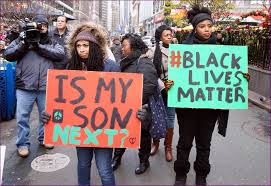
Sandra Bland was an activist in the Black Lives Matter movement
Encinia: Come read right over here. This right here says ‘a warning.’ You started creating the problems.
Bland: You asked me what was wrong!
Encinia: Do you have anything on your person that’s illegal?
Bland: Do I feel like I have anything on me? This a fucking maxi dress.
Encinia: I’m going to remove your glasses.
Bland: This a maxi dress. (Inaudible) Fucking assholes.
Encinia: Come over here.
Bland: You about to break my wrist. Can you stop? You’re about to fucking break my wrist! Stop!!!
Encinia: Stop now! Stop it! If you would stop resisting.
Female officer: Stop resisting ma’am.
[Even if Bland is not resisting, the testimony of a second officer who says she is could have been used against her in court.]
Bland: (cries) For a fucking traffic ticket, you are such a pussy. You are such a pussy.
[Is Bland referring to Encinia or the female officer? In either case, such language will do her no good–on the street or in court.]
Female officer: No, you are. You should not be fighting.
Encinia: Get on the ground!
Bland: For a traffic signal!
Encinia: You are yanking around, when you pull away from me, you’re resisting arrest.
Bland: Don’t it make you feel real good don’t it? A female for a traffic ticket. Don’t it make you feel good Officer Encinia? You’re a real man now. You just slammed me, knocked my head into the ground. I got epilepsy, you motherfucker.
[By stating she is epileptic, Bland has notified both officers that she could be in danger of a potentially lethal seizure at any moment. The smart move for the police would have been to rush her to a hospital for an emergency checkup. But they don’t even talk about doing this.]
Encinia: Good. Good.
Bland: Good? Good?
Female officer: You should have thought about it before you started resisting.
[The female officer has just confimed–perhaps unintentionally–that her partner slammed Bland’s head into the ground. She has also demonstrated her own indifference to Bland’s having received a potentially life-threatening injury.]
Bland: Make you feel real good for a female. Y’all strong, y’all real strong.
Encinia: I want you to wait right here.
Bland: I can’t go anywhere with your fucking knee in my back, duh!
Encinia: (to bystander): You need to leave! You need to leave!
[Although the bystander is not interfering in any way with the arrest, Encinia clearly does not want a non-cop witness to his treatment of Bland.]
ABC NEWS, CBS NEWS, CNN, FACEBOOK, FBI, MEXICAN WAR, NBC NEWS, NICCOLO MACHIAVELLI, POLICE, POLICE BRUTALITY, SANDRA BLAND, TEXAS RANGERS, THE CHICAGO SUN-TIMES, THE CHICAGO TRIBUNE, THE DISCOURSES, THE LOS ANGELES TIMES, THE NEW YORK TIMES, THE PRINCE, THE WASHINGTON POST, TWITTER, USA TODAY
In Bureaucracy, History, Law Enforcement, Social commentary on July 29, 2015 at 12:17 am
There are some useful lessons to be learned from the arrest of Sandra Bland.
Lessons about how a police officer should behave toward the public. And lessons about how the public can protect themselves from police abuse.
On July 10, Texas State Trooper Brian Encinia stopped black motorist Sandra Bland for failing to signal a lane change.
The confrontation quickly escalated to unwarranted aggression and threats by Encinia and foul-mouthed, combative behavior by Bland.
Brian Encinia: I’m going to yank you out of here.
Sandra Bland: OK, you’re going to yank me out of my car? OK, alright.
Encinia (calling in backup): 2547.
Bland: Let’s do this.
Encinia: Yeah, we’re going to. (Grabs for Bland.)
Bland: Don’t touch me!
[Although Encinia is clearly angry, Bland’s refusal to exit her car was technically “resisting arrest.” This was a charge to be fought–in court–by her attorney, not–on the street–by Bland.]
Encinia: Get out of the car!
Bland: Don’t touch me. Don’t touch me! I’m not under arrest–you don’t have the right to take me out of the car.
Encinia: You are under arrest!
[Once the officer says, “You are under arrest,” legally, that’s it. The arrest can be challenged later–in court. And it may be found unwarranted–in court. But it’s useless and even dangerous to dispute a cop’s right to make an arrest on the street.]
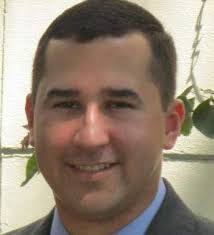
Brian Encinia
Bland: I’m under arrest? For what? For what? For what?
Encinia (to dispatch): 2547 county fm 1098 (inaudible) send me another unit. (To Bland) Get out of the car! Get out of the car now!
Bland: Why am I being apprehended? You’re trying to give me a ticket for failure….
Encinia: I said get out of the car!
Bland: Why am I being apprehended? You just opened my–
Encinia: I‘m giving you a lawful order. I’m going to drag you out of here.
Bland: So you’re threatening to drag me out of my own car?
Encinia: Get out of the car!
Bland: And then you’re going to [crosstalk] me?
Encinia: I will light you up! Get out! Now! (Draws stun gun and points it at Bland.)
Bland: Wow. Wow. (Bland exits car.)
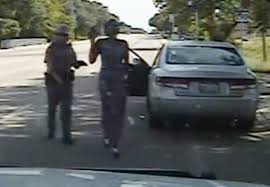
Brian Encinia aiming a Taser at Sandra Bland
Encinia: Get out. Now. Get out of the car!
Bland: For a failure to signal? You’re doing all of this for a failure to signal?
Encinia: Get over there.
Bland: Right, yeah, let’s take this to court, let’s do this.
Encinia: Go ahead.
Bland: For a failure to signal? Yup, for a failure to signal!
Encinia: Get off the phone!
Bland: (crosstalk)
Encinia: Get off the phone! Put your phone down!
Bland: I’m not on the phone. I have a right to record. This is my property. Sir?
Encinia: Put your phone down right now. Put your phone down!
(Bland slams phone down on her trunk.)
Bland: For a fucking failure to signal. My goodness. Y’all are interesting. Very interesting.
[Profanity is never helpful in a situation like this–and usually leads to further escalation. And when the case comes to trial, it’s likely to convince a jury: “She got what she deserved.”]
Encinia: Come over here. Come over here now.
Bland: You feelin’ good about yourself?
Encinia: Stand right here. Stand right there.
Bland: You feelin’ good about yourself? For a failure to signal? You feel real good about yourself don’t you? You feel good about yourself don’t you?
[Bland would have been well-advised to remain silent–and refrain from personal attacks on a man who’s clearly shown himself over the edge.]
Encinia: Turn around. Turn around. Turn around now. Put your hands behind your back.
Bland: Why am I being arrested?
Encinia: Turn around.
Bland: Why can’t you–
Encinia: I’m giving you a lawful order. I will tell you–
Bland: Why am I being arrested?
Encinia: Turn around!
[Obviously, if Bland were complying with the order to “turn around,” Encinia would not be repeating it.]
Bland: Why won’t you tell me that part?
Encinia: I’m giving you a lawful order. Turn around.
Bland: Why will you not tell me what’s going on?
Encinia: You are not complying.
Bland: I’m not complying ’cause you just pulled me out of my car.
[Bland admits that she’s “not complying.” Had she lived, this could have been used against her in court.]
Encinia: Turn around.
Bland: Are you fucking kidding me? This is some bull…
Encinia: Put your hands behind your back.
Bland: ‘Cause you know this straight bullshit. And you’re full of shit. Full of straight shit. That’s all y’all are is some straight scared cops. South Carolina got y’all bitch asses scared. That’s all it is. Fucking scared of a female.
[Bland is directly challenging the masculinity of a man who clearly feels he has something to prove. Big mistake.]
ABC NEWS, CBS NEWS, CNN, FACEBOOK, FBI, MEXICAN WAR, NBC NEWS, NICCOLO MACHIAVELLI, POLICE, POLICE BRUTALITY, SANDRA BLAND, TEXAS RANGERS, THE CHICAGO SUN-TIMES, THE CHICAGO TRIBUNE, THE DISCOURSES, THE LOS ANGELES TIMES, THE NEW YORK TIMES, THE PRINCE, THE WASHINGTON POST, TWITTER, USA TODAY
In Bureaucracy, History, Law Enforcement, Social commentary, Uncategorized on July 28, 2015 at 12:51 am
Niccolo Machiavelli offered some advice that might have saved the life of Sandra Bland.
In 1513, Niccolo Machiavelli, the Florentine statesman who has been called the father of modern political science, published his best-known work: The Prince.

Niccolo Machiavelli
Among the lessons he offered to those seeking to gain power was this:
A prince…must imitate the fox and the lion, for the lion cannot protect himself from traps, and the fox cannot defend himself from wolves.
One must therefore be a fox to avoid traps, and a lion to frighten wolves. Those who wish to be only lions do not realize this.
When confronted by an armed and–in this case, egocentric–law enforcement officer, it’s always best to imitate the fox.
Black motorist Sandra Bland didn’t understand this truth. Or, if she did, she flagrantly ignored it–to her own destruction.

Sandra Bland
Bland, born in the Chicago suburb of Naperville, Illinois, had just arrived in Texas to take a job at Prairie View A&M University, outside Hempstead, Waller County.
In January, 2015, she began posting videos on Facebook, denouncing racism and police brutality. In one she wrote: “In the news that we’ve seen as of late, you could stand there, surrender to the cops, and still be killed.”
On July 10, Bland was pulled over for a minor traffic violation by Texas State Trooper Brian Encinia.
FULL VIDEO OF SANDRA BLAND TRAFFIC STOP – YouTube
Their exchange was recorded on the dashcam video of Encinia’s police car, and has been transcribed by the Huffington Post’s Matt Ramos and Dhyana Taylor.
My own commentary on what happened is given in blue italics.
Brian Encinia: Hello ma’am. We’re the Texas Highway Patrol and the reason for your stop is because you failed to signal the lane change. Do you have your driver’s license and registration with you? What’s wrong? How long have you been in Texas?
Sandra Bland: Got here just today.
Encinia: OK. Do you have a driver’s license? (Pause) OK, where you headed to now? Give me a few minutes.
(Bland inaudible)
(Encinia returns to his car for several minutes, then approaches Bland again.)
Encinia: OK, ma’am. You OK?
Bland: I’m waiting on you. This is your job. I’m waiting on you. When’re you going to let me go?
[A better–that is, safer–answer would have been: “I’m fine.” And then to say nothing until the officer responds.]
Encinia: I don’t know, you seem very really irritated.
Bland: I am. I really am. I feel like it’s crap what I’m getting a ticket for. I was getting out of your way. You were speeding up, tailing me, so I move over and you stop me. So yeah, I am a little irritated, but that doesn’t stop you from giving me a ticket, so [inaudible] ticket.
[Bland may have been correct. But accusing the officer of improperly stopping her was a mistake from the get-go. No cop is going to admit he made a mistake in stopping someone–especially a cop as clearly aggressive as Encinia quickly proved to be.]
Encinia: Are you done?
Bland: You asked me what was wrong, now I told you.
Encinia: OK.
Bland: So now I’m done, yeah.
Encinia: You mind putting out your cigarette, please? If you don’t mind?
Bland: I’m in my car, why do I have to put out my cigarette?
[The smart thing would have been to put out the cigarette. Even though the trooper said “please,” this was clearly an order.]
Encinia: Well you can step on out now.
[This was clearly the point where Encinia decided to take action–to give her a warning, a ticket, or make an arrest For most of the encounter, he doesn’t say which.]
Bland: I don’t have to step out of my car.
Encinia: Step out of the car.
Bland: Why am I–?
Encinia: Step out of the car!
[It’s standard procedure for officers to order drivers to exit their cars before they write tickets or citations. The reason: The danger that the motorist might drive off–or even use the car as a weapon.]
Bland: No, you don’t have the right. No, you don’t have the right.
[Telling a policeman he doesn’t have the right to make an arrest is like telling a judge he doesn’t have the right to make a ruling. Both are certain to land you in trouble.]
Encinia: Step out of the car.
Bland: You do not have the right. You do not have the right to do this.
Encinia: I do have the right, now step out or I will remove you.
[Even if the officer’s forthcoming actions are later ruled improper by a judge, he has the legal right at that time to enforce compliance with his orders.]
Bland: I refuse to talk to you other than to identify myself. [crosstalk] I am getting removed for a failure to signal?
Encinia: Step out or I will remove you. I’m giving you a lawful order. Get out of the car now or I’m going to remove you.
Bland: And I’m calling my lawyer.
[Bland would have done better to simply get out of the car, submit to arrest, and then call her lawyer when she reached the police station.]


 Bureaucracybuster's Blog
ABC NEWS, ALCOHOLISM, ALTERNET, AMERICABLOG, AMERICAN PUBLIC TRANSPORTATION ASSOCIATION, AP, “STREET MUSICIANS, ” ROBBERIES, BABY BOOMER RESISTANCE, BART BOARD OF DIRECTORS, BAY AREA RAPID TRANSIT (BART), BUMS, BUZZFEED, CBS NEWS, CNN, CRIME, CROOKS AND LIARS, DAILY KOZ, DRUDGE RETORT, DRUG ADDICTION, FACEBOOK, FARE EVASION, FIVETHIRTYEIGHT, HARPER’S MAGAZINE, MEDIA MATTERS, MENTAL ILLNESS, MOTHER JONES, MOVEON, MSNBC, NBC NEWS, NEWSWEEK, NPR, PBS NEWSHOUR, POLICE, POLITICO, POLITICUSUSA, PUBLIC TRANSIT, RAW STORY, REUTERS, SALON, SAN FRANCISCO, SEATTLE TIMES, SLATE, TALKING POINTS MEMO, TERRORISM, THE ATLANTIC, THE CHICAGO SUN-TIMES, THE CHICAGO TRIBUNE, THE DAILY BEAST, THE DAILY BLOG, THE GUARDIAN, THE HILL, THE HUFFINGTON POST, THE LOS ANGELES TIMES, THE NATION, THE NEW REPUBLIC, THE NEW YORK TIMES, THE VILLAGE VOICE, THE WASHINGTON POST, THINKPROGRESS, TIME, TRUTHDIG, TRUTHOUT, TWITTER, TWO POLITICAL JUNKIES, U.S. NEWS & WORLD REPORT, UPI, USA TODAY, WONKETTE
BAY AREA ROTTEN TRANSIT
In Bureaucracy, History, Law, Law Enforcement, Social commentary on February 4, 2020 at 12:11 amWhen the Bay Area Rapid Transit (BART) system was launched on September 11, 1972, it was hailed as the future for mass transit.
Forty-seven years later, that future looks to be a nightmare.
Here are the basic facts that the San Francisco Municipal Transportation Agency—which operates BART—is happy to release:
Now for the facts that BART does not feel proud to publicize.
In 2019, BART had an average of 411,000 weekday passengers and 118 million annual passengers.
Nevertheless, those passengers using BART on weekends are left to their own devices when it comes to getting directions on which trains to take to which destinations.
“Can’t they get that information from ticket agents at BART booths?” seems a logical question.
And the answer is: “No, not always”—because many BART ticket booths are empty on weekends.
It’s as if BART officials don’t think people travel on BART on weekends—or don’t care if they do.
A BART train
Pi.1415926535 [CC BY-SA (https://creativecommons.org/licenses/by-sa/3.0)%5D
Many of these are peopled by drug addicts, alcoholics, mentally ill and parasitical bums. And many of these derelicts are passed out or shooting up heroin in plain sight. Naturally, they don’t worry about picking up their used hypodermic needles. They leave those out for others to step on or pick up at their own risk.
A typical San Francisco BART station
Those who aren’t shooting up are usually hitting up legitimate BART riders for money. Sometimes these encounters can become ugly, especially if the beggar is psychotic or drugged up.
As for the much-vaunted BART police: They are almost never in sight. If you can find one and point out a violation, the odds are he will say, “That falls outside my jurisdiction.”
This despite the fact that BART officials admit that “fare evasion” costs BART $15 million to $25 million each year.
So when someone pushes open the electronic “gates” that can be opened with BART cards, there are no police to nab him.
Interviewed privately, BART ticket agents admit they feel as helpless as BART riders in these stations. The police are nowhere in sight, and ticket agents aren’t trained or empowered to take action against fare-evaders, drug-abusers or those who assault BART passengers.
BART stations in downtown San Francisco are usually littered with sleeping bags or blankets— evidence of a serious bum infestation.
These stations have locked their bathrooms, claiming it’s a “security measure against terrorism.” Yet a far greater potential danger lies under all those blankets and sleeping bags: It would be easy for a terrorist to scatter such disguised bombs in a BART station and then clear out—long before his handiwork went off.
That, however, is a danger BART officials seem content to ignore.
Cars are often taken over by gangs of teens—usually black—who crank up “boom boxes” and “perform” high-kicking stunts, then “ask” for “donations.” Many of their kicks come close to the heads of the riders who are forced to sit through these “entertainments.”
And there is always the risk that the “entertainers” might turn violent if they feel they aren’t getting enough “compensation” for their unasked-for “performance.”
But there are usually no guards on any BART train. And, even if there were, there are no “panic buttons” whereby threatened riders could secretly summon such aid.
According to the latest (2018) BART Uniform Crime Reporting data, violent crime increased 57% between 2013 and 2017. Robberies make up most of the reported crimes—up nearly 40% since 2013. Cell phone thefts are defined as robberies.
“He was standing in front of me just looking, and I could see his gun in his jacket,” crime victim Daniel Mendez recalled. “I was surrounded. They took everything. There was nothing you could do…They’re doing that because there’s no police presence.”
He swore he would never again ride BART.
Adding to the lack of police on BART trains: Most of the vaunted “security cameras” on BART trains don’t work.
Of course, high-ranking transit officials—who almost never ride public transit—disagree.
“Transit is very safe,” claims Polly Hansen, speaking for the American Public Transportation Association. “When you have low numbers, a slight increase will look like a large percentage. Transit doesn’t operate in isolation. It’s going through, above and around communities and you really have to analyze crime in those communities to look at the crime you’re having.”
The BART Board of Directors is comprised of nine elected officials from the nine BART districts. Each of them earns an average of $96,110. They can well afford to use private autos—even limousines—instead of public transit.
Only when BART officials are held directly—and financially—responsible for the disgraceful conditions in BART stations and aboard BART trains will there be any hope for long-overdue reforms.
Share this: