Posts Tagged ‘PHARMACEUTICAL INDUSTRY’
AARON KESSELHEIM, ABC NEWS, ADVERTISING, ALTERNET, AMERICABLOG, AP, BABY BOOMER RESISTANCE, BARRY MANILOW, BBC, BLOOMBERG, BUZZFEED, CBS NEWS, CNN, CROOKS AND LIARS, DAILY KOS, DIABETES, EBOLA, FIVETHIRTYEIGHT, HARPER’S MAGAZINE, HARVARD MEDICAL SCHOOL, HUFFINGTON POST, JAMA NETWORK OPEN, JARDIANCE, MEDIA MATTERS, MOTHER JONES, MOVEON, MSNBC, NBC NEWS, NEW REPUBLIC, NEWSDAY, NEWSWEEK, NPR, PBS NEWSHOUR, PHARMACEUTICAL INDUSTRY, POLITICO, POLITICUSUSA, RAW STORY, REUTERS, SALON, SEATTLE TIMES, SLATE, TALKING POINTS MEMO, THE ATLANTIC, THE CHICAGO SUN-TIMES, THE CHICAGO TRIBUNE, THE DAILY BEAST, THE DAILY BLOG, THE GUARDIAN, THE HARVARD GAZETTE, THE HILL, THE HUFFINGTON POST, THE INTERCEPT, THE LOS ANGELES TIMES, THE NATION, THE NEW REPUBLIC, THE NEW YORK TIMES, THE NEW YORKER, THE VILLAGE VOICE, THE WASHINGTON POST, THINKPROGRESS, TIME, TRUTHDIG, TRUTHOUT, TWO POLITICAL JUNKIES, U.S. NEWS & WORLD REPORT, UPI, USA TODAY, X
In Bureaucracy, History, Law, Law Enforcement, Medical, Social commentary on January 14, 2026 at 12:12 am
I have type 2 diabetes but I manage it well
It’s a little pill with a big story to tell
I take once daily Jardiance at each day’s start
As time went on, it was easy to see
I’m lowering my A1c
Jardiance is really swell
The little pill with a big story to tell.
Millions of Americans have heard this jingle for Jardiance—an anti-diabetes medication—whose ads flooded the airways. And millions of Americans are furious about those ads.
The pharmaceutical industry is flooding the airways with ads for its products—especially on the national news broadcasts at dinnertime.

Jardiance ad
Catch any of the “Big Three” national newscasts—on ABC, CBS and NBC—and you’ll see that the vast majority of their ads are funded by Big Pharma.
The United States and New Zealand are the only two countries that allow pharmaceutical companies to directly advertise prescription drugs to consumers.
In 2022, the pharmaceutical industry spent just under $8.1 billion on ad campaigns, which includes all advertising areas, such as TV, print, social media and streaming channels.
In 2025, pharmaceutical companies spent over $7 billion on TV ads alone.
In 2025, the three most-advertised drugs in the United States were:
Eliquis (for preventing blood clots)
Dupixent (curbs the immune system over-reaction that results in atopic dermatitis)
Ozempic/Wegovy (for managing Type 2 diabetes and promoting weight loss, respectively).
Drug companies view the ads as an increasingly effective way to target viewers—especially older ones—who need more extensive medical care and treatment for potentially life-threatening conditions.
No doubt the companies would love to be able to hand out their medications on street corners—the way pushers of heroin and meth now do. But that would put them directly in the crosshairs of federal and local law enforcement.
So the best these companies can do is try to convince patients to nag their doctors: “Oh, I want that drug.”
Meanwhile, there are widespread concerns that:
- Drugs will be prescribed inappropriately by patients asking for drugs they have seen on TV;
- Patients will ask for or receive expensive brand-name medications, which are often featured in commercials, instead of less expensive generic ones; and
- Patients will show less interest in shedding unhealthy lifestyles and rely simply on drugs.
The last one is especially important, given the cheerful atmosphere of so many of these ads. Take the one for Jardiance, for example.
The clearly obese woman in the ad is shown at her office. She isn’t working—because she’s too busy singing about having a life-threatening disease. Her co-workers are equally joyful as they join her in singing the praises of Jardiance.
It’s easy to imagine a parody of such commercials. If a cure is eventually found for Ebola, a similar ad could be based on Barry Manilow’s classic song, “Only in Chicago”:
I got sick
And I sat on the bed
And puked out my guts.
And oh I swear
I remember how much I bled
And I thought I’d die.
With Ebola I knew I’d lose it all
It was real, it was Death.
This would be followed by a cheery ad for a pill that eliminates the symptoms of this usually fatal disease.


Ebola virus
The Harvard Gazette, in a March 1, 2023 article, warned that most advertised medicines don’t prove much better than other treatment options:
“We’ve all seen the commercials. People relaxed, smiling, and having fun with friends and family despite having a horrible or uncomfortable — or at least chronic — condition. Their new lease on life comes courtesy of a drug. Then the fine print. Roll the list of potential side effects, some of which seem worse than the malady itself.
“So why are the spots so popular with sponsors? Because they’re so effective — at least in terms of sales. In a recent issue of JAMA Network Open, Aaron Kesselheim and colleagues published the results of a study showing that some of the most heavily advertised drugs are largely no better at treating disease than other options.
“Direct-to-consumer advertising is really intended for consumers. As a primary care physician, people certainly come into my office with advertisements that they’ve printed off the internet or that they remember seeing during the football game the previous Sunday and say, ‘What about this drug?’
Even more worrisome: Pharmaceutical companies are a major source of drug information for doctors, often through sales reps, sponsored educational events and promotional materials. This information is widely recognized as biased, leading to increased prescribing of brand-name drugs and potentially affecting clinical decisions.
Says Aaron Kesselheim, a professor of medicine at Harvard Medical School:
“Studies show that when patients come in and ask their physicians about particular drugs, they’re more likely to get prescriptions for those drugs. Doctors of course also watch TV, but the pharmaceutical industry spends much more money advertising its drugs directly to physicians, through visits to their offices, sponsorship of continuing medical education, support of professional society meetings, consultancies, and the like.
“Actually, the amount of money that pharmaceutical companies spend on advertising to physicians is far higher than the amount spent on direct-to-consumer advertising because physicians are the ones writing the prescriptions.”
AARON KESSELHEIM, ABC NEWS, ADVERTISING, ALTERNET, AMERICABLOG, AP, BABY BOOMER RESISTANCE, BARRY MANILOW, BBC, BLOOMBERG, BUZZFEED, CBS NEWS, CNN, CROOKS AND LIARS, DAILY KOS, DIABETES, EBOLA, FIVETHIRTYEIGHT, HARPER’S MAGAZINE, HARVARD MEDICAL SCHOOL, HUFFINGTON POST, JAMA NETWORK OPEN, JARDIANCE, MEDIA MATTERS, MOTHER JONES, MOVEON, MSNBC, NBC NEWS, NEW REPUBLIC, NEWSDAY, NEWSWEEK, NPR, PBS NEWSHOUR, PHARMACEUTICAL INDUSTRY, POLITICO, POLITICUSUSA, RAW STORY, REUTERS, SALON, SEATTLE TIMES, SLATE, TALKING POINTS MEMO, THE ATLANTIC, THE CHICAGO SUN-TIMES, THE CHICAGO TRIBUNE, THE DAILY BEAST, THE DAILY BLOG, THE GUARDIAN, THE HARVARD GAZETTE, THE HILL, THE HUFFINGTON POST, THE INTERCEPT, THE LOS ANGELES TIMES, THE NATION, THE NEW REPUBLIC, THE NEW YORK TIMES, THE NEW YORKER, THE VILLAGE VOICE, THE WASHINGTON POST, THINKPROGRESS, TIME, TRUTHDIG, TRUTHOUT, TWO POLITICAL JUNKIES, U.S. NEWS & WORLD REPORT, UPI, USA TODAY, X
In Bureaucracy, History, Law, Law Enforcement, Medical, Social commentary on May 22, 2024 at 12:13 am
I have type 2 diabetes but I manage it well
It’s a little pill with a big story to tell
I take once daily Jardiance at each day’s start
As time went on, it was easy to see
I’m lowering my A1c
Jardiance is really swell
The little pill with a big story to tell.
Millions of Americans have heard this jingle for Jardiance—an anti-diabetes medication—whose ads flood the airways. And millions of Americans are furious about those ads.
The pharmaceutical industry is flooding the airways with ads for its products—especially at dinnertime.
Jardiance ad
Catch any of the “Big Three” national newscasts—on ABC, CBS and NBC—and you’ll see that the vast majority of their ads are funded by Big Pharma.
The United States and New Zealand are the only two countries that allow pharmaceutical companies to directly advertise prescription drugs to consumers.
In 1996, pharmaceutical companies spent $550 million on drug ads. That number increased more than 10-fold by 2020, reaching $6.58 billion annually.
In 2022, the three most-advertised drugs in the United States were:
Rinvoq (for adults with moderate to severe rheumatoid arthritis)
Dupixent (curbs the immune system over-reaction that results in atopic dermatitis)
and Skyriz (used to treat adults with: moderate to severe plaque psoriasis).
And that advertising didn’t come cheaply. Rinvoq spent more than $315.8 million on TV ads in 2022. Dupixent spent $305.9 million and Skyrizi spent $174.4 million.
In 2022, the industry spent just under $8.1 billion on ad campaigns, which includes all advertising areas, such as TV, print, social media and streaming channels.
Drug companies view the ads as an increasingly effective way to target viewers—especially older ones—who need more extensive medical care and treatment for potentially life-threatening conditions.
No doubt the companies would love to be able to hand out their medications on street corners—the way pushers of heroin and meth now do. But that would put them directly in the crosshairs of federal and local law enforcement.
So the best these companies can do is try to convince patients to nag their doctors: “Oh, I want that drug.”
Meanwhile, there are widespread concerns that:
- Drugs will be prescribed inappropriately by patients asking for drugs they have seen on TV;
- Patients will ask for or receive expensive brand-name medications, which are often featured in commercials, instead of less expensive generic ones; and
- Patients will show less interest in shedding unhealthy lifestyles and rely simply on drugs.
The last one is especially important, given the cheerful atmosphere of so many of these ads. Take the one for Jardiance, for example.
The clearly obese woman in the ad is shown at her office. She isn’t working—because she’s too busy singing about having a life-threatening disease. Her co-workers are equally joyful as they join her in singing the praises of Jardiance.
It’s easy to imagine a parody of such commercials. If a cure is eventually found for Ebola, a similar ad could be based on Barry Manilow’s classic song, “Only in Chicago”:
I got sick
And I sat on the bed
And puked out my guts.
And oh I swear
I remember how much I bled
And I thought I’d die.
With Ebola I knew I’d lose it all
It was real, it was Death.
This would be followed by a cheery ad for a pill that eliminates the symptoms of this usually fatal disease.
Ebola virus
The Harvard Gazette, in a March 1, 2023 article, warned that most advertised medicines don’t prove much better than other treatment options:
“We’ve all seen the commercials. People relaxed, smiling, and having fun with friends and family despite having a horrible or uncomfortable — or at least chronic — condition. Their new lease on life comes courtesy of a drug. Then the fine print. Roll the list of potential side effects, some of which seem worse than the malady itself.
“So why are the spots so popular with sponsors? Because they’re so effective — at least in terms of sales. In a recent issue of JAMA Network Open, Aaron Kesselheim and colleagues published the results of a study showing that some of the most heavily advertised drugs are largely no better at treating disease than other options.”
Kesselheim, a professor of medicine at Harvard Medical School, bluntly gave the reason why pharmaceutical companies spend billions on drug advertising:
“Direct-to-consumer advertising is really intended for consumers. As a primary care physician, people certainly come into my office with advertisements that they’ve printed off the internet or that they remember seeing during the football game the previous Sunday and say, ‘What about this drug?’
“Studies show that when patients come in and ask their physicians about particular drugs, they’re more likely to get prescriptions for those drugs. Doctors of course also watch TV, but the pharmaceutical industry spends much more money advertising its drugs directly to physicians, through visits to their offices, sponsorship of continuing medical education, support of professional society meetings, consultancies, and the like.
“Actually, the amount of money that pharmaceutical companies spend on advertising to physicians is far higher than the amount spent on direct-to-consumer advertising because physicians are the ones writing the prescriptions.”
2020 PRESIDENTIAL ELECTION, 2020 PRESIDENTIAL RACE, ABC NEWS, ADOLF HITLER, ALTERNET, AMERICABLOG, AP, ARIZONA, BABY BOOMER RESISTANCE, BBC, BLOOMBERG, BLOOMBERG NEWS, BRIBERY, BUZZFEED, CBS NEWS, CHUCK SHUMER, CIVIL WAR, CNN, COURIER, CROOKS AND LIARS, DAILY KOZ, DALLAS MORNING NEWS, DEMOCRATS, DONALD TRUMP, DRUDGE REPORT, FACEBOOK, FIVETHIRTYEIGHT, FLORIDA, FOR THE PEOPLE ACT, GEORGIA, HARPER’S MAGAZINE, HUFFINGTON POST, JOE BIDEN, JOE MANCHIN, KEVIN MCCARTHY, LEN BLAVATNIK, LYNDON B. JOHNSON, MEDIA MATTERS, MICHIGAN, MITCH MCCONNELL, MOTHER JONES, MOVEON, MSNBC, NBC NEWS, NEVILLE CHAMBERLAIN, NEW REPUBLIC, NEWSDAY, NEWSWEEK, NICCOLO MACHIAVELLI, NPR, PBS NEWSHOUR, PHARMACEUTICAL INDUSTRY, POLITICO, POLITICUSUSA, RAW STORY, REPUBLICANS, REUTERS, ROY BLUNT, SALON, SEATTLE TIMES, SLATE, SOVIET UNION, TALKING POINTS MEMO, THE ATLANTIC, THE CHICAGO SUN-TIMES, THE CHICAGO TRIBUNE, THE DAILY BEAST, THE DAILY BLOG, THE GUARDIAN, THE HILL, THE HUFFINGTON POST, THE LOS ANGELES TIMES, THE NATION, THE NEW REPUBLIC, THE NEW YORK TIMES, THE NEW YORKER, THE PBS NEWSHOUR, THE PRINCE, THE VILLAGE VOICE, THE WASHINGTON POST, THINKPROGRESS, THIS WEEK, TIME, TRUTHDIG, TRUTHOUT, TWITTER, TWO POLITICAL JUNKIES, U.S. NEWS & WORLD REPORT, UNITED STATES JUSTICE DEPARTMENT, UPI, USA TODAY, VLADIMIR PUTIN, VOTER SUPPRESSION, WEST VIRGINIA, WONKETTE
In Bureaucracy, History, Law, Law Enforcement, Medical, Politics, Social commentary on January 18, 2022 at 12:08 am
President Joe Biden faces opposition not only from Republicans but Right-wing Democrats as well.
One of these is West Virginia United States Senator Joe Manchin.
On June 7, 2021, The PBS Newshour examined perhaps the foremost issue of our democracy: The For the People Act.
Since November 3, 2020, when former President Donald Trump lost the Presidential election, he has spread The Big Lie: That the election was “stolen” from him.
On the basis of that lie, Republicans in 47 states have introduced 361 bills to make it harder to vote.
As of June 21, 2021, 17 states enacted 28 new laws that restrict access to the vote.
Among those states affected: Georgia, Iowa, Arkansas and Utah.
Georgia:
- Bans giving food and water to voters in line;
- Severely restricts mail ballot drop boxes;
- Allows Right-wing groups to challenge the eligibility of an unlimited number of voters; and
- Gives the GOP-controlled legislature sweeping powers over election administration.
Arizona:
- Wants to add new requirements for casting a mail-in ballot and make it harder to receive one.
Florida:
- Intends to ban mail ballot drop boxes.
Michigan:
- Republicans introduced eight bills adding new voter ID requirements for mail voting and forbidding election officials to send out absentee ballot request forms to voters.
Congressional Democrats have countered with the For the People Act. Among its provisions:
- Expand early voting and registration across the country in federal elections;
- Block states from purging their rolls of voters;
- End partisan gerrymandering;
- Force large donors to disclose themselves publicly.
“It is something that is obviously very critical right now,” said PBS Newshour Correspondent Lisa Desjardins. “We see rising in this country both sides talking about democracy and voting rights and what’s happening at this moment.
“[West Virginia United States Senator] Joe Manchin…would be the 50th vote that Democrats would have for this in the Senate. They have 49.
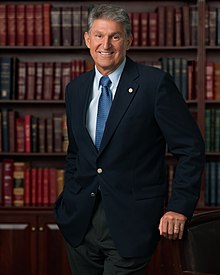
Joe Manchin
“And here’s what he said [on] why he opposed it: ‘I believe that partisan voting legislation will destroy the already weakening binds of our democracy. And for that reason, I will vote against the For the People Act.’
“Notable, he did not have any substantive problems with the bill that he raised. Instead, he said, the issue is there are no Republicans on board.”
Manchin thus ignores the reality that Republicans will never be on board.
“This Manchin decision is a body blow to this legislation. It is not dead yet, but it is in real trouble. It’s unclear if, when [New York Senator] Chuck Schumer, the Democratic leader [in the Senate] will bring it back up,” said Desjardins.
Many Democrats and political correspondents have speculated about Manchin’s motives for opposing this legislation.
Some believe he’s a Right-winger in Democrats’ clothing. Others think he wants to increase his clout on behalf of his state, West Virginia.
Manchin’s motives, however, are not important. Eliminating his opposition is.
And the man who has the power to do this is President Joe Biden.
All that he needs to do is invite Manchin into the Oval Office for an off-the-record talk, which could open like this:
“Your state has two Coast Guard military bases. By this time next week, it will have only one—because I’m going to close down the other. You can also forget about those highway-repair projects you’re expecting to start. And I’ve been informed we have far too many post offices in West Virginia, considering its small population….”
Suddenly, Manchin would get the clear message: “Biden is the big dog on this block, not me.”
He would also grasp that his constituents would blame him, not Biden, for the resulting chaos and hardships they face from the upcoming closures.
This is precisely how President Lyndon B. Johnson dealt with Congressional members who dared oppose his prized legislation. And it worked.
Joe Biden has spent 44 years in Washington, D.C.—as a United States Senator from Delaware from 1973 to 2009; and then as Vice President from 2009 to 2017.
But he seems to have never read Niccolo Machiavelli’s famous warning in The Prince:
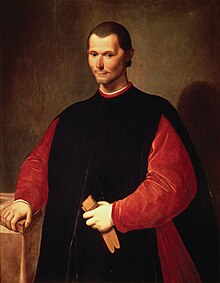
Niccolo Machiavelli
For how we live is so far removed from how we ought to live, that he who abandons what is done for what ought to be done, will rather learn to bring about his own ruin rather than his preservation. A man who wishes to make a profession of goodness in everything must inevitably come to grief among so many who are not good.
And therefore it is necessary for a prince, who wishes to maintain himself, to learn how not to be good, and to use this knowledge and not use it, according to the necessity of the case.
Whatever his motives, Manchin is clearly willing to allow Republicans to suppress the voting rights of millions of non-Fascist Americans.
President Joe Biden now faces a moment of crisis: He can fight his enemies with the same ruthless tactics they routinely use–or face disaster.
Republicans are working to corrupt the democratic process to reinstall a proven criminal and traitor in the Oval Office.
This is no time to “fight” a party of Adolf Hitlers with the appeasement tactics of a Neville Chamberlain.
2020 PRESIDENTIAL ELECTION, 2020 PRESIDENTIAL RACE, ABC NEWS, ADOLF HITLER, ALTERNET, AMERICABLOG, ANTI-VAXXERS, AP, ARIZONA, BABY BOOMER RESISTANCE, BBC, BLOOMBERG, BLOOMBERG NEWS, BRIBERY, BUZZFEED, CBS NEWS, CHUCK SHUMER, CIVIL WAR, CNN, COURIER, COVID-19, CROOKS AND LIARS, DAILY KOZ, DALLAS MORNING NEWS, DEMOCRATS, DONALD TRUMP, DRUDGE REPORT, FACEBOOK, FIVETHIRTYEIGHT, FLORIDA, FOR THE PEOPLE ACT, GEORGIA, HARPER’S MAGAZINE, HUFFINGTON POST, JOE BIDEN, JOE MANCHIN, KEVIN MCCARTHY, LEN BLAVATNIK, LYNDON B. JOHNSON, MEDIA MATTERS, MICHIGAN, MITCH MCCONNELL, MOTHER JONES, MOVEON, MSNBC, NBC NEWS, NEVILLE CHAMBERLAIN, NEW REPUBLIC, NEWSDAY, NEWSWEEK, NICCOLO MACHIAVELLI, NPR, PBS NEWSHOUR, PHARMACEUTICAL INDUSTRY, POLITICO, POLITICUSUSA, RAW STORY, REPUBLICANS, REUTERS, ROY BLUNT, SALON, SEATTLE TIMES, SLATE, SOVIET UNION, TALKING POINTS MEMO, THE ATLANTIC, THE CHICAGO SUN-TIMES, THE CHICAGO TRIBUNE, THE DAILY BEAST, THE DAILY BLOG, THE GUARDIAN, THE HILL, THE HUFFINGTON POST, THE LOS ANGELES TIMES, THE NATION, THE NEW REPUBLIC, THE NEW YORK TIMES, THE NEW YORKER, THE PBS NEWSHOUR, THE PRINCE, THE VILLAGE VOICE, THE WASHINGTON POST, THINKPROGRESS, THIS WEEK, TIME, TRUTHDIG, TRUTHOUT, TWITTER, TWO POLITICAL JUNKIES, U.S. NEWS & WORLD REPORT, UNITED STATES JUSTICE DEPARTMENT, UPI, USA TODAY, VLADIMIR PUTIN, VOTER SUPPRESSION, WEST VIRGINIA, WONKETTE
In Bureaucracy, History, Law, Law Enforcement, Medical, Politics, Social commentary on January 17, 2022 at 12:12 am
Joseph Robinette Biden is fast approaching the one-year anniversary of his Inauguration as the 46th President of the United States.
At 79, he has spent virtually his entire adult life in politics: As a United States Senator from Delaware (1973 – 2009); as Vice President of the United States (2009 – 2017); and now as President.
Yet for all of his decades of political experience, he seems to have never read the works of the man who has been called “the father of modern politics”—Niccolo Machiavelli.
Or, if he has, he has clearly learned nothing from them.
Consider Machiavelli’s advice for well-intentioned people like Biden in his classic work: The Prince:
“A man who wishes to make a profession of goodness in everything must inevitably come to grief among so many who are not good. And therefore it is necessary for a prince, who wishes to maintain himself, to learn how not to be good, and to use this knowledge and not use it, according to the necessity of the case.”

Niccolo Machiavelli
On November 3, 2020, Biden became President-elect of the United States by winning 81,283,495 votes, or 51.4% of the vote, compared to 74,223,755 votes, or 46.9% of the vote cast for President Donald Trump.
In the Electoral College—which actually determines the winner—the results were even more stunning: 306 votes for Biden, compared with 232 for Trump. It takes 270 votes to be declared the victor.
Yet, on December 8, Republican Senate Majority Leader Mitch McConnell and Missouri United States Senator Roy Blunt joined House Republican Leader Kevin McCarthy in blocking a resolution asserting that Joe Biden was the President-elect of the United States.

Mitch McConnell
And for more than a year since the 2020 Presidential election, the vast majority of Republicans have continued to charge that Biden gained office by massive voter fraud—and thus is an illegitimate President.
Yet Biden continues to refer to his sworn enemies as “my Republican friends.”
As Achilles scornfully tells the soon-to-be-doomed Hector in the 2004 movie, “Troy”: “There can be no pacts between wolves and men.”
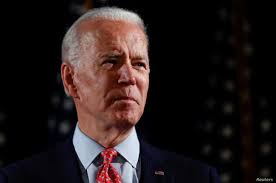
Joe Biden
Machiavelli’s advice:
From this arises the question whether it is better to be loved than feared, or feared more than loved. The reply is, that one ought to be both feared and loved, but as it is difficult for the two to go together, it is much safer to be feared than loved.
For it may be said of men in general that they are ungrateful, voluble, dissemblers, anxious to avoid danger and covetous of gain; as long as you benefit them, they are entirely yours: they offer you their blood, their goods, their life and their children, when the necessity is remote, but when it approaches, they revolt.
And the prince who has relied solely on their words, without making other preparations, is ruined; for the friendship which is gained by purchase and not through grandeur and nobility of spirit is bought but not secured, and at a pinch is not to be expended in your service.
And men have less scruple in offending one who makes himself loved than one who makes himself feared; for love is held by a chain of obligations which, men being selfish, is broken whenever it serves their purpose; but fear is maintained by a dread of punishment which never fails.
With that in mind, Biden should go directly after McConnell himself.
Option #1: A May 8, 2018 story in The Dallas Morning News spotlights “How Putin’s Oligarchs Funneled Millions into GOP Campaigns.” In 2016, Len Blavatnik gave $1 million to McConnell’s Senate Leadership Fund.
In 2017, Blavatnik gave another $1 million to the fund, and then another $3.5 million to a Political Action Committee associated with McConnell.
A serious investigation by the Justice Department could lead to McConnell’s indictment—for bribery or other campaign finance violations.
Option #2: According to an April 15, 2020 story in Courier: “Here’s How Much McConnell Got From Big Pharma After Nixing a Bill to Lower Drug Prices”:
“Senate Majority Leader Mitch McConnell announced in September that he would block any consideration of a bill to lower prescription drug costs. By the end of December, he had raked in more than $50,000 in contributions from political action committees and individuals tied to the pharmaceutical industry.”
McConnell could be investigated—and possibly indicted—for bribery.
Even if McConnell escaped prison, such a prosecution would dramatically inform Republicans that a new era of accountability had arrived.
Option #3: As President, Biden could divert Federal projects from McConnell’s Kentucky—and other Republican states.
President Lyndon Johnson successfully employed this tactic to keep Republican—and Democratic—troublemakers in line. Once they saw projects for roads, post offices and other Federal amenities disappearing from their districts, they quickly got the message as to who was in charge.
Option 4: McConnell has blamed Biden for the slowing COVID-19 vaccination rate among Americans.
Biden could attack Republicans for promoting lies about the safety of COVID vaccines—and for opposing mask and vaccine mandates. He could blame the worsening Omicrom epidemic—and its resulting deaths—on anti-vaxxers, thus putting them and their Republican supporters on the defensive.
Above all, Biden should constantly remember: For Republicans, the mathematics of power come down to this: Who/Whom.
Or: Who can do What to Whom?
2016 PRESIDENTIAL RACE, 2020 PRESIDENTIAL RACE, ABC NEWS, ALTERNET, AMERICABLOG, AP, BABY BOOMER RESISTANCE, BARACK OBAMA, BLOOMBERG, BRIBERY, BUZZFEED, CBS NEWS, CNN, COURIER, CROOKS AND LIARS, DAILY KOZ, DALLAS MORNING NEWS, DEMOCRATS, DONALD TRUMP, DONALD TRUMP JUNIOR, DRUDGE REPORT, FACEBOOK, FIVETHIRTYEIGHT, FSB, GEORGE STEPHANOPOULOS, HARPER’S MAGAZINE, HILLARY CLINTON, HUFFINGTON POST, JARED KUSHNER, JOE BIDEN, KEVIN MCCARTHY, KGB, LYNDON B. JOHNSON, MEDIA MATTERS, MITCH MCCONNELL, MOTHER JONES, MOVEON, MSNBC, NBC NEWS, NEWSWEEK, NICCOLO MACHIAVELLI, NPR, PAUL MANAFORT, PBS NEWSHOUR, PHARMACEUTICAL INDUSTRY, POLITICO, POLITICUSUSA, RAW STORY, REINCE PRIEBUS, REPUBLICANS, REUTERS, Ronald Reagan, ROY BLUNT, RUSSIA, SALON, SEATTLE TIMES, SLATE, SOVIET UNION, TALKING POINTS MEMO, THE ATLANTIC, THE CHICAGO SUN-TIMES, THE CHICAGO TRIBUNE, THE DAILY BEAST, THE DAILY BLOG, THE GUARDIAN, THE HILL, THE HUFFINGTON POST, THE LOS ANGELES TIMES, THE NATION, THE NEW REPUBLIC, THE NEW YORK TIMES, THE PRINCE, THE VILLAGE VOICE, THE WASHINGTON POST, THINKPROGRESS, THIS WEEK, TIME, TRUMP TOWER MEETING, TRUTHDIG, TRUTHOUT, TWITTER, TWO POLITICAL JUNKIES, U.S. NEWS & WORLD REPORT, UNITED STATES JUSTICE DEPARTMENT, UPI, USA TODAY, VLADIMIR PUTIN, WONKETTE
In Bureaucracy, History, Politics, Social commentary on December 9, 2020 at 12:07 am
On December 8, Republican Senate Majority Leader Mitch McConnell and Missouri United States Senator Roy Blunt joined House Republican Leader Kevin McCarthy in blocking a resolution asserting that Joe Biden is the President-elect of the United States.
Republicans clearly have no intention of cooperating with the incoming Biden administration.
Mitch McConnell
But there is a way for Biden to effectively deal with this:
- Recognize that, for Republicans, “compromise” means: You do all the compromising; and
- Apply the only weapon they respect: Fear.
Biden has repeatedly said he wants to be the President of all Americans—Democrats and Republicans.
Yet, for more than a month after the November 3 Presidential election,, the vast majority of House and Senate Republicans—like McConnell—refuse to publicly admit that Biden won by 81,255,933 votes to 74,196,153 for Trump.
The reason: They are still in thrall to Trump’s fanatical base.
They fear that if they break with the soon-to-be-ex-President, they will be voted out of office at the next election—and lose their cozy positions and the power and perks that come with them.
More than 500 years ago, Niccolo Machiavelli, the father of political science, offered this warning for well-intentioned people like Biden in his classic work: The Prince:
“A man who wishes to make a profession of goodness in everything must inevitably come to grief among so many who are not good. And therefore it is necessary for a prince, who wishes to maintain himself, to learn how not to be good, and to use this knowledge and not use it, according to the necessity of the case.”
Niccolo Machiavelli
A good starting point: Go directly after McConnell himself.
Option #1: A May 8, 2018 story in The Dallas Morning News spotlights “How Putin’s Oligarchs Funneled Millions into GOP Campaigns.” And McConnell has been a major recipient of Russian largesse.
A serious inquiry by the Justice Department might lead to an indictment—if not for treason, then for campaign finance violations.
Option #2: According to an April 15, 2020 story in Courier: “Here’s How Much McConnell Got From Big Pharma After Nixing a Bill to Lower Drug Prices”:
“Senate Majority Leader Mitch McConnell announced in September that he would block any consideration of a bill to lower prescription drug costs. By the end of December, he had raked in more than $50,000 in contributions from political action committees and individuals tied to the pharmaceutical industry.”
There could be a campaign finance violation involving bribery. A good place to start is with the allegations contained in that story.
Even if McConnell escaped prison, such a prosecution would dramatically inform him—and other Republicans—that a new era of accountability had arrived.
Option #3: As President, Biden will have the power to divert Federal projects from Kentucky—and other Republican states
President Lyndon Johnson successfully employed this tactic to keep Republican—and Democratic—troublemakers in line. Once they saw projects for roads, post offices and other Federal amenities disappearing from their districts, they quickly got the message as to who was in charge.
Above all, President Biden must constantly remember: For Republicans, the mathematics of power come down to this: Who/Whom.
Or: Who can do What to Whom?
Joe Biden
Republicans believe themselves the only legitimate political party in the country—and champion a double standard for themselves and everyone else.
For example:
On July 9, 2016, high-ranking members of Trump’s Presidential campaign met at Trump Tower with at least two lobbyists with ties to Russian dictator Vladimir Putin. The participants included:
- Trump’s son, Donald Trump Jr.;
- His son-in-law, Jared Kushner;
- His then-campaign manager, Paul Manafort;
- Natalia Veselnitskaya, a Russian lawyer with ties to Putin; and
- Rinat Akhemetshin, a former Soviet counterintelligence officer suspected of “having ongoing ties to Russian Intelligence.”
The purpose of that meeting: To get any “dirt” the Russians might have on Democratic Presidential Nominee Hillary Clinton.
The resulting publicity of this meeting—and Trump’s openly calling on “Russia” to hack Democratic computers—naturally convinced many Americans that he had been elected with the full support of Vladimir Putin.
This alarmed many Republicans—not that their candidate sought help from the FSB (the successor to the KGB) but that many Americans knew he had.
On the January 15, 2017, edition of “This Week,” Reince Priebus, Trump’s incoming chief of staff, whined that President Barack Obama should vouch for Trump’s legitimacy as President.
The host, George Stephanopoulos, noted that Trump had questioned Obama’s legitimacy as an American citizen until almost the end of the 2016 Presidential race.
“But look, George, that’s not the point!” Priebus said, visibly agitated. “The point is not where Barack Obama was born! The point is that we’ve got congressmen on the Democratic side of the aisle that are questioning the legitimacy of President-elect Trump.”
This all-consuming hypocrisy and demand for subservience will not change after Biden becomes President.
The last four years have proven beyond doubt that what Ronald Reagan once said about the leaders of the Soviet Union now applies to those of his own party: “The only morality they recognize is what will further their cause, meaning they reserve unto themselves the right to commit any crime, to lie, to cheat.”
It remains to be seen if Joe Biden has learned anything from those years.
 Bureaucracybuster's Blog
AARON KESSELHEIM, ABC NEWS, ADVERTISING, ALTERNET, AMERICABLOG, AP, BABY BOOMER RESISTANCE, BARRY MANILOW, BBC, BLOOMBERG, BUZZFEED, CBS NEWS, CNN, CROOKS AND LIARS, DAILY KOS, DIABETES, EBOLA, FIVETHIRTYEIGHT, HARPER’S MAGAZINE, HARVARD MEDICAL SCHOOL, HUFFINGTON POST, JAMA NETWORK OPEN, JARDIANCE, MEDIA MATTERS, MOTHER JONES, MOVEON, MSNBC, NBC NEWS, NEW REPUBLIC, NEWSDAY, NEWSWEEK, NPR, PBS NEWSHOUR, PHARMACEUTICAL INDUSTRY, POLITICO, POLITICUSUSA, RAW STORY, REUTERS, SALON, SEATTLE TIMES, SLATE, TALKING POINTS MEMO, THE ATLANTIC, THE CHICAGO SUN-TIMES, THE CHICAGO TRIBUNE, THE DAILY BEAST, THE DAILY BLOG, THE GUARDIAN, THE HARVARD GAZETTE, THE HILL, THE HUFFINGTON POST, THE INTERCEPT, THE LOS ANGELES TIMES, THE NATION, THE NEW REPUBLIC, THE NEW YORK TIMES, THE NEW YORKER, THE VILLAGE VOICE, THE WASHINGTON POST, THINKPROGRESS, TIME, TRUTHDIG, TRUTHOUT, TWO POLITICAL JUNKIES, U.S. NEWS & WORLD REPORT, UPI, USA TODAY, X
DANCING WITH EBOLA
In Bureaucracy, History, Law, Law Enforcement, Medical, Social commentary on January 14, 2026 at 12:12 amI have type 2 diabetes but I manage it well
It’s a little pill with a big story to tell
I take once daily Jardiance at each day’s start
As time went on, it was easy to see
I’m lowering my A1c
Jardiance is really swell
The little pill with a big story to tell.
Millions of Americans have heard this jingle for Jardiance—an anti-diabetes medication—whose ads flooded the airways. And millions of Americans are furious about those ads.
The pharmaceutical industry is flooding the airways with ads for its products—especially on the national news broadcasts at dinnertime.
Jardiance ad
Catch any of the “Big Three” national newscasts—on ABC, CBS and NBC—and you’ll see that the vast majority of their ads are funded by Big Pharma.
The United States and New Zealand are the only two countries that allow pharmaceutical companies to directly advertise prescription drugs to consumers.
In 2022, the pharmaceutical industry spent just under $8.1 billion on ad campaigns, which includes all advertising areas, such as TV, print, social media and streaming channels.
In 2025, pharmaceutical companies spent over $7 billion on TV ads alone.
In 2025, the three most-advertised drugs in the United States were:
Eliquis (for preventing blood clots)
Dupixent (curbs the immune system over-reaction that results in atopic dermatitis)
Ozempic/Wegovy (for managing Type 2 diabetes and promoting weight loss, respectively).
Drug companies view the ads as an increasingly effective way to target viewers—especially older ones—who need more extensive medical care and treatment for potentially life-threatening conditions.
No doubt the companies would love to be able to hand out their medications on street corners—the way pushers of heroin and meth now do. But that would put them directly in the crosshairs of federal and local law enforcement.
So the best these companies can do is try to convince patients to nag their doctors: “Oh, I want that drug.”
Meanwhile, there are widespread concerns that:
The last one is especially important, given the cheerful atmosphere of so many of these ads. Take the one for Jardiance, for example.
The clearly obese woman in the ad is shown at her office. She isn’t working—because she’s too busy singing about having a life-threatening disease. Her co-workers are equally joyful as they join her in singing the praises of Jardiance.
It’s easy to imagine a parody of such commercials. If a cure is eventually found for Ebola, a similar ad could be based on Barry Manilow’s classic song, “Only in Chicago”:
I got sick
And I sat on the bed
And puked out my guts.
And oh I swear
I remember how much I bled
And I thought I’d die.
With Ebola I knew I’d lose it all
It was real, it was Death.
This would be followed by a cheery ad for a pill that eliminates the symptoms of this usually fatal disease.
Ebola virus
The Harvard Gazette, in a March 1, 2023 article, warned that most advertised medicines don’t prove much better than other treatment options:
“We’ve all seen the commercials. People relaxed, smiling, and having fun with friends and family despite having a horrible or uncomfortable — or at least chronic — condition. Their new lease on life comes courtesy of a drug. Then the fine print. Roll the list of potential side effects, some of which seem worse than the malady itself.
“So why are the spots so popular with sponsors? Because they’re so effective — at least in terms of sales. In a recent issue of JAMA Network Open, Aaron Kesselheim and colleagues published the results of a study showing that some of the most heavily advertised drugs are largely no better at treating disease than other options.
“Direct-to-consumer advertising is really intended for consumers. As a primary care physician, people certainly come into my office with advertisements that they’ve printed off the internet or that they remember seeing during the football game the previous Sunday and say, ‘What about this drug?’
Even more worrisome: Pharmaceutical companies are a major source of drug information for doctors, often through sales reps, sponsored educational events and promotional materials. This information is widely recognized as biased, leading to increased prescribing of brand-name drugs and potentially affecting clinical decisions.
Says Aaron Kesselheim, a professor of medicine at Harvard Medical School:
“Studies show that when patients come in and ask their physicians about particular drugs, they’re more likely to get prescriptions for those drugs. Doctors of course also watch TV, but the pharmaceutical industry spends much more money advertising its drugs directly to physicians, through visits to their offices, sponsorship of continuing medical education, support of professional society meetings, consultancies, and the like.
“Actually, the amount of money that pharmaceutical companies spend on advertising to physicians is far higher than the amount spent on direct-to-consumer advertising because physicians are the ones writing the prescriptions.”
Share this: