Posts Tagged ‘LINCOLN MEMORIAL’
ABC NEWS, ADOLF HITLER, ALTERNET, AMERICABLOG, AP, ASSASSINATION, BABY BOOMER RESISTANCE, BUZZFEED, CBS NEWS, CNN, CONSPIRACIES, CROOKS AND LIARS, DAILY KOS, DONALD TRUMP, DRUDGE RETORT, FIVETHIRTYEIGHT, FREDERICK FORSYTHE, GAIUS CASSIUS, HARPER’S MAGAZINE, JULIUS CAESAR, LINCOLN MEMORIAL, MAR-A-LAGO, MARCUS BRUTUS, MARK ANTHONY, MEDIA MATTERS, MOTHER JONES, MOVEON, MSNBC, NBC NEWS, NEWSWEEK, NICCOLO MACHIAVELLI, NPR, PBS NEWSHOUR, PLOTS, POLITICO, POLITICUSUSA, RAW STORY, REUTERS, RICHARD M. NIXON, SALON, SEATTLE TIMES, Secret Service, SLATE, TALKING POINTS MEMO, THE ATLANTIC, THE CHICAGO SUN-TIMES, THE CHICAGO TRIBUNE, THE DAILY BEAST, THE DAILY BLOG, THE DISCOURSES, THE GUARDIAN, THE HILL, THE HUFFINGTON POST, THE LOS ANGELES TIMES, THE NATION, THE NEW REPUBLIC, THE NEW YORK TIMES, THE VILLAGE VOICE, THE WALL STREET JOURNAL, THE WASHINGTON POST, THINKPROGRESS, TIME, TRUTHDIG, TRUTHOUT, TWO POLITICAL JUNKIES, U.S. NEWS & WORLD REPORT, UPI, USA TODAY, VIETNAM WAR, WHITE HOUSE STAFFER, WONKETTE, X
In Bureaucracy, History, Law Enforcement, Military, Politics, Social commentary on December 2, 2025 at 12:49 am
More than 500 years ago, Niccolo Machiavelli, the Florentine statesman, authored The Discourses on Livy, a work of political history and philosophy. In it, he outlined how citizens of a republic can maintain their freedoms.
One of the longest chapters—Book Three, Chapter Six—covers “Of Conspiracies.” In it, those who wish to conspire against a ruler will find highly useful advice.
And so will those who wish to foil such a conspiracy.
For conspirators, there are three ways their efforts can be foiled.
- Discovery through denunciation;
- Discovery through incautiousness;
- Discovery through writings.
The first has already been covered. Now for the second and third.

Discovery through Writings: “You may talk freely with any one man about everything, for unless you have committed yourself in writing, the “Yes” of one man is worth as much as the “No” of another.
“Thus, you should guard most carefully against writing, as against a dangerous rock, for nothing will convict you quicker than your own handwriting.
“You may escape, then, from the accusation of a single individual, unless you are convicted by some writing or other pledge, which you should be careful never to give.
“If you are denounced, there are means of escaping punishment:
- By denying the accusation and claiming that the person making it hates you; or
- Claiming that your accuser was tortured or coerced into giving false testimony against you.
“But the most prudent course is to not tell your intentions to anyone, and to carry out the attempt yourself.”
Even if you’re not discovered before you carry out your attack, there are still two dangers facing a conspirator:
Dangers in Execution: These result from:
- An unexpected change in the routine of the intended target;
- The lack of courage among the conspirators; or
- An error on their part, such as leaving some of those alive whom the conspirators intended to kill.
Adolf Hitler, who claimed to have a sixth-sense for danger, was famous for changing his routine at the last minute.
On November 9, 1939, this instinct saved his life. He had been scheduled to give a long speech at a Munich beer hall before the “Old Fighters” of his storm troopers.
But that evening he cut short his speech and left the beer hall. Forty-five minutes later, a bomb exploded inside a pillar—before which Hitler had been speaking.
Conspirators can also be doomed by their good intentions.
In 44 B.C., Gaius Cassius, Marcus Brutus and other Roman senators decided to assassinate Julius Caesar, whose dictatorial ambitions they feared.
Cassius also intended to murder Mark Anthony, Caesar’s strongest ally. But Brutus objected, fearing the plotters would look like butchers, not saviors. Even worse, he allowed Anthony to deliver a eulogy at Caesar’s funeral.
This proved so inflammatory that the mourners rioted, driving the conspirators out of Rome. Soon afterward, they were defeated in a battle with the legions of Anthony and Octavian Caesar—and forced to commit suicide to avoid capture and execution.
Machiavelli closes his chapter “Of Conspiracies” with advice to rulers on how they should act when they find a conspiracy has been formed against them.
“If they discover that a conspiracy exists against them, they must, before punishing its authors, strive to learn its nature and extent. And they must measure the danger posed by the conspirators against their own strength.
“And if they find it powerful and alarming, they must not expose it until they have amassed sufficient force to crush it. Otherwise, they will only speed their own destruction. They should try to pretend ignorance of it. If the conspirators find themselves discovered, they will be forced by necessity to act without consideration.”
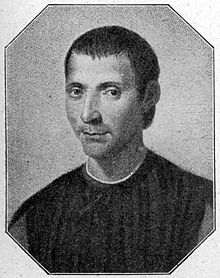
Niccolo Machiavelli
The foregoing was taken from Book Three, Chapter Six, of Machiavelli’s masterwork, The Discourses on Livy, which was published posthumously in 1531. But elsewhere in this volume, he notes how important it is for rulers to make themselves loved—or at least respected—by their fellow citizens:
“Note how much more praise those Emperors merited who, after Rome became an empire, conformed to her laws like good princes, than those who took the opposite course.
“Titus, Nerva, Trajan, Hadrian, Antoninus and Marcus Auelius did not require the Praetorians nor the multitudinous legions to defend them, because they were protected by their own good conduct, the good will of the people, and by the love of the Senate.
“On the other hand, neither the Eastern nor the Western armies saved Caligula, Nero, Vitellius and so many other wicked Emperors from the enemies which their bad conduct and evil lives had raised up against them.”
In his better-known work, The Prince, he warns rulers who—like Donald Trump–are inclined to rule by fear:
A prince should make himself feared in such a way that if he does not gain love, he at any rate avoids hatred: for fear and the absence of hatred may well go together.

Donald Trump
By Machiavelli’s standards, Trump has made himself the perfect target for a conspiracy.
“When a prince becomes universally hated, it is likely that he’s harmed some individuals—who thus seek revenge. This desire is increased by seeing that the prince is widely loathed.”
ABC NEWS, ADOLF HITLER, ALTERNET, AMERICABLOG, AP, ASSASSINATION, BABY BOOMER RESISTANCE, BUZZFEED, CBS NEWS, CNN, CONSPIRACIES, CROOKS AND LIARS, DAILY KOS, DONALD TRUMP, FIVETHIRTYEIGHT, FREDERICK FORSYTHE, GAIUS CASSIUS, HARPER’S MAGAZINE, JULIUS CAESAR, LINCOLN MEMORIAL, MAR-A-LAGO, MARCUS BRUTUS, MARK ANTHONY, MEDIA MATTERS, MOTHER JONES, MOVEON, MSNBC, NBC NEWS, NEWSWEEK, NICCOLO MACHIAVELLI, NPR, PBS NEWSHOUR, PLOTS, POLITICO, POLITICUSUSA, RAW STORY, REUTERS, RICHARD M. NIXON, SALON, SEATTLE TIMES, Secret Service, SLATE, TALKING POINTS MEMO, THE ATLANTIC, THE CHICAGO SUN-TIMES, THE CHICAGO TRIBUNE, THE DAILY BEAST, THE DAILY BLOG, THE DISCOURSES, THE GUARDIAN, THE HILL, THE HUFFINGTON POST, THE LOS ANGELES TIMES, THE NATION, THE NEW REPUBLIC, THE NEW YORK TIMES, THE VILLAGE VOICE, THE WALL STREET JOURNAL, THE WASHINGTON POST, THINKPROGRESS, TIME, TRUTHDIG, TRUTHOUT, TWO POLITICAL JUNKIES, U.S. NEWS & WORLD REPORT, UPI, USA TODAY, VIETNAM WAR, WONKETTE, X
In Bureaucracy, History, Law Enforcement, Military, Politics, Social commentary on December 1, 2025 at 12:10 am
More than 500 years ago, Niccolo Machiavelli, the father of modern political science, offered sound advice for would-be conspirators—and for rulers seeking to thwart conspiracies.
It’s advice to which tyrants like Vladimir Putin and Donald Trump should pay close attention.
He did so in The Discourses on Livy, a work of political history and philosophy. In it, he outlined how citizens of a republic can maintain their freedoms.
One of the longest chapters—Book Three, Chapter Six—covers “Of Conspiracies.” In it, those who wish to conspire against a ruler will find highly useful advice. And so will those who might well become the targets of conspiracies—such as President Donald J. Trump.
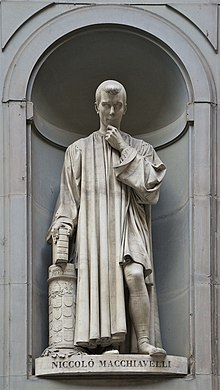
Niccolo Machiavellil
The most dangerous time for a ruler comes when he is universally hated.
Niccolo Machiavelli: When a prince becomes universally hated, it is likely that he’s harmed some individuals—who thus seek revenge. This desire is increased by seeing the prince is widely loathed.
A prince, then, should avoid incurring such universal hatred….
By doing this, he protects himself from such vengeance-seekers. There are two reasons for this:
(1) Men rarely risk danger to avenge a wrong; and
(2) Even if they want to avenge a wrong, they know they will face almost universal condemnation because the prince is held in such high esteem.
Machiavelli draws a distinction between plots and conspiracies.
A plot may be formed by a single individual or by many. The first isn’t a conspiracy, since that would involve at least two participants.
A single plotter avoids the danger faced by two or more conspirators:
Since no one knows his intention, he can’t be betrayed by an accomplice.
Anyone may form a plot, whether he is prominent or insignificant, because everyone is at some time allowed to speak to the prince. And he can use this opportunity to satisfy his desire for revenge.
On the other hand, says Machiavelli, the dangers of assassination by a trusted intimate are slight.
Few people dare to assault a prince. Of those who do, few or none escapes being killed in the attempt, or immediately afterward. As a result, only a small number of people are willing to incur such certain death.
Those who take part in a conspiracy against a ruler are “the great men of the state, or those on terms of familiar intercourse with the prince.”
These are men who have access to him. Julius Caesar, for example, was stabbed to death by members of the Roman Senate, who feared his assuming dictatorial powers.
And Adolf Hitler was conspired against by colonels and generals of the German Army. He was in fact holding a war conference when a briefcase bomb exploded, killing three officers and a stenographer, but leaving Hitler only slightly injured.
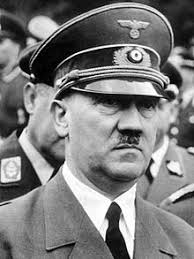

Adolf Hitler
There are three ways a conspiracy can be foiled:
- Discovery through denunciation;
- Discovery through incautiousness;
- Discovery through writings.
Discovery through Denunciation: This occurs through treachery or lack of prudence among one or more conspirators.
Treachery is so common that you can safely tell your plans to only your most trusted friends who are willing to risk their lives for your sake. You may find that you have only one or two of these.
But as you are bring more people into the conspiracy, the chances of discovery greatly increase. It’s impossible to find many who can be completely trusted: For their devotion to you must be greater than their sense of danger and fear of punishment.
Discovery through Carelessness: This happens when one of the conspirators speaks incautiously, so that a third person overhears it Or it may occur from thoughtlessness, when a conspirator tells the secret to his wife or child, or to some other indiscreet person.
When a conspiracy has more than three or four members, its discovery is almost certain, either through treason, imprudence or carelessness.
If more than one conspirator is arrested, the whole plot is discovered, for it will be impossible for any two to agree perfectly as to all their statements.
If only one is arrested, he may—through courage and stubbornness—be able to conceal the names of his accomplices. But then the others, to remain safe, must not panic and flee, since this is certain to be discovered.
If one of them becomes fearful—whether it’s the one who was arrested or is still at liberty—discovery of the conspiracy is certain. The best way to avoid such detection is to confide your project to your intended fellow conspirators at the moment of execution—and not sooner.
A classic example of this occurred in ancient Persia. According to the Greek historian Herodotus: A group of nobles assembled to discuss overthrowing a usurper to the throne. The last one to arrive was Darius.
When one of the conspirators asked, “When should we strike?” Darius replied: “We must either go now at this very moment and carry it into execution, or I shall go and denounce you all. For I will not give any of you time to denounce me.”
At that, they went directly to the palace, assassinated the usurper and proclaimed Darius their new king.
ABC NEWS, ADOLF HITLER, ALTERNET, AMERICABLOG, AP, ASSASSINATION, BABY BOOMER RESISTANCE, BUZZFEED, CBS NEWS, CNN, CONSPIRACIES, CROOKS AND LIARS, DAILY KOS, DAILY KOZ, DAY OF THE JACKAL, DEPARTMENT OF DEFENSE, DEPARTMENT OF HOMELAND SECURITY, DEPARTMENT OF VETERANS AFFAIRS, DONALD TRUMP, DRUDGE RETORT, ENVIRONMENTAL PROTECTION AGENCY, FACEBOOK, FBI, FIVETHIRTYEIGHT, FREDERICK FORSYTHE, GAIUS CASSIUS, HARPER’S MAGAZINE, INTERNAL REVENUE SERVICE, JULIUS CAESAR, LINCOLN MEMORIAL, MAR-A-LAGO, MARCUS BRUTUS, MARK ANTHONY, MEDIA MATTERS, MOTHER JONES, MOVEON, MSNBC, NBC NEWS, NEWSWEEK, NICCOLO MACHIAVELLI, NPR, PBS NEWSHOUR, PLOTS, POLITICO, POLITICUSUSA, RAW STORY, REUTERS, RICHARD M. NIXON, SALON, SEATTLE TIMES, Secret Service, SLATE, TALKING POINTS MEMO, THE ATLANTIC, THE CHICAGO SUN-TIMES, THE CHICAGO TRIBUNE, THE DAILY BEAST, THE DAILY BLOG, THE DISCOURSES, THE GUARDIAN, THE HILL, THE HUFFINGTON POST, THE LOS ANGELES TIMES, THE NATION, THE NEW REPUBLIC, THE NEW YORK TIMES, THE VILLAGE VOICE, THE WALL STREET JOURNAL, THE WASHINGTON POST, THINKPROGRESS, TIME, TRUTHDIG, TRUTHOUT, TWO POLITICAL JUNKIES, U.S. NEWS & WORLD REPORT, UPI, USA TODAY, VIETNAM WAR, WHITE HOUSE STAFFER, WONKETTE, X
In Bureaucracy, History, Law Enforcement, Military, Politics, Social commentary on March 4, 2025 at 12:06 am
More than 500 years ago, Niccolo Machiavelli, the Florentine statesman, authored The Discourses on Livy, a work of political history and philosophy. In it, he outlined how citizens of a republic can maintain their freedoms.
For conspirators, there are three ways their efforts can be foiled.
- Discovery through denunciation;
- Discovery through incautiousness;
- Discovery through writings.
The first has already been covered. Now for the second and third.
Discovery through Writings: “You may talk freely with anyone man about everything, for unless you have committed yourself in writing, the “Yes” of one man is worth as much as the ‘No’ of another.
Thus, you should guard most carefully against writing, as against a dangerous rock, for nothing will convict you quicker than your own handwriting.
If you are denounced, there are means of escaping punishment:
- By denying the accusation and claiming that the person making it hates you; or
- Claiming that your accuser was tortured or coerced into giving false testimony against you.
“But the most prudent course is to not tell your intentions to anyone, and to carry out the attempt yourself.”
Even if you’re not discovered before you carry out your attack, there are still two dangers facing a conspirator:
Dangers in Execution: These result from:
- An unexpected change in the routine of the intended target;
- The lack of courage among the conspirators; or
- An error on their part, such as leaving some of those alive whom the conspirators intended to kill.
Adolf Hitler, who claimed to have a sixth-sense for danger, was famous for changing his routine at the last minute.
On November 9, 1939, this instinct saved his life. He had been scheduled to give a long speech at a Munich beer hall before the “Old Fighters” of his storm troopers.
But that evening he cut short his speech and left the beer hall. Forty-five minutes later, a bomb exploded inside a pillar—before which Hitler had been speaking.
Conspirators can also be doomed by their good intentions.
In 44 B.C., Gaius Cassius, Marcus Brutus and other Roman senators decided to assassinate Julius Caesar, whose dictatorial ambitions they feared.
Cassius also intended to murder Mark Anthony, Caesar’s strongest ally. But Brutus objected, fearing the plotters would look like butchers, not saviors. Even worse, he allowed Anthony to deliver a eulogy at Caesar’s funeral.
This proved so inflammatory that the mourners rioted, driving the conspirators out of Rome. Soon afterward, they were defeated in a battle with the legions of Anthony and Octavian Caesar—and forced to commit suicide to avoid capture and execution.
Machiavelli closes his chapter “Of Conspiracies” with advice to rulers on how they should act when they find a conspiracy has been formed against them.
“If they discover that a conspiracy exists against them, they must, before punishing its authors, strive to learn its nature and extent. And they must measure the danger posed by the conspirators against their own strength.
And if they find it powerful and alarming, they must not expose it until they have amassed sufficient force to crush it. Otherwise, they will only speed their own destruction. They should try to pretend ignorance of it. If the conspirators find themselves discovered, they will be forced by necessity to act without consideration.”
Niccolo Machiavelli
But Machiavelli also notes how important it is for rulers to make themselves loved—or at least respected—by their fellow citizens:
“Note how much more praise those Emperors merited who, after Rome became an empire, conformed to her laws like good princes, than those who took the opposite course.
Titus, Nerva, Trajan, Hadrian, Antoninus and Marcus Auelius did not require the Praetorians nor the multitudinous legions to defend them, because they were protected by their own good conduct, the good will of the people, and by the love of the Senate.
On the other hand, neither the Eastern nor the Western armies saved Caligula, Nero, Vitellius and so many other wicked Emperors from the enemies which their bad conduct and evil lives had raised up against them.”
In his better-known work, The Prince, he warns rulers who—like Donald Trump–are inclined to rule by fear:
“A prince should make himself feared in such a way that if he does not gain love, he at any rate avoids hatred: for fear and the absence of hatred may well go together.”
Donald Trump
By Machiavelli’s standards, Trump has made himself the perfect target for a conspiracy.
Since being inaugurated President a second time, he—and his billionaire enforcer, Elon Musk—have fired about 30,000 federal civil service workers. Another 75,000 have accepted buyouts under threat of being fired.
Among the purged agencies:
- Homeland Security
- Defense
- FBI
- Internal Revenue Service
- Veterans Affairs
- Environmental Protection Agency.
Many of these ex-employees have backgrounds in security. Combine this with the anger fired employees feel at the injustices to themselves and their families, and the result is a recipe for conspiratorial hatred.
“When a prince becomes universally hated, it is likely that he’s harmed some individuals—who thus seek revenge. This desire is increased by seeing that the prince is widely loathed.”
ABC NEWS, ADOLF HITLER, ALTERNET, AMERICABLOG, AP, ASSASSINATION, BABY BOOMER RESISTANCE, BUZZFEED, CBS NEWS, CNN, CONSPIRACIES, CROOKS AND LIARS, DAILY KOS, DAILY KOZ, DAY OF THE JACKAL, DEPARTMENT OF DEFENSE, DEPARTMENT OF HOMELAND SECURITY, DEPARTMENT OF VETERANS AFFAIRS, DONALD TRUMP, DRUDGE RETORT, ENVIRONMENTAL PROTECTION AGENCY, FACEBOOK, FBI, FIVETHIRTYEIGHT, FREDERICK FORSYTHE, GAIUS CASSIUS, HARPER’S MAGAZINE, INTERNAL REVENUE SERVICE, JULIUS CAESAR, LINCOLN MEMORIAL, MAR-A-LAGO, MARCUS BRUTUS, MARK ANTHONY, MEDIA MATTERS, MOTHER JONES, MOVEON, MSNBC, NBC NEWS, NEWSWEEK, NICCOLO MACHIAVELLI, NPR, PBS NEWSHOUR, PLOTS, POLITICO, POLITICUSUSA, RAW STORY, REUTERS, RICHARD M. NIXON, SALON, SEATTLE TIMES, Secret Service, SLATE, TALKING POINTS MEMO, THE ATLANTIC, THE CHICAGO SUN-TIMES, THE CHICAGO TRIBUNE, THE DAILY BEAST, THE DAILY BLOG, THE DISCOURSES, THE GUARDIAN, THE HILL, THE HUFFINGTON POST, THE LOS ANGELES TIMES, THE NATION, THE NEW REPUBLIC, THE NEW YORK TIMES, THE VILLAGE VOICE, THE WALL STREET JOURNAL, THE WASHINGTON POST, THINKPROGRESS, TIME, TRUTHDIG, TRUTHOUT, TWO POLITICAL JUNKIES, U.S. NEWS & WORLD REPORT, UPI, USA TODAY, VIETNAM WAR, WHITE HOUSE STAFFER, WONKETTE, X
In Bureaucracy, History, Law Enforcement, Military, Politics, Social commentary on March 3, 2025 at 12:05 am
More than 500 years ago, Niccolo Machiavelli, the father of modern political science, offered sound advice for would-be conspirators—and for rulers seeking to thwart conspiracies.
He did so in The Discourses on Livy, a work of political history and philosophy. In it, he outlined how citizens of a republic can maintain their freedoms.
One of the longest chapters—Book Three, Chapter Six—covers “Of Conspiracies.” In it, those who wish to conspire against a ruler will find highly useful advice. And so will those who might well become the targets of conspiracies—such as President Donald J. Trump.
Niccolo Machiavellil
The most dangerous time for a ruler comes when he is universally hated.
Niccolo Machiavelli: “When a prince becomes universally hated, it is likely that he’s harmed some individuals—who thus seek revenge. This desire is increased by seeing the prince is widely loathed.
A prince, then, should avoid incurring such universal hatred….
By doing this, he protects himself from such vengeance-seekers. There are two reasons for this:
(1) Men rarely risk danger to avenge a wrong; and
(2) Even if they want to avenge a wrong, they know they will face almost universal condemnation because the prince is held in such high esteem.”
Machiavelli draws a distinction between plots and conspiracies.
“A plot may be formed by a single individual or by many. The first isn’t a conspiracy, since that would involve at least two participants.”
A single plotter avoids the danger faced by two or more conspirators:
“Since no one knows his intention, he can’t be betrayed by an accomplice.
Anyone may form a plot, whether he is prominent or insignificant, because everyone is at some time allowed to speak to the prince. And he can use this opportunity to satisfy his desire for revenge.”
On the other hand, says Machiavelli, the dangers of assassination by a trusted intimate are slight.
“Few people dare to assault a prince. Of those who do, few or none escapes being killed in the attempt, or immediately afterward. As a result, only a small number of people are willing to incur such certain death.”
Those who take part in a conspiracy against a ruler are “the great men of the state, or those on terms of familiar intercourse with the prince.”
These are men who have access to him. Julius Caesar, for example, was stabbed to death by members of the Roman Senate, who feared his assuming dictatorial powers.
And Adolf Hitler was conspired against by colonels and generals of the German Army. He was in fact holding a war conference when a briefcase bomb exploded, killing three officers and a stenographer, but leaving Hitler only slightly injured.
Adolf Hitler
There are three ways a conspiracy can be foiled:
- Discovery through denunciation;
- Discovery through incautiousness;
- Discovery through writings.
Discovery through Denunciation: This occurs through treachery or lack of prudence among one or more conspirators.
“Treachery is so common that you can safely tell your plans to only your most trusted friends who are willing to risk their lives for your sake. You may find that you have only one or two of these.
But as you are bring more people into the conspiracy, the chances of discovery greatly increase. It’s impossible to find many who can be completely trusted: For their devotion to you must be greater than their sense of danger and fear of punishment.”
Discovery through Carelessness: “This happens when one of the conspirators speaks incautiously, so that a third person overhears it Or it may occur from thoughtlessness, when a conspirator tells the secret to his wife or child, or to some other indiscreet person.
When a conspiracy has more than three or four members, its discovery is almost certain, either through treason, imprudence or carelessness.
If more than one conspirator is arrested, the whole plot is discovered, for it will be impossible for any two to agree perfectly as to all their statements.
If only one is arrested, he may—through courage and stubbornness—be able to conceal the names of his accomplices. But then the others, to remain safe, must not panic and flee, since this is certain to be discovered.
If one of them becomes fearful—whether it’s the one who was arrested or is still at liberty—discovery of the conspiracy is certain.
The best way to avoid such detection is to confide your project to your intended fellow conspirators at the moment of execution—and not sooner.”
A classic example of this occurred in ancient Persia. According to the Greek historian Herodotus: A group of nobles assembled to discuss overthrowing a usurper to the throne. The last one to arrive was Darius.
When one of the conspirators asked, “When should we strike?” Darius replied: “We must either go now at this very moment and carry it into execution, or I shall go and denounce you all. For I will not give any of you time to denounce me.”
At that, they went directly to the palace, assassinated the usurper and proclaimed Darius their new king.
ABC NEWS, ADOLF HITLER, ALTERNET, AMERICABLOG, AP, ASSASSINATION, BABY BOOMER RESISTANCE, BUZZFEED, CBS NEWS, CNN, CONSPIRACIES, CROOKS AND LIARS, DAILY KOS, DAILY KOZ, DAY OF THE JACKAL, DONALD TRUMP, DRUDGE RETORT, FIVETHIRTYEIGHT, FREDERICK FORSYTHE, GAIUS CASSIUS, HARPER’S MAGAZINE, JULIUS CAESAR, LINCOLN MEMORIAL, MAR-A-LAGO, MARCUS BRUTUS, MARK ANTHONY, MEDIA MATTERS, MOTHER JONES, MOVEON, MSNBC, NBC NEWS, NEWSWEEK, NICCOLO MACHIAVELLI, NPR, PBS NEWSHOUR, PLOTS, POLITICO, POLITICUSUSA, RAW STORY, REUTERS, RICHARD M. NIXON, SALON, SEATTLE TIMES, Secret Service, SLATE, TALKING POINTS MEMO, THE ATLANTIC, THE CHICAGO SUN-TIMES, THE CHICAGO TRIBUNE, THE DAILY BEAST, THE DAILY BLOG, THE DISCOURSES, THE GUARDIAN, THE HILL, THE HUFFINGTON POST, THE LOS ANGELES TIMES, THE NATION, THE NEW REPUBLIC, THE NEW YORK TIMES, THE VILLAGE VOICE, THE WALL STREET JOURNAL, THE WASHINGTON POST, THINKPROGRESS, TIME, TRUTHDIG, TRUTHOUT, TWO POLITICAL JUNKIES, U.S. NEWS & WORLD REPORT, UPI, USA TODAY, VIETNAM WAR, WHITE HOUSE STAFFER, WONKETTE, X
In Bureaucracy, History, Law Enforcement, Military, Politics, Social commentary on May 30, 2024 at 12:12 am
More than 500 years ago, Niccolo Machiavelli, the Florentine statesman, authored The Discourses on Livy, a work of political history and philosophy. In it, he outlined how citizens of a republic can maintain their freedoms.
One of the longest chapters—Book Three, Chapter Six—covers “Of Conspiracies.” In it, those who wish to conspire against a ruler will find highly useful advice.
And so will those who wish to foil such a conspiracy.
For conspirators, there are three ways their efforts can be foiled.
- Discovery through denunciation;
- Discovery through incautiousness;
- Discovery through writings.
The first has already been covered. Now for the second and third.
Discovery through Writings: You may talk freely with anyone man about everything, for unless you have committed yourself in writing, the “Yes” of one man is worth as much as the “No” of another.
Thus, you should guard most carefully against writing, as against a dangerous rock, for nothing will convict you quicker than your own handwriting.
You may escape, then, from the accusation of a single individual, unless you are convicted by some writing or other pledge, which you should be careful never to give.
If you are denounced, there are means of escaping punishment:
- By denying the accusation and claiming that the person making it hates you; or
- Claiming that your accuser was tortured or coerced into giving false testimony against you.
But the most prudent course is to not tell your intentions to anyone, and to carry out the attempt yourself.
Even if you’re not discovered before you carry out your attack, there are still two dangers facing a conspirator:
Dangers in Execution: These result from:
- An unexpected change in the routine of the intended target;
- The lack of courage among the conspirators; or
- An error on their part, such as leaving some of those alive whom the conspirators intended to kill.
Adolf Hitler, who claimed to have a sixth-sense for danger, was famous for changing his routine at the last minute.
On November 9, 1939, this instinct saved his life. He had been scheduled to give a long speech at a Munich beer hall before the “Old Fighters” of his storm troopers.
But that evening he cut short his speech and left the beer hall. Forty-five minutes later, a bomb exploded inside a pillar—before which Hitler had been speaking.
Conspirators can also be doomed by their good intentions.
In 44 B.C., Gaius Cassius, Marcus Brutus and other Roman senators decided to assassinate Julius Caesar, whose dictatorial ambitions they feared.
Cassius also intended to murder Mark Anthony, Caesar’s strongest ally. But Brutus objected, fearing the plotters would look like butchers, not saviors. Even worse, he allowed Anthony to deliver a eulogy at Caesar’s funeral.
This proved so inflammatory that the mourners rioted, driving the conspirators out of Rome. Soon afterward, they were defeated in a battle with the legions of Anthony and Octavian Caesar—and forced to commit suicide to avoid capture and execution.
Machiavelli closes his chapter “Of Conspiracies” with advice to rulers on how they should act when they find a conspiracy has been formed against them.
If they discover that a conspiracy exists against them, they must, before punishing its authors, strive to learn its nature and extent. And they must measure the danger posed by the conspirators against their own strength.
And if they find it powerful and alarming, they must not expose it until they have amassed sufficient force to crush it. Otherwise, they will only speed their own destruction. They should try to pretend ignorance of it. If the conspirators find themselves discovered, they will be forced by necessity to act without consideration.
Niccolo Machiavelli
The foregoing was taken from Book Three, Chapter Six, of Machiavelli’s masterwork, The Discourses on Livy, which was published posthumously in 1531. But elsewhere in this volume, he notes how important it is for rulers to make themselves loved—or at least respected—by their fellow citizens:
Note how much more praise those Emperors merited who, after Rome became an empire, conformed to her laws like good princes, than those who took the opposite course.
Titus, Nerva, Trajan, Hadrian, Antoninus and Marcus Auelius did not require the Praetorians nor the multitudinous legions to defend them, because they were protected by their own good conduct, the good will of the people, and by the love of the Senate.
On the other hand, neither the Eastern nor the Western armies saved Caligula, Nero, Vitellius and so many other wicked Emperors from the enemies which their bad conduct and evil lives had raised up against them.
In his better-known work, The Prince, he warns rulers who—like Donald Trump–are inclined to rule by fear:
A prince should make himself feared in such a way that if he does not gain love, he at any rate avoids hatred: for fear and the absence of hatred may well go together.
Donald Trump
By Machiavelli’s standards, Trump has made himself the perfect target for a conspiracy.
“When a prince becomes universally hated, it is likely that he’s harmed some individuals—who thus seek revenge. This desire is increased by seeing that the prince is widely loathed.”
ABC NEWS, ADOLF HITLER, ALTERNET, AMERICABLOG, AP, ASSASSINATION, BABY BOOMER RESISTANCE, BUZZFEED, CBS NEWS, CNN, CONSPIRACIES, CROOKS AND LIARS, DAILY KOS, DAILY KOZ, DAY OF THE JACKAL, DONALD TRUMP, FIVETHIRTYEIGHT, FREDERICK FORSYTHE, GAIUS CASSIUS, HARPER’S MAGAZINE, JULIUS CAESAR, LINCOLN MEMORIAL, MAR-A-LAGO, MARCUS BRUTUS, MARK ANTHONY, MEDIA MATTERS, MOTHER JONES, MOVEON, MSNBC, NBC NEWS, NEWSWEEK, NICCOLO MACHIAVELLI, NPR, PBS NEWSHOUR, PLOTS, POLITICO, POLITICUSUSA, RAW STORY, REUTERS, RICHARD M. NIXON, SALON, SEATTLE TIMES, Secret Service, SLATE, TALKING POINTS MEMO, THE ATLANTIC, THE CHICAGO SUN-TIMES, THE CHICAGO TRIBUNE, THE DAILY BEAST, THE DAILY BLOG, THE DISCOURSES, THE GUARDIAN, THE HILL, THE HUFFINGTON POST, THE LOS ANGELES TIMES, THE NATION, THE NEW REPUBLIC, THE NEW YORK TIMES, THE VILLAGE VOICE, THE WALL STREET JOURNAL, THE WASHINGTON POST, THINKPROGRESS, TIME, TRUTHDIG, TRUTHOUT, TWO POLITICAL JUNKIES, U.S. NEWS & WORLD REPORT, UPI, USA TODAY, VIETNAM WAR, WONKETTE, X
In Bureaucracy, History, Law Enforcement, Military, Politics, Social commentary on May 29, 2024 at 12:10 am
More than 500 years ago, Niccolo Machiavelli, the father of modern political science, offered sound advice for would-be conspirators—and for rulers seeking to thwart conspiracies.
He did so in The Discourses on Livy, a work of political history and philosophy. In it, he outlined how citizens of a republic can maintain their freedoms.
One of the longest chapters—Book Three, Chapter Six—covers “Of Conspiracies.” In it, those who wish to conspire against a ruler will find highly useful advice. And so will those who might well become the targets of conspiracies—such as President Donald J. Trump.
Niccolo Machiavellil
The most dangerous time for a ruler comes when he is universally hated.
Niccolo Machiavelli: When a prince becomes universally hated, it is likely that he’s harmed some individuals—who thus seek revenge. This desire is increased by seeing the prince is widely loathed.
A prince, then, should avoid incurring such universal hatred….
By doing this, he protects himself from such vengeance-seekers. There are two reasons for this:
(1) Men rarely risk danger to avenge a wrong; and
(2) Even if they want to avenge a wrong, they know they will face almost universal condemnation because the prince is held in such high esteem.
Machiavelli draws a distinction between plots and conspiracies.
A plot may be formed by a single individual or by many. The first isn’t a conspiracy, since that would involve at least two participants.
A single plotter avoids the danger faced by two or more conspirators:
Since no one knows his intention, he can’t be betrayed by an accomplice.
Anyone may form a plot, whether he is prominent or insignificant, because everyone is at some time allowed to speak to the prince. And he can use this opportunity to satisfy his desire for revenge.
On the other hand, says Machiavelli, the dangers of assassination by a trusted intimate are slight.
Few people dare to assault a prince. Of those who do, few or none escapes being killed in the attempt, or immediately afterward. As a result, only a small number of people are willing to incur such certain death.
Those who take part in a conspiracy against a ruler are “the great men of the state, or those on terms of familiar intercourse with the prince.”
These are men who have access to him. Julius Caesar, for example, was stabbed to death by members of the Roman Senate, who feared his assuming dictatorial powers.
And Adolf Hitler was conspired against by colonels and generals of the German Army. He was in fact holding a war conference when a briefcase bomb exploded, killing three officers and a stenographer, but leaving Hitler only slightly injured.
Adolf Hitler
There are three ways a conspiracy can be foiled:
- Discovery through denunciation;
- Discovery through incautiousness;
- Discovery through writings.
Discovery through Denunciation: This occurs through treachery or lack of prudence among one or more conspirators.
Treachery is so common that you can safely tell your plans to only your most trusted friends who are willing to risk their lives for your sake. You may find that you have only one or two of these.
But as you are bring more people into the conspiracy, the chances of discovery greatly increase. It’s impossible to find many who can be completely trusted: For their devotion to you must be greater than their sense of danger and fear of punishment.
Discovery through Carelessness: This happens when one of the conspirators speaks incautiously, so that a third person overhears it Or it may occur from thoughtlessness, when a conspirator tells the secret to his wife or child, or to some other indiscreet person.
When a conspiracy has more than three or four members, its discovery is almost certain, either through treason, imprudence or carelessness.
If more than one conspirator is arrested, the whole plot is discovered, for it will be impossible for any two to agree perfectly as to all their statements.
If only one is arrested, he may—through courage and stubbornness—be able to conceal the names of his accomplices. But then the others, to remain safe, must not panic and flee, since this is certain to be discovered.
If one of them becomes fearful—whether it’s the one who was arrested or is still at liberty—discovery of the conspiracy is certain.
The best way to avoid such detection is to confide your project to your intended fellow conspirators at the moment of execution—and not sooner.
A classic example of this occurred in ancient Persia. According to the Greek historian Herodotus: A group of nobles assembled to discuss overthrowing a usurper to the throne. The last one to arrive was Darius.
When one of the conspirators asked, “When should we strike?” Darius replied: “We must either go now at this very moment and carry it into execution, or I shall go and denounce you all. For I will not give any of you time to denounce me.”
At that, they went directly to the palace, assassinated the usurper and proclaimed Darius their new king.
ABC NEWS, ADOLF HITLER, ALTERNET, AMERICABLOG, AP, ASSASSINATION, BABY BOOMER RESISTANCE, BUZZFEED, CBS NEWS, CNN, CONSPIRACIES, CROOKS AND LIARS, DAILY KOS, DAILY KOZ, DAY OF THE JACKAL, DONALD TRUMP, FACEBOOK, FIVETHIRTYEIGHT, FREDERICK FORSYTHE, GAIUS CASSIUS, HARPER’S MAGAZINE, JULIUS CAESAR, LINCOLN MEMORIAL, MAR-A-LAGO, MARCUS BRUTUS, MARK ANTHONY, MEDIA MATTERS, MOTHER JONES, MOVEON, MSNBC, NBC NEWS, NEWSWEEK, NICCOLO MACHIAVELLI, NPR, PBS NEWSHOUR, PLOTS, POLITICO, POLITICUSUSA, RAW STORY, REUTERS, RICHARD M. NIXON, SALON, SEATTLE TIMES, Secret Service, SLATE, TALKING POINTS MEMO, THE ATLANTIC, THE CHICAGO SUN-TIMES, THE CHICAGO TRIBUNE, THE DAILY BEAST, THE DAILY BLOG, THE DISCOURSES, THE GUARDIAN, THE HILL, THE HUFFINGTON POST, THE LOS ANGELES TIMES, THE NATION, THE NEW REPUBLIC, THE NEW YORK TIMES, THE VILLAGE VOICE, THE WALL STREET JOURNAL, THE WASHINGTON POST, THINKPROGRESS, TIME, TRUTHDIG, TRUTHOUT, TWITTER, TWO POLITICAL JUNKIES, U.S. NEWS & WORLD REPORT, UPI, USA TODAY, VIETNAM WAR, WHITE HOUSE STAFFER, WONKETTE
In Bureaucracy, History, Military, Politics, Social commentary on October 21, 2021 at 12:05 am
More than 500 years ago, Niccolo Machiavelli, the Florentine statesman, authored The Discourses on Livy, a work of political history and philosophy. In it, he outlined how citizens of a republic can maintain their freedoms.
One of the longest chapters—Book Three, Chapter Six—covers “Of Conspiracies.” In it, those who wish to conspire against a ruler will find highly useful advice.
And so will those who wish to foil such a conspiracy.
For conspirators, there are three ways their efforts can be foiled.
- Discovery through denunciation;
- Discovery through incautiousness;
- Discovery through writings.
The first has already been covered. Now for the second and third.
Discovery through Writings: You may talk freely with anyone man about everything, for unless you have committed yourself in writing, the “Yes” of one man is worth as much as the “No” of another.
Thus, you should guard most carefully against writing, as against a dangerous rock, for nothing will convict you quicker than your own handwriting.
You may escape, then, from the accusation of a single individual, unless you are convicted by some writing or other pledge, which you should be careful never to give.
If you are denounced, there are means of escaping punishment:
- By denying the accusation and claiming that the person making it hates you; or
- Claiming that your accuser was tortured or coerced into giving false testimony against you.
But the most prudent course is to not tell your intentions to anyone, and to carry out the attempt yourself.
Even if you’re not discovered before you carry out your attack, there are still two dangers facing a conspirator:
Dangers in Execution: These result from:
- An unexpected change in the routine of the intended target;
- The lack of courage among the conspirators; or
- An error on their part, such as leaving some of those alive whom the conspirators intended to kill.
Adolf Hitler, who claimed to have a sixth-sense for danger, was famous for changing his routine at the last minute.
On November 9, 1939, this instinct saved his life. He had been scheduled to give a long speech at a Munich beer hall before the “Old Fighters” of his storm troopers.
But that evening he cut short his speech and left the beer hall. Forty-five minutes later, a bomb exploded inside a pillar—before which Hitler had been speaking.
Conspirators can also be doomed by their good intentions.
In 44 B.C., Gaius Cassius, Marcus Brutus and other Roman senators decided to assassinate Julius Caesar, whose dictatorial ambitions they feared.
Cassius also intended to murder Mark Anthony, Caesar’s strongest ally. But Brutus objected, fearing the plotters would look like butchers, not saviors. Even worse, he allowed Anthony to deliver a eulogy at Caesar’s funeral.
This proved so inflammatory that the mourners rioted, driving the conspirators out of Rome. Soon afterward, they were defeated in a battle with the legions of Anthony and Octavian Caesar—and forced to commit suicide to avoid capture and execution.
Machiavelli closes his chapter “Of Conspiracies” with advice to rulers on how they should act when they find a conspiracy has been formed against them.
If they discover that a conspiracy exists against them, they must, before punishing its authors, strive to learn its nature and extent. And they must measure the danger posed by the conspirators against their own strength.
And if they find it powerful and alarming, they must not expose it until they have amassed sufficient force to crush it. Otherwise, they will only speed their own destruction. They should try to pretend ignorance of it. If the conspirators find themselves discovered, they will be forced by necessity to act without consideration.
Niccolo Machiavelli
The foregoing was taken from Book Three, Chapter Six, of Machiavelli’s masterwork, The Discourses on Livy, which was published posthumously in 1531. But elsewhere in this volume, he notes how important it is for rulers to make themselves loved—or at least respected—by their fellow citizens:
Note how much more praise those Emperors merited who, after Rome became an empire, conformed to her laws like good princes, than those who took the opposite course.
Titus, Nerva, Trajan, Hadrian, Antoninus and Marcus Auelius did not require the Praetorians nor the multitudinous legions to defend them, because they were protected by their own good conduct, the good will of the people, and by the love of the Senate.
On the other hand, neither the Eastern nor the Western armies saved Caligula, Nero, Vitellius and so many other wicked Emperors from the enemies which their bad conduct and evil lives had raised up against them.
In his better-known work, The Prince, he warns rulers who—like Donald Trump–are inclined to rule by fear:
A prince should make himself feared in such a way that if he does not gain love, he at any rate avoids hatred: for fear and the absence of hatred may well go together.
Donald Trump
By Machiavelli’s standards, Trump has made himself the perfect target for a conspiracy.
“When a prince becomes universally hated, it is likely that he’s harmed some individuals—who thus seek revenge. This desire is increased by seeing that the prince is widely loathed.”
ABC NEWS, ADOLF HITLER, ALTERNET, AMERICABLOG, AP, ASSASSINATION, BABY BOOMER RESISTANCE, BUZZFEED, CBS NEWS, CNN, CONSPIRACIES, CROOKS AND LIARS, DAILY KOS, DAILY KOZ, DAY OF THE JACKAL, DONALD TRUMP, FACEBOOK, FIVETHIRTYEIGHT, FREDERICK FORSYTHE, GAIUS CASSIUS, HARPER’S MAGAZINE, JULIUS CAESAR, LINCOLN MEMORIAL, MAR-A-LAGO, MARCUS BRUTUS, MARK ANTHONY, MEDIA MATTERS, MOTHER JONES, MOVEON, MSNBC, NBC NEWS, NEWSWEEK, NICCOLO MACHIAVELLI, NPR, PBS NEWSHOUR, PLOTS, POLITICO, POLITICUSUSA, RAW STORY, REUTERS, RICHARD M. NIXON, SALON, SEATTLE TIMES, Secret Service, SLATE, TALKING POINTS MEMO, THE ATLANTIC, THE CHICAGO SUN-TIMES, THE CHICAGO TRIBUNE, THE DAILY BEAST, THE DAILY BLOG, THE DISCOURSES, THE GUARDIAN, THE HILL, THE HUFFINGTON POST, THE LOS ANGELES TIMES, THE NATION, THE NEW REPUBLIC, THE NEW YORK TIMES, THE VILLAGE VOICE, THE WALL STREET JOURNAL, THE WASHINGTON POST, THINKPROGRESS, TIME, TRUTHDIG, TRUTHOUT, TWITTER, TWO POLITICAL JUNKIES, U.S. NEWS & WORLD REPORT, UPI, USA TODAY, VIETNAM WAR, WONKETTE
In Bureaucracy, History, Military, Politics, Social commentary on October 20, 2021 at 12:06 am
More than 500 years ago, Niccolo Machiavelli, the father of modern political science, offered sound advice for would-be conspirators—and for rulers seeking to thwart conspiracies.
He did so in The Discourses on Livy, a work of political history and philosophy. In it, he outlined how citizens of a republic can maintain their freedoms.
One of the longest chapters—Book Three, Chapter Six—covers “Of Conspiracies.” In it, those who wish to conspire against a ruler will find highly useful advice. And so will those who might well become the targets of conspiracies—such as those who follow the example of President Donald J. Trump.
Niccolo Machiavellil
The most dangerous time for a ruler comes when he is universally hated.
Niccolo Machiavelli: When a prince becomes universally hated, it is likely that he’s harmed some individuals—who thus seek revenge. This desire is increased by seeing the prince is widely loathed.
A prince, then, should avoid incurring such universal hatred….
By doing this, he protects himself from such vengeance-seekers. There are two reasons for this:
(1) Men rarely risk danger to avenge a wrong; and
(2) Even if they want to avenge a wrong, they know they will face almost universal condemnation because the prince is held in such high esteem.
Machiavelli draws a distinction between plots and conspiracies.
A plot may be formed by a single individual or by many. The first isn’t a conspiracy, since that would involve at least two participants.
A single plotter avoids the danger faced by two or more conspirators:
Since no one knows his intention, he can’t be betrayed by an accomplice.
Anyone may form a plot, whether he is prominent or insignificant, because everyone is at some time allowed to speak to the prince. And he can use this opportunity to satisfy his desire for revenge.
On the other hand, says Machiavelli, the dangers of assassination by a trusted intimate are slight.
Few people dare to assault a prince. Of those who do, few or none escapes being killed in the attempt, or immediately afterward. As a result, only a small number of people are willing to incur such certain death.
Those who take part in a conspiracy against a ruler are “the great men of the state, or those on terms of familiar intercourse with the prince.”
These are men who have access to him. Julius Caesar, for example, was stabbed to death by members of the Roman Senate, who feared his assuming dictatorial powers.
And Adolf Hitler was conspired against by colonels and generals of the German Army. He was in fact holding a war conference when a briefcase bomb exploded, killing three officers and a stenographer, but leaving Hitler only slightly injured.
Adolf Hitler
There are three ways a conspiracy can be foiled:
- Discovery through denunciation;
- Discovery through incautiousness;
- Discovery through writings.
Discovery through Denunciation: This occurs through treachery or lack of prudence among one or more conspirators.
Treachery is so common that you can safely tell your plans to only your most trusted friends who are willing to risk their lives for your sake. You may find that you have only one or two of these.
But as you are bring more people into the conspiracy, the chances of discovery greatly increase. It’s impossible to find many who can be completely trusted: For their devotion to you must be greater than their sense of danger and fear of punishment.
Discovery through Carelessness: This happens when one of the conspirators speaks incautiously, so that a third person overhears it Or it may occur from thoughtlessness, when a conspirator tells the secret to his wife or child, or to some other indiscreet person.
When a conspiracy has more than three or four members, its discovery is almost certain, either through treason, imprudence or carelessness.
If more than one conspirator is arrested, the whole plot is discovered, for it will be impossible for any two to agree perfectly as to all their statements.
If only one is arrested, he may—through courage and stubbornness—be able to conceal the names of his accomplices. But then the others, to remain safe, must not panic and flee, since this is certain to be discovered.
If one of them becomes fearful—whether it’s the one who was arrested or is still at liberty—discovery of the conspiracy is certain.
The best way to avoid such detection is to confide your project to your intended fellow conspirators at the moment of execution—and not sooner.
A classic example of this occurred in ancient Persia. According to the Greek historian Herodotus: A group of nobles assembled to discuss overthrowing a usurper to the throne. The last one to arrive was Darius.
When one of the conspirators asked, “When should we strike?” Darius replied: “We must either go now at this very moment and carry it into execution, or I shall go and denounce you all. For I will not give any of you time to denounce me.”
At that, they went directly to the palace, assassinated the usurper and proclaimed Darius their new king.
ABC NEWS, ADOLF HITLER, ALTERNET, AMERICABLOG, AP, ASSASSINATION, BABY BOOMER RESISTANCE, BUZZFEED, CBS NEWS, CNN, CONSPIRACIES, CROOKS AND LIARS, DAILY KOS, DAILY KOZ, DAY OF THE JACKAL, DONALD TRUMP, DRUDGE RETORT, FACEBOOK, FIVETHIRTYEIGHT, FREDERICK FORSYTHE, GAIUS CASSIUS, HARPER’S MAGAZINE, JULIUS CAESAR, LINCOLN MEMORIAL, MAR-A-LAGO, MARCUS BRUTUS, MARK ANTHONY, MEDIA MATTERS, MOTHER JONES, MOVEON, MSNBC, NBC NEWS, NEWSWEEK, NICCOLO MACHIAVELLI, NPR, PBS NEWSHOUR, PLOTS, POLITICO, POLITICUSUSA, RAW STORY, REUTERS, RICHARD M. NIXON, SALON, SEATTLE TIMES, Secret Service, SLATE, TALKING POINTS MEMO, THE ATLANTIC, THE CHICAGO SUN-TIMES, THE CHICAGO TRIBUNE, THE DAILY BEAST, THE DAILY BLOG, THE DISCOURSES, THE GUARDIAN, THE HILL, THE HUFFINGTON POST, THE LOS ANGELES TIMES, THE NATION, THE NEW REPUBLIC, THE NEW YORK TIMES, THE VILLAGE VOICE, THE WALL STREET JOURNAL, THE WASHINGTON POST, THINKPROGRESS, TIME, TRUTHDIG, TRUTHOUT, TWITTER, TWO POLITICAL JUNKIES, U.S. NEWS & WORLD REPORT, UPI, USA TODAY, VIETNAM WAR, WHITE HOUSE STAFFER, WONKETTE
In Bureaucracy, History, Law Enforcement, Military, Politics, Social commentary on January 4, 2021 at 12:31 am
More than 500 years ago, Niccolo Machiavelli, the Florentine statesman, authored The Discourses on Livy, a work of political history and philosophy. In it, he outlined how citizens of a republic can maintain their freedoms.
One of the longest chapters—Book Three, Chapter Six—covers “Of Conspiracies.” In it, those who wish to conspire against a ruler will find highly useful advice.
And so will those who wish to foil such a conspiracy.
For conspirators, there are three ways their efforts can be foiled.
- Discovery through denunciation;
- Discovery through incautiousness;
- Discovery through writings.
The first has already been covered. Now for the second and third.
Discovery through Writings: You may talk freely with anyone man about everything, for unless you have committed yourself in writing, the “Yes” of one man is worth as much as the “No” of another.
Thus, you should guard most carefully against writing, as against a dangerous rock, for nothing will convict you quicker than your own handwriting.
You may escape, then, from the accusation of a single individual, unless you are convicted by some writing or other pledge, which you should be careful never to give.
If you are denounced, there are means of escaping punishment:
- By denying the accusation and claiming that the person making it hates you; or
- Claiming that your accuser was tortured or coerced into giving false testimony against you.
But the most prudent course is to not tell your intentions to anyone, and to carry out the attempt yourself.
Even if you’re not discovered before you carry out your attack, there are still two dangers facing a conspirator:
Dangers in Execution: These result from:
- An unexpected change in the routine of the intended target;
- The lack of courage among the conspirators; or
- An error on their part, such as leaving some of those alive whom the conspirators intended to kill.
Adolf Hitler, who claimed to have a sixth-sense for danger, was famous for changing his routine at the last minute.
On November 9, 1939, this instinct saved his life. He had been scheduled to give a long speech at a Munich beer hall before the “Old Fighters” of his storm troopers.
But that evening he cut short his speech and left the beer hall. Forty-five minutes later, a bomb exploded inside a pillar—before which Hitler had been speaking.
Conspirators can also be doomed by their good intentions.
In 44 B.C., Gaius Cassius, Marcus Brutus and other Roman senators decided to assassinate Julius Caesar, whose dictatorial ambitions they feared.
Cassius also intended to murder Mark Anthony, Caesar’s strongest ally. But Brutus objected, fearing the plotters would look like butchers, not saviors. Even worse, he allowed Anthony to deliver a eulogy at Caesar’s funeral.
This proved so inflammatory that the mourners rioted, driving the conspirators out of Rome. Soon afterward, they were defeated in a battle with the legions of Anthony and Octavian Caesar—and forced to commit suicide to avoid capture and execution.
Machiavelli closes his chapter “Of Conspiracies” with advice to rulers on how they should act when they find a conspiracy has been formed against them.
If they discover that a conspiracy exists against them, they must, before punishing its authors, strive to learn its nature and extent. And they must measure the danger posed by the conspirators against their own strength.
And if they find it powerful and alarming, they must not expose it until they have amassed sufficient force to crush it. Otherwise, they will only speed their own destruction. They should try to pretend ignorance of it. If the conspirators find themselves discovered, they will be forced by necessity to act without consideration.
Niccolo Machiavelli
The foregoing was taken from Book Three, Chapter Six, of Machiavelli’s masterwork, The Discourses on Livy, which was published posthumously in 1531. But elsewhere in this volume, he notes how important it is for rulers to make themselves loved—or at least respected—by their fellow citizens:
Note how much more praise those Emperors merited who, after Rome became an empire, conformed to her laws like good princes, than those who took the opposite course.
Titus, Nerva, Trajan, Hadrian, Antoninus and Marcus Auelius did not require the Praetorians nor the multitudinous legions to defend them, because they were protected by their own good conduct, the good will of the people, and by the love of the Senate.
On the other hand, neither the Eastern nor the Western armies saved Caligula, Nero, Vitellius and so many other wicked Emperors from the enemies which their bad conduct and evil lives had raised up against them.
In his better-known work, The Prince, he warns rulers who—like Donald Trump–are inclined to rule by fear:
A prince should make himself feared in such a way that if he does not gain love, he at any rate avoids hatred: for fear and the absence of hatred may well go together.
Donald Trump
By Machiavelli’s standards, Trump has made himself the perfect target for a conspiracy.
“When a prince becomes universally hated, it is likely that he’s harmed some individuals—who thus seek revenge. This desire is increased by seeing that the prince is widely loathed.”
ABC NEWS, ADOLF HITLER, ALTERNET, AMERICABLOG, AP, ASSASSINATION, BABY BOOMER RESISTANCE, BUZZFEED, CBS NEWS, CNN, CONSPIRACIES, CROOKS AND LIARS, DAILY KOS, DAILY KOZ, DAY OF THE JACKAL, DONALD TRUMP, DRUDGE RETORT, FACEBOOK, FIVETHIRTYEIGHT, FREDERICK FORSYTHE, GAIUS CASSIUS, HARPER’S MAGAZINE, JULIUS CAESAR, LINCOLN MEMORIAL, MAR-A-LAGO, MARCUS BRUTUS, MARK ANTHONY, MEDIA MATTERS, MOTHER JONES, MOVEON, MSNBC, NBC NEWS, NEWSWEEK, NICCOLO MACHIAVELLI, NPR, PBS NEWSHOUR, PLOTS, POLITICO, POLITICUSUSA, RAW STORY, REUTERS, RICHARD M. NIXON, SALON, SEATTLE TIMES, Secret Service, SLATE, TALKING POINTS MEMO, THE ATLANTIC, THE CHICAGO SUN-TIMES, THE CHICAGO TRIBUNE, THE DAILY BEAST, THE DAILY BLOG, THE DISCOURSES, THE GUARDIAN, THE HILL, THE HUFFINGTON POST, THE LOS ANGELES TIMES, THE NATION, THE NEW REPUBLIC, THE NEW YORK TIMES, THE VILLAGE VOICE, THE WALL STREET JOURNAL, THE WASHINGTON POST, THINKPROGRESS, TIME, TRUTHDIG, TRUTHOUT, TWITTER, TWO POLITICAL JUNKIES, U.S. NEWS & WORLD REPORT, UPI, USA TODAY, VIETNAM WAR, WHITE HOUSE STAFFER, WONKETTE
In Bureaucracy, History, Law Enforcement, Military, Politics, Social commentary on January 1, 2021 at 2:29 am
More than 500 years ago, Niccolo Machiavelli, the father of modern political science, offered sound advice for would-be conspirators—and for rulers seeking to thwart conspiracies.
He did so in The Discourses on Livy, a work of political history and philosophy. In it, he outlined how citizens of a republic can maintain their freedoms.
One of the longest chapters—Book Three, Chapter Six—covers “Of Conspiracies.” In it, those who wish to conspire against a ruler will find highly useful advice. And so will those who might well become the targets of conspiracies—such as President Donald J. Trump.
Niccolo Machiavellil
The most dangerous time for a ruler comes when he is universally hated.
Niccolo Machiavelli: When a prince becomes universally hated, it is likely that he’s harmed some individuals—who thus seek revenge. This desire is increased by seeing the prince is widely loathed.
A prince, then, should avoid incurring such universal hatred….
By doing this, he protects himself from such vengeance-seekers. There are two reasons for this:
(1) Men rarely risk danger to avenge a wrong; and
(2) Even if they want to avenge a wrong, they know they will face almost universal condemnation because the prince is held in such high esteem.
Machiavelli draws a distinction between plots and conspiracies.
A plot may be formed by a single individual or by many. The first isn’t a conspiracy, since that would involve at least two participants.
A single plotter avoids the danger faced by two or more conspirators:
Since no one knows his intention, he can’t be betrayed by an accomplice.
Anyone may form a plot, whether he is prominent or insignificant, because everyone is at some time allowed to speak to the prince. And he can use this opportunity to satisfy his desire for revenge.
On the other hand, says Machiavelli, the dangers of assassination by a trusted intimate are slight.
Few people dare to assault a prince. Of those who do, few or none escapes being killed in the attempt, or immediately afterward. As a result, only a small number of people are willing to incur such certain death.
Those who take part in a conspiracy against a ruler are “the great men of the state, or those on terms of familiar intercourse with the prince.”
These are men who have access to him. Julius Caesar, for example, was stabbed to death by members of the Roman Senate, who feared his assuming dictatorial powers.
And Adolf Hitler was conspired against by colonels and generals of the German Army. He was in fact holding a war conference when a briefcase bomb exploded, killing three officers and a stenographer, but leaving Hitler only slightly injured.
Adolf Hitler
There are three ways a conspiracy can be foiled:
- Discovery through denunciation;
- Discovery through incautiousness;
- Discovery through writings.
Discovery through Denunciation: This occurs through treachery or lack of prudence among one or more conspirators.
Treachery is so common that you can safely tell your plans to only your most trusted friends who are willing to risk their lives for your sake. You may find that you have only one or two of these.
But as you are bring more people into the conspiracy, the chances of discovery greatly increase. It’s impossible to find many who can be completely trusted: For their devotion to you must be greater than their sense of danger and fear of punishment.
Discovery through Carelessness: This happens when one of the conspirators speaks incautiously, so that a third person overhears it Or it may occur from thoughtlessness, when a conspirator tells the secret to his wife or child, or to some other indiscreet person.
When a conspiracy has more than three or four members, its discovery is almost certain, either through treason, imprudence or carelessness.
If more than one conspirator is arrested, the whole plot is discovered, for it will be impossible for any two to agree perfectly as to all their statements.
If only one is arrested, he may—through courage and stubbornness—be able to conceal the names of his accomplices. But then the others, to remain safe, must not panic and flee, since this is certain to be discovered.
If one of them becomes fearful—whether it’s the one who was arrested or is still at liberty—discovery of the conspiracy is certain.
The best way to avoid such detection is to confide your project to your intended fellow conspirators at the moment of execution—and not sooner.
A classic example of this occurred in ancient Persia. According to the Greek historian Herodotus: A group of nobles assembled to discuss overthrowing a usurper to the throne. The last one to arrive was Darius.
When one of the conspirators asked, “When should we strike?” Darius replied: “We must either go now at this very moment and carry it into execution, or I shall go and denounce you all. For I will not give any of you time to denounce me.”
At that, they went directly to the palace, assassinated the usurper and proclaimed Darius their new king.

 Bureaucracybuster's Blog
ABC NEWS, ADOLF HITLER, ALTERNET, AMERICABLOG, AP, ASSASSINATION, BABY BOOMER RESISTANCE, BUZZFEED, CBS NEWS, CNN, CONSPIRACIES, CROOKS AND LIARS, DAILY KOS, DONALD TRUMP, DRUDGE RETORT, FIVETHIRTYEIGHT, FREDERICK FORSYTHE, GAIUS CASSIUS, HARPER’S MAGAZINE, JULIUS CAESAR, LINCOLN MEMORIAL, MAR-A-LAGO, MARCUS BRUTUS, MARK ANTHONY, MEDIA MATTERS, MOTHER JONES, MOVEON, MSNBC, NBC NEWS, NEWSWEEK, NICCOLO MACHIAVELLI, NPR, PBS NEWSHOUR, PLOTS, POLITICO, POLITICUSUSA, RAW STORY, REUTERS, RICHARD M. NIXON, SALON, SEATTLE TIMES, Secret Service, SLATE, TALKING POINTS MEMO, THE ATLANTIC, THE CHICAGO SUN-TIMES, THE CHICAGO TRIBUNE, THE DAILY BEAST, THE DAILY BLOG, THE DISCOURSES, THE GUARDIAN, THE HILL, THE HUFFINGTON POST, THE LOS ANGELES TIMES, THE NATION, THE NEW REPUBLIC, THE NEW YORK TIMES, THE VILLAGE VOICE, THE WALL STREET JOURNAL, THE WASHINGTON POST, THINKPROGRESS, TIME, TRUTHDIG, TRUTHOUT, TWO POLITICAL JUNKIES, U.S. NEWS & WORLD REPORT, UPI, USA TODAY, VIETNAM WAR, WHITE HOUSE STAFFER, WONKETTE, X
CONSPIRACIES: A TYRANT’S WORST ENEMY–PART TWO (END)
In Bureaucracy, History, Law Enforcement, Military, Politics, Social commentary on December 2, 2025 at 12:49 amMore than 500 years ago, Niccolo Machiavelli, the Florentine statesman, authored The Discourses on Livy, a work of political history and philosophy. In it, he outlined how citizens of a republic can maintain their freedoms.
One of the longest chapters—Book Three, Chapter Six—covers “Of Conspiracies.” In it, those who wish to conspire against a ruler will find highly useful advice.
And so will those who wish to foil such a conspiracy.
For conspirators, there are three ways their efforts can be foiled.
The first has already been covered. Now for the second and third.
Discovery through Writings: “You may talk freely with any one man about everything, for unless you have committed yourself in writing, the “Yes” of one man is worth as much as the “No” of another.
“Thus, you should guard most carefully against writing, as against a dangerous rock, for nothing will convict you quicker than your own handwriting.
“You may escape, then, from the accusation of a single individual, unless you are convicted by some writing or other pledge, which you should be careful never to give.
“If you are denounced, there are means of escaping punishment:
“But the most prudent course is to not tell your intentions to anyone, and to carry out the attempt yourself.”
Even if you’re not discovered before you carry out your attack, there are still two dangers facing a conspirator:
Dangers in Execution: These result from:
Adolf Hitler, who claimed to have a sixth-sense for danger, was famous for changing his routine at the last minute.
On November 9, 1939, this instinct saved his life. He had been scheduled to give a long speech at a Munich beer hall before the “Old Fighters” of his storm troopers.
But that evening he cut short his speech and left the beer hall. Forty-five minutes later, a bomb exploded inside a pillar—before which Hitler had been speaking.
Conspirators can also be doomed by their good intentions.
In 44 B.C., Gaius Cassius, Marcus Brutus and other Roman senators decided to assassinate Julius Caesar, whose dictatorial ambitions they feared.
Cassius also intended to murder Mark Anthony, Caesar’s strongest ally. But Brutus objected, fearing the plotters would look like butchers, not saviors. Even worse, he allowed Anthony to deliver a eulogy at Caesar’s funeral.
This proved so inflammatory that the mourners rioted, driving the conspirators out of Rome. Soon afterward, they were defeated in a battle with the legions of Anthony and Octavian Caesar—and forced to commit suicide to avoid capture and execution.
Machiavelli closes his chapter “Of Conspiracies” with advice to rulers on how they should act when they find a conspiracy has been formed against them.
“If they discover that a conspiracy exists against them, they must, before punishing its authors, strive to learn its nature and extent. And they must measure the danger posed by the conspirators against their own strength.
“And if they find it powerful and alarming, they must not expose it until they have amassed sufficient force to crush it. Otherwise, they will only speed their own destruction. They should try to pretend ignorance of it. If the conspirators find themselves discovered, they will be forced by necessity to act without consideration.”
Niccolo Machiavelli
The foregoing was taken from Book Three, Chapter Six, of Machiavelli’s masterwork, The Discourses on Livy, which was published posthumously in 1531. But elsewhere in this volume, he notes how important it is for rulers to make themselves loved—or at least respected—by their fellow citizens:
“Note how much more praise those Emperors merited who, after Rome became an empire, conformed to her laws like good princes, than those who took the opposite course.
“Titus, Nerva, Trajan, Hadrian, Antoninus and Marcus Auelius did not require the Praetorians nor the multitudinous legions to defend them, because they were protected by their own good conduct, the good will of the people, and by the love of the Senate.
“On the other hand, neither the Eastern nor the Western armies saved Caligula, Nero, Vitellius and so many other wicked Emperors from the enemies which their bad conduct and evil lives had raised up against them.”
In his better-known work, The Prince, he warns rulers who—like Donald Trump–are inclined to rule by fear:
A prince should make himself feared in such a way that if he does not gain love, he at any rate avoids hatred: for fear and the absence of hatred may well go together.
Donald Trump
By Machiavelli’s standards, Trump has made himself the perfect target for a conspiracy.
“When a prince becomes universally hated, it is likely that he’s harmed some individuals—who thus seek revenge. This desire is increased by seeing that the prince is widely loathed.”
Share this: