Posts Tagged ‘JEFF SESSIONS’
2016 PRESIDENTIAL ELECTION, A BRONX TALE, ABC NEWS, ADOLF HITLER, ALTERNET, AP, BILL CLINTON, BUZZFEED, CBS NEWS, CHAZZ PALMINTERI, CNN, CROOKS AND LIARS, DAILY KOZ, DONALD TRUMP, FACEBOOK, FBI, H.R. MCMASTER, HILLARY CLINTON, IRS, J. EDGAR HOOVER, JEFF SESSIONS, JOHN F. KENNEDY, JOHN KELLY, LYNDON B. JOHNSON, MOTHER JONES, MOVEON, NBC NEWS, NEWSWEEK, NICCOLO MACHIAVELLI, NPR, POLITICO, RAW STORY, REINCE PREBIUS, REPUBLICAN PARTY, REUTERS, RICHARD M. NIXON, ROBERT DE NIRO, ROBERT F. KENNEDY, Ronald Reagan, SALON, SEATTLE TIMES, SERGEI KISLYAK, SLATE, THE ATLANTIC, THE CHICAGO SUN-TIMES, THE CHICAGO TRIBUNE, THE DAILY BEAST, THE GUARDIAN, THE HILL, THE HUFFINGTON POST, THE LOS ANGELES TIMES, THE NATION, THE NEW YORK TIMES, THE PRINCE, THE WASHINGTON POST, TIME, TWITTER, U.S. NEWS & WORLD REPORT, UP, UPI, USA TODAY, WILLIAM RALPH INGE
In Bureaucracy, History, Law Enforcement, Politics, Social commentary on September 20, 2017 at 12:30 am
Is it better to be loved or feared?
That was the question Florentine statesman Niccolo Machiavelli raised more than 500 years ago.
Presidents have struggled to answer this question—and have come to different conclusions.
LOVE ME, FEAR MY BROTHER
Most people felt irresistibly drawn to John F. Kennedy—even his political foes. Henry Luce, the conservative publisher of Time, once said, “He makes me feel like a whore.”
But JFK could afford to bask in the love of others—because his younger brother, Robert, was the one who inspired fear.
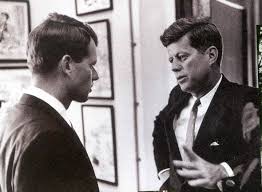
Robert F. Kennedy and John F. Kennedy
He had done so as Chief Counsel for the Senate Rackets Committee (1957-59), grilling Mafia bosses and corrupt union officials–most notably Teamsters President James Hoffa.
Appointed Attorney General by JFK, he unleashed the FBI on the Mafia. When the steel companies colluded in an inflationary rise in the price of steel in 1962, Bobby sicced the FBI on them.
In 1963, JFK’s cavorting with Ellen Rometsh threatened to destroy his Presidency. Rometsch, a Washington, D.C. call girl, was suspected by the FBI of being an East German spy.
With Republican Senators preparing to investigate the rumors, Bobby ordered Rometsch deported immediately (to which, as a German citizen, she was subject).
He also ordered FBI Director J. Edgar Hoover to deliver a warning to the Majority and Minority leaders of the Senate: The Bureau was fully aware of the extramarital trysts of most of its members. And an investigation into the President’s sex life could easily lead into revelations of Senatorial sleaze.
Plans for a Senatorial investigation were shelved.
BEING LOVED AND FEARED
In the 1993 movie, A Bronx Tale, 17-year-old Calogero (Lillo Brancato) asks his idol, the local Mafia capo, Sonny (Chazz Palminteri): “Is it better to be loved or feared?”
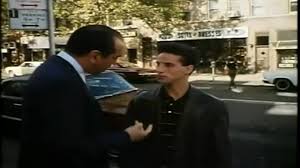
Sonny gives advice to his adopted son, Calogero
Sonny says if he had to choose, he would rather be feared. But he adds a warning straight out of Machiavelli: “The trick is not being hated. That’s why I treat my men good, but not too good.
“I give too much, then they don’t need me. I give them just enough where they need me, but they don’t hate me.”
Machiavelli, writing in The Prince, went further:
“Still a Prince should make himself feared in such a way that if he does not gain love, he at any rate avoids hatred, for fear and the absence of hatred may well go together. And [this] will always be attained by one who abstains from interfering with the property of his citizens and subjects or with their women.”
Many who quote Machiavelli in defense of being feared overlook this vital point: It’s essential to avoid becoming hated.
To establish a fearful reputation, a leader must act decisively and ruthlessly when the interests of the organization are threatened. Punitive action must be taken promptly and confidently.
One or two harsh actions of this kind can make a leader more feared than a reign of terror.
In fact, it’s actually dangerous to constantly employ cruelties or punishments. Whoever does so, warns Machiavelli, “is always obliged to stand with knife in hand, and can never depend on his subjects, because they, owing to continually fresh injuries, are unable to depend upon him.”
The 20th century President who came closest to realizing Machiavelli’s “loved and feared” prince in himself was Ronald Reagan.
Always smiling, quick with a one-liner (especially at press conferences), seemingly unflappable, he projected a constantly optimistic view of his country and its citizens.
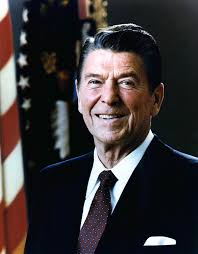
Ronald Reagan
In his acceptance speech at the 1980 Republican National Convention he declared: “[The Democrats] say that the United States has had its days in the sun, that our nation has passed its zenith.… My fellow citizens, I utterly reject that view.”
And Americans enthusiastically responded to that view, twice electing him President (1980 and 1984).
But there was a steely, ruthless side to Reagan that appeared when he felt crossed.
On August 3, 1981, nearly 13,000 air traffic controllers walked out after contract talks with the Federal Aviation Administration collapsed. As a result, some 7,000 flights across the country were canceled on that day at the peak of the summer travel season.
Reagan branded the strike illegal. He threatened to fire any controller who failed to return to work within 48 hours.
On August 5, Reagan fired more than 11,000 air traffic controllers who hadn’t returned to work. The mass firing slowed commercial air travel, but it did not cripple the system as the strikers had forecast.
Reagan’s action stunned the American labor movement. Reagan was the only American President to have belonged to a union, the Screen Actors Guild. He had even been president of this–from 1947 to 1954.
There were no more strikes by Federal workers during Reagan’s tenure in office.
Similarly, Libya’s dictator, Moammar Kadaffi, learned that Reagan was not a man to cross.
On April 5, 1986, Libyan agents bombed a nightclub in West Berlin, killing three people, one a U.S. serviceman. The United States quickly learned that Libyan agents in East Germany were behind the attack.
On April 15, acting on Reagan’s orders, U.S. Air Force, Navy and Marine Corps bombers struck at several sites in Tripoli and Benghazi. Reportedly, Kaddafi himself narrowly missed becoming a casualty.
There were no more acts of Libyan terrorism against Americans for the rest of Reagan’s term.
2016 PRESIDENTIAL ELECTION, A BRONX TALE, ABC NEWS, ADOLF HITLER, ALTERNET, AP, BILL CLINTON, BUZZFEED, CBS NEWS, CHAZZ PALMINTERI, CNN, CROOKS AND LIARS, DAILY KOZ, DONALD TRUMP, FACEBOOK, FBI, H.R. MCMASTER, HILLARY CLINTON, IRS, J. EDGAR HOOVER, JEFF SESSIONS, JOHN F. KENNEDY, JOHN KELLY, LYNDON B. JOHNSON, MOTHER JONES, MOVEON, NBC NEWS, NEWSWEEK, NICCOLO MACHIAVELLI, NPR, POLITICO, RAW STORY, REINCE PREBIUS, REPUBLICAN PARTY, REUTERS, RICHARD M. NIXON, ROBERT DE NIRO, ROBERT F. KENNEDY, Ronald Reagan, SALON, SEATTLE TIMES, SERGEI KISLYAK, SLATE, THE ATLANTIC, THE CHICAGO SUN-TIMES, THE CHICAGO TRIBUNE, THE DAILY BEAST, THE GUARDIAN, THE HILL, THE HUFFINGTON POST, THE LOS ANGELES TIMES, THE NATION, THE NEW YORK TIMES, THE PRINCE, THE WASHINGTON POST, TIME, TWITTER, U.S. NEWS & WORLD REPORT, UP, UPI, USA TODAY, WILLIAM RALPH INGE
In Bureaucracy, History, Law Enforcement, Social commentary, Uncategorized on September 19, 2017 at 12:07 am
It’s probably the most-quoted passage of Niccolo Machiavelli’s infamous book, The Prince:
“From this arises the question whether it is better to be loved than feared, or feared more than loved. The reply is, that one ought to be both feared and loved, but as it is difficult for the two to go together, it is much safer to be feared than loved.
“For it may be said of men in general that they are ungrateful, voluble, dissemblers, anxious to avoid danger and covetous of gain. As long as you benefit them, they are entirely yours: they offer you their blood, their goods, their life and their children, when the necessity is remote, but when it approaches, they revolt.
“And the prince who has relied solely on their words, without making other preparations, is ruined. For the friendship which is gained by purchase and not through grandeur and nobility of spirit is bought but not secured, and at a pinch is not to be expended in your service.
“And men have less scruple in offending one who makes himself loved than one who makes himself feared. For love is held by a chain of obligations which, men being selfish, is broken whenever it serves their purpose. But fear is maintained by a dread of punishment which never fails.”
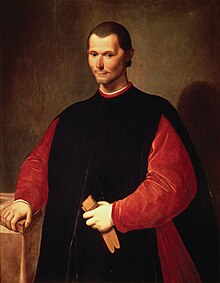
Niccolo Machiavelli
So—which is better: To be feared or loved?
In the 1993 film, A Bronx Tale, 17-year-old Calogero (Lillo Brancato) poses that question to his idol, the local Mafia capo, Sonny (Chazz Palminteri).
“That’s a good question,” Sonny replies. “It’s nice to be both, but it’s very difficult. But if I had my choice, I would rather be feared.
“Fear lasts longer than love. Friendships that are bought with money mean nothing. You see how it is around here. I make a joke, everybody laughs. I know I’m funny, but I’m not that funny. It’s fear that keeps them loyal to me.”
Presidents face the same dilemma as Mafia capos—and resolve it in their own ways.
LOVE ME BECAUSE I NEED TO BE LOVED
Bill Clinton believed that he could win over his self-appointed Republican enemies through his sheer charm.
Part of this lay in self-confidence: He had won the 1992 and 1996 elections by convincing voters that “I feel your pain.”
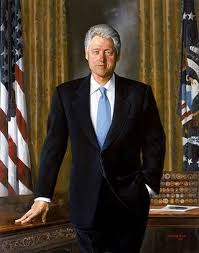
Bill Clinton
And part of it lay in his need to be loved. He once said that if he were in a room with 100 people and 99 of them liked him but one didn’t, he would spend all his time with that one person, trying to win him over.
But while he could charm voters, he could not bring himself to retaliate against his sworn Republican enemies.
On April 19, 1995, Right-wing terrorist Timothy McVeigh drove a truck–packed with 5,000 pounds of ammonium nitrate and nitromethane–to the front of the Alfred P. Murrah Federal Building in Oklahoma City.
The explosion killed 168 people, including 19 children in the day care center on the second floor, and injured 684 others.
Suddenly, Republicans were frightened. Since the end of World War II, they had vilified the very Federal Government they belonged to. They had deliberately courted the Right-wing militia groups responsible for the bombing.
So Republicans feared Clinton would now turn their decades of hate against them.
They need not have worried. On April 23, Clinton presided over a memorial service for the victims of the bombing. He gave a moving eulogy—without condemning the hate-filled Republican rhetoric that had at least indirectly led to the slaughter.
Clinton further sought to endear himself to Republicans by:
- Adopting NAFTA—the Republican-sponsored North American Free Trade Act, which later proved so devastating to American workers;
- Siding with Republicans against poor Americans on welfare; and
- Championing the gutting of the Depression-era Glass-Steagall law, which barred investment banks from commercial banking activities.
The result: Republicans believed Clinton was weak–and could be rolled.
In 1998, House Republicans moved to impeach him over a sex scandal with White House intern Monica Lewinsky. But his Presidency survived when the Senate refused to convict.
LOVE ME BECAUSE I’LL HURT YOU IF YOU DON’T
Lyndon Johnson wanted desperately to be loved.
Once, he complained to Dean Acheson, the former Secretary of State under Harry S. Truman, about the ingratitude of American voters. He had passed far more legislation than his predecessor, John F. Kennedy, and yet Kennedy remained beloved, while he, Johnson, was not.
Why was that? Johnson demanded.
“You are not a very likable man,” said Acheson truthfully.
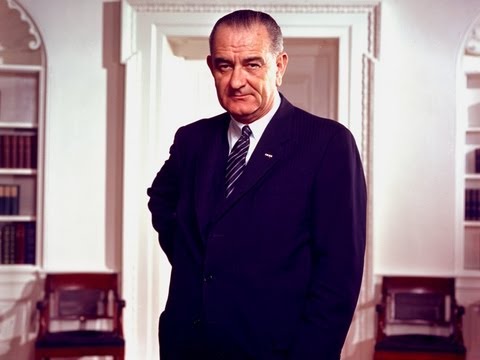
Lyndon B. Johnson
Johnson tried to make his subordinates love him. He would humiliate a man, then give him an expensive gift—such a Cadillac. It was his way of binding the man to him.
He was on a first-name basis with J. Edgar Hoover, the longtime director of the FBI. He didn’t hesitate to request—and get—raw FBI files on his political opponents.
On at least one occasion, he told members of his Cabinet: No one would dare walk out on his administration—because if they did, two men would follow their ass to the end of the earth: Mr. J. Edgar Hoover and the head of the Internal Revenue Service.
"TOMBSTONE", ABC NEWS, AFFORDABLE CARE ACT, ALTERNET, AMERICABLOG, AP, ARNOLD SCHWARTZNEGGER, ASIANS, “BIRTHER” CAMPAIGN, BABY BOOMER RESISTANCE, BARACK OBAMA, BBC, BLACKS, BLOOMBERG NEWS, BOY SCOUT JAMBOREE, BUZZFEED, CBS NEWS, CNN, CROOKS AND LIARS, DAILY KOS, DAILY KOZ, DISABLED, DONALD TRUMP, FACEBOOK, FBI, FIVETHIRTYEIGHT, HARPER’S MAGAZINE, HILLARY CLINTON, HISPANICS, HUFFINGTON POST, IKE CLANTON, JEFF SESSIONS, JOHN H. "DOC" HOLLIDAY, JOHN OLIVER, JOHNNY RINGO, JUSTICE DEPARTMENT, MEDIA MATTERS, MERYL STREEP, MORGAN EARP, MOTHER JONES, MOVEON, MSNBC, MUSLIMS, NBC NEWS, NEIL YOUNG, NEW REPUBLIC, NEWSDAY, NEWSWEEK, NPR, OBAMACARE, PBS NEWSHOUR, POLITICO, POLITICUSUSA, PRISONERS OF WAR, RAW STORY, REINCE PRIEBUS, REUTERS, ROSIE O’DONNELL, SALON, SEAN SPICER, SEATTLE TIMES, SLATE, TALKING POINTS MEMO, THE ATLANTIC, THE CHICAGO SUN-TIMES, THE CHICAGO TRIBUNE, THE DAILY BEAST, THE DAILY BLOG, THE GUARDIAN, THE HILL, THE HUFFINGTON POST, THE INTERCEPT, THE LOS ANGELES TIMES, THE NATION, THE NEW REPUBLIC, THE NEW YORK TIMES, THE NEW YORKER, THE POPE, THE VILLAGE VOICE, THE WASHINGTON POST, THINKPROGRESS, TIME, TRUTHDIG, TRUTHOUT, TWITTER, U.S. NEWS & WORLD REPORT, UP, UPI, USA TODAY, VIRGIL EARP, WOMEN, WYATT EARP
In Bureaucracy, Entertainment, History, Politics, Social commentary on July 31, 2017 at 12:56 am
As both a Presidential candidate and President, Donald Trump has repeatedly used Twitter to attack hundreds of real and imagined enemies in politics, journalism, TV and films.
From June 15, 2015, when he launched his Presidential campaign, until October 24, 2016, Trump fired almost 4,000 angry, insulting tweets at 281 people and institutions that had somehow offended him.
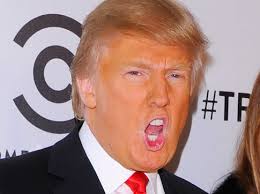
Donald Trump
The New York Times needed two full pages of its print edition to showcase them.
Among his targets:
- Hillary Clinton
- President Barack Obama
- Actress Meryl Streep
- Singer Neil Young
- Actor Arnold Schwarzenegger
- Comedian John Oliver
- News organizations
- The State of New Jersey
- Beauty pageant contestants
Others he clearly delighted in insulting during the campaign included:
- Women
- Blacks
- Hispanics
- Asians
- Muslims
- The disabled
- Prisoners-of-war
As a Presidential candidate and President, he has shown outright hatred for President Barack Obama. For five years, he slandered Obama as a Kenyan-born alien who had no right to hold the Presidency.
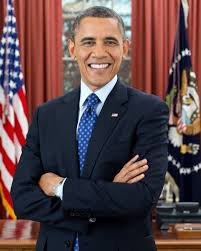
Barack Obama
Only on the eve of the first Presidential debate with Hillary Clinton—in September, 2016—did he finally admit that Obama had been born in the United States.
Then, on March 4, 2017, in a series of unhinged tweets, Trump accused Obama of tapping his Trump Tower phones prior to the election:
“Terrible! Just found out that Obama had my ‘wires tapped’ in Trump Tower just before the victory. Nothing found. This is McCarthyism!”
Thus, without offering a shred of evidence to back it up, Trump accused his predecessor of committing an impeachable offense.
Both the FBI and Justice Department have vigorously refuted this slander.
Trump’s all-out effort to destroy the Affordable Care Act—nicknamed “Obamacare”—has been driven by his mania to erase every vestige of the Obama Presidency.
Even attending a Boy Scout Jamboree became, for Trump, a way to attack the former President.
“By the way, just a question. Did President Obama ever come to a jamboree?” Trump asked the crowd of 40,000, encouraging them to boo Obama. And many of them did.
As President, he has bullied and insulted even his own handpicked Cabinet officers and White House officials.
- His press secretary, Sean Spicer, quit on July 21. The reason: He believed—correctly—that his loyalty to Trump had become a one-way street. Trump kept him in the dark about events Spicer needed to know—such as an interview that Trump arranged with the New York Times—and which ended disastrously for Trump.
- Trump has waged a Twitter-laced feud against Jeff Sessions, his Attorney General. Sessions’ “crime”? Recusing himself from any decisions involving investigations into well-established ties between Russian Intelligence agents and members of Trump’s Presidential campaign.
- Trump has publicly said that if he had known Sessions would recuse himself—because of his past contacts with Russian officials—he would have picked someone else for Attorney General.
- Trump repeatedly humiliated his chief of staff, Reince Priebus—at one point ordering him to kill a fly that was buzzing about. On July 28, Priebus resigned.
As Americans have watched Trump’s behavior with morbid fascination, many of them have asked: “What makes him do the things he does?”
It’s a question asked–and answered—in the 1993 Western, Tombstone. And the answer given in that movie may be just hold the answer to the question so many Americans are now asking about Trump.
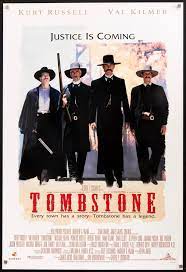
Tombstone recounts the legendary blood feud between the Ike Clanton outlaw gang and the Earp brothers—Wyatt, Morgan and Virgil—in the famous gold-mining town in 1880s Arizona.
Wyatt Earp has been challenged to a gunfight by quick-trigger gunman Johnny Ringo. Although he impulsively accepted the challenge, Wyatt now realizes he’s certain to be killed. Thus follows this exchange with his longtime friend, the pistol-packing dentist, John H. “Doc” Holliday:
WYATT EARP: What makes a man like Ringo, Doc? What makes him do the things he does?
JOHN H. “DOC” HOLLIDAY: A man like Ringo….got a great empty hole right through the middle of him. He can never kill enough or steal enough….or inflict enough pain to ever fill it.
EARP: What does he need?
HOLLIDAY: Revenge.
EARP: For what?
HOLLIDAY: Bein’ born.
Donald Trump was born into a world of wealth and privilege. His father gave him $200 million, which he channeled into a real estate empire. He has claimed to be worth a billion dollars.
He has been linked—often by his own boasts—to some of the most beautiful women in the world. He has been a major force on TV through his “reality show,” The Apprentice. He has literally stamped his name on hundreds of buildings.
And now he holds the Presidency of the United States, the most powerful office in the Western world.
Yet he remains filled with a poisonous hatred that encompasses almost everyone. Since taking office, he has offered nothing positive in his agenda.
Instead, he has focused his efforts on what he can take from others. At the top of his list: The Affordable Health Act, which provides access to medical care for millions who previously could not obtain it.
As first-mate Starbuck says of Captain Ahab in Herman Melville’s classic novel, Moby Dick: “He is a champion of darkness.”
ABC NEWS, ALEX ACOSTA, ALTERNET, ANASTAS MIKOYAN, AP, BBC, BUZZFEED, CBS NEWS, CNN, DAILY KOS, DEPARTMENT OF AGRICULTURE, DEPARTMENT OF HEALTH AND HUMAN SERVICES, DEPARTMENT OF JUSTICE, DEPARTMENT OF LABOR, DEPARTMENT OF TRANSPORTATION, DONALD TRUMP, ELAINE CHAO, FACEBOOK, FBI, GEORGI MALENKOV, JAMES COMEY, JEFF SESSIONS, JOSEPH STALIN, KIM JONG ON, KLIMENT VOROSHILOV, LAVRENTI P. BERIA, MICK MULVANEY, MIKE PENCE, MOTHER JONES, MOVEON, NBC NEWS, NEWSWEEK, NIKKI HALEY, NPR, OFFICE OF MANAGEMENT AND BUDGET, POLITICO, RAW STORY, REINCE PRIEBUS, REUTERS, ROBERT PAYNE, SALON, SEATTLE TIMES, SLATE, SONNY PERDUE, SOVIET UNION, THE ATLANTIC, THE CHICAGO SUN-TIMES, THE CHICAGO TRIBUNE, THE DAILY BEAST, THE GUARDIAN, THE HILL, THE HUFFINGTON POST, THE LOS ANGELES TIMES, THE NEW YORK TIMES, THE RISE AND FALL OF STALIN, THE WALL STREET JOURNAL, THE WASHINGTON POST, TIME, TOM PRICE, TWITTER, U.S. NEWS & WORLD REPORT, UNITED NATIONS, UNITED STATES ATTORNEY GENERAL, UPI, USA TODAY, VYACHESLAV MOLOTOV
In Bureaucracy, History, Politics, Social commentary on June 15, 2017 at 12:02 am
On December 21, 1949, Joseph Vissarionovich Djugashvili turned 70. And millions of Russians feverishly competed to out-do one another in singing his praises.
These celebrations weren’t prompted by love–but fear.
For the man being so honored was internationally known by a far different name: Stalin, which in Russian means: “Man of Steel.”
He had lived up to it: For almost 30 years, through purges and starvation caused by enforced collections of farmers’ crops, he had slaughtered 20 to 60 million people.
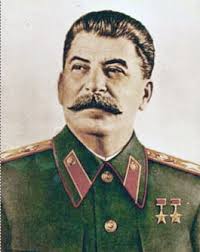
Joseph Stalin
The British historian, Robert Payne, described these rapturous events in his classic 1965 biography, The Rise and Fall of Stalin:
“The guns blazed in salute, the processions marched across the Red Square, and huge balloons bearing the features of a younger Stalin climbed into the wintry sky.
“The official buildings were draped in red, the color of happiness. From all over the country came gifts of embroidered cloth, tapestries and carpets bearing his name or his features.
“Ornamental swords, cutlasses, tankards, cups, everything that might conceivably please him, were sent to the Kremlin, and then displayed in the State Museum of the Revolution….Poets extolled him in verses, He was the sun, the splendor, the lord of creation.
“The novelist Leonid Lenov…foretold the day when all the peoples of the earth would celebrate his birthday; the new calendar would begin with the birth of Stalin rather than with the birth of Christ.”
Lavrenti P. Beria, Stalin’s sinister and feared secret police chief, oozed: “Millions of fighters for peace and democracy in all countries of the world are closing their ranks still firmer around Comrade Stalin.”
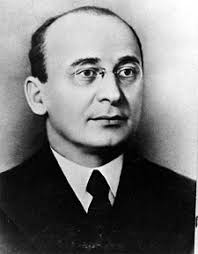
Lavrenti P. Beria
“With a feeling of great gratitude, turning their eyes to Stalin,” gushed Central Committee Secretary Georgi Malenkov, “the peoples of the Soviet Union, and hundreds of millions of peoples in all countries of the world, and all progressive mankind, see in Comrade Stalin their beloved leader and teacher….”
“The mighty voice of the Great Stalin, defending the peace of the world, has penetrated into all corners of the globe,” enthused Defense Commissar Kliment Voroshilov.
“Without Comrade Stalin’s special care,” extolled Trade and Supply Minister Anastas Mikoyan, “we would have never have had a network of meat combines equipped with the latest machinery, canneries and sugar refineries, a fishing industry….”
Foreign Minister Vyacheslav Molotov: “The gigantic Soviet army created during [World War II] was under the direct leadership of Comrade Stalin and built on the basis of the principles of Stalinist military science.”
So those Americans with a sense of history were alarmed and disgusted upon watching President Donald J. Trump–also 70–convene his first full Cabinet meeting since taking office on January 20.
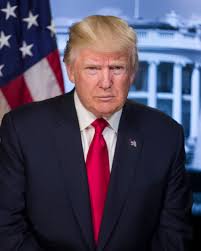
Donald Trump
On June 12, polls showed that only 36% of Americans approved of his conduct. But from his Cabinet members, Trump got praise traditionally lavished on dictators like Stalin and North Korea’s Kim Jong On.
While the Cabinet members sat around a mahogany table in the West Wing of the White House, Trump instructed each one to say a few words about the good work his administration was doing.
“Start with Mike,” ordered Trump, referring to Vice President Mike Pence.
“It is the greatest privilege of my life to serve as the vice president to a president who is keeping his word to the American people,” Pence dutifully said.
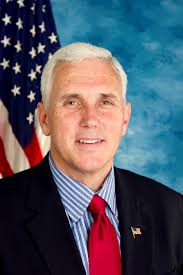
Mike Pence
Then it was the turn of Attorney General Jeff Sessions: “It’s an honor to be able to serve you.”
“My hat’s off to you,” oozed Energy Secretary Rick Perry, referring to Trump’s decision to withdraw from the Paris climate agreement.
Secretary of Agriculture Sonny Perdue: “I just got back from Mississippi. They love you there.”
“What an incredible honor it is to lead the Department of Health and Human Services at this pivotal time under your leadership,” gushed Tom Price. “I can’t thank you enough for the privilege that you’ve given me, and the leadership you’ve shown.”
Secretary of Labor Alex Acosta raved: “I’m deeply honored and I want to thank you for keeping your commitment to the American workers.”
“Thank you for coming over to the Department of Transportation,” eulogized Elaine Chao, its secretary. “I want to thank you for getting this country moving again, and also working again.”
“On behalf of the entire senior staff around you, Mr. President,” said Reince Prebus, Trump’s chief of staff, “we thank you for the opportunity and the blessing you’ve given us to serve your agenda and the American people, and we’re continuing to work very hard every day to accomplish those goals.”
Mick Mulvaney, director of the Office of Management and Budget: “At your direction, we were able to also focus on the forgotten men and women who are paying taxes, so I appreciate your support on pulling that budget together.”
On June 8, former FBI Director James Comey had testified before the Senate Select Committee on Intelligence.
Among the charges he aimed at Trump: The President had demanded a pledge of personal loyalty in return for Comey’s keeping his job.
This would have made Comey his secret police chief.
Comey had refused to give this. And Trump had fired him.
Trump publicly denied this.
Then came the Cabinet meeting–and all the proof anyone needed.
ABC NEWS, ADOLF HITLER, ALTERNET, AP, BBC, BUZZFEED, CBS NEWS, CNN, DAILY KOS, DIMITRI SHOSTAKOVICH, DONALD TRUMP, FACEBOOK, FBI, GREAT TERROR, JAMES COMEY, JEFF SESSIONS, JOSEPH STALIN, KEITH SCHILLER, MIKE FLYNN, MIKHAIL TUKHACHEVESKY, MOTHER JONES, MOVEON, NAZI GERMANY, NBC NEWS, NEWSWEEK, NICCOLO MACHIAVELLI, NIKITA KHRUSHCHEV, NIKOLAI ZHILAYEV, NPR, POLITICO, RAW STORY, REUTERS, ROBERT MEULLER 111, ROD ROSENSTEIN, RUSSIAN ESPIONAGEky, SALON, SEATTLE TIMES, SENATE INTELLIGENCE COMMITTEE, SERGEY KISLYAK, SERGEY LAVOV, SLATE, SOVIET UNION, THE ATLANTIC, THE CHICAGO SUN-TIMES, THE CHICAGO TRIBUNE, THE DAILY BEAST, THE DISCOURSES, THE GUARDIAN, THE HILL, THE HUFFINGTON POST, THE LOS ANGELES TIMES, THE NEW YORK TIMES, THE WALL STREET JOURNAL, THE WASHINGTON POST, TIME, TWITTER, U.S. NEWS & WORLD REPORT, UPI, USA TODAY, WEHRMACHT, WORLD WAR 11
In Bureaucracy, History, Law, Law Enforcement, Military, Politics, Social commentary, Uncategorized on June 7, 2017 at 12:15 am
Nikolai Sergeyvich Zhilayev (pronounced Zill-lay-ev) was a Russian musicologist and the teacher of several 20th-century Russian composers.
Among these: Dimitri Shostakovich.
Among his friends–to his ultimate misfortune–was Mikhail Tukhachevsky, the former military hero now falsely condemned and executed as a traitor by Soviet dictator Joseph Stalin.
In 1938, Zhilayev, too, became a casualty of what has become known as The Great Terror.
In his posthumously-published memoirs, Testimony, Shostakovich, his pupil and friend, described how Zhilayev faced his end with a calmness that awed even the NKVD (the predecessor to the KGB) secret police sent to arrest him.
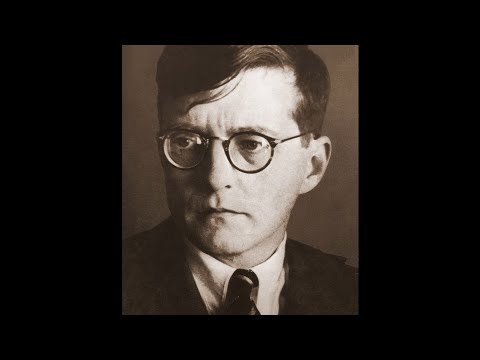
Dimitri Shostakovich
“He had a large picture of Tukhachevsky in his room, and after the announcement that Tukhachevsky had been shot as a traitor to the homeland, Zhilayev did not take the picture down.
“I don’t know if I can explain how heroic a deed that was….As soon as the next poor soul was declared an enemy of the people, everyone destroyed in a panic everything connected with that person.
“If the enemy of the people wrote books, they threw away his books. If they had letters from him, they burned the letters. The mind can’t grasp the number of letters and papers burned in that period…
“And naturally, photographs flew into the fire first, because if someone informed on you, reported that you had a picture of an enemy of the people, it meant certain death.
“Zhilayev wasn’t afraid. When they came for him, Tukhachevsky’s prominently hung portrait amazed even the executioners.”
“What, it’s still up?” one of the secret police asked.
“The time will come,” Zhilayev replied, “when they’ll erect a monument to him.”
As, in fact, has happened.

Mikhail Tukhachevsky appears on a 1963 Soviet Union postage stamp
Third hero–James Brien Comey (December 14, 1960)
Comey served as United States Attorney (federal prosecutor) for the Southern District of New York (2002-2003).
As United States Deputy Attorney General (2003-2005), he opposed the warrantless wiretapping program of the George W. Bush administration. He also argued against the use of water boarding as an interrogation method.
In 2005, he entered the private sector as General Counsel and Senior Vice President for Lockheed Martin, the biggest contractor for the Department of Defense.
On July 29, 2013, the United States Senate voted 93 -1 to confirm Comey as director of the FBI, the seventh in its history.

James B. Comey
He directed the FBI from his appointment in 2013 by President Barack Obama until his firing on May 9 by President Donald Trump.
In a move that Joseph Stalin would have admired, Trump gave no warning of his intentions. Instead, he sent Keith Schiller, his longtime bodyguard, to the FBI with a letter announcing Comey’s dismissal.
Trump had three reasons for firing Comey:
- Comey had refused to pledge his personal loyalty to Trump. Trump had made this “request” during a private dinner at the White House in January. After refusing to make that pledge, Comey told Trump that he would always be honest with him. But that didn’t satisfy Trump’s demand that the head of the FBI act as his personal secret police chief.
- Trump had tried to coerce him into dropping the FBI’s investigation into former National Security Adviser Mike Flynn, for his secret ties to Russia and Turkey. Comey had similarly resisted that demand.
- Comey had recently asked the Justice Department to fund an expanded FBI investigation into contacts between Trump’s 2016 Presidential campaign and Russian Intelligence agents.
As a Presidential candidate and President, Trump has:
- Steadfastly denied those revelations;
- Repeatedly attacked the “fake news” media reporting these revelations. Chief among his targets: CNN, The New York Times and The Washington Post; and
- Attacked the Intelligence agencies responsible for America’s security.
On May 10–the day after firing Comey–Trump met in the Oval Office with Russian Foreign Minister Sergey Lavov and Russian Ambassador Sergey Kislyak.
Kislyak is reportedly a top recruiter for Russia’s SVR foreign intelligence agency. He has been closely linked with Jeff Sessions, now Attorney General, and fired National Security Adviser Mike Flynn.
“I just fired the head of the F.B.I.,” Trump told the two dignitaries. “He was crazy, a real nut job. I faced great pressure because of Russia. That’s taken off.”
During that meeting he gave the Russians sensitive Intelligence on ISIS that had been supplied by Israel.
Two days later, on May 12, Trump tweeted a threat to the fired FBI director: “James Comey better hope that there are no ‘tapes’ of our conversations before he starts leaking to the press.”
But shortly afterward, it appeared Trump was the one who should worry: Reports surfaced that Comey had written memos to himself immediately after his private meetings with Trump.
He had also told close aides that Trump was trying to pressure him into dropping the investigation into close ties between Russian Intelligence agents and Trump campaign staffers.
The firing led directly to a result Trump did not anticipate: Acting Attorney General Rod Rosenstein yielded to demands from Democrats and appointed former FBI Director Robert Meuller III as a special prosecutor to investigate those ties.
And, on June 8, James Comey was scheduled to give his much-anticipated version of events before the United States Senate Intelligence Committee.
ABC NEWS, ADOLF HITLER, ALTERNET, AP, BBC, BUZZFEED, CBS NEWS, CNN, DAILY KOS, DIMITRI SHOSTAKOVICH, DONALD TRUMP, FACEBOOK, FBI, GREAT TERROR, JAMES COMEY, JEFF SESSIONS, JOSEPH STALIN, KEITH SCHILLER, MIKE FLYNN, MIKHAIL TUKHACHEVESKY, MOTHER JONES, MOVEON, NAZI GERMANY, NBC NEWS, NEWSWEEK, NICCOLO MACHIAVELLI, NIKITA KHRUSHCHEV, NIKOLAI ZHILAYEV, NPR, POLITICO, RAW STORY, REUTERS, ROBERT MEULLER 111, ROD ROSENSTEIN, RUSSIAN ESPIONAGEky, SALON, SEATTLE TIMES, SENATE INTELLIGENCE COMMITTEE, SERGEY KISLYAK, SERGEY LAVOV, SLATE, SOVIET UNION, THE ATLANTIC, THE CHICAGO SUN-TIMES, THE CHICAGO TRIBUNE, THE DAILY BEAST, THE DISCOURSES, THE GUARDIAN, THE HILL, THE HUFFINGTON POST, THE LOS ANGELES TIMES, THE NEW YORK TIMES, THE WALL STREET JOURNAL, THE WASHINGTON POST, TIME, TWITTER, U.S. NEWS & WORLD REPORT, UPI, USA TODAY, WEHRMACHT, WORLD WAR 11, WORLD WAR ii
In Bureaucracy, History, Law, Law Enforcement, Military, Politics, Social commentary on June 6, 2017 at 12:02 am
…A truly great man is ever the same under all circumstances. And if his fortune varies, exalting him at one moment and oppressing him at another, he himself never varies, but always preserves a firm courage, which is so closely interwoven with his character that everyone can readily see that the fickleness of fortune has no power over him.
The conduct of weak men is very different. Made vain and intoxicated by good fortune, they attribute their success to merits which they do not possess. And this makes them odious and insupportable to all around them. And when they have afterwards to meet a reverse of fortune, they quickly fall into the other extreme, and become abject and vile.
–Niccolo Machiavelli, The Discourses
Three heroes, two villains.
Two of the heroes are Russian; the third is an American.
The villains: One Russian (actually, Georgian); one American.
First up–in order of disappearance: Mikhail Nikolayevich Tukhachevsky (pronounced too-ka-chev-sky)
Tukhachevsky (February 4, 1893 – June 12, 1937) was a leading Soviet military leader and theoretician from 1918 to 1937.
He commanded the Soviet Western Front during the Russian-Polish War (1920-21) and served as Chief of Staff of the Red Army (1925-1928).
He fought to modernize Soviet armament, as well as develop airborne, aviation and mechanized forces. Almost singlehandedly, he created the theory of deep operations for Soviet forces.

Mikhail Tukhachevsky
All of these innovations would reap huge dividends when the Soviet Union faced the lethal fury of Adolf Hitler’s Wehrmacht.
In 1936, Tukhachevsky warned Soviet dictator Joseph Stalin that Nazi Germany might attack without warning–and ignite a long and murderous war.
Stalin–the son of a Georgian cobbler–resented Tukhachevsky’s coming from a noble family. A monumental egomaniac, he also hated that Tukhachevesky’s fame rivaled his own.
Warned of the approaching German danger, Stalin shouted: “What are you trying to do–frighten Soviet authority?”
Joseph Stalin
The attack that Tukhachevsky warned against came five years later on June 22, 1941, leaving at least 20 million Russians dead.
But Tukhachevsky wasn’t alive to command a defense.
The 1930s were a frightening and dangerous time to be alive in the Soviet Union. In 1934, Stalin, seeing imaginary enemies everywhere, ordered a series of purges that lasted right up to the German invasion.
In 1937-38, the Red Army fell prey to Stalin’s paranoia.
Its victims included:
- Three of five marshals (five-star generals);
- Thirteen of 15 army commanders (three- and four-star generals);
- Fifty of 57 army corps commanders; and
- One hundred fifty-four out of 186 division commanders.
And heading the list of those marked for death was Marshal Mikhail Tukhachevsky.
Arrested on May 22, 1937, he was interrogated and tortured. As a result, he “confessed” to being a German agent plotting to overthrow Stalin and seize power.
On his confession, which survives in the archives, his bloodstains can clearly be seen.
On June 11, the Soviet Supreme Court convened a special military tribunal to try Tukhachevsky and eight generals for treason.
It was a sham: The accused were denied defense attorneys, and could not appeal the verdict–which was foregone: Death.
In a Russian version of poetic justice, five of the eight generals who served as Tukhachevsky’s judges were themselves later condemned and executed as traitors.
Within hours of the verdict, Tukhachevsky was summoned from his cell and shot once in the back of the head.
From 1937 until 1956, Tukhachevsky was officially declared a traitor and fifth-columnist.
Then, on February 25, 1957, Soviet Premier Nikita Khrushchev delivered his bombshell “Secret Speech” to the 20th Congress of the Communist Party of the Soviet Union.
In this, he denounced Stalin (who had died in 1953) as a ruthless tyrant responsible for the slaughter of millions of innocent men, women and children. He condemned Stalin for creating a “personality cult” around himself, and for so weakening the Red Army that Nazi Germany was able to easily overrun half of the Soviet Union from 1941 to 1943.
On January 31, 1957, Tukhachevsky and his co-defendants were declared innocent of all charges and were “rehabilitated.”
Today, he is once again considered a Russian hero and military genius.
Next hero: Nikolai Sergeyvich Zhilayev (pronounced Zill-lay-ev)
Zhilayev (November 18, 1881 – January 20, 1938) was a Russian musicologist and the teacher of several 20th-century Russian composers. Among these: Dimitri Shostakovich.
Zhilayev, a member of the Russian Academy of Art-Sciences, taught at the Moscow Conservatory. Among his friends–to his ultimate misfortune–was Mikhail Tukhachevsky.
In 1938, he, too, became a casualty of what has become known as The Great Terror.
In his posthumously-published memoirs, Testimony, Shostakovich, his pupil and friend, described how Zhilayev faced his end with a calmness that awed even the NKVD (the predecessor to the KGB) secret police sent to arrest him.
ABC NEWS, ALTERNET, AMERICAN NAZI PARTY, ANTI-SEMITISIM, AP, BARACK OBAMA, BBC, BLACKS, BREITBART NEWS, BUZZFEED, CBS NEWS, CIA, CNN, DAILY KOS, DEMOCRATIC NATIONAL COMMITTEE, DONALD TRUMP, EGOMANIA, ERIC SCHNEIDERMAN, EXTORTION, EXXONMOBIL, FACE THE NATION, FACEBOOK, FOX NEWS SUNDAY, GOLDEN SHOWERS REPORT, HILLARY CLINTON, HOWARD BAKER, IVANKA TRUMP, JAMES R. CLAPPER, JEFF SESSIONS, KU KLUX KLAN, MEIN KAMPF, MEXICANS, MIKE FLYNN, MORNING JOE, MOSCOW RITZ-CARLTON, MOTHER JONES, MOVEON, MUSLIMS, NATIONAL SECURITY AGENCY, NATO, NBC NEWS, NEWSWEEK, NPR, P.O.W.’S, PAM BONDI, PAUL MANAFORT, POLITICO, RAW STORY, REPUBLICAN NATIONAL CONVENTION, REPUBLICAN PARTY, REUTERS, REX TILLERSON, RICHARD NIXON, ROGER AILES, Ronald Reagan, SALON, SEATTLE TIMES, SEXUAL HARASSMENT, SLATE, SOVIET UNION, STEVEN BANNON, TAX RETURNS, THE ATLANTIC, THE CHICAGO SUN-TIMES, THE CHICAGO TRIBUNE, THE DAILY BEAST, THE GUARDIAN, THE HILL, THE HUFFINGTON POST, THE LOS ANGELES TIMES, THE NEW YORK TIMES, THE WALL STREET JOURNAL, THE WASHINGTON POST, THREATS, TIME, TREASON, TRUMP UNIVERSITY, TWITTER, U.S. NEWS & WORLD REPORT, UPI, USA TODAY, VLADIMIR PUTIN, WATERGATE
In Bureaucracy, History, Law, Law Enforcement, Politics, Social commentary on June 2, 2017 at 12:39 am
“What did the President know and when did he know it?”
It was the famous question asked by Tennessee U.S. Senator Howard Baker during the 1973 Watergate hearings.

Howard Baker
The question cut to the core of President Richard Nixon’s litany of crimes. And the fact that it was posed by a Republican gave it added power.
More than a year later, Americans learned its answers:
- Nixon had learned that his own White House “Plumbers” had carried out a burglary of the Democratic National Committee at the Watergate Hotel; and
- Only days afterward, he ordered a cover-up.
With those revelations, his Presidency was finished.
America has endured four months of the Donald J. Trump Presidency. And his poll ratings have steadily fallen since he took office. As of May 22-28, it stands at 41%.
And, once again, Howard Baker’s slightly altered question resonates with force: “What did the American people know, and when did they know it?”
And the subject of that question is not Richard Nixon but Donald Trump.
Since taking office, Trump has been besieged by reports that members of his 2016 campaign staff collaborated with Russian Intelligence agents to secure his election.
One of these was retired general Mike Flynn–Trump’s choice for National Security Adviser. He was forced to resign after only 23 days in office when news broke of his collusion.
And numerous members of his Cabinet–such as Attorney General Jeff Sessions and Secretary of State Rex Tillerson and even Trump son-in-law Jared Kushner–have close ties to Russian dictator Vladimir Putin or those who act in his name.
Trump has attacked these charges as “fake news”–while supplying no evidence to refute them.
But long before the election, Americans had more than enough knowledge about Trump to judge him unfit for the Oval Office.
- He unknowingly admitted to being a sexual predator of women: “You know I’m automatically attracted to beautiful–I just start kissing them. It’s like a magnet. Just kiss. I don’t even wait. And when you’re a star they let you do it. You can do anything. Grab them by the pussy. You can do anything.”
Donald Trump
- He refused to release his tax returns–unlike every other Presidential candidate since Ronald Reagan in 1980.
- He said he was prepared to withdraw from NATO, the American-European alliance that held the Soviet Union at bay for a half-century.
- He often and publicly praised Russian President Vladimir Putin, the absolute dictator of a foreign power hostile to the United States.
- He publicly invited “Russia”–i.e., Putin–to interfere directly in an American Presidential election: “I will tell you this, Russia: If you’re listening, I hope you’re able to find the 30,000 [Hillary Clinton] emails that are missing. I think you will probably be rewarded mightily by our press.”
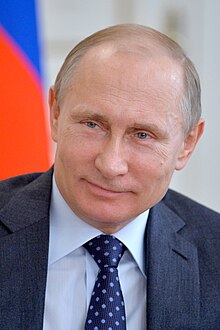
Vladimir Putin
- He surrounded himself with men who have close ties to Putin. One of these was Paul Manafort, his former campaign manager. His longstanding ties to pro-Russian politicians in Ukraine lead directly to Putin.
- Another was Roger Stone, self-confessed political dirty trickster and former business partner of Paul Manafort. Stone had extensive contacts with hacker Guccifer 2.0, whom the CIA, NSA and FBI believe was actually a front for GRU, Russian military intelligence.
- Yet another Trump advisor, Roger Ailes, was a known sexual predator. Hired to prepare Trump for the fall debates with Clinton, he was fired in July as CEO of Fox News on multiple charges of sexual harassment.
- During the 2016 campaign, Trump received the enthusiastic support of the Ku Klux Klan and the American Nazi Party.

Ku Klux Klan emblem
- Florida Attorney General Pam Bondi personally solicited a political contribution from Donald Trump around the same time her office deliberated joining an investigation of alleged fraud at Trump University and its affiliates.
- After Bondi dropped the Trump University case against Trump, he wrote her a $25,000 check for her re-election campaign. The money came from the Donald J. Trump Foundation.
- On November 18, Trump–rather than face trial–settled the case out of court for $25 million. “Today’s $25 million settlement agreement is a stunning reversal by Donald Trump,” said New York Attorney General Eric Schneiderman, “and a major victory for the over 6,000 victims of his fraudulent university.
- Throughout the 2016 Presidential campaign, Trump repeatedly used threats of violence to intimidate his Republican and Democratic opponents.
- On March 16, he warned Republicans that if he didn’t win the GOP nomination in July, his supporters would literally riot: “I think you’d have riots. I think you would see problems like you’ve never seen before. I think bad things would happen. I really do. I wouldn’t lead it, but I think bad things would happen.
- On August 9, Trump issued a veiled solicitation for the assassination of Democratic Presidential candidate Hillary Clinton: “Hillary wants to abolish, essentially abolish, the Second Amendment. If she gets to pick her [Supreme Court] judges, nothing you can do folks. Although the Second Amendment people, maybe there is, I don’t know.”
- After slandering President Barack Obama for five years as “the President from Kenya,” he blatantly lied: “Hillary Clinton and her campaign of 2008 started the birther controversy. I finished it.”
2016 PRESIDENTIAL CAMPAIGN, ABC NEWS, ALTERNET, AMERICABLOG, AP, BABY BOOMER RESISTANCE, BARACK OBAMA, BBC, BLOOMBERG NEWS, BUZZFEED, CBS NEWS, CLINTON WATTS, CNN, CROOKS AND LIARS, CYBERWARFARE, DAILY KOS, DAILY KOZ, DEMOCRATIC NATIONAL COMMITTEE, DONALD TRUMP, ESPIONAGE, EUROPEAN UNION (EU), FACEBOOK, FBI, FIVETHIRTYEIGHT, HARPER’S MAGAZINE, HILLARY CLINTON, HUFFINGTON POST, JEFF SESSIONS, JOE SCARBOROUGH, MEDIA MATTERS, MICHAEL T. FLYNN, MIKE PENCE, MOTHER JONES, MOVEON, MSNBC, NBC NEWS, NEW REPUBLIC, NEWSDAY, NEWSWEEK, NORTH ATLANTIC TREATY ORGANIZATION (NATO), NPR, PBS NEWSHOUR, POLITICO, POLITICUSUSA, RAW STORY, REUTERS, REX TILLERSON, RUSSIA, SALLY YATES, SALON, SEATTLE TIMES, SLATE, TALKING POINTS MEMO, THE ATLANTIC, THE CHICAGO SUN-TIMES, THE CHICAGO TRIBUNE, THE DAILY BEAST, THE DAILY BLOG, THE GUARDIAN, THE HILL, THE HUFFINGTON POST, THE INTERCEPT, THE LOS ANGELES TIMES, THE NATION, THE NEW REPUBLIC, THE NEW YORK TIMES, THE NEW YORKER, THE VILLAGE VOICE, THE WALL STREET JOURNAL, THE WASHINGTON POST, THINKPROGRESS, TIME, TRUTHDIG, TRUTHOUT, TWITTER, TWO POLITICAL JUNKIES, U.S. NEWS & WORLD REPORT, U.S. SENATE SELECT COMMITTEE ON INTELLIGENCE, UPI, USA TODAY, VLADIMIR PUTIN, WIKILEAKS
In Bureaucracy, History, Military, Politics, Social commentary on April 5, 2017 at 12:08 am
“We do not need a reckless President who believes she is above the law.”
As chants of “Lock her up!” spread across the floor of the Republican National Convention, Michael T. Flynn voiced his agreement. “Lock her up—that’s right.”
Movie-star handsome, the former United States Army lieutenant general and director of the Defense Intelligence Agency was clearly enjoying his moment as a keynote speaker.
Clapping his hands, he continued: “I’m gonna tell you what. It’s unbelievable—unbelievable.
“I have called on Hillary Clinton to drop out of the race, because she—she—put our nation’s security at extremely high risk for their careless use of a private email server.
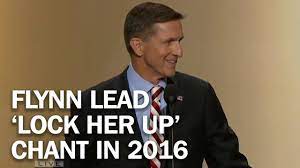
Michael Flynn at the Republican convention
“Lock her up–lock her up. You guys [the audience] are good. Damn right—that’s exactly right. There’s nothing wrong with that.
“You know why we’re saying that? We’re saying that because if I—a guy who knows this business—if I did a tenth of what she did, I would be in jail today.”
That was July 18, 2016.
Six months and two days later, he was riding even higher: On January 20—the day Donald J. Trump became President—Flynn took office as the nation’s 25th National Security Adviser.
Two days later, The Wall Street Journal reported that Flynn was under investigation by U.S. counterintelligence agents for his communications with Russian officials.
On February 8, Flynn flatly denied having spoken to Russian ambassador Sergey Kislyak in December, 2016, about removing the sanctions placed on Russia by the outgoing Obama administration.
The sanctions had been placed in retaliation for Russia’s efforts to manipulate the 2016 Presidential election.
On February 13, The Washington Post reported that Acting Attorney General Sally Yates had warned Trump in late January that Flynn had lied about his contacts with Kislyak—and that he could be blackmailed by Russian Intelligence.
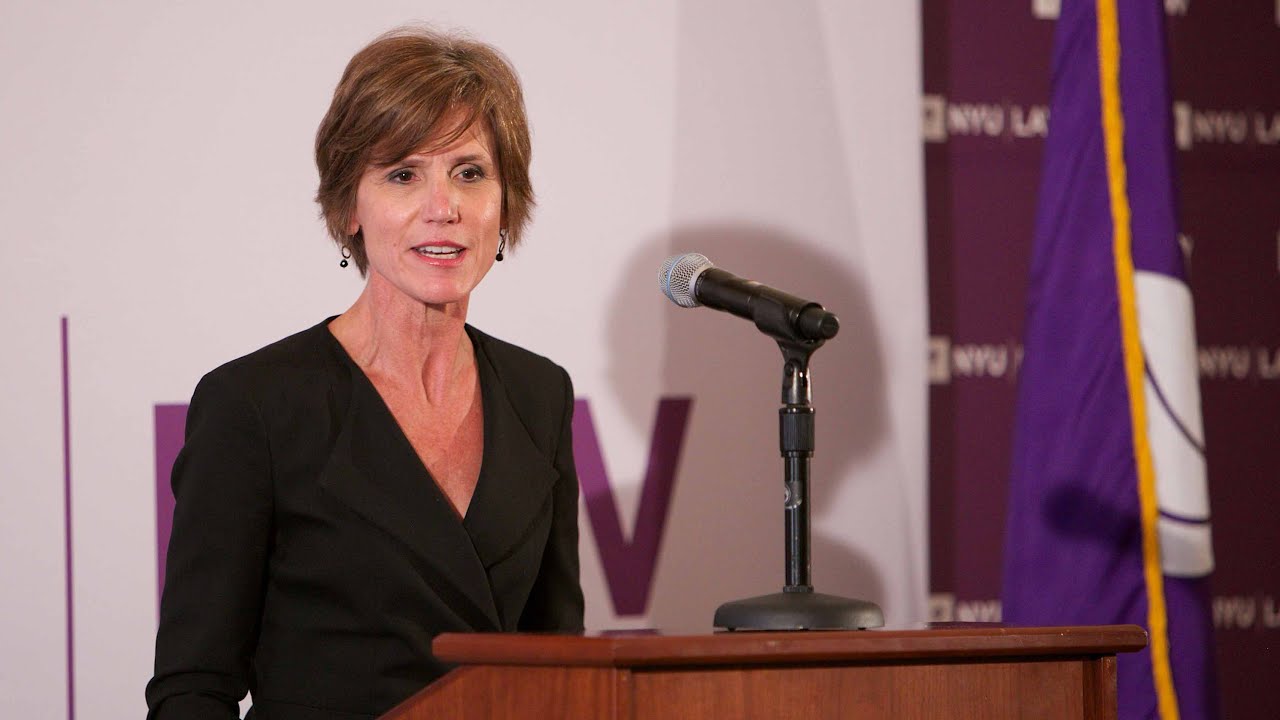
Sally Yates
Flynn was forced to resign that same day–after only 24 days as National Security Adviser.
Officially, the reason given was that he had misled Vice President Mike Pence. But Flynn’s deception had already been known—via the warning to Trump by Yates.
Only after Yates’ warning became known to the media was Flynn forced to resign.
Even worse for Flynn: The same Washington Post story reported that, in December, 2015, he had appeared on Russia Today, the news network that American Intelligence agencies consider “the Kremlin’s principal international propaganda outlet.”
He had also received more than $45,000 as a “speaking fee” from the network for a talk on world affairs. At the gala where Flynn received the fee, he sat next to Vladimir Putin for dinner.
Flynn did not file the required paperwork for the trip. Nor did he report the “fee” to the Pentagon.
On March 30, The Wall Street Journal reported that Flynn had offered to testify to the FBI or the Senate and House Intelligence committees in exchange for immunity from prosecution. So far, neither the FBI nor the Congressional Intelligence committees has agreed to such a deal.
Meanwhile, as a Presidential candidate and President, Donald Trump has steadfastly denied the revelations about collaboration between members of his 2016 Presidential campaign and Russian Intelligence agents.
Donald Trump
He has repeatedly attacked the “fake news” media reporting these revelations. Chief among his targets: CNN, The New York Times and The Washington Post.
He has also derided the Intelligence agencies responsible for America’s security.
On October 7, 2016, the Department of Homeland Security and the Office of the Director of National Intelligence issued a joint statement blaming the Russian government for the hacking of Democratic National Committee emails. Its motive: “To interfere with the US election process.”
Two days later, Trump publicly stated: “But I notice, anytime anything wrong happens, they like to say the Russians are– Maybe there is no hacking. But they always blame Russia.”
On March 4, Trump unleashed a series of tweets accusing former President Barack Obama of tapping his Trump Tower phones prior to the election: “How low has President Obama gone to tapp my phones during the very sacred election process. This is Nixon/Watergate. Bad (or sick) guy!”
One month later, Trump has offered no evidence to support that accusation. Nor have the FBI and Justice Department provided any. Yet Trump has refused to apologize or retract the libel.
Former Obama White House Press Secretary Josh Earnest has his own take on Trump’s motivation. Appearing on the March 5 edition of ABC’s This Week, he said:
“We know exactly why President Trump tweeted what he tweeted.
“Because there is one page in the Trump White House crisis management playbook. And that is simply to tweet or say something outrageous to distract from the scandal, and the bigger the scandal, the more outrageous the tweet.”
In time, the epitaph for the Trump administration may prove to be a bitter parody of The Muppet Movie song, “The Rainbow Connection”:
Why are there so many
Tales about Russians
And Right-wingers taking bribes?
Russians are Commies
And have lots of rubles
For traitors with something to hide.
So I’ve been told
And some choose to believe it.
It’s clear as the old KGB.
Someday we’ll find it
The Russian Connection–
The bribers, the traitors–you’ll see.
2016 PRESIDENTIAL CAMPAIGN, ABC NEWS, ALTERNET, AMERICABLOG, AP, BABY BOOMER RESISTANCE, BARACK OBAMA, BBC, BLOOMBERG NEWS, BUZZFEED, CBS NEWS, CLINTON WATTS, CNN, CROOKS AND LIARS, CYBERWARFARE, DAILY KOS, DAILY KOZ, DEMOCRATIC NATIONAL COMMITTEE, DONALD TRUMP, ESPIONAGE, EUROPEAN UNION (EU), FACEBOOK, FBI, FIVETHIRTYEIGHT, HARPER’S MAGAZINE, HILLARY CLINTON, HUFFINGTON POST, JEFF SESSIONS, JOE SCARBOROUGH, MEDIA MATTERS, MICHAEL T. FLYNN, MIKE PENCE, MOTHER JONES, MOVEON, MSNBC, NBC NEWS, NEW REPUBLIC, NEWSDAY, NEWSWEEK, NORTH ATLANTIC TREATY ORGANIZATION (NATO), NPR, PBS NEWSHOUR, POLITICO, POLITICUSUSA, RAW STORY, REUTERS, REX TILLERSON, RUSSIA, SALLY YATES, SALON, SEATTLE TIMES, SLATE, TALKING POINTS MEMO, THE ATLANTIC, THE CHICAGO SUN-TIMES, THE CHICAGO TRIBUNE, THE DAILY BEAST, THE DAILY BLOG, THE GUARDIAN, THE HILL, THE HUFFINGTON POST, THE INTERCEPT, THE LOS ANGELES TIMES, THE NATION, THE NEW REPUBLIC, THE NEW YORK TIMES, THE NEW YORKER, THE VILLAGE VOICE, THE WALL STREET JOURNAL, THE WASHINGTON POST, THINKPROGRESS, TIME, TRUTHDIG, TRUTHOUT, TWITTER, TWO POLITICAL JUNKIES, U.S. NEWS & WORLD REPORT, U.S. SENATE SELECT COMMITTEE ON INTELLIGENCE, UPI, USA TODAY, VLADIMIR PUTIN, WIKILEAKS
In Bureaucracy, History, Law Enforcement, Military, Politics, Social commentary on April 4, 2017 at 12:16 am
Slightly more than two months after taking office, President Donald Trump has become haunted by “the Russian connection.”
Throughout 2016, the CIA, FBI and National Security Agency (NSA) found numerous ties between officials of the Trump Presidential campaign and Russian Intelligence agents.
And many of those he has appointed to office have strong ties to the government of Russian President Vladimir Putin.
One of these is Secretary of State Rex Tillerson. In 2013, as the chief executive of ExxonMobil, he was presented with the 2013 Order of Friendship award. He had just signed deals with the state-owned Russian oil company Rosneft. Its chief, Igor Sechin, is a loyal Putin lieutenant.

Rex Tillerson
Another such official is Attorney General Jeff Sessions. During the 2016 campaign, Sessions–then serving as a surrogate for Donald Trump’s campaign–twice spoke with Russian Ambassador Sergey Kislyak.
But during his Senate nomination hearings, Sessions denied that he had had “communications with the Russians” during the campaign.
The discovery of numerous contacts between Trump campaign officials and Russian Intelligence agents led the FBI to launch an investigation into Russia’s efforts to influence the outcome of the 2016 Presidential election. That investigation is still ongoing.
And the House and Senate Intelligence Committees have launched their own investigations into the same.
On March 30, Clinton Watts, an expert on cyber warfare, testified before the U.S. Senate Select Committee on Intelligence. As part of his testimony, he presented a prepared statement on “Disinformation: A Primer In Russian Active Measures And Influence Campaigns.”

FROM WATTS’ STATEMENT: Russia certainly seeks to promote Western candidates sympathetic to their worldview and foreign policy objectives. But winning a single election is not their end goal.
Russian Active Measures hope to topple democracies….from the inside out [by] creating political divisions….
[Their ultimate goals are] the dissolution of the European Union and the break up of the North American Treaty Organization (NATO).
Achieving these two victories against the West will allow Russia to reassert its power globally and pursue its foreign policy objectives bilaterally through military, diplomatic and economic aggression.
Trump has repeatedly praised Russian President Vladimir Putin. On December 18, 2015, Trump appeared on MSNBC’s “Morning Joe.” Its host, Joe Scarborough, was upset by Trump’s praise for Putin:
SCARBOROUGH: Well, I mean, [he’s] also a person who kills journalists, political opponents, and invades countries. Obviously that would be a concern, would it not?
TRUMP: He’s running his country, and at least he’s a leader. Unlike what we have in this country.
SCARBOROUGH: But again: He kills journalists that don’t agree with him.
TRUMP: I think our country does plenty of killing, also, Joe, so, you know. There’s a lot of stupidity going on in the world right now, Joe. A lot of killing going on. A lot of stupidity. And that’s the way it is.
On July 22, 2016, Wikileaks released 19,252 emails and 8,034 attachments hacked from computers of the highest-ranking officials of the Democratic National Committee (DNC). Early reports traced the leak to Russian hackers.
At a press conference in Doral, Florida, Trump declared: “Russia, if you are listening, I hope you are able to find the 33,000 emails that are missing–I think you will probably be rewarded mightily by our press.”
This was nothing less than treason–calling upon a foreign power, hostile to the United States, to interfere in its Presidential election.
On December 16, 2016, FBI Director James B. Comey and Director of National Intelligence James R. Clapper Jr. agreed with a CIA assessment that Russia intervened in the 2016 election in part to help Donald Trump win the White House.

Trump, however, has steadfastly denied any such role by Russia: “I think it’s ridiculous,” he told “Fox News Sunday.” “I think it’s just another excuse. I don’t believe it….No, I don’t believe it at all.”
On October 19, 2016, Trump’s admiration of Putin became a major target for his Democratic opponent, Hillary Clinton.
This occurred during their third and last Presidential debate.
CLINTON: … that the Russians have engaged in cyber attacks against the United States of America, that you encouraged espionage against our people, that you are willing to spout the Putin line, sign up for his wish list, break up NATO, do whatever he wants to do, and that you continue to get help from him, because he has a very clear favorite in this race.
So I think that this is such an unprecedented situation. We’ve never had a foreign government trying to interfere in our election.
We have 17–17 intelligence agencies, civilian and military, who have all concluded that these espionage attacks, these cyber attacks, come from the highest levels of the Kremlin and they are designed to influence our election. I find that deeply disturbing. And I think it’s time you take a stand…
TRUMP: She has no idea whether it’s Russia, China, or anybody else.
CLINTON: I am not quoting myself.
TRUMP: She has no idea.
CLINTON: I am quoting 17…
TRUMP: Hillary, you have no idea.
CLINTON: … 17 intelligence–do you doubt 17 military and civilian…
TRUMP: And our country has no idea.
CLINTON: … agencies.
TRUMP: Yeah, I doubt it. I doubt it.
2016 PRESIDENTIAL CAMPAIGN, ABC NEWS, ALTERNET, AMERICABLOG, AP, BABY BOOMER RESISTANCE, BARACK OBAMA, BBC, BLOOMBERG NEWS, BUZZFEED, CBS NEWS, CLINTON WATTS, CNN, CROOKS AND LIARS, CYBERWARFARE, DAILY KOS, DAILY KOZ, DEMOCRATIC NATIONAL COMMITTEE, DONALD TRUMP, ESPIONAGE, EUROPEAN UNION (EU), FACEBOOK, FBI, FIVETHIRTYEIGHT, HARPER’S MAGAZINE, HILLARY CLINTON, HUFFINGTON POST, JEFF SESSIONS, JOE SCARBOROUGH, MEDIA MATTERS, MICHAEL T. FLYNN, MIKE PENCE, MOTHER JONES, MOVEON, MSNBC, NBC NEWS, NEW REPUBLIC, NEWSDAY, NEWSWEEK, NORTH ATLANTIC TREATY ORGANIZATION (NATO), NPR, PBS NEWSHOUR, POLITICO, POLITICUSUSA, RAW STORY, REUTERS, REX TILLERSON, RUSSIA, SALLY YATES, SALON, SEATTLE TIMES, SLATE, TALKING POINTS MEMO, THE ATLANTIC, THE CHICAGO SUN-TIMES, THE CHICAGO TRIBUNE, THE DAILY BEAST, THE DAILY BLOG, THE GUARDIAN, THE HILL, THE HUFFINGTON POST, THE INTERCEPT, THE LOS ANGELES TIMES, THE NATION, THE NEW REPUBLIC, THE NEW YORK TIMES, THE NEW YORKER, THE VILLAGE VOICE, THE WALL STREET JOURNAL, THE WASHINGTON POST, THINKPROGRESS, TIME, TRUTHDIG, TRUTHOUT, TWITTER, TWO POLITICAL JUNKIES, U.S. NEWS & WORLD REPORT, U.S. SENATE SELECT COMMITTEE ON INTELLIGENCE, UPI, USA TODAY, VLADIMIR PUTIN, WIKILEAKS
In Bureaucracy, History, Law Enforcement, Military, Politics, Social commentary on April 3, 2017 at 12:56 am
Clinton Watts is a consultant and researcher on cyberwarfare. He has served as
- A U.S. Army infantry officer;
- An FBI Special Agent on a Joint Terrorism Task Force (JTTF);
- The Executive Officer of the Combating Terrorism Center at West Point (CTC); and
- As a consultant to the FBI’s Counter Terrorism Division (CTD) and National Security Branch (NSB).
In a statement he prepared for the U.S. Senate Select Committee on Intelligence, he outlined cyberwarfare measures that Russia used to influence the 2016 Presidential campaign.
He delivered this on March 30. Part of this reads as follows:
Through the end of 2015 and start of 2016, the Russian influence system….began pushing themes and messages seeking to influence the outcome of the U.S. Presidential election.
Russia’s overt media outlets and covert trolls sought to sideline opponents on both sides of the political spectrum with adversarial views toward the Kremlin. The final months leading up to the election have been the predominate focus of Russian influence discussions to date.
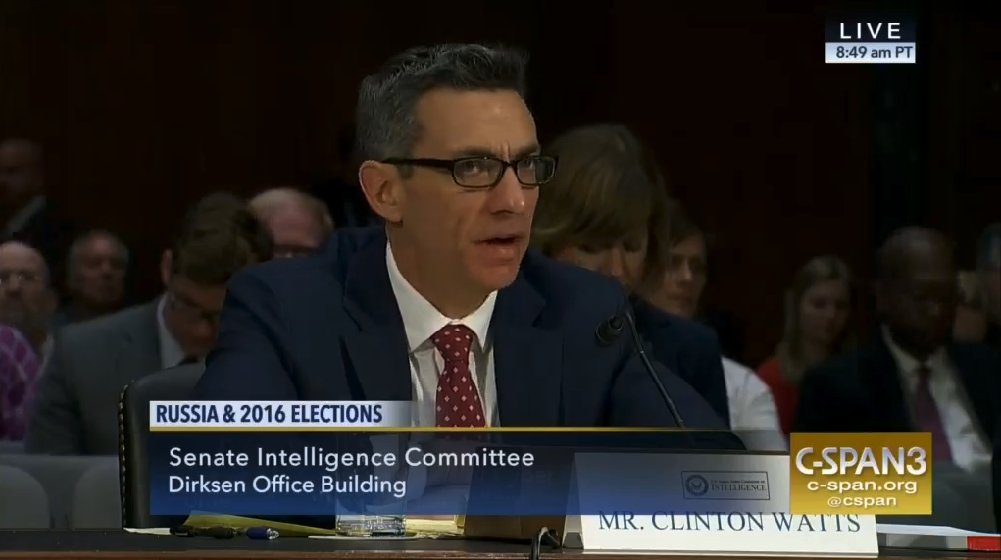
Clinton Watts
However, Russian Active Measures were in full swing during both the Republican and Democratic primary season and may have helped sink the hopes of candidates more hostile to Russian interests long before the field narrowed.
The final piece of Russia’s modern Active Measures surfaced in the summer of 2016 as hacked materials from previous months were strategically leaked.
On 22 July 2016, Wikileaks released troves of stolen communications from the Democratic National Committee and later batches of campaign emails. Guccifer 2.0 and DC Leaks revealed hacked information from a host of former U.S. government officials throughout July and August 2016.
For the remainder of the campaign season, this compromising material powered the influence system Russia successfully constructed in the previous two years.
Meanwhile, Donald Trump–as both Presidential candidate and President–has steadfastly refused to acknowledge the efforts of Vladimir Putin’s government to ensure his election.
Consider his exchange about this with Democratic Presidential nominee Hillary Clinton during the third and final Presidential debate on October 19, 2016:
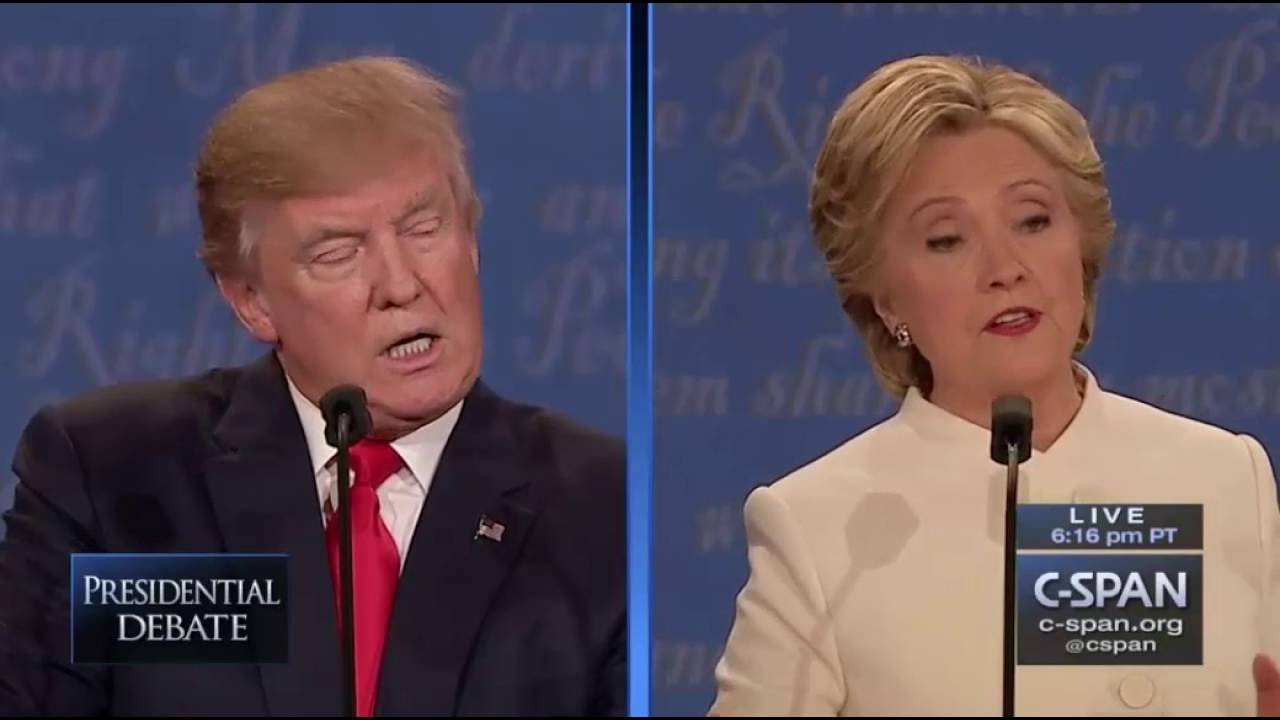
CLINTON: So I actually think the most important question of this evening, Chris, is, finally, will Donald Trump admit and condemn that the Russians are doing this and make it clear that he will not have the help of Putin in in this election, that he rejects Russian espionage against Americans, which he actually encouraged in the past?
Those are the questions we need answered. We’ve never had anything like this happen in any of our elections before.
CHRIS WALLACE: Well?
TRUMP: That was a great pivot off the fact that she wants open borders, OK? How did we get on to Putin?
[After insisting that Clinton wants “open borders” and “people are going to pour into this country,” Trump deigned to address Wallace’s question.]
TRUMP: Now we can talk about Putin. I don’t know Putin. He said nice things about me.
If we got along well, that would be good. If Russia and the United States got along well and went after ISIS, that would be good. He has no respect for her. He has no respect for our president.
And I’ll tell you what: We’re in very serious trouble, because we have a country with tremendous numbers of nuclear warheads–1,800, by the way–where they expanded and we didn’t, 1,800 nuclear warheads. And she’s playing chicken.
FROM WATTS’ STATEMENT: This pattern of Russian falsehoods and social media manipulation of the American electorate continued through Election Day and persists today.
Many of the accounts we watched push the false Incirlik story in July now focus their efforts on shaping the upcoming European elections, promoting fears of immigration or false claims of refugee criminality.
They’ve not forgotten about the United States either. This past week, we observed social media campaigns targeting Speaker of the House Paul Ryan hoping to foment further unrest amongst U.S. democratic institutions, their leaders and their constituents.
As we noted two days before the Presidential election in our article describing Russian influence operations, Russia certainly seeks to promote Western candidates sympathetic to their worldview and foreign policy objectives.
But winning a single election is not their end goal. Russian Active Measures hope to topple democracies through the pursuit of five complementary objectives:
- Undermine citizen confidence in democratic governance;
- Foment and exacerbate divisive political fractures;
- Erode trust between citizens and elected officials and democratic institutions;
- Popularize Russian policy agendas within foreign populations;
- Create general distrust or confusion over information sources by blurring the lines between fact and fiction.
From these objectives, the Kremlin can crumble democracies from the inside out creating political divisions resulting in two key milestones:
- The dissolution of the European Union and
- The break up of the North American Treaty Organization (NATO).
FROM THE TRUMP-CLINTON DEBATE:
TRUMP: … from everything I see, [Putin] has no respect for this person.
CLINTON: Well, that’s because he’d rather have a puppet as president of the United States.
TRUMP: No puppet. No puppet.
CLINTON: And it’s pretty clear…
TRUMP: You’re the puppet!
CLINTON: It’s pretty clear you won’t admit…
TRUMP: No, you’re the puppet.


 Bureaucracybuster's Blog
2016 PRESIDENTIAL ELECTION, A BRONX TALE, ABC NEWS, ADOLF HITLER, ALTERNET, AP, BILL CLINTON, BUZZFEED, CBS NEWS, CHAZZ PALMINTERI, CNN, CROOKS AND LIARS, DAILY KOZ, DONALD TRUMP, FACEBOOK, FBI, H.R. MCMASTER, HILLARY CLINTON, IRS, J. EDGAR HOOVER, JEFF SESSIONS, JOHN F. KENNEDY, JOHN KELLY, LYNDON B. JOHNSON, MOTHER JONES, MOVEON, NBC NEWS, NEWSWEEK, NICCOLO MACHIAVELLI, NPR, POLITICO, RAW STORY, REINCE PREBIUS, REPUBLICAN PARTY, REUTERS, RICHARD M. NIXON, ROBERT DE NIRO, ROBERT F. KENNEDY, Ronald Reagan, SALON, SEATTLE TIMES, SERGEI KISLYAK, SLATE, THE ATLANTIC, THE CHICAGO SUN-TIMES, THE CHICAGO TRIBUNE, THE DAILY BEAST, THE GUARDIAN, THE HILL, THE HUFFINGTON POST, THE LOS ANGELES TIMES, THE NATION, THE NEW YORK TIMES, THE PRINCE, THE WASHINGTON POST, TIME, TWITTER, U.S. NEWS & WORLD REPORT, UP, UPI, USA TODAY, WILLIAM RALPH INGE
THE LIMITS OF LOVE AND FEAR: PART TWO (OF THREE)
In Bureaucracy, History, Law Enforcement, Politics, Social commentary on September 20, 2017 at 12:30 amIs it better to be loved or feared?
That was the question Florentine statesman Niccolo Machiavelli raised more than 500 years ago.
Presidents have struggled to answer this question—and have come to different conclusions.
LOVE ME, FEAR MY BROTHER
Most people felt irresistibly drawn to John F. Kennedy—even his political foes. Henry Luce, the conservative publisher of Time, once said, “He makes me feel like a whore.”
But JFK could afford to bask in the love of others—because his younger brother, Robert, was the one who inspired fear.
Robert F. Kennedy and John F. Kennedy
He had done so as Chief Counsel for the Senate Rackets Committee (1957-59), grilling Mafia bosses and corrupt union officials–most notably Teamsters President James Hoffa.
Appointed Attorney General by JFK, he unleashed the FBI on the Mafia. When the steel companies colluded in an inflationary rise in the price of steel in 1962, Bobby sicced the FBI on them.
In 1963, JFK’s cavorting with Ellen Rometsh threatened to destroy his Presidency. Rometsch, a Washington, D.C. call girl, was suspected by the FBI of being an East German spy.
With Republican Senators preparing to investigate the rumors, Bobby ordered Rometsch deported immediately (to which, as a German citizen, she was subject).
He also ordered FBI Director J. Edgar Hoover to deliver a warning to the Majority and Minority leaders of the Senate: The Bureau was fully aware of the extramarital trysts of most of its members. And an investigation into the President’s sex life could easily lead into revelations of Senatorial sleaze.
Plans for a Senatorial investigation were shelved.
BEING LOVED AND FEARED
In the 1993 movie, A Bronx Tale, 17-year-old Calogero (Lillo Brancato) asks his idol, the local Mafia capo, Sonny (Chazz Palminteri): “Is it better to be loved or feared?”
Sonny gives advice to his adopted son, Calogero
Sonny says if he had to choose, he would rather be feared. But he adds a warning straight out of Machiavelli: “The trick is not being hated. That’s why I treat my men good, but not too good.
“I give too much, then they don’t need me. I give them just enough where they need me, but they don’t hate me.”
Machiavelli, writing in The Prince, went further:
“Still a Prince should make himself feared in such a way that if he does not gain love, he at any rate avoids hatred, for fear and the absence of hatred may well go together. And [this] will always be attained by one who abstains from interfering with the property of his citizens and subjects or with their women.”
Many who quote Machiavelli in defense of being feared overlook this vital point: It’s essential to avoid becoming hated.
To establish a fearful reputation, a leader must act decisively and ruthlessly when the interests of the organization are threatened. Punitive action must be taken promptly and confidently.
One or two harsh actions of this kind can make a leader more feared than a reign of terror.
In fact, it’s actually dangerous to constantly employ cruelties or punishments. Whoever does so, warns Machiavelli, “is always obliged to stand with knife in hand, and can never depend on his subjects, because they, owing to continually fresh injuries, are unable to depend upon him.”
The 20th century President who came closest to realizing Machiavelli’s “loved and feared” prince in himself was Ronald Reagan.
Always smiling, quick with a one-liner (especially at press conferences), seemingly unflappable, he projected a constantly optimistic view of his country and its citizens.
Ronald Reagan
In his acceptance speech at the 1980 Republican National Convention he declared: “[The Democrats] say that the United States has had its days in the sun, that our nation has passed its zenith.… My fellow citizens, I utterly reject that view.”
And Americans enthusiastically responded to that view, twice electing him President (1980 and 1984).
But there was a steely, ruthless side to Reagan that appeared when he felt crossed.
On August 3, 1981, nearly 13,000 air traffic controllers walked out after contract talks with the Federal Aviation Administration collapsed. As a result, some 7,000 flights across the country were canceled on that day at the peak of the summer travel season.
Reagan branded the strike illegal. He threatened to fire any controller who failed to return to work within 48 hours.
On August 5, Reagan fired more than 11,000 air traffic controllers who hadn’t returned to work. The mass firing slowed commercial air travel, but it did not cripple the system as the strikers had forecast.
Reagan’s action stunned the American labor movement. Reagan was the only American President to have belonged to a union, the Screen Actors Guild. He had even been president of this–from 1947 to 1954.
There were no more strikes by Federal workers during Reagan’s tenure in office.
Similarly, Libya’s dictator, Moammar Kadaffi, learned that Reagan was not a man to cross.
On April 5, 1986, Libyan agents bombed a nightclub in West Berlin, killing three people, one a U.S. serviceman. The United States quickly learned that Libyan agents in East Germany were behind the attack.
On April 15, acting on Reagan’s orders, U.S. Air Force, Navy and Marine Corps bombers struck at several sites in Tripoli and Benghazi. Reportedly, Kaddafi himself narrowly missed becoming a casualty.
There were no more acts of Libyan terrorism against Americans for the rest of Reagan’s term.
Share this: