Posts Tagged ‘CYBERCRIME’
ABC NEWS, ALTERNET, AMERICABLOG, AP, BABY BOOMER RESISTANCE, BBC, BLOOMBERG, BLUESKY, BUZZFEED, CBS NEWS, CNN, COMPUTER FRAUD, CROOKS AND LIARS, CYBERCRIME, DAILY KOS, EMAIL, EMAILS, FBI, FIVETHIRTYEIGHT, HARPER’S MAGAZINE, HUFFINGTON POST, INTERNET, MEDIA MATTERS, MOTHER JONES, MOVEON, MSNBC, NBC NEWS, NEWSDAY, NEWSWEEK, NIGERIA, NIGERIAN SCAMS, NPR, PASSWORDS, PBS NEWSHOUR, POLITICO, POLITICUSUSA, RAW STORY, REUTERS, SALON, SCAMS, SEATTLE TIMES, SLATE, TALKING POINTS MEMO, THE ATLANTIC, THE CHICAGO SUN-TIMES, THE CHICAGO TRIBUNE, THE DAILY BEAST, THE DAILY BLOG, THE GUARDIAN, THE HILL, THE HUFFINGTON POST, THE INTERCEPT, THE LOS ANGELES TIMES, THE NATION, THE NEW REPUBLIC, THE NEW YORK TIMES, THE NEW YORKER, THE VILLAGE VOICE, THE WALL STREET JOURNAL, THE WASHINGTON POST, THE WASHINGTONPOST, THINKPROGRESS, TIME, TRUTHDIG, TRUTHOUT, TWO POLITICAL JUNKIES, U.S. NEWS & WORLD REPORT, UPI, USA TODAY, VIRUSES, X
In Business, History, Law Enforcement, Self-Help, Social commentary on January 12, 2026 at 12:12 am
Receiving unsolicited, get-rich-quick emails has become a regular headache for millions of Internet users.
All too often, the result is fraud for their recipients. The Federal Trade Commission reported losses of $12.5 billion from online get-rich Ponzi schemes in 2024..
Here’s how to spot the warning signs of fraud:
- Addressed Generally: “Attention!” “Dear Friend,” “Attention the owner of this email,” “Hello, Dear.” Your name is not mentioned, because this email has been mass-mailed to thousands of intended victims.
- Unsolicited: You’re told that you’ve won a lottery you never entered, or have inherited a fortune from someone you never knew existed.
- Appeals to Religion: “Hello Beloved in the Lord” or “Yours in Christ” seeks to create a bond with those who deeply believe in God.
- Misuse of English: Mis-spellings and faulty grammar usually denote someone—probably a foreigner—using English as a second language. Examples: Run-on sentences; “you’re” for “your”; “except” instead of “accept”; “Dear Beneficial” instead of “Dear Beneficiary.”
- Appeals to Sympathy: “My husband just died” or “I am dying of cancer.” This is to make you feel sorry for the sender and lower your guard as an intended victim.

- Use of Important Titles/Organizations: “Director,” ‘Barrister,” “Secretary General of the United Nations,” “Police Inspector.” This is to impress recipients and convince them that the email comes from a trusted and legitimate organization.
- Request for Personal Information: This includes some combination of: Name / Address / Telephone Number / Bank Name / Bank Account Number / Fax Number / Driver’s License Number / Occupation / Sex / Beneficiary / Passport Number
- Claims of Deposit: “We have deposited the check of your fund to your account” is a typical line to instantly grab your attention. Someone you’ve never heard of claims he has just put a huge amount of money into an account you know nothing about. Nor can you access it unless you first pay a “contact fee.”
- The “Bank” is in Africa: Unless you know you have relatives there, this should be a dead giveaway to a scam. Africa is a continent kept alive by the charity of other nations. It’s not in the business of doling out large sums of money to Westerners.
- Overseas Phone Numbers: If you call these, you’ll have a huge bill. So many people skip calling and just send the money “required” to receive their “cash prize.”
- Highly Personal Requests: Asking you—someone they’ve never met—to assume the burden of acting as the executor of their “Last Will and Testament.”
- Love Scams: The scammer poses as a man or woman—usually outside the United States—seeking love. After days/weeks, the scammer says s/he will fly to the United States to be yours. All you have to do is put up the money for the flight cost.
- “Make Money From Home”: “Work from home” scams promise a way to support yourself and your family. You’re required to provide bank information or pay an up-front “registration fee.” Then you wait for job orders—that never come.
- Debt Relief: Scammers promise to relieve most or all of your debt—for a large up-front fee. You pay the fee—and are not only out of that money but still in debt.
- Home Repair Schemes: Huge down payments are required for home repairs that never happen.
- “Free” Trial Offers: The service or product is free for awhile, but you must opt out later to avoid monthly billings.
- The Email Claims to Be From the FBI: Often the “address” includes “Anti-Terrorist and Monetary Crime Division.” One such email was addressed: “Dear Beneficiary” and offered help in obtaining a “fund.” The FBI is an investigative agency responsible to the U.S. Department of Justice. It does not resolve financial disputes or secure monies for “deserving” recipients. If the FBI wants to contact you, it will do so by letter or by sending agents to your address. The FBI’s own website states: “At this time we do not have a national e-mail address for sending or forwarding investigative information.”
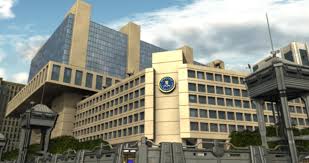
FBI Headquarters: Where stopping cybercrime is now a top priority.
- “I Need Help”: You get an email claiming to be from someone you know—who’s “in jail here in Mexico” or some other foreign country. S/he begs you to send money for bail or bribes to win his/her freedom. If you get such an email, call the person to make certain. Don’t rush to send money—chances are it will go directly to a scammer.
There are several commonsense rules to follow in protecting yourself from online scammers:
- Don’t trust people you’ve never met to want to give you money.
- Shop online only with well-known merchants who have a good reputation.
- Don’t click on unknown links—especially those in emails from unknown senders.
- If you’re required to pay an advance fee—“on faith”—to receive a big amount of money, the odds are it’s a scam.
- If you can’t find any solid information on a company, chances are it doesn’t exist.
- For additional information on how to protect yourself from cybercrime, check out the FBI’s page at http://www.fbi.gov/about-us/investigate/cyber.
- If it sounds too good to be true, the odds are: It is untrue.
ABC NEWS, ALTERNET, AMERICABLOG, AP, BABY BOOMER RESISTANCE, BBC, BLOOMBERG NEWS, BUZZFEED, CBS NEWS, CNN, COMPUTER FRAUD, CROOKS AND LIARS, CYBERCRIME, DAILY KOZ, EMAIL, EMAILS, FACEBOOK, FBI, FIVETHIRTYEIGHT, HARPER’S MAGAZINE, HUFFINGTON POST, INTERNET, MEDIA MATTERS, MOTHER JONES, MOVEON, MSNBC, NBC NEWS, NEW REPUBLIC, NEWSDAY, NEWSWEEK, NIGERIA, NIGERIAN SCAMS, NPR, PASSWORDS, PBS NEWSHOUR, POLITICO, POLITICUSUSA, RAW STORY, REUTERS, SALON, SCAMS, SEATTLE TIMES, SLATE, TALKING POINTS MEMO, THE ATLANTIC, THE CHICAGO SUN-TIMES, THE CHICAGO TRIBUNE, THE DAILY BEAST, THE DAILY BLOG, THE GUARDIAN, THE HILL, THE HUFFINGTON POST, THE LOS ANGELES TIMES, THE NATION, THE NEW REPUBLIC, THE NEW YORK TIMES, THE NEW YORKER, THE VILLAGE VOICE, THE WALL STREET JOURNAL, THE WASHINGTON POST, THE WASHINGTONPOST, THINKPROGRESS, TIME, TRUTHDIG, TRUTHOUT, TWITTER, TWO POLITICAL JUNKIES, U.S. NEWS & WORLD REPORT, UPI, USA TODAY, VIRUSES, WONKETTE
In Bureaucracy, Business, History, Law, Law Enforcement, Politics, Social commentary on December 16, 2021 at 12:11 am
In 2020, the Federal Trade Commission received 4.8 million identity theft and fraud complaints. Of these, 1.4 million were for identity theft, up from 651,000 in 2019.
Identity theft complaints accounted for 29% of all complaints received by the FTC, up from 20% in 2019. About 2.2 million reports were fraud complaints and 1.2 million involved other complaints.
Of the 2.2 million fraud cases, 34% reported money was lost. Fraud robbed consumers of more than $3.3 billion, an increase of $1.5 billion from 2019.
Among the online scams to be alert for:
- Email phishing scams
- Credit card scams
- Bank loan scams
- Lottery fee scams
- Online dating scams
- “Nigerian Prince” scams
Here’s how to protect yourself.
- Addressed Generally: “Attention!” “Dear Friend,” “Attention the owner of this email,” “Hello, Dear.” Your name is not mentioned, because this email has been mass-mailed to thousands of intended victims.
- Unsolicited: You’re told that you’ve won a lottery you never entered, or have inherited a fortune from someone you never knew existed.
- Appeals to Religion: “Hello Beloved in the Lord” or “Yours in Christ” seeks to create a bond with those who deeply believe in God.
- Misuse of English: Misspellings and faulty grammar usually denote someone—probably a foreigner—using English as a second language. Examples: Run-on sentences; “you’re” for “your”; “except” instead of “accept”; “Dear Beneficial” instead of “Dear Beneficiary.”
- Appeals to Sympathy: “My husband just died” or “I am dying of cancer.” This is to make you feel sorry for the sender and lower your guard as an intended victim.
- Use of Important Titles/Organizations: “Director,” ‘Barrister,” “Secretary General of the United Nations,” “Police Inspector.” This is to impress recipients and convince them that the email comes from a trusted and legitimate organization.
- Request for Personal Information: This includes some combination of: Name / Address / Telephone Number / Bank Name / Bank Account Number / Fax Number / Driver’s License Number / Occupation / Sex / Beneficiary / Passport Number
- Claims of Deposit: “We have deposited the check of your fund to your account” is a typical line to instantly grab your attention. Someone you’ve never heard of claims he has just put a huge amount of money into an account you know nothing about. Nor can you access it unless you first pay a “contact fee.”
- The “Bank” is in Africa: Unless you know you have relatives there, this should be a dead giveaway to a scam. Africa is a continent kept alive by the charity of other nations. It’s not in the business of doling out large sums of money to Westerners.
- Overseas Phone Numbers: If you call these, you’ll have a huge bill. So many people skip calling and just send the money “required” to receive their “cash prize.”
- Highly Personal Requests: Asking you—someone they’ve never met—to assume the burden of acting as the executor of their “Last Will and Testament.”
- Love Scams: The scammer poses as a man or woman—usually outside the United States—seeking love. A series of emails flows back and forth for days/weeks, until the scammer says s/he will be glad to fly to the United States to be yours. All you have to do is put up the money for the flight cost.
- “Make Money From Home”: With most employers refusing to hire, “work from home” scams promise a way to support yourself and your family. You’re required to provide bank information or pay an up-front “registration fee.” Then you wait for job orders—that never come.
- Debt Relief: Scammers promise to relieve most or all of your debt—for a large up-front fee. You pay the fee—and are not only out of that money but still in debt.
- Home Repair Schemes: Huge down payments are required for home repairs that never happen.
- “Free” Trial Offers: The service or product is free for awhile, but you must opt out later to avoid monthly billings.
- The Email Claims to Be From the FBI: The FBI is an investigative agency responsible to the U.S. Department of Justice. It does not resolve financial disputes or secure monies for “deserving” recipients. If the FBI contacts you, it does so by letter or sending agents to your address.
- “I Need Help”: You get an email claiming to be from someone you know—who’s “in jail here in Mexico” or some other foreign country. S/he begs you to send money for bail or bribes to win his/her freedom. If you get such an email, call the person to make certain. Don’t rush to send money—chances are it will go directly to a scammer.
FBI Headquarters
There are several commonsense rules to follow in protecting yourself from online scammers:
- Don’t trust people you’ve never met to want to give you money.
- Shop online only with well-known merchants who have a good reputation.
- Don’t click on unknown links—especially those in emails from unknown senders.
- If you’re required to pay an advance fee—“on faith”—to receive a big amount of money, the odds are it’s a scam.
- If you can’t find any solid information on a company, chances are it doesn’t exist.
- For additional information on how to protect yourself from cybercrime, check out the FBI’s page at https://www.fbi.gov/investigate/cyber.
- If it sounds too good to be true, the odds are: It is untrue.
ABC NEWS, ALTERNET, AMERICABLOG, AP, BABY BOOMER RESISTANCE, BUZZFEED, CBS NEWS, CNN, COMPUTER FRAUD, CROOKS AND LIARS, CYBERCRIME, DAILY KOZ, EMAIL, EMAILS, FACEBOOK, FBI, FIVETHIRTYEIGHT, HARPER’S MAGAZINE, INTERNET, MEDIA MATTERS, MOTHER JONES, MOVEON, MSNBC, NBC NEWS, NEWSWEEK, NIGERIA, NIGERIAN SCAMS, NPR, PASSWORDS, PBS NEWSHOUR, POLITICO, POLITICUSUSA, RAW STORY, REUTERS, SALON, SCAMS, SEATTLE TIMES, SLATE, TALKING POINTS MEMO, THE ATLANTIC, THE CHICAGO SUN-TIMES, THE CHICAGO TRIBUNE, THE DAILY BEAST, THE DAILY BLOG, THE GUARDIAN, THE HILL, THE HUFFINGTON POST, THE LOS ANGELES TIMES, THE NATION, THE NEW REPUBLIC, THE NEW YORK TIMES, THE VILLAGE VOICE, THE WALL STREET JOURNAL, THE WASHINGTON POST, THE WASHINGTONPOST, THINKPROGRESS, TIME, TRUTHDIG, TRUTHOUT, TWITTER, TWO POLITICAL JUNKIES, U.S. NEWS & WORLD REPORT, UPI, USA TODAY, VIRUSES, WONKETTE
In History, Law, Law Enforcement, Politics, Social commentary on June 9, 2021 at 12:23 am
In 2020, the Federal Trade Commission received 4.8 million identity theft and fraud complaints. Of these, 1.4 million were for identity theft, up from 651,000 in 2019.
Identity theft complaints accounted for 29 percent of all complaints received by the FTC, up from 20 percent in 2019. About 2.2 million reports were fraud complaints and 1.2 million involved other complaints.
Of the 2.2 million fraud cases, 34 percent reported money was lost. Fraud robbed consumers of more than $3.3 billion, an increase of $1.5 billion from 2019.
Among the online scams to be alert for:
- Email phishing scams
- Credit card scams
- Bank loan scams
- Lottery fee scams
- Online dating scams
- “Nigerian Prince” scams
Here’s how to protect yourself.
- Addressed Generally: “Attention!” “Dear Friend,” “Attention the owner of this email,” “Hello, Dear.” Your name is not mentioned, because this email has been mass-mailed to thousands of intended victims.
- Unsolicited: You’re told that you’ve won a lottery you never entered, or have inherited a fortune from someone you never knew existed.
- Appeals to Religion: “Hello Beloved in the Lord” or “Yours in Christ” seeks to create a bond with those who deeply believe in God.
- Misuse of English: Misspellings and faulty grammar usually denote someone—probably a foreigner—using English as a second language. Examples: Run-on sentences; “you’re” for “your”; “except” instead of “accept”; “Dear Beneficial” instead of “Dear Beneficiary.”
- Appeals to Sympathy: “My husband just died” or “I am dying of cancer.” This is to make you feel sorry for the sender and lower your guard as an intended victim.
- Use of Important Titles/Organizations: “Director,” ‘Barrister,” “Secretary General of the United Nations,” “Police Inspector.” This is to impress recipients and convince them that the email comes from a trusted and legitimate organization.
- Request for Personal Information: This includes some combination of: Name / Address / Telephone Number / Bank Name / Bank Account Number / Fax Number / Driver’s License Number / Occupation / Sex / Beneficiary / Passport Number
- Claims of Deposit: “We have deposited the check of your fund to your account” is a typical line to instantly grab your attention. Someone you’ve never heard of claims he has just put a huge amount of money into an account you know nothing about. Nor can you access it unless you first pay a “contact fee.”
- The “Bank” is in Africa: Unless you know you have relatives there, this should be a dead giveaway to a scam. Africa is a continent kept alive by the charity of other nations. It’s not in the business of doling out large sums of money to Westerners.
- Overseas Phone Numbers: If you call these, you’ll have a huge bill. So many people skip calling and just send the money “required” to receive their “cash prize.”
- Highly Personal Requests: Asking you—someone they’ve never met—to assume the burden of acting as the executor of their “Last Will and Testament.”
- Love Scams: The scammer poses as a man or woman—usually outside the United States—seeking love. A series of emails flows back and forth for days/weeks, until the scammer says s/he will be glad to fly to the United States to be yours. All you have to do is put up the money for the flight cost.
- “Make Money From Home”: With most employers refusing to hire, “work from home” scams promise a way to support yourself and your family. You’re required to provide bank information or pay an up-front “registration fee.” Then you wait for job orders—that never come.
- Debt Relief: Scammers promise to relieve most or all of your debt—for a large up-front fee. You pay the fee—and are not only out of that money but still in debt.
- Home Repair Schemes: Huge down payments are required for home repairs that never happen.
- “Free” Trial Offers: The service or product is free for awhile, but you must opt out later to avoid monthly billings.
- The Email Claims to Be From the FBI: The FBI is an investigative agency responsible to the U.S. Department of Justice. It does not resolve financial disputes or secure monies for “deserving” recipients. If the FBI contacts you, it does so by letter or sending agents to your address.
- “I Need Help”: You get an email claiming to be from someone you know—who’s “in jail here in Mexico” or some other foreign country. S/he begs you to send money for bail or bribes to win his/her freedom. If you get such an email, call the person to make certain. Don’t rush to send money—chances are it will go directly to a scammer.
FBI Headquarters
There are several commonsense rules to follow in protecting yourself from online scammers:
- Don’t trust people you’ve never met to want to give you money.
- Shop online only with well-known merchants who have a good reputation.
- Don’t click on unknown links—especially those in emails from unknown senders.
- If you’re required to pay an advance fee—“on faith”—to receive a big amount of money, the odds are it’s a scam.
- If you can’t find any solid information on a company, chances are it doesn’t exist.
- For additional information on how to protect yourself from cybercrime, check out the FBI’s page at https://www.fbi.gov/investigate/cyber.
- If it sounds too good to be true, the odds are: It is untrue.
ABC NEWS, ALTERNET, AMERICABLOG, AP, BABY BOOMER RESISTANCE, BUZZFEED, CBS NEWS, CNN, COMPUTER FRAUD, CROOKS AND LIARS, CYBERCRIME, DAILY KOZ, DRUDGE RETORT, EMAIL, EMAILS, FACEBOOK, FBI, FIVETHIRTYEIGHT, HARPER’S MAGAZINE, INTERNET, MEDIA MATTERS, MOTHER JONES, MOVEON, MSNBC, NBC NEWS, NEWSWEEK, NIGERIA, NIGERIAN SCAMS, NPR, PASSWORDS, PBS NEWSHOUR, POLITICO, POLITICUSUSA, RAW STORY, REUTERS, SALON, SCAMS, SEATTLE TIMES, SLATE, TALKING POINTS MEMO, THE ATLANTIC, THE CHICAGO SUN-TIMES, THE CHICAGO TRIBUNE, THE DAILY BEAST, THE DAILY BLOG, THE GUARDIAN, THE HILL, THE HUFFINGTON POST, THE LOS ANGELES TIMES, THE NATION, THE NEW REPUBLIC, THE NEW YORK TIMES, THE VILLAGE VOICE, THE WALL STREET JOURNAL, THE WASHINGTON POST, THE WASHINGTONPOST, THINKPROGRESS, TIME, TRUTHDIG, TRUTHOUT, TWITTER, TWO POLITICAL JUNKIES, U.S. NEWS & WORLD REPORT, UPI, USA TODAY, VIRUSES, WONKETTE
In Business, History, Law, Law Enforcement, Social commentary on February 25, 2020 at 12:06 am
In 2018, consumers were victimized in more “emotional romance scams” than any other category of fraud.
“That’s $143 million that consumers reported that they lost in 2018 to romance scams,” said Monica Vaca, of the Federal Trade Commission.
The average loss per victim amounted to $2,600—seven times higher than other frauds. Most of that money was wired or sent with gift cards.
But there are plenty of other online scams to be alert for:
- Email phishing scams
- Credit card scams
- Bank loan scams
- Lottery fee scams
- Online dating scams
- “Nigerian Prince” scams
Here’s how to protect yourself.
- Addressed Generally: “Attention!” “Dear Friend,” “Attention the owner of this email,” “Hello, Dear.” Your name is not mentioned, because this email has been mass-mailed to thousands of intended victims.
- Unsolicited: You’re told that you’ve won a lottery you never entered, or have inherited a fortune from someone you never knew existed.
- Appeals to Religion: “Hello Beloved in the Lord” or “Yours in Christ” seeks to create a bond with those who deeply believe in God.
- Misuse of English: Mis-spellings and faulty grammar usually denote someone—probably a foreigner—using English as a second language. Examples: Run-on sentences; “you’re” for “your”; “except” instead of “accept”; “Dear Beneficial” instead of “Dear Beneficiary.”
- Appeals to Sympathy: “My husband just died” or “I am dying of cancer.” This is to make you feel sorry for the sender and lower your guard as an intended victim.
- Use of Important Titles/Organizations: “Director,” ‘Barrister,” “Secretary General of the United Nations,” “Police Inspector.” This is to impress recipients and convince them that the email comes from a trusted and legitimate organization.
- Request for Personal Information: This includes some combination of: Name / Address / Telephone Number / Bank Name / Bank Account Number / Fax Number / Driver’s License Number / Occupation / Sex / Beneficiary / Passport Number
- Claims of Deposit: “We have deposited the check of your fund to your account” is a typical line to instantly grab your attention. Someone you’ve never heard of claims he has just put a huge amount of money into an account you know nothing about. Nor can you access it unless you first pay a “contact fee.”
- The “Bank” is in Africa: Unless you know you have relatives there, this should be a dead giveaway to a scam. Africa is a continent kept alive by the charity of other nations. It’s not in the business of doling out large sums of money to Westerners.
- Overseas Phone Numbers: If you call these, you’ll have a huge bill. So many people skip calling and just send the money “required” to receive their “cash prize.”
- Highly Personal Requests: Asking you—someone they’ve never met—to assume the burden of acting as the executor of their “Last Will and Testament.”
- Love Scams: The scammer poses as a man or woman—usually outside the United States—seeking love. A series of emails flows back and forth for days/weeks, until the scammer says s/he will be glad to fly to the United States to be yours. All you have to do is put up the money for the flight cost.
- “Make Money From Home”: With most employers refusing to hire, “work from home” scams promise a way to support yourself and your family. You’re required to provide bank information or pay an up-front “registration fee.” Then you wait for job orders—that never come.
- Debt Relief: Scammers promise to relieve most or all of your debt—for a large up-front fee. You pay the fee—and are not only out of that money but still in debt.
- Home Repair Schemes: Huge down payments are required for home repairs that never happen.
- “Free” Trial Offers: The service or product is free for awhile, but you must opt out later to avoid monthly billings.
- The Email Claims to Be From the FBI: The FBI is an investigative agency responsible to the U.S. Department of Justice. It does not resolve financial disputes or secure monies for “deserving” recipients. If the FBI contacts you, it does so by letter or sending agents to your address.
- “I Need Help”: You get an email claiming to be from someone you know—who’s “in jail here in Mexico” or some other foreign country. S/he begs you to send money for bail or bribes to win his/her freedom. If you get such an email, call the person to make certain. Don’t rush to send money—chances are it will go directly to a scammer.
FBI Headquarters
There are several commonsense rules to follow in protecting yourself from online scammers:
- Don’t trust people you’ve never met to want to give you money.
- Shop online only with well-known merchants who have a good reputation.
- Don’t click on unknown links—especially those in emails from unknown senders.
- If you’re required to pay an advance fee—“on faith”—to receive a big amount of money, the odds are it’s a scam.
- If you can’t find any solid information on a company, chances are it doesn’t exist.
- For additional information on how to protect yourself from cybercrime, check out the FBI’s page at https://www.fbi.gov/investigate/cyber.
- If it sounds too good to be true, the odds are: It is untrue.
ABC NEWS, ADDRESSES, AIRLINES, ALTERNET, ANTHEM, ANTHEM INC., AP, AVID LIFE MEDIA, BUSINESS, BUZZFEED, CBS NEWS, CEOS, CHINA, CLASS-ACTION LAWSUITS, CNN, COMPUTER HACKING, COMPUTER SECURITY, CREDIT CARDS, CROOKS AND LIARS, CYBERCRIME, CYBERSECURITY, DAILY KOZ, DAIRY QUEEN, DATA BREACHES, EMAIL ADDRESSES, EMPLOYMENT INFORMATION, EQUIFAX, FACEBOOK, FEDERAL TRADE COMMISSION, FORBES, HACKING, HOME DEPOT, JOHN HERING, JPMORGAN/CHASE, JPMORGAN/CHASE ASHLEY MADISON, KARL A. RACINE, KMART, LILY TOMLIN, LOOKOUT, LUGGAGE THEFTS, MA BELL, MEMBER ID NUMBERS, MOTHER JONES, MOVEON, NAMES, NBC NEWS, NEWSWEEK, NPR, PHONE NUMBERS, POLITICO, PRIMERA BLUE CROSS, RAW STORY, REUTERS, RICHARD SMITH, ROWAN & MARTIN'S LAUGH-IN, SALON, SEATTLE TIMES, SLATE, SOCIAL SECURITY, SOCIAL SECURITY NUMBERS, SONY PICTURES, STAPLES, TARGET, THE ATLANTIC, THE CHICAGO SUN-TIMES, THE CHICAGO TRIBUNE, THE DAILY BEAST, THE GUARDIAN, THE HILL, THE HUFFINGTON POST, THE LOS ANGELES TIMES, THE NATION, THE NEW YORK TIMES, THE WALL STREET JOURNAL, THE WASHINGTON POST, TIME, TWITTER, U.S. NEWS & WORLD REPORT, UP, UPI, USA TODAY, WALL STREET JOURNAL, XAVIER BECERRA
In Bureaucracy, Business, History, Law, Law Enforcement, Politics, Social commentary on August 2, 2019 at 12:43 am
On July 15, 2015, Ashley Madison joined the list of companies that failed to safeguard their customers’ most sensitive information—such as their credit card numbers, addresses, emails and phone numbers.
And Ashley Madison had more reason than most to do this—as the notorious website for cheating wives and husbands.
After all, its database is a blackmailer’s dream-come-true. Yet apparently its owners didn’t care enough about the privacy of their customers to provide adequate security.
Like so many other companies hit by hackers, Ashley Madison sought to reassure its dangerously compromised customers:
“At this time, we have been able to secure our sites, and close the unauthorized access points. We are working with law enforcement agencies, which are investigating this criminal act.”
This statement gave new meaning to the phrase, “Closing the barn door after the cow has gotten out.”
Avid Life Media assured its customers that it had hired “one of the world’s top IT security teams” to work on the breach.

So why wasn’t this “top IT security team” hired at the outset?
On August 18, 2015, the hackers began releasing their pirated information.
Ashley Madison’s customers chose to put their private information on its computer system.
Those of Equifax, didn’t. Equifax collected this from credit card companies.
From Mid-May through July, 2017, Equifax was hacked. The breach was discovered on July 29.
But the company didn’t announce it until September 7, 2017.
As a result, the private data of nearly 150 million people was compromised.
On July 22, 2019, the Federal Trade Commission (FTC) announced that Equifax, one of the nation’s largest credit-reporting companies, would pay up to $700 million to settle with the FTC and consumers.
If approved by the federal district court Northern District of Georgia, the settlement will provide up to $425 million in monetary relief to consumers and a $100 million civil money penalty.
According to Karl A. Racine, attorney general for Washington, D.C., it’s the largest settlement ever for a data breach.
“Equifax failed to protect consumers’ information and failed to enact reasonable security measures under California’s data security laws,” California Attorney General Xavier Becerra said in a news conference.
“That left very important personal information exposed and allowed hackers to steal consumers’ names, Social Security numbers, their birth dates, their addresses and in some instances their driver’s license number and even credit related information.”![]()
And for those who believe the private sector is inherently more efficient than the public one: On the week that Equifax agreed to pay $700 million for its massive 2017 data breach, Richard Smith, its disgraced former CEO, got some wonderful news:
- He was slated to receive as much as $19.6 million in stock bonuses since leaving the company.
- That’s roughly 1,000 times the $20,000 maximum payout that any financially damaged consumer can collect from Equifax.
- In addition, Equifax agreed to cover Smith’s medical bills for life, a benefit the company estimates is worth another $103,500.
- Equifax decided he deserved a $24 million pension.
- Smith got $50,000 in tax and financial planning services.
- His stock bonuses cover a period that includes the former executive’s performance in 2017.
When CBS News contacted Equifax on this development, the company refused to comment. Neither could Smith be reached.
There is a reason why these security breaches keep happening.
An October 22, 2014 “commentary” published in Forbes magazine raised the highly disturbing question: “Cybersecurity: Does Corporate America Really Care?”
And the answer is clearly: No.
Its author was John Hering, co-founder and executive director of Lookout, which bills itself as “the world leader in mobile security for consumers and enterprises alike.”
Click here: Cybersecurity: Does corporate America really care?
“One thing is clear,” wrote Hering. “CEOs need to put security on their strategic agendas alongside revenue growth and other issues given priority in boardrooms.”
Hering warned that “CEOs don’t seem to be making security a priority.” And he offered several reasons for this:
- The sheer number of data compromises.
- Relatively little consumer outcry.
- Almost no impact on the companies’ standing on Wall Street.
- Executives may consider such breaches part of the cost of doing business.
“There’s a short-term mindset and denial of convenience in board rooms,” wrote Hering.
“Top executives don’t realize their systems are vulnerable and don’t understand the risks. Sales figures and new products are top of mind; shoring up IT systems aren’t.”
There are three ways corporations can be forced to start behaving responsibly on this issue.
- Smart attorneys need to start filing class-action lawsuits against companies that refuse to take steps to protect their customers’ private information. There is a name for such behavior: Criminal negligence. And there are laws carrying serious penalties for it.
- There must be Federal legislation to ensure that multi-million-dollar fines are levied against such companies—and especially their CEOs—when such data breaches occur.
- The Justice Department should vigorously prosecute CEOs whose companies’ criminal negligence leads to such massive data breaches. They should be considered as accessories to crime, and, if convicted, sentenced to lengthy prison terms.
Only then will the CEO mindset of “We don’t care, we don’t have to” be replaced with: “We care, because we’ll lose our money and/or freedom if we don’t.”
ABC NEWS, ADDRESSES, AIRLINES, ALTERNET, ANTHEM, ANTHEM INC., AP, AVID LIFE MEDIA, BUSINESS, BUZZFEED, CBS NEWS, CEOS, CHINA, CLASS-ACTION LAWSUITS, CNN, COMPUTER HACKING, COMPUTER SECURITY, CREDIT CARDS, CROOKS AND LIARS, CYBERCRIME, CYBERSECURITY, DAILY KOZ, DAIRY QUEEN, DATA BREACHES, EMAIL ADDRESSES, EMPLOYMENT INFORMATION, EQUIFAX, FACEBOOK, FEDERAL TRADE COMMISSION, FORBES, HACKING, HOME DEPOT, JOHN HERING, JPMORGAN/CHASE, JPMORGAN/CHASE ASHLEY MADISON, KARL A. RACINE, KMART, LILY TOMLIN, LOOKOUT, LUGGAGE THEFTS, MA BELL, MEMBER ID NUMBERS, MOTHER JONES, MOVEON, NAMES, NBC NEWS, NEWSWEEK, NPR, PHONE NUMBERS, POLITICO, PRIMERA BLUE CROSS, RAW STORY, REUTERS, RICHARD SMITH, ROWAN & MARTIN'S LAUGH-IN, SALON, SEATTLE TIMES, SLATE, SOCIAL SECURITY, SOCIAL SECURITY NUMBERS, SONY PICTURES, STAPLES, TARGET, THE ATLANTIC, THE CHICAGO SUN-TIMES, THE CHICAGO TRIBUNE, THE DAILY BEAST, THE GUARDIAN, THE HILL, THE HUFFINGTON POST, THE LOS ANGELES TIMES, THE NATION, THE NEW YORK TIMES, THE WALL STREET JOURNAL, THE WASHINGTON POST, TIME, TWITTER, U.S. NEWS & WORLD REPORT, UP, UPI, USA TODAY, WALL STREET JOURNAL, XAVIER BECERRA
In Bureaucracy, Business, History, Law, Law Enforcement, Politics, Social commentary on August 1, 2019 at 12:08 am
Comedian Lily Tomlin rose to fame on the 1960s comedy hit, Rowan & Martin’s Laugh-In, as Ernestine, the rude, sarcastic switchboard operator for Ma Bell.
She would tap into customers’ calls, interrupt them, make snide remarks about their personal lives. And her victims included celebrities as much as run-of-the-mill customers.

Lily Tomlin as Ernestine
She introduced herself as working for “the phone company, serving everyone from presidents and kings to the scum of the earth.”
But perhaps the line for which her character is best remembered was: “We don’t care. We don’t have to. We’re the phone company.”
Watching Ernestine on Laugh-In was a blast for millions of TV viewers. But facing such corporate arrogance in real-life is no laughing matter.
Clearly, too many companies take the same attitude as Ernestine: “We don’t care. We don’t have to.”
This is especially true for companies that are supposed to safeguard their customers’ most sensitive information—such as their credit card numbers, addresses, emails and phone numbers.
Among those companies hacked:
- Kmart
- Staples
- Dairy Queen
- Target
- Sony Pictures
- Primera Blue Cross
- Home Depot
- JPMorgan/Chase
In 2015, they were joined by health insurance giant Anthem Inc. The company announced that hackers had breached its computer system and accessed the medical records of tens of millions of its customers and employees.

Anthem, the nation’s second-largest health insurer, said the infiltrated database held records on up to 80 million people.
Among the customers’ information accessed:
- Names
- Birthdates
- Social Security numbers
- Member ID numbers
- Addresses
- Phone numbers
- Email addresses
- Employment information
Some of the customer data may have included details on their income.
Click here: Anthem hack exposes data on 80 million; experts warn of identity theft – LA Times
Bad as that news was, worse was to come.
A February 5, 2015 story by the Wall Street Journal revealed that Anthem stored the Social Security numbers of 80 million customers without encrypting them.
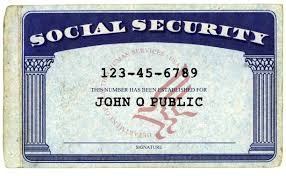
The company believed that hackers used a stolen employee password to access the database
Anthem’s alleged reason for refusing to encrypt such sensitive data: Doing so would have made it harder for the company’s employees to track health care trends or share data with state and Federal health providers.
Anthem spokeswoman Kristin Binns blamed the data breach on employers and government agencies who “require us to maintain a member’s Social Security number in our systems so that their systems can uniquely identify their members.”
She said that Anthem encrypted personal data when it moves in or out of its database–-but not where it is stored.
This is a commonplace practice in the healthcare industry.
The FBI launched an investigation into the hack.
According to an anonymous source, the hackers used malware that has been used almost exclusively by Chinese cyberspies.
Naturally, China denied any wrongdoing.
Chinese Foreign Ministry spokesman Hong Lei said: “We maintain a cooperative, open and secure cyberspace, and we hope that countries around the world will make concerted efforts to that end.”
He also said that the charge that the hackers were Chinese was “groundless.”
On July 15, 2015, Ashley Madison—the notorious website for cheating wives and husbands—joined this list.
Launched in 2001, its catchy slogan is: “Life is short. Have an affair.”
One of its ads featured a photo of a woman apparently kneeling at the feet of a bare-chested man, her hand passionately clawing at his belt. Next to her was the caption: “Join FREE & change your life today. Guaranteed!”
Millions of its clients suddenly found their lives changed in ways they never imagined—for the worse.
Ashley Madison claimed to have more than 37 million members.
Its hackers were enraged at the company’s refusal to fully delete users’ profiles unless it received a $19 fee.
Referring to themselves as “The Impact Team,” they stated in an online manifesto: “Full Delete netted [Avid Life Media, the parent company of Ashley Madison] $1.7 million in revenue in 2014. It’s also a complete lie.
“Users almost always pay with credit card; their purchase details are not removed as promised, and include real names and address, which is of course the most important information the users want removed.”
On July 20, 2015, Avid Life Media defended the service, and promised to make it free.
The hackers demanded: “AM [Ashley Madison] AND EM [Established Men] MUST SHUT DOWN IMMEDIATELY PERMANENTLY.
“We have taken over all systems in your entire office and production domains, all customer information databases, source code repositories, financial records, emails.
“Shutting down AM and EM will cost you, but non-compliance will cost you more.”
The hackers threatened to “release all customer records, including profiles with all the customers’ secret sexual fantasies and matching credit card transactions, real names and addresses, and employee documents and emails.”
ABC NEWS, ALTERNET, AP, BUZZFEED, CBS NEWS, CNN, COMPUTER FRAUD, CROOKS AND LIARS, CYBERCRIME, DAILY KOZ, EMAIL, EMAILS, FACEBOOK, FBI, INTERNET, MOTHER JONES, MOVEON, MSNBC, NBC NEWS, NEWSWEEK, NIGERIA, NIGERIAN SCAMS, NPR, PASSWORDS, PBS NEWSHOUR, POLITICO, RAW STORY, REUTERS, SALON, SCAMS, SEATTLE TIMES, SLATE, THE ATLANTIC, THE CHICAGO SUN-TIMES, THE CHICAGO TRIBUNE, THE DAILY BEAST, THE GUARDIAN, THE HILL, THE HUFFINGTON POST, THE LOS ANGELES TIMES, THE NATION, THE NEW YORK TIMES, THE WALL STREET JOURNAL, THE WASHINGTON POST, THE WASHINGTONPOST, TIME, TWITTER, U.S. NEWS & WORLD REPORT, UPI, USA TODAY, VIRUSES
In Business, History, Law, Law Enforcement, Self-Help, Social commentary on March 21, 2019 at 12:08 am
According to the FBI, Internet scams cost victims more than $1.4 billion in 2017. Among the most popular types of fraud:
- Email phishing scams
- Credit card scams
- Bank loan scams
- Lottery fee scams
- Online dating scams
- “Nigerian Prince” scams
But you can protect yourself. Here’s how to spot the warning signs of fraud.
- Addressed Generally: “Attention!” “Dear Friend,” “Attention the owner of this email,” “Hello, Dear.” Your name is not mentioned, because this email has been mass-mailed to thousands of intended victims.
- Unsolicited: You’re told that you’ve won a lottery you never entered, or have inherited a fortune from someone you never knew existed.
- Appeals to Religion: “Hello Beloved in the Lord” or “Yours in Christ” seeks to create a bond with those who deeply believe in God.
- Misuse of English: Mis-spellings and faulty grammar usually denote someone—probably a foreigner—using English as a second language. Examples: Run-on sentences; “you’re” for “your”; “except” instead of “accept”; “Dear Beneficial” instead of “Dear Beneficiary.”
- Appeals to Sympathy: “My husband just died” or “I am dying of cancer.” This is to make you feel sorry for the sender and lower your guard as an intended victim.
- Use of Important Titles/Organizations: “Director,” ‘Barrister,” “Secretary General of the United Nations,” “Police Inspector.” This is to impress recipients and convince them that the email comes from a trusted and legitimate organization.
- Request for Personal Information: This includes some combination of: Name / Address / Telephone Number / Bank Name / Bank Account Number / Fax Number / Driver’s License Number / Occupation / Sex / Beneficiary / Passport Number
- Claims of Deposit: “We have deposited the check of your fund to your account” is a typical line to instantly grab your attention. Someone you’ve never heard of claims he has just put a huge amount of money into an account you know nothing about. Nor can you access it unless you first pay a “contact fee.”
- The “Bank” is in Africa: Unless you know you have relatives there, this should be a dead giveaway to a scam. Africa is a continent kept alive by the charity of other nations. It’s not in the business of doling out large sums of money to Westerners.
- Overseas Phone Numbers: If you call these, you’ll have a huge bill. So many people skip calling and just send the money “required” to receive their “cash prize.”
- Highly Personal Requests: Asking you—someone they’ve never met—to assume the burden of acting as the executor of their “Last Will and Testament.”
- Love Scams: The scammer poses as a man or woman—usually outside the United States—seeking love. A series of emails flows back and forth for days/weeks, until the scammer says s/he will be glad to fly to the United States to be yours. All you have to do is put up the money for the flight cost.
- “Make Money From Home”: With most employers refusing to hire, “work from home” scams promise a way to support yourself and your family. You’re required to provide bank information or pay an up-front “registration fee.” Then you wait for job orders—that never come.
- Debt Relief: Scammers promise to relieve most or all of your debt—for a large up-front fee. You pay the fee—and are not only out of that money but still in debt.
- Home Repair Schemes: Huge down payments are required for home repairs that never happen.
- “Free” Trial Offers: The service or product is free for awhile, but you must opt out later to avoid monthly billings.
- The Email Claims to Be From the FBI: Often the “address” includes “Anti-Terrorist and Monetary Crime Division.” One such email was addressed: “Dear Beneficiary” and offered help in obtaining a “fund.” The FBI is an investigative agency responsible to the U.S. Department of Justice. It does not resolve financial disputes or secure monies for “deserving” recipients. If the FBI wants to contact you, it will do so by letter or by sending agents to your address. The FBI’s own website states: “At this time we do not have a national e-mail address for sending or forwarding investigative information.”
- “I Need Help”: You get an email claiming to be from someone you know—who’s “in jail here in Mexico” or some other foreign country. S/he begs you to send money for bail or bribes to win his/her freedom. If you get such an email, call the person to make certain. Don’t rush to send money—chances are it will go directly to a scammer.
FBI Headquarters
There are several commonsense rules to follow in protecting yourself from online scammers:
- Don’t trust people you’ve never met to want to give you money.
- Shop online only with well-known merchants who have a good reputation.
- Don’t click on unknown links—especially those in emails from unknown senders.
- If you’re required to pay an advance fee—“on faith”—to receive a big amount of money, the odds are it’s a scam.
- If you can’t find any solid information on a company, chances are it doesn’t exist.
- For additional information on how to protect yourself from cybercrime, check out the FBI’s page at https://www.fbi.gov/investigate/cyber.
- If it sounds too good to be true, the odds are: It is untrue.
ABC NEWS, ALTERNET, AP, BUZZFEED, CBS NEWS, CNN, COMPUTER FRAUD, CROOKS AND LIARS, CYBERCRIME, DAILY KOZ, EMAIL, EMAILS, FACEBOOK, FBI, INTERNET, MOTHER JONES, MOVEON, NBC NEWS, NEWSWEEK, NIGERIA, NIGERIAN SCAMS, NPR, PASSWORDS, POLITICO, RAW STORY, REUTERS, SALON, SCAMS, SEATTLE TIMES, SLATE, THE ATLANTIC, THE CHICAGO SUN-TIMES, THE CHICAGO TRIBUNE, THE DAILY BEAST, THE GUARDIAN, THE HILL, THE HUFFINGTON POST, THE LOS ANGELES TIMES, THE NATION, THE NEW YORK TIMES, THE WALL STREET JOURNAL, THE WASHINGTON POST, THE WASHINGTONPOST, TIME, TWITTER, U.S. NEWS & WORLD REPORT, UPI, USA TODAY, VIRUSES
In Business, History, Law Enforcement, Self-Help, Social commentary on April 27, 2018 at 12:04 am
Receiving unsolicited, get-rich-quick emails has become a regular headache for millions of Internet users.
All too often, the result is fraud for their recipients. In 2016, losses from get-rich Ponzi schemes totaled $123 million.
Here’s how to spot the warning signs of fraud:
- Addressed Generally: “Attention!” “Dear Friend,” “Attention the owner of this email,” “Hello, Dear.” Your name is not mentioned, because this email has been mass-mailed to thousands of intended victims.
- Unsolicited: You’re told that you’ve won a lottery you never entered, or have inherited a fortune from someone you never knew existed.
- Appeals to Religion: “Hello Beloved in the Lord” or “Yours in Christ” seeks to create a bond with those who deeply believe in God.
- Misuse of English: Mis-spellings and faulty grammar usually denote someone–probably a foreigner–using English as a second language. Examples: Run-on sentences; “you’re” for “your”; “except” instead of “accept”; “Dear Beneficial” instead of “Dear Beneficiary.”
- Appeals to Sympathy: “My husband just died” or “I am dying of cancer.” This is to make you feel sorry for the sender and lower your guard as an intended victim.
- Use of Important Titles/Organizations: “Director,” ‘Barrister,” “Secretary General of the United Nations,” “Police Inspector.” This is to impress recipients and convince them that the email comes from a trusted and legitimate organization.
- Request for Personal Information: This includes some combination of: Name / Address / Telephone Number / Bank Name / Bank Account Number / Fax Number / Driver’s License Number / Occupation / Sex / Beneficiary / Passport Number
- Claims of Deposit: “We have deposited the check of your fund to your account” is a typical line to instantly grab your attention. Someone you’ve never heard of claims he has just put a huge amount of money into an account you know nothing about. Nor can you access it unless you first pay a “contact fee.”
- The “Bank” is in Africa: Unless you know you have relatives there, this should be a dead giveaway to a scam. Africa is a continent kept alive by the charity of other nations. It’s not in the business of doling out large sums of money to Westerners.
- Overseas Phone Numbers: If you call these, you’ll have a huge bill. So many people skip calling and just send the money “required” to receive their “cash prize.”
- Highly Personal Requests: Asking you—someone they’ve never met—to assume the burden of acting as the executor of their “Last Will and Testament.”
- Love Scams: The scammer poses as a man or woman—usually outside the United States—seeking love. A series of emails flows back and forth for days/weeks, until the scammer says s/he will be glad to fly to the United States to be yours. All you have to do is put up the money for the flight cost.
- “Make Money From Home”: With most employers refusing to hire, “work from home” scams promise a way to support yourself and your family. You’re required to provide bank information or pay an up-front “registration fee.” Then you wait for job orders—that never come.
- Debt Relief: Scammers promise to relieve most or all of your debt—for a large up-front fee. You pay the fee—and are not only out of that money but still in debt.
- Home Repair Schemes: Huge down payments are required for home repairs that never happen.
- “Free” Trial Offers: The service or product is free for awhile, but you must opt out later to avoid monthly billings.
- The Email Claims to Be From the FBI: Often the “address” includes “Anti-Terrorist and Monetary Crime Division.” One such email was addressed: “Dear Beneficiary” and offered help in obtaining a “fund.” The FBI is an investigative agency responsible to the U.S. Department of Justice. It does not resolve financial disputes or secure monies for “deserving” recipients. If the FBI wants to contact you, it will do so by letter or by sending agents to your address. The FBI’s own website states: “At this time we do not have a national e-mail address for sending or forwarding investigative information.”
- “I Need Help”: You get an email claiming to be from someone you know—who’s “in jail here in Mexico” or some other foreign country. S/he begs you to send money for bail or bribes to win his/her freedom. If you get such an email, call the person to make certain. Don’t rush to send money—chances are it will go directly to a scammer.
FBI Headquarters: Where stopping cybercrime is now a top priority.
There are several commonsense rules to follow in protecting yourself from online scammers:
- Don’t trust people you’ve never met to want to give you money.
- Shop online only with well-known merchants who have a good reputation.
- Don’t click on unknown links—especially those in emails from unknown senders.
- If you’re required to pay an advance fee—“on faith”—to receive a big amount of money, the odds are it’s a scam.
- If you can’t find any solid information on a company, chances are it doesn’t exist.
- For additional information on how to protect yourself from cybercrime, check out the FBI’s page at http://www.fbi.gov/about-us/investigate/cyber.
- If it sounds too good to be true, the odds are: It is untrue.
ABC NEWS, ALTERNET, AP, BUZZFEED, CBS NEWS, CNN, COMPUTER FRAUD, CROOKS AND LIARS, CYBERCRIME, DAILY KOZ, EMAIL, EMAILS, FACEBOOK, FBI, INTERNET, MOTHER JONES, MOVEON, NBC NEWS, NEWSWEEK, NIGERIA, NIGERIAN SCAMS, NPR, PASSWORDS, POLITICO, RAW STORY, REUTERS, SALON, SCAMS, SEATTLE TIMES, SLATE, THE ATLANTIC, THE CHICAGO SUN-TIMES, THE CHICAGO TRIBUNE, THE DAILY BEAST, THE GUARDIAN, THE HILL, THE HUFFINGTON POST, THE LOS ANGELES TIMES, THE NATION, THE NEW YORK TIMES, THE WALL STREET JOURNAL, THE WASHINGTON POST, THE WASHINGTONPOST, TIME, TWITTER, U.S. NEWS & WORLD REPORT, UPI, USA TODAY, VIRUSES
In Business, Law Enforcement, Self-Help, Social commentary on August 26, 2016 at 12:01 am
Receiving unsolicited, get-rich-quick emails has become a regular headache for millions of Internet users.
All too often, the result is fraud for their recipients. In 2013, losses from Nigerian scams alone totaled $12.7 billion.
Here’s how to spot the warning signs of fraud:
- Addressed Generally: “Attention!” “Dear Friend,” “Attention the owner of this email,” “Hello, Dear.” Your name is not mentioned, because this email has been mass-mailed to thousands of intended victims.
- Unsolicited: You’re told that you’ve won a lottery you never entered, or have inherited a fortune from someone you never knew existed.
- Appeals to religion: Appeals to Religion: “Hello Beloved in the Lord” or “Yours in Christ” seeks to create a bond with those who deeply believe in God.
- Misuse of English: Misuse of English: Mis-spellings and faulty grammar usually denote someone–probably a foreigner–using English as a second language. Examples: Run-on sentences; “you’re” for “your”; “except” instead of “accept”; “Dear Beneficial” instead of “Dear Beneficiary.”
- Appeals to Sympathy: Appeals to Sympathy: “My husband just died” or “I am dying of cancer.” This is to make you feel sorry for the sender and lower your guard as an intended victim.
- Use of Important Titles/Organizations: “Director,” ‘Barrister,” “Secretary General of the United Nations,” “Police Inspector.” This is to impress recipients and convince them that the email comes from a trusted and legitimate organization.
- Request for Personal Information: This includes some combination of: Name / Address / Telephone Number / Bank Name / Bank Account Number / Fax Number / Driver’s License Number / Occupation / Sex / Beneficiary / Passport Number
- Claims of Deposit: “We have deposited the check of your fund to your account” is a typical line to instantly grab your attention. Someone you’ve never heard of claims he has just put a huge amount of money into an account you know nothing about. Nor can you access it unless you first pay a “contact fee.”
- The “Bank” is in Africa: Unless you know you have relatives there, this should be a dead giveaway to a scam. Africa is a continent kept alive by the charity of other nations. It’s not in the business of doling out large sums of money to Westerners.

- Overseas Phone Numbers: If you call these, you’ll have a huge bill. So many people skip calling and just send the money “required” to receive their “cash prize.”
- Highly Personal Requests: Asking you–someone they’ve never met–to assume the burden of acting as the executor of their “Last Will and Testament.”
- Love Scams: The scammer poses as a man or woman–usually outside the United States–seeking love. A series of emails flows back and forth for days/weeks, until the scammer says s/he will be glad to fly to the United States to be yours. All you have to do is put up the money for the flight cost.
- “Make Money From Home”: With most employers refusing to hire, “work from home” scams promise a way to support yourself and your family. You’re required to provide bank information or pay an up-front “registration fee.” Then you wait for job orders–that never come.
- Debt Relief: Scammers promise to relieve most or all of your debt–for a large up-front fee. You pay the fee–and are not only out of that money but still in debt.
- Home Repair Schemes: Huge down payments are required for home repairs that never happen.
- “Free” Trial Offers: The service or product is free for awhile, but you must opt out later to avoid monthly billings.
- The Email Claims to Be From the FBI: Often the “address” includes “Anti-Terrorist and Monetary Crime Division.” One such email was addressed: “Dear Beneficiary” and offered help in obtaining a “fund.” The FBI is an investigative agency responsible to the U.S. Department of Justice. It does not resolve financial disputes or secure monies for “deserving” recipients. If the FBI wants to contact you, it will do so by letter or by sending agents to your address. The FBI’s own website states: “At this time we do not have a national e-mail address for sending or forwarding investigative information.”
- “I Need Help”: You get an email claiming to be from someone you know–who’s “in jail here in Mexico” or some other foreign country. S/he begs you to send money for bail or bribes to win his/her freedom. If you get such an email, call the person to make certain. Don’t rush to send money–chances are it will go directly to a scammer.
FBI Headquarters: Where stopping cybercrime is now a top priority.
There are several commonsense rules to follow in protecting yourself from online scammers:
- Don’t trust people you’ve never met to want to give you money.
- Shop online only with well-known merchants who have a good reputation.
- Don’t click on unknown links–especially those in emails from unknown senders.
- If you’re required to pay an advance fee–“on faith”–to receive a big amount of money, the odds are it’s a scam.
- If you can’t find any solid information on a company, chances are it doesn’t exist.
- For additional information on how to protect yourself from cybercrime, check out the FBI’s page at http://www.fbi.gov/about-us/investigate/cyber.
- If it sounds too good to be true, the odds are: It is untrue.
ABC NEWS, CBS NEWS, CNN, COMPUTER FRAUD, CYBERCRIME, EMAIL, FACEBOOK, FBI, NBC NEWS, NIGERIAN SCAMS, SCAMS, THE CHICAGO SUN-TIMES, THE CHICAGO TRIBUNE, THE NEW YORK TIMES, THE WALL STREET JOURNAL, THE WASHINGTONPOST, TWITTER, USA TODAY
In Business, Law, Law Enforcement, Self-Help, Social commentary on November 7, 2014 at 12:00 am
According to the charity Citizens Advice, online scammers are preying on as many as four million people each year.
How can you protect yourself from becoming one of them? Look for these characteristics in the emails you receive:
- Unsolicited: You’re told you’ve won a lottery you never entered, or have inherited a fortune from someone you never knew existed.
- Addressed Generally: “Attention!” “Dear Friend,” “Attention the owner of this email,” “Hello, Dear.” Your name is not mentioned, because this email has been mass-mailed to thousands of intended victims.
- Appeals to religion: “Hello Beloved in the Lord” or “Yours in Christ” seeks to create a bond with those who deeply believe in God.
- Misuse of English: Mis-spellings and faulty grammar usually denote someone–probably a foreigner–using English as a second language. Examples: Run-on sentences; “you’re” for “your”; “except” instead of “accept”; “Dear Beneficial” instead of “Dear Beneficiary.”
- Appeals to Sympathy: “My husband just died” or “I am dying of cancer.” This is to make you feel sorry for the sender and lower your guard as an intended victim.
- Use of Important Titles/Organizations: “Director,” ‘Barrister,” “Secretary General of the United Nations,” “Police Inspector.” This is to impress recipients and convince them that the email comes from a trusted and legitimate organization.
- Request for Personal Information: This includes some combination of: Name / Address / Telephone Number / Bank Name / Bank Account Number / Fax Number / Driver’s License Number / Occupation / Sex / Beneficiary / Passport Number
- Claims of Deposit: “We have deposited the check of your fund to your account” is a typical line to instantly grab your attention. Someone you’ve never heard of claims he has just put a huge amount of money into an account you know nothing about. Nor can you access it unless you first pay a “contact fee.”
- The “Bank” is in Africa: Unless you know you have relatives there, this should be a dead giveaway to a scam. Africa is a continent kept alive by the charity of other nations. It’s not in the business of doling out large sums of money to Westerners.
- Overseas Phone Numbers: If you call these, you’ll have a huge bill. So many people skip calling and just send the money “required” to receive their “cash prize.”
- Highly Personal Requests: Asking you–someone they’ve never met–to assume the burden of acting as the executor of their “Last Will and Testament.”
- Love Scams: The scammer poses as a man or woman–usually outside the United States–seeking love. A series of emails flows back and forth for days/weeks, until the scammer says s/he will be glad to fly to the United States to be yours. All you have to do is put up the money for the flight cost.
- “Make Money From Home”: With most employers refusing to hire, “work from home” scams promise a way to support yourself and your family. You’re required to provide bank information or pay an up-front “registration fee.” Then you wait for job orders–that never come.
- Debt Relief: Scammers promise to relieve most or all of your debt–for a large up-front fee. You pay the fee–and are not only out of that money but still in debt.
- Home Repair Schemes: Huge down payments are required for home repairs that never happen.
- “Free” Trial Offcers: The service or product is free for awhile, but you must opt out later to avoid monthly billings.
- The Email Claims to Be From the FBI: Often the “address” includes “Anti-Terrorist and Monetary Crime Division.” One such email was addressed: “Dear Beneficiary” and offered help in obtaining a “fund.” The FBI is an investigative agency responsible to the U.S. Department of Justice. It does not resolve financial disputes or secure monies for “deserving” recipients. If the FBI wants to contact you, it will do so by letter or by sending agents to your address. The FBI’s own website states: “At this time we do not have a national e-mail address for sending or forwarding investigative information.”
- “I Need Help”: You get an email claiming to be from someone you know–who’s “in jail here in Mexico” or some other foreign country. S/he begs you to send money for bail or bribes to win his/her freedom. If you get such an email, call the person to make certain. Don’t rush to send money–chances are it will go directly to a scammer.
FBI Headquarters: Where stopping cybercrime is now a top priority.
There are several commonsense rules to follow in protecting yourself from online scammers:
- Don’t trust people you’ve never met to want to give you money.
- Shop online only with well-known merchants who have a good reputation.
- If an email from a stranger asks you to send money, don’t do it. If the sender claims to be a friend, call your friend first to make sure it came from him.
- Don’t click on unknown links–especially those in emails from unknown senders.
- If you’re required to pay an advance fee–“on faith”–to receive a big amount of money, the odds are it’s a scam.
- If you can’t find any solid information on a company, chances are it doesn’t exist.
- Under its new director, James Comey, the FBI is mounting a major effort against cybercrime. Click on its page at http://www.fbi.gov/about-us/investigate/cyber for solid advice on how to protect yourself online.
- If it sounds too good to be true, the odds are: It is untrue.


 Bureaucracybuster's Blog
ABC NEWS, ALTERNET, AMERICABLOG, AP, BABY BOOMER RESISTANCE, BBC, BLOOMBERG, BLUESKY, BUZZFEED, CBS NEWS, CNN, COMPUTER FRAUD, CROOKS AND LIARS, CYBERCRIME, DAILY KOS, EMAIL, EMAILS, FBI, FIVETHIRTYEIGHT, HARPER’S MAGAZINE, HUFFINGTON POST, INTERNET, MEDIA MATTERS, MOTHER JONES, MOVEON, MSNBC, NBC NEWS, NEWSDAY, NEWSWEEK, NIGERIA, NIGERIAN SCAMS, NPR, PASSWORDS, PBS NEWSHOUR, POLITICO, POLITICUSUSA, RAW STORY, REUTERS, SALON, SCAMS, SEATTLE TIMES, SLATE, TALKING POINTS MEMO, THE ATLANTIC, THE CHICAGO SUN-TIMES, THE CHICAGO TRIBUNE, THE DAILY BEAST, THE DAILY BLOG, THE GUARDIAN, THE HILL, THE HUFFINGTON POST, THE INTERCEPT, THE LOS ANGELES TIMES, THE NATION, THE NEW REPUBLIC, THE NEW YORK TIMES, THE NEW YORKER, THE VILLAGE VOICE, THE WALL STREET JOURNAL, THE WASHINGTON POST, THE WASHINGTONPOST, THINKPROGRESS, TIME, TRUTHDIG, TRUTHOUT, TWO POLITICAL JUNKIES, U.S. NEWS & WORLD REPORT, UPI, USA TODAY, VIRUSES, X
SCAMMER ALERT: “WE WANT TO GIVE YOU MONEY!”
In Business, History, Law Enforcement, Self-Help, Social commentary on January 12, 2026 at 12:12 amReceiving unsolicited, get-rich-quick emails has become a regular headache for millions of Internet users.
All too often, the result is fraud for their recipients. The Federal Trade Commission reported losses of $12.5 billion from online get-rich Ponzi schemes in 2024..
Here’s how to spot the warning signs of fraud:
FBI Headquarters: Where stopping cybercrime is now a top priority.
There are several commonsense rules to follow in protecting yourself from online scammers:
Share this: