Posts Tagged ‘SAN FRANCISCO POLICE DEPARTMENT’
ABC NEWS, ALCOHOLISM, ALTERNATIVE HOUSING PROGRAM, ALTERNET, AMAZON, AMERICABLOG, AP, BABY BOOMER RESISTANCE, BBC, BLOOMBERG NEWS, BROOKE JENKINS, BUMS, BUZZFEED, CATHERINE OF ARAGON, CATHERINE STEFANI, CBS NEWS, CHESA BOUDIN, CITY JOURNAL, CNN, COVID-19, CRACK COCAINE, CROOKS AND LIARS, CVS, DAILY KOS, DEPARTMENT OF PUBLIC HEALTH (DPH), DONALD TRUMP, DRUG ADDICTION, FENTANYL, FIVETHIRTYEIGHT, FRANKLIN D. ROOSEVELT, GAVIN NEWSOM, HARPER’S MAGAZINE, HOMELESS, HOMELESSNESS, HUFFINGTON POST, IPS SECURITY, JOSEPH STALIN, LONDON BREED, LOS ANGELES, MARK HOPKINS HOTEL, MEDIA MATTERS, MENTAL ILLNESS, MICHAEL SHELLENBERGER, MOTEL 6, MOTHER JONES, MOVEON, MSNBC, NAVIGATION CENTERS, NBC NEWS, NEW REPUBLIC, NEWSDAY, NEWSWEEK, NPR, ORACLE, PBS NEWSHOUR, POLITICAL CORRECTNESS, POLITICO, POLITICUSUSA, PORTLAND, RAW STORY, REUTERS, SALON, SAN FRANCISCO, SAN FRANCISCO BOARD OF SUPERVISORS, SAN FRANCISCO DISTRICT ATTORNEY'S OFFICE, SAN FRANCISCO MAYOR'S OFFICE, SAN FRANCISCO POLICE DEPARTMENT, SAN FRANSICKO: WHY PROGRESSIVES RUIN CITIES (BOOK), SEATLE, SEATTLE TIMES, SLATE, TALKING POINTS MEMO, TENDERLOIN, THE ATLANTIC, THE CHICAGO SUN-TIMES, THE CHICAGO TRIBUNE, THE DAILY BEAST, THE DAILY BLOG, THE GUARDIAN, THE HILL, THE HUFFINGTON POST, THE INTERCEPT, THE LOS ANGELES TIMES, THE NATION, THE NEW REPUBLIC, THE NEW YORK TIMES, THE NEW YORKER, THE SPECTATOR WORLD, THE VILLAGE VOICE, THE WASHINGTON POST, THINKPROGRESS, TIME, TRUTHDIG, TRUTHOUT, TWITTER, U.S. NEWS & WORLD REPORT, UPI, USA TODAY, VMWARE, WALGREENS, WHOLE FOODS MARKET
In Bureaucracy, Business, History, Law, Law Enforcement, Medical, Politics, Social commentary on May 17, 2023 at 12:10 am
If you are a firefighter, police officer, paramedic or schoolteacher, and want to live in San Francisco, forget it.
According to Rent Cafe, which provides apartment listings directly from top property managers: “The average [monthly] rent for an apartment in San Francisco is $2,879.” And “the average size for a San Francisco apartment is 739 square feet.”

But there’s hope for you yet—if you’re a Druggie, Drunk, Mental or Bum (DDMBs).
Why?
Because the Mayor of San Francisco—currently London Breed—and Board of Supervisors have deliberately created an Untermenschen-friendly program that actually encourages such people to move to the city.
“Untermenschen,” in German, means “subhuman.”
The short version of this is “Unters.”
A major part of this lies in placing these “guests” in hotels throughout the city. These range from the relatively low-budget Motel 6 to the luxurious Mark Hopkins.
“Guests” receive personal grooming, sanitary and cleaning supplies, three delivered meals, and laundry service for clothes and linens.
The hotels were pressured into accepting the Unters, but they also wanted to recover monies lost to the COVID-19 pandemic.
The city is paying $200 per night per room, totaling $6,000 a month—nearly double the cost of a private one-bedroom apartment in San Francisco.
But there is a big catch for the hotels: When the “homeless” are placed in subsidized housing, their mental illness, irresponsible addiction to drugs and/or alcohol and/or generally sloth-like habits usually trash those premises.
San Francisco is secretly placing DDMBs—Druggies, Drunks, Mentals and Bums—among the tourists who check into these hotels. It does so by designating them as “emergency front-line workers.”
For most people, this means doctors, nurses and similar professionals.
It doesn’t mean DDMBs, if not outright criminals.
The city has invoked emergency-disaster law to keep this information secret. Officials refuse to notify the public about the dangers within their midst. The list of hotels is withheld from the press and reporters are forbidden to enter the properties.
City and hotel workers are required to sign nondisclosure agreements that forbid them to reveal the dangers they and their legitimate guests are exposed to. Doing so is punishable by a fine of up to $1,000, imprisonment for up to one year, or both.
Despite this, the truth has been leaking out. Security guards stand outside hotel entrances, alerting anyone who sees them that all is not well. Crime, vagrancy and drug usage/dealing have also increased around the hotels.
In one hotel, Unters receive needle kits and are advised to call the front desk before shooting up. Drug-related deaths have occurred. Containers for safely disposing of needles are placed on every floor. Even so, used syringes are often left where non-addicts can be infected by them.
“There are parties, drug overdoses, deaths, assaults on people, sexual harassment. It’s pandemonium,” City Journal writer Erica Sandberg reported. “This is very bad and it needs to be stopped.
“What they [hotel employees] told about the situation inside goes beyond any scope. They are not just terrified, they are traumatized by what they see. According to their stories, in hotels they found mattresses with feces, blood, hospital bandages on the floor. What people see is so terrible that they go out and say, ‘I don’t want to go back there.'”
City officials provide far more than free room and board to DDMBs.
The Department of Public Health (DPH) runs the COVID-19 Alternative Housing Program. And it works in two stages:
Stage 1: Move the “homeless” into the city’s hotels—at city expense.
Stage 2: Provide them with not only free food and shelter but free alcohol, cannabis, and cigarettes.
According to a May 11, 2020 story in City Journal.org:
“The program’s primary purpose is to keep homeless people, the majority of whom are addicts, out of harm’s way during the pandemic. By getting their substance of choice delivered, the thinking goes, the guests may be more apt to remain in their government-funded rooms.
“Another purpose of the program is to protect the public against the spread of coronavirus. The city doesn’t want homeless people who should be staying in their rooms roaming the neighborhood in search of the substances, potentially infecting others.”
But the agency doesn’t require that its addict “guests” remain quarantined. It merely asks that they do so.
After news about these deliveries leaked on social media, DPH claimed that “rumors that guests of San Francisco’s alternative housing program are receiving taxpayer-funded deliveries of alcohol, cannabis and tobacco are false.”
Except that the reports weren’t false.
The program is funded by private philanthropists. Nevertheless:
- DPH administers and oversees the program.
- It’s staffed by city workers, including doctors, nurse practitioners, nurses, social workers and security personnel.
- The department manages, stores and distributes the substances.
- Employee time is involved.
Thus, the program is financed by taxpayers, even if an outside group provides some of the funding.
The latest wrinkle in San Francisco’s “be kind to Untermenschen“ campaign is the creation of “Navigation Centers.” These are essentially holding pens for Unters—until they can be “navigated” to permanent housing.
ABC NEWS, ALCOHOLISM, ALTERNATIVE HOUSING PROGRAM, ALTERNET, AMAZON, AMERICABLOG, AP, BABY BOOMER RESISTANCE, BBC, BLOOMBERG NEWS, BROOKE JENKINS, BUMS, BUZZFEED, CATHERINE OF ARAGON, CATHERINE STEFANI, CBS NEWS, CHESA BOUDIN, CITY JOURNAL, CNN, COVID-19, CRACK COCAINE, CROOKS AND LIARS, CVS, DAILY KOS, DEPARTMENT OF PUBLIC HEALTH (DPH), DON CAMIGNANI, DONALD TRUMP, DRUG ADDICTION, FENTANYL, FIVETHIRTYEIGHT, FRANKLIN D. ROOSEVELT, GAVIN NEWSOM, HARPER’S MAGAZINE, HOMELESS, HOMELESSNESS, HUFFINGTON POST, IPS SECURITY, JOSEPH STALIN, LONDON BREED, LOS ANGELES, MARK HOPKINS HOTEL, MEDIA MATTERS, MENTAL ILLNESS, MICHAEL SHELLENBERGER, MOTEL 6, MOTHER JONES, MOVEON, MSNBC, NAVIGATION CENTERS, NBC NEWS, NEW REPUBLIC, NEWSDAY, NEWSWEEK, NPR, ORACLE, PBS NEWSHOUR, POLITICAL CORRECTNESS, POLITICO, POLITICUSUSA, PORTLAND, RAW STORY, REUTERS, SALON, SAN FRANCISCO, SAN FRANCISCO BOARD OF SUPERVISORS, SAN FRANCISCO DISTRICT ATTORNEY'S OFFICE, SAN FRANCISCO MAYOR'S OFFICE, SAN FRANCISCO POLICE DEPARTMENT, SAN FRANSICKO: WHY PROGRESSIVES RUIN CITIES (BOOK), SEATLE, SEATTLE TIMES, SLATE, TALKING POINTS MEMO, TENDERLOIN, THE ATLANTIC, THE CHICAGO SUN-TIMES, THE CHICAGO TRIBUNE, THE DAILY BEAST, THE DAILY BLOG, THE GUARDIAN, THE HILL, THE HUFFINGTON POST, THE INTERCEPT, THE LOS ANGELES TIMES, THE NATION, THE NEW REPUBLIC, THE NEW YORK TIMES, THE NEW YORKER, THE SPECTATOR WORLD, THE VILLAGE VOICE, THE WASHINGTON POST, THINKPROGRESS, TIME, TRUTHDIG, TRUTHOUT, TWITTER, U.S. NEWS & WORLD REPORT, UPI, USA TODAY, VMWARE, WALGREENS, WHOLE FOODS MARKET
In Bureaucracy, Business, History, Law, Law Enforcement, Medical, Politics, Social commentary on May 16, 2023 at 12:10 am
On November 3, 2021, National Public Radio’s website carried the following headline: “San Francisco’s new rapid response teams race to save lives as ODs dramatically rise.”
From the story:
“‘Fentanyl is a game-changer,’ Dr. Hillary Kunins, the city’s director of behavioral and mental health services, says of the opioid that’s 80 to 100 times stronger than morphine. ‘It requires a new way of thinking and resourcing.’ It also, she says, ‘requires people to learn to work across disciplines and sometimes across organizations.'”
And what is the ultimate result of repeatedly saving drug-abusers from their own self-destructive behavior?
In his 2021 bestseller, San Fransicko: Why Progressives Ruin Cities, author Michael Shellenberger provides the answer.
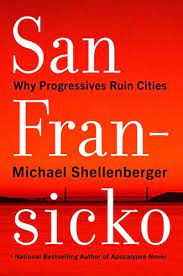
According to its dust jacket:
“Progressives claimed they knew how to solve homelessness, inequality, and crime. But in cities they control, progressives made those problems worse.
“Michael Shellenberger has lived in the San Francisco Bay Area for thirty years. During that time, he advocated for the decriminalization of drugs, affordable housing, and alternatives to jail and prison.
“But as homeless encampments spread, and overdose deaths skyrocketed, Shellenberger decided to take a closer look at the problem. What he discovered shocked him. The problems had grown worse not despite but because of progressive policies.”
In a June 1, 2022 interview with The Spectator World, Shellenberger blamed liberal ideology for this epidemic:
“The first thing is that they don’t enforce laws. They don’t enforce laws against people that they consider victims, which includes addicts and the mentally ill. And if you don’t enforce laws it turns out people don’t follow them and you don’t have functioning civilization.

Michael Shellenberger
Michael Shellenberger, CC BY-SA 4.0 <https://creativecommons.org/licenses/by-sa/4.0>, via Wikimedia Commons
“The second is that they have pursued a radical de-incarceration, de-policing and decriminalization agenda, which has removed penalties for many laws, including shoplifting $950 worth of goods, or possessing three grams of fentanyl and meth, enough to produce paranoid psychosis. And they’ve pursued a so-called housing first anti-shelter policy.
“So they’ve defunded the shelters. The governor himself has established that housing should be a right. That anybody who comes to San Francisco or Los Angeles should have their own apartment unit in those cities. That is the state policy. It is so ridiculous. It is shocking to even say that that is what the policy is, but that is what it is.
“What we need is pretty straightforward. We need to enforce laws. We need a shelter-first housing-earned policy and you need statewide psychiatric and addiction care like they have in every civilized country.
“We’re reviving people from overdose six, nine, twelve times and then sending them right back onto the streets to smoke more fentanyl. It’s bonkers.
“Fifty percent to 75 percent of all fires put out by the San Francisco and Los Angeles fire departments are in homeless encampments. My own research, and the research of others, shows that most of these are arson fires, people just getting back at each other.”
And how did the city’s mayor, London Breed, respond to the closing of Whole Foods Market? With a public statement that was pure boilerplate:
“Public safety is Mayor Breed’s top priority and vital to the City’s work around restoring our economy and making our residents and workers feel safe.
“Over the last several months, the San Francisco Police Department and the Mayor’s Office have been working collaboratively with Whole Foods’ leadership to address public safety issues at their 8th and Market location.
“We will continue to engage with them about the future use of the site. The Police will continue aggressively enforcing against open-air drug dealing, maximizing police response to urgent calls for assistance, partnering with retailers to address theft in their stores, and enforcing new street vending regulations to disrupt the sale of stolen goods.”
In short: Blah-blah-blah.
Nowhere in that statement is there any mention that from 2020 to July, 2022, San Francisco had a District Attorney—Chesa Boudin—who saw criminals as victims and sought any reason to excuse them for their crimes.
Nor is there any mention that the current D.A.—Brooke Jenkins—remains stymied by the realities that, under California law:
- Theft under $950 is considered a misdemeanor.
- As a result, many prosecutors prefer to free those charged rather than holding them in jail.
- The maximum sentence offenders can get is six months.
Also left unsaid:
- Firefighters, police officers and schoolteachers are unable to afford the extortionate rents charged by San Francisco landlords.
- But city officials have thrown out the welcome mat for DDMBs—Druggies, Drunks, Mentals and Bums.
- Many DDMBs refuse to enter the city’s available shelters. Some claim these places are dangerous—understandably so, since they’re peopled with drug addicts, alcoholics, mentally ill and outright bums.
- Another reason why many of these shelters go unused: They don’t allow their “guests” to drink up or drug up.
The latest wrinkle in San Francisco’s “be kind to Untermenschen“ campaign is the creation of “Navigation Centers.” These are essentially holding pens for DDMBs—until they can be “navigated” to permanent housing.
This is a triumph of misleading language over reality, since there is little available housing in San Francisco to “navigate” them to.
ABC NEWS, ALCOHOLISM, ALTERNATIVE HOUSING PROGRAM, ALTERNET, AMAZON, AMERICABLOG, AP, BABY BOOMER RESISTANCE, BBC, BLOOMBERG NEWS, BROOKE JENKINS, BUMS, BUZZFEED, CATHERINE OF ARAGON, CATHERINE STEFANI, CBS NEWS, CHESA BOUDIN, CITY JOURNAL, CNN, COVID-19, CRACK COCAINE, CROOKS AND LIARS, CVS, DAILY KOS, DEPARTMENT OF PUBLIC HEALTH (DPH), DON CAMIGNANI, DONALD TRUMP, DRUG ADDICTION, FENTANYL, FIVETHIRTYEIGHT, FRANKLIN D. ROOSEVELT, GAVIN NEWSOM, HARPER’S MAGAZINE, HOMELESS, HOMELESSNESS, HUFFINGTON POST, IPS SECURITY, JOSEPH STALIN, LONDON BREED, LOS ANGELES, MARK HOPKINS HOTEL, MEDIA MATTERS, MENTAL ILLNESS, MICHAEL SHELLENBERGER, MOTEL 6, MOTHER JONES, MOVEON, MSNBC, NAVIGATION CENTERS, NBC NEWS, NEW REPUBLIC, NEWSDAY, NEWSWEEK, NPR, ORACLE, PBS NEWSHOUR, POLITICAL CORRECTNESS, POLITICO, POLITICUSUSA, PORTLAND, RAW STORY, REUTERS, SALON, SAN FRANCISCO, SAN FRANCISCO BOARD OF SUPERVISORS, SAN FRANCISCO DISTRICT ATTORNEY'S OFFICE, SAN FRANCISCO MAYOR'S OFFICE, SAN FRANCISCO POLICE DEPARTMENT, SAN FRANSICKO: WHY PROGRESSIVES RUIN CITIES (BOOK), SEATLE, SEATTLE TIMES, SLATE, TALKING POINTS MEMO, TENDERLOIN, THE ATLANTIC, THE CHICAGO SUN-TIMES, THE CHICAGO TRIBUNE, THE DAILY BEAST, THE DAILY BLOG, THE GUARDIAN, THE HILL, THE HUFFINGTON POST, THE INTERCEPT, THE LOS ANGELES TIMES, THE NATION, THE NEW REPUBLIC, THE NEW YORK TIMES, THE NEW YORKER, THE SPECTATOR WORLD, THE VILLAGE VOICE, THE WASHINGTON POST, THINKPROGRESS, TIME, TRUTHDIG, TRUTHOUT, TWITTER, U.S. NEWS & WORLD REPORT, UPI, USA TODAY, VMWARE, WALGREENS, WHOLE FOODS MARKET
In Bureaucracy, Business, History, Law, Law Enforcement, Medical, Politics, Social commentary on May 15, 2023 at 12:19 am
“My son Don was beaten by two men with a steel pipe last night on Laguna Street and Lombard Street,” read a Nextdoor post by Joan Carmignani, the mother of the former San Francisco Fire Commissioner, Don Carmignani.
She thanked the neighbors who stopped the fight and called 911: “If they were not there my son would be dead! He is in the hospital with a skull fracture, broken jaw and many cuts.”
Camignani was attacked around 7:20 p.m. on April 5 in the upscale San Francisco Marina District.
Five days later, on April 10, one of the largest supermarkets in Downtown San Francisco—the Whole Foods Market at Eighth and Market streets—announced it would shut down at the close of business that day.

The store, operated by Amazon, had been operating slightly more than a year.
White these two incidents might seem to be unrelated, they actually shared a common link: Both were victims of San Francisco’s notorious toleration of DDMBs—Druggies, Drunks, Mentals and Bums.
The Politically Correct name for these people is “homeless.” The accurate name for them is summed up in a German word: “Untermenschen”—“subhumans.”
“Right now, one of my dear friends is in the hospital because last night in the Marina he was attacked by a homeless person with a metal pipe,” San Francisco Supervisor Catherine Stefani, whose District 2 covers the Marina, said in a city meeting.
Stefani explained that Don Carmignani’s mother had called the police because homeless people were doing drugs outside her door and wouldn’t leave. When no police responded, her son came to talk to the men outside her door and was assaulted.
“It was two guys smoking meth or crack in front of his mother’s house, like blocking the entrance, and she’s in her late 70s,” said Ali Jamalian, a friend of Carmignani’s.

Catherine Stefani
Ironically, drugs have played a major role in Carmignani’s life: “He’s a very well-known local cannabis entrepreneur. He’s always been a pro-cannabis landlord and a fighter for the cause,” Jamalian said.
Stefani blamed the lack of police for the assault: “We’re 55 officers short in the Northern Station. That’s a real thing. This isn’t fear-mongering. I’ve been here 21 years, and this didn’t use to happen. I believe this is a direct result of the fact that we do not have enough officers on our street.”
Given the Politically Correct climate of San Francisco, it was almost guaranteed to happen—as was the closing of the Whole Foods store at Market and Eighth.
At its opening, on March 10, 2022, the store operated from 8 a.m. to 9 p.m. By October, it opened at 9 a.m. and closed at 7 p.m.
“It’s to better serve our customers, and it’s more or less because of the area and security issues,” said the store’s manager. “There’s just high theft and people being hostile.”
In November, the store enforced new rules for customers after syringes and pipes were found in the restroom. The bathroom was now open only to customers who showed security guards a receipt. Customers were then given a QR code for entry.
It was no coincidence that the bathrooms were often used by drug-abusers—the store was close to the Tenderloin Center, a safe drug-use site.

Crack cocaine
Argv0, CC BY-SA 4.0 <https://creativecommons.org/licenses/by-sa/4.0>, via Wikipedia Commons
Another reason for the change in bathroom policy: Thieves would fill up suitcases with merchandise before going into the restroom.
And who is ultimately responsible for such outrages as the assault on a former San Francisco Fire Commissioner and the closing of a major downtown supermarket?
San Francisco’s topmost officials—the Mayor, Board of Supervisors, District Attorney and chief of the San Francisco Police Department. Together, they have formed an “Untermenschen”-friendly alliance.
The start of the COVID-19 pandemic inflicted a massive loss in foot traffic in downtown San Francisco as employees fled high rises to work remotely from home. Many small businesses—especially restaurants—shuttered.
Compounding this disaster has been an increasing influx of DDMBs—Druggies, Drunks, Mentals and Bums. Sidewalks are littered with tents, used hypodermic syringes and needles, empty beer cans and wine bottles, human feces and pools of urine.
The local and national press have predicted a “doom loop” facing San Francisco, as the city’s tourism rate sharply declines and City Hall officials currently project a nearly $800 million deficit in San Francisco’s budget.
But this has not prevented these same officials from calling for increased efforts to comfort those very parasites who threaten not only their own lives but those of law-abiding San Franciscans and the city’s tourism industry.
On November 3, 2021, National Public Radio’s website carried the following headline: “San Francisco’s new rapid response teams race to save lives as ODs dramatically rise.”
From the story:
“Faced with a stunning rise in drug overdose deaths the last few years, the vast majority tied to fentanyl, San Francisco has launched mobile teams made up of paramedics and nurses.
“The new Street Overdose Response Teams (SORT), a collaboration between the city’s health and fire departments, aim to deliver a broad range of support and care directly following an overdose.”
ABC NEWS, ALCOHOLISM, ALTERNET, AMERICABLOG, AP, BABY BOOMER RESISTANCE, BERNADINE DOHRN, BILL AYERS, BUMS, BUZZFEED, CBS NEWS, CHESA BOUDIN, CNN, CRIME, CROOKS AND LIARS, CVS, CVS PHARMACY, DAILY KOZ, DRUG ADDICTION, FACEBOOK, FIVETHIRTYEIGHT, HARPER’S MAGAZINE, HEAPTITUS C, HEPATITIS B, HILLARY RONEN, HIV, HOMELESSNESS, HUMAN FECES, INFECTIOUS DISEASES, LONDON BREED, MEDIA MATTERS, MENTAL ILLNESS, MOHAMMED NURU, MOTHER JONES, MOVEON, MSNBC, NAVIGATION CENTERS, NBC NEWS, NEWSWEEK, NPR, ORACLE, PBS NEWSHOUR, POLITICO, POLITICUSUSA, PUBLIC HEALTH, RAW STORY, REUTERS, SALON, SAN FRANCISCO, SAN FRANCISCO BOARD OF SUPERVISORS, SAN FRANCISCO DISTRICT ATTORNEY'S OFFICE, SAN FRANCISCO MAYOR'S OFFICE, SAN FRANCISCO POLICE DEPARTMENT, SAN FRANCISCO PUBLIC WORKS DEPARTMENT, SAN FRANCISCO TRAVEL ASSOCIATION, SEATTLE TIMES, SLATE, TALKING POINTS MEMO, THE ATLANTIC, THE CHICAGO SUN-TIMES, THE CHICAGO TRIBUNE, THE DAILY BEAST, THE DAILY BLOG, THE GUARDIAN, THE HILL, THE HUFFINGTON POST, THE LOS ANGELES TIMES, THE NATION, THE NEW REPUBLIC, THE NEW YORK TIMES, THE VILLAGE VOICE, THE WASHINGTON POST, THINKPROGRESS, TIME, TOURISM, TRUTHDIG, TRUTHOUT, TWITTER, U.S. NEWS & WORLD REPORT, UPI, USA TODAY, WALGREENS, WALGREENS DRUG STORES, WEATHER UNDERGROUND
In Bureaucracy, History, Law, Law Enforcement, Politics, Social commentary on September 20, 2022 at 12:17 am
Current estimates peg the “homeless” population of San Francisco at about 8,000.
In 2019, a survey found that an estimated 2,831 members of this population were sheltered. Another 5,180 were unsheltered. This made for a total of 8,011.
The vast majority of them fall into four groups:
- Druggies
- Drunks
- Mentally ill
- Bums.
Or, to put it more discretely: DDMBs.
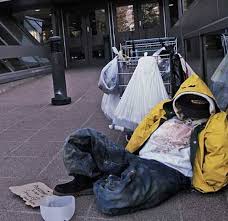
Many DDMBs refuse to enter the city’s available shelters. Some claim these places are dangerous—understandably so, since they’re peopled with drug addicts, alcoholics, mentally ill and outright bums.
But another reason why many of these shelters go unused is: They don’t allow their guests to drink up or drug up.
Huge areas of the city are covered in feces, urine, trash and used hypodermic needles. Hospitals overflow with patients that have fallen ill due to the contamination.
The city spent about $852 million in 2020-21 on DDMBs. Dividing that amount by about 8,000 DDMBs provides the figure of $106,500 per DDMB per year.
In February, 2018, NBC News surveyed 153 blocks of the city—an area more than 20 miles. That area includes popular tourist spots like Union Square and the cable car turnaround. It’s bordered by Van Ness Avenue, Market Street, Post Street and Grant Avenue. And it’s also home to City Hall, schools, playgrounds and a police station.
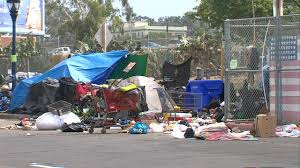
Most of the trash found consisted of heaps of garbage, food, and discarded junk—including 100 drug needles and more than 300 piles of feces throughout downtown. And once fecal matter dries, it can become airborne and release deadly viruses, such as the rotavirus.
Another danger posed by DDMBs: Their rampant shoplifting has led to the closing of many Walgreens drug stores in San Francisco.

The Walgreens at 30th Street and Mission Street reported 16 shoplifting incidents between November 2020 and February 2021. Just six blocks away, Walgreens’ products were being sold at an outdoor market.
And there’s no point in expecting help from the police or district attorney’s office.
The website Only in Your State cites “the eight most dangerous places in San Francisco” as:
- The Tenderloin
- Hunter’s Point
- Bayview
- Mission District
- Outer Mission
- Western Addition
- South of Market and
- Golden Gate Park.
Those areas encompass the major parts of the city—which is only 46 square miles. That alone tells you how ineffective the SFPD is at preventing crime.
From 2019 until June 7, 2022, District Attorney Chesa Boudin refused to hold such criminals accountable. Instead, he blamed “society” for the crimes they had committed.
Elected in 2019, Boudin is the son of Weather Underground parents convicted of murdering two police officers and a Brink’s security guard in 1981. Boudin was raised by two more Weather members—Bernadine Dohrn and Bill Ayers.
On June 7, San Francisco voters, furious about crime, recalled Boudin.
Low-income and disabled seniors who depend on these disappearing drug stores for prescriptions are especially at risk.
Walgreens is not the only pharmacy to be victimized by DDMBs. A CVS location a few blocks away, at 995 Market Street, also closed due to shoplifting.
The latest wrinkle in San Francisco’s “be kind to Untermenschen” campaign is the creation of “Navigation Centers.” These are essentially holding pens for DDMBs until they can be “navigated” to permanent housing.
But housing is in short supply in San Francisco, and there is no telling how long many of these drug addicts, alcoholics, mentally disabled and bums will stay in them. Or what harm they will wreak on the neighborhoods warehousing them.
Hundreds—if not thousands—of them are heroin addicts. Such people will commit virtually any crime to support their habit. And their crimes of choice are burglary and robbery.
Thus, pouring large numbers of them into San Francisco neighborhoods via “Navigation Centers” guarantees that countless decent citizens will become targets for desperate criminals.
Navigation Centers boast that they ban drug-abuse or drug-dealing on their own premises. But they allow DDMBs to come and go at will. Which means they are free to engage in drug-abuse and/or drug-dealing in the neighborhoods where these centers exist.
Most politicians set their priorities on how popular their programs will be among voters. But San Francisco’s politicians reject practicality for allegiance to Uber liberal ideology.
Drug addicts, alcoholics, the mentally ill and those who refuse to work are not reliable voters. Those who are productive, tax-paying, law-abiding citizens do vote.
And many of these people have voted—to not visit San Francisco again.
Hosting conventions is a lucrative business for San Francisco, bringing in about $2 billion each year. In 2019, the city hosted 40 large-scale conventions at the Moscone Center. This year, the number may reach 20.
“One of the things [international clients] are looking at is the conditions on the streets,” said Joe D’Alessandro, the president and CEO of SF Travel. “We need to be able to walk down the streets and not feel harassed.”
A quarter of all tourists visiting San Francisco in 2019 were international travelers—and comprised 63% of all tourism spending.
“Our numbers will not be what they were in 2019 until we see those markets return,” said D’Alessandro.
San Francisco’s embrace of DDMBs threatens not only its residents but the tourism industry on which it depends for its economic survival.
ABC NEWS, ALCOHOLISM, ALTERNET, AMERICABLOG, AP, BABY BOOMER RESISTANCE, BERNADINE DOHRN, BILL AYERS, BUMS, BUZZFEED, CBS NEWS, CHESA BOUDIN, CNN, CRIME, CROOKS AND LIARS, CVS, CVS PHARMACY, DAILY KOZ, DRUG ADDICTION, FACEBOOK, FIVETHIRTYEIGHT, HARPER’S MAGAZINE, HEAPTITUS C, HEPATITIS B, HILLARY RONEN, HIV, HOMELESSNESS, HUMAN FECES, INFECTIOUS DISEASES, LONDON BREED, MEDIA MATTERS, MENTAL ILLNESS, MOHAMMED NURU, MOTHER JONES, MOVEON, MSNBC, NAVIGATION CENTERS, NBC NEWS, NEWSWEEK, NPR, ORACLE, PBS NEWSHOUR, POLITICO, POLITICUSUSA, PUBLIC HEALTH, RAW STORY, REUTERS, SALON, SAN FRANCISCO, SAN FRANCISCO BOARD OF SUPERVISORS, SAN FRANCISCO DISTRICT ATTORNEY'S OFFICE, SAN FRANCISCO MAYOR'S OFFICE, SAN FRANCISCO POLICE DEPARTMENT, SAN FRANCISCO PUBLIC WORKS DEPARTMENT, SAN FRANCISCO TRAVEL ASSOCIATION, SEATTLE TIMES, SLATE, TALKING POINTS MEMO, THE ATLANTIC, THE CHICAGO SUN-TIMES, THE CHICAGO TRIBUNE, THE DAILY BEAST, THE DAILY BLOG, THE GUARDIAN, THE HILL, THE HUFFINGTON POST, THE LOS ANGELES TIMES, THE NATION, THE NEW REPUBLIC, THE NEW YORK TIMES, THE VILLAGE VOICE, THE WASHINGTON POST, THINKPROGRESS, TIME, TOURISM, TRUTHDIG, TRUTHOUT, TWITTER, U.S. NEWS & WORLD REPORT, UPI, USA TODAY, WALGREENS, WALGREENS DRUG STORES, WEATHER UNDERGROUND
In Bureaucracy, History, Law, Law Enforcement, Politics, Social commentary on September 19, 2022 at 12:10 am
Why are Walgreen stores disappearing from San Francisco?
The answer can be summed up in four letters: DDMBs—Druggies, Drunks, Mentals and Bums.
These are the untouchables of San Francisco. If you doubt it, consider the following:
If you are a firefighter, police officer, paramedic or schoolteacher, and want to live in San Francisco, forget it.
According to Rent Cafe, which provides apartment listings directly from top property managers: “The average [monthly] rent for an apartment in San Francisco is $3,397.” And “the average size for a San Francisco apartment is 740 square feet.”
So unless you’re a hugely successful IT professional—or narcotics dealer—your chances of being able to afford a San Francisco apartment are lower than Donald Trump’s of winning a “Mr. Congeniality” contest.
But there’s hope for you yet—if you’re a Druggie, Drunk, Mental or Bum.
Why?
Because the Mayor of San Francisco—currently London Breed—and Board of Supervisors have deliberately created an Untermenschen-friendly program that actually encourages such people to move to the city.
Run by the city’s Department of Public Health (DPH) it’s called the COVID-19 Alternative Housing Program. And it works in two stages:
Stage 1: Move the “homeless” into the city’s hotels—at city expense.
Stage 2: Provide them with not only free food and shelter but free alcohol, cannabis, and cigarettes.
According to a May 11, 2020 story in City Journal.org:
“The program’s primary purpose is to keep homeless people, the majority of whom are addicts, out of harm’s way during the pandemic. By getting their substance of choice delivered, the thinking goes, the guests may be more apt to remain in their government-funded rooms.
“Another purpose of the program is to protect the public against the spread of coronavirus. The city doesn’t want homeless people who should be staying in their rooms roaming the neighborhood in search of the substances, potentially infecting others.”
After news about these deliveries leaked on social media, DPH claimed that “rumors that guests of San Francisco’s alternative housing program are receiving taxpayer-funded deliveries of alcohol, cannabis and tobacco are false.”
Except that the reports weren’t false.
The program is funded by private philanthropists Nevertheless:
- DPH administers and oversees the program.
- It’s staffed by city workers, including doctors, nurse practitioners, nurses, social workers, and security personnel.
- The department manages, stores, and distributes the substances.
- Employee time is involved.
Thus, the program is financed by taxpayers, even if an outside group provides some of the funding.
“Managed alcohol and tobacco use makes it possible to increase the number of guests who stay in isolation and quarantine and, notably, protects the health of people who might otherwise need hospital care for life-threatening alcohol withdrawal,” says DPH spokeswoman Jenna Lane.
“Many isolation and quarantine guests tell us they use these substances daily,” says Lane, “and this period in our care has allowed some people to connect for the first time with addiction treatment and harm reduction therapy.”
Notice the word “guests.” As if San Francisco—or any city—should welcome hordes of drug addicts, alcoholics, mentally ill and outright bums as assets to its community.
“Harm reduction” therapy, according to the Harm Reduction Coalition, is “a set of practical strategies and ideas aimed at reducing negative consequences associated with drug use.”
DPH said in a statement that these “guests” are screened for substance addictions and asked if they’d like to stop or have support to reduce their use.
If they say they want to remain alcoholics and/or drug addicts, they’re provided with their substance of choice.
The department also provides methadone for “guests” who are addicted to opioids.
DPH staffers have helped people buy “medical marijuana,” the agency told local affiliate ABC7.
But the agency doesn’t “facilitate purchases of recreational cannabis,” according to the San Francisco Chronicle’s website, SFGate.
Nor does the agency require that its addict “guests” remain quarantined. It merely asks that they do so.
When they’re not injecting, swallowing or sniffing drugs, many of San Francisco’s “guests” spend a lot of their time ripping off retail stores.
Walgreens drug stores have proven a particular target for these DDMBs.
As a result, Walgreens has closed 17 stores in San Francisco.
“I feel sorry for the clerks, they are regularly being verbally assaulted,” a regular customer, Sebastian Luke, told the San Francisco Chronicle.
“The clerks say there is nothing they can do. They say Walgreens’ policy is to not get involved. They don’t want anyone getting injured or getting sued, so the guys just keep coming in and taking whatever they want.”
“Why are the shelves empty?” a customer asked a clerk at a Walgreens store.
“Go ask the people in the alleys, they have it all,” replied the clerk.
One store in the San Francisco area reportedly lost $1,000 a day to theft.
CVS Pharmacy has instructed its employees to not intervene because the thieves so often attack them.
Many shoplifters then sell their stolen goods on the street—often near the store where they stole them.
Under California law, theft under $950 is considered a misdemeanor, but many prosecutors prefer to free those charged rather than holding them in jail.
The maximum sentence they could get: Six months.
ABC NEWS, ALTERNET, AMERICABLOG, AP, ARMED ROBBERY, BABY BOOMER RESISTANCE, BBC, BLACK LIVES MATTER, BLOOMBERG NEWS, BUZZFEED, CBS NEWS, CNN, CRIME, CROOKS AND LIARS, DAILY KOZ, ED LEE, FACEBOOK, FIVETHIRTYEIGHT, GANG ACTIVITY, GEORGE GASCON, GREG SUHR, HARPER’S MAGAZINE, HEROISM, HUFFINGTON POST, MARIO WOODS, MEDIA MATTERS, MOTHER JONES, MOVEON, MSNBC, NBC NEWS, NEW REPUBLIC, NEWSDAY, NEWSWEEK, NPR, OAKDALE MOB, PBS NEWSHOUR, POLITICO, POLITICUSUSA, RAW STORY, REUTERS, SALON, SAN FRANCISCO BOARD OF SUPERVISORS, SAN FRANCISCO MAYOR ED LEE, SAN FRANCISCO POLICE DEPARTMENT, SEATTLE TIMES, SLATE, TALKING POINTS MEMO, THE ATLANTIC, THE CHICAGO SUN-TIMES, THE CHICAGO TRIBUNE, THE DAILY BEAST, THE DAILY BLOG, THE GUARDIAN, THE HILL, THE HUFFINGTON POST, THE LOS ANGELES TIMES, THE NATION, THE NEW REPUBLIC, THE NEW YORK TIMES, THE NEW YORKER, THE VILLAGE VOICE, THE WASHINGTON POST, THINKPROGRESS, TIME, TRUTHDIG, TRUTHOUT, TWITTER, TWO POLITICAL JUNKIES, U.S. NEWS & WORLD REPORT, UPI, USA TODAY, WONKETTE
In History, Law, Law Enforcement, Politics, Social commentary on September 17, 2021 at 12:37 am
“I am extremely disturbed by the state of the law today, and yet I am duty bound to adhere to the law. Under current law, police officers do not have to retreat, police officers don’t have to use the minimum force necessary.”
So said San Francisco District Attorney George Gascón, almost in tears, on May 24, 2018.
The reason: He could not file charges against the San Francisco Police Department (SFPD) officers who shot a drugged-up, knife-slashing assailant to death on December 2, 2015.
The dead slasher: Mario Woods, a known gang member, armed robber and car thief.
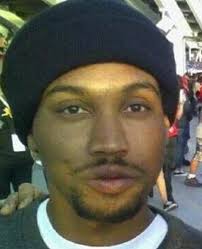
Mario Woods
At 26, Woods—born on July 22, 1989—had a well-documented history of criminality:
- He was an active member of the notorious Oakdale Mob infesting the predominantly black Bayview-Hunters Point area of San Francisco.
- His gang-related activities included armed robbery; attempted armed robbery; shooting incidents; being a felon in illegal possession of a firearm; car theft; driving a stolen car; and being involved in an automobile injury accident while fleeing from police.
- In 2008, he pleaded guilty to possession of a firearm by a felon.
- In 2009, he was one of six gang members added to the provisions of a 2007 gang injunction against the Oakdale Mob.
- Under the terms of this injunction, Oakdale Mob members are forbidden to engage in gang-related conduct within a four-block safety zone.
- Among those prohibited activities: Possessing guns or dangerous weapons; possessing illegal drugs; loitering with intent to sell drugs; intimidating witnesses or victims; using threats to recruit or retain gang members; defacing property with graffiti.
- In 2012, he was sentenced to seven years in state prison for armed robbery. (He had already spent almost three years in County Jail.) He was released in 2014.
On December 2, 2015, San Francisco police officers took a report from a 26-year-old Bayview man who had been slashed in the left shoulder.
He and a female friend had been eating in a car parked in front of an apartment building. They saw a man “walking back and forth on the sidewalk talking” to himself, according to the police report.
The man—wielding a knife—reached into the passenger’s side of the car. The passenger opened the door to push the assailant away.
When he got out of the car, the man slashed him across the left shoulder. Bleeding heavily, the passenger—who was also black—fled to San Francisco General Hospital.
Two officers responded to the crime scene. Police radioed in a description of the attacker, and more officers joined in the search.
Minutes later, officers spotted Mario Woods, who matched the suspect’s description. When he saw the officers get out of their car, he pulled a knife from his jeans pocket and said: “You’re not taking me today.”
The two officers drew their pistols and ordered Woods to drop the knife.
“You better squeeze that motherfucker and kill me,” said Woods.
Still refusing to drop the knife, Woods was hit with three nonlethal beanbag rounds fired from a 12-gauge weapon.

12-gauge Beanbag shotgun rounds
A woman repeatedly yelled to Woods: “Oh, my God, drop it! Drop it!”
A fourth beanbag from a 40mm gun hit Woods. Although he crouched on one knee, he still held the knife. Then he quickly regained his balance and stood up.
A dose of pepper spray had no apparent effect on him.
A crowd gathered—and an officer moved toward them to warn: “Back up!”
Suddenly, Woods moved toward the crowd.
The officer stepped into Woods’ path, to keep him from reaching the bystanders.
As Woods kept advancing, the officer fired his pistol. So did four other officers, riddling Woods with bullets.
The autopsy revealed that Woods had methamphetamine, marijuana, anti-depressants, cough syrup, nicotine and caffeine in his system.
Two of the officers were black—as was Woods. But in Uber-liberal San Francisco, police are widely regarded with suspicion, if not outright hostility. Especially when a black suspect is involved.
Predictably, Black Lives Matter called for a protest and vigil on December 3, 2015.

On January 25, 2016, San Francisco’s then-Mayor Ed Lee requested a federal investigation into Woods’ death.
And San Francisco Supervisor David Campos introduced a resolution to name July 22—Woods’ birthday—as “Mario Woods Day.”
On January 26, 2016, the Board of Supervisors unanimously passed Campos’ resolution.
The effort sparked outrage from the San Francisco Police Officers Association (POA) which represents rank-and-file officers.
In a letter addressed to the Board of Supervisors, POA President Martin Halloran wrote:
“It will be a hurtful day to [the families of SFPD officers killed in the line of duty] if this city’s elected officials decide to recognize and honor an individual that preyed upon our most vulnerable citizens.”
Woods’ mother, Gwen, was elated by the vote: “Sometimes you have to stand up and look life in the eye. Everyone can’t be bullied.”
Except those her son victimized.
Since December 2, 2015—the date of Woods’ shooting—blacks had demanded the firing of Greg Suhr, chief of the San Francisco Police Department and a 35-year veteran of the force.
On May 20, 2016, Shur was forced to resign at the request of then-Mayor Ed Lee.
Thus do criminals become heroes and sworn law enforcement officers villains in Politically Correct San Francisco.
ABC NEWS, ALCOHOLISM, ALTERNET, AMERICABLOG, AP, BABY BOOMER RESISTANCE, BERNADINE DOHRN, BILL AYERS, BUMS, BUZZFEED, CBS NEWS, CHESA BOUDIN, CNN, CRIME, CROOKS AND LIARS, CVS, CVS PHARMACY, DAILY KOZ, DRUG ADDICTION, FACEBOOK, FIVETHIRTYEIGHT, HARPER’S MAGAZINE, HEAPTITUS C, HEPATITIS B, HILLARY RONEN, HIV, HOMELESSNESS, HUMAN FECES, INFECTIOUS DISEASES, LONDON BREED, MEDIA MATTERS, MENTAL ILLNESS, MOHAMMED NURU, MOTHER JONES, MOVEON, MSNBC, NAVIGATION CENTERS, NBC NEWS, NEWSWEEK, NPR, ORACLE, PBS NEWSHOUR, POLITICO, POLITICUSUSA, PUBLIC HEALTH, RAW STORY, REUTERS, SALON, SAN FRANCISCO, SAN FRANCISCO BOARD OF SUPERVISORS, SAN FRANCISCO DISTRICT ATTORNEY'S OFFICE, SAN FRANCISCO MAYOR'S OFFICE, SAN FRANCISCO POLICE DEPARTMENT, SAN FRANCISCO PUBLIC WORKS DEPARTMENT, SAN FRANCISCO TRAVEL ASSOCIATION, SEATTLE TIMES, SLATE, TALKING POINTS MEMO, THE ATLANTIC, THE CHICAGO SUN-TIMES, THE CHICAGO TRIBUNE, THE DAILY BEAST, THE DAILY BLOG, THE GUARDIAN, THE HILL, THE HUFFINGTON POST, THE LOS ANGELES TIMES, THE NATION, THE NEW REPUBLIC, THE NEW YORK TIMES, THE VILLAGE VOICE, THE WASHINGTON POST, THINKPROGRESS, TIME, TOURISM, TRUTHDIG, TRUTHOUT, TWITTER, TWO POLITICAL JUNKIES, U.S. NEWS & WORLD REPORT, UPI, USA TODAY, WALGREENS, WALGREENS DRUG STORES, WEATHER UNDERGROUND, WONKETTE
In Bureaucracy, History, Law, Law Enforcement, Politics, Social commentary on July 9, 2021 at 12:13 am
Current estimates peg the “homeless” population of San Francisco at about 8,000.
In 2019, a survey found that an estimated 2,831 members of this population were sheltered. Another 5,180 were unsheltered. This made for a total of 8,011.
The vast majority of them fall into four groups:
- Druggies
- Drunks
- Mentally ill
- Bums.
Or, to put it more discretely: DDMBs.
Many DDMBs refuse to enter the city’s available shelters. Some claim these places are dangerous—understandably so, since they’re peopled with drug addicts, alcoholics, mentally ill and outright bums.
But another reason why many of these shelters go unused is: They don’t allow their guests to drink up or drug up.
Huge areas of the city are covered in feces, urine, trash and used hypodermic needles. Hospitals overflow with patients that have fallen ill due to the contamination.
The city will spend about $852 million in 2020-21 on DDMBs. Dividing that amount by about 8,000 DDMBs provides the figure of $106,500 per DDMB per year.
In February, 2018, NBC News surveyed 153 blocks of the city—an area more than 20 miles. That area includes popular tourist spots like Union Square and the cable car turnaround. It’s bordered by Van Ness Avenue, Market Street, Post Street and Grant Avenue. And it’s also home to City Hall, schools, playgrounds and a police station.
Most of the trash found consisted of heaps of garbage, food, and discarded junk—including 100 drug needles and more than 300 piles of feces throughout downtown. And once fecal matter dries, it can become airborne and release deadly viruses, such as the rotavirus.
Another danger posed by DDMBs: Their rampant shoplifting has led to the closing of many Walgreens drug stores in San Francisco.
The Walgreens at 30th Street and Mission Street reported 16 shoplifting incidents between November 2020 and February 2021. Just six blocks away, Walgreens’ products were being sold at an outdoor market.
And there’s no point in expecting help from the police or district attorney’s office.
The website Only in Your State cites “the eight most dangerous places in San Francisco” as:
- The Tenderloin
- Hunter’s Point
- Bayview
- Mission District
- Outer Mission
- Western Addition
- South of Market and
- Golden Gate Park.
Those areas encompass the major parts of the city—which is only 46 square miles. That alone tells you how ineffective the SFPD is at preventing crime.
Then there’s District Attorney Chesa Boudin—the son of Weather Underground parents convicted of murdering two police officers and a Brink’s security guard in 1981. Boudin was raised by two more Weather members—Bernadine Dohrn and Bill Ayers.
So it shouldn’t come as a surprise that Boudin blames “society” for the crimes committed by hardened criminals—and the victims they leave in their wake.
Low-income and disabled seniors who depend on these disappearing drug stores for prescriptions are especially at risk.
Walgreens is not the only pharmacy to be victimized by DDMBs. A CVS location a few blocks away, at 995 Market Street, also closed due to shoplifting.
Target stores in the city are now closing at 6 p.m. because of rampant shoplifting.
The latest wrinkle in San Francisco’s “be kind to Untermenschen” campaign is the creation of “Navigation Centers.” These are essentially holding pens for DDMBs until they can be “navigated” to permanent housing.
But housing is in short supply in San Francisco, and there is no telling how long many of these drug addicts, alcoholics, mentally disabled and bums will stay in them. Or what harm they will wreak on the neighborhoods warehousing them.
Hundreds—if not thousands—of them are heroin addicts. Such people will commit virtually any crime to support their habit. And their crimes of choice are burglary and robbery.
Thus, pouring large numbers of them into San Francisco neighborhoods via “Navigation Centers” guarantees that countless decent citizens will become targets for desperate criminals.
Navigation Centers boast that they ban drug-abuse or drug-dealing on their own premises. But they allow DDMBs to come and go at will. Which means they are free to engage in drug-abuse and/or drug-dealing in the neighborhoods where these centers exist.
Most politicians set their priorities on how popular their programs will be among voters. But San Francisco’s politicians reject practicality for allegiance to Uber liberal ideology.
Drug addicts, alcoholics, the mentally ill and those who refuse to work are not reliable voters. Those who are productive, tax-paying, law-abiding citizens do vote.
And many of these people have voted—to not visit San Francisco again.
Hosting conventions is a lucrative business for San Francisco, bringing in about $2 billion each year. But in 2018, a Chicago-based medical association boasting roughly 15,000 conference attendees canceled its planned visit.
And in 2019, Oracle’s OpenWorld voted to cancel its planned convention in San Francisco and be centered from 2020 to 2022 at Caesar’s Forum in Las Vegas. The San Francisco Travel Association estimates that the move will cost the city $64 million in lost revenue.

The reason for both cancellations: San Francisco’s fervent embrace of DDMBs-–and the refusal of attendees to wade through piles of trash, used hypodermic needles, beer bottles, human feces and huge tents on sidewalks.
San Francisco’s embrace of DDMBs threatens not only its residents but the tourism industry on which it depends for its economic survival.
ABC NEWS, ALCOHOLISM, ALTERNET, AMERICABLOG, AP, BABY BOOMER RESISTANCE, BERNADINE DOHRN, BILL AYERS, BUMS, BUZZFEED, CBS NEWS, CHESA BOUDIN, CNN, CRIME, CROOKS AND LIARS, CVS, CVS PHARMACY, DAILY KOZ, DRUG ADDICTION, FACEBOOK, FIVETHIRTYEIGHT, HARPER’S MAGAZINE, HEAPTITUS C, HEPATITIS B, HILLARY RONEN, HIV, HOMELESSNESS, HUMAN FECES, INFECTIOUS DISEASES, LONDON BREED, MEDIA MATTERS, MENTAL ILLNESS, MOHAMMED NURU, MOTHER JONES, MOVEON, MSNBC, NAVIGATION CENTERS, NBC NEWS, NEWSWEEK, NPR, ORACLE, PBS NEWSHOUR, POLITICO, POLITICUSUSA, PUBLIC HEALTH, RAW STORY, REUTERS, SALON, SAN FRANCISCO, SAN FRANCISCO BOARD OF SUPERVISORS, SAN FRANCISCO DISTRICT ATTORNEY'S OFFICE, SAN FRANCISCO MAYOR'S OFFICE, SAN FRANCISCO POLICE DEPARTMENT, SAN FRANCISCO PUBLIC WORKS DEPARTMENT, SAN FRANCISCO TRAVEL ASSOCIATION, SEATTLE TIMES, SLATE, TALKING POINTS MEMO, THE ATLANTIC, THE CHICAGO SUN-TIMES, THE CHICAGO TRIBUNE, THE DAILY BEAST, THE DAILY BLOG, THE GUARDIAN, THE HILL, THE HUFFINGTON POST, THE LOS ANGELES TIMES, THE NATION, THE NEW REPUBLIC, THE NEW YORK TIMES, THE VILLAGE VOICE, THE WASHINGTON POST, THINKPROGRESS, TIME, TOURISM, TRUTHDIG, TRUTHOUT, TWITTER, TWO POLITICAL JUNKIES, U.S. NEWS & WORLD REPORT, UPI, USA TODAY, WALGREENS, WALGREENS DRUG STORES, WEATHER UNDERGROUND, WONKETTE
In Bureaucracy, History, Law, Law Enforcement, Politics, Social commentary on July 8, 2021 at 12:23 am
Why are Walgreen stores disappearing from San Francisco?
The answer can be summed up in four letters: DDMBs—Druggies, Drunks, Mentals and Bums.
These are the untouchables of San Francisco. If you doubt it, consider the following:
If you are a firefighter, police officer, paramedic or schoolteacher, and want to live in San Francisco, forget it.
According to Rent Cafe, which provides apartment listings directly from top property managers: “The average [monthly] rent for an apartment in San Francisco is $2,879.” And “the average size for a San Francisco apartment is 739 square feet.”
So unless you’re a hugely successful IT professional—or narcotics dealer—your chances of being able to afford a San Francisco apartment are lower than Donald Trump’s of winning a “Mr. Congeniality” contest.
But there’s hope for you yet—if you’re a Druggie, Drunk, Mental or Bum.
Why?
Because the Mayor of San Francisco—currently London Breed—and Board of Supervisors have deliberately created an Untermenschen-friendly program that actually encourages such people to move to the city.
Run by the city’s Department of Public Health (DPH) it’s called the COVID-19 Alternative Housing Program. And it works in two stages:
Stage 1: Move the “homeless” into the city’s hotels—at city expense.
Stage 2: Provide them with not only free food and shelter but free alcohol, cannabis, and cigarettes.
According to a May 11, 2020 story in City Journal.org:
“The program’s primary purpose is to keep homeless people, the majority of whom are addicts, out of harm’s way during the pandemic. By getting their substance of choice delivered, the thinking goes, the guests may be more apt to remain in their government-funded rooms.
“Another purpose of the program is to protect the public against the spread of coronavirus. The city doesn’t want homeless people who should be staying in their rooms roaming the neighborhood in search of the substances, potentially infecting others.”
After news about these deliveries leaked on social media, DPH claimed that “rumors that guests of San Francisco’s alternative housing program are receiving taxpayer-funded deliveries of alcohol, cannabis and tobacco are false.”
Except that the reports weren’t false.
The program is funded by private philanthropists Nevertheless:
- DPH administers and oversees the program.
- It’s staffed by city workers, including doctors, nurse practitioners, nurses, social workers, and security personnel.
- The department manages, stores, and distributes the substances.
- Employee time is involved.
Thus, the program is financed by taxpayers, even if an outside group provides some of the funding.
“Managed alcohol and tobacco use makes it possible to increase the number of guests who stay in isolation and quarantine and, notably, protects the health of people who might otherwise need hospital care for life-threatening alcohol withdrawal,” says DPH spokeswoman Jenna Lane.
“Many isolation and quarantine guests tell us they use these substances daily,” says Lane, “and this period in our care has allowed some people to connect for the first time with addiction treatment and harm reduction therapy.”
Notice the word “guests.” As if San Francisco—or any city—should welcome hordes of drug addicts, alcoholics, mentally ill and outright bums as assets to its community.
“Harm reduction” therapy, according to the Harm Reduction Coalition, is “a set of practical strategies and ideas aimed at reducing negative consequences associated with drug use.”
DPH said in a statement that these “guests” are screened for substance addictions and asked if they’d like to stop or have support to reduce their use.
If they say they want to remain alcoholics and/or drug addicts, they’re provided with their substance of choice.
The department also provides methadone for “guests” who are addicted to opioids.
DPH staffers have helped people buy “medical marijuana,” the agency told local affiliate ABC7.
But the agency doesn’t “facilitate purchases of recreational cannabis,” according to the San Francisco Chronicle’s website, SFGate.
Nor does the agency require that its addict “guests” remain quarantined. It merely asks that they do so.
When they’re not injecting, swallowing or sniffing drugs, many of San Francisco’s “guests” spend a lot of their time ripping off retail stores.
Walgreens drug stores have proven a particular target for these DDMBs.
As a result, Walgreens has closed 17 stores in San Francisco.
“I feel sorry for the clerks, they are regularly being verbally assaulted,” a regular customer, Sebastian Luke, told the San Francisco Chronicle.
“The clerks say there is nothing they can do. They say Walgreens’ policy is to not get involved. They don’t want anyone getting injured or getting sued, so the guys just keep coming in and taking whatever they want.”
“Why are the shelves empty?” a customer asked a clerk at a Walgreens store.
“Go ask the people in the alleys, they have it all,” replied the clerk.
One store in the San Francisco area reportedly lost $1,000 a day to theft.
CVS Pharmacy has instructed its employees to not intervene because the thieves so often attack them.
Many shoplifters then sell their stolen goods on the street—often near the store where they stole them.
Under California law, theft under $950 is considered a misdemeanor, but many prosecutors prefer to free those charged rather than holding them in jail.
The maximum sentence they could get: Six months.
ABC NEWS, ALTERNET, AMERICABLOG, AP, ARMED ROBBERY, BABY BOOMER RESISTANCE, BLACK LIVES MATTER, BUZZFEED, CBS NEWS, CNN, CRIME, CROOKS AND LIARS, DAILY KOZ, ED LEE, FACEBOOK, FIVETHIRTYEIGHT, GANG ACTIVITY, GEORGE GASCON, GREG SUHR, HEROISM, MARIO WOODS, MOTHER JONES, MOVEON, MSNBC, NBC NEWS, NEWSWEEK, NPR, OAKDALE MOB, PBS NEWSHOUR, POLITICO, POLITICUSUSA, RAW STORY, REUTERS, SALON, SAN FRANCISCO BOARD OF SUPERVISORS, SAN FRANCISCO MAYOR ED LEE, SAN FRANCISCO POLICE DEPARTMENT, SEATTLE TIMES, SLATE, TALKING POINTS MEMO, THE ATLANTIC, THE CHICAGO SUN-TIMES, THE CHICAGO TRIBUNE, THE DAILY BEAST, THE DAILY BLOG, THE GUARDIAN, THE HILL, THE HUFFINGTON POST, THE LOS ANGELES TIMES, THE NATION, THE NEW YORK TIMES, THE WASHINGTON POST, THINKPROGRESS, TIME, TRUTHDIG, TWITTER, U.S. NEWS & WORLD REPORT, UPI, USA, USA TODAY
In Bureaucracy, History, Law, Law Enforcement, Politics, Social commentary on November 8, 2019 at 12:12 am
“I am extremely disturbed by the state of the law today, and yet I am duty bound to adhere to the law. Under current law, police officers do not have to retreat, police officers don’t have to use the minimum force necessary.”
So said San Francisco District Attorney George Gascón, almost in tears, on May 24, 2018.
The reason: He could not file charges against the San Francisco Police Department (SFPD) officers who shot a drugged-up, knife-slashing assailant to death on December 2, 2015.
The dead slasher: Mario Woods, a known gang member, armed robber and car thief.
Mario Woods
At 26, Woods—born on July 22, 1989—had a well-documented history of criminality:
- He was an active member of the notorious Oakdale Mob infesting the predominantly black Bayview-Hunters Point area of San Francisco.
- His gang-related activities included armed robbery; attempted armed robbery; shooting incidents; being a felon in illegal possession of a firearm; car theft; driving a stolen car; and being involved in an automobile injury accident while fleeing from police.
- In 2008, he pleaded guilty to possession of a firearm by a felon.
- In 2009, he was one of six gang members added to the provisions of a 2007 gang injunction against the Oakdale Mob.
- Under the terms of this injunction, Oakdale Mob members are forbidden to engage in gang-related conduct within a four-block safety zone.
- Among those prohibited activities: Possessing guns or dangerous weapons; possessing illegal drugs; loitering with intent to sell drugs; intimidating witnesses or victims; using threats to recruit or retain gang members; defacing property with graffiti.
- In 2012, he was sentenced to seven years in state prison for armed robbery. (He had already spent almost three years in County Jail.) He was released in 2014.
On December 2, 2015, San Francisco police officers took a report from a 26-year-old Bayview man who had been slashed in the left shoulder.
He and a female friend had been eating in a car parked in front of an apartment building. They saw a man “walking back and forth on the sidewalk talking” to himself, according to the police report.
The man—wielding a knife—reached into the passenger’s side of the car. The passenger opened the door to push the assailant away.
When he got out of the car, the man slashed him across the left shoulder. Bleeding heavily, the passenger fled to San Francisco General Hospital.
Two officers responded to the crime scene. Police radioed in a description of the attacker, and more officers joined in the search.
Minutes later, officers spotted Mario Woods, who matched the suspect’s description. When he saw the officers get out of their car, he pulled a knife from his jeans pocket and said: “You’re not taking me today.”
The two officers drew their pistols and ordered Woods to drop the knife.
“You better squeeze that motherfucker and kill me,” said Woods.
Still refusing to drop the knife, Woods was hit with three nonlethal beanbag rounds fired from a 12-gauge weapon.
12-gauge Beanbag shotgun rounds
A woman repeatedly yelled to Woods: “Oh, my God, drop it! Drop it!”
A fourth beanbag from a 40mm gun hit Woods. Although he crouched on one knee, he still held the knife. Then he quickly regained his balance and stood up.
A dose of pepper spray had no apparent effect on him.
A crowd gathered—and an officer moved toward them to warn: “Back up!”
Suddenly, Woods moved toward the crowd.
The officer stepped into Woods’ path, to keep him from reaching the bystanders.
As Woods kept advancing, the officer fired his pistol. So did four other officers, riddling Woods with bullets.
The autopsy revealed that Woods had methamphetamine, marijuana, anti-depressants, cough syrup, nicotine and caffeine in his system.
Two of the officers were black—as was Woods. But in Uber-liberal San Francisco, police are widely regarded with suspicion, if not outright hostility. Especially when a black suspect is involved.
Predictably, Black Lives Matter called for a protest and vigil on December 3, 2015.
On January 25, 2016, then-San Francisco Mayor Ed Lee requested a federal investigation into Woods’ death.
And San Francisco Supervisor David Campos introduced a resolution to name July 22—Woods’ birthday—as “Mario Woods Day.”
On January 26, 2016, the Board of Supervisors unanimously passed Campos’ resolution.
The effort sparked outrage from the San Francisco Police Officers Association (POA) which represents rank-and-file officers.
In a letter addressed to the Board of Supervisors, POA President Martin Halloran wrote:
“It will be a hurtful day to [the families of SFPD officers killed in the line of duty] if this city’s elected officials decide to recognize and honor an individual that preyed upon our most vulnerable citizens.”
Woods’ mother, Gwen, was elated by the vote: “Sometimes you have to stand up and look life in the eye. Everyone can’t be bullied.”
Except those her son victimized.
Since December 2—the date of Woods’ shooting—blacks had demanded the firing of Greg Suhr, chief of the San Francisco Police Department and a 35-year veteran of the force.
On May 20, 2016, Shur was forced to resign at the request of then-Mayor Ed Lee.
Thus do criminals become heroes and sworn law enforcement officers villains in San Francisco.
ABC NEWS, ALTERNET, AMERICABLOG, AP, ASSAULT, BABY BOOMER RESISTANCE, BUZZFEED, CBS NEWS, CNN, CRIME, CROOKS AND LIARS, DAILY KOZ, DEPARTMENT OF POLICE ACCOUNTABILITY, FACEBOOK, FIVETHIRTYEIGHT, LAW ENFORCEMENT, MOTHER JONES, MOVEON, MSNBC, NBC NEWS, NEWSWEEK, NPR, PBS NEWSHOUR, POLITICO, POLITICUSUSA, RAW STORY, REUTERS, SALON, SAN FRANCISCO, SAN FRANCISCO CHRONICLE, SAN FRANCISCO POLICE DEPARTMENT, SEATTLE TIMES, SLATE, TALKING POINTS MEMO, THE ATLANTIC, THE CHICAGO SUN-TIMES, THE CHICAGO TRIBUNE, THE DAILY BEAST, THE DAILY BLOG, THE GUARDIAN, THE HILL, THE HUFFINGTON POST, THE LOS ANGELES TIMES, THE NATION, THE NEW YORK TIMES, THE WASHINGTON POST, THINKPROGRESS, TIME, TRUTHDIG, TWITTER, U.S. NEWS & WORLD REPORT, UPI, USA TODAY
In Bureaucracy, History, Law, Law Enforcement, Politics, Social commentary on November 7, 2019 at 12:16 am
“On August 7, 2017, I witnessed a brutal assault on a friend of mine named Hal [not his real name]. I was a passenger in his car as he waited for a parking space to open in front of the apartment building where we both live.”
So opened a letter from a man named Dave [not his real name] to the San Francisco Police Department (SFPD).
Summarizing his experience as a witness and assault victim, Dave wrote:
- A man commits assault and battery on another without the slightest provocation.
- He then uses his Jeep Cherokee to twice ram his victim’s car.
- These violations of criminal law are reported to the SFPD by two eyewitnesses/victims within an hour of their occurrence.
- One eyewitness gives the SFPD a photo of the license plate of the car used in the vehicular assaults.
- The SFPD doesn’t contact either witness/victim in this incident.
- Despite being provided with all this evidence, the SFPD does NOTHING.

Dave subsequently received a Complainant Satisfaction Survey from the SFPD’s Department of Police Accountability (DPA). After bluntly stating his disgust at the complete indifference of the SFPD to the assault, he got a letter from DPA on December 13, 2018, which stated:
“Your Request for an Investigative Hearing in the above-captioned case has been received. We have reviewed the investigative file and have determined that the facts and circumstances supported the DPA’s findings.”
And: “We understand that you may not agree with our finding(s), but it may be of some use to contact the investigator for better clarity and understanding in this matter.”
In short: We aren’t going to arrest the man who assaulted you, but we’ll try to convince you that it’s all for the best.
Determined to not let the SFPD have the last word, Dave sent back a letter to David Henderson, executive director of DPA.
He noted that he had never requested an investigative hearing. Nor had he written a December 5, 2018 letter to the SFPD, as the letter claimed.
He also noted that, 16 years earlier, on May 19, 2002, the San Francisco Chronicle had published a series of devastating reports on the SFPD. Among the newspaper’s findings:
- Violent criminals in San Francisco’s had a better chance of getting away with their crimes than predators in any other large American city.
- The San Francisco Police Department solved, on average, just 28% of the city’s murders, rapes, robberies, shootings, stabbings and other serious assaults between 1996 and 2000.
- Among the nation’s 20 largest cities, that was the lowest violent crime ‘clearance rate.
- The large-city average clearance rate was 42 percent.
“Judging from the results of my own experience with your agency, little—if anything—has changed within the SFPD during the last 16 years,” Dave wrote.

Referring to the DPA’s false claim that he had requested an investigative hearing, he ended his letter in cold fury:
“It’s a misdemeanor to file a false report with the police. It should be a felony for a police agency to write and send a letter filled with demonstrably false information.
“It is also the height of arrogance and stupidity to believe you can convince the victim of an assault that the criminal negligence he experienced at the hands of the police department didn’t happen.
“Undoubtedly this letter was written for placement in the official files of your department, as a way to cover itself against any possible legal action. No doubt this is common practice within your agency.
“It is precisely such conduct—as well as the refusal of your agency to aggressively investigate crimes of violence against San Francisco residents—that is guaranteed to produce widespread contempt for and refusal to cooperate with your police department.”
Dave didn’t receive another letter from the SFPD.
* * * * *
Unfortunately, real-life police departments do not operate like the ones depicted in movies and on TV. Among the realities of those departments:
Unless you’re wealthy, a politician or—best of all—a cop, don’t expect the police to protect you if your life is threatened. You’ll simply be told: “We don’t have the resources to protect everybody.”
Above everyone else, police look out for each other. If a citizen murders his lover, he’ll be tracked by two detectives. But whoever kills a cop is sought by the entire department.
Police departments are plagued by the same problems that haunt all major bureaucracies, such as:
- Often lacking state-of-the-art crime labs to analyze evidence.
- Often losing or accidentally destroying important files.
- Staffed by those who are lazy, indifferent, incompetent or even corrupt.
- Often refusing to share information with other police agencies, thus making it easier for criminals to run amok.
The result of all this can only be increased disrespect for law enforcement from a deservedly—and increasingly—cynical public.
When citizens believe police lack the ability-–or even the will-–to protect them or avenge their victimization, that is a deadly blow to law enforcement.
When public support vanishes, so does much of that public funding for hiring more cops and buying necessary equipment.
The result can only be a return to the days of the lawless West, where citizens—as individuals or members of vigilante committees—look only to themselves for protection.


 Bureaucracybuster's Blog
ABC NEWS, ALCOHOLISM, ALTERNATIVE HOUSING PROGRAM, ALTERNET, AMAZON, AMERICABLOG, AP, BABY BOOMER RESISTANCE, BBC, BLOOMBERG NEWS, BROOKE JENKINS, BUMS, BUZZFEED, CATHERINE OF ARAGON, CATHERINE STEFANI, CBS NEWS, CHESA BOUDIN, CITY JOURNAL, CNN, COVID-19, CRACK COCAINE, CROOKS AND LIARS, CVS, DAILY KOS, DEPARTMENT OF PUBLIC HEALTH (DPH), DONALD TRUMP, DRUG ADDICTION, FENTANYL, FIVETHIRTYEIGHT, FRANKLIN D. ROOSEVELT, GAVIN NEWSOM, HARPER’S MAGAZINE, HOMELESS, HOMELESSNESS, HUFFINGTON POST, IPS SECURITY, JOSEPH STALIN, LONDON BREED, LOS ANGELES, MARK HOPKINS HOTEL, MEDIA MATTERS, MENTAL ILLNESS, MICHAEL SHELLENBERGER, MOTEL 6, MOTHER JONES, MOVEON, MSNBC, NAVIGATION CENTERS, NBC NEWS, NEW REPUBLIC, NEWSDAY, NEWSWEEK, NPR, ORACLE, PBS NEWSHOUR, POLITICAL CORRECTNESS, POLITICO, POLITICUSUSA, PORTLAND, RAW STORY, REUTERS, SALON, SAN FRANCISCO, SAN FRANCISCO BOARD OF SUPERVISORS, SAN FRANCISCO DISTRICT ATTORNEY'S OFFICE, SAN FRANCISCO MAYOR'S OFFICE, SAN FRANCISCO POLICE DEPARTMENT, SAN FRANSICKO: WHY PROGRESSIVES RUIN CITIES (BOOK), SEATLE, SEATTLE TIMES, SLATE, TALKING POINTS MEMO, TENDERLOIN, THE ATLANTIC, THE CHICAGO SUN-TIMES, THE CHICAGO TRIBUNE, THE DAILY BEAST, THE DAILY BLOG, THE GUARDIAN, THE HILL, THE HUFFINGTON POST, THE INTERCEPT, THE LOS ANGELES TIMES, THE NATION, THE NEW REPUBLIC, THE NEW YORK TIMES, THE NEW YORKER, THE SPECTATOR WORLD, THE VILLAGE VOICE, THE WASHINGTON POST, THINKPROGRESS, TIME, TRUTHDIG, TRUTHOUT, TWITTER, U.S. NEWS & WORLD REPORT, UPI, USA TODAY, VMWARE, WALGREENS, WHOLE FOODS MARKET
VERMIN IN PARADISE: PART THREE (OF FOUR)
In Bureaucracy, Business, History, Law, Law Enforcement, Medical, Politics, Social commentary on May 17, 2023 at 12:10 amIf you are a firefighter, police officer, paramedic or schoolteacher, and want to live in San Francisco, forget it.
According to Rent Cafe, which provides apartment listings directly from top property managers: “The average [monthly] rent for an apartment in San Francisco is $2,879.” And “the average size for a San Francisco apartment is 739 square feet.”
But there’s hope for you yet—if you’re a Druggie, Drunk, Mental or Bum (DDMBs).
Why?
Because the Mayor of San Francisco—currently London Breed—and Board of Supervisors have deliberately created an Untermenschen-friendly program that actually encourages such people to move to the city.
“Untermenschen,” in German, means “subhuman.”
The short version of this is “Unters.”
A major part of this lies in placing these “guests” in hotels throughout the city. These range from the relatively low-budget Motel 6 to the luxurious Mark Hopkins.
“Guests” receive personal grooming, sanitary and cleaning supplies, three delivered meals, and laundry service for clothes and linens.
The hotels were pressured into accepting the Unters, but they also wanted to recover monies lost to the COVID-19 pandemic.
The city is paying $200 per night per room, totaling $6,000 a month—nearly double the cost of a private one-bedroom apartment in San Francisco.
But there is a big catch for the hotels: When the “homeless” are placed in subsidized housing, their mental illness, irresponsible addiction to drugs and/or alcohol and/or generally sloth-like habits usually trash those premises.
San Francisco is secretly placing DDMBs—Druggies, Drunks, Mentals and Bums—among the tourists who check into these hotels. It does so by designating them as “emergency front-line workers.”
For most people, this means doctors, nurses and similar professionals.
It doesn’t mean DDMBs, if not outright criminals.
The city has invoked emergency-disaster law to keep this information secret. Officials refuse to notify the public about the dangers within their midst. The list of hotels is withheld from the press and reporters are forbidden to enter the properties.
City and hotel workers are required to sign nondisclosure agreements that forbid them to reveal the dangers they and their legitimate guests are exposed to. Doing so is punishable by a fine of up to $1,000, imprisonment for up to one year, or both.
Despite this, the truth has been leaking out. Security guards stand outside hotel entrances, alerting anyone who sees them that all is not well. Crime, vagrancy and drug usage/dealing have also increased around the hotels.
In one hotel, Unters receive needle kits and are advised to call the front desk before shooting up. Drug-related deaths have occurred. Containers for safely disposing of needles are placed on every floor. Even so, used syringes are often left where non-addicts can be infected by them.
“There are parties, drug overdoses, deaths, assaults on people, sexual harassment. It’s pandemonium,” City Journal writer Erica Sandberg reported. “This is very bad and it needs to be stopped.
“What they [hotel employees] told about the situation inside goes beyond any scope. They are not just terrified, they are traumatized by what they see. According to their stories, in hotels they found mattresses with feces, blood, hospital bandages on the floor. What people see is so terrible that they go out and say, ‘I don’t want to go back there.'”
City officials provide far more than free room and board to DDMBs.
The Department of Public Health (DPH) runs the COVID-19 Alternative Housing Program. And it works in two stages:
Stage 1: Move the “homeless” into the city’s hotels—at city expense.
Stage 2: Provide them with not only free food and shelter but free alcohol, cannabis, and cigarettes.
According to a May 11, 2020 story in City Journal.org:
“The program’s primary purpose is to keep homeless people, the majority of whom are addicts, out of harm’s way during the pandemic. By getting their substance of choice delivered, the thinking goes, the guests may be more apt to remain in their government-funded rooms.
“Another purpose of the program is to protect the public against the spread of coronavirus. The city doesn’t want homeless people who should be staying in their rooms roaming the neighborhood in search of the substances, potentially infecting others.”
But the agency doesn’t require that its addict “guests” remain quarantined. It merely asks that they do so.
After news about these deliveries leaked on social media, DPH claimed that “rumors that guests of San Francisco’s alternative housing program are receiving taxpayer-funded deliveries of alcohol, cannabis and tobacco are false.”
Except that the reports weren’t false.
The program is funded by private philanthropists. Nevertheless:
Thus, the program is financed by taxpayers, even if an outside group provides some of the funding.
The latest wrinkle in San Francisco’s “be kind to Untermenschen“ campaign is the creation of “Navigation Centers.” These are essentially holding pens for Unters—until they can be “navigated” to permanent housing.
Share this: