Posts Tagged ‘POLICE’
2016 PRESIDENTIAL CAMPAIGN, 2020 PRESIDENTIAL CAMPAIGN, ABC NEWS, ABORTION, ADOLF HITLER, ALTERNET, AMERICABLOG, ANDREW CUOMO, ANTHONY FAUCI, AP, ARMY CORPS OF ENGINEERS, BABY BOOMER RESISTANCE, BLACK HAND, BLOOMBERG, BOK CENTER, BUZZFEED, CBS NEWS, CENTERS FOR DISEASE CONTROL AND PREVEITON (CDC), CHINA, CNN, CORONAVIRUS, COVID-19, CROOKS AND LIARS, DAILY KOZ, DOCTORS, DONALD TRUMP, DRUDGE RETORT, FACEBOOK, FEDERAL EMERGENCY MANAGEMENT AGENCY (FEMA), FIVETHIRTYEIGHT, FLORIDA, FORBES MAGAZINE, FOX NEWS NETWORK, FRANKLIN D. ROOSEVELT, GRETCHEN WHITMER, HARPER’S MAGAZINE, IMPEACHMENT, JARED KUSHNER, JAY INSLEE, KRISTI NOEM, LARRY HOGAN, LINDSEY GRAHAM, LOUIS X1V, MASKS, MEDIA MATTERS, MICK MULVANEY, MIKE PENCE, MOTHER JONES, MOUNT RUSHMORE, MOVEON, MSNBC, N95 RESPIRATORS, NBC NEWS, NEWSWEEK, NPR, PBS NEWSHOUR, PERSONAL PROTECTIVE EQUIPMENT (PPES), PHOENIX, POLICE, POLITICO, POLITICUSUSA, RAW STORY, REPUBLICANS, REUTERS, ROLLING STONE MAGAZINE, RUDY GIULIANI, SALON, SEAN HANNITY SHOW, SEATTLE TIMES, SLATE, SOCIAL DISTANCING, STEVEN PRESSFIELD, STOCK MARKET, SUPREME COURT, TALKING POINTS MEMO, THE ATLANTIC, THE CHICAGO SUN-TIMES, THE CHICAGO TRIBUNE, THE DAILY BEAST, THE DAILY BLOG, THE GUARDIAN, THE HILL, THE HUFFINGTON POST, THE LOS ANGELES TIMES, THE NATION, THE NEW REPUBLIC, THE NEW YORK TIMES, THE VILLAGE VOICE, THE WASHINGTON POST, THINKPROGRESS, THIRD REICH, TIME, TOLUSE OLORUNNIPA, TRUTHDIG, TRUTHOUT, TULSA, TWITTER, TWO POLITICAL JUNKIES, U.S. NEWS & WORLD REPORT, UNITED STATES, UPI, USA TODAY, VENDORS, VENTILATORS, WASHINGTON MONTHLY MAGAZINE, WONKETTE
In Bureaucracy, History, Medical, Politics, Social commentary on July 7, 2020 at 12:04 am
Donald Trump has tried several coping mechanisms to deal with the raging Coronavirus pandemic. Three of these have already been discussed: Stage 1 (Denial), Stage 2 (Lies) and Stage 3 (Republican Subservience).
STAGE THREE: REPUBLICAN SUBSERVIENCE
During the vital months of January and February, Republicans refused to challenge Trump’s refusal to take the virus seriously—before it gained a foothold in the United States.
The reason: They had utterly tied themselves to him since the 2018 mid-term elections, where many moderate Republicans lost their seats.
According to Toluse Olorunnipa, White House reporter for The Washington Post: “They have realized that if they’re going to keep their seats, if they’re going to be able to have any future in the party, they have to be completely tied to President Trump and really wait for his call in terms of what exactly they’re going to do.”
One of these defenders is Republican South Carolina Senator Lindsey Graham.
On April 9, appearing on the Fox News network’s “Sean Hannity” show, Graham said: “The first thing I want to do is get the United States Senate on the record where we don’t blame Trump. We blame China.
“The Chinese government is responsible for 16,000 American deaths and 17 million Americans being unemployed. It’s the Chinese government and the way they behave that led to this pandemic. This is the third one to come out of China.
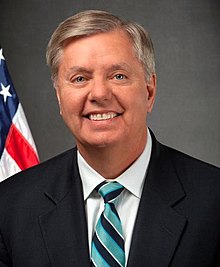
Lindsey Graham
“I want to make our response to this so overwhelming that China will change its behavior. I want to get the medical supply chain back into the United States, and I want to stop cancelling some debt that we owe to China because they should be paying us, not us paying China.”
Graham said that the “wet markets” in China should be shut down, because they have been the source of three pandemics that originated in China.
“So, I think you’re going to see a bipartisan push back against China to punish them so severely to deter them in the future.”
STAGE FOUR: CHAOS
Like Adolf Hitler, Trump likes to pit individuals and organizations against each other. Hitler, for example, would assign several agencies to tackle the same problem: “That way, the stronger one gets the job done,” he told his architect, Albert Speer.

Adolf Hitler
This creates needless duplication of efforts and wasted resources. But it ensures that Trump—like Hitler—remains the final voice of authority, since so many others are competing for his favor and direction.
This has not, however, worked out well for the 50 states that make up the United States of America.
During the Great Depression, President Franklin D. Roosevelt intervened powerfully to ensure that all Americans received the help they needed.
Trump has made it clear that each state is responsible for securing its needed supply of Personal Protective Equipment (PPEs) for its doctors and nurses aiding Coronavirus patients. This has resulted in a dog-eat-dog atmosphere of cutthroat competition and scarcity, with Americans not only fighting the virus but each other.
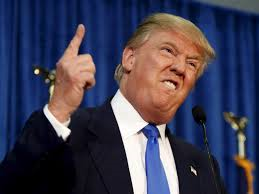
Donald Trump
STAGE FIVE: EXTORTION
Even worse: Trump and Republicans are using a deadly plague as a weapon against those Americans they hate.
On March 26, during an interview on Fox News, Trump blamed the failures of his administration’s response to Coronavirus on Democratic state governors like Andrew Cuomo (NY), Jay Inslee (WA), and Gretchen Whitmer (MI).
On March 27, during his press briefing, Trump said he told Vice President Mike Pence—who’s officially in charge of the White House’s response effort—to not call Inslee and Whitmer because they weren’t “appreciative” enough of his efforts.
Trump said this even as hospitals in each of their states were being overwhelmed with Coronavirus patients:
“I tell him—I mean I’m a different type of person—I say, ‘Mike, don’t call the governor in Washington, you’re wasting your time with him. Don’t call the woman in Michigan. If they don’t treat you right, I don’t call.”
At his March 27 press briefing, Trump echoed French King Louis X1V’s infamous remark—“I am the State”: “When they’re [governors] not appreciative to me, they’re not appreciative to the Army Corps, they’re not appreciative to FEMA [Federal Emergency Management Agency]. It’s not right.”
On that same day, Trump attacked Michigan Governor Gretchen Whitmer on Right-wing Fox News’ “Sean Hannity Show”: “I don’t know if she knows what’s going on, but all she does is sit there and blame the Federal Government.”
On March 27, Michigan Governor Gretchen Whitmer told a local radio station: “What I’ve gotten back is that vendors with whom we’ve procured contracts—they’re being told not to send stuff to Michigan. It’s really concerning. I reached out to the White House last night and asked for a phone call with the president, ironically at the time this stuff was going on.”
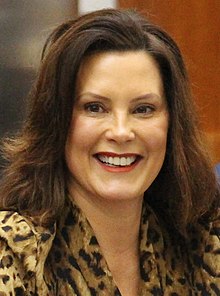
Gretchen Whitmer
A March 29 story in the Washington Monthly sheds light on what lay behind Whitmer’s inability to secure desperately-needed ventilators from her longtime vendors. Its headline ran: “What If Trump Decides to Save Republicans But Not Democrats?”
A sub-headline read: “He’s providing vital resources to red states and ignoring blue states.”
2016 PRESIDENTIAL CAMPAIGN, 2020 PRESIDENTIAL CAMPAIGN, ABC NEWS, ABORTION, ADOLF HITLER, ALTERNET, AMERICABLOG, ANDREW CUOMO, ANTHONY FAUCI, AP, ARMY CORPS OF ENGINEERS, BABY BOOMER RESISTANCE, BLACK HAND, BLOOMBERG, BOK CENTER, BUZZFEED, CBS NEWS, CENTERS FOR DISEASE CONTROL AND PREVEITON (CDC), CHINA, CNN, CORONAVIRUS, COVID-19, CROOKS AND LIARS, DAILY KOZ, DOCTORS, DONALD TRUMP, DRUDGE RETORT, FACEBOOK, FEDERAL EMERGENCY MANAGEMENT AGENCY (FEMA), FIVETHIRTYEIGHT, FLORIDA, FORBES MAGAZINE, FOX NEWS NETWORK, FRANKLIN D. ROOSEVELT, GRETCHEN WHITMER, HARPER’S MAGAZINE, IMPEACHMENT, JARED KUSHNER, JAY INSLEE, KRISTI NOEM, LARRY HOGAN, LINDSEY GRAHAM, LOUIS X1V, MASKS, MEDIA MATTERS, MICK MULVANEY, MIKE PENCE, MOTHER JONES, MOUNT RUSHMORE, MOVEON, MSNBC, N95 RESPIRATORS, NBC NEWS, NEWSWEEK, NPR, PBS NEWSHOUR, PERSONAL PROTECTIVE EQUIPMENT (PPES), PHOENIX, POLICE, POLITICO, POLITICUSUSA, RAW STORY, REPUBLICANS, REUTERS, ROLLING STONE MAGAZINE, RUDY GIULIANI, SALON, SEAN HANNITY SHOW, SEATTLE TIMES, SLATE, SOCIAL DISTANCING, STEVEN PRESSFIELD, STOCK MARKET, SUPREME COURT, TALKING POINTS MEMO, THE ATLANTIC, THE CHICAGO SUN-TIMES, THE CHICAGO TRIBUNE, THE DAILY BEAST, THE DAILY BLOG, THE GUARDIAN, THE HILL, THE HUFFINGTON POST, THE LOS ANGELES TIMES, THE NATION, THE NEW REPUBLIC, THE NEW YORK TIMES, THE VILLAGE VOICE, THE WASHINGTON POST, THINKPROGRESS, THIRD REICH, TIME, TOLUSE OLORUNNIPA, TRUTHDIG, TRUTHOUT, TULSA, TWITTER, TWO POLITICAL JUNKIES, U.S. NEWS & WORLD REPORT, UNITED STATES, UPI, USA TODAY, VENDORS, VENTILATORS, WASHINGTON MONTHLY MAGAZINE, WONKETTE
In Bureaucracy, History, Medical, Politics, Social commentary on July 6, 2020 at 2:37 am
“O happy posterity, who will look upon our testimony as a fable. Will posterity believe that there was a time when, with no deluge from heaven, no worldwide conflagration, no wars….but almost the whole earth was depopulated? Was such a disaster ever seen, even heard of?”
—Francesco Petrach, poet and witness to The Black Death
The virus first appeared in Wuhan, China, in December, 2019. Its first reported victim became ill on December 1.
By December 31, the outbreak was traced to a novel strain of Coronavirus.
Coronaviruses are a group of viruses that affect birds and mammals. In humans, Coronaviruses can cause pneumonia and may cause bronchitis.

Coronavirus
On February 29, the first American died of Coronavirus.
According to the March 21 edition of Rolling Stone magazine: “The United States intelligence community has been warning the president since January and February about the dire consequences that would occur when coronavirus reached America, but the president seemed determined to play down the threat, leaving the country largely unaware and unprepared.”
An anonymous Intelligence official cited by the Washington Post said: “Donald Trump may not have been expecting this, but a lot of other people in the government were—they just couldn’t get him to do anything about it. The system was blinking red.”
STAGE ONE: DENIAL
Trump first learned of the virus on January 3, 2020. This did not prevent him from playing golf on January 4, 5, 18 and 19.
On January 19, the first Coronavirus case appeared in the United States.
On January 27, then-acting chief of staff Mick Mulvaney tried to get the President to act. But, according to officials who spoke with the Washington Post, Trump was “dismissive” of early briefings “because he did not believe that the virus had spread widely throughout the United States.”
Trump fired Mulvaney one month later.
Then, for Trump, it was back to the golf course—on February 1, 2 and 15.
STAGE TWO: LIES
From January to early March, 2020, Trump and his allies within the Republican party and Fox News Network repeatedly assured Americans they had nothing to fear.
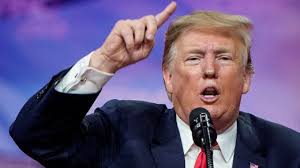
Donald Trump
Barnstorming the country in a series of hate-filled political rallies, Trump told his supporters:
- January 22:“We have it totally under control. It’s one person coming in from China.”
- February 2: “We pretty much shut it down coming in from China. It’s going to be fine.”
- February 24: “The Coronavirus is very much under control in the USA.”
- February 25: “CDC & my administration are doing a GREAT job of handling Coronavirus.”
- February 25: “I think that’s a problem that’s going to go away. They have studied it. They know very much. In fact, we’re very close to a vaccine.”
- February 26: “The 15 cases within a couple of days is going to be down to close to zero.”
- February 26: “We’re going very substantially down, not up.”
- February 27: “One day it’s like a miracle, it will disappear.”
- February 28: “We’re ordering a lot of supplies. We’re ordering a lot of, uh, elements that frankly we wouldn’t be ordering unless it was something like this. But we’re ordering a lot of different elements of medical.”
- February 28: “Now the Democrats are politicizing the Coronavirus….We did one of the great jobs….One of my people came up to me and said, ‘Mr. President, they tried to beat you on Russia, Russia, Russia’….They couldn’t do it. They tried the impeachment hoax….It’s all turning, they lost….And this is their new hoax.”
- March 4: “If we have thousands of people that get better just by, you know, sitting around and even going to work—some of them go to work, but they get better.”
- March 6: “I think we’re doing a really good job in this country of keeping it down. A tremendous job of keeping it down.”
- March 6: “Anybody right now, and yesterday, anybody that needs a test gets a test. And the tests are beautiful.”
- March 6: “I like this stuff. I really get it. People are surprised that I understand it. Every one of these doctors said, ‘How do you know so much about this?’ Maybe I have a natural ability. Maybe I should have done that instead of running for President.”
- March 8: “We have a perfectly coordinated and fine tuned plan at the White House for our attack on Coronavirus.”
- March 9: “The Fake News Media and their partner, the Democrat Party, is doing everything within its semi-considerable power (it used to be greater!) to inflame the CoronaVirus situation, far beyond what the facts would warrant. Surgeon General, The risk is low to the average American.”
- March 10: “It will go away. Just stay calm. It will go away.”
STAGE THREE: REPUBLICAN SUBSERVIENCE
Actually, with the virus spreading quickly throughout at least 33 states, it was not going away. It was not the news that was fake—but the lies and ignorance that Trump and his followers were spewing.
During the vital months of January and February, Republicans refused to challenge Trump’s refusal to take the virus seriously—before it gained a foothold in the United States.
The reason: They had utterly tied themselves to him since the 2018 mid-term elections, where many moderate Republicans lost their seats.
ABC NEWS, ADOLF HITLER, ALTERNET, AMERICABLOG, ANDREW CUOMO, AP, ARMY CORPS OF ENGINEERS, BABY BOOMER RESISTANCE, BARACK OBAMA, BLOOMBERG, BRENDA FITZGERALD, BUZZFEED, CBS NEWS, CENTERS FOR DISEASE CONTROL AND PREVEITON (CDC), CENTERS FOR DISEASE CONTROL AND PREVENTION (CDC), CHINA, CNN, CORONAVIRUS, COVID-19, CROOKS AND LIARS, DAILY KOZ, DEPARTMENT OF HEALTH AND HUMAN SERVICES, DEPARTMENT OF HOMELAND SECURITY (DHS), DOCTORS, DONALD TRUMP, DRUDGE RETORT, EBOLA, FACEBOOK, FEDERAL EMERGENCY MANAGEMENT AGENCY (FEMA), FIVETHIRTYEIGHT, FORBES MAGAZINE, FOX BUSINESS NETWORK, FOX NEWS, FOX NEWS NETWORK, FRANKLIN D. ROOSEVELT, GEORGE W. BUSH, GRETCHEN WHITMER, GROVER NORQUIST, HARPER’S MAGAZINE, IMPEACHMENT, JAY INSLEE, JOE BIDEN, JOHN BOLTON, LARRY HOGAN, LOUIS X1V, MALARIA, MASKS, MEDIA MATTERS, MICK MULVANEY, MIKE PENCE, MOTHER JONES, MOVEON, MSNBC, N95 RESPIRATORS, NATIONAL SECURITY COUNSIL (NSC), NBC NEWS, NEWSWEEK, NPR, NURSES, PBS NEWSHOUR, PERSONAL PROTECTIVE EQUIPMENT (PPES), POLICE, POLITICO, POLITICUSUSA, RAW STORY, REPUBLICANS, REUTERS, ROBERT RAY REDFIELD, ROLLING STONE MAGAZINE, RUDY GIULIANI, SALON, SEAN HANNITY SHOW, SEATTLE TIMES, SLATE, SPANISH INFLUENZA, STOCK MARKET, TALKING POINTS MEMO, THE ATLANTIC, THE CHICAGO SUN-TIMES, THE CHICAGO TRIBUNE, THE DAILY BEAST, THE DAILY BLOG, THE GUARDIAN, THE HILL, THE HUFFINGTON POST, THE LOS ANGELES TIMES, THE NATION, THE NATIONAL SECURITY COUNCIL, THE NEW REPUBLIC, THE NEW YORK TIMES, THE VILLAGE VOICE, THE WASHINGTON POST, THE WHITE HOUSE PANDEMIC OFFICE, THINKPROGRESS, THIRD REICH, TIM ZIEMER, TIME, TOLUSE OLORUNNIPA, TOM BOSSERT, TOM FRIEDMAN, TRISH REGAN, TRISH REGAN PRIMETIME, TRUTHDIG, TRUTHOUT, TWITTER, TWO POLITICAL JUNKIES, U.S. NEWS & WORLD REPORT, UNITED STATES, UPI, USA TODAY, VENDORS, VENTILATORS, WASHINGTON MONTHLY MAGAZINE, WHITE HOUSE PANDEMIC OFFICE, WONKETTE
In Bureaucracy, History, Medical, Politics, Social commentary on May 19, 2020 at 12:06 am
“He was President, OK? Blame him or don’t blame him, but he was President. The World Trade Center came down during his reign.”
—Donald Trump, Presidential candidate, on the failure of George W. Bush to prevent 9/11
“I don’t take responsibility at all.”
—Donald Trump, on whether he feels responsible for the lack of COVID-19 test kits
At his March 27 press briefing, President Donald Trump echoed French King Louis X1V’s infamous remark—“I am the State”: “When they’re [governors] not appreciative to me, they’re not appreciative to the Army Corps, they’re not appreciative to FEMA [Federal Emergency Management Agency]. It’s not right.”
On that same day, Trump attacked Michigan Governor Gretchen Whitmer on Right-wing Fox News’ “Sean Hannity Show”: “I don’t know if she knows what’s going on, but all she does is sit there and blame the Federal Government.”
On March 27, Whitmer told a Michigan radio station: “What I’ve gotten back is that vendors with whom we’ve procured contracts—they’re being told not to send stuff to Michigan. It’s really concerning. I reached out to the White House last night and asked for a phone call with the president, ironically at the time this stuff was going on.”
Gretchen Whitmer
A March 29 story in the Washington Monthly sheds light on what lay behind Whitmer’s inability to secure desperately-needed ventilators from her longtime vendors. Its headline ran: “What If Trump Decides to Save Republicans But Not Democrats?”
A sub-headline read: “He’s providing vital resources to red states and ignoring blue states.”
Florida submitted a request to FEMA on March 11 for 430,000 surgical masks, 180,000 N95 respirators, 82,000 face shields and 238,000 gloves—and received a shipment with everything three days later.
On Fox News, Rudy Giuliani, Trump’s personal lawyer, bluntly told governors: “Take the blame when you have to. When you play with your boss, sometimes it’s better when you don’t win the golf game. He’s the boss, he’s got all the resources.”
The mentality of the Black Hand has come to the Oval Office.

The Black Hand
Trump isn’t simply refusing to provide states with vitally-needed medical supplies—he’s illegally seizing those supplies that states have ordered.
An April 20 Forbes story offers frightening insight into the tyrannical reach of the Trump administration. Entitled, “Maryland Gov. Hogan Takes Extraordinary Steps to Keep Feds From Confiscating COVID Tests,” the story unfolds like a spy thriller.
Governor Larry Hogan had heard reports that the federal government had confiscated crucial medical supplies from other states—like Massachusetts.
After obtaining 500,000 test kits from South Korea, Hogan ordered them flown into Baltimore–Washington International Airport rather than the larger Dulles International Airport in Virginia. From there they were escorted under guard to a secret location and constantly protected by the National Guard.
As they were sent out for distribution across the state, the tests remained under protection by the National Guard and state police.
The precautions were absolutely necessary. Hospitals in Florida and California reported that FEMA had seized their supplies without explanation.
Massachusetts ordered three million masks that were confiscated by the Federal Government at the Port of New York. This forced the state to ask New England Patriots’ owner Robert Kraft to use his team plane to fly in one million N95 masks from China.
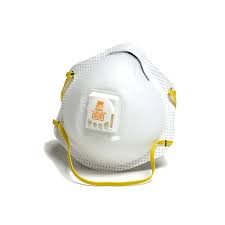
N95 mask
When Trump learned that Hogan had obtained test kits from South Korea, he said: “I don’t think he needed to go to South Korea. I think he needed to get a little knowledge.”
Hogan responded: “The president said the governors are on their own and they should really focus on getting their own tests, and that’s exactly what we did.”
The Federal Government has seized vitally-needed medical supplies in at least seven states. FEMA is not publicly reporting the thefts, despite the outlay of millions of dollars of taxpayer money. Nor has the administration explained how it decides which supplies to seize and where to reroute them.

The Federal Government has not informed states whose supplies it seized if they will receive the materials they ordered and paid for. That has fueled concerns about whether the Trump administration is fairly distributing scarce medical supplies.
“We can’t get any answers,” said a California hospital official who asked not to be identified for fear of retaliation from the White House.
Trump has said it’s the states’ responsibility to obtain critically-needed medical supplies. But when they aren’t outbid by the Federal Government, hospital systems and states find their shipments of medical supplies seized with no explanation.
Where are those supplies going?
To China?
To Trump’s private warehouses?
To Jared Kushner, Trump’s son-in-law, for sale on the black market?
No one as yet knows.
The Washington Monthly story concludes ominously: “What if the White House simply gives all the masks and ventilators to red states and counties, leaving blue ones to struggle? What mechanisms of accountability are left?
“U.S. democracy wasn’t set up to deal with a president openly behaving like a James Bond villain while being protected by a political party behaving more like a mafia than a civic institution.”
ABC NEWS, ADOLF HITLER, ALTERNET, AMERICABLOG, ANDREW CUOMO, AP, ARMY CORPS OF ENGINEERS, BABY BOOMER RESISTANCE, BARACK OBAMA, BLOOMBERG, BRENDA FITZGERALD, BUZZFEED, CBS NEWS, CENTERS FOR DISEASE CONTROL AND PREVEITON (CDC), CENTERS FOR DISEASE CONTROL AND PREVENTION (CDC), CHINA, CNN, CORONAVIRUS, COVID-19, CROOKS AND LIARS, DAILY KOZ, DEPARTMENT OF HEALTH AND HUMAN SERVICES, DEPARTMENT OF HOMELAND SECURITY (DHS), DOCTORS, DONALD TRUMP, DRUDGE RETORT, EBOLA, FACEBOOK, FEDERAL EMERGENCY MANAGEMENT AGENCY (FEMA), FIVETHIRTYEIGHT, FORBES MAGAZINE, FOX BUSINESS NETWORK, FOX NEWS, FOX NEWS NETWORK, FRANKLIN D. ROOSEVELT, GEORGE W. BUSH, GRETCHEN WHITMER, GROVER NORQUIST, HARPER’S MAGAZINE, IMPEACHMENT, JAY INSLEE, JOE BIDEN, JOHN BOLTON, LARRY HOGAN, LOUIS X1V, MALARIA, MASKS, MEDIA MATTERS, MICK MULVANEY, MIKE PENCE, MOTHER JONES, MOVEON, MSNBC, N95 RESPIRATORS, NATIONAL SECURITY COUNSIL (NSC), NBC NEWS, NEWSWEEK, NPR, NURSES, PBS NEWSHOUR, PERSONAL PROTECTIVE EQUIPMENT (PPES), POLICE, POLITICO, POLITICUSUSA, RAW STORY, REPUBLICANS, REUTERS, ROBERT RAY REDFIELD, ROLLING STONE MAGAZINE, RUDY GIULIANI, SALON, SEAN HANNITY SHOW, SEATTLE TIMES, SLATE, SPANISH INFLUENZA, STOCK MARKET, TALKING POINTS MEMO, THE ATLANTIC, THE CHICAGO SUN-TIMES, THE CHICAGO TRIBUNE, THE DAILY BEAST, THE DAILY BLOG, THE GUARDIAN, THE HILL, THE HUFFINGTON POST, THE LOS ANGELES TIMES, THE NATION, THE NATIONAL SECURITY COUNCIL, THE NEW REPUBLIC, THE NEW YORK TIMES, THE VILLAGE VOICE, THE WASHINGTON POST, THE WHITE HOUSE PANDEMIC OFFICE, THINKPROGRESS, THIRD REICH, TIM ZIEMER, TIME, TOLUSE OLORUNNIPA, TOM BOSSERT, TOM FRIEDMAN, TRISH REGAN, TRISH REGAN PRIMETIME, TRUTHDIG, TRUTHOUT, TWITTER, TWO POLITICAL JUNKIES, U.S. NEWS & WORLD REPORT, UNITED STATES, UPI, USA TODAY, VENDORS, VENTILATORS, WASHINGTON MONTHLY MAGAZINE, WHITE HOUSE PANDEMIC OFFICE, WONKETTE
In Bureaucracy, History, Medical, Politics, Social commentary on May 18, 2020 at 12:24 am
On March 9, Trish Regan, host of Trish Regan Primetime on the Fox Business Network, attacked not the virus but those who do not share her fervent embrace of Donald Trump.
“This is yet another attempt to impeach the President. And sadly, it seems the left cares little for any of the destruction they leave in their wake, including losses in the stock market. This, unfortunately, is all just part of the political casualties for them.”
To make certain no one in the television audience missed the point, an electronically generated caption read: “Coronavirus Impeachment Scam.”
Actually, with the virus spreading quickly throughout at least 33 states, the risk was not low to the average American. It was not the news that was fake, but the lies and ignorance Trump and Fox were spewing.
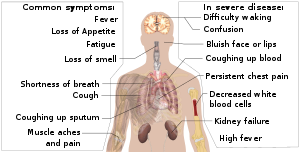 Symptoms of COVID-19
Then—for the Fox Network—the unexpected happened: On March 14, Fox Business Network announced that Regan’s program would be on “hiatus” until further notice.
The reason: Using one of the favorite words of the Right, her comments had “triggered” an avalanche of criticism. Some of this came from Coronavirus victims. Some came from those related to those victims. And some came simply from people who didn’t appreciate being so blatantly lied to.
On March 13, perhaps warned of her coming suspension, Regan took a more conciliatory tone: “Our path forward right now is together, the left and the right united to fight this crisis. We’re all in this together, and we need to stay safe.”
Trying to put the best spin on her humiliating suspension, she tweeted that same evening: “I want to let everyone know that Trish Regan Primetime is now on hiatus. FBN [Fox Business Network] has taken prudent steps to limit staffing levels and is prioritizing its coverage during market hours. I fully support this decision — we all must to do our part to keep our colleagues safe.”
Thus—at least according to Regan—her leaving the air was not an act of punishment but a “prudent step” to “limit staffing levels” at the station.
During the vital months of January and February, Republicans refused to challenge Trump’s refusal to take the virus seriously—before it gained a foothold in the United States.
The reason: They had utterly tied themselves to him since the 2018 mid-term elections, where many moderate Republicans lost their seats.
According to Toluse Olorunnipa, White House reporter for The Washington Post: “They have realized that if they’re going to keep their seats, if they’re going to be able to have any future in the party, they have to be completely tied to President Trump and really wait for his call in terms of what exactly they’re going to do.”
So much for the lies. Now for the chaos.
Like Adolf Hitler, Trump likes to pit individuals and organizations against each other. Hitler, for example, would assign several agencies to tackle the same problem: “That way, the stronger one gets the job done,” he told his architect, Albert Speer.
Adolf Hitler
This creates needless duplication of efforts and wasted resources. But it ensures that Trump—like Hitler—remains the final voice of authority, since so many others are competing for his favor and direction.
This has not, however, worked out well for the 50 states that make up the United States of America.
During the Great Depression, President Franklin D. Roosevelt intervened powerfully to ensure that all Americans received the help they needed.
Trump has made it clear that each state is responsible for securing its needed supply of Personal Protective Equipment (PPEs) for its doctors and nurses aiding Coronavirus patients. This has resulted in a dog-eat-dog atmosphere of cutthroat competition and scarcity, with Americans not only fighting the virus but each other.
Donald Trump
Even worse: Trump and Republicans are using a deadly plague as a weapon against those Americans they hate.
On March 26, during an interview on Fox News, Trump blamed the failures of his administration’s response to Coronavirus on Democratic state governors like Andrew Cuomo (NY), Jay Inslee (WA), and Gretchen Whitmer (MI).
On March 27, during his press briefing, Trump said he told Vice President Mike Pence—who’s officially in charge of the White House’s response effort—to not call Inslee and Whitmer because they weren’t “appreciative” enough of his efforts.
Trump said this even as hospitals in each of their states were being overwhelmed with Coronavirus patients:
“I tell him—I mean I’m a different type of person—I say, ‘Mike, don’t call the governor in Washington, you’re wasting your time with him. Don’t call the woman in Michigan. If they don’t treat you right, I don’t call.”
Trump said that when people criticized him, they were criticizing the federal government: “When they’re not appreciative to me, they’re not appreciative to the Army Corps [of Engineers], they’re not appreciative to FEMA [Federal Emergency Management Agency]. It’s not right.”
Trump also attacked Whitmer on Right-wing Fox News’ “Sean Hannity Show”: “I don’t know if she knows what’s going on, but all she does is sit there and blame the Federal Government.”
ABC NEWS, ADOLF HITLER, ALTERNET, AMERICABLOG, ANDREW CUOMO, AP, ARMY CORPS OF ENGINEERS, BABY BOOMER RESISTANCE, BARACK OBAMA, BLOOMBERG, BRENDA FITZGERALD, BUZZFEED, CBS NEWS, CENTERS FOR DISEASE CONTROL AND PREVEITON (CDC), CENTERS FOR DISEASE CONTROL AND PREVENTION (CDC), CHINA, CNN, CORONAVIRUS, COVID-19, CROOKS AND LIARS, DAILY KOZ, DEPARTMENT OF HEALTH AND HUMAN SERVICES, DEPARTMENT OF HOMELAND SECURITY (DHS), DOCTORS, DONALD TRUMP, DRUDGE RETORT, EBOLA, FACEBOOK, FEDERAL EMERGENCY MANAGEMENT AGENCY (FEMA), FIVETHIRTYEIGHT, FORBES MAGAZINE, FOX BUSINESS NETWORK, FOX NEWS, FOX NEWS NETWORK, FRANKLIN D. ROOSEVELT, GEORGE W. BUSH, GRETCHEN WHITMER, GROVER NORQUIST, HARPER’S MAGAZINE, IMPEACHMENT, JAY INSLEE, JOE BIDEN, JOHN BOLTON, LARRY HOGAN, LOUIS X1V, MALARIA, MASKS, MEDIA MATTERS, MICK MULVANEY, MIKE PENCE, MOTHER JONES, MOVEON, MSNBC, N95 RESPIRATORS, NATIONAL SECURITY COUNSIL (NSC), NBC NEWS, NEWSWEEK, NPR, NURSES, PBS NEWSHOUR, PERSONAL PROTECTIVE EQUIPMENT (PPES), POLICE, POLITICO, POLITICUSUSA, RAW STORY, REPUBLICANS, REUTERS, ROBERT RAY REDFIELD, ROLLING STONE MAGAZINE, RUDY GIULIANI, SALON, SEAN HANNITY SHOW, SEATTLE TIMES, SLATE, SPANISH INFLUENZA, STOCK MARKET, TALKING POINTS MEMO, THE ATLANTIC, THE CHICAGO SUN-TIMES, THE CHICAGO TRIBUNE, THE DAILY BEAST, THE DAILY BLOG, THE GUARDIAN, THE HILL, THE HUFFINGTON POST, THE LOS ANGELES TIMES, THE NATION, THE NATIONAL SECURITY COUNCIL, THE NEW REPUBLIC, THE NEW YORK TIMES, THE VILLAGE VOICE, THE WASHINGTON POST, THE WHITE HOUSE PANDEMIC OFFICE, THINKPROGRESS, THIRD REICH, TIM ZIEMER, TIME, TOLUSE OLORUNNIPA, TOM BOSSERT, TOM FRIEDMAN, TRISH REGAN, TRISH REGAN PRIMETIME, TRUTHDIG, TRUTHOUT, TWITTER, TWO POLITICAL JUNKIES, U.S. NEWS & WORLD REPORT, UNITED STATES, UPI, USA TODAY, VENDORS, VENTILATORS, WASHINGTON MONTHLY MAGAZINE, WHITE HOUSE PANDEMIC OFFICE, WONKETTE
In Bureaucracy, History, Medical, Politics, Social commentary on May 15, 2020 at 12:07 am
“O happy posterity, who will look upon our testimony as a fable. Will posterity believe that there was a time when, with no deluge from heaven, no worldwide conflagration, no wars….but almost the whole earth was depopulated? Was such a disaster ever seen, even heard of?”
—Francesco Petrach, poet and witness to The Black Death
On January 19, the first Coronavirus case appeared in the United States.
On January 27, then-acting chief of staff Mick Mulvaney tried to get President Donald Trump to act. But officials told the Washington Post that Trump dismissed early briefings “because he did not believe that the virus had spread widely throughout the United States.”
Compounding that outrage: From January to early March, 2020, Trump and his allies within the Republican party and Fox News Network repeatedly assured Americans they had nothing to fear.
Donald Trump
Barnstorming the country in a series of hate-filled political rallies, Trump told his supporters:
- January 22: “We have it totally under control. It’s one person coming in from China.”
- February 2: “We pretty much shut it down coming in from China. It’s going to be fine.”
- February 24: “The Coronavirus is very much under control in the USA.”
- February 25: “CDC & my administration are doing a GREAT job of handling Coronavirus.”
- February 25: “I think that’s a problem that’s going to go away. They have studied it. They know very much. In fact, we’re very close to a vaccine.”
- February 26: “The 15 cases within a couple of days is going to be down to close to zero.”
- February 26: “We’re going very substantially down, not up.”
- February 27: “One day it’s like a miracle, it will disappear.”
- February 28: “We’re ordering a lot of supplies. We’re ordering a lot of, uh, elements that frankly we wouldn’t be ordering unless it was something like this. But we’re ordering a lot of different elements of medical.”
- February 28: “Now the Democrats are politicizing the Coronavirus….We did one of the great jobs….One of my people came up to me and said, ‘Mr. President, they tried to beat you on Russia, Russia, Russia’….They couldn’t do it. They tried the impeachment hoax….It’s all turning, they lost….And this is their new hoax.”
- March 4: “If we have thousands of people that get better just by, you know, sitting around and even going to work—some of them go to work, but they get better.”
- March 6: “I think we’re doing a really good job in this country of keeping it down. A tremendous job of keeping it down.”
- March 6: “Anybody right now, and yesterday, anybody that needs a test gets a test. And the tests are beautiful.”
- March 6: “I like this stuff. I really get it. People are surprised that I understand it. Every one of these doctors said, ‘How do you know so much about this?’ Maybe I have a natural ability. Maybe I should have done that instead of running for President.”
- March 8: “We have a perfectly coordinated and fine tuned plan at the White House for our attack on Coronavirus.”
- March 9: “The Fake News Media and their new partner, the Democratic Party, is doing everything within its semi-considerable power to inflame the Coronavirus situation.”
- March 10: “It will go away. Just stay calm. It will go away.”
Acting as Trump’s propaganda arm has been Fox News Network.

As late as March 9, Trish Regan, host of Trish Regan Primetime on the Fox Business Network, attacked not the virus but those who do not share her fervent embrace of Donald Trump.
“We’ve reached a tipping point,” said Regan. “The hate is boiling. Many in the liberal media are using Coronavirus in an attempt to demonize and destroy the President, despite the virus originating halfway around the world.
“This is yet another attempt to impeach the President. And sadly, it seems the left cares little for any of the destruction they leave in their wake, including losses in the stock market. This, unfortunately, is all just part of the political casualties for them.
“This is impeachment all over again. And like with the Mueller investigation, like with Ukraine-gate, they don’t care who they hurt. Whether it be their need to create mass hysteria to encourage a market sell-off unlike anything we’ve seen recently, or whether it be to create mass hysteria to stop our economy dead in its tracks, don’t kid yourself. They told us how much they crave a recession as a way to get rid of Donald Trump.”

Trish Regan
TrishRegan, CC BY-SA 4.0 <https://creativecommons.org/licenses/by-sa/4.0>, via Wikimedia Commons
To make certain no one in the television audience missed the point, an electronically generated caption read: “Coronavirus Impeachment Scam.”
On the same day that Regan accused Trump’s critics of being haters, Trump himself was directing hate through his weapon of choice: Twitter:
“The Fake News Media and their partner, the Democrat Party, is doing everything within its semi-considerable power (it used to be greater!) to inflame the CoronaVirus situation, far beyond what the facts would warrant. Surgeon General, The risk is low to the average American.”
Actually, with the virus spreading quickly throughout at least 33 states, the risk was not low to the average American. It was not the news that was fake—but the lies and ignorance that Trump and Fox were spewing.
ABC NEWS, ADOLF HITLER, ALTERNET, AMERICABLOG, ANDREW CUOMO, AP, ARMY CORPS OF ENGINEERS, BABY BOOMER RESISTANCE, BARACK OBAMA, BLOOMBERG, BRENDA FITZGERALD, BUZZFEED, CBS NEWS, CENTERS FOR DISEASE CONTROL AND PREVEITON (CDC), CENTERS FOR DISEASE CONTROL AND PREVENTION (CDC), CHINA, CNN, CORONAVIRUS, COVID-19, CROOKS AND LIARS, DAILY KOZ, DEPARTMENT OF HEALTH AND HUMAN SERVICES, DEPARTMENT OF HOMELAND SECURITY (DHS), DOCTORS, DONALD TRUMP, DRUDGE RETORT, EBOLA, FACEBOOK, FEDERAL EMERGENCY MANAGEMENT AGENCY (FEMA), FIVETHIRTYEIGHT, FORBES MAGAZINE, FOX BUSINESS NETWORK, FOX NEWS, FOX NEWS NETWORK, FRANKLIN D. ROOSEVELT, GEORGE W. BUSH, GRETCHEN WHITMER, GROVER NORQUIST, HARPER’S MAGAZINE, IMPEACHMENT, JAY INSLEE, JOE BIDEN, JOHN BOLTON, LARRY HOGAN, LOUIS X1V, MALARIA, MASKS, MEDIA MATTERS, MICK MULVANEY, MIKE PENCE, MOTHER JONES, MOVEON, MSNBC, N95 RESPIRATORS, NATIONAL SECURITY COUNSIL (NSC), NBC NEWS, NEWSWEEK, NPR, NURSES, PBS NEWSHOUR, PERSONAL PROTECTIVE EQUIPMENT (PPES), POLICE, POLITICO, POLITICUSUSA, RAW STORY, REPUBLICANS, REUTERS, ROBERT RAY REDFIELD, ROLLING STONE MAGAZINE, RUDY GIULIANI, SALON, SEAN HANNITY SHOW, SEATTLE TIMES, SLATE, SPANISH INFLUENZA, STOCK MARKET, TALKING POINTS MEMO, THE ATLANTIC, THE CHICAGO SUN-TIMES, THE CHICAGO TRIBUNE, THE DAILY BEAST, THE DAILY BLOG, THE GUARDIAN, THE HILL, THE HUFFINGTON POST, THE LOS ANGELES TIMES, THE NATION, THE NATIONAL SECURITY COUNCIL, THE NEW REPUBLIC, THE NEW YORK TIMES, THE VILLAGE VOICE, THE WASHINGTON POST, THE WHITE HOUSE PANDEMIC OFFICE, THINKPROGRESS, THIRD REICH, TIM ZIEMER, TIME, TOLUSE OLORUNNIPA, TOM BOSSERT, TOM FRIEDMAN, TRISH REGAN, TRISH REGAN PRIMETIME, TRUTHDIG, TRUTHOUT, TWITTER, TWO POLITICAL JUNKIES, U.S. NEWS & WORLD REPORT, UNITED STATES, UPI, USA TODAY, VENDORS, VENTILATORS, WASHINGTON MONTHLY MAGAZINE, WHITE HOUSE PANDEMIC OFFICE, WONKETTE
In Bureaucracy, History, Medical, Politics, Social commentary on May 14, 2020 at 12:12 am
COVID-19 has so far infected 1.42 million Americans and killed 84,763 others.
And President Donald Trump’s “strategy” for fighting it has boiled down to three tactics: Lies, chaos and thefts.
Upon taking office in 2017, Trump gutted the permanent epidemic monitoring and command groups set up inside the White House: The National Security Council (NSC) and the Department of Homeland Security (DHS).
In 2014, following the Ebola outbreak in West Africa, President Barack Obama had created the White House Pandemic Office, run by the White House’s National Security Council (NSC).
Heading it was Rear Admiral Tim Ziemer. Under President George W. Bush, he had successfully fought malaria overseas. His topflight team of infectious disease and public health experts was creating a national bio-defense strategy. Their goal: Coordinate agencies to make the United States more resilient to the threat of epidemics and biological warfare.
Rear Admiral Timothy Ziemer, who headed the unit, was reassigned.
Neither the NSC nor the DHS epidemic team has been replaced.
The global health section of the CDC was decimated, and had to reduce the number of countries it was monitoring from 49 to 10.
So why did Trump gut these organizations?
Pathologically jealous of President Barack Obama, Trump—a lifelong racist—has tried to destroy every vestige of Obama’s legacy as the first black President of the United States.

Barack Obama
Worsening the situation even more: In 2017—the year Trump assumed office—nearly 700 positions remained vacant at the Centers for Disease Control and Prevention (CDC) because Trump imposed a hiring freeze. This affected programs supporting local and state public health emergency readiness, infectious disease control and chronic disease prevention.
Making the situation worse: The CDC’s director, Tom Friedman, stepped down in January, 2017, and it wasn’t until July that the agency got another one: Brenda Fitzgerald. But she served only until January, 2018. She was succeeded—two months later—by Robert Ray Redfield, Jr. He has been the director since then.
The post of director of the CDC is considered one of the most crucial public health positions in the government. The CDC is charged with tracking and preventing infectious disease outbreaks in the United States and worldwide.

CDC headquarters in Atlanta, Georgia
Nor was that all. In the spring of 2018, Trump pushed Congress to cut $15 billion from national health spending—and cutting the global disease-fighting budgets of the Centers for Disease Control, National Security Council, Department of Homeland Security and the Department of Health and Human Services.
In April, 2018, then-National Security Adviser John Bolton forced Tom Bossert, director of the infectious disease unit at DHS, to resign—along with his entire team.
It’s popular to assume that Trump did all of this out of mere ignorance—and there’s plenty of proof of his ignorance in many areas (such as attributing windmills to causing cancer). But far more is at work here.
The vast majority of those who voted for Trump believe that the Federal Government is evil and its agencies that regulate business should be eliminated.
An example of this constituency is Grover Norquist, founder and president of Americans for Tax Reform, which opposes all tax increases and has forced most Republicans to publicly pledge they will as well, under any circumstances.
His most famous quote: “I’m not in favor of abolishing the government. I just want to shrink it down to the size where we can drown it in the bathtub.”
Under Trump, the epidemic-fighting arm of the Federal Government has become so shrunk that America itself may be the one to drown—in an epidemic of Coronavirus.
The virus first appeared in Wuhan, China, in December, 2019. Its first reported victim became ill on December 1.
By December 31, the outbreak was traced to a novel strain of Coronavirus.
Coronaviruses are a group of viruses that affect birds and mammals. In humans, Coronaviruses can cause pneumonia and may cause bronchitis.
Coronavirus
On February 29, the first American died of Coronavirus.
According to the March 21 edition of Rolling Stone magazine: “The United States intelligence community has been warning the president since January and February about the dire consequences that would occur when coronavirus reached America, but the president seemed determined to play down the threat, leaving the country largely unaware and unprepared.”
An anonymous Intelligence official cited by the Washington Post said: “Donald Trump may not have been expecting this, but a lot of other people in the government were—they just couldn’t get him to do anything about it. The system was blinking red.”
Trump first learned of the virus on January 3, 2020. This did not prevent him from playing golf on January 4, 5, 18 and 19.
On January 19, the first Coronavirus case appeared in the United States.
On January 27, then-acting chief of staff Mick Mulvaney tried to get the President to act. But, according to officials who spoke with the Washington Post, Trump was “dismissive” of early briefings “because he did not believe that the virus had spread widely throughout the United States.”
Trump fired Mulvaney one month later.
Then, for Trump, it was back to the golf course—on February 1, 2 and 15.
2016 PRESIDENTIAL CAMPAIGN, 9/11 ATTACKS, ABC NEWS, ADOLF HITLER, AFGHANISTAH, ALTERNET, AMERICABLOG, ANDREW CUOMO, AP, ARMY CORPS OF ENGINEERS, BABY BOOMER RESISTANCE, BARACK OBAMA, BILL CLINTON, BLOOMBERG, BUSES, BUZZFEED, CBS NEWS, CENTERS FOR DISEASE CONTROL AND PREVENTION (CDC), CNN, CORONAVIRUS, COVID-19, CROOKS AND LIARS, DAILY KOZ, DAVID BROOKS, DELTA FORCE, DOCTORS, DONALD RUMSFELD, DONALD TRUMP, DRUDGE RETORT, EBOLA, ELDERLY, FACEBOOK, FEAR, FEDERAL EMERGENCY MANAGEMENT AGENCY, FEEDING AMERICA, FIREFIGHTERS, FIVETHIRTYEIGHT, FOOD BANKS, FOX NEWS NETWORK, FRANKLIN D. ROOSEVELT, GARBAGE MEN, GEORGE H.W. BUSH, GEORGE W. BUSH, GREEN BERETS, GRETCHEN WHITMER, GROCERY SHOPPING, HARPER’S MAGAZINE, IRAQ, JAY INSLEE, LAUREN SAUER, MASKS, MEDIA MATTERS, MIKE PENCE, MOTHER JONES, MOVEON, MSNBC, MUSLIMS, NATIONAL SECURITY COUNCIL, NBC NEWS, NEWSWEEK, NPR, NURSES, NURSING HOMES, OSBMA BIN LADEN, PANIC SHOPPING, PBS NEWSHOUR, PERSONAL PROTECTIVE EQUIPMENT (PPES), POLICE, POLITICO, POLITICUSUSA, RAW STORY, REUTERS, RUDY GIULIANI, SADDAM HUSSEIN, SALON, SAN ANTONIO FOOD BANK, SCHOOLS, SEAN HANNITY, SEAN HANNITY SHOW, SEATTLE TIMES, SLATE, SOCIAL DISTANCING, SPANISH INFLUENZA, STEVEN PRESSFIELD, TALKING POINTS MEMO, TAXIS, THE ATLANTIC, THE CHICAGO SUN-TIMES, THE CHICAGO TRIBUNE, THE DAILY BEAST, THE DAILY BLOG, THE GUARDIAN, THE HILL, THE HUFFINGTON POST, THE LOS ANGELES TIMES, THE NATION, THE NEW REPUBLIC, THE NEW YORK TIMES, THE PENTAGON, THE VILLAGE VOICE, THE WASHINGTON POST, THINKPROGRESS, TIM ZIEMER, TIME, TRUTHDIG, TRUTHOUT, TWITTER, TWO POLITICAL JUNKIES, U.S. NAVY SEALS, U.S. NEWS & WORLD REPORT, UPI, USA TODAY, WASHINGTON MONTHLY, WHITE HOUSE PANDEMIC OFFICE, WILHELM 1, WONKETTE, WORLD TRADE CENTER, YAMICHE ALCINDOR
In Bureaucracy, History, Medical, Military, Politics, Social commentary on April 23, 2020 at 2:00 am
The Centers for Disease Control and Prevention (CDC) has urged Americans to keep at least six feet from their fellows. And most of the nation’s governors have issued stay-at-home orders that ban large gatherings—including visits to parks and beaches.
Yet President Donald Trump has openly encouraged defiance of those orders. On April 17 he issued a series of tweets to his supporters:
“LIBERATE MINNESOTA!”
“LIBERATE MICHIGAN!”
“LIBERATE VIRGINIA, and save your great 2nd Amendment. It is under siege!”
All these states have Democratic governors. Their residents are being urged to stay indoors, wear masks when they venture outside and keep a six-feet distance between themselves and others.
These states have been targeted for Right-wing protests—featuring large numbers of men and women standing close together, with most of them not wearing masks. They claim their “freedoms” are being infringed upon.

Writer Steven Pressfield summed up the immorality of these protests: “Why are we asked to wear surgical or face masks in public, to practice social distancing and to observe self-quarantining? Because these practices are not for the individual alone but for the protection of the whole [community].”
Washington Governor Jay Inslee tweeted: “The president’s statements this morning encourage illegal and dangerous acts. He is putting millions of people in danger of contracting COVID-19.
“His unhinged rantings and calls for people to ‘liberate’ states could also lead to violence. We’ve seen it before.”
After the September 11, 2001 terrorist attacks on New York and Washington, D.C. President George W. Bush publicly denounced harassment of American Muslims: “Muslim Americans make an incredibly valuable contribution to our country. They need to be treated with respect.”
But Trump has openly called for public—and illegal—defiance of the nation’s governors and the health experts of his own administration. Meanwhile, the United States has 855,255 Coronavirus cases—and 47,973 deaths.
During Trump’s 2016 Presidential campaign, he did—for Republicans—the unthinkable: He openly blamed Bush for 9/11.
“He was president, okay?” Trump said on Bloomberg Television. “Blame him or don’t blame him, but he was president. The World Trade Center came down during his reign.”
But now Trump holds the Presidency, with more than 47,000 Americans dead of the virus—after he spent two months dismissing as a threat.
On March 13, PBS NewsHour’s reporter Yamiche Alcindor bluntly asked Trump if he bore any responsibility for the surge in cases. Even more embarrassing for Trump, she noted that he had gutted the White House’s Pandemic Office set up by his predecessor, Barack Obama.
Trump’s reply: “I don’t take any responsibility at all.”

So much for the public side of COVID-19. Now for the personal.
At first, it was thought that only the elderly—those 65 and older—were the targets of the virus. Nursing homes started filling with corpses. By April 18, 6,900 nursing home occupants had died across the nation.
But then its victims started including those in their 20s to 40s—and even teenagers. An Illinois infant became the nation’s youngest casualty.
Schools closed across the country. Parents found themselves living with their children fulltime. Schools quickly moved to provide online learning via the Internet. In Colorado, computers were provided for children whose families could not afford them. But many students in other states were not so lucky.
People who must “fort up” carry a huge emotional burden—especially children, who by nature are highly sociable. They miss their friends and fear that their lives will never be normal again.
But even adults feel similar fears—especially those who have lost their jobs because their companies have shut down. Will an administration dedicated to bailing out wealthy organizations—like cruise ship companies and luxury hotels—care about providing them with life-saving subsidies?
At greatest risk are those whose jobs demand extensive contact with the public—firefighters, janitors, garbage men, police, store clerks (especially in high-volume stores).
At the top of the list are nurses and doctors who treat COVID-19 patients. Many of them do so without Personal Protective Equipment (PPEs)—thanks to Trump’s “you’re-on-your-own” attitude and feuding with governors he feels don’t appreciate him enough.
Each person who leaves home must deal with fear in his or her own way. Some, taking “the stiff upper lip” approach refuse to openly admit the fear that constantly gnaws at them. Others are entirely willing to confess it and refuse to leave home except when forced to. And there are those who seem to dare the virus to take them.
Each person knows there are countless ways to become accidentally exposed to the virus. You can:
- Put on your face mask wrong;
- Be forced by sheer numbers of people to violate the “six-feet-apart” rule;
- Take off your mask when you’re home and, before thoroughly washing your hands, involuntarily touch your face;
- Touch, with virus-contaminated hands, doorknobs, light switches, dishware when you return home.
The last time the United States faced a pandemics was 100 years ago—the Spanish influenza. Raging from January, 1918 to December, 1920, it infected 500 million people worldwide. Estimates of those killed range from 17 to 100 million. Of these, 675,000 were Americans.
With a vaccine for COVID-19 at least a year away, Americans—and the rest of the world—can only take the best precautions they can.
2016 PRESIDENTIAL CAMPAIGN, 9/11 ATTACKS, ABC NEWS, ADOLF HITLER, AFGHANISTAH, ALTERNET, AMERICABLOG, ANDREW CUOMO, AP, ARMY CORPS OF ENGINEERS, BABY BOOMER RESISTANCE, BARACK OBAMA, BILL CLINTON, BLOOMBERG, BUSES, BUZZFEED, CBS NEWS, CENTERS FOR DISEASE CONTROL AND PREVENTION (CDC), CNN, CORONAVIRUS, COVID-19, CROOKS AND LIARS, DAILY KOZ, DAVID BROOKS, DELTA FORCE, DOCTORS, DONALD RUMSFELD, DONALD TRUMP, DRUDGE RETORT, EBOLA, ELDERLY, FACEBOOK, FEAR, FEDERAL EMERGENCY MANAGEMENT AGENCY, FEEDING AMERICA, FIREFIGHTERS, FIVETHIRTYEIGHT, FOOD BANKS, FOX NEWS NETWORK, FRANKLIN D. ROOSEVELT, GARBAGE MEN, GEORGE H.W. BUSH, GEORGE W. BUSH, GREEN BERETS, GRETCHEN WHITMER, GROCERY SHOPPING, HARPER’S MAGAZINE, IRAQ, JAY INSLEE, LAUREN SAUER, MASKS, MEDIA MATTERS, MIKE PENCE, MOTHER JONES, MOVEON, MSNBC, MUSLIMS, NATIONAL SECURITY COUNCIL, NBC NEWS, NEWSWEEK, NPR, NURSES, NURSING HOMES, OSBMA BIN LADEN, PANIC SHOPPING, PBS NEWSHOUR, PERSONAL PROTECTIVE EQUIPMENT (PPES), POLICE, POLITICO, POLITICUSUSA, RAW STORY, REUTERS, RUDY GIULIANI, SADDAM HUSSEIN, SALON, SAN ANTONIO FOOD BANK, SCHOOLS, SEAN HANNITY, SEAN HANNITY SHOW, SEATTLE TIMES, SLATE, SOCIAL DISTANCING, SPANISH INFLUENZA, STEVEN PRESSFIELD, TALKING POINTS MEMO, TAXIS, THE ATLANTIC, THE CHICAGO SUN-TIMES, THE CHICAGO TRIBUNE, THE DAILY BEAST, THE DAILY BLOG, THE GUARDIAN, THE HILL, THE HUFFINGTON POST, THE LOS ANGELES TIMES, THE NATION, THE NEW REPUBLIC, THE NEW YORK TIMES, THE PENTAGON, THE VILLAGE VOICE, THE WASHINGTON POST, THINKPROGRESS, TIM ZIEMER, TIME, TRUTHDIG, TRUTHOUT, TWITTER, TWO POLITICAL JUNKIES, U.S. NAVY SEALS, U.S. NEWS & WORLD REPORT, UPI, USA TODAY, WASHINGTON MONTHLY, WHITE HOUSE PANDEMIC OFFICE, WILHELM 1, WONKETTE, WORLD TRADE CENTER, YAMICHE ALCINDOR
In Bureaucracy, History, Medical, Military, Politics, Social commentary on April 22, 2020 at 12:27 am
Before the COVID-19 pandemic, going to the supermarket was a routine matter.
You assumed—usually correctly—that those items you wanted would be in stock. Then you would find and load them into your car.
But post-COVID-19 shoppers face a totally different world. Much of the time store shelves are completely bare, as if a marauding army has cleaned them out.
In this case, that “army” consists of your fellow Americans. And their insatiable, fear-driven buying frenzy snapped up the following products as quickly as store clerks could restock shelves:
Week 1: Hand sanitizers, soaps and disinfectants.
Week 2: Toilet paper and paper towels.
Weeks 3 and 4: Spiral hams and baking yeast.
Week 5: Hair clippers and hair dye.
Those who could afford to shop at grocery stores—and find what they needed—were the lucky ones.
Increasingly, tens of thousands of Americans were forced to turn to food banks to keep their families alive.
On April 9, the San Antonio Food Bank aided about 10,000 households in a record-setting giveaway at a South Side flea market. Its drive-thru was the fourth such event for the Food Bank since March 31.

Motorists lined up to receive help from food bank
About 6,000 households preregistered for the food distribution on the Food Bank’s website. But thousands more showed up, hoping to put something on their tables.
Similar scenes occurred at food banks across the United States.
According to Feeding America, a national network of food banks, one in seven Americans relies on a local food bank to eat. Statistics from the U.S. Department of Agriculture reveal that 11.8 percent of Americans are food insecure.
But those who don’t need food banks face a serious question: “Is it better to order groceries or go to the store?”
A March 27 article in TIME addresses this and several other issues.
According to “Is It Safe to Go to the Grocery Store?”: “If you can afford to, it’s best to order food online, experts say. Delivery services dramatically reduce your contact with other people: you pay online, it’s packaged elsewhere and the food is left outside your door.”
A Centers for Disease Control and Prevention (CDC) spokesperson told TIME that “[currently] there is no evidence to support transmission of COVID-19 associated with food or food packaging.”

Centers for Disease Control and Prevention
But Jared Baeten, the vice dean of the School of Public Health and professor of global health, medicine and epidemiology at the University of Washington, advises that “for complete risk reduction, you might want to clean off your groceries,” while making sure to not get hazardous chemicals on what you eat.
Dr. Lauren Sauer, an assistant professor of emergency medicine at Johns Hopkins University School of Medicine, says your primary concern while shopping should be the risk of contracting the virus from other people, not surfaces. She also warns that “not everyone is going to be respectful of that six feet” of social distancing recommended by the CDC. If you see a crowded aisle, skip it or wait for people to leave.
A major casualty of COVID-19 has been the restaurant industry.
Forget about dining out at leisure: Restaurants have been closed across the country. Many of them still offer take-out—provided you can get there to pick up your order. But some that would have never dreamed of delivering their fare have hired platoons of drivers.
Another business that’s suffering badly is taxi services.
Fewer people are out on the streets. There are two reasons for this:
- Many people simply fear leaving their homes; and
- Stay-at-home orders by governors are restricting travel except for the most urgent needs.
So taxi drivers are hurting, making only a pittance of what they formerly made.
But there are risks for those who take cabs or buses.
Some cab drivers are reportedly sick with COVID-19 but, desperate for money, continue to haul passengers in extremely close confinement.
And while the CDC has urged Americans to keep at least six feet from their fellows, it’s impossible to do this on a crowded bus. Moreover, you can’t be certain that the seat you’re occupying hasn’t been sneezed or coughed on by a COVID-19 carrying passenger.
The White House and all prominent public health officials have urged people across the country to stay at home as much as possible to prevent the spread of the Coronavirus.
But as late as March 25, governors of five states—Arkansas, Iowa, Nebraska, North Dakota and South Dakota—had refused to issue lockdown orders for their residents. Three states issued only partial measures.
And the Right—headed by President Donald Trump—has erupted in outrage at being expected to show concern for their fellow Americans.
On April 15, Trump issued a series of tweets, calling on his supporters to “LIBERATE” Minnesota, Michigan and Virginia.
It’s no coincidence that all these states are headed by Democratic governors.And have been the targets of public protests by Right-wingers against stay-at-home orders.
Asked whether those states should lift their stay-at-home orders, Trump said, “No, but elements of what they’ve done are too much. …It’s too tough.”
2016 PRESIDENTIAL CAMPAIGN, 9/11 ATTACKS, ABC NEWS, ADOLF HITLER, AFGHANISTAH, ALTERNET, AMERICABLOG, ANDREW CUOMO, AP, ARMY CORPS OF ENGINEERS, BABY BOOMER RESISTANCE, BARACK OBAMA, BILL CLINTON, BLOOMBERG, BUSES, BUZZFEED, CBS NEWS, CENTERS FOR DISEASE CONTROL AND PREVENTION (CDC), CNN, CORONAVIRUS, COVID-19, CROOKS AND LIARS, DAILY KOZ, DAVID BROOKS, DELTA FORCE, DOCTORS, DONALD RUMSFELD, DONALD TRUMP, DRUDGE RETORT, EBOLA, ELDERLY, FACEBOOK, FEAR, FEDERAL EMERGENCY MANAGEMENT AGENCY, FEEDING AMERICA, FIREFIGHTERS, FIVETHIRTYEIGHT, FOOD BANKS, FOX NEWS NETWORK, FRANKLIN D. ROOSEVELT, GARBAGE MEN, GEORGE H.W. BUSH, GEORGE W. BUSH, GREEN BERETS, GRETCHEN WHITMER, GROCERY SHOPPING, HARPER’S MAGAZINE, IRAQ, JAY INSLEE, LAUREN SAUER, MASKS, MEDIA MATTERS, MIKE PENCE, MOTHER JONES, MOVEON, MSNBC, MUSLIMS, NATIONAL SECURITY COUNCIL, NBC NEWS, NEWSWEEK, NPR, NURSES, NURSING HOMES, OSBMA BIN LADEN, PANIC SHOPPING, PBS NEWSHOUR, PERSONAL PROTECTIVE EQUIPMENT (PPES), POLICE, POLITICO, POLITICUSUSA, RAW STORY, REUTERS, RUDY GIULIANI, SADDAM HUSSEIN, SALON, SAN ANTONIO FOOD BANK, SCHOOLS, SEAN HANNITY, SEAN HANNITY SHOW, SEATTLE TIMES, SLATE, SOCIAL DISTANCING, SPANISH INFLUENZA, STEVEN PRESSFIELD, TALKING POINTS MEMO, TAXIS, THE ATLANTIC, THE CHICAGO SUN-TIMES, THE CHICAGO TRIBUNE, THE DAILY BEAST, THE DAILY BLOG, THE GUARDIAN, THE HILL, THE HUFFINGTON POST, THE LOS ANGELES TIMES, THE NATION, THE NEW REPUBLIC, THE NEW YORK TIMES, THE PENTAGON, THE VILLAGE VOICE, THE WASHINGTON POST, THINKPROGRESS, TIM ZIEMER, TIME, TRUTHDIG, TRUTHOUT, TWITTER, TWO POLITICAL JUNKIES, U.S. NAVY SEALS, U.S. NEWS & WORLD REPORT, UPI, USA TODAY, WASHINGTON MONTHLY, WHITE HOUSE PANDEMIC OFFICE, WILHELM 1, WONKETTE, WORLD TRADE CENTER, YAMICHE ALCINDOR
In Bureaucracy, History, Medical, Military, Politics, Social commentary on April 21, 2020 at 12:11 am
One of the biggest differences between the September 11, 2001 terrorist attacks and the COVID-19 pandemic is this:
After 9/11, Americans drew strength from each other. During Coronavirus, Americans remain isolated and forced to rely on their own resources.
This has its origins at the top—with President Donald Trump.
Like Adolf Hitler, Trump likes to pit individuals and organizations against each other. Hitler, for example, would assign several agencies to tackle the same problem: “That way, the stronger one gets the job done,” he told his architect, Albert Speer.
This creates needless duplication of efforts and wasted resources. But it ensures that Trump—like Hitler—remains the final voice of authority, since so many others are competing for his favor and direction.
Donald Trump
This has not, however, worked out well for the 50 states that make up the United States of America.
During the Great Depression, President Franklin D. Roosevelt intervened powerfully to ensure that all Americans received the help they needed.
Trump has made it clear that each state is responsible for securing its needed supply of Personal Protective Equipment (PPEs) for its doctors and nurses aiding Coronavirus patients. This has resulted in a dog-eat-dog atmosphere of cutthroat competition and scarcity, with Americans not only fighting the virus but each other.
Even worse: Trump and Republicans are using a deadly plague as a weapon against those Americans they hate.
On March 26, during an interview on Fox News, Trump blamed the failures of his administration’s response to Coronavirus on Democratic state governors like Andrew Cuomo (NY), Jay Inslee (WA), and Gretchen Whitmer (MI).
On March 27, during his press briefing, Trump said he told Vice President Mike Pence—who’s officially in charge of the White House’s response effort—to not call Inslee and Whitmer because they weren’t “appreciative” enough of his efforts.
Trump said this even as hospitals in each of their states were being overwhelmed with Coronavirus patients.
“I tell him—I mean I’m a different type of person— I say, ‘Mike, don’t call the governor in Washington, you’re wasting your time with him. Don’t call the woman in Michigan,’” Trump said. “If they don’t treat you right, I don’t call.”
Trump said that when people criticized him, they were criticizing the federal government: “When they’re not appreciative to me, they’re not appreciative to the Army Corps, they’re not appreciative to FEMA [Federal Emergency Management Agency]. It’s not right.”
Trump also attacked Whitmer on Right-wing Fox News’ “Sean Hannity Show”: “I don’t know if she knows what’s going on, but all she does is sit there and blame the federal government.”
That same day—March 27—Whitmer told a Michigan radio station: “What I’ve gotten back is that vendors with whom we’ve procured contracts—they’re being told not to send stuff to Michigan. It’s really concerning. I reached out to the White House last night and asked for a phone call with the president, ironically at the time this stuff was going on.”
Gretchen Whitmer
A March 29 story in the Washington Monthly sheds light on what lay behind Whitmer’s inability to secure desperately-needed ventilators from her longtime vendors. Its headline ran: “What If Trump Decides to Save Republicans But Not Democrats?”
A sub-headline read: “He’s providing vital resources to red states and ignoring blue states.”
The Black Hand
Florida submitted a request to FEMA on March 11 for 430,000 surgical masks, 180,000 N95 respirators, 82,000 face shields and 238,000 gloves—and received a shipment with everything three days later.
On Fox News, Rudy Giuliani, Trump’s personal lawyer, bluntly told governors: “Take the blame when you have to. When you play with your boss, sometimes it’s better when you don’t win the golf game. He’s the boss, he’s got all the resources.”
The mentality of the Black Hand has come to the Oval Office.
The Washington Monthly story concludes ominously: “What if the White House simply gives all the masks and ventilators to red states and counties, leaving blue ones to struggle? What mechanisms of accountability are left?
“U.S. democracy wasn’t set up to deal with a president openly behaving like a James Bond villain while being protected by a political party behaving more like a mafia than a civic institution.”
But while corpses pile up and Trump wages repeated feuds with state governors, ordinary citizens daily face never-before-imagined fears and dangers.
Coronavirus has forced people to be apart, with each one forced to face his / her own fears of something that can’t be seen and can strike anywhere, anytime, at anyone.
Smart Americans no longer venture outdoors without wearing a mask—a medically-approved N95 one if possible, but at least a homemade one. It’s not unusual to see people wearing blue rubber gloves as well. 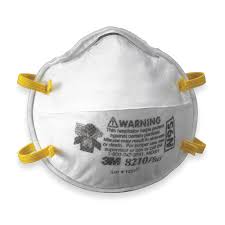
N95 mask
Before COVID-19, a masked man entering a bank meant: “This is a robbery!” Today, tellers aren’t surprised when they see a customer wearing a surgical mask.
Going to the supermarket used to be a routine matter: You would assume—usually correctly—that those items you wanted would be in stock. Then you would find and load them into your car.
No longer.
2016 PRESIDENTIAL CAMPAIGN, 9/11 ATTACKS, ABC NEWS, ADOLF HITLER, AFGHANISTAH, ALTERNET, AMERICABLOG, ANDREW CUOMO, AP, ARMY CORPS OF ENGINEERS, BABY BOOMER RESISTANCE, BARACK OBAMA, BILL CLINTON, BLOOMBERG, BUSES, BUZZFEED, CBS NEWS, CENTERS FOR DISEASE CONTROL AND PREVENTION (CDC), CNN, CORONAVIRUS, COVID-19, CROOKS AND LIARS, DAILY KOZ, DAVID BROOKS, DELTA FORCE, DOCTORS, DONALD RUMSFELD, DONALD TRUMP, DRUDGE RETORT, EBOLA, ELDERLY, FACEBOOK, FEAR, FEDERAL EMERGENCY MANAGEMENT AGENCY, FEEDING AMERICA, FIREFIGHTERS, FIVETHIRTYEIGHT, FOOD BANKS, FOX NEWS NETWORK, FRANKLIN D. ROOSEVELT, GARBAGE MEN, GEORGE H.W. BUSH, GEORGE W. BUSH, GREEN BERETS, GRETCHEN WHITMER, GROCERY SHOPPING, HARPER’S MAGAZINE, IRAQ, JAY INSLEE, LAUREN SAUER, MASKS, MEDIA MATTERS, MIKE PENCE, MOTHER JONES, MOVEON, MSNBC, MUSLIMS, NATIONAL SECURITY COUNCIL, NBC NEWS, NEWSWEEK, NPR, NURSES, NURSING HOMES, OSBMA BIN LADEN, PANIC SHOPPING, PBS NEWSHOUR, PERSONAL PROTECTIVE EQUIPMENT (PPES), POLICE, POLITICO, POLITICUSUSA, RAW STORY, REUTERS, RUDY GIULIANI, SADDAM HUSSEIN, SALON, SAN ANTONIO FOOD BANK, SCHOOLS, SEAN HANNITY, SEAN HANNITY SHOW, SEATTLE TIMES, SLATE, SOCIAL DISTANCING, SPANISH INFLUENZA, STEVEN PRESSFIELD, TALKING POINTS MEMO, TAXIS, THE ATLANTIC, THE CHICAGO SUN-TIMES, THE CHICAGO TRIBUNE, THE DAILY BEAST, THE DAILY BLOG, THE GUARDIAN, THE HILL, THE HUFFINGTON POST, THE LOS ANGELES TIMES, THE NATION, THE NEW REPUBLIC, THE NEW YORK TIMES, THE PENTAGON, THE VILLAGE VOICE, THE WASHINGTON POST, THINKPROGRESS, TIM ZIEMER, TIME, TRUTHDIG, TRUTHOUT, TWITTER, TWO POLITICAL JUNKIES, U.S. NAVY SEALS, U.S. NEWS & WORLD REPORT, UPI, USA TODAY, WASHINGTON MONTHLY, WHITE HOUSE PANDEMIC OFFICE, WILHELM 1, WONKETTE, WORLD TRADE CENTER, YAMICHE ALCINDOR
In Bureaucracy, History, Medical, Military, Politics, Social commentary on April 20, 2020 at 1:01 am
COVID-19 may well change our lives more fundamentally than even 9/11.
Yes, the terrorist attacks on the Twin Towers and the Pentagon were horrific—and costly in lives. Almost 3,000 Americans died that day.
After decades of ignoring Islamic terrorist attacks on American lives and property throughout the Middle East and the rest of the world, America shook off its complacency.
First came a much-anticipated invasion of Afghanistan–the “nation” which had given shelter to 9/11 mastermind Osama bin Laden. Starting on October 7, 2001, by December American planes and ground forces swept bin Laden’s hosts, the Taliban, from power.
Bin Laden disappeared into Pakistan, but was shot to death by United States Navy SEALs on May 1, 2011.

World Trade Center – September 11, 2001
The 9/11 attacks also resulted in unforeseen events. President George W. bush used them as an excuse to invade Iraq in 2003 and topple its dictator, Saddam Hussein, from power.
Bush had long blamed Hussein for not folding after the President’s father, George H.W. Bush, attacked Iraq in 1991 after its invasion of Kuwait. Hussein’s failure to fall from power, believed Bush Junior, had resulted in his father’s losing a second White House term in 1992 to Bill Clinton.
But once the United States invaded Afghanistan and Iraq, it got stuck there—and remains so to this day. What started as a purely military mission became a “nation-building” one.
Yet another result of the 9/11 attacks was a complete restructuring of the United States military. In the past, Americans had excelled in set-piece battles and wars.
Americans have never forgotten their overwhelming victories over the Germany of Kaiser Wilhelm II in 1918 and Fuhrer Adolf Hitler in 1945. But when it came to fighting enemies where guerrilla warfare negated overwhelming military power, the United States had done poorly—first in Korea (1950-1953) and then in Vietnam (1960-1975).
As a result, Secretary of Defense Donald Rumsfield reorganized the Pentagon’s bureaucracy, assigning highest priority to building unconventional military units such as the Army’s Green Berets and Delta Force, and the Navy’s SEALs.
These were all major changes resulting from the 9/11 attacks. They cost billions of dollars and got huge publicity. But they didn’t affect the lives of everyday Americans as intimately as has the advent of COVID-19, also known as Coronavirus.
Coronavirus
First, COVID-19 has killed far more Americans than 9/11. As before mentioned, 9/11 snuffed out the lives of almost 3,000 Americans. But as of April 20, more than 41,114 Americans have died of COVID-19. And the plague has not finished its murderous work.
Second, while 9/11 affected two American cities—New York and Washington, D.C.—COVID-19 has spread throughout the country. As epicenters like New York City, Los Angeles and Chicago gain national attention, the virus continues to seep into rural centers—especially in the South and Midwest.
Third, the combination of evil and incompetence of the Trump administration has shaken Americans’ faith in the ability—and even the willingness—of the Federal Government to protect them.
Conservative New York Times columnist David Brooks attacked President Donald Trump in terms usually reserved for serial killers. On the March 13 edition of The PBS Newshour, he said:
“This is what happens when you elect a sociopath as president, who doesn’t care, who has treated this whole thing for the past month as if it’s about him. ‘How do people like me?’ Minimizing the risks. ‘Does the stock market reflect well on me?’ And he hasn’t done the things a normal human being would do, which was to, let’s take precautions….
“And he’s incapable of that. And he’s even created an information distortion field around him.”
In 2014, following the Ebola outbreak in West Africa, President Barack Obama created the White House Pandemic Office, run by the White House’s National Security Council (NSC).
Barack Obama
Heading it was Rear Admiral Tim Ziemer. Under President George W. Bush, he had successfully fought malaria overseas. His topflight team of infectious disease and public health experts was creating a national bio-defense strategy. Their goal: Coordinate agencies to make the United States more resilient to the threat of epidemics and biological warfare.
In May, 2018, Trump ordered the NSC’s global health security unit shut down. The reason: Trump’s pathological jealousy of and hatred for Obama.
Compounding that outrage: From January to early March, 2020, Trump and his allies within the Republican party and Fox News Network repeatedly assured Americans they had nothing to fear.
Barnstorming the country in a series of hate-filled political rallies, Trump told his supporters:
- January 22: “We have it totally under control. It’s one person coming in from China.”
- February 24: “The Coronavirus is very much under control in the USA.”
- February 26: “The 15 cases within a couple of days is going to be down to close to zero.”
- February 27: “One day it’s like a miracle, it will disappear.”
- February 28: “Now the Democrats are politicizing the Coronavirus….We did one of the great jobs….One of my people came up to me and said, ‘Mr. President, they tried to beat you on Russia, Russia, Russia’….They couldn’t do it. They tried the impeachment hoax….It’s all turning, they lost….And this is their new hoax.”
- March 6: “I think we’re doing a really good job in this country of keeping it down. A tremendous job of keeping it down.”


 Bureaucracybuster's Blog
2016 PRESIDENTIAL CAMPAIGN, 2020 PRESIDENTIAL CAMPAIGN, ABC NEWS, ABORTION, ADOLF HITLER, ALTERNET, AMERICABLOG, ANDREW CUOMO, ANTHONY FAUCI, AP, ARMY CORPS OF ENGINEERS, BABY BOOMER RESISTANCE, BLACK HAND, BLOOMBERG, BOK CENTER, BUZZFEED, CBS NEWS, CENTERS FOR DISEASE CONTROL AND PREVEITON (CDC), CHINA, CNN, CORONAVIRUS, COVID-19, CROOKS AND LIARS, DAILY KOZ, DOCTORS, DONALD TRUMP, DRUDGE RETORT, FACEBOOK, FEDERAL EMERGENCY MANAGEMENT AGENCY (FEMA), FIVETHIRTYEIGHT, FLORIDA, FORBES MAGAZINE, FOX NEWS NETWORK, FRANKLIN D. ROOSEVELT, GRETCHEN WHITMER, HARPER’S MAGAZINE, IMPEACHMENT, JARED KUSHNER, JAY INSLEE, KRISTI NOEM, LARRY HOGAN, LINDSEY GRAHAM, LOUIS X1V, MASKS, MEDIA MATTERS, MICK MULVANEY, MIKE PENCE, MOTHER JONES, MOUNT RUSHMORE, MOVEON, MSNBC, N95 RESPIRATORS, NBC NEWS, NEWSWEEK, NPR, PBS NEWSHOUR, PERSONAL PROTECTIVE EQUIPMENT (PPES), PHOENIX, POLICE, POLITICO, POLITICUSUSA, RAW STORY, REPUBLICANS, REUTERS, ROLLING STONE MAGAZINE, RUDY GIULIANI, SALON, SEAN HANNITY SHOW, SEATTLE TIMES, SLATE, SOCIAL DISTANCING, STEVEN PRESSFIELD, STOCK MARKET, SUPREME COURT, TALKING POINTS MEMO, THE ATLANTIC, THE CHICAGO SUN-TIMES, THE CHICAGO TRIBUNE, THE DAILY BEAST, THE DAILY BLOG, THE GUARDIAN, THE HILL, THE HUFFINGTON POST, THE LOS ANGELES TIMES, THE NATION, THE NEW REPUBLIC, THE NEW YORK TIMES, THE VILLAGE VOICE, THE WASHINGTON POST, THINKPROGRESS, THIRD REICH, TIME, TOLUSE OLORUNNIPA, TRUTHDIG, TRUTHOUT, TULSA, TWITTER, TWO POLITICAL JUNKIES, U.S. NEWS & WORLD REPORT, UNITED STATES, UPI, USA TODAY, VENDORS, VENTILATORS, WASHINGTON MONTHLY MAGAZINE, WONKETTE
DONALD TRUMP’S TEN STAGES TO COVID DISASTER: PART TWO (OF FIVE)
In Bureaucracy, History, Medical, Politics, Social commentary on July 7, 2020 at 12:04 amDonald Trump has tried several coping mechanisms to deal with the raging Coronavirus pandemic. Three of these have already been discussed: Stage 1 (Denial), Stage 2 (Lies) and Stage 3 (Republican Subservience).
STAGE THREE: REPUBLICAN SUBSERVIENCE
During the vital months of January and February, Republicans refused to challenge Trump’s refusal to take the virus seriously—before it gained a foothold in the United States.
The reason: They had utterly tied themselves to him since the 2018 mid-term elections, where many moderate Republicans lost their seats.
According to Toluse Olorunnipa, White House reporter for The Washington Post: “They have realized that if they’re going to keep their seats, if they’re going to be able to have any future in the party, they have to be completely tied to President Trump and really wait for his call in terms of what exactly they’re going to do.”
One of these defenders is Republican South Carolina Senator Lindsey Graham.
On April 9, appearing on the Fox News network’s “Sean Hannity” show, Graham said: “The first thing I want to do is get the United States Senate on the record where we don’t blame Trump. We blame China.
“The Chinese government is responsible for 16,000 American deaths and 17 million Americans being unemployed. It’s the Chinese government and the way they behave that led to this pandemic. This is the third one to come out of China.
Lindsey Graham
“I want to make our response to this so overwhelming that China will change its behavior. I want to get the medical supply chain back into the United States, and I want to stop cancelling some debt that we owe to China because they should be paying us, not us paying China.”
Graham said that the “wet markets” in China should be shut down, because they have been the source of three pandemics that originated in China.
“So, I think you’re going to see a bipartisan push back against China to punish them so severely to deter them in the future.”
STAGE FOUR: CHAOS
Like Adolf Hitler, Trump likes to pit individuals and organizations against each other. Hitler, for example, would assign several agencies to tackle the same problem: “That way, the stronger one gets the job done,” he told his architect, Albert Speer.
Adolf Hitler
This creates needless duplication of efforts and wasted resources. But it ensures that Trump—like Hitler—remains the final voice of authority, since so many others are competing for his favor and direction.
This has not, however, worked out well for the 50 states that make up the United States of America.
During the Great Depression, President Franklin D. Roosevelt intervened powerfully to ensure that all Americans received the help they needed.
Trump has made it clear that each state is responsible for securing its needed supply of Personal Protective Equipment (PPEs) for its doctors and nurses aiding Coronavirus patients. This has resulted in a dog-eat-dog atmosphere of cutthroat competition and scarcity, with Americans not only fighting the virus but each other.
Donald Trump
STAGE FIVE: EXTORTION
Even worse: Trump and Republicans are using a deadly plague as a weapon against those Americans they hate.
On March 26, during an interview on Fox News, Trump blamed the failures of his administration’s response to Coronavirus on Democratic state governors like Andrew Cuomo (NY), Jay Inslee (WA), and Gretchen Whitmer (MI).
On March 27, during his press briefing, Trump said he told Vice President Mike Pence—who’s officially in charge of the White House’s response effort—to not call Inslee and Whitmer because they weren’t “appreciative” enough of his efforts.
Trump said this even as hospitals in each of their states were being overwhelmed with Coronavirus patients:
“I tell him—I mean I’m a different type of person—I say, ‘Mike, don’t call the governor in Washington, you’re wasting your time with him. Don’t call the woman in Michigan. If they don’t treat you right, I don’t call.”
At his March 27 press briefing, Trump echoed French King Louis X1V’s infamous remark—“I am the State”: “When they’re [governors] not appreciative to me, they’re not appreciative to the Army Corps, they’re not appreciative to FEMA [Federal Emergency Management Agency]. It’s not right.”
On that same day, Trump attacked Michigan Governor Gretchen Whitmer on Right-wing Fox News’ “Sean Hannity Show”: “I don’t know if she knows what’s going on, but all she does is sit there and blame the Federal Government.”
On March 27, Michigan Governor Gretchen Whitmer told a local radio station: “What I’ve gotten back is that vendors with whom we’ve procured contracts—they’re being told not to send stuff to Michigan. It’s really concerning. I reached out to the White House last night and asked for a phone call with the president, ironically at the time this stuff was going on.”
Gretchen Whitmer
A March 29 story in the Washington Monthly sheds light on what lay behind Whitmer’s inability to secure desperately-needed ventilators from her longtime vendors. Its headline ran: “What If Trump Decides to Save Republicans But Not Democrats?”
A sub-headline read: “He’s providing vital resources to red states and ignoring blue states.”
Share this: