bureaucracybusters

Posts Tagged ‘KENNETH STARR’

MACHIAVELLI ADVISES, TRUMP REJECTS IT: DISASTER FOLLOWS

In Bureaucracy, History, Law, Law Enforcement, Politics, Social commentary on February 15, 2019 at 12:10 am

Hear that sound?

It’s the sound of Niccolo Machiavelli laughing at President Donald J. Trump.

Machiavelli (1469 – 1527) was an Italian Renaissance historian, diplomat and writer. Two of his books continue to profoundly influence modern politics: The Prince and The Discourses on the First Ten Books of Titus Livy.

The Prince has often been damned as a dictator’s guide on how to gain and hold power. But The Discourses outlines how citizens in a republic can maintain their liberty.
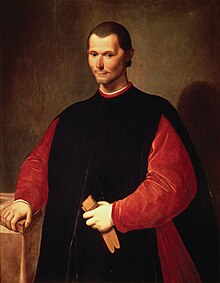
Image result for Images of Niccolo Machiavelli

Niccolo Machiavelli

In Chapter 26 of The Discourses, he advises:

I hold it to be a proof of great prudence for men to abstain from threats and insulting words towards any one, for neither the one nor the other in any way diminishes the strength of the enemy—but the one makes him more cautious, and the other increases his hatred of you, and makes him more persevering in his efforts to injure you.

If Trump has read Machiavelli, he’s utterly forgotten the Florentine statesman’s advice. Or he decided long ago that it simply didn’t apply to him.

Consider his treatment of James Comey, the former FBI director whom the President fired on May 9, 2017.

James Comey official portrait.jpg

James B. Comey (By Federal Bureau of Investigation)

In a move that Joseph Stalin would have admired, Trump gave no warning of his intentions.

Instead, he sent Keith Schiller, his longtime bodyguard and henchman, to the FBI with a letter announcing Comey’s dismissal.

Trump had three reasons for firing Comey:

  1. Comey had refused to pledge his personal loyalty to Trump. Trump had made this “request” during a private dinner at the White House in January. After refusing to make that pledge, Comey told Trump that he would always be honest with him. But that didn’t satisfy Trump’s demand that the head of the FBI act as his personal KGB chief.
  2. Trump had tried to coerce him into dropping the FBI’s investigation into former National Security Adviser Mike Flynn, for his secret ties to Russia and Turkey. Comey had similarly resisted that demand.
  3. Comey had recently asked the Justice Department to fund an expanded FBI investigation into contacts between Trump’s 2016 Presidential campaign and Russian Intelligence agents. 

On May 10, 2017—the day after firing Comey—Trump met in the Oval Office with Russian Foreign Minister Sergey Lavov and Russian Ambassador Sergey Kislyak.

Donald Trump Pentagon 2017.jpg

Donald Trump

Kislyak was reportedly a top recruiter for Russia’s SVR foreign intelligence agency. He has been closely linked with former Attorney General Jeff Sessions and fired National Security Adviser Mike Flynn.

“I just fired the head of the FBI,” Trump told the two dignitaries. “He was crazy, a real nut job. I faced great pressure because of Russia. That’s taken off.”

Two days later, on May 12, Trump tweeted a threat to the fired FBI director: “James Comey better hope that there are no ‘tapes’ of our conversations before he starts leaking to the press.” 

It clearly didn’t occur to Trump that Comey might have created his own record of their exchanges. Or that he might choose to publicly release it.

But shortly afterward, that’s exactly what he did. 

News stories surfaced that Comey had written memos to himself immediately after his private meetings with Trump. He had also told close aides that Trump was trying to pressure him into dropping the Russia investigation. 

The news stories led to another result Trump had not anticipated: Acting Attorney General Rod Rosenstein yielded to demands from Democrats and appointed former FBI Director Robert Mueller III as a Special Prosecutor to investigate Trump’s Russian ties.

A Special Prosecutor (now euphemistically called an “Independent Counsel”) holds virtually unlimited power and discretion.

In 1993, Kenneth Starr was appointed Special Prosecutor to investigate Bill and Hillary Clinton’s involvement in “Whitewater.” This was a failed Arkansas land deal that had happened while Clinton was still governor there. It had nothing to do with his role as President.

Starr never turned up anything incriminating about Whitewater. But he discovered that Clinton had gotten oral sex in the Oval Office from a lust-hungry intern named Monica Lewinsky.

Clinton’s lying about these incidents before a Federal grand jury led to his impeachment by a Republican-dominated House of Representatives. But he avoided removal when the Senate refused to convict him by a vote of 55 to 45.

Finally, Trump’s implying that he had illegally taped his conversations with Comey was yet another dangerous mistake, with four possible outcomes:

  1. If Trump had such tapes, they could and would be subpoenaed by the Special Prosecutor and the House and Senate committees investigating Russia’s meddling in the 2016 election.
  2. If Trump had such tapes and refused to turn them over, he could be charged with obstruction of justice—and impeached for that reason alone.
  3. If he had burned or erased such tapes, that, too, would count as obstruction of justice.
  4. If he didn’t have such tapes, he would be revealed as a maker of empty threats.

Eventually the truth emerged: Trump didn’t have such tapes. This claim was just one more in a long series of Trump lies and slanders.

As Machiavelli also warns: Unwise princes cannot be wisely advised.

MACHIAVELLI VS. TRUMP ON THREATS AND INSULTS

In Bureaucracy, History, Law, Law Enforcement, Politics, Social commentary on June 13, 2017 at 12:20 am

Hear that sound?

It’s the sound of Niccolo Machiavelli laughing at President Donald J. Trump.

Machiavelli (1469 – 1527) was an Italian Renaissance historian, diplomat and writer. Two of his books continue to profoundly influence modern politics: The Prince and The Discourses on the First Ten Books of Titus Livy.

The Prince has often been damned as a dictator’s guide on how to gain and hold power.  But The Discourses outlines how citizens in a republic can maintain their liberty.

Portrait of Niccolò Machiavelli by Santi di Tito.jpg

Niccolo Machiavelli

In Chapter 26 of The Discourses, he advises:

I hold it to be a proof of great prudence for men to abstain from threats and insulting words towards any one, for neither the one nor the other in any way diminishes the strength of the enemy—but the one makes him more cautious, and the other increases his hatred of you, and makes him more persevering in his efforts to injure you.

If Trump has read Machiavelli, he’s utterly forgotten the Florentine statesman’s advice. Or he decided long ago that it simply didn’t apply to him.

Consider his treatment of James Comey, the former FBI director whom the President fired on May 9.

James Comey official portrait.jpg

James B. Comey (By Federal Bureau of Investigation)

In a move that Joseph Stalin would have admired, Trump gave no warning of his intentions.

Instead, he sent Keith Schiller, his longtime bodyguard and henchman, to the FBI with a letter announcing Comey’s dismissal.

Trump had three reasons for firing Comey:

  1. Comey had refused to pledge his personal loyalty to Trump. Trump had made this “request” during a private dinner at the White House in January. After refusing to make that pledge, Comey told Trump that he would always be honest with him. But that didn’t satisfy Trump’s demand that the head of the FBI act as his personal secret police chief.
  2. Trump had tried to coerce him into dropping the FBI’s investigation into former National Security Adviser Mike Flynn, for his secret ties to Russia and Turkey. Comey had similarly resisted that demand.
  3. Comey had recently asked the Justice Department to fund an expanded FBI investigation into contacts between Trump’s 2016 Presidential campaign and Russian Intelligence agents. 

On May 10–the day after firing Comey–Trump met in the Oval Office with Russian Foreign Minister Sergey Lavov and Russian Ambassador Sergey Kislyak.

Donald Trump Pentagon 2017.jpg

Donald Trump

Kislyak is reportedly a top recruiter for Russia’s SVR foreign intelligence agency. He has been closely linked with Jeff Sessions, now Attorney General, and fired National Security Adviser Mike Flynn.

“I just fired the head of the FBI,” Trump told the two dignitaries. “He was crazy, a real nut job. I faced great pressure because of Russia. That’s taken off.”

Two days later, on May 12, Trump tweeted a threat to the fired FBI director: “James Comey better hope that there are no ‘tapes’ of our conversations before he starts leaking to the press.” 

It clearly didn’t occur to Trump that Comey might have created his own record of their exchanges. Or that he might choose to publicly release it.

But shortly afterward, that’s exactly what he did. 

News stories surfaced that Comey had written memos to himself immediately after his private meetings with Trump. He had also told close aides that Trump was trying to pressure him into dropping the Russia investigation. 

The news stories led to another result Trump had not anticipated: Acting Attorney General Rod Rosenstein yielded to demands from Democrats and appointed former FBI Director Robert Meuller III as a Special Prosecutor to investigate Trump’s Russian ties.

A Special Prosecutor (now euphemistically called an “Independent Counsel”) holds virtually unlimited power and discretion.

In 1993, Kenneth Starr was appointed Special Prosecutor to investigate Bill and Hillary Clinton’s involvement in “Whitewater.” This was a failed Arkansas land deal that had happened while Clinton was still governor there. It had nothing to do with his role as President.

Starr never turned up anything incriminating about Whitewater. But he discovered that Clinton had gotten oral sex in the Oval Office from a lust-hungry intern named Monica Lewinsky.

Clinton’s lying about these incidents before a Federal grand jury led to his impeachment by a Republican-dominated House of Representatives. But he avoided removal when the Senate refused to convict him by a vote of 55 to 45.

Finally, Trump’s implying that he had illegally taped his conversations with Comey was yet another dangerous mistake, with four possible outcomes:

  1. If Trump has such tapes, they can and will be subpoenaed by the Special Prosecutor and the House and Senate committees investigating Russia’s meddling in the 2016 election.
  2. If Trump has such tapes and refuses to turn them over, he can be charged with obstruction of justice–and impeached for that reason alone.
  3. If he has burned or erased such tapes, that, too, counts as obstruction of justice.
  4. If he doesn’t have such tapes, he will be revealed as a maker of empty threats.

This last outcome wouldn’t get him impeached. But it would make him a national laughingstock.

As Machiavelli also warns: Unwise princes cannot be wisely advised.

SECRECY PAST IS SECRECY PROLOGUE: PART TWO (END)

In Bureaucracy, History, Law, Politics on August 9, 2016 at 12:20 am

The Washington Post was angry.

Its reporters and editors believed they had been stonewalled by the 1992 Bill Clinton Presidential campaign.  

And now that he had been elected President, they wanted access to a treasury of documents relating to potential irregularities in Whitewater and a gubernatorial campaign.  

David Gergen, a conservative adviser to Republican Presidents Richard Nixon, Gerald Ford and Ronald Reagan, had been hired by Clinton in 1993 to provide a counterbalancing perspective to his liberal team members.  

Related image

Gergen had served in the Nixon White House during Watergate.  He knew firsthand the political dangers of stonewalling–or merely appearing to stonewall.  

So he advised Clinton: Give the Post the documents. Yes, it will be temporarily embarrassing. But in a little while the bad stories will blow over and you can get on with the job.  

If you don’t hand over the documents, you’ll look like you’re hiding something. The press will raise a stink. The Republicans will demand a Special Prosecutor.  And there will be no end to it.

Clinton agreed with Gergen.  But there was a catch: He didn’t feel he could make the decision alone. Hillary had been a partner in the Whitewater land transactions.  

“You’ll have to speak to Hillary and get her agreement,” he told Gergen. “If she agrees, we’ll do it.” 

Gergen promised to see her. 

Two days later, Gergen called Hillary Clinton’s office and asked for an appointment.

“We’ll get back to you,” her secretary promised.

Related image

Hillary Clinton

Hillary never did.  Finally, two weeks after the canceled December 10 meeting with the Clintons, Gergen got the news he had been dreading: Bruce Lindsay, Clinton’s trusted adviser, would deliver a one-paragraph letter to the Post, essentially saying; “Screw you.”

Events quickly unfolded exactly as Gergen had predicted:

  • The Post’s executive editor, Leonard Downie, called the White House: “Nothing personal, but we’re going to pursue this story relentlessly.”  
  • The New York Times and Newsweek–among other news outlets–joined the journalistic investigation.  
  • Coverage of Whitewater intensified.  
  • Republicans began demanding that Attorney General Janet Reno appoint an independent counsel.  
  • On January 20, 1994–exactly a year after Clinton took the oath as President–Edward Fiske, a former federal prosecutor, was named independent counsel.
  • In August, Fiske was dismissed by a Federal judge who considered him too liberal and replaced with Kenneth Starr, a former solicitor general and federal appeals court judge.
  • Starr unearthed Clinton’s salacious affair with White House intern Monica Lewinsky, which culminated in an unsuccessful Republican impeachment attempt in 1998.
  • Starr resigned in 1999, and was replaced by Robert W. Ray.
  • The investigation continued until 2002, but no criminal charges were ever filed against either Clinton.

In his 2001 book, Eyewitness to Power, Gergen summarizes the meaning of this episode: 

If the Clintons had turned over the Whitewater documents to the Washington Post in December 1993, their history–and that of the United States–would have been entirely different.  

Disclosure would have brought embarrassing revelations–such as Hillary’s investment in commodity futures.

“But we know today that nothing in those documents constituted a case for criminal prosecution of either one of the Clintons in their Whitewater land dealings…

“Edward Fiske and Kenneth Starr would never have arrived on the scene, we might never have heard of Monica Lewinsky (who had nothing to do with the original Whitewater matter) and there would have been no impeachment.

“The country would have been spared that travail, and the President himself could have had a highly productive second term.”  

Gergen blames President Clinton rather than Hillary for refusing to disclose the documents. Voters elected him–not her–to run the government. He–not she–ultimately bears the responsibility.  

Still, his comments about Hillary are telling, considering:

  • That she is likely to win election to the White House this November; and
  • That she continues to reflexively stonewall instead of opt for transparency when facing questions.  

As Gergen puts it: “She should have said yes [to disclosure] from the beginning, accepting short-term embarrassment in exchange for long-term protection of both herself and her husband.  

“She listened too easily to the lawyers and to her own instincts as a litigator, instincts that told her never to give an inch to the other side. Whitewater was always more a political than a legal problem.”  

The same might be said of her lingering credibility problem with the use of a private email server as Secretary of State.

Both of her predecessors, Colin Powell and Condoleeza Rice, used private servers, and neither has been subjected to Republican inquisition.  

She could have easily avoided the turmoil that has dogged her for years by simply admitting at the outset: “Yes, I used a private server–just like my two Republican predecessors did. Everyone knows government servers are compromised.”  

Instead, she fell back on Nixonian stonewalling tactics–which proved fatal to Richard Nixon and almost fatal to her husband.  

This is, in short, a woman who has learned nothing from the past–her own nor that of her husband.

It’s a safe bet that as President Hillary Clinton will continue to stonewall over matters whose disclosure is embarrassing only in the short-term–thus jeopardizing her tenure as Chief Executive.

SECRECY PAST IS SECRECY PROLOGUE: PART ONE (OF TWO)

In Bureaucracy, History, Law, Politics on August 8, 2016 at 10:30 am

“History can only be understood backwards, but it must be lived forwards.”

So wrote the philosopher Soren Kierkegaard.  And with history–in the form of a second Clinton Presidency–about to repeat itself, useful lessons may be found by studying the first one.

Since her debut as a potential First Lady in 1992, Hillary Clinton has aroused strong passions–for and against.

David Gergen is one former staffer who has viewed her up close and yet offers a balanced perspective of her strengths and weaknesses.

He did so in his 2001 book, Eyewitness to Power, in which he chronicled his experiences as an adviser to Republican Presidents Richard Nixon, Gerald Ford, Ronald Reagan–and a Democratic one: Bill Clinton.

In 1993, then a conservative political commentator, Gergen returned to the White House. 

The liberal Clinton, sensitive to criticism on the Right, wanted Gergen’s advice on how to defuse it.

David Gergen World Economic Forum 2013.jpg

David Gergen

In December, 1993, Gergen got a call from Bob Kaiser, the managing editor of the Washington Post: “We’re getting the runaround over there on Whitewater and I want you to know about it.”

“Whitewater” encompassed the Arkansas real estate investments of Bill and Hillary Clinton and their associates, Jim and Susan McDougal in the Whitewater Development Corporation, a failed business venture in the 1970s and 1980s. 

A Post reporter had sent a letter to Bruce Lindsay, a trusted Clinton adviser, raising questions about the finances of the Clintons in the years before they came to Washington.

Two weeks had passed, and there had been no reply.  

Gergen assured Kaiser that this was the first time he had heard about the letter: “I’ll look into it and get back to you.”

Gergen and Kaiser shared a Watergate past–Gergen had worked in the Nixon White House, Kaiser at the Washington Post, whose reporting had ultimately brought Nixon down.

Both men, Gergen later wrote, “remembered how destructive the stonewalling of those days had been.” And Gergen respected Kaiser, believing him “fair but tough–and, if misled, very tough.”   

Gergen immediately consulted with Thomas F. “Mack” McLarty, Clinton’s White House Chief of Staff. He advised McLarty that a trio of White House officials should visit the Post and find out what the reporters wanted.

McLarty agreed.  

When the White House officials arrived at the Post, they were met by a chorus of hostile reporters.  

They felt they had been stonewalled throughout the 1992 Presidential race. And now they wanted access to a treasury of documents relating to potential irregularities in Whitewater and a gubernatorial campaign.

Related image

The Washington Post

Gergen and Mark Gearan, the White House director of communications, agreed that the best course was to give the Post all the documents it was requesting.  

The next day, Gergen laid out his case to Chief of Staff McLarty:

The Post should be allowed to view the documents and report on them. Then the papers should be made available to the entire White House press corps.  

Yes, said Gergen, a lot of negative stories would probably result. But if Watergate had taught any lesson, it was that it was better to admit mistakes and not try to hide them. Stonewalling only brought on criminal investigations–and potential criminal charges.  

McLarty agreed to set up a meeting with President Clinton where Gergen and Gearan could make their case.

On December 10, Gergen and Gearan were scheduled to meet with President Clinton, his wife, and possibly their lawyers.  

But when the appointed hour arrived, they found that the meeting had been scrubbed.

The Clintons had had their lawyers come in early for a private discussion of the documents, had heard their arguments, and had decided not to discuss anything. They didn’t even want to hear a case for disclosure.

Gergen was furious. He had been hired months earlier with the promise of full access to the President. And now he insisted on it.  

McLarty arranged for him to see Clinton the next morning. 

Related image

Bill Clinton

Gergen laid out three reasons why the Post should be given the documents it wanted.  

First, he believed the paper had tried to be fair in its coverage of the Clintons.  

Second, Watergate proved that it was politically lethal to be accused of a cover-up.

And, third, having won international renown with Watergate, the Post would never back down on Whitewater.

Gergen warned that the Post “would sic a big team of investigative reporters on the White House” and that would lead other news organizations to follow.  

“I agree with you,” said Clinton. “I think we should turn over all of the documents.”  

But there was a catch: He didn’t feel he could make the decision alone. Hillary had been a partner in the Whitewater land transactions.  

“You’ll have to speak to Hillary and get her agreement,” he told Gergen. “If she agrees, we’ll do it.”  

Gergen promised to see her.  

Two days later, Gergen called Hillary Clinton’s office and asked for an appointment.

“We’ll get back to you,” her secretary promised.