Posts Tagged ‘GREAT BRITAIN’
ABC NEWS, ADOLF HITLER, ALBANIA, ALTERNET, ANDREI CHERNY, AP, BERLIN AIRLIFT, BULGARIA, BUZZFEED, CAMILLUS, CBS NEWS, CNN, CONTAINMENT, CROOKS AND LIARS, CZECHOSLOVAKIA, DAILY KOZ, EAST GERMANY, FACEBOOK, FALISCIA, FRANCE, FRANKLIN D. ROOSEVELT, GAIL “HAL” HALVORSEN, GREAT BRITAIN, HARRY S. TRUMAN, HUNGARY, IRON CURTAIN, JOSEPH STALIN, MOTHER JONES, MOVEON, NAZI GERMANY, NBC NEWS, NEWSWEEK, NICCOLO MACHIAVELLI, NPR, POLAND, POLITICO, RAW STORY, REUTERS, ROMANIA, ROME, SALON, SEATTLE TIMES, SLATE, SOVIET UNION, THE ATLANTIC, THE CANDY BOMBERS, THE CHICAGO SUN-TIMES, THE CHICAGO TRIBUNE, THE DAILY BEAST, THE DISCOURSES, THE GUARDIAN, THE HILL, THE HUFFINGTON POST, THE LOS ANGELES TIMES, THE NATION, THE NEW YORK TIMES, THE WASHINGTON POST, TIME, TWITTER, U.S. NEWS & WORLD REPORT, UNITED STATES, UPI, USA TODAY, WEST BERLIN, WILLIE "THE WHIP" TUNNER, WORLD WAR 11, YUGOSLAVIA
In Bureaucracy, History, Military, Politics, Social commentary on December 21, 2017 at 3:12 am
In June, 1948, Soviet dictator Joseph Stalin was determined to drive the Western occupying powers out of Berlin—and of West Germany.
On June 19, the Soviet Union blocked the Western Allies’ railway, road, and canal access to the sectors of Berlin under Western control.
At that time, West Berlin had only 36 days’ worth of food and 45 days’ worth of coal. And the United States had only 8,973 Americans stationed in Berlin. British forces totaled 7,606, and French forces 6,100.
Russian forces in Berlin and East Germany outnumbered them 62 to 1.
The United States seemed to face a choice between all-out war with the Soviet Union—or appeasing its growing aggression in Eastern Europe.
Fortunately, a third choice was found. It became known as the Berlin Airlift.
This was carried out primarily by the United States and Great Britain. Other Western powers taking part in this operation included France, Australia, Canada, New Zealand and South Africa.
Starting on June 24, 1948, the Berlin Airlift aimed to supply the city’s two and a half million residents with food and energy supplies.
There was no guarantee that such an operation could succeed–at least, not in the long run. Since 1903, airplanes had been used to carry out surveillance, engage in dogfights or bomb cities. But airlifts—flying supplies to stranded people—had proven dismal failures.
At first, the Berlin Airlift worked haphazardly. Pilots flew themselves to exhaustion to meet the needs of those they had relentlessly bombed just three years ago.
Then Major General William “Willie the Whip” Tunner took charge—and brought a totally mechanized approach to the drops:
- Pilots must fly strictly by instruments, even when visibility was excellent.
- Planes could no longer circle over Berlin. Each plane would have only one chance to land in Berlin—or must return to its base if it missed its approach.
- Every 90 seconds, a plane was to take off or land.
Just keeping Berliners alive demanded 4,000 tons of supplies each day. Each plane was thus overloaded by 10 tons. Pilots flew literally round the clock. When fog rolled in that winter, visibility was reduced to zero. Twenty-eight Americans died in crashes.
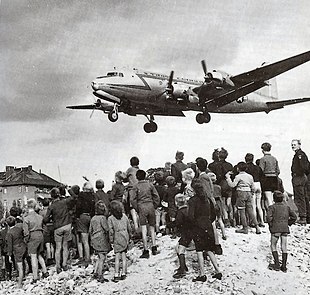
A Douglas C-54 Skymaster lands at Berlin’s Templehof Airport
Germans were impressed with American efficiency, but knew that, in the eyes of most of their American occupiers, they were pariahs. They had waged an aggressive war and exterminated millions of helpless men, women and children in concentration camps.
They were glad the Allies were keeping them alive, but felt they were pawns in a global chess game between the United States and the Soviet Union.
Then fate took a hand.
An Army Air Force pilot named Gail “Hal” Halvorsen impulsively decided to drop a series of small, hand-made parachutes of candies to Berlin’s children.
When General Tunner learned of this, he instantly realized its worth as a morale booster to Berliners. He ordered Halvorsen to continue the drops.

Gail “Hal” Halvorsen
Other pilots followed Halvorsen’s example. Soon Berlin’s children were lining up by the thousands, hoping to grab one of the candy-filled parachutes made from handkerchiefs or strips of clothing.
When the press learned of the drops, the story became a worldwide sensation. Back in the United States, Americans mailed literally tons of candy to Germany for distribution to Berlin’s children.
“The candy bombers” became the most beloved Americans in Berlin. And Halvorsen became the most beloved of them all. On October 3, 1948, when his plane landed in Berlin during a pouring storm, 700 children greeted him on the tarmac for “Lieutenant Gail Halvorsen Day.”
Among the letters he received from Berlin’s children:
Dear Uncle Wiggly Wings,
When yesterday I came from school, I had the happiness to get one of your sweet gifts….You cannot think how big the joy was….My brother and parents stood about me when I opened the strings and fetched out all the chocolate.
Dear Candy Bomber,
…How lucky I was last Sunday. I played at a ruin with some friends of mine opposite our house. Suddenly we saw about ten white parachutes coming out of the sky! One of them set down on the roof of our house. There were three stripes chocolate in the parachute….I want to thank you for your love to the German kids….
From 10-year-old Helma Lurch came this tribute:
Take care of yourself, and remember us children and we will remember you our whole life.
Adults as well as children responded emotionally to the candy drops—and “the candy bombers” responsible for them. When a plane crashed, killing two American lieutenants, residents of the neighborhood memorialized them with a plaque: “Once we were enemies yet you now gave your lives for us. We are doubly in your debt.”
The Airlift ended on May 12, 1949, when Stalin finally accepted defeat and ended the blockade.
“As [Halvorsen] came to represent the Airlift and America to the Berliners,” writes Andrei Cherney in his definitive book, The Candy Bombers, “through him America became a country that cared enough about the defeated Germans to…deliver candy to children, an act without any…ulterior motive, a gift of plain compassion.”
In 1948, that act forged a solid bond—which still exists—between Germany and the United States.
ABC NEWS, ADOLF HITLER, ALBANIA, ALTERNET, AP, BERLIN AIRLIFT, BULGARIA, BUZZFEED, CAMILLUS, CBS NEWS, CNN, CONTAINMENT, CROOKS AND LIARS, CZECHOSLOVAKIA, DAILY KOZ, EAST GERMANY, FACEBOOK, FALISCIA, FRANCE, FRANKLIN D. ROOSEVELT, GREAT BRITAIN, HARRY S. TRUMAN, HUNGARY, IRON CURTAIN, JOSEPH STALIN, MOTHER JONES, MOVEON, NAZI GERMANY, NBC NEWS, NEWSWEEK, NICCOLO MACHIAVELLI, NPR, POLAND, POLITICO, RAW STORY, REUTERS, ROMANIA, ROME, SALON, SEATTLE TIMES, SLATE, SOVIET UNION, THE ATLANTIC, THE CHICAGO SUN-TIMES, THE CHICAGO TRIBUNE, THE DAILY BEAST, THE DISCOURSES, THE GUARDIAN, THE HILL, THE HUFFINGTON POST, THE LOS ANGELES TIMES, THE NATION, THE NEW YORK TIMES, THE WASHINGTON POST, TIME, TWITTER, U.S. NEWS & WORLD REPORT, UNITED STATES, UPI, USA TODAY, WEST BERLIN, WORLD WAR ii, YUGOSLAVIA
In Bureaucracy, History, Military, Politics, Social commentary on December 20, 2017 at 12:40 am
Once again, it falls to Niccolo Machiavelli to reveal truths long forgotten—especially by those who subscribe only to the darkest arts.
In his most important book, The Discourses, he outlines the methods by which citizens of a republic can maintain their freedom.
In Book Three, Chapter 20, he offers this example of the power of humanity to win over even the most stubborn opponents:

Niccolo Machiavelli
“Camillus was besieging the city of the Faliscians, and had surrounded it….A teacher charged with the education of the children of some of the noblest families of that city [to ingratiate himself] with Camillus and the Romans, led these children…into the Roman camp.
“And presenting them to Camillus [the teacher] said to him, ‘By means of these children as hostages, you will be able to compel the city to surrender.’
“Camillus not only declined the offer but had the teacher stripped and his hands tied behind his back….[Then Camillus] had a rod put into the hands of each of the children…[and] directed them to whip [the teacher] all the way back to the city.
“Upon learning this fact, the citizens of Faliscia were so much touched by the humanity and integrity of Camillus, that they surrendered the place to him without any further defense.
“This example shows that an act of humanity and benevolence will at all times have more influence over the minds of men than violence and ferocity. It also proves that provinces and cities which no armies…could conquer, have yielded to an act of humanity, benevolence, chastity or generosity.”
Americans put this lesson to use in 1948 in the skies over Berlin.
When Nazi Germany fell to the Allies in May, 1945, the country was divided into four zones of occupation—one for each of the occupying powers: The United States, Great Britain, France and the Soviet Union.
Within the fledgling administration of President Harry S. Truman, many believed that a new era of peace had dawned between America and Russia.
But then grim reality intruded.
Adolf Hitler had invaded the Soviet Union in 1941. As a result, at least 20 million Soviet men, women and children died violently.
To expel the invasion and destroy Nazi Germany, Russian armies had advanced across a series of Eastern European countries. With the war over, Soviet dictator Joseph Stalin decided to protect the Soviet Union from a future German invasion.
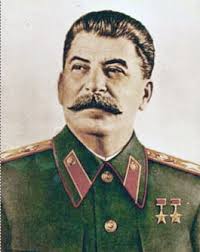
Joseph Stalin
His solution: Occupy Eastern Europe with Red Army units as a buffer between Germany and the Soviet Union. Poland, East Germany, Czechoslovakia, Romania, Bulgaria, Hungary, Albania and Yugoslavia.
Stalin had promised President Franklin Roosevelt that he would withdraw his armies from these countries once Germany was defeated. And he would allow them to choose whatever form of government they desired.
But Stalin had no intention of living up to his promises. And backing him up were 10 to 13 million Red Army soldiers. The entire United States Army had been reduced to 552,000 men by February 1948.
Liberating the captive nations of Eastern Europe—as General George S. Patton wanted to do—would have plunged the United States into full-scale war against its World War II ally.
And by 1945, the Red Army was a formidable enemy: Of the 4.3 million dead and missing casualties suffered by the Wehrmacht, 85% of them occurred on the dreaded “Eastern front.”
So there was nothing the United States could do—short of all-out war—to “roll back” the “Iron Curtain” that had swept over Eastern Europe.
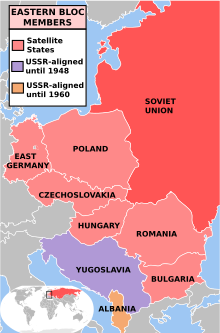
But Americans could—and did—draw a line in the sand. That line became known as the policy of “containment.”
And nowhere was the collision between the U.S.A and the U.S.S.R. more likely to ignite into full-scale war than in Berlin.
Between 1945 and 1948, the Soviets increased their pressure on Western forces occupying Berlin to leave the city. The Soviets already controlled East Germany; gaining control of the Western-held part of Berlin would likely be their first step toward overwhelming the rest of Germany.
And, after Germany, probably France—and as many other European countries as possible.
During the first two years of occupation the occupying powers of France, United Kingdom, United States, and the Soviet Union were not able to successfully negotiate a possible currency reform in Germany. Each of the Allies printed its own occupation currency.
Then, on June 20, 1948, the Bizonal Economic Council introduced the Deutsche mark to West Germany.
On June 24, 1945, the Soviet Union blocked the Western Allies’ railway, road, and canal access to the sectors of Berlin under Western control. This meant a cutoff of food and energy supplies to Berlin’s two and a half million residents.
The United States faced a monumental crisis:
- Should it abandon West Berlin—and thus tempt the Soviet Union into further aggression?
- Should it match the puny Western military forces—outnumbered 62 to 1—against the massive Soviet military presence?
- If it chose to fight in Berlin, would this lead to nuclear war?
Fortunately for the Allies—and West Germany—a third choice was available besides war and appeasement.
It became known as the Berlin Airlift.
ABC NEWS, ADOLF HITLER, AFGHANISTAN, ALTERNET, AP, BARACK OBAMA, BUZZFEED, CBS NEWS, CNN, CROOKS AND LIARS, DAILY KOZ, DONALD TRUMP, EL ELAMEIN, ERWIN ROMMEL, FACEBOOK, FRIEDRICH VON PAULUS, GEORGE W. BUSH, GREAT BRITAIN, IRAQ, JAPAN, JOSEPH GOEBBELS, MOSCOW, MOTHER JONES, MOVEON, NAZI GERMANY, NBC NEWS, NEWSWEEK, NPR, PEARL HARBOR, POLITICO, RAW STORY, REUTERS, SALON, SEATTLE TIMES, SLATE, SOVIET UNION, STALINGRAD, THANKSGIVING MESSAGE TO U.S. TROOPS, THE ATLANTIC, THE CHICAGO SUN-TIMES, THE CHICAGO TRIBUNE, THE DAILY BEAST, THE GUARDIAN, THE HILL, THE HUFFINGTON POST, THE LOS ANGELES TIMES, THE NATION, THE NEW YORK TIMES, THE WASHINGTON POST, TIME, TOTAL WAR SPEECH, TWITTER, U.S. NEWS & WORLD REPORT, UNITED STATES, UPI, USA TODAY, WEHRMACHT, WINSTON CHURCHILL, WORLD WAR ii
In Bureaucracy, History, Military, Politics, Social commentary on November 27, 2017 at 1:50 am
By February, 1943, the tide of war had turned irrevocably for Nazi Germany.
The string of quick and easy victories that had started on September 1, 1939 was over:
- Poland
- Norway
- Denmark
- Holland
- Belgium
- Luxembourg
- Greece
- France.
All had fallen under the heel of the Nazi jackboot. The swastika flag still flew triumphantly over the capitols of these once-free nations.
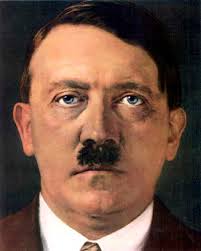
Adolf Hitler
And the word—and whim—of Germany’s Fuhrer, Adolf Hitler remained law for their populations.
But by March, 1943, all except the most fanatical Nazis could see that Germany was on a collision course with disaster.
- Under the unshakable leadership of Prime Minister Winston Churchill, Great Britain still remained a sworn enemy of the Third Reich.
- After six months of spectacular victories against the Soviet Union, the Wehrmacht had become hopelessly bogged down in the snow before Moscow.
- On December 11, 1941, following the attack on Pearl Harbor by his ally, Japan, Hitler declared war on the United States—thus pitting the Reich against the world’s two most powerful nations: America and Russia.
- In November, 1942, at El Alamein, the British Army halted the advance of General Erwin Rommel and his famed Afrika Korps across North Africa.
- On February 2, 1943, General Friedrich von Paulus surrendered the remains of the once-powerful Sixth Army at Stalingrad. The Reich suffered 730,000 total casualties, including nearly 91,000 German prisoners taken prisoner.
- On June 6, 1944, American, British and Canadian armies overwhelmed German’s “impregnable wall of death” on the Normandy beaches.
- In February, 1945, following the Vistula-Oder Offensive, the Red Army temporarily halted 37 miles east of Berlin.
So, by March, 1943, Germany desperately needed to hear some good news. And Propaganda Minister Joseph Goebbels was eager to supply it.
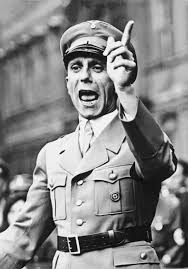
Joseph Goebbels
He did so in one of his last public addresses, delivered to a large but carefully selected audience in Gorlitz.
For Goebbels, the greatest challenge to the Reich lay in “the Bolshevist danger in the East.” And, for him, the solution was clear: “Total war is the demand of the hour.”
“Our soldiers, as soon as the great push on the Eastern Front gets under way, will ask no mercy and give no mercy.
“Already, our forces have begun softening up operations, and in the next weeks and months the big offensive will begin. They will go into battle with devotion like congregations going to a religious service.
“And when our men shoulder their weapons and climb into their tanks, there will be before their eyes the sight of their violated women and murdered children. A cry of vengeance will rise from their throats that will make the enemy tremble with fear!
“So, as the Fuhrer has overcome crises in the past, so will he triumph now.
“The other day he told me ‘I firmly believe that we shall overcome this crisis. I firmly believe that our army of millions will beat back our enemy and annihilate him. And some day our banners will be victorious. This is my life’s unshakable belief.'”
Thunderous applause repeatedly interrupted Goebbels’ address. Yet this could not replace the enormous losses Germany had suffered since 1939. Nor could it reverse the march of the Allied armies as they closed in on the Reich from East and West.
Now, fast-forward 74 years to November 23, 2017—Thanksgiving Day.
Donald Trump, President of the United States, speaks by video teleconference to American forces stationed in Iraq and Afghanistan.
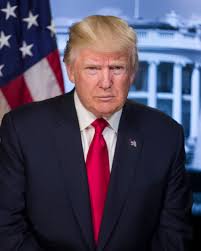
Donald Trump
President George W. Bush had flown into Baghdad in 2003 to spend Thanksgiving with American forces. He flew into Iraq once again to visit troops in June, 2006.
And President Barack Obama visited American soldiers in Iraq in 2009, in Afghanistan in 2010, 2012 and 2014.
Trump’s “visit” was unique—in that he addressed American troops from his Mar-a-Lago Club and Resort in Palm Beach, Florida.
The address started off predictably enough: “It’s an honor to speak with you all and to give God thanks for the blessings of freedom and for the heroes who really have this tremendous courage that you do to defend us and to defend freedom.”
But, being Trump, he could not resist paying homage to himself: “We’re being talked about again as an armed forces. We’re really winning. We know how to win, but we have to let you win. They weren’t letting you win before; they we’re letting you play even. We’re letting you win….
“They say we’ve made more progress against ISIS than they did in years of the previous administration, and that’s because I’m letting you do your job….”
In short: All those sacrifices you made under Presidents Bush and Obama went for nothing.
“A lot of things have happened with our country over the last very short period of time, and they’re really good — they’re really good. I especially like saying that companies are starting to come back.
“Now we’re working on tax cuts—big, fat, beautiful tax cuts. And hopefully we’ll get that and then you’re going to really see things happen.”
Or, put another way: Be grateful they elected me—because you’re about to see the 1% richest get even richer. Too bad you won’t be so lucky.
ABC NEWS, BARACK OBAMA, CBS NEWS, CNN, COLIN POWELL, CONDOLEEZA RICE, D-DAY, EMAIL SERVER, FACEBOOK, GEORGE S. PATTON, GEORGE W. BUSH, GREAT BRITAIN, HEINZ GUDERIAN, HILLARY CLINTON, NAZI GERMANY, NBC NEWS, NICCOLO MACHIAVELLI, REPUBLICANS, STALINGRAD, THE CHICAGO SUN-TIMES, THE CHICAGO TRIBUNE, THE LOS ANGELES TIMES, THE NEW YORK TIMES, THE PRINCE, THE WASHINGTON POST, TWITTER, U.S. STATE DEPARTMENT, WAFFEN-SS, WORLD WAR 11
In Bureaucracy, History, Military, Politics, Social commentary on November 2, 2016 at 12:04 am
Most Americans believe that Nazi Germany was defeated because “we were the Good Guys and they were the Bad Guys.”
Not so.
The United States–and its allies, Great Britain and the Soviet Union–won the war for reasons that had nothing to do with the righteousness of their cause. These included:
- Nazi Germany–i.e, its Fuehrer, Adolf Hitler–made a series of disastrous decisions. Chief among these: Attacking its ally, the Soviet Union, and declaring war on the United States;
- The greater material resources of the Soviet Union and the United States; and
- The Allies waged war as brutally as the Germans.
On this last point:
- From D-Day to the fall of Berlin, Americans often shot captured Waffen-SS soldiers out of hand.
- When American troops came under fire in the German city of Aachen, Lt. Col. Derrill Daniel brought in a self-propelled 155mm artillery piece and opened up on a theater housing German soldiers. After the city surrendered, a German colonel labeled the use of the 155 “barbarous” and demanded that it be outlawed.
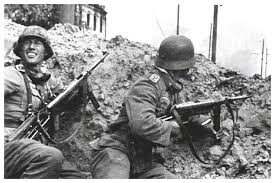
German soldiers at Stalingrad
- During the battle of Stalingrad in 1942, Wilhelm Hoffman, a young German soldier and diarist, was appalled that the Russians refused to surrender. He wrote: “You don’t see them at all, they have established themselves in houses and cellars and are firing on all sides, including from our rear–barbarians, they used gangster methods….”
In short: The Allies won because they dared to meet the brutality of a Heinz Guderian with that of a George S. Patton or a Georgi Zhukov.
This is a lesson that has been totally lost on the liberals of the Democratic Party.
Which explains why they lost most of the Presidential elections of the 20th century.
It also explains why Hillary Clinton finds herself on the defensive in the last week of the 2016 Presidential race.
Throughout her campaign, the Democratic Presidential nominee has been stalked by her use of a private email server at her home in Chappaqua, New York, while Secretary of State (2009-2013).
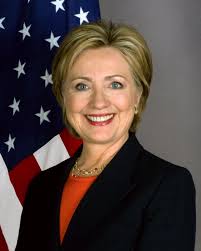
Hillary Clinton
She did not use, or even activate, a State Department email account, which would have been hosted on servers owned and managed by the United States government.
Republicans have portrayed this as a criminal act–and their Presidential candidate, Donald Trump, has threatened to send her to prison for it if he’s elected.
It wasn’t.
When she became Secretary of State, the 1950 Federal Records Act mandated that officials using personal email accounts turn over their official correspondence to the government.
Clinton maintains that most of her emails went to, or were forwarded to, people with government accounts, so they were automatically archived.
In November 2014, President Barack Obama signed the Presidential and Federal Records Act Amendments, which require government officials to forward any official correspondence to the government within 20 days. But even under this new law, the penalties are only administrative, not criminal.
In May, 2016, the State Department’s Inspector General found that:
- Clinton’s email system violated government policy;
- She did not receive permission in setting it up; and
- The agency wouldn’t have granted approval had she asked.
Nevertheless, her behavior did not constitute criminal conduct.
Clinton’s use of a private email system became a major political issue when The New York Times broke the story in March, 2015.
Since then, Republicans have attacked her as having endangered national security as a result.
In doing so, they have totally ignored two embarrassing facts:
First: During the George W. Bush Presidency, Clinton’s two Republican predecessors as Secretary of State–Colin Powell and Condoleeza Rice–also used private email accounts; and
Second: Government computer systems are not secure–and have been repeatedly hacked. Among the agencies attacked:
- The White House (2014)
- Federal Aviation Administration (2015)
- Department of Defense (2015)
- Internal Revenue Service (2015)
- Pentagon (2015)
- Department of State (2014)
- Department of Homeland Security
As soon as Republicans began attacking Clinton’s use of a private server, Democrats should have threatened to convene hearings spotlighting similar behavior by Powell and Rice.

Colin Powell and Condoleeza Rice
Powell and Rice–both still highly influential figures within the Republican party–would have pressured their fellow Republicans: Knock this off–now.
Even if Republicans had continued to hound Clinton on her email server, Democrats could have summoned and publicly grilled Powell and Rice.
This would have served Republicans a lesson on Realpolitik straight out of Niccolo Machiavelli’s primer, The Prince:
From this arises the question whether it is better to be loved than feared, or feared more than loved.
The reply is, that one ought to be both feared and loved, but as it is difficult for the two to go together, it is much safer to be feared than loved….
And men have less scruple in offending one who makes himself loved than one who makes himself feared; for love is held by a chain of obligations which, men being selfish, is broken whenever it serves their purpose; but fear is maintained by a dread of punishment which never fails.
For Democrats to win elective victories and enact their agenda, they must find their own George Pattons to take on the Waffen-SS generals among Republican ranks.
ABC NEWS, ADOLF HITLER, ALTERNET, ANWAR AL-AWLAKI, AP, BARACK OBAMA, BERNIE SANDERS, BILL CLINTON, BUZZFEED, CBS NEWS, CNN, CROOKS AND LIARS, D-DAY, DAILY KOZ, FACEBOOK, GEORGE H.W. BUSH, GEORGE S. PATTON, GEORGE W. BUSH, GREAT BRITAIN, HEINZ GUDERIAN, HERMAN CAIN, HILLARY CLINTON, ISLAM, MOTHER JONES, MOVEON, NAZI GERMANY, NBC NEWS, NEWSWEEK, NICCOLO MACHIAVELLI, NPR, POLITICO, PREDATOR DRONES, RAND PAUL, RAW STORY, RENEGADE: THE MAKING OF A PRESIDENT, REPUBLICANS, REUTERS, RICHARD NIXON, RICHARD WOLFFE, Ronald Reagan, SALON, SEATTLE TIMES, SENATOR RAND PAUL, SLATE, SOVIET UNION, STALINGRAD, TERRORISM, THE ATLANTIC, THE CHICAGO SUN-TIMES, THE CHICAGO TRIBUNE, THE DAILY BEAST, THE GUARDIAN, THE HILL, THE HUFFINGTON POST, THE LOS ANGELES TIMES, THE NATION, THE NEW YORK TIMES, THE PRINCE, THE WASHINGTON POST, TIME, TWITTER, U.S. NEWS & WORLD REPORT, UPI, USA TODAY, WAFFEN-SS, WORLD WAR ii
In Bureaucracy, History, Law, Military, Politics, Social commentary on April 28, 2016 at 12:01 am
Most Americans believe that Nazi Germany was defeated because “we were the Good Guys and they were the Bad Guys.”
Not so.
The United States–and its allies, Great Britain and the Soviet Union–won the war for reasons that had nothing to do with the righteousness of their cause. These included:
- Nazi Germany–i.e, its Fuehrer, Adolf Hitler–made a series of disastrous decisions. Chief among these: Attacking its ally, the Soviet Union, and declaring war on the United States;
- The greater material resources of the Soviet Union and the United States; and
- The Allies waged war as brutally as the Germans.
On this last point:
- From D-Day to the fall of Berlin, captured Waffen-SS soldiers were often shot out of hand.
- When American troops came under fire in the German city of Aachen, Lt. Col. Derrill Daniel brought in a self-propelled 155mm artillery piece and opened up on a theater housing German soldiers. After the city surrendered, a German colonel labeled the use of the 155 “barbarous” and demanded that it be outlawed.
German soldiers at Stalingrad
- During the battle of Stalingrad in 1942, Wilhelm Hoffman, a young German soldier and diarist, was appalled that the Russians refused to surrender. He wrote: “You don’t see them at all, they have established themselves in houses and cellars and are firing on all sides, including from our rear–barbarians, they used gangster methods….”
In short: The Allies won because they dared to meet the brutality of a Heinz Guderian with that of a George S. Patton.
This is a lesson that has been totally lost on the liberals of the Democratic Party.
Which explains why they lost most of the Presidential elections of the 20th century.
It also explains why President Barack Obama has found most of his legislative agenda stymied by Right-wing Republicans.
Consider this example: In 2014, Senator Rand Paul (R-Ky.) warned then-Senate Majority Leader Harry Reid (D-Nev.) that he would place a hold on one of President Obama’s appellate court nominees.
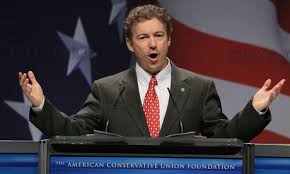
Rand Paul
David Barron had been nominated to the First Circuit Court of Appeals. And Paul objected to this because Barron authored memos justifying the killing of an American citizen by a drone in Yemen.
The September 30, 2011 drone strike killed Anwar al-Awlaki, a radical Muslim cleric notorious on the Internet for encouraging Muslims to attack the United States.
So President Obama authorized a Predator drone stroke against him, thus removing that danger. Paul demanded that the Justice Department release the memos Barron crafted justifying the drone policy.
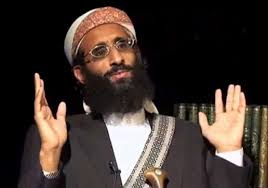
Anwar al-Awlaki
Imagine how Republicans would depict Paul–or a Democratic Senator–if he behaved in a similar manner with a Republican President: “Rand Paul: A traitor who supports terrorists. he sides with America’s sworn enemies against its own lawfully elected President.”
On May 22, 2014, the Senate voted 53–45 to confirm Barron to the First Circuit Court of Appeals.
To Republicans, “lawfully elected” applies only to Republican Presidents. A Democrat who runs against a Republican is automatically considered a traitor.
And a Democrat who defeats a Republican is automatically considered a usurper, and thus deserves to be slandered and obstructed, if not impeached.
Unable to defeat Bill Clinton in 1992 and 1996, Republicans tried in 1998 to impeach him for getting oral sex in the White House.
Similarly, 2012 Presidential candidate Herman Cain, asked in a conference call with bloggers why Republicans couldn’t just impeach President Obama, replied:
“That’s a great question and it is a great–it would be a great thing to do but because the Senate is controlled by Democrats we would never be able to get the Senate first to take up that action.”
In Renegade: The Making of a President, Richard Wolffe chronicled Obama’s successful 2008 bid for the White House. Among his revelations:
Obama, a believer in rationality and decency, felt more comfortable in responding to attacks on his character than in making them on the character of his enemies.
A graduate of Columbia University and Harvard Law School, Obama is easily one of the most academically gifted Presidents in United States history.
But for all this, he failed–from the onset of his Presidency–to grasp and apply this fundamental lesson taught by Niccolo Machiavelli, the father of modern political science.
In The Prince, Machiavelli warns:
From this arises the question whether it is better to be loved than feared, or feared more than loved.
The reply is, that one ought to be both feared and loved, but as it is difficult for the two to go together, it is much safer to be feared than loved….
And men have less scruple in offending one who makes himself loved than one who makes himself feared; for love is held by a chain of obligations which, men being selfish, is broken whenever it serves their purpose; but fear is maintained by a dread of punishment which never fails.
On Facebook and Twitter, liberals are already celebrating the “certain” Presidency of Vermont U.S. Senator Bernie Sanders or former First Lady Hillary Clinton in 2016.
They forget that, in 1968, 1980, 1988 and 2000, liberals couldn’t believe America would elect, respectively, Richard Nixon, Ronald Reagan, George H.W. Bush and George W. Bush.
For Democrats to win elective victories and enact their agenda, they must find their own George Patton to take on the Waffen-SS generals among Republican ranks.
ABC NEWS, AL QAEDA, BASHIR AL-ASSAD, CBS NEWS, CHARLES GEORGE GORDON, CHARLTON HESTON, CNN, FACEBOOK, GEORGE W. BUSH, GREAT BRITAIN, HIZBOLLAH, IRAQ, ISLAM, KHARTOUM, LAURENCE OLIVER, NBC NEWS, NEOCONS, PRESIDENT BARACK OBAMA, REPUBLICAN PARTY, SHIITE MUSLIMS, SUDAN, SUNNI MUSLIMS, SYRIA, THE CHICAGO SUN-TIMES, THE CHICAGO TRIBUNE, THE LOS ANGELES TIMES, THE MADHI, THE NEW YORK TIMES, THE WALL STREET JOURNAL, THE WASHINGTON POST, TWITTER, USA TODAY, WILLIAM GLADSTONE
In Bureaucracy, History, Military on January 28, 2016 at 10:05 pm
January 26, 2016, marked the 131st anniversary of the fall of Khartoum, the Sudanese city that sits on the banks of the White and Blue Nile Rivers.
The siege and fall of Khartoum is one of the truly epic stories of military history.
From March 18, 1884, to January 26, 1885, the charisma and military genius of one man–British General Charles George Gordon–held at bay an army of thousands of fanatical Islamics intent on slaughtering everyone in the city.

Khartoum in the 1800s
At stake were the lives of Khartoum’s 30,000 residents.
By comparison: The defenders of the Alamo–a far better-known battle, in 1836–numbered no more than 250. And the siege of the San Antonio mission lasted only 13 days against an army of about 2,000 Mexicans.
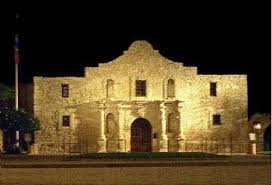
The Alamo
Gordon’s story may seem antiquated. But it bears close inspection as Republicans press the Obama administration to commit ground forces to “freeing” Syria of its longtime dictator, “President” Bashir al-Assad.
The neocons of the George W. Bush Administration plunged the United States into an unprovoked war against Iraq in 2003. After Baghdad quickly fell, Americans cheered, thinking the war was over and the troops would soon return home.
Suddenly, American soldiers found themselves waging a two-front war in the same country: Fighting an Iraqi insurgency to throw them out, while trying to suppress growing sectarian warfare between Sunni and Shia Muslims.
And now, with Syria, Americans are being urged to plunge headfirst into a conflict they know nothing about–and in which they have absolutely no stake.
On one side is the Ba’ath regime of Bashir al-Assad, supported by Russia, Iran, Hizbollah and elements in the Iraqi government. Hizbollah is comprised of Chiite Muslims, who form a minority of Islamics.
A sworn enemy of Israel, it has kidnapped scores of Americans suicidal enough to visit Lebanon and truck-bombed the Marine barracks in Beirut in 1983, killing 299 Americans.
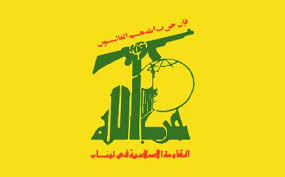
Flag of Hizbollah
Al-Qaeda, on the other hand, is made up of Sunni Muslims, who form the majority of that religion.
It is intolerant of non-Sunni Muslims and has instigated violence against them. It denounces them as “takfirs”–heretics–and thus worthy of extermination.
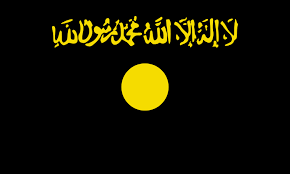
Flag of Al-Qaeda
In short, it’s a Muslim-vs.Muslim “holy war.
It’s all very reminiscent of events in the 1966 epic film, Khartoum, starring Charlton Heston as British General Charles George Gordon.

Charlton Heston (left); Charles George Gordon (right)
In 1884, the British government sends Gordon, a real-life hero of the Victorian era, to evacuate the Sudanese city of Khartoum.
Mohammed Achmed, a previously anonymous Sudanese, has proclaimed himself “The Madhi” (“The Expected One”) and raised the cry of jihad.

Laurence Oliver (left); Mohammed Achmed (“The Madhi”)
The Madhi (played by Lawrence Olivier) intends to drive all foreigners (of which the English are the largest group) out of Sudan and exterminate all those Muslims who do not practice his “pure” version of Islam.

Movie poster for “Khartoum”
Gordon arrives in Khartoum to find he’s not fighting a rag-tag army of peasants. Instead, the Madhi is a highly intelligent military strategist.
And Gordon, an evangelical Christian, also finds he has underestimated the Madhi’s religious fanaticism: “I seem to have suffered from the delusion that I had a monopoly on God.”
A surprised Gordon finds himself and 30,000 Sudanese trapped in Khartoum when the Madhi’s forces suddenly appear. He sends off messengers and telegrams to the British Government, begging for a military relief force.
But the British Government wants nothing to do with the Sudan. it has sent Gordon there as a cop to British public opinion that “something” had to be done to quell the Madhist uprising.
The siege continues and tightens.
In Britain, the public hails Gordon as a Christian hero and demands that the Government send a relief expedition to save him.
Prime Minister Willilam Gladstone finally sends a token force–which arrives in Khartoum two days after the city has fallen to the Madhi’s forces.
Gordon, standing at the top of a staircase and coolly facing down his dervish enemies, is speared to death.
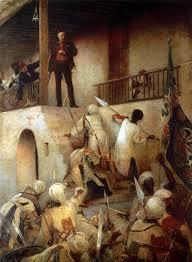
George W. Joy’s famous–and romanticized–painting of “The Death of Gordon”
(Actually, the best historical evidence indicates that Gordon fought to the last with pistol and sword before being overwhelmed by his dervish enemies.)
When the news reaches England, Britons mourn–and then demand vengeance for the death of their hero.
The Government, which had sought to wash its hands of the poor, military unimportant Sudan, suddenly has to send an army to avenge Gordon.
As the narrator of Khartoum intones at the close of the film: “For 15 years the British paid the price with shame and war.”
There is a blunt lesson for Americans to learn from this episode–and from the 1966 movie Khartoum itself.
Americans have been fighting in the Middle East since 2001–first in Afghanistan to destroy Al-Qaeda, and then in Iraq, to pursue George W. Bush’s vendetta against Saddam Hussein.
The United States faces a crumbling infastructure, record high unemployment and trillions of dollars in debt.
It’s time for Americans to clean up their own house before worrying about the messes in other nations–especially those wholly alien to American values.
ABC NEWS, CNN, DAVID CAMERON, FACEBOOK, FORT HOOD, GEORGE W. BUSH, GLOBAL TERRORISM INDEX 2014, GREAT BRITAIN, INVESTIGATIVE PROJECT ON TERRORISM, ISIS, ISLAM, NBC NEWS, NIDAL HASSAN, POLITICAL CORRECTNESS, SAMUEL HINTINGTON, STEVEN EMERSON, TERRORISM, THE CLASH OF CIVILIZATIONS, THE LOS ANGELES TIMES, THE NEW YORK TIMES, THE WASHINGTON POST, TWITTER, USA TODAY
In Bureaucracy, History, Military, Politics on December 31, 2014 at 12:20 am
“In sha Allah a day will come when David Camerons head will be on a spike as he continues to wage war on the awilya of Allah.”
So tweeted a female jihadist from Britain, who goes by the Twitter handle @UmmKhattab, and is based in Raqqa, northeast Syria.
The threat to England’s prime minister, made on September 7, instantly caught the attention of British anti-terrorist authorities.
In August, the Islamic terror threat to Great Britain rose sharply.
Reports had surfaced that British-born female jihadis were running a religious police force that punished women for un-Islamic behaviour in territory controlled by the Islamic State of Iraq and Syria (ISIS).
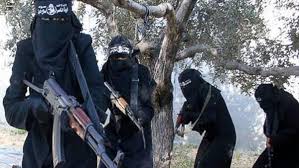
Female ISIS fighters
British authorities fear that such women could return to the United Kingdom–singly or en masse–and launch terror attacks
As a result, on August 29, Prime Minister David Cameron announced at a press conference that United Kingdom authorities would soon begin revoking the passports of British citizens traveling to Syria.

David Cameron
At his press conference, Cameron repeatedly mouthed all the Politically Correct cliches about Islam being “a religion of peace.”
He blamed the “poisonous Islamist ideology,” not Islam, for the threat posed to Western civilization: “Islam is a religion observed peacefully by over a billion people. Islamist extremism is a poisonous ideology observed by a minority.”
Meanwhile, in the United States….
“I formally and humbly request to be made a citizen of the Islamic State,” wrote Nidal Hasan in an undated letter addressed to Abu Bakr al-Baghdadi, the leader of ISIS.

Nidal Hassan
In 2009, Hassan fatally shot 13 U.S. Army personnel and injured more than 30 others at Fort Hood, Texas.
The Defense Department, hewing to the Politically Correct line that Islam is “a religion of peace,” has labeled the massacre a case of “workplace violence.”
This despite overwhelming evidence that Hassan was motivated by Islamic religious beliefs to turn a FN Five-seven single-action semiautomatic pistol on his fellow soldiers.
Among that evidence: Hassan had shouted the Islamic battle cry, “Allah Akbar!” (“God is Great!”) before opening fire.
Convicted and sentenced to death, Hassan is incarcerated at the United States Disciplinary Barracks at Fort Leavenworth, Kansas. His case awaits review by appellate courts.
Yet his death row status didn’t prevent him from smuggling out a letter to the leader of ISIS.
“It would be an honor for any believer to be an obedient citizen soldier to a people and its leader who don’t compromise the religion of All-Mighty Allah to get along with the disbelievers.”
The two-page letter was signed “SoA,” for “Soldier of Allah.”
In 1996, Samuel Huntington, then a political science professor at Harvard University, published his groundbreaking book, The Clash of Civilizations. In this, he noted:
“The fundamental problem for the West is not Islamic fundamentalism. It is Islam, a different civilisation whose people are convinced of the superiority of their culture and are obsessed with the inferiority of their power.”
Backing up Huntington’s conclusion is a 2014 report on global terrorism by the Institute for Economics and Peace.
The institute bills itself as “an independent, non-partisan, non-profit think tank dedicated to shifting the world’s focus to peace as a positive, achievable, and tangible measure of human well-being and progress.” It has offices in Sydney, New York and Oxford.
And, according to its report–“Global Terrorism Index”–religion has replaced politics as the motivator for terrorism among Middle East terrorist groups.
According to the study:
-
Religion as a driving ideology for terrorism has dramatically increased since 2000. Prior to 2000 nationalist separatist agendas were the biggest drivers of terrorist organisations.
- An estimated 17,958 people were killed in terrorist attacks in 2013, an increase of 61% more than in 2012, when 11,133 were killed.
- Eighty-two percent of all deaths from terrorist attack occur in just five countries: Iraq, Afghanistan, Pakistan, Nigeria and Syria. Every one of these is an Islamic nation.
- In 2013, terrorism was dominated by four groups: the Taliban, Boko Haram, ISIL, and al Qaeda.
- All four groups are linked in their embrace of extremist Wahhabi Islam.
- More than 90% of all terrorist attacks occur in countries that have gross human rights violations.
- Since 2000, there has been over a fivefold increase in the number of people killed by terrorism.
-
In 2013 terrorist activity increased substantially with the total number of deaths rising from 11,133 in 2012 to 17,958 in 2013, a 61 per cent increase.
-
Thirteen countries are at risk of substantial increased terrorist activity from current levels: Angola, Bangladesh, Burundi, Central African Republic, Cote d’Ivoire, Ethiopia, Iran, Israel, Mali, Mexico, Myanmar, Sri Lanka and Uganda.
- To counter the rise of religious extremism, moderate Sunni theologies must be cultivated by credible forces within Islam.
Liberals–and even conservatives like President George W. Bush–have refused to attribute religious motives to Islamic terrorists.
They have repeatedly attributed terrorist acts to the mentally ill. Or they have said that a minority of “Islamic extremists” are responsible–thus ignoring those passages in the Koran that justify the killing of “kaffirs,” or “unbelievers.”
Steven Emerson, publisher of the Investigative Project on Terrorism, which investigates Islamic terrorist groups, puts it succinctly:
“How can we win the war against radical Islam if we can’t even name the enemy?”
ABC NEWS, CNN, DAVID CAMERON, FACEBOOK, FORT HOOD, GREAT BRITAIN, ISIS, ISLAM, NBC NEWS, NIDAL HASSAN, POLITICAL CORRECTNESS, SAMUEL HINTINGTON, TERRORISM, THE CLASH OF CIVILIZATIONS, THE LOS ANGELES TIMES, THE NEW YORK TIMES, THE WASHINGTON POST, TWITTER
In Bureaucracy, History, Law Enforcement, Military, Politics on September 22, 2014 at 12:05 am
“In sha Allah a day will come when David Camerons head will be on a spike as he continues to wage war on the awilya of Allah.”
So tweeted a female jihadist from Britain, who goes by the Twitter handle @UmmKhattab, and is based in Raqqa, northeast Syria.
The threat to England’s prime minister, made on September 7, instantly caught the attention of British anti-terrorist authorities.
In August, the Islamic terror threat to Great Britain rose sharply.
Reports had surfaced that British-born female jihadis were running a religious police force that punished women for un-Islamic behaviour in territory controlled by the Islamic State of Iraq and Syria (ISIS).
Female ISIS fighters
British authorities fear that such women could return to the United Kingdom–singly or en masse–and launch terror attacks
As a result, on August 29, Prime Minister David Cameron announced at a press conference thatUnited Kingdom authorities would soon begin revoking the passports of British citizens traveling to Syria.
David Cameron
To which the female jihadist, believed to be 18, responded in another tweet:
“I really do not understand why Britain is threatening to remove our citizenship like we care lool its actually quiet laughable.”
Cameron gave his reply at a press conference:
“We are in the middle of a generational struggle against a poisonous and extremist ideology. What we’re facing in Iraq and Syria now with [ISIS] is a deeper and greater threat to our security than we have ever known before.”
Among the steps being taken to combat the perceived threat:
- The terror threat level was increased to one below “critical,” the highest alert.
- British authorities will revoke the passports of British nationals returning from Syria who are believed to have trained in terror camps in preparation for a domestic terror attack.
- Foreign nationals who have traveled to Syria will be barred from entering the United Kingdom.
- Security will be increased throughout Britain, especially in its larger cities.
At his press conference, Cameron repeatedly mouthed all the Politically Correct cliches about Islam being “a religion of peace.”
He blamed the “poisonous Islamist ideology,” not Islam, for the threat posed to Western civilization: “Islam is a religion observed peacefully by over a billion people. Islamist extremism is a poisonous ideology observed by a minority.”
This despite the contrary finding by Samuel Huntington, the late political scientist at Harvard University.
In his groundbreaking book, The Clash of Civilizations (1996) Huntington noted:
‘The fundamental problem for the West is not Islamic fundamentalism. It is Islam, a different civilisation whose people are convinced of the superiority of their culture and are obsessed with the inferiority of their power.”
Meanwhile, in the United States….
“I formally and humbly request to be made a citizen of the Islamic State,” wrote Nidal Hasan in an undated letter addressed to Abu Bakr al-Baghdadi, the leader of ISIS.
Nidal Hassan
In 2009, Hassan fatally shot 13 U.S. Army personnel and injured more than 30 others at Fort Hood, Texas.
The Defense Department, hewing to the Politically Correct line that Islam is “a religion of peace,” has labeled the massacre a case of “workplace violence.”
This despite overwhelming evidence that Hassan was motivated by Islamic religious beliefs to turn a FN Five-seven single-action semiautomatic pistol on his fellow soldiers.
Among that evidence: Hassan had shouted the Islamic battle cry, “Allah Akbar!” (“God is Great!”) before opening fire.
Convicted and sentenced to death, Hassan is incarcerated at the United States Disciplinary Barracks at Fort Leavenworth, Kansas. His case awaits review by appellate courts.
Yet his death row status didn’t prevent him from smuggling out a letter to the then-head of ISIS.
“It would be an honor for any believer to be an obedient citizen soldier to a people and its leader who don’t compromise the religion of All-Mighty Allah to get along with the disbelievers.”
The two-page letter was signed “SoA,” for “Soldier of Allah.”
Great Britain has dared to revoke passports of British citizens who have traveled to Syria. But the United States has yet to do so vis-a-vis its own citizens.
Meanwhile, the United States Congress has just voted $500 million in military aid to arm and train “moderate Syrian” rebels–who will supposedly fight ISIS on America’s behalf.
This totally ignores the blunt reality that, since 1979, Syria has been designated as a sponsor of terrorism by the U.S. State Department.
Among the terrorist groups it supports are Hizbollah and Hamas. For years, Syria provided a safe-house in Damascus to Ilich Ramírez Sánchez–the notorious terrorist better known as Carlos the Jackal.
Syrians have never known any other form of government than absolute dictatorship. There are no “freedom-loving Syrians” for the United States to support–only murderers who have long served a tyrant and now wish to become the next tyrant.
All-in-all, the future looks better for would-be Islamic conquerors than for those in the United States awaiting the next 9/11.
ABC NEWS, AL QAEDA, ARAB AMERICAN INSTITUTE, BASHAR AL-ASAD, CBS NEWS, CHARLTON HESTON, CNN, DR. JAMES ZOGBY, FACEBOOK, GEORGE W. BUSH, GREAT BRITAIN, HEZBOLLAH, IRAQ, ISLAM, KHARTOUM, LAURENCE OLIVER, NBC NEWS, NEOCONS, PRESIDENT BARACK OBAMA, SENATOR JOHN MCCAIN, SHIA MUSLIMS, SUDAN, SUNNI MUSLIMS, SYRIA, THE LOS ANGELES TIMES, THE NEW YORK TIMES, THE WASHINGTON POST, TWITTER, WILLIAM GLADSTONE
In History, Military, Politics on January 29, 2014 at 12:30 am
January 26, 2014 marked the 129th anniversary of the fall of the Sudanese city of Khartoum to the dervish hordes of a fanatical Muslim leader.
Mohammed Achmed had proclaimed himself “The Madhi”–the “Expected One.” He had raised an army and sworn to sweep the Islamic world clean of “unbelievers.”
Standing in his path: The 30,000 citizens of Khartoum, led by the famous British general, Charles George Gordon.
In 1966, this clash of historical personalities was vividly depicted in the movie, “Khartoum,” starring Charlton Heston as Gordon and Laurence Oliver as The Madhi.
It’s a film still loaded with drama and meaning–and lessons for the possible intervention of the United States in the lethal mess that is Syria.
What began as a popular revolt against a brutal and ossified dictatorship, Syria has now degenerated into a bloody civil war.
On the one side, is the Shiite Ba’ath regime, headed by “President” Bashar al Assad and supported by Russia, Iran, Hizbullah, and elements in the Iraqi government.
Opposing them Syrians–including defectors from the armed forces and others who have formed private militias–and thousands of foreign Sunni fighters (including elements of al Qaeda).
The neocons of the George W. Bush administration plunged the United States into an unprovoked war against Iraq in 2003. After Baghdad quickly fell, Americans cheered, thinking the war was over and the troops would soon return home.
They didn’t count on Iraq’s descending into massive inter-religious strife, with Shia Muslims (who comprise 65% of the population) squaring off against Sunni ones (who make up 35%).
Suddenly, American soldiers found themselves fighting a two-front war in the same country: Fighting an Iraqi insurgency to throw them out, while trying to suppress growing sectarian warfare between Sunnis and Shia.
Today, American politicians such as U.S. Senator John McCain are urging President Obama to militarily intervene in the Syrian civil war.
Once again, Americans are being urged to plunge headfirst into a conflict they know nothing about–and in which they have absolutely no stake.
Which brings us back to the lessons to be found in “Khartoum.”
In 1884, the British Government sends Gordon, a real-life hero of the Victorian era, to evacuate the Sudanese city of Khartoum. Mohammed Achmed, a previously anonymous Sudanese, has proclaimed himself “The Madhi” (The Expected One) and raised the cry of jihad.
The Madhi (played by Laurence Oliver) intends to drive all foreigners (of which the English are the largest group) out of Sudan, and exterminate all those Muslims who did not practice his “pure” version os Islam.

Movie poster for “Khartoum”
Gordon arrives in Khartoum to find he’s not fighting a rag-tag army of peasants. Instead, the Madhi is a highly intelligent military strategist.
And Gordon, an evangelical Christian, also underestimates the Madhi’s religious fanaticism: “I seem to have suffered from the delusion that I had a monopoly on God.”
A surprised Gordon finds himself and 30,000 Sudanese trapped in Khartoum when the Madhi’s forces suddenly appear. He sends off messengers and telegrams to the British Government, begging for a military relief force.
But the British Government wants nothing to do with the Sudan. It had sent Gordon there as a sop to British public opion that “something” had to be done to quell the Madhist uprising.
The siege continues and tightens.
In Britain, the public hails Gordon as a Christian hero and demands that the Government send a relilef expedition to save him. Prime Minister William Gladstone finally sends a token force–which arrives in Khartoum two days after the city has fallen to the Madhi’s forces.
Gordon, standing at the top of a staircase and coolly facing down his dervish enemies, is speared to death.
When the news reaches England, Britons mourn–and then demand vengeance for the death of their hero.
The Government, which had sought to wash its hands of the poor, militarily unimportant Sudan, suddenly has to send an army to avenge Gordon.
As the narrator of “Khartoum” intones at the close of the film: “For 15 years, the British paid the price with shame and war.”
Americans have been fighting in the Middle East since 2001–first in Afghanistan to destroy Al Qaeda, and then in Iraq, to pursue George W. Bush’s vendetta against Saddam Hussein.
The United States faces a crumbling infastructure, record high unemployment and trillions of dollars in debt. It’s time for Americans to clean up their own house before worrying about the messes in other nations–especially those wholly alien to American values.
ABC NEWS, AL QAEDA, ARAB AMERICAN INSTITUTE, BASHAR AL-ASAD, CBS NEWS, CHARLTON HESTON, CNN, DR. JAMES ZOGBY, FACEBOOK, GEORGE W. BUSH, GREAT BRITAIN, HEZBOLLAH, IRAQ, ISLAM, KHARTOUM, LAURENCE OLIVER, NBC NEWS, NEOCONS, PRESIDENT BARACK OBAMA, SENATOR JOHN MCCAIN, SHIA MUSLIMS, SUDAN, SUNNI MUSLIMS, SYRIA, THE LOS ANGELES TIMES, THE NEW YORK TIMES, THE WASHINGTON POST, TWITTER, WILLIAM GLADSTONE
In Entertainment, History, Military, Politics, Social commentary on June 1, 2013 at 4:48 pm
On May 27, Arizona U.S. Senator John McCain secretly entered Syria and met with commanders of the Free Syrian Army, who are fighting forces loyal to “President” Bashar al Assad for control of the country.
He was the first U.S. senator to travel to Syria since civil war erupted there in 2011. And after he left, he told CNN that he was more convinced that the United States must become more involved in the country’s conflict.
Earlier this year, on March 21, House Foreign Affairs ranking Democrat Eliot Engel (D-NY) and House Intelligence Committee Chairman Mike Rogers (R-MI) introduced the “Free Syria Act of 2013,” calling on the Obama administration to arm the Syrian rebels.
Not so fast, says Dr. James J. Zogby, the founder and president of the Arab American Institute. A Washington, D.C.-based organization, it serves as the political and policy research arm of the Arab American community.
In a June 1 column entitled, “Stop the Madness,” Zogby lays out the essential truths about this increasingly confusing self-slaughter:
“What began as a popular revolt against a brutal and ossified dictatorship, Syria has now degenerated into a bloody battlefield pitting sects and their regional allies against each other in a ‘dance unto death.’
“On the one side, is the Ba’ath regime, supported by Russia, Iran, Hizbullah, and elements in the Iraqi government.
“Arrayed against them are a host of Syrians (some of whom have defected from the armed forces and others who have formed militias receiving arms and support from a number of Arab states and Turkey) and a cast of thousands of foreign Sunni fighters (some of whom have affiliated with al Qaeda) who have entered Syria to wage war on behalf of their brethren.”
And then Zogby warns:
“This deadly zero-sum game is both dangerous and fatally flawed, because in reality this is a war that no one can win, and the consequences of continuing it will only make the situation worse.”
The neocons of the George W. Bush administration plunged the United States into an unprovoked war against Iraq in 2003. After Baghdad quickly fell, Americans cheered, thinking the war was over and the troops would soon return home.
They didn’t count on Iraq’s descending into massive inter-religious strife, with Shia Muslims (who comprise 65% of the population) squaring off against Sunni ones (who make up 35%).
Suddenly, American soldiers found themselves fighting a two-front war in the same country: Fighting an Iraqi insurgency to throw them out, while trying to suppress growing sectarian warfare between Sunnis and Shia.
Once again, Americans are being urged to plunge headfirst into a conflict they know nothing about–and in which they have absolutely no stake.
It’s all very reminiscent of events in the 1966 epic film, “Khartoum,” starring Charlton Heston as British General Charles George Gordon.
In 1884, the British Government sends Gordon, a real-life hero of the Victorian era, to evacuate the Sudanese city of Khartoum. Mohammed Achmed, a previously anonymous Sudanese, has proclaimed himself “The Madhi” (The Expected One) and raised the cry of jihad.
The Madhi (played by Laurence Oliver) intends to drive all foreigners (of which the English are the largest group) out of Sudan, and exterminate all those Muslims who did not practice his “pure” version os Islam.
Movie poster for “Khartoum”
Gordon arrives in Khartoum to find he’s not fighting a rag-tag army of peasants. Instead, the Madhi is a highly intelligent military strategist.
And Gordon, an evangelical Christian, also underestimates the Madhi’s religious fanaticism: “I seem to have suffered from the delusion that I had a monopoly on God.”
A surprised Gordon finds himself and 30,000 Sudanese trapped in Khartoum when the Madhi’s forces suddenly appear. He sends off messengers and telegrams to the British Government, begging for a military relief force.
But the British Government wants nothing to do with the Sudan. It had sent Gordon there as a sop to British public opion that “something” had to be done to quell the Madhist uprising.
The siege continues and tightens.
In Britain, the public hails Gordon as a Christian hero and demands that the Government send a relilef expedition to save him. Prime Minister William Gladstone finally sends a token force–which arrives in Khartoum two days after the city has fallen to the Madhi’s forces.
Gordon, standing at the top of a staircase and coolly facing down his dervish enemies, is speared to death.
When the news reaches England, Britons mourn–and then demand vengeance for the death of their hero.
The Government, which had sought to wash its hands of the poor, militarily unimportant Sudan, suddenly has to send an army to avenge Gordon.
As the narrator of “Khartoum” intones at the close of the film: “For 15 years, the British paid the price with shame and war.”
Americans have been fighting in the Middle East since 2001–first in Afghanistan to destroy Al Qaeda, and then in Iraq, to pursue George W. Bush’s vendetta against Saddam Hussein.
The United States faces a crumbling infastructure, record high unemployment and trillions of dollars in debt. It’s time for Americans to clean up their own house before worrying about the messes in other nations–especially those wholly alien to American values.


 Bureaucracybuster's Blog
ABC NEWS, ADOLF HITLER, ALBANIA, ALTERNET, ANDREI CHERNY, AP, BERLIN AIRLIFT, BULGARIA, BUZZFEED, CAMILLUS, CBS NEWS, CNN, CONTAINMENT, CROOKS AND LIARS, CZECHOSLOVAKIA, DAILY KOZ, EAST GERMANY, FACEBOOK, FALISCIA, FRANCE, FRANKLIN D. ROOSEVELT, GAIL “HAL” HALVORSEN, GREAT BRITAIN, HARRY S. TRUMAN, HUNGARY, IRON CURTAIN, JOSEPH STALIN, MOTHER JONES, MOVEON, NAZI GERMANY, NBC NEWS, NEWSWEEK, NICCOLO MACHIAVELLI, NPR, POLAND, POLITICO, RAW STORY, REUTERS, ROMANIA, ROME, SALON, SEATTLE TIMES, SLATE, SOVIET UNION, THE ATLANTIC, THE CANDY BOMBERS, THE CHICAGO SUN-TIMES, THE CHICAGO TRIBUNE, THE DAILY BEAST, THE DISCOURSES, THE GUARDIAN, THE HILL, THE HUFFINGTON POST, THE LOS ANGELES TIMES, THE NATION, THE NEW YORK TIMES, THE WASHINGTON POST, TIME, TWITTER, U.S. NEWS & WORLD REPORT, UNITED STATES, UPI, USA TODAY, WEST BERLIN, WILLIE "THE WHIP" TUNNER, WORLD WAR 11, YUGOSLAVIA
HUMANITY AS A FORM OF HARDBALL: PART TWO (END)
In Bureaucracy, History, Military, Politics, Social commentary on December 21, 2017 at 3:12 amIn June, 1948, Soviet dictator Joseph Stalin was determined to drive the Western occupying powers out of Berlin—and of West Germany.
On June 19, the Soviet Union blocked the Western Allies’ railway, road, and canal access to the sectors of Berlin under Western control.
At that time, West Berlin had only 36 days’ worth of food and 45 days’ worth of coal. And the United States had only 8,973 Americans stationed in Berlin. British forces totaled 7,606, and French forces 6,100.
Russian forces in Berlin and East Germany outnumbered them 62 to 1.
The United States seemed to face a choice between all-out war with the Soviet Union—or appeasing its growing aggression in Eastern Europe.
Fortunately, a third choice was found. It became known as the Berlin Airlift.
This was carried out primarily by the United States and Great Britain. Other Western powers taking part in this operation included France, Australia, Canada, New Zealand and South Africa.
Starting on June 24, 1948, the Berlin Airlift aimed to supply the city’s two and a half million residents with food and energy supplies.
There was no guarantee that such an operation could succeed–at least, not in the long run. Since 1903, airplanes had been used to carry out surveillance, engage in dogfights or bomb cities. But airlifts—flying supplies to stranded people—had proven dismal failures.
At first, the Berlin Airlift worked haphazardly. Pilots flew themselves to exhaustion to meet the needs of those they had relentlessly bombed just three years ago.
Then Major General William “Willie the Whip” Tunner took charge—and brought a totally mechanized approach to the drops:
Just keeping Berliners alive demanded 4,000 tons of supplies each day. Each plane was thus overloaded by 10 tons. Pilots flew literally round the clock. When fog rolled in that winter, visibility was reduced to zero. Twenty-eight Americans died in crashes.
A Douglas C-54 Skymaster lands at Berlin’s Templehof Airport
Germans were impressed with American efficiency, but knew that, in the eyes of most of their American occupiers, they were pariahs. They had waged an aggressive war and exterminated millions of helpless men, women and children in concentration camps.
They were glad the Allies were keeping them alive, but felt they were pawns in a global chess game between the United States and the Soviet Union.
Then fate took a hand.
An Army Air Force pilot named Gail “Hal” Halvorsen impulsively decided to drop a series of small, hand-made parachutes of candies to Berlin’s children.
When General Tunner learned of this, he instantly realized its worth as a morale booster to Berliners. He ordered Halvorsen to continue the drops.
Gail “Hal” Halvorsen
Other pilots followed Halvorsen’s example. Soon Berlin’s children were lining up by the thousands, hoping to grab one of the candy-filled parachutes made from handkerchiefs or strips of clothing.
When the press learned of the drops, the story became a worldwide sensation. Back in the United States, Americans mailed literally tons of candy to Germany for distribution to Berlin’s children.
“The candy bombers” became the most beloved Americans in Berlin. And Halvorsen became the most beloved of them all. On October 3, 1948, when his plane landed in Berlin during a pouring storm, 700 children greeted him on the tarmac for “Lieutenant Gail Halvorsen Day.”
Among the letters he received from Berlin’s children:
Dear Uncle Wiggly Wings,
When yesterday I came from school, I had the happiness to get one of your sweet gifts….You cannot think how big the joy was….My brother and parents stood about me when I opened the strings and fetched out all the chocolate.
Dear Candy Bomber,
…How lucky I was last Sunday. I played at a ruin with some friends of mine opposite our house. Suddenly we saw about ten white parachutes coming out of the sky! One of them set down on the roof of our house. There were three stripes chocolate in the parachute….I want to thank you for your love to the German kids….
From 10-year-old Helma Lurch came this tribute:
Take care of yourself, and remember us children and we will remember you our whole life.
Adults as well as children responded emotionally to the candy drops—and “the candy bombers” responsible for them. When a plane crashed, killing two American lieutenants, residents of the neighborhood memorialized them with a plaque: “Once we were enemies yet you now gave your lives for us. We are doubly in your debt.”
The Airlift ended on May 12, 1949, when Stalin finally accepted defeat and ended the blockade.
“As [Halvorsen] came to represent the Airlift and America to the Berliners,” writes Andrei Cherney in his definitive book, The Candy Bombers, “through him America became a country that cared enough about the defeated Germans to…deliver candy to children, an act without any…ulterior motive, a gift of plain compassion.”
In 1948, that act forged a solid bond—which still exists—between Germany and the United States.
Share this: