ABC NEWS, ALTERNET, AMERICABLOG, ANTHONY SPILOTRO, AP, BABY BOOMER RESISTANCE, BBC, BLOOMBERG NEWS, BUZZFEED, CALIFORNIA LEGISLATIVE ANALYST’S OFFICE, CARDROOMS, CASINO (BOOK), CASINO (MOVIE), CBS NEWS, CLIMATE CHANGE, CNN, CRIME, CROOKS AND LIARS, DAILY KOS, FIVETHIRTYEIGHT, FRANK ROSENTHAL, GAMBLING, HARPER’S MAGAZINE, HOMELESSNESS, HORSE RACING, HUFFINGTON POST, JOE PESCI, LAS VEGAS, MARTIN SCORSESE, MEDIA MATTERS, MOTHER JONES, MOVEON, MSNBC, NBC NEWS, NEW REPUBLIC, NEWSDAY, NEWSWEEK, NICHOLAS PILEGGI, NPR, PBS NEWSHOUR, POLITICO, POLITICUSUSA, PROPOSITION 27, PROPOSITON 26, RAW STORY, REUTERS, RISING PRICES, ROBERT DE NIRO, SALON, SEATTLE TIMES, SHARON STONE, SLATE, STATE LOTTERY, TALKING POINTS MEMO, THE ATLANTIC, THE CHICAGO SUN-TIMES, THE CHICAGO TRIBUNE, THE DAILY BEAST, THE DAILY BLOG, THE GUARDIAN, THE HILL, THE HUFFINGTON POST, THE INTERCEPT, THE LOS ANGELES TIMES, THE NATION, THE NEW REPUBLIC, THE NEW YORK TIMES, THE NEW YORKER, THE VILLAGE VOICE, THE WASHINGTON POST, THINKPROGRESS, TIME, TRIBAL CASINOS, TRUTHDIG, TRUTHOUT, TWITTER, TWO POLITICAL JUNKIES, U.S. NEWS & WORLD REPORT, UPI, USA TODAY, WONKETTE
In Bureaucracy, Business, History, Law, Law Enforcement, Politics, Social commentary on September 7, 2022 at 12:47 am
The pace of climate change is dangerously accelerating.
A psychopathic dictator—Donald Trump—is preparing to overturn democratic rule in the United States.
And COVID-19 continues to ravish the globe—and its economy.
But in California, the most important issue—according to seemingly nonstop TV and Internet ads—is which Indian casinos deserve support.
Two propositions—26 and 27—are on the ballot for the November 8 mid-term elections. And both are dueling for public support.
In the previous column, Proposition 26 was covered in detail. Now for Proposition 27.
The California Legislative Analyst’s Office states the change that would occur under Proposition 27:
“Proposition 27 allows tribes or gambling companies to offer online sports betting. It requires tribes and gambling companies that offer online sports betting to make certain payments to the state for specific purposes—such as to support state regulatory costs and to address homelessness. The proposition also creates a new online sports betting regulatory unit. Finally, it provides new ways to reduce illegal online sports betting.
“Proposition 27 changes the California Constitution and state law to allow online sports betting over the Internet and mobile devices. People 21 years of age and older in California, who are not on tribal lands, would be able to place bets no later than September 2023. The proposition allows bets on athletic events (such as football games) and some non-athletic events (such as awards shows and video game competitions). However, it bans bets on certain other events such as high school games and elections.”
The analyst’s office then states what a Yes or No vote on Proposition 27 would mean:
“A YES vote on this measure means: Licensed tribes or gambling companies could offer online sports betting over the Internet and mobile devices to people 21 years of age and older on non-tribal lands in California. Those offering online sports betting would be required to pay the state a share of sports bets made. A new state unit would be created to regulate online sports betting. New ways to reduce illegal online sports betting would be available.
“A NO vote on this measure means: Sports betting would continue to be illegal in California. No changes would be made to the way state gambling laws are enforced.”

Indian tribes themselves are divided on the merits of Proposition 27. It has the support of three tribes—the Big Valley Band of Pomo Indians, the Middletown Rancheria of Pomo Indians and the Santa Rosa Rancheria Tachi Yokut Tribe.
The “No on 27” campaign lists 60 Indian tribes that oppose it.
“Prop 27 is a direct attack on Indian self-reliance, and Indian Country overwhelmingly opposes this deceptive measure,” said California Nations Indian Gaming Association Chairman James Siva in a statement.
“Prop 27 jeopardizes Indian gaming and vital funding that both gaming and non-gaming tribes use to provide housing, healthcare, firefighting services, education, cultural preservation, and other services for our communities. That’s why more than 50 California Indian tribes— both gaming and nongaming alike—strongly oppose Prop 27.”
Needless to say, the backers of Proposition 27 have a different view.
According to their website, “Yes On Prop 27”:
“Prop 27 has strict protections to prevent minors from betting, including substantial fines for violators, and it bans betting on youth sports.
“Proposition 27 is the ONLY permanent funding solution for California’s homelessness and mental health crises.
“Prop 27 is the ONLY ballot measure that guarantees hundreds of millions dollars every year to fund mental health treatment and solutions to homelessness and addiction.”
Both sides use misleading language to win support.
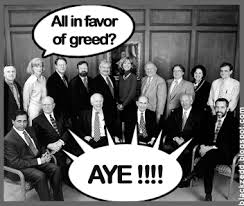
Neither the backers—nor opponents—of these propositions mention “gambling” in their advertising. Instead, they refer to “Indian gaming” or “tribal gaming.” As if visitors to casinos aren’t being lured to squander their hard-earned money on the nearest craps table.
As for the term: “Indian self-reliance”: The tribes are playing on white guilt over the treatment of the Indians during the “winning of the West.”
As if Indians can’t support themselves except by taking advantage of people’s greed.
Yet that doesn’t give today’s tribes a moral right to fleece visitors to casinos on Indian reservations.
To understand the real purpose of casinos you need only watch the 1995 film, “Casino.” Directed by Martin Scorsese, it stars Robert DeNiro, Joe Pesci and Sharon Stone.
It’s based on the nonfiction 1995 book Casino: Love and Honor in Las Vegas, by Nicholas Pileggi. It chronicles the alliance of expert gambler Frank Rosenthal and mobster Anthony Spilotro to run the Tangiers Casino in Las Vegas.
The movie pulls no punches in explaining the true purpose of a casino. As narrated by the character of Frank Rosenthal:
“Cash. Tons of it. It’s all this money. This is the end result of all the bright lights and the comped trips, of all the champagne and free hotel suites, and all the broads and all the booze. It’s all been arranged just for us to get your money.
“That’s the truth about Las Vegas. We’re the only winners. The players don’t stand a chance. And their cash flows from the tables to our boxes through the cage and into the most sacred room in the casino, the place where they add up all the money. The holy of holies—the count room.”
ABC NEWS, ALTERNET, AMERICABLOG, ANTHONY SPILOTRO, AP, BABY BOOMER RESISTANCE, BBC, BLOOMBERG NEWS, BUZZFEED, CALIFORNIA LEGISLATIVE ANALYST’S OFFICE, CARDROOMS, CASINO (BOOK), CASINO (MOVIE), CBS NEWS, CLIMATE CHANGE, CNN, CRIME, CROOKS AND LIARS, DAILY KOS, FIVETHIRTYEIGHT, FRANK ROSENTHAL, GAMBLING, HARPER’S MAGAZINE, HOMELESSNESS, HORSE RACING, HUFFINGTON POST, JOE PESCI, LAS VEGAS, MARTIN SCORSESE, MEDIA MATTERS, MOTHER JONES, MOVEON, MSNBC, NBC NEWS, NEW REPUBLIC, NEWSDAY, NEWSWEEK, NICHOLAS PILEGGI, NPR, PBS NEWSHOUR, POLITICO, POLITICUSUSA, PROPOSITION 27, PROPOSITON 26, RAW STORY, REUTERS, RISING PRICES, ROBERT DE NIRO, SALON, SEATTLE TIMES, SHARON STONE, SLATE, STATE LOTTERY, TALKING POINTS MEMO, THE ATLANTIC, THE CHICAGO SUN-TIMES, THE CHICAGO TRIBUNE, THE DAILY BEAST, THE DAILY BLOG, THE GUARDIAN, THE HILL, THE HUFFINGTON POST, THE INTERCEPT, THE LOS ANGELES TIMES, THE NATION, THE NEW REPUBLIC, THE NEW YORK TIMES, THE NEW YORKER, THE VILLAGE VOICE, THE WASHINGTON POST, THINKPROGRESS, TIME, TRIBAL CASINOS, TRUTHDIG, TRUTHOUT, TWITTER, TWO POLITICAL JUNKIES, U.S. NEWS & WORLD REPORT, UPI, USA TODAY, WONKETTE
In Bureaucracy, Business, History, Law, Law Enforcement, Politics, Social commentary on September 6, 2022 at 12:10 am
According to the August 24 edition of the Orange County Register, Californians are most concerned about these issues:
Their No. 1 concern remains COVID-19.
After that come
- Homelessness
- Rising prices
- Crime
But the average Californian wouldn’t know that from watching the flood of “dueling casino” ads on TV and the Internet.
Yes, it’s Proposition 26 versus Proposition 27, each one claiming a non-existent righteousness on behalf of different Indian tribes.
From these, Californians get the overwhelming message that the most important issue for their state is: “Our casinos are moral; theirs are not.”
According to the website of the California Legislative Analyst’s Office, a nonpartisan fiscal and policy advisor:

California Legislative Analyst’s Office
“The California Constitution and state law limit gambling in California. For example, state law bans sports betting, roulette, and games with dice (such as craps). However, it allows some gambling.
“This includes:
- State Lottery: About 23,000 stores in all 58 counties sell lottery games. Lottery sales—after prizes and operation costs—support education. About $1.9 billion in lottery revenue supported education last year.
- Cardrooms: Currently, 84 cardrooms in 32 counties can offer certain card games (such as poker). Cardrooms pay state and local feels and taxes. For example, cardrooms pay the state around $24 million each year (annually) generally for regulatory costs. Cardrooms also pay around $100 million each year to the cities they are located in.
- Horse Racing Betting: Four privately operated racetracks as well as 29 fairs, publicly operated racetracks, and other facilities in 17 counties offer betting on horse racing. The horse racing industry pays state and local fees and taxes. Last year, the industry paid the state around $18 million in fees primarily for state regulatory costs.
- Tribal Casinos: Tribes operate 66 casinos in 28 counties under specific agreements between certain tribes and the state. These casinos offer slot machines, lottery games, and card games on tribal lands. Last year, tribes paid around $65 million to support state regulation and gambling addiction programs. Tribes also pay tens of millions of dollars to local governments each year. Additionally, tribes operating larger casinos pay nearly $150 million each year to tribes that either do not operate casinos or have less than 350 slot machines.”
Then the analyst’s office defines Proposition 26:
“Proposition 26 allows in-person sports betting at racetracks and tribal casinos. It requires that racetracks and casinos that offer sports betting make certain payments to the state—such as to support state regulatory costs. The proposition also allows additional gambling—such as roulette—at tribal casinos. Finally, it adds a new way to enforce certain state gambling laws.
“Proposition 26 changes the California Constitution and state law to allow the state’s privately operated racetracks and tribal casinos to offer sports betting. However, the proposition bans bets on certain sports—such as high school games and games in which California college teams participate.”
The analyst’s office then states what a Yes or No vote on Proposition 26 would mean:
“A YES vote on this measure means: Four racetracks could offer in-person sports betting. Racetracks would pay the state a share of sports bets made. Tribal casinos could offer in-person sports betting, roulette, and games played with dice (such as craps) if permitted by individual tribal gambling agreements with the state. Tribes would be required to support state sports betting regulatory costs at casinos. People and entities would have a new way to seek enforcement of certain state gambling laws.”
“A NO vote on this measure means: Sports betting would continue to be illegal in California. Tribal casinos would continue to be unable to offer roulette and games played with dice. No changes would be made to the way state gambling laws are enforced.”
(Color print is not included in the website.)
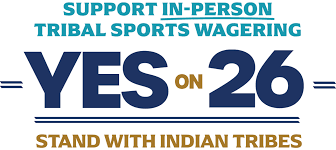
Opposing Proposition 26 are the backers of Proposition 27.
More than a century ago, opposing Indian tribes fought with knives, tomahawks and arrows. The reason: To acquire the better hunting grounds of neighboring tribes.
Today they wield multi-million-dollar advertising spots on television. And the reason: To gain more customers for their casinos while siphoning off customers from their rivals.
As a result, California’s TVs and computers are now clogged round-the-clock with dueling gambling propositions.
And directly competing with Proposition 26 for votes is Proposition 27.
According to the California Legislative Analyst’s Office, Proposition 27 will allow “online and mobile sports wagering outside tribal lands.
“In California, compacts allow tribal casinos to offer slot machines and other games on tribal lands. These compacts lay out how gambling will be regulated. They also require certain payments, such as to the state and local governments. Tribes can ask for these compacts to be changed, such as when new types of gambling become legal in the state.
“California currently has compacts with 79 tribes. Tribes currently operate 66 casinos in 28 counties. Last year [2021], tribes paid around $65 million to support state regulatory and gambling addiction program costs. Tribes also pay tens of millions of dollars to local governments each year (annually). Additionally, tribes operating larger casinos pay nearly $150 million each year to tribes that either do not operate casinos or have less than 350 slot machines.”
 Bureaucracybuster's Blog
ABC NEWS, ALTERNET, AMERICABLOG, ANTHONY SPILOTRO, AP, BABY BOOMER RESISTANCE, BBC, BLOOMBERG NEWS, BUZZFEED, CALIFORNIA LEGISLATIVE ANALYST’S OFFICE, CARDROOMS, CASINO (BOOK), CASINO (MOVIE), CBS NEWS, CLIMATE CHANGE, CNN, CRIME, CROOKS AND LIARS, DAILY KOS, FIVETHIRTYEIGHT, FRANK ROSENTHAL, GAMBLING, HARPER’S MAGAZINE, HOMELESSNESS, HORSE RACING, HUFFINGTON POST, JOE PESCI, LAS VEGAS, MARTIN SCORSESE, MEDIA MATTERS, MOTHER JONES, MOVEON, MSNBC, NBC NEWS, NEW REPUBLIC, NEWSDAY, NEWSWEEK, NICHOLAS PILEGGI, NPR, PBS NEWSHOUR, POLITICO, POLITICUSUSA, PROPOSITION 27, PROPOSITON 26, RAW STORY, REUTERS, RISING PRICES, ROBERT DE NIRO, SALON, SEATTLE TIMES, SHARON STONE, SLATE, STATE LOTTERY, TALKING POINTS MEMO, THE ATLANTIC, THE CHICAGO SUN-TIMES, THE CHICAGO TRIBUNE, THE DAILY BEAST, THE DAILY BLOG, THE GUARDIAN, THE HILL, THE HUFFINGTON POST, THE INTERCEPT, THE LOS ANGELES TIMES, THE NATION, THE NEW REPUBLIC, THE NEW YORK TIMES, THE NEW YORKER, THE VILLAGE VOICE, THE WASHINGTON POST, THINKPROGRESS, TIME, TRIBAL CASINOS, TRUTHDIG, TRUTHOUT, TWITTER, TWO POLITICAL JUNKIES, U.S. NEWS & WORLD REPORT, UPI, USA TODAY, WONKETTE
“OUR CASINOS ARE MORAL–THEIRS ARE IMMORAL”: PART TWO (END)
In Bureaucracy, Business, History, Law, Law Enforcement, Politics, Social commentary on September 7, 2022 at 12:47 amThe pace of climate change is dangerously accelerating.
A psychopathic dictator—Donald Trump—is preparing to overturn democratic rule in the United States.
And COVID-19 continues to ravish the globe—and its economy.
But in California, the most important issue—according to seemingly nonstop TV and Internet ads—is which Indian casinos deserve support.
Two propositions—26 and 27—are on the ballot for the November 8 mid-term elections. And both are dueling for public support.
In the previous column, Proposition 26 was covered in detail. Now for Proposition 27.
The California Legislative Analyst’s Office states the change that would occur under Proposition 27:
“Proposition 27 allows tribes or gambling companies to offer online sports betting. It requires tribes and gambling companies that offer online sports betting to make certain payments to the state for specific purposes—such as to support state regulatory costs and to address homelessness. The proposition also creates a new online sports betting regulatory unit. Finally, it provides new ways to reduce illegal online sports betting.
“Proposition 27 changes the California Constitution and state law to allow online sports betting over the Internet and mobile devices. People 21 years of age and older in California, who are not on tribal lands, would be able to place bets no later than September 2023. The proposition allows bets on athletic events (such as football games) and some non-athletic events (such as awards shows and video game competitions). However, it bans bets on certain other events such as high school games and elections.”
The analyst’s office then states what a Yes or No vote on Proposition 27 would mean:
“A YES vote on this measure means: Licensed tribes or gambling companies could offer online sports betting over the Internet and mobile devices to people 21 years of age and older on non-tribal lands in California. Those offering online sports betting would be required to pay the state a share of sports bets made. A new state unit would be created to regulate online sports betting. New ways to reduce illegal online sports betting would be available.
“A NO vote on this measure means: Sports betting would continue to be illegal in California. No changes would be made to the way state gambling laws are enforced.”
Indian tribes themselves are divided on the merits of Proposition 27. It has the support of three tribes—the Big Valley Band of Pomo Indians, the Middletown Rancheria of Pomo Indians and the Santa Rosa Rancheria Tachi Yokut Tribe.
The “No on 27” campaign lists 60 Indian tribes that oppose it.
“Prop 27 is a direct attack on Indian self-reliance, and Indian Country overwhelmingly opposes this deceptive measure,” said California Nations Indian Gaming Association Chairman James Siva in a statement.
“Prop 27 jeopardizes Indian gaming and vital funding that both gaming and non-gaming tribes use to provide housing, healthcare, firefighting services, education, cultural preservation, and other services for our communities. That’s why more than 50 California Indian tribes— both gaming and nongaming alike—strongly oppose Prop 27.”
Needless to say, the backers of Proposition 27 have a different view.
According to their website, “Yes On Prop 27”:
“Prop 27 has strict protections to prevent minors from betting, including substantial fines for violators, and it bans betting on youth sports.
“Proposition 27 is the ONLY permanent funding solution for California’s homelessness and mental health crises.
“Prop 27 is the ONLY ballot measure that guarantees hundreds of millions dollars every year to fund mental health treatment and solutions to homelessness and addiction.”
Both sides use misleading language to win support.
Neither the backers—nor opponents—of these propositions mention “gambling” in their advertising. Instead, they refer to “Indian gaming” or “tribal gaming.” As if visitors to casinos aren’t being lured to squander their hard-earned money on the nearest craps table.
As for the term: “Indian self-reliance”: The tribes are playing on white guilt over the treatment of the Indians during the “winning of the West.”
As if Indians can’t support themselves except by taking advantage of people’s greed.
Yet that doesn’t give today’s tribes a moral right to fleece visitors to casinos on Indian reservations.
To understand the real purpose of casinos you need only watch the 1995 film, “Casino.” Directed by Martin Scorsese, it stars Robert DeNiro, Joe Pesci and Sharon Stone.
It’s based on the nonfiction 1995 book Casino: Love and Honor in Las Vegas, by Nicholas Pileggi. It chronicles the alliance of expert gambler Frank Rosenthal and mobster Anthony Spilotro to run the Tangiers Casino in Las Vegas.
The movie pulls no punches in explaining the true purpose of a casino. As narrated by the character of Frank Rosenthal:
“Cash. Tons of it. It’s all this money. This is the end result of all the bright lights and the comped trips, of all the champagne and free hotel suites, and all the broads and all the booze. It’s all been arranged just for us to get your money.
“That’s the truth about Las Vegas. We’re the only winners. The players don’t stand a chance. And their cash flows from the tables to our boxes through the cage and into the most sacred room in the casino, the place where they add up all the money. The holy of holies—the count room.”
Share this: