April 30: Two anniversaries—one of American victory, the other of American defeat.
April 30, 1945: With Berlin, the capitol of Nazi Germany burning and in ruins, Germany’s Fuhrer, Adolf Hitler raises a 7.65 caliber, seven-shot Walther PPK pistol to his right temple and pulls the trigger as he bites on a cyanide capsule.
Then, his corpse—along with that of Eva Braun, his longtime mistress and hastily-married wife of less than 24 hours—is carried out of the underground Fuhrerbunker. Both bodies are carried into the Reich Chancellery garden, doused with petrol, and set afire.
Hitler’s 12-year-reign of terror and infamy is finally over.
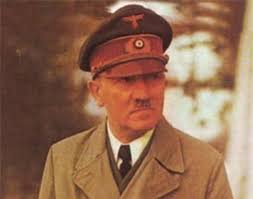
Adolf Hitler
America had been waging war against Nazi Germany since December 11, 1941.
That was when Hitler—just four days after Japanese aircraft had bombed Pearl Harbor—declared war on the United States. There was nothing to be gained by adding the world’s most powerful industrial nation to his list of enemies. But he did it anyway.
Starting in 1942, American forces gradually moved from triumph to triumph. These culminated in the June 6, 1944 D-Day invasion of France, which sealed the fate of the Third Reich in the West.
American military forces had been halted at the Elbe River, where they had met with Soviet forces. This was a strategic decision by General Dwight D. Eisenhower, the Allied Supreme Commander, to not continue into eastern Germany, which was to be occupied by the Red Army
Even though Soviet forces are the ones to capture Berlin, this amounts to an American victory. The last outpost of Nazi Germany is destroyed, and at no cost to American soldiers.
Neither the United States nor the Soviet Union is willing to officially acknowledge the contributions of the other in achieving victory over Nazi Germany.
Russians (from Soviet dictator Joseph Stalin on down) refuse to admit that without a massive infusion of aid from the United States, their final victory over Nazi Germany would have been delayed by years.
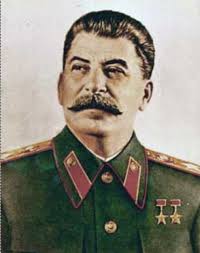
Joseph Stalin
Under the Lend-Lease program, the United States contributed tons of military and civilian equipment the Soviets desperately needed, including:
- 400,000 jeeps and trucks
- 14,000 airplanes
- 13,000 tanks
- 1,640 flat cars and rail accessories
- 15 million pairs of army boots
- 107,000 tons of cotton
- 2.7 million tons of petroleum products
- 4.5 million tons of food
Americans, in turn, are unwilling to admit that their strategy for defeating Germany depended on the Soviet Union bearing the brunt of Allied casualties.
The Soviet Union suffered an estimated 26.6 million casualties, including both military (8.7 million) and (19 million) civilian deaths.
By contrast, about 250,000 American soldiers died in the European theater.
Fast forward 30 years—to April 30, 1975.
The South Vietnamese Army suddenly crumbles under an all-out offensive by North Vietnamese regular army units.
The United States—which had been been supplying military assistance to Vietnam since the Presidency of Dwight D. Eisenhower—suddenly sees its worst nightmare come to life.
Eisenhower had sent 700 military advisors in 1955. President John F. Kennedy increased the number of advisors to 16,300.
Starting in 1965, President Lyndon B. Johnson committed wholesale combat troops to Vietnam. By April, 1969—three months after Richard M. Nixon took office—there were approximately 543,400 personnel serving there.
America poured more than $120 billion into the conflict in Vietnam from 1965-73. At least 2.7 million soldiers served there–and 58,000 died there. Another 304,000 were wounded. At home, the war divided Americans as no other event since the Civil War (1861-1865).
Decades later, Americans still debate whether “we should have gone all the way” in Vietnam—including the use of atomic bombs.
The unspoken reason for this carnage: Four Presidents—Eisenhower, Kennedy, Johnson and Nixon—kept the war going because they feared they would be turned out of office if they didn’t.
Such a fate overtook President Joseph Biden when he dared to pull American forces out of a 20-year effort to “civilize” Afghanistan in September, 2021.
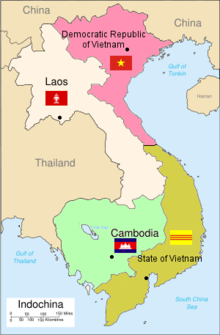
Vietnam during the Vietnam war
The last American troops left Vietnam on March 29, 1973. President Nixon claimed that he had achieved “peace with honor.” The South Vietnamese Army was supposedly now trained by Americans to defend the “country” from attack by North Vietnam.
Then came December 13, 1974—the start of the North’s all-out offensive.
The result: South Vietnamese forces melted away.
President Gerald R. Ford, who had replaced Nixon upon his August 9, 1974 resignation, asked Congress for permission to send American soldiers to rescue the situation. But Congress refused, leaving Vietnam to its own fate
This was hardly surprising to American veterans of the war. Among them a favorite joke had been: “There’s a new batch of South Vietnamese rifles for sale. Never fired, and only dropped once.”
By April 30, 1975, Saigon, the capitol of South Vietnam, fell to the People’s Army of Vietnam and the Viet Cong.

Fall of Saigon
At home, watching TV, Americans felt shame as Army helicopters hurriedly lifted off the roof of the United States embassy.
Numerous South Vietnamese desperately tried to climb aboard—only to have their hands stomped on by Americans equally desperate to get out before North Vietnamese forces reached them.
Thus a great nation goes from waging a victorious war against a deadly enemy to waging a losing war against a needless enemy in just 30 years.
 Bureaucracybuster's Blog
ABC NEWS, ADOLF HITLER, AFGHANISTAN, ALTERNET, AMERICABLOG, AP, BABY BOOMER RESISTANCE, BBC, BLOOMBERG, BLUESKY, BUZZFEED, CBS NEWS, CIVIL WAR, CNN, CROOKS AND LIARS, DAILY KOS, DWIGHT D. EISENHOWER, EVA BRAUN, FIVETHIRTYEIGHT, GERALD R. FORD, HARPER’S MAGAZINE, HUFFINGTON POST, JOHN F. KENNEDY, JOSEPH R. BIDEN, JOSEPH STALIN, LEND LEASE, LYNDON B. JOHNSON, MEDIA MATTERS, MOTHER JONES, MOVEON, MSNBC, NAZI GERMANY, NBC NEWS, NEW REPUBLIC, NEWSDAY, NEWSWEEK, NPR, PBS NEWSHOUR, POLITICO, POLITICUSUSA, RAW STORY, REUTERS, RICHARD M. NIXON, SAIGON, SALON, SEATTLE TIMES, SLATE, SOUTH VIETNAMESE ARMY, SOVIET UNION, TALKING POINTS MEMO, THE ATLANTIC, THE CHICAGO SUN-TIMES, THE CHICAGO TRIBUNE, THE DAILY BEAST, THE DAILY BLOG, THE GUARDIAN, THE HILL, THE HUFFINGTON POST, THE INTERCEPT, THE LOS ANGELES TIMES, THE NATION, THE NEW REPUBLIC, THE NEW YORK TIMES, THE NEW YORKER, THE VILLAGE VOICE, THE WASHINGTON POST, THINKPROGRESS, THIRD REICH, TIME, TRUTHDIG, TRUTHOUT, TWO POLITICAL JUNKIES, U.S. NEWS & WORLD REPORT, UNITED STATES, UPI, USA TODAY, VIETNAM, X
APRIL 30–AN ANNIVERSARY OF TRIUMPH AND SHAME
In Bureaucracy, History, Military, Politics, Social commentary on May 21, 2025 at 12:06 amApril 30: Two anniversaries—one of American victory, the other of American defeat.
April 30, 1945: With Berlin, the capitol of Nazi Germany burning and in ruins, Germany’s Fuhrer, Adolf Hitler raises a 7.65 caliber, seven-shot Walther PPK pistol to his right temple and pulls the trigger as he bites on a cyanide capsule.
Then, his corpse—along with that of Eva Braun, his longtime mistress and hastily-married wife of less than 24 hours—is carried out of the underground Fuhrerbunker. Both bodies are carried into the Reich Chancellery garden, doused with petrol, and set afire.
Hitler’s 12-year-reign of terror and infamy is finally over.
Adolf Hitler
America had been waging war against Nazi Germany since December 11, 1941.
That was when Hitler—just four days after Japanese aircraft had bombed Pearl Harbor—declared war on the United States. There was nothing to be gained by adding the world’s most powerful industrial nation to his list of enemies. But he did it anyway.
Starting in 1942, American forces gradually moved from triumph to triumph. These culminated in the June 6, 1944 D-Day invasion of France, which sealed the fate of the Third Reich in the West.
American military forces had been halted at the Elbe River, where they had met with Soviet forces. This was a strategic decision by General Dwight D. Eisenhower, the Allied Supreme Commander, to not continue into eastern Germany, which was to be occupied by the Red Army
Even though Soviet forces are the ones to capture Berlin, this amounts to an American victory. The last outpost of Nazi Germany is destroyed, and at no cost to American soldiers.
Neither the United States nor the Soviet Union is willing to officially acknowledge the contributions of the other in achieving victory over Nazi Germany.
Russians (from Soviet dictator Joseph Stalin on down) refuse to admit that without a massive infusion of aid from the United States, their final victory over Nazi Germany would have been delayed by years.
Joseph Stalin
Under the Lend-Lease program, the United States contributed tons of military and civilian equipment the Soviets desperately needed, including:
Americans, in turn, are unwilling to admit that their strategy for defeating Germany depended on the Soviet Union bearing the brunt of Allied casualties.
The Soviet Union suffered an estimated 26.6 million casualties, including both military (8.7 million) and (19 million) civilian deaths.
By contrast, about 250,000 American soldiers died in the European theater.
Fast forward 30 years—to April 30, 1975.
The South Vietnamese Army suddenly crumbles under an all-out offensive by North Vietnamese regular army units.
The United States—which had been been supplying military assistance to Vietnam since the Presidency of Dwight D. Eisenhower—suddenly sees its worst nightmare come to life.
Eisenhower had sent 700 military advisors in 1955. President John F. Kennedy increased the number of advisors to 16,300.
Starting in 1965, President Lyndon B. Johnson committed wholesale combat troops to Vietnam. By April, 1969—three months after Richard M. Nixon took office—there were approximately 543,400 personnel serving there.
America poured more than $120 billion into the conflict in Vietnam from 1965-73. At least 2.7 million soldiers served there–and 58,000 died there. Another 304,000 were wounded. At home, the war divided Americans as no other event since the Civil War (1861-1865).
Decades later, Americans still debate whether “we should have gone all the way” in Vietnam—including the use of atomic bombs.
The unspoken reason for this carnage: Four Presidents—Eisenhower, Kennedy, Johnson and Nixon—kept the war going because they feared they would be turned out of office if they didn’t.
Such a fate overtook President Joseph Biden when he dared to pull American forces out of a 20-year effort to “civilize” Afghanistan in September, 2021.
Vietnam during the Vietnam war
The last American troops left Vietnam on March 29, 1973. President Nixon claimed that he had achieved “peace with honor.” The South Vietnamese Army was supposedly now trained by Americans to defend the “country” from attack by North Vietnam.
Then came December 13, 1974—the start of the North’s all-out offensive.
The result: South Vietnamese forces melted away.
President Gerald R. Ford, who had replaced Nixon upon his August 9, 1974 resignation, asked Congress for permission to send American soldiers to rescue the situation. But Congress refused, leaving Vietnam to its own fate
This was hardly surprising to American veterans of the war. Among them a favorite joke had been: “There’s a new batch of South Vietnamese rifles for sale. Never fired, and only dropped once.”
By April 30, 1975, Saigon, the capitol of South Vietnam, fell to the People’s Army of Vietnam and the Viet Cong.
Fall of Saigon
At home, watching TV, Americans felt shame as Army helicopters hurriedly lifted off the roof of the United States embassy.
Numerous South Vietnamese desperately tried to climb aboard—only to have their hands stomped on by Americans equally desperate to get out before North Vietnamese forces reached them.
Thus a great nation goes from waging a victorious war against a deadly enemy to waging a losing war against a needless enemy in just 30 years.
Share this: