Posts Tagged ‘DAVY CROCKETT: KING OF THE WILD FRONTIER’
ABC NEWS, ALAMO, ALTERNET, AMERICABLOG, ANDREW JACKSON, AP, BABY BOOMER RESISTANCE, BUZZFEED, CAMERON JUDD, CBS NEWS, CNN, CROCKETT OF TENNESSEE, CROOKS AND LIARS, DAILY KOS, DAVID CROCKETT, DAVY CROCKETT: KING OF THE WILD FRONTIER, DONALD TRUMP, FIVETHIRTYEIGHT, INDIAN WARS, JAMES BOWIE, MITT ROMNEY, MOTHER JONES, MOVEON, MSNBC, NBC NEWS, NBCNEWS, NEWSWEEK, NPR, PBS NEWSHOUR, POLITICO, POLITICUSUSA, RAW STORY, REUTERS, SALON, SEATTLE TIMES, SLATE, TALKING POINTS MEMO, TEXAS REVOLUTION, THE ATLANTIC, THE CHICAGO SUN-TIMES, THE CHICAGO TRIBUNE, THE DAILY BEAST, THE DAILY BLOG, THE GUARDIAN, THE HILL, THE HUFFINGTON POST, THE LOS ANGELES TIMES, THE NATION, THE NEW YORK TIMES, THE WASHINGTON POST, THINKPROGRESS, TIME, TRUTHDIG, U.S. NEWS & WORLD REPORT, UPI, USA TODAY, WALT DISNEY, WILLIAM BARRETT TRAVIS, X
In Bureaucracy, Business, History, Military, Politics, Social commentary on January 16, 2026 at 12:10 am
March 6, 2026, will mark the 190th anniversary of the fall of the Alamo, a crumbling former Spanish mission in the heart of San Antonio, Texas.
It’s been the subject of novels, movies, biographies, histories and TV dramas (most famously Walt Disney’s 1955 “Davy Crockett: King of the Wild Frontier” series).
Perhaps the most extraordinary scene of any Alamo movie or book occurs in the 1993 novel, Crockett of Tennessee, by Cameron Judd.
And it is no less affecting for its being—so far as we know—entirely fictional.
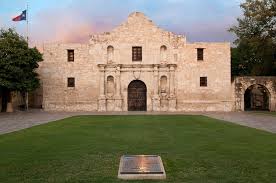
The Alamo
It’s March 5, 1836—the last night of life for the Alamo garrison. The next morning, 2,000 men of the Mexican Army will hurl themselves at the former mission and slaughter its 200 “Texian” defenders.
The fort’s commander, William Barrett Travis, has drawn his “line in the sand” and invited the garrison to choose: To surrender, to try to escape, or to stay and fight to the death.
And the garrison—except for one man—chooses to stay and fight.

An hour after deciding to stand and die in the Alamo, wrapped in the gloom of night, David Crockett is seized with paralyzing fear.
“We’re going to die here,” he chokes out to his longtime friend, Persius Tarr. “You understand that, Persius? We’re going to die!” 
“I know, Davy. But there ain’t no news in that,” says Tarr. “We’re born to die. Every one of us. Only difference between us and most everybody else is we know when and where it’s going to be.”
“But I can’t be afraid—not me. I’m Crockett. I’m Canebrake Davy. I’m half-horse, half-alligator.”
“I know you are, Davy,” says Tarr. “So do all these men here. That’s why you’re going to get past this.
“You’re going to put that fear behind you and walk back out there and fight like the man you are. The fear’s come and now it’s gone. This is our time, Davy.”
And then Tarr delivers a sentiment wholly alien to money-obsessed men like Donald Trump—who comprise the richest and most privileged 1% of today’s Americans.
“There’s men out there with their eyes on you. You’re the only thing keeping the fear away from them. You’re joking and grinning and fiddling—it gives them courage they wouldn’t have had without you.
“Maybe that’s why you’re here, Davy—to make the little men and the scared men into big and brave men. You’ve always cared about the little men, Davy. Remember who you are.
“You’re Crockett of Tennessee, and your glory-time has come. Don’t you miss a bit of it.”
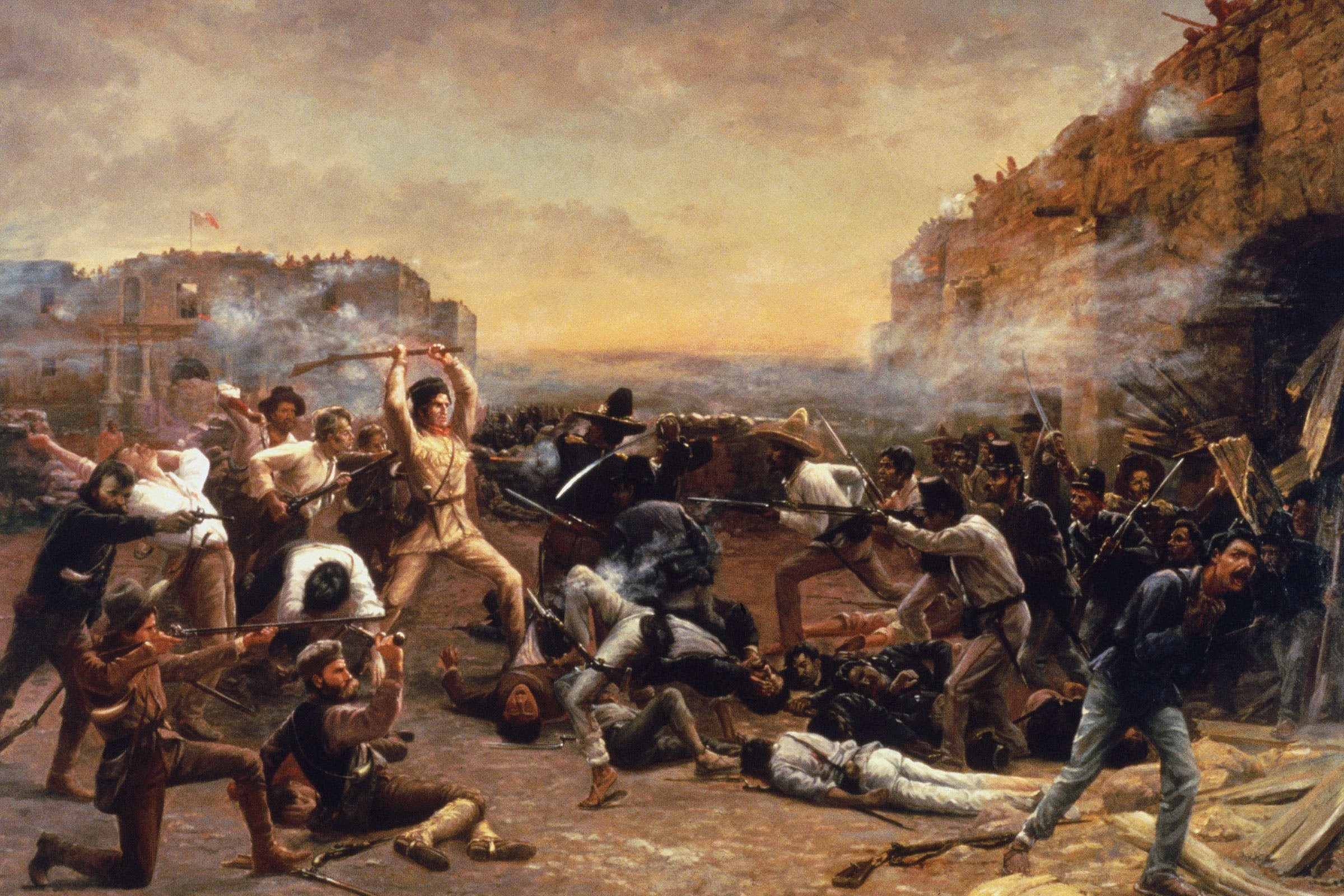
The next morning, the Mexicans assault the Alamo. Crockett embraces his glory-time—and becomes a legend for all-time.

David Crockett (center) at the fall of the Alamo
David Crockett (1786-1836) lived—and died—a poor man. But this did not prevent him from trying to better the lives of his family and fellow citizens—and even his former enemies.
During the war of 1812, he served as a scout under Andrew Jackson. His foes were the Creek Indians, who had massacred 500 settlers at Fort Mims, Alabama—and threatened to do the same to Crockett’s family and neighbors in Tennessee.
But as a Congressman from Tennessee, he opposed then-President Jackson’s efforts to force the same defeated Indians to depart the lands guaranteed them by treaty.
To Crockett, a promise was sacred—whether given by a single man or the United States Government.

David Crockett
And his presence during the 13-day siege of the Alamo did cheer the spirits of the vastly outnumbered defenders.
Crockett, with his fiddle—and a Scotsman named MacGregor, with his bagpipes—often staged musical “duels” to see who could make the most noise.
Contrast this devotion of Crockett to the rights of “the little men,” with the boasts of Donald Trump, the billionaire President of the United States:

Donald Trump
- “The first thing they [doctors] is say: ‘Take off your shirt, sir, and show us that gorgeous chest. We’ve never seen a chest quite like it.’”
- “My fingers are long and beautiful, as, it has been well documented, are various other parts of my body.”
- “Actually, throughout my life, my two greatest assets have been mental stability and being, like, really smart.”
- “My IQ is one of the highest—and you all know it.”
- “My Twitter has become so powerful that I can actually make my enemies tell the truth.”
- “I think the only difference between me and the other candidates is that I’m more honest and my women are more beautiful.”
Unlike Crockett, who defended the weak, Trump boasted of his power:
- “You know I’m automatically attracted to beautiful—I just start kissing them. It’s like a magnet. Just kiss. I don’t even wait. And when you’re a star they let you do it. You can do anything.”
- “The Monroe Doctrine is a big deal, but we’ve superseded it by a lot, by a real lot. They now call it the ‘Donroe Doctrine.'”
- “I have the right to do anything I want to do.”
Those who give their lives for others are rightly loved and remembered as heroes. Those who dedicate their lives solely to their wallets and egos are rightly despised and then forgotten.
ABC NEWS, ALAMO, ALTERNET, AMERICABLOG, ANDREW JACKSON, AP, BABY BOOMER RESISTANCE, BUZZFEED, CAMERON JUDD, CBS NEWS, CNN, CROCKETT OF TENNESSEE, CROOKS AND LIARS, DAILY KOS, DAVID CROCKETT, DAVY CROCKETT: KING OF THE WILD FRONTIER, DONALD TRUMP, FIVETHIRTYEIGHT, INDIAN WARS, JAMES BOWIE, MITT ROMNEY, MOTHER JONES, MOVEON, MSNBC, NBC NEWS, NBCNEWS, NEWSWEEK, NPR, PBS NEWSHOUR, POLITICO, POLITICUSUSA, RAW STORY, REUTERS, SALON, SEATTLE TIMES, SLATE, TALKING POINTS MEMO, TEXAS REVOLUTION, THE ATLANTIC, THE CHICAGO SUN-TIMES, THE CHICAGO TRIBUNE, THE DAILY BEAST, THE DAILY BLOG, THE GUARDIAN, THE HILL, THE HUFFINGTON POST, THE LOS ANGELES TIMES, THE NATION, THE NEW YORK TIMES, THE WASHINGTON POST, THINKPROGRESS, TIME, TRUTHDIG, U.S. NEWS & WORLD REPORT, UPI, USA TODAY, WALT DISNEY, WILLIAM BARRETT TRAVIS, X
In Bureaucracy, Business, History, Military, Politics, Social commentary on October 7, 2024 at 12:20 am
March 6, 2024, marked the 188th anniversary of the fall of the Alamo, a crumbling former Spanish mission in the heart of San Antonio, Texas.
It’s been the subject of novels, movies, biographies, histories and TV dramas (most notably Walt Disney’s 1955 “Davy Crockett: King of the Wild Frontier”).
Perhaps the most extraordinary scene in any Alamo movie or book occurs in the 1993 novel, Crockett of Tennessee, by Cameron Judd.
And it is no less affecting for its being—so far as we know—entirely fictional.
The Alamo
It’s March 5, 1836—the last night of life for the Alamo garrison. The next morning, 2,000 men of the Mexican Army will hurl themselves at the former mission and slaughter its 200 “Texian” defenders.
The fort’s commander, William Barrett Travis, has drawn his “line in the sand” and invited the garrison to choose: To surrender, to try to escape, or to stay and fight to the death.
And the garrison—except for one man—chooses to stay and fight.
For the garrison, immortality lies only hours away. Or does it?
An hour after deciding to stand and die in the Alamo, wrapped in the gloom of night, David Crockett is seized with paralyzing fear.
“We’re going to die here,” he chokes out to his longtime friend, Persius Tarr. “You understand that, Persius? We’re going to die!”
“I know, Davy. But there ain’t no news in that,” says Tarr. “We’re born to die. Every one of us. Only difference between us and most everybody else is we know when and where it’s going to be.”
“But I can’t be afraid—not me. I’m Crockett. I’m Canebrake Davy. I’m half-horse, half-alligator.”
“I know you are, Davy,” says Tarr. “So do all these men here. That’s why you’re going to get past this.
“You’re going to put that fear behind you and walk back out there and fight like the man you are. The fear’s come and now it’s gone. This is our time, Davy.”
And then Tarr delivers a sentiment wholly alien to money-obsessed men like Donald Trump—who comprise the richest and most privileged 1% of today’s Americans.
“There’s men out there with their eyes on you. You’re the only thing keeping the fear away from them. You’re joking and grinning and fiddling—it gives them courage they wouldn’t have had without you.
“Maybe that’s why you’re here, Davy—to make the little men and the scared men into big and brave men. You’ve always cared about the little men, Davy. Remember who you are.
“You’re Crockett of Tennessee, and your glory-time has come. Don’t you miss a bit of it.”
The next morning, the Mexicans assault the Alamo. Crockett embraces his glory-time—and becomes a legend for all-time.
David Crockett (center) at the fall of the Alamo
David Crockett (1786-1836) lived—and died—a poor man. But this did not prevent him from trying to better the lives of his family and fellow citizens—and even his former enemies.
During the war of 1812, he served as a scout under Andrew Jackson. His foes were the Creek Indians, who had massacred 500 settlers at Fort Mims, Alabama—and threatened to do the same to Crockett’s family and neighbors in Tennessee.
But as a Congressman from Tennessee, he opposed then-President Jackson’s efforts to force the same defeated Indians to depart the lands guaranteed them by treaty.
To Crockett, a promise was sacred—whether given by a single man or the United States Government.
David Crockett
And his presence during the 13-day siege of the Alamo did cheer the spirits of the vastly outnumbered defenders.
Crockett, with his fiddle—and a Scotsman named MacGregor, with his bagpipes—often staged musical “duels” to see who could make the most noise.
Contrast this devotion of Crockett to the rights of “the little men,” with the attitude of Donald Trump, the alleged billionaire former President of the United States.
Donald Trump
Throughout the 2016 Presidential campaign, Trump made such statements as:
- “…I don’t need anybody’s money. It’s nice. I’m using my own money. I’m not using lobbyists, I’m not using donors. I don’t care. I’m really rich.”
- “I did a lot of great deals and I did them early and young, and now I’m building all over the world….”
- “So I have a total net worth, and now with the increase, it’ll be well over $10 billion.”
- My fingers are long and beautiful, as, it has been well documented, are various other parts of my body.”
- “My IQ is one of the highest—and you all know it.”
- “My Twitter has become so powerful that I can actually make my enemies tell the truth.”
- “I think the only difference between me and the other candidates is that I’m more honest and my women are more beautiful.”
Unlike Crockett, who defended the weak, Trump boasted of his power:
“You know I’m automatically attracted to beautiful—I just start kissing them. It’s like a magnet. Just kiss. I don’t even wait. And when you’re a star they let you do it. You can do anything.”
Those who give their lives for others are rightly loved and remembered as heroes. Those who dedicate their lives solely to their wallets and egos are rightly soon forgotten.
ABC NEWS, ALAMO, ALTERNET, AMERICABLOG, ANDREW JACKSON, AP, BABY BOOMER RESISTANCE, BUZZFEED, CAMERON JUDD, CBS NEWS, CNN, CROCKETT OF TENNESSEE, CROOKS AND LIARS, DAILY KOZ, DAVID CROCKETT, DAVY CROCKETT: KING OF THE WILD FRONTIER, DONALD TRUMP, FACEBOOK, FIVETHIRTYEIGHT, INDIAN WARS, JAMES BOWIE, MITT ROMNEY, MOTHER JONES, MOVEON, MSNBC, NBC NEWS, NBCNEWS, NEWSWEEK, NPR, PBS NEWSHOUR, POLITICO, POLITICUSUSA, RAW STORY, REUTERS, SALON, SEATTLE TIMES, SLATE, TALKING POINTS MEMO, TEXAS REVOLUTION, THE ATLANTIC, THE CHICAGO SUN-TIMES, THE CHICAGO TRIBUNE, THE DAILY BEAST, THE DAILY BLOG, THE GUARDIAN, THE HILL, THE HUFFINGTON POST, THE LOS ANGELES TIMES, THE NATION, THE NEW YORK TIMES, THE WASHINGTON POST, THINKPROGRESS, TIME, TRUTHDIG, TWITTER, U.S. NEWS & WORLD REPORT, UPI, USA TODAY, WALT DISNEY, WILLIAM BARRETT TRAVIS
In Bureaucracy, Business, History, Military, Politics, Social commentary on October 25, 2022 at 12:13 am
March 6, 2022, marked the 186th anniversary of the fall of the Alamo, a crumbling former Spanish mission in the heart of San Antonio, Texas.
It’s been the subject of novels, movies, biographies, histories and TV dramas (most notably Walt Disney’s 1955 “Davy Crockett: King of the Wild Frontier”).
Perhaps the most extraordinary scene in any Alamo movie or book occurs in the 1993 novel, Crockett of Tennessee, by Cameron Judd.
And it is no less affecting for its being—so far as we know—entirely fictional.
The Alamo
It’s March 5, 1836—the last night of life for the Alamo garrison. The next morning, 2,000 men of the Mexican Army will hurl themselves at the former mission and slaughter its 200 “Texian” defenders.
The fort’s commander, William Barrett Travis, has drawn his “line in the sand” and invited the garrison to choose: To surrender, to try to escape, or to stay and fight to the death.
And the garrison—except for one man—chooses to stay and fight.
For the garrison, immortality lies only hours away. Or does it?
An hour after deciding to stand and die in the Alamo, wrapped in the gloom of night, David Crockett is seized with paralyzing fear.
“We’re going to die here,” he chokes out to his longtime friend, Persius Tarr. “You understand that, Persius? We’re going to die!”
“I know, Davy. But there ain’t no news in that,” says Tarr. “We’re born to die. Every one of us. Only difference between us and most everybody else is we know when and where it’s going to be.”
“But I can’t be afraid—not me. I’m Crockett. I’m Canebrake Davy. I’m half-horse, half-alligator.”
“I know you are, Davy,” says Tarr. “So do all these men here. That’s why you’re going to get past this.
“You’re going to put that fear behind you and walk back out there and fight like the man you are. The fear’s come and now it’s gone. This is our time, Davy.”
And then Tarr delivers a sentiment wholly alien to money-obsessed men like Donald Trump—who comprise the richest and most privileged 1% of today’s Americans.
“There’s men out there with their eyes on you. You’re the only thing keeping the fear away from them. You’re joking and grinning and fiddling—it gives them courage they wouldn’t have had without you.
“Maybe that’s why you’re here, Davy—to make the little men and the scared men into big and brave men. You’ve always cared about the little men, Davy. Remember who you are.
“You’re Crockett of Tennessee, and your glory-time has come. Don’t you miss a bit of it.”
The next morning, the Mexicans assault the Alamo. Crockett embraces his glory-time—and becomes a legend for all-time.
David Crockett (center) at the fall of the Alamo
David Crockett (1786-1836) lived—and died—a poor man. But this did not prevent him from trying to better the lives of his family and fellow citizens—and even his former enemies.
During the war of 1812, he served as a scout under Andrew Jackson. His foes were the Creek Indians, who had massacred 500 settlers at Fort Mims, Alabama—and threatened to do the same to Crockett’s family and neighbors in Tennessee.
But as a Congressman from Tennessee, he opposed then-President Jackson’s efforts to force the same defeated Indians to depart the lands guaranteed them by treaty.
To Crockett, a promise was sacred—whether given by a single man or the United States Government.
David Crockett
And his presence during the 13-day siege of the Alamo did cheer the spirits of the vastly outnumbered defenders.
Crockett, with his fiddle—and a Scotsman named MacGregor, with his bagpipes—often staged musical “duels” to see who could make the most noise.
Contrast this devotion of Crockett to the rights of “the little men,” with the attitude of Donald Trump, the alleged billionaire former President of the United States.
Donald Trump
Throughout the 2016 Presidential campaign, Trump made such statements as:
- “…I don’t need anybody’s money. It’s nice. I’m using my own money. I’m not using lobbyists, I’m not using donors. I don’t care. I’m really rich.”
- “I did a lot of great deals and I did them early and young, and now I’m building all over the world….”
- “So I have a total net worth, and now with the increase, it’ll be well over $10 billion.”
- My fingers are long and beautiful, as, it has been well documented, are various other parts of my body.”
- “My IQ is one of the highest—and you all know it.”
- “My Twitter has become so powerful that I can actually make my enemies tell the truth.”
- “I think the only difference between me and the other candidates is that I’m more honest and my women are more beautiful.”
Unlike Crockett, who defended the weak, Trump boasted of his power:
“You know I’m automatically attracted to beautiful—I just start kissing them. It’s like a magnet. Just kiss. I don’t even wait. And when you’re a star they let you do it. You can do anything.”
Those who give their lives for others are rightly loved and remembered as heroes. Those who dedicate their lives solely to their wallets and egos are rightly soon forgotten.
ABC NEWS, ALAMO, ALTERNET, AMERICABLOG, ANDREW JACKSON, AP, BABY BOOMER RESISTANCE, BUZZFEED, CAMERON JUDD, CBS NEWS, CNN, CROCKETT OF TENNESSEE, CROOKS AND LIARS, DAILY KOZ, DAVID CROCKETT, DAVY CROCKETT: KING OF THE WILD FRONTIER, DONALD TRUMP, FACEBOOK, FIVETHIRTYEIGHT, INDIAN WARS, JAMES BOWIE, MITT ROMNEY, MOTHER JONES, MOVEON, MSNBC, NBC NEWS, NBCNEWS, NEWSWEEK, NPR, PBS NEWSHOUR, POLITICO, POLITICUSUSA, RAW STORY, REUTERS, SALON, SEATTLE TIMES, SLATE, TALKING POINTS MEMO, TEXAS REVOLUTION, THE ATLANTIC, THE CHICAGO SUN-TIMES, THE CHICAGO TRIBUNE, THE DAILY BEAST, THE DAILY BLOG, THE GUARDIAN, THE HILL, THE HUFFINGTON POST, THE LOS ANGELES TIMES, THE NATION, THE NEW YORK TIMES, THE WASHINGTON POST, THINKPROGRESS, TIME, TRUTHDIG, TWITTER, U.S. NEWS & WORLD REPORT, UPI, USA TODAY, WALT DISNEY, WILLIAM BARRETT TRAVIS
In Bureaucracy, Business, History, Military, Politics, Social commentary on December 13, 2019 at 12:04 am
March 6, 2019, marked the 183rd anniversary of the fall of the Alamo, a crumbling former Spanish mission in the heart of San Antonio, Texas.
It’s one of those battles like Thermopylae that have passed from history into legend.
It’s been the subject of novels, movies, biographies, histories and TV dramas (most notably Walt Disney’s 1955 “Davy Crockett: King of the Wild Frontier”).
Perhaps the most extraordinary scene in any Alamo movie or book occurs in the 1993 novel, Crockett of Tennessee, by Cameron Judd.
And it is no less affecting for its being—so far as we know—entirely fictional.
The Alamo
It’s March 5, 1836—the last night of life for the Alamo garrison. The night before the 2,000 men of the Mexican Army hurl themselves at the former mission and slaughter its 200 “Texian” defenders.
The fort’s commander, William Barrett Travis, has drawn his “line in the sand” and invited the garrison to choose: To surrender, to try to escape, or to stay and fight to the death.
And the garrison—except for one man—chooses to stay and fight.
For the garrison, immortality lies only hours away. Or does it?
An hour after deciding to stand and die in the Alamo, wrapped in the gloom of night, Crockett is seized with paralyzing fear.
“We’re going to die here,” he chokes out to his longtime friend, Persius Tarr. “You understand that, Persius? We’re going to die!”
“I know, Davy. But there ain’t no news in that,” says Tarr. “We’re born to die. Every one of us. Only difference between us and most everybody else is we know when and where it’s going to be.”
“But I can’t be afraid—not me. I’m Crockett. I’m Canebrake Davy. I’m half-horse, half-alligator.”
“I know you are, Davy,” says Tarr. “So do all these men here. That’s why you’re going to get past this.
“You’re going to put that fear behind you and walk back out there and fight like the man you are. The fear’s come and now it’s gone. This is our time, Davy.”
“The glory-time,” says Crockett.
“That’s right, David. The glory-time.”
And then Tarr delivers a sentiment wholly alien to money-obsessed men like Mitt Romney and Donald Trump—who comprise the richest and most privileged 1% of today’s Americans.
“There’s men out there with their eyes on you. You’re the only thing keeping the fear away from them. You’re joking and grinning and fiddling—it gives them courage they wouldn’t have had without you.
“Maybe that’s why you’re here, Davy—to make the little men and the scared men into big and brave men. You’ve always cared about the little men, Davy. Remember who you are.
“You’re Crockett of Tennessee, and your glory-time has come. Don’t you miss a bit of it.”
The next morning, the Mexicans assault the Alamo. Crockett embraces his glory-time—and becomes a legend for all-time.
David Crockett (center) at the fall of the Alamo
David Crockett (1786-1836) lived—and died—a poor man. But this did not prevent him from trying to better the lives of his family and fellow citizens—and even his former enemies.
During the war of 1812, he served as a scout under Andrew Jackson. His foes were the Creek Indians, who had massacred 500 settlers at Fort Mims, Alabama—and threatened to do the same to Crockett’s family and neighbors in Tennessee.
As a Congressman from Tennessee, he championed the rights of poor whites. And he opposed then-President Jackson’s efforts to force the same defeated Indians to depart the lands guaranteed them by treaty.
To Crockett, a promise was sacred—whether given by a single man or the United States Government.
David Crockett
And his presence during the 13-day siege of the Alamo did cheer the spirits of the vastly outnumbered defenders. It’s a matter of historical record that he and a Scotsman named MacGregor often staged musical “duels” to see who could make the most noise.
It was MacGregor with his bagpipes against Crockett and his fiddle.
Contrast this devotion of Crockett to the rights of “the little men,” as Persius Tarr called them, with the attitude of Donald Trump, the alleged billionaire President of the United States.
Donald Trump
On June 16, 2015, while announcing his candidacy, Trump said:
- “…I don’t need anybody’s money. It’s nice. I don’t need anybody’s money. I’m using my own money. I’m not using lobbyists, I’m not using donors. I don’t care. I’m really rich.”
- “I did a lot of great deals and I did them early and young, and now I’m building all over the world….”
- “So I have a total net worth, and now with the increase, it’ll be well over $10 billion.”
- “But here, a total net worth of—net worth, not assets, not—a net worth, after all debt, after all expenses, the greatest assets—Trump Tower, 1290 Avenue of the Americas, Bank of America building in San Francisco, 40 Wall Street, sometimes referred to as the Trump building right opposite the New York—many other places all over the world. So the total is $8,737,540,000.”
Those who give their lives for others are rightly loved and remembered as heroes. Those who dedicate their lives solely to their wallets and egos are rightly soon forgotten.
ABC NEWS, ALAMO, ALTERNET, ANDREW JACKSON, AP, BUZZFEED, CAMERON JUDD, CBS NEWS, CNN, CROCKETT OF TENNESSEE, CROOKS AND LIARS, DAILY KOZ, DAVID CROCKETT, DAVY CROCKETT: KING OF THE WILD FRONTIER, DONALD TRUMP, FACEBOOK, INDIAN WARS, JAMES BOWIE, MITT ROMNEY, MOTHER JONES, MOVEON, NBC NEWS, NBCNEWS, NEWSWEEK, NPR, POLITICO, RAW STORY, REUTERS, SALON, SEATTLE TIMES, SLATE, TEXAS REVOLUTION, THE ATLANTIC, THE CHICAGO SUN-TIMES, THE CHICAGO TRIBUNE, THE DAILY BEAST, THE GUARDIAN, THE HILL, THE HUFFINGTON POST, THE LOS ANGELES TIMES, THE NATION, THE NEW YORK TIMES, THE WASHINGTON POST, TIME, TWITTER, U.S. NEWS & WORLD REPORT, UPI, USA TODAY, WALT DISNEY, WILLIAM BARRET
In Bureaucracy, History, Military, Politics, Social commentary on December 8, 2017 at 12:14 am
March 6, 2016, marked the 180th anniversary of the fall of the Alamo, a crumbling former Spanish mission in the heart of San Antonio, Texas.
It’s one of those battles like Thermopylae that have passed from history into legend.
It’s been the subject of novels, movies, biographies, histories and TV dramas (most notably Walt Disney’s 1955 “Davy Crockett: King of the Wild Frontier”).
The Alamo
Perhaps the most extraordinary scene in any Alamo movie or book occurs in the 1993 novel, Crockett of Tennessee, by Cameron Judd.
And it is no less affecting for its being—so far as we know—entirely fictional.
It’s March 5, 1836—the last night of life for the Alamo garrison. The night before the 2,000 men of the Mexican Army hurl themselves at the former mission and slaughter its 200 “Texian” defenders.
The fort’s commander, William Barret Travis, has drawn his “line in the sand” and invited the garrison to choose: To surrender, to try to escape, or to stay and fight to the death.
And the garrison—except for one man—chooses to stay and fight.
For the garrison, immortality lies only hours away. Or does it?
An hour after deciding to stand and die in the Alamo, wrapped in the gloom of night, Crockett is seized with paralyzing fear.
“We’re going to die here,” he chokes out to his longtime friend, Persius Tarr. “You understand that, Persius? We’re going to die!”
“I know, Davy. But there ain’t no news in that,” says Tarr. “We’re born to die. Every one of us. Only difference between us and most everybody else is we know when and where it’s going to be.”
“But I can’t be afraid—not me. I’m Crockett. I’m Canebrake Davy. I’m half-horse, half-alligator.”
“I know you are, Davy,” says Tarr. “So do all these men here. That’s why you’re going to get past this.
“You’re going to put that fear behind you and walk back out there and fight like the man you are. The fear’s come and now it’s gone. This is our time, Davy.”
“The glory-time,” says Crockett.
“That’s right, David. The glory-time.”
And then Tarr delivers a sentiment wholly alien to money-obsessed men like Mitt Romney and Donald Trump—who comprise the richest and most privileged 1% of today’s Americans.
“There’s men out there with their eyes on you. You’re the only thing keeping the fear away from them. You’re joking and grinning and fiddling—it gives them courage they wouldn’t have had without you.
“Maybe that’s why you’re here, Davy—to make the little men and the scared men into big and brave men. You’ve always cared about the little men, Davy. Remember who you are.
“You’re Crockett of Tennessee, and your glory-time has come. Don’t you miss a bit of it.”
The next morning, the Mexicans assault the Alamo. Crockett embraces his glory-time—and becomes a legend for all-time.
David Crockett (center) at the fall of the Alamo
David Crockett (1786-1836) lived—and died—a poor man. But this did not prevent him from trying to better the lives of his family and fellow citizens—and even his former enemies.

David Crockett
During the war of 1812, he served as a scout under Andrew Jackson. His foes were the Creek Indians, who had massacred 500 settlers at Fort Mims, Alabama—and threatened to do the same to Crockett’s family and neighbors in Tennessee.
As a Congressman from Tennessee, he championed the rights of poor whites. And he opposed then-President Jackson’s efforts to force the same defeated Indians to depart the lands guaranteed them by treaty.
To Crockett, a promise was sacred—whether given by a single man or the United States Government.
And his presence during the 13-day siege of the Alamo did cheer the spirits of the vastly outnumbered defenders. It’s a matter of historical record that he and a Scotsman named MacGregor often staged musical “duels” to see who could make the most noise.
It was MacGregor with his bagpipes against Crockett and his fiddle.
Contrast this devotion of Crockett to the rights of “the little men,” as Persius Tarr called them, with the attitude of Donald Trump, the 2016 Republican Presidential nominee.
Donald Trump
On June 16, 2015, while announcing his candidacy, Trump said:
- “…I don’t need anybody’s money. It’s nice. I don’t need anybody’s money. I’m using my own money. I’m not using lobbyists, I’m not using donors. I don’t care. I’m really rich.”
- “I did a lot of great deals and I did them early and young, and now I’m building all over the world….”
- “So I have a total net worth, and now with the increase, it’ll be well over $10 billion.”
- “But here, a total net worth of—net worth, not assets, not—a net worth, after all debt, after all expenses, the greatest assets—Trump Tower, 1290 Avenue of the Americas, Bank of America building in San Francisco, 40 Wall Street, sometimes referred to as the Trump building right opposite the New York—many other places all over the world. So the total is $8,737,540,000.”
Those who give their lives for others are rightly loved and remembered as heroes. Those who dedicate their lives solely to their wallets and egos are rightly soon forgotten.
ABC NEWS, ALAMO, ANDREW JACKSON, CAMERON JUDD, CBS NEWS, CNN, CROCKETT OF TENNESSEE, DAVID CROCKETT, DAVY CROCKETT: KING OF THE WILD FRONTIER, DONALD TRUMP, FACEBOOK, INDIAN WARS, JAMES BOWIE, MITT ROMNEY, NBCNEWS, TEXAS REVOLUTION, THE CHICAGO SUN-TIMES, THE CHICAGO TRIBUNE, THE LOS ANGELES TIMES, THE NEW YORK TIMES, THE WASHINGTON POST, TWITTER, WALT DISNEY, WILLIAM BARRET
In Business, History, Military, Politics, Social commentary on August 5, 2016 at 1:26 am
March 6, 2016, marked the 180th anniversary of the fall of the Alamo, a crumbling former Spanish mission in the heart of San Antonio, Texas.
It’s one of those battles like Thermopylae that have passed from history into legend.
It’s been the subject of novels, movies, biographies, histories and TV dramas (most notably Walt Disney’s 1955 “Davy Crockett: King of the Wild Frontier”).
The Alamo
Perhaps the most extraordinary scene in any Alamo movie or book occurs in the 1993 novel, Crockett of Tennessee, by Cameron Judd.
And it is no less affecting for its being–so far as we know–entirely fictional.
It’s March 5, 1836–the last night of life for the Alamo garrison. The night before the 2,000 men of the Mexican Army hurl themselves at the former mission and slaughter its 200 “Texian” defenders.
The fort’s commander, William Barret Travis, has drawn his “line in the sand” and invited the garrison to choose: To surrender, to try to escape, or to stay and fight to the death.
And the garrison–except for one man–chooses to stay and fight.
For the garrison, immortality lies only hours away. Or does it?
An hour after deciding to stand and die in the Alamo, wrapped in the gloom of night, Crockett is seized with paralyzing fear.
“We’re going to die here,” he chokes out to his longtime friend, Persius Tarr. “You understand that, Persius? We’re going to die!”
“I know, Davy. But there ain’t no news in that,” says Tarr. “We’re born to die. Every one of us. Only difference between us and most everybody else is we know when and where it’s going to be.”
“But I can’t be afraid–not me. I’m Crockett. I’m Canebrake Davy. I’m half-horse, half-alligator.”
“I know you are, Davy,” says Tarr. “So do all these men here. That’s why you’re going to get past this.
“You’re going to put that fear behind you and walk back out there and fight like the man you are. The fear’s come and now it’s gone. This is our time, Davy.”
“The glory-time,” says Crockett.
“That’s right, David. The glory-time.”
And then Tarr delivers a sentiment wholly alien to money-obsessed men like Mitt Romney and Donald Trump–who comprise the richest and most privileged 1% of today’s Americans.
“There’s men out there with their eyes on you. You’re the only thing keeping the fear away from them. You’re joking and grinning and fiddling–it gives them courage they wouldn’t have had without you.
“Maybe that’s why you’re here, Davy–to make the little men and the scared men into big and brave men. You’ve always cared about the little men, Davy. Remember who you are.
“You’re Crockett of Tennessee, and your glory-time has come. Don’t you miss a bit of it.”
The next morning, the Mexicans assault the Alamo. Crockett embraces his glory-time–and becomes a legend for all-time.
David Crockett (center) at the fall of the Alamo
David Crockett (1786-1836) lived–and died–a poor man. But this did not prevent him from trying to better the lives of his family and fellow citizens–and even his former enemies.
David Crockett
During the war of 1812, he served as a scout under Andrew Jackson. His foes were the Creek Indians, who had massacred 500 settlers at Fort Mims, Alabama–and threatened to do the same to Crockett’s family and neighbors in Tennessee.
As a Congressman from Tennessee, he championed the rights of poor whites. And he opposed then-President Jackson’s efforts to force the same defeated Indians to depart the lands guaranteed them by treaty.
To Crockett, a promise was sacred–whether given by a single man or the United States Government.
And his presence during the 13-day siege of the Alamo did cheer the spirits of the vastly outnumbered defenders. It’s a matter of historical record that he and a Scotsman named MacGregor often staged musical “duels” to see who could make the most noise.
It was MacGregor with his bagpipes against Crockett and his fiddle.
Contrast this devotion of Crockett to the rights of “the little men,” as Persius Tarr called them, with the attitude of Donald Trump, the 2016 Republican Presidential nominee.
Donald Trump
On June 16, 2015, while announcing his candidacy, Trump said:
- “…I don’t need anybody’s money. It’s nice. I don’t need anybody’s money. I’m using my own money. I’m not using lobbyists, I’m not using donors. I don’t care. I’m really rich.”
- “I did a lot of great deals and I did them early and young, and now I’m building all over the world….”
- “So I have a total net worth, and now with the increase, it’ll be well-over $10 billion.”
- “But here, a total net worth of–net worth, not assets, not–a net worth, after all debt, after all expenses, the greatest assets–Trump Tower, 1290 Avenue of the Americas, Bank of America building in San Francisco, 40 Wall Street, sometimes referred to as the Trump building right opposite the New York–many other places all over the world. So the total is $8,737,540,000.”
Those who give their lives for others are rightly loved and remembered as heroes. Those who dedicate their lives solely to their wallets and egos are rightly soon forgotten.
ABC NEWS, ALAMO, ALTERNET, AMERICABLOG, ANDREW JACKSON, AP, BABY BOOMER RESISTANCE, BUZZFEED, CAMERON JUDD, CBS NEWS, CNN, CROCKETT OF TENNESSEE, CROOKS AND LIARS, DAILY KOZ, DAVID CROCKETT, DAVY CROCKETT: KING OF THE WILD FRONTIER, DONALD TRUMP, DRUDGE RETORT, FACEBOOK, FIVETHIRTYEIGHT, HARPER’S MAGAZINE, INDIAN WARS, JAMES BOWIE, MEDIA MATTERS, MITT ROMNEY, MOTHER JONES, MOVEON, MSNBC, NBC NEWS, NBCNEWS, NEWSWEEK, NPR, PBS NEWSHOUR, POLITICO, POLITICUSUSA, RAW STORY, REUTERS, SALON, SEATTLE TIMES, SLATE, TALKING POINTS MEMO, TEXAS REVOLUTION, THE ATLANTIC, THE CHICAGO SUN-TIMES, THE CHICAGO TRIBUNE, THE DAILY BEAST, THE DAILY BLOG, THE GUARDIAN, THE HILL, THE HUFFINGTON POST, THE LOS ANGELES TIMES, THE NATION, THE NEW REPUBLIC, THE NEW YORK TIMES, THE VILLAGE VOICE, THE WASHINGTON POST, THINKPROGRESS, TIME, TRUTHDIG, TRUTHOUT, TWITTER, TWO POLITICAL JUNKIES, U.S. NEWS & WORLD REPORT, UPI, USA TODAY, WALT DISNEY, WILLIAM BARRET, WONKETTE
In Business, History, Military, Politics, Social commentary on February 23, 2016 at 10:58 am
March 6, 2016, will mark the 180th anniversary of the fall of the Alamo, a crumbling former Spanish mission in the heart of San Antonio, Texas.
It’s one of those battles like Thermopylae that have passed from history into legend.
It’s been the subject of novels, movies, biographies, histories and TV dramas (most notably Walt Disney’s 1955 “Davy Crockett: King of the Wild Frontier”).

The Alamo
By Mattstone911 – Own work, CC BY-SA 3.0,
Perhaps the most extraordinary scene in any Alamo movie or book occurs in the 1993 novel, Crockett of Tennessee, by Cameron Judd.
And it is no less affecting for its being–-so far as we know–-entirely fictional.
It’s March 5, 1836–the last night of life for the Alamo garrison. The night before the 2,000 men of the Mexican Army hurl themselves at the former mission and slaughter its 200 “Texian” defenders.  The fort’s commander, William Barret Travis, has drawn his “line in the sand” and invited the garrison to choose: To surrender, to try to escape, or to stay and fight to the death.
And the garrison–except for one man–chooses to stay and fight.
For the garrison, immortality lies only hours away. Or does it?
An hour after deciding to stand and die in the Alamo, wrapped in the gloom of night, Crockett is seized with paralyzing fear.
“We’re going to die here,” he chokes out to his longtime friend, Persius Tarr. “You understand that, Persius? We’re going to die!”
“I know, Davy. But there ain’t no news in that,” says Tarr. “We’re born to die. Every one of us. Only difference between us and most everybody else is we know when and where it’s going to be.”
“But I can’t be afraid–not me. I’m Crockett. I’m Canebrake Davy. I’m half-horse, half-alligator.”
“I know you are, Davy,” says Tarr. “So do all these men here. That’s why you’re going to get past this.
“You’re going to put that fear behind you and walk back out there and fight like the man you are. The fear’s come and now it’s gone. This is our time, Davy.”
“The glory-time,” says Crockett.
“That’s right, David. The glory-time.”
And then Tarr delivers a sentiment wholly alien to money-obsessed men like Mitt Romney and Donald Trump–who comprise the richest and most privileged 1% of today’s Americans.
“There’s men out there with their eyes on you. You’re the only thing keeping the fear away from them. You’re joking and grinning and fiddling-–it gives them courage they wouldn’t have had without you.
“Maybe that’s why you’re here, Davy–to make the little men and the scared men into big and brave men. You’ve always cared about the little men, Davy. Remember who you are.
“You’re Crockett of Tennessee, and your glory-time has come. Don’t you miss a bit of it.”
The next morning, the Mexicans assault the Alamo. Crockett embraces his glory-time-–and becomes a legend for all-time.

David Crockett (center) at the fall of the Alamo
David Crockett (1786-1836) lived–and died–a poor man. But this did not prevent him from trying to better the lives of his family and fellow citizens–and even his former enemies.

David Crockett
During the war of 1812, he served as a scout under Andrew Jackson. His foes were the Creek Indians, who had massacred 500 settlers at Fort Mims, Alabama–and threatened to do the same to Crockett’s family and neighbors in Tennessee.
As a Congressman from Tennessee, he championed the rights of poor whites. And he opposed then-President Jackson’s efforts to force the same defeated Indians to depart the lands guaranteed them by treaty.
To Crockett, a promise was sacred–whether given by a single man or the United States Government.
And his presence during the 13-day siege of the Alamo did cheer the spirits of the vastly outnumbered defenders. It’s a matter of historical record that he and a Scotsman named MacGregor often staged musical “duels” to see who could make the most noise.
It was MacGregor with his bagpipes against Crockett and his fiddle.
Contrast this devotion of Crockett to the rights of “the little men,” as Persius Tarr called them, with the attitude of Donald Trump, the front runner for the 2016 Republican Presidential nomination.
Donald Trump
On June 16, while announcing his candidacy, Trump said:
- “…I don’t need anybody’s money. It’s nice. I don’t need anybody’s money. I’m using my own money. I’m not using lobbyists, I’m not using donors. I don’t care. I’m really rich.”
- “I did a lot of great deals and I did them early and young, and now I’m building all over the world….”
- “So I have a total net worth, and now with the increase, it’ll be well-over $10 billion.”
- “But here, a total net worth of–net worth, not assets, not–a net worth, after all debt, after all expenses, the greatest assets–Trump Tower, 1290 Avenue of the Americas, Bank of America building in San Francisco, 40 Wall Street, sometimes referred to as the Trump building right opposite the New York–many other places all over the world. So the total is $8,737,540,000.”
Those who give their lives for others are rightly loved and remembered as heroes. Those who dedicate their lives solely to their wallets and egos are rightly soon forgotten.

 Bureaucracybuster's Blog
ABC NEWS, ALAMO, ALTERNET, AMERICABLOG, ANDREW JACKSON, AP, BABY BOOMER RESISTANCE, BUZZFEED, CAMERON JUDD, CBS NEWS, CNN, CROCKETT OF TENNESSEE, CROOKS AND LIARS, DAILY KOS, DAVID CROCKETT, DAVY CROCKETT: KING OF THE WILD FRONTIER, DONALD TRUMP, FIVETHIRTYEIGHT, INDIAN WARS, JAMES BOWIE, MITT ROMNEY, MOTHER JONES, MOVEON, MSNBC, NBC NEWS, NBCNEWS, NEWSWEEK, NPR, PBS NEWSHOUR, POLITICO, POLITICUSUSA, RAW STORY, REUTERS, SALON, SEATTLE TIMES, SLATE, TALKING POINTS MEMO, TEXAS REVOLUTION, THE ATLANTIC, THE CHICAGO SUN-TIMES, THE CHICAGO TRIBUNE, THE DAILY BEAST, THE DAILY BLOG, THE GUARDIAN, THE HILL, THE HUFFINGTON POST, THE LOS ANGELES TIMES, THE NATION, THE NEW YORK TIMES, THE WASHINGTON POST, THINKPROGRESS, TIME, TRUTHDIG, U.S. NEWS & WORLD REPORT, UPI, USA TODAY, WALT DISNEY, WILLIAM BARRETT TRAVIS, X
HEROISM VS. THUGISM
In Bureaucracy, Business, History, Military, Politics, Social commentary on January 16, 2026 at 12:10 amMarch 6, 2026, will mark the 190th anniversary of the fall of the Alamo, a crumbling former Spanish mission in the heart of San Antonio, Texas.
It’s been the subject of novels, movies, biographies, histories and TV dramas (most famously Walt Disney’s 1955 “Davy Crockett: King of the Wild Frontier” series).
Perhaps the most extraordinary scene of any Alamo movie or book occurs in the 1993 novel, Crockett of Tennessee, by Cameron Judd.
And it is no less affecting for its being—so far as we know—entirely fictional.
The Alamo
It’s March 5, 1836—the last night of life for the Alamo garrison. The next morning, 2,000 men of the Mexican Army will hurl themselves at the former mission and slaughter its 200 “Texian” defenders.
The fort’s commander, William Barrett Travis, has drawn his “line in the sand” and invited the garrison to choose: To surrender, to try to escape, or to stay and fight to the death.
And the garrison—except for one man—chooses to stay and fight.
An hour after deciding to stand and die in the Alamo, wrapped in the gloom of night, David Crockett is seized with paralyzing fear.
“We’re going to die here,” he chokes out to his longtime friend, Persius Tarr. “You understand that, Persius? We’re going to die!”
“I know, Davy. But there ain’t no news in that,” says Tarr. “We’re born to die. Every one of us. Only difference between us and most everybody else is we know when and where it’s going to be.”
“But I can’t be afraid—not me. I’m Crockett. I’m Canebrake Davy. I’m half-horse, half-alligator.”
“I know you are, Davy,” says Tarr. “So do all these men here. That’s why you’re going to get past this.
“You’re going to put that fear behind you and walk back out there and fight like the man you are. The fear’s come and now it’s gone. This is our time, Davy.”
And then Tarr delivers a sentiment wholly alien to money-obsessed men like Donald Trump—who comprise the richest and most privileged 1% of today’s Americans.
“There’s men out there with their eyes on you. You’re the only thing keeping the fear away from them. You’re joking and grinning and fiddling—it gives them courage they wouldn’t have had without you.
“Maybe that’s why you’re here, Davy—to make the little men and the scared men into big and brave men. You’ve always cared about the little men, Davy. Remember who you are.
“You’re Crockett of Tennessee, and your glory-time has come. Don’t you miss a bit of it.”
The next morning, the Mexicans assault the Alamo. Crockett embraces his glory-time—and becomes a legend for all-time.
David Crockett (center) at the fall of the Alamo
David Crockett (1786-1836) lived—and died—a poor man. But this did not prevent him from trying to better the lives of his family and fellow citizens—and even his former enemies.
During the war of 1812, he served as a scout under Andrew Jackson. His foes were the Creek Indians, who had massacred 500 settlers at Fort Mims, Alabama—and threatened to do the same to Crockett’s family and neighbors in Tennessee.
But as a Congressman from Tennessee, he opposed then-President Jackson’s efforts to force the same defeated Indians to depart the lands guaranteed them by treaty.
To Crockett, a promise was sacred—whether given by a single man or the United States Government.
David Crockett
And his presence during the 13-day siege of the Alamo did cheer the spirits of the vastly outnumbered defenders.
Crockett, with his fiddle—and a Scotsman named MacGregor, with his bagpipes—often staged musical “duels” to see who could make the most noise.
Contrast this devotion of Crockett to the rights of “the little men,” with the boasts of Donald Trump, the billionaire President of the United States:
Donald Trump
Unlike Crockett, who defended the weak, Trump boasted of his power:
Those who give their lives for others are rightly loved and remembered as heroes. Those who dedicate their lives solely to their wallets and egos are rightly despised and then forgotten.
Share this: