When William J. Casey was a young attorney during the Great Depression, he learned an important lesson.
Jobs were hard to find, so Casey was glad to be hired by the Tax Research Institute of America in New York.
His task: Study New Deal legislation and write reports explaining it to corporate CEOs.
At first, he thought they wanted detailed legal commentary on the meaning of the new legislation.
But the he quickly learned a blunt truth: Businessmen neither understood nor welcomed President Franklin D. Roosevelt’s efforts at reforming American capitalism. And they didn’t want legal commentary.
Instead, they wanted to know: “What is the bare minimum we have to do to achieve compliance with the law?”
In short: How do we get by FDR’s new programs?
Fifty years later, Casey would bring the same mindset to his duties as director of the Central Intelligence Agency (CIA) for President Ronald Reagan.

William J. Casey
He was presiding over the CIA when it deliberately violated Congress’ ban on funding the “Contras,” the Right-wing death squads of Nicaragua.
Casey gave lip service to the demands of Congress. But privately, with the help of Marine Lieutenant Colonel Oliver North, he set up an “off-the-shelf” operation to provide arms to overthrow the leftist government of Daniel Ortega.
It was what President Ronald Reagan wanted. So Casey felt he had a duty to get it done, and Congress be damned.
When news of Casey’s—and Reagan’s—illegal behavior leaked, in November, 1986, it almost destroyed the Reagan administration.
Especially damning: Much of the funding directed to the “Contras” had come from Iran, America’s mortal enemy.
To ransom a handful of American hostages who had been kidnapped in Lebanon, Reagan sold them America’s most sophisticated missiles in a weak-kneed exchange for American hostages.
Then he went on television and brazenly denied that any such “arms for hostages” trade had ever happened.
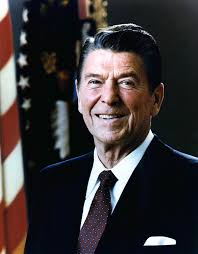
Ronald Reagan
But the “Casey Doctrine” of minimum compliance with the law didn’t die with Casey (who expired of a brain tumor in 1987).
It was very much alive within the American business community as President Barack Obama sought to bring medical coverage to all Americans, and not simply the ultra-wealthy.
The single most important provision of the Affordable Care Act (ACA)—better-known as Obamacare—requires large businesses to provide insurance to fulltime employees who work more than 30 hours a week.
For part-time employees, who work fewer than 30 hours, a company isn’t penalized for failing to provide health insurance coverage.
Obama’s enemies slandered him as a ruthless practitioner of “Chicago politics.” So it’s easy to assume that he took “the Casey Doctrine” into account when he shepherded the ACA through Congress.

Barack Obama
But he didn’t.
The result was predictable. And its consequences quickly became clear.
Employers feel motivated to move fulltime workers into part-time positions, and thus avoid
- Providing their employees with medical insurance; and
- A fine for non-compliance with the law.
Some employers openly showed their contempt for President Obama—and the idea that employers had any obligation to those who make their profits a reality.
John Schnatter, CEO of Papa John’s Pizza, said:
- The price of his pizzas would go up—by 11 to 14 cents per pizza, or 15 to 20 cents per order; and
- He would pass along these costs to his customers.
“If Obamacare is in fact not repealed,” Schnatter told Politico, “we will find tactics to shallow out any Obamacare costs and core strategies to pass that cost onto consumers in order to protect our shareholders’ best interests.”
After all, why should a multibillion dollar company show any concern for those who make its profits a reality?
Consider:
- Papa John’s is the world’s third-largest pizza delivery chain, operating in 49 countries and territories with over 5,500 locations globally
- As of late August 2025, it had a net worth of approximately $1.56 to $1.59 billion.
In May, 2012, Schnatter hosted a fundraising event for Republican Presidential candidate Mitt Romney at his own Louisville, Kentucky, mansion.
“What a home this is,” gushed Romney. “What grounds these are, the pool, the golf course.
“You know, if a Democrat were here he’d look around and say no one should live like this. Republicans come here and say everyone should live like this.”
Of course, Romney conveniently ignored an ugly fact:
For Papa John’s minimum-wage-earning employees—many of them working only part-time—the odds of their owning a comparable estate are non-existent.
Had Obama been the serious student of Realpolitick that his enemies claimed, he would have predicted that most businesses would seek to avoid compliance with his law.
To counter that, he should have required employers to provide insurance coverage for all of their employees—regardless of their fulltime or part-time status.
This, in turn, would have produced two substantial benefits:
- All employees would have been able to obtain medical coverage; and
- Employers would have been encouraged to provide fulltime positions rather than part-time ones, since they would feel, “I’m paying for fulltime insurance coverage, so I should be getting fulltime work in return.”
The “Casey Doctrine” of minimum compliance should always be remembered when reformers try to protect Americans from predatory employers.
 Bureaucracybuster's Blog
ABC NEWS, AFFORDABLE CARE ACT (ACA), ALTERNET, AMERICABLOG, AP, BABY BOOMER RESISTANCE, BARACK OBAMA, BBC, BC NEWS, BLOOMBERG, BLUESKY, BUZZFEED, CBS NEWS, CIA, CNN, CROOKS AND LIARS, DAILY KOS, FIVETHIRTYEIGHT, FRANKLIN D. ROOSEVELT, HARPER’S MAGAZINE, HUFFINGTON POST, JOHN SCHNATTER, MEDIA MATTERS, MITT ROMNEY, MOTHER JONES, MOVEON, MSNBC, NBC NEWS, NEW DEAL, NEWSDAY, NEWSWEEK, NPR, OBAMACARE, PAPA JOHN'S PIZZA, PBS NEWSHOUR, POLITICO, POLITICUSUSA, RAW STORY, REPUBLICAN PARTY, REUTERS, Ronald Reagan, SALON, SEATTLE TIMES, SLATE, TALKING POINTS MEMO, THE ATLANTIC, THE CHICAGO SUN-TIMES, THE CHICAGO TRIBUNE, THE DAILY BEAST, THE DAILY BLOG, THE GUARDIAN, THE HILL, THE HUFFINGTON POST, THE INTERCEPT, THE LOS ANGELES TIMES, THE NATION, THE NEW REPUBLIC, THE NEW YORK TIMES, THE NEW YORKER, THE VILLAGE VOICE, THE WALL STREET JOURNAL, THE WASHINGTON POST, THINKPROGRESS, TIME, TRUTHDIG, TRUTHOUT, TWO POLITICAL JUNKIES, U.S. NEWS & WORLD REPORT, UPI, USA TODAY, WILLIAM J. CASEY, X
ON LABOR DAY, “THE CASEY DOCTRINE” IS ALIVE AND WELL
In Bureaucracy, Business, History, Law, Politics, Social commentary on September 1, 2025 at 12:11 amWhen William J. Casey was a young attorney during the Great Depression, he learned an important lesson.
Jobs were hard to find, so Casey was glad to be hired by the Tax Research Institute of America in New York.
His task: Study New Deal legislation and write reports explaining it to corporate CEOs.
At first, he thought they wanted detailed legal commentary on the meaning of the new legislation.
But the he quickly learned a blunt truth: Businessmen neither understood nor welcomed President Franklin D. Roosevelt’s efforts at reforming American capitalism. And they didn’t want legal commentary.
Instead, they wanted to know: “What is the bare minimum we have to do to achieve compliance with the law?”
In short: How do we get by FDR’s new programs?
Fifty years later, Casey would bring the same mindset to his duties as director of the Central Intelligence Agency (CIA) for President Ronald Reagan.
William J. Casey
He was presiding over the CIA when it deliberately violated Congress’ ban on funding the “Contras,” the Right-wing death squads of Nicaragua.
Casey gave lip service to the demands of Congress. But privately, with the help of Marine Lieutenant Colonel Oliver North, he set up an “off-the-shelf” operation to provide arms to overthrow the leftist government of Daniel Ortega.
It was what President Ronald Reagan wanted. So Casey felt he had a duty to get it done, and Congress be damned.
When news of Casey’s—and Reagan’s—illegal behavior leaked, in November, 1986, it almost destroyed the Reagan administration.
Especially damning: Much of the funding directed to the “Contras” had come from Iran, America’s mortal enemy.
To ransom a handful of American hostages who had been kidnapped in Lebanon, Reagan sold them America’s most sophisticated missiles in a weak-kneed exchange for American hostages.
Then he went on television and brazenly denied that any such “arms for hostages” trade had ever happened.
Ronald Reagan
But the “Casey Doctrine” of minimum compliance with the law didn’t die with Casey (who expired of a brain tumor in 1987).
It was very much alive within the American business community as President Barack Obama sought to bring medical coverage to all Americans, and not simply the ultra-wealthy.
The single most important provision of the Affordable Care Act (ACA)—better-known as Obamacare—requires large businesses to provide insurance to fulltime employees who work more than 30 hours a week.
For part-time employees, who work fewer than 30 hours, a company isn’t penalized for failing to provide health insurance coverage.
Obama’s enemies slandered him as a ruthless practitioner of “Chicago politics.” So it’s easy to assume that he took “the Casey Doctrine” into account when he shepherded the ACA through Congress.
Barack Obama
But he didn’t.
The result was predictable. And its consequences quickly became clear.
Employers feel motivated to move fulltime workers into part-time positions, and thus avoid
Some employers openly showed their contempt for President Obama—and the idea that employers had any obligation to those who make their profits a reality.
John Schnatter, CEO of Papa John’s Pizza, said:
“If Obamacare is in fact not repealed,” Schnatter told Politico, “we will find tactics to shallow out any Obamacare costs and core strategies to pass that cost onto consumers in order to protect our shareholders’ best interests.”
After all, why should a multibillion dollar company show any concern for those who make its profits a reality?
Consider:
In May, 2012, Schnatter hosted a fundraising event for Republican Presidential candidate Mitt Romney at his own Louisville, Kentucky, mansion.
“What a home this is,” gushed Romney. “What grounds these are, the pool, the golf course.
“You know, if a Democrat were here he’d look around and say no one should live like this. Republicans come here and say everyone should live like this.”
Of course, Romney conveniently ignored an ugly fact:
For Papa John’s minimum-wage-earning employees—many of them working only part-time—the odds of their owning a comparable estate are non-existent.
Had Obama been the serious student of Realpolitick that his enemies claimed, he would have predicted that most businesses would seek to avoid compliance with his law.
To counter that, he should have required employers to provide insurance coverage for all of their employees—regardless of their fulltime or part-time status.
This, in turn, would have produced two substantial benefits:
The “Casey Doctrine” of minimum compliance should always be remembered when reformers try to protect Americans from predatory employers.
Share this:
Related