The FBI has a problem.
The Bureau needs more specialists to combat cybercrime–especially now that the Obama Justice Department has indicted five Chinese military officials for hacking into American companies to steal trade secrets.
On the other hand: Many of the tech-savvy experts the FBI wants to hire are as much into marijuana as they are into computers.
On May 19, FBI Director James Comey tried to inject a note of humor into this situation when addressing a New York conference.

FBI Director James Comey
Comey said the FBI was grappling with balancing its desire to recruit a strong workforce against changing attitudes on marijuana use by states and young adults.
“Some of those kids want to smoke weed on the way to the interview,” said Comey.
The comment landed Comey in hot water at a hearing of the Senate Judiciary Committe on May 21.
“Do you understand that that could be interpreted as one more example of leadership in America dismissing the seriousness of marijuana use and that could undermine our ability to convince young people not to go down a dangerous path?” asked Senator Jeff Sessions (R-Alabama).
“Very much, Senator,” Comey replied. “I am determined not to lose my sense of humor, but, unfortunately, there I was trying to be both serious and funny.
“I am absolutely dead-set against using marijuana. I don’t want young people to use marijuana. It’s against the law. We have a three-year ban on marijuana. I did not say that I am going to change that ban.”
By this, Comey meant that the FBI will not hire anyone who has used marijuana during the previous three years.
Comey was referring to marijuana’s still being illegal under the federal Controlled Substances Act. Despite this, many states now allow its use for “medical” purposes.
In Colorado and Washington state, it can be legally used for any purpose.
Which, in turn, brings up a salient point:
The dangers of secondhand smoke are now almost universally accepted, even by smokers. But from a strictly health-related viewpoint, there is as much reason to restrict exposure to marijuana smoke.
Consider the following from the California Office of Environmental Health Hazard Assessment OEHHA) of the State’s Environmental Protection Agency:
“MARIJUANA SMOKE LISTED EFFECTIVE JUNE 19, 2009 AS KNOWN TO THE STATE OF CALIFORNIA TO CAUSE CANCER [06/19/09]
“The Office of Environmental Health Hazard Assessment (OEHHA) of the California Environmental Protection Agency is adding marijuana smoke to the Proposition 65 list, effective June 19, 2009.
“Marijuana smoke was considered by the Carcinogen Identification Committee (CIC) of the OEHHA Science Advisory Board at a public meeting held on May 29, 2009.
The CIC determined that marijuana smoke was clearly shown, through scientifically valid testing according to generally accepted principles, to cause cancer.
“In summary, marijuana smoke is being listed under Proposition 65 as known to the State to cause cancer:”
Yet marijuana smoke is treated as something harmless, even as a subject for humor.
On “The Tonight Show,” Jay Leno often joked about the growing number of “patients” who need “medical marijuana” as a remedy for glaucoma.
In San Francisco–long known as a bastion of tolerance for drug-abuse offenses of all types–police are cutting back on the enforcement of drug crimes.
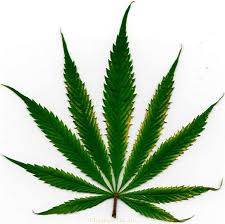
Marijuana
This is especially true in the case of marijuana.
The SFPD claims this reflects a shift to focusing on violent crime,
The decline is also partly due to a 10% staff cut during the past two years, as well as a $600,000 reduction in state and federal grants for drug enforcement.
The president of a property management agency recently told me that if a tenant complains of marijuana smoke pollution from another unit, the police will not enter the unit from which the stench is coming.
Yet marijuana remains illegal under the Federal Controlled Substances Act (CSA), classified as a Schedule 1 substance.
A Schedule 1 substance is defined as having the following characteristics:
- It has a high potential for abuse.
- It has no currently accepted medical use in treatment in the United States.
- There is a lack of accepted safety for its use under medical supervision.
And despite the unwillingness of the SFPD to enforce anti-drug laws, a 2011 Supreme Court decision allows police to force their way into a home without a warrant.
By an 8-1 vote, the Court upheld the warrantless search of an apartment after police smelled marijuana and feared that those inside were destroying incriminating evidence.
In addition, Federal asset forfeiture laws allow the Justice Department to seize properties used to facilitate violations of Federal anti-drug laws.
On November 6, 2012, Americans overwhelmingly re-elected Barack Obama as President of the United States.
And on the same date, Americans in Colorado and Washington state overwhelmingly voted to decriminalize and regulate the possession of an ounce or less of marijuana by adults over 21.
Both measures called for setting up state licensing schemes for pot growers, processors and retail stores.
On December 6, 2012, hundreds of potheads gathered at Seattle Center for a New Year’s Eve-style countdown to 12 a.m., when the legalization measure took effect.
When the clock struck, they cheered and lit up in unison–as though inhaling cancerous fumes and a skunk-like stench was something to celebrate.

 Bureaucracybuster's Blog
ABC NEWS, AMERICAN LUNG ASSOCIATION, BARACK OBAMA, CALIFORNIA ENVIRONMENTAL PROTECTION AGENCY, CBS NEWS, CNN, DRUG ENFORCEMENT ADMINISTRATION, FACEBOOK, JAY LENO, JUSTICE DEPARTMENT, MARIJUANA, NBC NEWS, SAN FRANCISCO POLICE DEPARTMENT, SECONDHAND SMOKE, SMOKING, THE LOS ANGELES TIMES, THE NEW YORK TIMES, THE TONIGHT SHOW, THE WASHINGTON POST, TOBACCO, TWITTER
FBI DOESN’T SPELL P-O-T: PART ONE (OF TWO)
In History, Law, Law Enforcement, Social commentary on May 22, 2014 at 12:50 amThe FBI has a problem.
The Bureau needs more specialists to combat cybercrime–especially now that the Obama Justice Department has indicted five Chinese military officials for hacking into American companies to steal trade secrets.
On the other hand: Many of the tech-savvy experts the FBI wants to hire are as much into marijuana as they are into computers.
On May 19, FBI Director James Comey tried to inject a note of humor into this situation when addressing a New York conference.
FBI Director James Comey
Comey said the FBI was grappling with balancing its desire to recruit a strong workforce against changing attitudes on marijuana use by states and young adults.
“Some of those kids want to smoke weed on the way to the interview,” said Comey.
The comment landed Comey in hot water at a hearing of the Senate Judiciary Committe on May 21.
“Do you understand that that could be interpreted as one more example of leadership in America dismissing the seriousness of marijuana use and that could undermine our ability to convince young people not to go down a dangerous path?” asked Senator Jeff Sessions (R-Alabama).
“Very much, Senator,” Comey replied. “I am determined not to lose my sense of humor, but, unfortunately, there I was trying to be both serious and funny.
“I am absolutely dead-set against using marijuana. I don’t want young people to use marijuana. It’s against the law. We have a three-year ban on marijuana. I did not say that I am going to change that ban.”
By this, Comey meant that the FBI will not hire anyone who has used marijuana during the previous three years.
Comey was referring to marijuana’s still being illegal under the federal Controlled Substances Act. Despite this, many states now allow its use for “medical” purposes.
In Colorado and Washington state, it can be legally used for any purpose.
Which, in turn, brings up a salient point:
The dangers of secondhand smoke are now almost universally accepted, even by smokers. But from a strictly health-related viewpoint, there is as much reason to restrict exposure to marijuana smoke.
Consider the following from the California Office of Environmental Health Hazard Assessment OEHHA) of the State’s Environmental Protection Agency:
“MARIJUANA SMOKE LISTED EFFECTIVE JUNE 19, 2009 AS KNOWN TO THE STATE OF CALIFORNIA TO CAUSE CANCER [06/19/09]
“The Office of Environmental Health Hazard Assessment (OEHHA) of the California Environmental Protection Agency is adding marijuana smoke to the Proposition 65 list, effective June 19, 2009.
“Marijuana smoke was considered by the Carcinogen Identification Committee (CIC) of the OEHHA Science Advisory Board at a public meeting held on May 29, 2009.
The CIC determined that marijuana smoke was clearly shown, through scientifically valid testing according to generally accepted principles, to cause cancer.
“In summary, marijuana smoke is being listed under Proposition 65 as known to the State to cause cancer:”
Yet marijuana smoke is treated as something harmless, even as a subject for humor.
On “The Tonight Show,” Jay Leno often joked about the growing number of “patients” who need “medical marijuana” as a remedy for glaucoma.
In San Francisco–long known as a bastion of tolerance for drug-abuse offenses of all types–police are cutting back on the enforcement of drug crimes.
Marijuana
This is especially true in the case of marijuana.
The SFPD claims this reflects a shift to focusing on violent crime,
The decline is also partly due to a 10% staff cut during the past two years, as well as a $600,000 reduction in state and federal grants for drug enforcement.
The president of a property management agency recently told me that if a tenant complains of marijuana smoke pollution from another unit, the police will not enter the unit from which the stench is coming.
Yet marijuana remains illegal under the Federal Controlled Substances Act (CSA), classified as a Schedule 1 substance.
A Schedule 1 substance is defined as having the following characteristics:
And despite the unwillingness of the SFPD to enforce anti-drug laws, a 2011 Supreme Court decision allows police to force their way into a home without a warrant.
By an 8-1 vote, the Court upheld the warrantless search of an apartment after police smelled marijuana and feared that those inside were destroying incriminating evidence.
In addition, Federal asset forfeiture laws allow the Justice Department to seize properties used to facilitate violations of Federal anti-drug laws.
On November 6, 2012, Americans overwhelmingly re-elected Barack Obama as President of the United States.
And on the same date, Americans in Colorado and Washington state overwhelmingly voted to decriminalize and regulate the possession of an ounce or less of marijuana by adults over 21.
Both measures called for setting up state licensing schemes for pot growers, processors and retail stores.
On December 6, 2012, hundreds of potheads gathered at Seattle Center for a New Year’s Eve-style countdown to 12 a.m., when the legalization measure took effect.
When the clock struck, they cheered and lit up in unison–as though inhaling cancerous fumes and a skunk-like stench was something to celebrate.
Share this:
Related